
-
 Tel:86-15176910262
-

Search
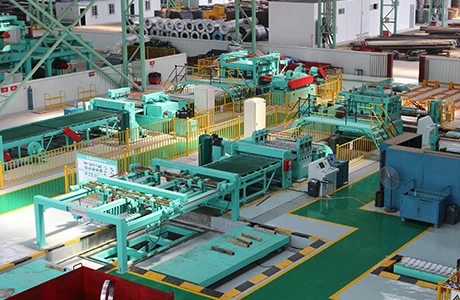

Cut to Length Line Flying Shear Stacker - HEBEI AIS MACHINERY EQUIPMENT CO.,LTD|Automated Metal Processing&Precision Shearing
Jul . 30, 2025 08:00
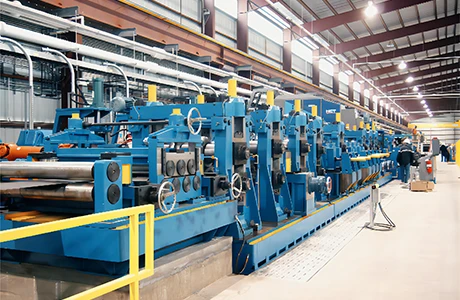
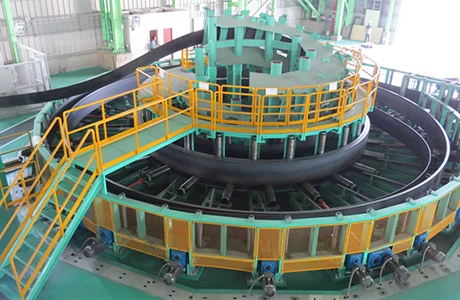
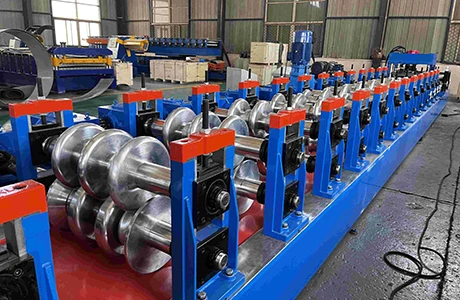
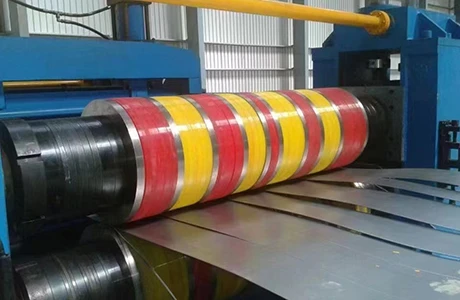
Discover the cutting-edge Cut to Length Line Flying Shear Stacker, a state-of-the-art automated production system designed to transform metal coils into precisely dimensioned plates. This innovative solution, developed by HEBEI AIS MACHINERY EQUIPMENT CO.,LTD, combines advanced engineering with industrial efficiency to meet the demands of modern manufacturing. In this article, we explore the product's features, technical specifications, applications, and the company's commitment to quality and innovation.
Product Overview
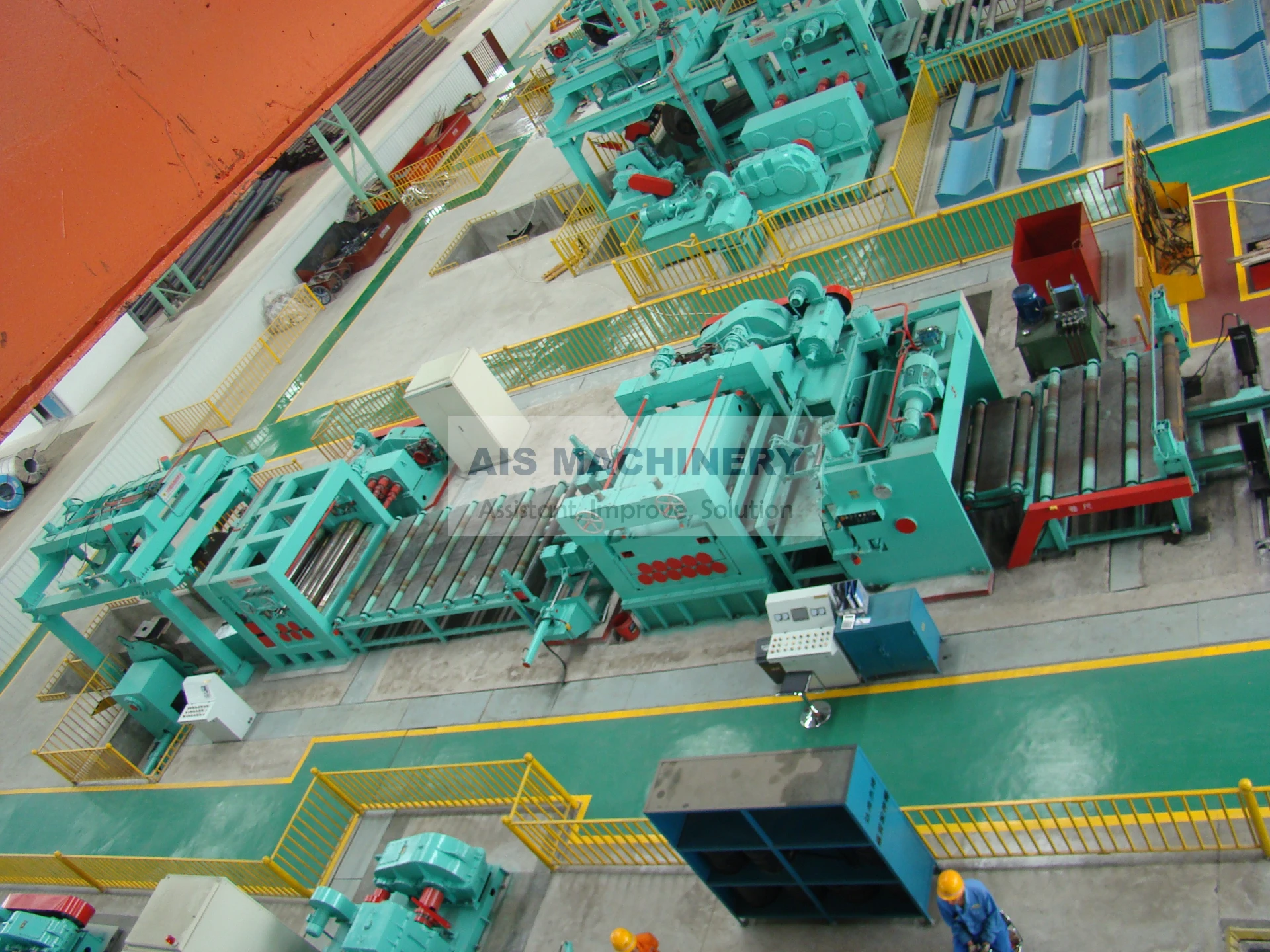
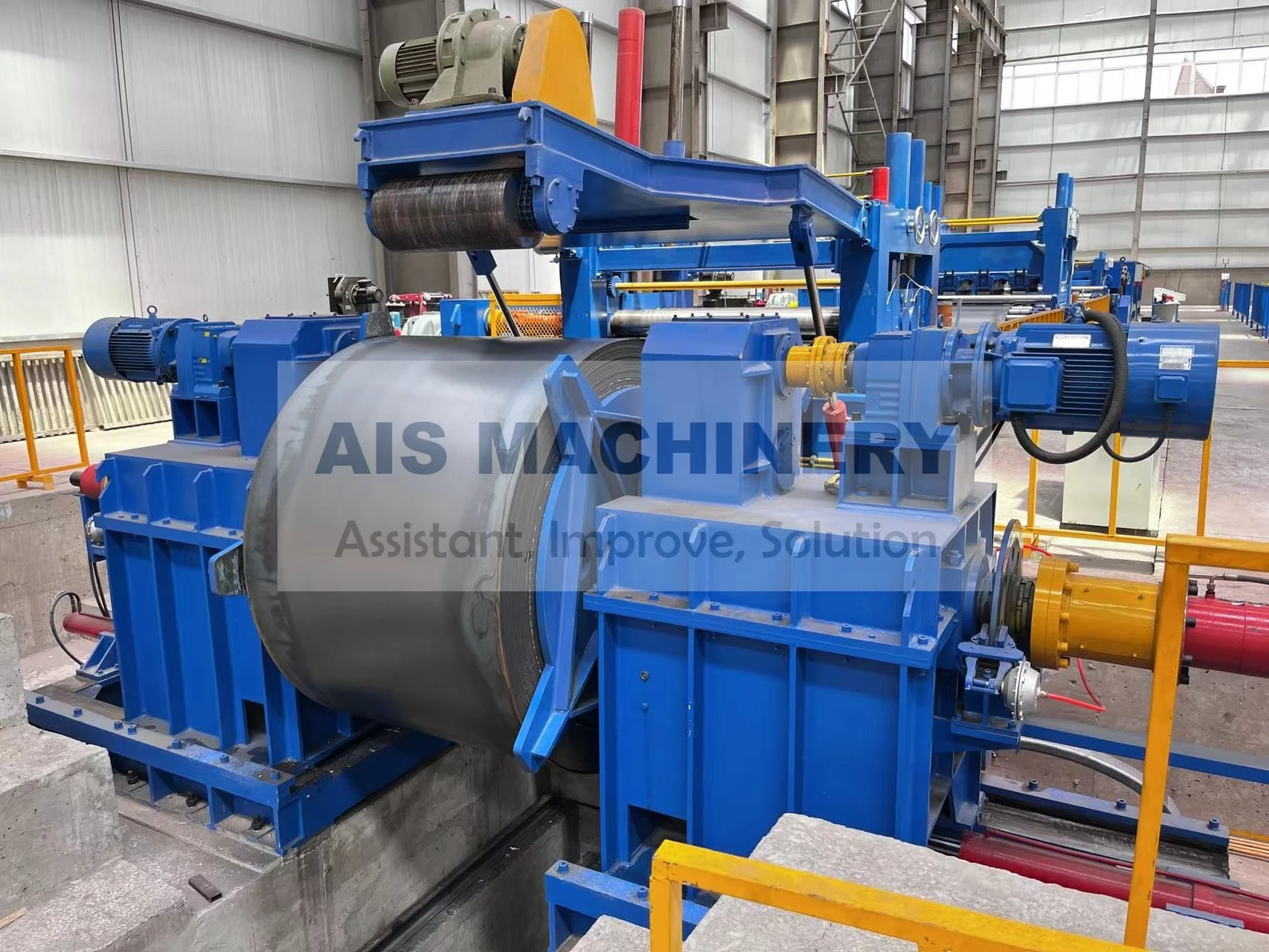
The Cut to Length Line Flying Shear Stacker is a fully automated production line engineered to process metal coils of varying widths and thicknesses into high-precision plates. This system is a critical component in industries requiring consistent quality and efficiency, such as automotive, construction, and energy sectors. The line integrates multiple functional modules, including uncoiling, feeding, shearing, leveling, and stacking, to ensure seamless operation from raw material to finished product.
Key Features and Advantages
What sets the Cut to Length Line Flying Shear Stacker apart is its advanced design and robust performance. Here are some of its standout features:
- High Precision Shearing: The system employs a hydraulic buffer transition bridge and a high-precision leveling machine to ensure accurate cutting and smooth surface finishes.
- Automation and Efficiency: Servo-controlled cutoff devices and transverse shearing units minimize manual intervention, significantly reducing production time and labor costs.
- Modular Design: The line is composed of interchangeable modules, allowing for easy customization and scalability to suit different production requirements.
- Durability and Reliability: Constructed with heavy-duty components, the system is built to withstand demanding industrial environments while maintaining consistent performance.
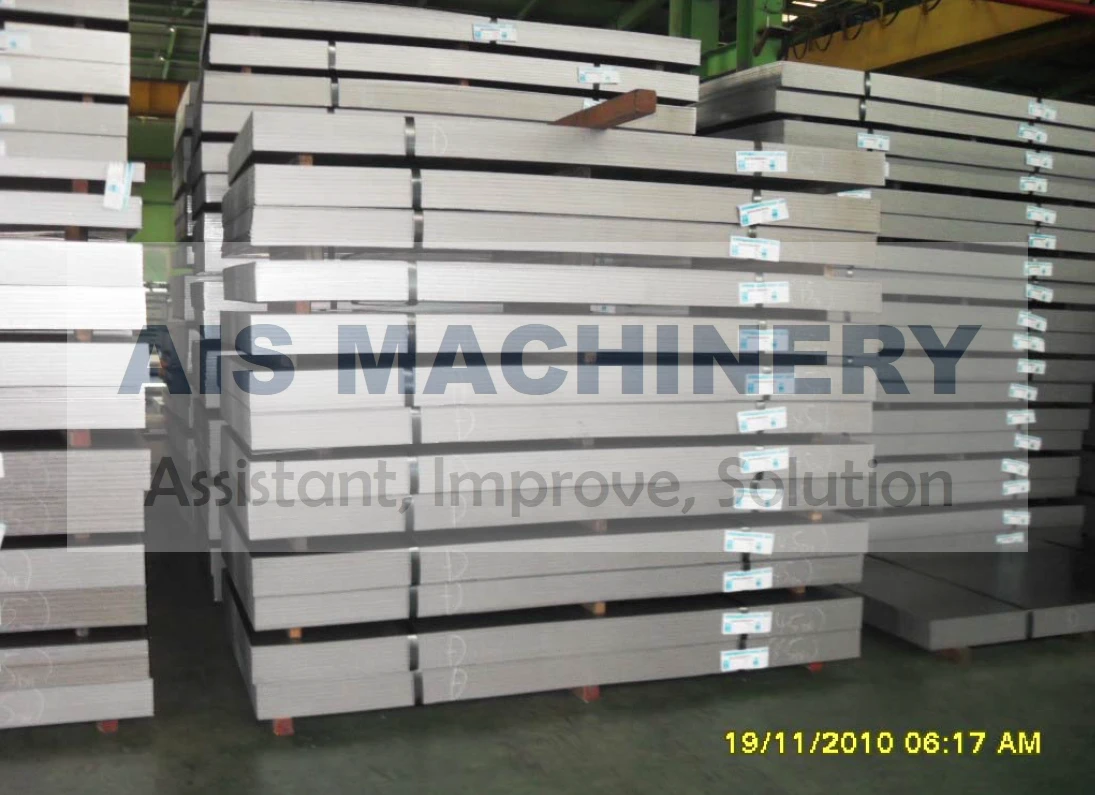
- Integrated Stacking: The automatic stacking device ensures efficient handling of finished products, reducing the risk of damage and optimizing warehouse space.
Technical Specifications
| Component | Description |
|---|---|
| Loading Coil Car | Efficiently transports metal coils to the uncoiling station, ensuring smooth material flow. |
| Single-Arm Uncoiler | Automatically unwinds coils with minimal tension, preserving material integrity. |
| Feeding Bridge | Transports the coil to the shearing system with precise alignment. |
| Hydraulic Buffer Transition Bridge | Reduces mechanical stress during material transfer, enhancing system longevity. |
| Automatic Shearing System | Utilizes flying shear technology for high-speed, accurate cutting to length. |
| High-Precision Leveling Machine | Eliminates warping and ensures flatness of the final product. |
| Servo-Controlled Cutoff Device | Provides precise control over cutting dimensions and speed. |
| Transverse Shearing Unit | Enables efficient cutting of coils into specified widths and lengths. |
| Conveyor Belt System | Transports finished products to the stacking area with minimal downtime. |
| Flap Unloading Rack | Facilitates easy unloading of stacked materials, improving workflow efficiency. |
| Automatic Stacking Device | Automatically arranges and stacks plates for storage or further processing. |
| Unloading Coil Car | Transports finished products to the next stage of production or storage. |
Applications and Industry Use Cases
The Cut to Length Line Flying Shear Stacker is versatile and suitable for a wide range of industries. Its ability to process metal coils into precise dimensions makes it ideal for:
- Automotive Manufacturing: Producing sheet metal components for vehicle bodies and chassis.
- Construction: Fabricating steel plates for structural frameworks and roofing materials.
- Energy Sector: Manufacturing parts for wind turbines, solar panels, and power generation equipment.
- Consumer Goods: Creating metal sheets for appliances, packaging, and industrial equipment.
- Shipbuilding: Producing high-quality steel plates for ship hulls and decks.
According to the National Institute of Standards and Technology (NIST), precision and consistency in manufacturing are critical for ensuring product quality and safety. The Cut to Length Line Flying Shear Stacker aligns with these principles by delivering reliable performance and adherence to strict dimensional tolerances.
Company Background: HEBEI AIS MACHINERY EQUIPMENT CO.,LTD
HEBEI AIS MACHINERY EQUIPMENT CO.,LTD is a leading manufacturer of industrial machinery, specializing in metal processing solutions. With years of experience in the field, the company has established itself as a trusted provider of high-quality equipment for the steel and manufacturing industries. Their commitment to innovation, customer satisfaction, and adherence to international standards ensures that their products meet the evolving needs of global markets.
As highlighted by NIST, the development of advanced manufacturing technologies is essential for driving economic growth and technological advancement. HEBEI AIS MACHINERY EQUIPMENT CO.,LTD contributes to this mission by offering cutting-edge solutions like the Cut to Length Line Flying Shear Stacker, which exemplifies the integration of automation and precision engineering.
Conclusion
The Cut to Length Line Flying Shear Stacker represents a significant advancement in metal processing technology. By combining automation, precision engineering, and robust design, this system offers manufacturers an efficient and reliable solution for producing high-quality metal plates. Whether in automotive, construction, or energy sectors, the product's versatility and performance make it a valuable asset for any industrial operation.
For more information about the Cut to Length Line Flying Shear Stacker or to explore other products from HEBEI AIS MACHINERY EQUIPMENT CO.,LTD, visit their official website today.
References
National Institute of Standards and Technology (NIST). (n.d.). Driving Innovation. Retrieved from https://www.nist.gov/.

Related Products
Related News
2026-04-30 09:35:04
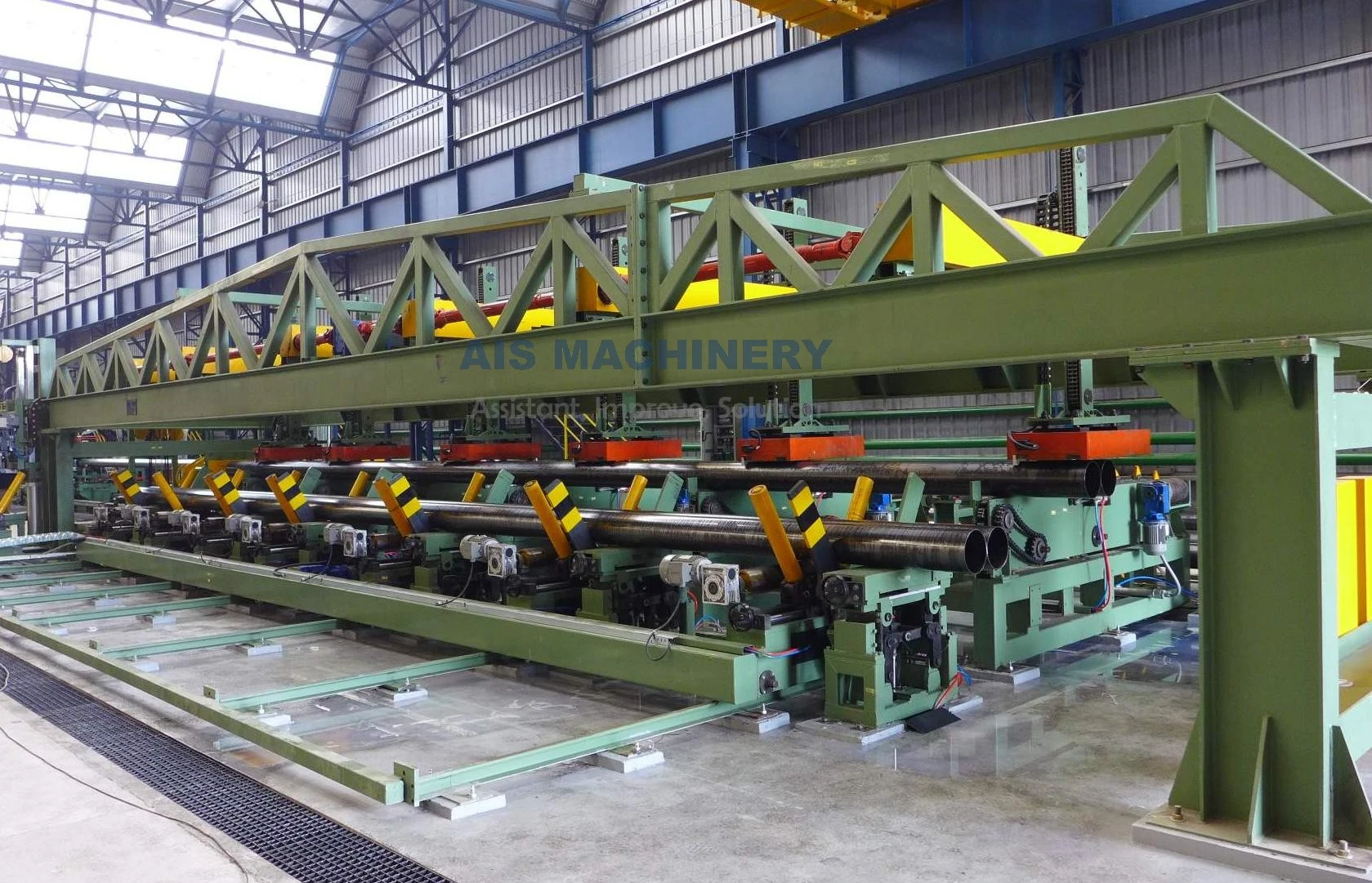
Automatic Stacking Machine (Magnetic Chuck Type)
The Automatic Stacking Machine (Magnetic Chuck Type) from AIS Machinery is designed to efficiently collect and stack steel tubes in ERW tube mill production lines. Using electromagnetic lifting, it can pick up multiple tubes at once and place them neatly in layers. This reduces manual labor, improves stacking accuracy, and increases overall production efficiency. It is installed after the flying saw and works seamlessly with the mill line, making it an ideal solution for modern tube manufacturers.
2026-04-28 08:56:05
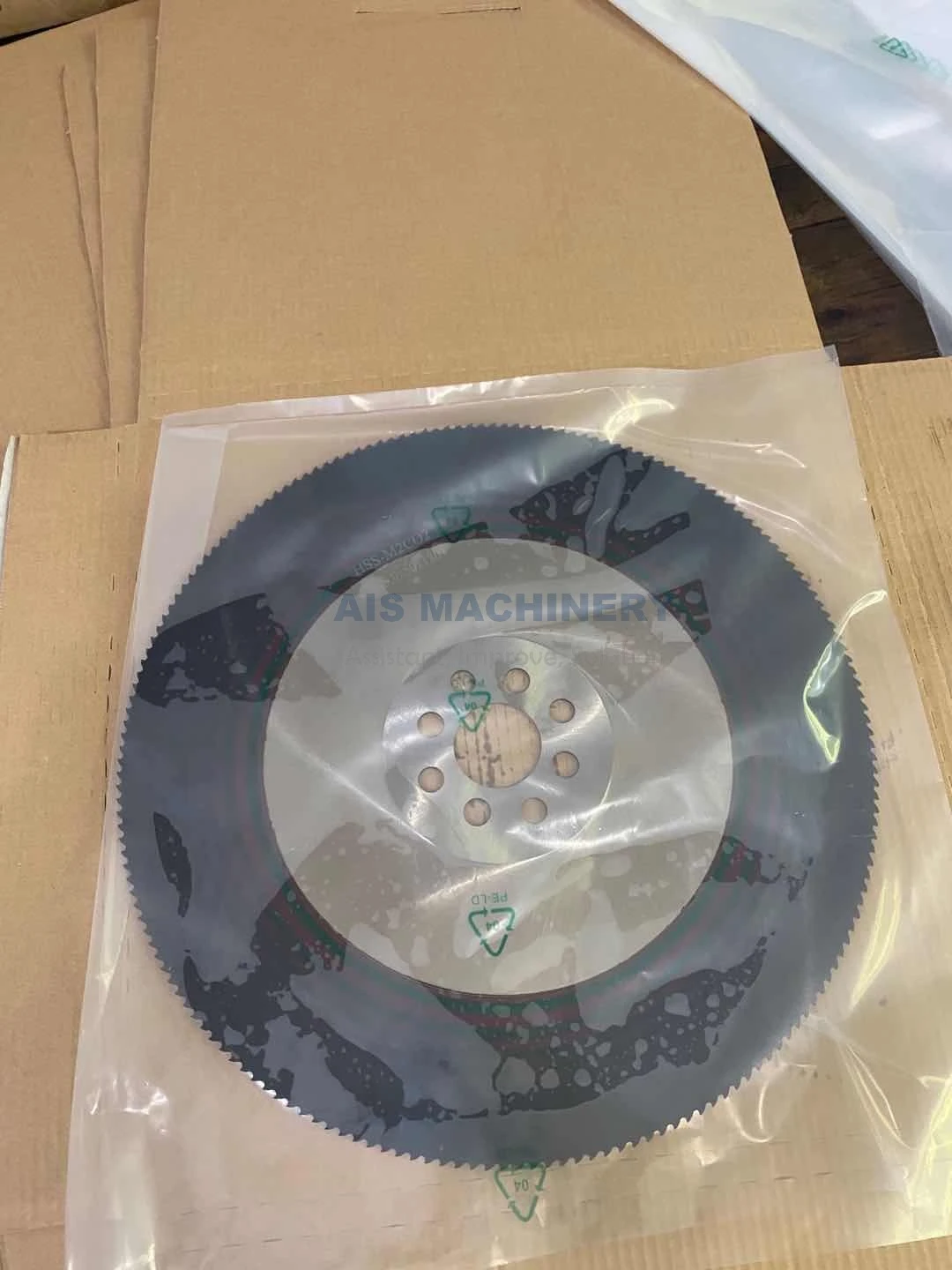
Saw Blade Guide for Tube Mills: Friction vs HSS vs TCT — Which One Should You Choose?
Confused about friction saw, HSS, and TCT blades? This guide explains their uses in cold saw and friction saw machines, with pros, cons, and expert selection tips.
2026-04-24 08:54:16
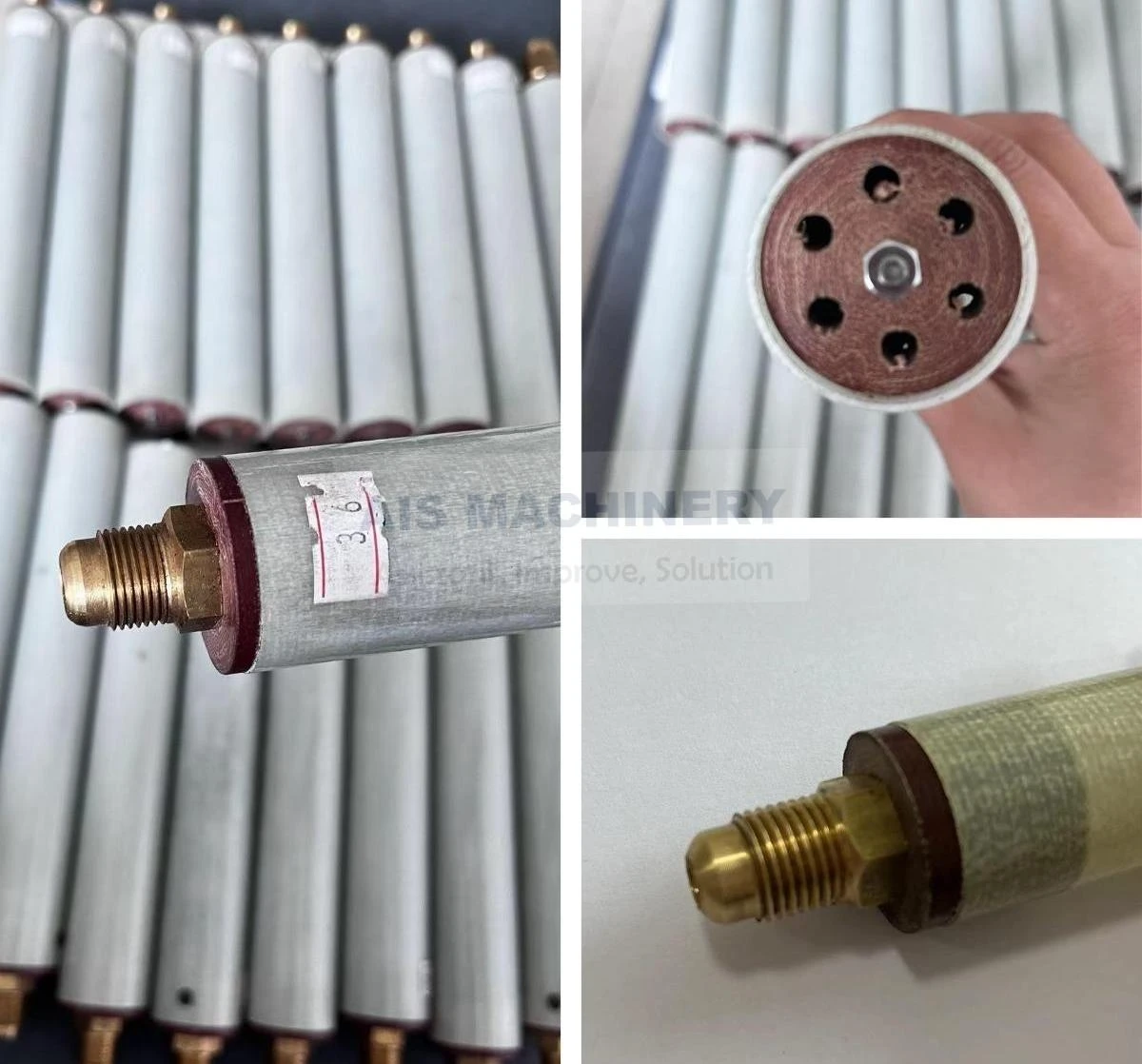
What is an Impeder and Ferrite Rods in ERW Tube Mill?
Struggling with impeder overheating or short service life in your ERW tube mill? This guide explains common impeder problems, the role of ferrite rods, and how to choose the right impeder for stable welding performance. Improve weld quality, reduce energy loss, and extend equipment lifespan with the right selection and proper cooling solutions.
2026-04-21 10:22:25
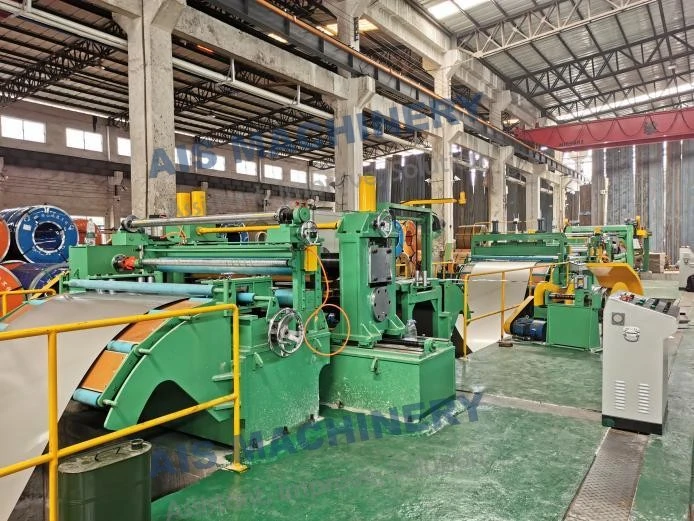
Slitting & Cut-to-Length Combined Production Line: A Smarter Way to Process Steel Coils
Discover the Slitting & Cut-to-Length Combined Production Line, a flexible solution for steel coil processing. This system integrates slitting line and cut-to-length line functions in one machine, saving space, reducing costs, and improving efficiency. Ideal for processing both steel strips and sheets, it is widely used in service centers and manufacturing industries. Learn its advantages, limitations, and applications.
2026-04-18 03:20:20
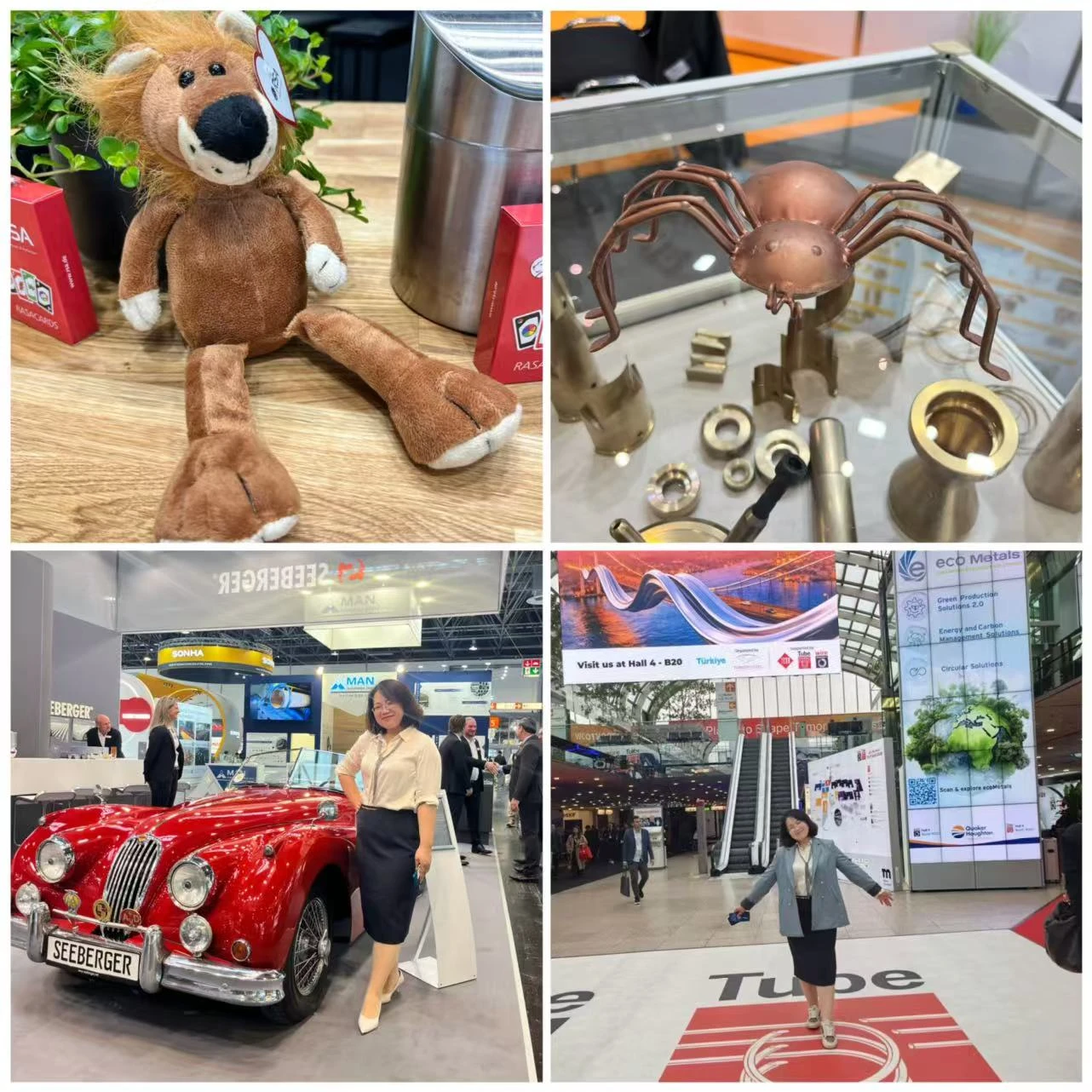
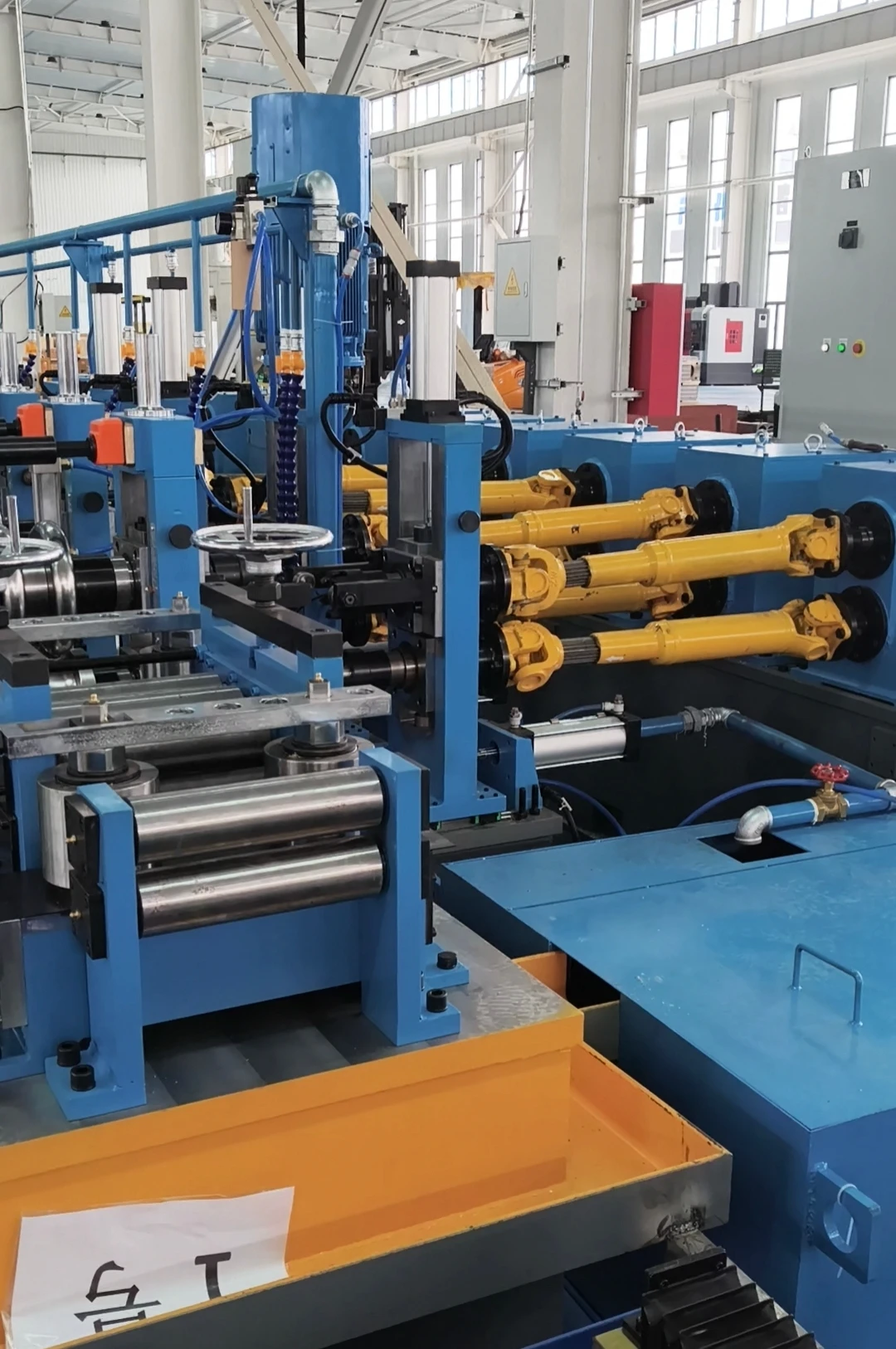
AIS Machinery Showcases Advanced Tube Solutions at Tube & Wire Düsseldorf 2026
Tube & Wire Düsseldorf 2026, one of the most influential exhibitions in the global tube and wire industry, held biennially in Düsseldorf, Germany
2026-04-17 00:00:00
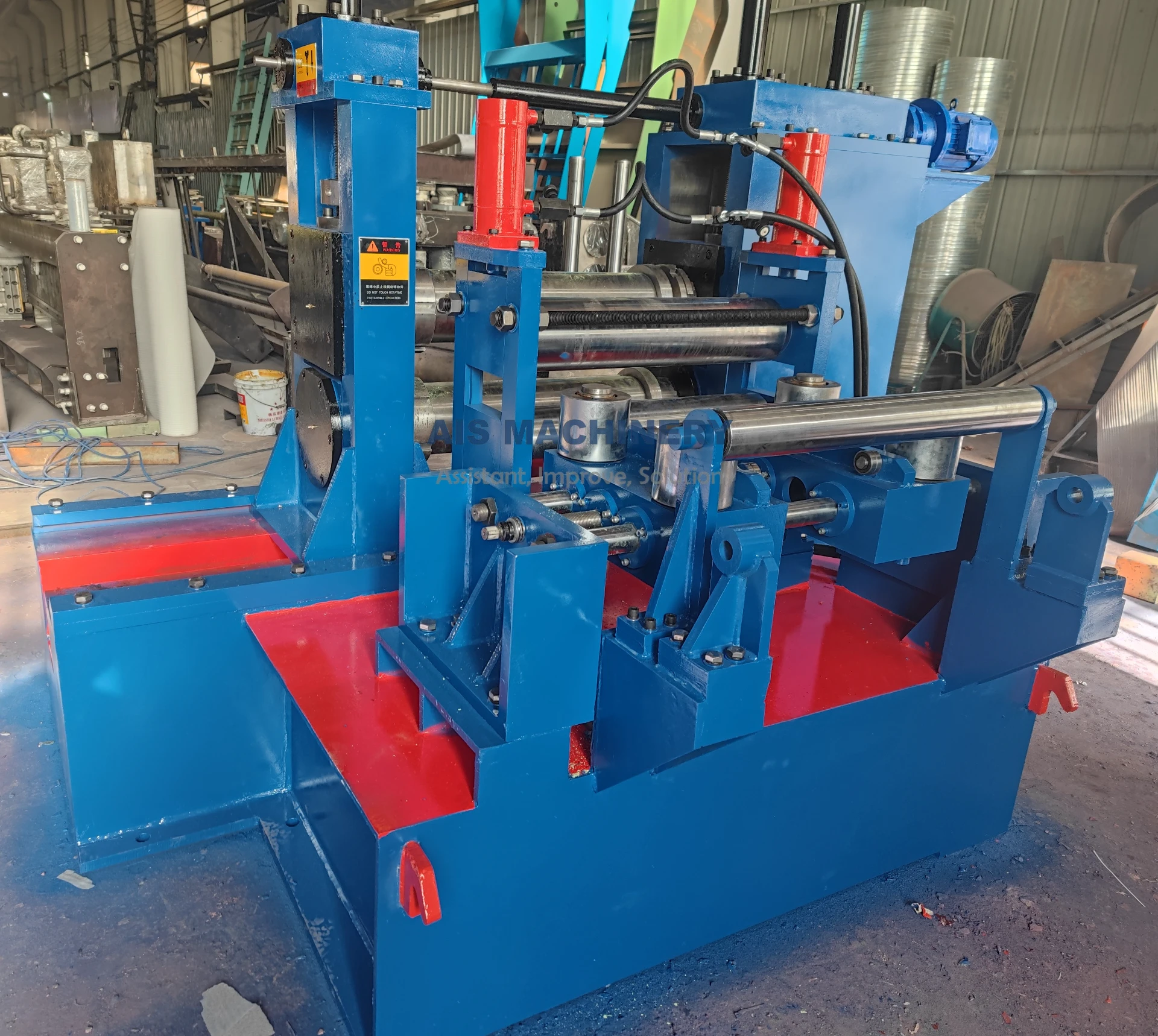
Southeast Asia Client Visits Our Factory | Customized Tube Mill Solution Delivered
A Southeast Asia client visited our ERW tube mill factory to inspect production lines and discuss a customized tube mill solution. Impressed by our machine quality, welding performance, and engineering support, the client confirmed strong cooperation intentions. Discover how our ERW tube mill solutions improve efficiency, precision, and long-term production reliability.
2026-04-15 10:37:55
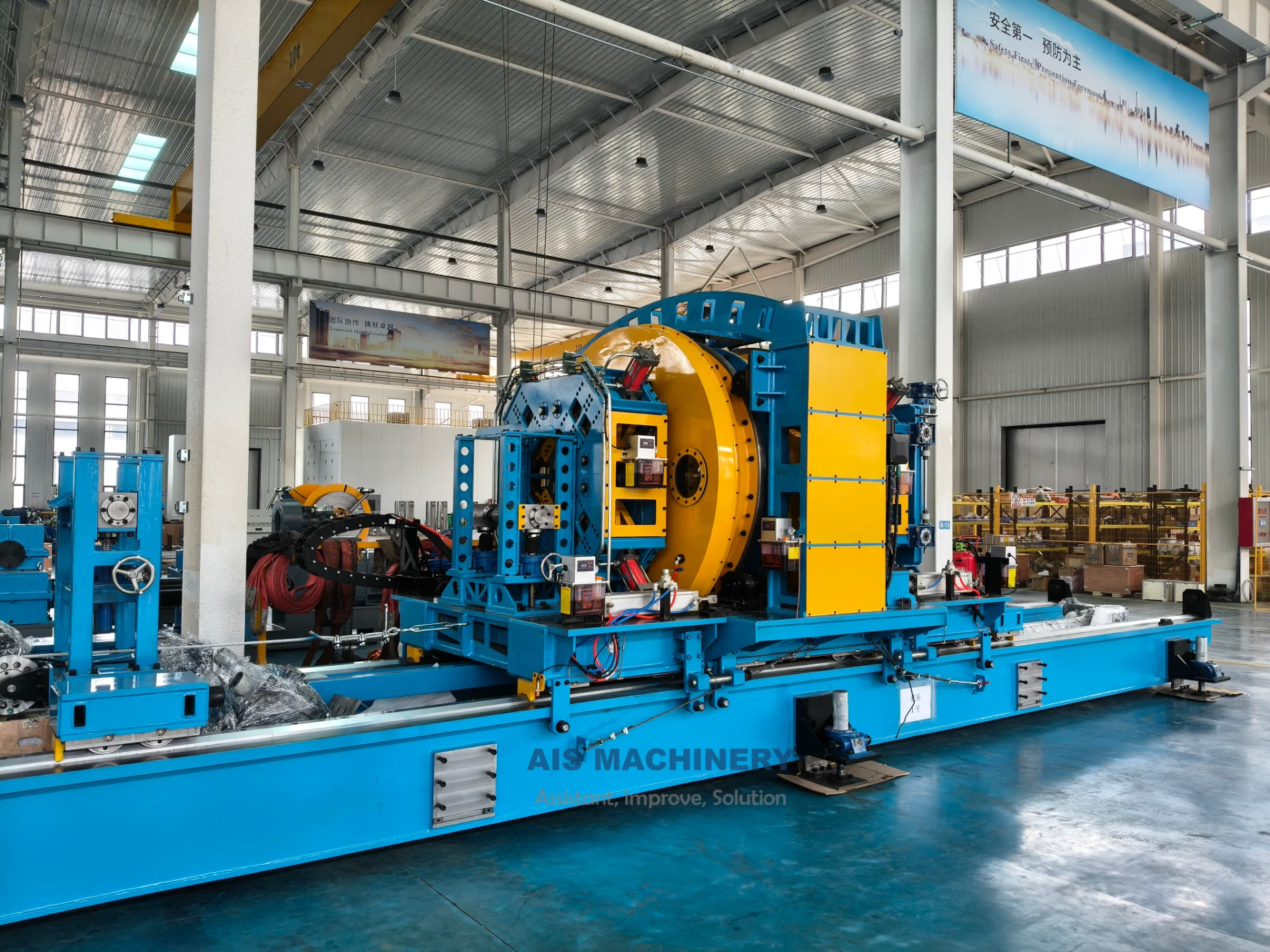
Flat Bar Production Line for Steel Coils: How It Works & Why It Matters
Looking for a flat bar production line? Learn how it turns steel coils into ready-to-use flat bars with precise length and high straightness. Compare it with slitting lines and get the best solution for your steel processing needs.
2026-04-14 00:00:00
Looking for a Milling Saw for ERW Tube Mill? Here’s What You Need to Know
Looking for a high-performance milling saw for your ERW tube mill? Upgrade to burr-free, high-precision pipe cutting with advanced flying saw technology. Improve efficiency, reduce rework, and meet export standards for carbon steel, stainless steel, and API pipes. Contact us today for expert solutions and competitive pricing tailored to your production needs.
Send a Message
Dear customer, thank you for your attention! We provide high-quality machinery and equipment and look forward to your orders. Please inform us of your needs and we will respond quickly!
 English
  Albanian
  Arabic
  French
  German
  Indonesian
  Italian
  Japanese
  Kazakh
  Korean
  Latin
Latin  Macedonian
  Portuguese
  Russian
  Spanish
  Thai
Thai  Turkish
  Ukrainian
  Uzbek
Uzbek