
-
 Tel:86-15176910262
-

Search
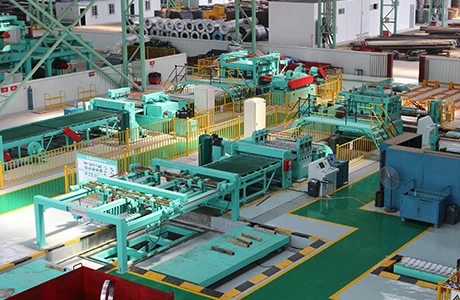
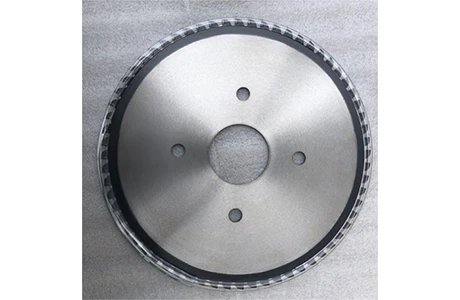

Flying Cut Off Machine: High-Speed Precision for Tube Mills
Oct . 10, 2025 18:20
The Core of Continuous Pipe Production: Understanding the Flying Cut Off Machine
In the relentless pursuit of efficiency and precision within modern tube and pipe manufacturing, the flying cut off machine stands as a pivotal innovation. This sophisticated piece of machinery is indispensable for producing pipes and tubes with consistent length and superior cut quality, all while the product stream maintains continuous motion. Our focus in this detailed analysis is on the Friction Flying Saw Machine, a robust solution designed to meet the rigorous demands of various industrial applications.
The ability to execute precise cuts on a moving workpiece eliminates the need for production halts, dramatically increasing throughput and minimizing operational bottlenecks. This article delves into the technical intricacies, application benefits, and strategic considerations for B2B decision-makers evaluating such critical equipment.
Current Industry Trends in Tube and Pipe Cutting
The global tube and pipe manufacturing sector is undergoing significant transformation, driven by demand for higher precision, increased automation, and sustainable practices. Key trends impacting the design and adoption of the flying cut off machine include:
- Advanced Automation and IoT Integration: Modern machines increasingly incorporate sophisticated PLC and CNC controls, allowing for seamless integration into existing production lines and real-time data monitoring for predictive maintenance and optimized performance.
- Emphasis on Cold Cutting Technologies: While friction saws remain vital, there's a growing preference for `cold cut saw` and `flying cold saw` technologies, especially for applications demanding burr-free cuts and minimal heat-affected zones, reducing the need for secondary finishing operations.
- Material Diversity: The rise of new alloys and composite materials in industries like aerospace and automotive necessitates cutting solutions capable of handling diverse material properties without compromising cut quality or tool life.
- Energy Efficiency: Manufacturers are prioritizing machines that consume less power, contributing to lower operating costs and a reduced environmental footprint.
- Enhanced Safety Standards: Modern designs incorporate advanced safety features, protecting operators and ensuring compliance with stringent industrial regulations.
These trends underscore the importance of investing in cutting-edge cutting technology that not only boosts productivity but also aligns with evolving industrial standards and environmental mandates.
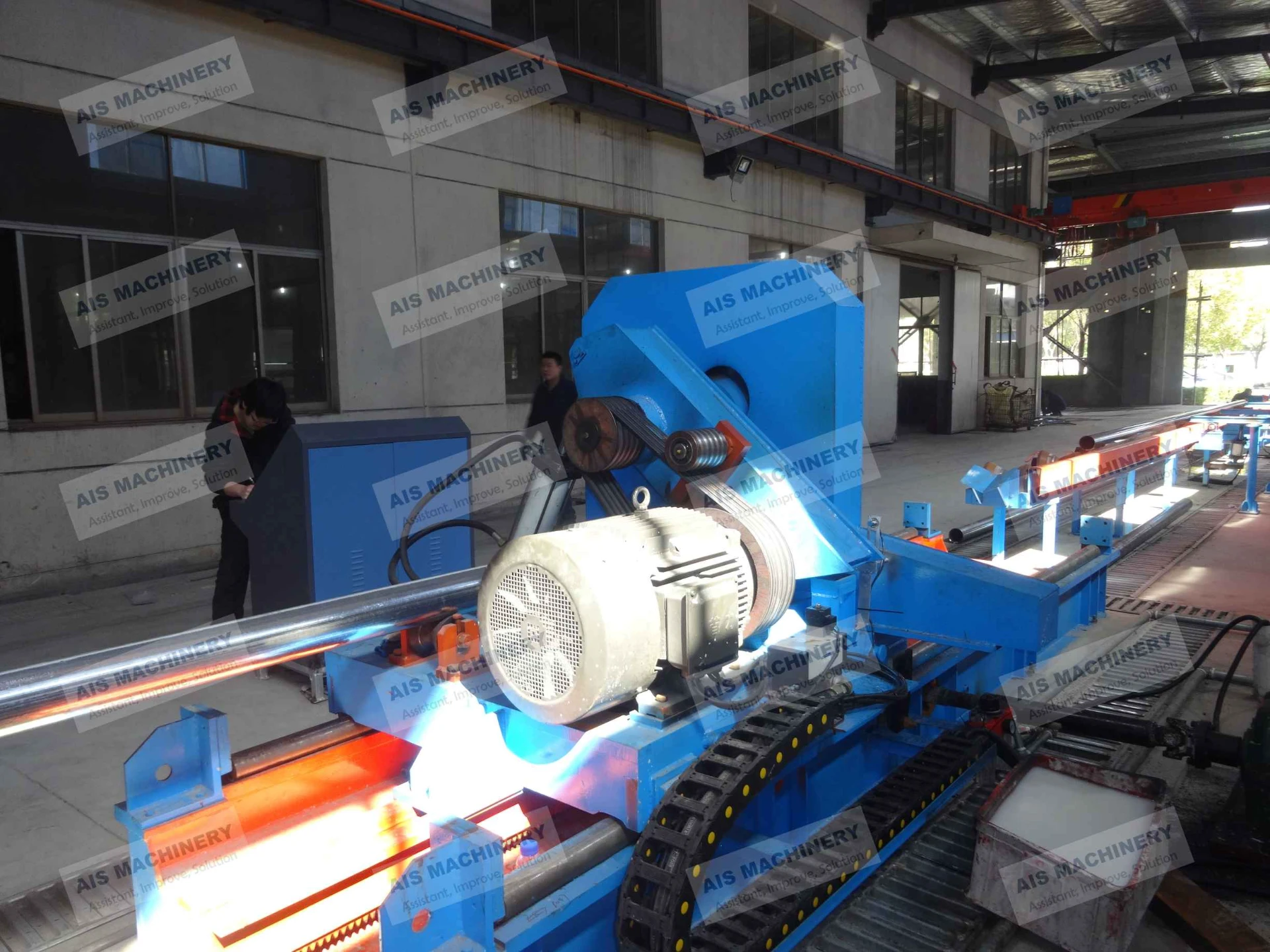
Detailed Process Flow of a Friction Flying Saw Machine
The operational sequence of a flying cut off machine, specifically a friction type, is a testament to precision engineering designed for continuous production lines:
- Tube/Pipe Feeding & Formation:
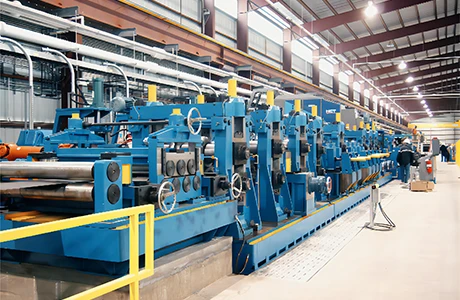
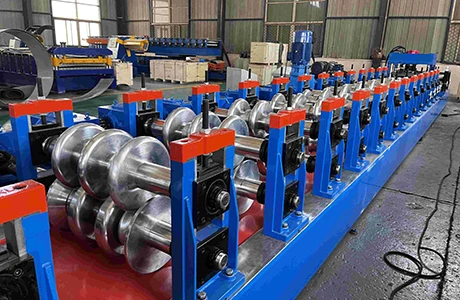
The raw material, typically a steel coil, is uncoiled, flattened, and progressively formed into a tube or pipe shape through a series of rollers in a tube mill. This continuous process ensures a steady flow of material into the cutting station.
- Continuous Movement:
The newly formed tube or pipe continuously exits the tube mill, moving at a consistent, often high, velocity towards the `flying cut off saw` station. The machine's carriage must be capable of matching this speed precisely.
- Length Sensing:
An encoder or similar sensor precisely measures the length of the continuously moving tube. Once the pre-set cut length is reached, the cutting cycle is initiated by the PLC control system.
- Carriage Acceleration & Synchronization:
The saw carriage, equipped with the `friction saw blade`, rapidly accelerates to match the speed of the moving tube. This synchronization is critical for a straight, accurate cut, preventing any deformation or unevenness.
- Saw Blade Engagement & Cutting:
Once synchronized, the high-speed `friction saw blade` is advanced into the tube, cutting it to the desired length. Friction saws generate heat to melt and remove material, making them efficient for various steel grades.
- Carriage Retraction & Return:
After the cut is complete, the saw blade retracts, and the carriage quickly decelerates and returns to its home position, ready for the next cutting cycle. This entire sequence happens within milliseconds to maintain production flow.
- Product Discharge:
The cut pipe section is then discharged from the line onto a conveyor or stacking system for further processing or packaging.
Product Materials & Manufacturing: Components of our Friction Flying Saw Machine are crafted from high-grade alloy steels, precisely manufactured through CNC machining, forging, and specialized heat treatments to ensure durability and precision under continuous operation. Key parts such as clamping jaws and blade holders undergo rigorous testing to meet ISO and ANSI standards for dimensional accuracy and material integrity, guaranteeing a service life exceeding typical industry expectations. This meticulous process delivers advantages in typical application scenarios, such as energy saving through optimized cutting parameters and corrosion resistance through robust material selection and surface treatments, crucial for target industries like petrochemical, metallurgy, and water supply & drainage.
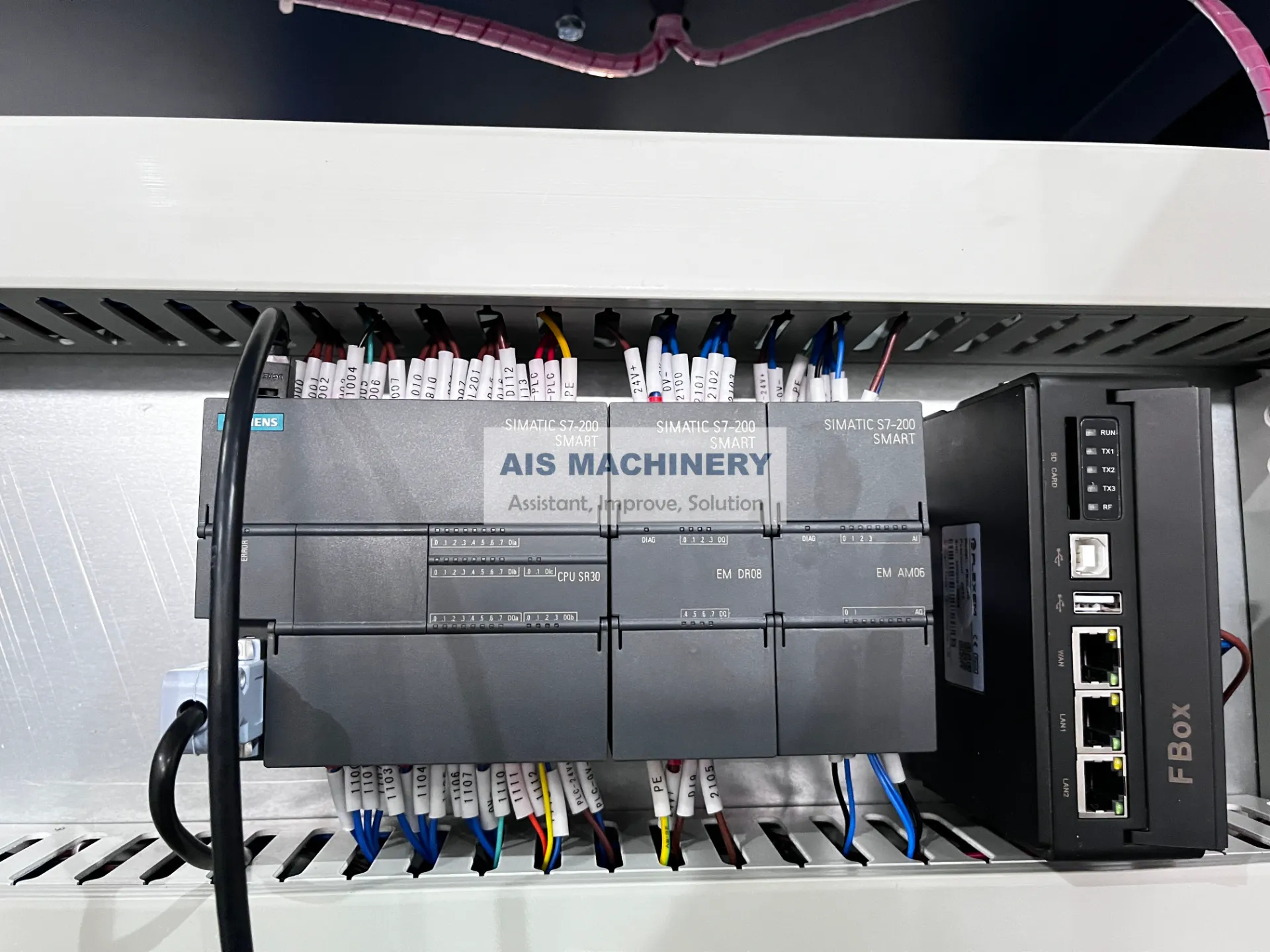
Technical Specifications: Friction Flying Saw Machine
Understanding the precise technical parameters is crucial for selecting the right flying cut off machine for your operation. The following table outlines typical specifications for our Friction Flying Saw Machine, showcasing its capabilities:
| Parameter | Specification |
|---|---|
| Tube Diameter Range | Ø10mm - Ø219mm (Customizable) |
| Wall Thickness Range | 0.5mm - 12mm |
| Cutting Speed (Max) | Up to 120 m/min |
| Cut Length Accuracy | ±1mm - ±3mm (depending on cut length) |
| Saw Blade Diameter | Ø400mm - Ø1200mm (optimized for tube size) |
| Main Motor Power | 30 kW - 90 kW (variable speed drive) |
| Control System | Siemens/Mitsubishi PLC with HMI Touch Panel |
| Material Compatibility | Carbon Steel, Stainless Steel, Galvanized Steel, Aluminum Alloys |
| Synchronization Method | Servo Motor / Hydraulic Servo Control |
These specifications highlight the machine's capability to deliver high-volume, high-precision cutting for a diverse range of tube and pipe products.
Key Application Scenarios and Industries
The versatility and efficiency of the flying cut off machine make it an indispensable asset across numerous industries:
- Construction & Infrastructure: Production of structural pipes, conduit pipes, and scaffolding components where high volume and consistent length are paramount.
- Automotive Industry: Manufacturing exhaust pipes, chassis components, and frame structures that demand precise cuts and high material integrity.
- Oil & Gas / Petrochemical: Producing seamless and welded pipes for pipelines, refineries, and chemical processing plants, often requiring materials with superior corrosion resistance.
- Water Supply & Drainage: Fabrication of pipes for water distribution, sewage systems, and irrigation projects, where reliability and material quality are critical.
- Furniture & Appliances: Manufacturing tubular frames and components for furniture, white goods, and other consumer products, balancing aesthetics with structural strength.
In these sectors, the ability of a `flying cold saw` to deliver clean cuts minimizes waste and reduces the need for subsequent deburring or finishing operations, directly contributing to cost savings and improved product quality.
Technical Advantages and Performance Benefits
Investing in an advanced flying cut off machine provides a multitude of technical and operational advantages:
- High Productivity & Throughput: Continuous operation eliminates production stops, significantly increasing the volume of finished pipes per shift.
- Superior Cut Quality: Precision synchronization ensures clean, square cuts with minimal burrs (especially with a `cold cut saw` variant), reducing post-processing requirements.
- Reduced Material Waste: Accurate length measurement and cutting minimize scrap, optimizing raw material utilization.
- Enhanced Safety: Automated processes reduce direct operator interaction with moving parts and cutting tools, improving workplace safety.
- Operational Cost Savings: Lower labor requirements, reduced scrap, and efficient energy consumption contribute to a lower total cost of ownership.
- Flexibility: Modern machines can often be quickly reconfigured for different tube diameters, wall thicknesses, and materials, offering production flexibility.
- Longer Tool Life: Advanced blade materials and optimized cutting parameters extend the life of the `friction saw blade`, reducing consumable costs.
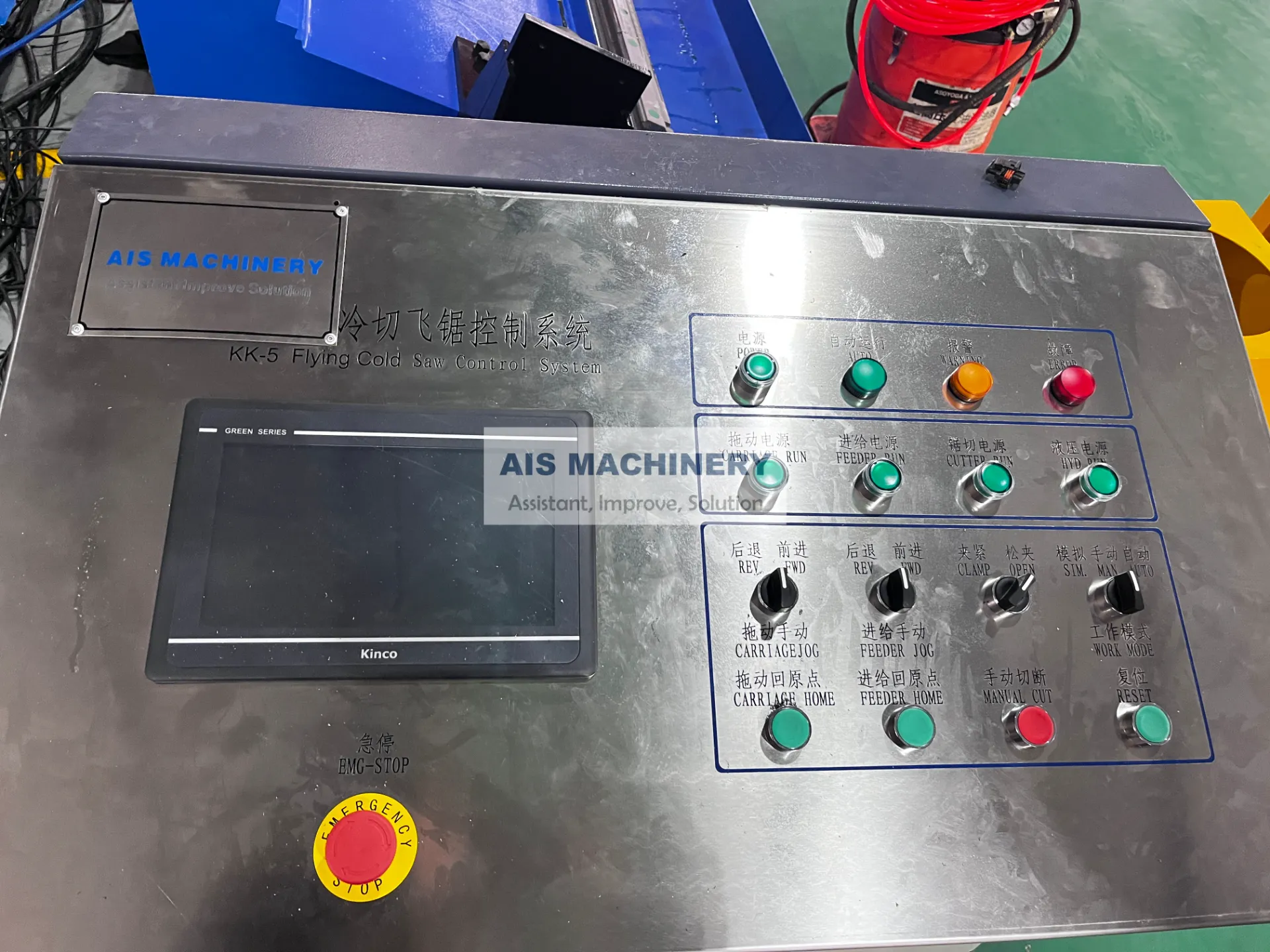
Vendor Comparison: Friction Flying Saw Machine vs. Traditional Fixed Cut-off Saw
Choosing the right cutting solution involves a careful evaluation of available technologies. Here’s a comparison highlighting why a modern flying cut off machine, particularly a friction saw, often outperforms traditional fixed cut-off methods:
| Feature | Friction Flying Saw Machine | Traditional Fixed Cut-off Saw |
|---|---|---|
| Production Method | Continuous (on-the-fly cutting) | Batch (stop-and-cut) |
| Throughput | Very High (up to 120 m/min) | Moderate (limited by stop-start cycles) |
| Cut Quality (Burr) | Good (minimal burr, especially with `cold cutting saw` variants) | Moderate to High (often requires secondary deburring) |
| Heat-Affected Zone (HAZ) | Present (friction-induced, but controllable) | Minimal (for abrasive saws), High (for some friction methods) |
| Noise Level | Moderate to High | Moderate (for band saws), High (for abrasive saws) |
| Blade Life / Consumables | Long (optimized for continuous use) | Variable (can be shorter due to frequent start/stop stress) |
| Integration | Seamless with tube mills | Standalone or integrated with stop-start systems |
| Initial Investment | Higher | Lower |
| Operating Cost (per unit) | Lower (due to efficiency) | Higher (due to lower throughput, more scrap, post-processing) |
This comparison underscores the long-term value proposition of the `flying cold saw` solution, particularly for high-volume, continuous manufacturing environments.
Customized Solutions for Unique Production Needs
Recognizing that no two production lines are identical, we specialize in providing bespoke flying cut off machine solutions. Our engineering team collaborates closely with clients to tailor equipment to specific requirements, ensuring optimal performance and seamless integration.
- Material Specific Adaptation: Modifying clamping mechanisms and blade types for exotic alloys or delicate materials.
- Integration with Existing Lines: Designing interfaces and control systems to work harmoniously with existing tube mills, uncoilers, and stacking systems.
- Advanced Automation: Implementing higher levels of automation, including robotic handling, automated blade changing, and enhanced diagnostic capabilities.
- Environmental Controls: Incorporating specialized dust collection, noise reduction, and coolant management systems to meet specific environmental or health & safety regulations.
- Extreme Dimensions: Developing machines for exceptionally large or small diameter pipes, or those requiring unusual wall thicknesses.
Our commitment to customization ensures that each `flying cut off saw` delivers maximum efficiency and return on investment for the specific operational context.
Application Case Studies: Real-World Impact
Our expertise in flying cut off machine technology has translated into tangible benefits for numerous clients:
Case Study 1: Large Diameter Steel Pipe Manufacturer
A leading steel pipe manufacturer in the Middle East faced challenges with throughput and inconsistent cut lengths when producing large diameter (Ø150mm-Ø300mm) pipes for critical infrastructure projects. We engineered a heavy-duty Friction Flying Saw Machine with a reinforced carriage and a specialized control algorithm for high-speed synchronization. The implementation resulted in a 35% increase in production output and a 50% reduction in length deviation errors, leading to significantly less scrap and rework. The client reported enhanced overall line efficiency and improved product quality that met stringent international standards (e.g., API 5L).
Case Study 2: Automotive Exhaust System Producer
An automotive supplier required precise, burr-free cuts on stainless steel tubes (Ø40mm-Ø80mm) for exhaust system components, where minimal post-processing was critical. We supplied a `cold cut saw` version of our `flying cold saw` with a high-speed servo-driven carriage and a specialized carbide-tipped saw blade. This solution delivered exceptionally clean cuts, eliminating the need for a separate deburring station, which saved the client approximately $50,000 annually in labor and abrasive costs, while also improving the aesthetic and functional quality of their final product.
These examples demonstrate our commitment to delivering high-performance, reliable `cold cutting saw` solutions that drive real operational improvements.
Frequently Asked Questions (FAQ)
Q: What is the primary difference between a friction `flying cut off saw` and a `cold cut saw`?
A: A friction `flying cut off saw` uses a high-speed, un-toothed or slightly toothed blade to generate heat and melt through the material, resulting in a hot cut and often more burr. A `cold cut saw`, conversely, uses a slower-speed, toothed blade designed to shear material away, producing a much cooler, cleaner, and burr-free cut, which is ideal for applications requiring high surface finish or sensitive materials.
Q: How often do `friction saw blade`s need to be replaced?
A: The lifespan of a `friction saw blade` varies significantly based on the material being cut, wall thickness, cutting speed, and proper maintenance. With appropriate usage and regular sharpening, blades can last for thousands of cuts. Our experts can provide specific estimates based on your operational parameters.
Q: What kind of maintenance is required for a flying cut off machine?
A: Regular maintenance includes checking and lubricating moving parts, inspecting electrical connections, ensuring proper alignment of the carriage and clamping mechanisms, and routine blade inspection/replacement. Our machines are designed for ease of maintenance, with accessible components and comprehensive service manuals.
Lead Time, Warranty, and After-Sales Support
- Lead Time & Fulfillment: Standard lead times for our Friction Flying Saw Machine typically range from 12 to 20 weeks, depending on customization requirements. Project timelines are meticulously managed from order placement through factory acceptance testing (FAT) and shipment, including comprehensive installation and commissioning services at your facility.
- Warranty Commitments: We offer a comprehensive 12-month warranty on all mechanical and electrical components, effective from the date of commissioning. Extended warranty options and preventative maintenance contracts are also available to ensure long-term operational peace of mind.
- Customer Support: Our dedicated after-sales support team provides technical assistance, spare parts supply, and remote diagnostics. We offer operator training programs to ensure your team is proficient in operating and maintaining the flying cut off machine. With a global network of service engineers, rapid response is guaranteed for any technical queries or on-site support needs.
Our commitment to reliability extends beyond the sale, ensuring your investment continues to deliver peak performance.
Conclusion
The flying cut off machine is a cornerstone of efficient and high-volume tube and pipe manufacturing. By integrating advanced automation, precise control, and robust engineering, modern friction flying saws and `flying cold saw` systems offer unparalleled productivity, cut quality, and operational cost savings. As industries continue to evolve, the strategic selection and implementation of these sophisticated cutting solutions will remain critical for maintaining competitive advantage and meeting the demands of a dynamic global market. Our expertise, coupled with a commitment to customized solutions and comprehensive support, positions us as a trusted partner for your continuous tube and pipe production needs.
References
- European Tube and Pipe Industry Association (ETPA). (2023). Innovations in Continuous Tube & Pipe Manufacturing.
- American Society of Mechanical Engineers (ASME). (2022). Advanced Materials and Processes in Metal Fabrication.
- International Organization for Standardization (ISO). (2023). Quality Management Systems for Industrial Machinery, ISO 9001:2015.
- Journal of Materials Processing Technology. (2021). Optimizing Cutting Parameters for High-Speed Pipe Cutting.
- Metal Forming Magazine. (2023). The Future of Tube Mill Automation and Cutting Technologies.

Related Products

Related News
2026-04-18 03:20:20
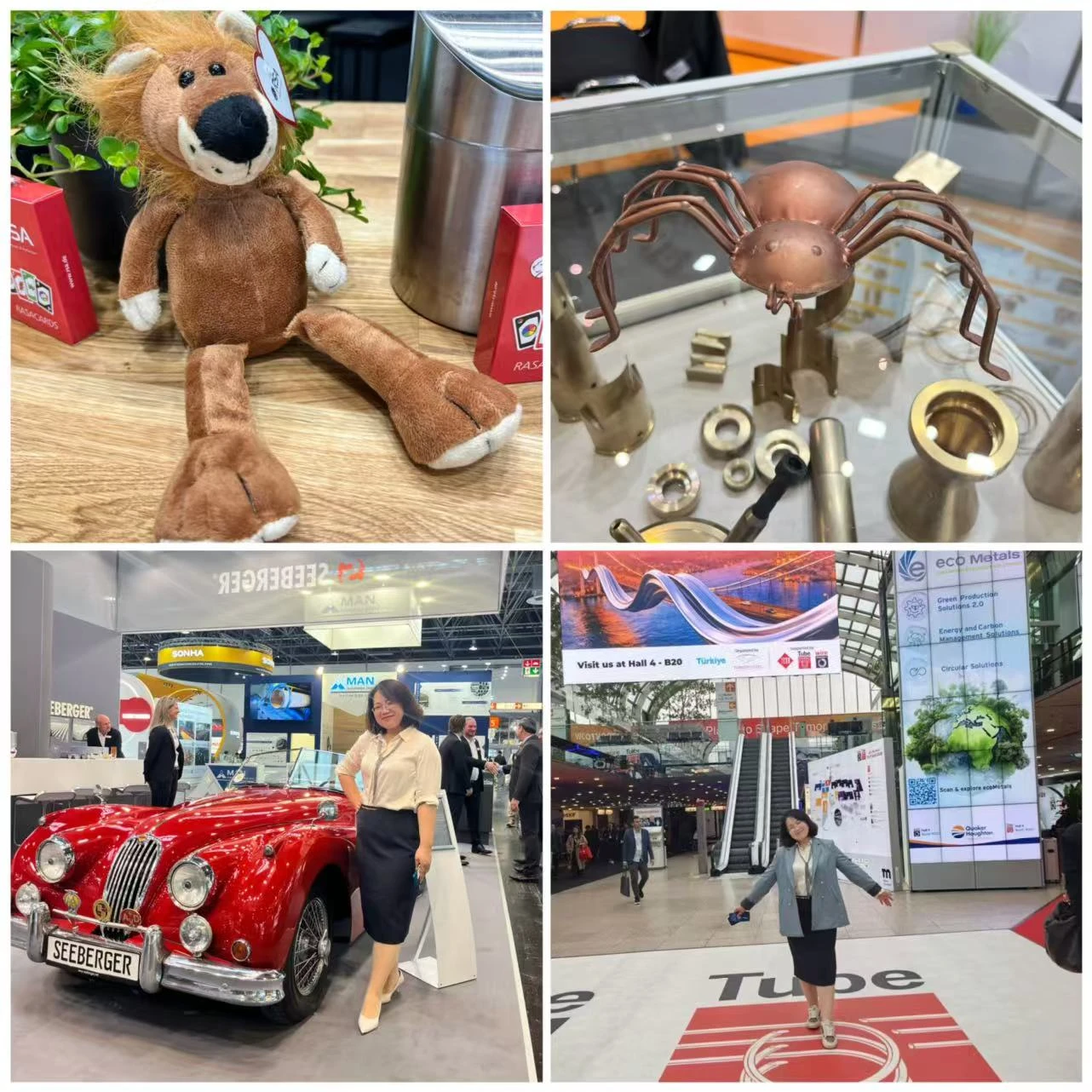
AIS Machinery Showcases Advanced Tube Solutions at Tube & Wire Düsseldorf 2026
Tube & Wire Düsseldorf 2026, one of the most influential exhibitions in the global tube and wire industry, held biennially in Düsseldorf, Germany
2027-04-17 00:00:00
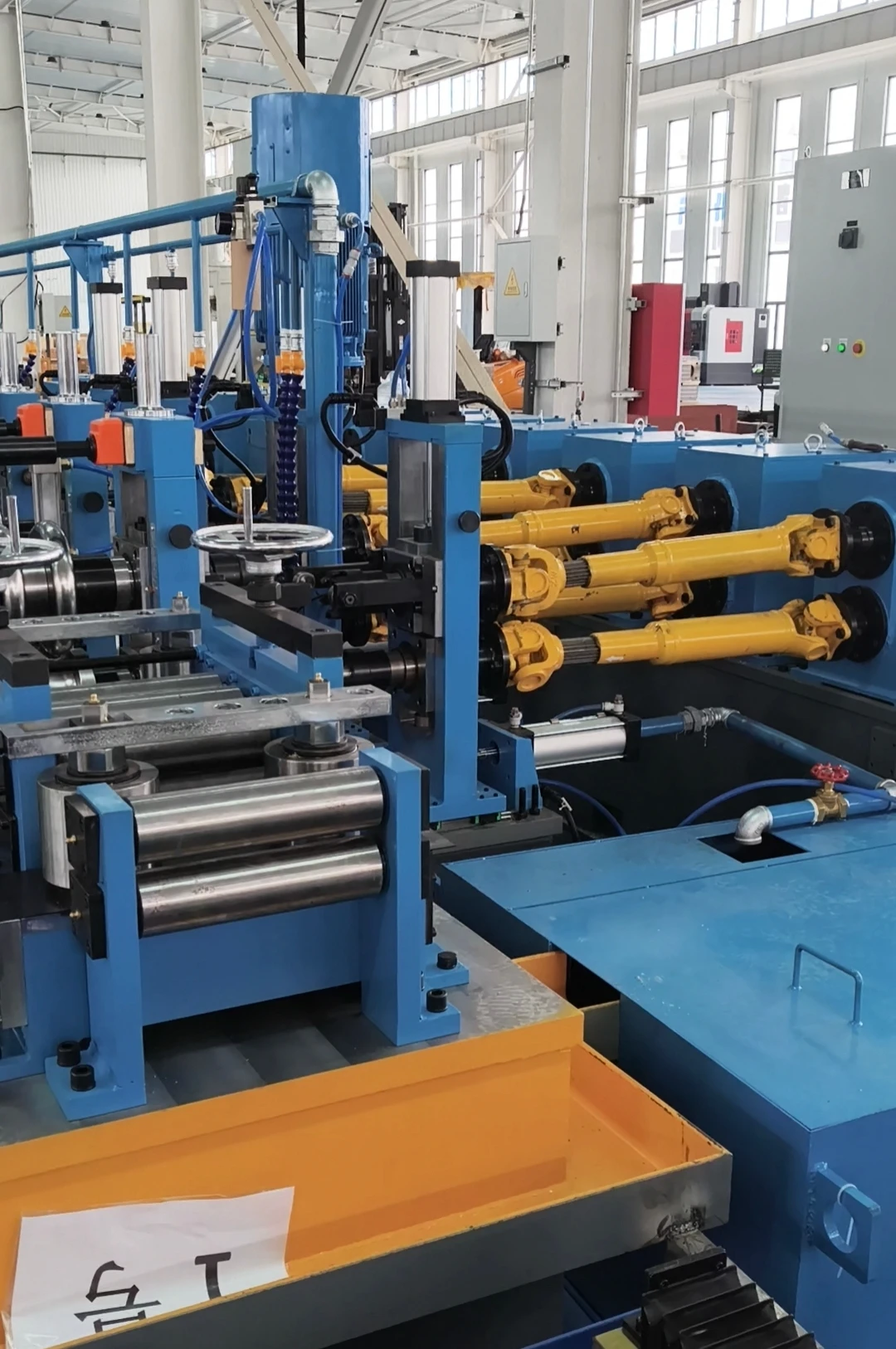
Southeast Asia Client Visits Our Factory | Customized Tube Mill Solution Delivered
A Southeast Asia client visited our ERW tube mill factory to inspect production lines and discuss a customized tube mill solution. Impressed by our machine quality, welding performance, and engineering support, the client confirmed strong cooperation intentions. Discover how our ERW tube mill solutions improve efficiency, precision, and long-term production reliability.
2026-04-16 02:35:12
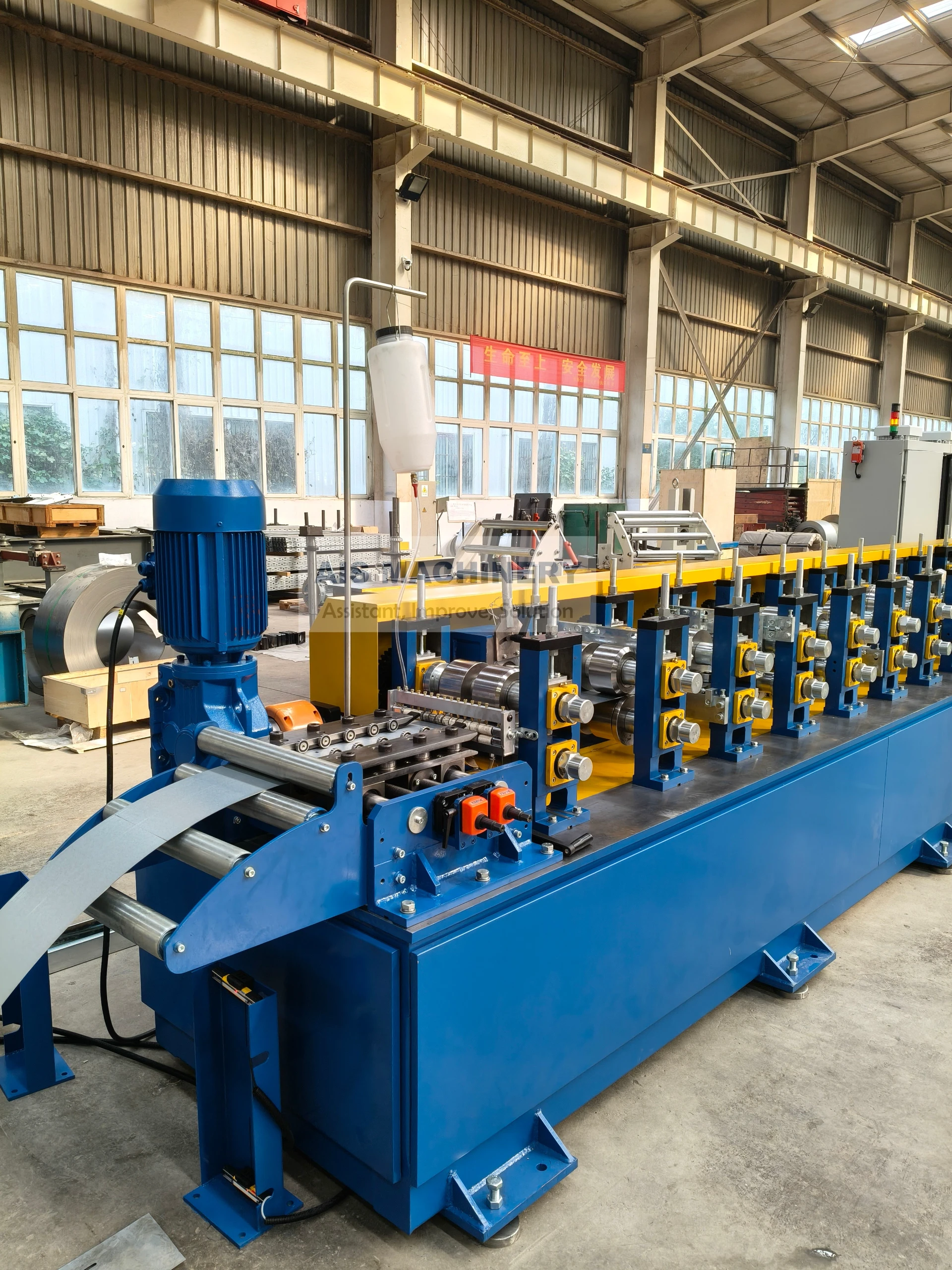
Professional Cold Roll Forming Machine Factory for Production
In the modern industrial landscape, the precision of metal shaping is the cornerstone of quality manufacturing. Partnering with a professional cold roll forming machine factory is essential for businesses looking to optimize their production lines, reduce material waste, and ensure high-dimensional accuracy. Whether you are producing C-channels, square tubes, or custom profiles, the choice of machinery determines your competitive edge in the market. This guide will explore the critical factors in selecting a factory and the technical advantages of advanced roll forming technology to help you make an informed investment.
2026-04-15 10:37:55
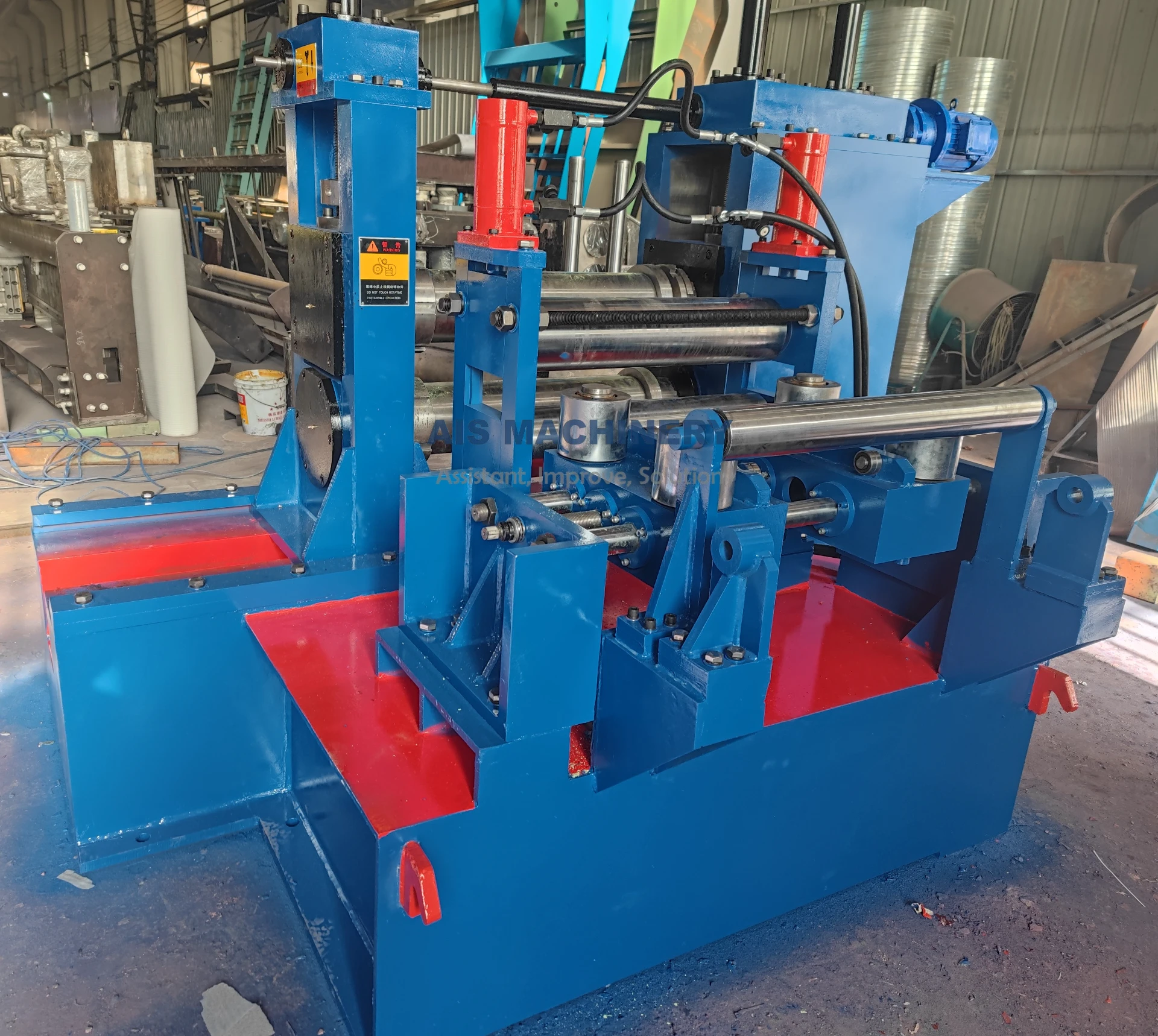
Flat Bar Production Line for Steel Coils: How It Works & Why It Matters
Looking for a flat bar production line? Learn how it turns steel coils into ready-to-use flat bars with precise length and high straightness. Compare it with slitting lines and get the best solution for your steel processing needs.
2026-04-14 00:00:00
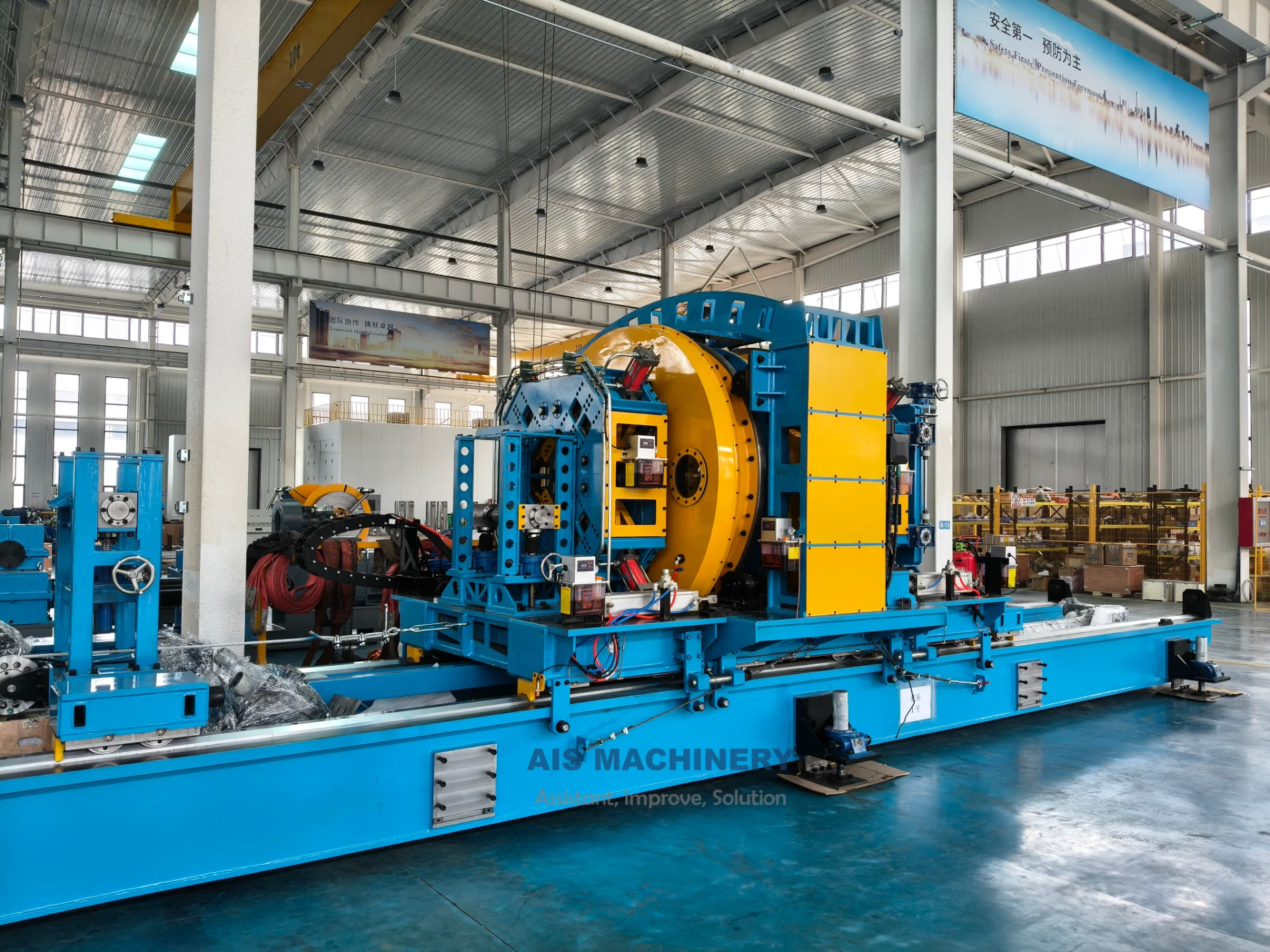
Looking for a Milling Saw for ERW Tube Mill? Here’s What You Need to Know
Looking for a high-performance milling saw for your ERW tube mill? Upgrade to burr-free, high-precision pipe cutting with advanced flying saw technology. Improve efficiency, reduce rework, and meet export standards for carbon steel, stainless steel, and API pipes. Contact us today for expert solutions and competitive pricing tailored to your production needs.
2026-04-09 16:15:19
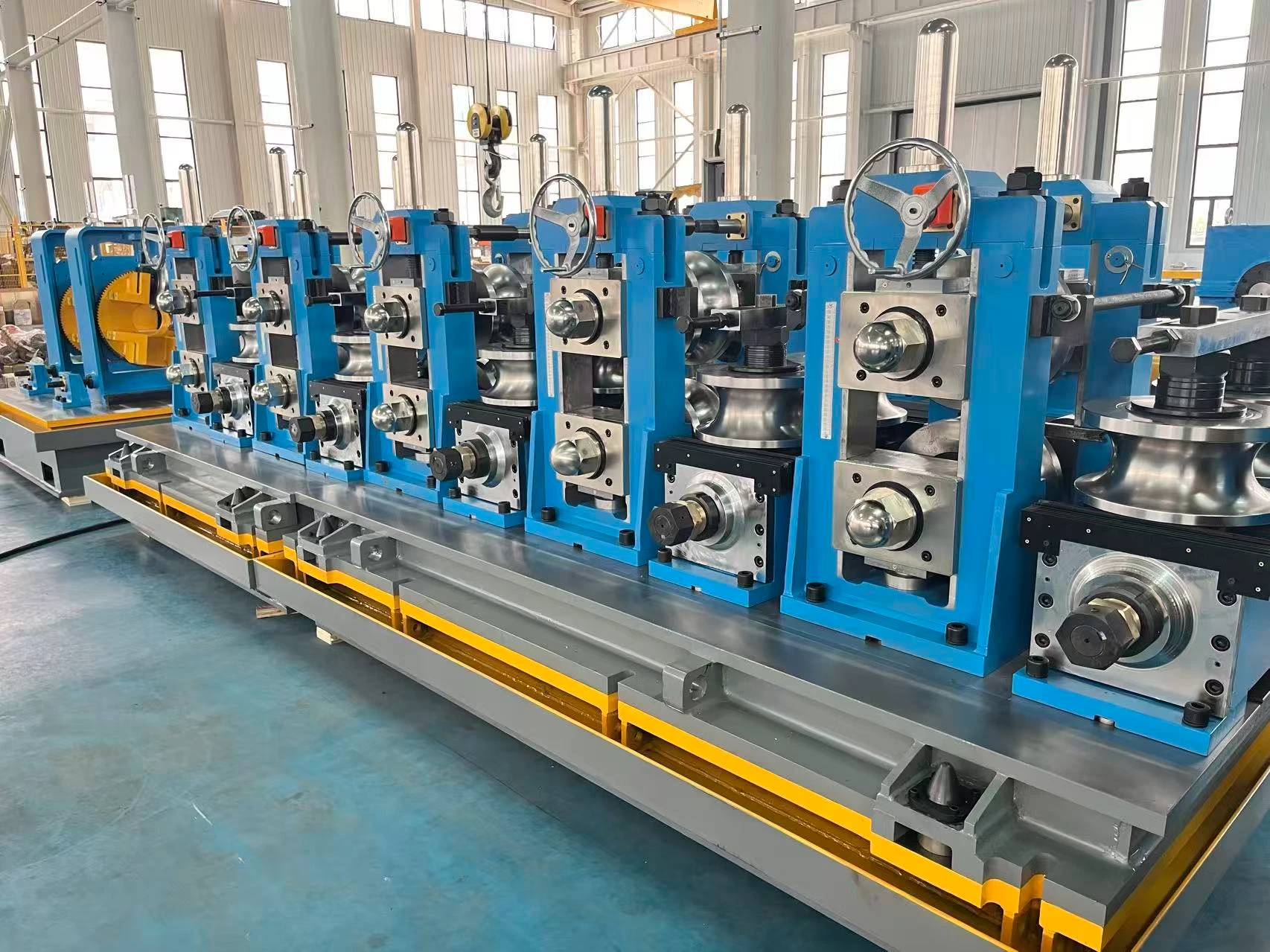
5-Inch (127mm) ERW Tube Making Machine Delivered with Heavy-Duty Design and Advanced Quick Change System
2027-04-07 00:00:00
Metal Embossing Machine: Turn Flat Sheets into High-Value Textured Products
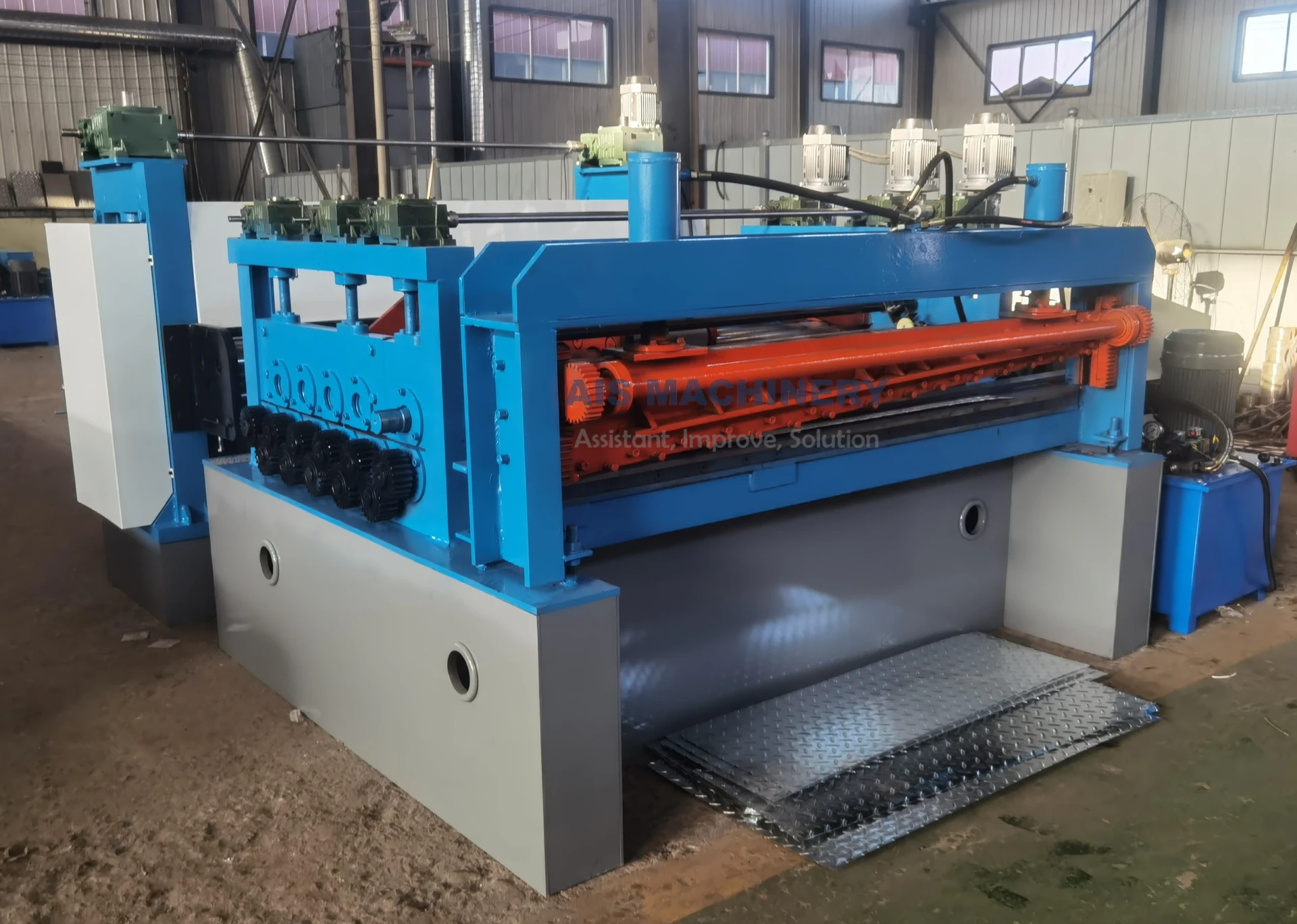
Discover how a metal embossing machine transforms flat steel, stainless steel, and aluminum sheets into high-value textured products. Learn about its working principle, key components, and applications. Ideal for decorative and industrial use, embossing machines improve both appearance and performance. Explore complete embossing line solutions and find the right machine for your production needs.
2026-04-04 20:37:18
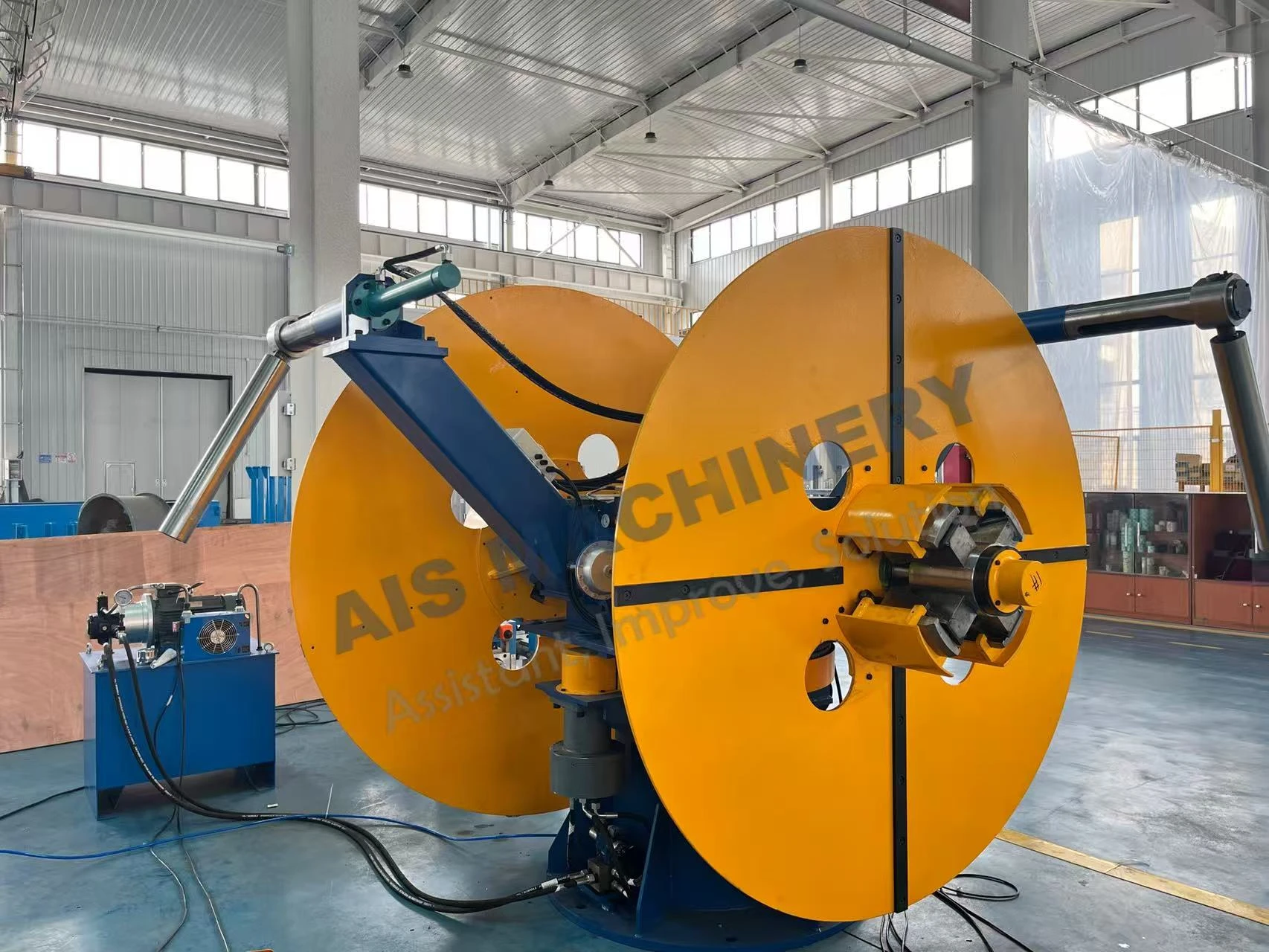
Automatic Double Side Uncoiler with Hydraulic Expansion and Auto Rotation for Steel Coil Processing
The Automatic Double Side Uncoiler is a high-efficiency solution designed for modern steel coil processing lines, including tube mills, roll forming machines, and slitting lines. With a maximum capacity of 4 tons per side, this machine ensures stable and continuous coil feeding while reducing downtime during coil change.
Send a Message
Dear customer, thank you for your attention! We provide high-quality machinery and equipment and look forward to your orders. Please inform us of your needs and we will respond quickly!
 English
  Albanian
  Arabic
  French
  German
  Indonesian
  Italian
  Japanese
  Kazakh
  Korean
  Latin
Latin  Macedonian
  Portuguese
  Russian
  Spanish
  Thai
Thai  Turkish
  Ukrainian
  Uzbek
Uzbek