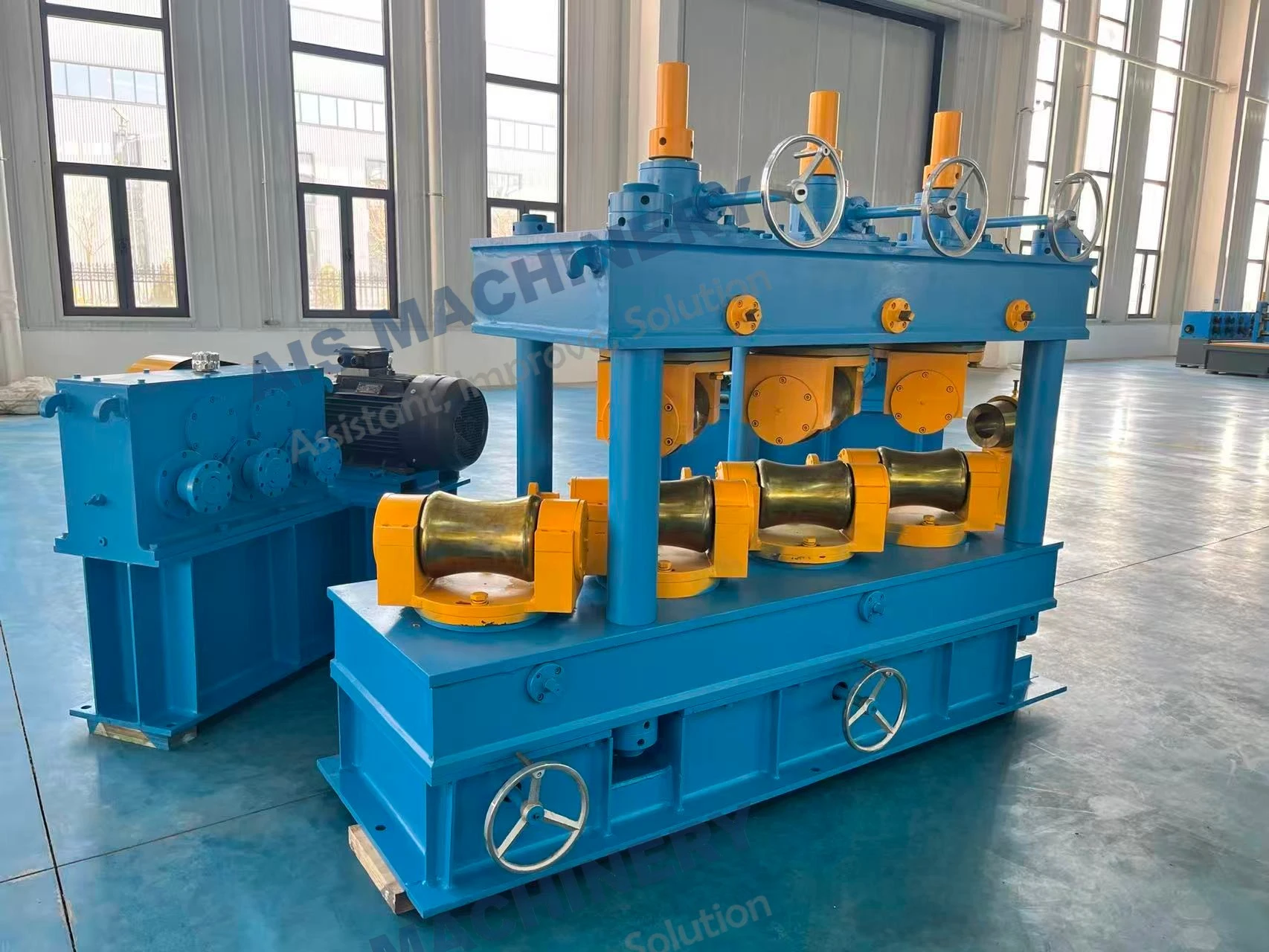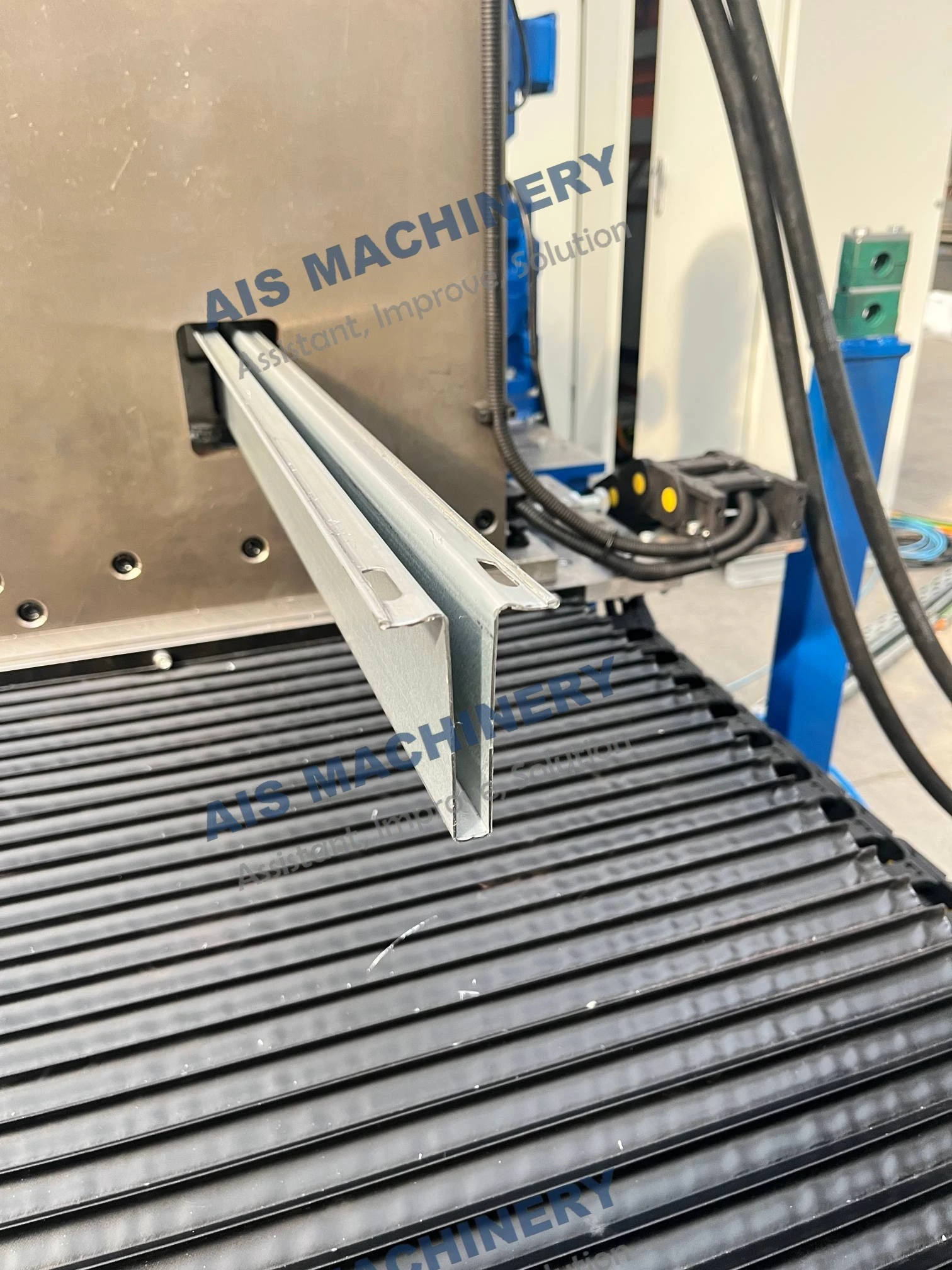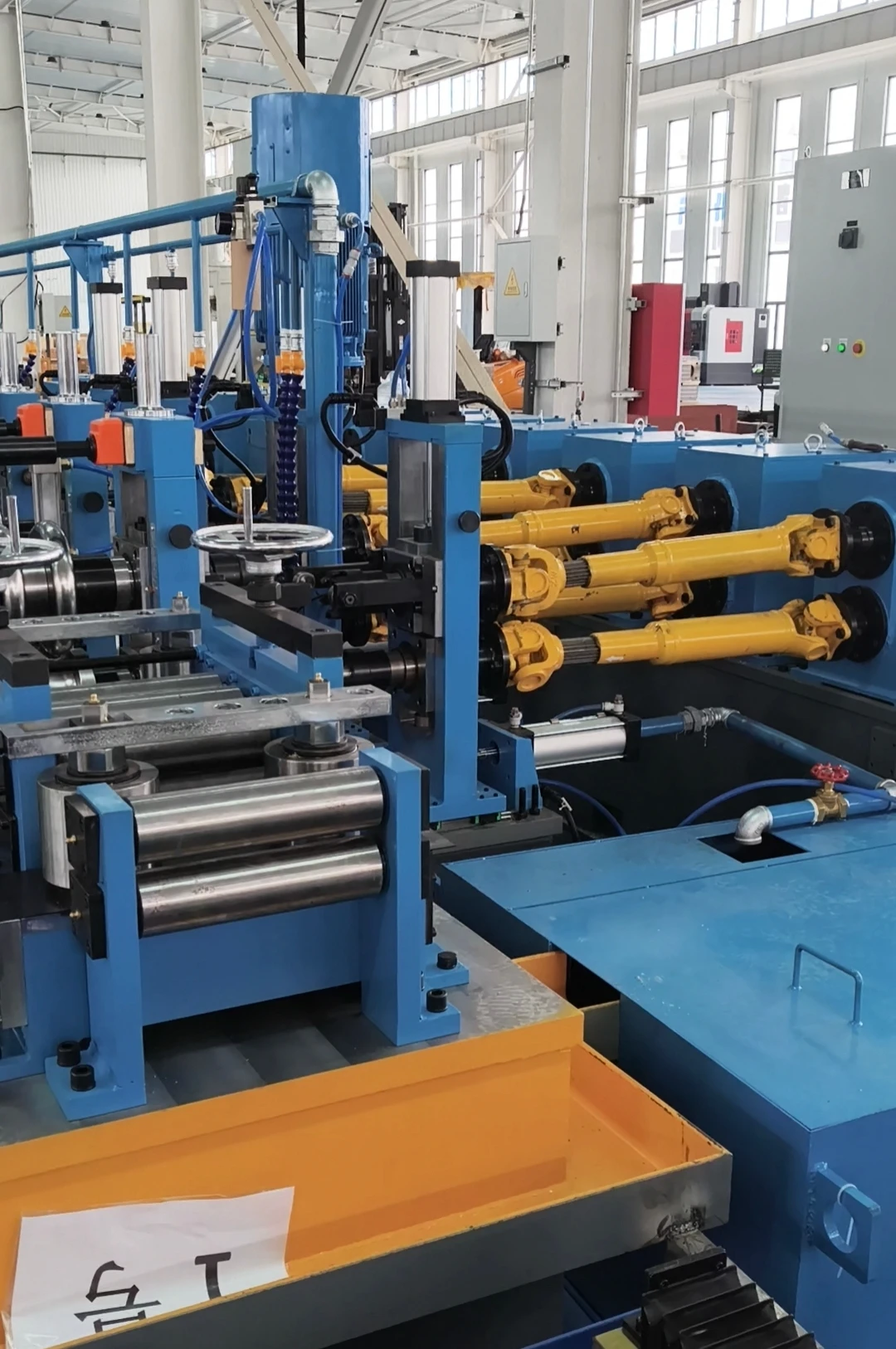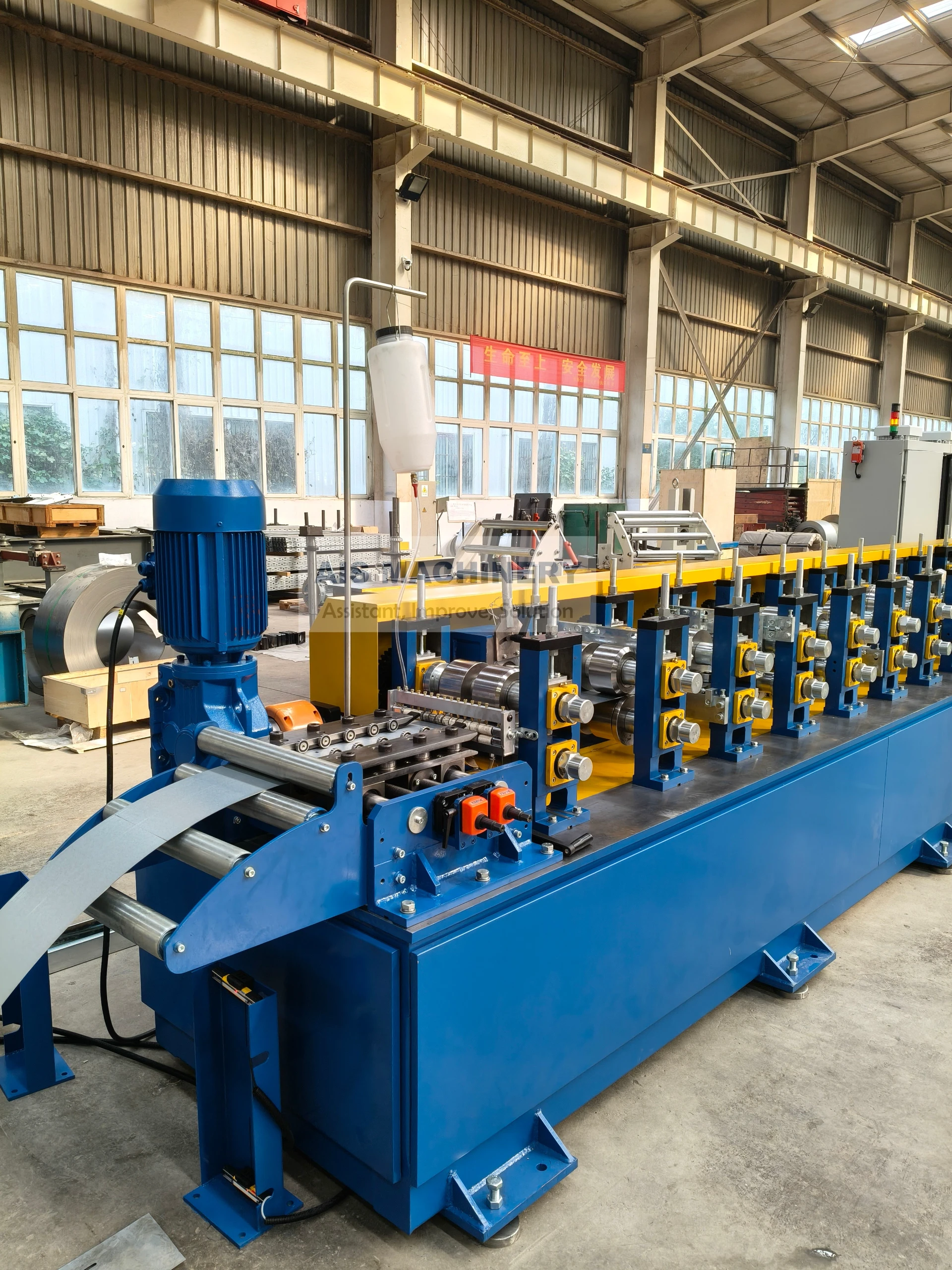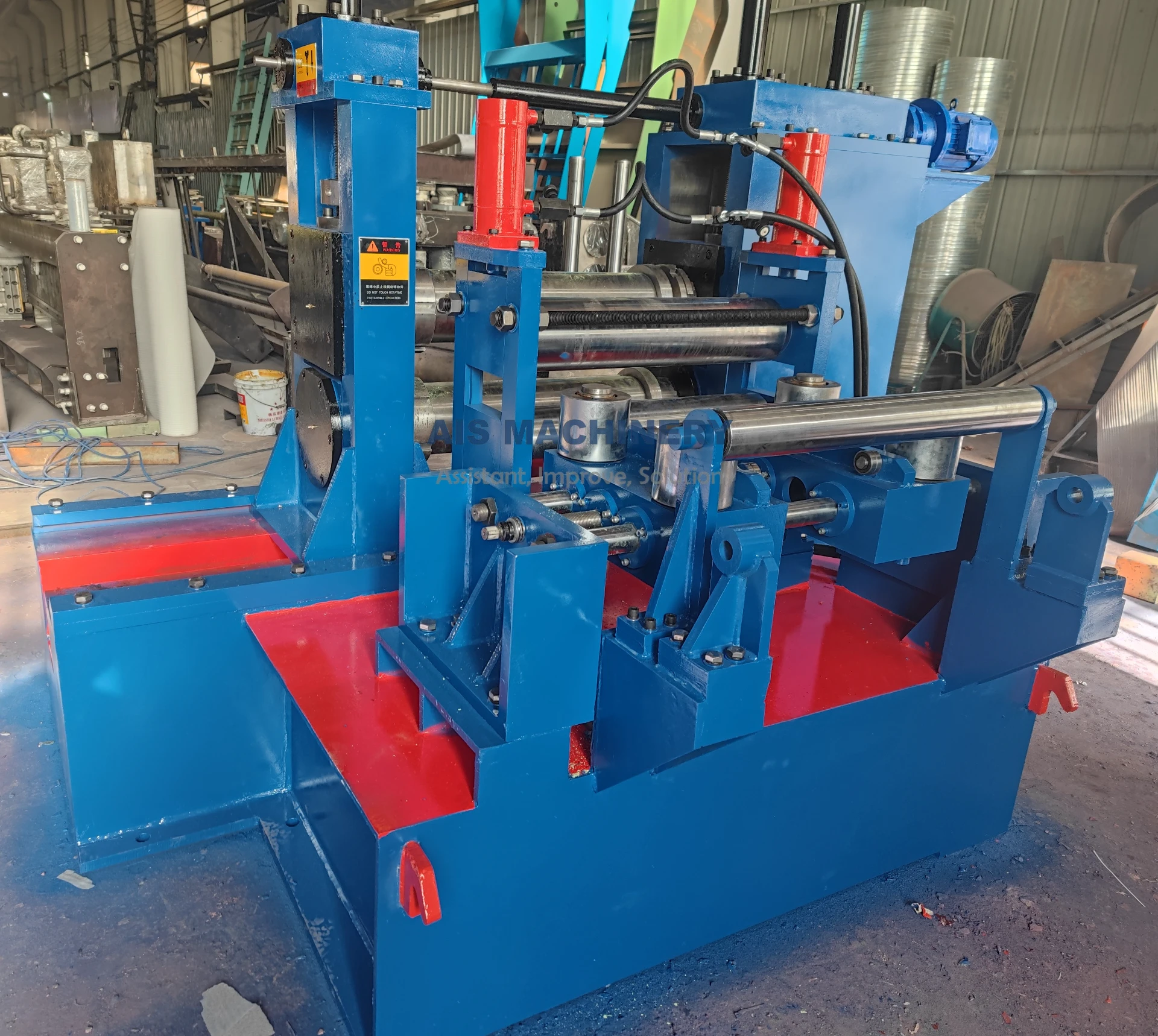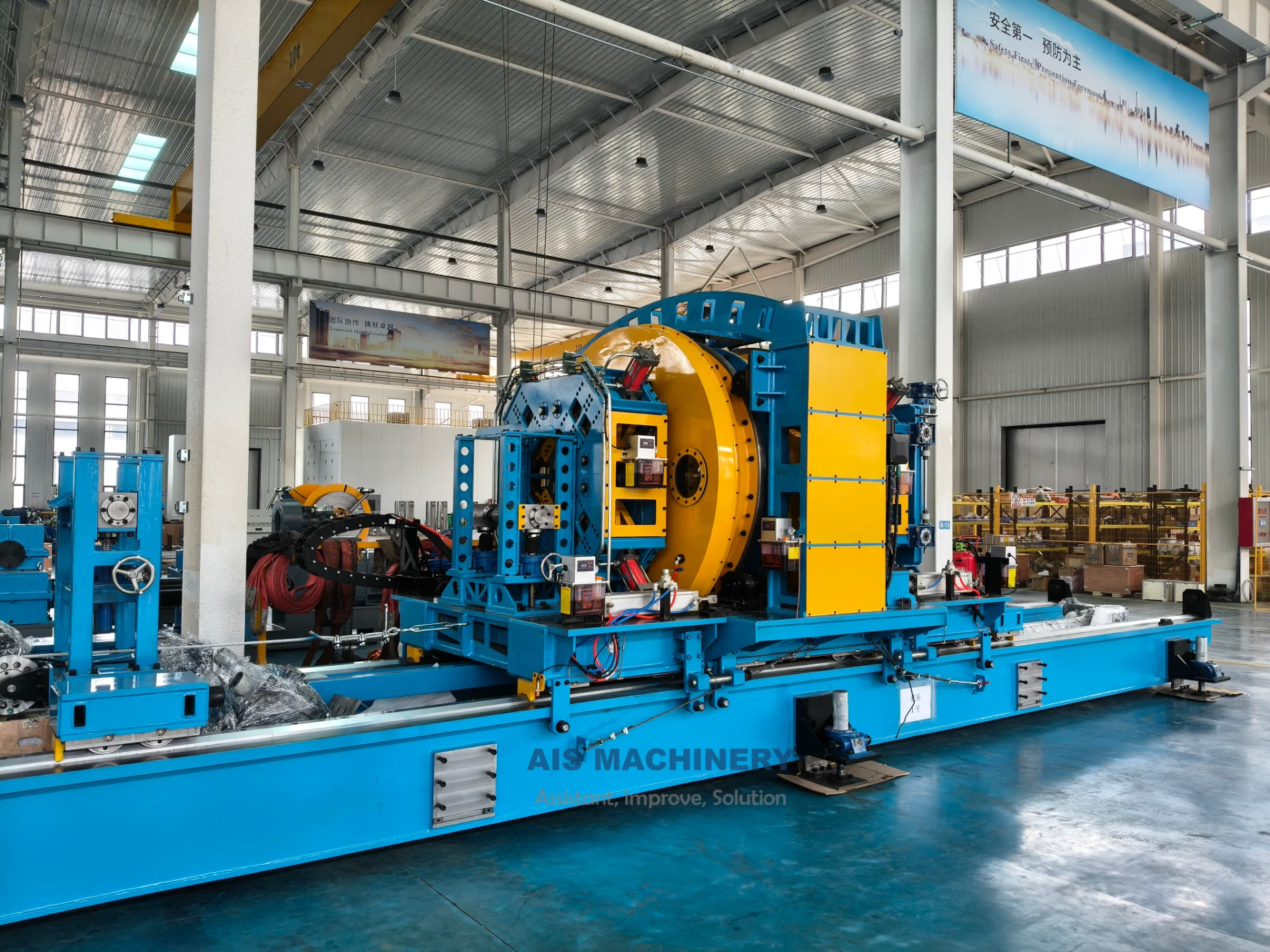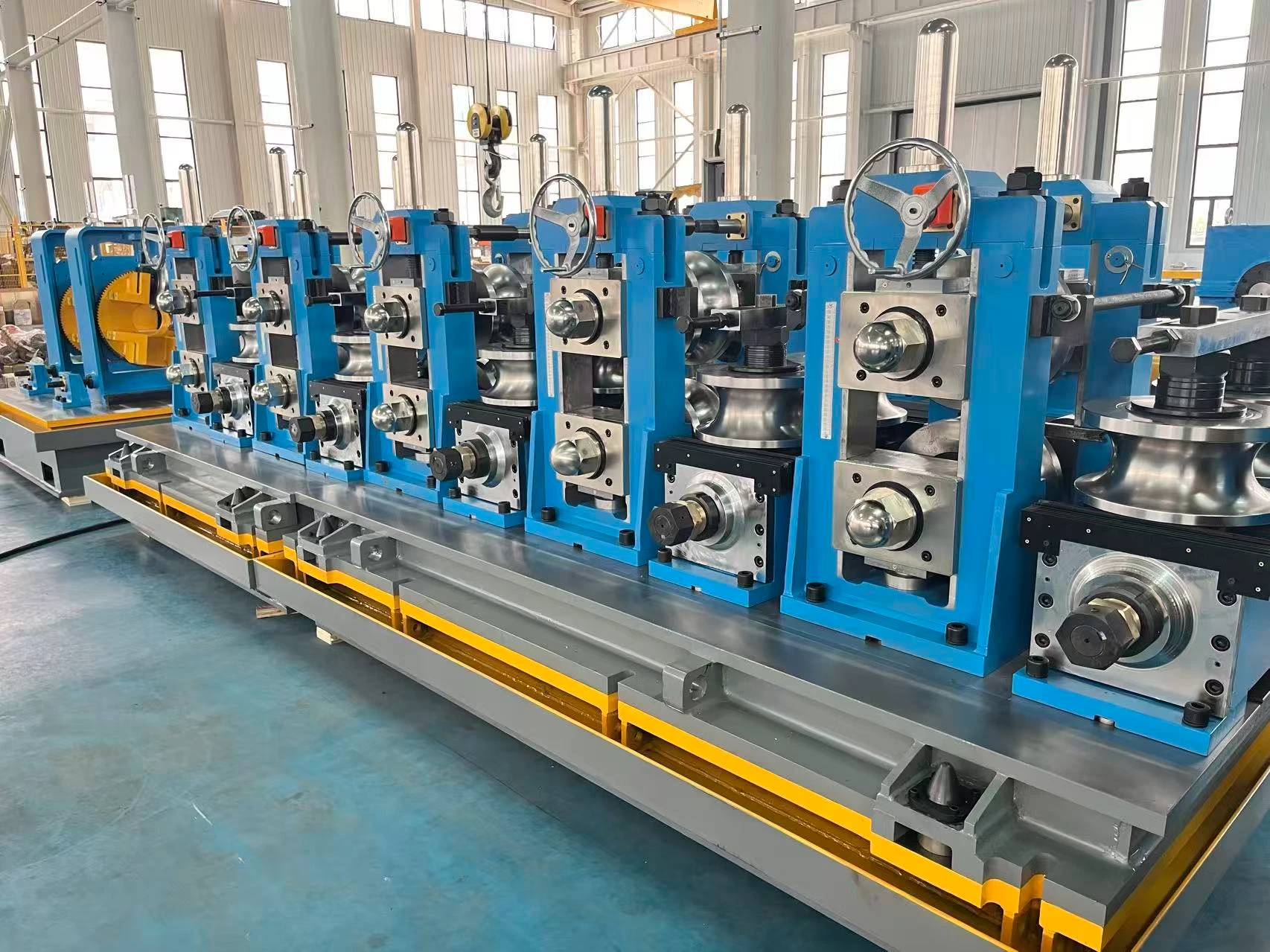
Friction Flying Saw Machine

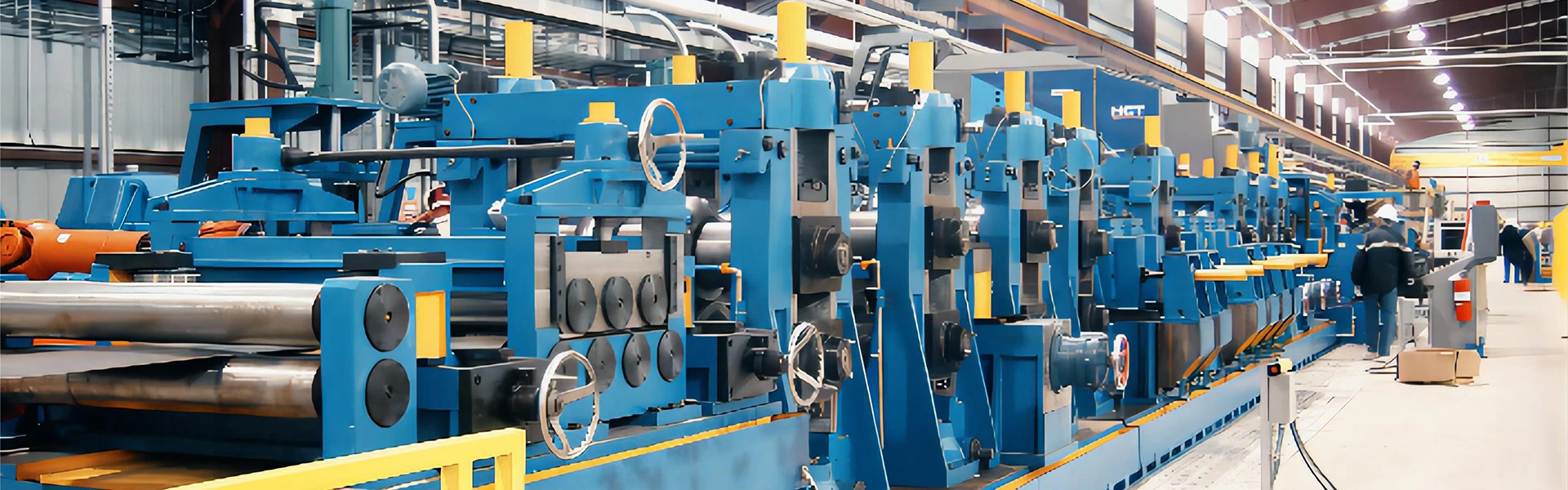
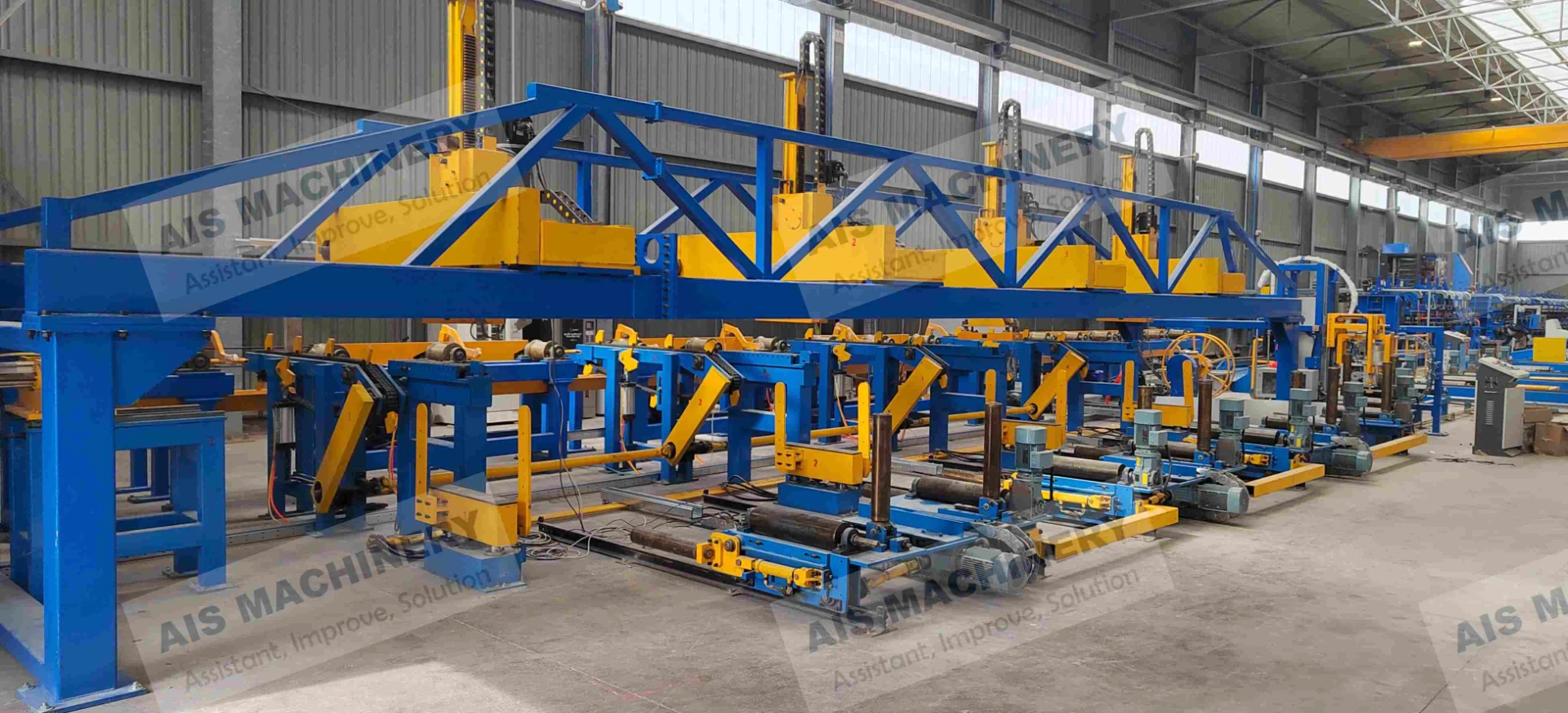
The friction saw is an online flying cutting system that uses high-speed rotating HSS blades to generate heat through friction, enabling efficient hot cutting of steel pipes. It is especially suitable for continuous production of carbon steel pipes, offering high-speed performance with relatively low operating cost. Compared to cold saws, friction saws are ideal for medium-to-large diameter pipes with moderate wall thickness.

Product Details

Contact Now

Product Details

Video
 

Product Description
 

The friction saw is an online flying cutting system that uses high-speed rotating HSS blades to generate heat through friction, enabling efficient hot cutting of steel pipes. It is especially suitable for continuous production of carbon steel pipes, offering high-speed performance with relatively low operating cost. Compared to cold saws, friction saws are ideal for medium-to-large diameter pipes with moderate wall thickness.


  • Hot friction saw
  • Cutting Friction Saw
  • china kk contor electrical control plc
  • flying cutoff

2.  BASIC DESIGN DATA


Design of the proposed line is based on following specification:

Parameter

Specification

Applicable Pipe Diameter

Φ12.7mm – Φ406mm

Applicable Wall Thickness

0.5mm – 16.0mm

Saw Blade Diameter

Ø600mm – Ø1600mm

Main Motor Power

55kW – 160kW (variable frequency drive)

Max Cutting Speed

60 – 120 m/min (synchronized with line speed)

Cutting Length Range

4 – 12 meters (adjustable)

Length Tolerance

±3mm

Blade Cooling Method

Air cooling with optional nozzle blowers

Control System

PLC + HMI + Servo tracking system

Cutting Type

Single-blade (standard) or dual-blade (optional)

Saw Blade Type

65Mn , 8CrV type

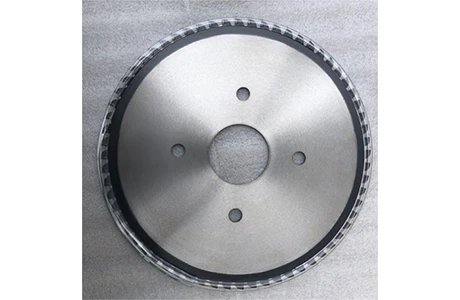
      • Friction (Cold) Cutting Circular Saw Blades
      • Friction-sawing machine


  • hebei ais machinery flying cutoff
  • AIS MACHINERY ERW TUBE CUTTING


  • CUT OFF EQUIPMENT olimpia
  • differnece between cold saw and friction saw

3. Friction Saw Selection Guide

Item

Recommended Range

Notes

Pipe Diameter Range

Φ12.7 – Φ406mm

Match blade size with max pipe size

Max Wall Thickness

≤16.0mm (Carbon Steel)

Best for structural/general-purpose pipes

Blade Diameter Options

300mm/600mm / 800mm / 1000mm / 1250mm / 1600mm

Larger pipes require larger blades

Main Motor Power Range

55 – 160 kW

Depends on pipe size and cutting load

Line Cutting Speed

80 – 120 m/min

Works with servo-driven tracking system

Pipe Clamping

Pneumatic or hydraulic (double-sided)

Ensures stable cutting at high speed

Structure Type

Single blade (standard) / Dual blade (for heavy pipe)

Dual blade recommended for thick-wall pipes


4. Friction Saw vs. Cold Saw – Comparison Chart

Category

🟠 Friction Saw

🔵 Cold Saw

Cutting Principle

High-speed frictional heating and hot cutting

Low-speed, high-torque mechanical cutting

Blade Type

HSS (High-Speed Steel) friction blade

TCT / HM (Tungsten Carbide Tipped / Carbide) blade

Suitable Materials

Carbon steel

Carbon steel, stainless steel, alloy steel

Cutting Speed

Fast (60–120 m/min)

Medium (≤40 m/min)

Cutting Precision

±3mm (standard)

±1mm or better (high-precision)

Thermal Effect

Moderate (visible heat-affected zone)

Minimal (smooth, clean edges)

Burr & Surface Quality

May require post-processing

Excellent; minimal finishing required

Blade Life

Shorter (200–600 cuts/blade)

Longer (1000–2000+ cuts/blade)

Investment Cost

Lower (machine + blade cost)

Higher (machine + blade cost)

Best Applications

Structural pipes, scaffolding, fluid tubes

Automotive tubing, precision pipe, export-grade pipe

Not Recommended For

Stainless / high-alloy / ultra-thick steel

Extremely thick carbon steel (>10mm)


5. Conclusion & Recommendations

  • The flying friction saw is ideal for high-speed, continuous production of carbon steel tubes with moderate wall thickness and standard cutting tolerance.

  • For precision cutting, or when working with stainless steel or alloy steel, the cold saw provides better finish and dimensional control, although at a higher cost.

  • For flexible and cost-effective tube mills, many manufacturers choose a dual-system configuration—friction saw for general cutting, and cold saw for special grades or high-precision tubes.


6. Common Issues & Solutions – Flying Friction Saw for ERW Tube Mill

Issue Possible Cause Recommended Solution
1. Pipe ends have large burrs • Blade is worn or blunt
• Cutting speed too low
• Incorrect blade angle
✔ Replace or resharpen the blade
✔ Increase blade RPM
✔ Check and correct blade angle
2. Pipe cut is not straight (angled cut) • Clamping pressure is uneven
• Blade deflection
• Servo tracking delay
✔ Adjust clamping force
✔ Check blade stiffness and runout
✔ Recalibrate tracking system
3. Blade breaks frequently • Excessive feed rate
• Blade quality too low
• Poor blade cooling
✔ Reduce feed rate
✔ Use high-quality friction blades
✔ Improve airflow or cooling
4. Blade overheating or discoloration • Insufficient cooling
• Cutting pressure too high
• Blade too dull
✔ Enhance air cooling
✔ Reduce feed force
✔ Replace dull blades promptly
5. Cutting length tolerance is unstable • Tracking system not properly synchronized
• Servo encoder error
✔ Check servo encoder calibration
✔ Synchronize tracking mechanism with line speed
6. Sparks too intense or irregular • Blade-to-pipe contact angle incorrect
• Blade not aligned with pipe center
✔ Reposition blade and realign cutting unit
✔ Adjust inclination for optimal contact
7. Abnormal vibration or noise during cutting • Blade imbalance
• Loose bearings or guide rails
• Pipe not clamped tightly
✔ Balance the blade
✔ Check all mechanical fastening points
✔ Reinforce pipe clamping
8. Blade wear is uneven • Pipe not perpendicular to blade
• Inconsistent clamping or feed speed
✔ Adjust blade angle
✔ Ensure stable pipe feeding and holding

🛠️ Maintenance Tips:

  • 🕑 Inspect the blade daily for cracks, dull teeth, and heat spots

  • 🔩 Tighten mechanical connections weekly (clamps, bearings, guides)

  • 💨 Check cooling system air ducts and nozzles regularly to avoid clogging

  • ⚙️ Recalibrate servo tracking every 500 hours or when pipe length deviation exceeds tolerance

  • 🧰 Keep spare blades and wear parts (bearings, belts) in inventory to reduce downtime


OUR CERTIFICATE

Read More About cold cutting saw

Get in Touch

If you are interested in our products, you can choose to leave your information here, and we will be in touch with you shortly.

* Name

* E-mail

Phone

*Message

Flying Friction Saw FAQs

1. Pipe ends have large burrs

✔ Replace or resharpen the blade ✔ Increase blade RPM ✔ Check and correct blade angle

2. Pipe cut is not straight (angled cut)

✔ Adjust clamping force ✔ Check blade stiffness and runout ✔ Recalibrate tracking system

3. Blade breaks frequently

✔ Reduce feed rate ✔ Use high-quality friction blades ✔ Improve airflow or cooling

4. Blade overheating or discoloration

✔ Enhance air cooling ✔ Reduce feed force ✔ Replace dull blades promptly

5. Cutting length tolerance is unstable

✔ Check servo encoder calibration ✔ Synchronize tracking mechanism with line speed

Related News

Outside Scarfing Inserts: Improve Weld Seam Quality in ERW Tube Mills

2026-07-21 09:57:01

Outside Scarfing Inserts: Improve Weld Seam Quality in ERW Tube Mills

Outside Scarfing Inserts are precision carbide cutting tools used with an Outside Scarfing Tool Holder to remove the external weld bead in ERW tube mills. They help produce a smooth pipe surface, improve weld appearance, and enhance downstream processing quality. AIS Machinery supplies both standard and customized scarfing inserts manufactured according to customer drawings or samples, ensuring accurate fit, stable cutting performance, and long service life for various tube mill applications.

Tube Mill Quick Change System for Faster Production

2026-07-20 00:00:00

Tube Mill Quick Change System for Faster Production

The Tube Mill Quick Change System is an efficient solution for minimizing production interruptions during roll replacement. By allowing complete roll stand assemblies to be exchanged quickly, it shortens changeover time and improves equipment utilization. Ideal for small-batch and multi-size pipe production, the system reduces manual adjustments and increases production flexibility. AIS Machinery provides customized quick change solutions, professional installation support, and factory testing to ensure reliable performance and long service life.

Semi Automatic vs Automatic Strapping Machine: Which One Is Better for Steel Pipe Packaging?

2026-07-16 11:46:47

Semi Automatic vs Automatic Strapping Machine: Which One Is Better for Steel Pipe Packaging?

Improve your packaging line with AIS Semi Automatic and Automatic Strapping Machines for ERW tube mills. Built for steel pipe bundling, these machines deliver secure, consistent strapping to protect products during handling and shipment. The semi automatic model uses a pneumatic strapping tool for flexible operation, while the automatic version offers fully automated strapping for high-volume production. Custom solutions are available for various pipe sizes, bundle dimensions, and production requirements.

Large Diameter Tube Mill: The Growing Choice for ERW Steel Pipe Production

2026-07-16 10:05:29

Large Diameter Tube Mill: The Growing Choice for ERW Steel Pipe Production

As global demand for infrastructure and energy projects continues to grow, large diameter tube mills are becoming increasingly popular among steel pipe manufacturers. Designed for efficient ERW steel pipe production, these production lines deliver stable welding quality, high precision, and continuous manufacturing. Large diameter welded pipes are widely used in oil & gas, water transmission, construction, and industrial applications, helping manufacturers improve productivity and expand into higher-value markets.

Hydrostatic Tester Machine: A Reliable Solution for Pipe Leak Testing

2026-07-14 09:42:45

Hydrostatic Tester Machine: A Reliable Solution for Pipe Leak Testing

Looking for a reliable Hydrostatic Tester Machine for your ERW tube mill? AIS Machinery offers customized pressure testing solutions for different pipe diameters, lengths, and testing standards. The machine verifies weld quality, detects leakage, and confirms pipe pressure resistance through automatic hydrostatic testing. With precise pressure control, stable hydraulic performance, and easy operation, our hydrostatic testers help manufacturers improve quality control and meet international customer requirements with confidence.

Slitting Line Spare Parts: Slitting Blades, Spacers & Rubber Rings for Precision Coil Slitting

2026-07-08 00:00:00

Slitting Line Spare Parts: Slitting Blades, Spacers & Rubber Rings for Precision Coil Slitting

High-quality slitting line spare parts are essential for maintaining cutting accuracy and stable production. AIS Machinery supplies precision slitting blades, spacers, rubber rings, separator discs, and other slitting machine components for various slitting lines. Our spare parts are manufactured with high precision to ensure clean edges, accurate strip width, and long service life. We also provide customized manufacturing based on customer drawings or samples, helping reduce downtime and improve production efficiency for steel coil slitting applications.

Horizontal Spiral Accumulator vs Vertical Accumulator vs Cage Loop: How to Choose the Right ERW Tube Mill Accumulator

2026-07-07 10:20:50

Horizontal Spiral Accumulator vs Vertical Accumulator vs Cage Loop: How to Choose the Right ERW Tube Mill Accumulator

An ERW tube mill accumulator stores steel strip during coil changing, allowing continuous production without stopping the forming section. Common types include the Horizontal Spiral Accumulator, Vertical Type Accumulator, and Cage Loop Accumulator, each designed for different production speeds, storage capacities, and workshop layouts. Choosing the right accumulator improves production efficiency, stabilizes strip feeding, and reduces downtime. AIS Machinery provides reliable accumulator solutions tailored to various tube mill applications.

ERW Tube Mill Flattener: Why Thick Steel Strip Needs Flattening

2026-07-06 11:53:59

ERW Tube Mill Flattener: Why Thick Steel Strip Needs Flattening

The Flattener is an optional entry machine for ERW tube mills, It consists of pinch rolls and leveling rolls that remove coil set and improve strip flatness before forming. By reducing residual stress and ensuring stable strip feeding, the Flattener helps improve forming accuracy, edge alignment, and welding quality. AIS Machinery supplies reliable Flattener solutions matched to different tube mill capacities and strip specifications.

Send a Message

Dear customer, thank you for your attention! We provide high-quality machinery and equipment and look forward to your orders. Please inform us of your needs and we will respond quickly!

If you are interested in our products, you can choose to leave your information here, and we will be in touch with you shortly.


en_USEnglish