
-
 Tel:86-15176910262
-

Search
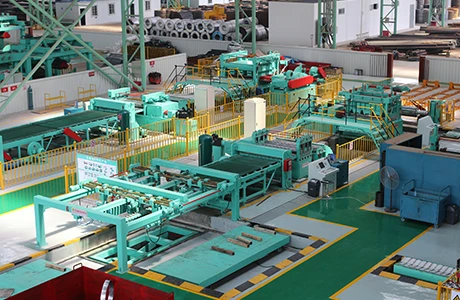
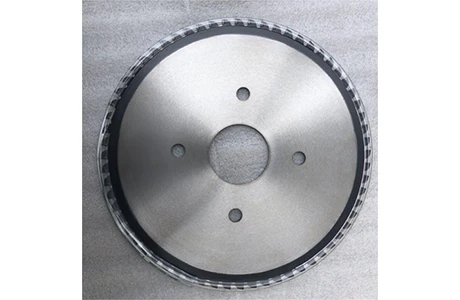

Heavy Gauge Cut to Length Line High Precision & Durability Solutions
Jun . 06, 2025 06:36
Below is a comprehensive overview of modern heavy gauge processing solutions:
- Technical capabilities and performance benchmarks
- Manufacturer comparison by specifications
- Custom engineering approaches
- Material handling innovations
- Sector-specific implementation cases
- Operational efficiency metrics
- Future development roadmap
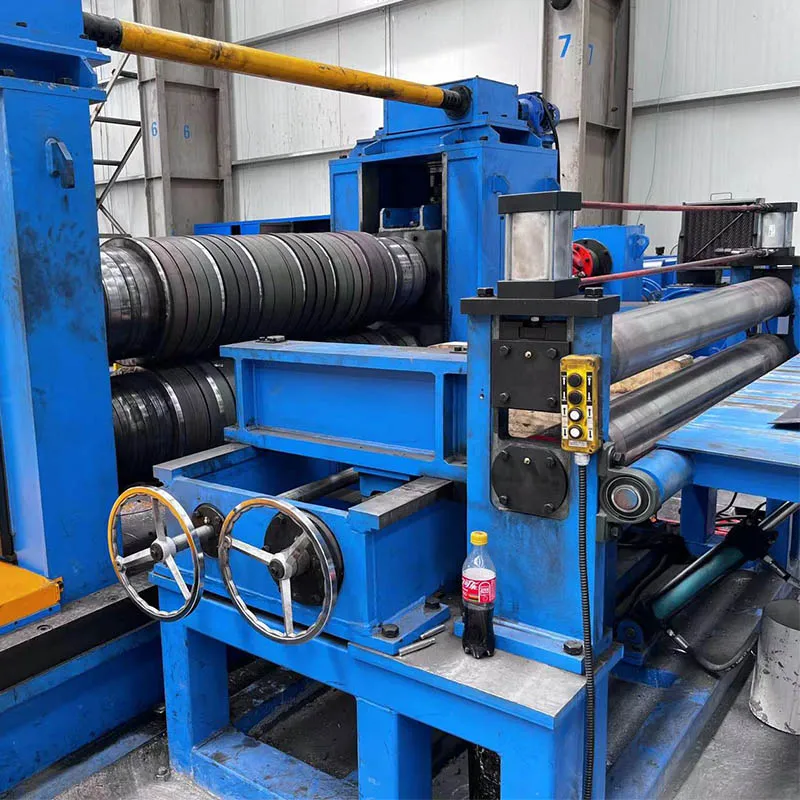
(heavy gauge cut to length line)
Understanding Heavy Gauge Cut to Line Operations
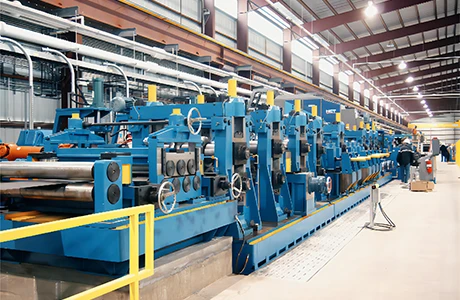
Industrial processors handling thick-plate materials face unique challenges in precision cutting. These integrated systems incorporate decoiling, leveling, measuring, and shearing mechanisms into singular automated processes. State-of-the-art installations achieve continuous operation with thickness capacities up to 25mm while maintaining ±0.05mm dimensional accuracy, essential for construction equipment and offshore platform components requiring structural integrity. The latest sensor-guided positioning technology eliminates manual measurements, contributing to 95% yield improvements compared to traditional methods.
Material thickness tolerances represent the most critical parameter in heavy gauge processing. Leading-edge tension control systems compensate for material springback variations, while dual-motor synchronization ensures blade parallelism under maximum loading conditions. Thermal imaging detects stress patterns during continuous operation, enabling automatic speed adjustments that prevent deformation in high-carbon alloys. These technical developments permit processing speeds up to 45mpm without sacrificing precision - a 70% throughput increase over first-generation equipment.
Manufacturer comparison table of core specifications:
| Manufacturer | Max Thickness | Tolerance Range | Throughput | Automation Level |
| Nordco Systems | 25mm | ±0.03mm | 40mpm | AI-guided |
| Herrero Machinery | 22mm | ±0.05mm | 35mpm | Semi-automatic |
| Global SteelTek | 20mm | ±0.07mm | 30mpm | Programmable logic |
Custom engineering solutions account for 78% of current installations, reflecting specialized industry requirements. Modular designs permit customizable staging configurations including rotary shears for hardened alloys, laser calibration for aerospace tolerances, or hydraulic clamping systems for shipbuilding-grade materials. The adaptability extends to operational parameters, with programmable PLC interfaces allowing grade-specific presets that reduce changeover time by 85% compared to mechanical adjustments.
Coil feeding innovations overcome traditional processing limitations. Precision servo-driven uncoilers manage coil weights exceeding 50 tons without deflection, incorporating hydraulic expansion mandrels and motorized side guides that maintain alignment within 0.5° variance. European manufacturers now integrate pendulum-type coil cars with automatic diameter recognition, eliminating manual handling entirely while reducing floor space requirements by 40% through vertical coil stacking designs.
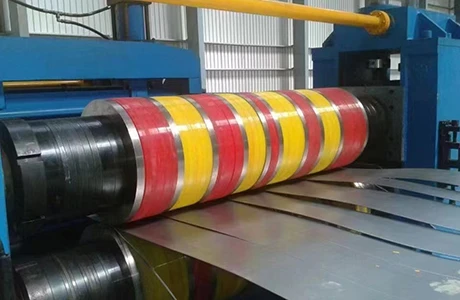
Shipbuilding case study: Hyundai Heavy Industries implemented heavy gauge slitting technology for bulkhead production lines. The solution incorporated laser-guided measurement systems and hydraulic shearing stations achieving 6-second cycle times for 15mm steel plate. Production metrics confirmed:
- 32% reduction in material waste
- 68% decrease in production errors
- 24/7 continuous operation capability
Operational efficiency gains demonstrated 22-month ROI through elimination of secondary grinding and compensatory quality control processes. Predictive maintenance sensors decreased downtime incidents by 93% during the first operating year, establishing new industry benchmarks for large-scale structural fabrication.
Optimizing Industrial Production with Heavy Gauge Solutions
The evolution towards fully integrated processing centers continues as manufacturers incorporate inline robotics for automatic stacking and palletizing. These developments position heavy gauge systems as foundational components within Industry 4.0 production environments, particularly for energy infrastructure and heavy equipment manufacturing sectors requiring uncompromised material integrity throughout fabrication processes.
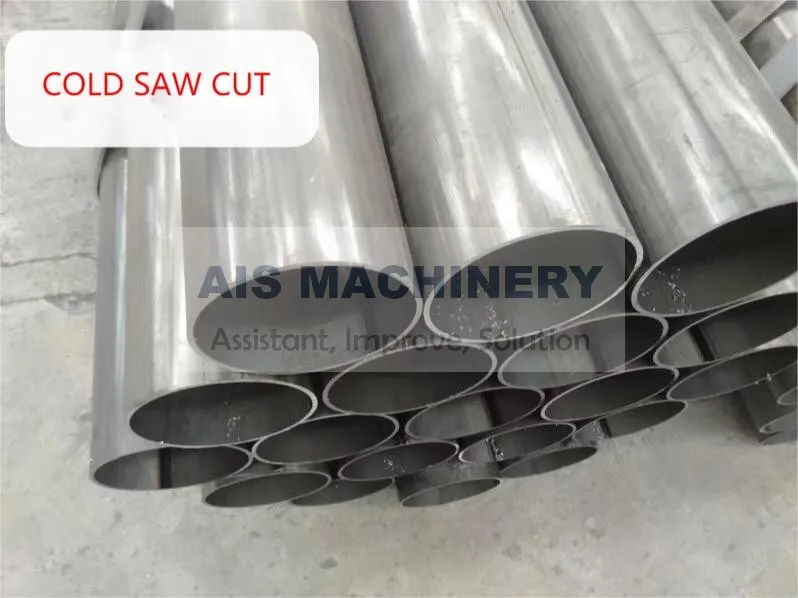
(heavy gauge cut to length line)
FAQS on heavy gauge cut to length line
Q: What is a heavy gauge cut to length line?
A: A heavy gauge cut to length line processes thick metal coils into flat sheets with precise dimensions. It uncoils, flattens, and cuts high-strength/stainless steel or aluminum efficiently. This automated system ensures consistent sizing for demanding industrial applications.
Q: How does a heavy gauge cut to length line differ from a slitting line?
A: Heavy gauge cut to length lines produce finished flat sheets in one pass, while slitting lines split coils into narrower strips. The former handles thicker materials (e.g., 6-20mm), while slitting lines focus on creating multiple narrower rolls from wider master coils.
Q: What capabilities should I look for in heavy gauge cut to length line manufacturers?
A: Prioritize manufacturers with proven expertise in robust machinery for thick materials. Verify their systems offer precision cutting (±0.1mm tolerances), quick tooling changes, and automated coil handling. Ensure they provide full technical support and customized engineering solutions.
Q: Why choose a heavy gauge cut to length line over manual processing?
A: Automation dramatically increases output speed and accuracy for thick plates. It eliminates labor-intensive tasks while enabling consistent, high-tolerance cutting that manual methods can't achieve. Production costs decrease significantly through reduced waste and minimal operator intervention.
Q: What industries use heavy gauge cut to length lines?
A: These lines serve sectors requiring structural metal components, like construction, shipbuilding, and heavy machinery manufacturing. They're essential for producing thick plates used in pressure vessels, bridges, and mining equipment due to their strength and dimensional reliability.

Related Products

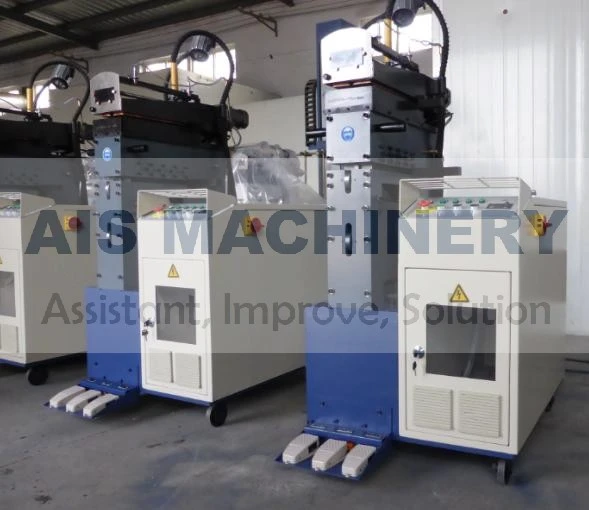
Related News
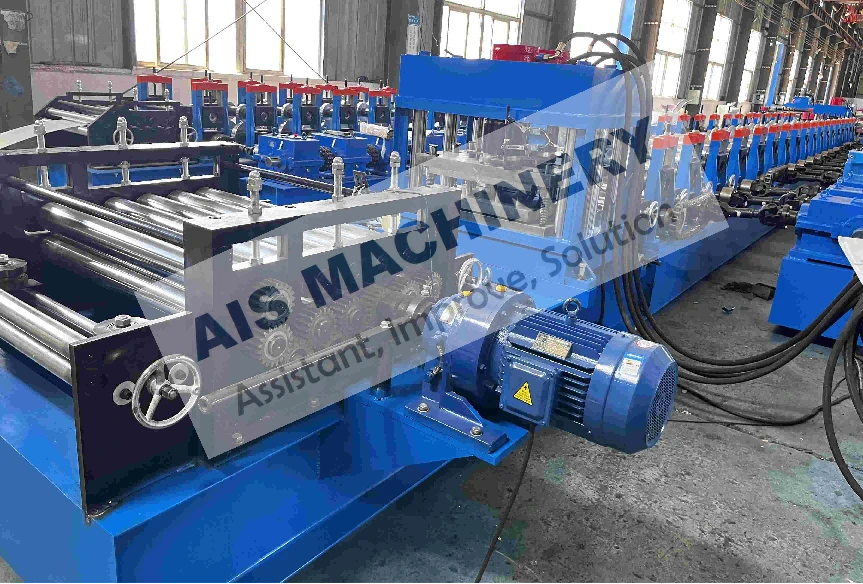
2025-07-28 15:14:17
Steel Pipe Making Machine Material Compatibility
Understanding material compatibility in steel pipe making machine operations is crucial for ensuring product quality, equipment longevity, and production efficiency.
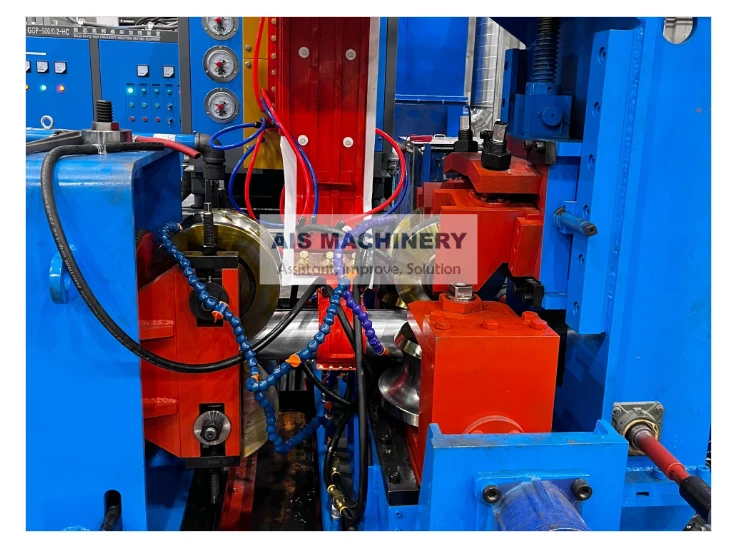
2025-07-28 15:10:43
Solid State Welding Machine Material Compatibility
Understanding material compatibility is foundational to maximizing the performance of solid state welding machine systems, ensuring strong, durable welds while protecting equipment integrity.
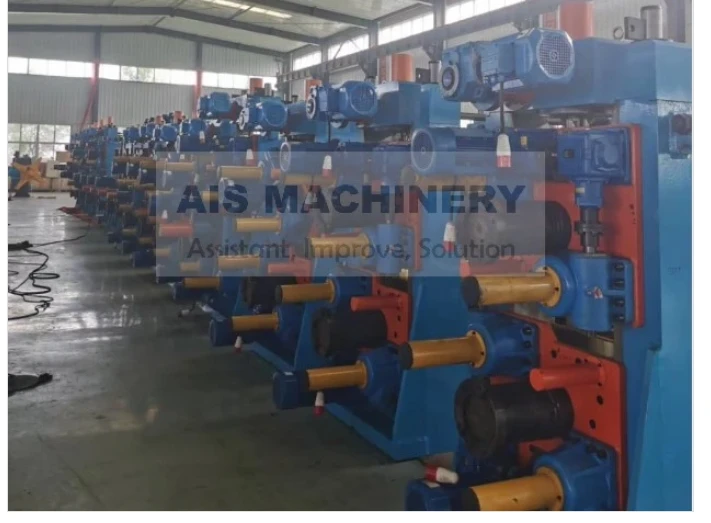
2025-07-28 15:07:32
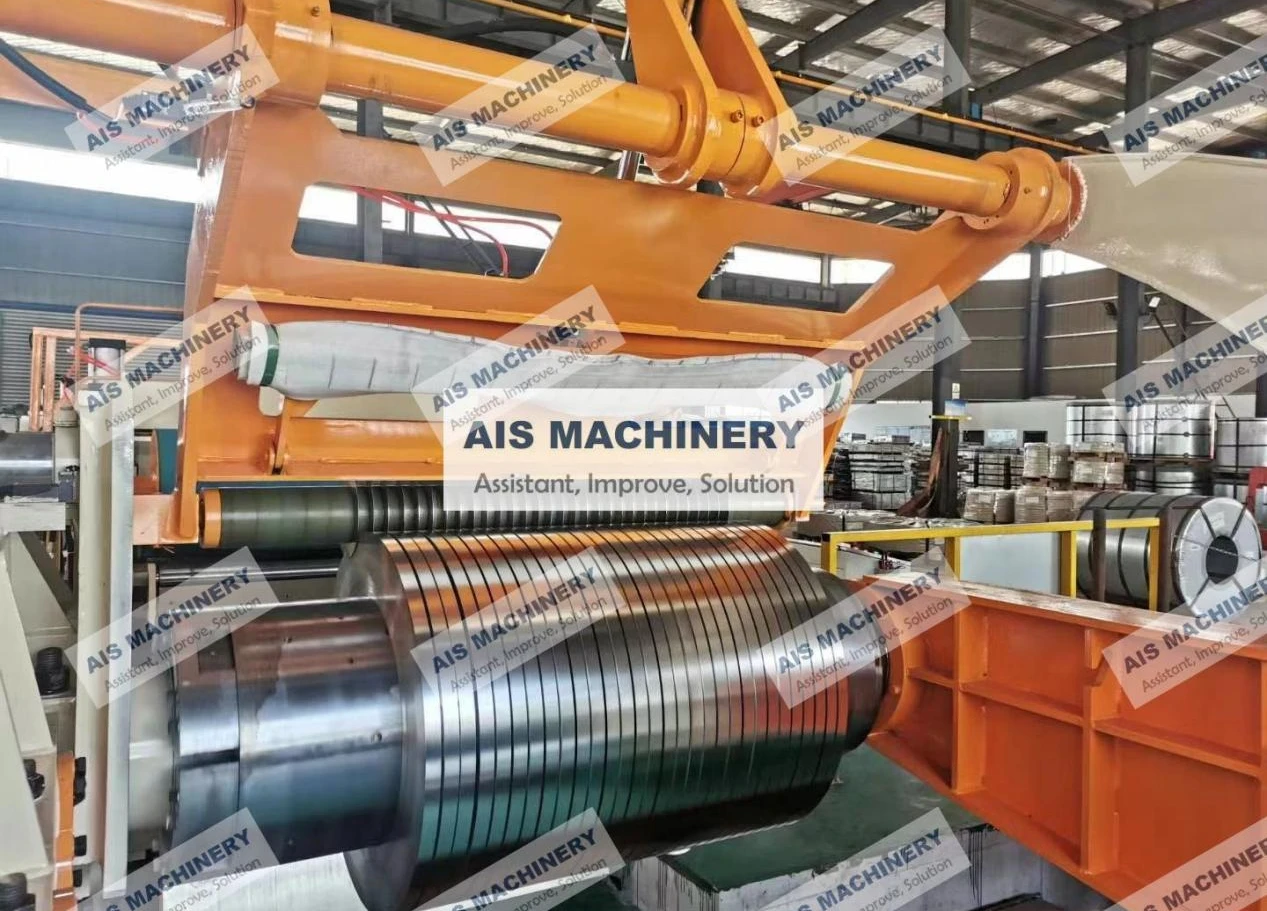
Production speed is a critical metric for pipe mill operations, directly impacting productivity, cost efficiency, and customer satisfaction.
2025-07-28 15:02:13
Metal Slitting Line Coil Width Range
Understanding the coil width range capabilities of a metal slitting line is essential for selecting equipment that aligns with diverse material processing needs, from narrow strips to wide coils.
2025-07-28 14:57:53
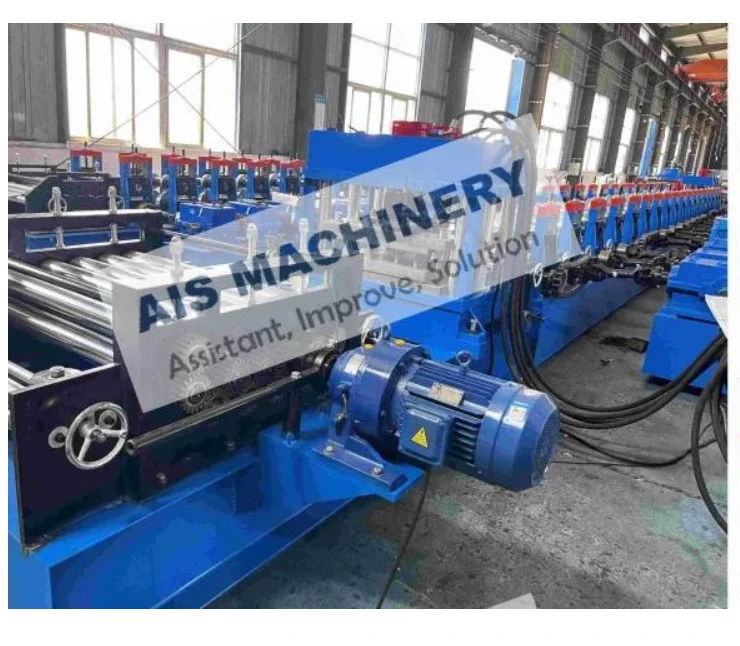
ERW Pipe Mill Material Compatibility
Material compatibility is a cornerstone of efficient and high-quality pipe production in ERW Pipe Mill operations.
2025-07-28 14:53:56
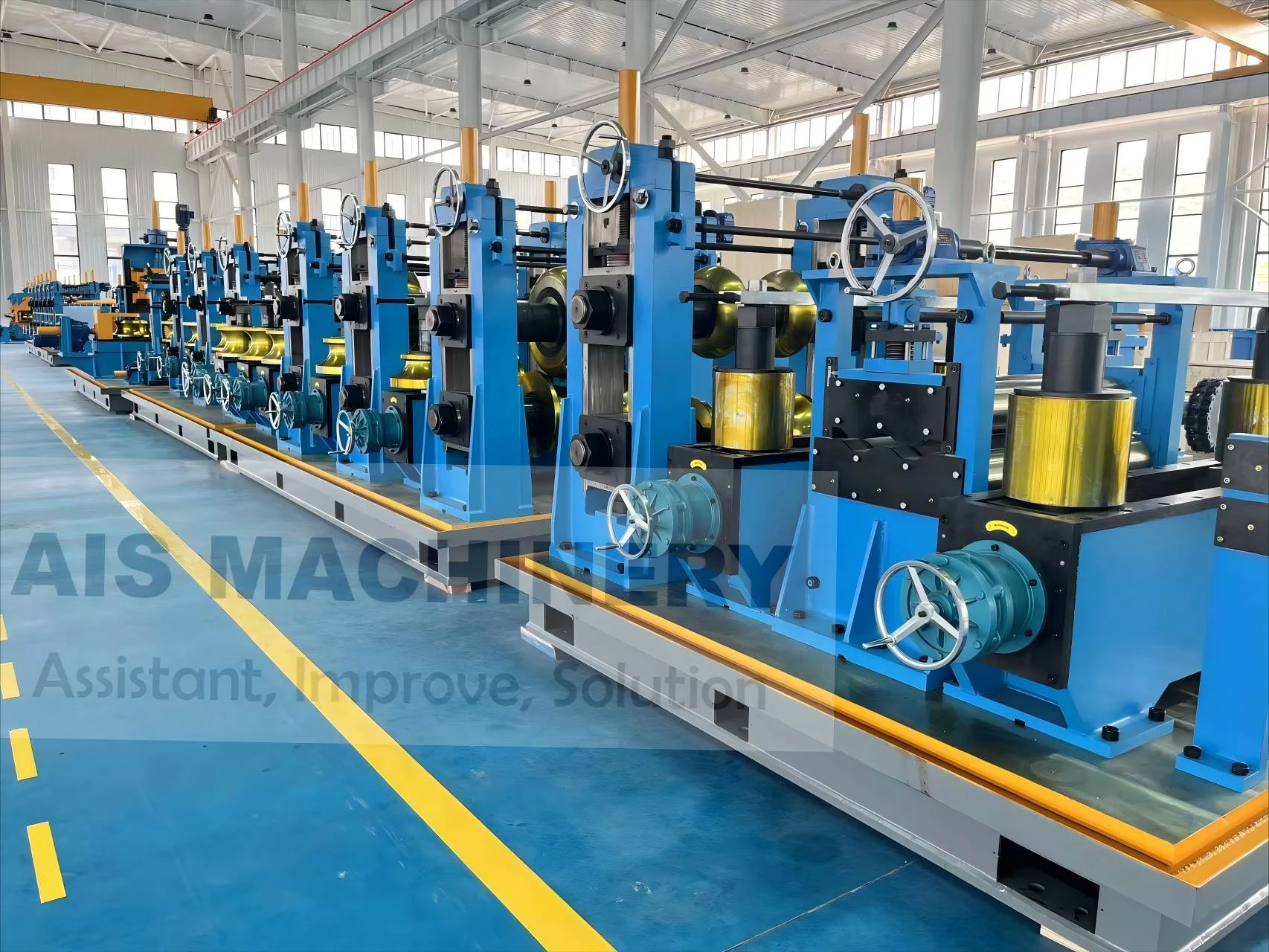
Cold Roll Forming Machine Speed Control
Precise speed control is a defining feature of efficient cold roll forming machine operations, directly influencing product quality, material utilization, and overall production throughput.
2025-07-25 16:36:17
10Inch ERW Tube Mill Delivered to Middle East AIS Machinery
AIS Machinery is proud to announce the successful delivery of a 10-inch ERW tube mill line to a valued customer in the Middle East. The production line is designed for high precision and efficiency, capable of producing tubes ranging from Φ89mm to Φ254mm, with thicknesses up to 8mm.
2025-07-16 10:13:22
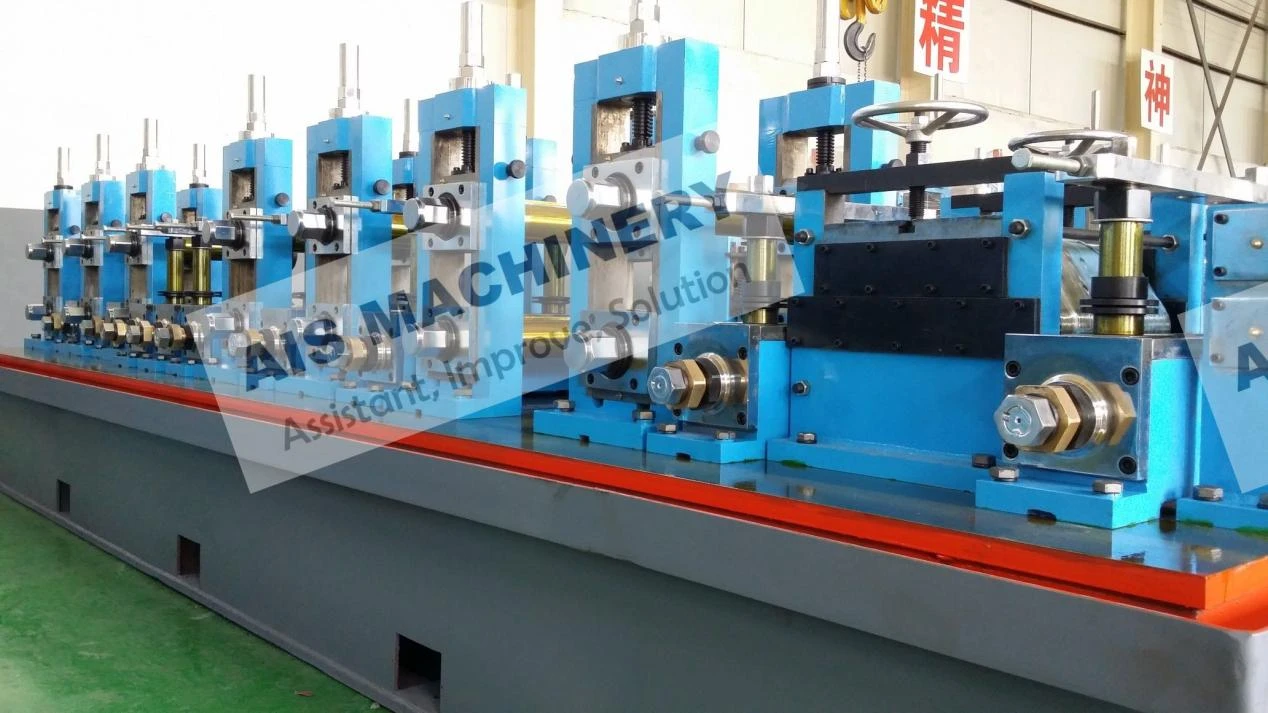
Modern metal fabrication demands precision and productivity, which is why our roll forming tube mill technology leads the industry in pipe and tube production.
Send a Message
Dear customer, thank you for your attention! We provide high-quality machinery and equipment and look forward to your orders. Please inform us of your needs and we will respond quickly!
 English
  Albanian
  Arabic
  French
  German
  Indonesian
  Italian
  Japanese
  Kazakh
  Korean
  Latin
Latin  Macedonian
  Portuguese
  Russian
  Spanish
  Thai
Thai  Turkish
  Ukrainian
  Uzbek
Uzbek