
-
 Tel:86-15176910262
-

Search

HF Tube Mill: High Speed & Precision ERW Tube Forming Machine
Sep . 19, 2025 10:50
Understanding the Modern Tube Mill Landscape
The global demand for high-quality, cost-effective tubular products continues to drive innovation in steel tube manufacturing. Central to this evolution is the hf tube mill, a technology renowned for its efficiency, precision, and versatility in producing welded tubes and pipes. This advanced manufacturing solution is critical across numerous industrial sectors, meeting stringent requirements for structural integrity, dimensional accuracy, and material consistency.
Modern manufacturing relies heavily on automated, high-speed processes. The high frequency tube mill represents the pinnacle of this approach, enabling producers to achieve superior throughput and consistent weld quality. As industries push for greater material performance and leaner production cycles, understanding the capabilities and advantages of these systems becomes paramount for B2B decision-makers and technical engineers alike. This article delves into the technical aspects, applications, and strategic considerations surrounding these indispensable machines.
Industry Trends and Market Dynamics
Several key trends are shaping the future of the tube and pipe manufacturing industry. Automation and digitalization are at the forefront, with intelligent control systems and IoT integration becoming standard. This allows for predictive maintenance, optimized production schedules, and real-time quality monitoring, significantly reducing downtime and operational costs. Furthermore, there's a growing emphasis on energy efficiency, leading to the adoption of solid-state high-frequency welders that offer superior power conversion efficiency compared to traditional vacuum tube welders.
The demand for specialized tube profiles, including various round, square, and rectangular sections, is also on the rise, necessitating flexible and adaptable tube mill machine designs. Manufacturers are increasingly seeking solutions that can handle a wider range of material thicknesses and types, from carbon steel to stainless steel and advanced alloys, while maintaining high production speeds. Environmental regulations also play a significant role, driving innovation towards more sustainable manufacturing practices and reduced waste.
Another notable trend is the push towards modular designs for erw tube mills, allowing for easier upgrades, maintenance, and customization. This flexibility is crucial for producers to adapt quickly to changing market demands and product specifications. The integration of advanced diagnostics and remote support capabilities is also becoming a standard offering, enhancing the reliability and serviceability of modern tube mill systems.
Detailed Process Flow of an HF Tube Mill
The manufacturing process of an hf tube mill is a sophisticated series of integrated steps designed to convert flat steel coil into precisely formed and welded tubular products. This highly efficient process ensures consistent quality and high production rates.
Key Stages of Tube Production:
1. Coil Preparation & Feeding
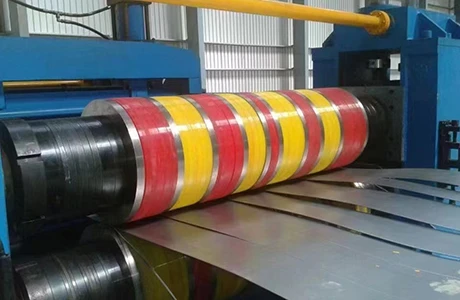
- Uncoiling: Steel coils are loaded onto an uncoiler, where the strip is unwound.
- Shearing & Welding: Ends of consecutive coils are precisely cut and butt-welded together to ensure continuous operation.
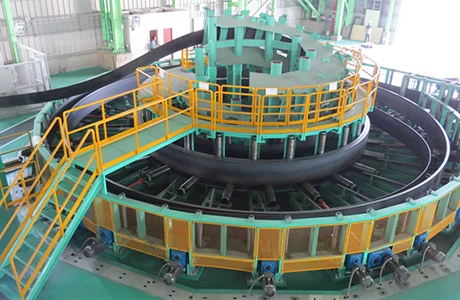
- Accumulation: A horizontal spiral accumulator or vertical loop accumulator stores a buffer of strip steel, allowing the mill to run continuously during coil changes.
2. Forming Section
- Strip Guiding: The steel strip is guided into the forming section to ensure proper alignment.
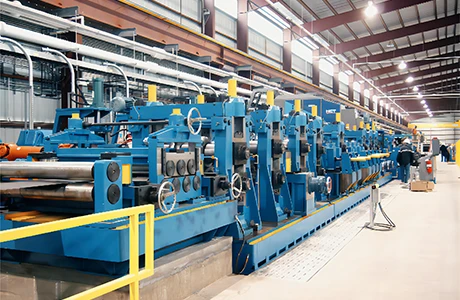
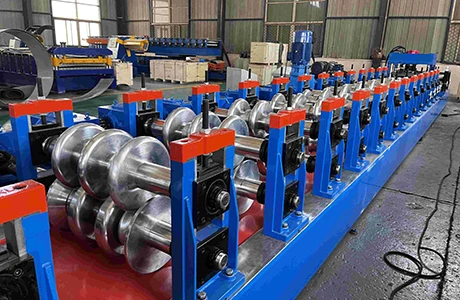
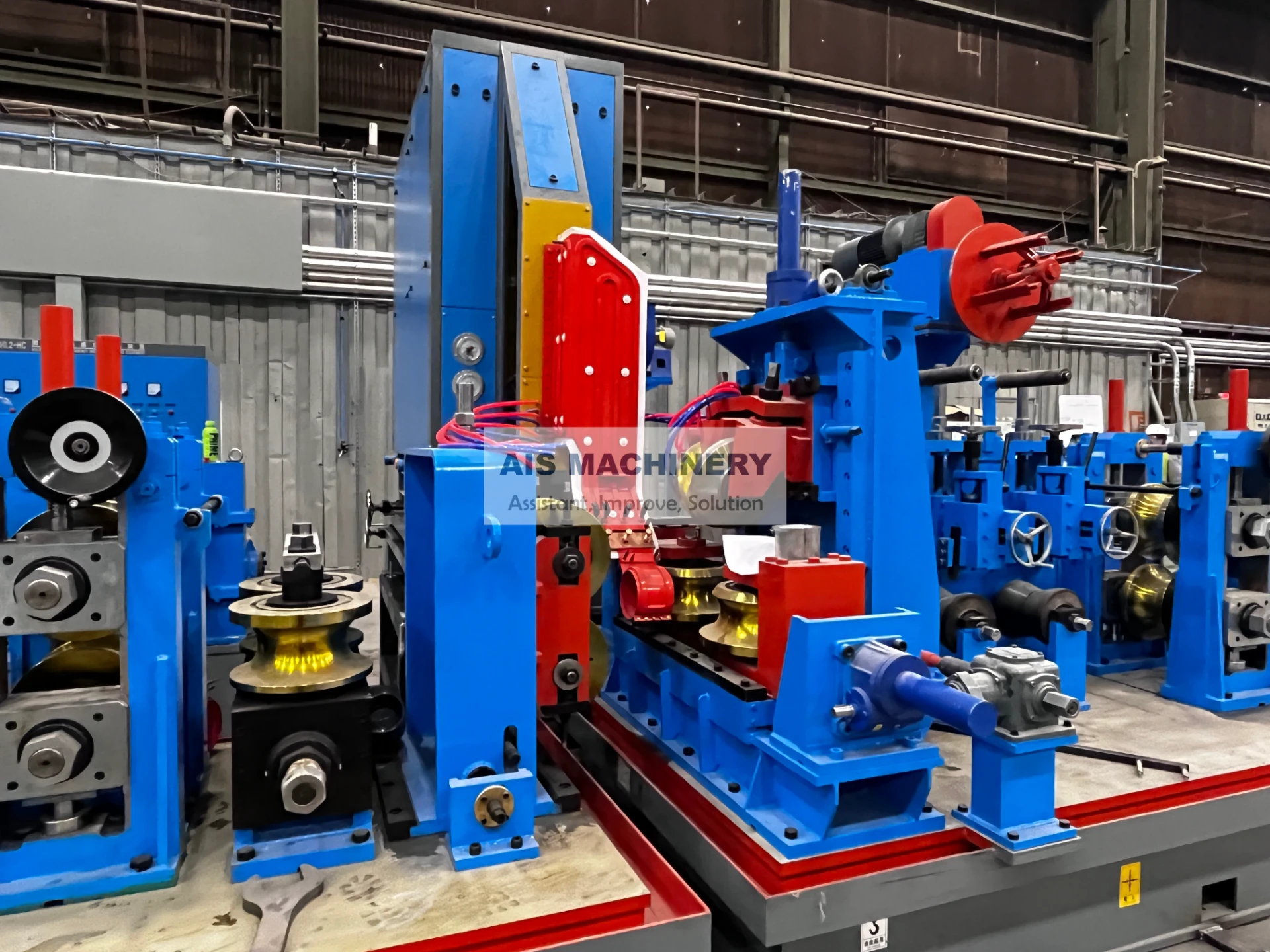
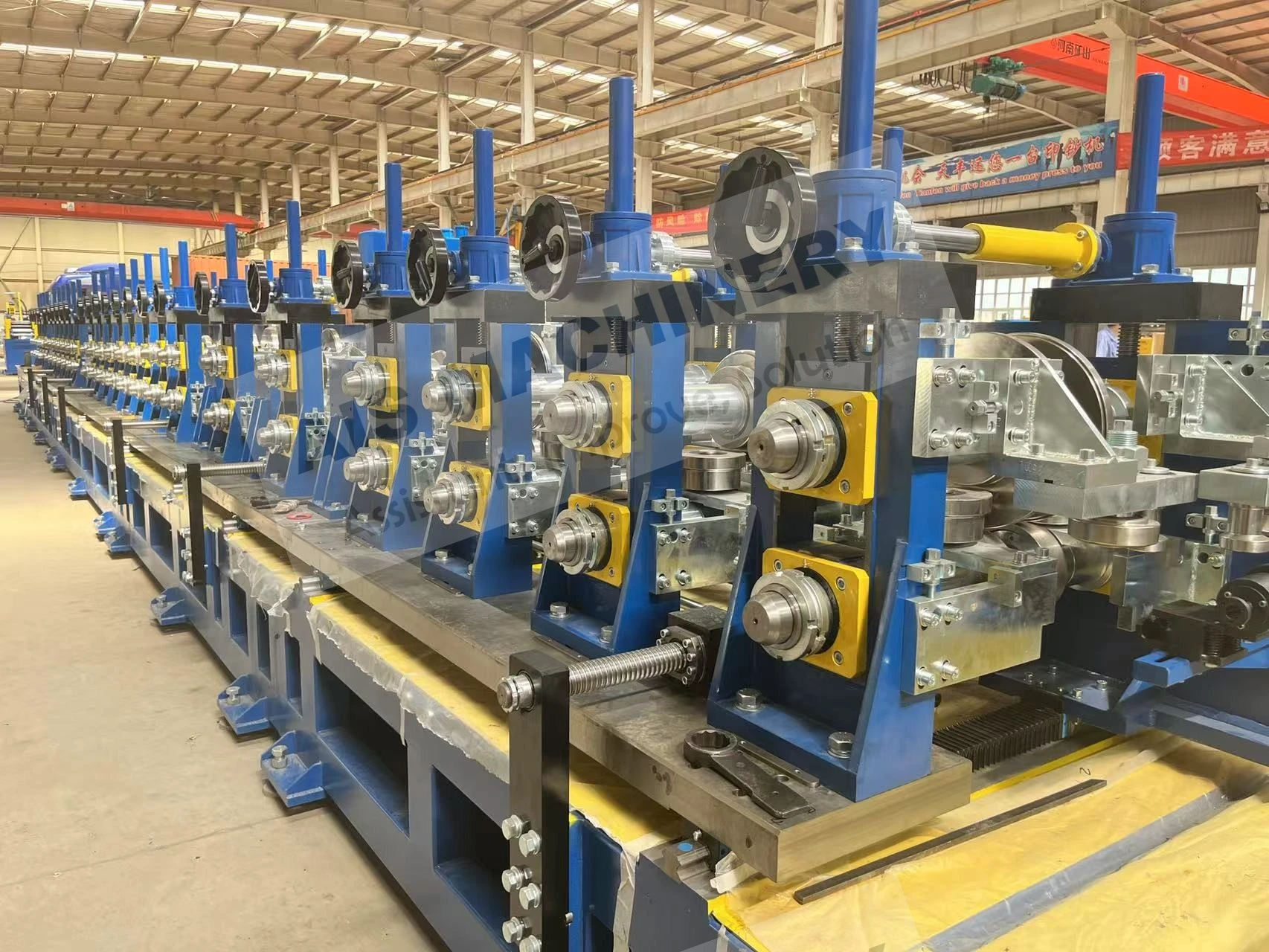
- Breakdown & Fin Pass Rolls: A series of precisely machined roll forming tube sets progressively shape the flat strip into an open seam tube, gradually bending the edges upwards. This process is critical for achieving the desired profile with minimal material stress.
- Material: Typically high-strength low-alloy (HSLA) steels, carbon steels, and stainless steels. Rolls are often made from D2 steel, 9Cr2Mo, or similar alloys, hardened and precision ground via CNC machining to ensure longevity and dimensional accuracy.
3. HF Welding & Sizing
- HF Welding: High-frequency induction current (typically 100-800 kHz) heats the edges of the open seam tube to forging temperature. Pressure rolls then forge the molten edges together, creating a strong, clean weld.
- Scarfing: Excess weld flash (bead) is precisely removed, both externally and internally, for a smooth finish and consistent internal diameter.
- Cooling: The newly welded tube is rapidly cooled using water or air.
- Sizing & Straightening: A series of sizing and straightening rolls refine the tube's outer diameter, shape (e.g., round to square forming), and ensure linearity. This section guarantees adherence to precise dimensional tolerances.
4. Cutting & Finishing
- Cut-off: A flying cut-off saw accurately cuts the continuous tube into specified lengths without stopping the mill.
- End Finishing: Depending on application, tubes may undergo additional processes like chamfering, deburring, or hydrostatic testing.
- Testing Standards: Tubes typically undergo non-destructive testing (NDT) such as eddy current or ultrasonic testing for weld integrity, followed by dimensional checks. Products must meet standards like ASTM A500, EN 10219, API 5L, ISO 9001, and ANSI specifications.
- Service Life: With proper maintenance, a well-engineered steel tube forming machine can operate for 15-20+ years, with critical components such as rolls requiring periodic replacement based on wear.
Target Industries & Advantages:
- Petrochemical: High-integrity pipes for fluid conveyance, offering excellent corrosion resistance due to material quality and consistent weld.
- Metallurgy & Construction: Structural tubes, beams, and columns requiring precise dimensions and high strength-to-weight ratios. Energy saving is achieved through optimized HF welding power consumption and reduced material waste.
- Water Supply & Drainage: Durable pipes for municipal and industrial infrastructure, leveraging the reliability of ERW welds for long service life in demanding environments.
- Automotive: Lightweight yet strong tubular components for chassis and exhaust systems, benefiting from high-speed production and precision forming.
- General Manufacturing: Versatile tubing for furniture, agricultural equipment, and various structural applications, where customization and cost-effectiveness are key.
The integrated design and precision engineering of a high frequency tube mill ensure that the output tubes possess superior mechanical properties, including high yield strength and ductility, crucial for demanding applications.
Technical Specifications and Performance Metrics
The performance of an hf tube mill is defined by a range of critical technical parameters. These specifications dictate its capacity, efficiency, and the quality of the final product. Understanding these metrics is vital for selecting the right equipment for specific production needs.
Typical HF Tube Mill Specifications:
| Parameter | Value Range | Unit |
|---|---|---|
| Tube Outer Diameter (Round) | 19 - 140 | mm |
| Square/Rectangular Size | 15x15 - 110x110 | mm |
| Wall Thickness | 0.8 - 6.0 | mm |
| Production Speed | 20 - 120 | m/min |
| HF Welder Power | 150 - 600 | kW |
| Max Coil Weight | 3 - 15 | Tons |
| Line Speed Max (Pre-Cut) | 150 | m/min |
These parameters illustrate the robust capabilities of modern erw pipe mill technology. The precise control over wall thickness and diameter is achieved through advanced forming techniques and meticulous roll design, ensuring that the final product meets exact engineering specifications.
Roll Forming Tube Mill Comparison: HF vs. Other Technologies
| Feature | High Frequency (HF) Welded Tube Mill | Submerged Arc Welded (SAW) Pipe Mill | Seamless Tube Mill |
|---|---|---|---|
| Production Speed | Very High (up to 120 m/min) | Medium (1-5 m/min) | Medium (2-10 m/min) |
| Wall Thickness Range | Thin to Medium (0.8 - 6.0 mm) | Medium to Thick (6 - 50 mm+) | Medium to Thick (2 - 60 mm+) |
| Diameter Range | Small to Medium (19 - 219 mm) | Large (219 - 2500 mm+) | Small to Large (10 - 1000 mm+) |
| Weld Quality/Integrity | Excellent, strong, uniform weld seam | Excellent, heavy-duty weld, visible seam | No weld seam, superior for high-pressure |
| Material Utilization | High (Minimal scrap from strip) | Moderate (Plate preparation, ends) | Lower (Piercing and rolling losses) |
| Initial Investment | Medium | High | Very High |
This comparison highlights the distinctive advantages of high speed tube mill technology, particularly for high-volume production of smaller to medium diameter tubes where speed and cost-efficiency are paramount.
Technical Advantages and Performance Edge
The selection of an hf tube mill over alternative pipe manufacturing methods is often driven by its inherent technical advantages, which translate directly into operational efficiencies and superior product quality.
- High Production Speed: HF welding allows for extremely rapid heating and cooling cycles, enabling significantly faster line speeds compared to other welding methods. This directly increases throughput and reduces per-unit manufacturing costs.
- Superior Weld Quality: The localized heating characteristic of HF welding minimizes the heat-affected zone (HAZ), resulting in a weld seam with mechanical properties very similar to the parent material. This ensures excellent ductility and strength, crucial for structural and pressure applications.
- Material Versatility: Modern HF mills can process a wide range of ferrous and non-ferrous materials, including carbon steel, stainless steel, galvanized steel, and even aluminum, offering flexibility for diverse product portfolios.
- Cost-Effectiveness: The high speed and efficient energy transfer of HF welding, especially with solid-state power supplies, contribute to lower energy consumption per meter of tube. Additionally, precise material handling minimizes scrap, leading to optimized raw material utilization.
- Dimensional Accuracy: Advanced tube forming and sizing sections incorporate precise roll tooling and control systems to maintain tight tolerances on outer diameter, wall thickness, and straightness, reducing the need for post-processing.
- Reduced Emissions: Compared to older welding technologies, modern solid-state HF welders operate with significantly lower noise levels and no harmful emissions, contributing to a safer and more environmentally friendly workplace.
The robustness of the roll forming tube mill components, often manufactured using advanced forging and CNC machining techniques, ensures long operational life and consistent performance under continuous duty cycles. This dedication to engineering excellence underpins the reliability expected by B2B clients.
Vendor Comparison and Strategic Selection
Choosing the right china roll forming machine vendor is a critical decision that impacts long-term operational success. It goes beyond initial purchase price to encompass factors such as technological advancement, after-sales support, customization capabilities, and proven track record.
Key Considerations for Vendor Selection:
- Technological Prowess: Evaluate vendors based on their commitment to R&D, reflected in the adoption of solid-state HF welding technology, advanced control systems (e.g., Siemens, Allen-Bradley PLCs), and precision steel pipe forming machine tooling.
- Customization & Flexibility: A leading vendor should offer highly customizable solutions, from initial line layout and speed requirements to specific tube profiles (e.g., round to square forming sections) and material handling systems.
- After-Sales Service & Support: Proximity to service centers, availability of spare parts, remote diagnostics, and comprehensive training programs are crucial for minimizing downtime and maximizing equipment uptime. A vendor with decades of experience in the industry typically offers more robust support.
- Quality & Certifications: Look for vendors with ISO 9001 certification for their manufacturing processes and products that comply with international standards like CE, ASTM, or GOST. This demonstrates commitment to quality and regulatory adherence.
- Track Record & References: Successful installations and positive customer feedback from reputable companies in your target industry sectors (e.g., automotive, construction, oil & gas) serve as strong indicators of reliability and performance.
- Total Cost of Ownership (TCO): Consider not just the purchase price but also energy consumption, maintenance costs, spare parts availability, and expected lifespan of the erw pipe mill over its operational duration.
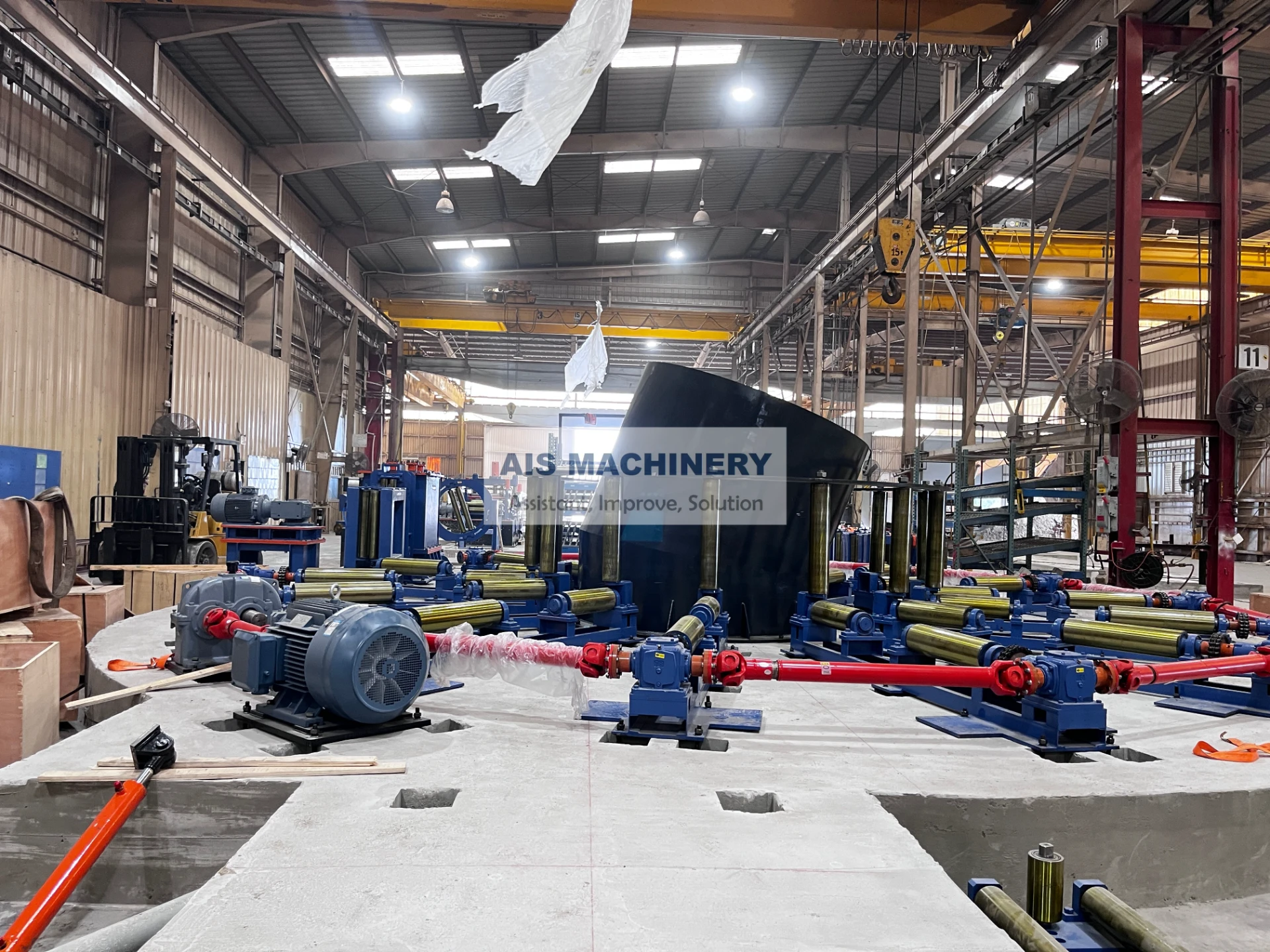
A reliable vendor acts as a strategic partner, providing not just equipment but also expertise in process optimization, material science, and automation integration, ensuring that your hf tube mill investment delivers maximum ROI.
Customized Solutions & Application Case Studies
The ability to provide tailor-made solutions is a hallmark of an advanced tube mill machine manufacturer. Customization ensures that the equipment perfectly aligns with specific production requirements, material characteristics, and output expectations.
Customization Areas Include:
- Line Speed & Capacity: Tailoring the mill's speed to match required annual production volumes.
- Tube Profile Flexibility: Designing quick-change roll systems to easily transition between round, square, rectangular, and custom profiles.
- Material Handling Systems: Integrating specialized uncoilers, accumulators (e.g., horizontal spiral or vertical loop), and packaging lines to suit different coil sizes and finished product handling needs.
- Automation Level: From semi-automatic to fully automated lines with integrated quality control, PLC-based control systems, and data logging capabilities.
- Post-Welding Processes: Adding in-line or off-line features like internal bead scarfing, annealing, hydrostatic testing, or specialized cutting technologies.
Application Case Studies:
Case Study 1: High-Speed Automotive Component Production
A leading automotive parts supplier required a high speed tube mill capable of producing thin-walled, high-strength steel tubes for chassis components. The customized solution involved an ultra-high-frequency (800 kHz) solid-state welder for minimal HAZ, combined with a precision sizing section capable of achieving ±0.05 mm diameter tolerance at 100 m/min. The mill's automation included automated coil change and a laser-based weld seam tracking system, resulting in a 30% increase in production output and a 15% reduction in material waste compared to their previous line.
Case Study 2: Structural Steel Pipe for Construction
A large construction material manufacturer needed a robust steel pipe forming machine to produce structural square and rectangular hollow sections (SHS/RHS) from 2mm to 6mm thick steel. The provided solution featured a heavy-duty forming mill with robust roll stands and a sophisticated round-to-square conversion section. Critical to this project was the integrated NDT eddy current testing module for 100% weld integrity verification, ensuring compliance with EN 10219 standards. This mill enabled the client to expand their product range and significantly improve delivery times to large-scale infrastructure projects.
Frequently Asked Questions (FAQ)
Q1: What is the typical lead time for a new hf tube mill installation?
A1: Lead times vary depending on the mill's complexity and customization requirements. Generally, standard configurations can be delivered within 4-6 months, while highly customized systems may require 8-12 months for design, manufacturing, and testing. Project fulfillment includes comprehensive planning, installation supervision, and commissioning support.
Q2: What kind of warranty and after-sales support can I expect?
A2: We typically offer a 12 to 24-month warranty on mechanical and electrical components, covering manufacturing defects. Our after-sales support includes remote diagnostics, on-site technical assistance, spare parts supply, and regular maintenance check-ups. Dedicated support teams are available globally for rapid response.
Q3: How energy efficient are modern solid-state HF welders?
A3: Modern solid-state HF welders are significantly more energy-efficient than older vacuum tube models, boasting conversion efficiencies often exceeding 85-90%. This translates to substantial energy savings and lower operational costs over the lifespan of the erw tube mills.
Q4: Can these mills process different steel grades?
A4: Yes, high frequency tube mill systems are designed for versatility. They can effectively process a wide array of steel grades including mild steel, galvanized steel, various stainless steel grades (e.g., 304, 316), and high-strength low-alloy (HSLA) steels, with appropriate adjustments to welding parameters and roll tooling.
Conclusion
The hf tube mill stands as a testament to advanced manufacturing capabilities, offering unparalleled efficiency, precision, and versatility in the production of welded pipes and tubes. Its integration of high-speed forming, robust HF welding, and sophisticated sizing mechanisms makes it an indispensable asset for industries ranging from automotive to construction, oil and gas, and general manufacturing. For B2B decision-makers, investing in this technology means securing a competitive edge through optimized production costs, superior product quality, and the flexibility to adapt to evolving market demands. The ongoing innovation in automation, energy efficiency, and material handling further solidifies the position of the high frequency tube mill as a cornerstone of modern industrial production.
References:
- Smith, J. (2022). "Advances in High-Frequency Welding Technology for Tube Manufacturing." Journal of Advanced Material Processing, 15(3), 123-138.
- International Standards Organization. (2021). ISO 9001:2015 Quality Management Systems – Requirements.
- American Society for Testing and Materials. (2023). ASTM A500/A500M - Standard Specification for Cold-Formed Welded and Seamless Carbon Steel Structural Tubing in Rounds and Shapes.
- Wang, L. & Chen, X. (2021). "Energy Efficiency Optimization in ERW Pipe Mill Operations." International Journal of Manufacturing Technology and Management, 28(4), 301-315.

Related Products

Related News
2027-04-24 00:00:00
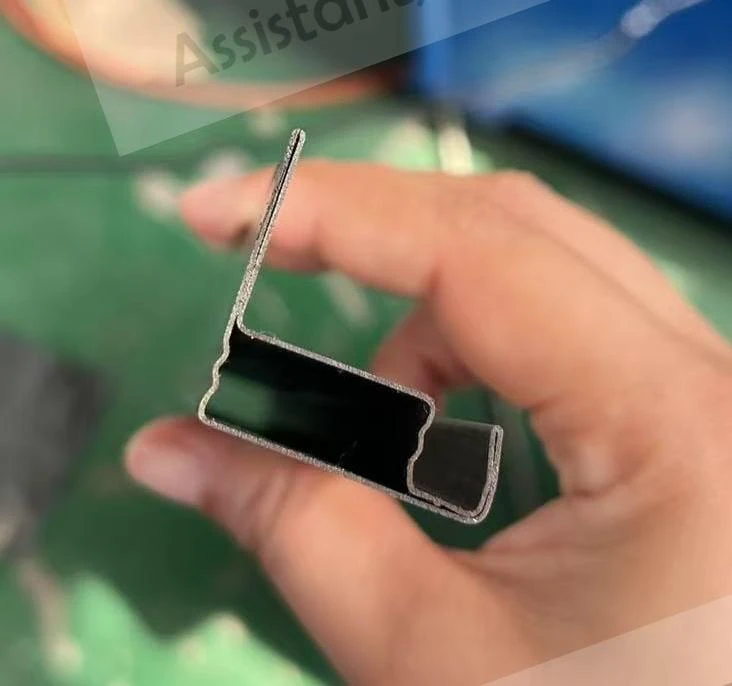
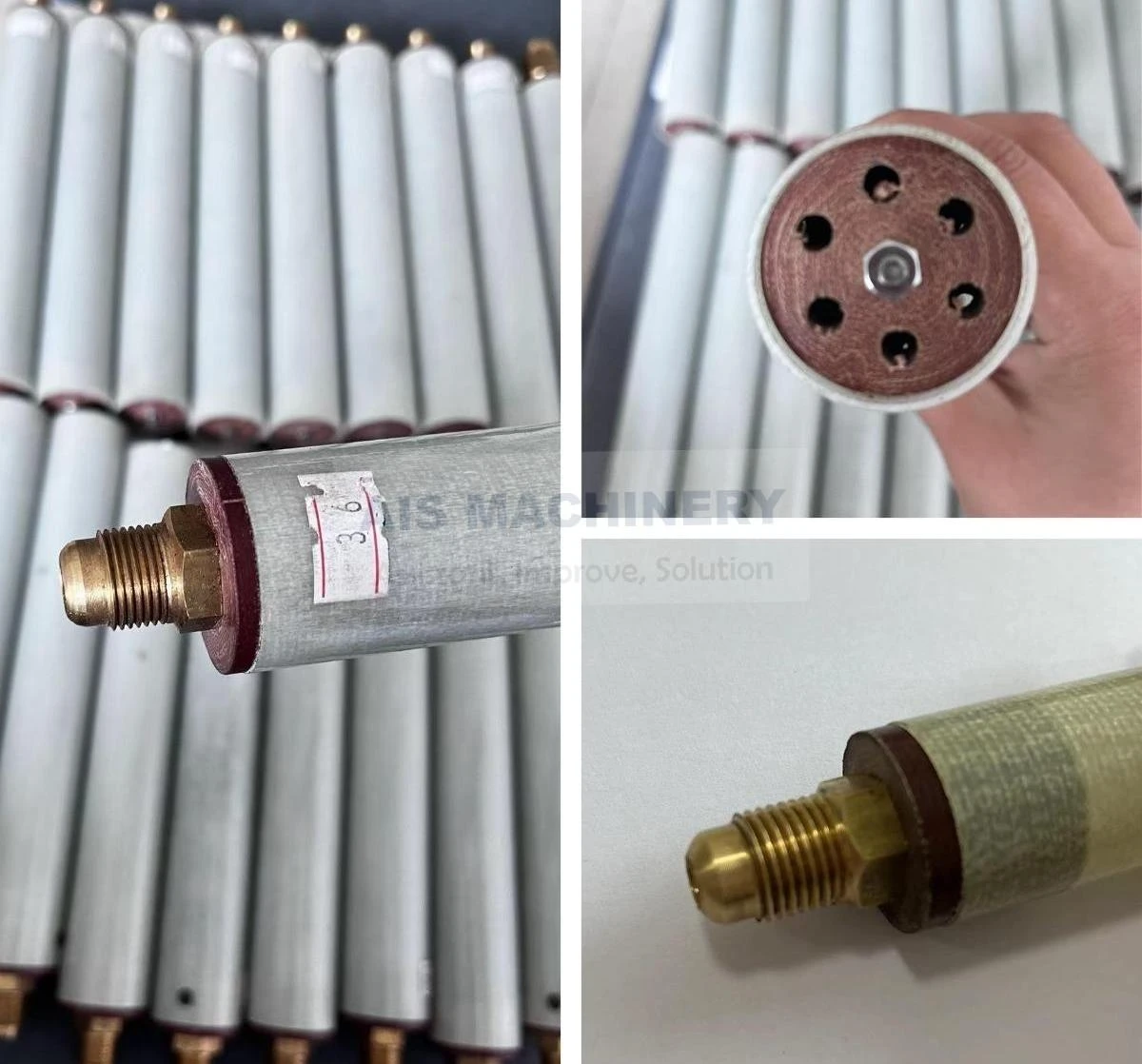
What is an Impeder and Ferrite Rods in ERW Tube Mill?
Struggling with impeder overheating or short service life in your ERW tube mill? This guide explains common impeder problems, the role of ferrite rods, and how to choose the right impeder for stable welding performance. Improve weld quality, reduce energy loss, and extend equipment lifespan with the right selection and proper cooling solutions.
2026-04-21 10:22:25
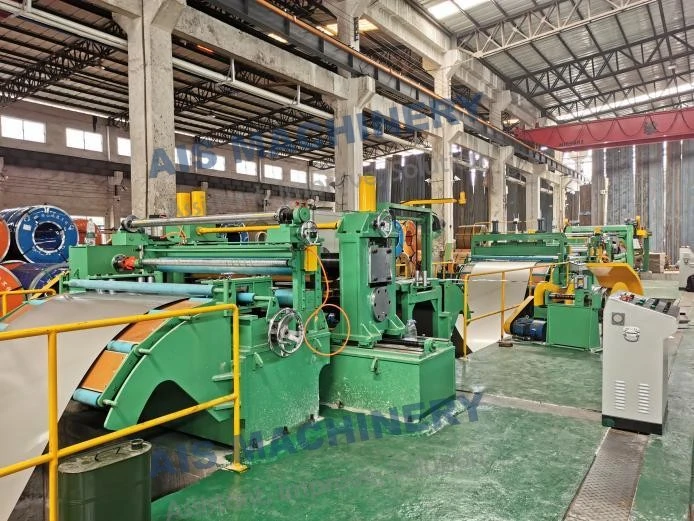
Slitting & Cut-to-Length Combined Production Line: A Smarter Way to Process Steel Coils
Discover the Slitting & Cut-to-Length Combined Production Line, a flexible solution for steel coil processing. This system integrates slitting line and cut-to-length line functions in one machine, saving space, reducing costs, and improving efficiency. Ideal for processing both steel strips and sheets, it is widely used in service centers and manufacturing industries. Learn its advantages, limitations, and applications.
2026-04-18 03:20:20
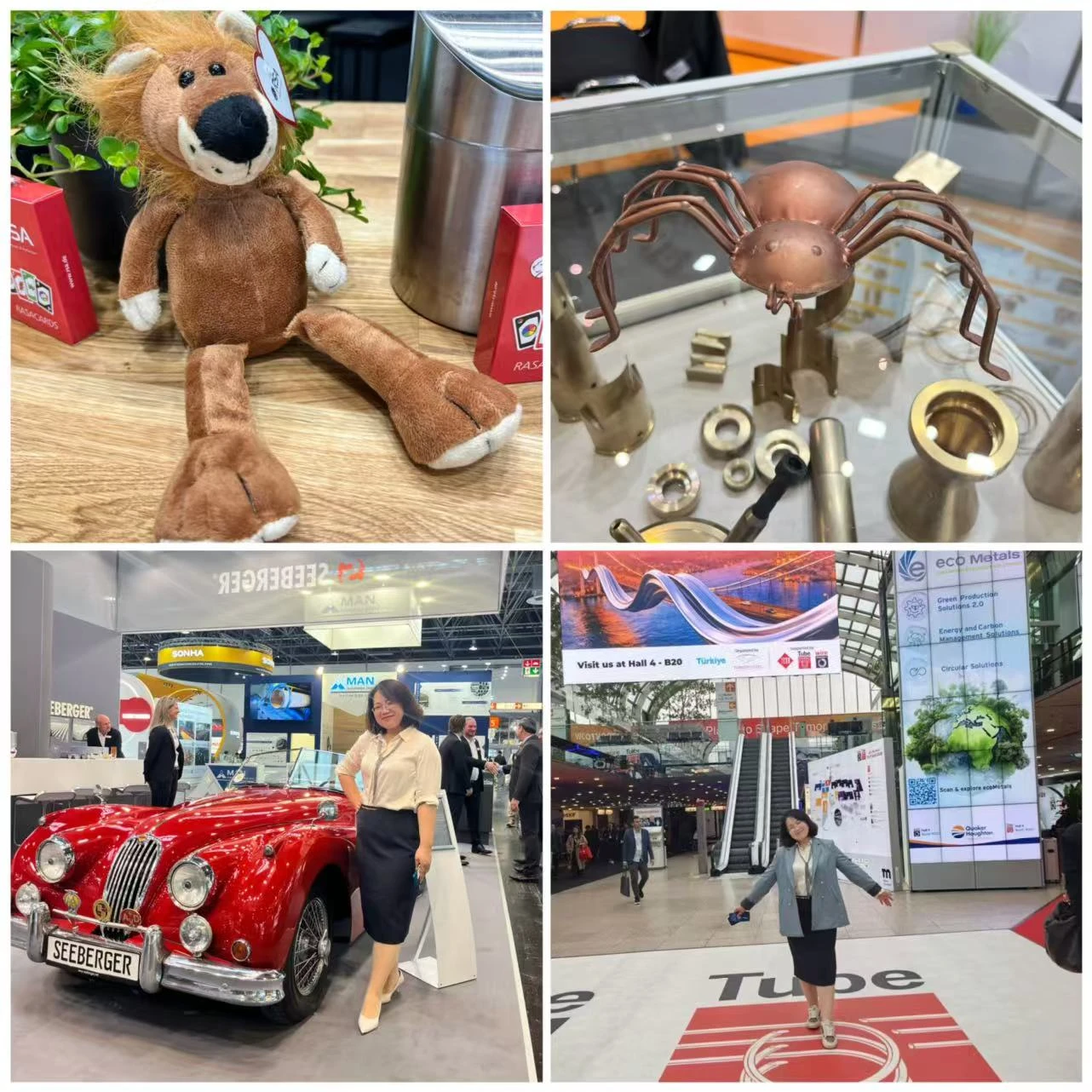
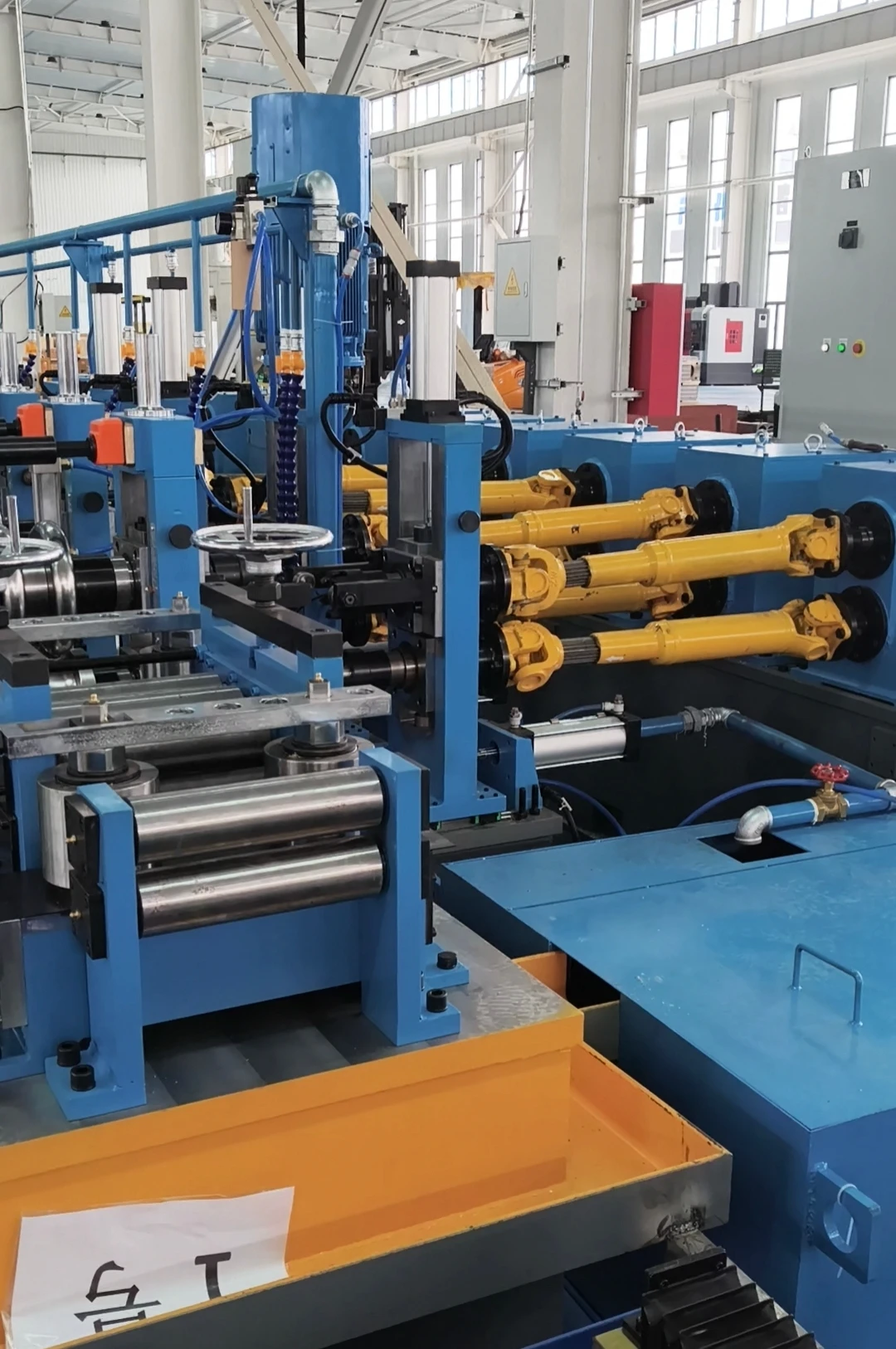
AIS Machinery Showcases Advanced Tube Solutions at Tube & Wire Düsseldorf 2026
Tube & Wire Düsseldorf 2026, one of the most influential exhibitions in the global tube and wire industry, held biennially in Düsseldorf, Germany
2026-04-17 00:00:00
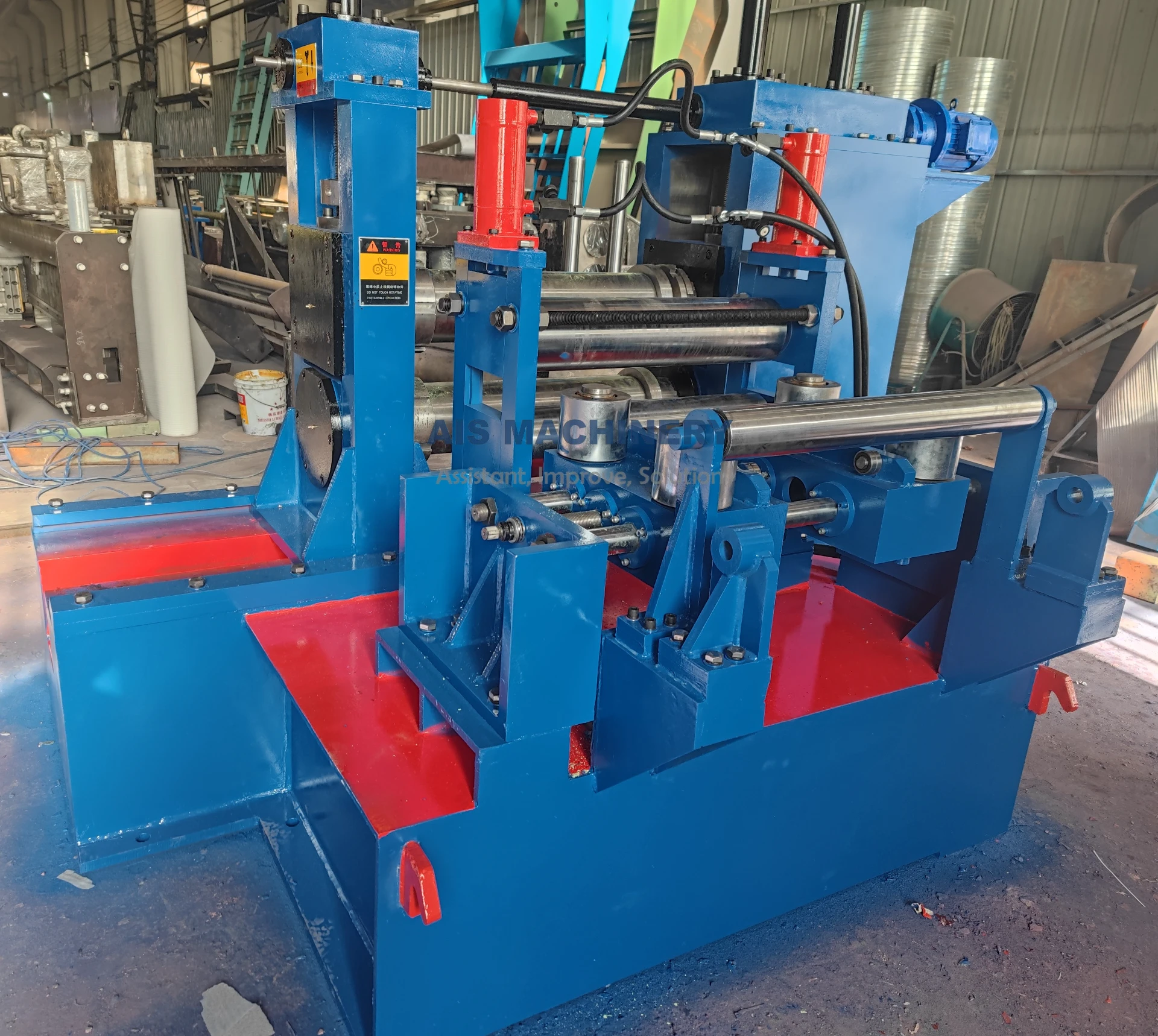
Southeast Asia Client Visits Our Factory | Customized Tube Mill Solution Delivered
A Southeast Asia client visited our ERW tube mill factory to inspect production lines and discuss a customized tube mill solution. Impressed by our machine quality, welding performance, and engineering support, the client confirmed strong cooperation intentions. Discover how our ERW tube mill solutions improve efficiency, precision, and long-term production reliability.
2026-04-15 10:37:55
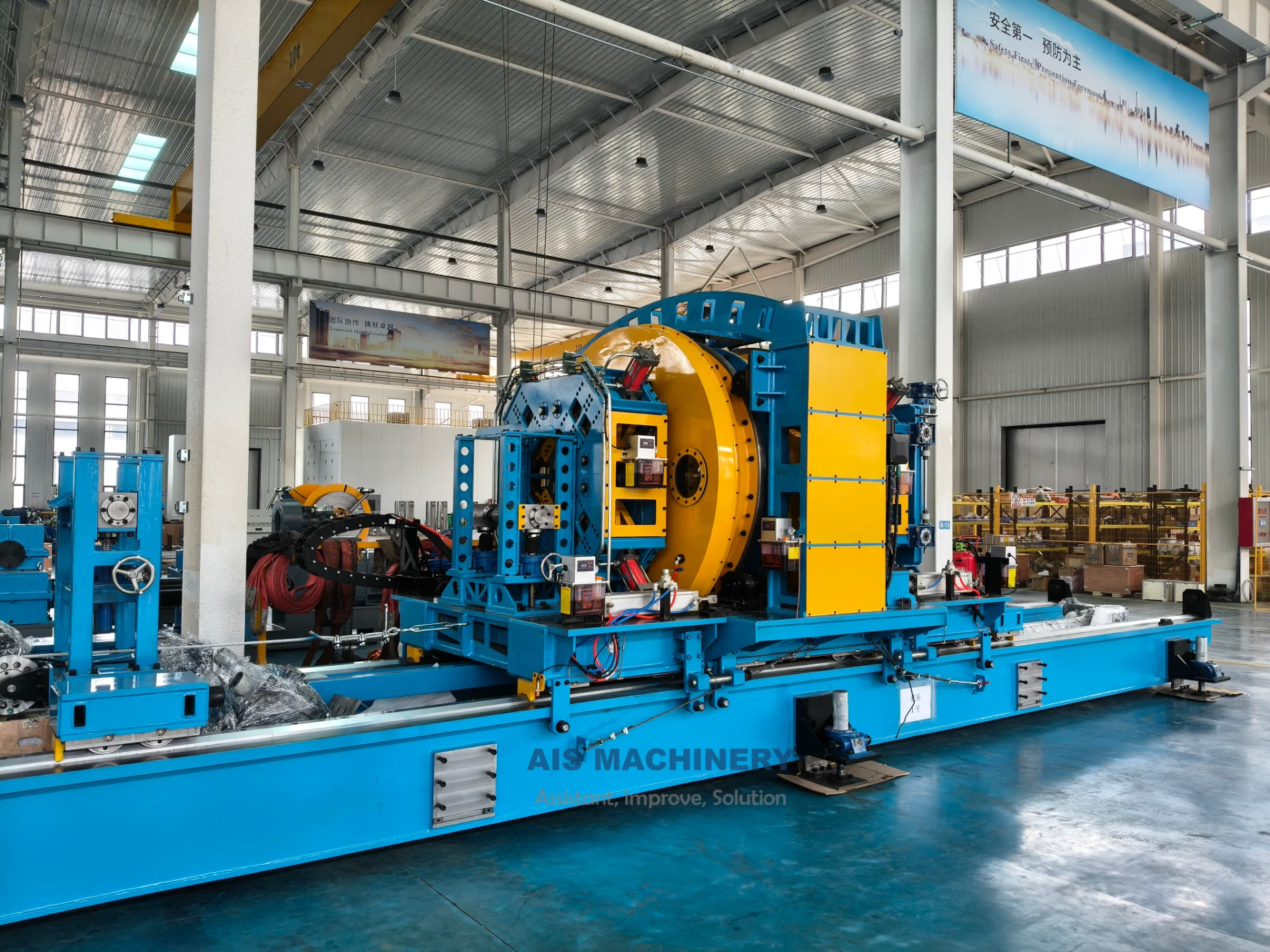
Flat Bar Production Line for Steel Coils: How It Works & Why It Matters
Looking for a flat bar production line? Learn how it turns steel coils into ready-to-use flat bars with precise length and high straightness. Compare it with slitting lines and get the best solution for your steel processing needs.
2026-04-14 00:00:00
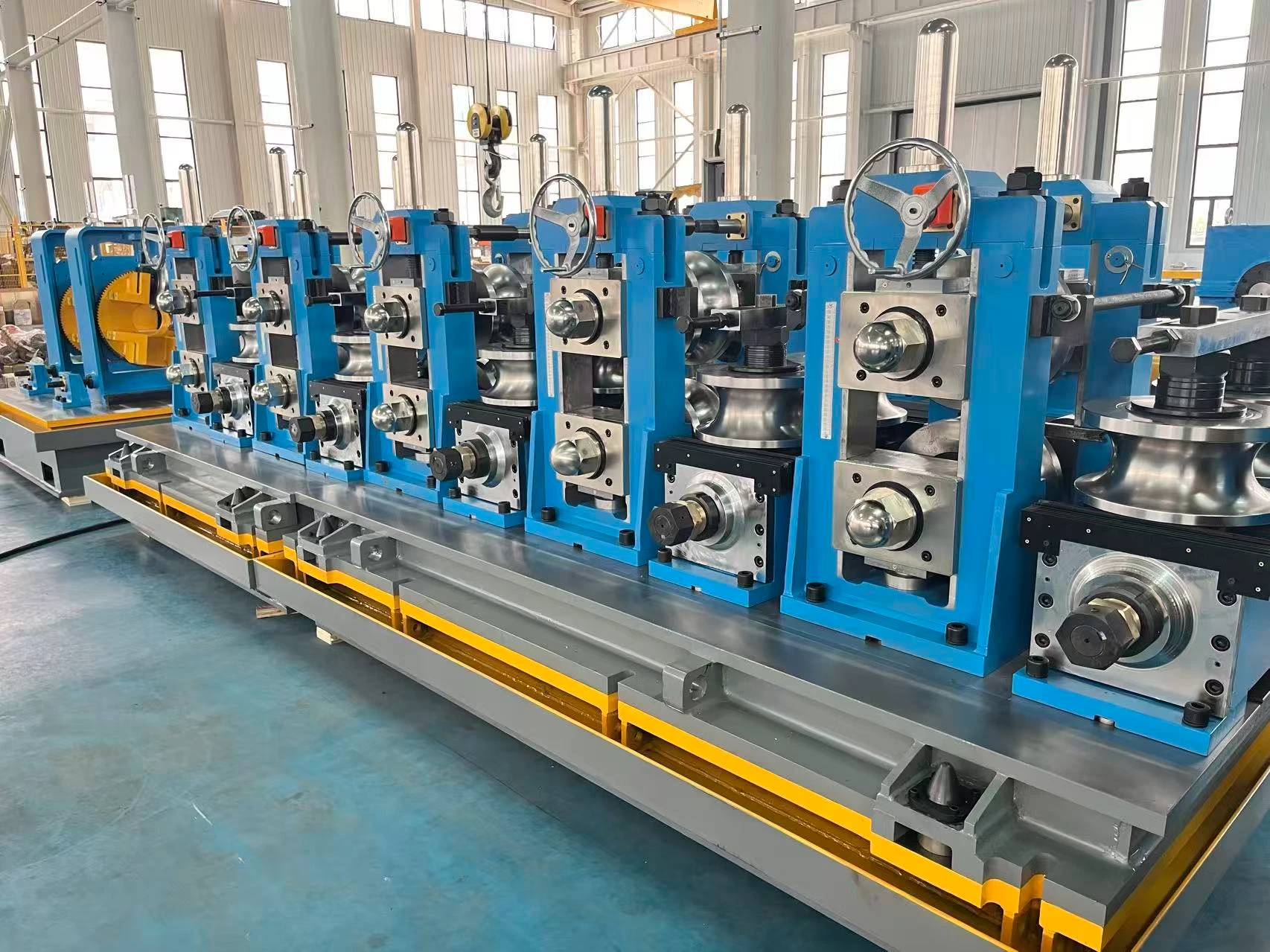
Looking for a Milling Saw for ERW Tube Mill? Here’s What You Need to Know
Looking for a high-performance milling saw for your ERW tube mill? Upgrade to burr-free, high-precision pipe cutting with advanced flying saw technology. Improve efficiency, reduce rework, and meet export standards for carbon steel, stainless steel, and API pipes. Contact us today for expert solutions and competitive pricing tailored to your production needs.
2026-04-09 16:15:19
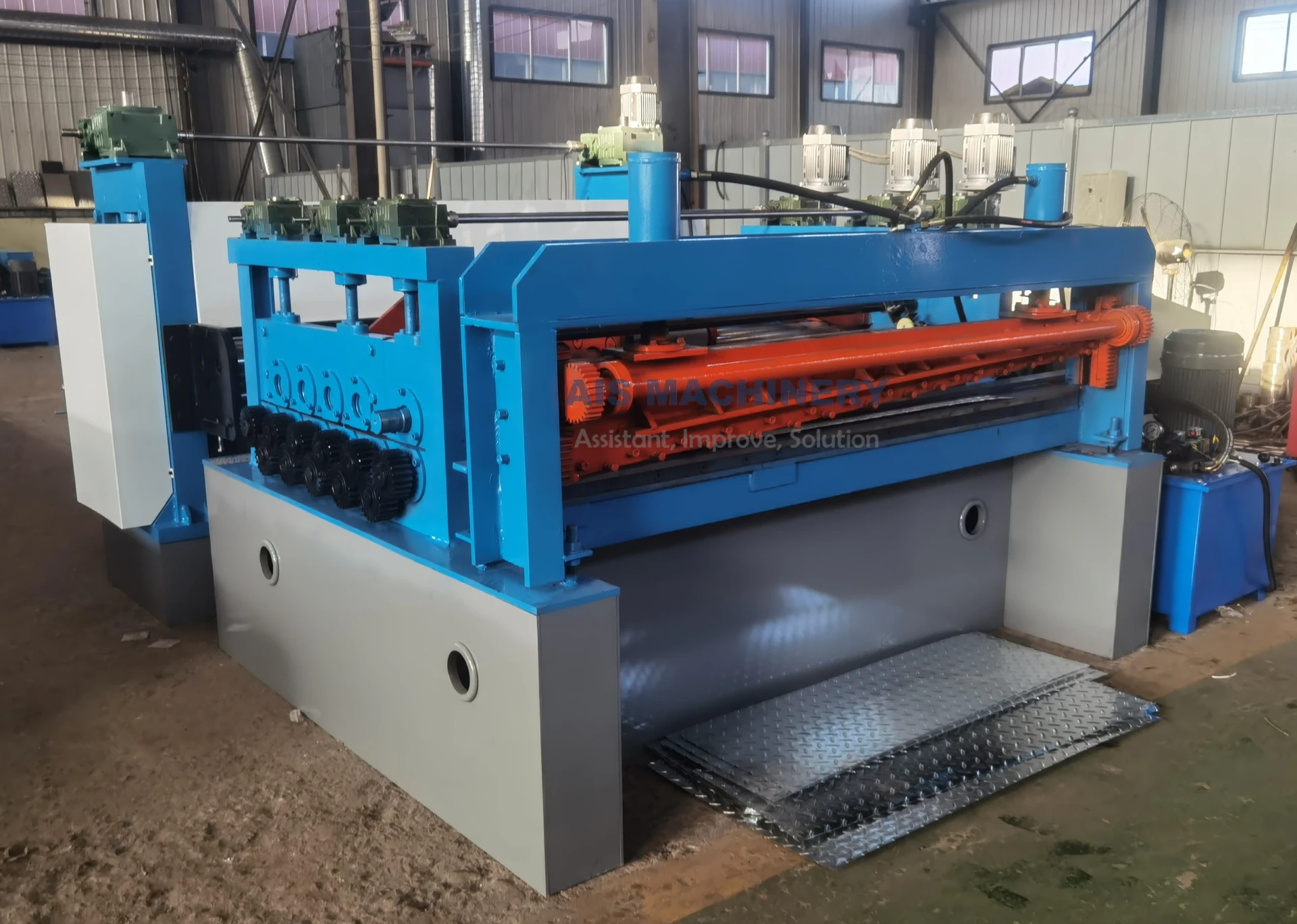
5-Inch (127mm) ERW Tube Making Machine Delivered with Heavy-Duty Design and Advanced Quick Change System
2027-04-07 00:00:00
Metal Embossing Machine: Turn Flat Sheets into High-Value Textured Products
Discover how a metal embossing machine transforms flat steel, stainless steel, and aluminum sheets into high-value textured products. Learn about its working principle, key components, and applications. Ideal for decorative and industrial use, embossing machines improve both appearance and performance. Explore complete embossing line solutions and find the right machine for your production needs.
Send a Message
Dear customer, thank you for your attention! We provide high-quality machinery and equipment and look forward to your orders. Please inform us of your needs and we will respond quickly!
 English
  Albanian
  Arabic
  French
  German
  Indonesian
  Italian
  Japanese
  Kazakh
  Korean
  Latin
Latin  Macedonian
  Portuguese
  Russian
  Spanish
  Thai
Thai  Turkish
  Ukrainian
  Uzbek
Uzbek