
-
 Tel:86-15176910262
-

Search

High-Precision Tube Straightening Machines & Pipe Straighteners
Aug . 11, 2025 14:00
The Imperative Role of Precision Tube Straightening Machines in Modern Industry
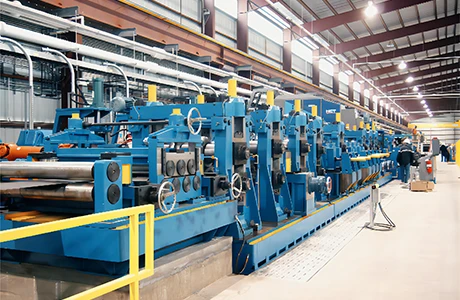
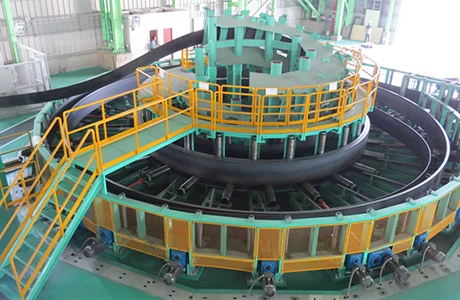
In the demanding landscape of modern manufacturing, the integrity and precision of tubular products are paramount. Industries ranging from oil and gas to automotive, construction, and precision instrumentation rely heavily on perfectly straight pipes and tubes. This critical requirement is met by advanced tube straightening machines, which are engineered to eliminate ovality, bending, and residual stresses from tubes and pipes of various materials and dimensions. These sophisticated machines are essential for ensuring product quality, optimizing downstream processes, and meeting stringent international standards. Our discussion will delve into the technological advancements, critical parameters, and diverse applications that underscore the significance of these machines in today's industrial ecosystem.
The demand for high-performance tubular components continues to drive innovation in pipe and tube processing. With evolving industry trends pushing for greater automation, energy efficiency, and material versatility, the design and functionality of pipe straightener machine solutions have undergone significant transformations. Contemporary straightening technology incorporates intelligent control systems, robust mechanical designs, and adaptable configurations to handle a wide range of materials including carbon steel, stainless steel, aluminum, copper, and various alloys. This ensures that the final product adheres to the tightest tolerances, which is vital for applications where even minor deviations can lead to significant operational failures or inefficiencies.
Manufacturing Excellence: The Anatomy of a Pipe Straightener Machine
The manufacturing of a high-quality pipe straightener machine involves a meticulous multi-stage process, ensuring durability, precision, and longevity. Core components such as the straightening rolls, gearboxes, and machine frames are crafted from high-grade alloy steels, often through advanced casting or forging processes. These initial stages are followed by precision CNC machining to achieve exceptionally tight dimensional tolerances, critical for the machine's accuracy and stability during operation. Heat treatment processes, including quenching and tempering, are then applied to enhance the hardness, wear resistance, and overall mechanical properties of critical parts.
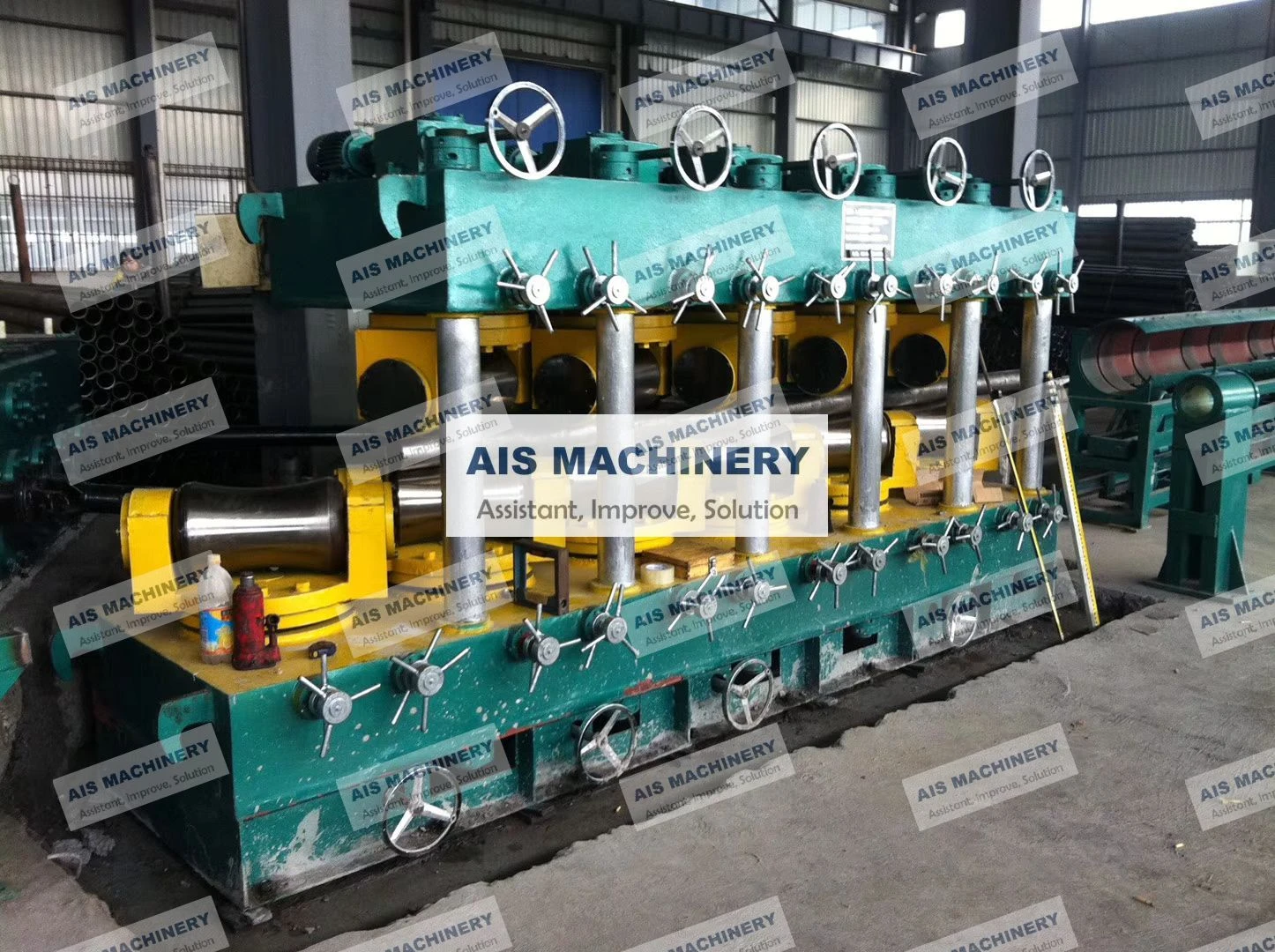
Throughout the manufacturing cycle, stringent quality control measures are implemented. This includes non-destructive testing (NDT) such as ultrasonic inspection and magnetic particle testing for internal defects, alongside comprehensive dimensional checks using coordinate measuring machines (CMM). Adherence to international standards like ISO 9001 for quality management and ANSI standards for material specifications is paramount. The operational lifespan of a well-maintained pipe straightener machine typically exceeds 20 years, a testament to its robust construction. These machines find indispensable application in industries such as petrochemicals, metallurgy, power generation, and water supply/drainage, providing tubes and pipes with superior straightness and surface finish that contribute to enhanced energy efficiency and remarkable corrosion resistance in diverse operational environments. The inherent precision reduces friction losses in fluid transfer systems and extends the service life of pipelines.
Key Technical Parameters and Performance Metrics
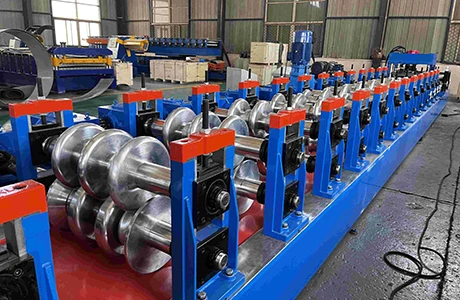
Understanding the technical specifications of a tube straightening machines is crucial for selecting the right model for specific industrial needs. Performance is typically evaluated based on parameters such as straightening speed, pipe diameter range, material tensile strength, and straightening precision. Modern machines often feature multi-roll configurations (e.g., 2-roll, 5-roll, 7-roll, 9-roll designs) that allow for progressive deformation and highly effective stress relief. Automated controls, often driven by PLC (Programmable Logic Controller) systems, ensure consistent results and minimize manual intervention, enhancing both safety and productivity.
Typical Specifications for Pipe Straightener Machines
| Parameter | Value Range / Description |
|---|---|
| Straightening Diameter Range | Ø 6 mm to Ø 610 mm (0.24" to 24") |
| Straightening Speed | 10 - 120 m/min (33 - 394 ft/min) |
| Material Yield Strength | Up to 700 MPa (100,000 PSI) |
| Straightness Tolerance | Max. 0.5 mm/m (0.02 in/3 ft) |
| Roll Material | Cr12MoV, 9Cr2Mo, Hardened Alloy Steel |
| Power (Main Motor) | 37 kW to 500 kW (50 HP to 670 HP) |
| Control System | PLC (Siemens/Allen-Bradley), HMI Touch Screen |
| Automatic Feeding & Discharging | Available (Optional) |
These specifications highlight the versatility and power of modern tube straightening machines. For instance, the ability to handle large diameter ranges and high material yield strengths demonstrates their capability to process robust pipes for heavy-duty applications, while precise straightness tolerances ensure suitability for high-precision uses such as hydraulic cylinders or structural elements in aerospace. The choice of roll material is critical for durability and preventing surface damage to the processed tubes, particularly when dealing with sensitive materials like polished stainless steel.
Diverse Application Scenarios and Industry Benefits
The pervasive need for straight and uniform tubular products means tube straightening machines are indispensable across a multitude of industries. In the oil and gas sector, they ensure the integrity of pipelines, crucial for safe and efficient fluid transportation. For the automotive industry, these machines refine components like exhaust pipes, driveshafts, and structural frames, contributing to vehicle safety and performance. Construction benefits from perfectly straight rebar and structural tubes, which are foundational for robust infrastructure. The medical field also relies on precise small-diameter tubes for surgical instruments and implants, where exact dimensions are non-negotiable.
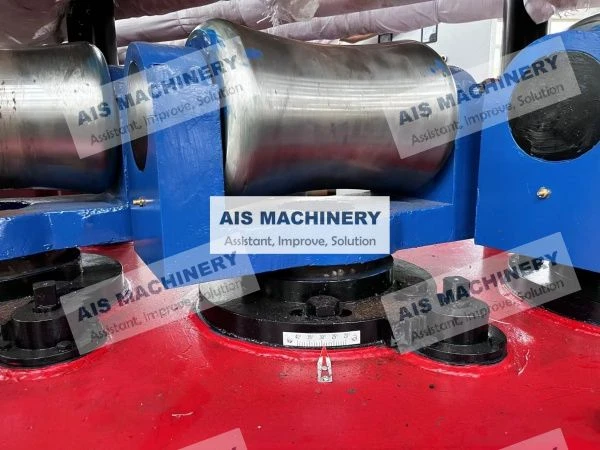
Beyond direct application, the use of a high-quality pipe straightener machine yields significant operational advantages. By eliminating residual stresses introduced during the tube manufacturing process, these machines prevent issues like material spring-back and distortion during subsequent processing steps such as bending, welding, or cutting. This leads to reduced material waste, higher production efficiency, and enhanced overall product quality. Furthermore, the energy-saving features of modern tube straightening machines, such as optimized motor control and efficient power transmission systems, contribute to lower operational costs and a reduced environmental footprint. The ability to handle diverse materials with minimal setup time also provides significant flexibility for manufacturers dealing with varied production demands.
Customization and Client Success Stories
Recognizing that every industrial application has unique requirements, leading manufacturers offer highly customizable tube straightening machines. Customization options range from specific roll configurations for unique tube profiles (e.g., oval, square, rectangular) to integration with existing production lines, including automated feeding and discharge systems. Advanced monitoring and diagnostic tools can also be incorporated, providing real-time performance data and predictive maintenance alerts. These tailored solutions ensure seamless integration and optimized workflow within a client's specific operational environment, maximizing return on investment.
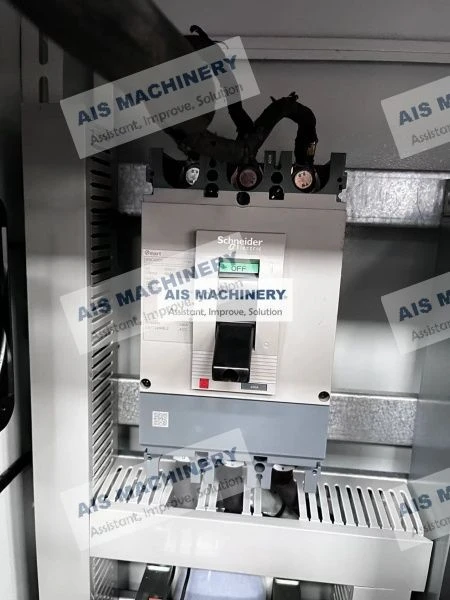
A notable case involved a major petrochemical company that required a specialized pipe straightener machine for large-diameter, thick-walled steel pipes used in high-pressure applications. Our team engineered a custom 9-roll machine with enhanced motor power and reinforced frame structure, specifically designed to handle pipes up to Ø 600 mm with yield strengths exceeding 650 MPa. The customized solution not only met their stringent straightness requirements but also reduced their processing time by 30%, significantly increasing throughput and reducing labor costs. This experience underscores our commitment to delivering precise, performance-driven solutions that directly address unique client challenges and contribute to their operational success.
Ensuring Trust and Reliability: Certifications and Support
When investing in a pipe straightener machine, trust and reliability are paramount. Our commitment to quality is validated through adherence to rigorous international standards and certifications. Our manufacturing processes are ISO 9001 certified, ensuring consistent quality management systems from design to delivery. Furthermore, our machines comply with CE standards for European markets, guaranteeing safety and environmental protection. We pride ourselves on decades of experience in the industry, having supplied advanced tube straightening machines to renowned global enterprises. This extensive track record is supported by transparent testing data and performance guarantees.
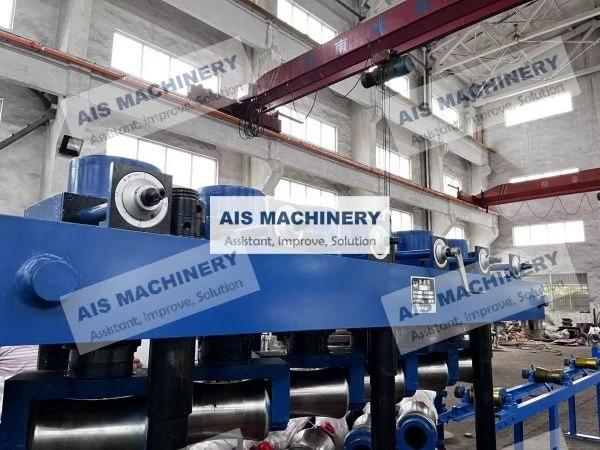
To further build user confidence, we offer comprehensive pre-sales and after-sales support. This includes detailed consultations to assess specific needs, on-site installation and commissioning services, and thorough operator training programs. Our products come with a robust warranty, typically 12-24 months from installation, covering manufacturing defects. We also maintain a readily available stock of spare parts and provide prompt technical support through dedicated service teams, ensuring minimal downtime. The typical delivery cycle for standard models ranges from 60 to 90 days, with custom solutions requiring additional planning time, all communicated transparently. Our commitment extends beyond the sale, fostering long-term partnerships built on performance and trust.
Frequently Asked Questions (FAQ) about Pipe Straightener Machines
-
Q1: What is the primary function of a pipe straightener machine?
A1: A pipe straightener machine, also known as a tube straightening machines, is designed to remove bends, kinks, ovality, and residual stresses from metal tubes and pipes, ensuring they meet strict straightness and roundness tolerances for various industrial applications.
-
Q2: What materials can these machines straighten?
A2: Modern pipe straightener machines are versatile and can straighten a wide range of metallic materials, including carbon steel, stainless steel, aluminum, copper, brass, titanium, and various alloys used in different industries.
-
Q3: How is the straightness achieved and measured?
A3: Straightness is achieved through a series of precision rolls that apply bending forces to deform the tube beyond its yield point, thereby plasticizing the material and removing internal stresses. The straightness is typically measured in millimeters per meter (mm/m) or inches per foot (in/ft) using specialized gauges or laser-based systems.
-
Q4: What is the typical lead time for a new machine?
A4: The lead time for a standard pipe straightener machine usually ranges from 60 to 90 days, depending on the specific model and current production schedule. Custom-engineered solutions may require a longer lead time, which will be specified during the quotation process.
-
Q5: What kind of after-sales support is provided?
A5: We provide comprehensive after-sales support including on-site installation, commissioning, operator training, a full warranty period, readily available spare parts, and dedicated technical assistance for the lifespan of your tube straightening machines.
Conclusion
The role of tube straightening machines in ensuring the quality and integrity of tubular products cannot be overstated. From enhancing material performance and extending product lifespan to improving manufacturing efficiency and reducing operational costs, these machines are a cornerstone of modern industrial production. As industries continue to evolve, the demand for precision, automation, and adaptability in pipe processing equipment will only grow, solidifying the position of advanced pipe straightener machine technology as an indispensable asset. Investing in a high-quality, reliable straightening solution is not merely a purchase but a strategic decision that underpins operational excellence and long-term competitiveness.
References
- Metallurgical Journal of Advanced Materials, "Stress Relieving Techniques in Cold-Drawn Tubular Products," Vol. 45, No. 3, 2022.
- International Journal of Manufacturing Processes, "Optimizing Roll Configurations for Multi-Roll Straightening Machines," Vol. 18, No. 1, 2023.
- Industrial Engineering & Automation Review, "The Impact of Precision Straightening on Downstream Fabrication in Pipe Manufacturing," Vol. 10, No. 2, 2021.

Related Products
Related News
2026-04-30 09:35:04
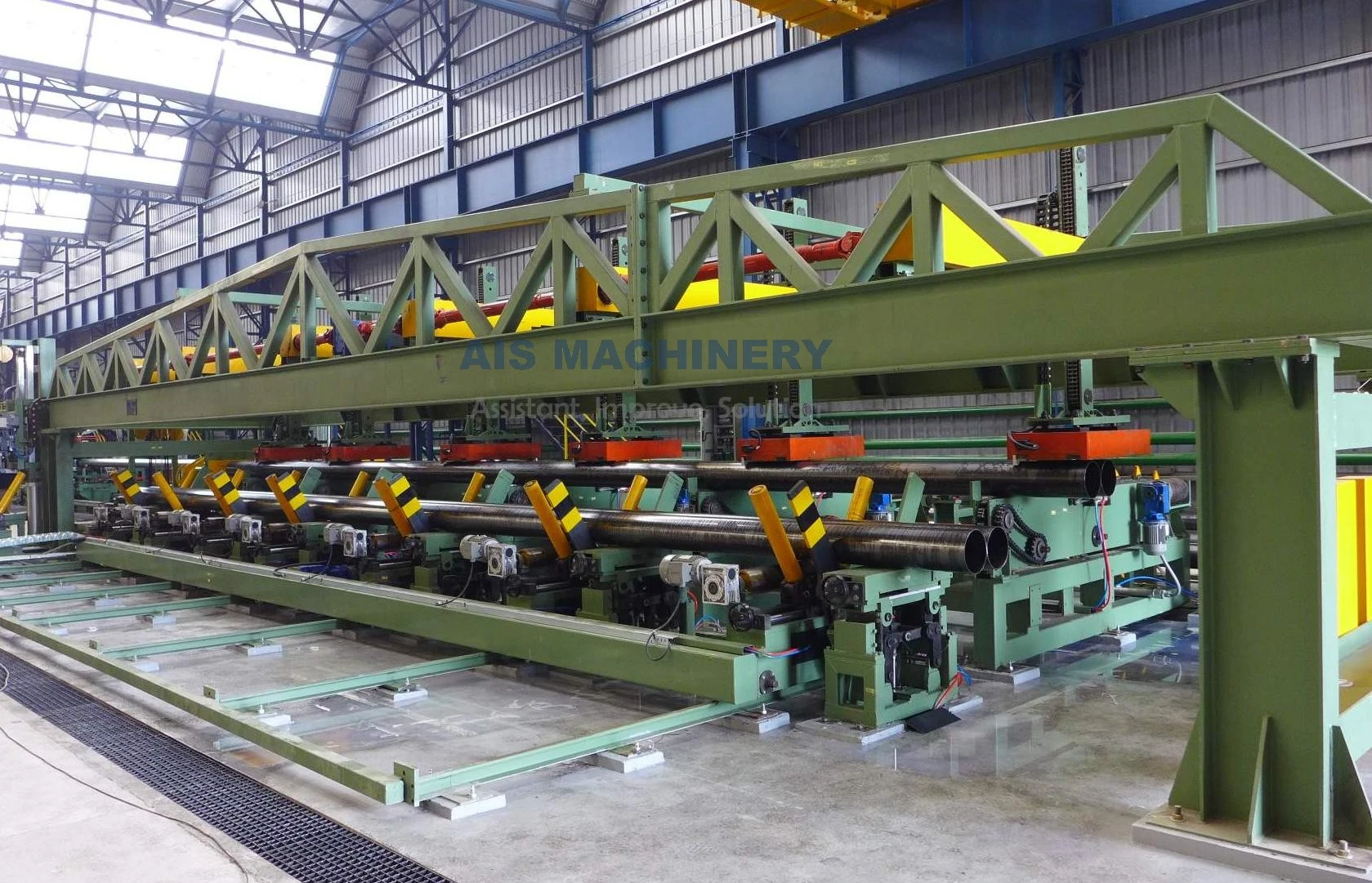
Automatic Stacking Machine (Magnetic Chuck Type)
The Automatic Stacking Machine (Magnetic Chuck Type) from AIS Machinery is designed to efficiently collect and stack steel tubes in ERW tube mill production lines. Using electromagnetic lifting, it can pick up multiple tubes at once and place them neatly in layers. This reduces manual labor, improves stacking accuracy, and increases overall production efficiency. It is installed after the flying saw and works seamlessly with the mill line, making it an ideal solution for modern tube manufacturers.
2026-04-28 08:56:05
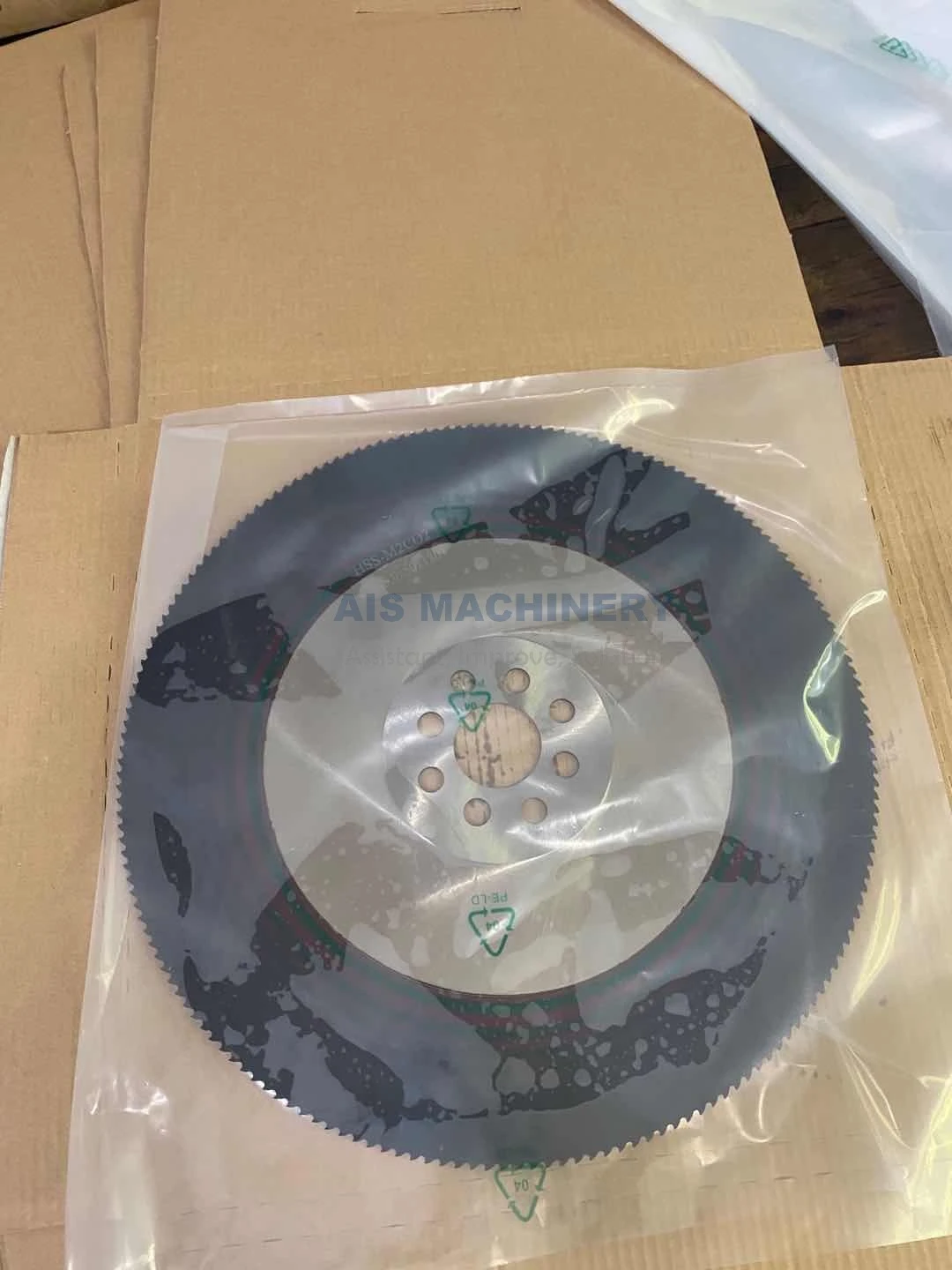
Saw Blade Guide for Tube Mills: Friction vs HSS vs TCT — Which One Should You Choose?
Confused about friction saw, HSS, and TCT blades? This guide explains their uses in cold saw and friction saw machines, with pros, cons, and expert selection tips.
2026-04-24 08:54:16
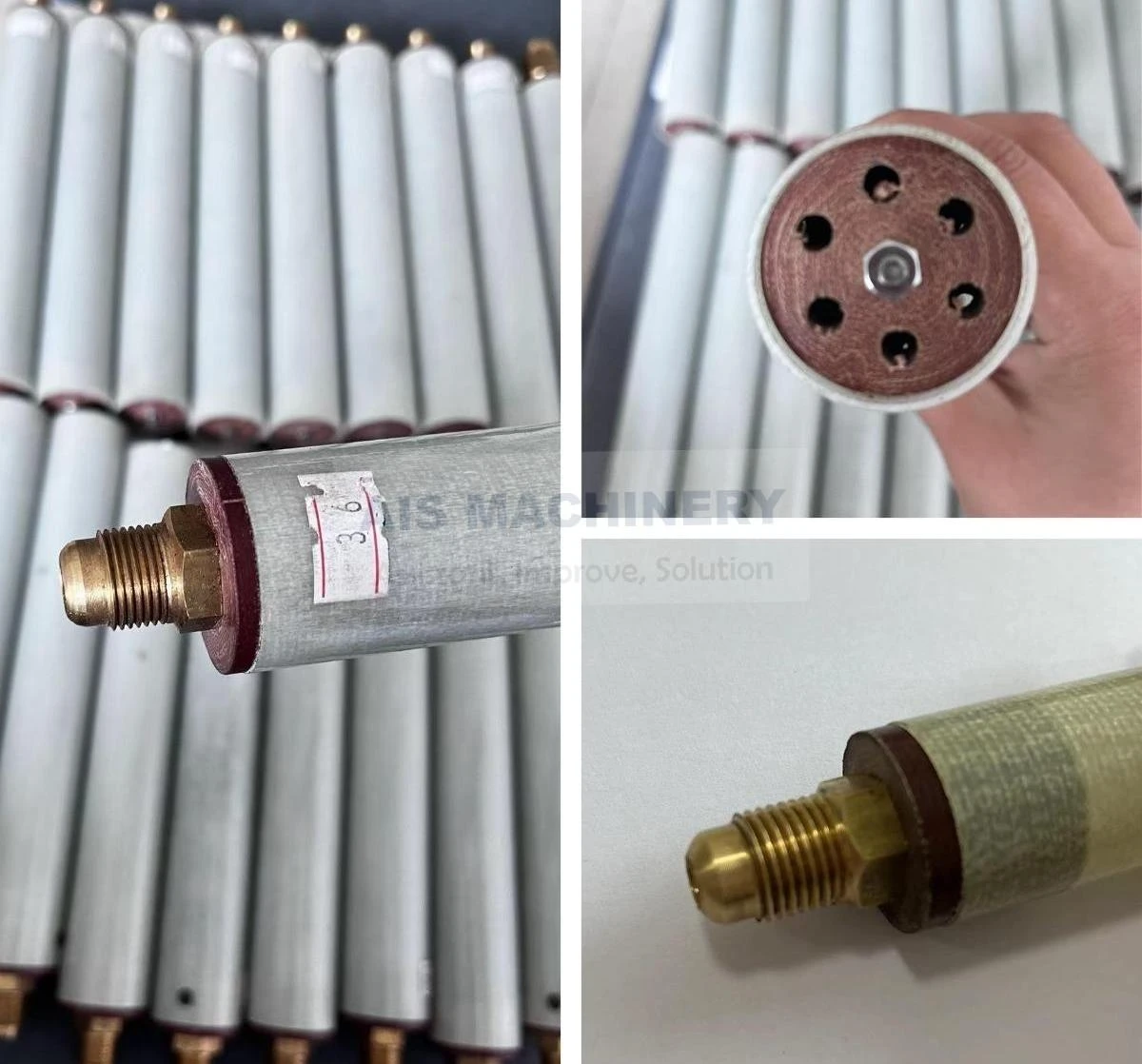
What is an Impeder and Ferrite Rods in ERW Tube Mill?
Struggling with impeder overheating or short service life in your ERW tube mill? This guide explains common impeder problems, the role of ferrite rods, and how to choose the right impeder for stable welding performance. Improve weld quality, reduce energy loss, and extend equipment lifespan with the right selection and proper cooling solutions.
2026-04-21 10:22:25
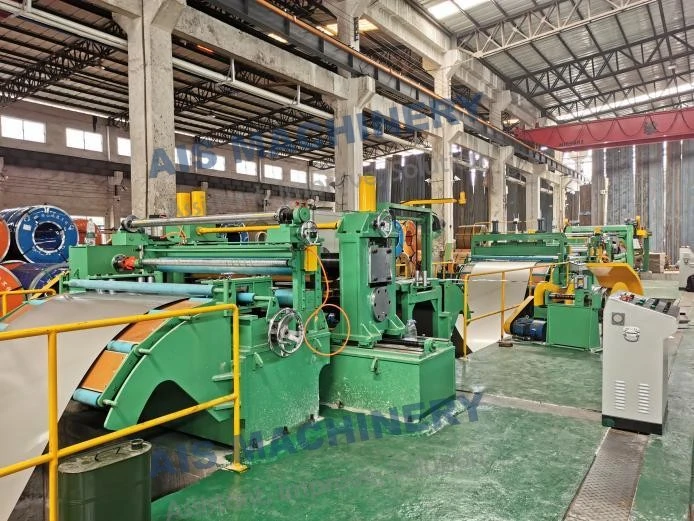
Slitting & Cut-to-Length Combined Production Line: A Smarter Way to Process Steel Coils
Discover the Slitting & Cut-to-Length Combined Production Line, a flexible solution for steel coil processing. This system integrates slitting line and cut-to-length line functions in one machine, saving space, reducing costs, and improving efficiency. Ideal for processing both steel strips and sheets, it is widely used in service centers and manufacturing industries. Learn its advantages, limitations, and applications.
2026-04-18 03:20:20
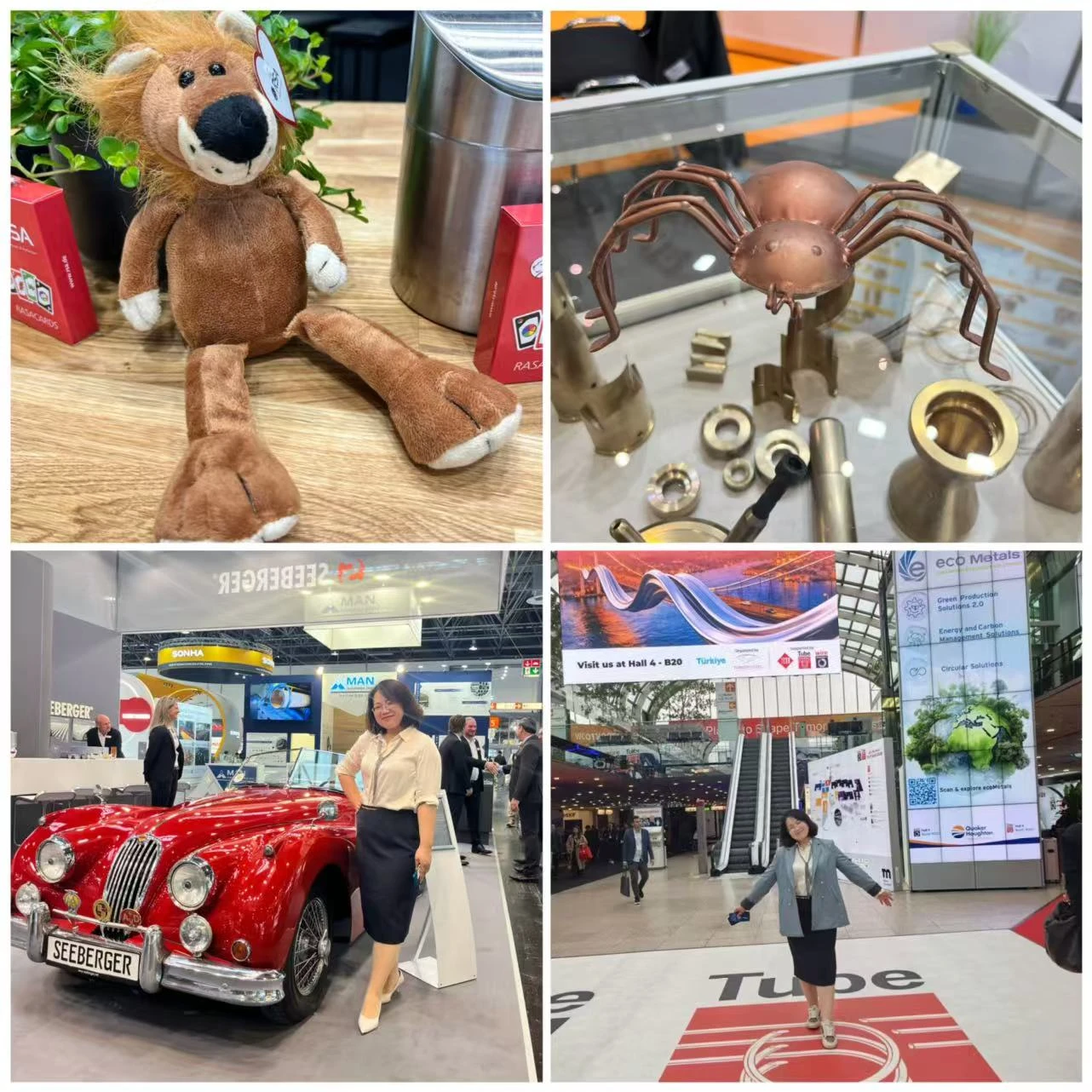
AIS Machinery Showcases Advanced Tube Solutions at Tube & Wire Düsseldorf 2026
Tube & Wire Düsseldorf 2026, one of the most influential exhibitions in the global tube and wire industry, held biennially in Düsseldorf, Germany
2026-04-17 00:00:00
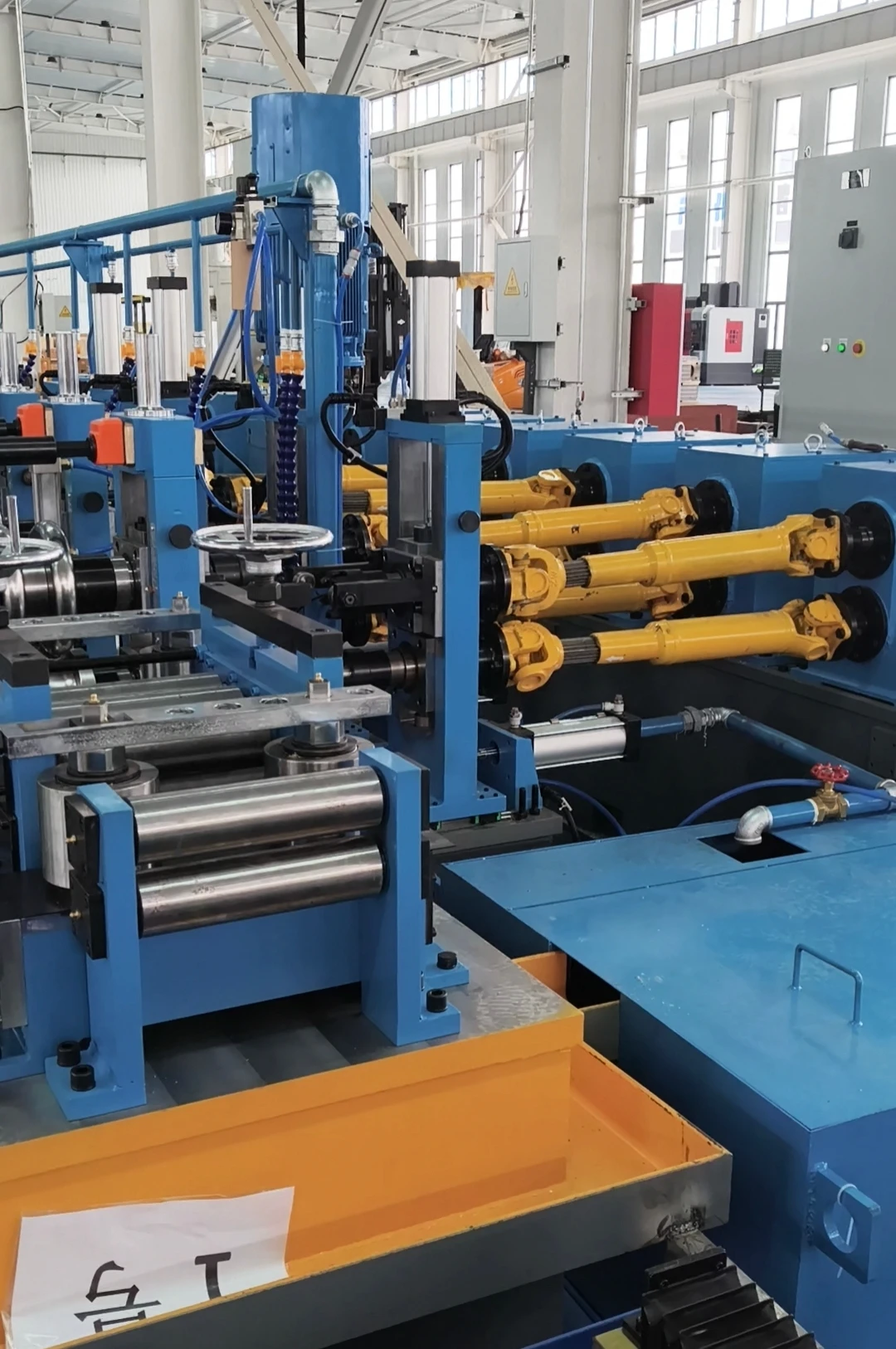
Southeast Asia Client Visits Our Factory | Customized Tube Mill Solution Delivered
A Southeast Asia client visited our ERW tube mill factory to inspect production lines and discuss a customized tube mill solution. Impressed by our machine quality, welding performance, and engineering support, the client confirmed strong cooperation intentions. Discover how our ERW tube mill solutions improve efficiency, precision, and long-term production reliability.
2026-04-15 10:37:55
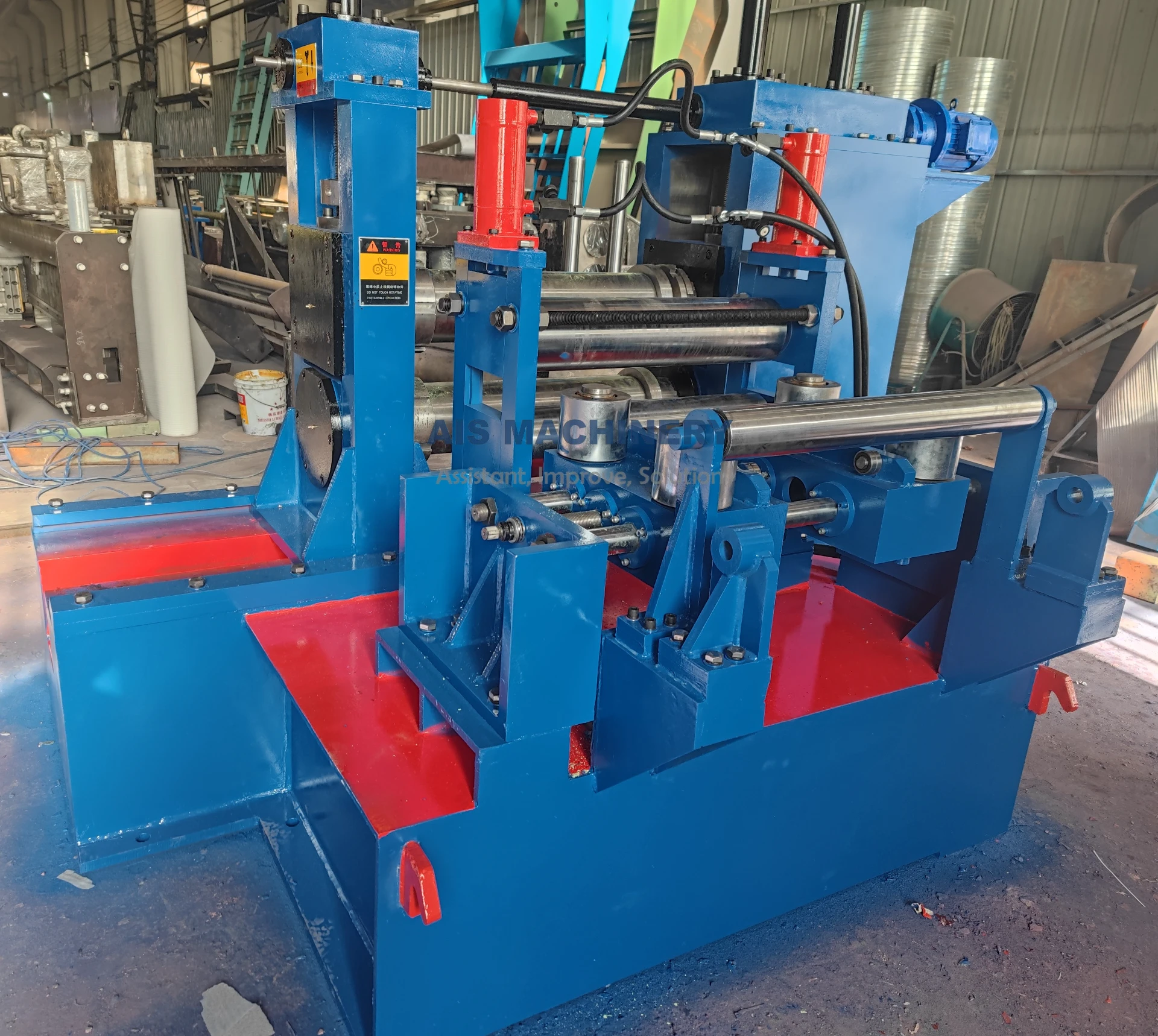
Flat Bar Production Line for Steel Coils: How It Works & Why It Matters
Looking for a flat bar production line? Learn how it turns steel coils into ready-to-use flat bars with precise length and high straightness. Compare it with slitting lines and get the best solution for your steel processing needs.
2026-04-14 00:00:00
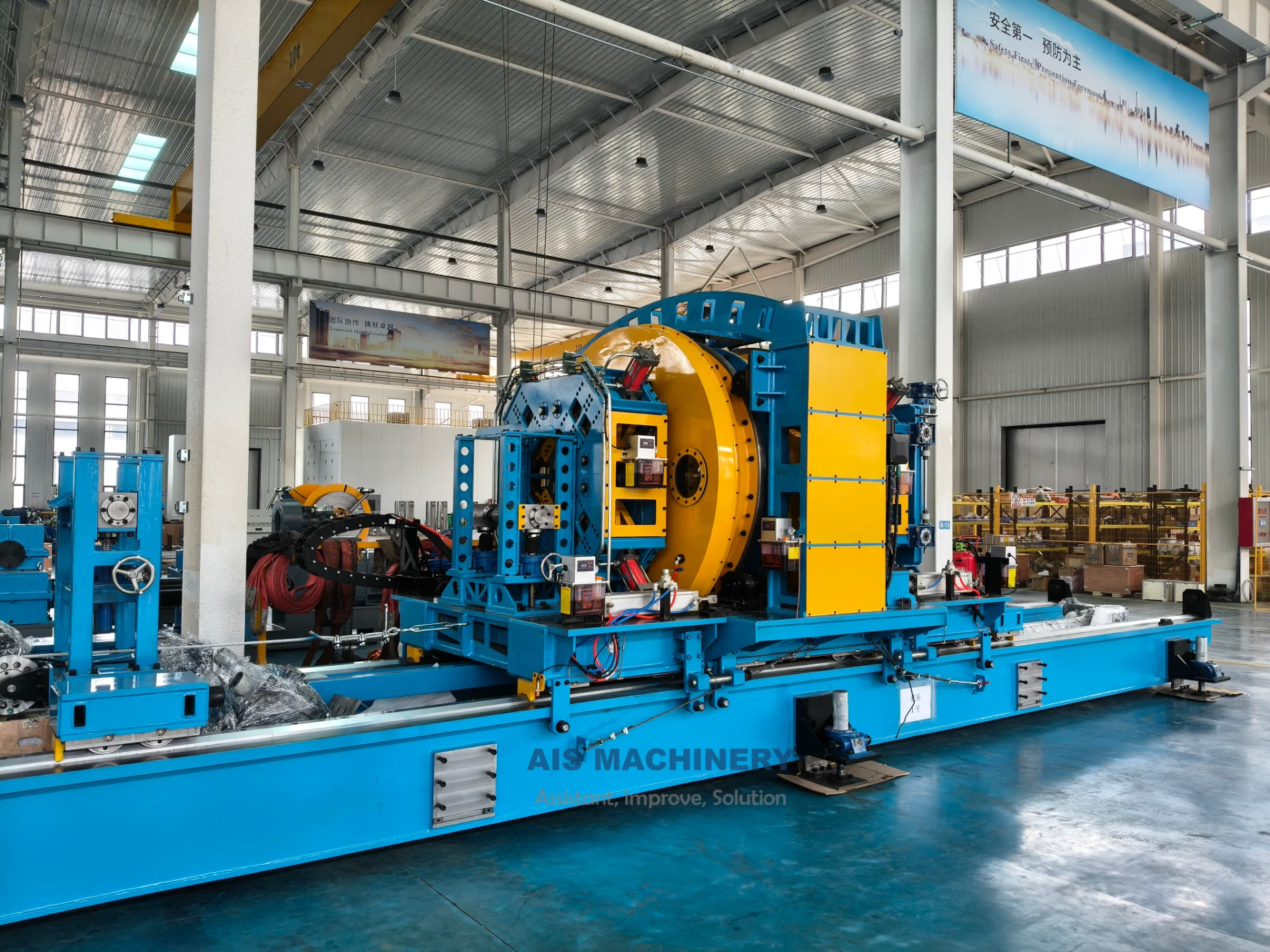
Looking for a Milling Saw for ERW Tube Mill? Here’s What You Need to Know
Looking for a high-performance milling saw for your ERW tube mill? Upgrade to burr-free, high-precision pipe cutting with advanced flying saw technology. Improve efficiency, reduce rework, and meet export standards for carbon steel, stainless steel, and API pipes. Contact us today for expert solutions and competitive pricing tailored to your production needs.
Send a Message
Dear customer, thank you for your attention! We provide high-quality machinery and equipment and look forward to your orders. Please inform us of your needs and we will respond quickly!
 English
  Albanian
  Arabic
  French
  German
  Indonesian
  Italian
  Japanese
  Kazakh
  Korean
  Latin
Latin  Macedonian
  Portuguese
  Russian
  Spanish
  Thai
Thai  Turkish
  Ukrainian
  Uzbek
Uzbek