
-
 Tel:86-15176910262
-

Search

High-Speed Steel Circular Blades: Durable & Efficient Cutting Solutions
Dec . 22, 2025 10:35
Why the HSS Circular Blade Still Cuts Through Industry Challenges
If you've ever stood in a machine shop or glanced at a metal fabrication floor, chances are you've encountered a high-speed steel (HSS) circular blade at work. But beyond the hum of cutting, there's a global story here—a story where precision, durability, and cost efficiency converge to serve industries ranging from automotive manufacturing to humanitarian aid. Understanding the hss circular blade is more than a niche interest; it’s essential to grasp how modern metalworking continues to evolve with the needs of a changing world.
Global Context: A Cutting-Edge Tool in a Complex World
Globally, manufacturing sectors still contribute nearly 16% of the world's GDP according to the World Bank, and a significant chunk of that involves metalworking. High-speed steel circular blades form the spine of many metal-cutting processes and remain irreplaceable despite advances in carbide or ceramic tools. What’s fascinating is that these blades not only facilitate mass production but also play a role in rapidly deployed infrastructure—think emergency shelters or field medical units—in remote or disaster-prone places.
The challenge? Meeting increasing demands for faster production without compromising quality or sustainability. That’s where the hss circular blade steps in, answering calls for both precision and resilience.
Defining the HSS Circular Blade
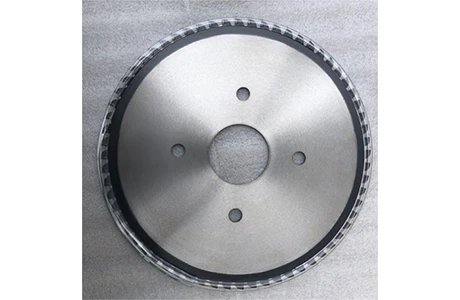
At its core, an HSS circular blade is a round cutting tool crafted from high-speed steel, designed to cut through metals and various other hard materials at high velocities without losing sharpness. Unlike conventional steel, high-speed steel retains hardness and edge strength even when temperatures rise during cutting—a critical attribute when you're slicing through tough alloys or stainless steel repeatedly.
This makes it more than just a tool; it's an enabler of rapid manufacturing cycles and complex shaping tasks indispensable to modern industry as well as humanitarian supply chains that require quality implements to build or repair infrastructure swiftly.
Key Factors Shaping the Value of HSS Circular Blades
Durability
Thanks to alloying elements like tungsten, molybdenum, and cobalt, HSS blades resist wear and maintain cutting efficiency. This means fewer replacements and less downtime—vital in industries like automotive where timing is literally everything.
Cutting Precision
The geometry and sharpness of the circular blade ensure neat, burr-free cuts, reducing post-processing time. Many engineers attest that reliable cut quality lowers waste, impacting overall costs.
Heat Resistance
High-speed steel’s ability to perform at elevated temperatures makes it ideal for high-output environments. It doesn’t dull prematurely, unlike some cheaper steel alternatives.
Cost Efficiency
While HSS blades are more expensive upfront than carbon steel, their lifespan and maintenance profile deliver savings in the medium term. This is especially true for projects demanding sustained, heavy-duty cutting.
Customization Potential
Blade diameter, tooth configuration, and coating can be tailored to specific materials or cuts. This flexibility helps facility managers optimize their tool inventory for different production lines without excessive overlap.
Common Specifications of a Typical HSS Circular Blade
| Specification | Typical Values |
|---|---|
| Diameter | 100 mm – 400 mm |
| Tooth Count | 24 – 96 teeth |
| Kerf Width | 1.5 mm – 3 mm |
| Cutting Speed | Up to 80 m/s |
| Coating | TiN or TiAlN typically |
How the HSS Circular Blade Powers Global Productions
From bustling factories in Germany's Ruhr Valley to shipyards in South Korea, the hss circular blade remains a trusted workhorse. Oddly enough, it also finds critical use in uneven terrains—like in parts of Africa or Southeast Asia—helping NGOs build metal frameworks for clinics or schools.
Consider post-disaster reconstruction: when time is scarce, and precision mandatory, these blades cut salvaged materials into reusable components, hastening the rebuilding process. Similarly, in remote industrial zones like Arctic mines or desert power plants, reliable cutting tools reduce supply chain delays because replacements aren't readily available.
Vendor Comparison: Top Choices for HSS Circular Blades
| Vendor | Blade Range (mm) | Coating Options | Typical Market | Price Range (USD) |
|---|---|---|---|---|
| AlphaCut Tools | 120–350 | TiN, TiAlN, DLC | Automotive, Aerospace | 150–450 |
| SteelLine | 100–400 | TiN, Uncoated | General Industrial | 90–300 |
| Nova Blades Co. | 130–380 | TiAlN, DLC | High-precision Manufacturing | 200–500 |
Advantages & Long-Term Value of HSS Circular Blades
- Cost Savings: Longevity reduces the frequency of blade replacements, driving down operational costs.
- Sustainability: Durable blades mean less waste, and coatings extend life without toxic additives.
- Reliability: Consistent cut quality builds trust across production lines—no nasty surprises.
- Safety: Precision cuts decrease machine vibrations and operator fatigue, contributing to a safer workplace.
- Innovation: Tailored blade designs allow manufacturers to push the envelope in product design and complexity.
Looking Ahead: Innovations in HSS Circular Blade Technology
Green manufacturing is a hot topic these days, and blade producers are jumping on board by incorporating eco-friendlier coatings and alloy blends. Digital integration through IoT sensors embedded in machines is another game-changer — real-time blade condition monitoring can now predict failures before they happen.
Automation, in tandem with micro-design tweaks, drives the blades to handle emerging materials like advanced composites and hybrid metals. The future is not only about steel but smart steel — and this includes the humble hss circular blade.
Challenges and Expert Solutions
Despite their many merits, HSS blades can struggle with extremely abrasive materials or require frequent sharpening if misused. Some plants face issues with supply chain delays, especially in remote sites.
Many engineers address these challenges by combining HSS blades with coated carbide tips, creating hybrid options. Others invest in blade maintenance training to extend tool life. Logistics improvements and regional supplier partnerships also help mitigate availability concerns.
FAQ: Frequently Asked Questions About HSS Circular Blades
- What materials can an HSS circular blade cut effectively?
- HSS blades excel at cutting ferrous metals like steel and cast iron and can handle soft alloys, plastics, and wood, depending on tooth design. Their heat resistance allows them to maintain sharpness during high-speed cuts.
- How often should I replace or sharpen an HSS circular blade?
- The lifespan depends on usage and material hardness but generally ranges from several weeks to months under heavy use. Signs that sharpening is needed include rough cut surfaces or increased machine vibration.
- Are coated blades worth the extra cost?
- Coatings like titanium nitride or aluminum titanium nitride improve wear resistance and heat tolerance, extending blade life significantly, which usually offsets initial costs.
- Can I customize blade size and tooth configuration?
- Yes, many suppliers offer custom blade diameters, tooth counts, and coatings tailored to specific industrial needs. This customization enhances cutting performance and reduces waste.
- How do I choose the right vendor for my hss circular blade needs?
- Consider blade specifications, coating options, price, and vendor reputation. Vendor comparison tables — like the one above — help streamline this choice.
Wrapping Up
In a world where precision and durability are paramount, the hss circular blade stands out as a surprisingly resilient pillar of modern manufacturing and emergency operations alike. Its blend of high-speed steel technology, adaptability, and efficiency embodies industrial progress—while keeping budgets in check and chains moving smoothly.
For manufacturers and field operators seeking cutting-edge solutions grounded in proven tech, the HSS circular blade remains a smart choice. Ready to learn more or upgrade your tool stash? Swing by https://www.aistubemill.com for detailed specs and expert advice.
References

Related Products


Related News
2027-04-24 00:00:00
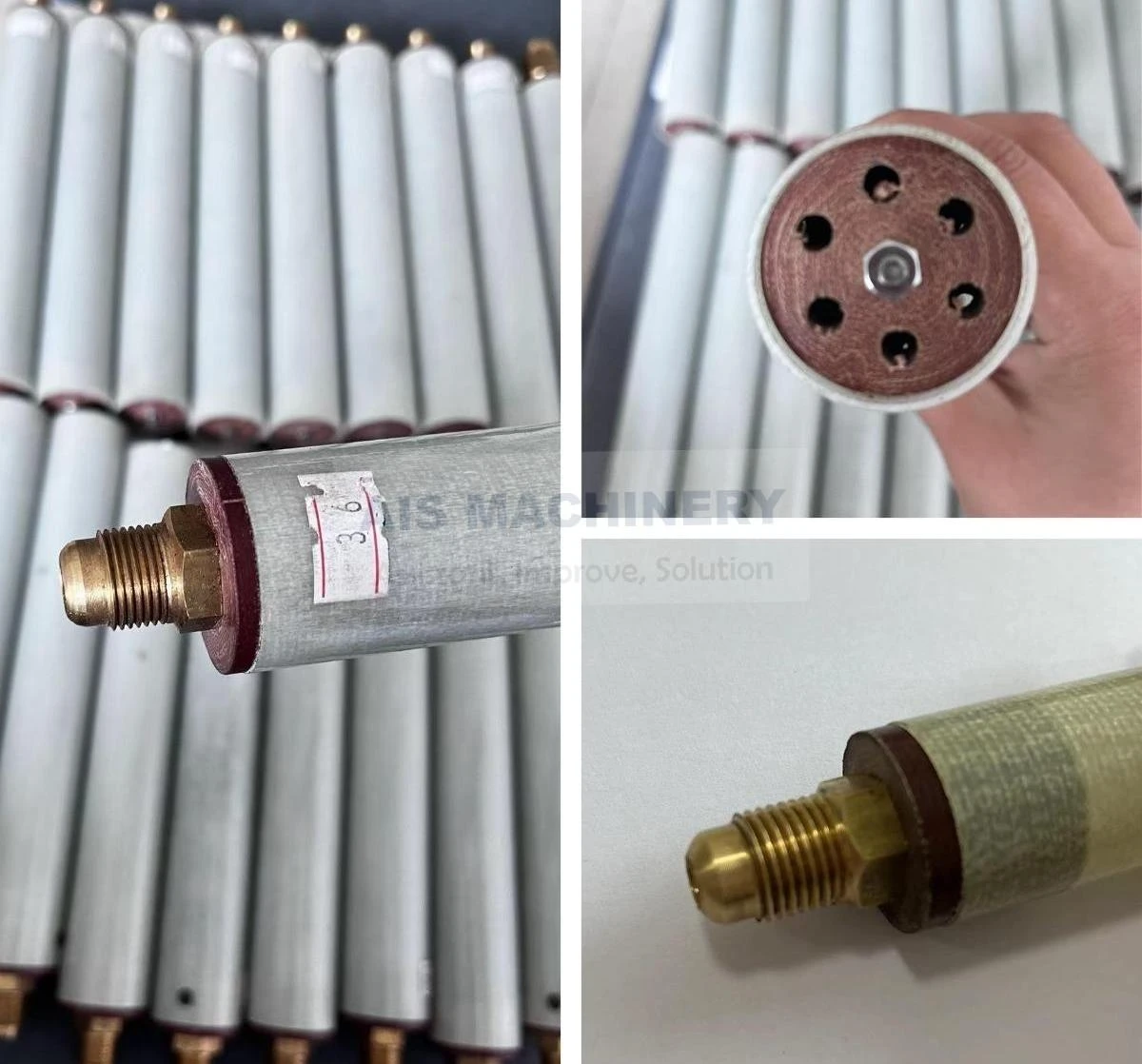
What is an Impeder and Ferrite Rods in ERW Tube Mill?
Struggling with impeder overheating or short service life in your ERW tube mill? This guide explains common impeder problems, the role of ferrite rods, and how to choose the right impeder for stable welding performance. Improve weld quality, reduce energy loss, and extend equipment lifespan with the right selection and proper cooling solutions.
2026-04-21 10:22:25
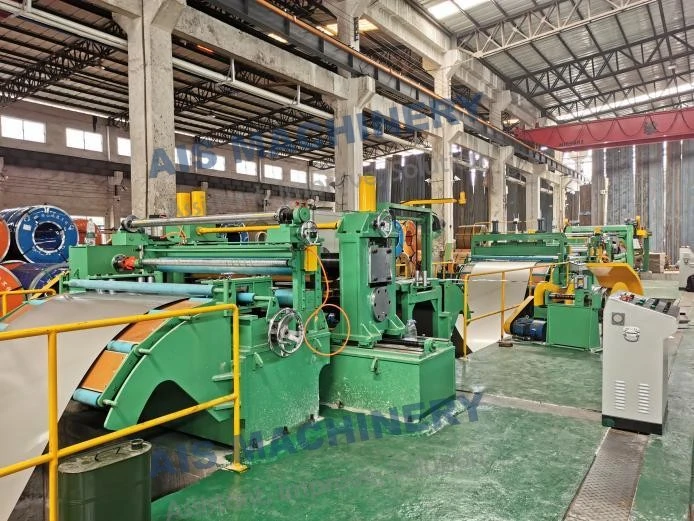
Slitting & Cut-to-Length Combined Production Line: A Smarter Way to Process Steel Coils
Discover the Slitting & Cut-to-Length Combined Production Line, a flexible solution for steel coil processing. This system integrates slitting line and cut-to-length line functions in one machine, saving space, reducing costs, and improving efficiency. Ideal for processing both steel strips and sheets, it is widely used in service centers and manufacturing industries. Learn its advantages, limitations, and applications.

2026-04-18 03:20:20
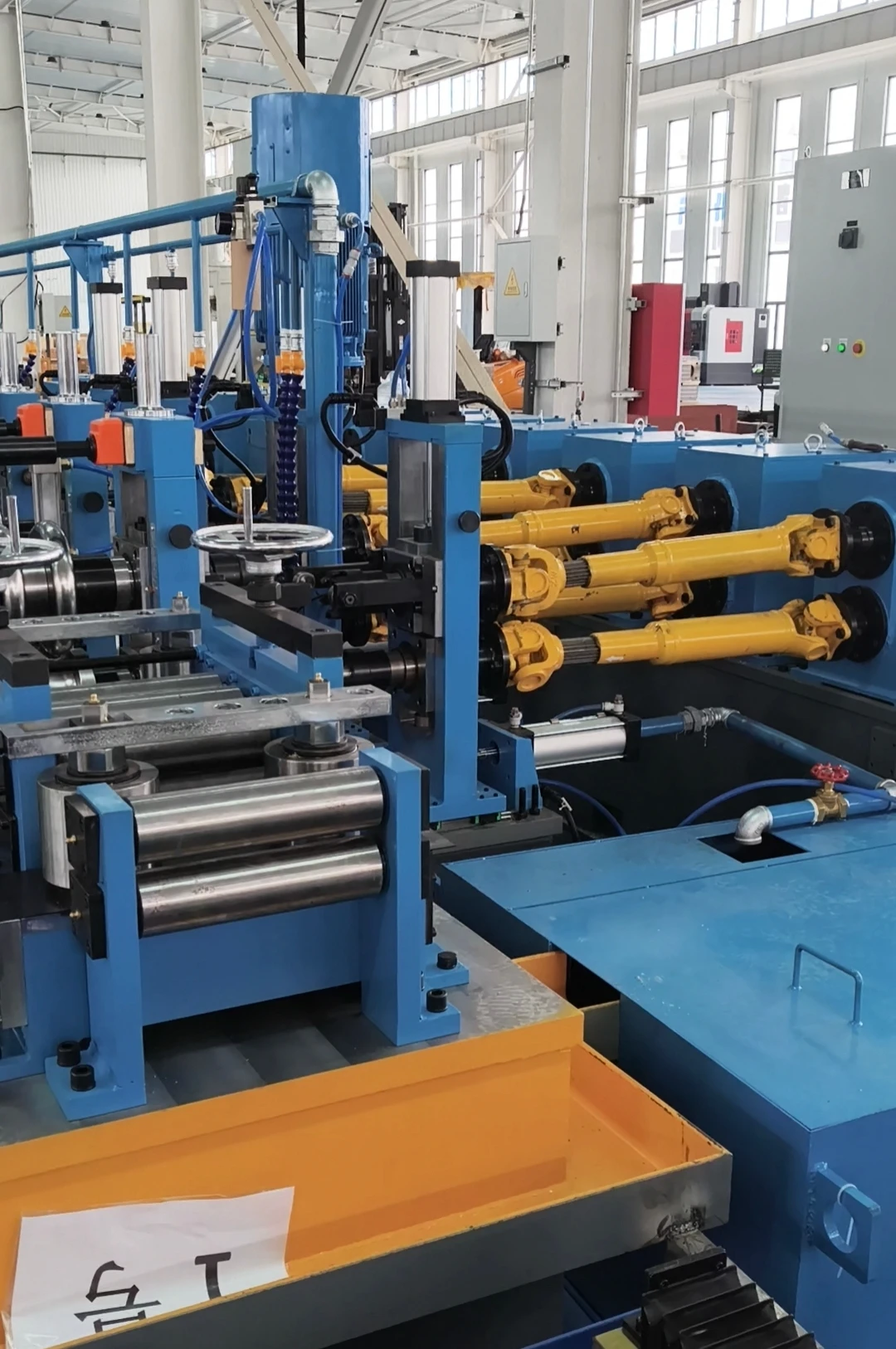
AIS Machinery Showcases Advanced Tube Solutions at Tube & Wire Düsseldorf 2026
Tube & Wire Düsseldorf 2026, one of the most influential exhibitions in the global tube and wire industry, held biennially in Düsseldorf, Germany
2026-04-17 00:00:00
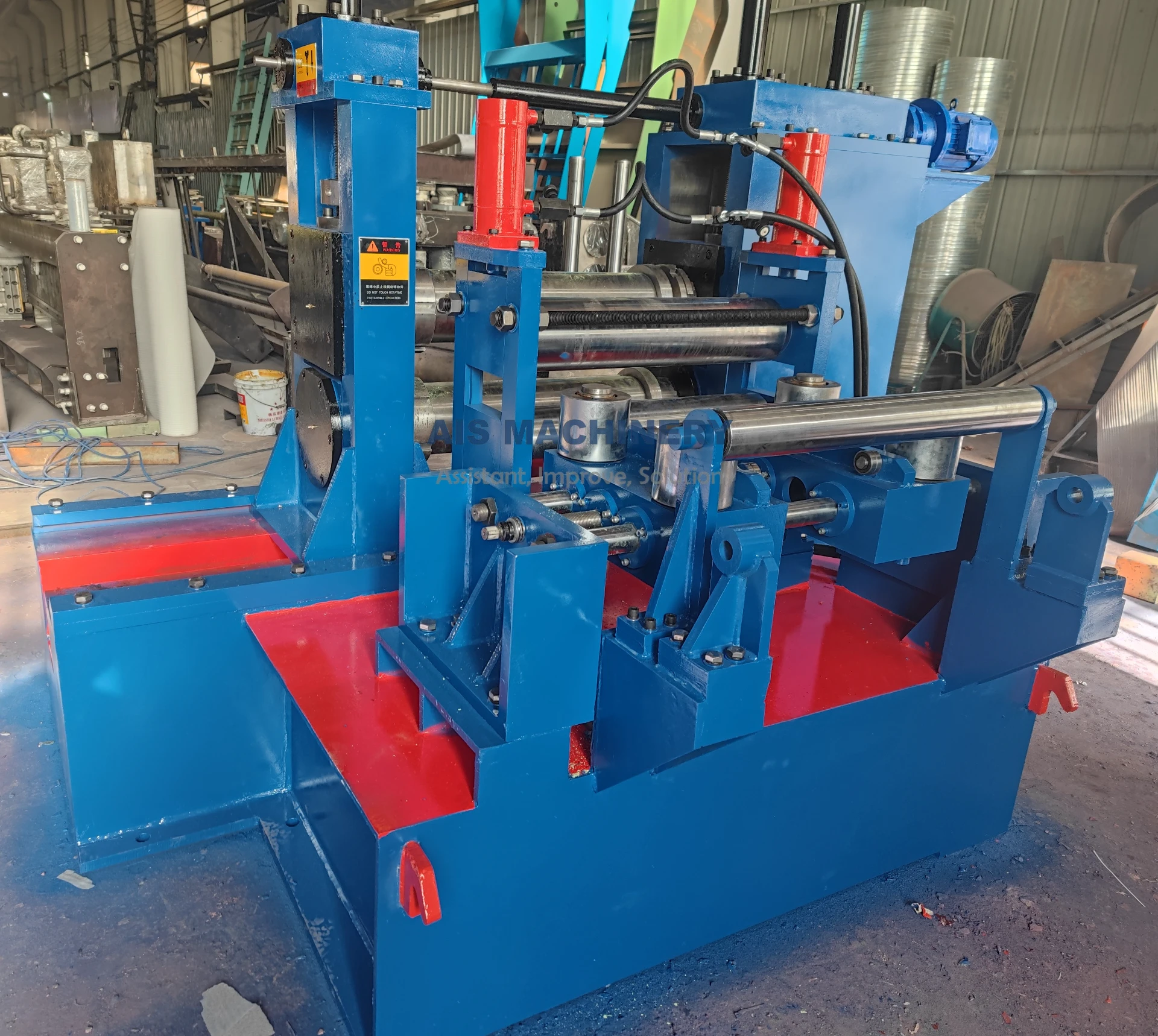
Southeast Asia Client Visits Our Factory | Customized Tube Mill Solution Delivered
A Southeast Asia client visited our ERW tube mill factory to inspect production lines and discuss a customized tube mill solution. Impressed by our machine quality, welding performance, and engineering support, the client confirmed strong cooperation intentions. Discover how our ERW tube mill solutions improve efficiency, precision, and long-term production reliability.
2026-04-15 10:37:55
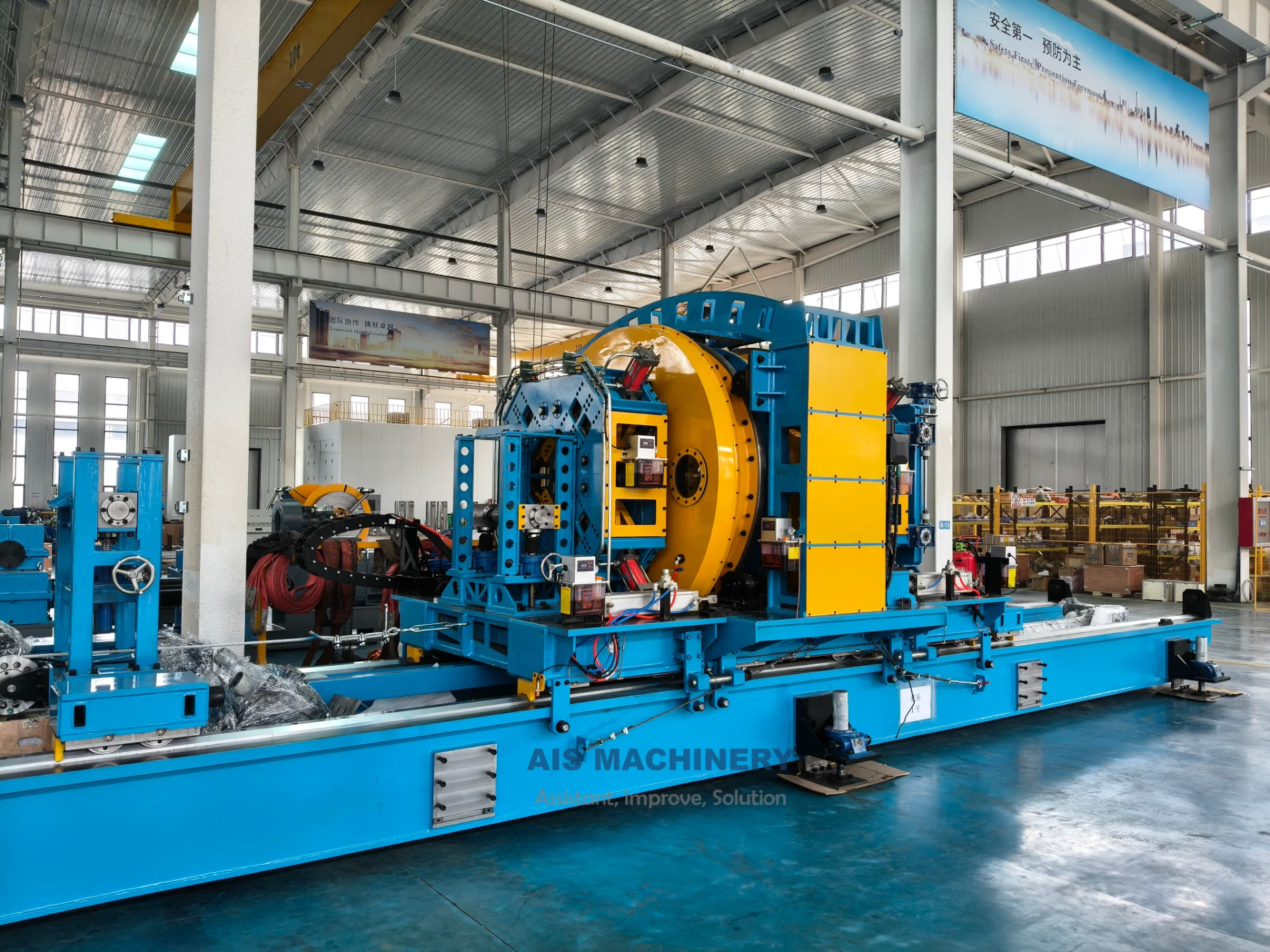
Flat Bar Production Line for Steel Coils: How It Works & Why It Matters
Looking for a flat bar production line? Learn how it turns steel coils into ready-to-use flat bars with precise length and high straightness. Compare it with slitting lines and get the best solution for your steel processing needs.
2026-04-14 00:00:00
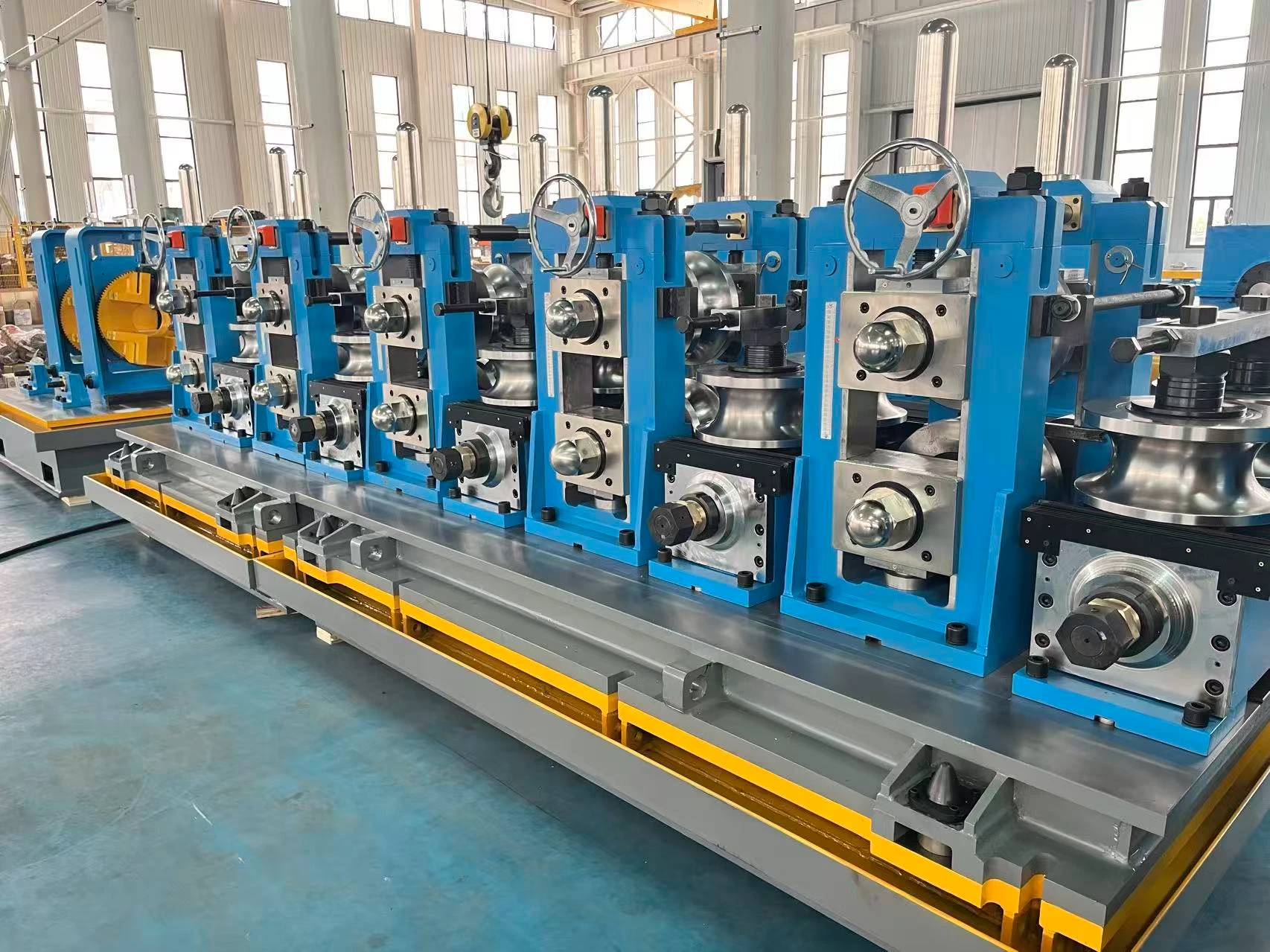
Looking for a Milling Saw for ERW Tube Mill? Here’s What You Need to Know
Looking for a high-performance milling saw for your ERW tube mill? Upgrade to burr-free, high-precision pipe cutting with advanced flying saw technology. Improve efficiency, reduce rework, and meet export standards for carbon steel, stainless steel, and API pipes. Contact us today for expert solutions and competitive pricing tailored to your production needs.
2026-04-09 16:15:19
5-Inch (127mm) ERW Tube Making Machine Delivered with Heavy-Duty Design and Advanced Quick Change System
2027-04-07 00:00:00
Metal Embossing Machine: Turn Flat Sheets into High-Value Textured Products
Discover how a metal embossing machine transforms flat steel, stainless steel, and aluminum sheets into high-value textured products. Learn about its working principle, key components, and applications. Ideal for decorative and industrial use, embossing machines improve both appearance and performance. Explore complete embossing line solutions and find the right machine for your production needs.
Send a Message
Dear customer, thank you for your attention! We provide high-quality machinery and equipment and look forward to your orders. Please inform us of your needs and we will respond quickly!
 English
  Albanian
  Arabic
  French
  German
  Indonesian
  Italian
  Japanese
  Kazakh
  Korean
  Latin
Latin  Macedonian
  Portuguese
  Russian
  Spanish
  Thai
Thai  Turkish
  Ukrainian
  Uzbek
Uzbek