
-
 Tel:86-15176910262
-

Search
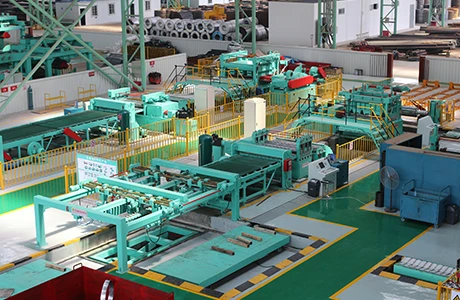

HR Coil Slitting Machine High-Precision Metal & Steel Processing
Jun . 01, 2025 09:08
- Introduction: Key Industry Data and the Role of HR Coil Slitting Machines
- Technological Edge: Precision Engineering in Modern Coil Slitting
- Comparative Analysis: Leading Manufacturers in the Market
- Material-Specific Solutions: Steel, Aluminium, and Beyond
- Case Studies: Success Stories Across Industrial Applications
- Making the Right Choice: Factors to Consider
- Conclusion: Future-Proofing Production with HR Coil Slitting Technology
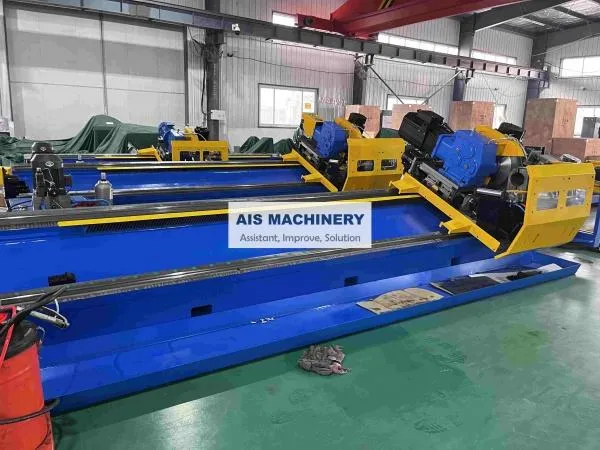
(hr coil slitting machine)
Introduction: Key Industry Data and the Role of HR Coil Slitting Machines
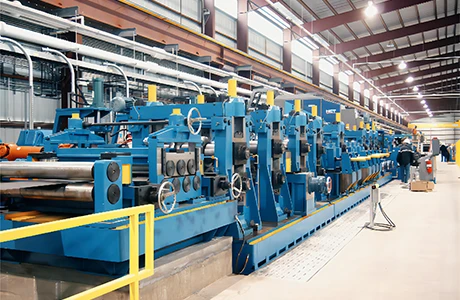
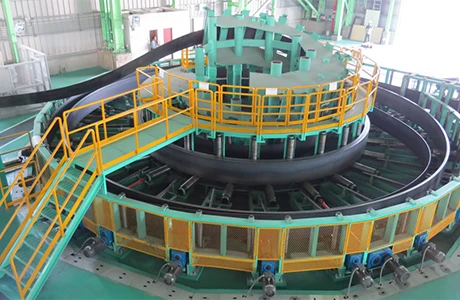
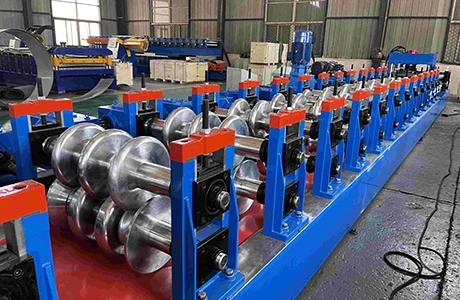
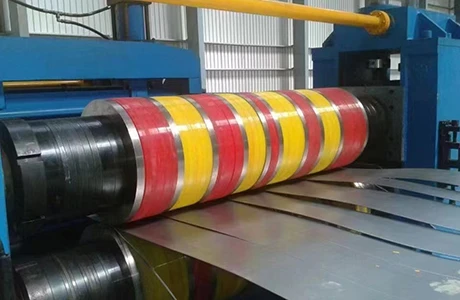
Global demand for precision-cut metal coils exceeds 65 million tons annually, with the HR coil slitting machine segment projected to grow at 6.8% CAGR through 2028. These industrial workhorses transform wide hot-rolled coils into narrow strips with tolerances under ±0.001 inches, serving automotive manufacturing (35% market share), construction (28%), and appliance production (22%). As supply chains prioritize just-in-time delivery, modern slitting lines reduce material waste by 15-20% compared to traditional cutting methods while operating at speeds up to 1,200 m/min.
Technological Edge: Precision Engineering in Modern Coil Slitting
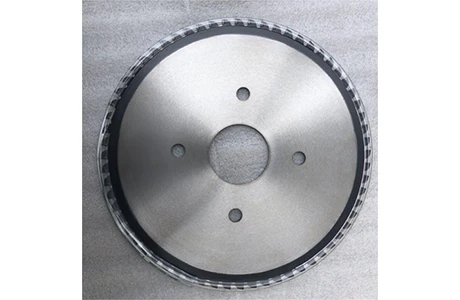
Contemporary coil processing equipment incorporates laser-guided alignment systems and dynamic tension controls maintaining accuracy during high-speed operation. The latest servo-driven decoilers eliminate material telescoping while AI-powered vision systems detect microscopic edge defects in real-time. For aluminum coil slitting machines, diamond-coated circular knives provide 40% longer service life when processing soft alloys. Operators achieve blade clearance adjustments within 5-micron precision through digital touchscreen interfaces, significantly reducing setup times between material changeovers.
Comparative Analysis: Leading Manufacturers in the Market
| Manufacturer | Machine Types | Max Width (mm) | Thickness Range (mm) | Line Speed (m/min) |
|---|---|---|---|---|
| ProSlit Systems | Steel/HR coil slitters | 2,000 | 0.3-6.0 | 800 |
| EuroCut Technologies | Aluminum coil slitting machines | 1,850 | 0.1-4.0 | 1,000 |
| Precision CoilTech | Metal coil slitting machines | 2,200 | 0.2-8.0 | 750 |
| Global Slitting Inc. | HR coil slitting machines | 2,500 | 0.5-12.0 | 650 |
Performance data reveals that EuroCut's aluminum specialists provide 20% faster tooling changeovers while ProSlit's heavy-duty designs withstand 30% higher tension loads for thick-gauge materials.
Material-Specific Solutions: Steel, Aluminium, and Beyond
Processing high-strength steel demands hardened tooling components and hydraulic clamping systems generating 150+ tons of compression force. Conversely, aluminum coil slitting machines employ soft-contact tensioners preventing surface marring and electrostatic discharge mechanisms eliminating foil welding at microscopic levels. Specialty configurations include copper-nickel alloy processing with liquid-cooled arbors maintaining ±1°C temperature stability, while stainless steel variants feature chromium-nitride coated blades resisting work hardening. These tailored approaches demonstrate why 57% of manufacturers purchase material-dedicated lines rather than universal equipment.
Case Studies: Success Stories Across Industrial Applications
A Spanish auto supplier implemented an HR coil slitting machine with auto-gauge recognition, reducing changeover time from 47 minutes to 8 minutes while achieving 99.2% yield efficiency on galvanized steel. Similarly, a UAE-based HVAC manufacturer handling diverse alloys reported a 30% reduction in edge burrs after installing material-specific slitters for their copper-aluminum composites. Perhaps most impressively, a tier-one aerospace supplier achieved AS9100D certification using vision-inspected aluminum coil slitting technology that eliminated downstream deburring operations entirely. Industry data confirms facilities utilizing coil-specific configurations achieve 23% higher throughput than general-purpose lines.
Making the Right Choice: Factors to Consider
Equipment selection hinges on three critical assessments: annual material volume, tensile strength parameters, and dimensional tolerances. High-volume operations processing 75,000+ tons yearly justify inline leveling systems costing 30% more but delivering perpetual flatness variances below 0.3mm/m. Secondary considerations include maintenance accessibility—modular designs reduce downtime 45% during blade changes—and upgrade pathways for Industry 4.0 integration. Leading procurement specialists prioritize machines offering variable frequency drives (reducing power consumption 15-25%) and standardized interfaces allowing future automation retrofits without complete line reconfiguration.
Conclusion: Future-Proofing Production with HR Coil Slitting Technology
Investment in advanced HR coil slitting machinery delivers quantifiable competitive advantages, with manufacturers reporting 18-month average ROI through material savings and reduced labor costs. The ongoing evolution toward intelligent systems incorporating predictive maintenance algorithms and machine-to-machine communication positions forward-thinking operations for emerging Industry 4.0 standards. As material science progresses with new alloys and hybrid composites, purpose-engineered steel coil slitting machines and their aluminum counterparts remain fundamental to unlocking manufacturing flexibility—proving that precision metal processing continues to be a cornerstone of industrial innovation worldwide.
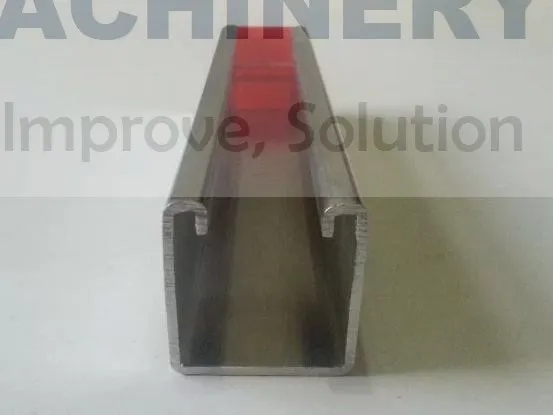
(hr coil slitting machine)
FAQS on hr coil slitting machine
Q: What is an HR coil slitting machine used for?
A: An HR coil slitting machine processes hot-rolled steel coils into narrower strips. It ensures precision cutting for industrial applications like construction and automotive manufacturing. The machine handles high-strength materials efficiently.
Q: Can a metal coil slitting machine handle different materials?
A: Yes, a metal coil slitting machine works with various metals, including steel, aluminum, and copper. Adjustable blades and tension controls adapt to material thickness and hardness. This versatility supports diverse production needs.
Q: How does a steel coil slitting machine differ from an aluminum-specific model?
A: Steel coil slitting machines use heavy-duty blades to cut thicker, harder steel. Aluminum coil slitting machines feature finer blades and softer tension systems to prevent surface damage. Material-specific designs optimize precision and reduce waste.
Q: What industries use aluminum coil slitting machines?
A: Aluminum coil slitting machines are vital for aerospace, packaging, and electronics industries. They produce lightweight, corrosion-resistant strips for cans, foils, and components. Their efficiency supports high-volume, precision-driven manufacturing.
Q: What maintenance is required for HR coil slitting machines?
A: Regular blade sharpening, lubrication, and alignment checks ensure optimal HR coil slitting performance. Dust and debris removal prevents material contamination. Scheduled maintenance minimizes downtime and extends machine lifespan.

Related Products

Related News
2025-07-16 10:13:22
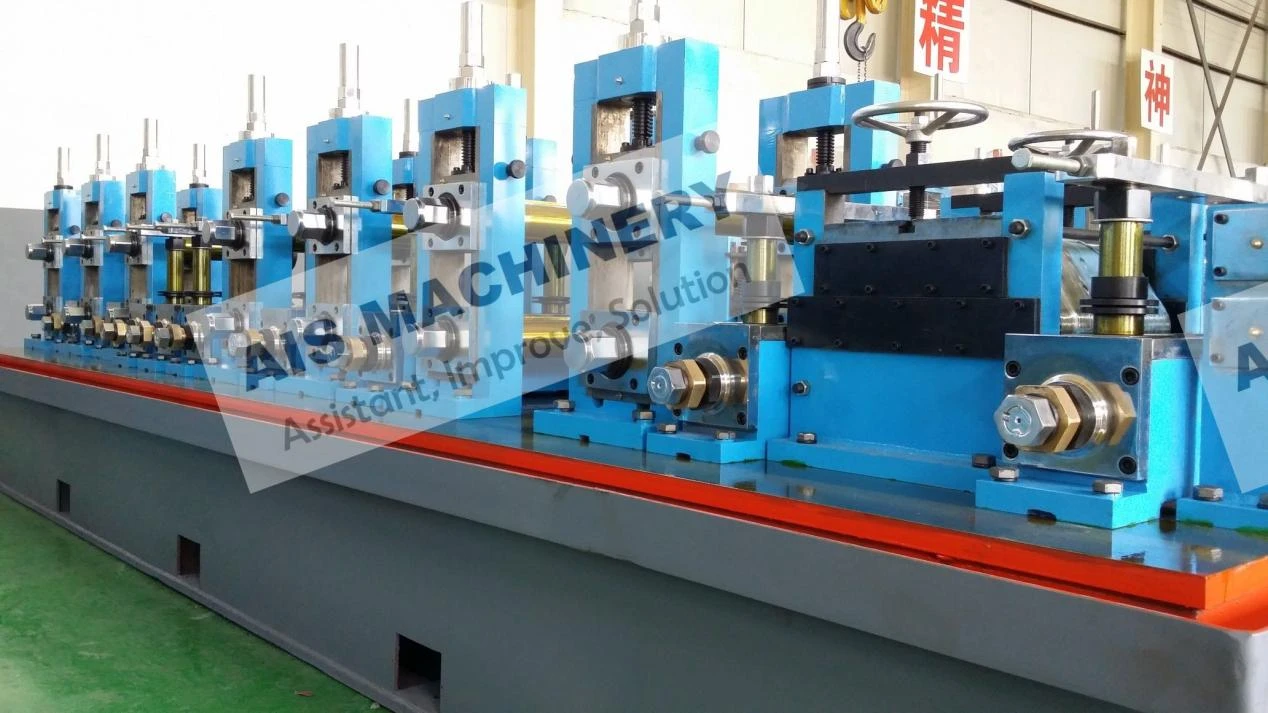
Modern metal fabrication demands precision and productivity, which is why our roll forming tube mill technology leads the industry in pipe and tube production.
2025-07-16 10:09:53
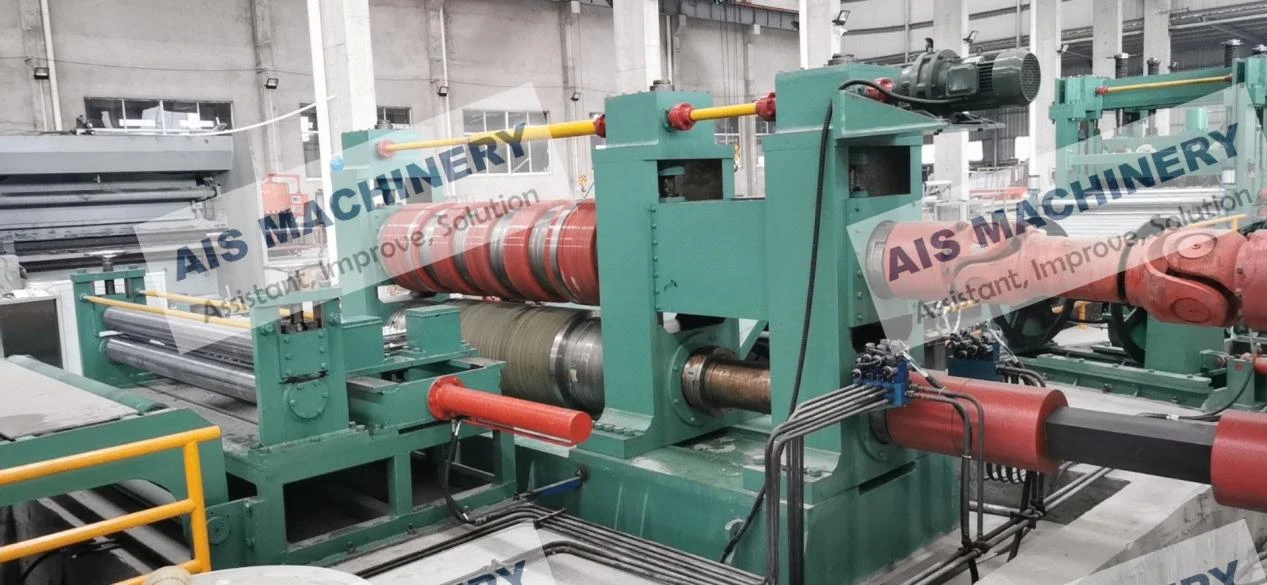
In today's demanding metalworking industry, our metal slitting line technology sets new standards for precision and efficiency in coil processing.
2025-07-16 10:06:48
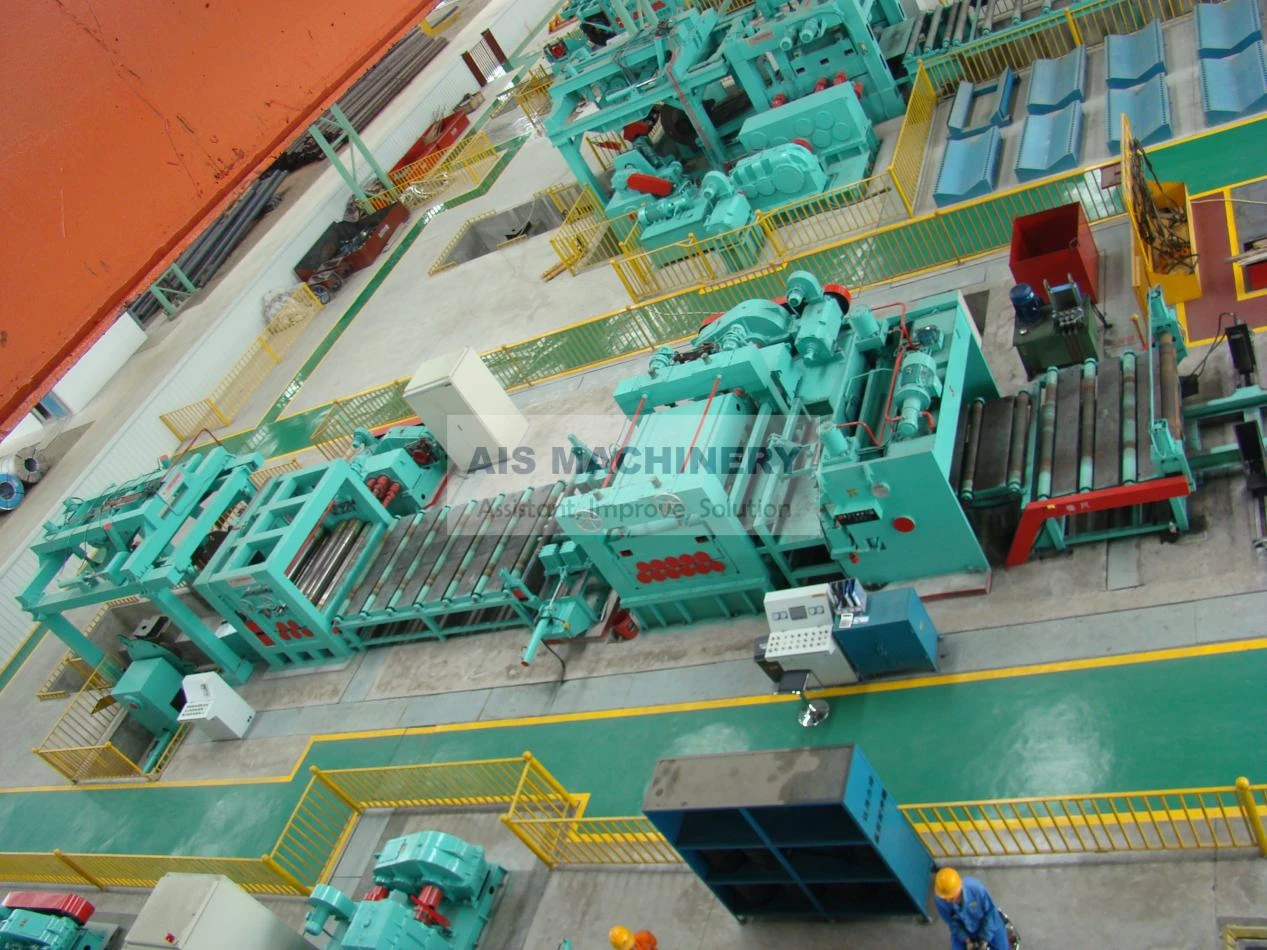
In today's demanding metal fabrication industry, our cut to length lines set new benchmarks for precision and efficiency.
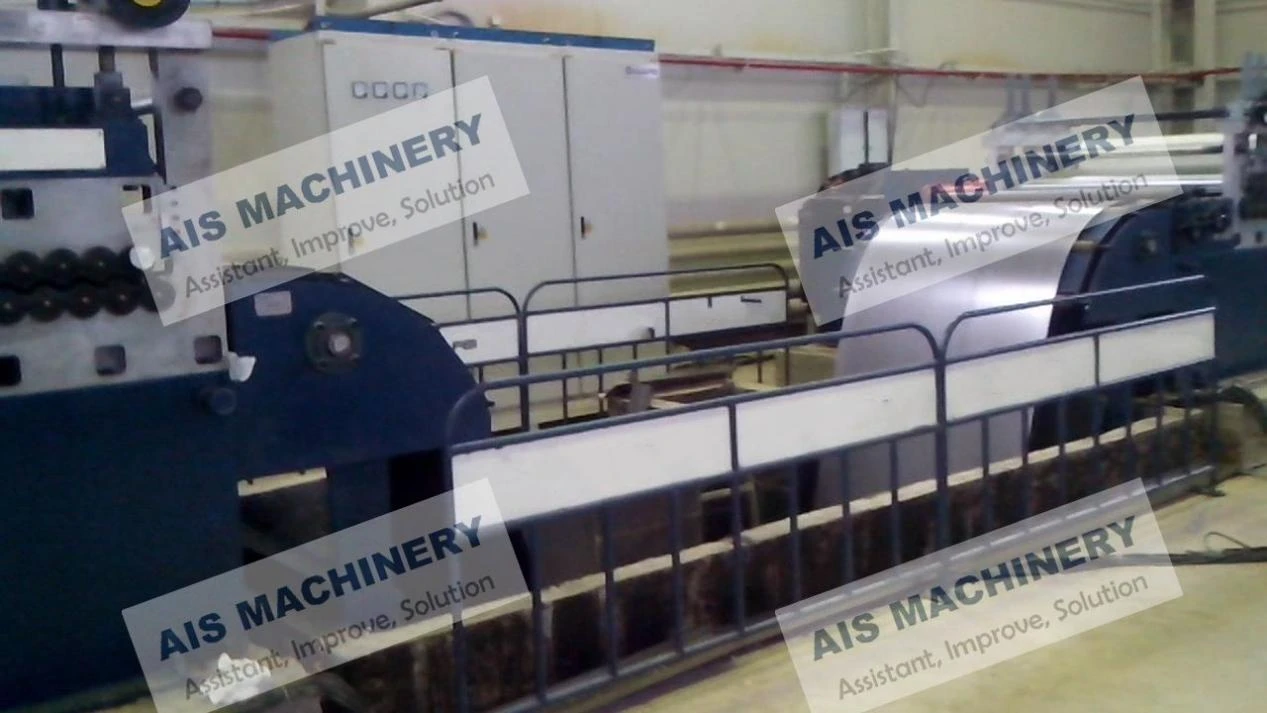
2025-07-16 10:03:57
Cut to Length and Slitting Machine
Modern steel processing demands precision and efficiency, which is why our cut to length and slitting machine technology leads the industry in coil processing solutions.
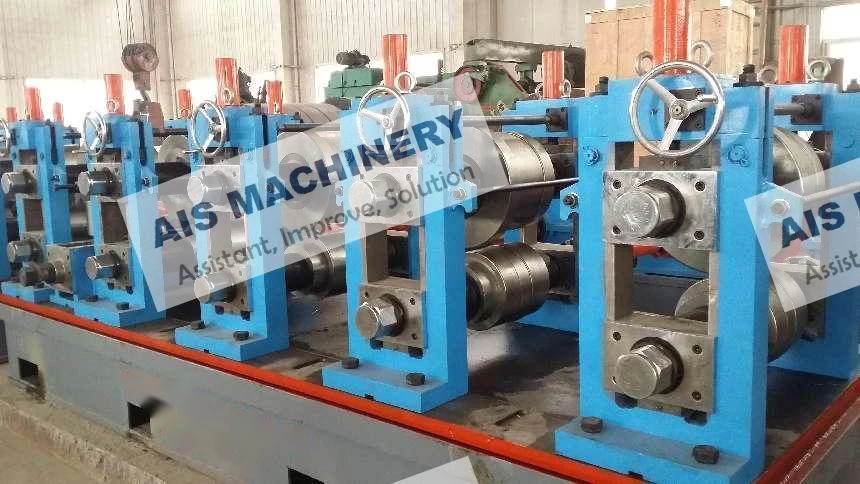
2025-07-16 10:00:56
Modern metal forming requires precision and efficiency, making our cold roll forming machine technology essential for today's manufacturers.
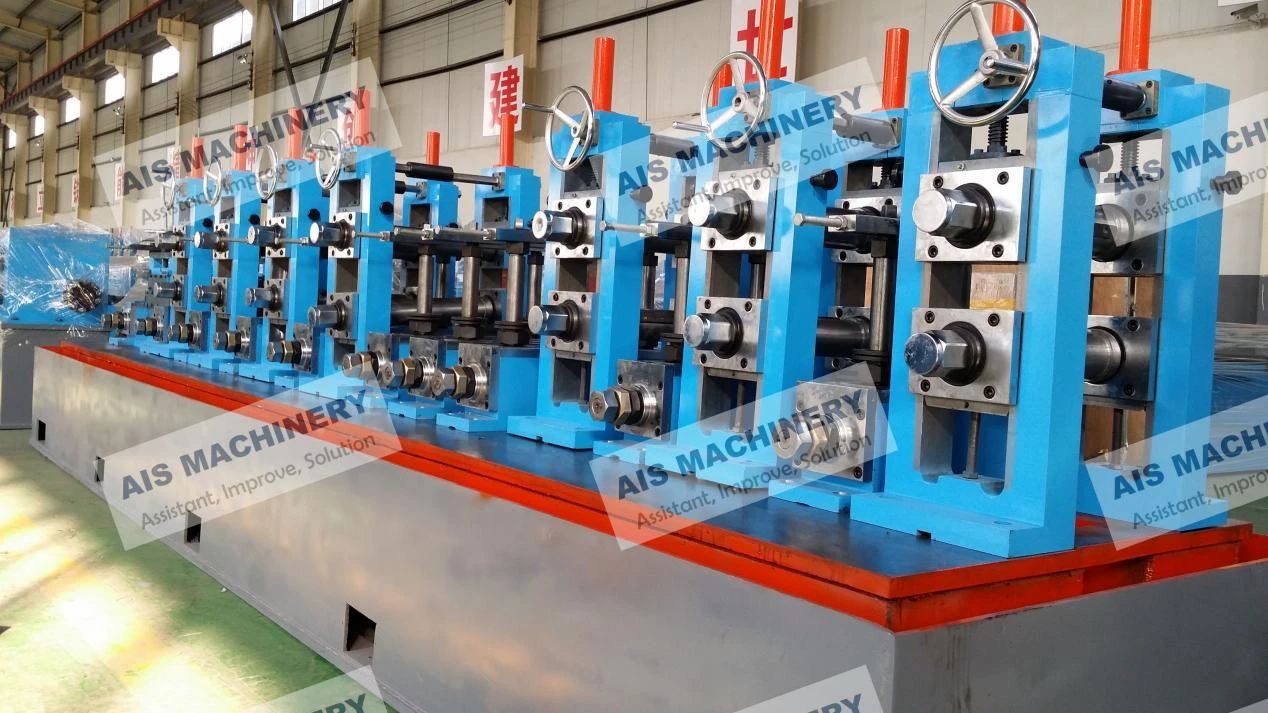
2025-07-16 09:58:00
In today's demanding steel processing industry, our Carbon Steel Tube Mill technology sets new standards for precision and productivity.
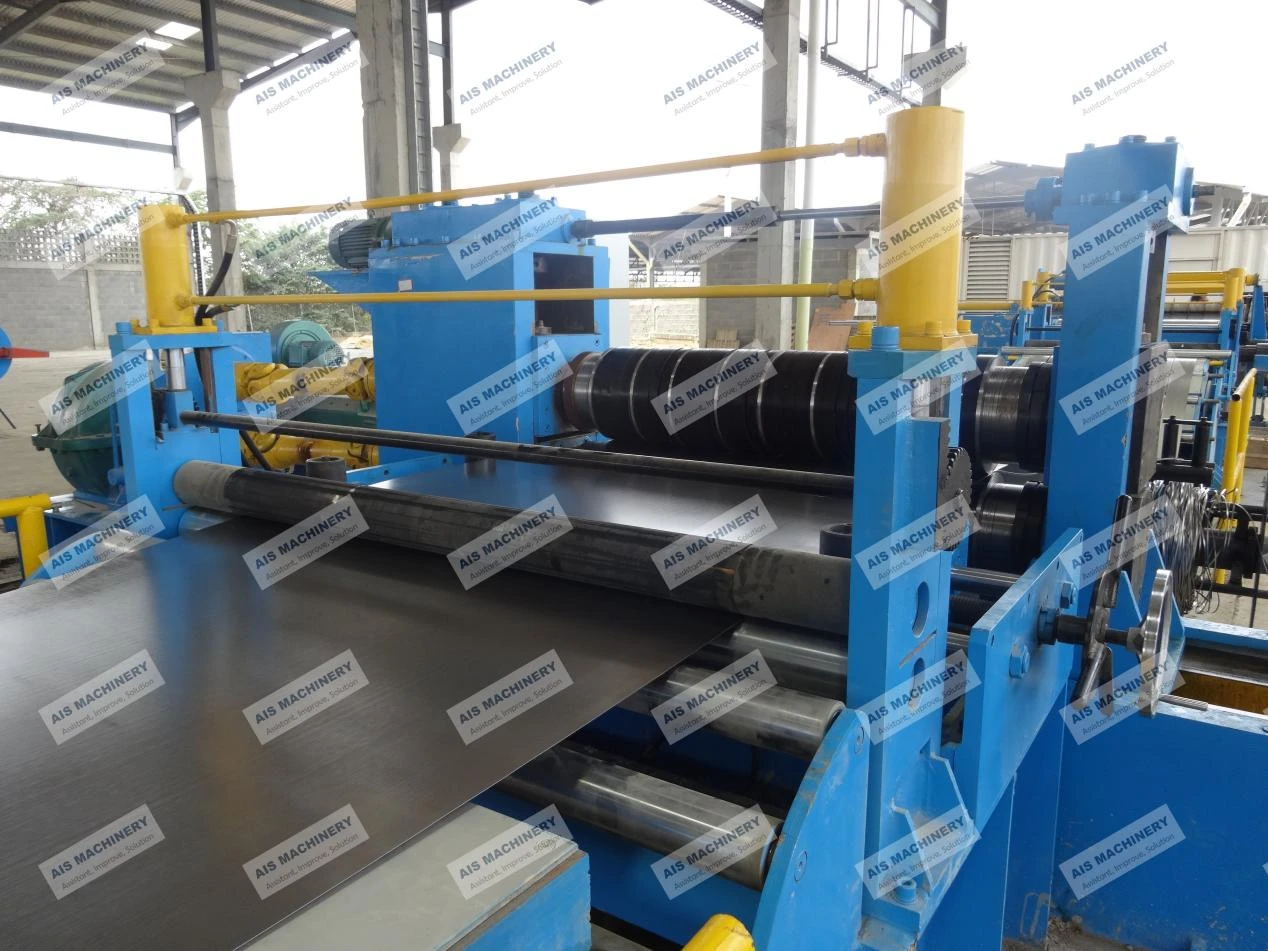
2025-06-10 16:26:01
Steel Slitting Machine Waste Reduction
The foundation of waste reduction begins at the coil handling stage within modern steel slitting machines.
2025-06-10 16:22:57
Roll Forming Machine Applications
The transformative power of cold roll forming machinery lies in its ability to reshape metal through continuous cold processing.
Send a Message
Dear customer, thank you for your attention! We provide high-quality machinery and equipment and look forward to your orders. Please inform us of your needs and we will respond quickly!
 English
  Albanian
  Arabic
  French
  German
  Indonesian
  Italian
  Japanese
  Kazakh
  Korean
  Latin
Latin  Macedonian
  Portuguese
  Russian
  Spanish
  Thai
Thai  Turkish
  Ukrainian
  Uzbek
Uzbek