
-
 Tel:86-15176910262
-

Search

Induction Heating Machine | Fast, Energy-Saving, Precise
Oct . 17, 2025 13:00
Steel Pipe Seam Annealing: What to Know Before You Choose an Induction Solution
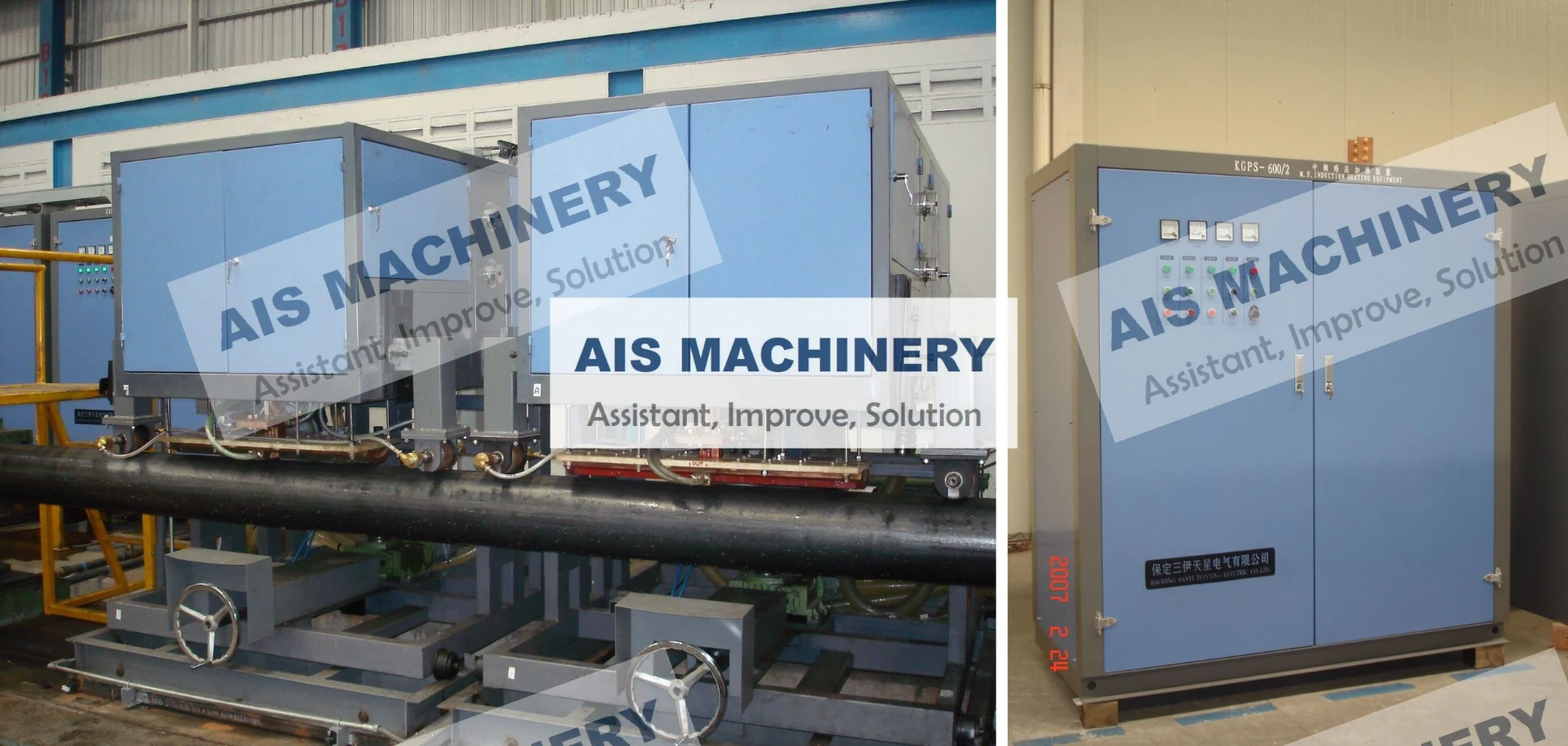
In welded tube mills, the induction heating machine sitting right after the weld box is the unsung hero. It chases the seam, relieves stress, fixes grain structure, and, frankly, saves a lot of downstream headaches. I’ve stood on enough hot, noisy shop floors to say: when annealing is wrong, everything after it is damage control.
Industry trend check (in plain words)
Quick snapshot: power electronics are moving from classic IGBT to SiC modules, coils are getting tighter coupling thanks to better seam tracking, and energy dashboards are now standard. Many customers say they’re chasing 10–20% energy cuts and steadier metallurgical results, not just “more kilowatts.” It sounds obvious, but in real factories it’s a big shift.
What this machine actually does
The steel pipe seam annealing system heats the weld bead (and adjacent HAZ) to solution-anneal range for stainless or to tailored temperatures for titanium and specialty alloys, then controls quench for corrosion resistance and ductility. The result: longer service life, better bend/flare performance, and fewer customer returns. A good induction heating machine makes it look easy; a poor one turns line speed into a negotiation.
Typical process flow (real-world)
Materials: 304/316/321 stainless, duplex, titanium Gr.2/Gr.12. Methods: focused induction coil → IR pyrometer (closed-loop) → soak ≈ 1–4 s (alloy-dependent) → water/air-mist quench → in-line NDT. Testing: eddy current (ASTM E426), ultrasonic (ASTM E213), dimensional and ovality checks, intergranular corrosion for austenitic SS (ASTM A262 Practice E). Service life: coils ≈ 8–18 months (usage varies), power cabinet 10–15 years with routine PM. Industries: sanitary tube, automotive exhaust, instrument tubing, heat-exchangers, petrochem.
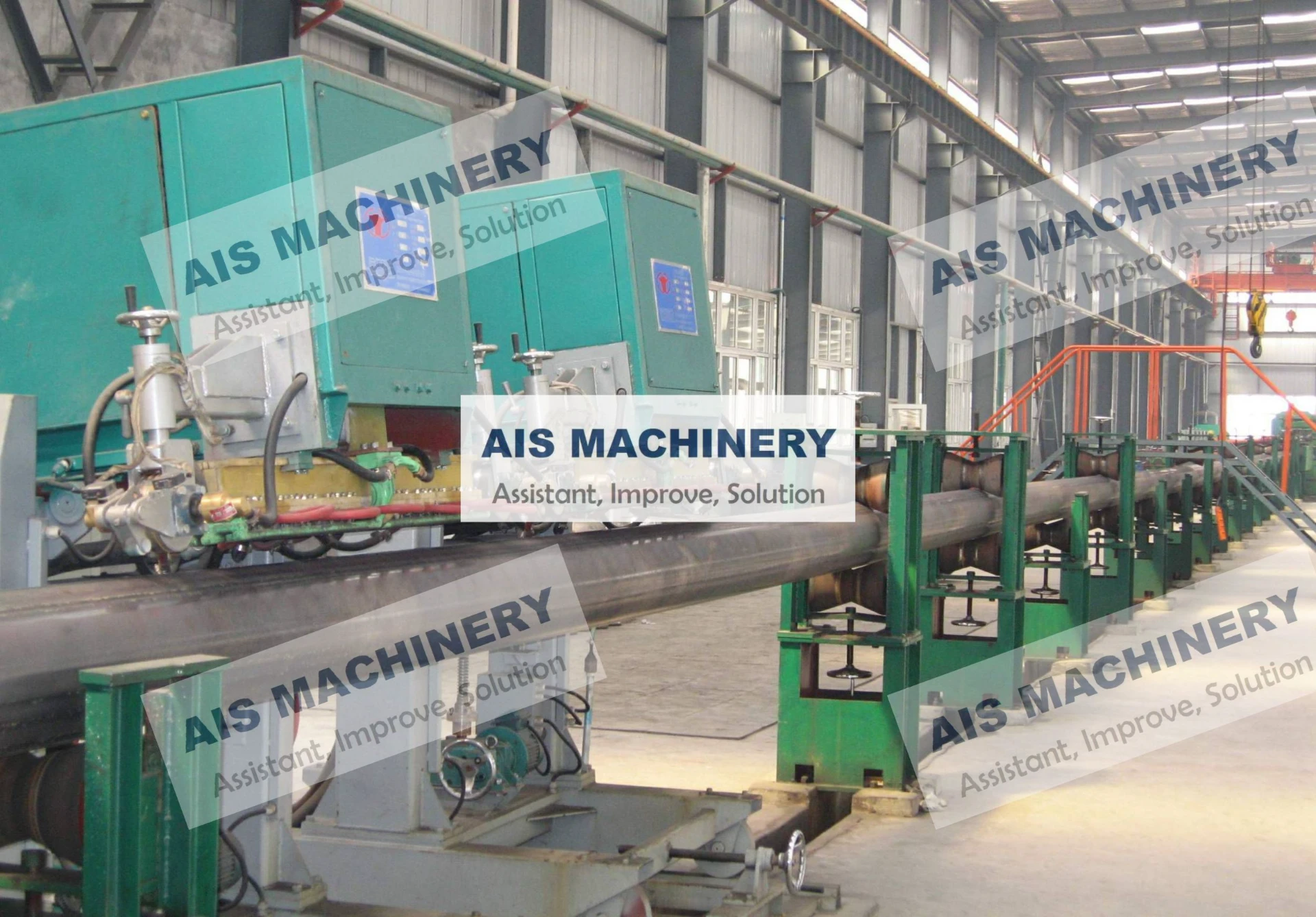
Product snapshot: Steel Pipe Seam Annealing Machine
| Parameter | Spec (typical) |
|---|---|
| Power output | 80–300 kW (modular), ≈96% efficient (real-world use may vary) |
| Frequency range | 30–400 kHz, coil matched to OD/thickness |
| Pipe OD | Φ8–Φ168 mm (larger on request) |
| Line speed | Up to 120 m/min (around 60–90 m/min on SS 304) |
| Temp control | Closed-loop pyrometer (±10 °C), SPC logging |
| Cooling | Closed-loop chiller, 2–6 bar; water quench module optional |
| Controls | Siemens/AB PLC, 10” HMI, seam-tracking servo |
| Compliance | IEC 60519-2, IEC 60204-1; CE; ISO 9001 factory |
| Pipe standards served | ASTM A269/A270, EN 10217-7 (as applicable) |
Why buyers pick it (and where they hesitate)
Advantages: compact footprint, gentle thermal profile, quick coil swaps, proper documentation for audits. Concerns I hear: coil wear cost, and whether the induction heating machine can keep temperature uniform at very high line speeds. Fair ask—this is where good seam tracking and pyrometer tuning matter.
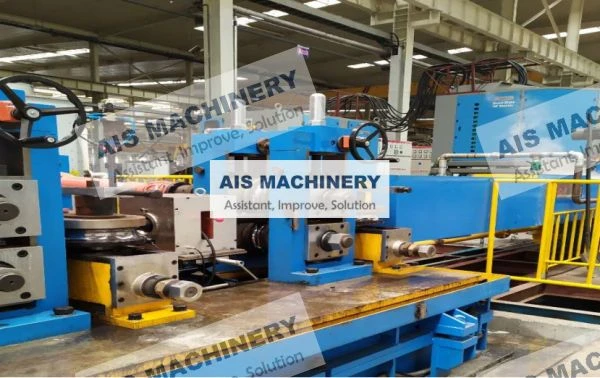
Customization menu (the useful bits)
Coil geometry per OD/WT mix, SiC power stage for high-frequency duty, multi-language HMI, MES/OPC UA data hooks, dual pyrometers for reflective alloys, and quick-lift stands for cleaning. Origin: RM604 SHENXING BUILDING, XINHUA STREET, SHIJIAZHUANG, HEBEI, CN 050000—factory teams actually pick up the phone, which, to be honest, still matters.
Vendor comparison at a glance
| Vendor | Power topology | Efficiency | Lead & Support | Warranty |
|---|---|---|---|---|
| AISTubemill | IGBT/SiC hybrid (option) | ≈94–96% | 8–12 weeks; 24/7 remote | 18 months |
| Vendor B | IGBT | ≈92–94% | 14–18 weeks; office hours | 12 months |
| Vendor C | Thyristor + IGBT mix | ≈90–93% | Around 16 weeks; limited | 12 months |
Field results (a couple of quick cases)
- EU exhaust-tube line (SS 409/441): energy use down 18%, scrap down 30% after adding closed-loop control on the induction heating machine.
- Asia sanitary tube (SS 316L): upgraded coil + seam tracking cut bead hard spots; passed ASTM A262E consistently.
How to evaluate before you buy
Ask for coil thermal maps, pyrometer calibration method, and a witnessed run on your actual tubes. Verify to IEC 60519-2 and check that your document pack covers ASTM A269 or EN 10217-7. And yes, insist on spare coil lead time in writing.
Citations
- IEC 60519-2: Safety in electroheat installations — Induction and conduction heating.
- ASTM A269/A270: Seamless and welded austenitic stainless steel tubing.
- EN 10217-7: Welded stainless steel tubes for pressure purposes.
- ASTM E213/E426: Nondestructive ultrasonic and eddy-current testing for tubing.
- ASM Handbook, Vol. 4A: Steel Heat Treating Fundamentals and Processes.

Related Products

Related News
2027-04-24 00:00:00
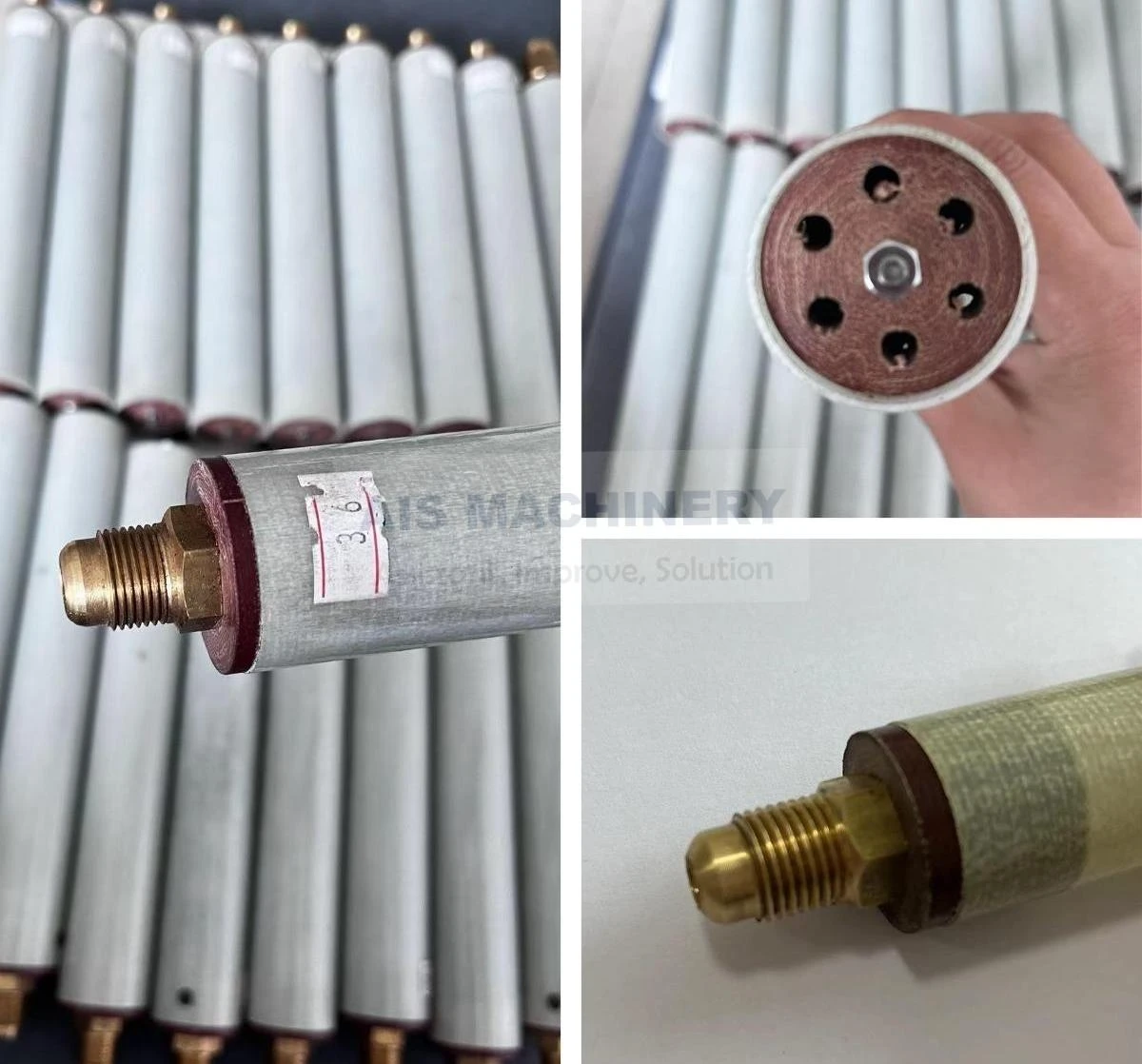
What is an Impeder and Ferrite Rods in ERW Tube Mill?
Struggling with impeder overheating or short service life in your ERW tube mill? This guide explains common impeder problems, the role of ferrite rods, and how to choose the right impeder for stable welding performance. Improve weld quality, reduce energy loss, and extend equipment lifespan with the right selection and proper cooling solutions.
2026-04-21 10:22:25
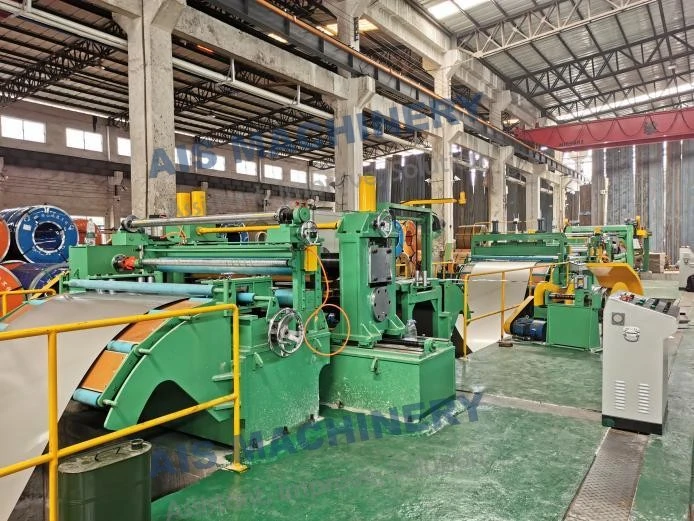
Slitting & Cut-to-Length Combined Production Line: A Smarter Way to Process Steel Coils
Discover the Slitting & Cut-to-Length Combined Production Line, a flexible solution for steel coil processing. This system integrates slitting line and cut-to-length line functions in one machine, saving space, reducing costs, and improving efficiency. Ideal for processing both steel strips and sheets, it is widely used in service centers and manufacturing industries. Learn its advantages, limitations, and applications.
2026-04-18 03:20:20
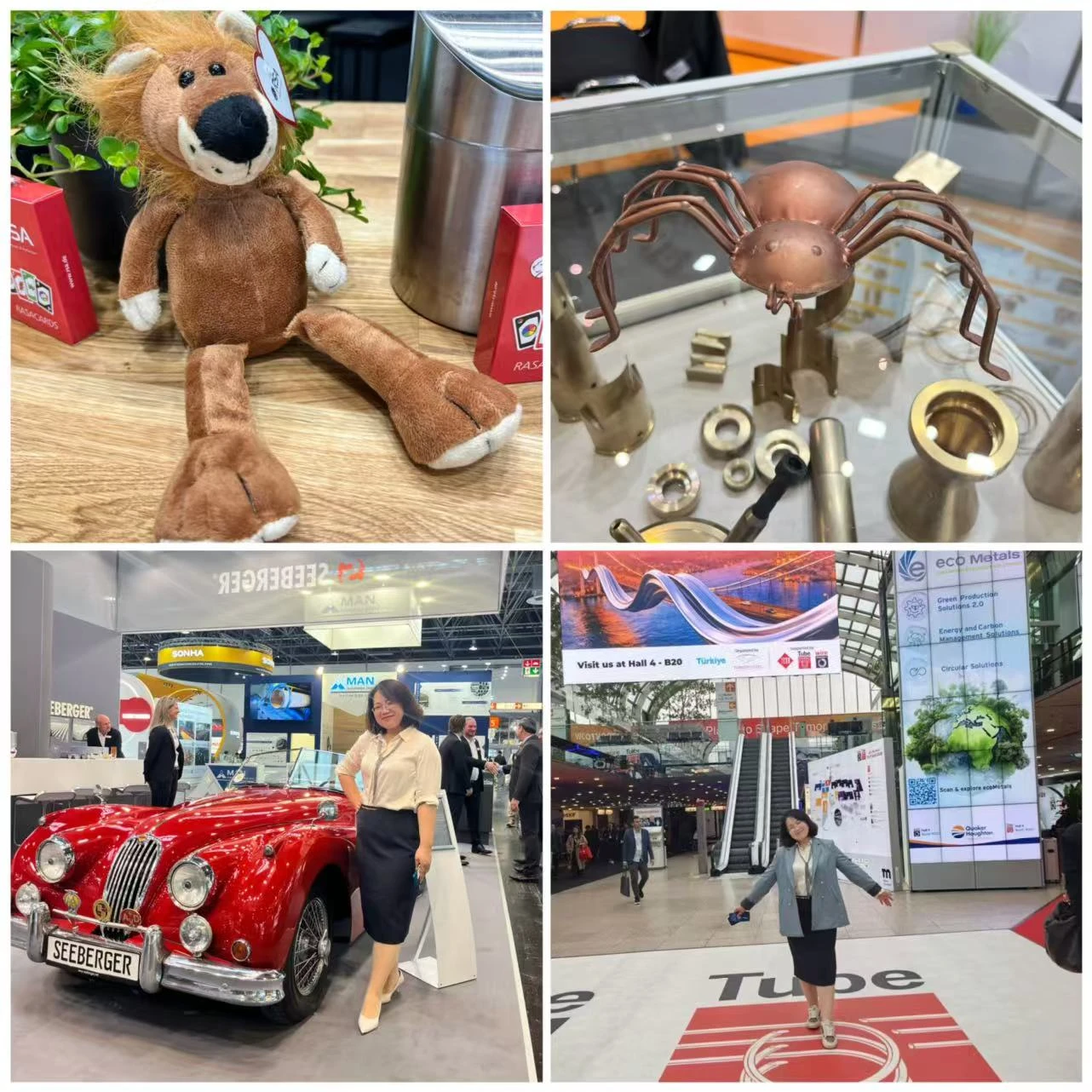
AIS Machinery Showcases Advanced Tube Solutions at Tube & Wire Düsseldorf 2026
Tube & Wire Düsseldorf 2026, one of the most influential exhibitions in the global tube and wire industry, held biennially in Düsseldorf, Germany
2026-04-17 00:00:00
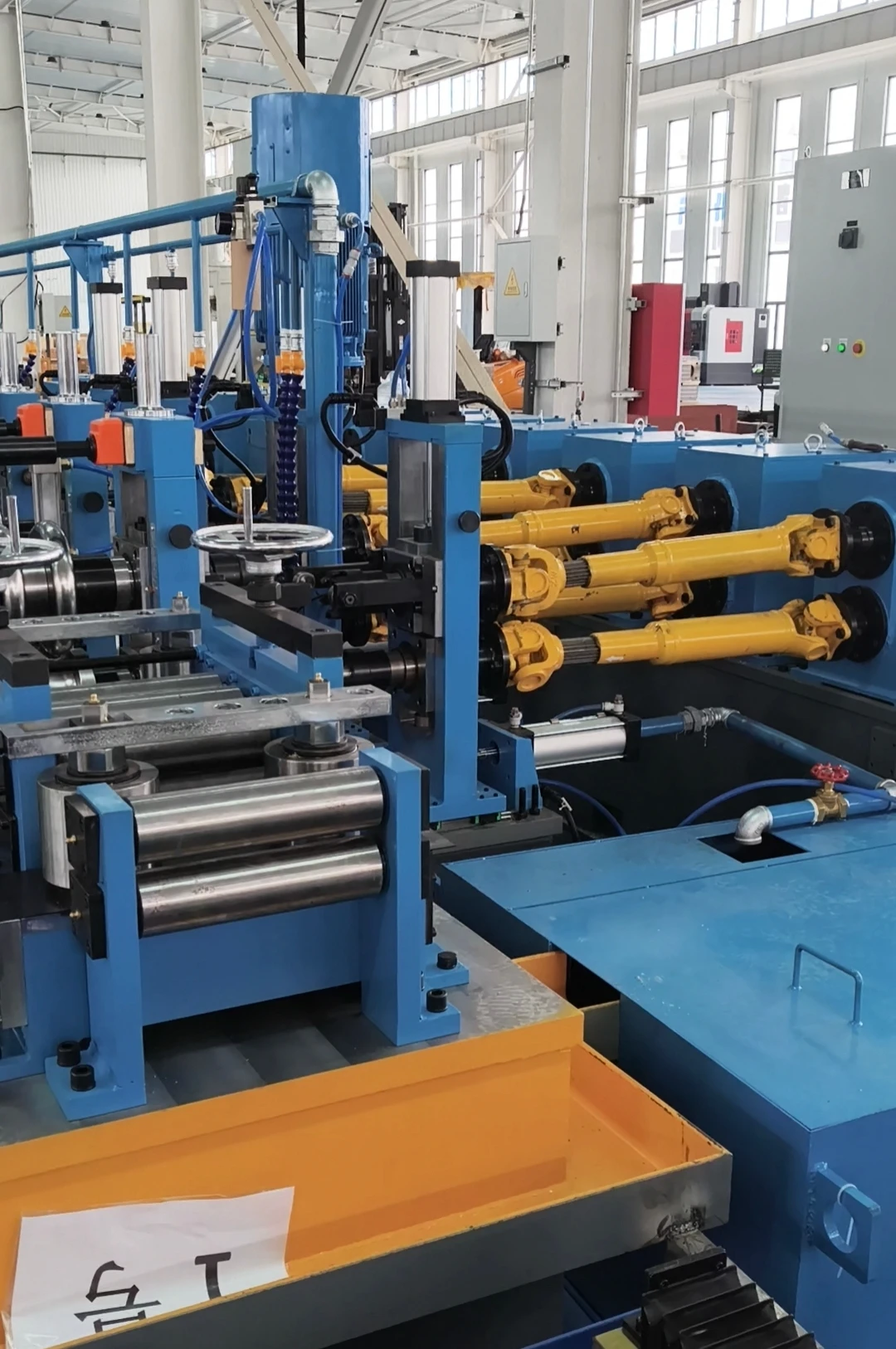
Southeast Asia Client Visits Our Factory | Customized Tube Mill Solution Delivered
A Southeast Asia client visited our ERW tube mill factory to inspect production lines and discuss a customized tube mill solution. Impressed by our machine quality, welding performance, and engineering support, the client confirmed strong cooperation intentions. Discover how our ERW tube mill solutions improve efficiency, precision, and long-term production reliability.
2026-04-15 10:37:55
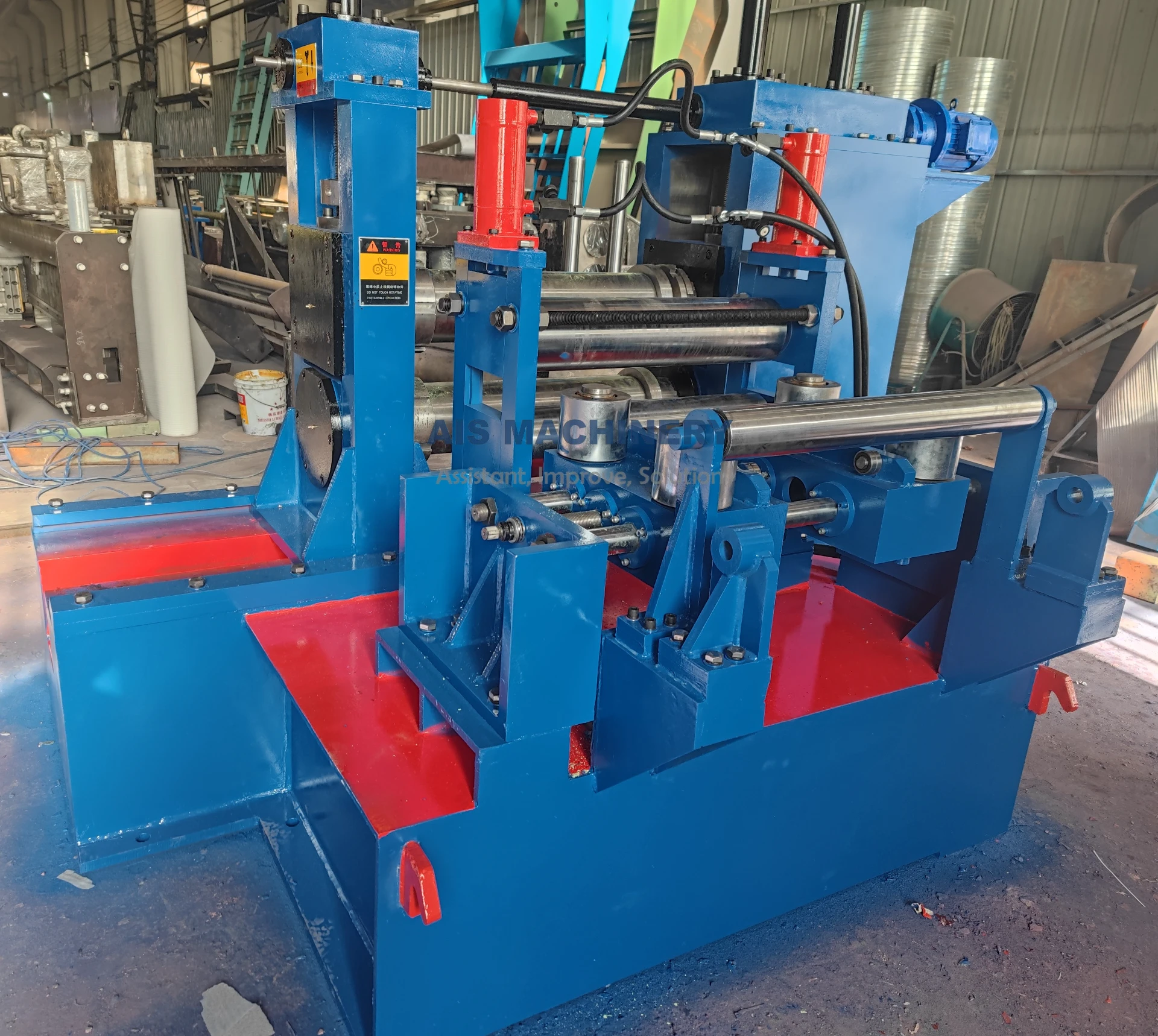
Flat Bar Production Line for Steel Coils: How It Works & Why It Matters
Looking for a flat bar production line? Learn how it turns steel coils into ready-to-use flat bars with precise length and high straightness. Compare it with slitting lines and get the best solution for your steel processing needs.
2026-04-14 00:00:00
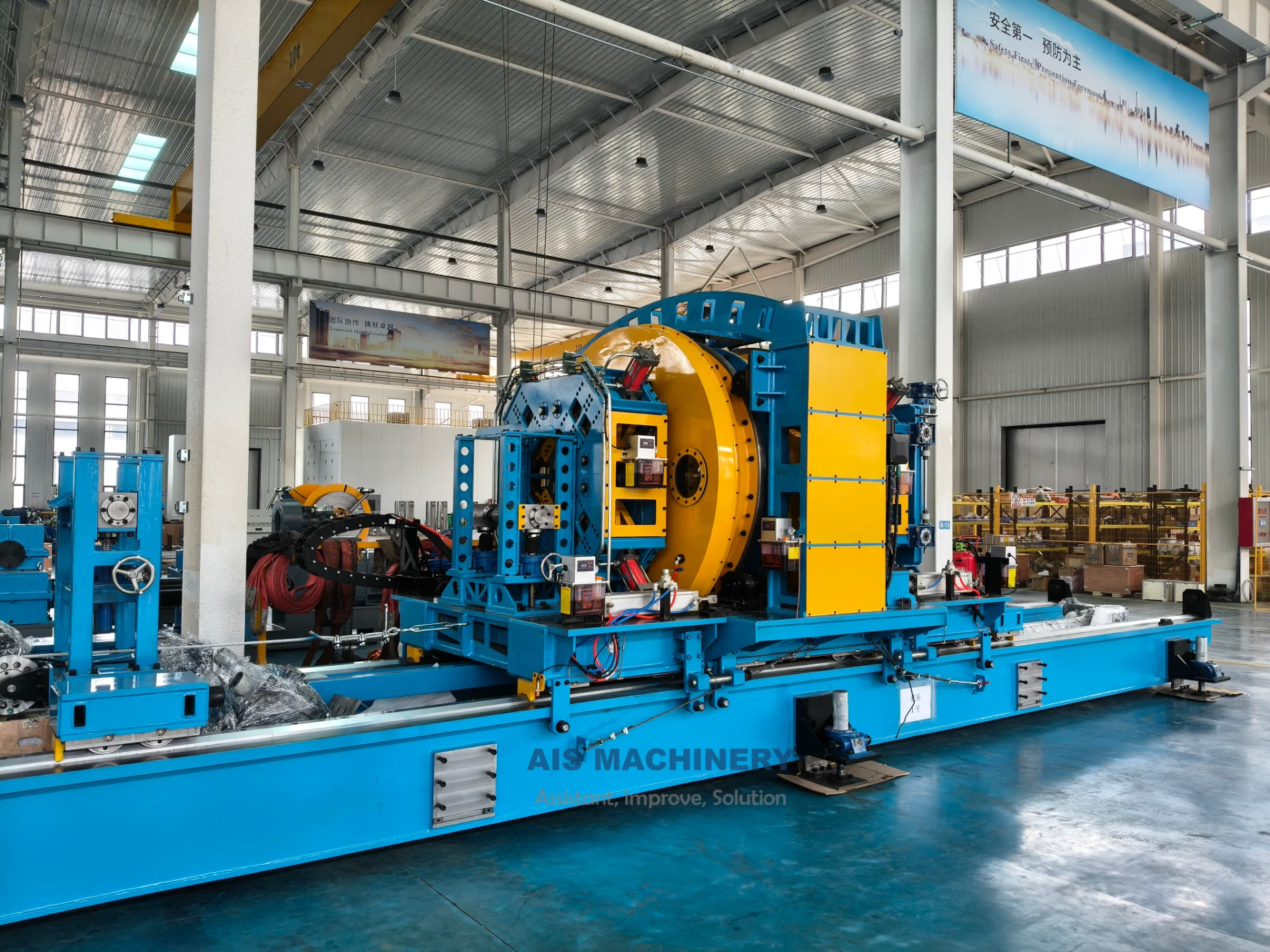
Looking for a Milling Saw for ERW Tube Mill? Here’s What You Need to Know
Looking for a high-performance milling saw for your ERW tube mill? Upgrade to burr-free, high-precision pipe cutting with advanced flying saw technology. Improve efficiency, reduce rework, and meet export standards for carbon steel, stainless steel, and API pipes. Contact us today for expert solutions and competitive pricing tailored to your production needs.
2026-04-09 16:15:19
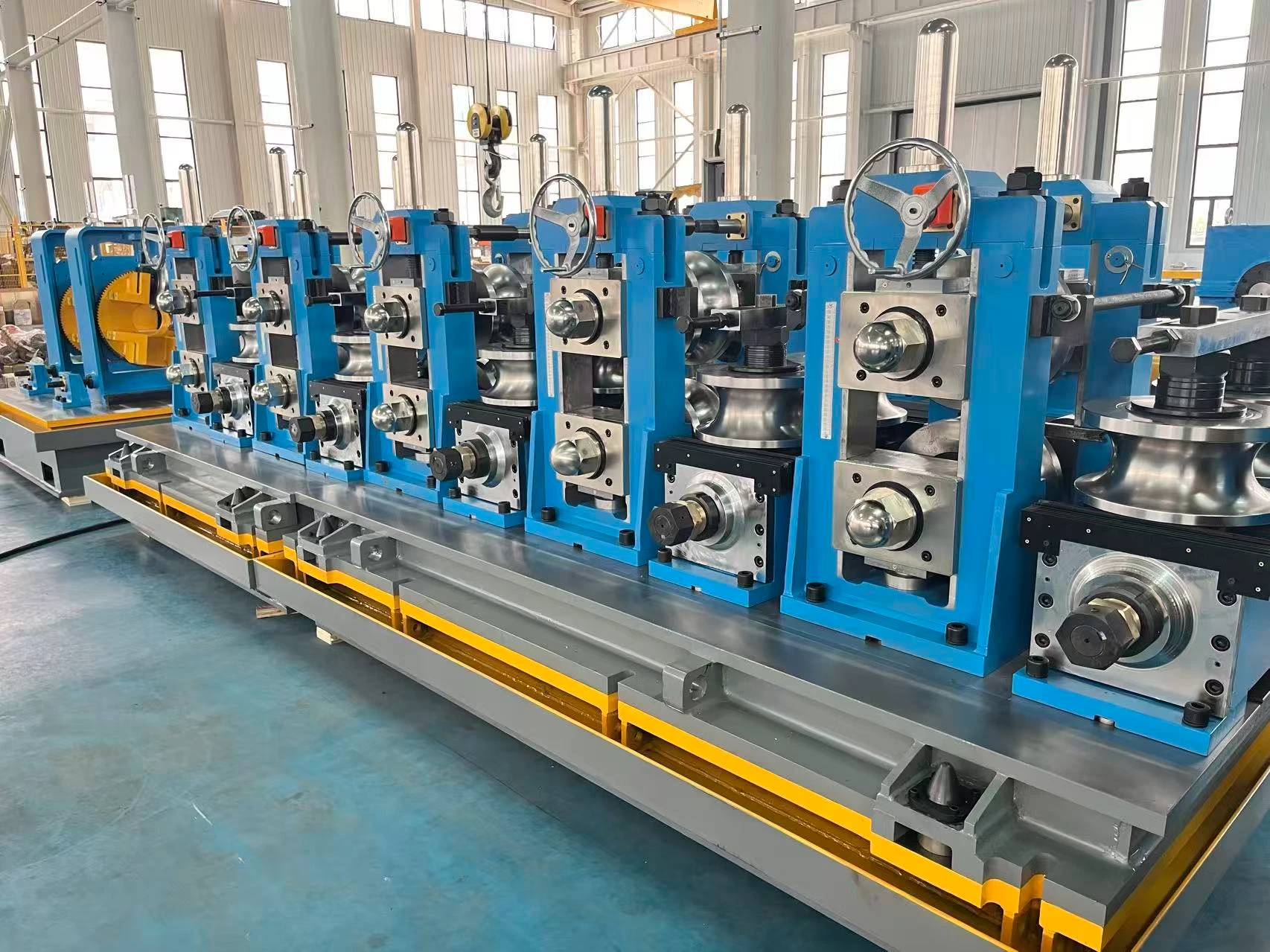
5-Inch (127mm) ERW Tube Making Machine Delivered with Heavy-Duty Design and Advanced Quick Change System
2027-04-07 00:00:00
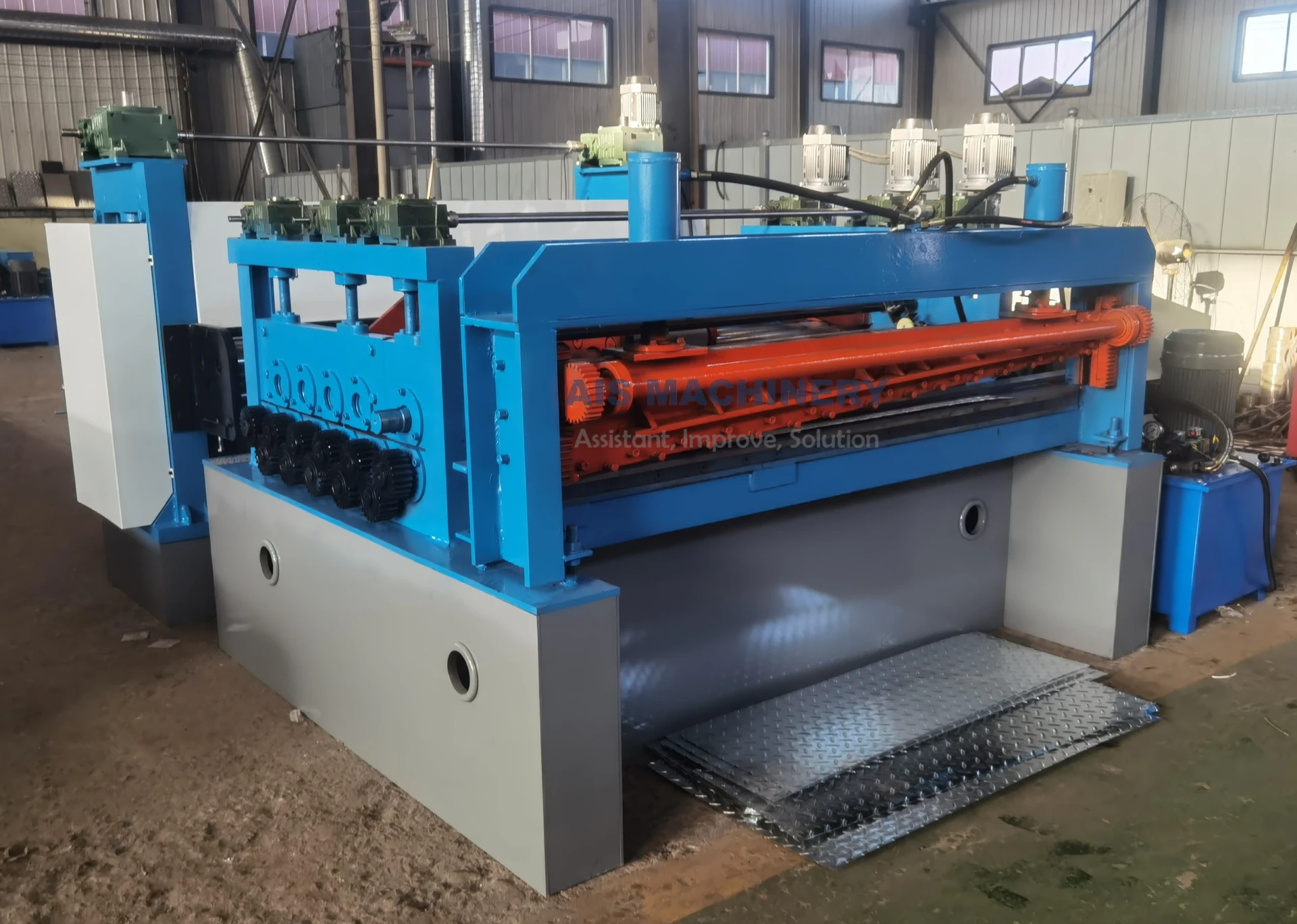
Metal Embossing Machine: Turn Flat Sheets into High-Value Textured Products
Discover how a metal embossing machine transforms flat steel, stainless steel, and aluminum sheets into high-value textured products. Learn about its working principle, key components, and applications. Ideal for decorative and industrial use, embossing machines improve both appearance and performance. Explore complete embossing line solutions and find the right machine for your production needs.
Send a Message
Dear customer, thank you for your attention! We provide high-quality machinery and equipment and look forward to your orders. Please inform us of your needs and we will respond quickly!
 English
  Albanian
  Arabic
  French
  German
  Indonesian
  Italian
  Japanese
  Kazakh
  Korean
  Latin
Latin  Macedonian
  Portuguese
  Russian
  Spanish
  Thai
Thai  Turkish
  Ukrainian
  Uzbek
Uzbek