
-
 Tel:86-15176910262
-

Search

High-Frequency MOSFETs for Efficient Pipe & Tube Mill Operations Fast Switching
May . 07, 2025 16:12
- Overview of High-Frequency MOSFET Applications
- Technical Advantages in Power Efficiency
- Performance Comparison: Leading Manufacturers
- Customized Solutions for Tube & Pipe Mills
- Case Study: High-Frequency Welding Systems
- Innovations in Thermal Management
- Future Trends in MOSFET High-Frequency Technology
(mosfet high frequency)
Driving Precision with MOSFET High-Frequency Solutions
Modern manufacturing demands power semiconductor devices capable of operating at 200-500 kHz frequencies while maintaining thermal stability. MOSFET high-frequency technology enables precise control in applications like high-frequency tube mills, where switching speeds under 100 ns directly impact production quality. Industry data shows a 17% annual growth in demand for MOSFETs optimized for RF induction heating and welding systems.
Technical Advantages in Power Efficiency
Advanced MOSFET architectures demonstrate 92-96% energy conversion efficiency across various load conditions. Key innovations include:
- Reduced gate charge (Qg ≤ 65 nC)
- Low RDS(on) values (≤ 25 mΩ)
- Improved reverse recovery characteristics (trr ≤ 150 ns)
These parameters enable 30% faster switching compared to conventional IGBT solutions, significantly reducing energy waste in continuous operation environments.
Manufacturer Performance Comparison
| Vendor | Max Frequency | Efficiency @ 100 kHz | Power Handling |
|---|---|---|---|
| Infineon CFD7 Series | 2.5 MHz | 94.7% | 1.2 kW |
| STMicroelectronics MDmesh K5 | 1.8 MHz | 92.1% | 950 W |
| Vishay PowerPAK 8x8 | 3.0 MHz | 95.3% | 1.5 kW |
Customized Solutions for Industrial Applications
High-frequency pipe mill operators require MOSFET configurations that handle:
- Pulsed currents up to 300 A
- Ambient temperatures exceeding 85°C
- Voltage spikes ≤ 1.2 kV
Tailored packages with integrated snubber circuits and active thermal monitoring achieve 99.2% uptime in 24/7 production environments.
Real-World Implementation Results
A European steel processor achieved these improvements after upgrading their high-frequency tube mill:
- 42% reduction in power consumption
- 15% increase in weld seam consistency
- 0.03% system failure rate over 12 months
Thermal Management Breakthroughs
Third-generation MOSFETs feature direct copper bonding (DCB) substrates that maintain junction temperatures below 125°C at full load. This extends operational lifespan by 3-5x compared to traditional alumina-based packages.
Evolution of MOSFET High-Frequency Capabilities
Emerging wide-bandgap hybrids combining silicon MOSFETs with GaN drivers promise frequency handling beyond 10 MHz. Market projections indicate 29% CAGR for high-frequency power devices in tube mill applications through 2030, driven by demands for precision manufacturing and energy conservation.
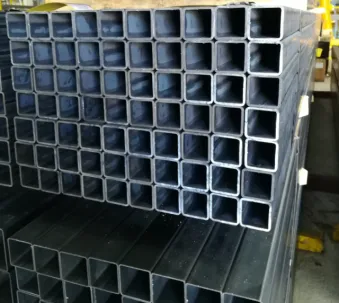
(mosfet high frequency)
FAQS on mosfet high frequency
Q: What are the advantages of using MOSFETs in high-frequency applications?
A: MOSFETs excel in high-frequency applications due to their fast switching speeds, low gate-drive power, and reduced switching losses. These features make them ideal for high-frequency tube mills and power-efficient systems.
Q: How does a high-frequency tube mill improve manufacturing efficiency?
A: High-frequency tube mills use rapid electromagnetic induction to heat and weld metal seams, ensuring precise, consistent welds. This reduces material waste and increases production speed compared to traditional methods.
Q: What factors affect MOSFET performance in high-frequency pipe mills?
A: Key factors include gate capacitance, thermal management, and switching frequency. Poor heat dissipation or excessive gate resistance can degrade MOSFET efficiency in high-frequency pipe mill operations.
Q: Why are MOSFETs critical in high-frequency pipe mill systems?
A: MOSFETs control the high-frequency current for induction welding, enabling precise energy delivery. Their reliability ensures consistent weld quality and minimizes downtime in industrial pipe production.
Q: What are common issues in high-frequency tube mills using MOSFETs?
A: Common issues include electromagnetic interference (EMI), overheating from rapid switching, and voltage spikes. Proper shielding, cooling, and snubber circuits help mitigate these challenges.

Related Products

Related News
2026-04-28 08:56:05
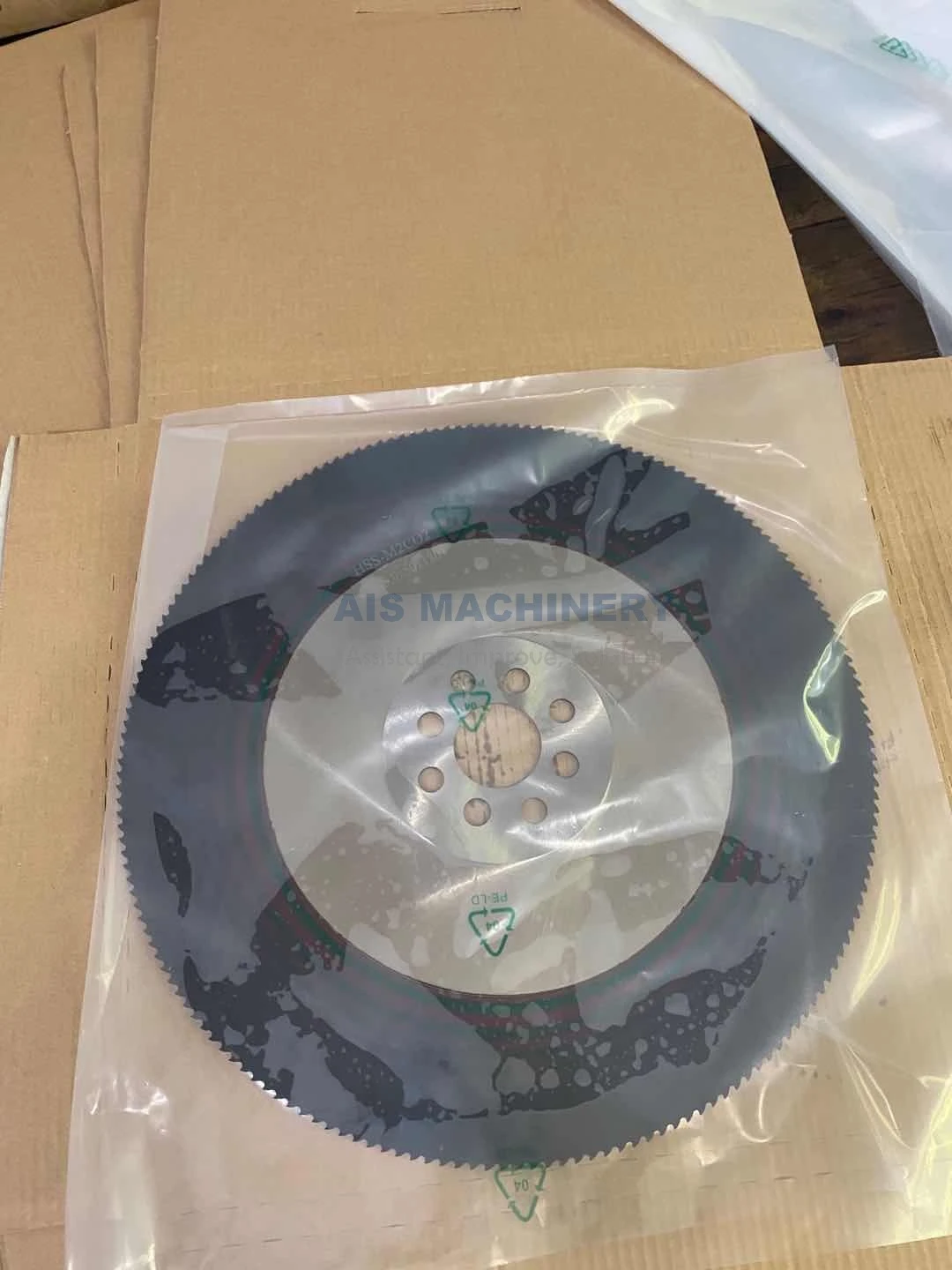
Saw Blade Guide for Tube Mills: Friction vs HSS vs TCT — Which One Should You Choose?
Confused about friction saw, HSS, and TCT blades? This guide explains their uses in cold saw and friction saw machines, with pros, cons, and expert selection tips.
2026-04-24 08:54:16
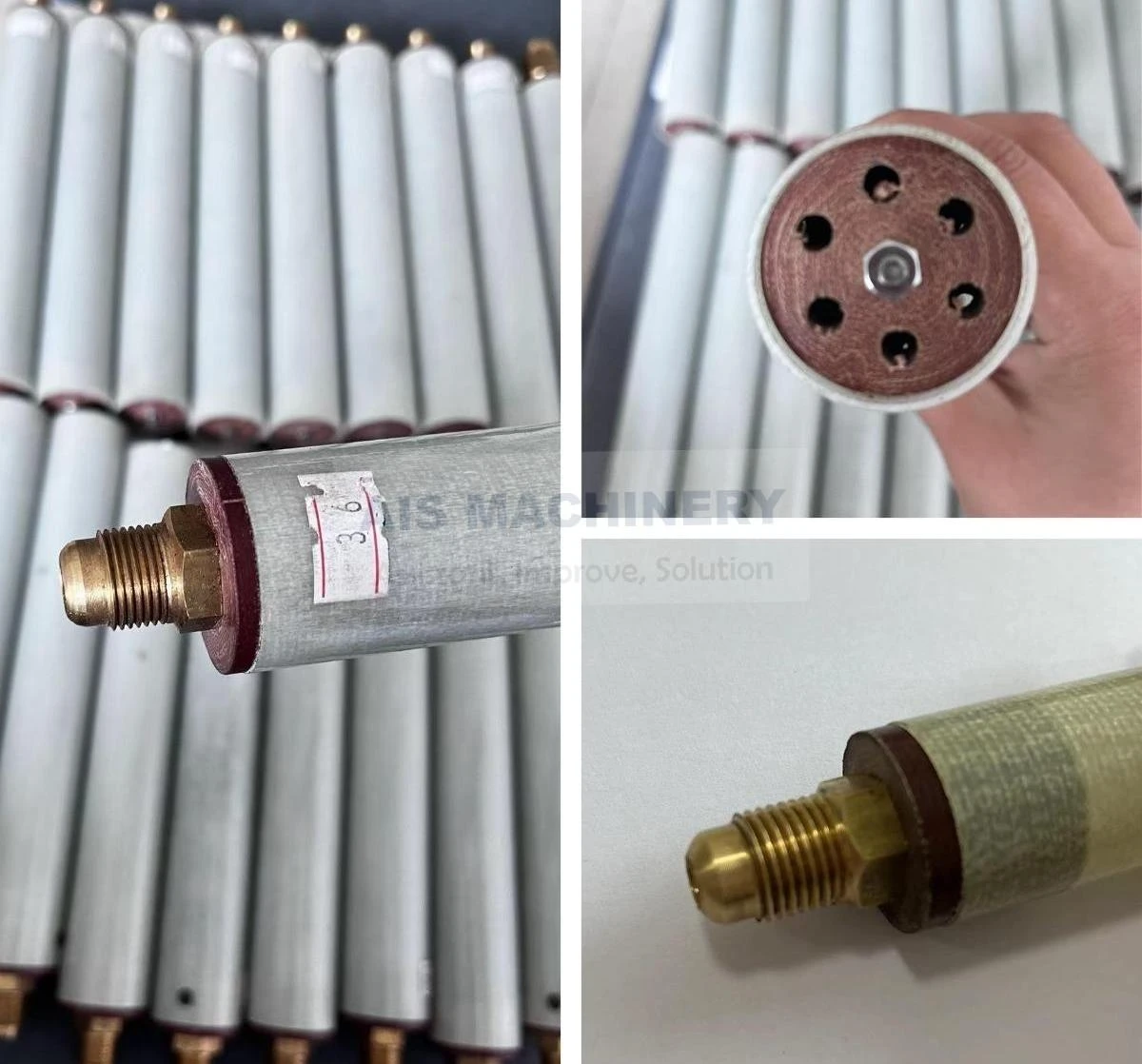
What is an Impeder and Ferrite Rods in ERW Tube Mill?
Struggling with impeder overheating or short service life in your ERW tube mill? This guide explains common impeder problems, the role of ferrite rods, and how to choose the right impeder for stable welding performance. Improve weld quality, reduce energy loss, and extend equipment lifespan with the right selection and proper cooling solutions.
2026-04-21 10:22:25
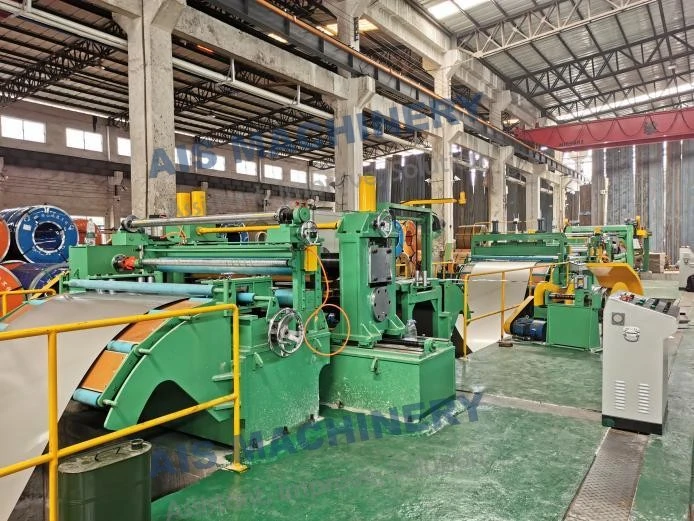
Slitting & Cut-to-Length Combined Production Line: A Smarter Way to Process Steel Coils
Discover the Slitting & Cut-to-Length Combined Production Line, a flexible solution for steel coil processing. This system integrates slitting line and cut-to-length line functions in one machine, saving space, reducing costs, and improving efficiency. Ideal for processing both steel strips and sheets, it is widely used in service centers and manufacturing industries. Learn its advantages, limitations, and applications.
2026-04-18 03:20:20
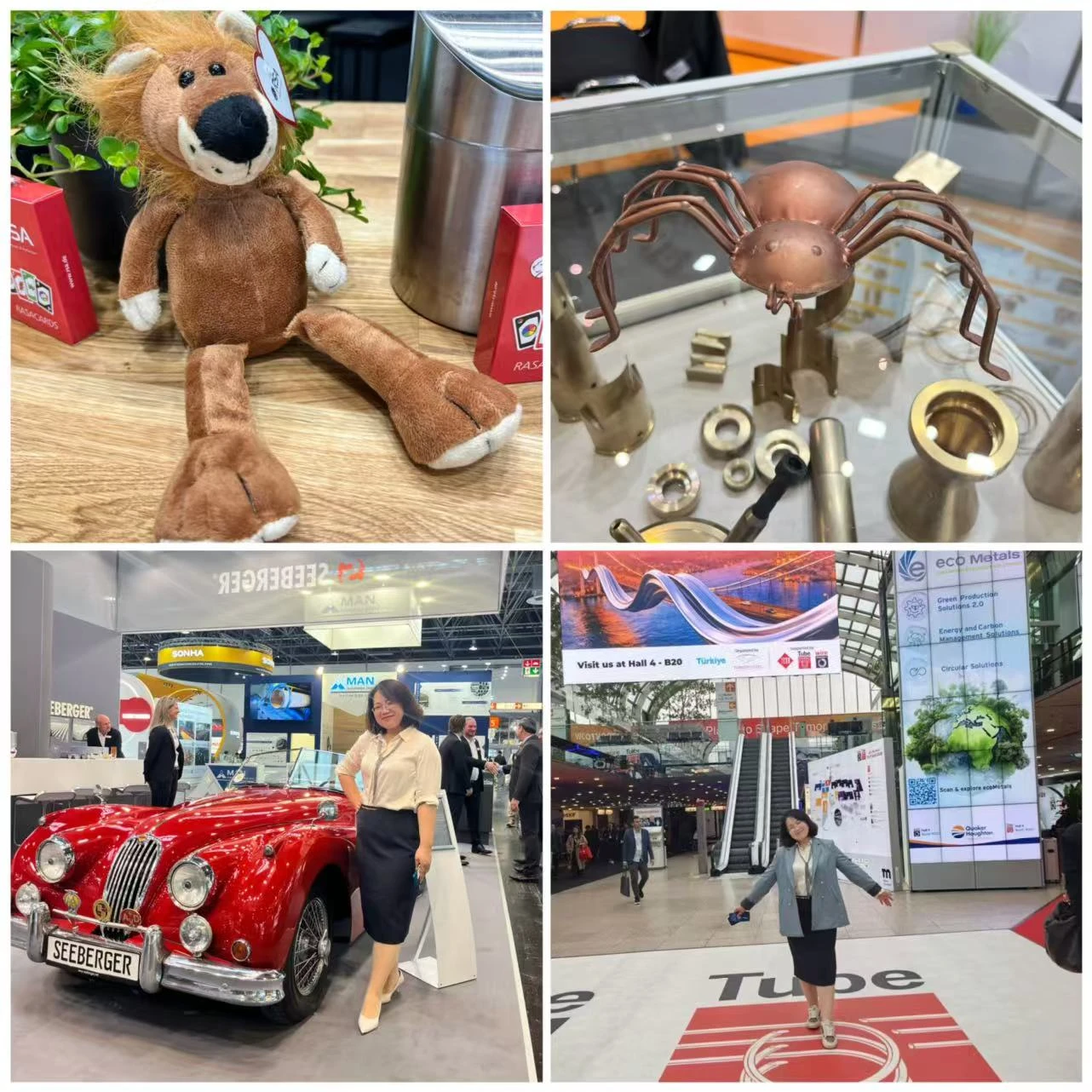
AIS Machinery Showcases Advanced Tube Solutions at Tube & Wire Düsseldorf 2026
Tube & Wire Düsseldorf 2026, one of the most influential exhibitions in the global tube and wire industry, held biennially in Düsseldorf, Germany
2026-04-17 00:00:00
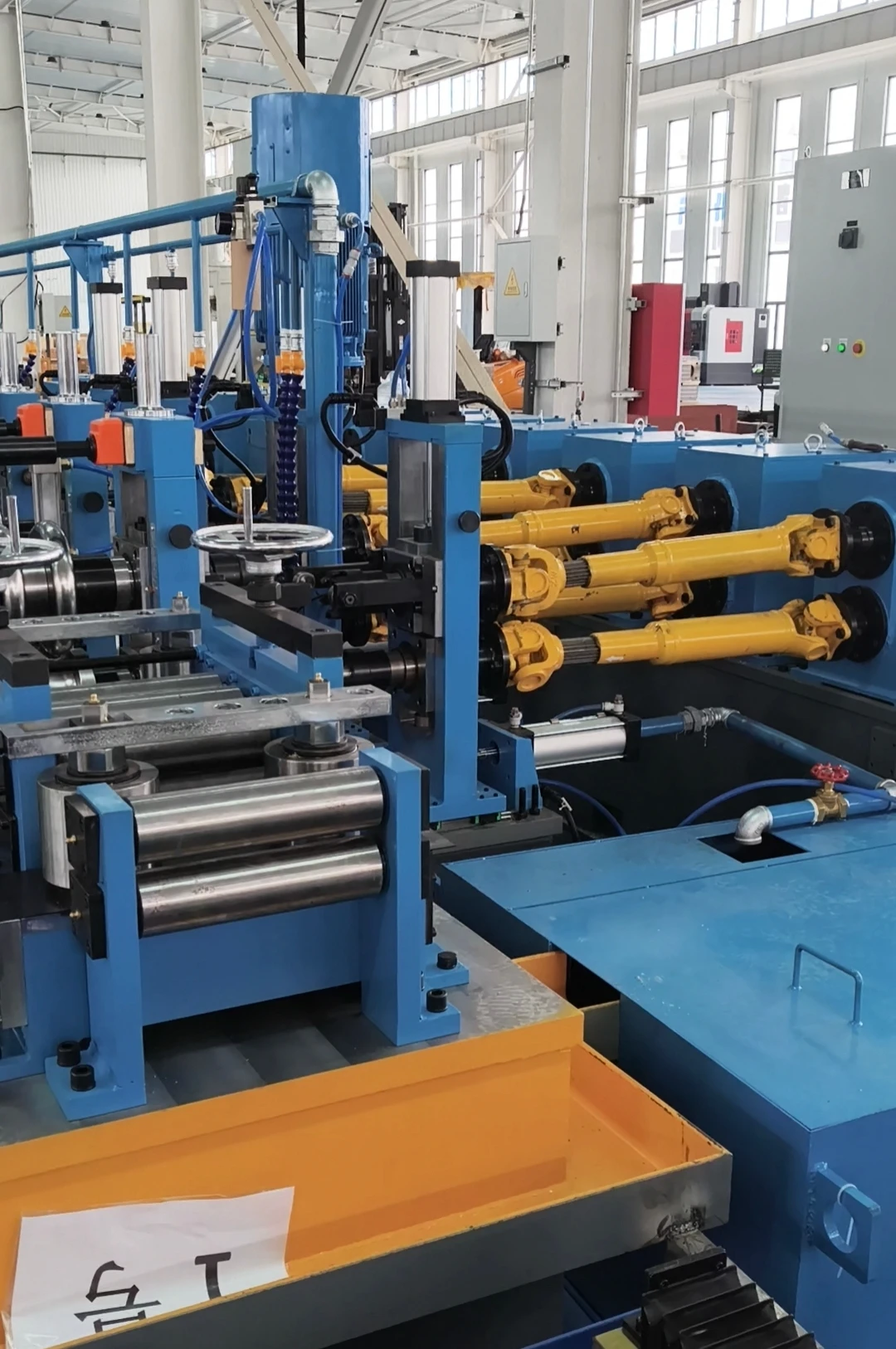
Southeast Asia Client Visits Our Factory | Customized Tube Mill Solution Delivered
A Southeast Asia client visited our ERW tube mill factory to inspect production lines and discuss a customized tube mill solution. Impressed by our machine quality, welding performance, and engineering support, the client confirmed strong cooperation intentions. Discover how our ERW tube mill solutions improve efficiency, precision, and long-term production reliability.
2026-04-15 10:37:55
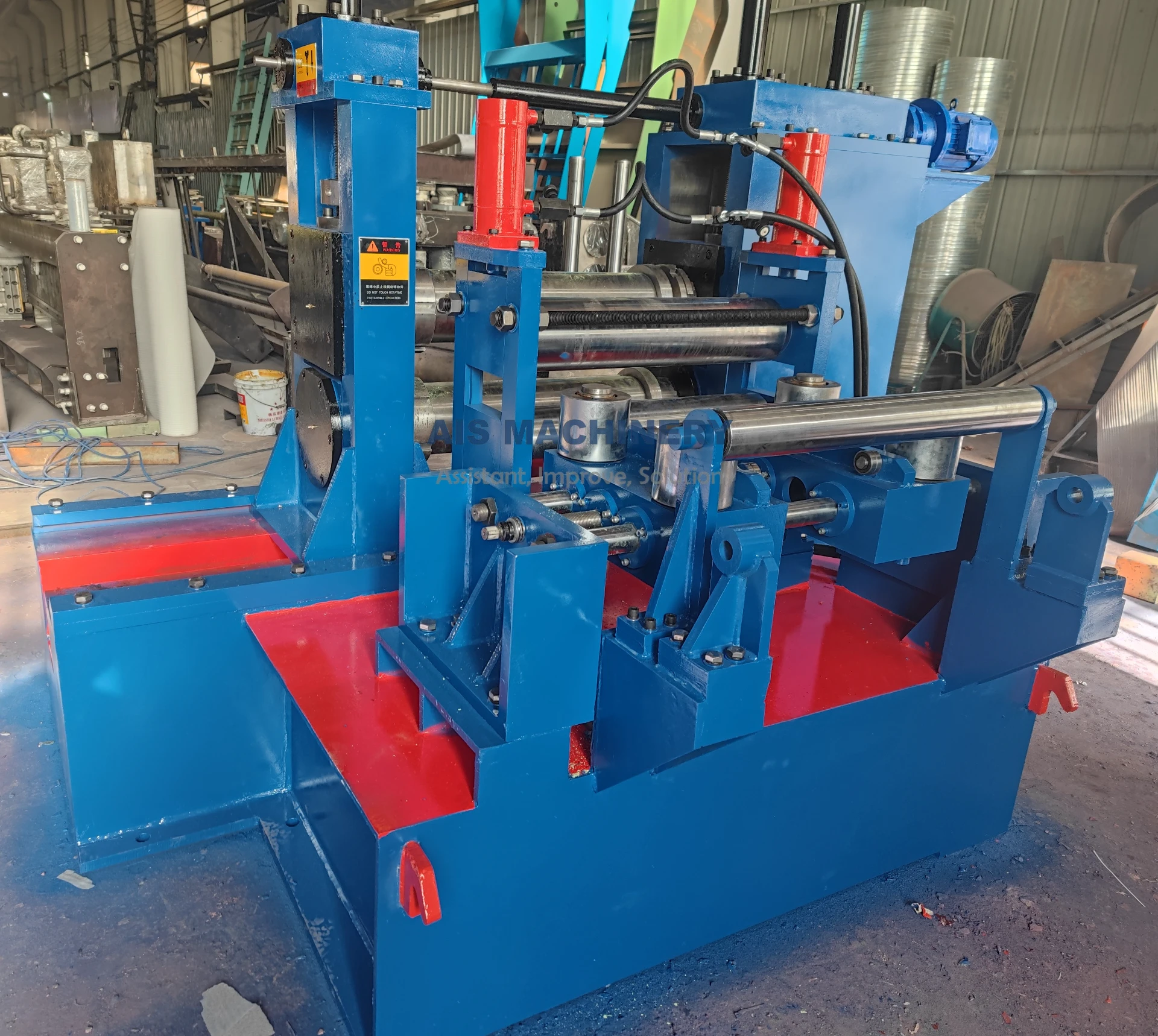
Flat Bar Production Line for Steel Coils: How It Works & Why It Matters
Looking for a flat bar production line? Learn how it turns steel coils into ready-to-use flat bars with precise length and high straightness. Compare it with slitting lines and get the best solution for your steel processing needs.
2026-04-14 00:00:00
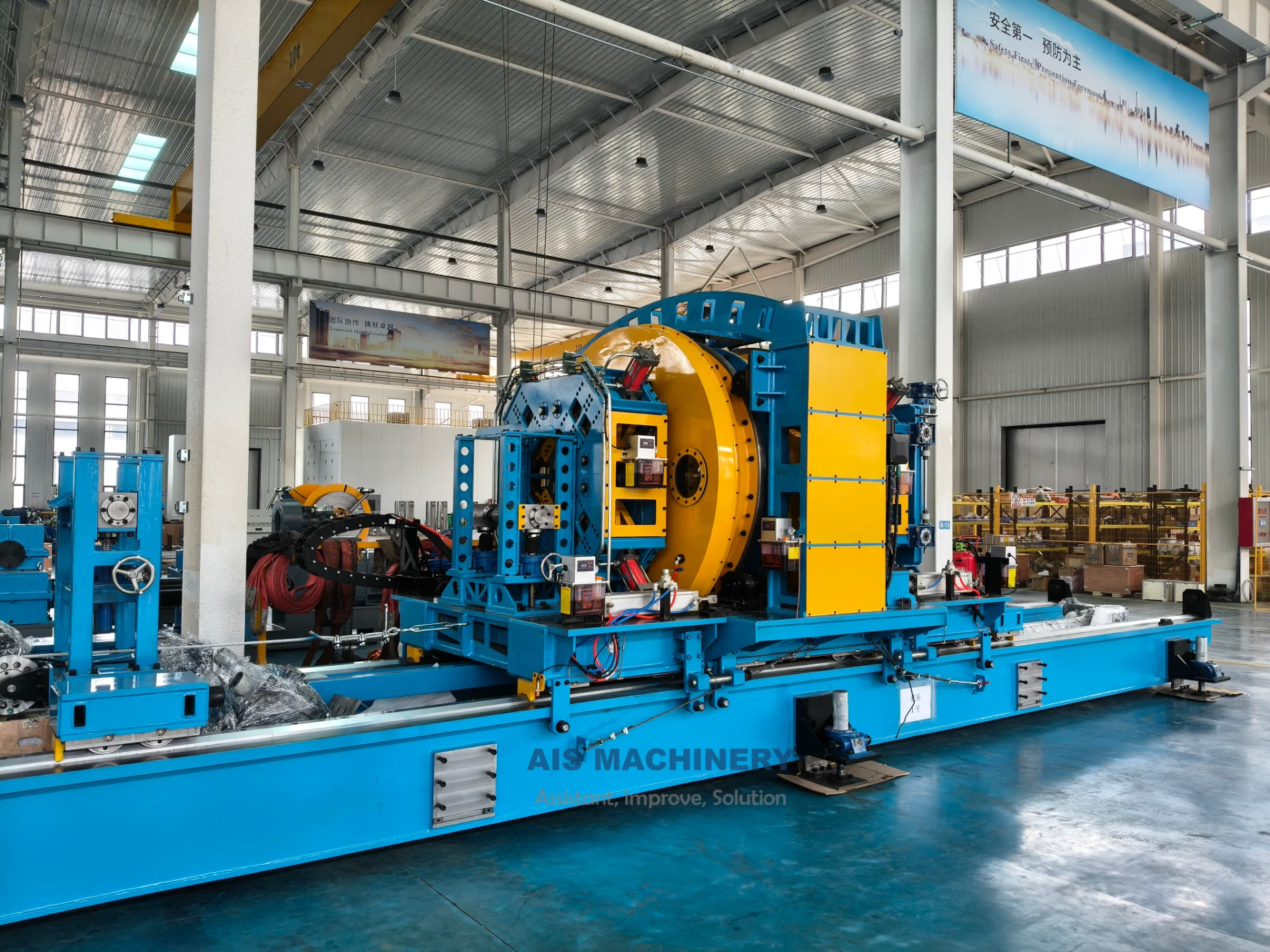
Looking for a Milling Saw for ERW Tube Mill? Here’s What You Need to Know
Looking for a high-performance milling saw for your ERW tube mill? Upgrade to burr-free, high-precision pipe cutting with advanced flying saw technology. Improve efficiency, reduce rework, and meet export standards for carbon steel, stainless steel, and API pipes. Contact us today for expert solutions and competitive pricing tailored to your production needs.
2026-04-09 16:15:19
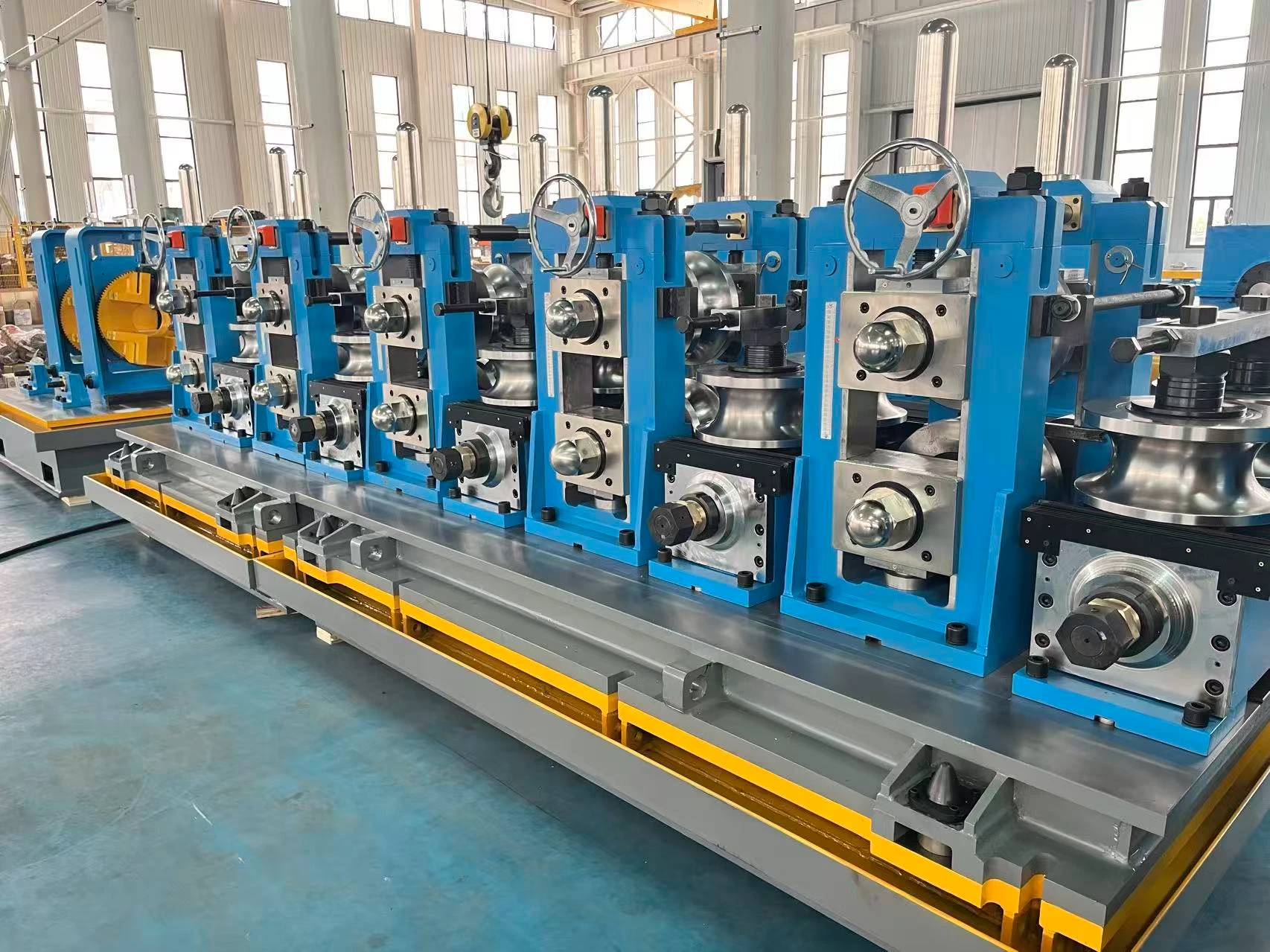
5-Inch (127mm) ERW Tube Making Machine Delivered with Heavy-Duty Design and Advanced Quick Change System
Send a Message
Dear customer, thank you for your attention! We provide high-quality machinery and equipment and look forward to your orders. Please inform us of your needs and we will respond quickly!
 English
  Albanian
  Arabic
  French
  German
  Indonesian
  Italian
  Japanese
  Kazakh
  Korean
  Latin
Latin  Macedonian
  Portuguese
  Russian
  Spanish
  Thai
Thai  Turkish
  Ukrainian
  Uzbek
Uzbek