
-
 Tel:86-15176910262
-

Search
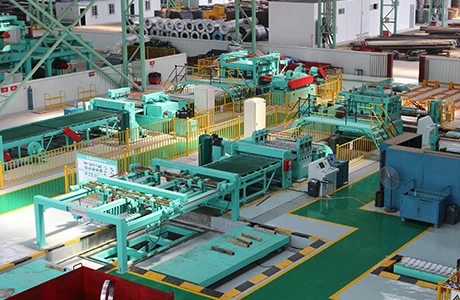

Precision Cold Forming Machine for Roll Formed Steel Profiles
Feb . 05, 2026 09:49
What Is a Cold Forming Machine?
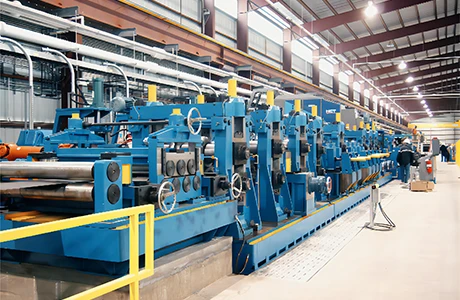
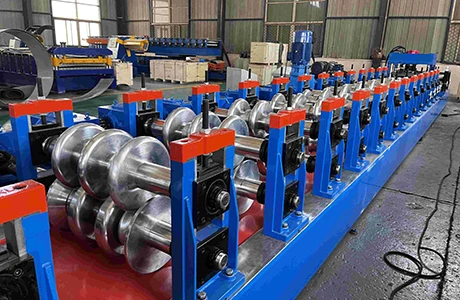
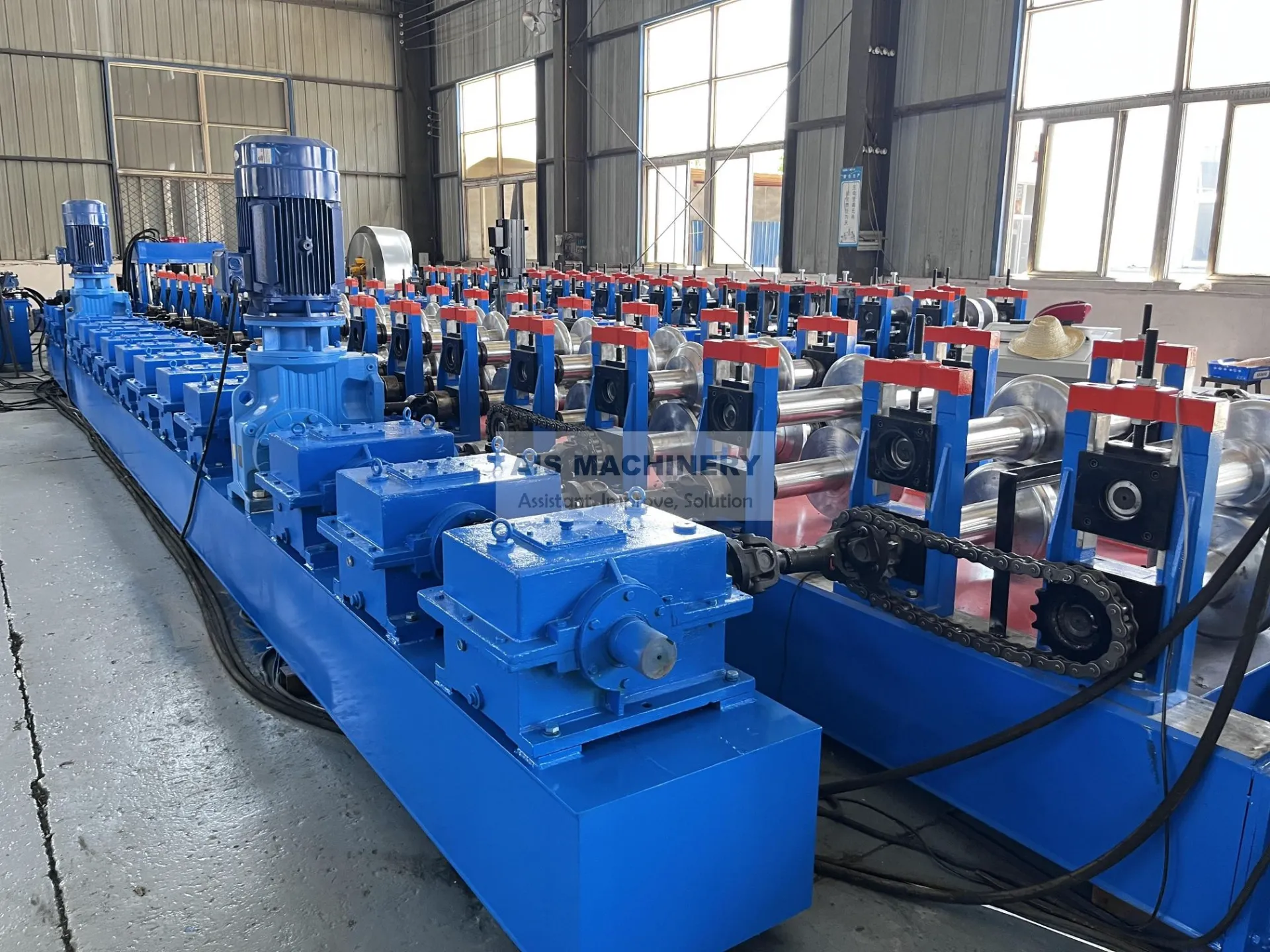
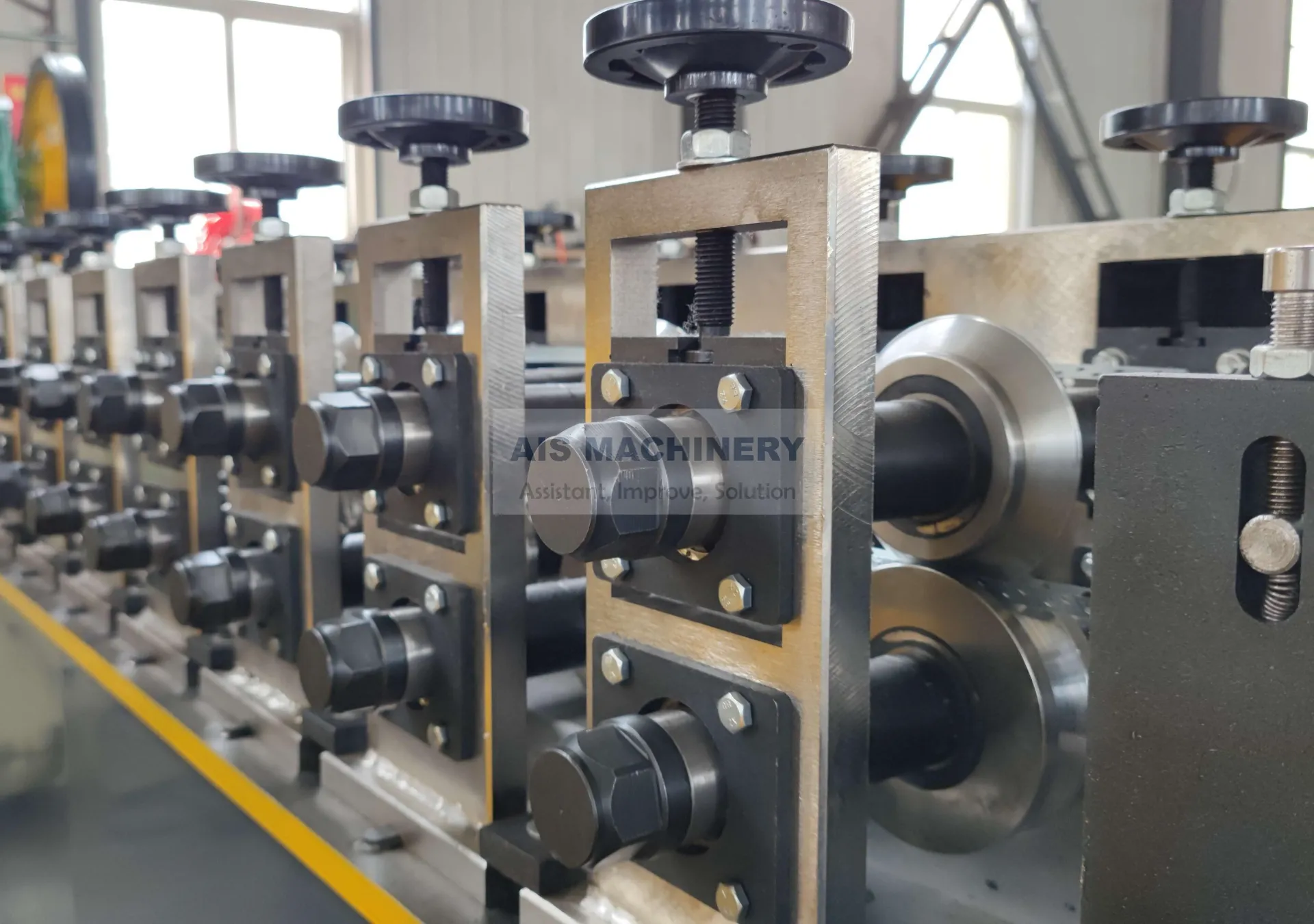
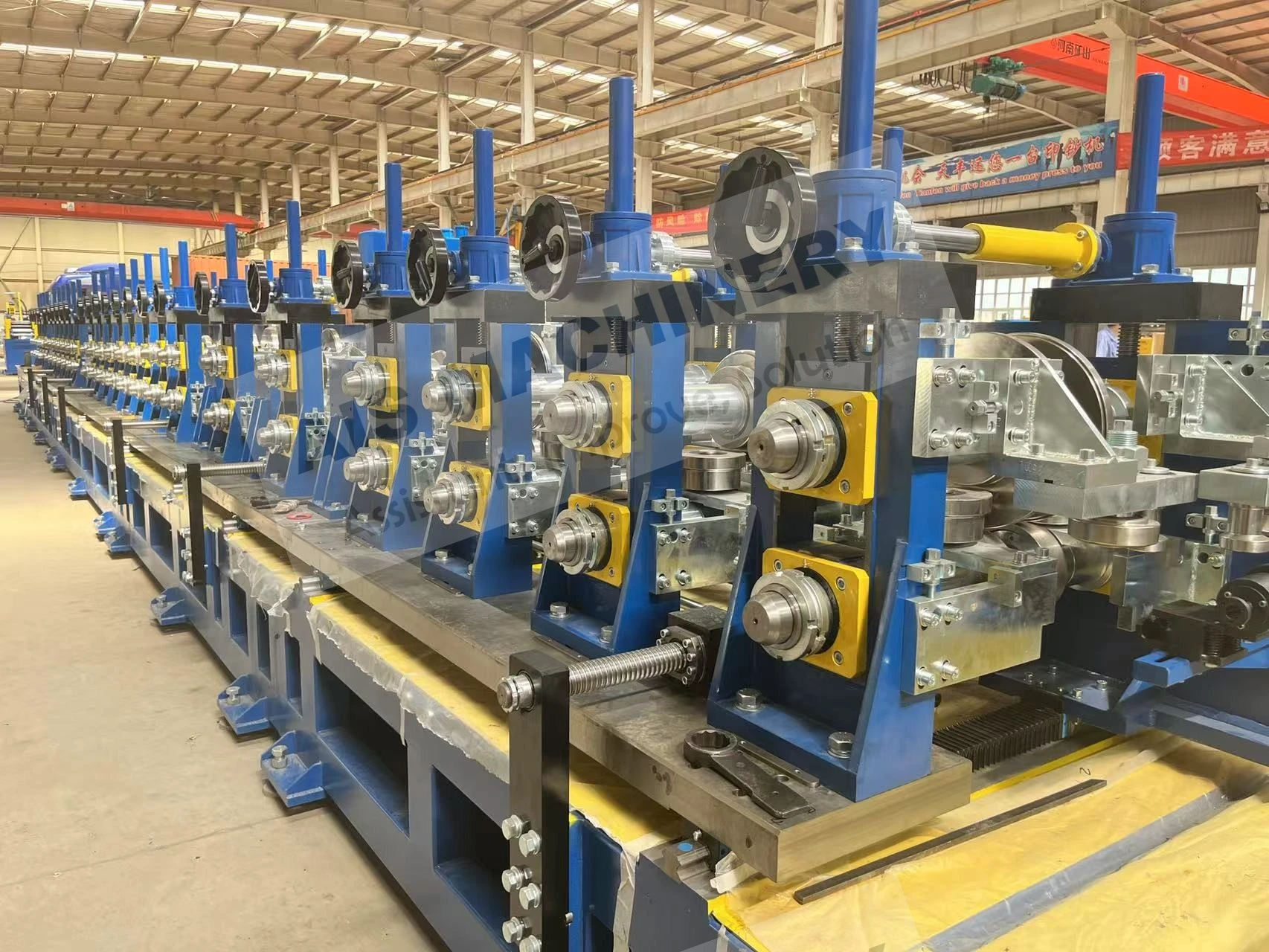
A cold forming machine shapes metal coils through a series of precisely designed forming rolls. Each roll stand gradually bends the strip until the final profile is achieved. The process does not involve heating, welding, or melting, which helps preserve the original mechanical properties of the material.
Common materials include:
-
🔹Carbon steel
-
🔹Galvanized steel
-
🔹Pre-painted steel
-
🔹Stainless steel
-
🔹Aluminum
-
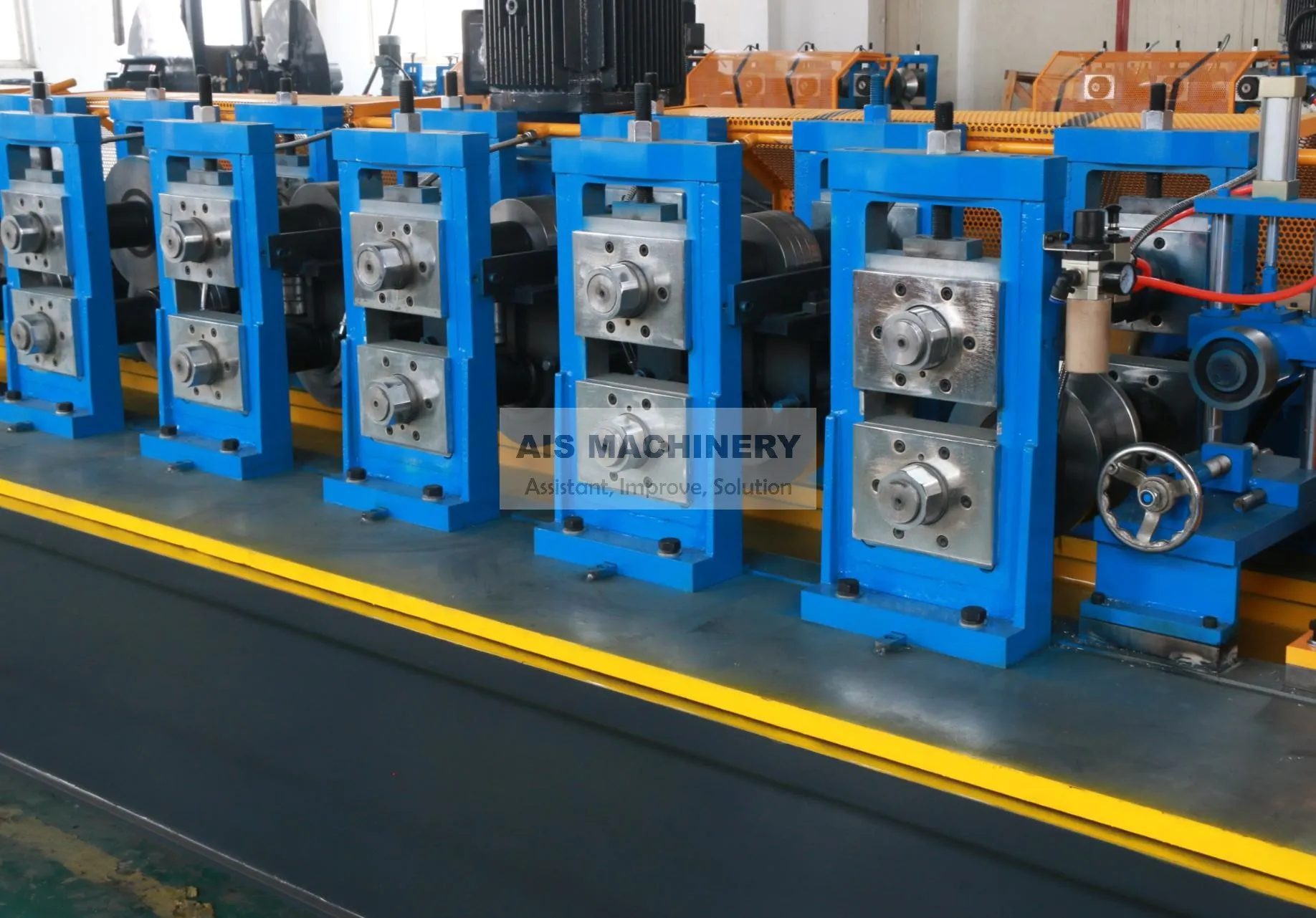
Common Profiles Produced by Cold Forming Machines
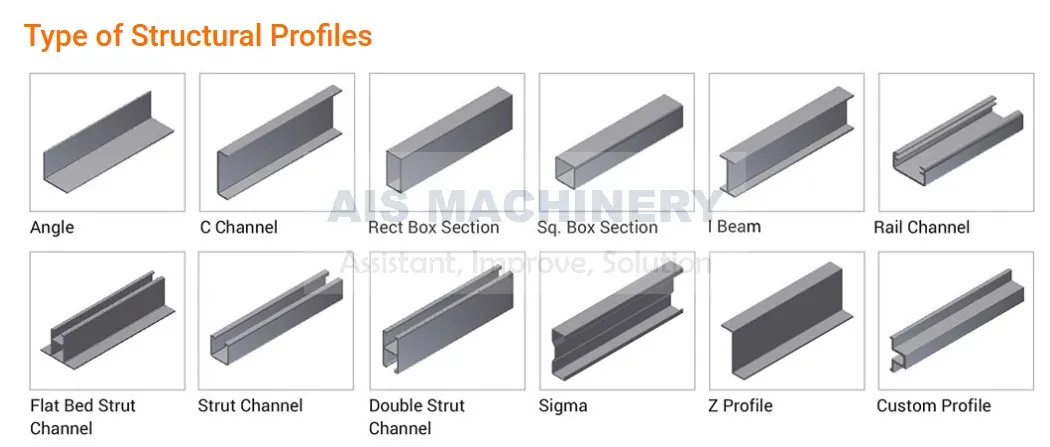
Cold forming machines are highly flexible and can produce a wide variety of open and closed profiles. Below are the most widely used profile types in the market.
1. C Channel (C Purlin)✅
C channels are among the most popular cold-formed profiles, especially in steel structure buildings.
Applications:
-
Steel buildings
-
Warehouses
-
Solar mounting systems
-
Equipment frames
Features:
-
Lightweight but high strength
-
Easy installation
-
Can be punched online during forming
2. Z Channel (Z Purlin)✅
Z profiles are commonly used where overlapping connections are required.
Applications:
-
Roofing systems
-
Large-span steel structures
Features:
-
Excellent load distribution
-
Ideal for continuous spans
-
Common in pre-engineered buildings
3. U Channel✅
U-shaped profiles are simple but versatile.
Applications:
-
Cable trays
-
Support rails
-
Framing systems
Features:
-
Clean geometry
-
Easy to cut and assemble
-
Cost-effective design
4. Hat Channel / Omega Profile✅
Hat-shaped profiles are widely used in light steel framing and interior structures.
Applications:
-
Drywall systems
-
Ceiling frames
-
Light structural reinforcement
Features:
-
High stiffness-to-weight ratio
-
Good vibration resistance
5. Box Profile / Square Profile (Cold-Formed, No Welding)✅
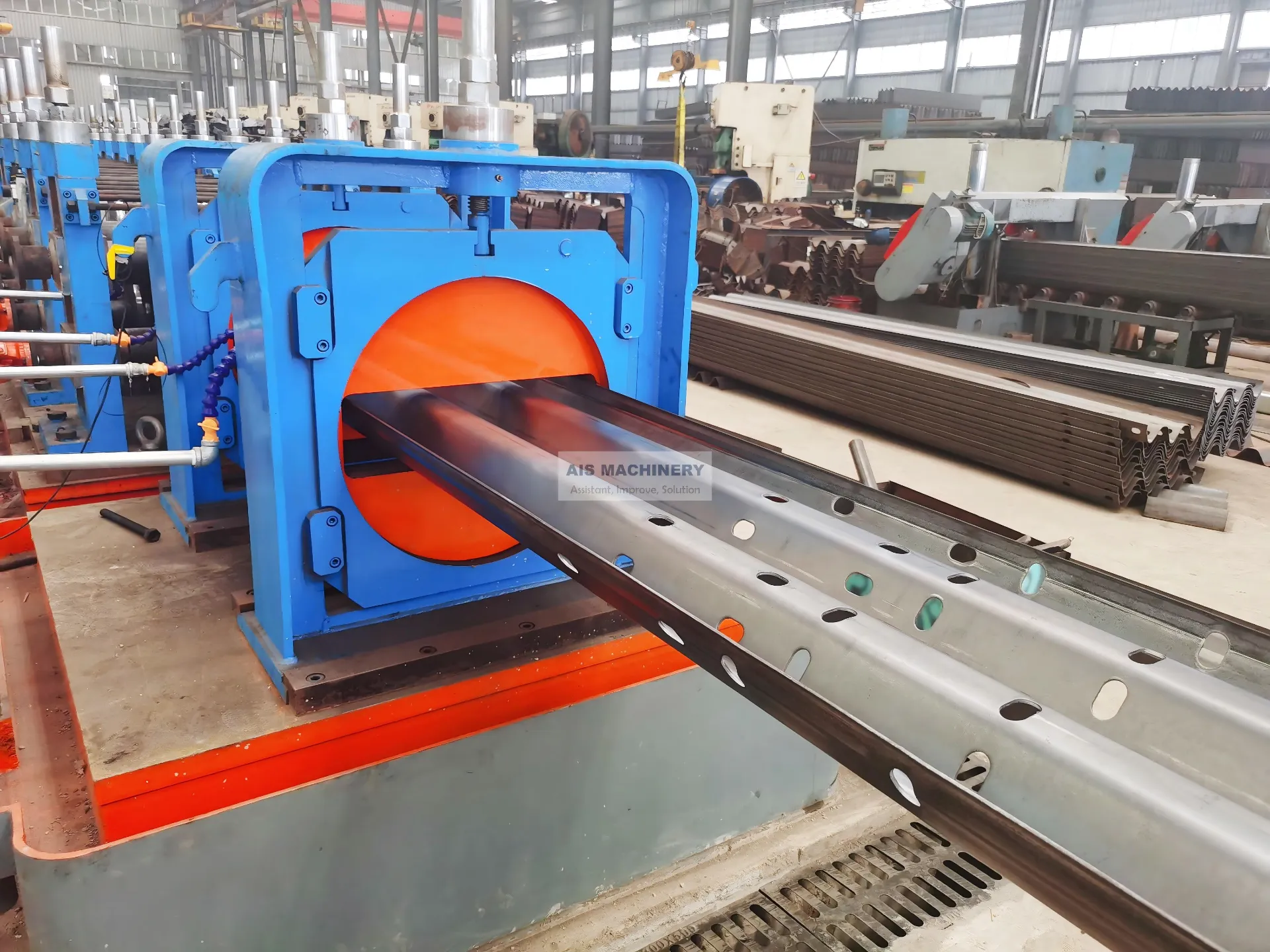
Some cold forming machines can produce box-shaped or nearly closed profiles without welding.
Applications:
-
Furniture frames
-
Automotive components
-
Equipment enclosures
Features:
-
Smooth surface
-
Consistent dimensions
-
No weld seam
6. Custom Roll Formed Profiles✅
One of the biggest advantages of cold forming machines is customization.
Typical custom profiles include:
-
Guardrails
-
Door and window frames
-
Cable management systems
-
Elevator guide rails
-
Shelving systems
Profiles can be designed with:
-
Multiple bends
-
Edge returns
-
Slots and holes (inline punching)
Cold Forming Machine vs ERW Tube Mill
Although both machines process metal strips and use roll forming principles, their purposes and final products are different.
Key Similarities💬
-
Both use steel coils as raw material
-
Both rely on progressive roll forming
-
High production speed and automation
-
Continuous manufacturing process
Key Differences💬
| Item | Cold Forming Machine | ERW Tube Mill |
|---|---|---|
| Final product | Open or closed profiles | Round, square, rectangular tubes |
| Welding | No welding required | High-frequency welding required |
| Profile flexibility | Very high, customizable | Limited to tube shapes |
| Typical applications | Structures, frames, channels | Pipes for fluid, gas, construction |
👉In simple terms, cold forming machines focus on profile shaping, while ERW tube mills specialize in welded steel pipes.
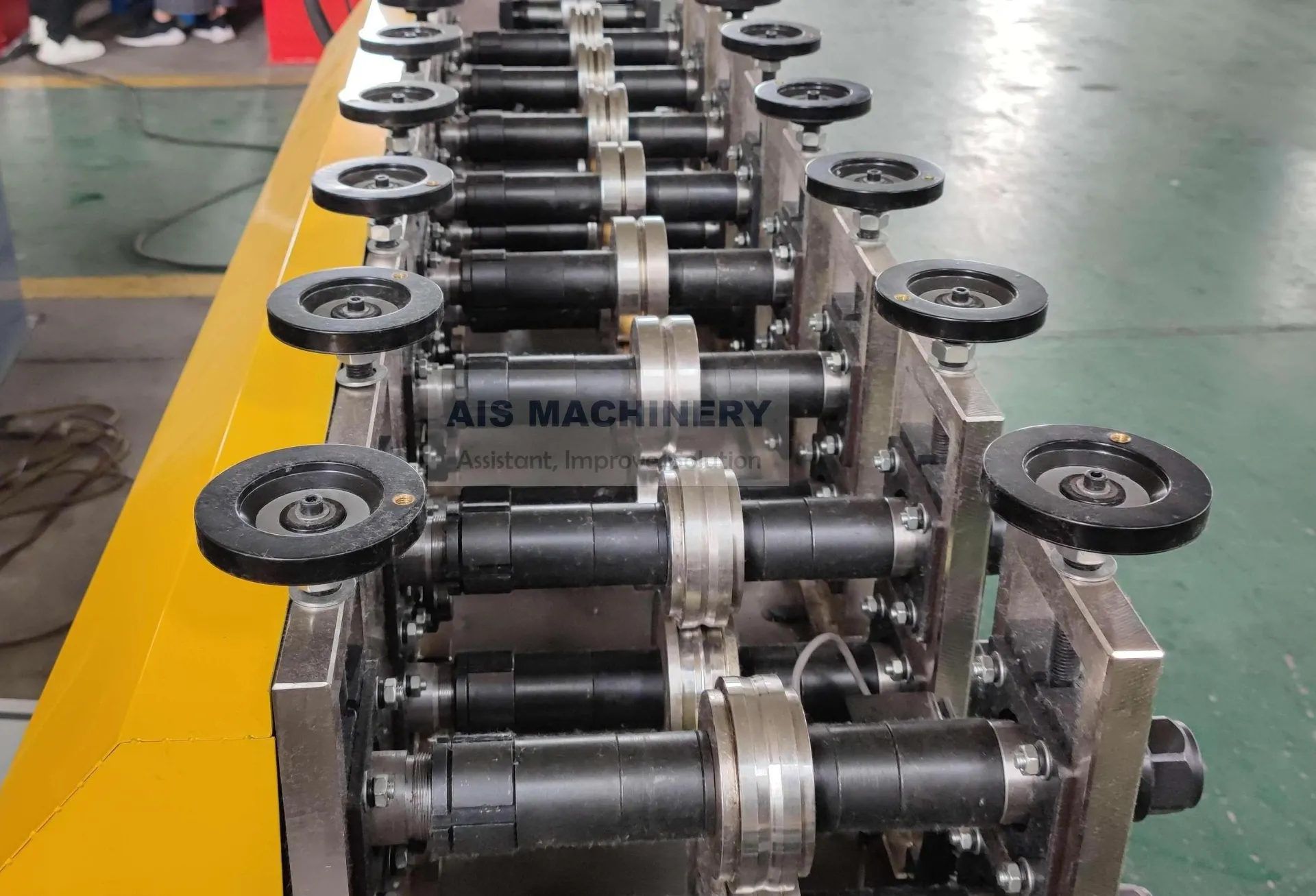
Frequently Asked Questions (FAQ)📌
1. Is welding required during the roll forming process?
No. The cold roll forming machine shapes metal strips at room temperature without welding or heating, ensuring a smooth surface and consistent mechanical properties.
2. How is this different from an ERW tube mill?
A roll forming machine produces open or semi-closed profiles, while an ERW tube mill is designed for welded round, square, or rectangular pipes using high-frequency welding.
3. Can punching or cutting be integrated into the line?
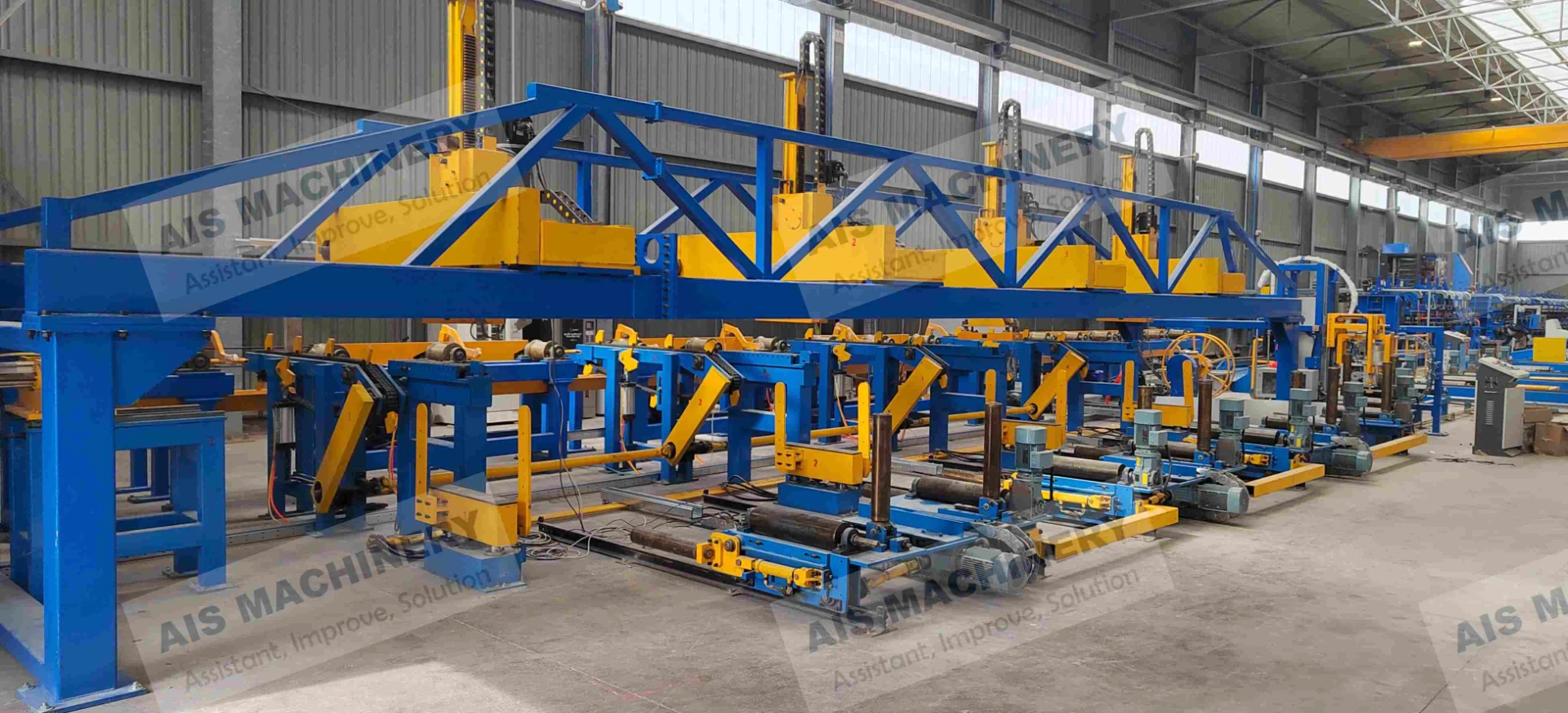
Yes. Online punching, hydraulic cutting, flying shear, and automatic stacking systems can be integrated to form a complete roll forming production line.
4. Is the machine suitable for mass production?
Absolutely. Roll forming machines are designed for continuous, high-speed operation with stable performance, making them ideal for long-length and large-volume production.
Ready to Build Your Custom Roll Forming Line?
Whether you need standard C & Z purlin machines or a fully customized cold roll forming solution, our engineering team is ready to support your project.🌍
✔ Profile design support
✔ Machine layout & technical solution
✔ Stable quality & reliable after-sales service

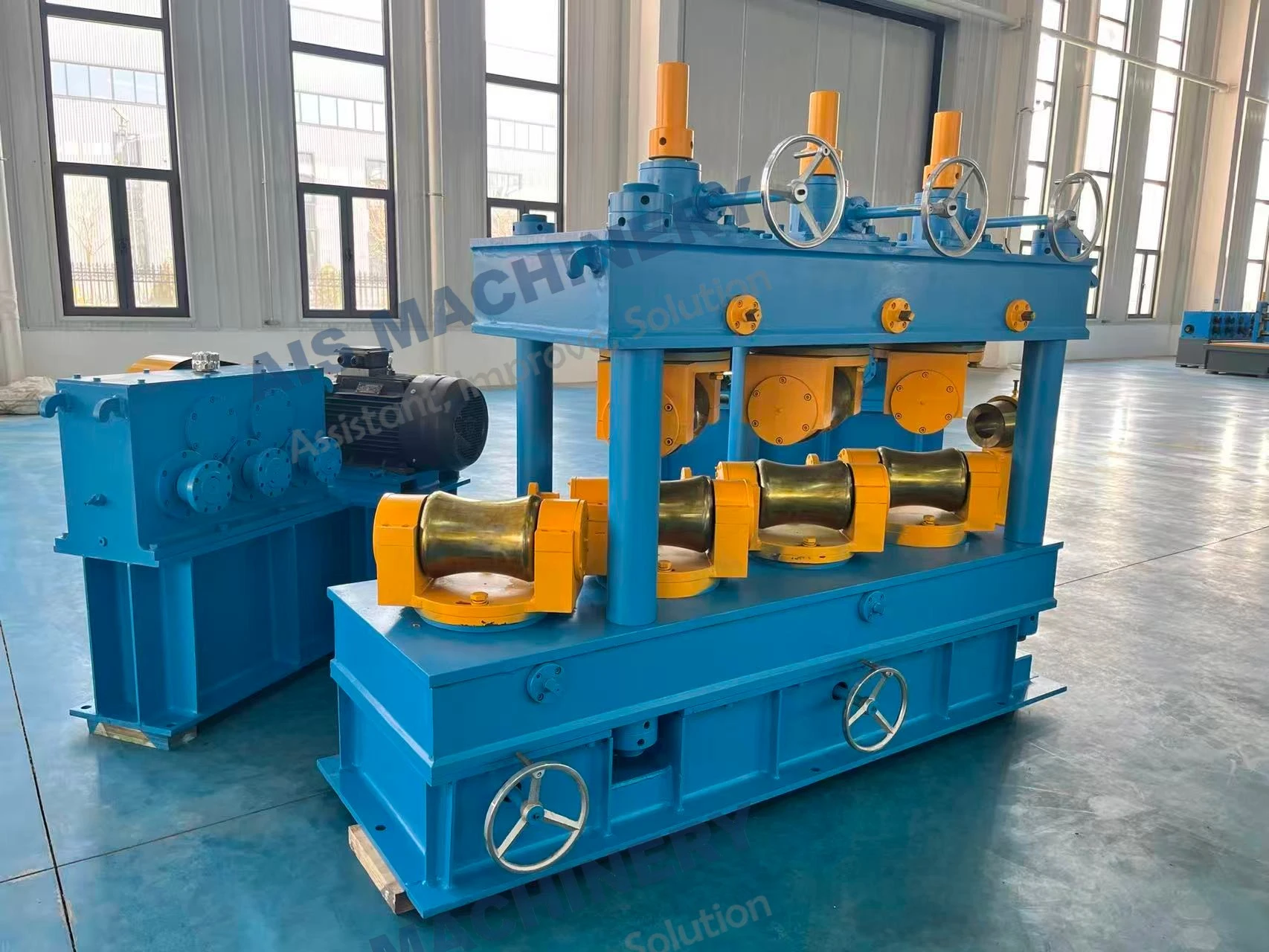
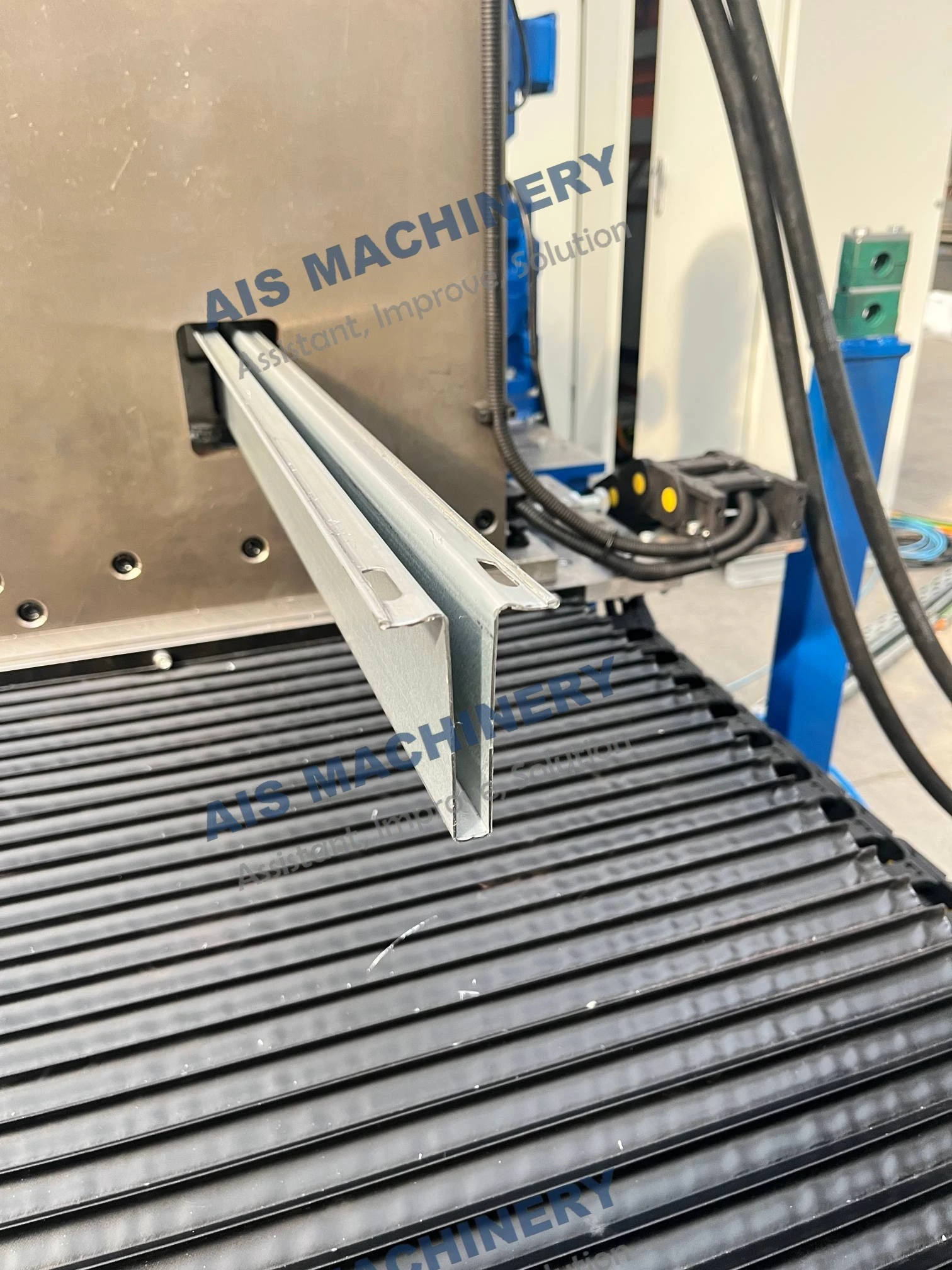
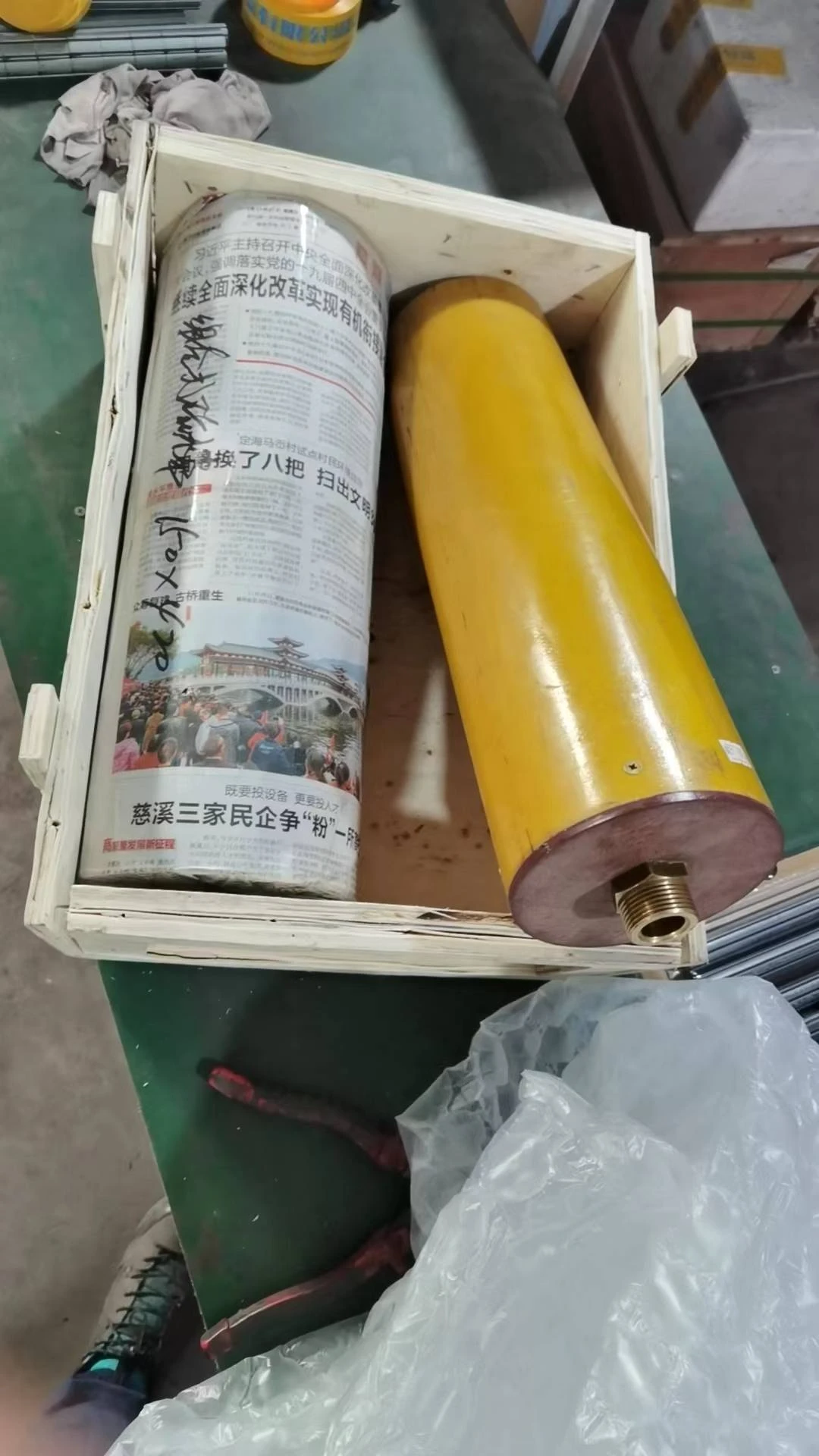
Related Products

Related News
2026-04-18 03:20:20
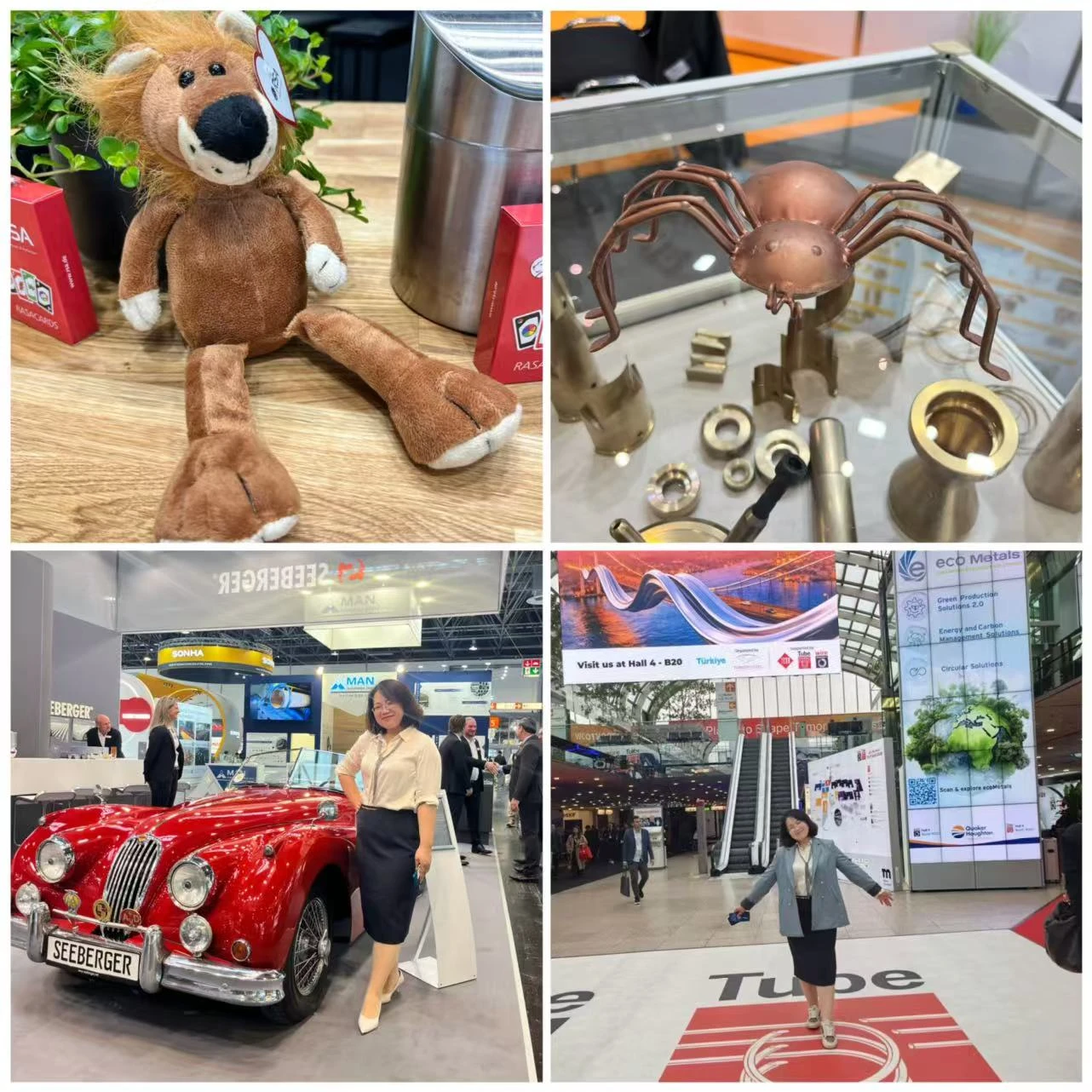
AIS Machinery Showcases Advanced Tube Solutions at Tube & Wire Düsseldorf 2026
Tube & Wire Düsseldorf 2026, one of the most influential exhibitions in the global tube and wire industry, held biennially in Düsseldorf, Germany
2027-04-17 00:00:00
Southeast Asia Client Visits Our Factory | Customized Tube Mill Solution Delivered
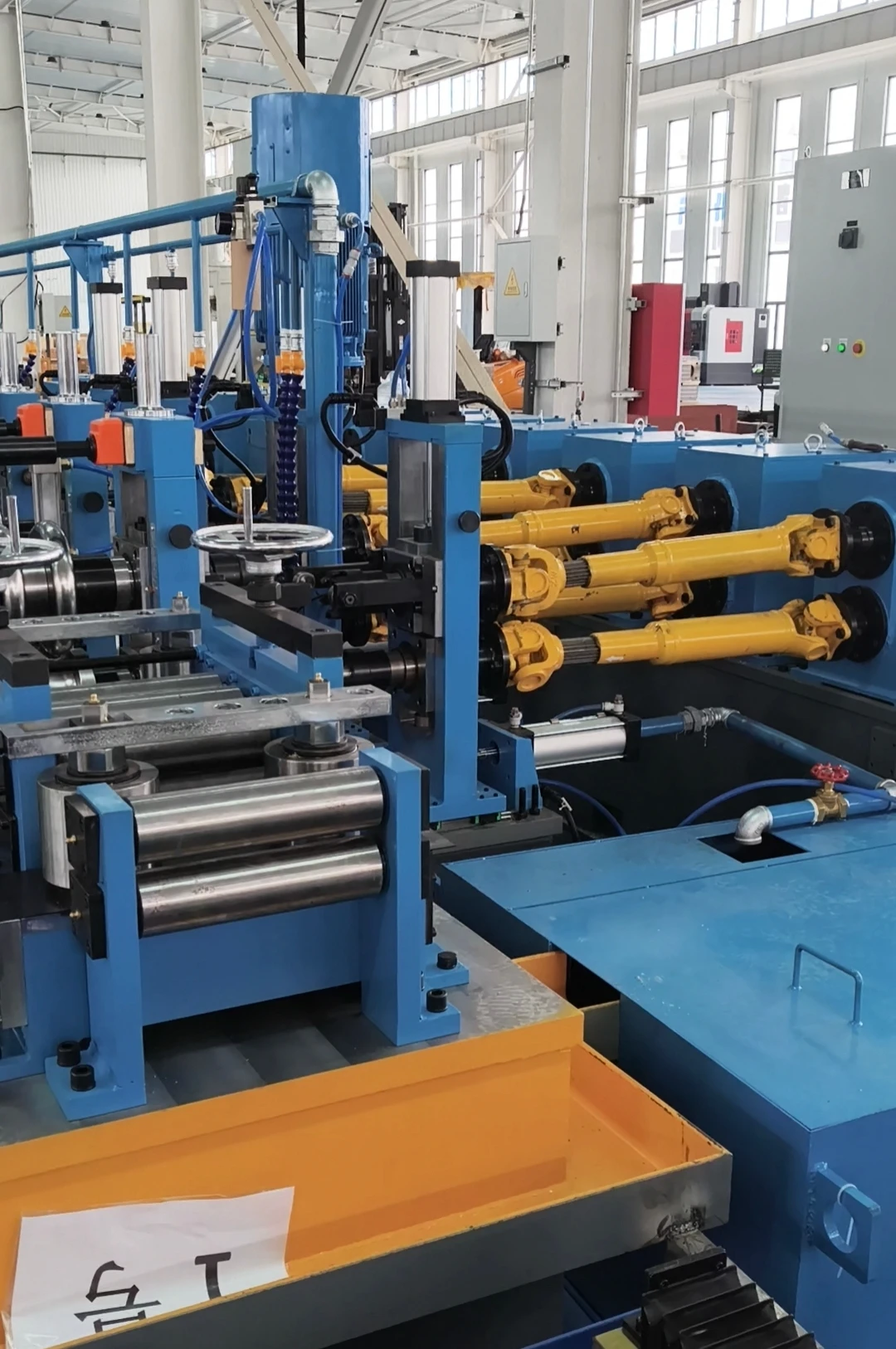
A Southeast Asia client visited our ERW tube mill factory to inspect production lines and discuss a customized tube mill solution. Impressed by our machine quality, welding performance, and engineering support, the client confirmed strong cooperation intentions. Discover how our ERW tube mill solutions improve efficiency, precision, and long-term production reliability.
2026-04-16 02:35:12
Professional Cold Roll Forming Machine Factory for Production
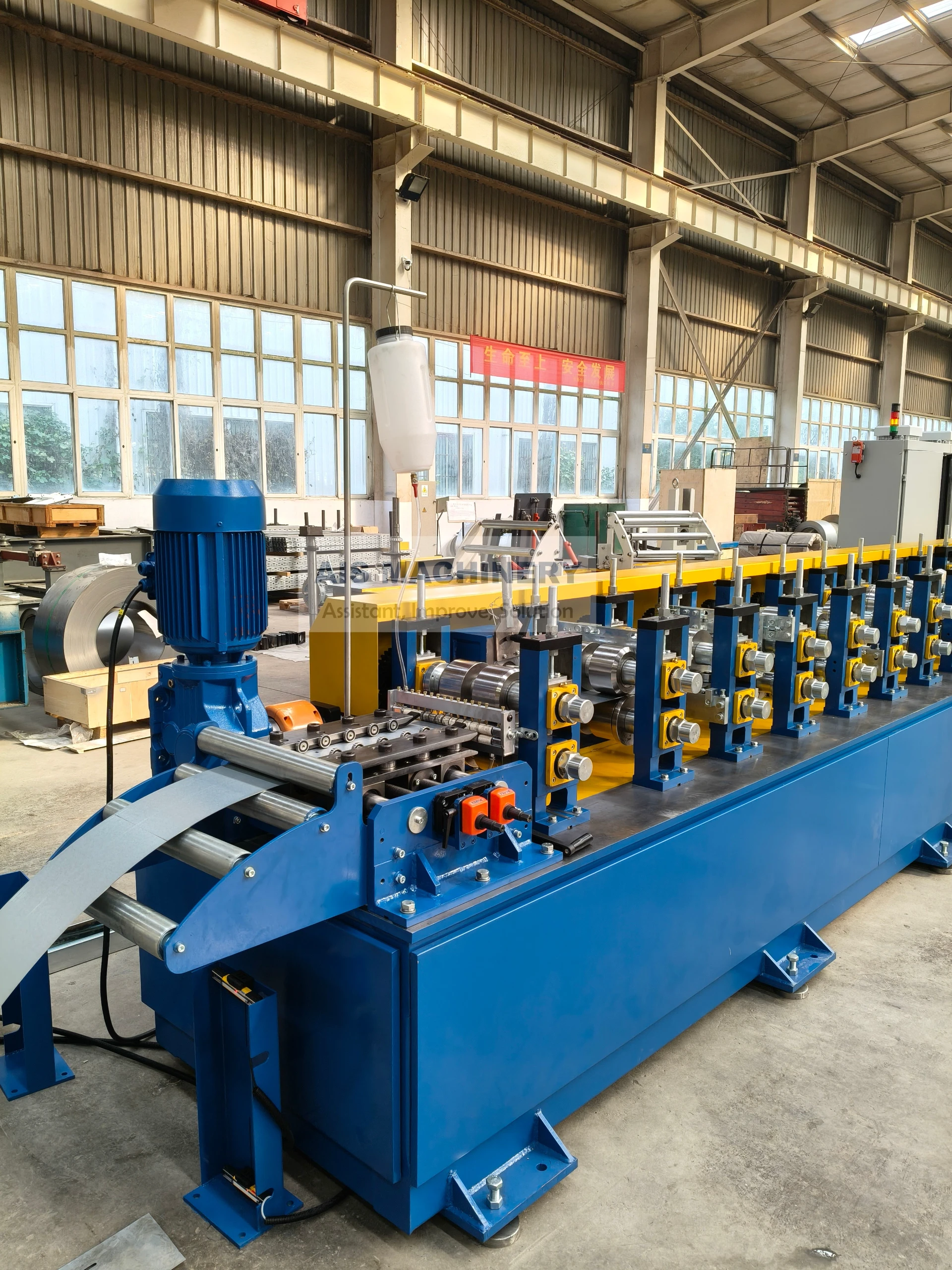
In the modern industrial landscape, the precision of metal shaping is the cornerstone of quality manufacturing. Partnering with a professional cold roll forming machine factory is essential for businesses looking to optimize their production lines, reduce material waste, and ensure high-dimensional accuracy. Whether you are producing C-channels, square tubes, or custom profiles, the choice of machinery determines your competitive edge in the market. This guide will explore the critical factors in selecting a factory and the technical advantages of advanced roll forming technology to help you make an informed investment.
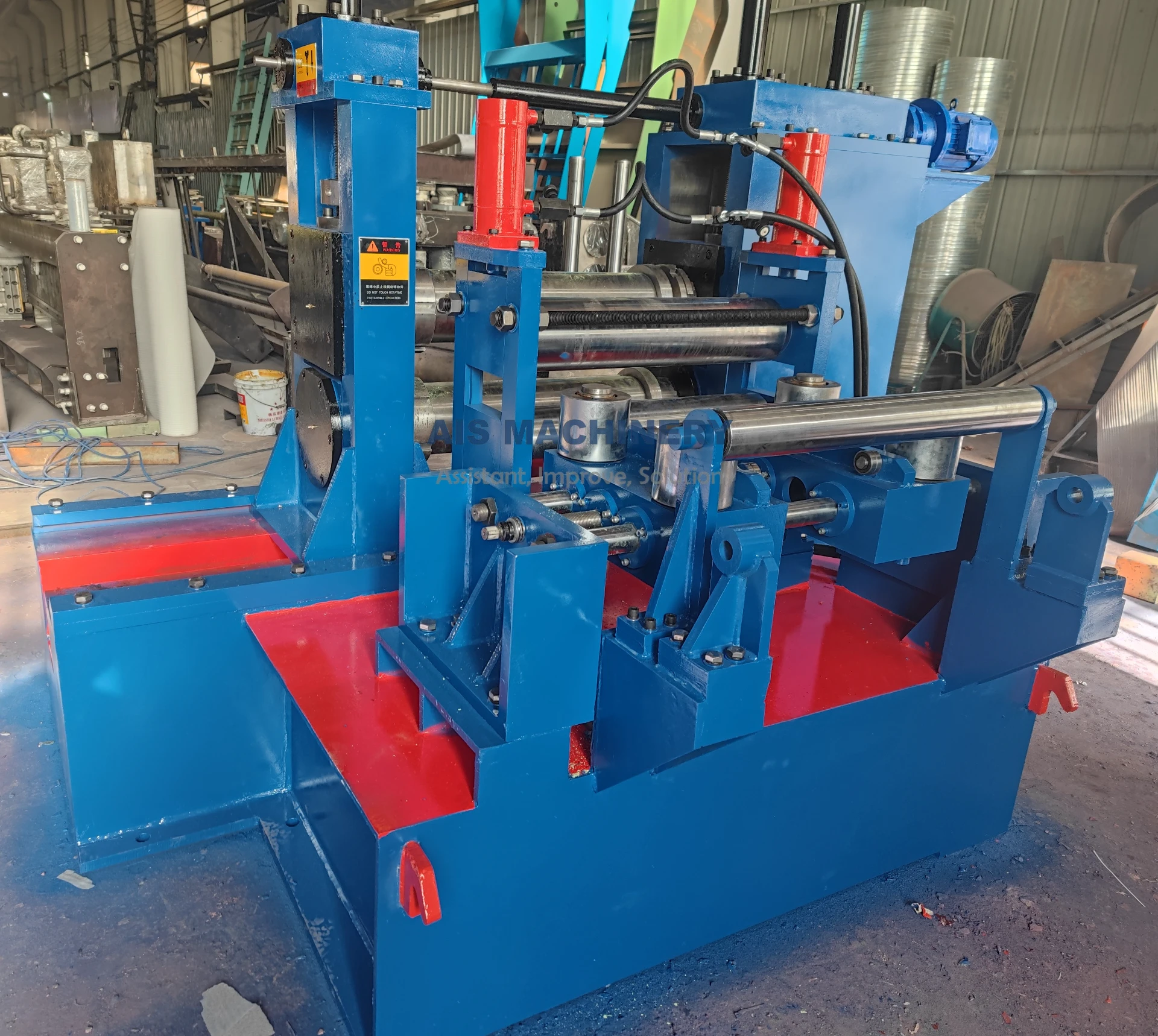
2026-04-15 10:37:55
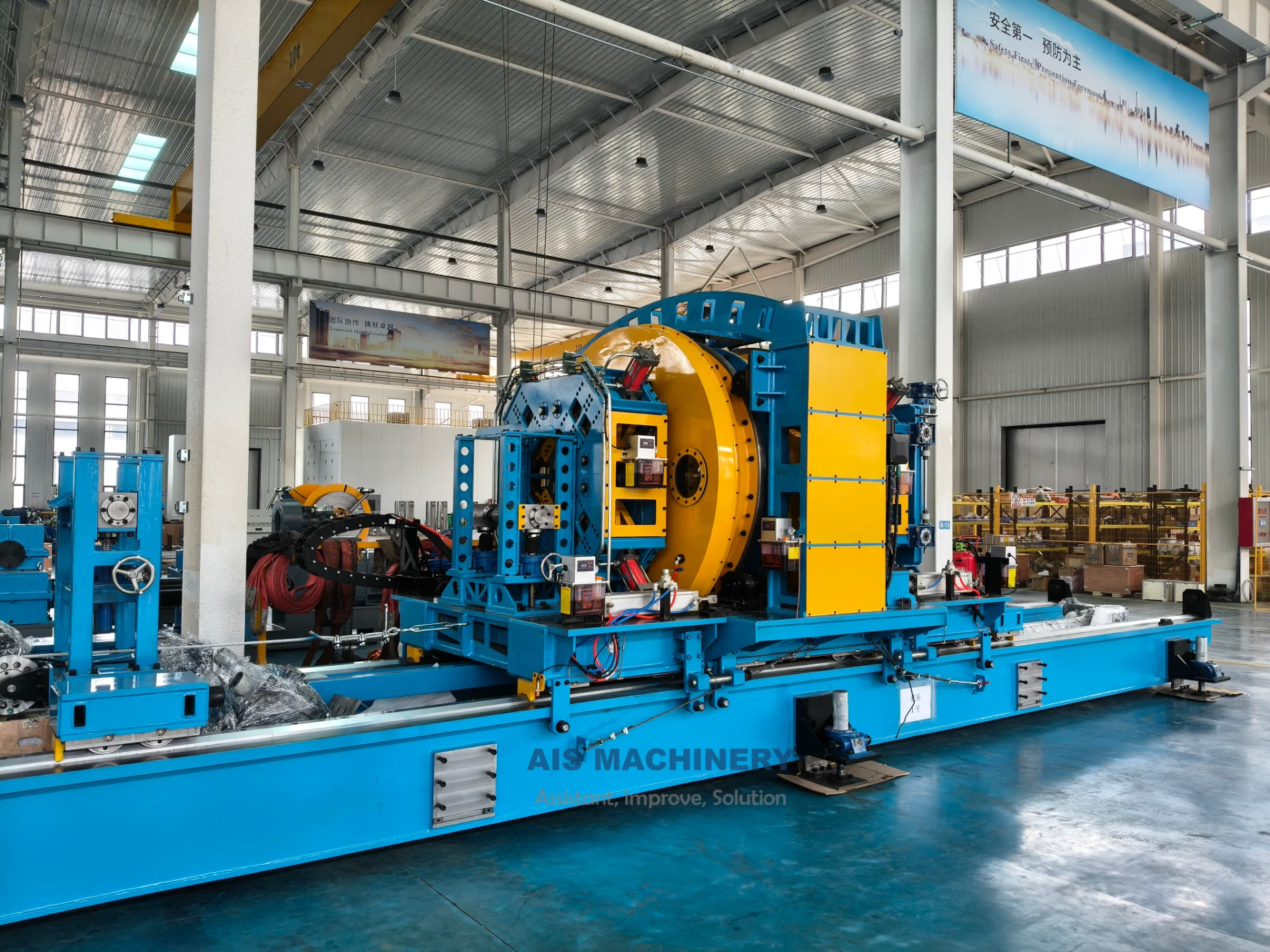
Flat Bar Production Line for Steel Coils: How It Works & Why It Matters
Looking for a flat bar production line? Learn how it turns steel coils into ready-to-use flat bars with precise length and high straightness. Compare it with slitting lines and get the best solution for your steel processing needs.
2026-04-14 00:00:00
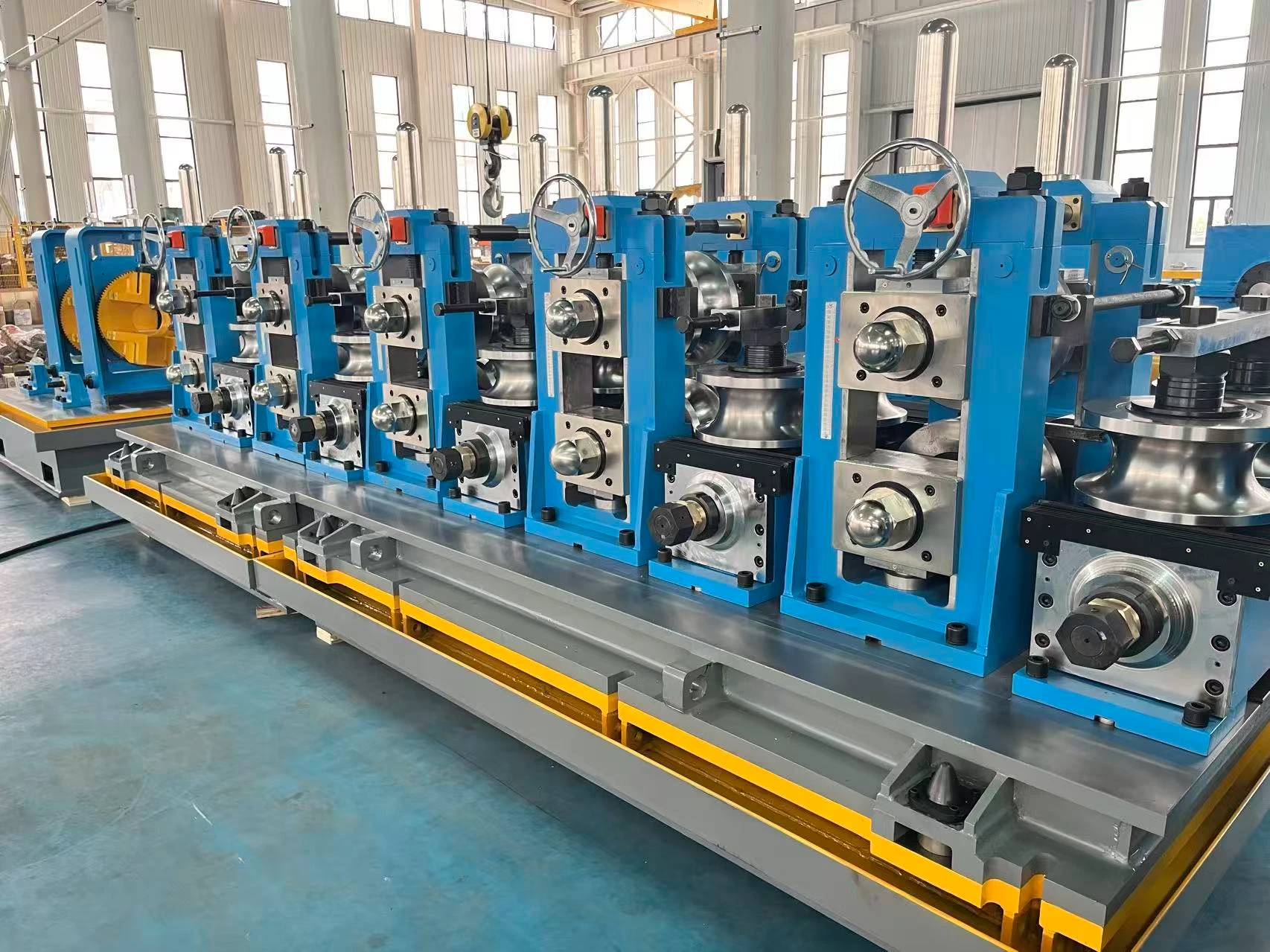
Looking for a Milling Saw for ERW Tube Mill? Here’s What You Need to Know
Looking for a high-performance milling saw for your ERW tube mill? Upgrade to burr-free, high-precision pipe cutting with advanced flying saw technology. Improve efficiency, reduce rework, and meet export standards for carbon steel, stainless steel, and API pipes. Contact us today for expert solutions and competitive pricing tailored to your production needs.
2026-04-09 16:15:19
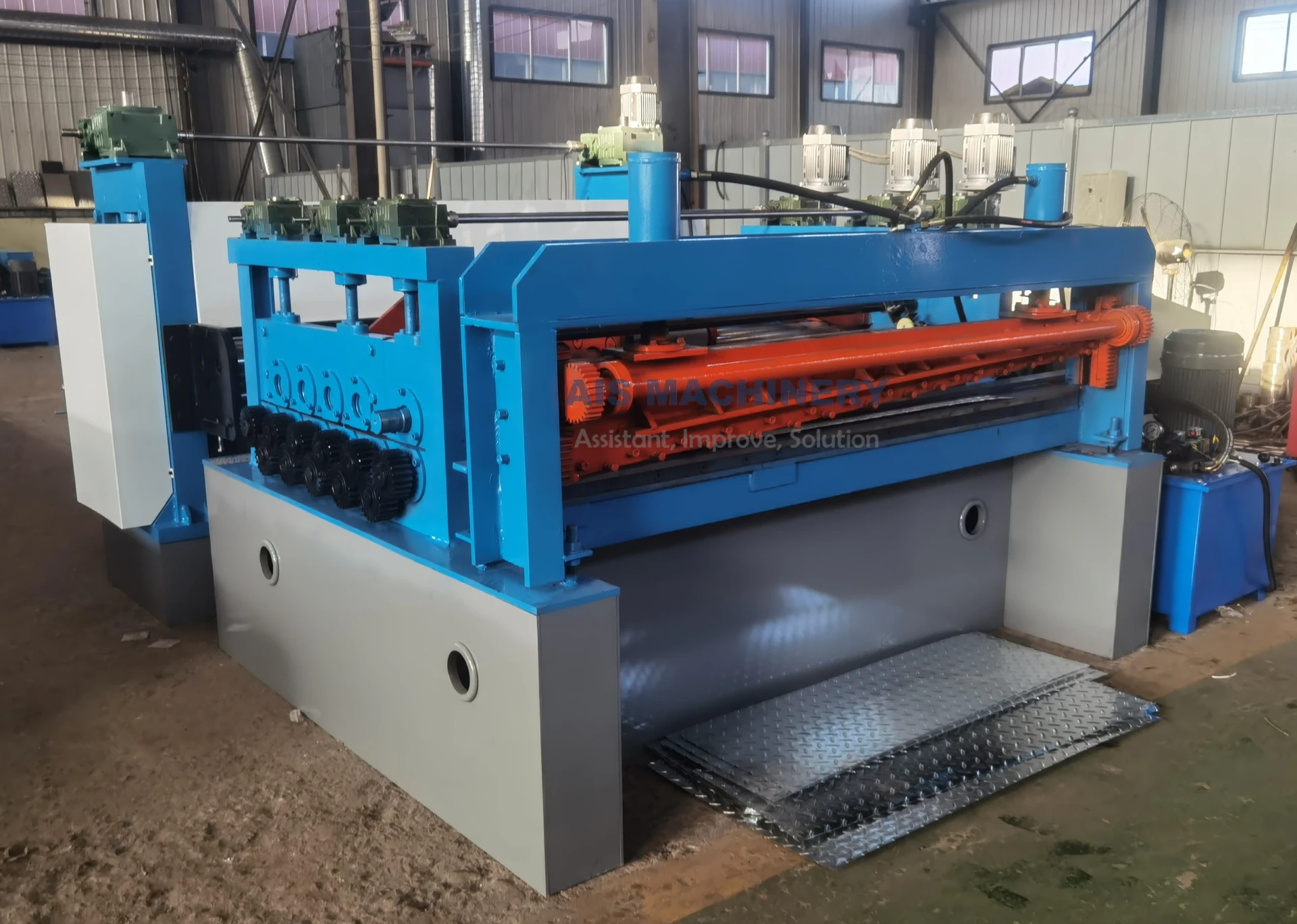
5-Inch (127mm) ERW Tube Making Machine Delivered with Heavy-Duty Design and Advanced Quick Change System
2027-04-07 00:00:00
Metal Embossing Machine: Turn Flat Sheets into High-Value Textured Products
Discover how a metal embossing machine transforms flat steel, stainless steel, and aluminum sheets into high-value textured products. Learn about its working principle, key components, and applications. Ideal for decorative and industrial use, embossing machines improve both appearance and performance. Explore complete embossing line solutions and find the right machine for your production needs.
2026-04-04 20:37:18
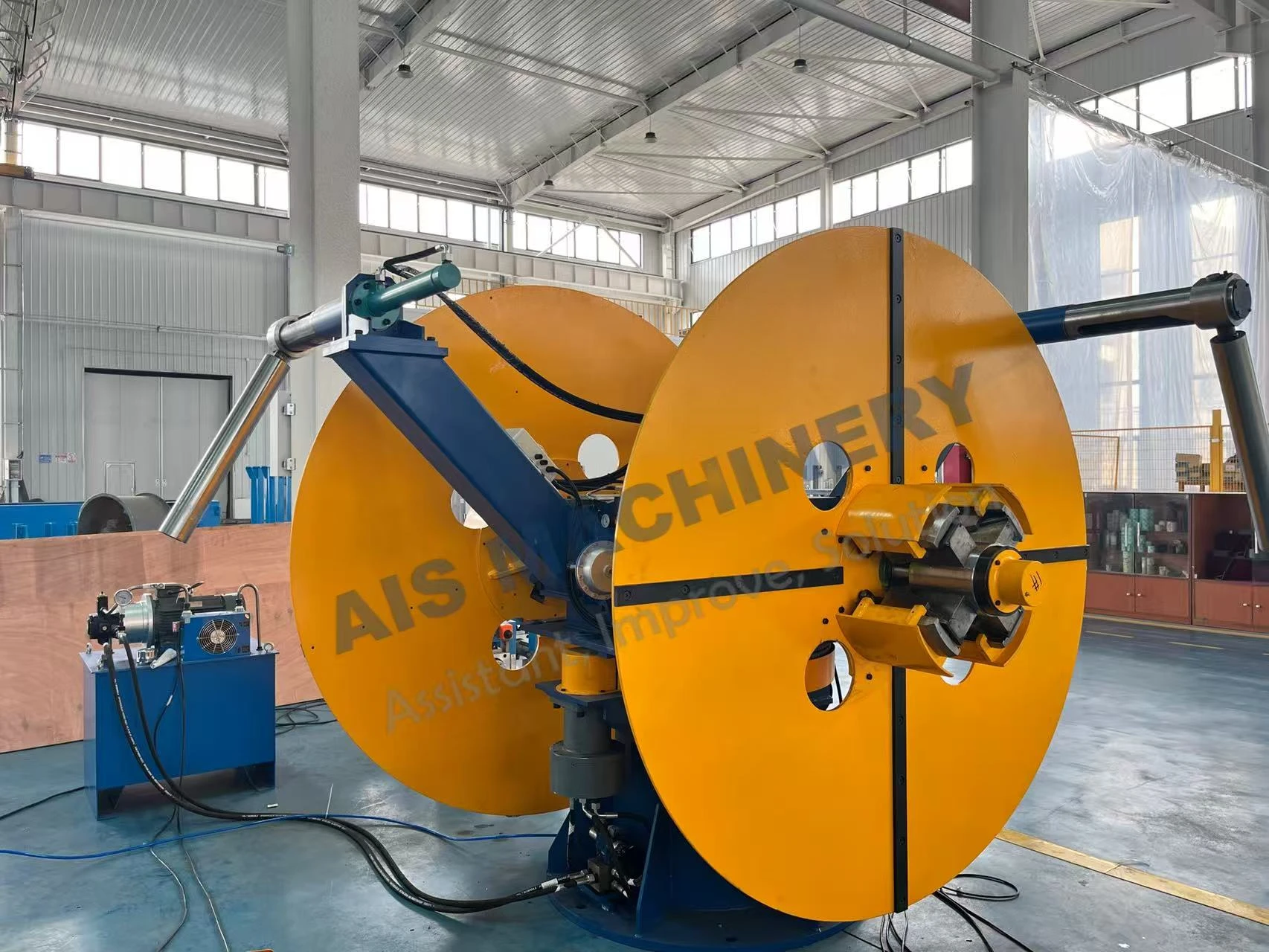
Automatic Double Side Uncoiler with Hydraulic Expansion and Auto Rotation for Steel Coil Processing
The Automatic Double Side Uncoiler is a high-efficiency solution designed for modern steel coil processing lines, including tube mills, roll forming machines, and slitting lines. With a maximum capacity of 4 tons per side, this machine ensures stable and continuous coil feeding while reducing downtime during coil change.
Send a Message
Dear customer, thank you for your attention! We provide high-quality machinery and equipment and look forward to your orders. Please inform us of your needs and we will respond quickly!
 English
  Albanian
  Arabic
  French
  German
  Indonesian
  Italian
  Japanese
  Kazakh
  Korean
  Latin
Latin  Macedonian
  Portuguese
  Russian
  Spanish
  Thai
Thai  Turkish
  Ukrainian
  Uzbek
Uzbek