
-
 Tel:86-15176910262
-

Search

Precision Copy Milling Services for Molds & Dies
Sep . 22, 2025 14:25
Introduction to Advanced Machining
In precision manufacturing, the ability to replicate complex geometries with high accuracy and efficiency is paramount. Copy milling, also known as profile milling or contour milling, is a sophisticated machining process crucial for producing intricate components across various industries. This technique involves using a master template, model, or a digitally defined path to guide a cutting tool, precisely duplicating its form onto a workpiece. Unlike conventional milling, which often relies on explicit G-code for every linear and circular movement, copy milling excels in creating complex three-dimensional surfaces and shapes, making it indispensable for tools, dies, molds, and specialized industrial components where geometric fidelity is non-negotiable.
The evolution of copy milling has been significantly impacted by advancements in CNC (Computer Numerical Control) technology, allowing for unparalleled precision and repeatability. Modern systems integrate advanced CAD/CAM software to generate highly optimized tool paths, transforming physical models or digital designs into tangible parts with sub-micron tolerances. This article delves into the intricate process, technical specifications, diverse applications, and strategic advantages of copy milling, providing a comprehensive resource for B2B professionals seeking to optimize their manufacturing capabilities.
Process Flow of Copy Milling Operations
The manufacturing process associated with a high-precision Milling Saw, often utilized in copy milling applications, involves several critical stages, from material selection to final quality assurance. This systematic approach ensures optimal performance, extended service life, and adherence to stringent industry standards.
1. Material Selection and Preparation
The foundation of a durable and efficient Milling Saw lies in its material composition. High-grade alloy steels, such as HSS (High-Speed Steel) or various grades of Tungsten Carbide, are typically selected for their superior hardness, wear resistance, and thermal stability. For specific applications requiring enhanced corrosion resistance, specialized stainless steels or proprietary alloys may be employed. Raw materials undergo rigorous incoming inspection to verify chemical composition and mechanical properties, ensuring they meet ISO 683 and ASTM A29 standards.
2. Forging and Casting (for Tool Blanks)
Depending on the design complexity and size, the tool blanks for the milling saw might be formed through precision forging or casting. Forging enhances material grain structure, leading to increased strength and fatigue resistance, while casting allows for more intricate initial forms, reducing subsequent machining time. Both processes are meticulously controlled to prevent defects such as voids or cracks, utilizing non-destructive testing (NDT) methods like ultrasonic inspection.
3. CNC Machining and Copy Milling
This is the core stage where the precise geometry of the Milling Saw's cutting edges and body is formed. Advanced multi-axis CNC milling machines are utilized. For intricate tooth profiles, a form of copy milling (often digitally driven via CAM software) is employed. A digital model guides the cutting tool to accurately replicate the desired profile, ensuring uniformity and sharpness across all teeth. This process involves multiple passes, often starting with roughing operations to remove bulk material, followed by semi-finishing and precision finishing to achieve the specified surface finish (typically Ra < 0.8 µm) and dimensional tolerances (e.g., ±0.01mm for critical features).
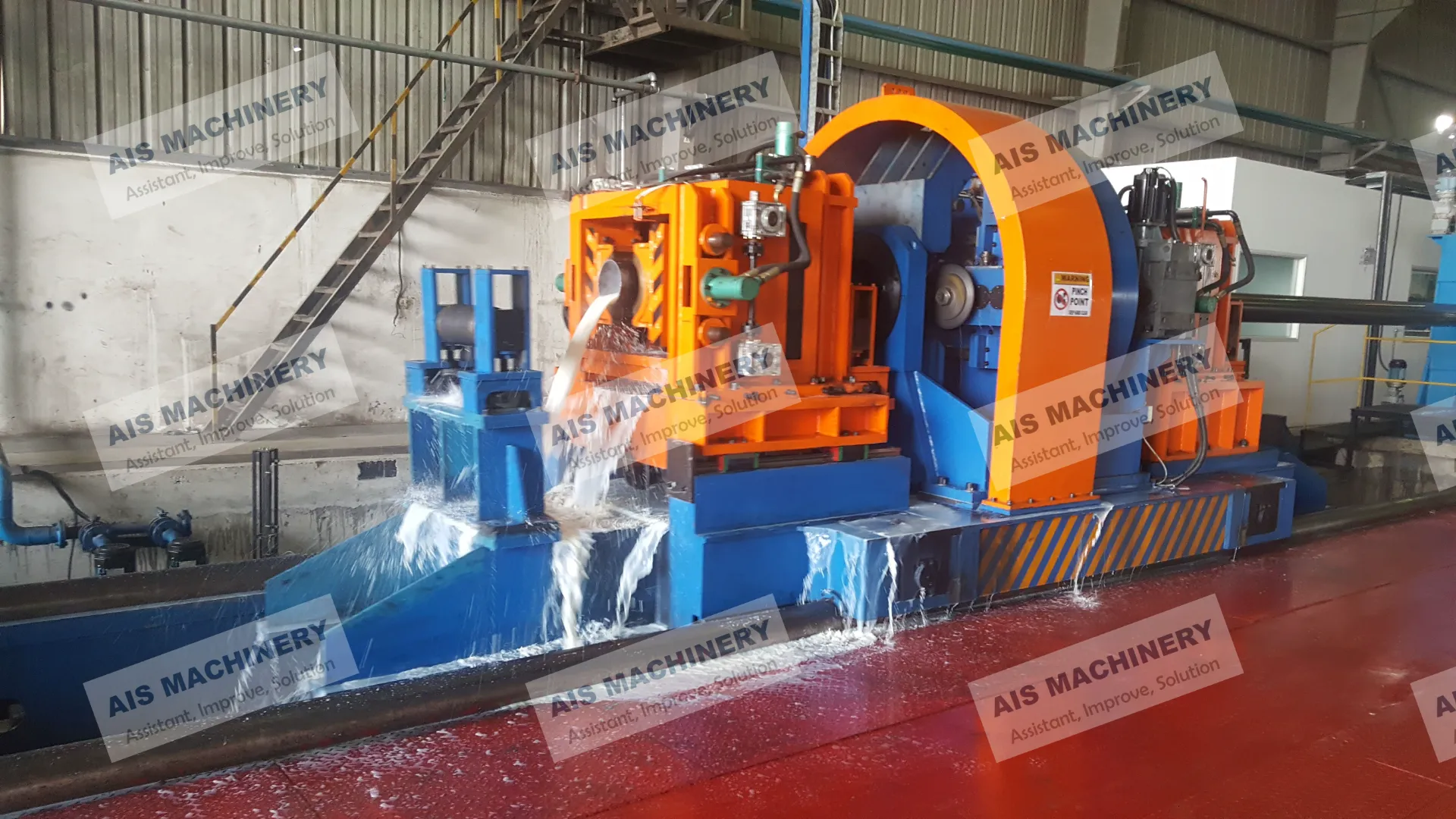
Fig 1: Precision CNC machine performing a crucial copy milling operation.
4. Heat Treatment
To achieve optimal hardness and toughness, the machined blanks undergo controlled heat treatment processes such as hardening and tempering. This process is crucial for enhancing the tool's wear resistance and extending its service life. Specific protocols are followed based on the alloy type, adhering to standards like AMS 2750 for pyrometry. The hardness is often verified using Rockwell or Vickers hardness tests, typically targeting HRC 60-65 for cutting teeth.
5. Grinding and Honing
Post-heat treatment, the cutting edges are precision ground and honed. This stage refines the tooth geometry, removes any heat-treatment scale, and establishes the final sharp edge critical for efficient cutting. Superabrasives like CBN (Cubic Boron Nitride) or diamond wheels are used, ensuring excellent surface integrity and minimized stress concentrations. This process achieves the desired cutting angles and clearances, optimizing chip evacuation and reducing cutting forces.
6. Coating (Optional but Recommended)
For demanding applications, various PVD (Physical Vapor Deposition) or CVD (Chemical Vapor Deposition) coatings are applied. Common coatings include TiN (Titanium Nitride), TiCN (Titanium Carbonitride), AlTiN (Aluminum Titanium Nitride), or DLC (Diamond-Like Carbon). These coatings significantly improve hardness, lubricity, and heat resistance, dramatically extending tool life and enabling higher cutting speeds.
7. Final Inspection and Testing
Each Milling Saw undergoes a stringent final inspection regime. This includes dimensional verification using CMM (Coordinate Measuring Machine) systems, optical inspection for surface defects, and edge sharpness analysis. Functional tests may involve trial cuts on representative materials to confirm cutting performance, chatter resistance, and surface finish capabilities. Products adhere to ANSI/AGMA 2015-1-A01 for gear precision tools and ISO 17025 for calibration standards.
Target Industries and Advantages:
- Petrochemical: Production of corrosion-resistant components for valves, pumps, and pipeline systems. Advantage: Superior corrosion resistance through specialized material selection and coatings, ensuring extended service life in harsh chemical environments.
- Metallurgy: Machining of high-temperature alloys and heavy-duty components for rolling mills and furnaces. Advantage: Enhanced energy saving due to optimized cutting geometry reducing cutting forces and machine power consumption, coupled with excellent wear resistance.
- Water Supply & Drainage: Fabrication of precise components for pumps, impellers, and flow control devices. Advantage: High precision and surface finish minimize cavitation and improve hydraulic efficiency, contributing to energy savings and reduced maintenance.
- Aerospace & Defense: Manufacturing of complex airframe and engine components from advanced alloys. Advantage: Ability to achieve extremely tight tolerances and high surface integrity, critical for performance and safety in high-stress applications.
- Automotive: Production of engine blocks, transmission components, and stamping dies. Advantage: High throughput and repeatability ensure cost-effective mass production of geometrically complex parts.
Technical Specifications of Milling Saws for Copy Milling Applications
The performance of a Milling Saw in copy milling operations is dictated by a suite of technical parameters. Understanding these specifications is critical for selecting the appropriate tool for specific material removal rates, surface finish requirements, and part geometries.
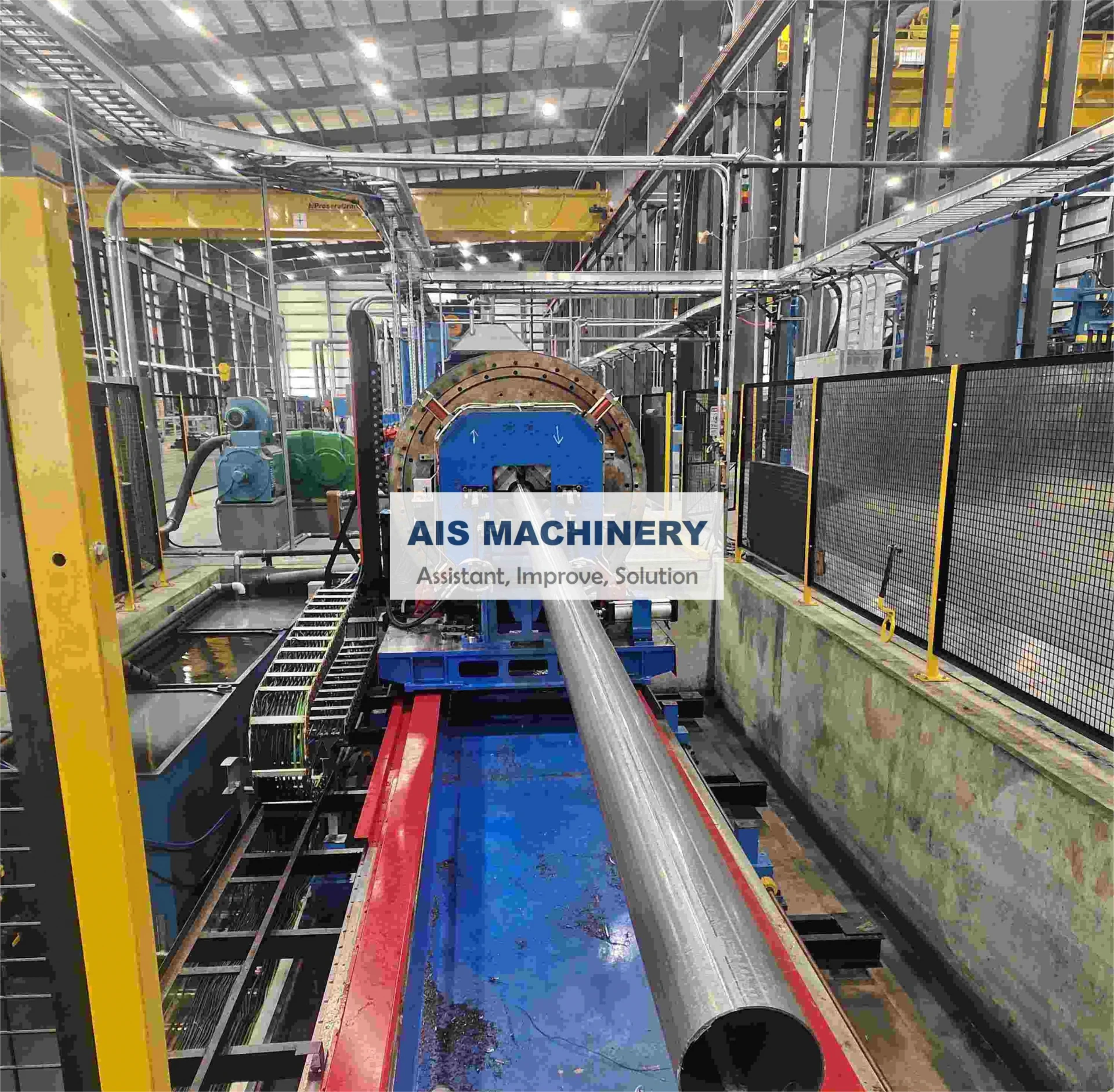
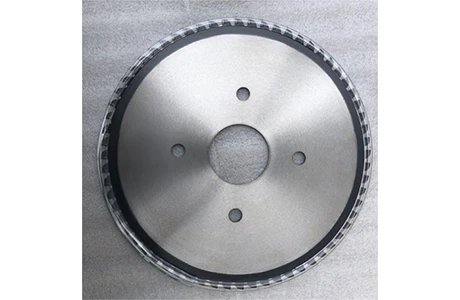
Fig 2: A specialized milling saw designed for high-precision contouring.
Key Product Specifications: Milling Saw (Typical Configuration)
| Parameter | Specification/Value | Remarks |
|---|---|---|
| Material | High-Speed Steel (HSS-Co8) / Tungsten Carbide (K20/K40) | Selection based on workpiece material hardness. |
| Diameter Range | Ø100mm - Ø500mm | Custom sizes available upon request. |
| Thickness | 2mm - 10mm (depending on diameter) | Influence rigidity and chip evacuation. |
| Number of Teeth (Z) | 20 - 120 | More teeth for finer finish, fewer for higher MRR. |
| Tooth Geometry | Straight, Helical, Staggered Tooth | Optimized for various chip formation and evacuation. |
| Coating Options | TiN, TiCN, AlTiN, DLC | Enhances wear resistance, lubricity, and heat dissipation. |
| Hardness (Coated) | Up to 3500 HV (for AlTiN) | Improves abrasive wear resistance. |
| Runout Tolerance | ≤ 0.005mm (Total Indicator Runout) | Critical for surface finish and tool life. |
| Typical Service Life | 500-2000 hours (material dependent) | Based on optimal cutting parameters and material. |
| Compliance | ISO 9001, ANSI B11.1-2017 | Ensuring quality management and safety standards. |
These specifications underscore the precision and engineering required for effective copy milling. Each parameter directly influences the tool's performance, stability, and the quality of the final workpiece.
Application Scenarios and Technical Advantages
The versatility of copy milling makes it an invaluable technique across a multitude of high-precision manufacturing environments. Its ability to accurately reproduce complex forms offers distinct technical advantages.
Typical Application Scenarios:
- Mold and Die Manufacturing: Crucial for creating injection molds, casting dies, and forging dies where precise surface contours and intricate details are paramount. Copy milling enables the efficient production of complex cavities and cores.
- Aerospace Component Production: Fabrication of turbine blades, impellers, and structural components with aerodynamic surfaces. The process ensures high dimensional accuracy and exceptional surface finish, critical for performance and fuel efficiency.
- Automotive Prototyping and Tooling: Manufacturing of prototype body panels, intricate engine parts, and complex stamping tools. The ability to replicate design intent directly from CAD models significantly reduces lead times.
- Medical Device Manufacturing: Production of orthopedic implants, surgical instruments, and prosthetic components that require precise anatomical contours and biocompatible material handling.
- Heavy Machinery and Equipment: Crafting of large-scale components like specialized gears, cam mechanisms, and intricate housing parts for industrial machinery.
- Artistic and Custom Prototyping: For one-off custom parts or intricate artistic designs where manual machining is impractical or lacks the required precision.
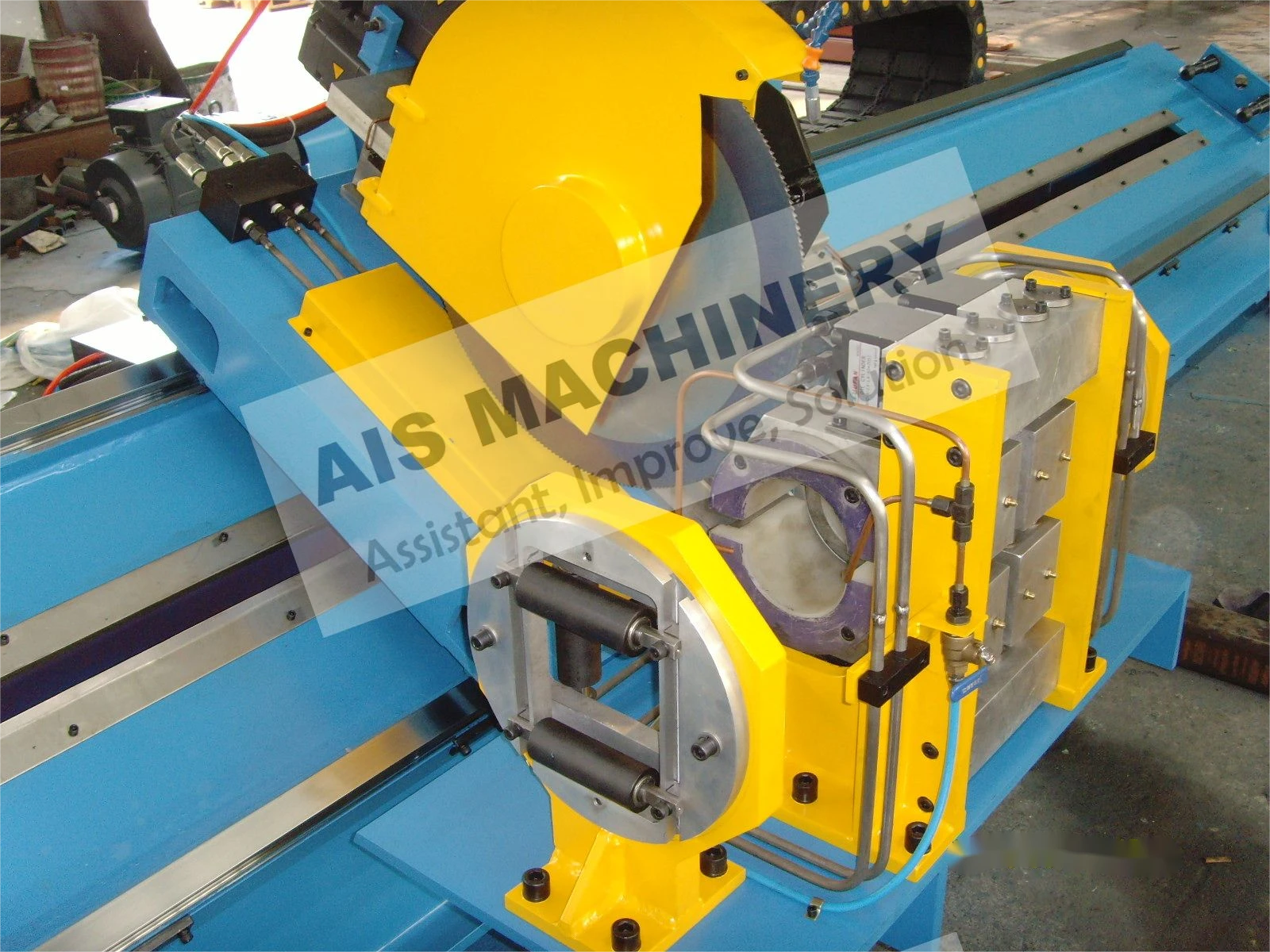
Fig 3: Intricate details achieved through precise copy milling of specialized components.
Technical Advantages:
- High Geometric Accuracy: Capable of reproducing highly complex 3D contours and profiles with exceptional fidelity, often achieving tolerances within ±0.01mm. This is vital for parts with precise mating requirements or aerodynamic surfaces.
- Superior Surface Finish: Modern copy milling techniques, especially with optimized tool paths and cutting parameters, can achieve surface roughness values as low as Ra 0.2 µm, significantly reducing or eliminating the need for post-machining polishing.
- Efficiency in Complex Machining: Dramatically reduces programming time for intricate parts compared to traditional G-code generation for every feature. CAM software automates the tool path generation from 3D models.
- Versatility in Material Processing: Effective on a wide range of materials, including tool steels, stainless steels, aluminum alloys, titanium, superalloys, and composites, provided the correct tool and cutting parameters are selected.
- Reduced Tool Wear and Extended Tool Life: Optimized tool paths, constant chip load management, and advanced cooling strategies minimize stress on the cutting tool, leading to longer tool life and reduced operational costs.
- Repeatability and Consistency: CNC-driven copy milling ensures consistent part quality across production runs, crucial for high-volume manufacturing of identical components.
These advantages position copy milling as a preferred method for industries where precision, complexity, and efficiency are non-negotiable.
Industry Trends and Vendor Comparison in Copy Milling Technology
The landscape of copy milling technology is continuously evolving, driven by demands for higher precision, faster throughput, and increased automation. Staying abreast of these trends and understanding the capabilities of leading vendors is crucial for strategic investment.
Current Industry Trends:
- Integration of AI and Machine Learning: AI-driven algorithms are optimizing tool path generation, predicting tool wear, and adjusting cutting parameters in real-time to maintain optimal performance and surface finish, reducing human intervention.
- Advanced 5-Axis and Multi-Tasking Machines: The proliferation of 5-axis and more complex multi-tasking machines allows for machining highly complex geometries in a single setup, minimizing repositioning errors and improving overall efficiency.
- Digital Twin Technology: Creating virtual replicas of milling operations for simulation and optimization before physical execution, predicting outcomes, identifying potential collisions, and refining processes for maximum efficiency.
- Sustainable Machining Practices: Focus on minimum quantity lubrication (MQL), dry machining, and efficient chip management to reduce environmental impact and operational costs.
- High-Speed Machining (HSM): Increased spindle speeds (up to 60,000 RPM) and feed rates for reduced cutting forces, improved surface finish, and faster material removal, especially in mold and die applications.
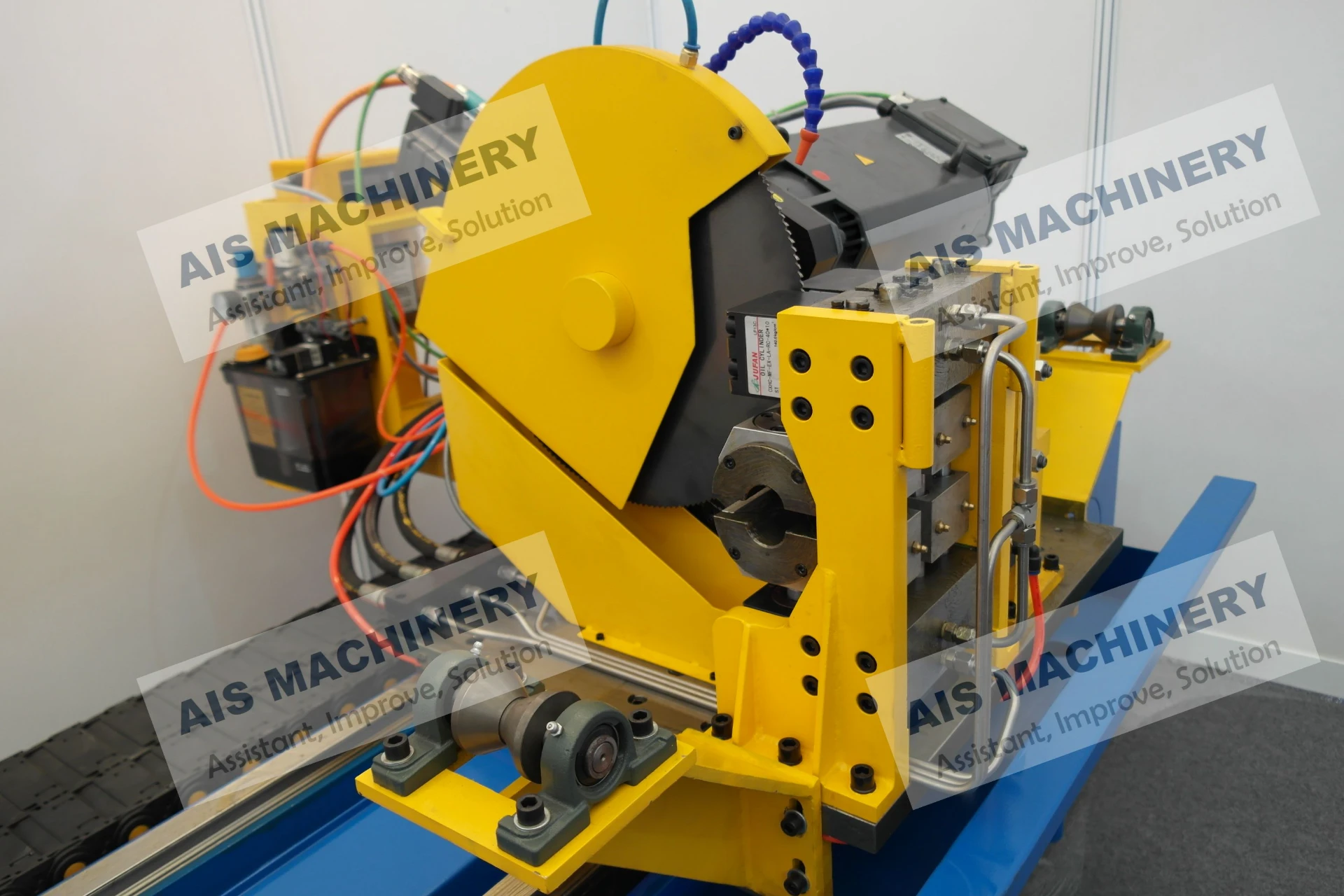
Fig 4: Sectional view illustrating the intricate design and components vital for efficient copy milling.
Vendor Comparison: High-Precision Milling Saws
When selecting a milling saw for copy milling applications, it's essential to consider various aspects including material, coating, precision, and application focus. Here's a generalized comparison of common offerings:
| Feature/Vendor Type | Premium European (e.g., AISTubeMill) | High-Performance Asian | Standard Industrial |
|---|---|---|---|
| Primary Materials | Premium WC, Cermets, Advanced HSS | Good Quality WC, HSS | Standard WC, HSS |
| Coating Technology | Multi-layer PVD/CVD (e.g., AlCrN, nano-composites) | Standard PVD (e.g., TiN, TiCN) | Basic TiN or uncoated |
| Achievable Tolerance | ISO H5-H6 (≤ ±0.005mm) | ISO H7 (≤ ±0.01mm) | ISO H8-H9 (≤ ±0.02mm) |
| Surface Finish (Ra) | ≤ 0.2 µm | ≤ 0.4 µm | ≤ 0.8 µm |
| Target Applications | Aerospace, Medical, Molds & Dies | Automotive, General Engineering | General Machining, Prototyping |
| Innovation & R&D | High (e.g., specific geometries, chip breakers) | Moderate | Low |
This comparison highlights that AISTubeMill, aligning with the "Premium European" category, focuses on delivering tools with superior materials, advanced coatings, and the highest precision, catering to the most demanding copy milling applications.
Customized Solutions and Application Case Studies
Recognizing that off-the-shelf solutions may not always meet the unique challenges of advanced manufacturing, providers of copy milling tools often offer highly customized solutions. These tailored approaches, backed by real-world application case studies, demonstrate the ultimate value proposition.
Tailored Copy Milling Solutions:
Customization in milling saws for copy milling can involve:
- Special Geometries: Developing unique tooth profiles, rake angles, and helix angles optimized for specific workpiece materials (e.g., highly abrasive composites, gummy stainless steels) or intricate part features.
- Proprietary Coatings: Researching and applying advanced PVD/CVD coatings to address extreme wear, high temperatures, or chemical inertness requirements in specialized applications.
- Optimized Core Materials: Utilizing specific high-performance alloys for the tool body to provide superior rigidity and vibration damping during heavy cutting operations, extending tool life and improving surface finish.
- Integrated Cooling Channels: Designing tools with internal cooling channels for efficient coolant delivery directly to the cutting zone, critical for high-speed machining of exotic materials.
- Tool Holder Interface Customization: Ensuring seamless integration with existing machine tool holders and spindle interfaces to maximize rigidity and minimize runout.
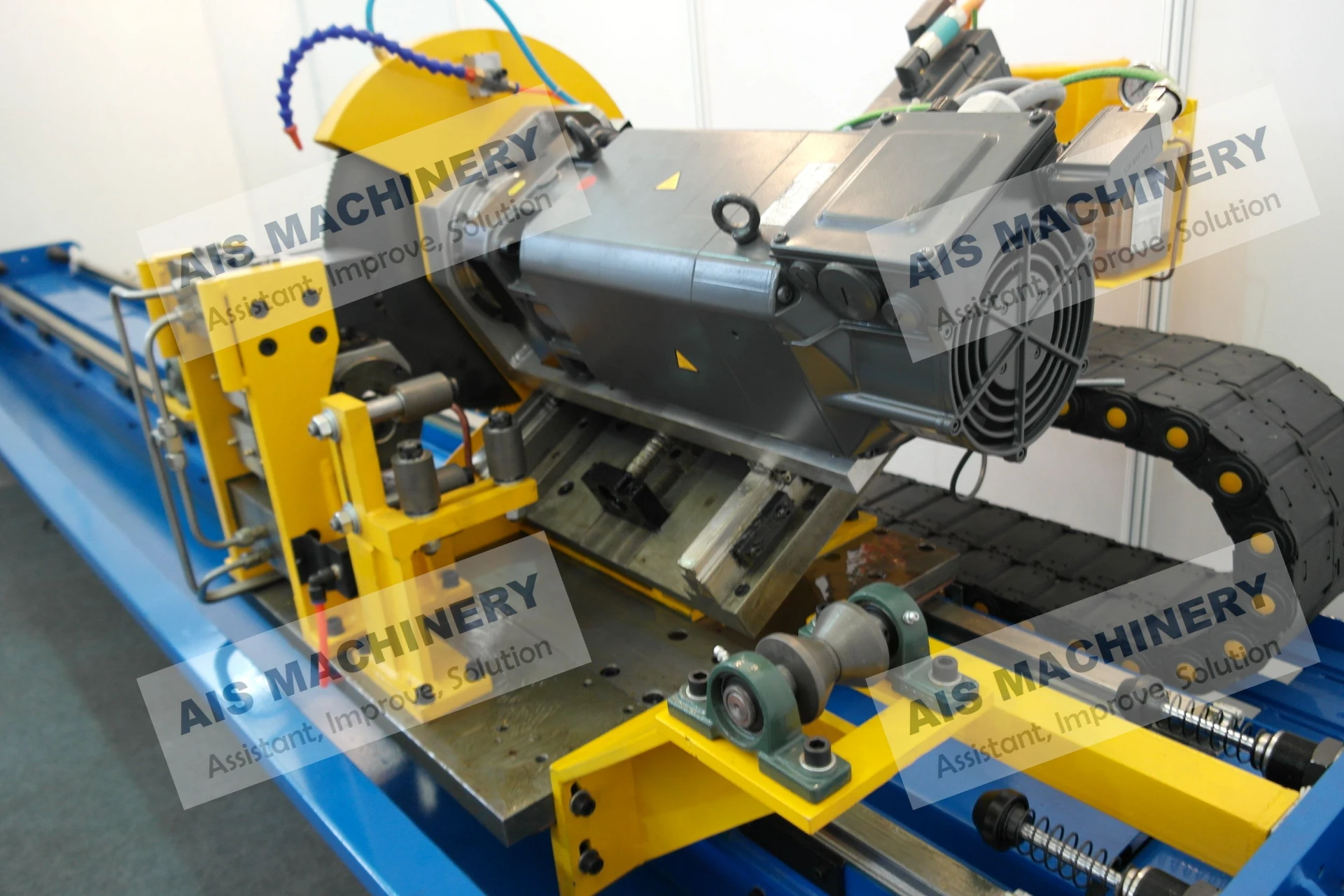
Fig 5: Advanced milling head for heavy-duty copy milling applications.
Application Case Studies:
Case Study 1: Aerospace Turbine Blade Production (Client: Global AeroTech)
- Challenge: Machining complex 3D aerodynamic profiles of Inconel 718 turbine blades, requiring exceptionally tight tolerances (±0.008mm) and a surface finish of Ra 0.4 µm, while minimizing tool wear and cycle time.
- Solution: AISTubeMill engineered a custom 5-axis milling saw with specific helical flute geometry and an advanced AlTiN coating. The tool path was optimized using advanced CAM software for trochoidal milling strategies.
- Results: Achieved a 35% reduction in machining cycle time per blade, a 50% increase in tool life compared to previous solutions, and consistently met the stringent surface finish and tolerance requirements, leading to a 15% reduction in overall production cost for this component.
Case Study 2: Automotive Stamping Die Machining (Client: AutoForge Innovations)
- Challenge: Producing large steel stamping dies (H13 tool steel, 58 HRC) with complex curvatures and sharp internal corners for automotive body panels. The primary goal was to achieve a high-quality surface finish directly from machining, reducing post-processing time.
- Solution: A custom Milling Saw with a unique barrel-shaped cutting geometry and a robust PVD coating was developed. This allowed for larger stepovers while maintaining a fine scallop height, reducing the overall number of passes.
- Results: The specialized tool enabled a 40% reduction in benching and polishing time after machining, cutting total die production time by 20%. The resultant die surfaces exhibited exceptional fidelity to the CAD model, requiring minimal manual intervention.
These case studies highlight the tangible benefits of partnering with a provider capable of delivering specialized copy milling solutions that address specific client needs and production challenges effectively.
Commitment to Trustworthiness and Support
A robust framework of support and transparent operational policies is critical for fostering long-term B2B relationships. Our commitment extends beyond product delivery to comprehensive after-sales service and clear guarantees.
Frequently Asked Questions (FAQ)
-
Q: What is the typical lead time for custom milling saws?
A: For standard products, lead time is typically 2-4 weeks. For highly customized milling saws, lead times can range from 6-12 weeks, depending on design complexity, material availability, and coating requirements. Expedited options may be available for critical projects. -
Q: What materials can your milling saws effectively machine?
A: Our milling saws are designed to machine a broad spectrum of materials, including various grades of steel (carbon, alloy, stainless, tool steels up to 65 HRC), non-ferrous metals (aluminum, brass, copper), titanium alloys, superalloys (Inconel, Hastelloy), and certain composites. We offer material-specific recommendations. -
Q: Do you provide technical support for optimizing cutting parameters?
A: Yes, our team of application engineers provides extensive technical support, including recommendations for optimal cutting speeds, feed rates, depth of cut, and coolant strategies to maximize tool performance and workpiece quality for specific copy milling operations. -
Q: What certifications do your manufacturing processes hold?
A: Our manufacturing facilities are ISO 9001:2015 certified, ensuring adherence to international quality management standards. Our products also comply with relevant ANSI and DIN specifications for cutting tools.
Lead Time and Fulfillment
Our streamlined production process, combined with robust supply chain management, ensures efficient order fulfillment. We maintain a substantial inventory of standard Milling Saw components, allowing for rapid assembly and dispatch. For custom orders, a dedicated project manager will provide real-time updates on design, manufacturing, and shipping milestones, ensuring transparency and predictable delivery schedules.
Warranty Commitments
All AISTubeMill Milling Saws are backed by a comprehensive 12-month warranty against manufacturing defects in materials and workmanship, effective from the date of purchase. This warranty covers structural integrity and performance under normal operating conditions. For specific coating performance or tool life guarantees in specific applications, tailored agreements can be discussed based on pre-production testing and agreed-upon performance metrics.
Customer Support Information
Our dedicated customer support team is available to assist with product selection, technical inquiries, order status, and after-sales service. Clients can reach us via:
- Email: support@aistubemill.com
- Phone: +1 (XXX) XXX-XXXX (Available Monday-Friday, 9:00 AM - 5:00 PM EST)
- Online Portal: Access our customer portal at www.aistubemill.com/support for FAQs, technical documents, and support ticket submission.
We are committed to providing prompt and effective support to ensure your copy milling operations run smoothly.
Conclusion
The precision and efficiency offered by advanced copy milling techniques, particularly when leveraging high-quality Milling Saws, are indispensable for modern B2B manufacturing. From intricate mold components to aerospace-grade parts, the ability to accurately reproduce complex geometries with exceptional surface finishes drives innovation and cost-effectiveness across diverse industries. By understanding the detailed process flow, technical specifications, and adopting tailored solutions, businesses can significantly enhance their production capabilities and maintain a competitive edge. The emphasis on robust materials, advanced coatings, stringent quality control, and comprehensive customer support ensures that investments in this technology yield long-term benefits and operational excellence.
References
- Kalpakjian, S., & Schmid, S. R. (2020). Manufacturing Engineering and Technology (7th ed.). Pearson.
- Groover, M. P. (2019). Fundamentals of Modern Manufacturing: Materials, Processes, and Systems (6th ed.). John Wiley & Sons.
- Trent, E. M., & Wright, P. K. (2000). Metal Cutting (4th ed.). Butterworth-Heinemann.
- ASTM International Standards. (Various). (References for material specifications and testing methods).
- ISO 9001:2015 - Quality management systems — Requirements. (International standard for quality management).
- ANSI B11.1-2017 - Safety Requirements for General Purpose Industrial Milling Machines. (American National Standard for machine tool safety).

Related Products

Related News
2026-04-21 10:22:25
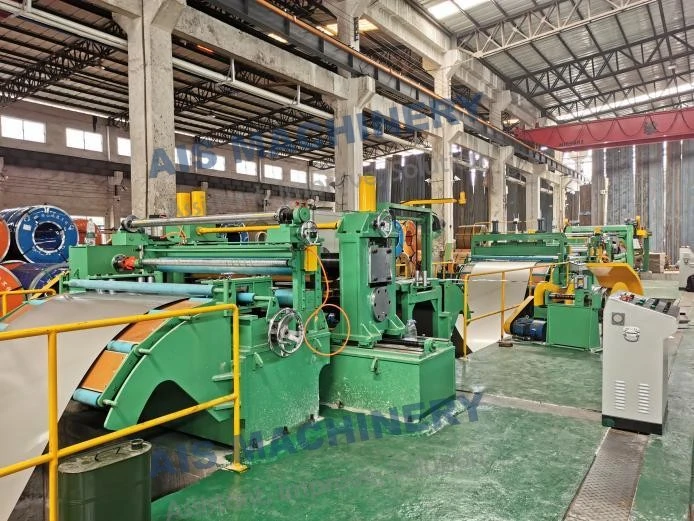
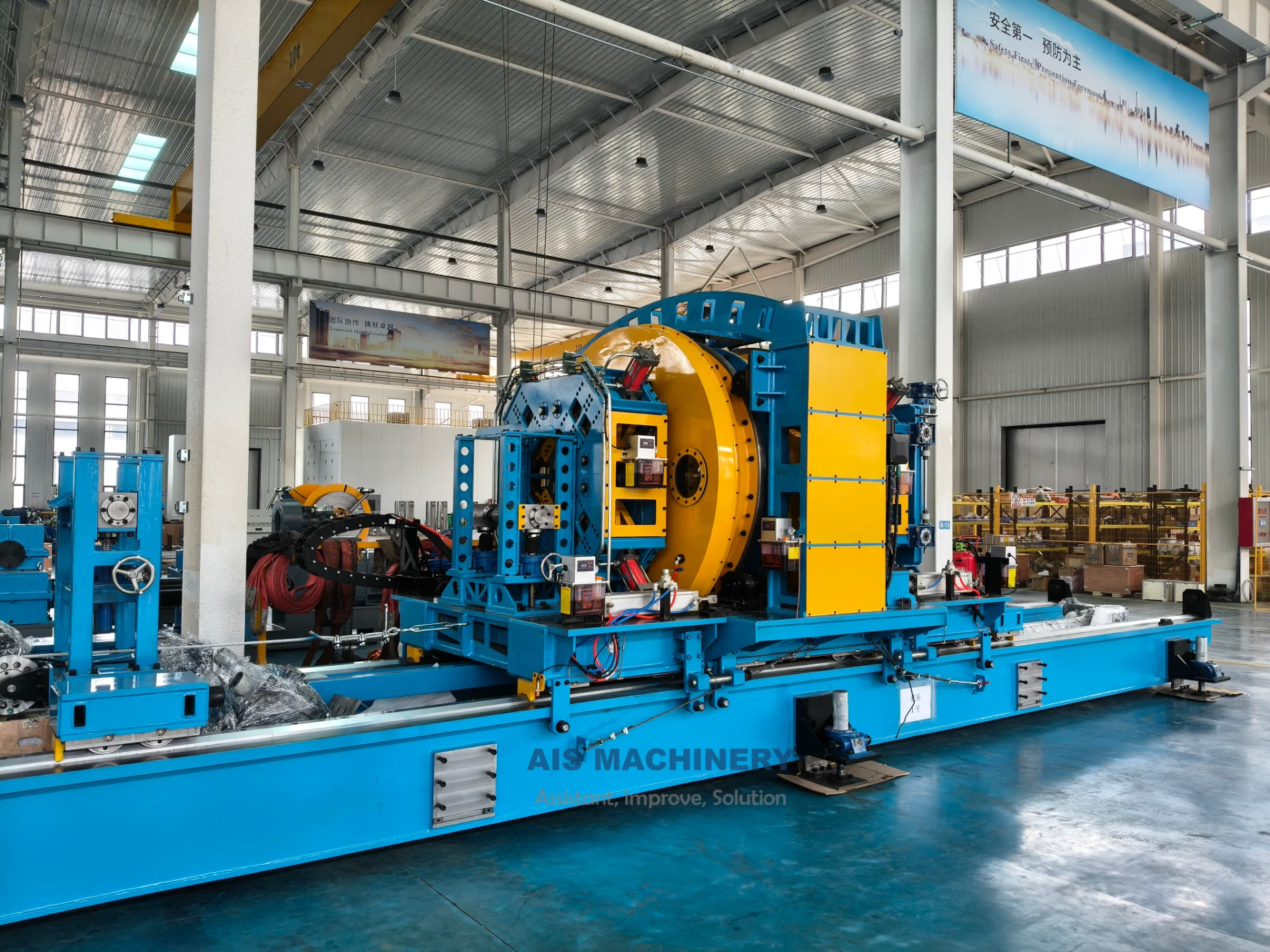
Slitting & Cut-to-Length Combined Production Line: A Smarter Way to Process Steel Coils
Discover the Slitting & Cut-to-Length Combined Production Line, a flexible solution for steel coil processing. This system integrates slitting line and cut-to-length line functions in one machine, saving space, reducing costs, and improving efficiency. Ideal for processing both steel strips and sheets, it is widely used in service centers and manufacturing industries. Learn its advantages, limitations, and applications.
2026-04-18 03:20:20
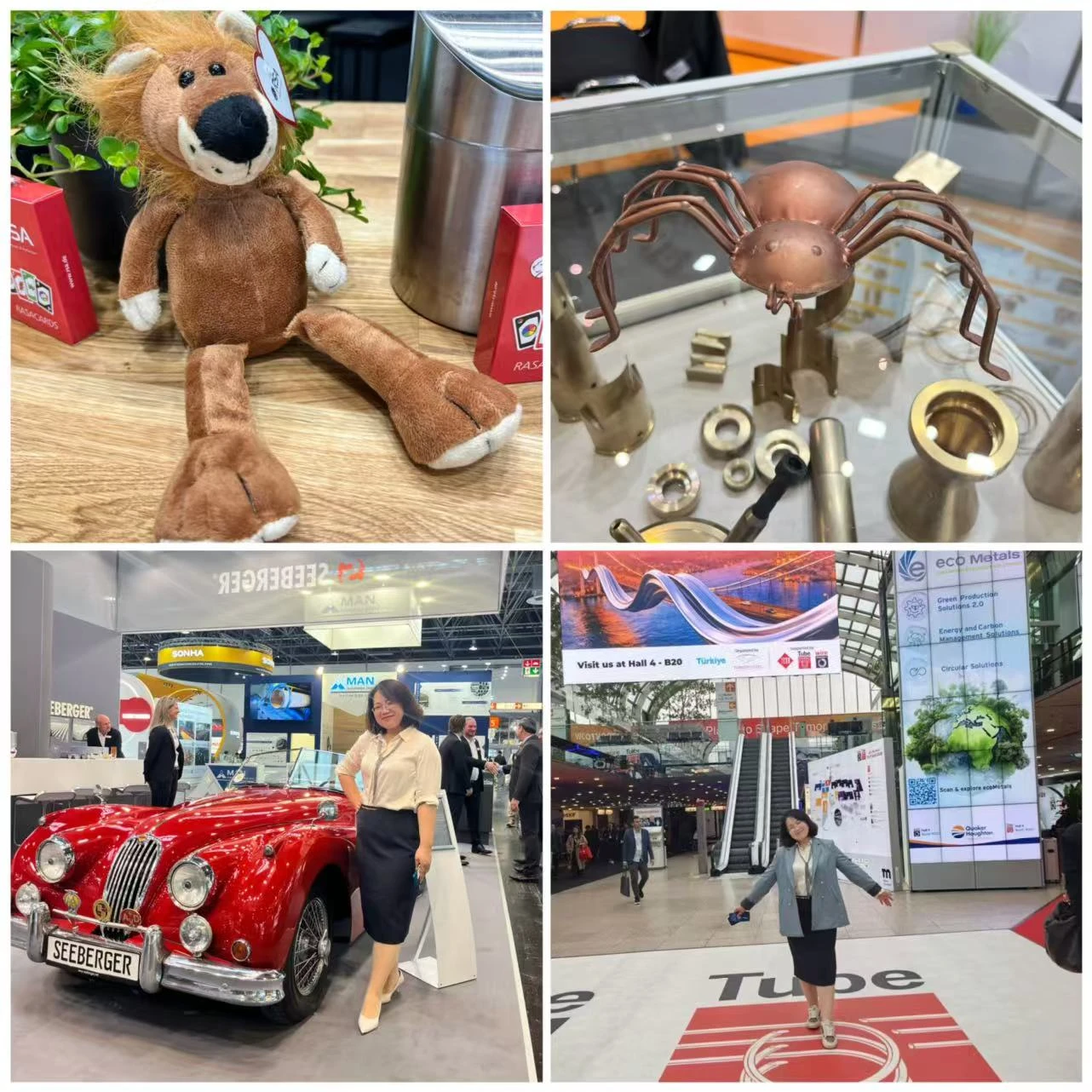
AIS Machinery Showcases Advanced Tube Solutions at Tube & Wire Düsseldorf 2026
Tube & Wire Düsseldorf 2026, one of the most influential exhibitions in the global tube and wire industry, held biennially in Düsseldorf, Germany
2026-04-17 00:00:00
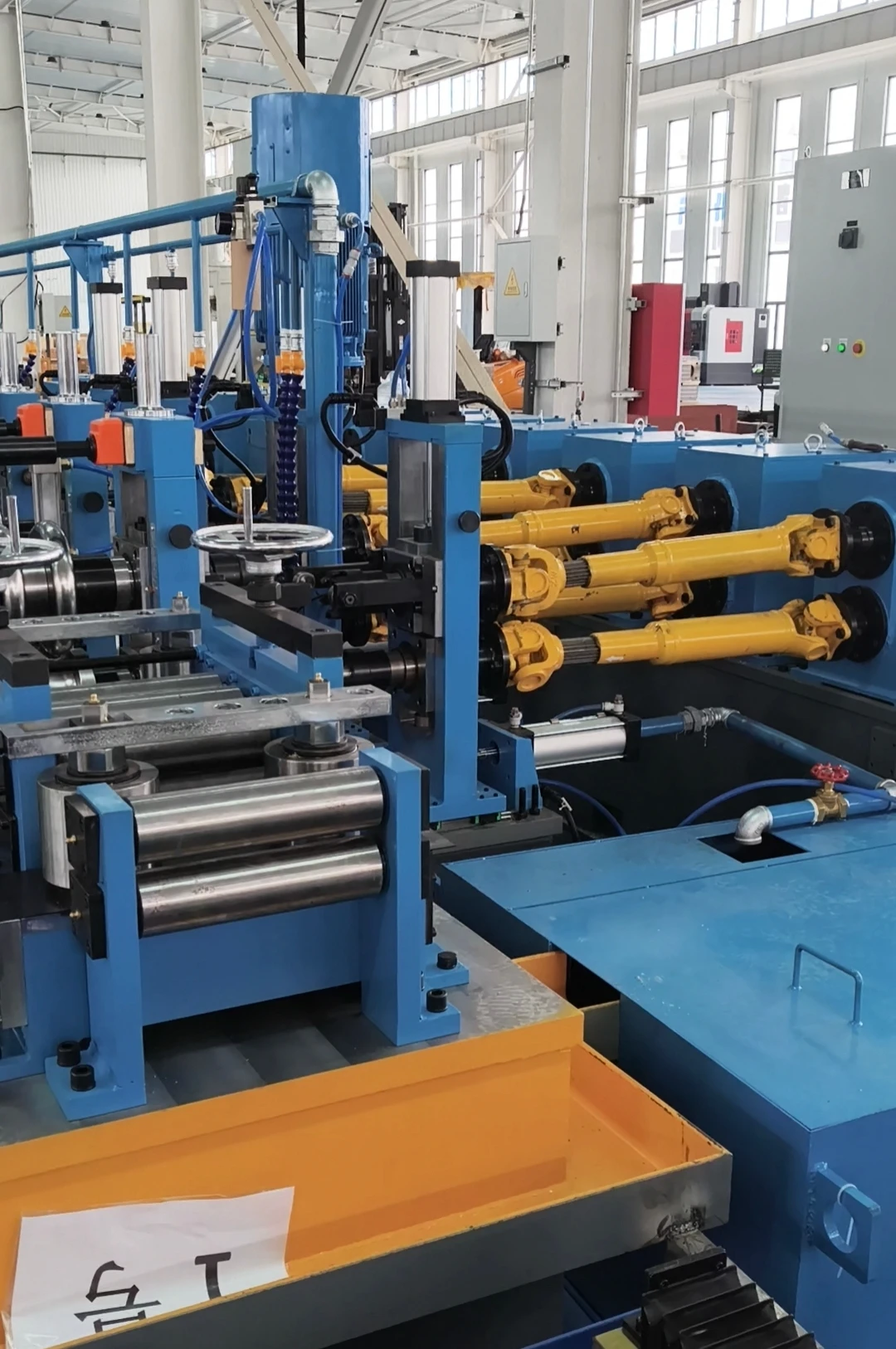
Southeast Asia Client Visits Our Factory | Customized Tube Mill Solution Delivered
A Southeast Asia client visited our ERW tube mill factory to inspect production lines and discuss a customized tube mill solution. Impressed by our machine quality, welding performance, and engineering support, the client confirmed strong cooperation intentions. Discover how our ERW tube mill solutions improve efficiency, precision, and long-term production reliability.
2026-04-15 10:37:55
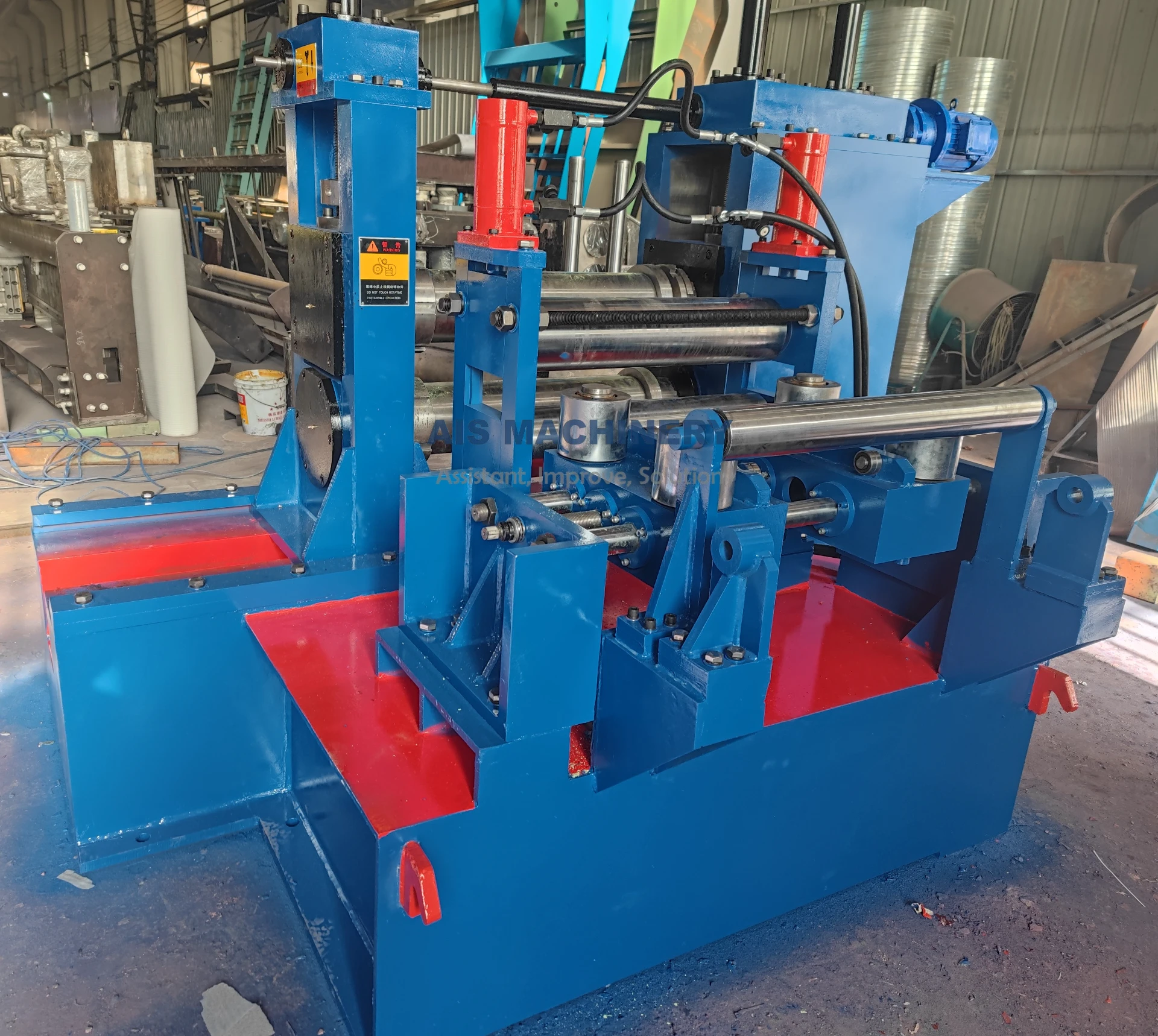
Flat Bar Production Line for Steel Coils: How It Works & Why It Matters
Looking for a flat bar production line? Learn how it turns steel coils into ready-to-use flat bars with precise length and high straightness. Compare it with slitting lines and get the best solution for your steel processing needs.
2026-04-14 00:00:00
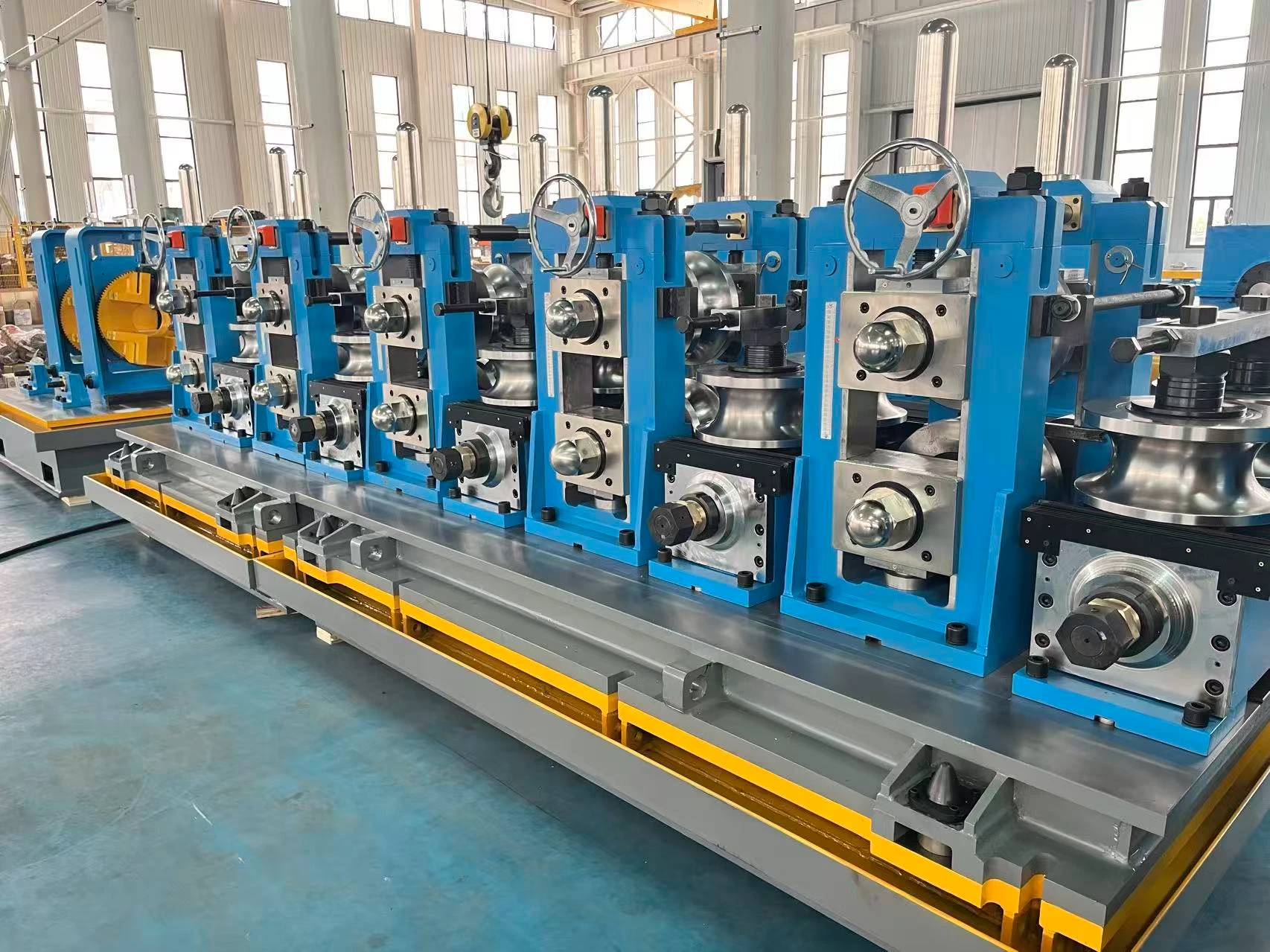
Looking for a Milling Saw for ERW Tube Mill? Here’s What You Need to Know
Looking for a high-performance milling saw for your ERW tube mill? Upgrade to burr-free, high-precision pipe cutting with advanced flying saw technology. Improve efficiency, reduce rework, and meet export standards for carbon steel, stainless steel, and API pipes. Contact us today for expert solutions and competitive pricing tailored to your production needs.
2026-04-09 16:15:19
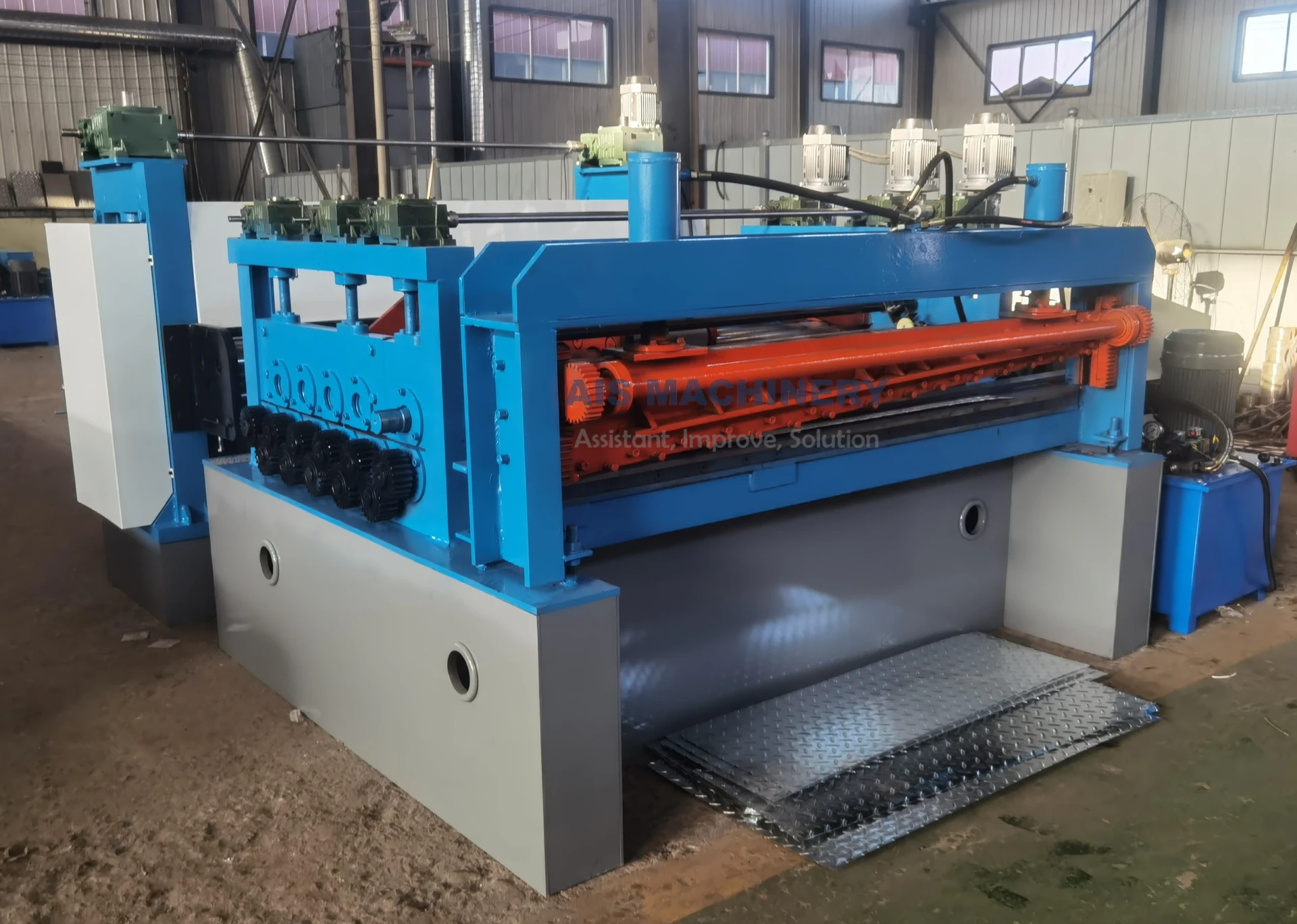
5-Inch (127mm) ERW Tube Making Machine Delivered with Heavy-Duty Design and Advanced Quick Change System
2027-04-07 00:00:00
Metal Embossing Machine: Turn Flat Sheets into High-Value Textured Products
Discover how a metal embossing machine transforms flat steel, stainless steel, and aluminum sheets into high-value textured products. Learn about its working principle, key components, and applications. Ideal for decorative and industrial use, embossing machines improve both appearance and performance. Explore complete embossing line solutions and find the right machine for your production needs.
2026-04-04 20:37:18
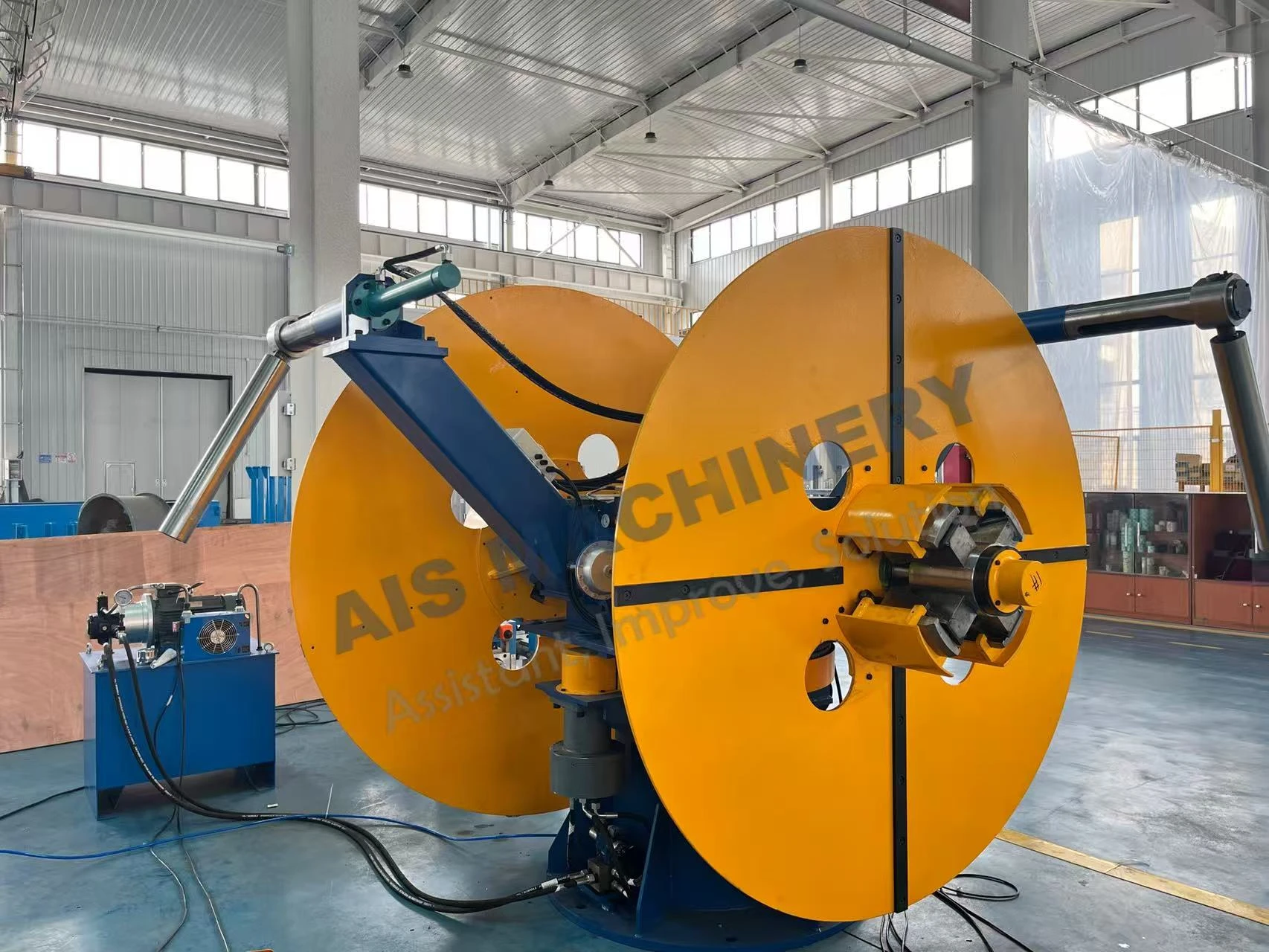
Automatic Double Side Uncoiler with Hydraulic Expansion and Auto Rotation for Steel Coil Processing
The Automatic Double Side Uncoiler is a high-efficiency solution designed for modern steel coil processing lines, including tube mills, roll forming machines, and slitting lines. With a maximum capacity of 4 tons per side, this machine ensures stable and continuous coil feeding while reducing downtime during coil change.
Send a Message
Dear customer, thank you for your attention! We provide high-quality machinery and equipment and look forward to your orders. Please inform us of your needs and we will respond quickly!
 English
  Albanian
  Arabic
  French
  German
  Indonesian
  Italian
  Japanese
  Kazakh
  Korean
  Latin
Latin  Macedonian
  Portuguese
  Russian
  Spanish
  Thai
Thai  Turkish
  Ukrainian
  Uzbek
Uzbek