
-
 Tel:86-15176910262
-

Search

Premium Impeder Rods: Boost Welding Efficiency & Quality
Sep . 10, 2025 12:00
Optimizing High-Frequency Welding with Advanced Impeder Rod Technology
In the demanding landscape of modern industrial manufacturing, particularly within tube and pipe production, the efficiency and quality of high-frequency (HF) welding are paramount. A critical component enabling this efficiency is the impeder rod. These specialized cores play a pivotal role in concentrating the magnetic flux induced by the HF welding current, thereby enhancing welding speed, consistency, and overall energy efficiency. This article delves into the technical intricacies, application benefits, and strategic considerations surrounding these essential components for B2B decision-makers and engineers.
The continuous evolution of materials science and manufacturing processes has led to significant advancements in impeder rod design, offering solutions tailored to increasingly rigorous operational demands. Understanding their construction, performance parameters, and the advantages they confer is key to optimizing production lines in industries ranging from petrochemicals to automotive.
Industry Trends and Market Dynamics
The global demand for high-frequency welded pipes continues to grow, driven by infrastructure development, energy sector expansion, and increasing automotive production. This growth directly fuels the demand for high-performance welding consumables and auxiliary components, including the impeder rod. Current industry trends highlight a strong emphasis on:
- Energy Efficiency: Manufacturers are constantly seeking ways to reduce power consumption in welding processes, making impeders that offer superior magnetic flux concentration highly desirable.
- Speed and Productivity: Faster welding speeds without compromising weld quality are crucial for high-volume production, a benefit directly influenced by effective impeder performance.
- Material Versatility: The ability to weld a broader range of materials, including stainless steel, aluminum, and various alloys, requires impeders capable of maintaining performance under diverse conditions.
- Longevity and Durability: Reduced downtime for impeder replacement translates to significant cost savings, pushing demand for impeders with extended service life and enhanced thermal and corrosion resistance.
- Smart Manufacturing & Automation: Integration of advanced monitoring and control systems in welding lines necessitates consistent and predictable performance from all components, including the impeder rod.
These trends underscore the importance of selecting advanced impeder technologies that can meet the evolving demands of modern high-frequency welding applications.
Manufacturing Process of High-Performance Impeder Rods
The production of a high-quality impeder rod is a multi-stage process that combines advanced material science with precision engineering. The objective is to create a core that efficiently concentrates magnetic flux while withstanding extreme thermal and mechanical stresses within the weld zone.
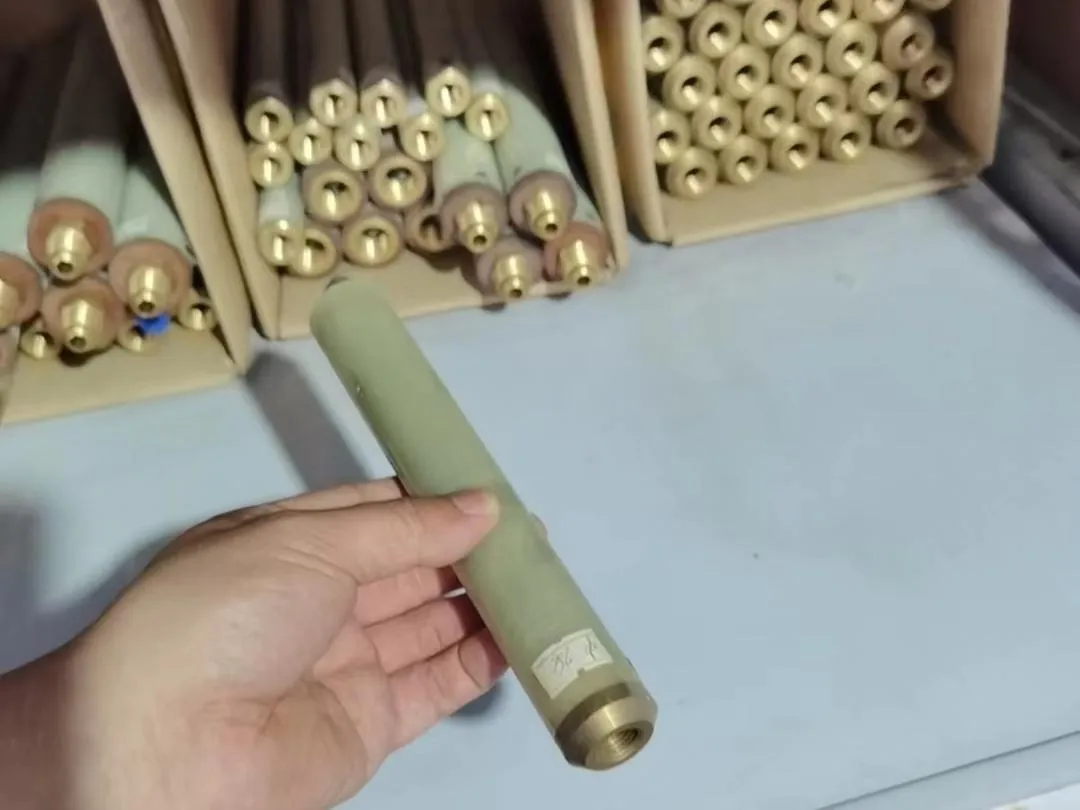
- Material Selection (Ferrite & Fiberglass Tube): The core material is typically a high-permeability ferrite, specifically engineered for HF applications. These ferrites are chosen for their low loss at high frequencies and high saturation magnetization. The ferrite core is then encased within a robust fiberglass tube. Fiberglass offers excellent dielectric strength, thermal insulation, and chemical resistance, protecting the brittle ferrite from physical damage and the harsh welding environment. Different grades of fiberglass (e.g., G10/FR4, G11/FR5) are selected based on temperature requirements and mechanical strength needs.
-
Ferrite Core Production:
- Mixing & Milling: Raw ferrite powders (e.g., Fe2O3, MnO, ZnO) are precisely mixed and milled to achieve uniform particle size distribution.
- Pressing/Casting: The powder is then pressed into specific shapes (e.g., cylindrical slugs) under high pressure. For specialized geometries, advanced casting techniques might be employed.
- Sintering: The pressed bodies undergo high-temperature sintering (typically 1200-1400°C) in controlled atmospheres. This process densifies the material, forms the final crystalline structure, and develops the desired magnetic properties.
- Grinding & Finishing: Sintered ferrites are precision ground using CNC machining to achieve exact dimensions and smooth surfaces, critical for insertion into the fiberglass casing and optimal performance.
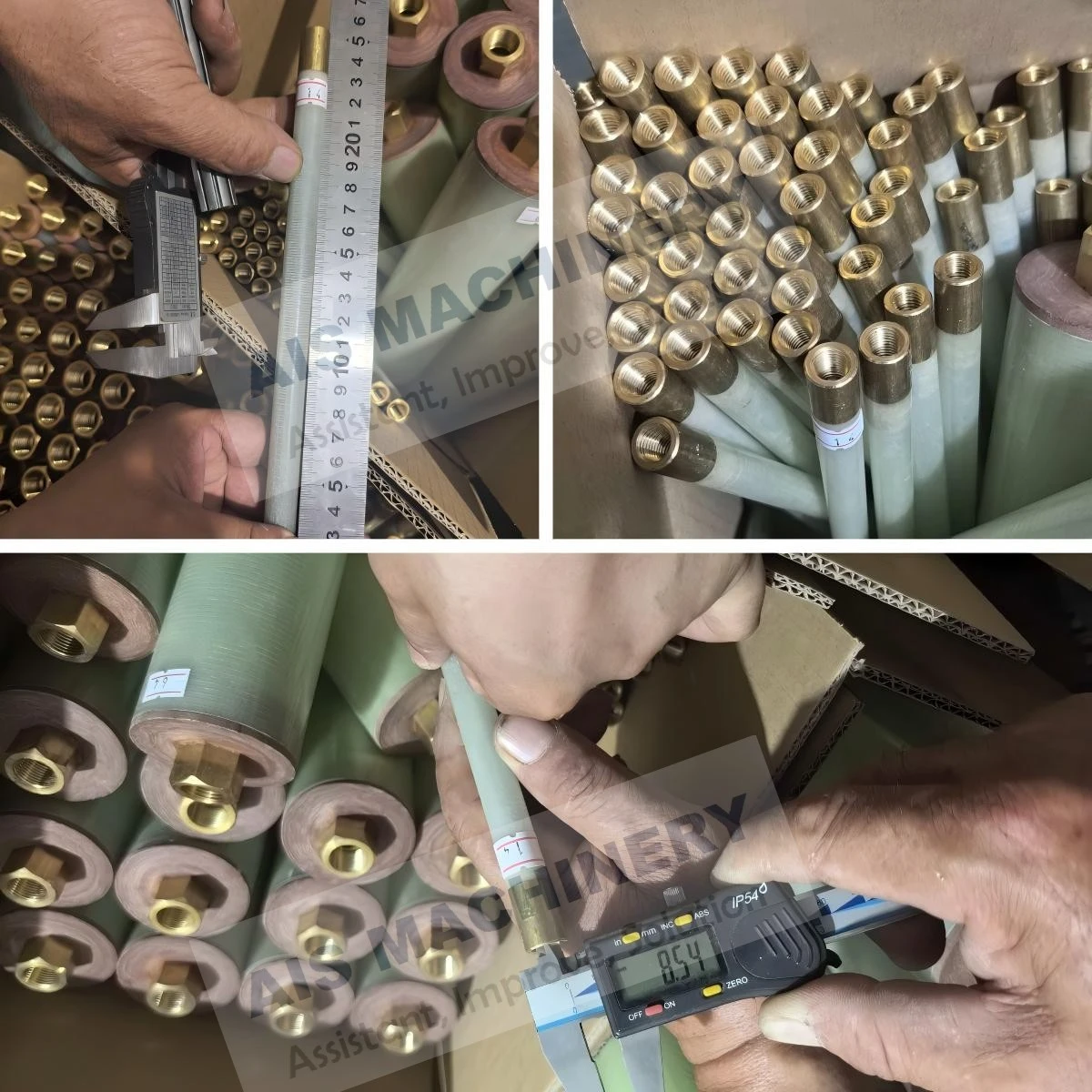
- Fiberglass Tube Preparation: High-quality fiberglass tubes are cut to precise lengths. Their internal and external diameters are verified to ensure a snug fit for the ferrite cores and proper placement within the welding inductor. Surface treatments may be applied to enhance bonding properties.
- Assembly: The finished ferrite cores are carefully inserted into the fiberglass tubes. This step requires precision to prevent damage to the brittle ferrite and to ensure uniform alignment.
- Sealing & End Caps: The ends of the impeder rod are sealed with high-temperature resistant caps, often made from engineered plastics or ceramics. This sealing prevents coolant ingress and protects the ferrite from contamination and mechanical shock.
-
Quality Control & Testing: Each impeder undergoes rigorous testing.
- Dimensional Accuracy: Measured against ANSI standards.
- Magnetic Properties: Permeability, saturation flux density, and Curie temperature are tested.
- Dielectric Strength: Ensures proper insulation performance.
- Thermal Shock Resistance: Simulates operational temperature fluctuations.
- Pressure Testing: For water-cooled impeders, integrity against coolant pressure is verified.
- Visual Inspection: For cracks, chips, or manufacturing defects.
This meticulous process ensures that each impeder rod delivers consistent and reliable performance, contributing significantly to the stability and efficiency of high-frequency welding operations. The typical service life for a well-maintained impeder can range from 3 to 12 months, heavily depending on operating conditions, coolant quality, and prevention of physical damage.
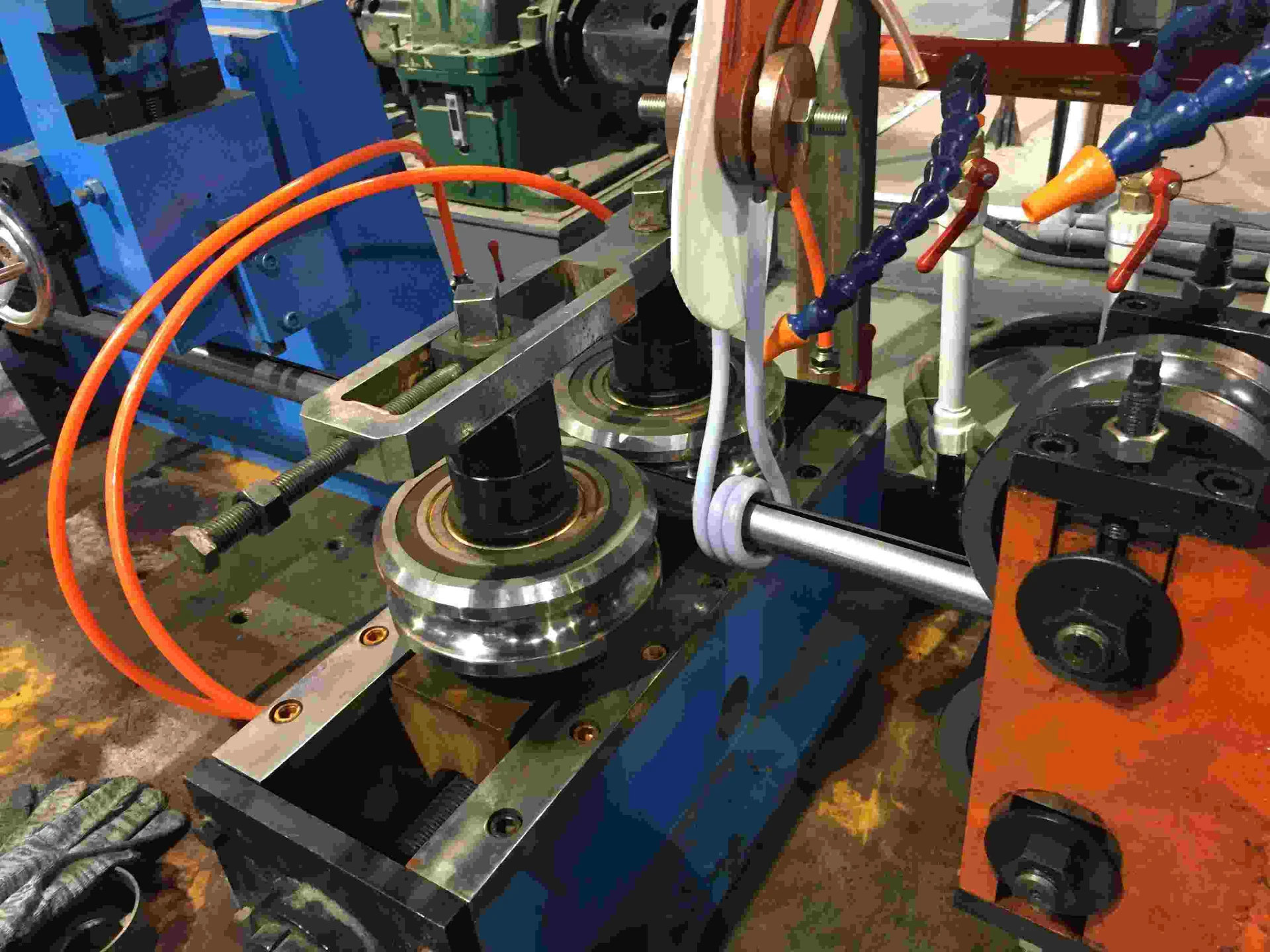
Technical Specifications and Performance Parameters
Selecting the appropriate impeder rod requires a deep understanding of its technical specifications and how they interact with the welding environment. Key parameters include:
- Ferrite Material Grade: Dictates magnetic permeability (μ), saturation flux density (Bs), and Curie temperature (Tc). Higher permeability generally leads to better flux concentration.
- Frequency Range: Impeders are optimized for specific HF welding frequencies (e.g., 100 kHz - 500 kHz, or even MHz for specialized applications).
- Dimensions: Length and diameter must precisely match the welding inductor and the tube's internal diameter to ensure optimal impedance and efficient cooling.
- Cooling Method: Air-cooled (for lower power) or water-cooled (for high-power, high-speed applications) dictates internal construction and materials.
- Sheath Material: Primarily fiberglass tube for thermal and electrical insulation, with variations for extreme temperatures or chemical exposure.
- Operating Temperature: Critical for maintaining ferrite properties; exceeding the Curie temperature drastically reduces efficiency.
Typical Impeder Rod Specifications
| Parameter | Description | Typical Value Range |
|---|---|---|
| Ferrite Permeability (μi) | Initial magnetic permeability | 200-2000 (at 100 kHz) |
| Curie Temperature (Tc) | Temperature at which ferrite loses magnetism | 180-300 °C |
| Saturation Flux Density (Bs) | Max magnetic flux density | 350-500 mT (at 25 °C) |
| Dielectric Strength (Fiberglass) | Resistance to electrical breakdown | >30 kV/mm |
| Operating Frequency | Optimal welding frequency range | 100 kHz - 400 kHz |
| Diameter Tolerance | Precision of outer diameter | ±0.05 mm |
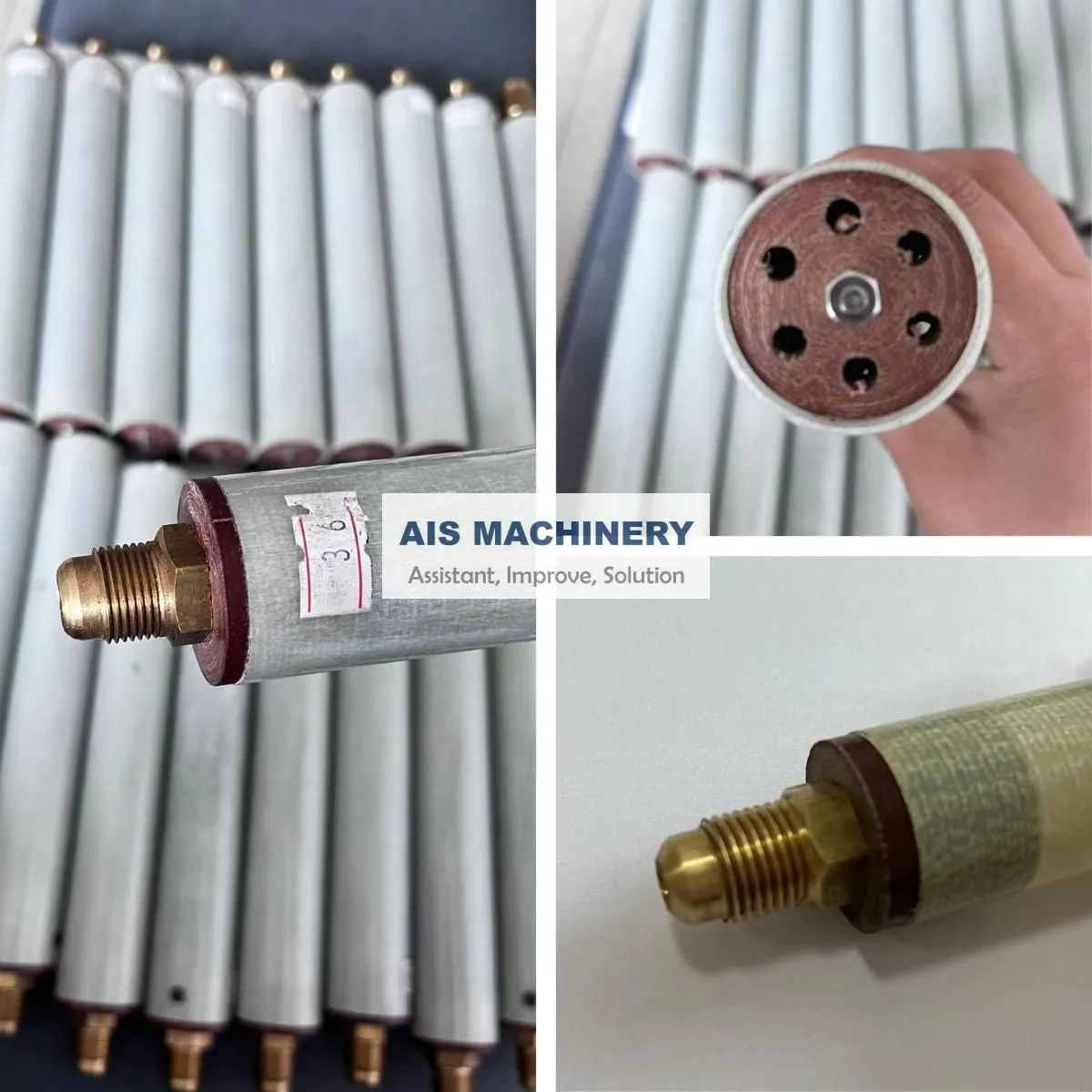
Application Scenarios and Technical Advantages
The application of a well-engineered impeder rod yields significant technical advantages across various target industries:
- Enhanced Welding Efficiency: By concentrating the magnetic flux at the weld point, impeders drastically reduce the stray inductive losses. This results in more localized heating and a narrower heat-affected zone (HAZ), leading to faster welding speeds and lower power consumption. For every increase in welding speed, the impeder directly contributes to higher throughput and reduced per-unit production costs.
- Superior Weld Quality: The focused heat distribution ensures a more consistent and robust weld seam. This minimizes defects such as cold welds, internal oxidation, and uneven grain structure, which are critical in applications requiring high structural integrity.
- Energy Saving: Studies show that optimized impeder usage can lead to energy savings of 10-25% in HF welding operations, directly translating to lower operational expenses and a reduced carbon footprint.
- Corrosion Resistance & Longevity: High-quality fiberglass tube casings provide excellent resistance to corrosive coolants and chemicals often present in industrial environments. This protection, combined with robust end-sealing, extends the impeder's service life, reducing replacement frequency and maintenance costs.
- Reduced Splatter & Cleanliness: More controlled heating can lead to less metal splatter, contributing to cleaner welding operations and reduced post-weld cleaning, thereby improving overall process efficiency.
Target Industries:
- Petrochemical: Production of pipelines for oil and gas, requiring high-integrity welds for extreme pressure and corrosive media.
- Metallurgy: Manufacturing of structural steel tubing, profiles, and industrial pipe for various applications.
- Automotive: Production of exhaust systems, chassis components, and other tubular parts where precise, consistent welds are vital.
- Water Supply & Drainage: Manufacturing of pipes for municipal and industrial water infrastructure, requiring durable and leak-proof connections.
- Construction: Structural hollow sections, scaffolding, and various tubular components.
- HVAC: Tubing for heating, ventilation, and air conditioning systems.
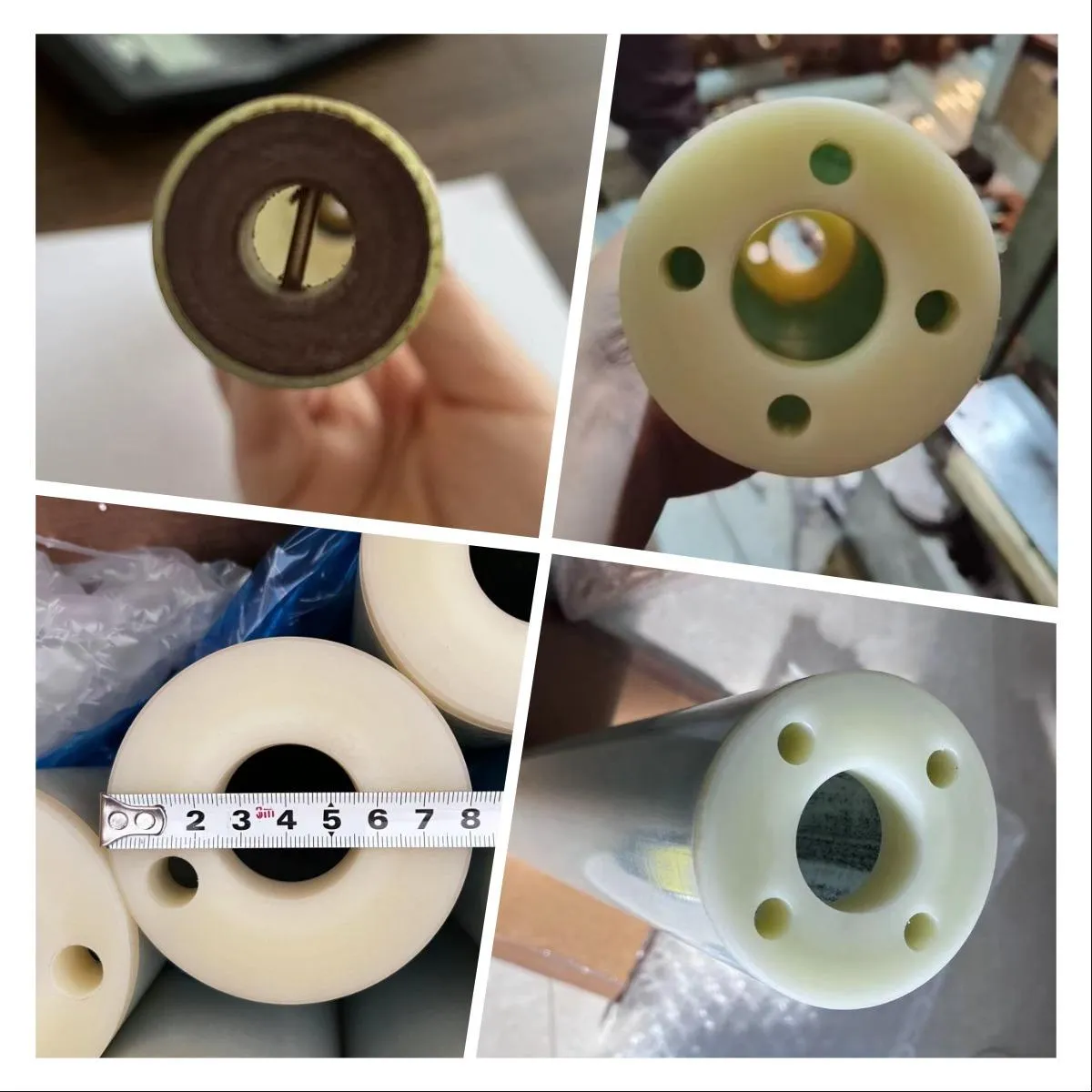
Vendor Comparison and Customization Options
The market for ferrite impeder rods offers a range of suppliers, each with distinct offerings. When evaluating vendors, B2B buyers should consider several key differentiation factors beyond just initial price.
Key Differentiators in Impeder Rod Selection:
| Feature Category | Standard Offering | Premium Offering / Advanced Vendor |
|---|---|---|
| Ferrite Material | Standard MnZn or NiZn ferrite | Proprietary high-frequency, low-loss ferrite compositions with higher Curie temp |
| Sheath Material | Basic G10/FR4 fiberglass tube | High-temperature G11/FR5 or advanced ceramic composite for extreme applications |
| Cooling System | Basic internal water channel, standard end-sealing | Optimized turbulent flow water channels, specialized high-pressure sealing, dual-loop cooling options |
| Service Life | Typically 3-6 months under normal use | 6-12+ months due to superior materials and design, reducing downtime and replacement costs |
| Customization | Limited standard lengths and diameters | Full customization of length, diameter, ferrite grade, cooling, and end-cap design for specific machine and material requirements |
Customized Solutions:
Leading manufacturers understand that one size does not fit all. Offering customized impeder rod solutions is crucial for maximizing welding performance in unique applications. This includes:
- Tailored Dimensions: Precision matching of length, diameter, and even tapered designs to specific tube mill setups and inductor geometries.
- Specialized Ferrite Grades: Selection of ferrite compositions optimized for particular welding frequencies, material types (e.g., stainless steel, carbon steel), or extremely high-power applications.
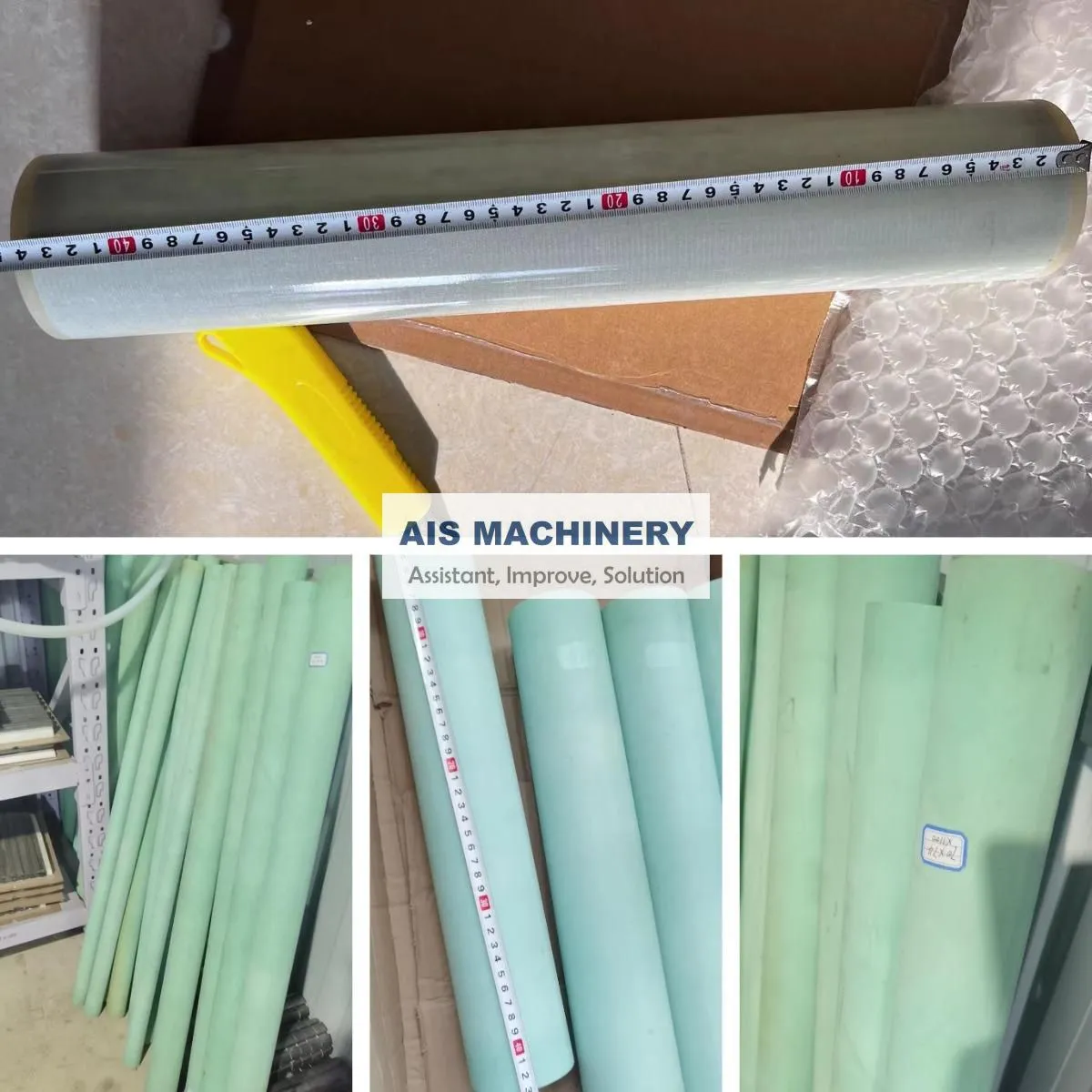
- Advanced Sheath Materials: Utilizing highly durable, corrosion-resistant, or high-temperature fiberglass tube variants or other composite materials for challenging operating environments.
- Optimized Cooling Systems: Designing internal water channels for specific flow rates and pressure drops to ensure maximum heat dissipation, especially in high-speed welding.
- Robust End-Cap Designs: Custom end-caps to withstand specific mechanical stresses or chemical exposures, extending overall impeder integrity.
Collaborating with a vendor capable of providing comprehensive engineering support and custom fabrication ensures that the impeder solution is perfectly aligned with operational goals, leading to superior weld quality and reduced operational costs.
Application Case Studies and Customer Experience
Real-world applications demonstrate the tangible benefits of high-quality ferrite impeder rods. Our commitment to excellence is reflected in years of service and numerous successful partnerships with industry leaders.
Case Study 1: Increased Throughput in Automotive Exhaust Pipe Production
A major automotive parts manufacturer faced challenges with inconsistent weld quality and limited welding speeds when producing stainless steel exhaust pipes. Upon implementing custom-designed, high-permeability ferrite impeders with optimized water cooling, they observed:
- A 15% increase in welding speed without compromising weld integrity.
- A 20% reduction in power consumption per meter of welded pipe.
- A significant decrease in reject rates due to improved weld consistency.
The enhanced performance of the new impeder rod led to a 10% increase in overall production throughput and substantial cost savings in energy and scrap reduction.
Case Study 2: Extended Service Life in Petrochemical Pipeline Manufacturing
A leading producer of pipes for the petrochemical industry struggled with frequent impeder rod failures due to harsh operating temperatures and the corrosive nature of the coolant. By switching to impeders encased in specialized high-temperature fiberglass tube (G11/FR5 equivalent) with advanced end-sealing, the client achieved:
- An average service life extension from 4 months to over 9 months.
- A 60% reduction in unscheduled downtime related to impeder replacement.
- Lower maintenance costs and increased operational continuity.
This demonstrates the critical role of material science and robust construction in ensuring long-term reliability in demanding industrial environments. Our products are consistently certified to ISO 9001 standards, ensuring adherence to the highest quality management principles.
Trustworthiness and Support
Frequently Asked Questions (FAQ)
Lead Time and Fulfillment
Our streamlined manufacturing and supply chain processes ensure efficient order fulfillment. For standard stock items, we aim for dispatch within 2-3 business days. For customized ferrite impeder rods, lead times are communicated clearly at the quotation stage, typically ranging from 3 to 5 weeks for production and quality assurance, with expedited services available to meet urgent demands.
Warranty and After-Sales Support
We stand behind the quality of our impeder rod products with a comprehensive warranty against manufacturing defects. Our commitment extends beyond the sale with dedicated after-sales support. Our team of experienced engineers is available for technical consultations, troubleshooting, and optimization advice to ensure maximum performance and longevity of your impeders. We offer both remote and on-site support to address any operational challenges.
Conclusion
The impeder rod is an indispensable component in modern high-frequency welding, critical for achieving high-speed, high-quality, and energy-efficient pipe and tube production. With ongoing advancements in ferrite materials, fiberglass tube technology, and cooling system design, these components continue to evolve to meet the increasing demands of various industrial sectors. Partnering with a knowledgeable and experienced vendor capable of providing both standard and customized solutions, backed by robust support and stringent quality control, is essential for optimizing your welding operations and achieving long-term success.
References
- Smith, J. A. (2022). "Advances in High-Frequency Induction Welding Technologies." Journal of Materials Processing Technology, 287(2), 154-168.
- Lee, C. K., & Kim, Y. S. (2021). "Optimizing Ferrite Core Design for Energy Efficiency in ERW Pipe Manufacturing." Welding International, 35(8), 589-601.
- International Organization for Standardization (ISO) 9001:2015. "Quality management systems — Requirements."
- American National Standards Institute (ANSI) / American Welding Society (AWS) D10.12/D10.12M:2000. "Guide for Welding Mild Steel Pipe."
- European Committee for Standardization (CEN) EN 10217-1:2002. "Welded steel tubes for pressure purposes - Technical delivery conditions - Part 1: Non-alloy steel tubes with specified room temperature properties."

Related Products
Related News
2026-04-18 03:20:20
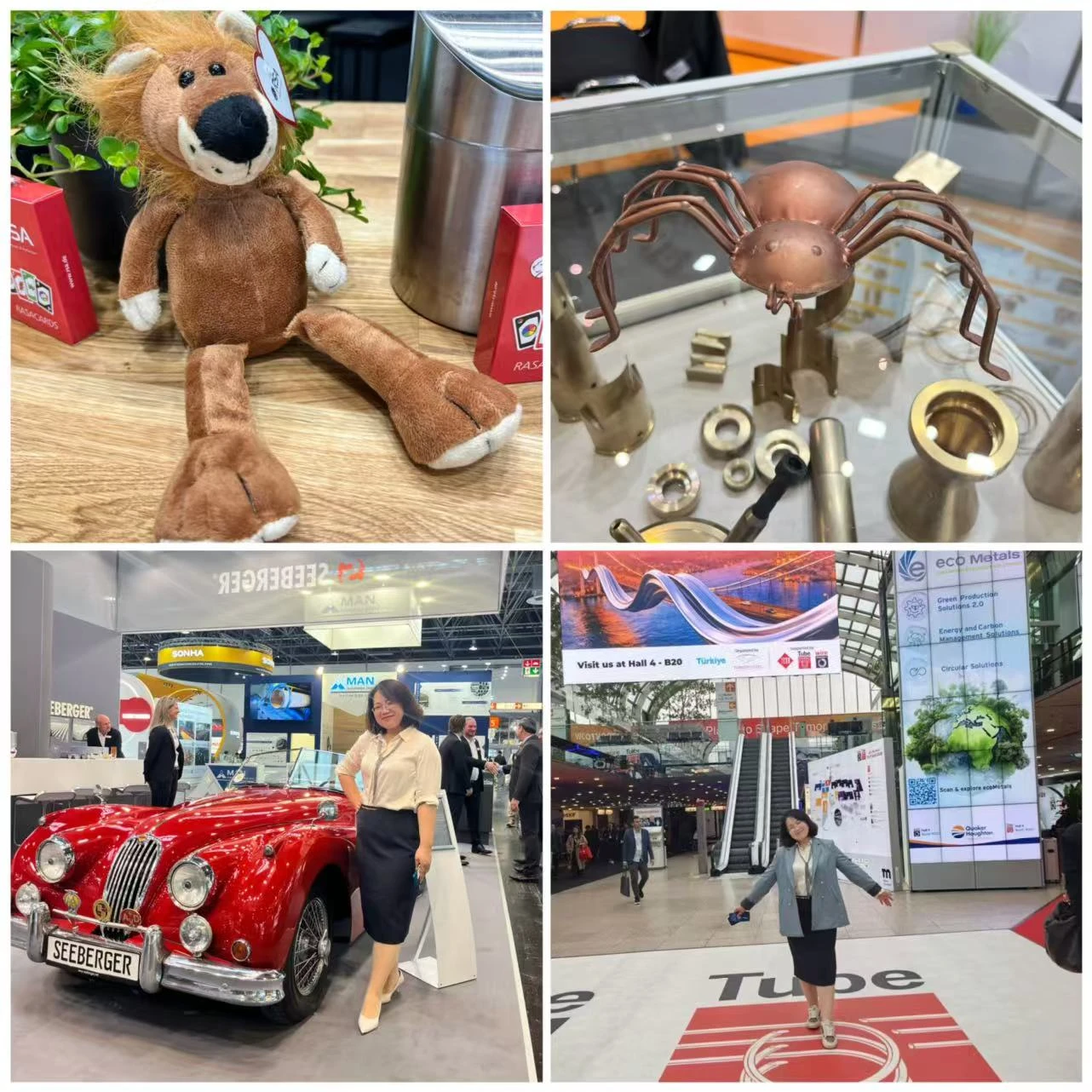
AIS Machinery Showcases Advanced Tube Solutions at Tube & Wire Düsseldorf 2026
Tube & Wire Düsseldorf 2026, one of the most influential exhibitions in the global tube and wire industry, held biennially in Düsseldorf, Germany
2027-04-17 00:00:00
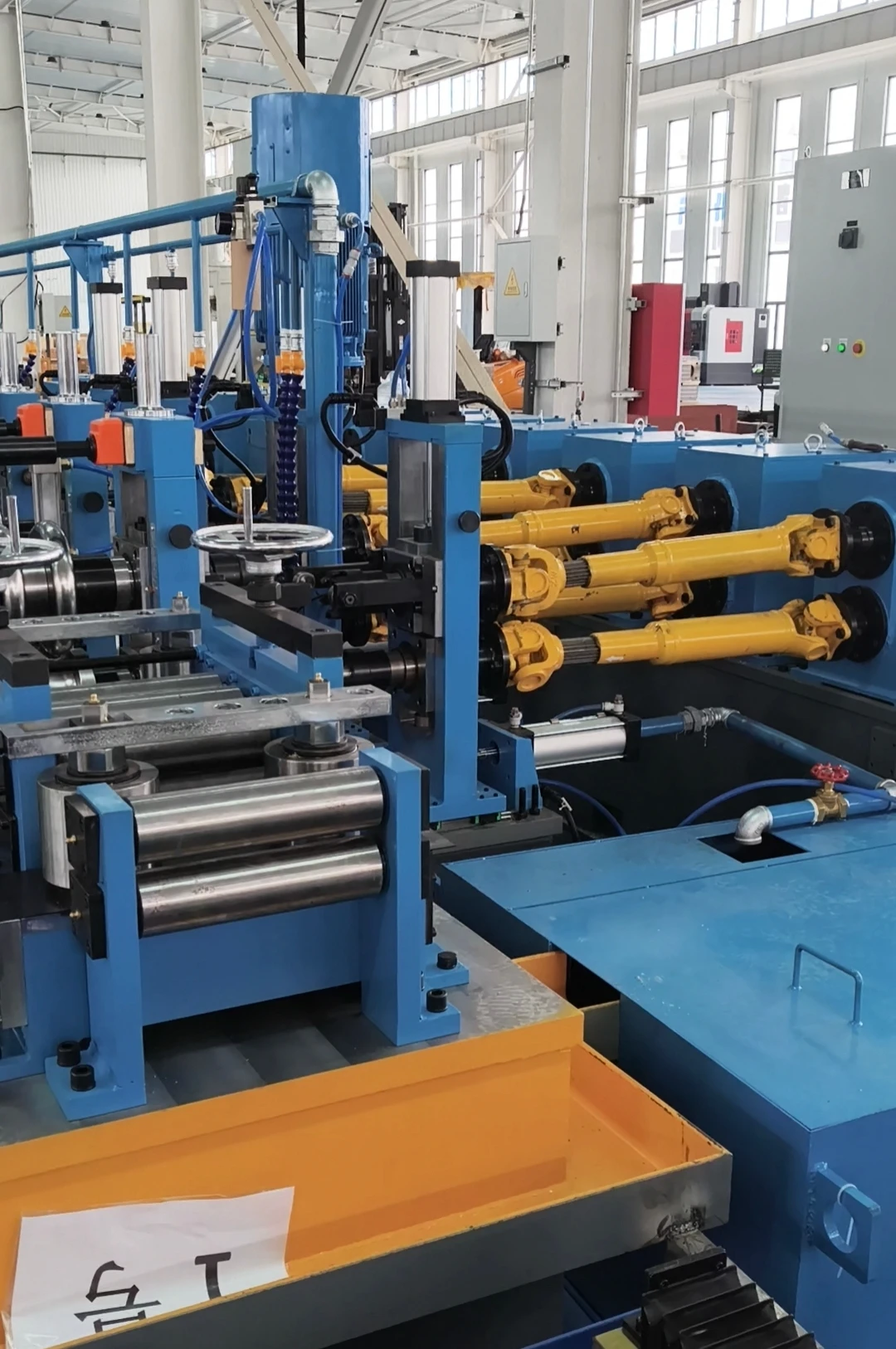
Southeast Asia Client Visits Our Factory | Customized Tube Mill Solution Delivered
A Southeast Asia client visited our ERW tube mill factory to inspect production lines and discuss a customized tube mill solution. Impressed by our machine quality, welding performance, and engineering support, the client confirmed strong cooperation intentions. Discover how our ERW tube mill solutions improve efficiency, precision, and long-term production reliability.
2026-04-16 02:35:12
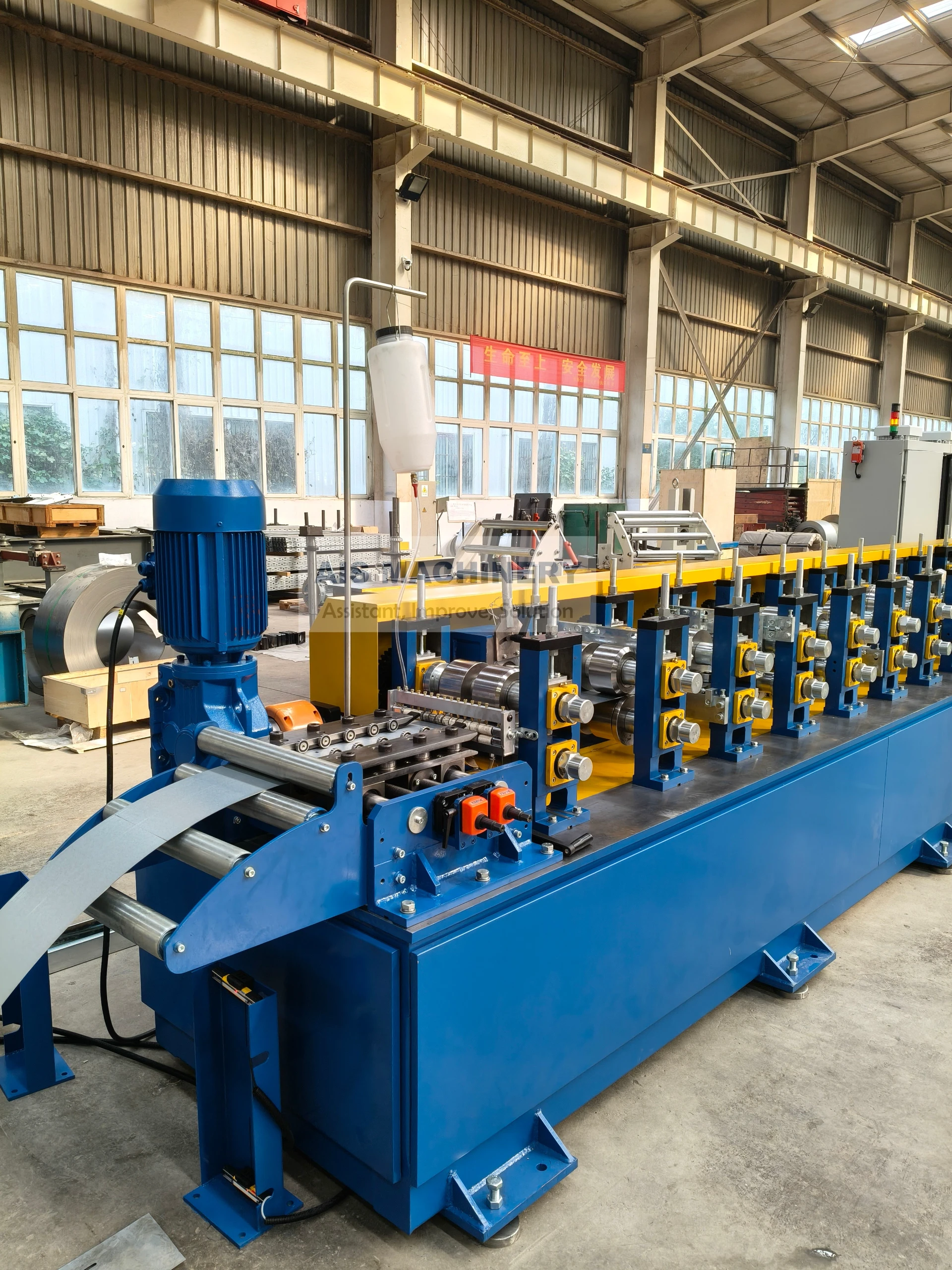
Professional Cold Roll Forming Machine Factory for Production
In the modern industrial landscape, the precision of metal shaping is the cornerstone of quality manufacturing. Partnering with a professional cold roll forming machine factory is essential for businesses looking to optimize their production lines, reduce material waste, and ensure high-dimensional accuracy. Whether you are producing C-channels, square tubes, or custom profiles, the choice of machinery determines your competitive edge in the market. This guide will explore the critical factors in selecting a factory and the technical advantages of advanced roll forming technology to help you make an informed investment.
2026-04-15 10:37:55
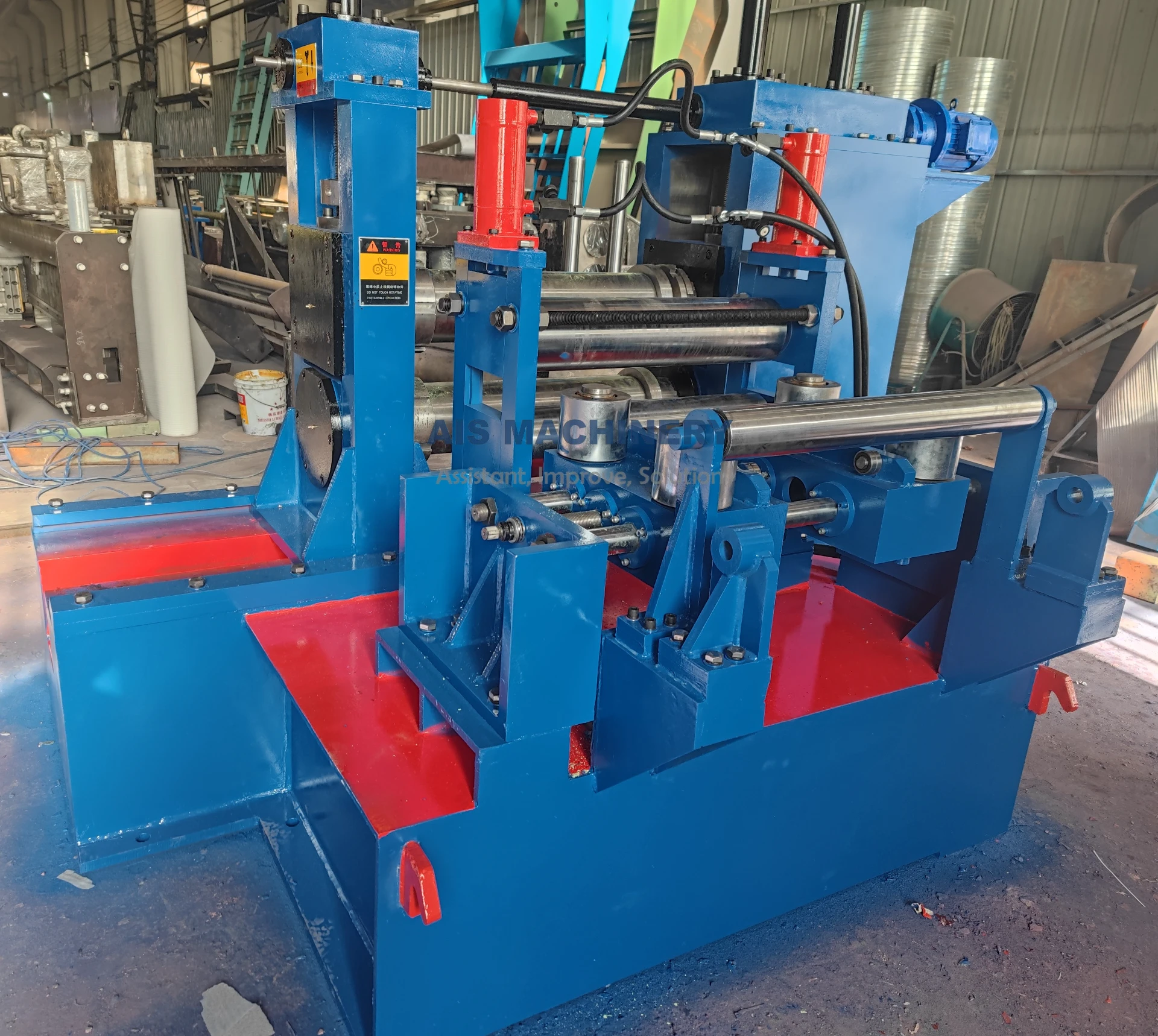
Flat Bar Production Line for Steel Coils: How It Works & Why It Matters
Looking for a flat bar production line? Learn how it turns steel coils into ready-to-use flat bars with precise length and high straightness. Compare it with slitting lines and get the best solution for your steel processing needs.
2026-04-14 00:00:00
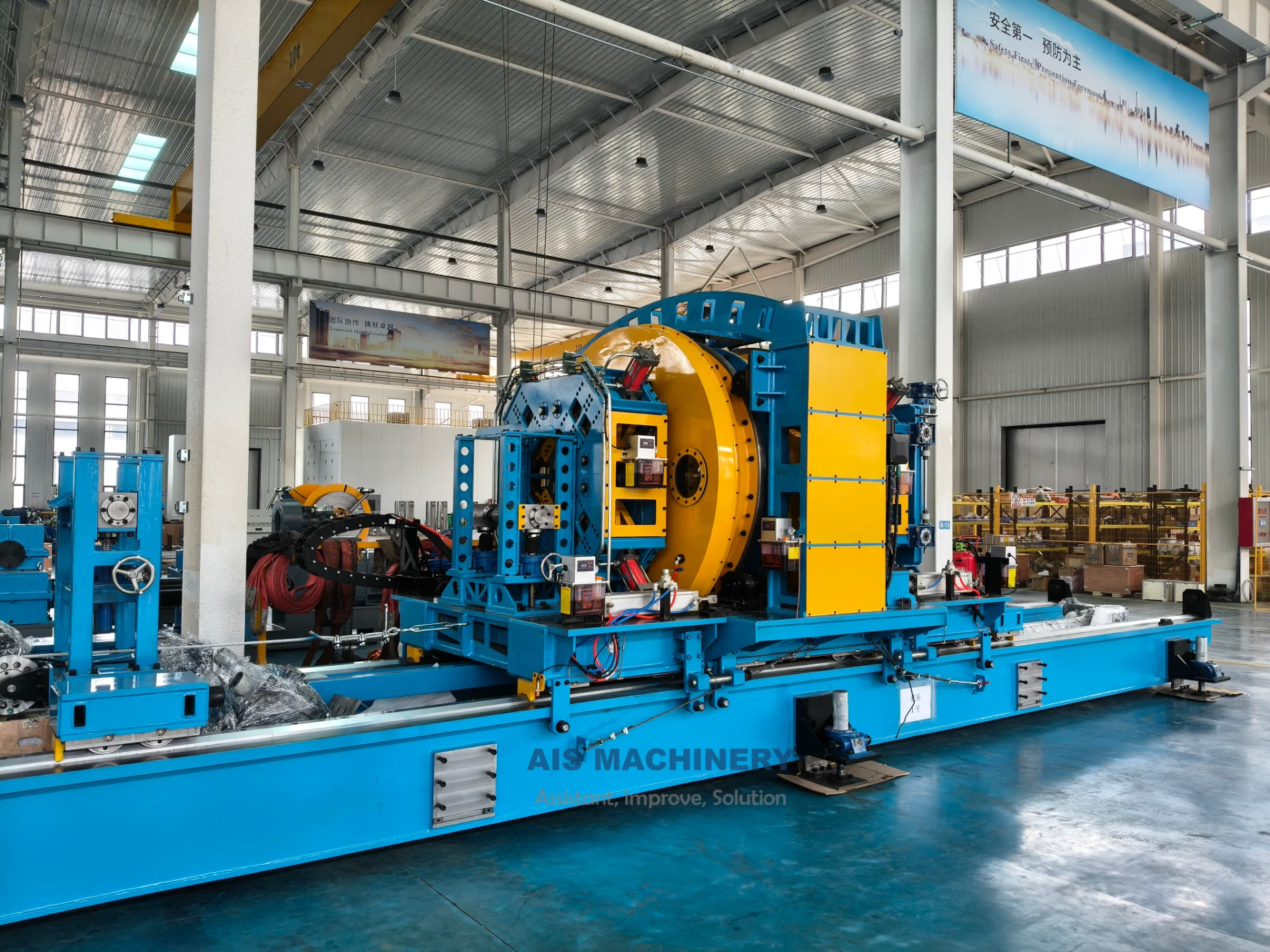
Looking for a Milling Saw for ERW Tube Mill? Here’s What You Need to Know
Looking for a high-performance milling saw for your ERW tube mill? Upgrade to burr-free, high-precision pipe cutting with advanced flying saw technology. Improve efficiency, reduce rework, and meet export standards for carbon steel, stainless steel, and API pipes. Contact us today for expert solutions and competitive pricing tailored to your production needs.
2026-04-09 16:15:19
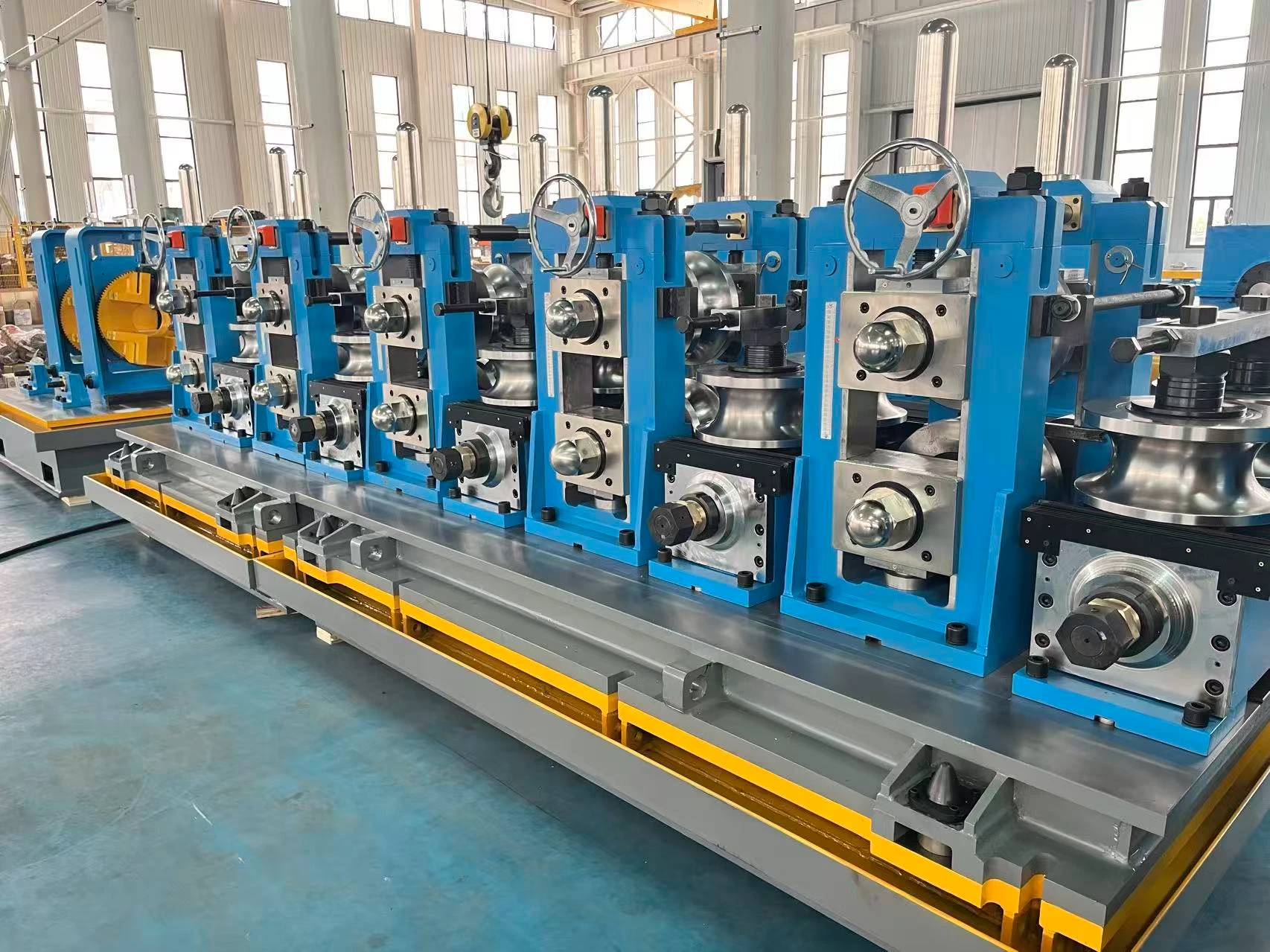
5-Inch (127mm) ERW Tube Making Machine Delivered with Heavy-Duty Design and Advanced Quick Change System
2027-04-07 00:00:00
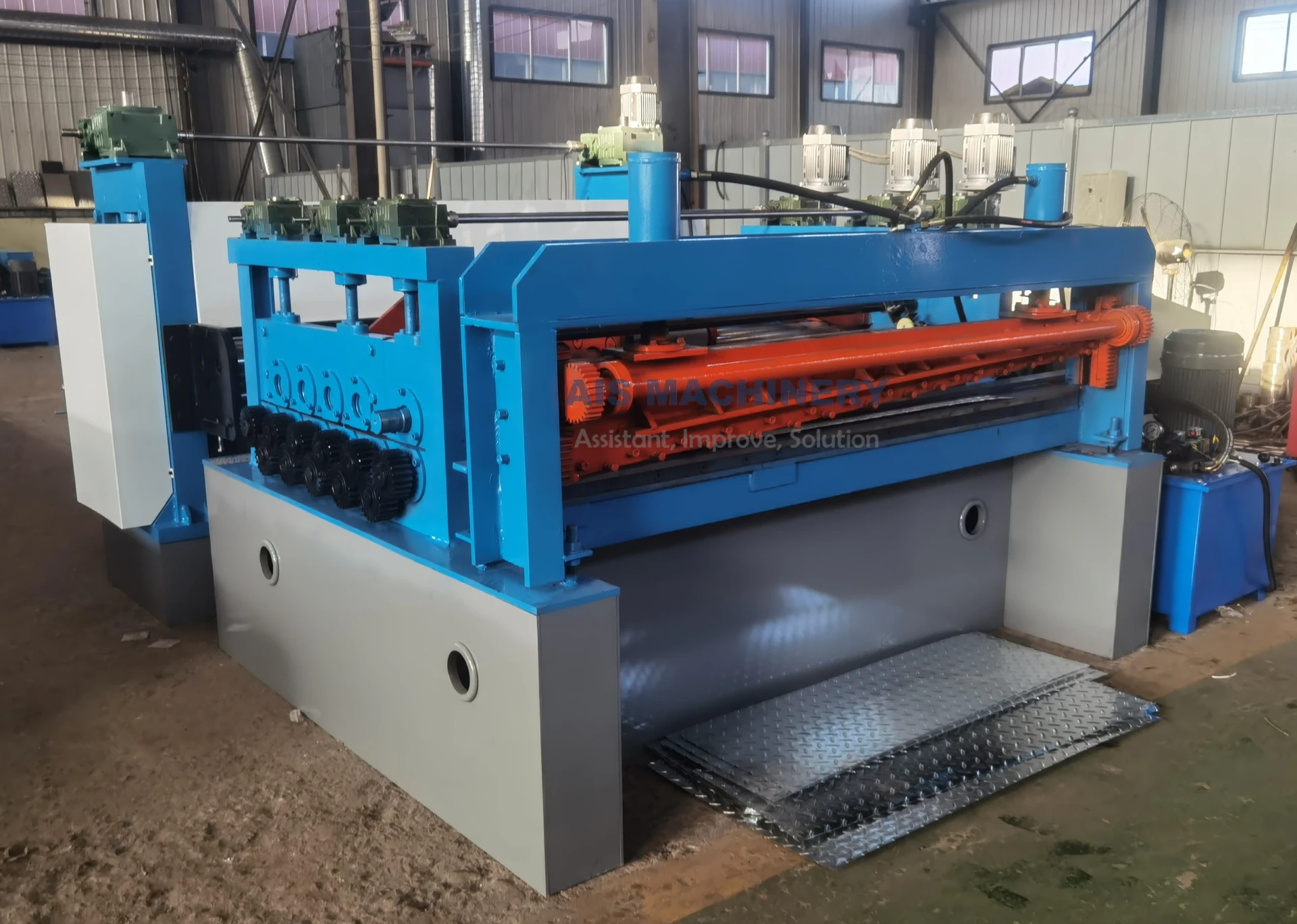
Metal Embossing Machine: Turn Flat Sheets into High-Value Textured Products
Discover how a metal embossing machine transforms flat steel, stainless steel, and aluminum sheets into high-value textured products. Learn about its working principle, key components, and applications. Ideal for decorative and industrial use, embossing machines improve both appearance and performance. Explore complete embossing line solutions and find the right machine for your production needs.
2026-04-04 20:37:18
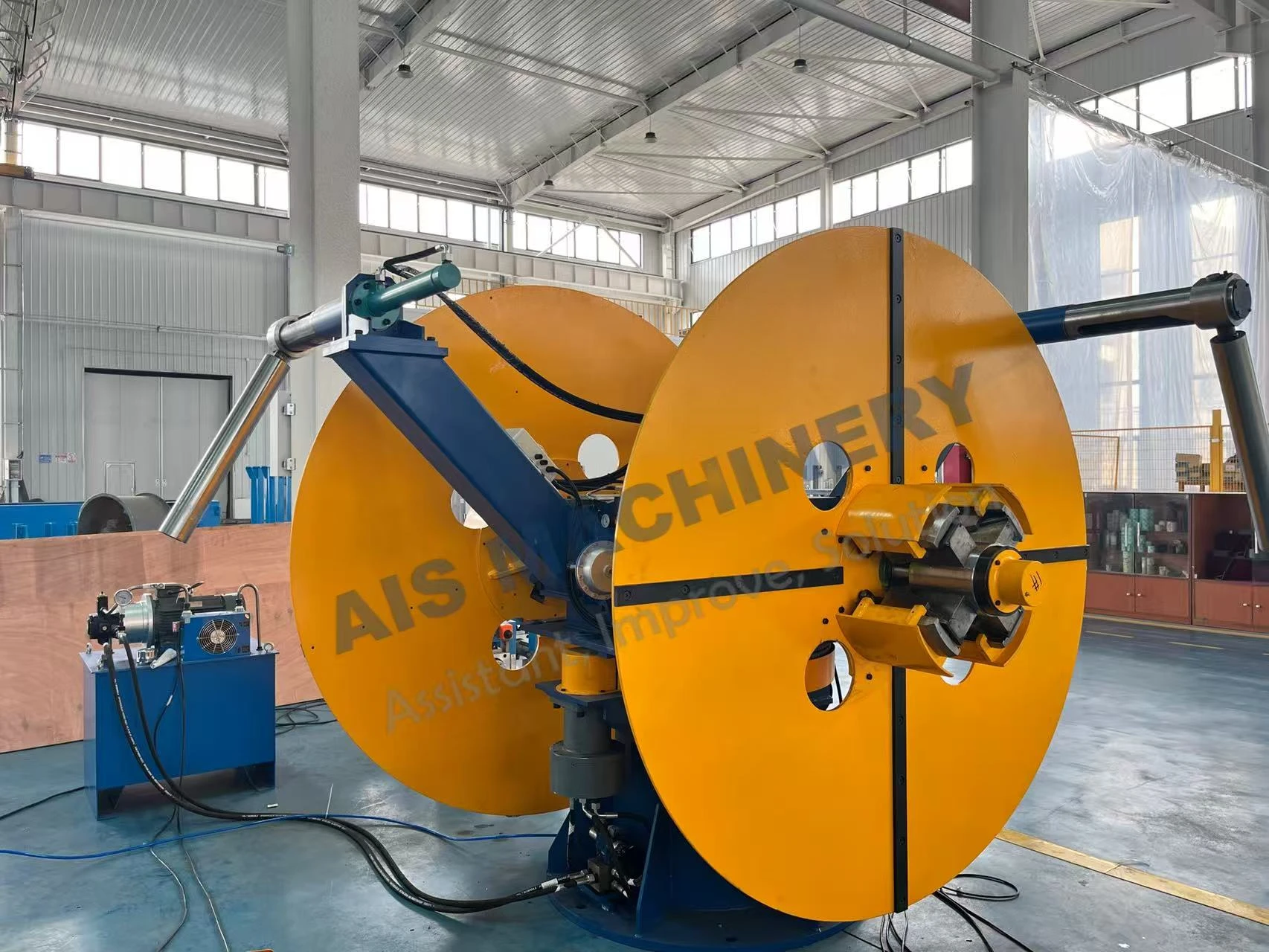
Automatic Double Side Uncoiler with Hydraulic Expansion and Auto Rotation for Steel Coil Processing
The Automatic Double Side Uncoiler is a high-efficiency solution designed for modern steel coil processing lines, including tube mills, roll forming machines, and slitting lines. With a maximum capacity of 4 tons per side, this machine ensures stable and continuous coil feeding while reducing downtime during coil change.
Send a Message
Dear customer, thank you for your attention! We provide high-quality machinery and equipment and look forward to your orders. Please inform us of your needs and we will respond quickly!
 English
  Albanian
  Arabic
  French
  German
  Indonesian
  Italian
  Japanese
  Kazakh
  Korean
  Latin
Latin  Macedonian
  Portuguese
  Russian
  Spanish
  Thai
Thai  Turkish
  Ukrainian
  Uzbek
Uzbek