
-
 Tel:86-15176910262
-

Search
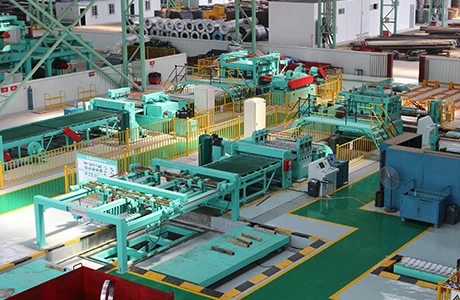

Roll Forming Tube Mill | Precision Steel Pipe & Square Tube Mills
Sep . 09, 2025 23:20
Optimizing Production: The Power of Advanced Roll Forming Tube Mill Technology
In the highly competitive manufacturing sector, the ability to produce high-quality, cost-effective, and dimensionally precise tubular steel components is a critical differentiator. Central to this capability is the roll forming tube mill – a sophisticated engineering marvel that transforms flat steel coils into a diverse range of tubular profiles, including round, square, and rectangular sections. This advanced machinery is not merely a production tool; it is an enabler of innovation, offering unparalleled efficiency and quality advantages over traditional methods. This article provides an in-depth exploration of the operational intricacies, strategic benefits, and market significance of these state-of-the-art tube manufacturing systems.
The increasing global demand for robust and accurately formed steel tubes in sectors like construction, automotive, and infrastructure underscores the vital role of sophisticated tube mills. Innovations, particularly in direct square-to-square forming technologies, are continually pushing the boundaries of what is possible in tube production, allowing manufacturers to meet increasingly stringent specifications with enhanced material utilization and significantly reduced production lead times.
Industry Trends and Market Dynamics in Tube and Pipe Manufacturing
The global market for pipes and tubes is undergoing substantial transformation, propelled by a confluence of macroeconomic and technological factors. Rapid urbanization and infrastructure expansion in developing nations, alongside sustained growth in industrial and construction sectors globally, are creating a consistent, robust demand for efficient pipe mill solutions.
- Intensified Automation and Smart Manufacturing: The integration of advanced Industry 4.0 paradigms, including Artificial Intelligence (AI), the Internet of Things (IoT), and sophisticated robotics, is revolutionizing tube production. Contemporary `steel tube forming machine`s are equipped with intelligent control systems that facilitate real-time monitoring, predictive maintenance, and optimized operational parameters for peak efficiency and quality. This shift is critical for achieving lights-out manufacturing and reducing human error.
- Surging Demand for Complex Geometries: Beyond conventional round tubes, there's a growing preference for specialized profiles such as square, rectangular, and oval tubes. This trend is driven by architectural aesthetics, structural efficiency in construction, and ergonomic designs in the automotive and furniture industries, necessitating highly adaptable square tube roll forming machine capabilities.
- Focus on Sustainable Production Practices: Environmental responsibility is a major driver. Manufacturers are prioritizing solutions that minimize material waste and energy consumption. Direct forming technologies within a roll forming tube mill are inherently more sustainable, significantly reducing scrap rates and requiring fewer forming stages, thereby lowering the overall carbon footprint of tubular product manufacturing.
- Processing of Advanced High-Strength Materials: The increasing use of Advanced High-Strength Steels (AHSS) and Ultra-High-Strength Steels (UHSS) requires tube mills engineered for superior rigidity and precision. Modern `steel tube forming machine`s are designed to handle these materials effectively, preserving their enhanced mechanical properties without compromising the tube's structural integrity or surface finish.
Recent market analyses project a Compound Annual Growth Rate (CAGR) of approximately 4.8% for the global steel pipe and tube market from 2023 to 2032, anticipating a market valuation exceeding $300 billion by the end of the forecast period. This robust growth is primarily propelled by burgeoning demand from the oil and gas, construction, and automotive sectors, all of which are critically dependent on state-of-the-art tube manufacturing technologies.
Detailed Process Flow of a Roll Forming Tube Mill
The operation of a roll forming tube mill is a testament to precision engineering and seamless automation. It meticulously transforms flat steel strip into finished tubular products through a series of interconnected stages, each optimized for quality and efficiency.
Product Materials and Manufacturing Processes:
The foundational material is typically a master coil of steel strip, available in various grades such as commercial quality carbon steel, structural steel, galvanized steel, or stainless steel. The choice depends on the end-use application, dictating required mechanical properties, corrosion resistance, and surface finish. Unlike primary metal shaping, the tube manufacturing process within the mill does not involve initial casting or forging of the tube itself; instead, it focuses on precision cold forming and continuous welding. While intricate components of the `steel tube forming machine` are produced via advanced CNC machining for unparalleled accuracy, the tube formation is a highly automated, continuous flow process designed for consistency.
Schematic Process Steps:
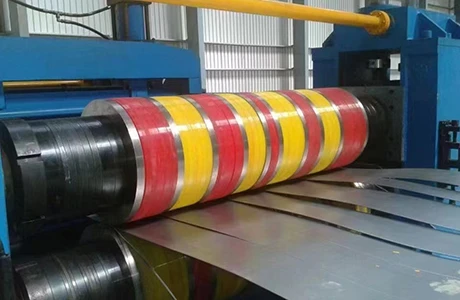
- Uncoiling & Leveling: The process initiates by feeding the steel coil from a dual-cone or mandrel uncoiler into a precision leveling machine. This step is critical for removing coil set, edge waves, and any other surface deformities, ensuring a perfectly flat and consistent strip for subsequent operations.
- Shearing & Butt Welding: To maintain continuous production, the tail end of an expiring coil is precisely sheared and then butt-welded to the leading end of a new coil using automatic flash-butt or TIG welding.
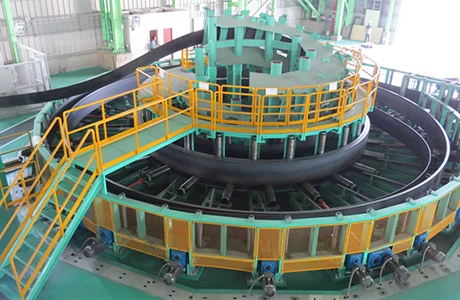
- Accumulator: A horizontal or vertical loop accumulator stores a buffer of the continuous steel strip. This mechanism ensures uninterrupted feeding to the forming section while coil changes or butt welding operations are performed, maximizing uptime.
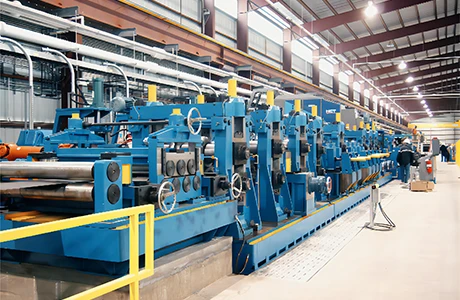
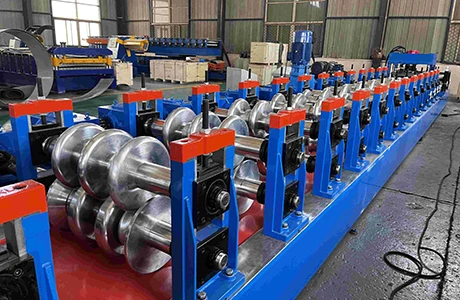
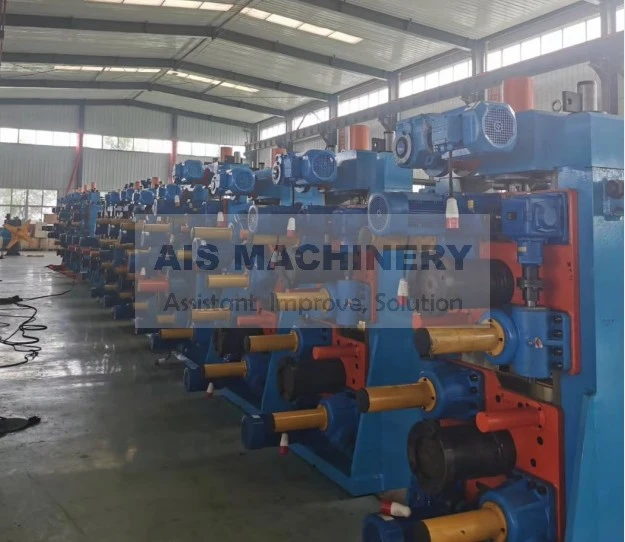
- Forming Section: This is the heart of the `pipe mill`. A meticulously designed series of driven and idle roll stands progressively shapes the flat strip. For direct square forming, the strip is gradually molded into its final square or rectangular profile, circumventing the intermediate round shaping stage. This minimizes material stress, optimizes corner formation, and improves dimensional stability.
- Welding Section: The precisely formed edges of the open tube are brought together and fused via High-Frequency Induction (HFI) welding, a technique renowned for its speed, efficiency, and creation of a high-integrity Electric Resistance Welded (ERW) seam. Alternative methods like TIG or Laser welding are used for specific material requirements or critical applications.
- External Deburring & Cooling: Immediately after welding, any excess flash or weld bead is meticulously removed from the outer surface, ensuring a smooth finish. The hot tube is then rapidly cooled, often using water, to stabilize its metallurgical structure and prepare it for subsequent sizing.
- Sizing & Straightening: The tube passes through a final set of sizing rolls to achieve exact final dimensions and tight tolerances. A subsequent Turkish head or other precision straightener removes any residual curvature or twist, ensuring linear accuracy.
- Cut-off: An automated flying saw, cold saw, or orbital cut-off machine precisely cuts the continuous tube into predetermined lengths without pausing the production line, ensuring high throughput.
- Inspection & Stacking: Finished tubes undergo rigorous quality inspections, including visual checks, dimensional verification, and often non-destructive testing (NDT) such as eddy current or ultrasonic testing for weld seam integrity. Acceptable tubes are then automatically bundled and stacked for storage or dispatch.
Testing Standards and Service Life:
Tubes produced by a roll forming tube mill are mandated to comply with a plethora of international quality and performance standards. These include ISO 9001 for Quality Management Systems, ASTM (American Society for Testing and Materials) for material and product specifications (e.g., A500 for structural tubing), EN (European Norms) for structural hollow sections, and JIS (Japanese Industrial Standards). These standards meticulously cover chemical composition, mechanical properties, dimensional tolerances, surface finish, and crucial non-destructive testing (NDT) requirements, such as eddy current testing for detecting surface flaws or ultrasonic testing for internal weld integrity. A well-engineered and properly maintained `steel tube forming machine` can produce tubes with an operational service life extending well beyond 20-30 years in static structural applications. For applications in aggressive or corrosive environments, the integration of specialized coatings (e.g., galvanization, epoxy coatings) or the use of corrosion-resistant materials (e.g., stainless steel) significantly extends the service life, sometimes indefinitely.
Target Industries and Application Advantages:
- Petrochemical & Energy Sector: Critical for pipelines transporting oil, gas, and water, as well as for structural supports and equipment frameworks that demand high strength, reliability, and excellent corrosion resistance.
- Metallurgy & Mining: Used extensively in conveyor frames, robust support structures, and general fabrication for heavy industrial equipment, requiring extreme durability.
- Water Supply & Drainage Systems: Integral for various conduits and piping systems, particularly galvanized tubes which offer superior protection against environmental corrosion in water infrastructure.
- Construction & Infrastructure: Forms the backbone of modern structures, including columns, beams, scaffolding, bridge components, and architectural elements. `Square tube mill` outputs are especially valued for their aesthetic appeal, high strength-to-weight ratio, and ease of fabrication.
- Automotive & Transportation: Essential for manufacturing chassis components, roll cages, safety structures, and exhaust systems, where stringent geometric precision and high material strength are paramount.
- Furniture & Consumer Goods: Provides sturdy and aesthetically pleasing frames for office furniture, outdoor sets, and various household items, where a blend of durability and design flexibility is required.
The inherent advantages in these application scenarios include remarkable energy saving through optimized cold forming processes, superior corrosion resistance afforded by precise material selection and advanced coatings, and enhanced structural integrity resulting from exceptional dimensional control and consistent material properties.
Technical Specifications: DFT1200 Direct Square to Square Forming Pipe Mill
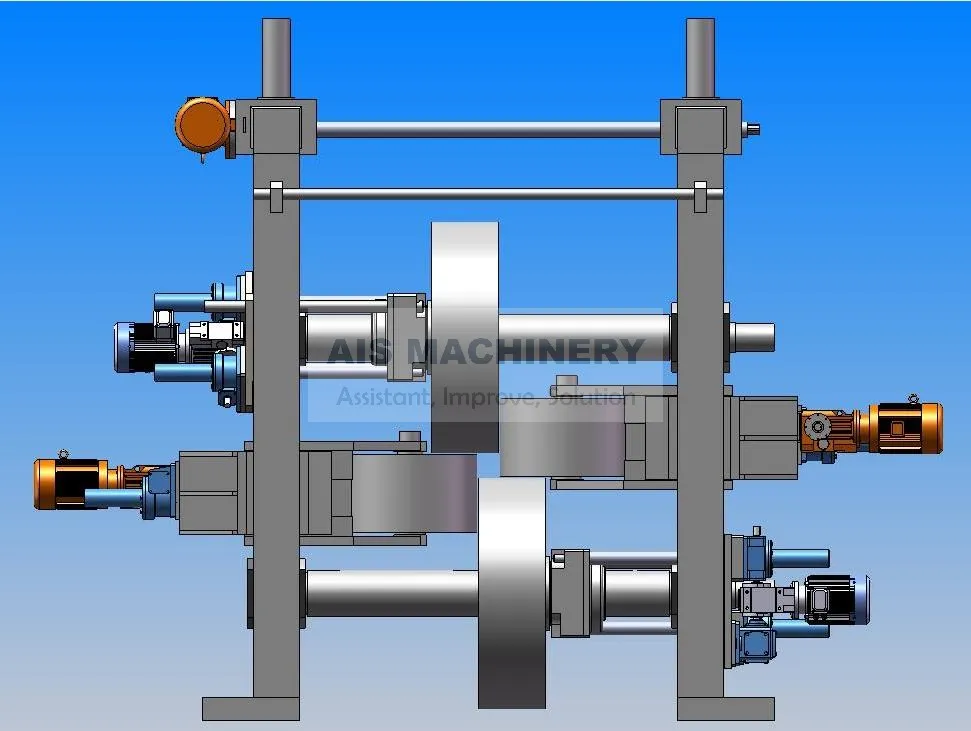
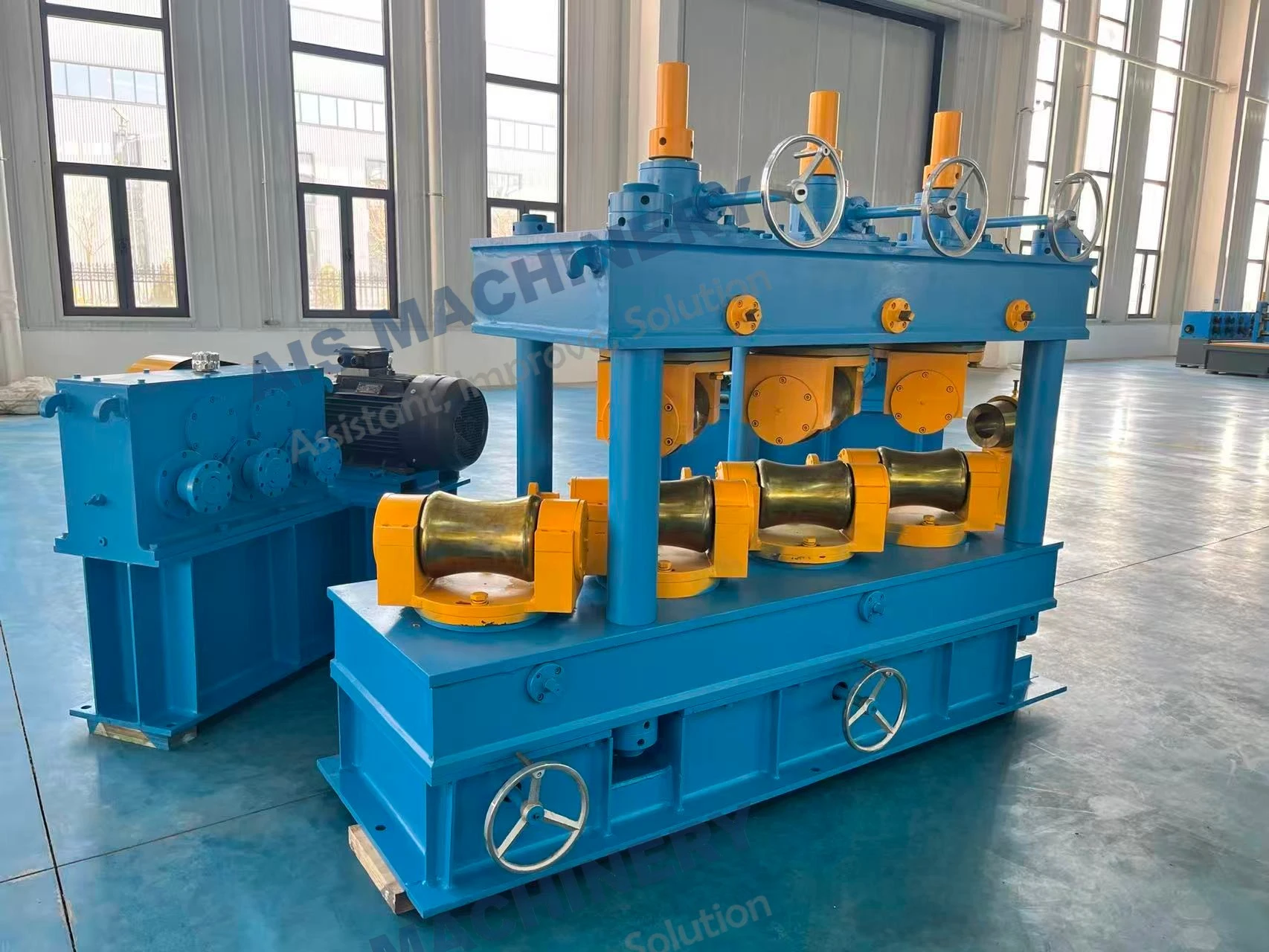
To showcase the pinnacle of modern roll forming tube mill technology, we highlight the specifications of the DFT1200(300x300mm) Direct Square to Square Forming Pipe Mill. This `square pipe manufacturing machine` embodies precision engineering and robust construction, designed for high-volume, high-accuracy production of square and rectangular tubes, significantly outperforming conventional systems.
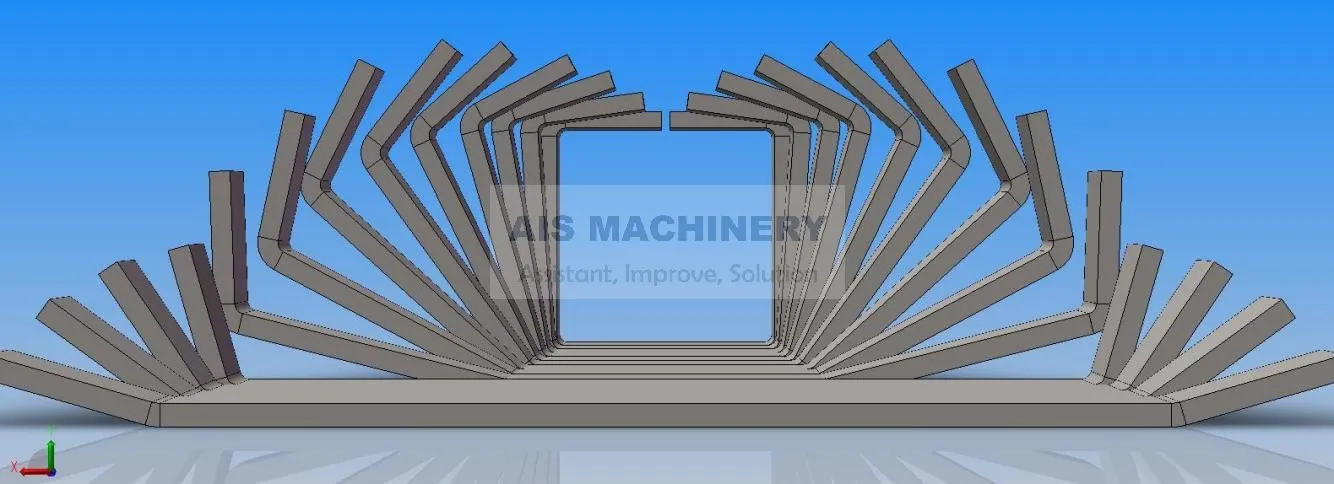
The DFT1200 exemplifies the technological leadership in `square tube roll forming machine` design, offering unmatched precision, reliability, and operational flexibility crucial for maintaining a competitive edge in advanced manufacturing.
Technical Advantages of Direct Square Forming Technology
The paradigm shift towards direct square forming within a roll forming tube mill represents a significant evolutionary step compared to conventional round-to-square conversion methods. This innovative approach yields a multitude of profound technical and economic advantages for manufacturers, fundamentally altering the value proposition of tube production.
- Superior Material Efficiency: Direct forming dramatically reduces the number of forming passes and entirely eliminates the necessity of pre-forming a round tube. This optimization minimizes material thinning at critical corner sections and allows for a more precise and economical strip width calculation, leading to substantial material savings—often 3-7% for specific profiles when compared to conventional multi-stage methods.
- Unprecedented Product Quality: By significantly reducing the cumulative strain and cold work on the material during shaping, direct square technology consistently produces tubes with exceptionally tight and uniform corner radii, superior dimensional accuracy, and a more homogeneous wall thickness distribution. This translates into `square tube mill` products of higher structural integrity, enhanced aesthetic appeal, and superior performance in demanding applications.
- Increased Production Throughput: The streamlined forming process, requiring fewer stages and simpler roll tooling, enables significantly faster line speeds. A direct square `pipe mill` can achieve higher overall output rates, directly translating into boosted productivity and a reduced per-unit manufacturing cost.
- Reduced Tooling and Operational Costs: The simplified roll forming design inherent to direct square methods requires fewer and less complex roll sets. This results in lower initial investment in tooling, reduced wear and tear, and consequently, lower ongoing maintenance costs, presenting a highly attractive long-term square pipe making machine price from a Total Cost of Ownership (TCO) perspective.
- Enhanced Production Flexibility: Modern direct forming mills are engineered with advanced automation and quick changeover mechanisms. This allows for rapid transitions between different square and rectangular sizes and wall thicknesses, significantly enhancing manufacturing flexibility and minimizing costly downtime between product runs.
- Significant Energy Conservation: Less intensive forming work and fewer mechanical operations directly translate to lower power consumption for the forming motors. This contributes to substantial energy savings, aligning with global sustainability initiatives and reducing operational expenses.
Application Scenarios and Real-World Case Studies
The exceptional versatility and high-performance output of a roll forming tube mill, particularly those employing cutting-edge direct forming techniques, render it indispensable across an expansive spectrum of industries and applications.
Key Application Areas:
- Construction & Structural Engineering: Square and rectangular hollow sections are fundamental structural elements in contemporary architecture, serving as columns, beams, trusses, and bracing in buildings, bridges, and heavy industrial machinery frames. Their high strength-to-weight ratio and ease of connection are highly valued.
- Automotive Industry: Precisely formed tubes are integral to modern vehicle design, utilized in chassis components, robust roll cages, critical safety structures, and exhaust systems, where strict geometric precision, fatigue resistance, and high strength are non-negotiable.
- Furniture Manufacturing: Provides the aesthetic and structural framework for a wide array of furniture, including office desks, chairs, outdoor patio sets, and bespoke designer pieces. The clean lines and robust construction achievable with formed tubing are highly desirable.
- Agricultural Equipment: Essential for constructing durable frames for tractors, trailers, harvesters, and various farming machinery that must withstand harsh environmental conditions and significant operational stresses.
- General Fabrication and Fencing: Widely employed in the creation of security gates, intricate railings, robust storage racks, and an extensive range of custom-fabricated metal products, valued for their structural integrity and adaptability.
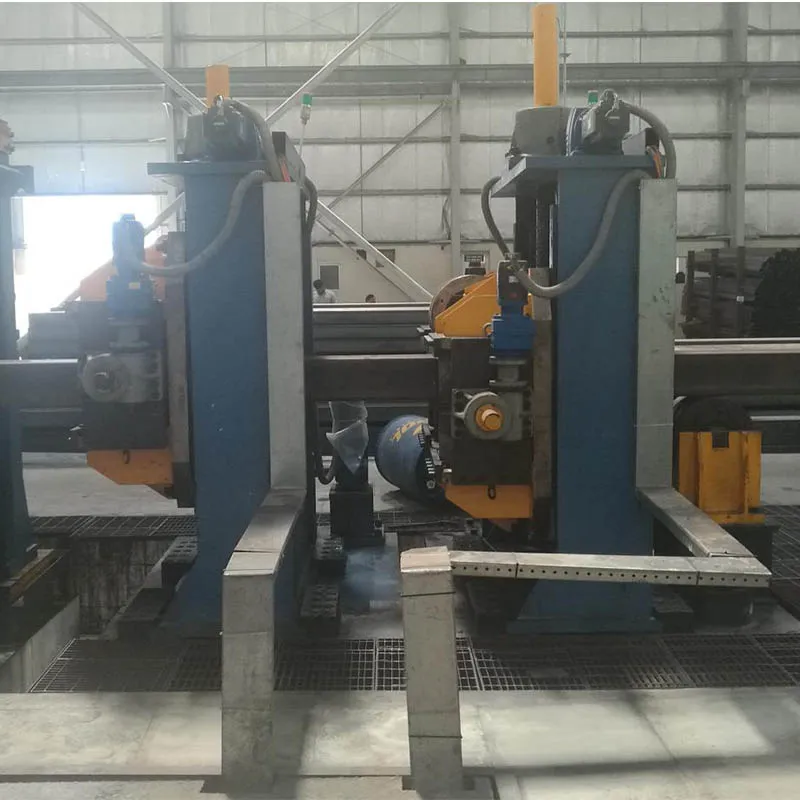
Case Study: Enhancing Productivity for a Leading Structural Steel Producer
A prominent European manufacturer of structural steel components faced significant hurdles in meeting the escalating demand for large-section Square Hollow Sections (SHS) and Rectangular Hollow Sections (RHS) primarily utilized in modular construction and industrial fabrication. Their existing conventional `pipe mill` setup suffered from inefficiencies due to multiple roll changes, complex tooling adjustments, and considerable material waste during the laborious round-to-square conversion process.
Following the strategic implementation of a state-of-the-art DFT1200 direct square tube mill, the manufacturer reported an impressive 28% increase in overall production capacity for critical SHS/RHS profiles, specifically in sizes ranging from 200x200mm to 300x200mm. Material scrap was reduced by a verified 5.2%, directly translating to a substantial 8.5% reduction in raw material costs within the first operational year. Moreover, the superior corner quality, reduced residual stress, and enhanced dimensional precision of the directly formed tubes drastically minimized post-processing requirements for their clients, improved downstream weldability, and resulted in overwhelmingly positive customer feedback, culminating in a significant increase in order volumes and market share. This real-world example unequivocally demonstrates the profound tangible benefits and competitive advantages derived from investing in advanced `square tube roll forming machine` technology.
Vendor Comparison and Customized Solutions for Your Pipe Mill
The selection of the appropriate `steel tube forming machine` vendor is a critical strategic decision that profoundly impacts production efficiency, product quality, operational costs, and long-term profitability. While the market offers numerous china roll forming machine options, discerning the ideal partner necessitates a meticulous evaluation of several key differentiating factors beyond just the initial square pipe making machine price.
Key Factors for Comprehensive Vendor Evaluation:
- Technological Leadership & R&D: Prioritize vendors with a demonstrable history of innovation and significant investment in research and development, especially in advanced tube mill technology such as direct forming processes. Their capacity for continuous improvement directly correlates with the machine's performance, adaptability, and future-proofing against evolving market demands.
- Quality Assurance & Certifications: Verify strict adherence to internationally recognized quality standards (e.g., ISO 9001, CE certification, TÜV Rheinland). Reputable manufacturers often showcase long-standing partnerships with certified suppliers for critical components, ensuring reliability and longevity.
- Comprehensive After-Sales Support & Global Service Network: The availability of responsive technical support, guaranteed spare parts availability, and a globally accessible service network staffed by experienced engineers are paramount for minimizing potential downtime and ensuring continuous operation.
- Customization Capabilities: The vendor's ability to engineer and tailor a `pipe mill` to precisely match specific production requirements—such as unique tube sizes, specialized material processing capabilities, seamless integration with existing factory automation, or custom automation levels—provides a substantial competitive advantage.
- Extensive Experience and Proven Track Record: A vendor's tenure in the industry, coupled with a robust portfolio of successful installations across diverse industries and geographical regions, serves as a strong indicator of their reliability, engineering prowess, and unwavering commitment to client success.
Ultimately, selecting a vendor that offers bespoke solutions and robust engineering, like those behind the advanced DFT1200, ensures that your new roll forming tube mill is not merely a purchase but a strategic investment. Such a partnership guarantees seamless integration into existing operational ecosystems and precisely meets unique production demands, thereby maximizing return on investment and securing long-term operational excellence.
Ensuring Trustworthiness: FAQ, Lead Time, Warranty, and Support
For B2B decision-makers and engineering professionals, trust and reliability are paramount considerations when investing in capital equipment like a roll forming tube mill. A truly reliable supplier distinguishes itself through transparent policies, comprehensive support infrastructure, and unwavering commitments.
Frequently Asked Questions (FAQ):
- Q: What is the most significant advantage of direct square forming over traditional methods?
- A: Direct square forming eliminates the intermediate round shaping stage, leading to reduced material stress, superior corner quality, enhanced dimensional accuracy, significantly higher production speeds, and substantial material savings, all while improving the structural integrity of the final product.
- Q: Can a modern tube mill efficiently process various steel grades, including high-strength alloys?
- A: Absolutely. Contemporary `steel tube forming machine`s are engineered with robust structures and adaptable roll tooling to precisely process a wide array of steel grades, including carbon steel, stainless steel, galvanized steel, and various High-Strength Low-Alloy (HSLA) steels, with appropriate adjustments to forming parameters and roll designs.
- Q: What is the typical lead time for a bespoke `pipe mill` solution?
- A: Lead times are inherently variable, contingent upon the level of customization, complexity, and specific components required. Typically, for a custom-engineered `square tube roll forming machine`, the process from final order confirmation to comprehensive factory acceptance testing (FAT) can range from 6 to 12 months. Smaller, more standardized configurations might have shorter lead times.
- Q: How does the mill guarantee consistent product quality and dimensional precision?
- A: Consistent quality is ensured through a multi-faceted approach: precisely engineered roll sets, state-of-the-art PLC-based control systems for real-time parameter adjustment, advanced welding technologies with dynamic feedback, and integrated online inspection tools such as eddy current testing (ECT) and ultrasonic testing (UT) for continuous weld seam integrity verification, alongside laser-based dimensional monitoring systems.
Lead Time and Fulfillment Process:
For a complex `square pipe manufacturing machine` like the DFT1200, the comprehensive lead time encompasses several critical phases: detailed engineering design and approval, meticulous component sourcing and procurement from certified suppliers, precision manufacturing and assembly, rigorous factory acceptance testing (FAT) at the vendor's facility, professional disassembly and meticulous packing, efficient international shipping logistics, on-site installation, and final commissioning. A reputable vendor provides a transparent, detailed project timeline, outlining specific milestones and offering regular progress updates to ensure complete clarity throughout the entire fulfillment journey. On average, clients should anticipate 6-9 months for the manufacturing and FAT stages, followed by an additional 1-3 months for shipping, on-site installation, and commissioning, depending on the geographical location and complexity of the project.
Warranty Commitments:
Standard warranty provisions for a roll forming tube mill typically extend from 12 to 24 months, commencing either from the date of final commissioning at the client's site or 18 months from the date of shipment, whichever occurs first. This warranty generally covers defects arising from manufacturing, materials, and workmanship under normal operating conditions. Many reputable suppliers also offer provisions for extended warranty options, particularly for critical high-wear components, or as part of comprehensive preventive maintenance packages designed to maximize machine uptime and longevity.
Customer Support and After-Sales Service:
Robust and comprehensive after-sales support is not merely a luxury but a critical component of maximizing the value and operational continuity of your investment. Key aspects of an exemplary support structure include:
- Dedicated Technical Assistance: Provision of a 24/7 technical support hotline, complemented by advanced remote diagnostics capabilities to swiftly identify and resolve operational issues.
- Global On-site Service: Availability of highly experienced and certified engineers for crucial on-site services, including installation, commissioning, comprehensive operational and maintenance training, and proficient troubleshooting, ensuring global reach and rapid response.
- Efficient Spare Parts Management: A streamlined and efficient global supply chain for genuine spare parts, strategically positioned to minimize potential downtime and ensure continuous machine operation.
- Comprehensive Training Programs: Tailored, in-depth training programs for the client's operational and maintenance staff, empowering them to maximize machine performance, conduct routine maintenance, and perform first-level troubleshooting.
- Regular Software & Firmware Updates: Provision of periodic updates for control systems, enhancing functionality, improving security protocols, and optimizing machine performance over its lifecycle.
Conclusion: Shaping the Future of Tube Manufacturing
The roll forming tube mill stands as a powerful testament to advanced engineering and manufacturing excellence, continuously evolving to meet the complex and dynamic demands of the global industrial landscape. With groundbreaking advancements such as direct square forming technology, manufacturers are now empowered to achieve unprecedented levels of operational efficiency, realize significant material savings, and consistently produce tubular products of superior quality. For a vast array of industries, from heavy construction to precision automotive components, the capabilities embedded within a modern `pipe mill` extend far beyond mere tube production; they are instrumental in fostering innovation, drastically reducing operational costs, and guaranteeing the structural integrity and longevity of countless critical applications.
As the imperative for technological integration deepens and pressures for greater sustainability intensify, the future trajectory of tube manufacturing will undoubtedly witness further profound innovations in artificial intelligence-driven automation, sophisticated predictive maintenance protocols, and the efficient processing of even more advanced and specialized materials. Investing strategically in a high-quality roll forming tube mill is not merely an acquisition; it is a foundational investment in future competitiveness, operational resilience, and sustained manufacturing excellence.
References
- Smith, J. (2022). "Advancements in High-Frequency Induction Welding for Tube Production in the 21st Century." Journal of Advanced Manufacturing Technology, Vol. 15, No. 3, pp. 112-125.
- European Steel Association (EUROFER). (2023). "The European Steel Tube Industry: Market Overview, Challenges, and Future Outlook." Retrieved from www.eurofer.eu.
- International Organization for Standardization (ISO). (2023). "ISO 9001:2015 Quality Management Systems – Requirements." Retrieved from www.iso.org.
- American Society for Testing and Materials (ASTM). (2023). "ASTM A500/A500M-21 Standard Specification for Cold-Formed Welded and Seamless Carbon Steel Structural Tubing in Rounds and Shapes." Retrieved from www.astm.org.
- Wang, L., & Li, H. (2021). "Finite Element Analysis and Experimental Validation of Direct Forming Square and Rectangular Steel Pipes." Materials Science Forum, Vol. 1040, pp. 67-73.
- Global Market Insights. (2023). "Steel Pipe & Tube Market Size, Share & Trends Analysis Report." Retrieved from www.gminsights.com.

Related Products


Related News
2027-04-24 00:00:00
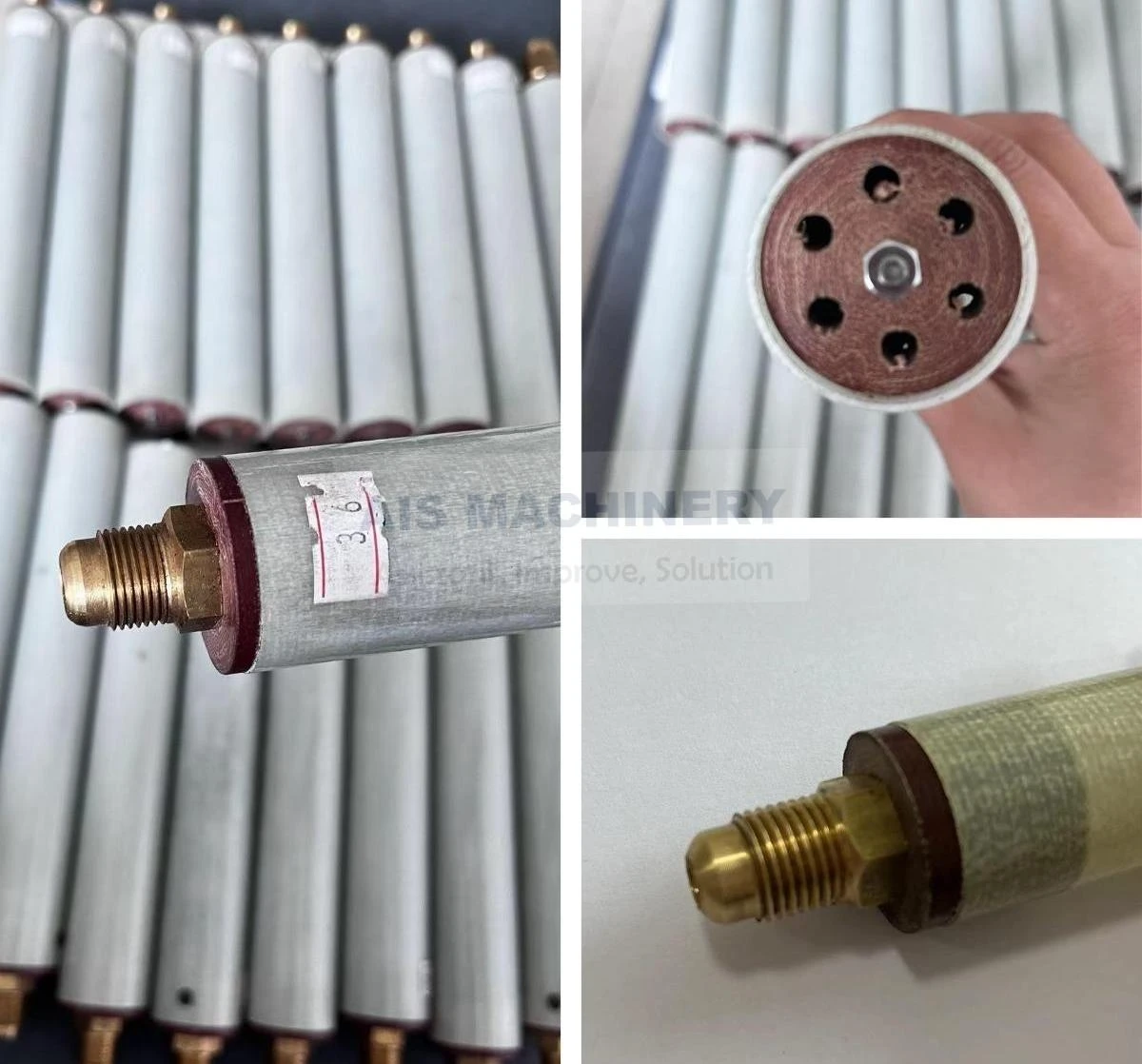
What is an Impeder and Ferrite Rods in ERW Tube Mill?
Struggling with impeder overheating or short service life in your ERW tube mill? This guide explains common impeder problems, the role of ferrite rods, and how to choose the right impeder for stable welding performance. Improve weld quality, reduce energy loss, and extend equipment lifespan with the right selection and proper cooling solutions.
2026-04-21 10:22:25
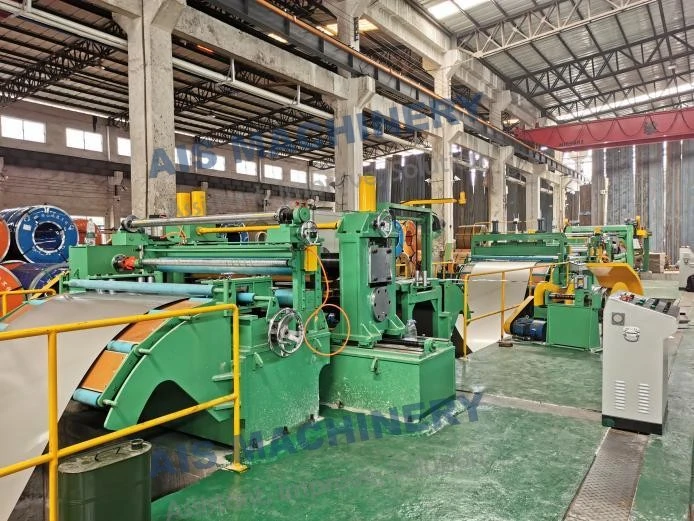
Slitting & Cut-to-Length Combined Production Line: A Smarter Way to Process Steel Coils
Discover the Slitting & Cut-to-Length Combined Production Line, a flexible solution for steel coil processing. This system integrates slitting line and cut-to-length line functions in one machine, saving space, reducing costs, and improving efficiency. Ideal for processing both steel strips and sheets, it is widely used in service centers and manufacturing industries. Learn its advantages, limitations, and applications.
2026-04-18 03:20:20
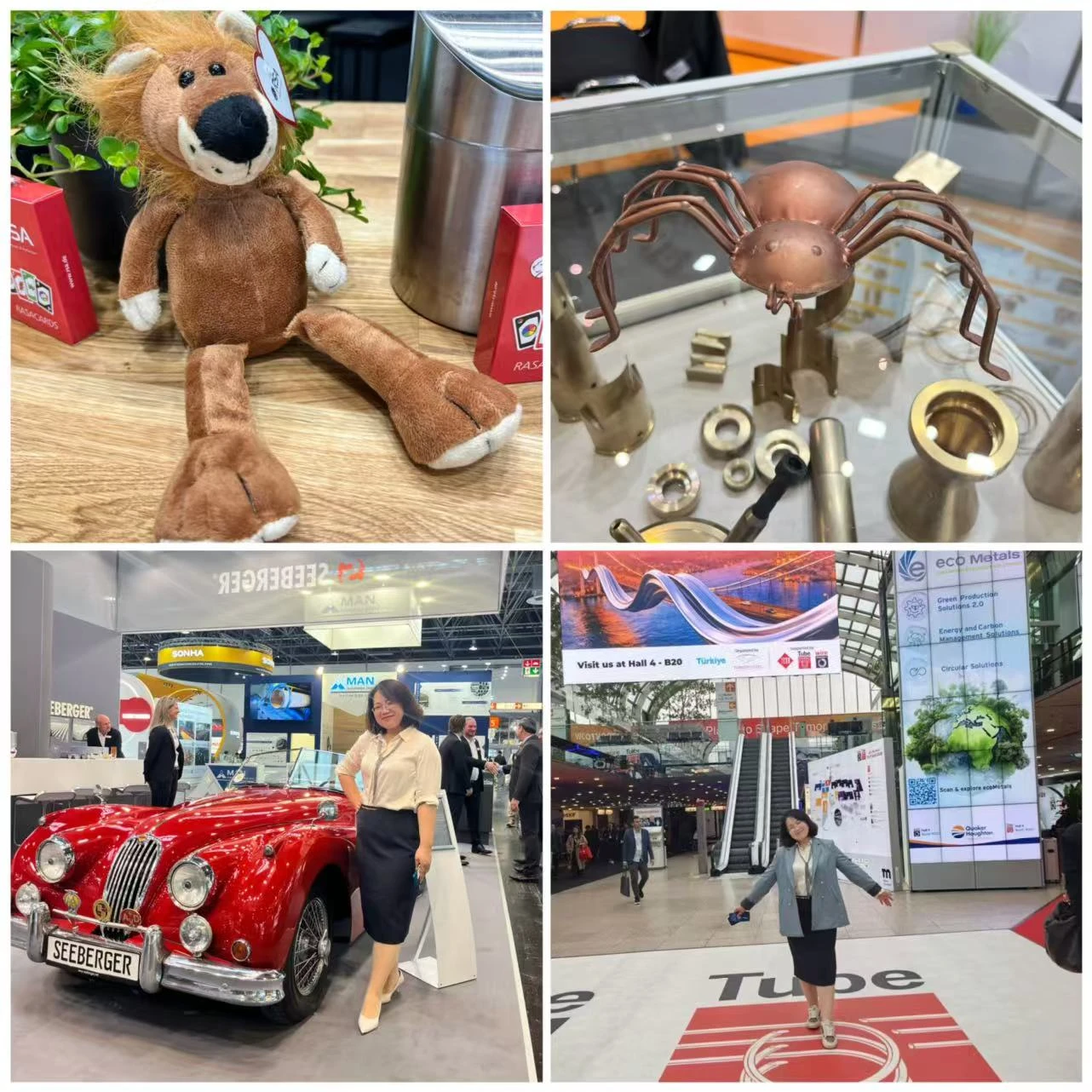
AIS Machinery Showcases Advanced Tube Solutions at Tube & Wire Düsseldorf 2026
Tube & Wire Düsseldorf 2026, one of the most influential exhibitions in the global tube and wire industry, held biennially in Düsseldorf, Germany
2026-04-17 00:00:00
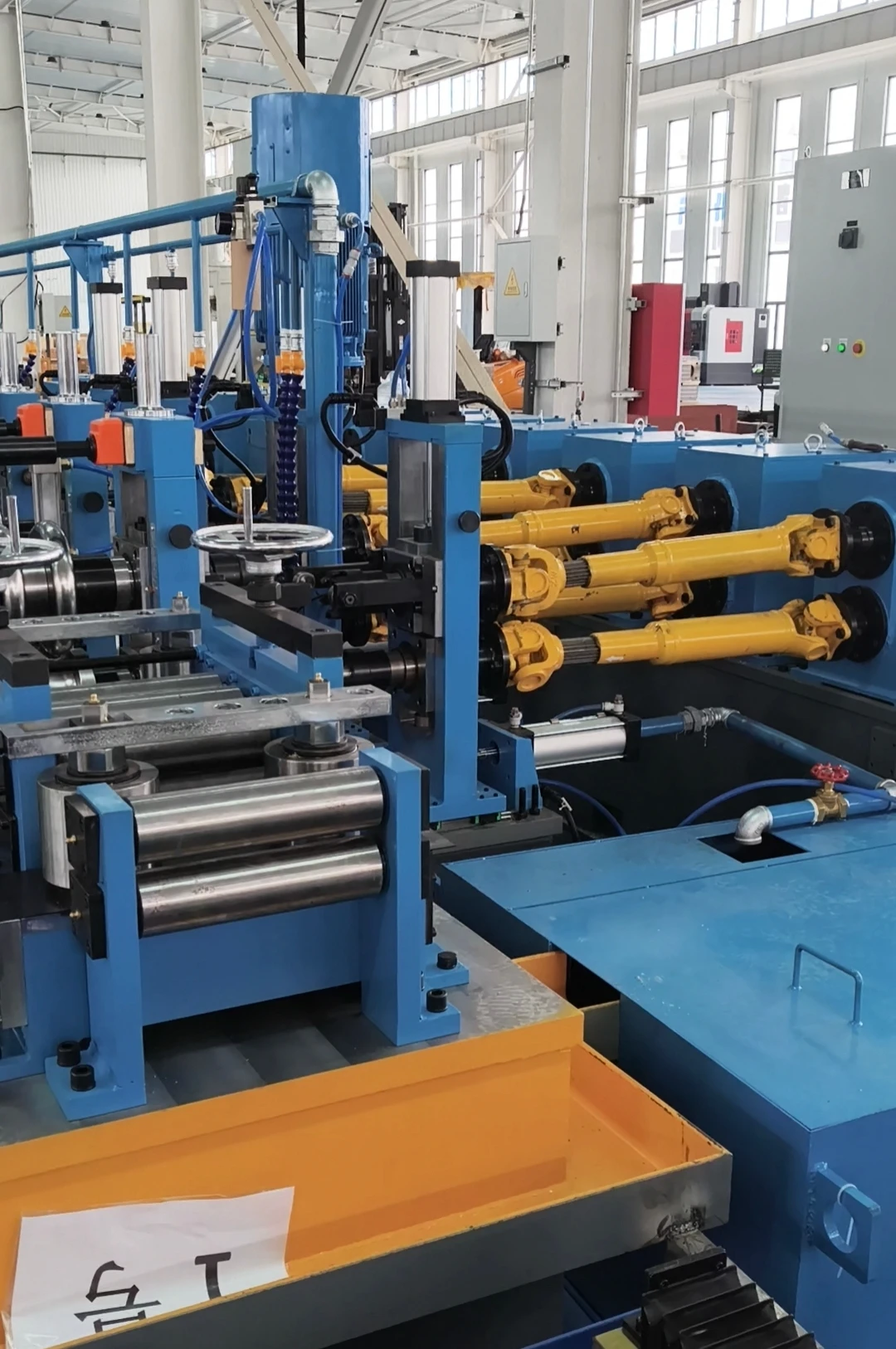
Southeast Asia Client Visits Our Factory | Customized Tube Mill Solution Delivered
A Southeast Asia client visited our ERW tube mill factory to inspect production lines and discuss a customized tube mill solution. Impressed by our machine quality, welding performance, and engineering support, the client confirmed strong cooperation intentions. Discover how our ERW tube mill solutions improve efficiency, precision, and long-term production reliability.
2026-04-15 10:37:55
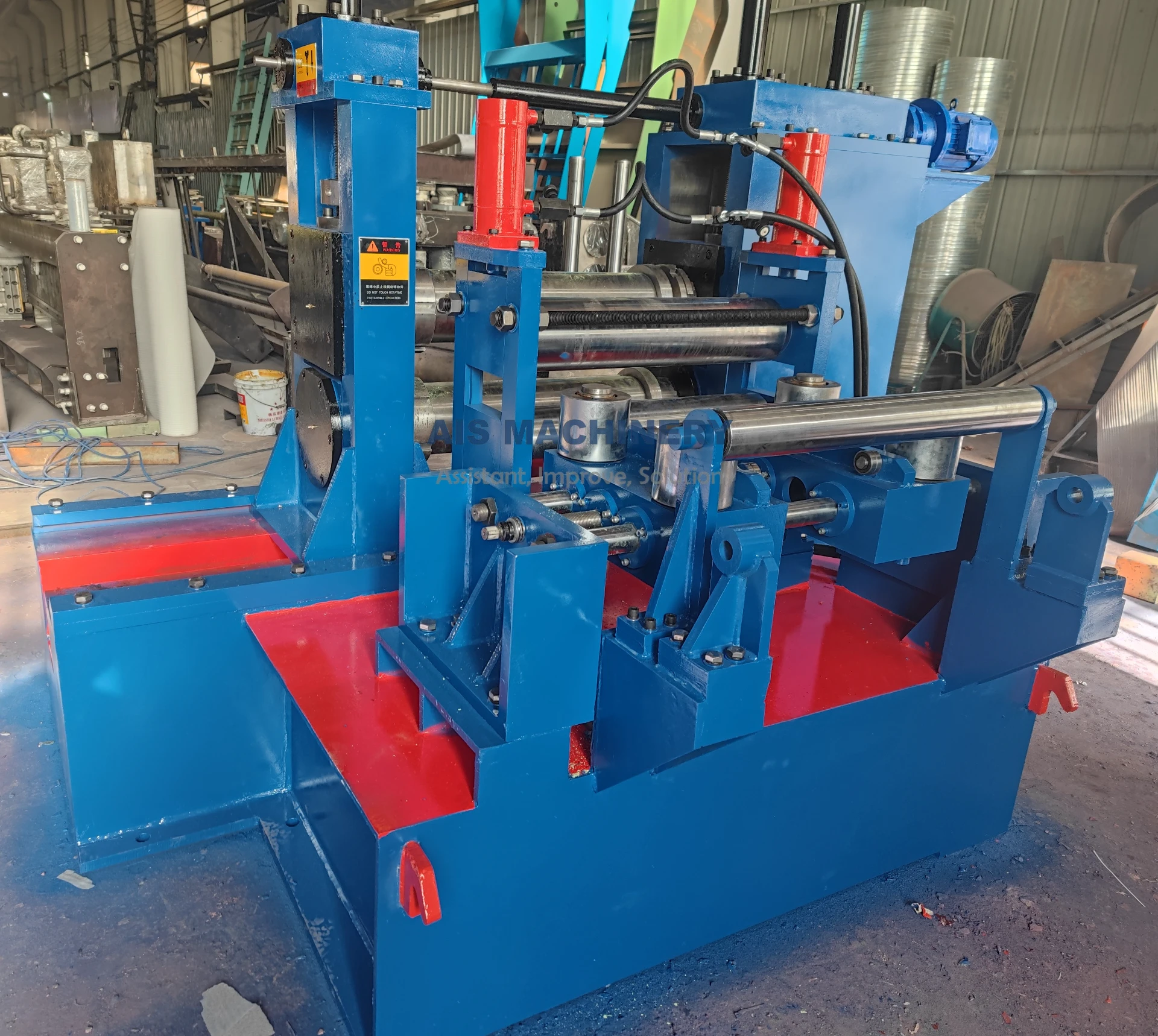
Flat Bar Production Line for Steel Coils: How It Works & Why It Matters
Looking for a flat bar production line? Learn how it turns steel coils into ready-to-use flat bars with precise length and high straightness. Compare it with slitting lines and get the best solution for your steel processing needs.
2026-04-14 00:00:00
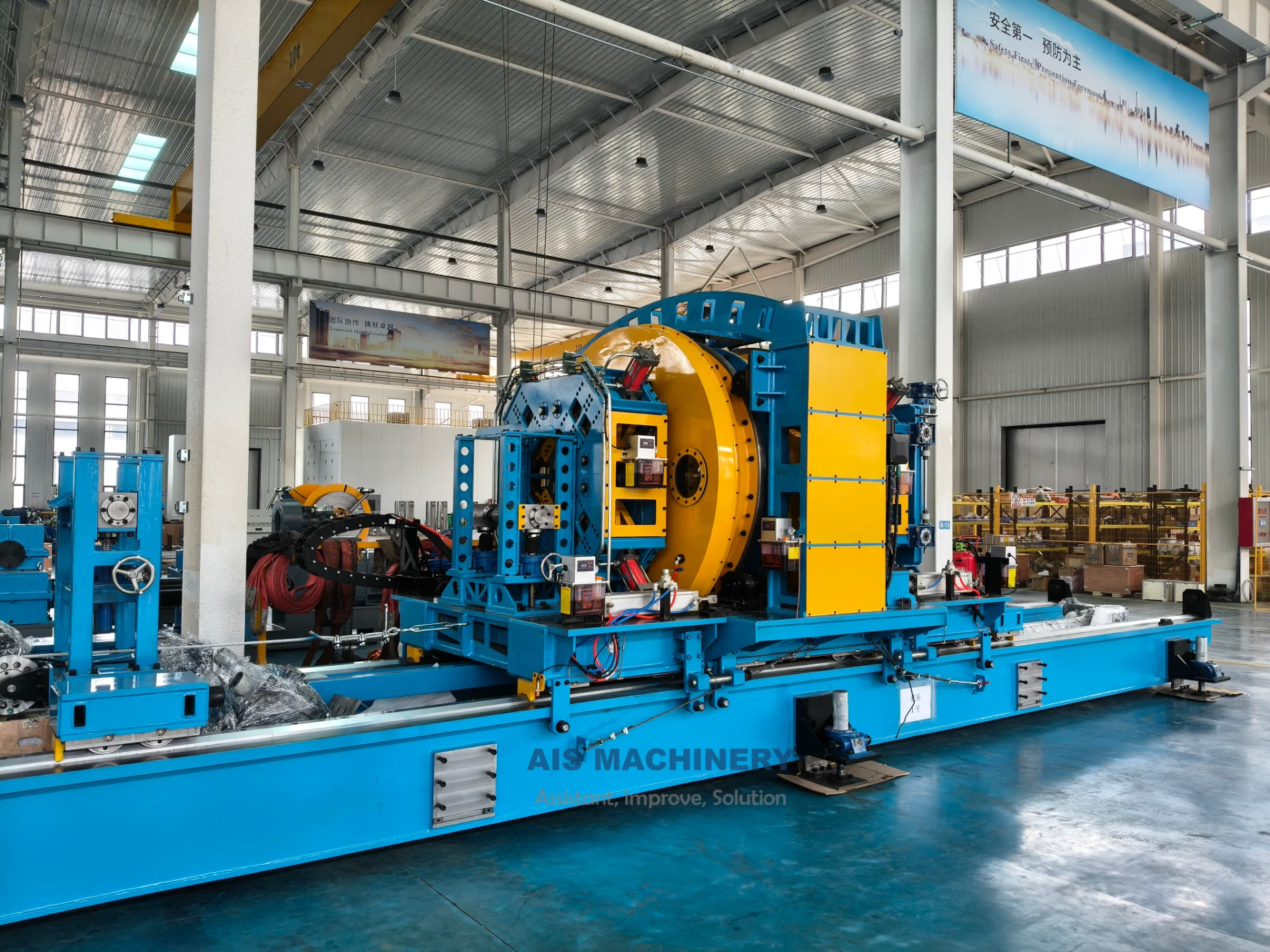
Looking for a Milling Saw for ERW Tube Mill? Here’s What You Need to Know
Looking for a high-performance milling saw for your ERW tube mill? Upgrade to burr-free, high-precision pipe cutting with advanced flying saw technology. Improve efficiency, reduce rework, and meet export standards for carbon steel, stainless steel, and API pipes. Contact us today for expert solutions and competitive pricing tailored to your production needs.
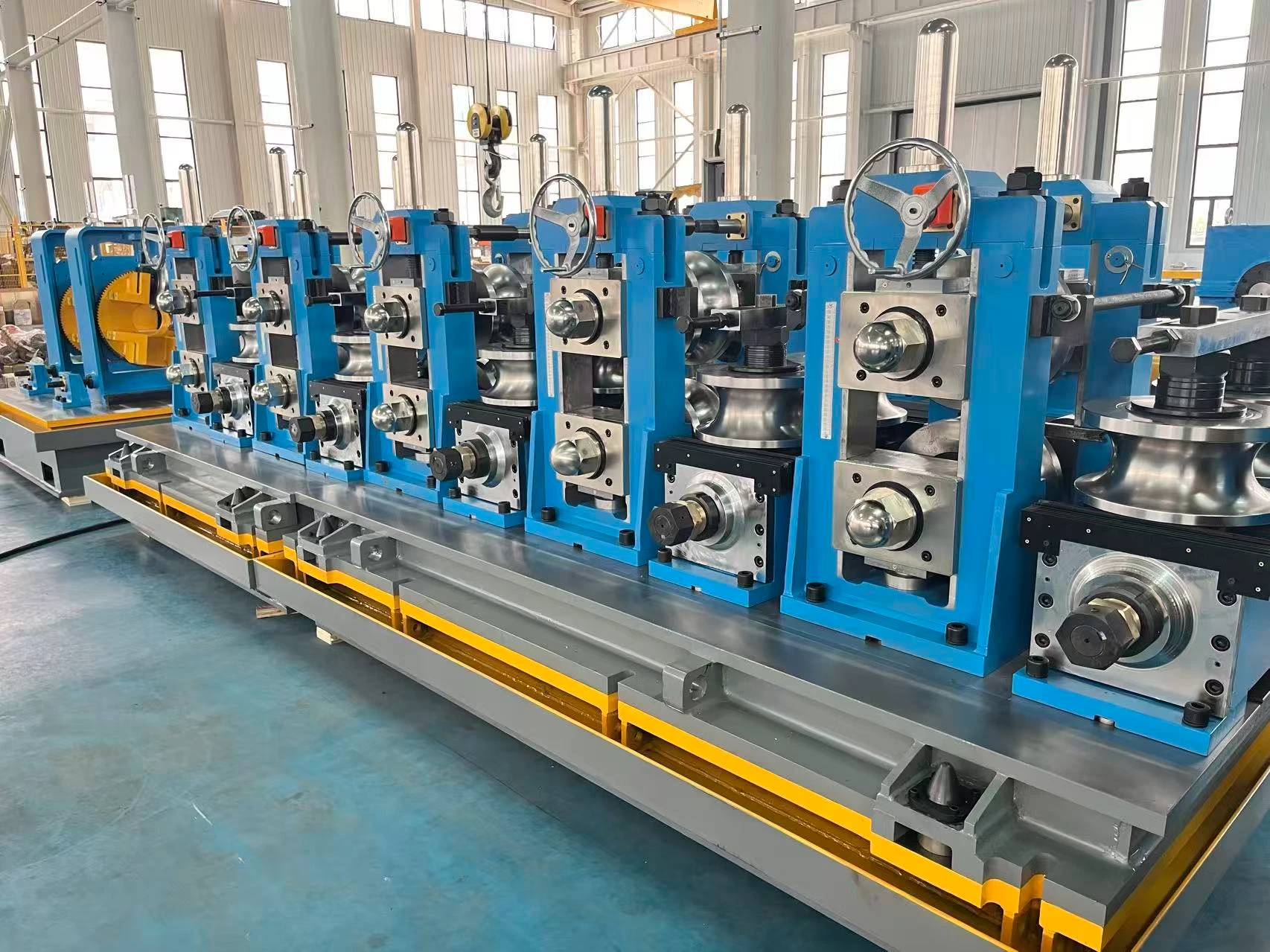
2026-04-09 16:15:19
5-Inch (127mm) ERW Tube Making Machine Delivered with Heavy-Duty Design and Advanced Quick Change System
2027-04-07 00:00:00
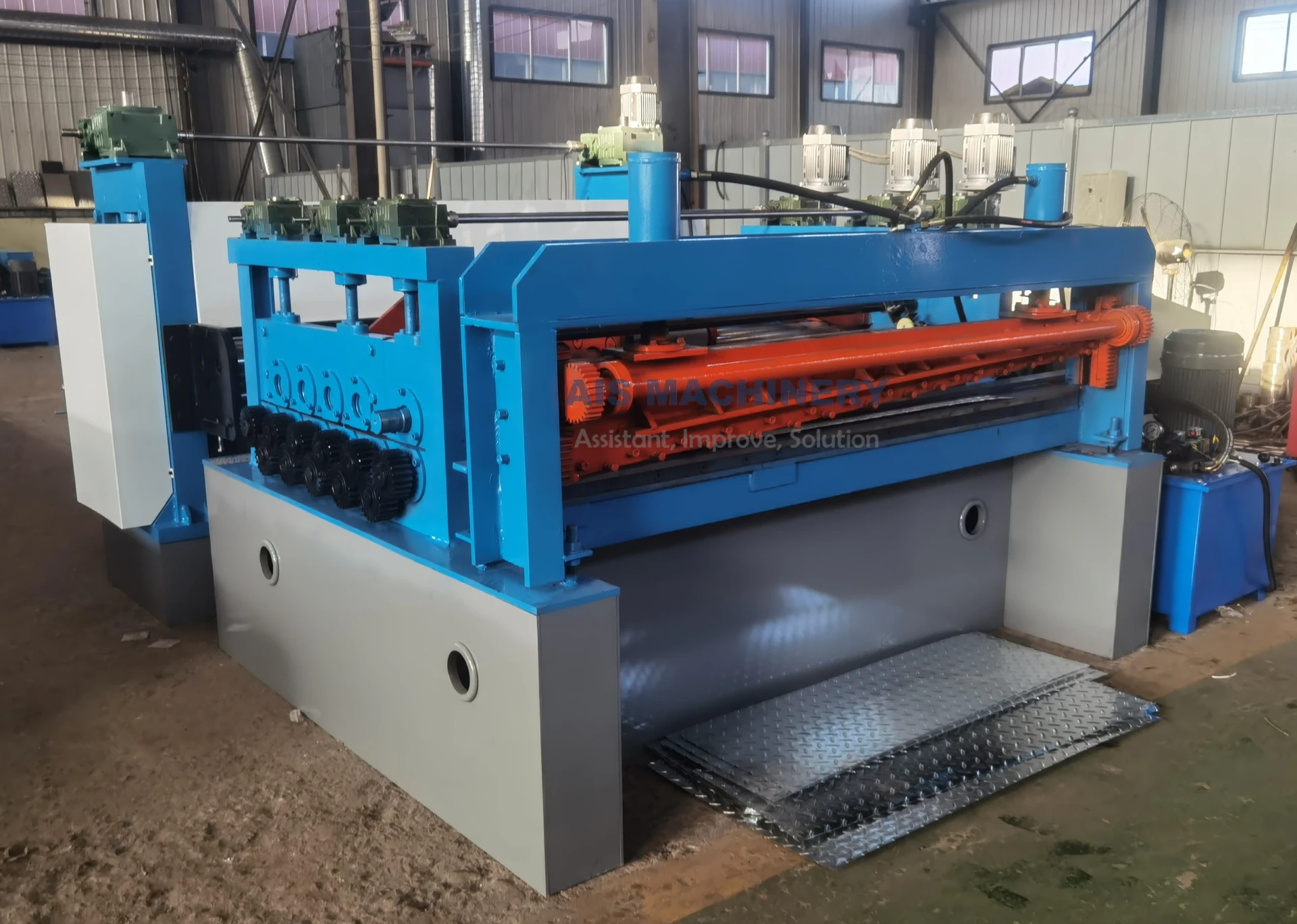
Metal Embossing Machine: Turn Flat Sheets into High-Value Textured Products
Discover how a metal embossing machine transforms flat steel, stainless steel, and aluminum sheets into high-value textured products. Learn about its working principle, key components, and applications. Ideal for decorative and industrial use, embossing machines improve both appearance and performance. Explore complete embossing line solutions and find the right machine for your production needs.
Send a Message
Dear customer, thank you for your attention! We provide high-quality machinery and equipment and look forward to your orders. Please inform us of your needs and we will respond quickly!
 English
  Albanian
  Arabic
  French
  German
  Indonesian
  Italian
  Japanese
  Kazakh
  Korean
  Latin
Latin  Macedonian
  Portuguese
  Russian
  Spanish
  Thai
Thai  Turkish
  Ukrainian
  Uzbek
Uzbek