
-
 Tel:86-15176910262
-

Search
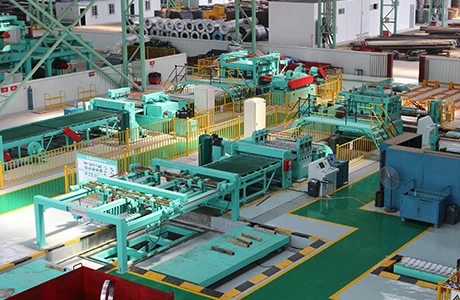
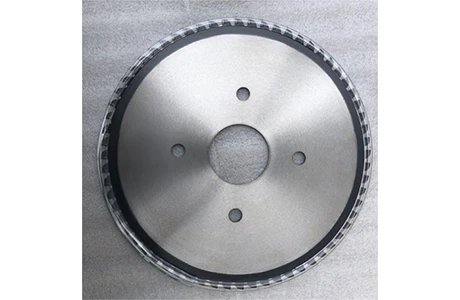

Premium Tube Mill For Sale: Welded & ERW Machines Ready
Sep . 19, 2025 21:00
Advancing Tubular Manufacturing: Insights into Modern Tube Mill Technology
The demand for high-quality, precision tubing across various industrial sectors has spurred significant innovation in manufacturing technology. For B2B decision-makers and engineers seeking advanced production capabilities, understanding the intricacies of a modern tube mill for sale is crucial. This article delves into the current landscape, technical specifications, and strategic advantages of state-of-the-art tube mill systems, emphasizing their role in enhancing operational efficiency and product quality.
Current Industry Trends in Tube Mill Production
The global tube and pipe market is experiencing robust growth, driven by infrastructure development, energy transmission projects, and the expanding automotive sector. Key trends influencing the development of the tube mill for sale market include:
- Increased Automation and Digitalization: Integration of Industry 4.0 principles, including IoT, AI, and advanced sensor technology, to optimize production lines, predict maintenance needs, and reduce human error.
- Emphasis on Energy Efficiency: Development of more energy-efficient high-frequency welding systems and motor drives to lower operational costs and environmental impact. This is particularly relevant for `ERW tube mill china` manufacturers striving for global competitiveness.
- Material Versatility: Growing capability to process a wider range of materials, including high-strength low-alloy (HSLA) steels, stainless steels, and exotic alloys, to meet diverse application requirements.
- Precision and Quality Control: Adoption of advanced inline inspection systems (e.g., ultrasonic testing, eddy current testing) to ensure stringent quality standards for every produced tube, especially critical for `welded tube mill` output.
- Modular and Customizable Designs: Manufacturers are offering modular `tube mill machine` solutions that can be easily configured and upgraded to adapt to evolving production demands and specific client needs.
These trends underscore the importance of selecting a `tube mill` that not only meets current production requirements but also offers the flexibility and technological sophistication to adapt to future market demands.
Detailed Process Flow: From Coil to Finished Tube
The manufacturing process within a modern tube mill for sale is a highly synchronized sequence of operations, transforming raw steel coils into finished tubes with precision and efficiency. Understanding this flow is key to appreciating the engineering marvel behind each `welded tube mill`.
Schematic Steps of Tube Production:
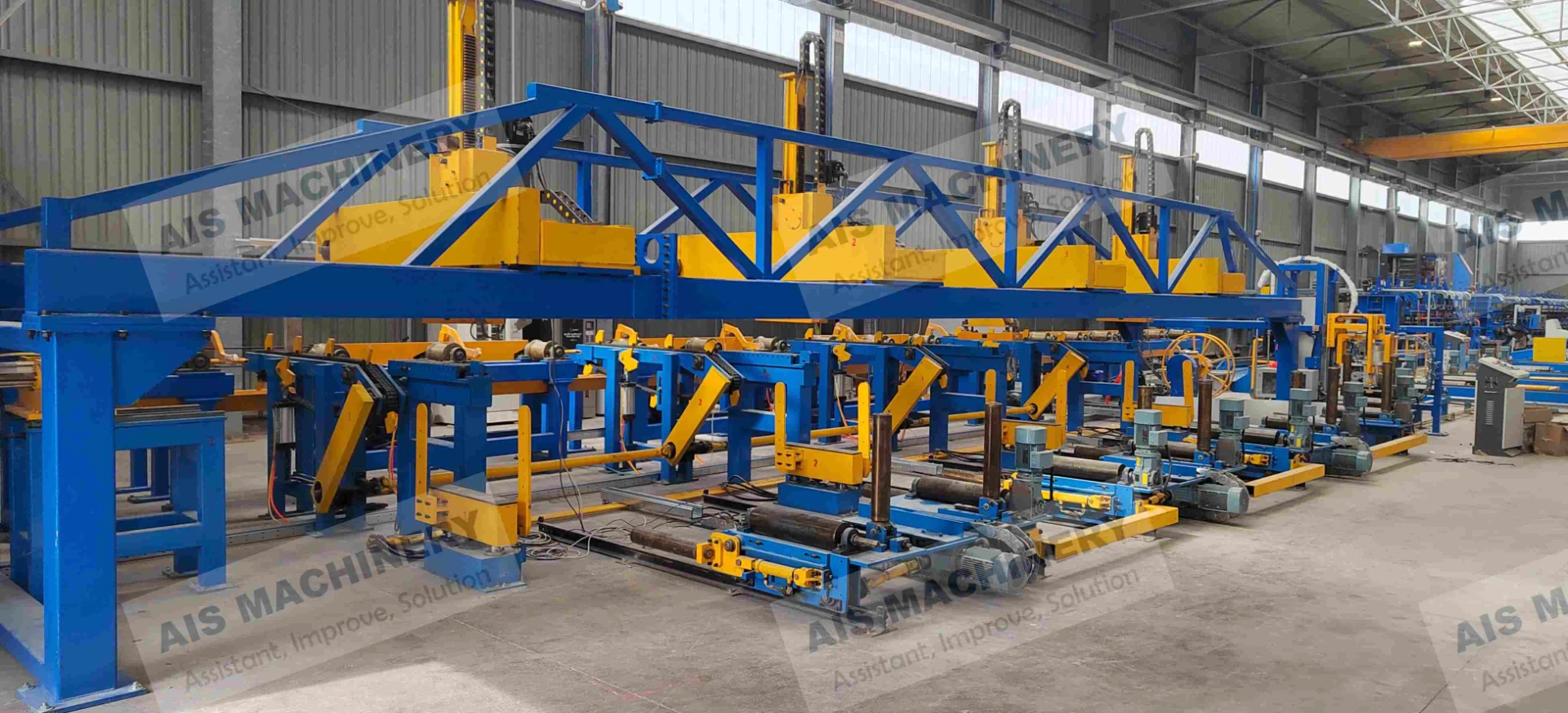
- Uncoiling & Accumulation: The process begins with raw steel coils, typically composed of mild steel, carbon steel (e.g., API 5L grades), or stainless steel (e.g., 304, 316L). A critical component here is the Double Head Steel Coil Decoiler, or a robust uncoiler, which feeds the strip into the mill. Often, a hydraulic uncoiler ensures precise tension control. An accumulator then stores enough strip to allow continuous operation during coil changes.
- Shearing & Butt Welding: The leading and trailing ends of coils are sheared and then butt-welded together to create a continuous strip, ensuring uninterrupted production.
- Strip Preparation: Edge trimming, often using rotating cutters, prepares the strip edges for optimal welding quality, removing imperfections.
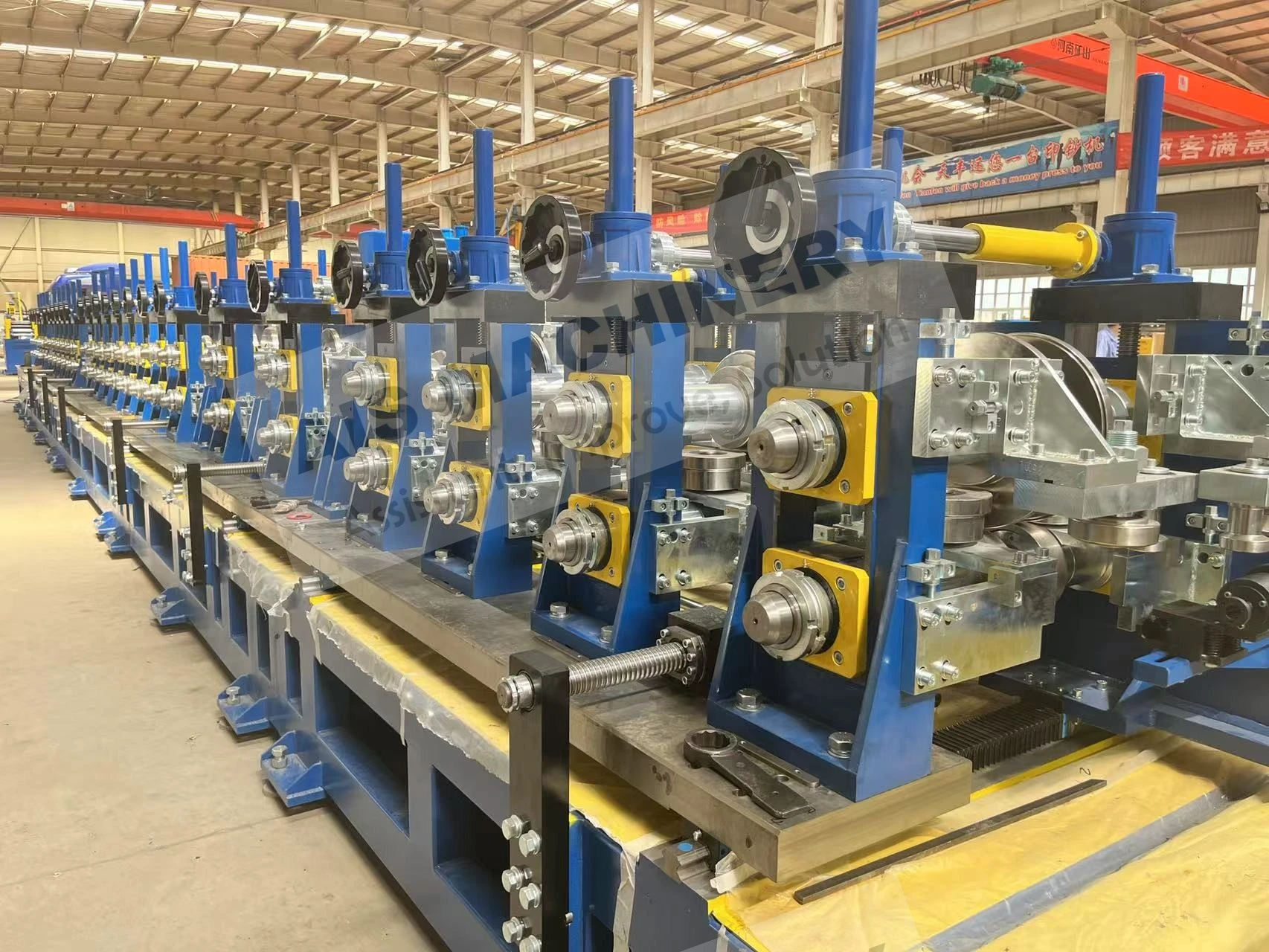
- Forming: The flat strip is progressively shaped into an open seam tube through a series of forming rollers. These rollers are precision-engineered, often made from high-grade tool steel (e.g., D2, SKD11) and undergo processes like precision casting and CNC machining to achieve exact profiles.
- Welding (ERW): For Electric Resistance Welded (ERW) mills, high-frequency induction heating brings the edges of the open tube to forging temperature. Pressure rollers then forge the edges together, creating a strong, clean weld seam without the use of filler material.
- Scarfing: Excess weld bead (flash) from the ERW process is removed, both externally and internally, ensuring a smooth surface finish.
- Sizing & Straightening: The welded tube passes through sizing rolls to achieve the final diameter and precise roundness. A multi-roll straightener corrects any residual curvature, ensuring the tube meets strict straightness tolerances.
- Cutting: A flying cut-off saw (cold saw or hot saw) cuts the continuous tube into specified lengths, synchronized with the line speed.
- Inspection & Testing: Inline Nondestructive Testing (NDT) methods like Eddy Current or Ultrasonic Testing are employed to detect any weld defects, porosity, or material flaws. Finished tubes also undergo dimensional checks (OD, wall thickness, length, straightness) and often hydro-testing or air pressure testing. Products are typically manufactured and tested to international standards such as ISO 3183, ASTM A53/A106, API 5L, and EN 10217.
- Finishing: Depending on application, tubes may undergo further processes such as end facing, beveling, coating, or galvanizing.
The average service life of a well-maintained `tube mill machine` is typically 20-30 years, with critical components designed for sustained heavy-duty operation. Target industries include petrochemical (pipelines, heat exchangers), metallurgy (structural elements, conveying systems), water supply & drainage (distribution pipes), automotive (exhaust systems, chassis components), and construction. Modern mills demonstrate significant advantages such as up to 20% energy saving through optimized high-frequency welding power supplies and superior corrosion resistance due to precise material handling and welding integrity.
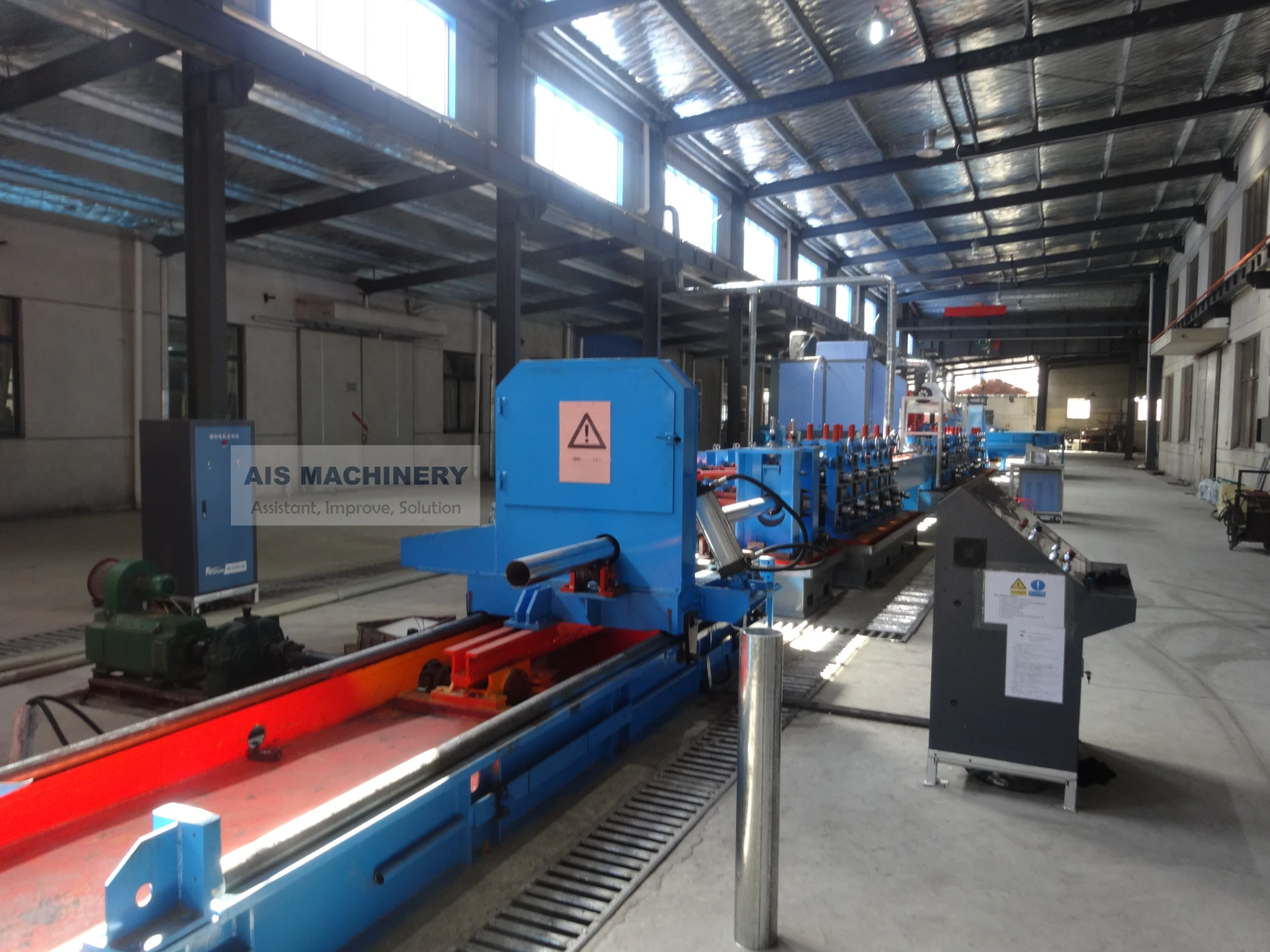
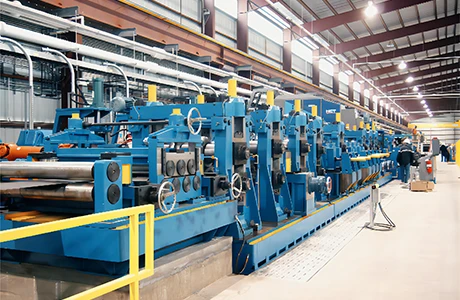
Illustration: Comprehensive forming and welding section of a modern tube mill.
Technical Specifications and Data Visualization
When considering a tube mill for sale, detailed technical specifications are paramount for assessing its suitability for specific production needs. Below is a comprehensive table outlining typical parameters for an advanced ERW (Electric Resistance Welded) tube mill, showcasing the capabilities of a robust `erw tube mill china` solution.
ERW Tube Mill Product Specifications
| Parameter | Specification Range |
|---|---|
| Tube Outer Diameter (OD) | Ø10 mm - Ø219 mm (0.4 in - 8.6 in) |
| Wall Thickness | 0.4 mm - 8.0 mm (0.016 in - 0.315 in) |
| Max. Line Speed | Up to 120 m/min (394 ft/min) |
| Applicable Materials | Carbon Steel, Galvanized Steel, Stainless Steel (e.g., Q195, Q235, SPCC, SPHC, SS304, SS316) |
| Main Motor Power | 55 kW - 200 kW (depending on size) |
| High-Frequency Welder Power | 100 kW - 600 kW |
| Cut-off Type | Flying Saw (Cold Saw, Hot Saw) or Planetary Cutter |
| Overall Dimensions (L x W x H) | Approx. 40m x 3m x 2.5m (131 ft x 9.8 ft x 8.2 ft) |
| Control System | PLC Control with HMI Touchscreen Interface |
| Yield Strength (max) | Up to 500 MPa |
These specifications highlight the robust capabilities of modern `tube mill` technology, enabling precise control over tube dimensions and metallurgical properties. The inclusion of a powerful `hydraulic uncoiler` ensures consistent material feed, which is critical for maintaining high line speeds and consistent product quality.
Versatile Application Scenarios and Proven Experience
The versatility of a contemporary tube mill for sale extends across a myriad of industries, proving indispensable for critical infrastructure and manufacturing. The ability to produce a wide range of tube sizes and material types allows `tube mill machines` to serve diverse high-demand applications.
Key Application Sectors:
- Oil & Gas Industry: Production of line pipes (e.g., API 5L pipes for oil and gas transmission), casing, and tubing for exploration and extraction. The reliability of `welded tube mill` output is paramount here.
- Construction & Infrastructure: Structural tubing for buildings, bridges, and frames; scaffolding, fencing, and general construction pipes.
- Automotive Sector: Exhaust system components, chassis parts, seat frames, and other structural elements demanding high strength-to-weight ratios.
- Water Supply & Drainage: Pipes for municipal water distribution, sewage systems, and irrigation projects, often requiring galvanized or coated tubes for corrosion resistance.
- Heating, Ventilation, and Air Conditioning (HVAC): Tubing for heat exchangers, condensers, and other fluid conveyance systems.
- Manufacturing & General Engineering: Furniture frames, machinery parts, electrical conduits, and various hollow structural sections.
Customer Feedback Example: "Our investment in a new ERW tube mill from our partner allowed us to increase our production capacity by 30% while simultaneously reducing scrap rates by 5%. The precision of the welds and the consistency of the tube dimensions have significantly improved the quality of our final products for the automotive industry." - Production Manager, Leading Automotive Supplier.
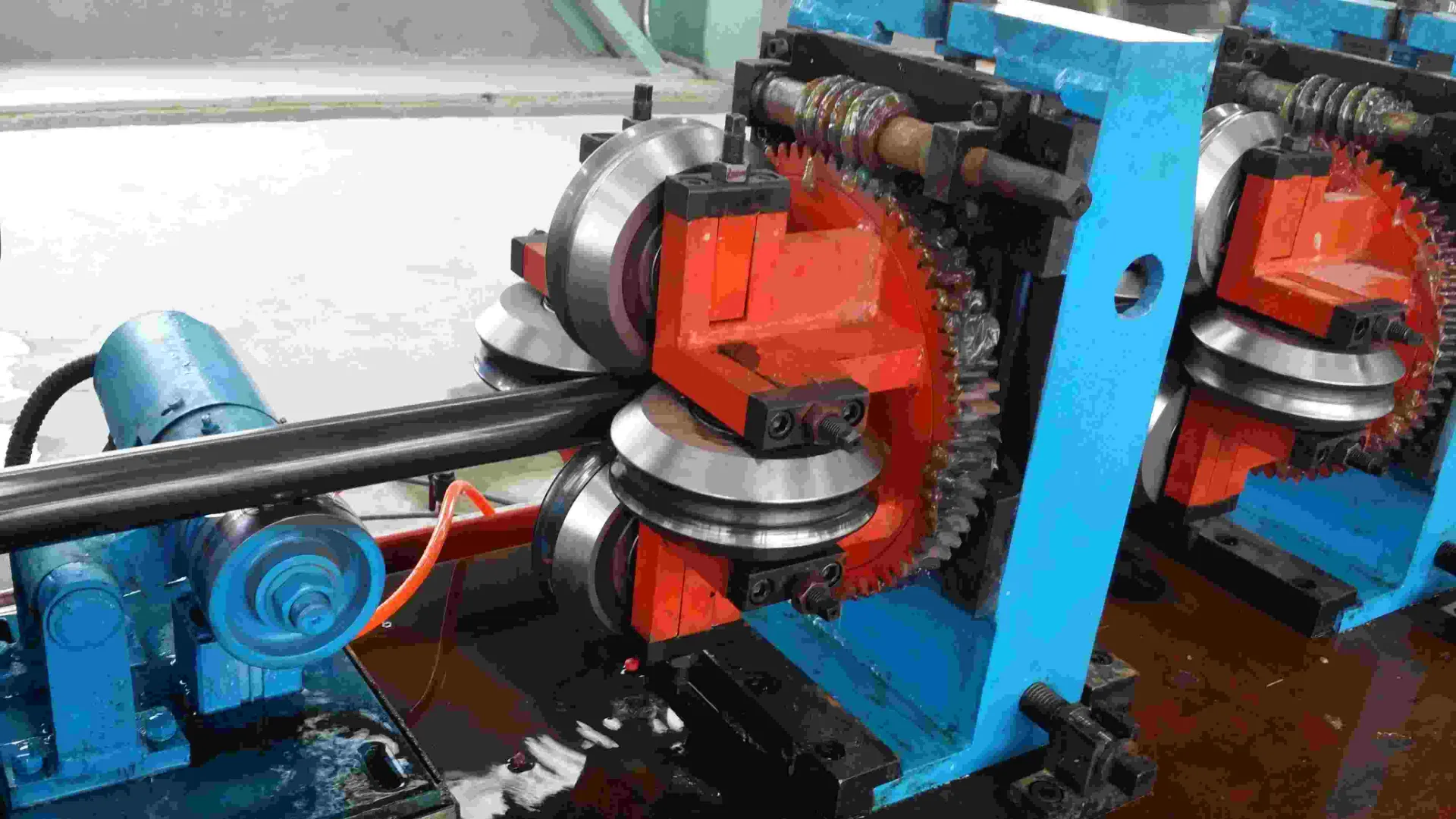
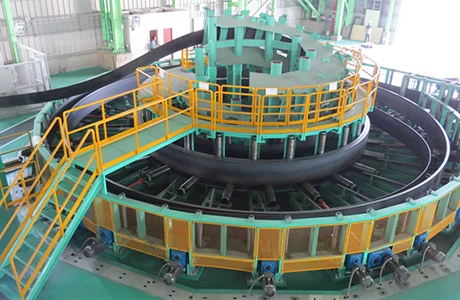
Illustration: Detailed view of the forming section on an ERW tube mill line.
Technical Advantages and Authoritative Credentials
The core technical advantages of a high-performance `tube mill` lie in its ability to deliver superior product quality, high efficiency, and operational reliability. These advantages are underpinned by advanced engineering and adherence to international quality standards, bolstering the authoritativeness of a quality tube mill for sale.
Key Technical Advantages:
- High-Frequency Induction Welding (HFIW) Technology: This process delivers precise, localized heating, resulting in a narrow heat-affected zone (HAZ) and superior weld integrity. Compared to traditional electric resistance welding, HFIW minimizes material degradation and ensures consistent metallurgical properties, crucial for critical applications.
- Advanced Automated Control Systems: Modern mills integrate sophisticated Programmable Logic Controllers (PLCs) and Human-Machine Interfaces (HMIs) for real-time monitoring, diagnostics, and precise parameter adjustment. This minimizes operator intervention, enhances safety, and ensures consistent quality.
- Optimized Forming Technology: Utilizing advanced roller designs (e.g., caged type, flexible forming) reduces stress on the strip, prevents edge cracking, and allows for greater material thickness and higher line speeds.
- Reduced Material Waste: Precision cutting, efficient welding, and minimal scrap generation contribute to significant material savings, enhancing cost-effectiveness.
- High Production Efficiency: With line speeds reaching up to 120 meters per minute, these mills achieve high output volumes, significantly improving return on investment.
Authoritative Credentials:
Reputable manufacturers often hold certifications and boast extensive industry experience, which are vital indicators of reliability and quality.
- ISO 9001:2015 Certification: Demonstrates adherence to internationally recognized quality management system standards across design, manufacturing, and after-sales service.
- CE Certification: Confirms compliance with European health, safety, and environmental protection standards, crucial for global market access.
- Years of Service: Established manufacturers typically boast 20+ years of specialized experience in designing and building `tube mill machines`, accumulating extensive expertise and a proven track record.
- Partner Clients: Collaboration with leading enterprises in sectors such as petroleum, construction, automotive, and general manufacturing underscores industry trust and the capability to meet stringent project requirements.
- Test Data & QC Protocols: Comprehensive factory acceptance tests (FAT), including mechanical performance, electrical system checks, and weld quality assessments (e.g., tensile strength, flattening tests), ensure each `erw tube mill china` unit performs to specification before delivery.
Vendor Comparison and Customized Solutions
Selecting the right tube mill for sale involves a detailed comparison of vendors, focusing on technology, support, and the ability to provide tailored solutions. Not all `tube mill machine` suppliers offer the same level of customization or service.
Comparative Analysis of Tube Mill Offerings:
| Feature/Criteria | Standard Vendor A (e.g., Basic ERW) | Advanced Vendor B (e.g., Premium HFIW) |
|---|---|---|
| Welding Technology | Traditional ERW (SCR/Diode) | High-Frequency Induction Welding (Solid State) |
| Max. Line Speed | Up to 80 m/min | Up to 120 m/min |
| Automation Level | Semi-Automatic (Basic PLC) | Fully Automatic (Advanced PLC, HMI, remote diagnostics) |
| Energy Consumption | Higher (less efficient welder) | Lower (high-efficiency solid-state welder) |
| Material Thickness Range | Limited (e.g., 0.6-6.0mm) | Wider (e.g., 0.4-8.0mm or more) |
| After-Sales Support | Standard (local or limited) | Comprehensive (global network, remote support, spare parts availability) |
| Customization Options | Basic (e.g., pipe length) | Extensive (material, diameter, speed, integrated solutions) |
Customized Solutions: Tailoring the Tube Mill to Your Needs
For specialized applications, off-the-shelf `tube mill` solutions may not suffice. Leading providers of an erw tube mill china, for instance, excel in offering bespoke engineering. Customization options include:
- Specific Diameter and Wall Thickness Ranges: Designing the mill for atypical pipe dimensions not covered by standard models.
- Material Handling Systems: Integrating specialized `uncoiler` systems, such as a heavy-duty `hydraulic uncoiler` for large, thick coils, or automated coil loading systems.
- Enhanced Automation: Incorporating advanced robotics for stacking, packaging, and integration with upstream/downstream processes.
- Specialized Welding Units: Fine-tuning welding parameters or incorporating different welding technologies (e.g., laser welding) for specific materials like titanium alloys.
- Inline NDT Systems: Adding specialized non-destructive testing equipment (e.g., X-ray, phased array ultrasonic) for critical defect detection.
- Surface Treatment & Finishing: Custom solutions for inline galvanizing, coating, polishing, or heat treatment furnaces to meet specific product requirements.
Application Case Studies: Real-World Impact
The practical utility and efficacy of a modern tube mill for sale are best illustrated through successful application case studies, demonstrating tangible benefits to clients across various industries. These examples underscore the expertise and experience of leading `tube mill machine` providers.
Case Study 1: High-Volume Water Transmission Pipeline
- Client: A major civil engineering firm specializing in public infrastructure projects.
- Challenge: Production of large-diameter (168mm - 219mm OD) galvanized steel pipes with consistent wall thickness (up to 6mm) for a new urban water supply network, requiring high production rates and strict adherence to anti-corrosion standards.
- Solution: Implemented a customized `welded tube mill` line equipped with a heavy-duty `hydraulic uncoiler`, a solid-state high-frequency welder, and an integrated inline galvanizing unit. The system's advanced PLC control allowed for precise control over galvanizing thickness and weld integrity.
- Outcome: The client achieved a production rate of 80 m/min, meeting the project's tight deadlines. The integrated galvanizing process resulted in a uniform zinc coating of 60-80 microns, significantly extending the service life of the pipes against corrosion, contributing to an estimated 15% reduction in long-term maintenance costs.
Case Study 2: Precision Tubes for Automotive Chassis
- Client: A Tier-1 automotive components manufacturer requiring high-strength, lightweight tubes for vehicle chassis structures.
- Challenge: Production of small-to-medium diameter (30mm - 76mm OD) high-strength low-alloy (HSLA) steel tubes with exceptionally tight dimensional tolerances (±0.05mm OD) and superior weld quality to withstand high stress loads.
- Solution: Deployed a high-precision `erw tube mill china` model featuring a multi-roll flexible forming system and a 400 kW solid-state HFIW unit. The mill included an advanced inline eddy current testing system for 100% weld inspection and automated length measurement with precision cutting.
- Outcome: The mill delivered tubes meeting the stringent automotive specifications, with weld strength consistently exceeding base material strength. Rejection rates for dimensional inaccuracies and weld defects dropped to below 0.5%, a substantial improvement that saved the client approximately $500,000 annually in scrap and rework costs.
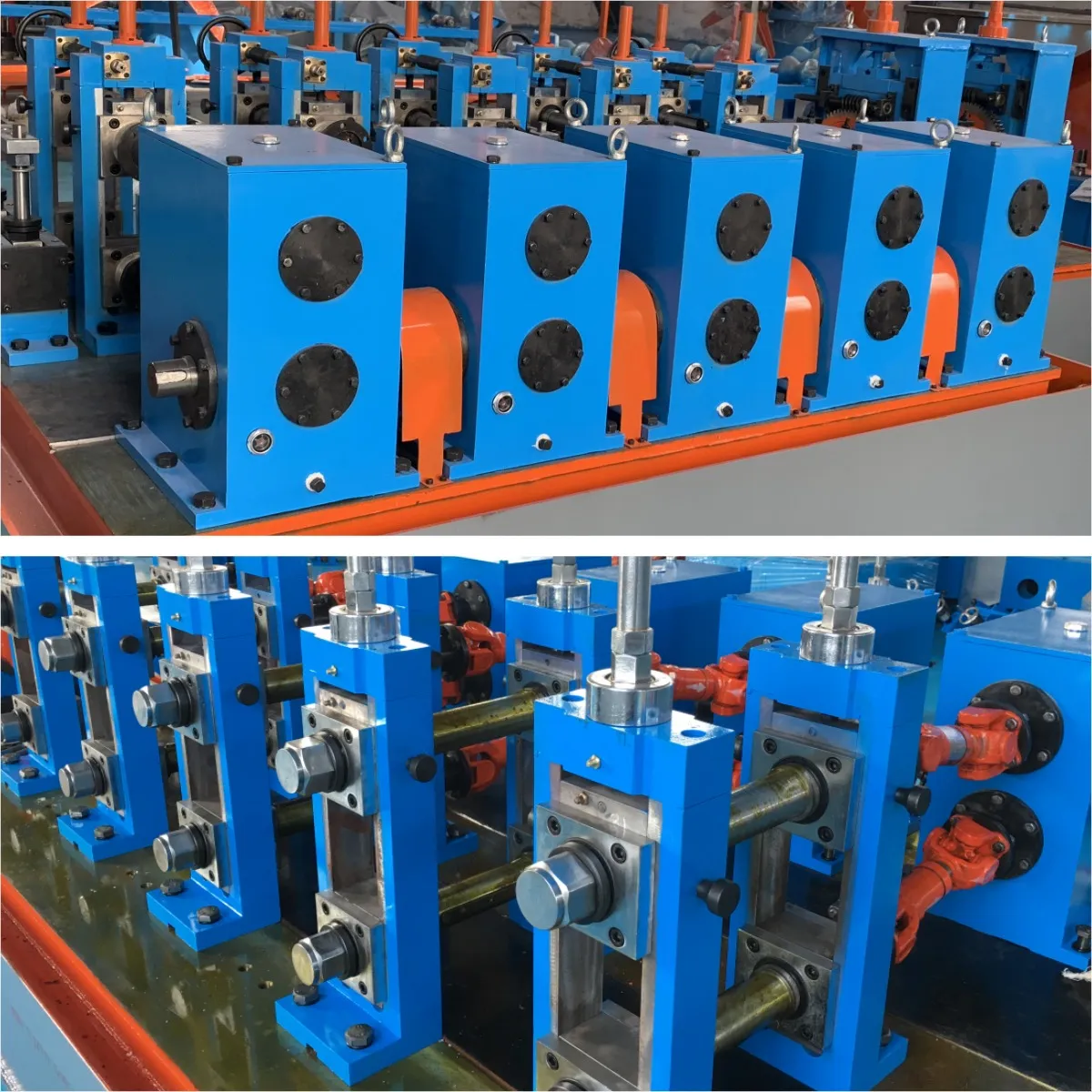
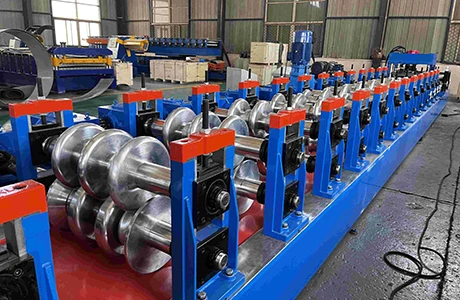
Illustration: High-speed section of an ERW tube mill, emphasizing precise cutting.
Trustworthiness: FAQ, Lead Time, Warranty, and Support
Investing in a tube mill for sale represents a significant capital outlay. Therefore, transparency in service commitments, support infrastructure, and warranty provisions is crucial for building trust and ensuring a successful long-term partnership.
Frequently Asked Questions (FAQ):
Q: What are the primary maintenance requirements for a tube mill?
A: Regular maintenance includes lubrication of moving parts, inspection and replacement of wear components (e.g., rollers, welding electrodes), calibration of cutting and sizing units, and routine electrical checks. A comprehensive maintenance schedule is provided with each `tube mill machine`.
Q: Can your mills process both carbon steel and stainless steel?
A: Yes, many of our `welded tube mill` lines are designed with material flexibility in mind. Specific forming rolls and welding parameters can be adjusted for different material grades. Dedicated `tube mill` lines might be recommended for high-volume production of specific alloys to optimize performance.
Q: Is operator training included with the purchase?
A: Absolutely. Our service package typically includes on-site installation, commissioning, and comprehensive training for your operators and maintenance staff to ensure they are proficient in operating and troubleshooting the `tube mill` effectively.
Q: How does the `hydraulic uncoiler` enhance performance?
A: A `hydraulic uncoiler` provides superior tension control and smooth, consistent feeding of the steel coil into the mill. This minimizes strip breakage, reduces material waste, and maintains a stable process, especially important for high-speed production and heavy-gauge materials.
Lead Time and Fulfillment:
Typical lead times for a standard tube mill for sale vary based on complexity and customization. For standard models, lead times generally range from 90 to 120 working days from order confirmation. Highly customized or large-scale projects, such as a complete `erw tube mill china` solution with integrated auxiliary equipment, may require 150 to 180 working days. We maintain clear communication throughout the manufacturing and delivery process.
Warranty Commitments:
We provide a comprehensive warranty of 12 to 24 months for major mechanical and electrical components, effective from the date of commissioning or 18 months from shipment, whichever comes first. This warranty covers manufacturing defects and ensures peace of mind for your investment in a `tube mill machine`. Wear parts are covered for defects but not normal wear and tear.
Customer Support and After-Sales Service:
Our commitment extends beyond delivery. We offer robust after-sales support including:
- Technical Assistance: 24/7 remote technical support via phone, email, and video conferencing.
- Spare Parts Availability: A readily available inventory of critical spare parts ensures minimal downtime. We can also provide a recommended spare parts list for two years of operation.
- On-site Support: Experienced engineers are available for on-site troubleshooting, maintenance, and upgrades globally.
- Software Updates: Regular firmware and software updates for control systems to enhance performance and introduce new features.
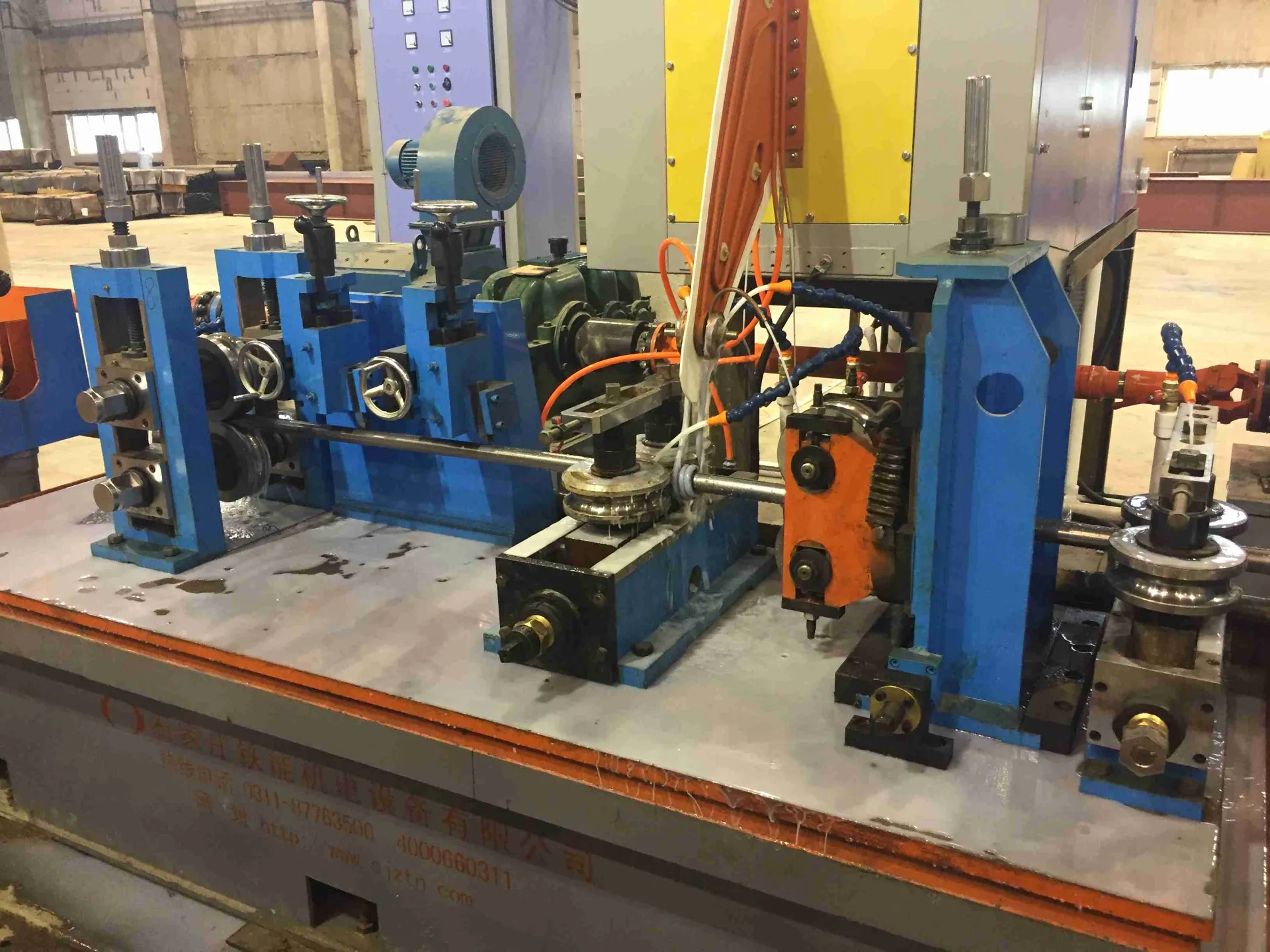
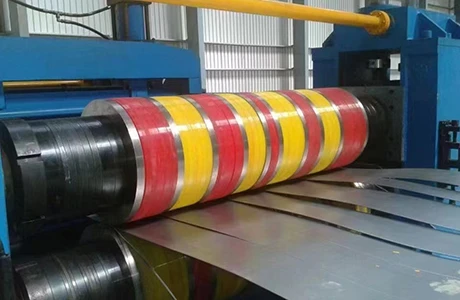
Illustration: Final inspection and quality control stage of tube production.
Conclusion
The evolution of `tube mill` technology underscores a commitment to precision, efficiency, and adaptability in industrial manufacturing. For businesses aiming to capitalize on the growing demand for high-quality tubular products, securing a state-of-the-art tube mill for sale is a strategic imperative. By leveraging advanced features, comprehensive support, and tailored solutions, manufacturers can significantly enhance their production capabilities, reduce operational costs, and maintain a competitive edge in a dynamic global market.
References
- American Society of Mechanical Engineers (ASME). (2023). Boiler and Pressure Vessel Code, Section IX: Welding, Brazing, and Fusing Qualifications.
- International Organization for Standardization (ISO). (2022). ISO 9001:2015 - Quality management systems - Requirements.
- American Petroleum Institute (API). (2023). API Specification 5L: Line Pipe.
- National Institute of Standards and Technology (NIST). (2021). Advanced Manufacturing Technology Roadmap.

Related Products

Related News
2027-04-24 00:00:00
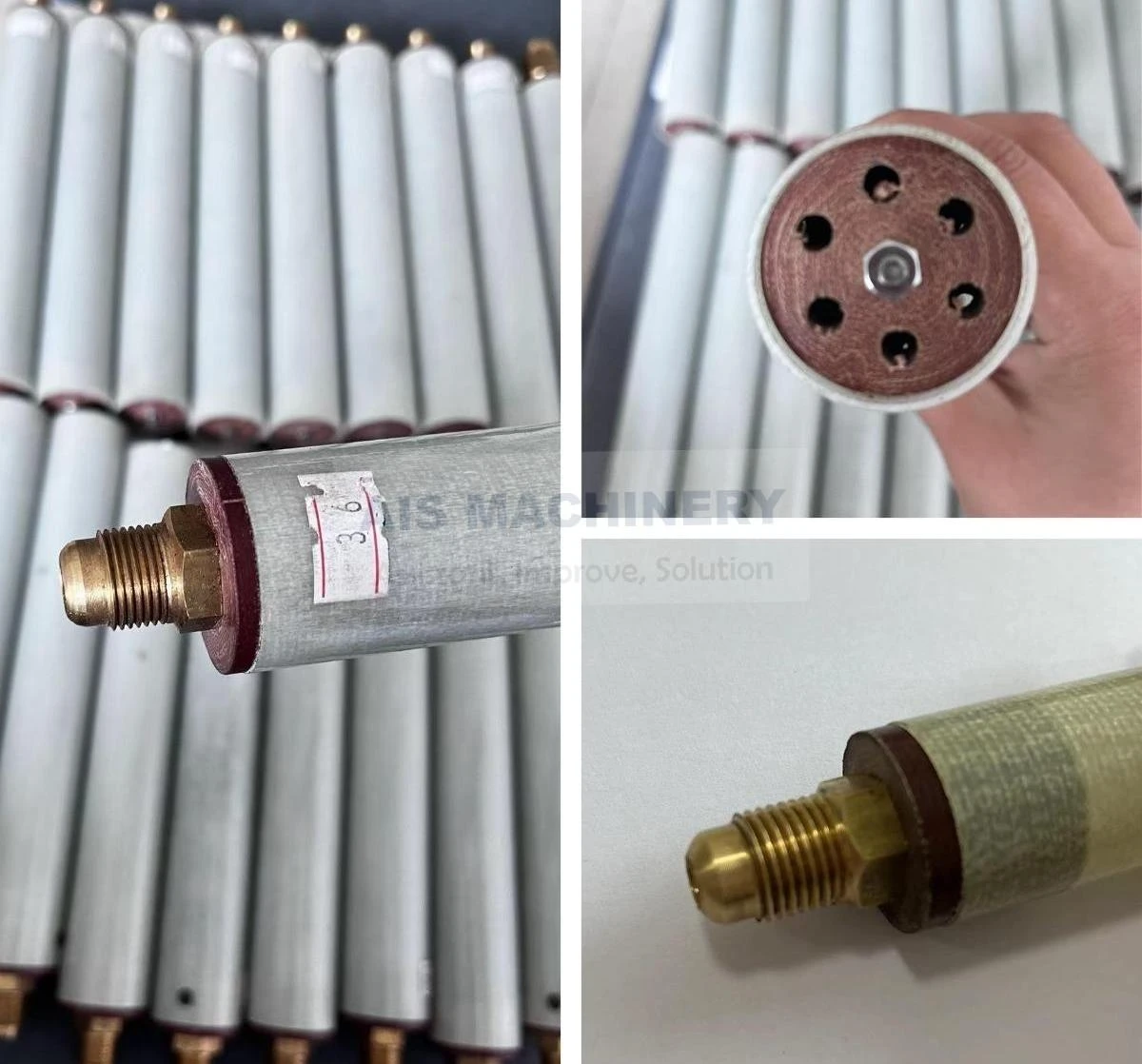
What is an Impeder and Ferrite Rods in ERW Tube Mill?
Struggling with impeder overheating or short service life in your ERW tube mill? This guide explains common impeder problems, the role of ferrite rods, and how to choose the right impeder for stable welding performance. Improve weld quality, reduce energy loss, and extend equipment lifespan with the right selection and proper cooling solutions.
2026-04-21 10:22:25
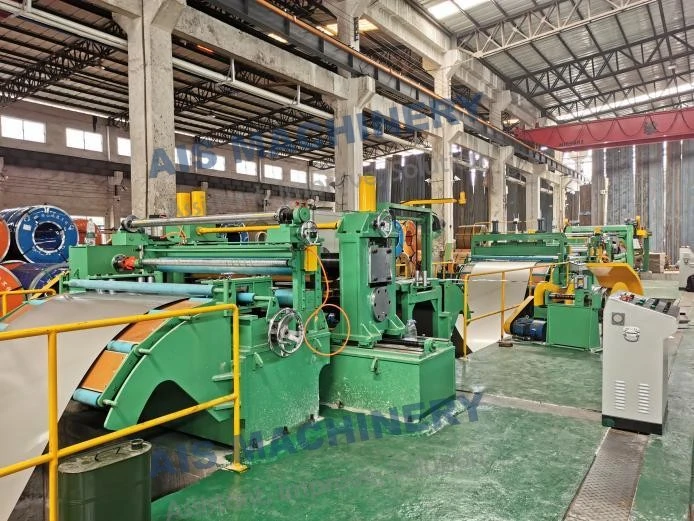
Slitting & Cut-to-Length Combined Production Line: A Smarter Way to Process Steel Coils
Discover the Slitting & Cut-to-Length Combined Production Line, a flexible solution for steel coil processing. This system integrates slitting line and cut-to-length line functions in one machine, saving space, reducing costs, and improving efficiency. Ideal for processing both steel strips and sheets, it is widely used in service centers and manufacturing industries. Learn its advantages, limitations, and applications.
2026-04-18 03:20:20
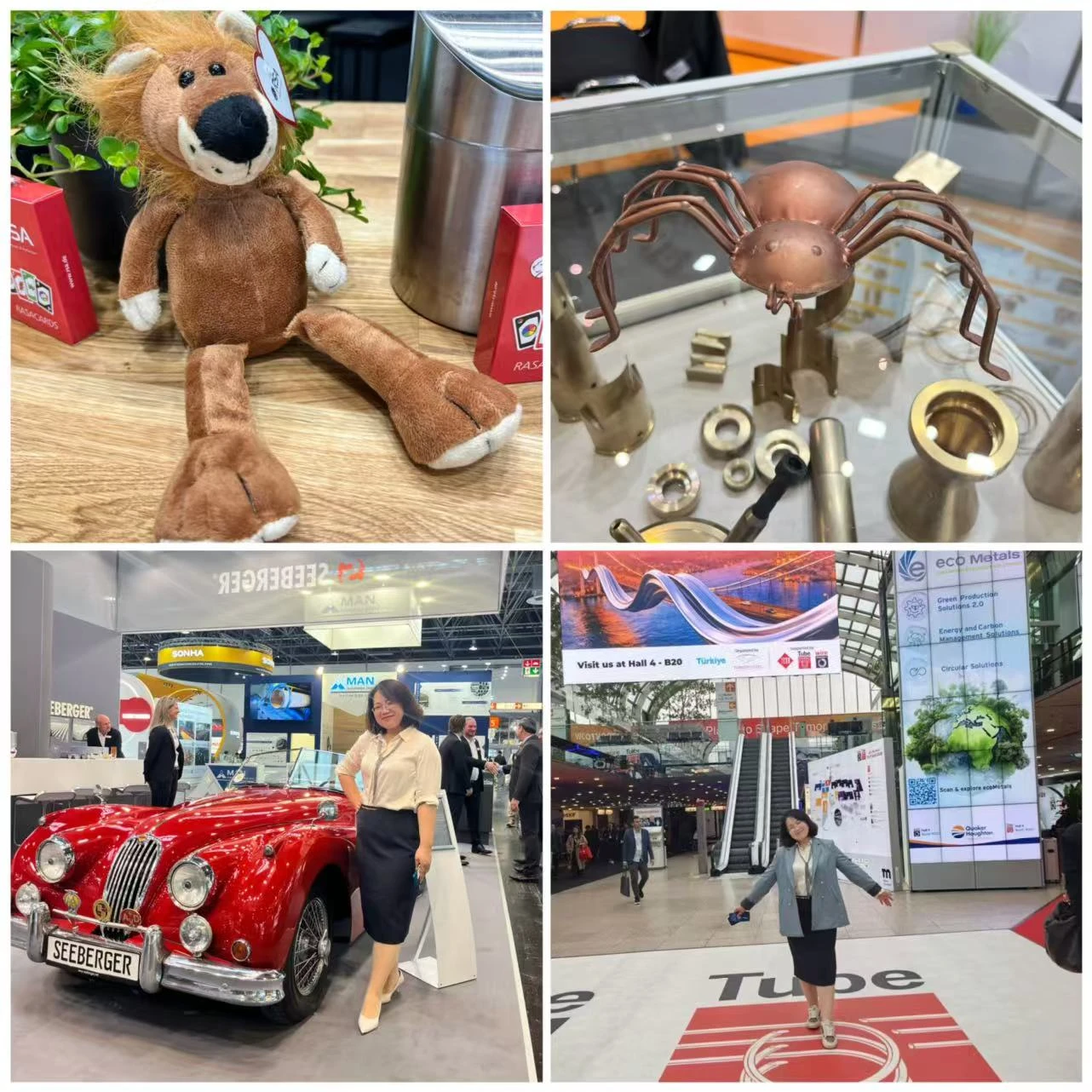
AIS Machinery Showcases Advanced Tube Solutions at Tube & Wire Düsseldorf 2026
Tube & Wire Düsseldorf 2026, one of the most influential exhibitions in the global tube and wire industry, held biennially in Düsseldorf, Germany
2026-04-17 00:00:00
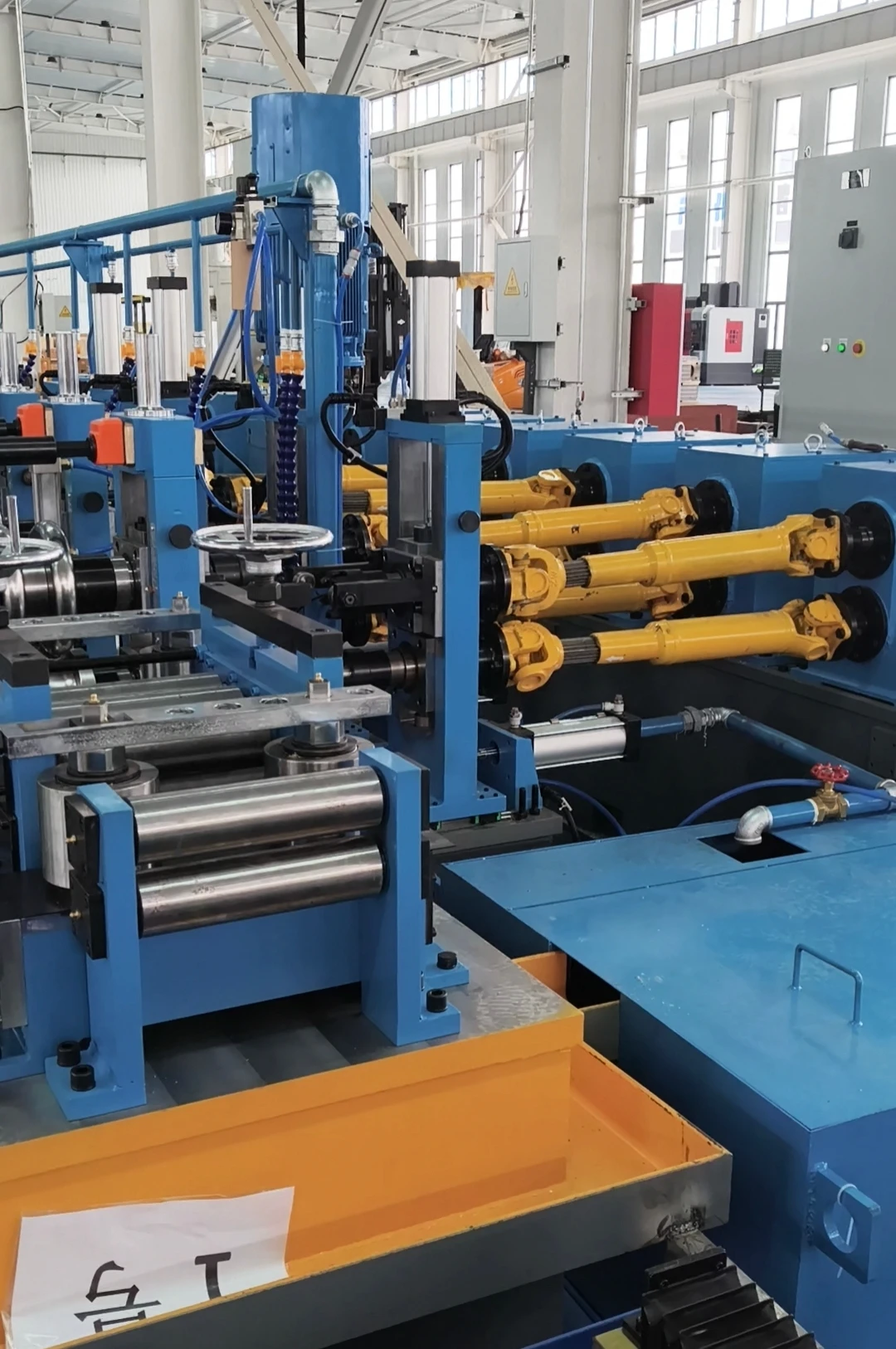
Southeast Asia Client Visits Our Factory | Customized Tube Mill Solution Delivered
A Southeast Asia client visited our ERW tube mill factory to inspect production lines and discuss a customized tube mill solution. Impressed by our machine quality, welding performance, and engineering support, the client confirmed strong cooperation intentions. Discover how our ERW tube mill solutions improve efficiency, precision, and long-term production reliability.
2026-04-15 10:37:55
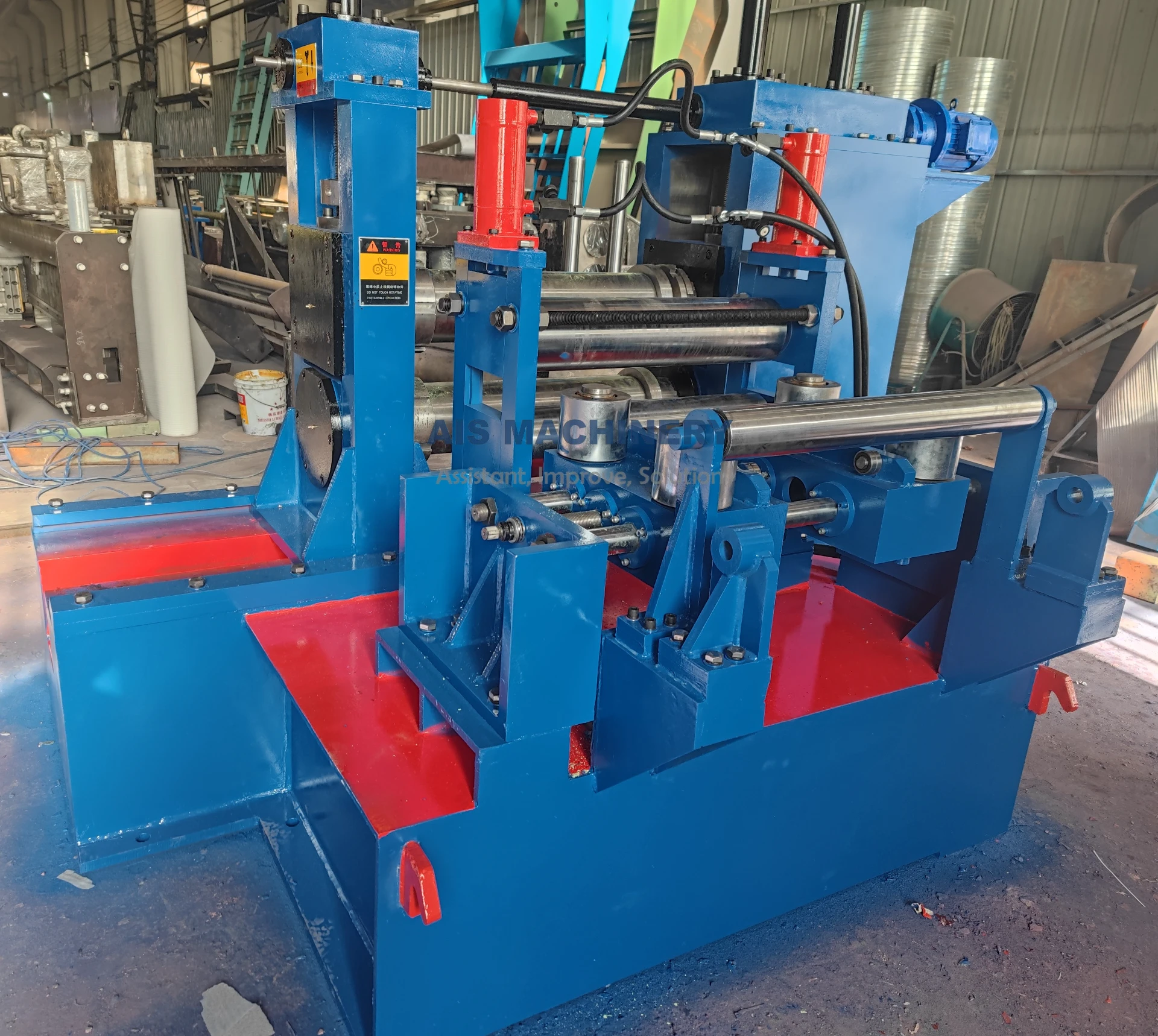
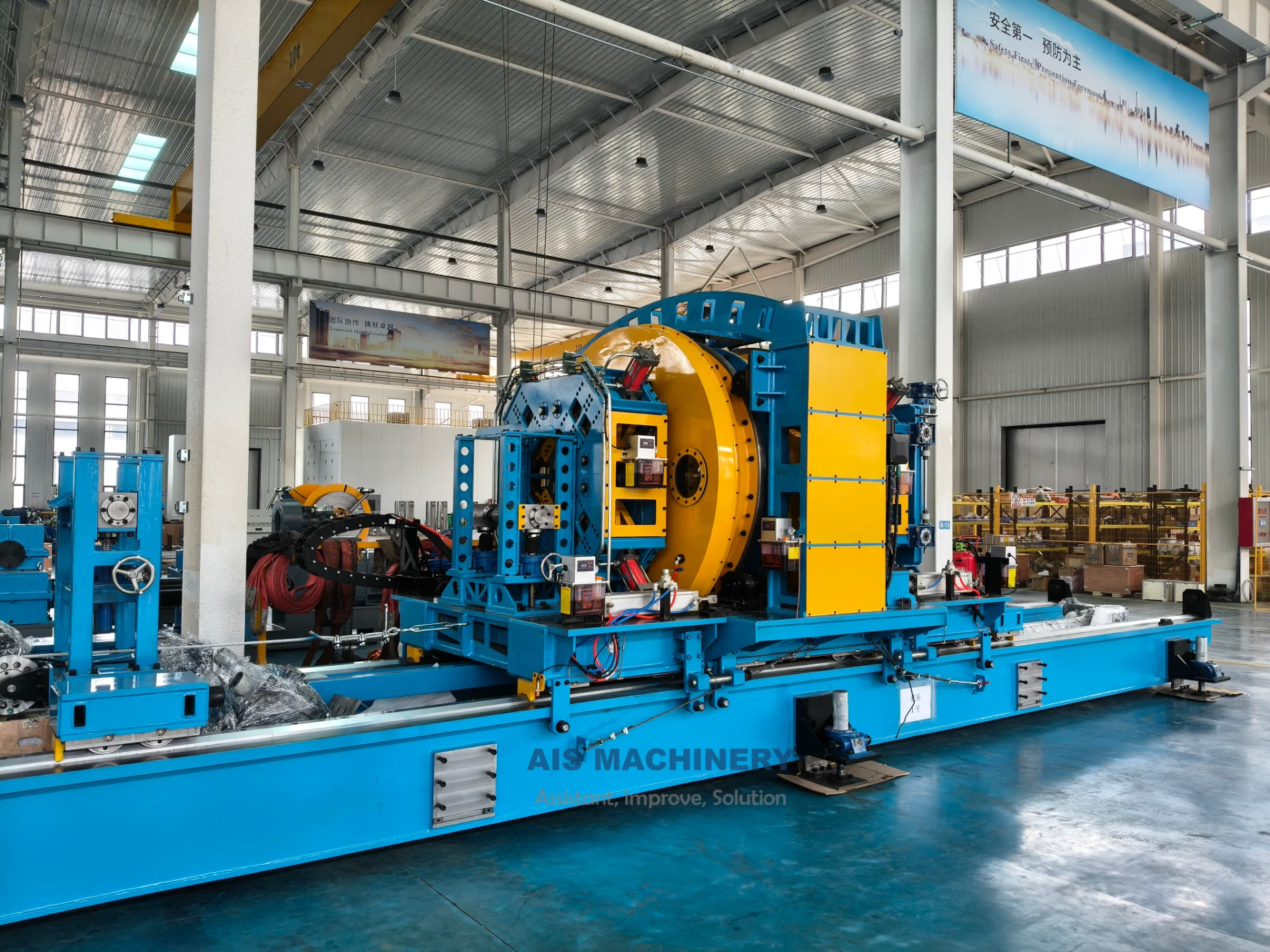
Flat Bar Production Line for Steel Coils: How It Works & Why It Matters
Looking for a flat bar production line? Learn how it turns steel coils into ready-to-use flat bars with precise length and high straightness. Compare it with slitting lines and get the best solution for your steel processing needs.
2026-04-14 00:00:00
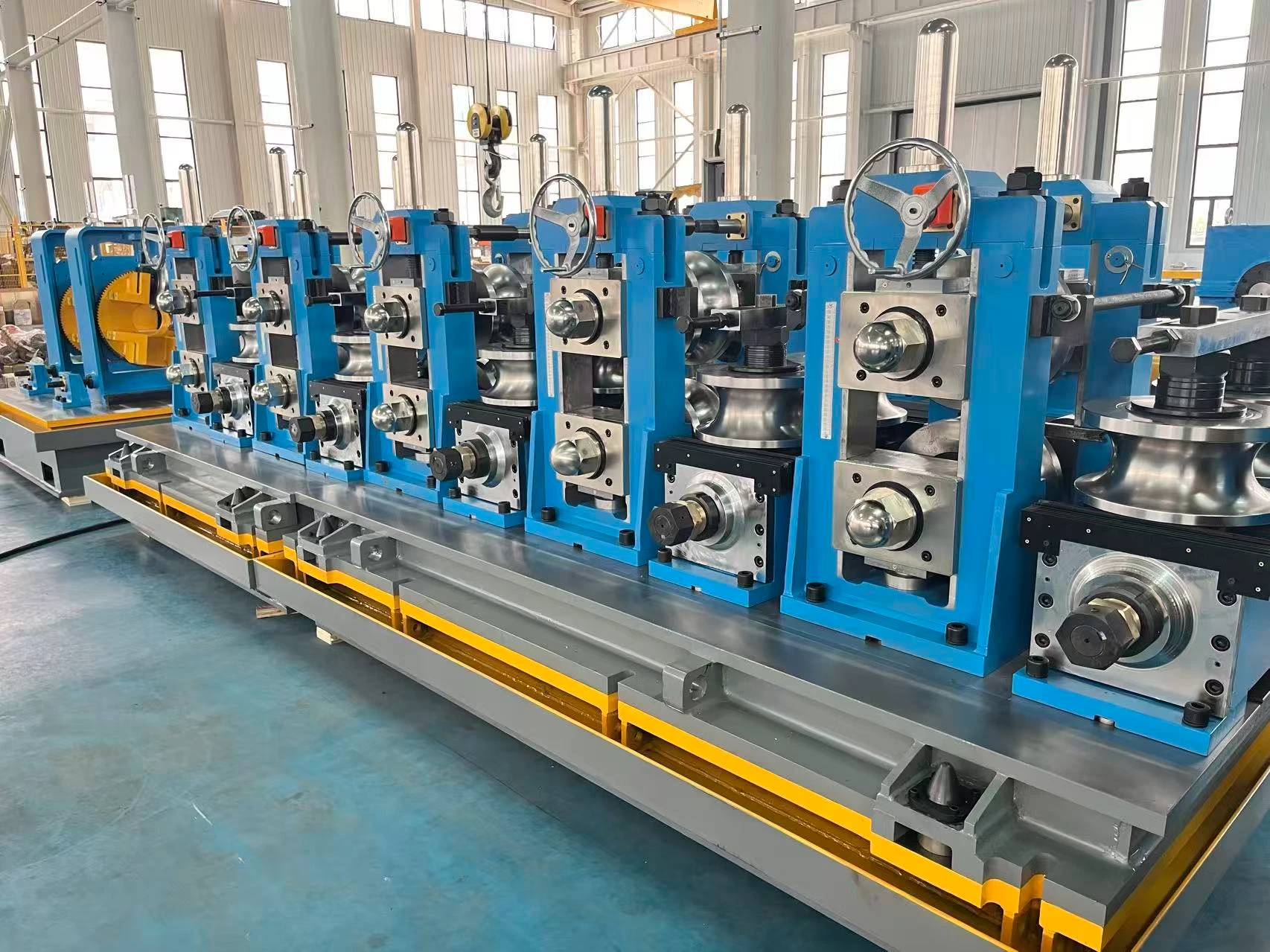
Looking for a Milling Saw for ERW Tube Mill? Here’s What You Need to Know
Looking for a high-performance milling saw for your ERW tube mill? Upgrade to burr-free, high-precision pipe cutting with advanced flying saw technology. Improve efficiency, reduce rework, and meet export standards for carbon steel, stainless steel, and API pipes. Contact us today for expert solutions and competitive pricing tailored to your production needs.
2026-04-09 16:15:19
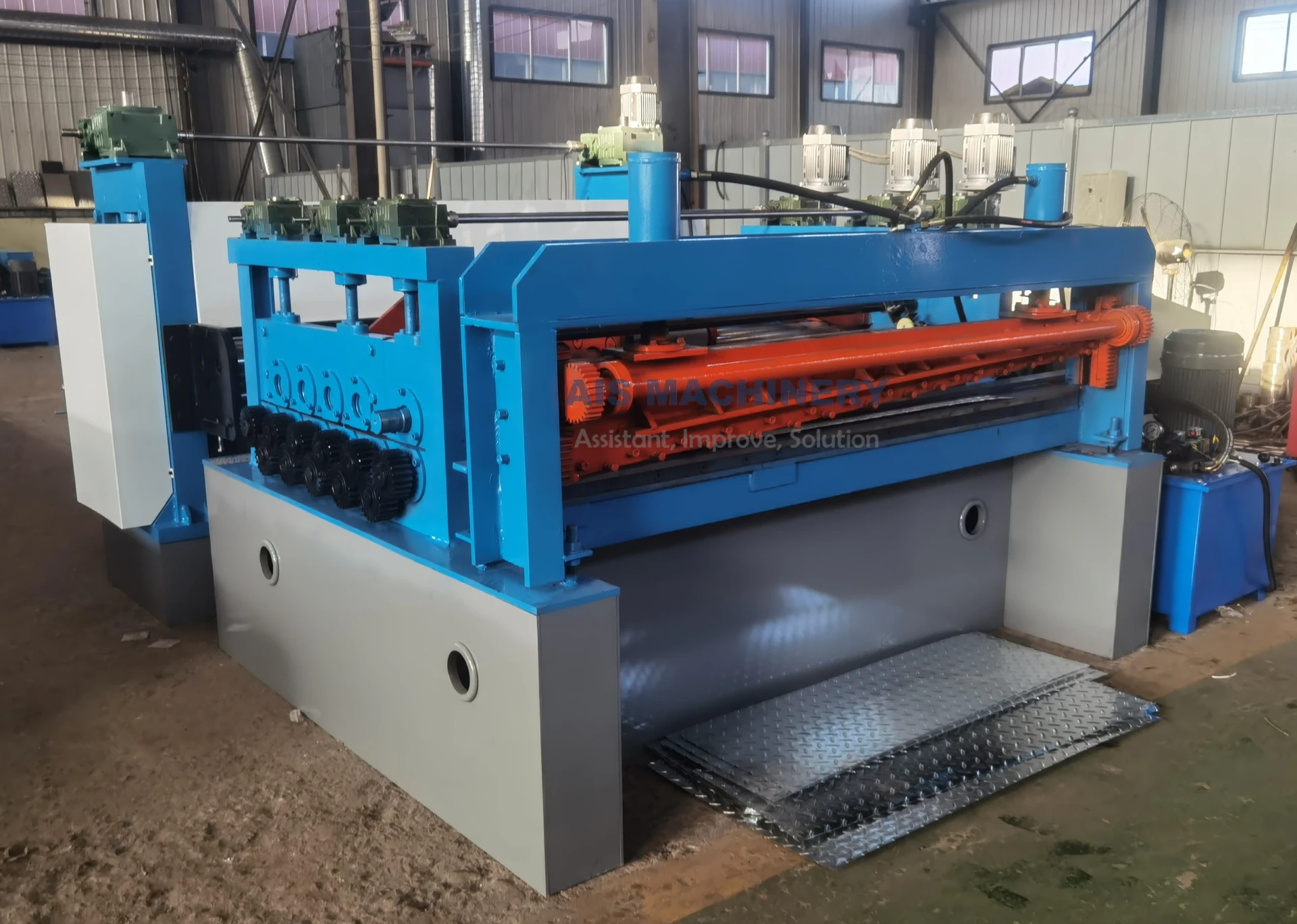
5-Inch (127mm) ERW Tube Making Machine Delivered with Heavy-Duty Design and Advanced Quick Change System
2027-04-07 00:00:00
Metal Embossing Machine: Turn Flat Sheets into High-Value Textured Products
Discover how a metal embossing machine transforms flat steel, stainless steel, and aluminum sheets into high-value textured products. Learn about its working principle, key components, and applications. Ideal for decorative and industrial use, embossing machines improve both appearance and performance. Explore complete embossing line solutions and find the right machine for your production needs.
Send a Message
Dear customer, thank you for your attention! We provide high-quality machinery and equipment and look forward to your orders. Please inform us of your needs and we will respond quickly!
 English
  Albanian
  Arabic
  French
  German
  Indonesian
  Italian
  Japanese
  Kazakh
  Korean
  Latin
Latin  Macedonian
  Portuguese
  Russian
  Spanish
  Thai
Thai  Turkish
  Ukrainian
  Uzbek
Uzbek