
-
 Tel:86-15176910262
-

Search

SiC HF Welder for ERW Tube Mill
Feb . 09, 2026 00:00
SiC HF Welder for ERW Tube Mill
Design Evolution from IGBT Solid-State Technology
The HF welder is a core component of an ERW tube mill, responsible for edge heating and weld seam formation during continuous pipe production.
Its system design, power devices, and integration level directly affect welding stability, energy consumption, and overall production efficiency.
With the development of power semiconductor technology, HF welders for ERW tube mills have evolved from conventional system structures to solid-state solutions, and more recently, to designs incorporating silicon carbide (SiC) power devices.
Conventional HF Welder System Structures
Historically, HF welders used in ERW tube mills have mainly been based on two system structures:
-
Series-type HF welding systems
-
Parallel-type HF welding systems
These structures have been widely applied in industrial ERW pipe production and have formed stable and mature technical foundations.
System selection has traditionally depended on tube size range, wall thickness, line speed, and production requirements.
IGBT Solid-State HF Welder Technology
As vacuum tube technology was gradually phased out, IGBT-based solid-state HF welders became a widely adopted solution in ERW tube mill applications.
Typical characteristics of IGBT HF welder designs include:
-
Solid-state power devices with stable operation
-
Modular system architecture
-
Compatibility with modern control and protection systems
-
Proven performance in continuous industrial operation
For medium to high power requirements, IGBT HF welders commonly rely on multiple power modules and multiple cabinets to achieve the required output level.
This design approach is technically mature and widely accepted, though it generally results in larger system size and more complex cabinet arrangements.
Application of SiC Power Devices in HF Welders
In recent years, SiC (Silicon Carbide) power devices have been introduced into certain HF welder designs for ERW tube mills.
From a system design perspective, SiC power devices offer:
-
Higher allowable switching frequency
-
Lower switching and conduction losses under specific operating conditions
-
Higher achievable power density
These characteristics provide greater flexibility in HF welder system design.
In practical applications, SiC-based HF welders can be designed with fewer power modules, enabling more compact cabinet layouts while maintaining required output performance.
Higher System Integration and Compact Design
Traditional IGBT HF welder systems often consist of several independent cabinets, handling rectification, inversion, control, and auxiliary functions separately.
With the application of SiC power devices:
-
Certain functional sections can be integrated
-
Overall cabinet count can be reduced
-
System layouts can be simplified
This higher level of integration helps optimize floor space usage and simplifies installation and maintenance planning for ERW tube mill lines.
IGBT vs SiC HF Welder
Design-Level Comparison (Non-Parameter Based)
| Design Aspect | IGBT HF Welder | SiC HF Welder |
|---|---|---|
| Power device material | Silicon-based IGBT | Silicon Carbide (SiC) |
| Typical system structure | Multi-module, multi-cabinet | Fewer modules, higher integration |
| Switching capability | Moderate | Higher allowable switching frequency |
| Power density | Conventional | Higher potential power density |
| Cabinet layout | Larger footprint | More compact layout |
| Cooling system impact | Standard industrial cooling | Reduced thermal load under similar conditions |
| System design flexibility | Proven and standardized | Increased flexibility for compact designs |
Note: Actual performance depends on system design, operating conditions, and application requirements.
Efficiency and Operating Considerations
In ERW tube mill production, HF welders typically operate continuously over long periods.
System efficiency is influenced by multiple factors, including power device characteristics, circuit topology, cooling design, and production load.
SiC-based HF welders may offer efficiency advantages in certain operating ranges.
However, actual energy-saving results should always be evaluated based on real production parameters rather than theoretical device characteristics alone.
Selection Considerations for ERW Tube Mills
Both IGBT and SiC HF welders are currently used in ERW tube mill applications.
-
IGBT HF welders remain a reliable and well-established solution
-
SiC HF welders provide new options for compact design and system optimization
The appropriate solution should be selected according to pipe specifications, production capacity, plant layout, and long-term operating considerations.
Summary
The development of HF welder technology for ERW tube mills reflects continuous progress in power electronics and system integration.
From traditional system structures
to IGBT solid-state designs
and further to SiC-based HF welders
each stage provides different technical solutions to meet evolving production requirements.

Related Products

Related News
2026-04-18 03:20:20
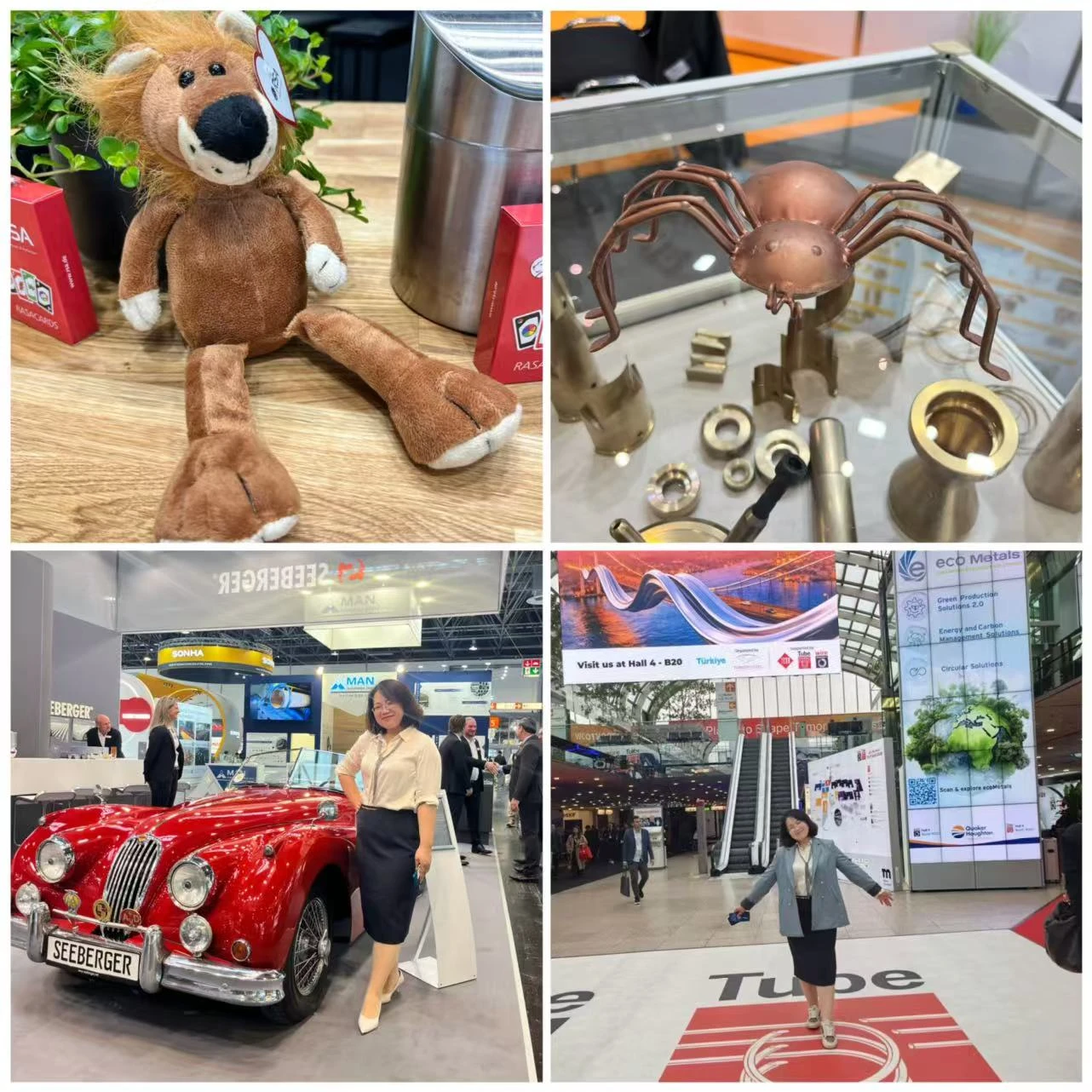
AIS Machinery Showcases Advanced Tube Solutions at Tube & Wire Düsseldorf 2026
Tube & Wire Düsseldorf 2026, one of the most influential exhibitions in the global tube and wire industry, held biennially in Düsseldorf, Germany
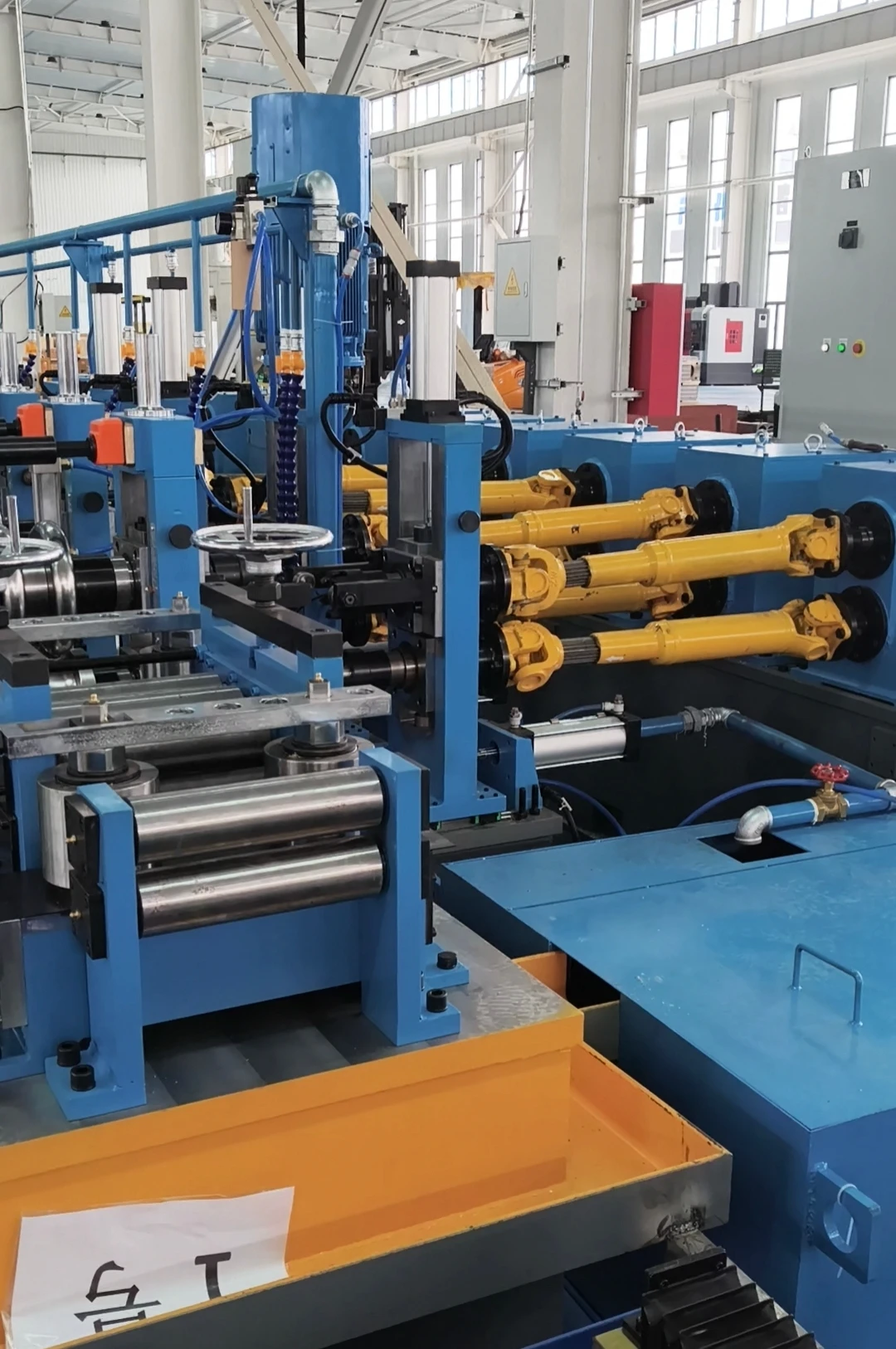
2027-04-17 00:00:00
Southeast Asia Client Visits Our Factory | Customized Tube Mill Solution Delivered
A Southeast Asia client visited our ERW tube mill factory to inspect production lines and discuss a customized tube mill solution. Impressed by our machine quality, welding performance, and engineering support, the client confirmed strong cooperation intentions. Discover how our ERW tube mill solutions improve efficiency, precision, and long-term production reliability.
2026-04-16 02:35:12
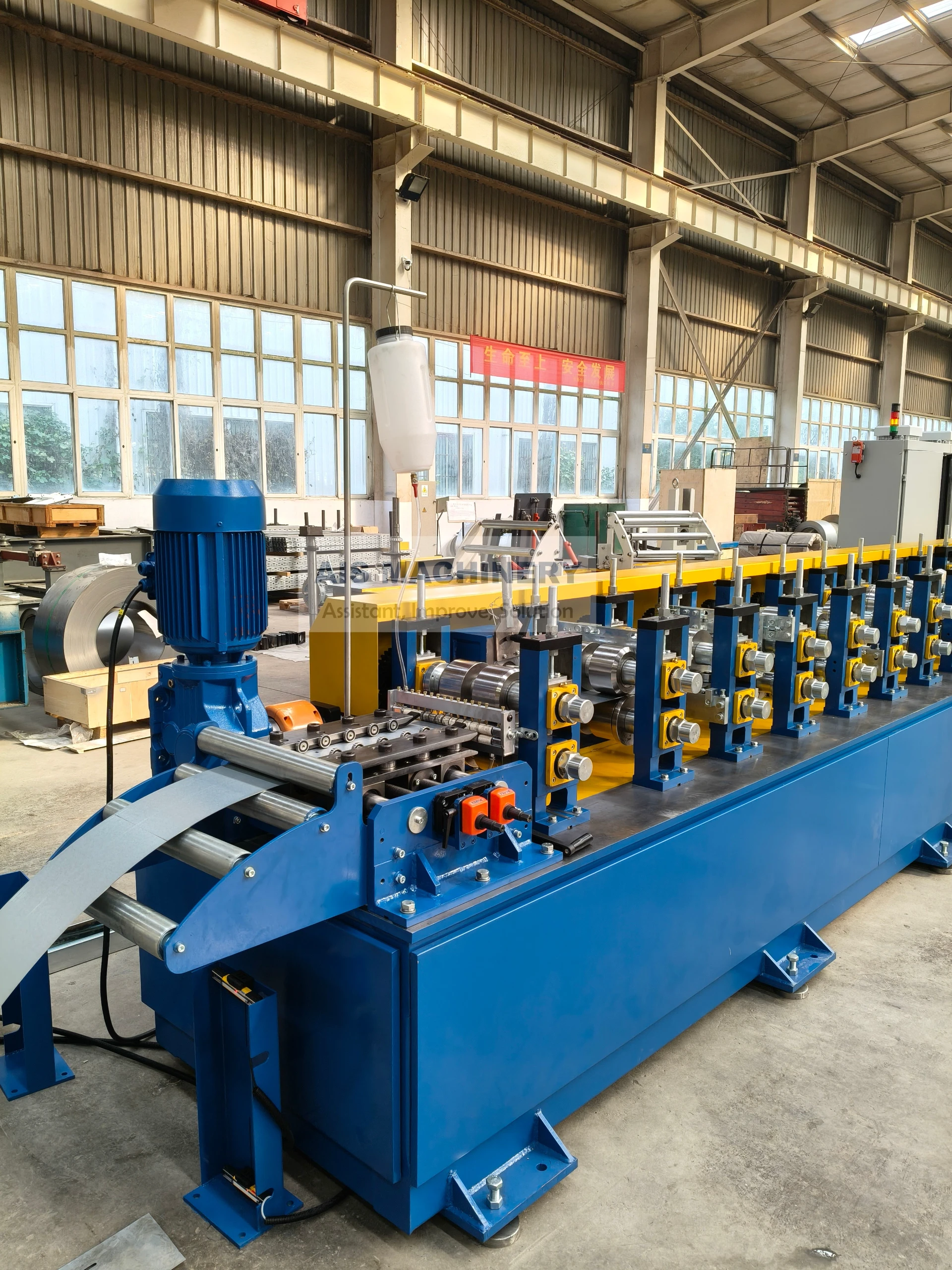
Professional Cold Roll Forming Machine Factory for Production
In the modern industrial landscape, the precision of metal shaping is the cornerstone of quality manufacturing. Partnering with a professional cold roll forming machine factory is essential for businesses looking to optimize their production lines, reduce material waste, and ensure high-dimensional accuracy. Whether you are producing C-channels, square tubes, or custom profiles, the choice of machinery determines your competitive edge in the market. This guide will explore the critical factors in selecting a factory and the technical advantages of advanced roll forming technology to help you make an informed investment.
2026-04-15 10:37:55
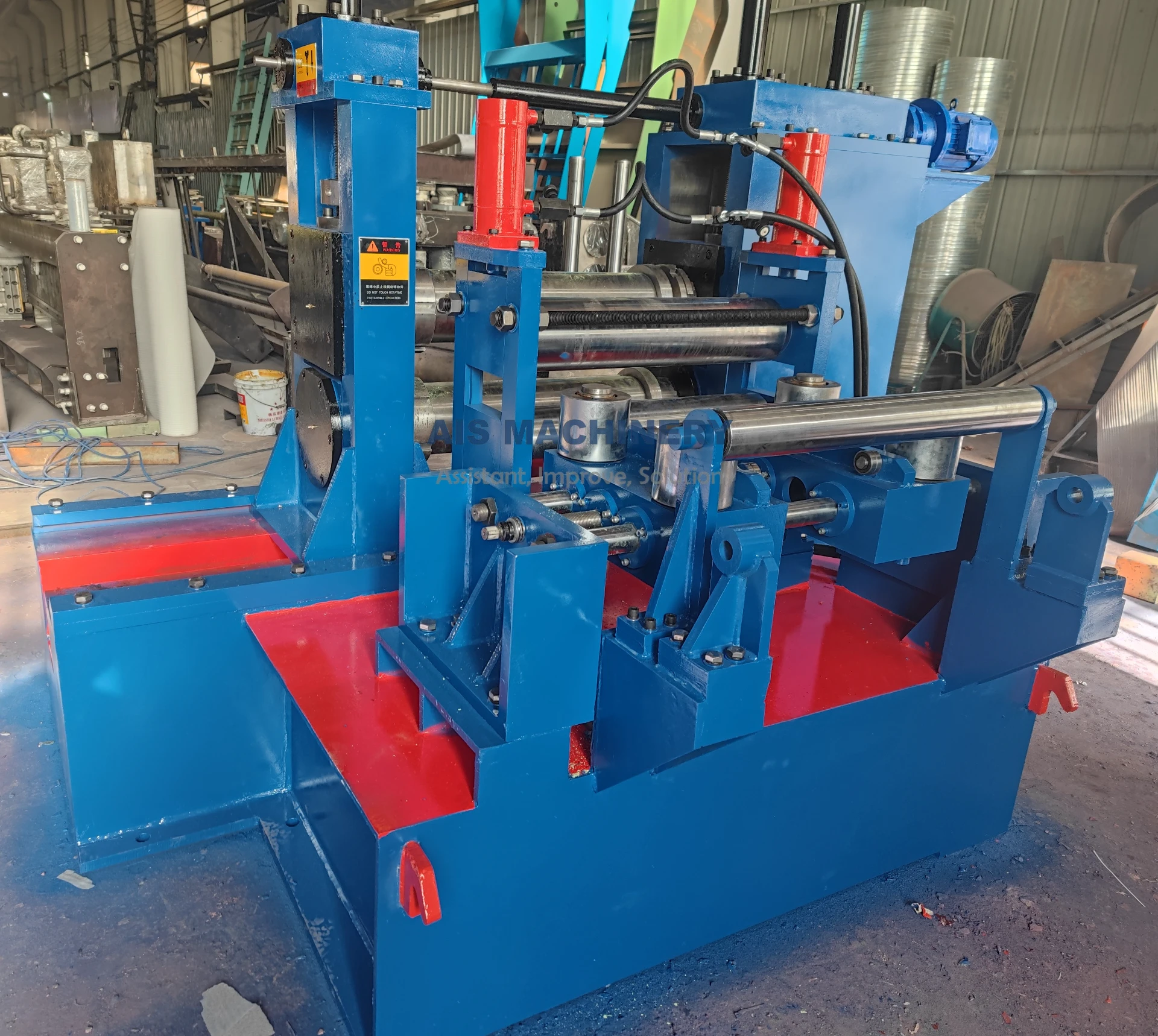
Flat Bar Production Line for Steel Coils: How It Works & Why It Matters
Looking for a flat bar production line? Learn how it turns steel coils into ready-to-use flat bars with precise length and high straightness. Compare it with slitting lines and get the best solution for your steel processing needs.
2026-04-14 00:00:00
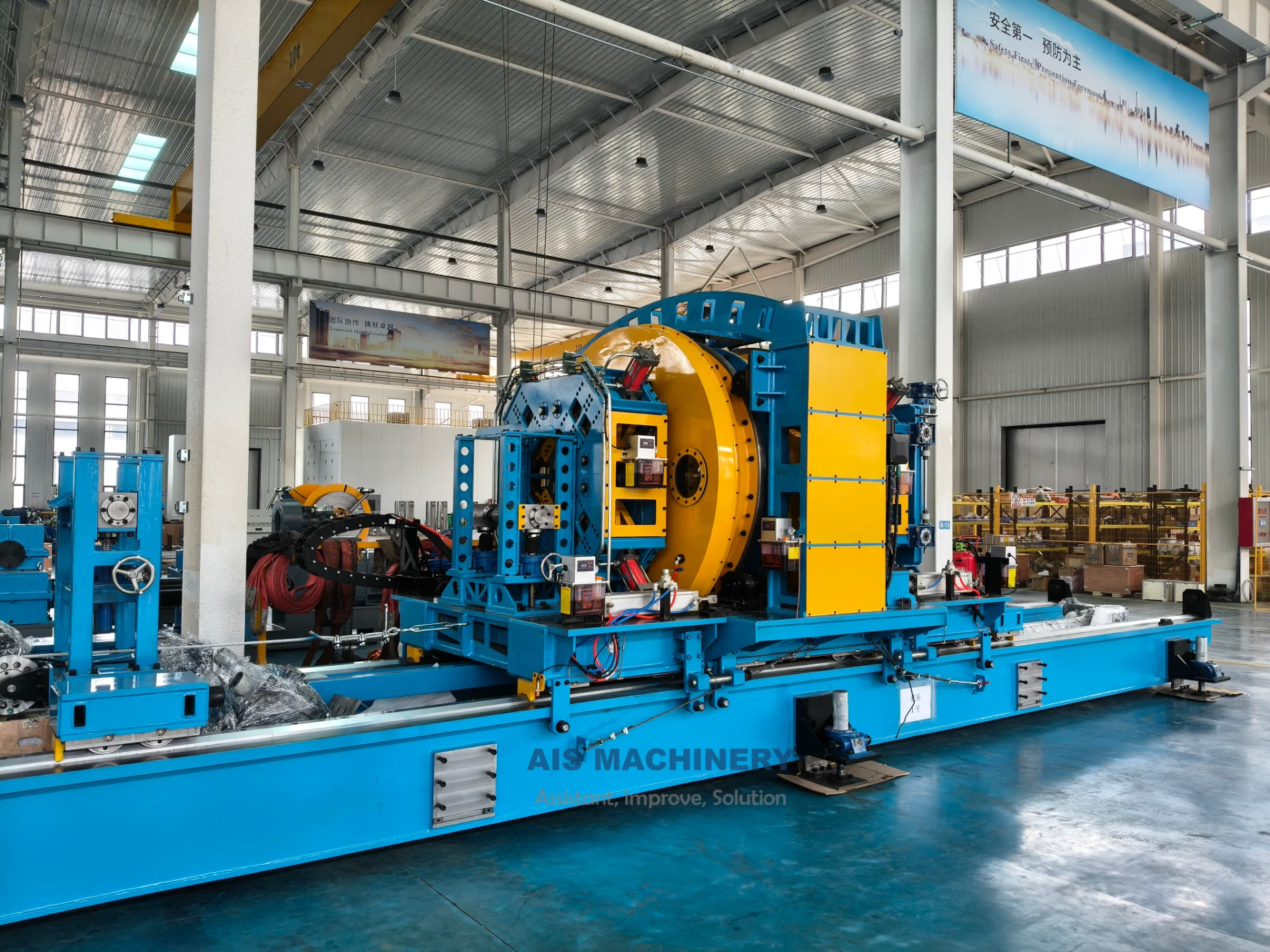
Looking for a Milling Saw for ERW Tube Mill? Here’s What You Need to Know
Looking for a high-performance milling saw for your ERW tube mill? Upgrade to burr-free, high-precision pipe cutting with advanced flying saw technology. Improve efficiency, reduce rework, and meet export standards for carbon steel, stainless steel, and API pipes. Contact us today for expert solutions and competitive pricing tailored to your production needs.
2026-04-09 16:15:19
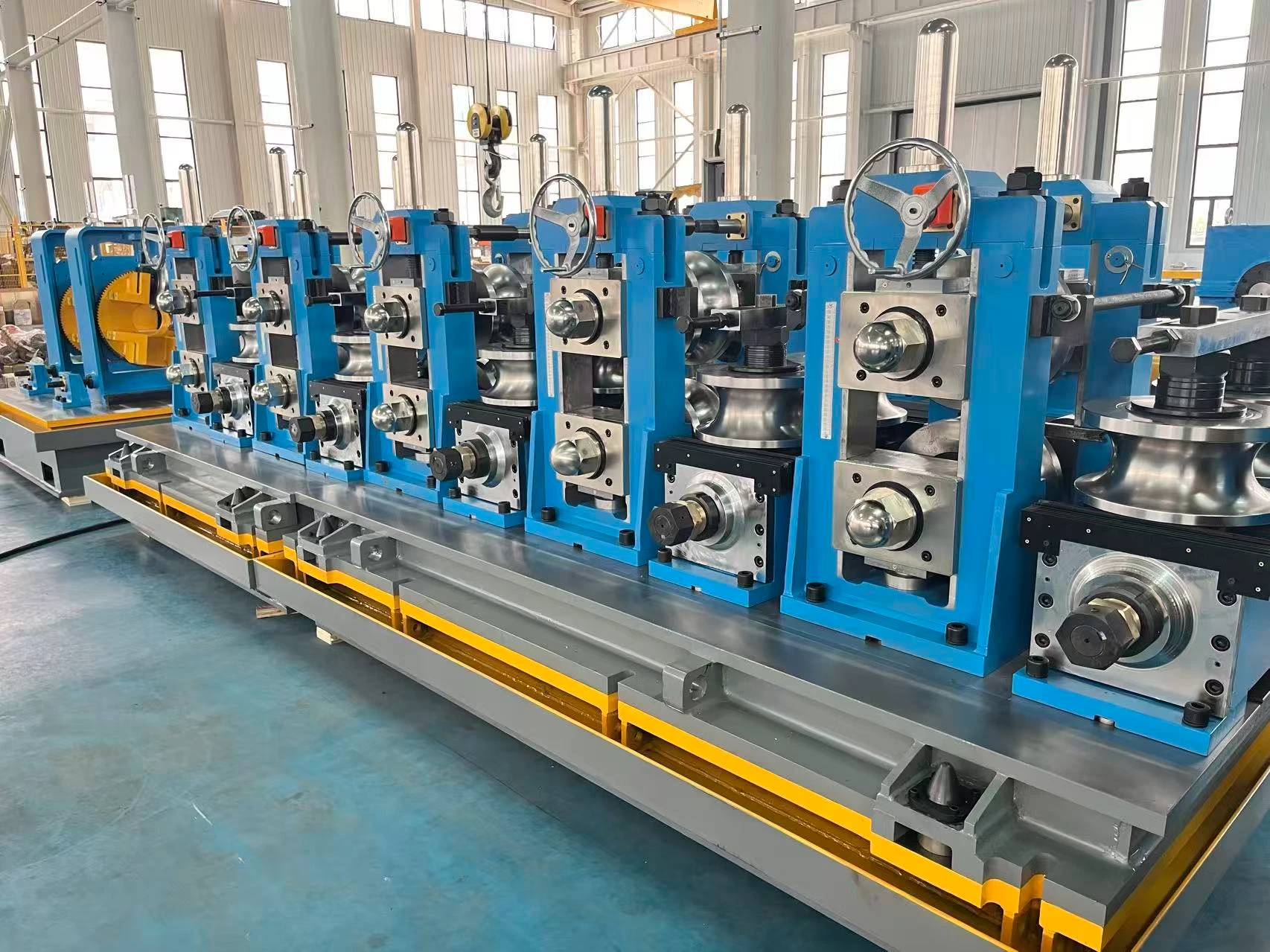
5-Inch (127mm) ERW Tube Making Machine Delivered with Heavy-Duty Design and Advanced Quick Change System
2027-04-07 00:00:00
Metal Embossing Machine: Turn Flat Sheets into High-Value Textured Products
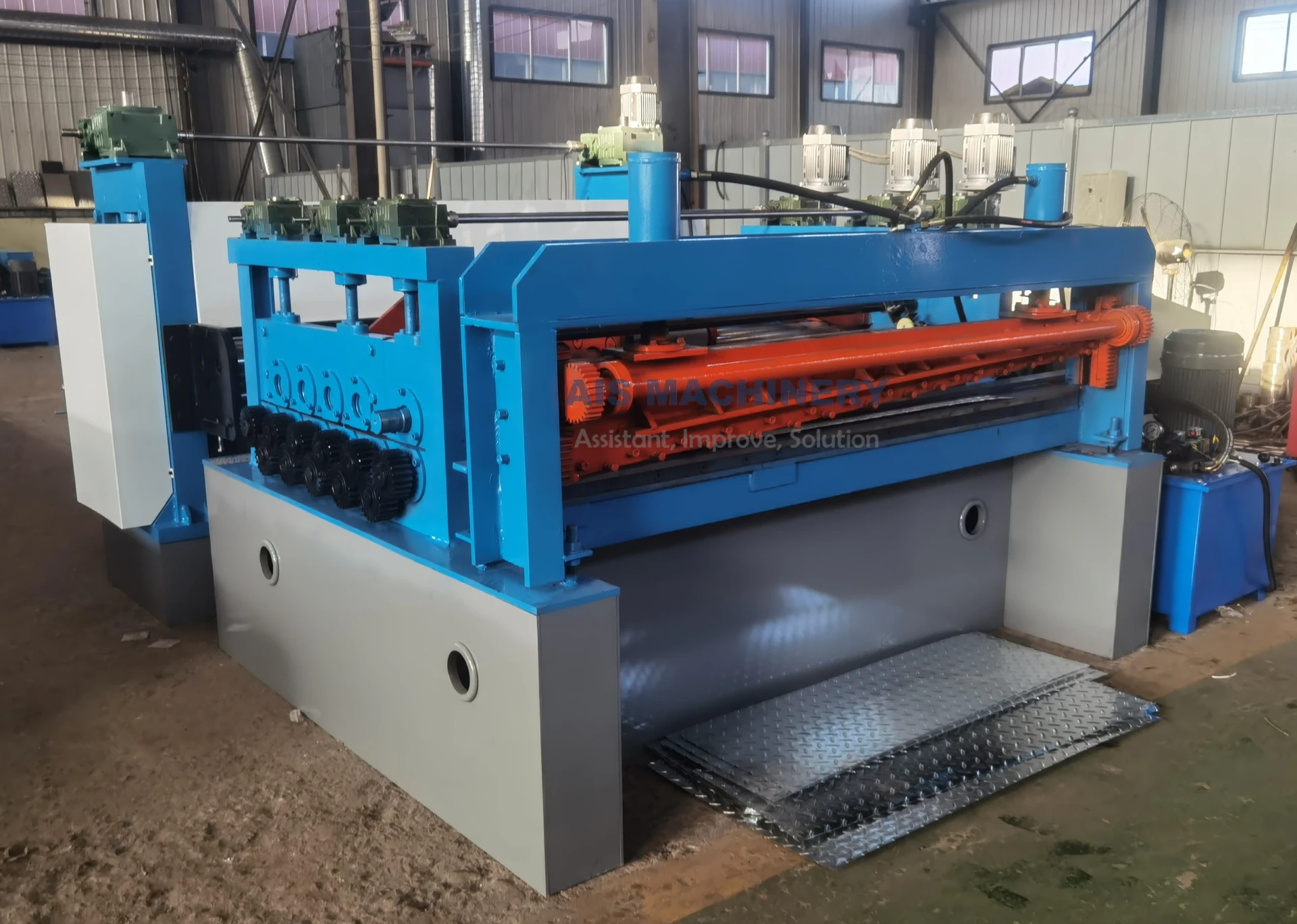
Discover how a metal embossing machine transforms flat steel, stainless steel, and aluminum sheets into high-value textured products. Learn about its working principle, key components, and applications. Ideal for decorative and industrial use, embossing machines improve both appearance and performance. Explore complete embossing line solutions and find the right machine for your production needs.
2026-04-04 20:37:18
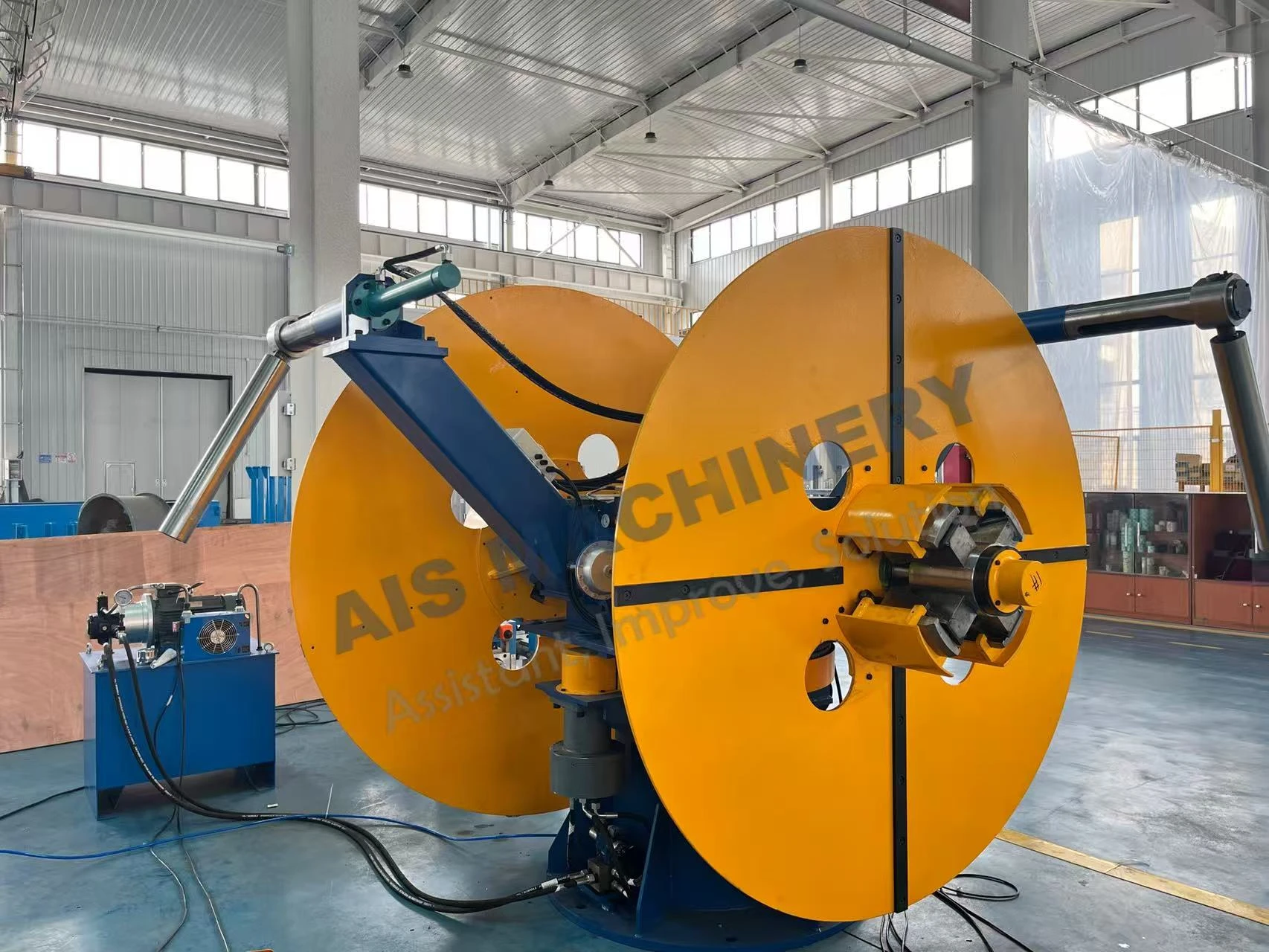
Automatic Double Side Uncoiler with Hydraulic Expansion and Auto Rotation for Steel Coil Processing
The Automatic Double Side Uncoiler is a high-efficiency solution designed for modern steel coil processing lines, including tube mills, roll forming machines, and slitting lines. With a maximum capacity of 4 tons per side, this machine ensures stable and continuous coil feeding while reducing downtime during coil change.
Send a Message
Dear customer, thank you for your attention! We provide high-quality machinery and equipment and look forward to your orders. Please inform us of your needs and we will respond quickly!
 English
  Albanian
  Arabic
  French
  German
  Indonesian
  Italian
  Japanese
  Kazakh
  Korean
  Latin
Latin  Macedonian
  Portuguese
  Russian
  Spanish
  Thai
Thai  Turkish
  Ukrainian
  Uzbek
Uzbek