
-
 Tel:86-15176910262
-

Search

High-Efficiency Square Tube Roll Forming Machines Custom Solutions
Jun . 09, 2025 15:10
- The technical evolution behind modern tube roll forming systems
- Performance benchmarks across leading manufacturers
- Critical design specifications comparison
- Adaptability for specialty applications
- Success stories in construction and automotive sectors
- Value analysis over operational lifecycle
- Selecting your optimal production solution
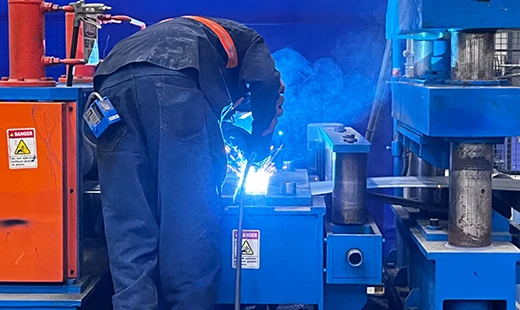
(square tube roll forming machine)
Advancements in Structural Steel Forming Technology
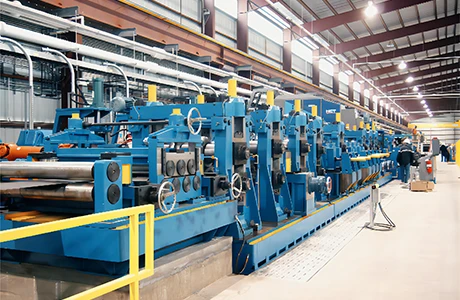
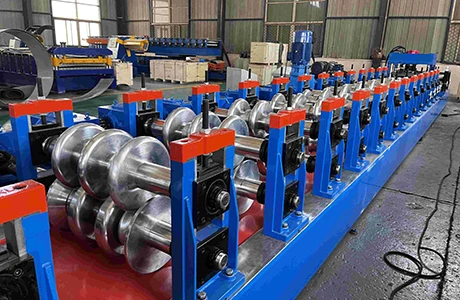
Contemporary square tube manufacturing machines represent a revolutionary leap in structural production capabilities. Modern roll forming systems have evolved from basic 8-stand configurations to sophisticated 24-stand mills capable of processing tube sizes from 10x10mm to 150x150mm. These technological improvements enable production speeds exceeding 40 meters/minute while maintaining dimensional tolerances within ±0.1mm. The integration of IoT sensors now provides millimeter-level monitoring of material thickness (0.8-6.0mm) and roller alignment during continuous operation.
Energy efficiency metrics demonstrate substantial progress, with current direct forming technology reducing power consumption by 30% compared to traditional methods. Advanced DFT tube mill configurations now incorporate automated laser welding stations that operate at 1500°C with argon shielding gas, achieving seam integrity at 102% base material strength. The implementation of predictive maintenance algorithms further decreases unplanned downtime to under 2% of operational hours, significantly outperforming earlier generation equipment.
Performance Benchmarking: Leading Manufacturers Compared
| Manufacturer | Max Speed (m/min) | Thickness Range (mm) | Tooling Life (hours) | Power Consumption (kW) | Changeover Time |
|---|---|---|---|---|---|
| DFT Direct Forming | 45 | 0.8-6.5 | 5,000 | 85 | 25 minutes |
| Industry Standard A | 32 | 1.0-5.0 | 3,200 | 120 | 45 minutes |
| Industry Standard B | 28 | 1.2-4.5 | 2,800 | 140 | 60 minutes |
Performance differentials become particularly evident in high-volume production scenarios. DFT systems maintain ±0.08mm dimensional consistency across 10,000-meter runs, reducing material waste to 0.8% versus the 2.5-3.2% industry average. The patented quick-change cartridge system enables complete profile transitions in under 30 minutes without requiring crane assistance, substantially improving operational flexibility.
Engineering Specifications: Precision Variables
Critical technical specifications separate premium roll forming equipment from standard machinery. Key differentiators include:
- Hardened tool steel rollers (HRC 58-62) with nano-ceramic coatings
- Servo-controlled gap adjustment (±0.01mm resolution)
- Minimum bend radius capability at 1.5x material thickness
- Twin-frequency seam welding (4-16kHz range)
Material thickness variation tolerance presents another crucial factor, with premium machines compensating for up to ±0.15mm inconsistencies in coil stock. Advanced DFT mills employ real-time optical measurement systems tracking profile dimensions at 200Hz frequency. This sensor network integrates with hydraulic roll position correction achieving response times under 500ms - a critical feature for high-speed galvanized steel processing where coating variations impact forming characteristics.
Customization Options for Specialized Applications
Production facilities increasingly demand tailored configurations for specific industry requirements. Leading manufacturers now offer modular options including:
- High-frequency annealing subsystems for structural aerospace components
- Co-extrusion attachments for simultaneous PVC lining during forming
- Automated in-line stacking cells with pattern recognition
Particularly in construction steel applications, specialized tooling packages for producing asymmetrical profiles with unequal wall thickness (2.5-5.0mm variations) have proven essential. The DFT Direct Square Forming series implements these features through a segmented shaft design allowing independent roller module control. This approach facilitated a prominent bridge component manufacturer's transition to custom 120x85mm rectangular sections with three internal stiffening grooves.
Operational Evidence: Industry Implementation Cases
Multiple documented installations validate performance claims under production conditions:
Structural Fabricator - Birmingham
Replaced four conventional mills with two DFT direct forming lines achieving:
- Output increase from 17.8 to 42.3 tonnes/day
- Dimensional rejection rate decrease: 5.2% to 0.6%
- Personnel requirement reduction: 9 to 4 operators per shift
Automotive Frame Supplier - Wolfsburg
Implemented direct forming technology for custom crash reinforcement beams resulting in:
- Material savings of 2.7kg per vehicle chassis
- Improved section modulus: 12.4 to 14.8 cm³
- Annual production capacity increase: 220,000 to 385,000 units
Economic Justification and Operational Value
Comprehensive financial analysis reveals substantial advantages in square tube manufacturing machinery investment. High-capacity roll forming installations typically deliver ROI within 18-30 months based on:
- Average operational savings: $48/tonne produced
- Reduced tooling expenses: 40-60% longer service intervals
- Energy cost differentials: $15.60 vs $22.40 per operating hour
Maintenance expenditures prove markedly lower for direct forming technology due to simplified drive train architecture. DFT mills operate with 42% fewer moving components compared to conventional setups, translating to annual service costs averaging $8,200 versus $14,500. The reduced mechanical complexity simultaneously decreases technical training requirements, addressing staffing challenges in specialized manufacturing environments.
Identifying the Optimal Square Tube Roll Forming Machine
Selection methodology must prioritize precise match to production requirements. Production managers should consider:
- Material specifications: Yield strength, coating type, tolerance thresholds
- Annual volume targets: 8,000+ tonnes favors integrated direct forming lines
- Changeover frequency: >12 weekly profiles indicates quick-change systems
Leading DFT tube production systems incorporate flexibility for future requirements without excessive capital expenditure. Modular expansion slots allow integration of supplementary processing stages as demand evolves. The technological convergence between high-frequency welding and precision forming guarantees consistent tube geometry essential for structural certification across global building codes.
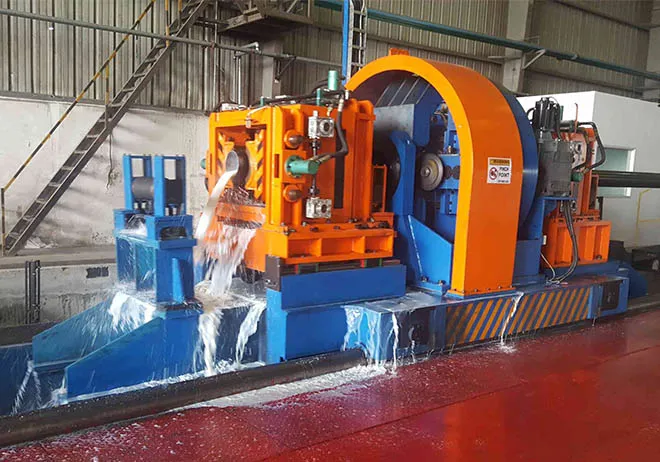
(square tube roll forming machine)
FAQS on square tube roll forming machine
What is a square tube roll forming machine?
Q: How does a square tube roll forming machine operate in metalworking? A: A square tube roll forming machine bends and shapes metal strips into precise square tubes through a series of rollers. It ensures high efficiency and consistent quality in tube production, suitable for various industrial applications.What are the key features of a DFT Direct Square Forming Tube Mill?
Q: What makes a DFT Direct Square Forming Tube Mill stand out for manufacturing? A: The DFT machine features direct forming technology for superior tube accuracy, fast production speeds, and easy customization. It reduces waste and energy use, making it ideal for high-volume square tube output.How does a square tube manufacturing machine achieve precision?
Q: How is precision ensured in square tube manufacturing machines? A: This machine uses advanced rollers to form metal strips step-by-step, combining forming, welding, and cutting processes. It maintains tight tolerances for perfect square tubes, ensuring minimal material defects.What factors should be considered when selecting a square tube roll forming machine?
Q: What criteria are important when choosing a machine for tube production? A: Focus on production capacity, material thickness range, and customization flexibility. Consider durability and maintenance ease to maximize efficiency in making square tubes.What advantages does a DFT Direct Square Forming Tube Mill offer over other machines?
Q: Why choose a DFT model for square tube manufacturing? A: It provides faster speeds and improved surface finish due to direct forming, cutting production costs and enhancing consistency. This makes it perfect for large-scale tube fabrication projects.
Related Products

Related News
2026-04-21 10:22:25
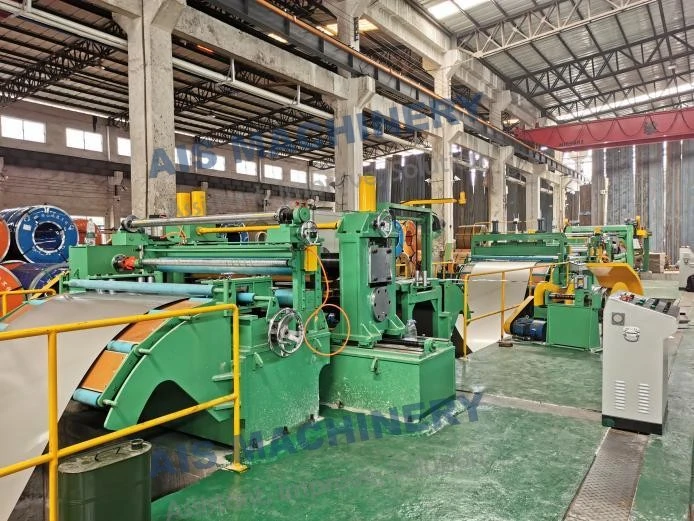
Slitting & Cut-to-Length Combined Production Line: A Smarter Way to Process Steel Coils
Discover the Slitting & Cut-to-Length Combined Production Line, a flexible solution for steel coil processing. This system integrates slitting line and cut-to-length line functions in one machine, saving space, reducing costs, and improving efficiency. Ideal for processing both steel strips and sheets, it is widely used in service centers and manufacturing industries. Learn its advantages, limitations, and applications.
2026-04-18 03:20:20
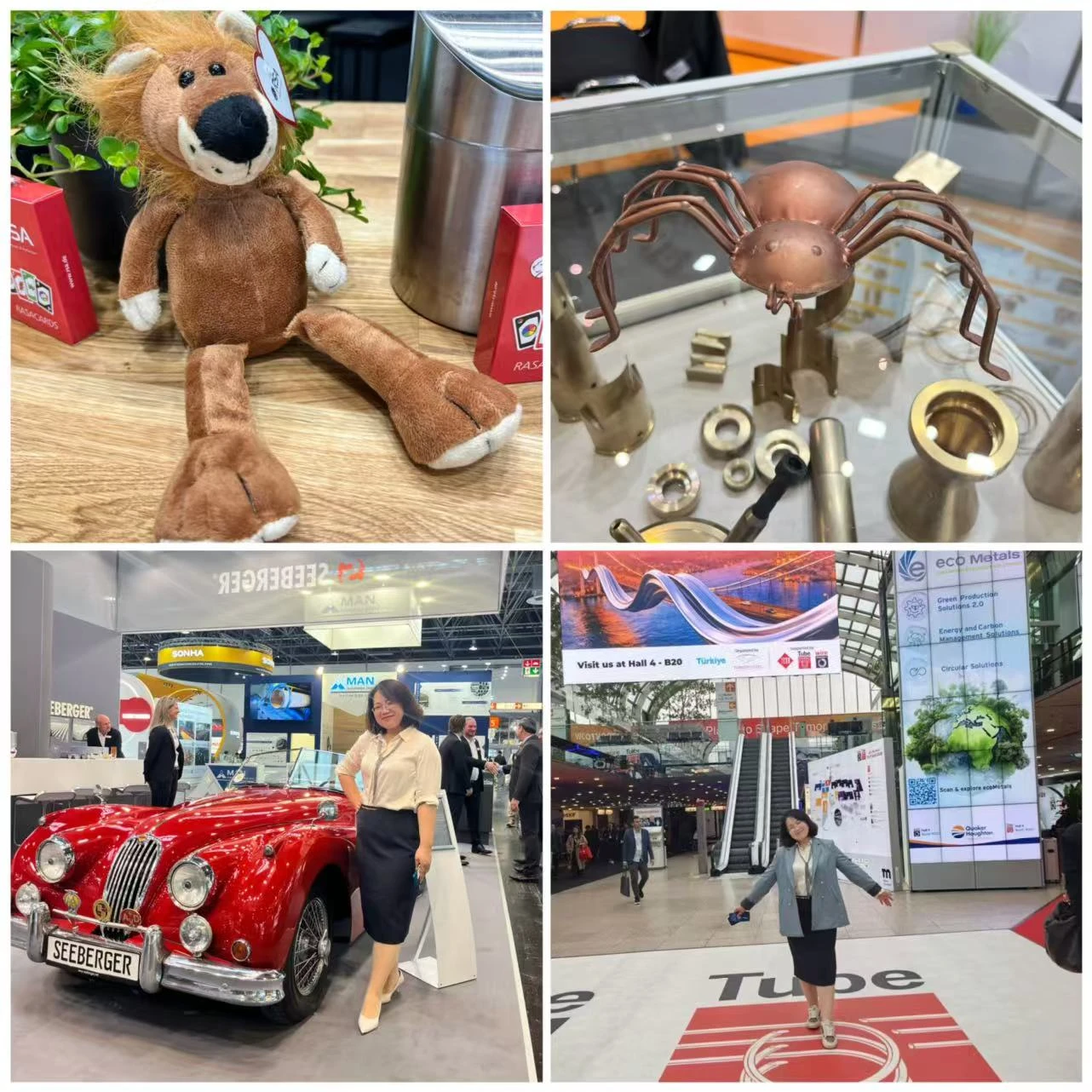
AIS Machinery Showcases Advanced Tube Solutions at Tube & Wire Düsseldorf 2026
Tube & Wire Düsseldorf 2026, one of the most influential exhibitions in the global tube and wire industry, held biennially in Düsseldorf, Germany
2026-04-17 00:00:00
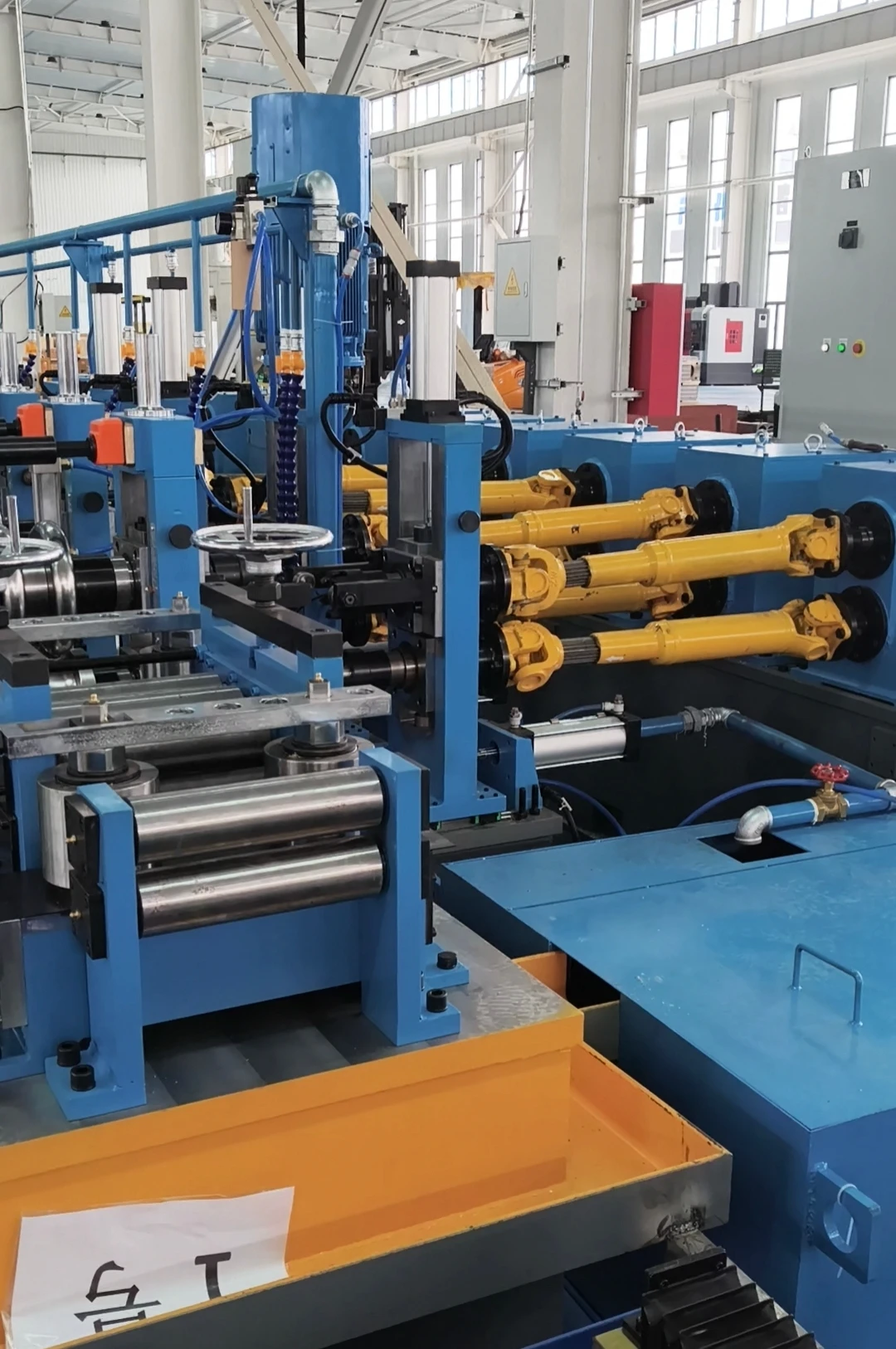
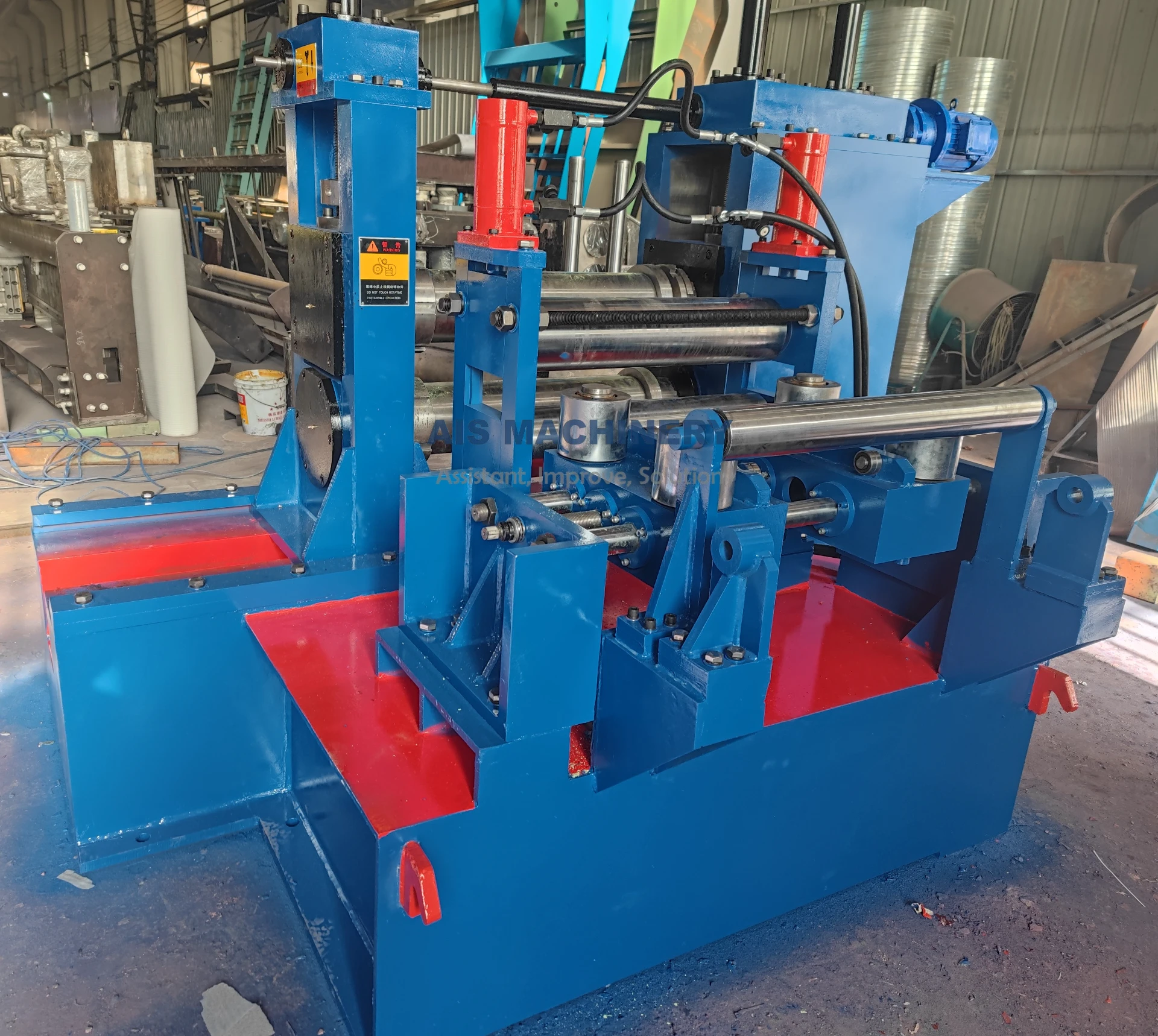
Southeast Asia Client Visits Our Factory | Customized Tube Mill Solution Delivered
A Southeast Asia client visited our ERW tube mill factory to inspect production lines and discuss a customized tube mill solution. Impressed by our machine quality, welding performance, and engineering support, the client confirmed strong cooperation intentions. Discover how our ERW tube mill solutions improve efficiency, precision, and long-term production reliability.
2026-04-15 10:37:55
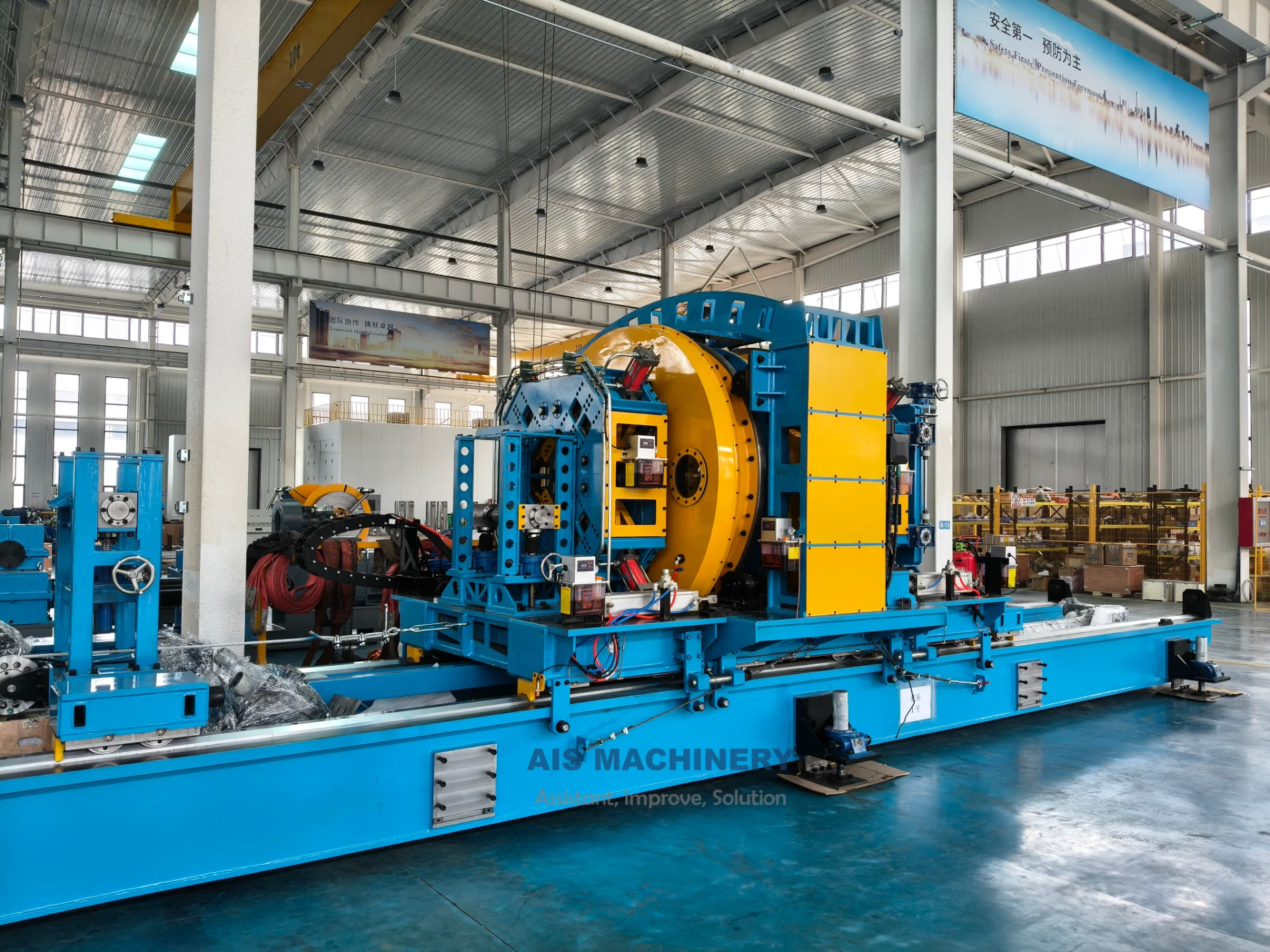
Flat Bar Production Line for Steel Coils: How It Works & Why It Matters
Looking for a flat bar production line? Learn how it turns steel coils into ready-to-use flat bars with precise length and high straightness. Compare it with slitting lines and get the best solution for your steel processing needs.
2026-04-14 00:00:00
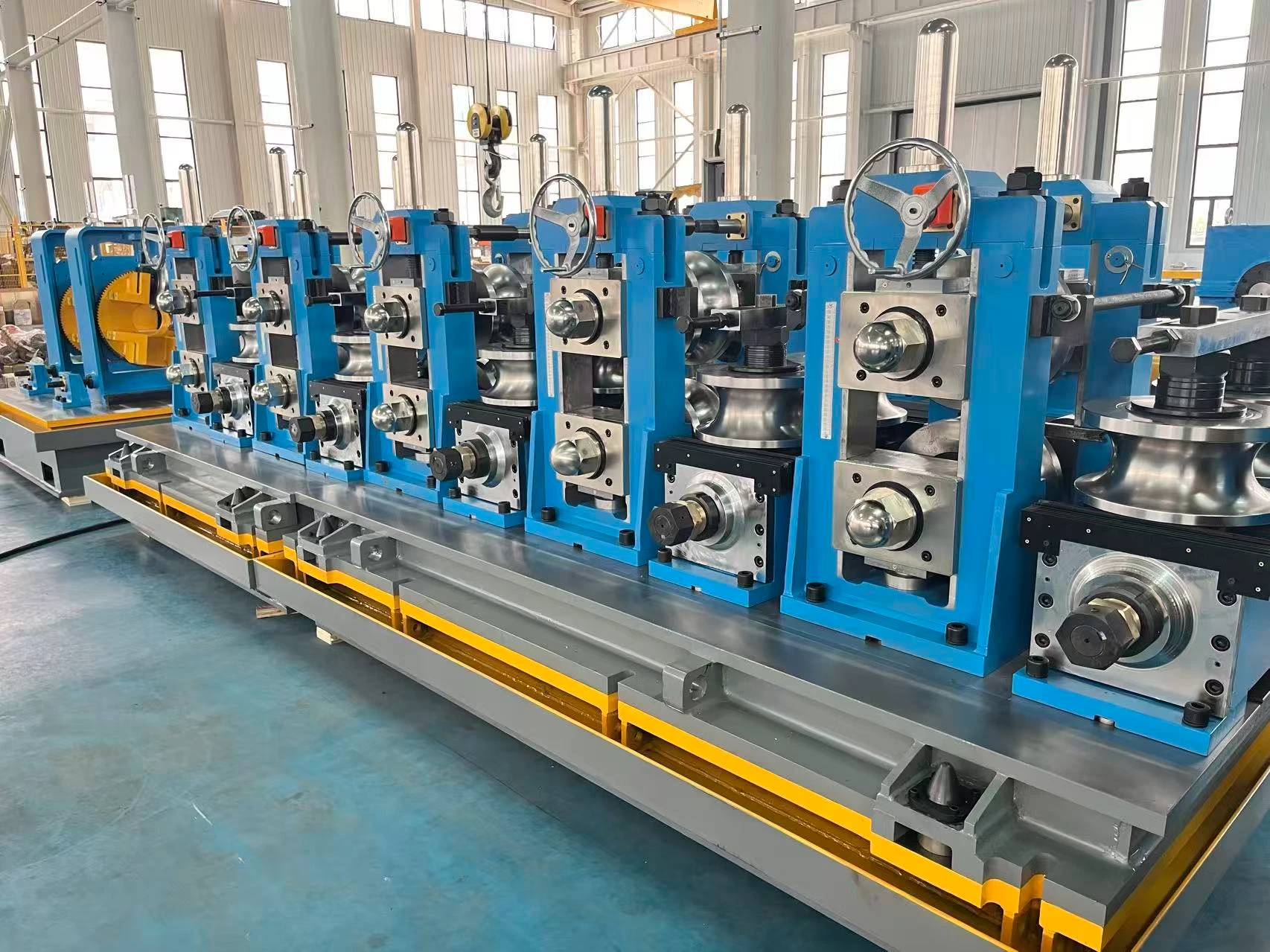
Looking for a Milling Saw for ERW Tube Mill? Here’s What You Need to Know
Looking for a high-performance milling saw for your ERW tube mill? Upgrade to burr-free, high-precision pipe cutting with advanced flying saw technology. Improve efficiency, reduce rework, and meet export standards for carbon steel, stainless steel, and API pipes. Contact us today for expert solutions and competitive pricing tailored to your production needs.
2026-04-09 16:15:19
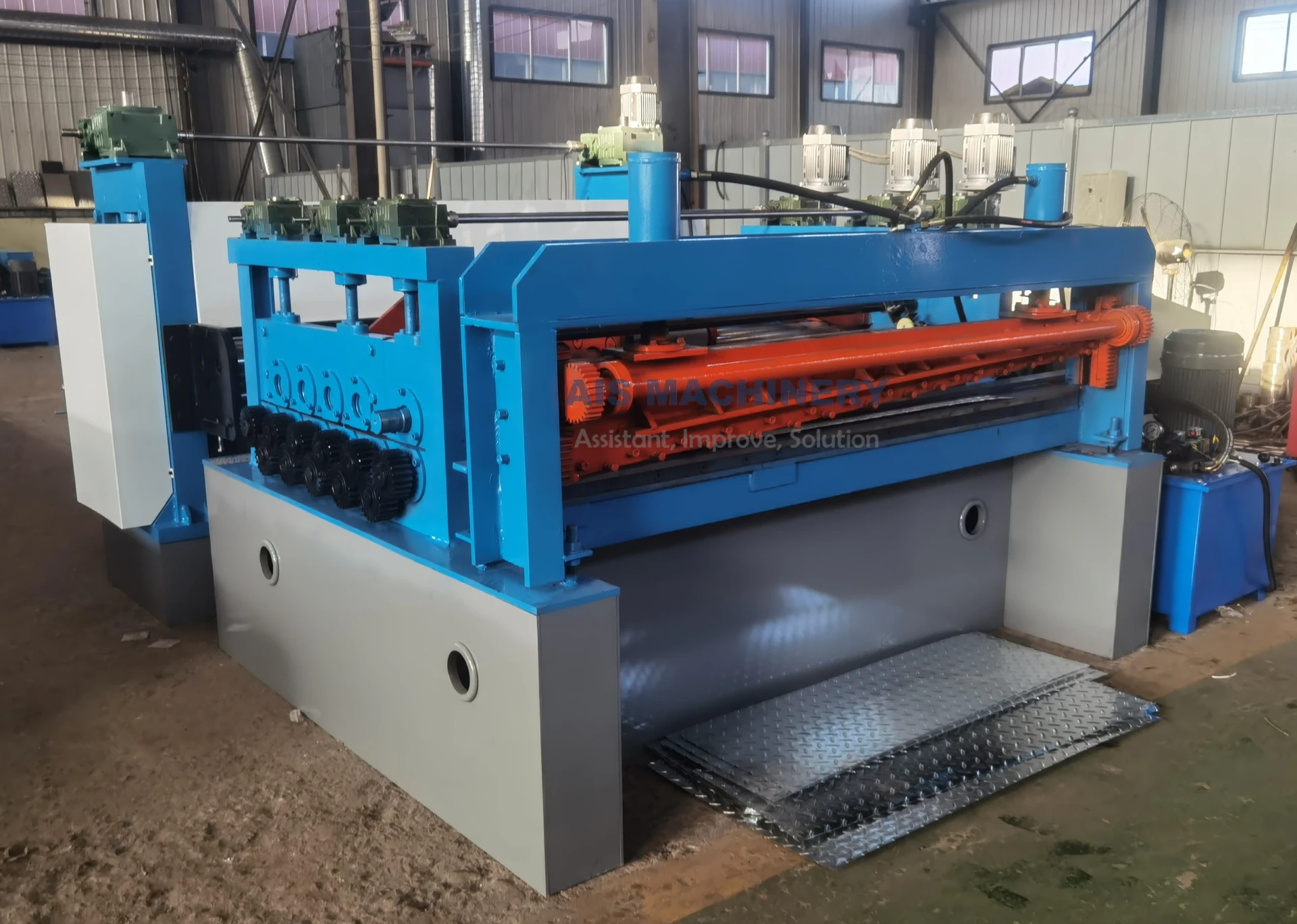
5-Inch (127mm) ERW Tube Making Machine Delivered with Heavy-Duty Design and Advanced Quick Change System
2027-04-07 00:00:00
Metal Embossing Machine: Turn Flat Sheets into High-Value Textured Products
Discover how a metal embossing machine transforms flat steel, stainless steel, and aluminum sheets into high-value textured products. Learn about its working principle, key components, and applications. Ideal for decorative and industrial use, embossing machines improve both appearance and performance. Explore complete embossing line solutions and find the right machine for your production needs.
2026-04-04 20:37:18
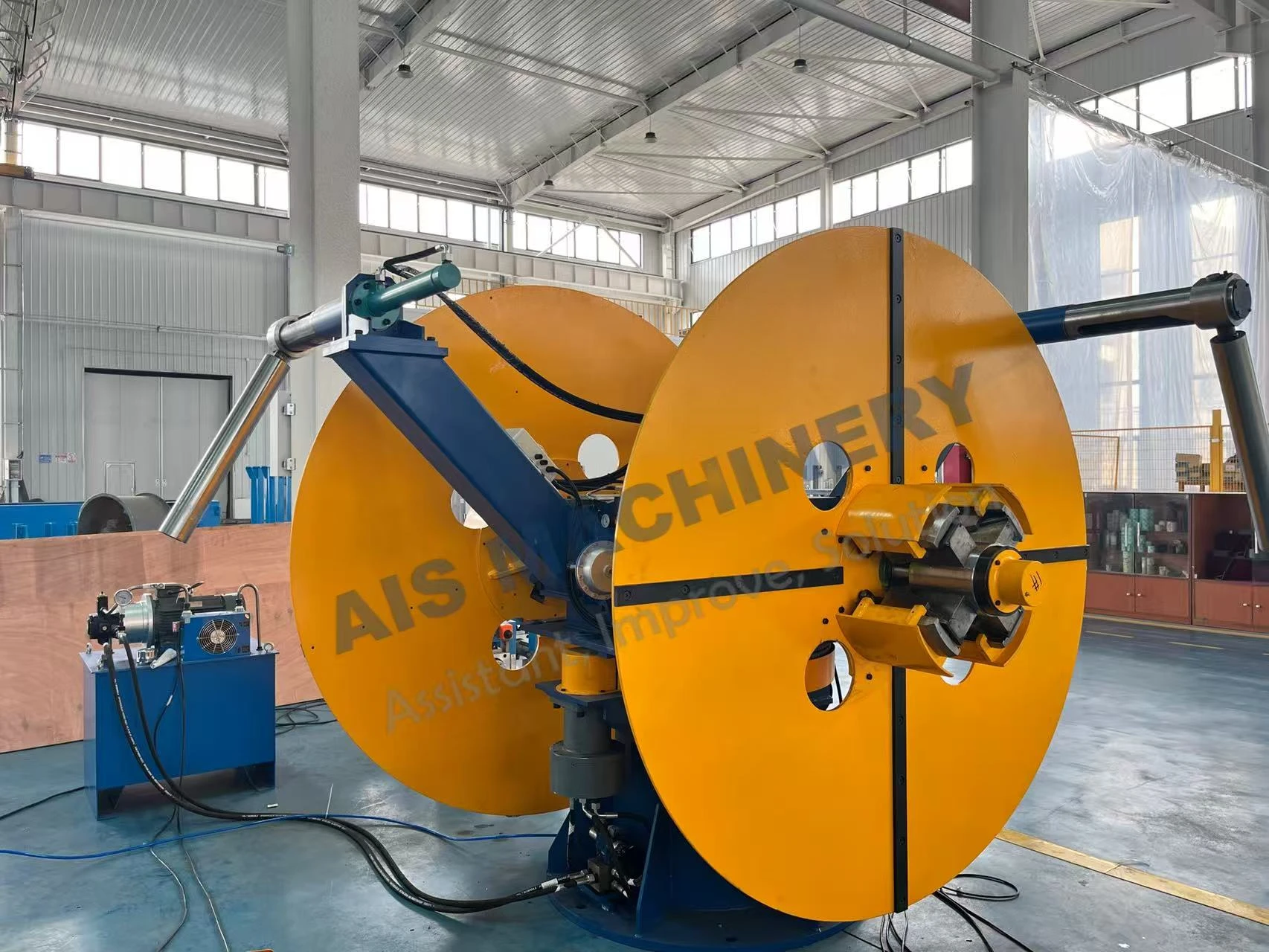
Automatic Double Side Uncoiler with Hydraulic Expansion and Auto Rotation for Steel Coil Processing
The Automatic Double Side Uncoiler is a high-efficiency solution designed for modern steel coil processing lines, including tube mills, roll forming machines, and slitting lines. With a maximum capacity of 4 tons per side, this machine ensures stable and continuous coil feeding while reducing downtime during coil change.
Send a Message
Dear customer, thank you for your attention! We provide high-quality machinery and equipment and look forward to your orders. Please inform us of your needs and we will respond quickly!
 English
  Albanian
  Arabic
  French
  German
  Indonesian
  Italian
  Japanese
  Kazakh
  Korean
  Latin
Latin  Macedonian
  Portuguese
  Russian
  Spanish
  Thai
Thai  Turkish
  Ukrainian
  Uzbek
Uzbek