
-
 Tel:86-15176910262
-

Search
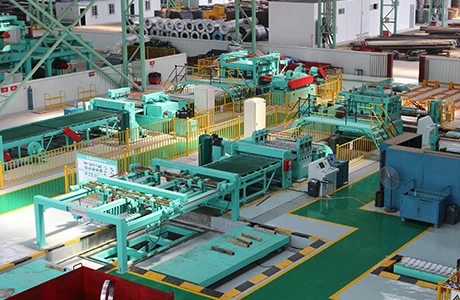
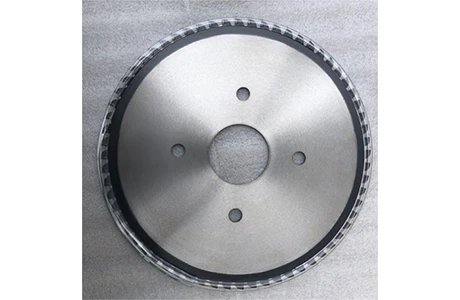
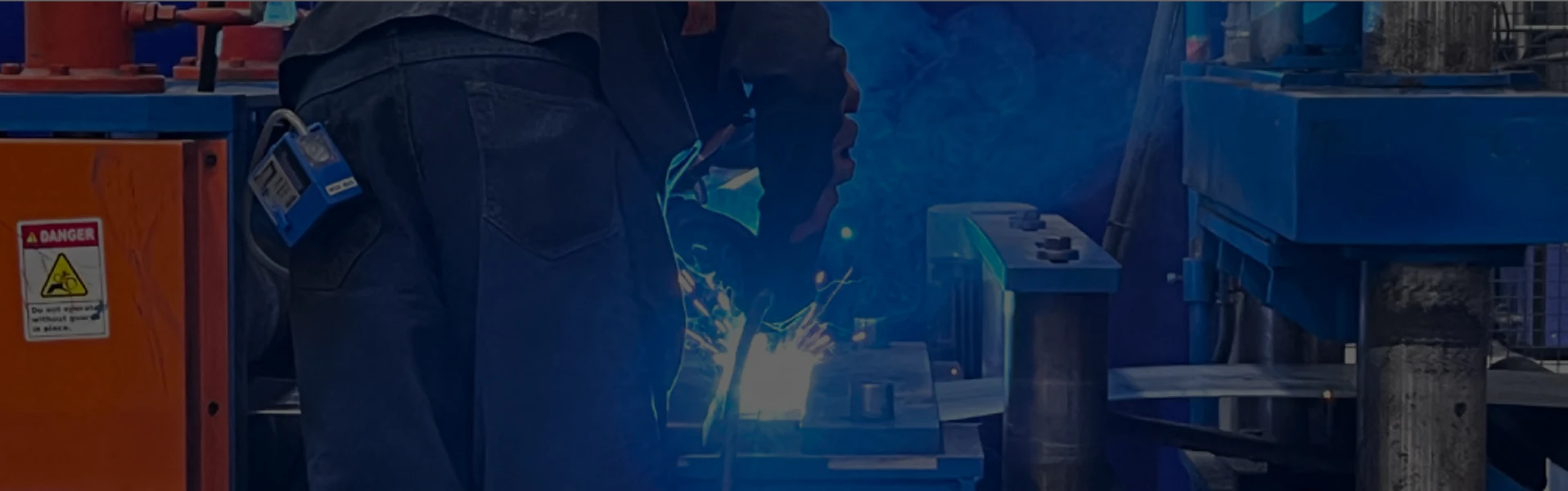

Tube Mill for Sale: High Quality Welded & ERW Tube Mills
Sep . 02, 2025 06:40
Industry Trends & The Strategic Investment in Tube Mill Technology
The global demand for tubular products continues its robust upward trajectory, fueled by accelerated infrastructure development, surging energy sector investments, and the burgeoning requirements of the automotive and manufacturing industries. In this dynamic landscape, the acquisition of a high-performance tube mill for sale represents a strategic imperative for manufacturers aiming to enhance operational efficiency, product quality, and market competitiveness. Key industry trends emphasize automation, digital integration (IoT), energy efficiency, and material versatility, pushing the boundaries of what modern tube mills can achieve.
Contemporary market analysis indicates a significant shift towards high-frequency welded (HFW) or electric resistance welded (ERW) tube mills due to their superior production speed, cost-effectiveness, and the high integrity of their welds. Manufacturers are increasingly seeking sophisticated solutions, such as advanced `welded tube mill` systems, that can process a wide range of materials from standard carbon steel to high-strength alloys, while meeting stringent international quality standards. Furthermore, the focus on sustainable manufacturing practices necessitates mills that offer reduced energy consumption and minimal material waste.
The demand for specialized pipe sizes, particularly in the 3-inch (76.2mm) range, is notable in applications requiring precise fluid transfer or structural integrity, making specific mill configurations like the 3inch 76.2mm ERW Pipe Mill highly sought after. These trends underscore the critical need for well-engineered, reliable, and technologically advanced `tube mill machine` solutions capable of delivering consistent, high-quality output.
The Core Process: Understanding the ERW Tube Mill Manufacturing Flow
The manufacturing process for ERW (Electric Resistance Welded) pipes is a sophisticated sequence of operations designed to transform flat steel strips into precise tubular forms. For a state-of-the-art `tube mill`, especially the 3inch 76.2mm ERW Pipe Mill, the process ensures robust, high-quality pipes suitable for demanding applications.
Detailed Process Flow:
- Coil Loading & Uncoiling: Steel coils, typically hot-rolled or cold-rolled carbon steel, are loaded onto a double-cone uncoiler. This allows continuous feeding as one coil ends and the next begins.
- Shearing & End Welding: The leading end of a new coil is sheared and welded to the trailing end of the previous coil using a butt-welding machine, ensuring uninterrupted operation.
- Accumulator: A loop accumulator (horizontal or vertical) stores a buffer of strip material, allowing the mill to run continuously even during coil changes.
- Forming Section: The flat strip passes through a series of forming rolls. These rolls progressively shape the flat strip into an open-seam tube. This cold forming process typically involves breakdown rolls, fin pass rolls, and cage rolls. The precision of CNC machining in roll manufacturing is crucial here for consistent pipe geometry.
- High-Frequency Induction (HFI) Welding: The formed open-seam tube enters the welding section. High-frequency current is induced into the edges of the strip, heating them to forging temperature. Pressure rolls then squeeze the heated edges together, creating a solid-state weld without the need for filler metal. This method ensures high weld integrity and strength.
- External Scarfing & Internal Bead Removal: Excess metal (flash) formed on the outer and inner surfaces during welding is removed using scarfing tools, ensuring a smooth finish. This improves flow characteristics and aesthetic appeal.
- Cooling Section: The newly welded pipe is cooled rapidly with water to stabilize its metallurgical properties.
- Sizing Section: The pipe then passes through a series of sizing rolls that fine-tune the outer diameter, internal diameter, and wall thickness to precise specifications. This section can also be used for shape forming (e.g., square or rectangular tubes).
- Straightening: A straightening machine ensures the pipe maintains a straight profile, counteracting any bending or bowing introduced during the process.
- Cut-off Saw: An automatic flying cut-off saw cuts the continuous pipe into predetermined lengths without stopping the production line.
- End Facing & Beveling (Optional): For specific applications, pipe ends may be faced or beveled to prepare them for joining.
- Testing & Inspection: Pipes undergo rigorous testing, including hydrostatic testing, eddy current or ultrasonic flaw detection, dimensional checks, and visual inspection. Compliance with standards like ISO 9001, ASTM A53, A500, and API 5L is paramount.
- Bundling & Packing: Finished pipes are bundled and packed for shipment.
The typical service life of such robust `tube mill for sale` equipment, with proper maintenance and component upgrades, can exceed 20 years, offering an excellent return on investment.
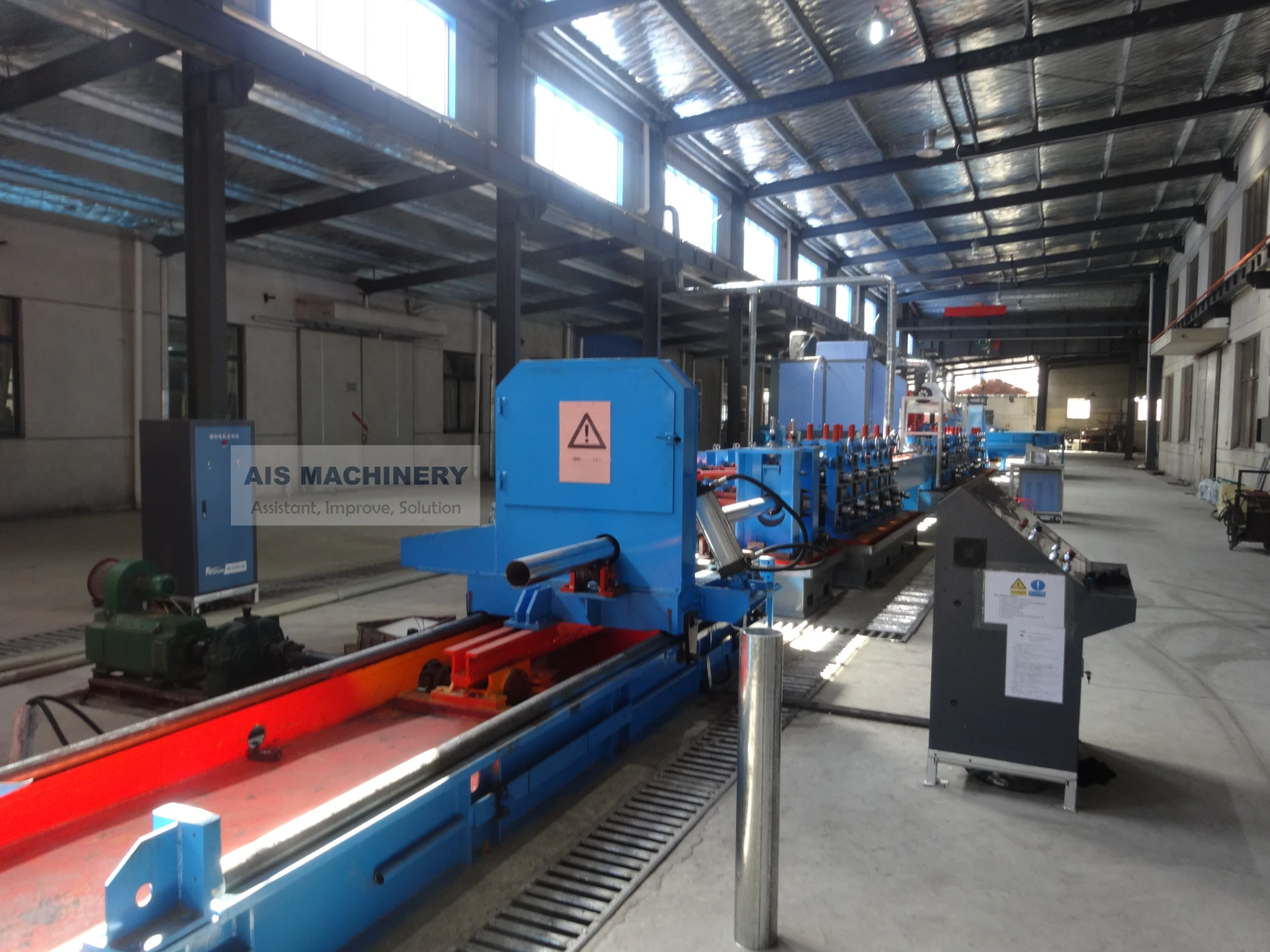
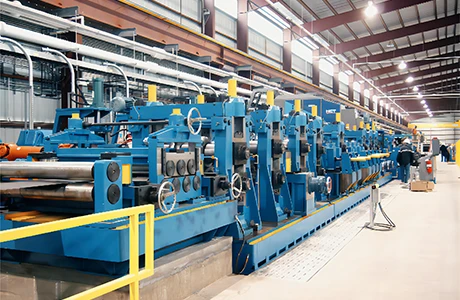
Precision engineering for superior tube production.
Technical Specifications: The 3inch 76.2mm ERW Pipe Mill
Understanding the technical parameters of a `welded tube mill` is crucial for assessing its suitability for specific production requirements. The 3inch 76.2mm ERW Pipe Mill, a highly efficient and precise system, exemplifies the capabilities of modern tube production technology. Below are its detailed specifications:
Product Specification Table: 3inch 76.2mm ERW Pipe Mill
| Parameter | Specification |
|---|---|
| Pipe Outer Diameter Range | Ø25.4 mm – Ø76.2 mm (1 inch - 3 inch) |
| Pipe Wall Thickness Range | 0.8 mm – 4.0 mm |
| Material Type | Carbon Steel (e.g., Q195, Q235, SPHC), Galvanized Steel |
| Material Yield Strength (Max) | ≤ 345 MPa (50,000 psi) |
| Max Line Speed | 80 - 120 m/min (depending on wall thickness and material) |
| Welding Method | High-Frequency Induction (HFI) Welding |
| Main Motor Power (Forming) | 55 kW - 75 kW |
| HF Welder Power | 150 kW - 300 kW (solid-state for efficiency) |
| Total Installed Power | Approx. 250 kW - 400 kW |
| Length of Cut | 4 m - 12 m (adjustable via flying saw) |
| Accuracy of Cut Length | ± 1.0 mm (with advanced control systems) |
| Overall Machine Dimension (L x W x H) | Approx. 50 m x 3 m x 2 m (excluding decoiler & run-out table) |
| Control System | PLC-based with HMI (Human Machine Interface) |
These parameters highlight the capability of this `tube mill for sale` to produce pipes with high dimensional accuracy and metallurgical integrity, meeting the rigorous demands of various industrial applications.
Application Scenarios and Technical Advantages
The versatility and efficiency of modern `erw tube mill china` solutions, like the 3inch 76.2mm ERW Pipe Mill, make them indispensable across a multitude of industries. Their capability to produce high-quality, precise tubing at speed offers significant technical advantages in critical applications.
Target Industries & Typical Application Scenarios:
- Petrochemical Industry: Used for pipelines transporting oil, gas, and refined products where structural integrity and corrosion resistance are paramount. The precise welding ensures minimal leak points.
- Construction & Infrastructure: Essential for structural elements, scaffolding, handrails, and general fabrication. High-strength pipes provide the necessary load-bearing capabilities.
- Automotive Sector: Chassis components, exhaust systems, and structural frames benefit from the consistent quality and customizable dimensions offered by modern `tube mill machine` systems.
- Water Supply & Drainage: For the conveyance of potable water and wastewater, requiring pipes with excellent resistance to corrosion and long service life.
- HVAC Systems: Ducts and conduits for heating, ventilation, and air conditioning where leak-proof and durable piping is critical.
- Agriculture: Irrigation systems and structural supports for greenhouses benefit from cost-effective and durable tubing.
Key Technical Advantages:
- Energy Efficiency: Modern HFI welding in ERW mills is significantly more energy-efficient than traditional resistance welding methods, reducing operational costs. For instance, solid-state HF welders can achieve efficiencies of over 85%, leading to substantial energy savings over conventional vacuum tube welders.
- Superior Weld Integrity: The precise control over heating and forging pressure during ERW creates a strong, clean weld with minimal heat-affected zone (HAZ), resulting in pipes with consistent mechanical properties comparable to seamless pipes. This makes the `tube mill for sale` ideal for critical applications.
- High Production Speed: Capable of producing pipes at speeds up to 120 meters per minute, these mills ensure high output volumes, optimizing production schedules and reducing per-unit costs.
- Dimensional Accuracy: Advanced roll forming and sizing sections, often paired with laser measurement systems, ensure tight tolerances on outer diameter, wall thickness, and straightness, minimizing post-processing requirements.
- Material Versatility: Can process various grades of carbon steel, galvanized steel, and sometimes even specialized alloys, offering flexibility in product offerings.
- Corrosion Resistance (Enhanced): While ERW itself doesn't inherently create corrosion resistance, the ability to process pre-galvanized or specially coated steel strips, combined with the smooth internal and external finish (post-scarfing), allows for the production of pipes with enhanced corrosion-resistant properties crucial for environments like water treatment or harsh outdoor conditions.
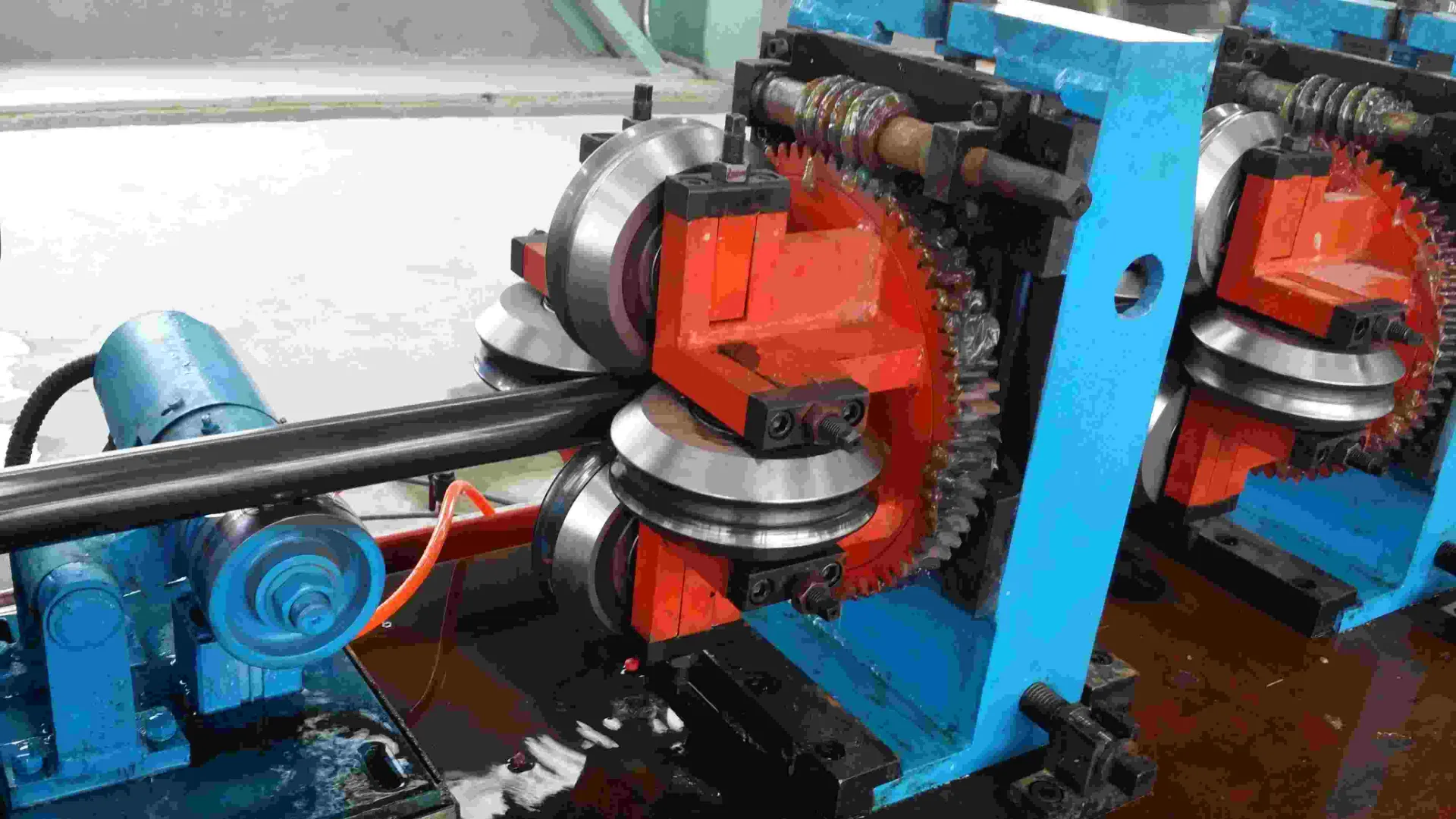
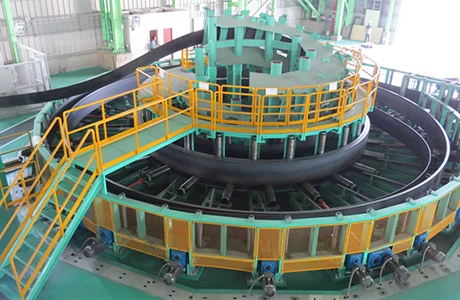
Versatile ERW tube mills serving diverse industrial needs.
Vendor Comparison and Authoritativeness in the Tube Mill Market
Selecting the right `tube mill` vendor is as critical as choosing the mill itself. Manufacturers must prioritize expertise, established experience, and verifiable authoritativeness to ensure a sound investment. A thorough vendor comparison should extend beyond mere price points to encompass long-term value, support, and technological leadership.
Key Factors for Vendor Evaluation:
- Certifications & Quality Management: Look for vendors with ISO 9001:2015 certification, demonstrating a commitment to consistent quality management systems. CE marking for European markets is also essential.
- Years of Industry Experience: A vendor with decades of experience in designing, manufacturing, and servicing `welded tube mill` systems inherently brings a depth of knowledge and problem-solving capabilities that newer entrants may lack.
- Technological Innovation: Assess the vendor's R&D investment, presence of patented technologies, and adoption of modern control systems (e.g., Siemens, Rockwell PLCs).
- Global Presence & Service Network: A vendor with a robust international presence indicates broader acceptance and the capacity for efficient global after-sales support and spare parts supply.
- Client Portfolio & Testimonials: Reputable partners and positive customer feedback serve as strong indicators of reliability and performance.
Product Feature Comparison: Standard vs. Advanced ERW Tube Mill
| Feature | Standard ERW Tube Mill | Advanced ERW Tube Mill (e.g., 3inch 76.2mm ERW Pipe Mill) |
|---|---|---|
| Welding Technology | Vacuum Tube HF Welder | Solid-State HF Welder (Higher Efficiency, Longer Lifespan) |
| Control System | Basic Relay Logic or Older PLC | Advanced PLC with HMI, Industry 4.0 Readiness, Remote Diagnostics |
| Automation Level | Manual adjustments for setup and operation | Automated roll change, auto-speed synchronization, advanced monitoring |
| Scarfing System | Basic External Scarfing | External Scarfing & Internal Bead Removal (Optional Automated) |
| Dimensional Accuracy | Good, but requires frequent manual checks | Excellent, often with inline laser measurement & feedback control (e.g., ±0.5-1.0 mm for OD) |
| Energy Consumption | Higher (e.g., 350-500 kW for a similar output) | Lower (e.g., 250-400 kW for similar output, due to solid-state HF and optimized motors) |
This comparison highlights how investing in an advanced `erw tube mill china` can lead to superior performance, lower operating costs, and greater adaptability to evolving market demands, justifying the initial capital outlay.
Customized Solutions and Application Case Studies
The intricate demands of modern manufacturing often require more than off-the-shelf solutions. Leading suppliers of `tube mill for sale` equipment offer extensive customization capabilities, ensuring that each mill is precisely engineered to meet specific production goals and facility constraints. This bespoke approach maximizes efficiency and return on investment for the client.
Customized Solutions:
- Diameter & Wall Thickness Ranges: Mills can be designed to accommodate wider or narrower ranges of pipe sizes, extending beyond standard specifications.
- Material Specialization: Custom roll sets and welding parameters can be developed for processing specific materials, such as high-strength low-alloy (HSLA) steels or particular stainless steel grades, which require unique forming and welding characteristics.
- Increased Line Speed: For high-volume production, a `tube mill machine` can be engineered with more powerful motors, enhanced cooling systems, and optimized roll designs to achieve significantly higher production speeds.
- Automation & Control Integration: From fully automated coil handling and stacking systems to advanced diagnostic and predictive maintenance modules, customization can drastically reduce labor requirements and downtime.
- Shape Forming Capabilities: Beyond round pipes, mills can be configured to produce square, rectangular, oval, or other custom profiles through specialized sizing sections.
- Integrated Finishing Operations: Options include inline galvanizing, coating, heat treatment, or specialized cutting technologies tailored to specific end-product requirements.
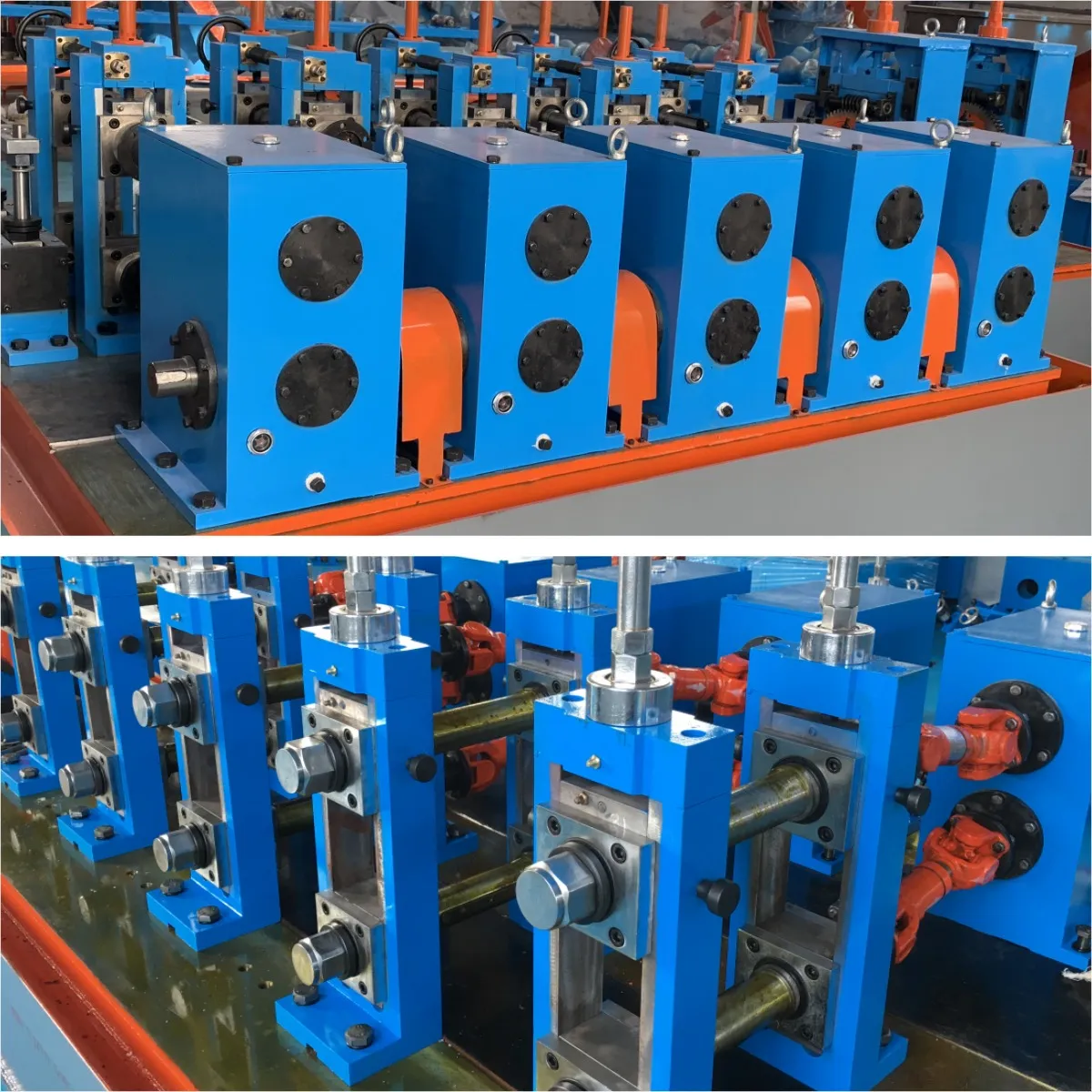
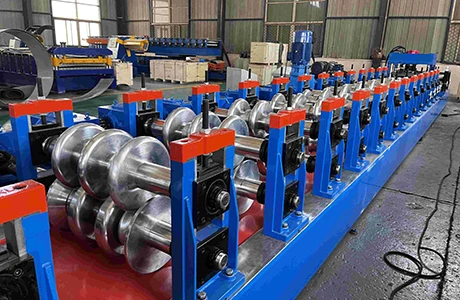
Customization ensures a perfect fit for unique production demands.
Application Case Studies:
These examples illustrate the tangible benefits derived from deploying advanced ERW tube mills:
- Case Study 1: Automotive Frame Component Manufacturer
A leading automotive supplier implemented a customized 3inch 76.2mm ERW Pipe Mill to produce high-strength steel tubes for chassis components. The mill was configured with precise forming rolls and an advanced solid-state HF welder. Results: Achieved a 15% reduction in material waste, increased production throughput by 20% compared to their previous system, and met stringent automotive safety standards for weld integrity (e.g., ASTM A513 Type 1 and 2). This demonstrates the `tube mill for sale` impact on specialized manufacturing. - Case Study 2: Regional Construction Material Supplier
A construction material provider in Southeast Asia invested in a high-speed `welded tube mill` capable of producing various structural pipe sizes. The mill featured an automated flying cutoff saw and advanced PLC controls. The client reported a 30% reduction in labor costs for cut-to-length operations and an overall increase in daily output by 25%, allowing them to capture a larger share of the local infrastructure projects market. - Case Study 3: HVAC System Manufacturer
An HVAC component manufacturer required precise, thin-walled galvanized steel tubing for ventilation systems. A specialized `erw tube mill china` was delivered with specific forming parameters for thin-gauge material and an optimized cooling section to preserve the galvanized coating. The client achieved consistent wall thickness (±0.05 mm) and excellent surface finish, reducing post-processing steps and improving product aesthetics, critical for market appeal.
Ensuring Trustworthiness: FAQ, Lead Time, Warranty & Support
Building trust in B2B transactions, especially for significant capital equipment like a `tube mill`, requires transparency and robust support systems. Our commitment extends beyond the sale, encompassing comprehensive pre-sales consultation, punctual delivery, extensive warranties, and responsive after-sales service.
Frequently Asked Questions (FAQ):
- Q1: What materials can your ERW tube mills process?
- A1: Our mills are primarily designed for carbon steel, galvanized steel, and certain low-alloy steels. Specific customization options are available for specialized materials.
- Q2: What is the typical power consumption of a 3inch 76.2mm ERW Pipe Mill?
- A2: The total installed power for a high-efficiency model like the 3inch 76.2mm ERW Pipe Mill ranges from approximately 250 kW to 400 kW, depending on the specific configuration and welding power chosen.
- Q3: How difficult is the operation and maintenance of these mills?
- A3: Modern `tube mill for sale` systems are designed with user-friendly HMI interfaces and advanced automation to simplify operation. We provide comprehensive training, and our robust designs minimize maintenance requirements. Standard preventive maintenance schedules are provided.
- Q4: Can these mills produce square or rectangular tubes?
- A4: Yes, with the addition of a specialized sizing/shaping section, our ERW mills can be configured to produce a variety of non-round profiles.
Lead Time & Fulfillment Details:
Typical manufacturing and assembly lead times for a standard 3inch 76.2mm ERW Pipe Mill generally range from 90 to 150 calendar days from the date of confirmed order and initial payment. Custom configurations or extensive line integrations may extend this period. We maintain transparent communication throughout the production process, providing regular updates on milestones and shipping schedules. Logistics support, including crating, international shipping, and customs documentation, is also available.
Warranty Commitments:
All our `tube mill` machines come with a standard 12-month warranty on mechanical and electrical components, effective from the date of commissioning or 18 months from the date of shipment, whichever comes first. This warranty covers defects in materials and workmanship under normal operating conditions. Consumable parts are typically excluded, but their availability is guaranteed.
Customer Support Information:
- Installation & Commissioning: Our experienced engineers provide on-site installation, supervision, and commissioning services to ensure optimal performance from day one.
- Operator Training: Comprehensive training programs are conducted on-site for your operating and maintenance staff, covering safety, operation, troubleshooting, and preventive maintenance.
- Spare Parts Availability: We maintain a comprehensive inventory of critical spare parts to minimize downtime. A detailed spare parts list is provided with each mill.
- Technical Support: Our dedicated technical support team is available via phone, email, and remote diagnostics to address any operational queries or issues promptly.
- Preventive Maintenance Programs: Optional service contracts for routine inspections and preventive maintenance are available to extend the lifespan and efficiency of your `tube mill for sale`.
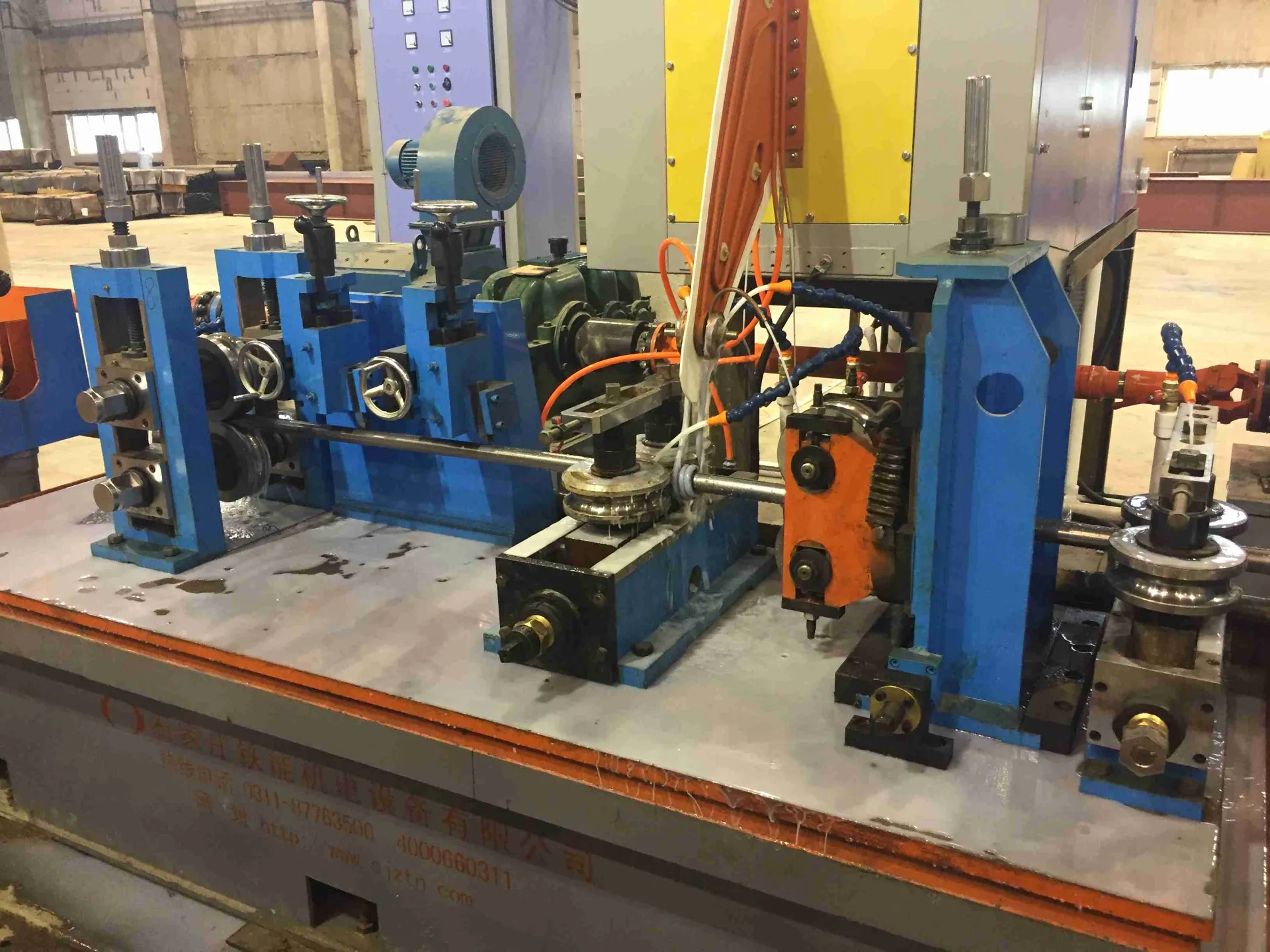
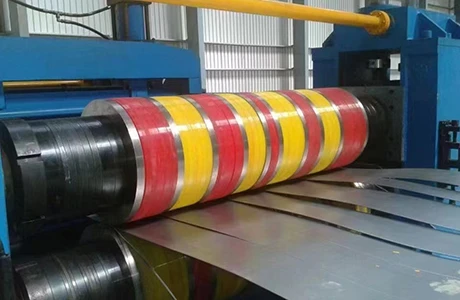
Dedicated customer support ensures continuous operational excellence.
Conclusion
The strategic investment in a high-quality `tube mill for sale` is a decision that significantly impacts a manufacturer's long-term profitability and competitive standing. Modern ERW tube mills, such as the 3inch 76.2mm ERW Pipe Mill, offer unparalleled advantages in terms of production efficiency, product quality, and material versatility, critical for navigating today's demanding industrial landscape. By embracing advanced technology, ensuring robust operational processes, and partnering with authoritative vendors, businesses can unlock substantial opportunities for growth and innovation. The detailed technical specifications, application scenarios, and comprehensive support systems underscore the value proposition of these essential `tube mill machine` investments.
References:
- American Society for Testing and Materials (ASTM) Standards. ASTM A53/A53M - Standard Specification for Pipe, Steel, Black and Hot-Dipped, Zinc-Coated, Welded and Seamless.
- International Organization for Standardization (ISO) 9001:2015. Quality management systems — Requirements.
- American Petroleum Institute (API) Specification 5L. Specification for Line Pipe.
- The Fabricator. "The Evolution of Tube and Pipe Welding." FMA Communications, Inc.

Related Products

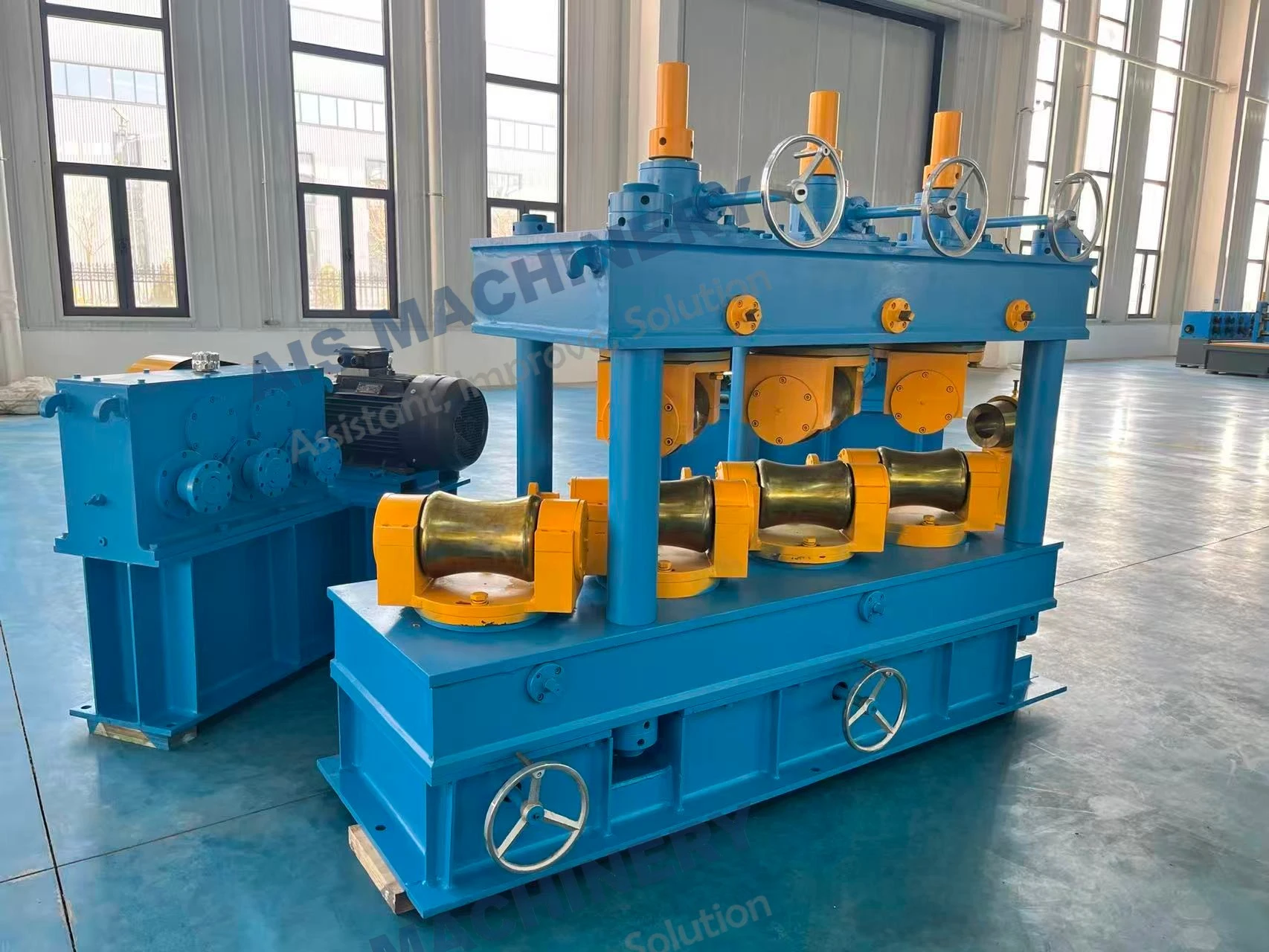
Related News
2026-04-30 09:35:04
Automatic Stacking Machine (Magnetic Chuck Type)
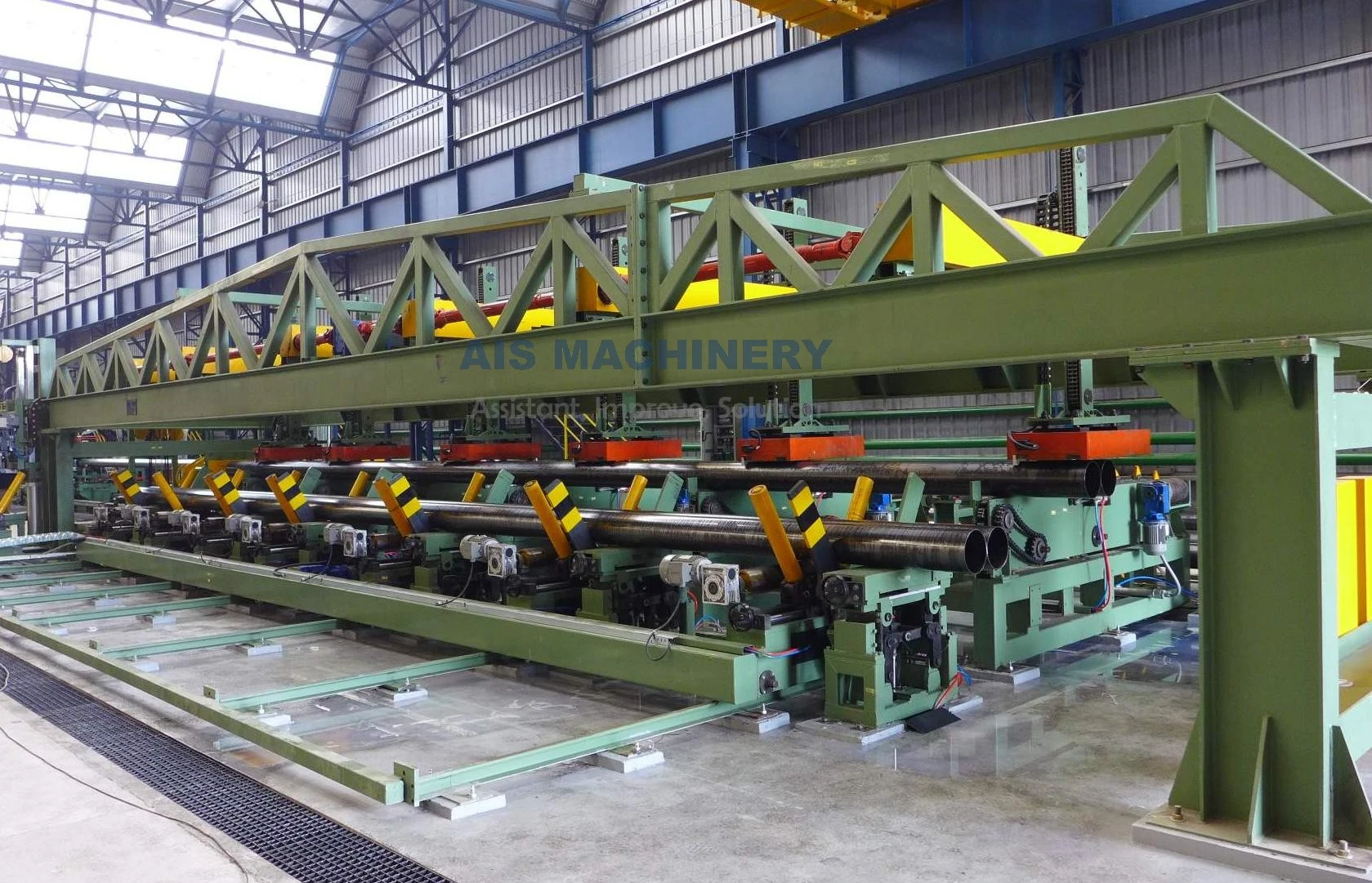
The Automatic Stacking Machine (Magnetic Chuck Type) from AIS Machinery is designed to efficiently collect and stack steel tubes in ERW tube mill production lines. Using electromagnetic lifting, it can pick up multiple tubes at once and place them neatly in layers. This reduces manual labor, improves stacking accuracy, and increases overall production efficiency. It is installed after the flying saw and works seamlessly with the mill line, making it an ideal solution for modern tube manufacturers.
2026-04-28 08:56:05
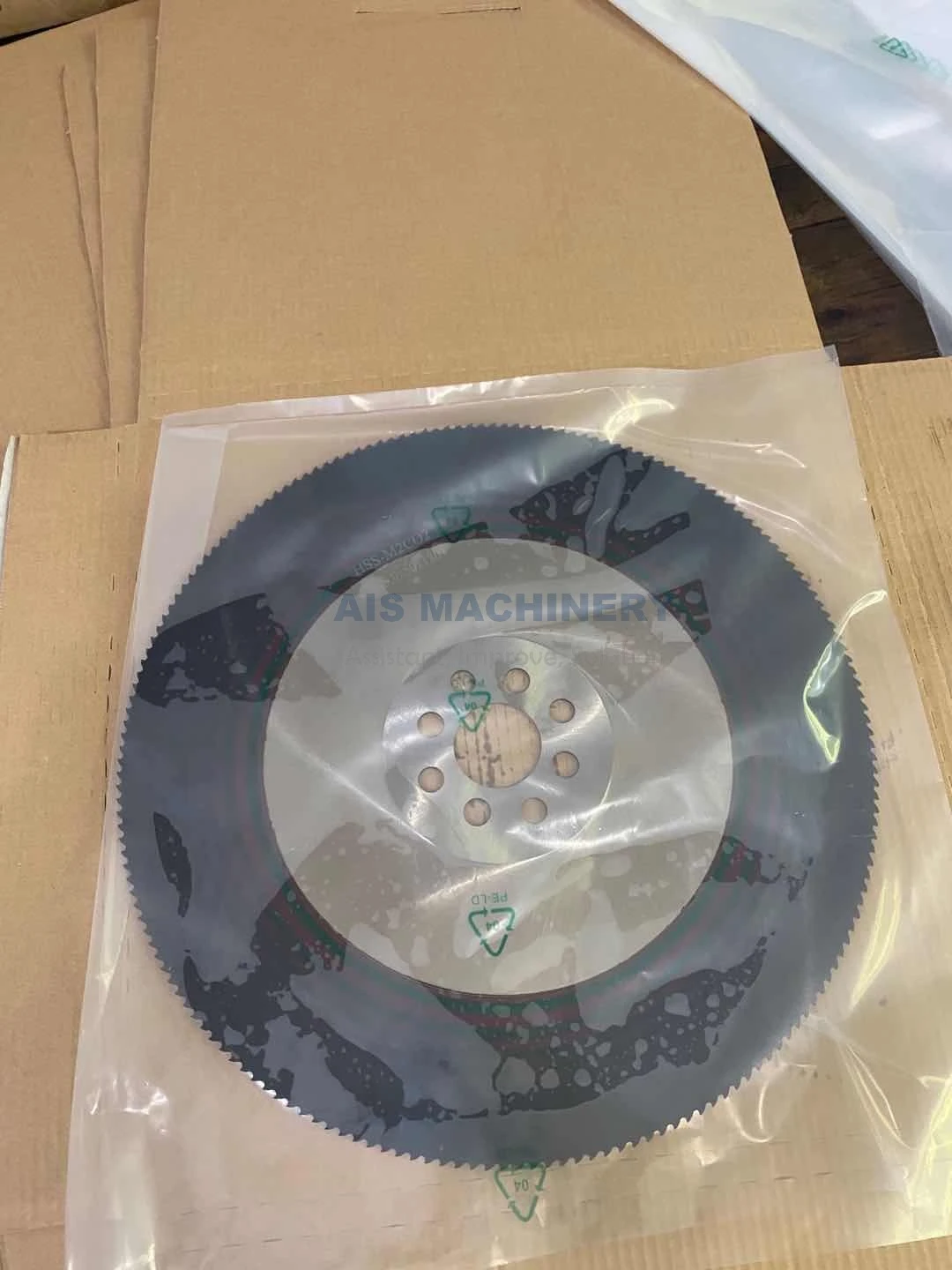
Saw Blade Guide for Tube Mills: Friction vs HSS vs TCT — Which One Should You Choose?
Confused about friction saw, HSS, and TCT blades? This guide explains their uses in cold saw and friction saw machines, with pros, cons, and expert selection tips.
2026-04-24 08:54:16
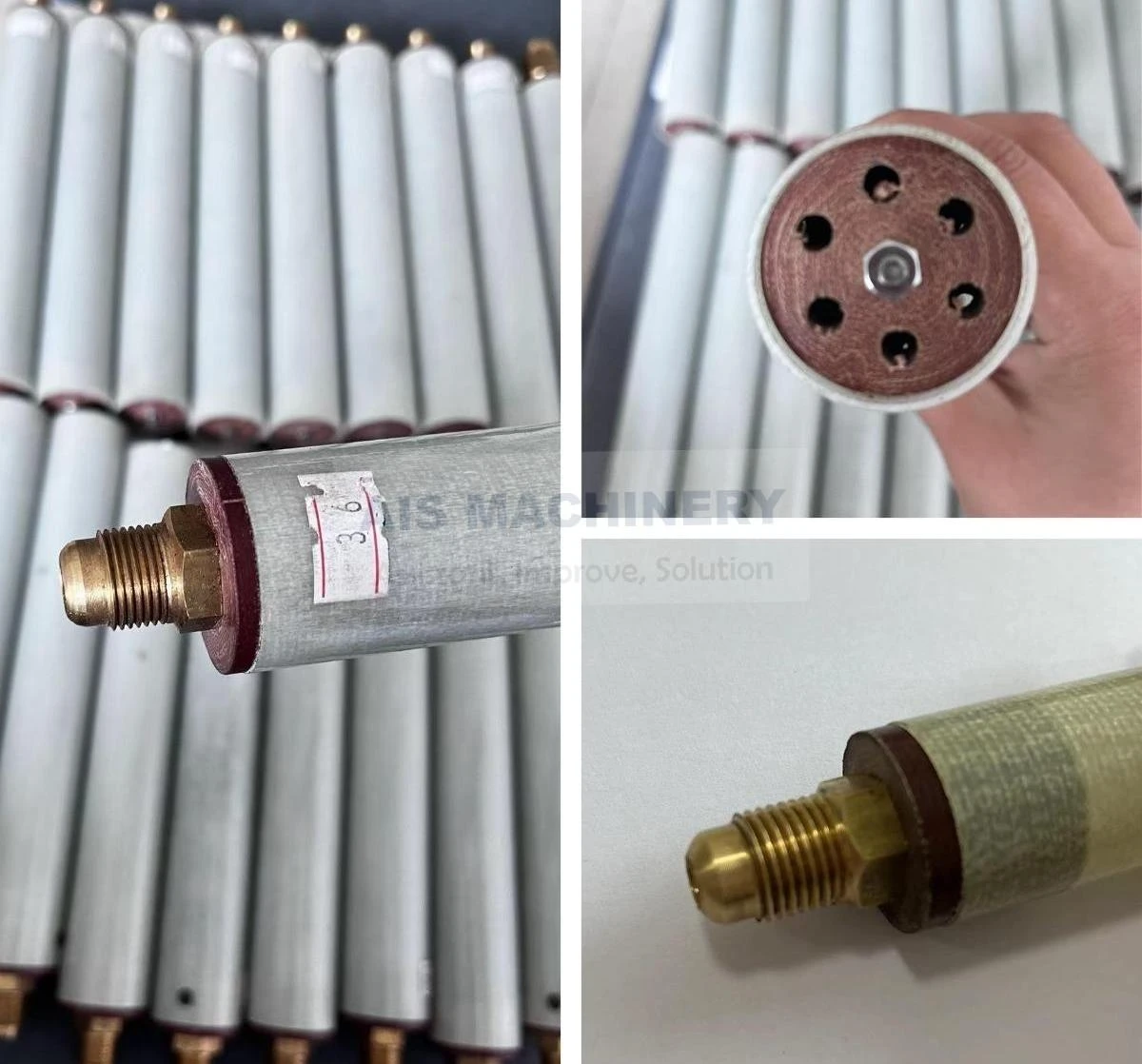
What is an Impeder and Ferrite Rods in ERW Tube Mill?
Struggling with impeder overheating or short service life in your ERW tube mill? This guide explains common impeder problems, the role of ferrite rods, and how to choose the right impeder for stable welding performance. Improve weld quality, reduce energy loss, and extend equipment lifespan with the right selection and proper cooling solutions.
2026-04-21 10:22:25
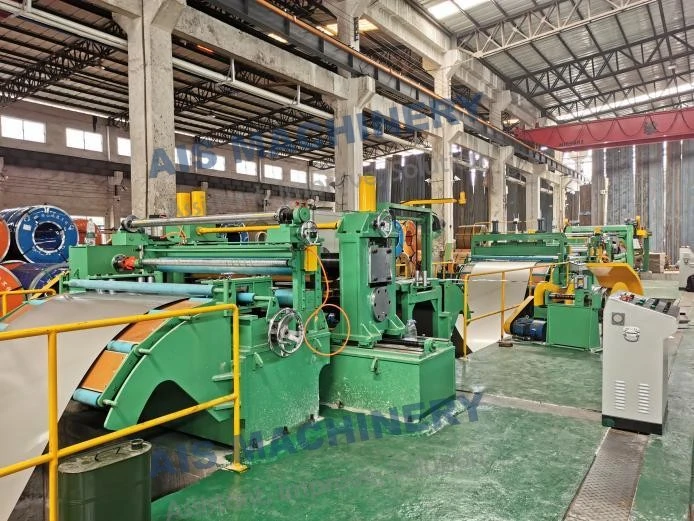
Slitting & Cut-to-Length Combined Production Line: A Smarter Way to Process Steel Coils
Discover the Slitting & Cut-to-Length Combined Production Line, a flexible solution for steel coil processing. This system integrates slitting line and cut-to-length line functions in one machine, saving space, reducing costs, and improving efficiency. Ideal for processing both steel strips and sheets, it is widely used in service centers and manufacturing industries. Learn its advantages, limitations, and applications.
2026-04-18 03:20:20
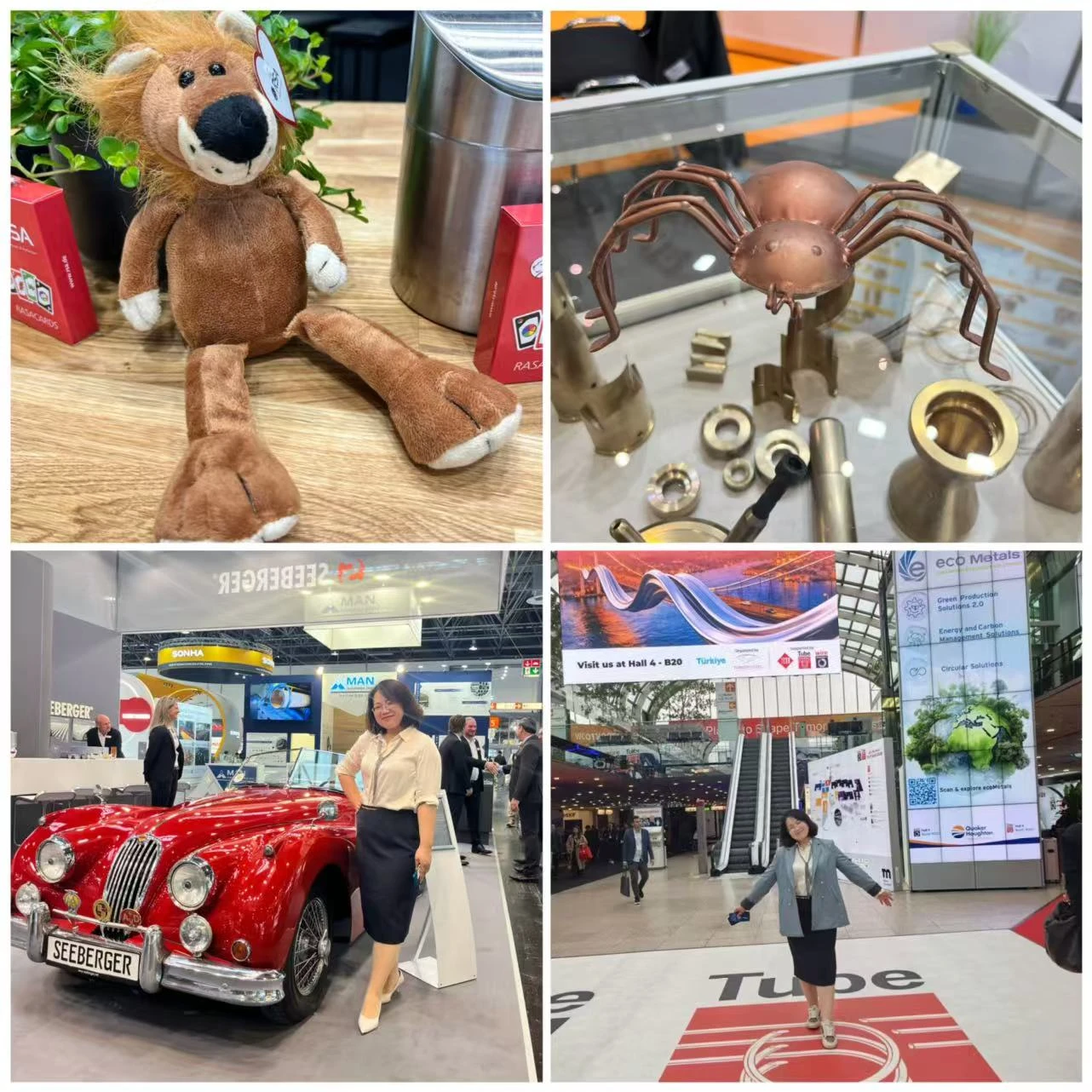
AIS Machinery Showcases Advanced Tube Solutions at Tube & Wire Düsseldorf 2026
Tube & Wire Düsseldorf 2026, one of the most influential exhibitions in the global tube and wire industry, held biennially in Düsseldorf, Germany
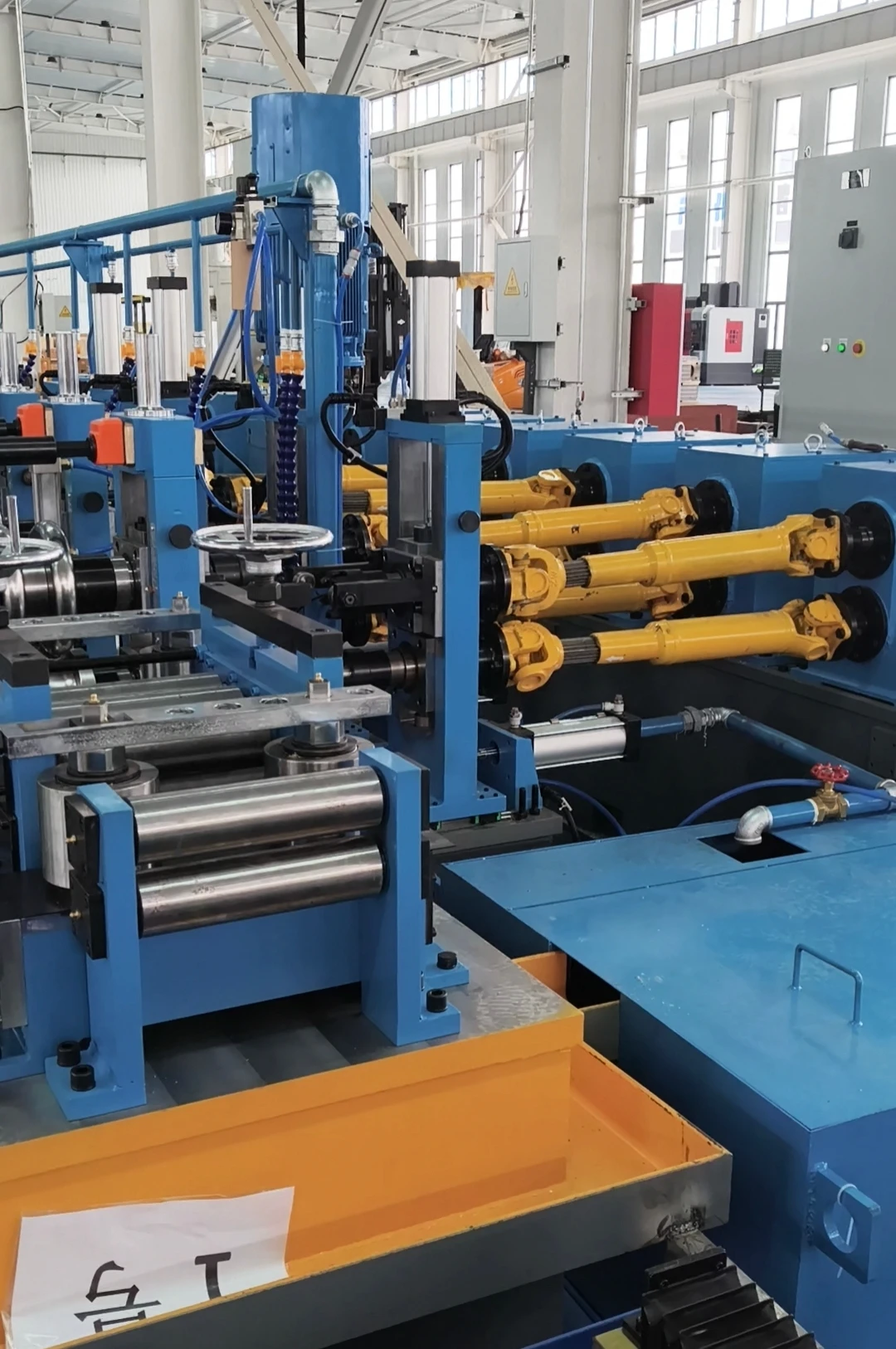
2026-04-17 00:00:00
Southeast Asia Client Visits Our Factory | Customized Tube Mill Solution Delivered
A Southeast Asia client visited our ERW tube mill factory to inspect production lines and discuss a customized tube mill solution. Impressed by our machine quality, welding performance, and engineering support, the client confirmed strong cooperation intentions. Discover how our ERW tube mill solutions improve efficiency, precision, and long-term production reliability.
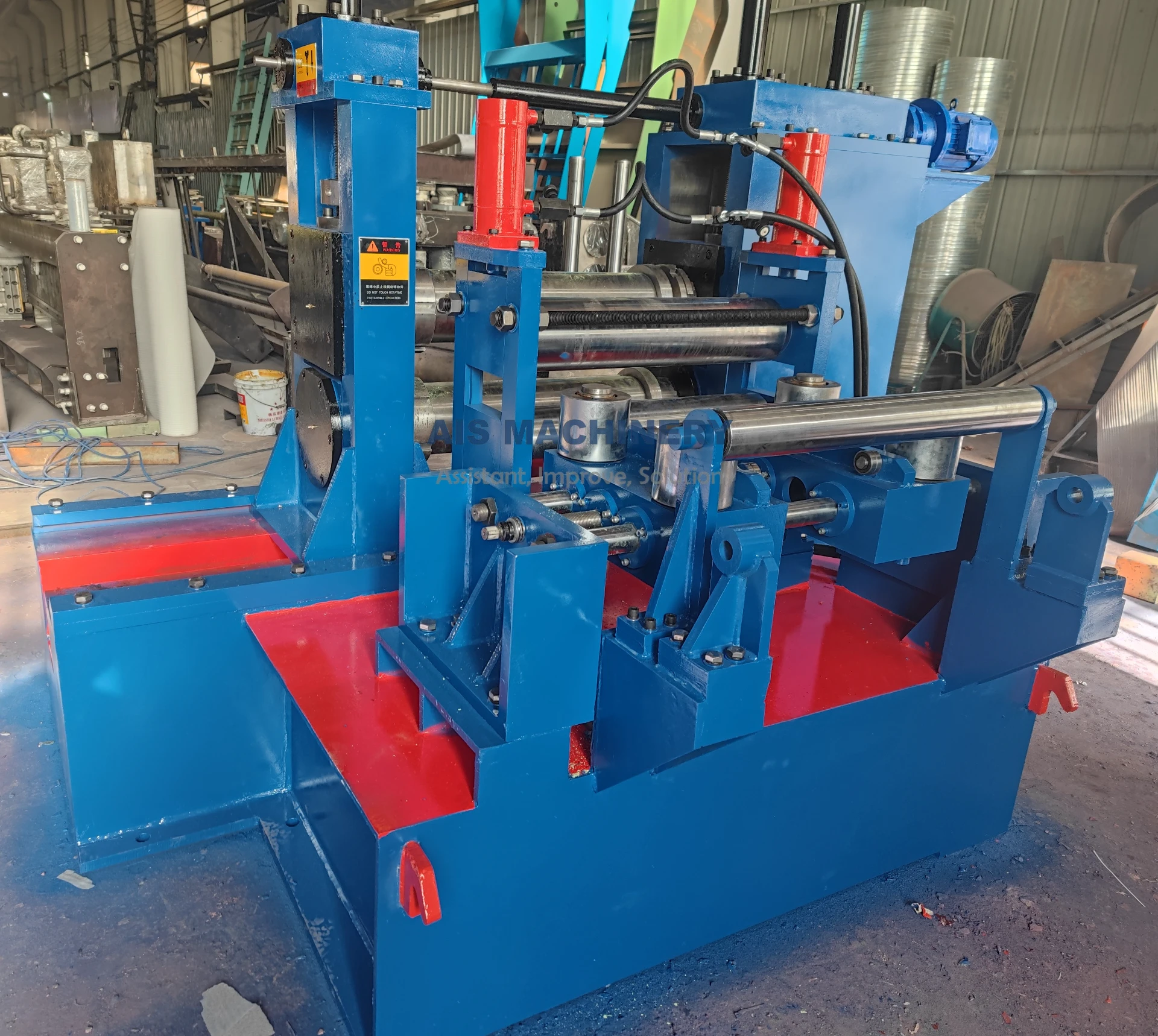
2026-04-15 10:37:55
Flat Bar Production Line for Steel Coils: How It Works & Why It Matters
Looking for a flat bar production line? Learn how it turns steel coils into ready-to-use flat bars with precise length and high straightness. Compare it with slitting lines and get the best solution for your steel processing needs.
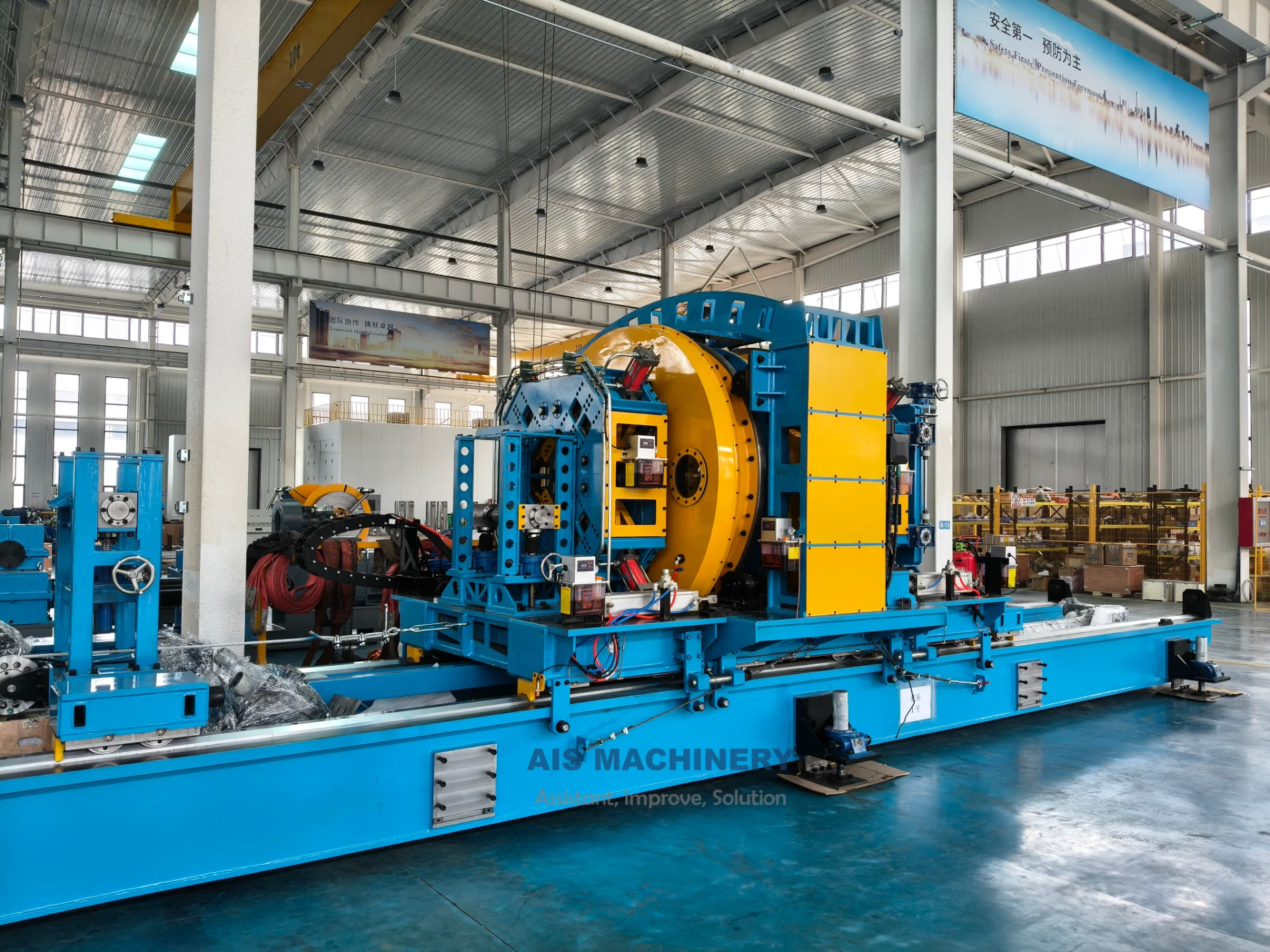
2026-04-14 00:00:00
Looking for a Milling Saw for ERW Tube Mill? Here’s What You Need to Know
Looking for a high-performance milling saw for your ERW tube mill? Upgrade to burr-free, high-precision pipe cutting with advanced flying saw technology. Improve efficiency, reduce rework, and meet export standards for carbon steel, stainless steel, and API pipes. Contact us today for expert solutions and competitive pricing tailored to your production needs.
Send a Message
Dear customer, thank you for your attention! We provide high-quality machinery and equipment and look forward to your orders. Please inform us of your needs and we will respond quickly!
 English
  Albanian
  Arabic
  French
  German
  Indonesian
  Italian
  Japanese
  Kazakh
  Korean
  Latin
Latin  Macedonian
  Portuguese
  Russian
  Spanish
  Thai
Thai  Turkish
  Ukrainian
  Uzbek
Uzbek