
-
 Tel:86-15176910262
-

Search

Upright Rack Roll Forming Machine – Efficient & Customizable Solutions
Dec . 03, 2025 17:12
Understanding the Upright Rack Roll Forming Machine
After spending a fair share of my career in the industrial equipment sector, I can honestly say that the upright rack roll forming machine is a quietly impressive piece of kit. These machines aren't flashy, but they play a huge role in creating the precise metal racks used in everything from warehouse shelving to automated storage systems.
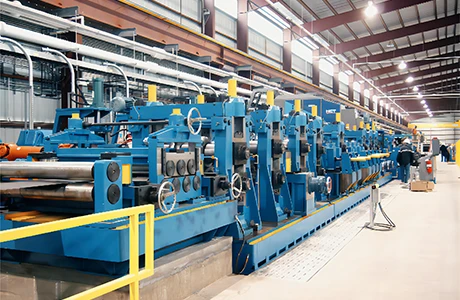
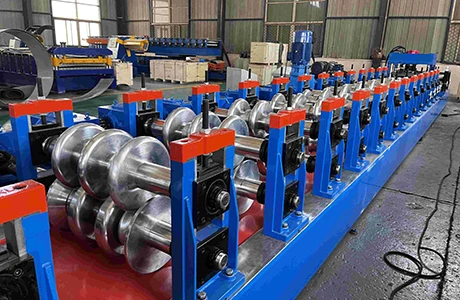
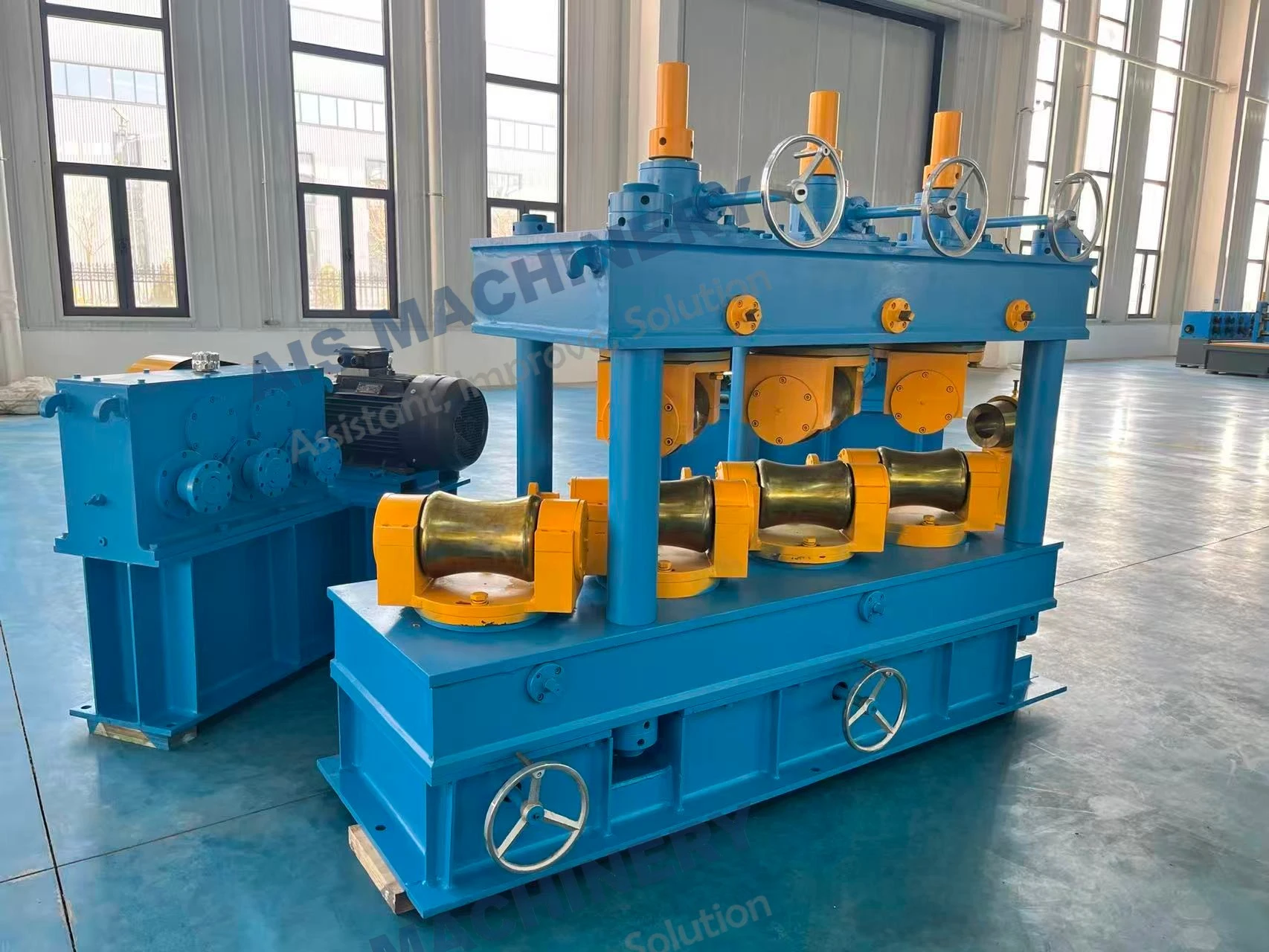
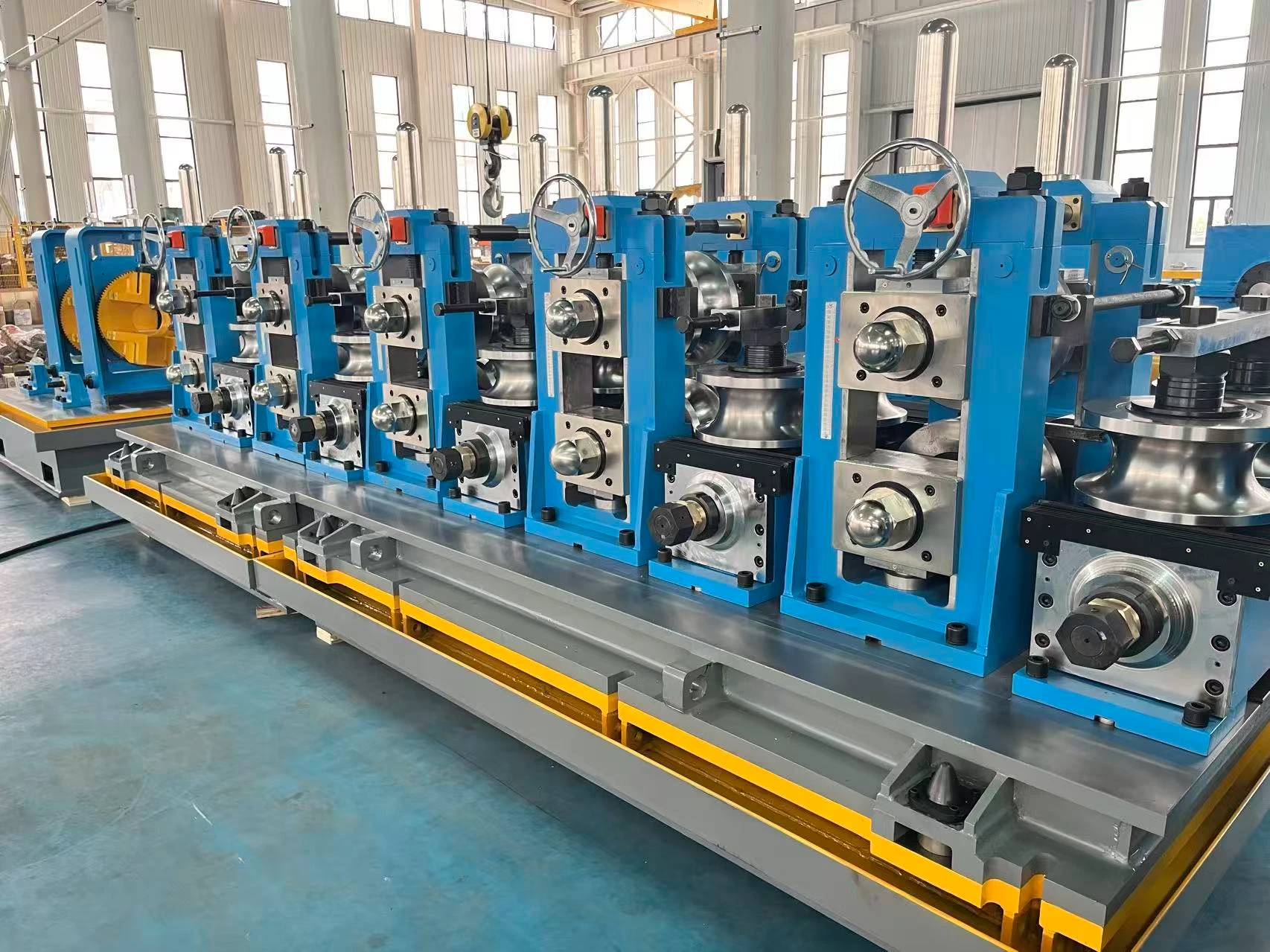
You know, it’s one of those tools where the design and build quality really dictate how productive your operations can be. Frankly, the upright rack roll forming machine bridges the gap between raw steel coils and the finished structural components that can handle serious loads. These machines shape metal strips continuously, bending and rolling them through sets of rollers to form the upright profiles that are integral to the racking system.
Oddly enough, despite being a somewhat niche machine, the technology behind it has matured a lot over the years. Modern systems boast computer-controlled settings that fine-tune things like roll pitch, speed, and pressure—giving you consistent output and reducing manual tweaking. I remember when these machines were purely mechanical, and operators would fiddle endlessly, hoping to hit the right dimensions.
One thing to keep in mind is that the material feeding into these machines is usually high-quality cold-rolled steel or galvanized steel, critical for enduring significant weight and wear. Testing and calibration of the machine's rollers before full production runs are a must for minimizing downtime and scrap rates.
What I find really interesting—and what many engineers have told me—is how customizable these machines have become. From adjustable roll stations to modular design allowing for quick tooling changes, it means manufacturers can switch between product specs efficiently. For example, a customer I worked with once needed a rapid changeover to produce slightly different upright rack dimensions to suit a new warehouse layout; with some recalibration and tooling swaps, their machine was back up and running within hours.
Let’s talk specs for a moment. These machines generally operate at line speeds ranging approximately from 15 to 30 meters per minute, though that depends on the product complexity and steel thickness. They usually include decoiler units, levelers, roll forming stands, punching stations, and cut-off mechanisms. Keep in mind: higher-end models integrate PLC controls and touch screen HMI panels for easier monitoring, which I’ve found greatly improves operator efficiency.
| Specification | Details |
|---|---|
| Material Thickness | 0.6 – 2.0 mm |
| Forming Stations | 15 – 20 stands |
| Width Range | 100 – 300 mm |
| Line Speed | 15 – 30 m/min |
| Control System | PLC with Touchscreen HMI |
| Cutting Method | Flying Shear or Guillotine |
When looking at suppliers, it’s essential to consider more than the machine specs alone—you want support, training, and parts availability. Here’s a quick look at some industry vendors and how they stack up:
| Vendor | Customization | After-Sales Support | Price Range |
|---|---|---|---|
| AISTubemill | High - Modular design with rapid tooling change | Excellent - 24/7 remote service & on-site techs | $$$ |
| RollFormTech | Medium - Standard tooling, limited options | Good - Phone support and parts delivery | $$ |
| SteelShape Inc. | Low - Fixed tooling, slower changeover | Average - Limited after-sales service | $ |
Now, I won’t pretend every machine is perfect, and some users do report issues with maintenance cycles and needing frequent adjustment if the raw steel coils vary in quality. But the overall gains in production efficiency and repeatability from these roll forming machines are tough to beat.
All in all, if you’re in the business of manufacturing pallet racks or storage frameworks, investing in an upright rack roll forming machine makes sense — but spend time on proper commissioning and staff training; that’s where the real value unlocks.
To wrap this up — from my experience, the difference between a decent rack roll former and a great one often boils down to build quality, smart controls, and how well the vendor supports you beyond the sale. It feels like a machine you put in once but live with forever… so choose wisely.
References:
1. Industry interviews and field experience, 2010-2023
2. Manufacturer data sheets and catalogs
3. Customer case studies and operational reports

Related Products

Related News
2026-04-28 08:56:05
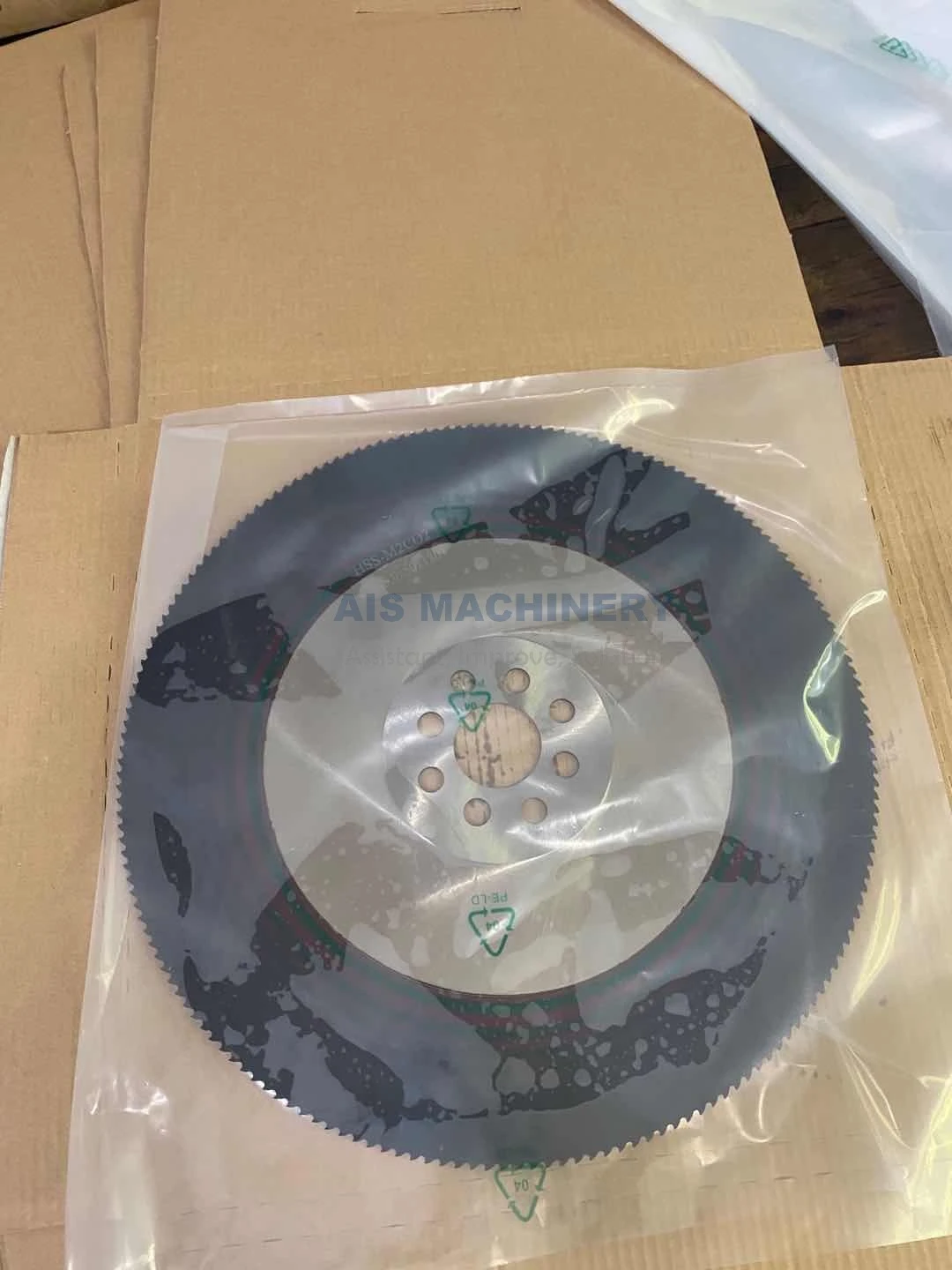
Saw Blade Guide for Tube Mills: Friction vs HSS vs TCT — Which One Should You Choose?
Confused about friction saw, HSS, and TCT blades? This guide explains their uses in cold saw and friction saw machines, with pros, cons, and expert selection tips.
2026-04-24 08:54:16
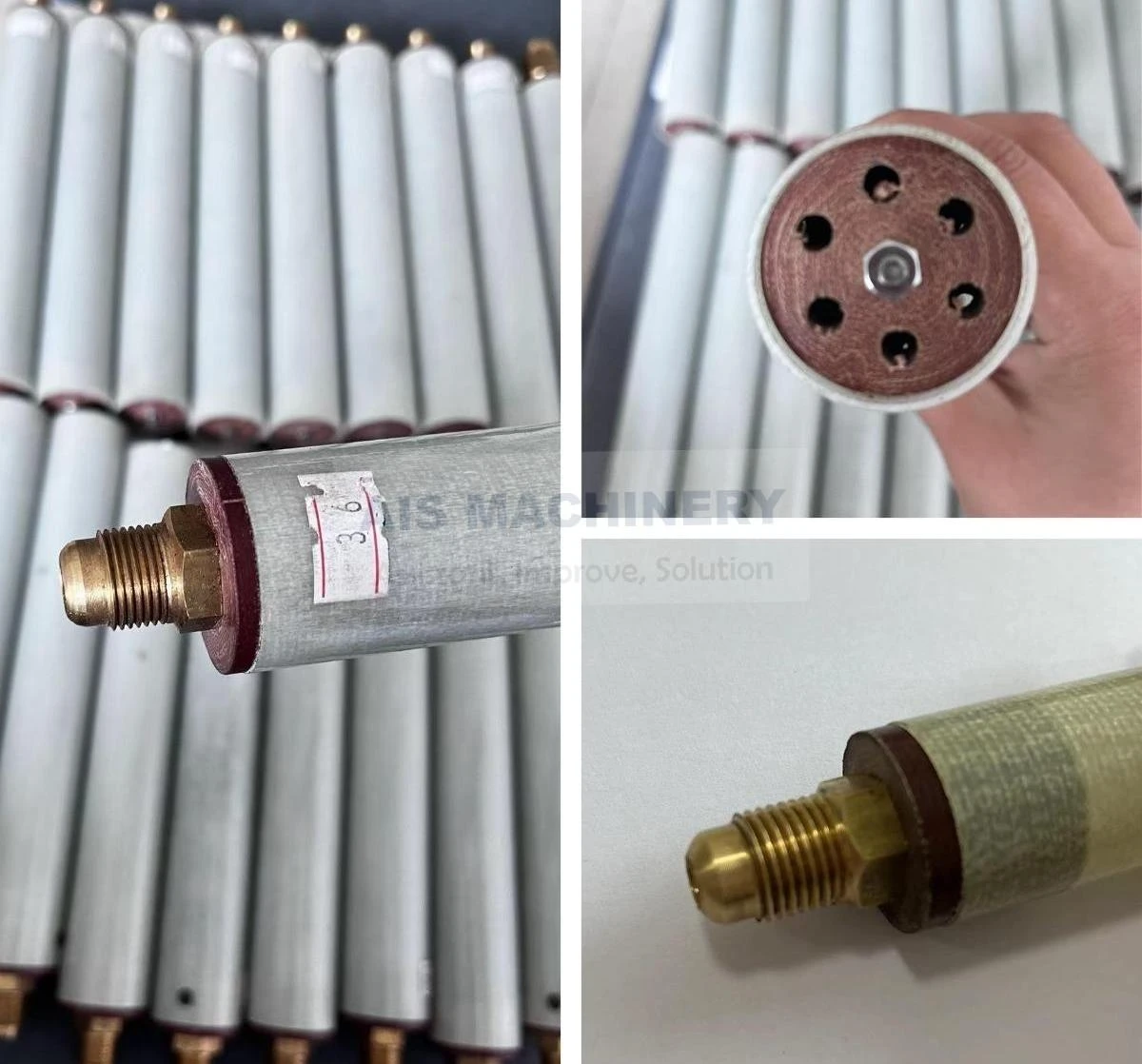
What is an Impeder and Ferrite Rods in ERW Tube Mill?
Struggling with impeder overheating or short service life in your ERW tube mill? This guide explains common impeder problems, the role of ferrite rods, and how to choose the right impeder for stable welding performance. Improve weld quality, reduce energy loss, and extend equipment lifespan with the right selection and proper cooling solutions.
2026-04-21 10:22:25
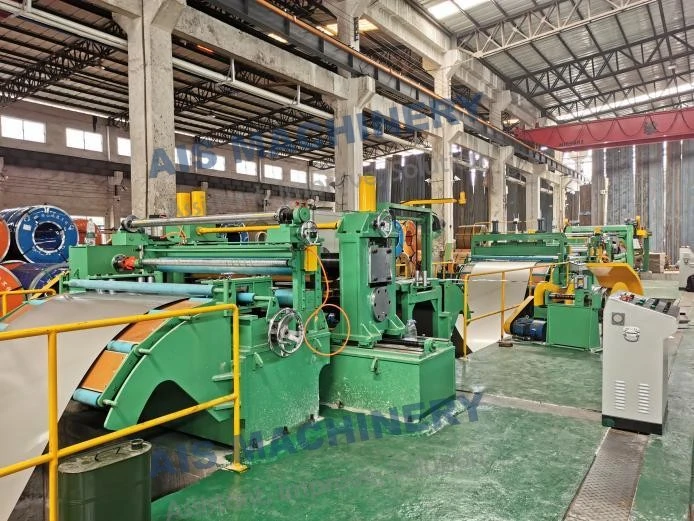
Slitting & Cut-to-Length Combined Production Line: A Smarter Way to Process Steel Coils
Discover the Slitting & Cut-to-Length Combined Production Line, a flexible solution for steel coil processing. This system integrates slitting line and cut-to-length line functions in one machine, saving space, reducing costs, and improving efficiency. Ideal for processing both steel strips and sheets, it is widely used in service centers and manufacturing industries. Learn its advantages, limitations, and applications.
2026-04-18 03:20:20
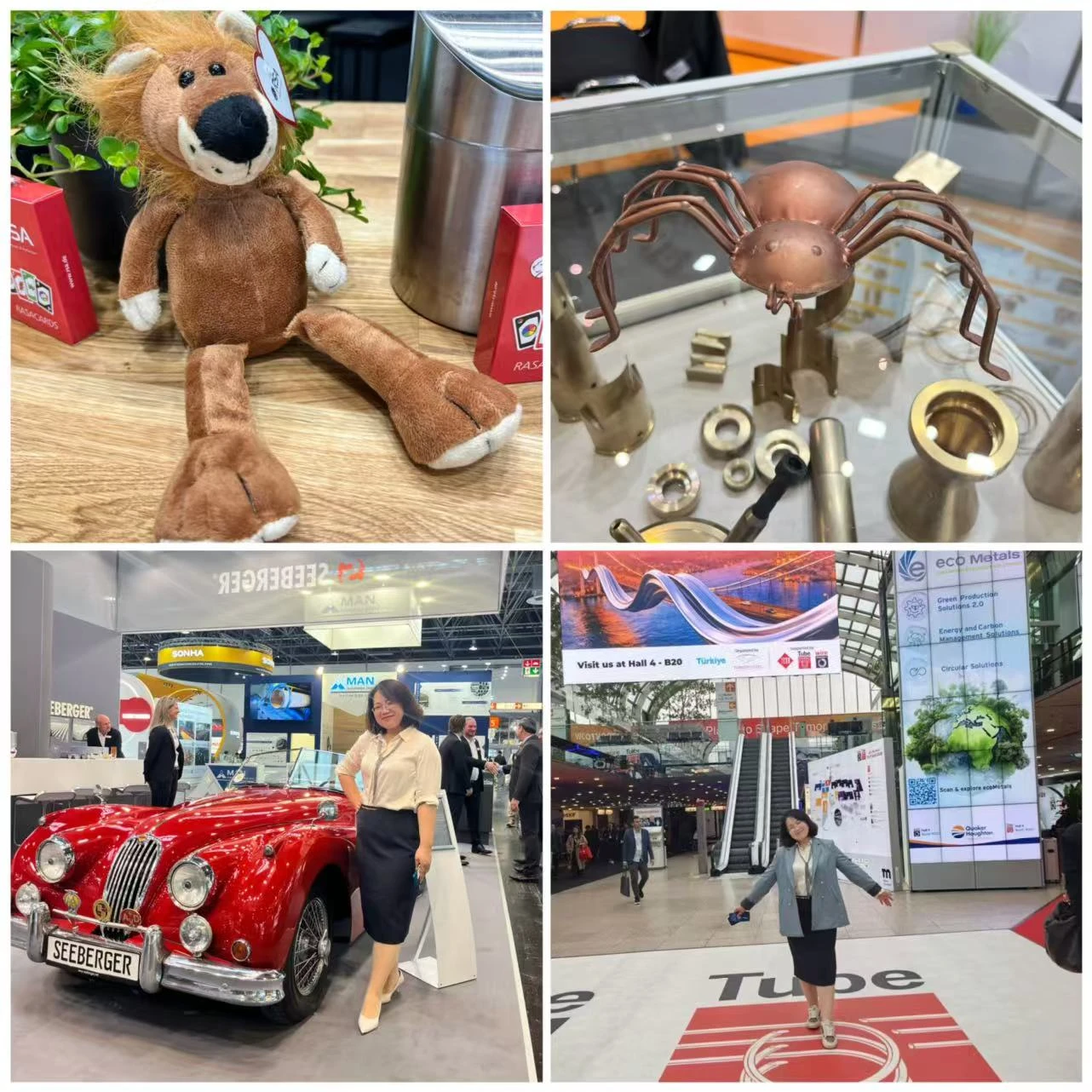
AIS Machinery Showcases Advanced Tube Solutions at Tube & Wire Düsseldorf 2026
Tube & Wire Düsseldorf 2026, one of the most influential exhibitions in the global tube and wire industry, held biennially in Düsseldorf, Germany
2026-04-17 00:00:00
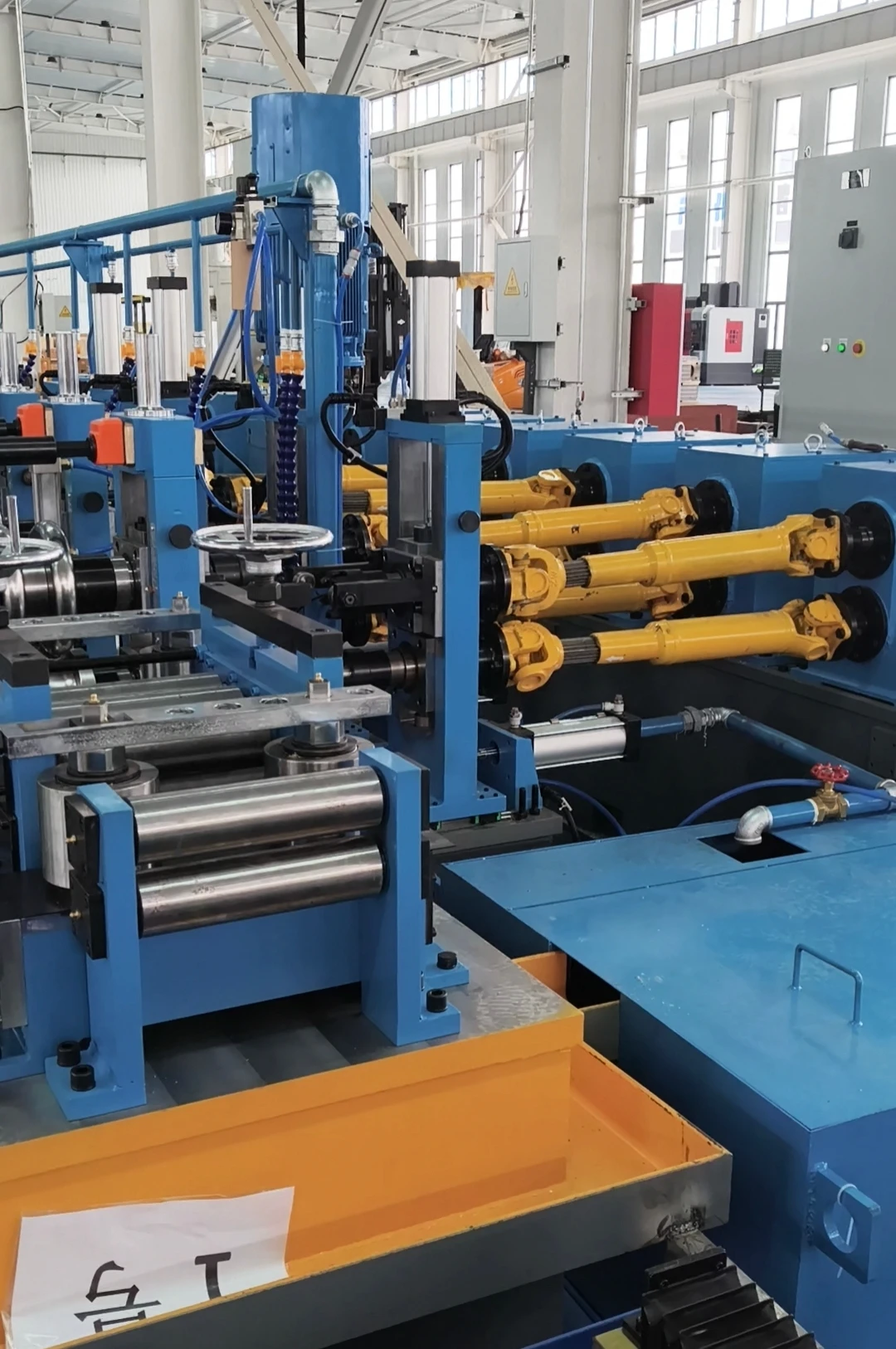
Southeast Asia Client Visits Our Factory | Customized Tube Mill Solution Delivered
A Southeast Asia client visited our ERW tube mill factory to inspect production lines and discuss a customized tube mill solution. Impressed by our machine quality, welding performance, and engineering support, the client confirmed strong cooperation intentions. Discover how our ERW tube mill solutions improve efficiency, precision, and long-term production reliability.
2026-04-15 10:37:55
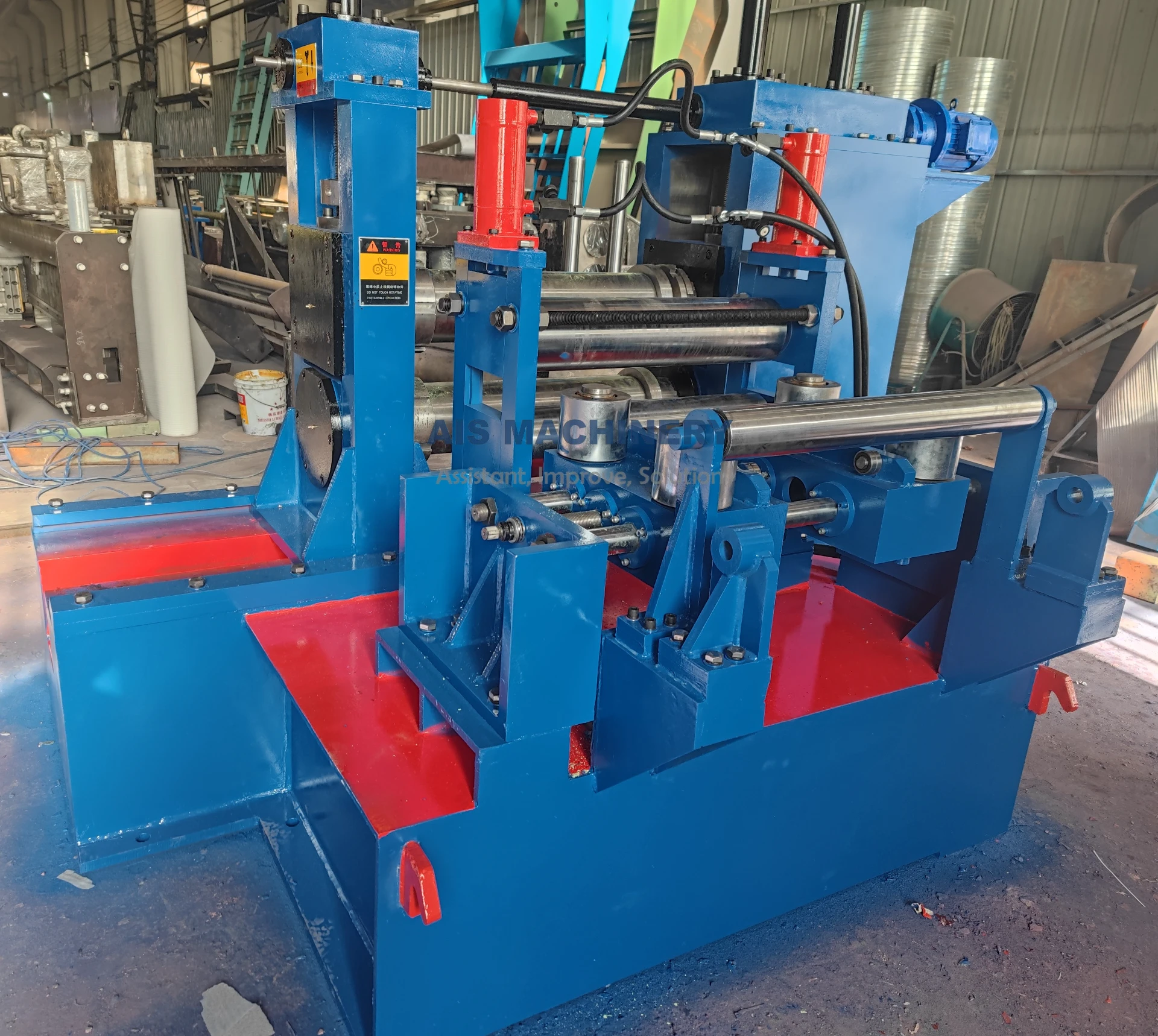
Flat Bar Production Line for Steel Coils: How It Works & Why It Matters
Looking for a flat bar production line? Learn how it turns steel coils into ready-to-use flat bars with precise length and high straightness. Compare it with slitting lines and get the best solution for your steel processing needs.
2026-04-14 00:00:00
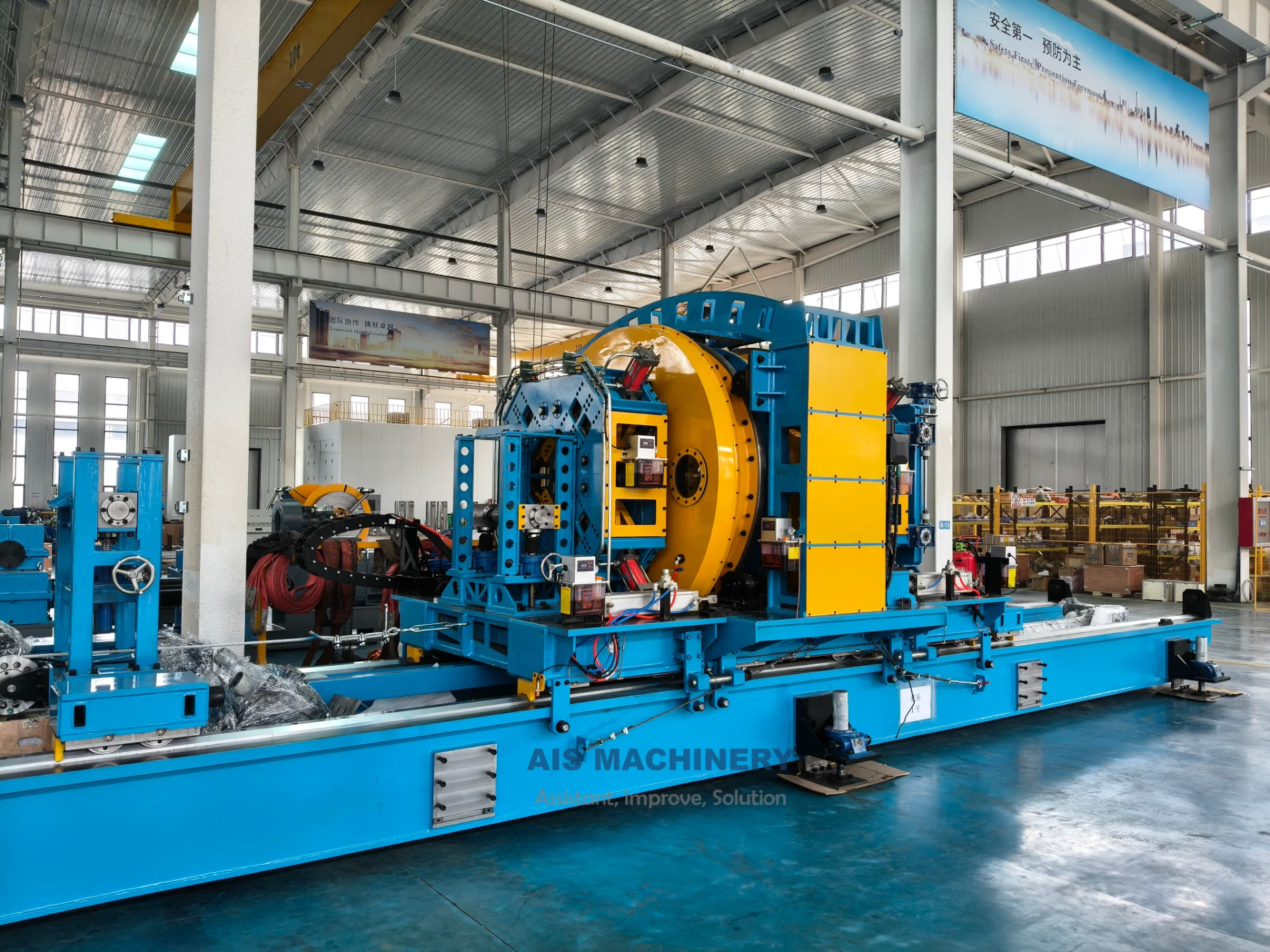
Looking for a Milling Saw for ERW Tube Mill? Here’s What You Need to Know
Looking for a high-performance milling saw for your ERW tube mill? Upgrade to burr-free, high-precision pipe cutting with advanced flying saw technology. Improve efficiency, reduce rework, and meet export standards for carbon steel, stainless steel, and API pipes. Contact us today for expert solutions and competitive pricing tailored to your production needs.
2026-04-09 16:15:19
5-Inch (127mm) ERW Tube Making Machine Delivered with Heavy-Duty Design and Advanced Quick Change System
Send a Message
Dear customer, thank you for your attention! We provide high-quality machinery and equipment and look forward to your orders. Please inform us of your needs and we will respond quickly!
 English
  Albanian
  Arabic
  French
  German
  Indonesian
  Italian
  Japanese
  Kazakh
  Korean
  Latin
Latin  Macedonian
  Portuguese
  Russian
  Spanish
  Thai
Thai  Turkish
  Ukrainian
  Uzbek
Uzbek