
-
 Tel:86-15176910262
-

Search
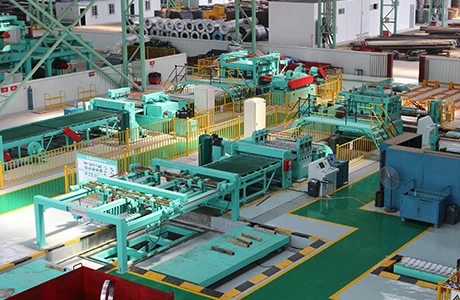
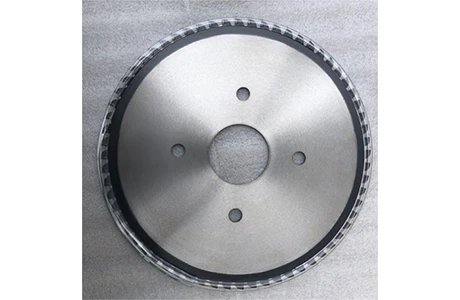

Sheet Metal Flattener: Essential Tool for Precision and Efficiency in Manufacturing
Dec . 02, 2025 13:35
Understanding the Sheet Metal Flattener: Industrial Backbone and Global Game-changer
When you think about the countless infrastructures around us — bridges, cars, airplanes, even simple rooftops — it’s fascinating how many rely on perfectly flat sheet metal panels. That’s where a sheet metal flattener comes in. This device is essential yet often overlooked, refining rough metal sheets into precise, flat surfaces ready for fabrication. Globally, its impact stretches across industries, shaping everything from automotive production lines to emergency housing solutions. In a world pushing for better efficiency and reliability, understanding this little-known hero offers insights into modern manufacturing and logistics.
Global Relevance: Why Sheet Metal Flattening Matters
According to the International Organization for Standardization (ISO), surface quality and uniformity of metal sheets are critical to product performance, particularly in automotive and aerospace sectors. In fact, the global metal forming market is projected to reach upwards of $140 billion by 2028, driven largely by the demand for perfectly shaped components. But the challenge remains: raw metal sheets often warp or have residual stresses that compromise integrity, disrupting production and inflating costs. Enter the sheet metal flattener — a machine designed to eliminate these issues with mechanical precision. It’s a technical detail with a significant economic and practical footprint.
What Is a Sheet Metal Flattener?
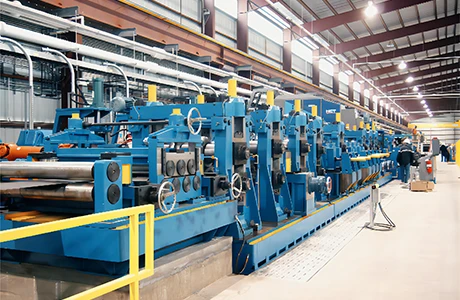
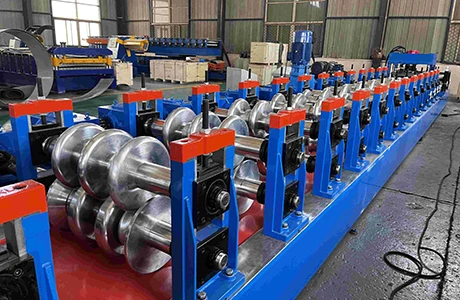
Simply put, a sheet metal flattener is a machine that removes warping, waviness, and surface distortions from metal sheets or strips. Through a series of rollers or pressure mechanisms, it applies controlled force to “iron out” imperfections, resulting in smoother, even material compatible with subsequent manufacturing steps like stamping or welding.
This process isn’t just industrial finery — it’s quite fundamental. Without sheet flattening, inconsistencies can lead to faulty assemblies or even failures in everyday products. Moreover, in humanitarian or rapid-deployment contexts, machinery that ensures materials are ready to use fast can make a real difference.
Core Components of Sheet Metal Flatteners
1. Durability
These machines often operate in demanding environments, handling heavy coils or sheets of steel, aluminum, or other metals. Their durability ensures consistent flattener performance, reducing downtime.
2. Scalability and Size Compatibility
Flattener units vary from small-scale models used in workshops to large industrial machines designed for massive steel coils. Choosing the right size affects productivity and compatibility with existing production lines.
3. Precision and Control
Adjustable rollers and pressure settings allow operators to customize flattening based on metal type and thickness, translating to fewer defects and less waste.
4. Cost Efficiency
While the initial investment can be significant, the long-term savings gained through reduced scrap rates and faster production cycles justify the expense. Plus, many modern machines focus on energy efficiency.
5. Integration and Automation
Integration into computerized manufacturing systems increases throughput and reduces human error, especially relevant for industries pushing Industry 4.0 standards.
Product Specifications Snapshot
| Feature | Typical Range | Notes |
|---|---|---|
| Sheet Thickness Capacity | 0.2mm – 12mm | Depends on roller strength & model |
| Max Flattening Width | 600mm – 2500mm | Vary per machine design |
| Flattening Accuracy | ±0.05mm | Crucial for automotive & aerospace |
| Roller Material | Hardened Steel / Tungsten Carbide | For durability and flatness |
| Automation Level | Manual – Fully Automated | Flexibility depends on user needs |
Who Uses Sheet Metal Flatteners? Global Applications & Examples
- Automotive Industry: Manufacturers across Germany, Japan, and the U.S. rely on flatteners to prepare metal sheets for stamping parts.
- Aerospace: Precision flattener machines ensure safety-critical components meet strict quality standards.
- Construction & Infrastructure: Countries in Asia and the Middle East use flattened steel sheets for roofing and frameworks.
- Humanitarian and Post-Disaster Relief: NGOs incorporate flattened sheet metal to build temporary shelters quickly; it’s sturdy and adaptable under unpredictable conditions.
- Remote Mining & Industrial Zones: Flatteners on site cut down transportation weight and waste, making operations more sustainable.
Mini takeaway: The sheet metal flattener is a quietly indispensable technology bridging everyday manufacturing and critical humanitarian needs.
Advantages and Long-Term Value of Sheet Metal Flatteners
It’s tempting to focus purely on cost savings, but there’s more beneath the surface. Flatteners contribute to:
- Material Efficiency: Reducing scrap and rework means fewer natural resources are wasted.
- Product Reliability: Flat sheets yield better fitting parts, increasing end-product durability.
- Safety and Social Impact: Especially in humanitarian settings, reliable construction material means safer, more dignified shelters.
- Innovation Enablement: Flat metal surfaces are prerequisites for advanced fabrication techniques like laser cutting and precision welding.
Frankly, investing in quality flatteners is investing in trust—trust that your products and projects hold up under real-world pressure.
Future Trends: What’s Next for Sheet Metal Flatteners?
The industry is already embracing:
- Smart Automation: Sensor-equipped rollers that adapt pressure dynamically.
- Energy-Efficient Solutions: Reduced power consumption aligning with sustainability goals.
- Advanced Materials: Rollers made from novel composites to extend lifespan.
- Digital Integration: Real-time data to optimize flattening parameters and maintenance scheduling.
Oddly enough, COVID-19 accelerated remote monitoring capabilities, pushing operators to be more hands-off but more informed.
Challenges Faced and Potential Solutions
Despite advances, some challenges persist:
- Handling Varying Metals: High-hardened alloys can strain traditional flatteners.
- Initial Capital Cost: Smaller manufacturers may find price barriers steep.
- Maintenance Requirements: Precision equipment demands regular upkeep.
Experts suggest modular designs and lease models as ways to reduce barriers, alongside predictive maintenance technologies to prevent downtime.
FAQ: Your Questions About Sheet Metal Flatteners
- Q: How does a sheet metal flattener improve production line efficiency?
- A: By providing consistently flat sheets, flatteners reduce machine jams and scrap rates downstream, allowing smoother stamping, cutting, or welding processes — which ultimately saves time and money.
- Q: Can flatteners handle different metal types and thicknesses?
- A: Most modern flatteners are adjustable and can be fine-tuned to accommodate a range of metals like steel, aluminum, and copper, within specific thickness ranges (typically 0.2mm to 12mm).
- Q: What’s the difference between manual and automated flatteners?
- A: Manual machines rely on operator settings and intervention, whereas automated flatteners use sensors and computer controls for real-time pressure adjustments—enhancing precision and reducing labor costs.
- Q: How important is flattening in disaster relief operations?
- A: Very important. Flattened sheets ensure that temporary shelters are easier to assemble, stronger, and safer — crucial for protecting displaced populations swiftly.
Comparing Top Vendors of Sheet Metal Flatteners
| Vendor | Automation Level | Special Features | Price Range (USD) |
|---|---|---|---|
| MetalPro Solutions | Semi-automated | Energy-saving motor & user-friendly interface | 30,000 – 60,000 |
| FlatTech Industries | Fully Automated | AI-powered sensor adjustments & remote monitoring | 70,000 – 120,000 |
| Precision Sheet Tools | Manual | Compact design for small workshops | 8,000 – 20,000 |
It’s kind of amazing how this one machine can ripple across so many sectors, isn’t it?
- ISO. (2023). Quality management in metal sheet processing.
- Wikipedia contributors. (2024). Metal forming. Wikipedia.
- World Bank. (2023). Industry overview.

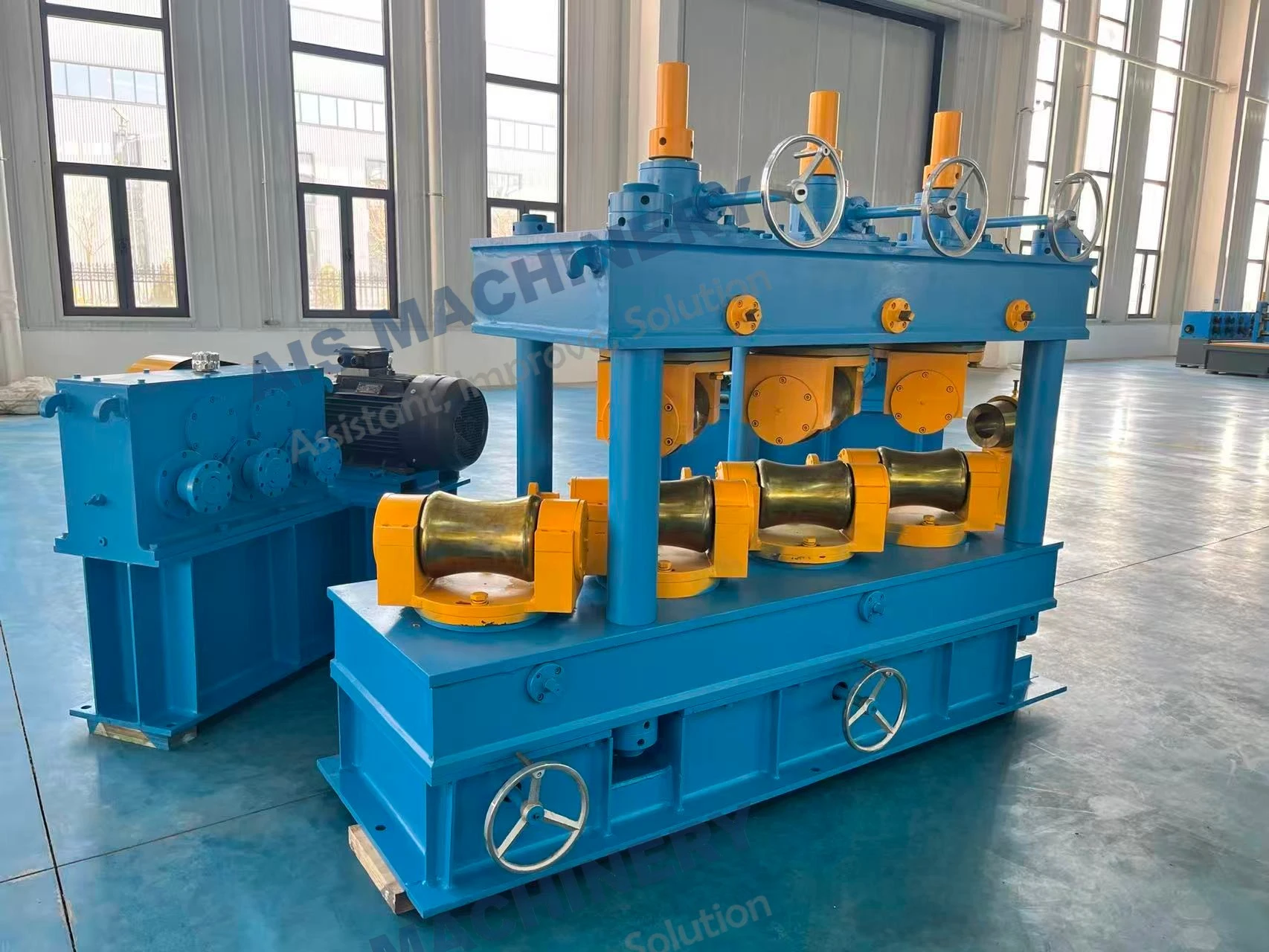
Related Products

Related News
2026-04-18 03:20:20
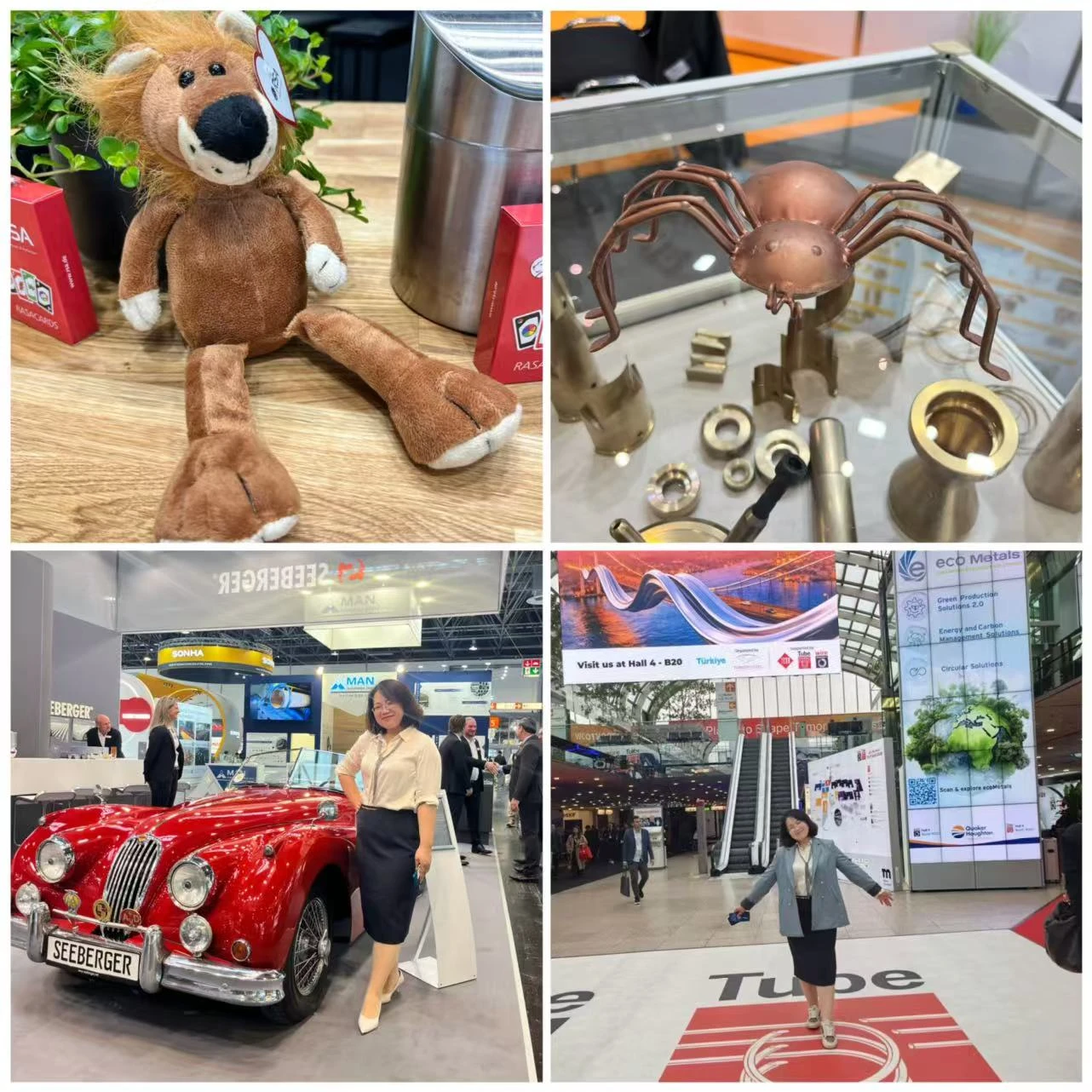
AIS Machinery Showcases Advanced Tube Solutions at Tube & Wire Düsseldorf 2026
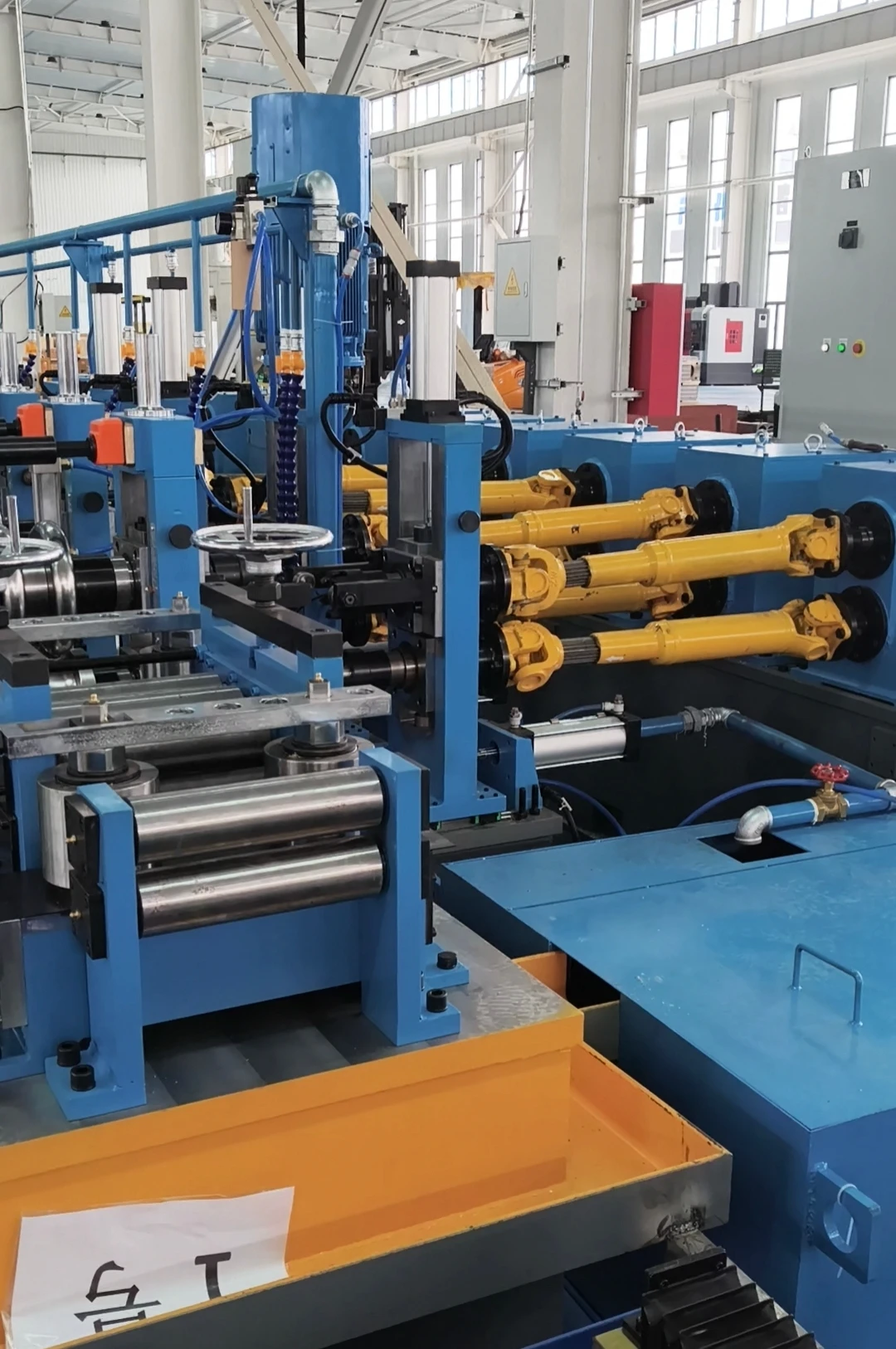
Tube & Wire Düsseldorf 2026, one of the most influential exhibitions in the global tube and wire industry, held biennially in Düsseldorf, Germany
2027-04-17 00:00:00
Southeast Asia Client Visits Our Factory | Customized Tube Mill Solution Delivered
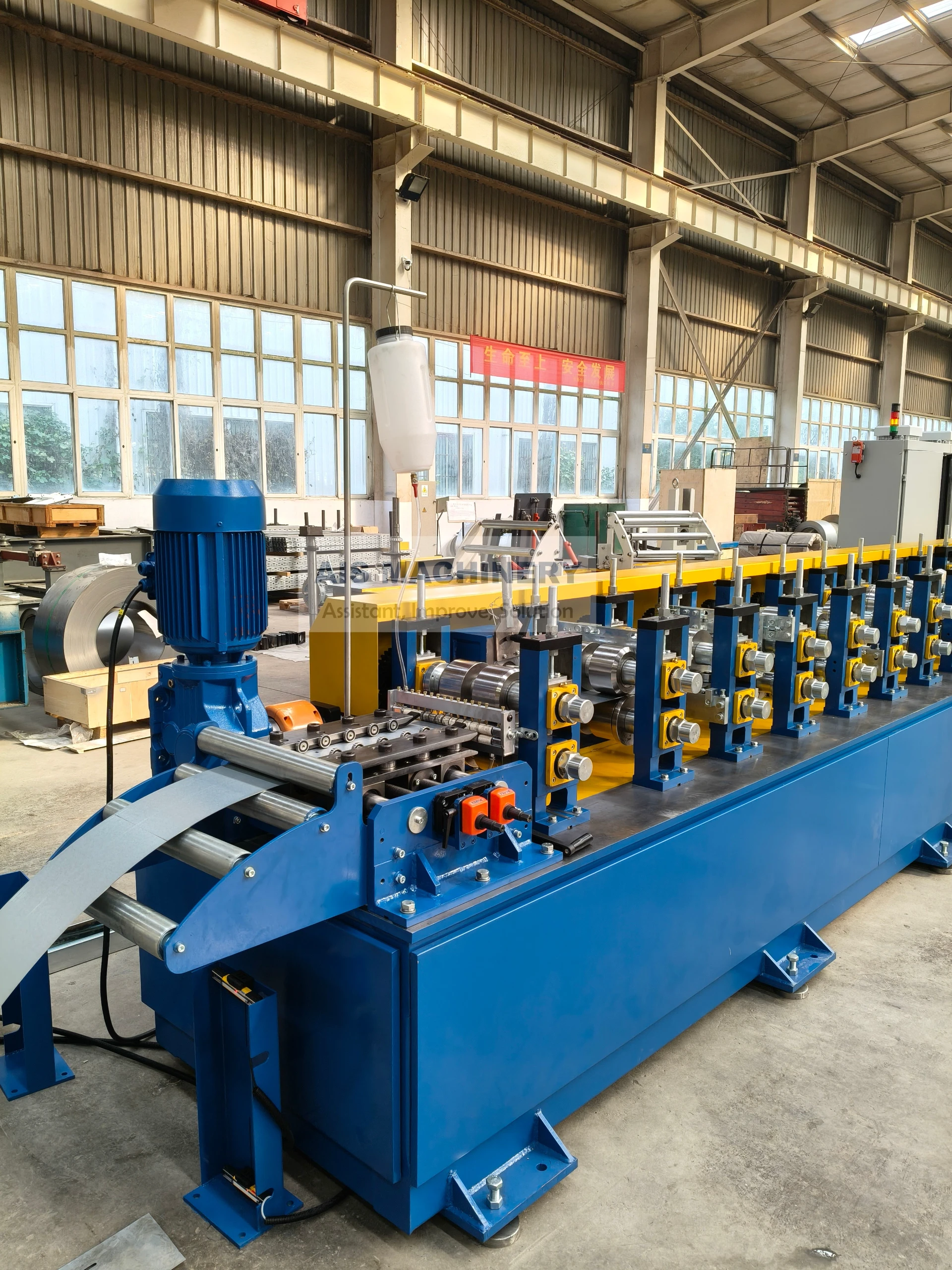
A Southeast Asia client visited our ERW tube mill factory to inspect production lines and discuss a customized tube mill solution. Impressed by our machine quality, welding performance, and engineering support, the client confirmed strong cooperation intentions. Discover how our ERW tube mill solutions improve efficiency, precision, and long-term production reliability.
2026-04-16 02:35:12
Professional Cold Roll Forming Machine Factory for Production
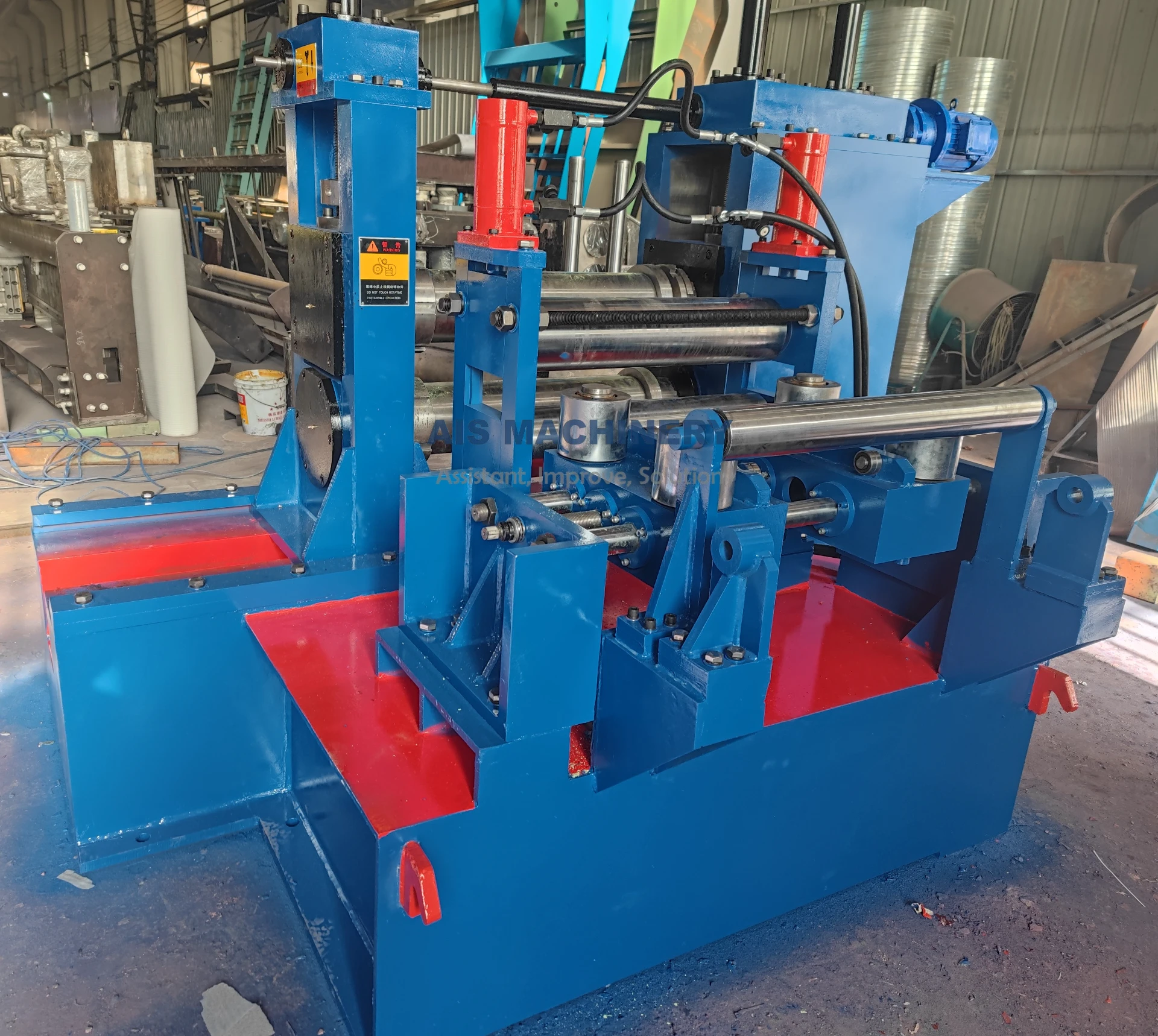
In the modern industrial landscape, the precision of metal shaping is the cornerstone of quality manufacturing. Partnering with a professional cold roll forming machine factory is essential for businesses looking to optimize their production lines, reduce material waste, and ensure high-dimensional accuracy. Whether you are producing C-channels, square tubes, or custom profiles, the choice of machinery determines your competitive edge in the market. This guide will explore the critical factors in selecting a factory and the technical advantages of advanced roll forming technology to help you make an informed investment.
2026-04-15 10:37:55
Flat Bar Production Line for Steel Coils: How It Works & Why It Matters
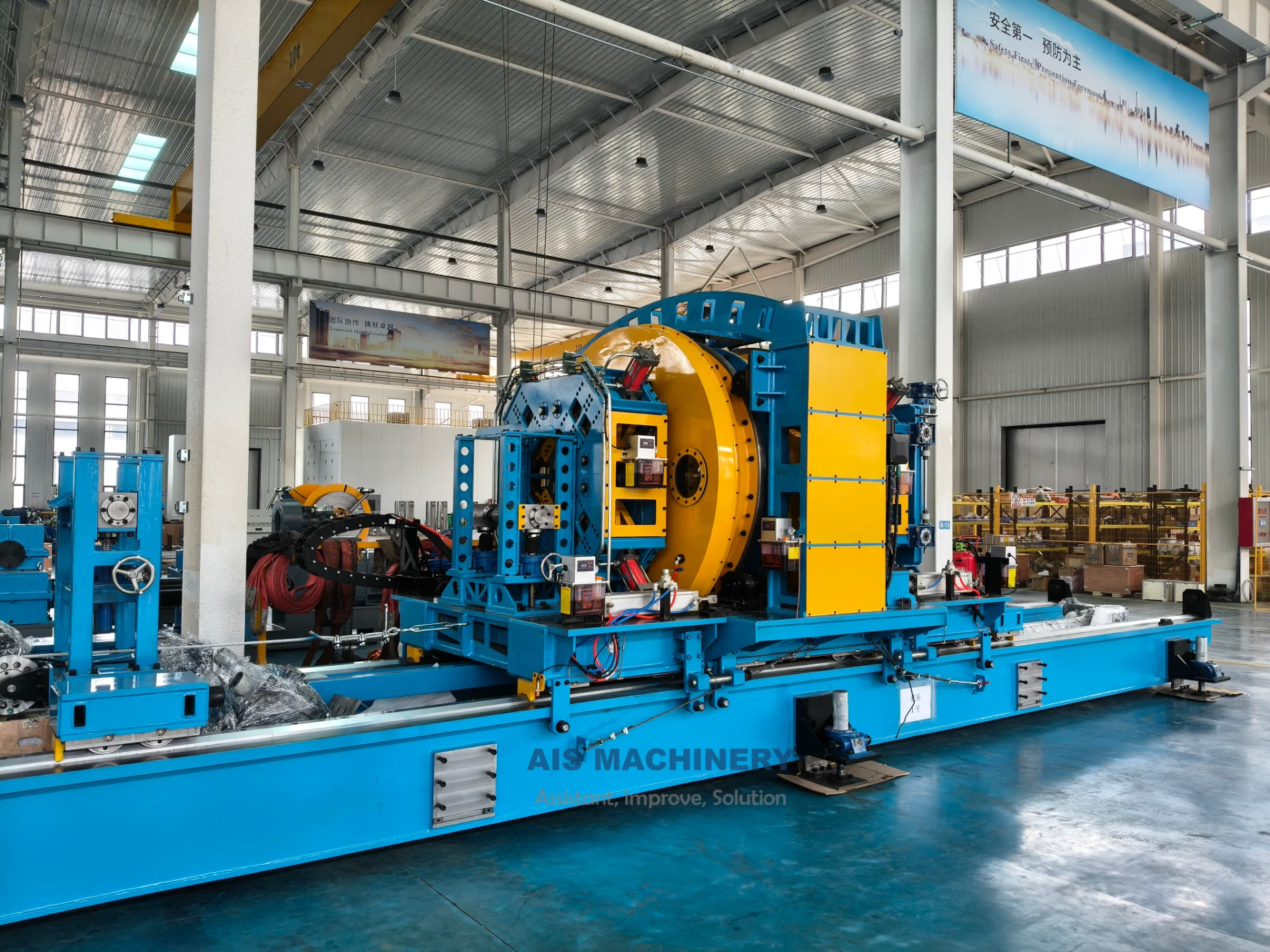
Looking for a flat bar production line? Learn how it turns steel coils into ready-to-use flat bars with precise length and high straightness. Compare it with slitting lines and get the best solution for your steel processing needs.
2026-04-14 00:00:00
Looking for a Milling Saw for ERW Tube Mill? Here’s What You Need to Know
Looking for a high-performance milling saw for your ERW tube mill? Upgrade to burr-free, high-precision pipe cutting with advanced flying saw technology. Improve efficiency, reduce rework, and meet export standards for carbon steel, stainless steel, and API pipes. Contact us today for expert solutions and competitive pricing tailored to your production needs.
2026-04-09 16:15:19
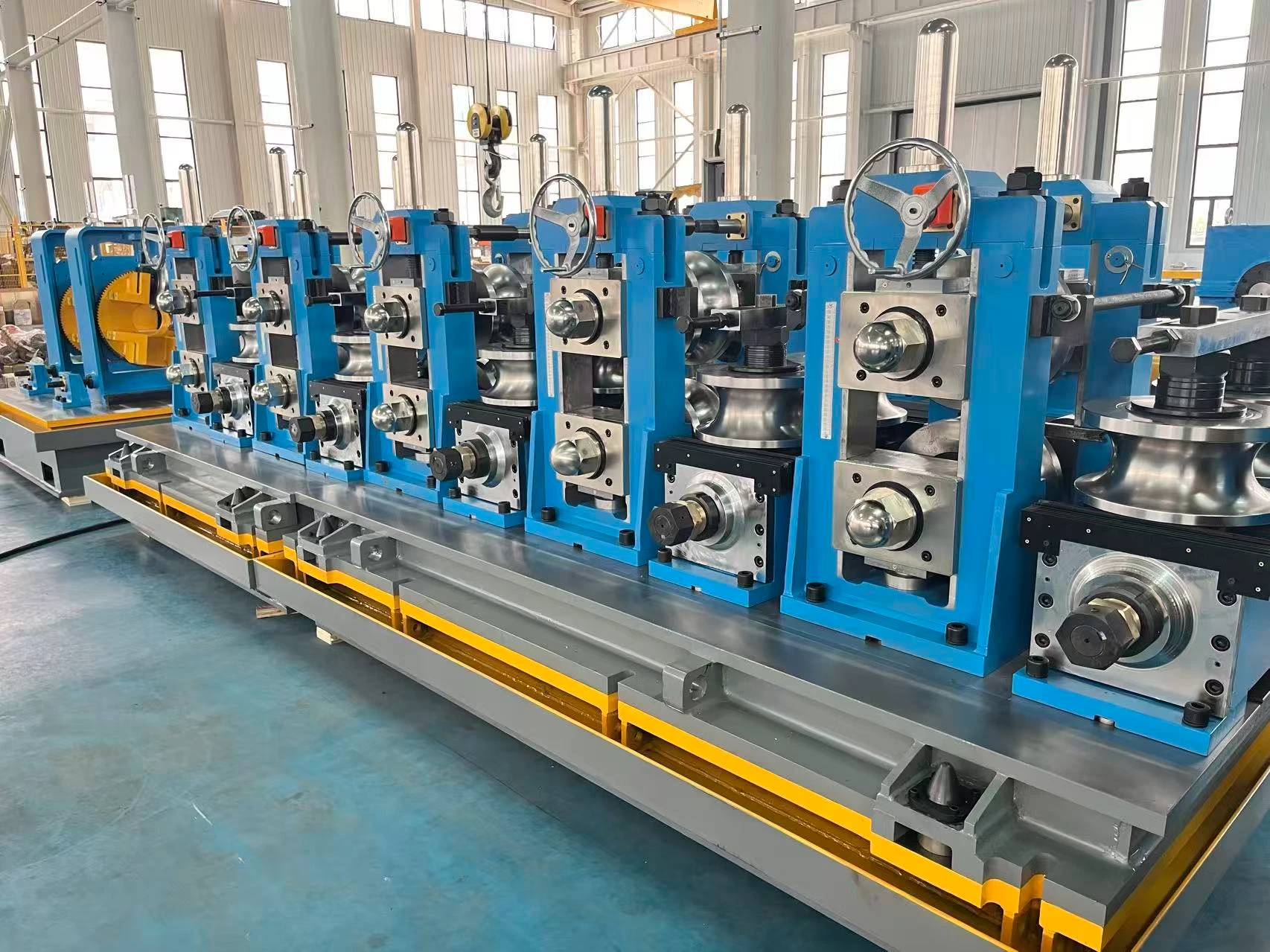
5-Inch (127mm) ERW Tube Making Machine Delivered with Heavy-Duty Design and Advanced Quick Change System
2027-04-07 00:00:00
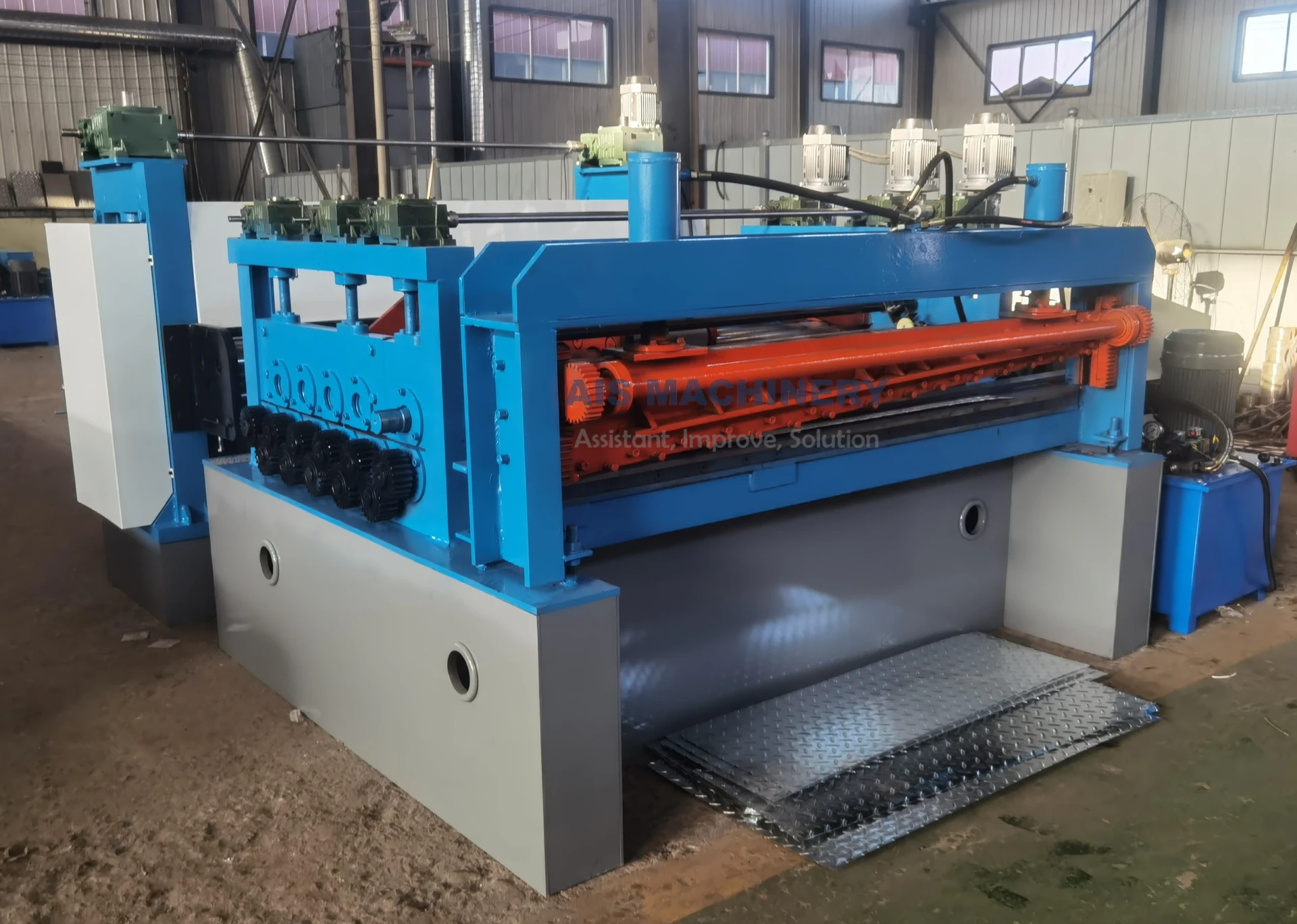
Metal Embossing Machine: Turn Flat Sheets into High-Value Textured Products
Discover how a metal embossing machine transforms flat steel, stainless steel, and aluminum sheets into high-value textured products. Learn about its working principle, key components, and applications. Ideal for decorative and industrial use, embossing machines improve both appearance and performance. Explore complete embossing line solutions and find the right machine for your production needs.
2026-04-04 20:37:18
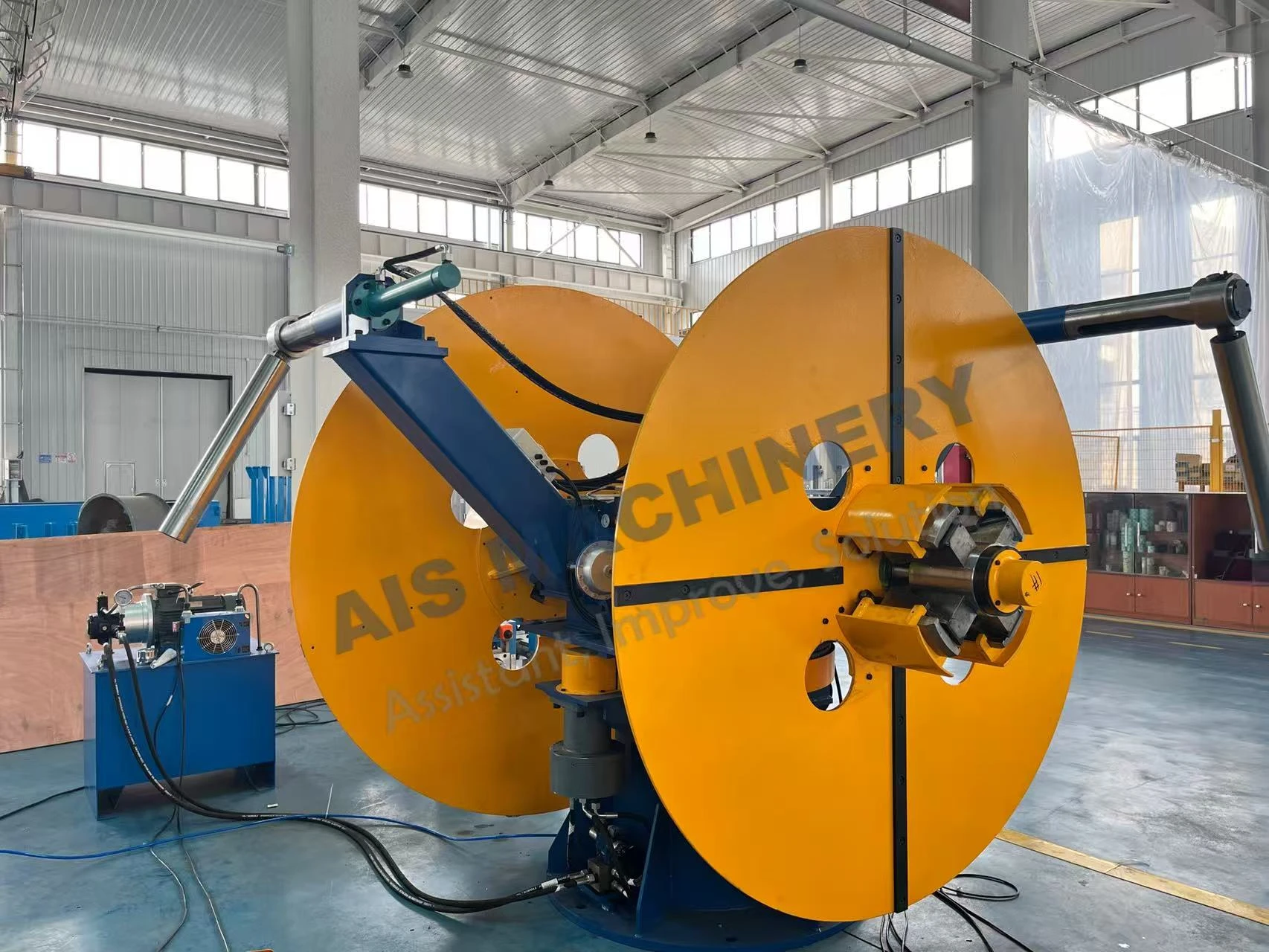
Automatic Double Side Uncoiler with Hydraulic Expansion and Auto Rotation for Steel Coil Processing
The Automatic Double Side Uncoiler is a high-efficiency solution designed for modern steel coil processing lines, including tube mills, roll forming machines, and slitting lines. With a maximum capacity of 4 tons per side, this machine ensures stable and continuous coil feeding while reducing downtime during coil change.
Send a Message
Dear customer, thank you for your attention! We provide high-quality machinery and equipment and look forward to your orders. Please inform us of your needs and we will respond quickly!
 English
  Albanian
  Arabic
  French
  German
  Indonesian
  Italian
  Japanese
  Kazakh
  Korean
  Latin
Latin  Macedonian
  Portuguese
  Russian
  Spanish
  Thai
Thai  Turkish
  Ukrainian
  Uzbek
Uzbek