
-
 Tel:86-15176910262
-

Search
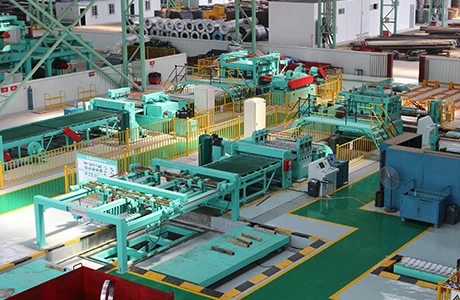
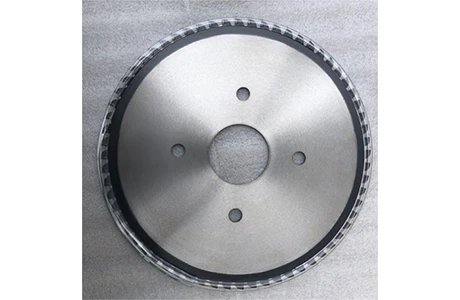

Advanced Metal Cut to Length Machines for Efficient Manufacturing
Nov . 28, 2025 21:20
Understanding Metal Cut to Length Machines: Why It Matters Today
In a world increasingly dependent on precision manufacturing and efficient supply chains, the metal cut to length machine emerges as a quiet workhorse. This technology isn't just industrial jargon — it’s a fundamental piece shaping everything from automotive frames to construction materials. Globally, as infrastructure projects soar and demand for metal components skyrockets, mastering how we cut metal accurately and swiftly affects costs, waste reduction, and ultimately sustainability. Plus, it plays a subtle but key role in humanitarian efforts where fast, reliable metal fabrication can support emergency shelters or critical infrastructure rebuilding.
In short: understanding these machines means better products, less waste, and an industry ready for a greener future.
The Global Context: Why Metal Cut to Length Machines Are Vital
Did you know that the global metal processing market was valued at over $50 billion in recent years? According to ISO standards and industry reports, metal processing efficiency is tightly linked to national competitiveness in manufacturing (ISO 9001 certificates are often a badge of honor here). Metal cut to length machines directly tackle one of the biggest bottlenecks — turning bulky steel coils into precise sheet sizes ready for the next step in production lines.
That’s vital, because inefficiencies mean wasted material and higher cost — and with climate targets pressing heavy on industries worldwide, reducing scrap translates directly into less CO2 emissions. For example, a World Bank report noted that metals recycling and efficient processing could cut up to 50% of steel production emissions globally by 2030.
But here’s the rub: not all machines handle the diversity of metals or thicknesses found in the wild supply chain today. That’s where cutting-edge designs and careful specifications come to the fore.
Breaking It Down: What Is a Metal Cut to Length Machine?
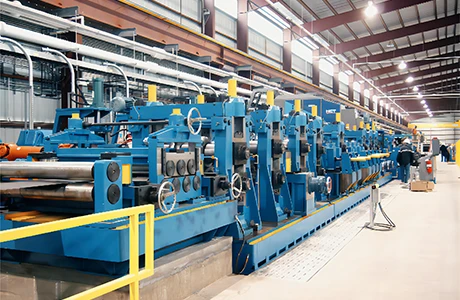
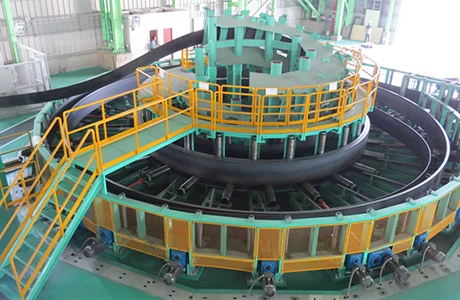
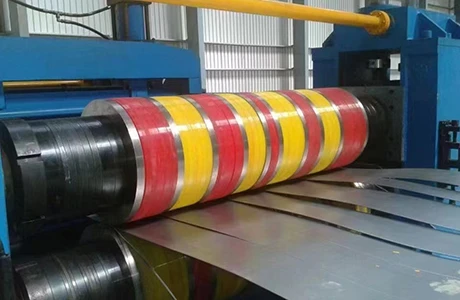
In simple terms, a metal cut to length machine takes a large coil of metal — which might be steel, aluminum, or another alloy — and straightens and cuts it into flat sheets or strips of specific, predetermined length. Think of it like a giant paper cutter, but tougher, more precise, and capable of handling tons of steel every day without breaking a sweat.
This process is essential in modern industry because it prepares raw materials for a vast array of products — from car bodies to roofing panels. It's also crucial in humanitarian contexts: quick metal cutting lets companies or agencies produce materials needed for temporary shelters or rebuilding efforts post-disaster.
Core Components and Features that Define Quality
1. Durability and Build Quality
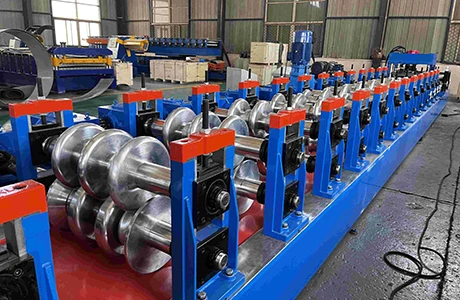
Many manufacturers highlight steel-braced frames and hardened rollers — all designed to handle consistent high-volume runs. In practice, this means less unexpected downtime and better longevity, which translates to steady production schedules and cost savings.
2. Precision and Scalability
Contemporary metal cutting machines boast digital length measuring and micro-adjustments able to scale quickly between job sizes. That’s a hug game-changer for facilities juggling diverse orders — like shifting from thin aluminum sheets one day to thick steel plates the next.
3. Automation and Integration
Integration with factory automation—think conveyor feeders and digital control panels—improves workflow and reduces human error. Some top-tier models even include touchscreens with real-time diagnostics. It feels like they watch over the process themselves.
4. Energy Efficiency
With power consumption under increasing scrutiny, newer machines optimize motor use and hydraulic controls to keep the punch low — not just on your electric bill but on your carbon footprint, too.
5. User Friendliness and Safety
For factory workers, interface simplicity, ergonomic designs, and built-in safety guards make all the difference. Practical, yes, but also a clear nod to prioritizing human well-being amidst heavy industrial gear.
Mini Takeaway:
When choosing a metal cut to length machine, consider durability, precision, automation, energy use, and safety — these factors define everything from your product quality to your operational costs.
Worldwide Applications: From Mega-Industries to Remote Relief
In industrial powerhouses like China, Germany, and the U.S., these machines are the backbone of automotive and appliance manufacturing. But what's fascinating is how their usage extends beyond developed regions.
- Post-Disaster Zones: NGOs utilize portable cutting tech to fabricate emergency housing panels quickly on-site, where traditional supply chains falter.
- Emerging Markets: Brazil and India are upgrading factories using modern cut-to-length lines that reduce waste and increase output.
- Energy & Infrastructure: Offshore wind farms and solar installation companies depend on metal sheets cut proudly and precisely, thanks to these machines.
One story I came across involved a small factory in Eastern Europe—owing its growth partly to a new cut to length setup that dramatically cut overheads and improved delivery times.
Advantages Beyond the Obvious: The Long-Term Value
Putting a metal cut to length machine to work doesn’t just speed up production. The tangible perks ripple outward:
- Cost Savings: Less metal waste means cheaper raw material spends.
- Sustainability: Optimized cutting processes reduce environmental impact.
- Reliability: Fewer production halts build customer trust and moral boost.
- Social Benefits: Improved safety features protect workers’ well-being — and that’s priceless.
Oddly enough, many factory managers say investing in better machines brings a refreshed sense of pride to their workshops, making the workplace feel less like mere production lines and more like craftsmanship hubs.
Where Is the Industry Heading? Future Trends & Innovations
Looking forward, several trends will shape metal cutting technology:
- Green Energy Integration: Machines powered partly by renewables, or designed for lower peak demand.
- Digital Twins & AI: Simulating cuts to optimize scrap reduction before the metal even reaches the blade.
- Material Innovations: Developing blades and rollers for new, advanced alloys and composites.
- IoT Connectivity: Real-time remote control, predictive maintenance, and inventory syncing.
These innovations not only improve efficiency but also contribute toward meeting international carbon reduction goals.
Facing the Challenges Head-On
No tech is perfect. Often, issues like high initial costs, maintenance complexity, or limitations in handling super-thick or exotic metals slow wider adoption. But manufacturers and engineers are responding:
- Modular machine designs for easier upgrades and customization
- Training partnerships to reduce operator errors
- Developing hybrid workshop setups combining manual and automated tasks
Practically speaking, as processes evolve, so do solutions—giving optimism to both small workshops and large-scale manufacturers.
FAQ: Your Questions About Metal Cut to Length Machines Answered
- Q1: What thickness range can most metal cut to length machines handle?
- A1: Most industrial models can handle from thin sheets around 0.3 mm to thick plates up to 6-8 mm or even more, depending on specs. It’s always best to match the machine to your specific metal types.
- Q2: How does automation improve metal cutting accuracy?
- A2: Automated length measurement and feed control minimize human error, ensuring each cut matches exact specifications. This reduces scrap and rework, especially on large production runs.
- Q3: Can these machines be integrated into existing production lines?
- A3: Yes, many metal cut to length machines feature modular designs and compatible controls, allowing easy integration with conveyors, coil feeders, and downstream equipment.
- Q4: Are metal cut to length machines energy efficient?
- A4: Modern designs emphasize energy-saving motors and hydraulic systems, often delivering significant reductions in electricity use compared to older equipment.
- Q5: What safety features should I look for?
- A5: Key features include emergency stops, protective covers, light curtains, and ergonomic controls. These ensure worker safety without compromising productivity.
Product Specification Table: Typical Features of a Metal Cut to Length Machine
| Feature | Specification | Notes |
|---|---|---|
| Max Coil Width | 1,600 mm | Supports large sheets |
| Thickness Range | 0.3 mm - 8 mm | For steel, aluminum, stainless steel |
| Cutting Speed | Up to 60 m/min | Varies by material |
| Control Type | PLC with touch screen | User-friendly interface |
| Power Supply | 415 VAC, 3 phase | Standard industrial power |
| Weight | Approx. 5,000 kg | Robust frame for stability |
Comparing Leading Metal Cut to Length Machine Vendors
| Vendor | Product Range | Key Strength | Price Range |
|---|---|---|---|
| AISTubemill | Small to Large Scale Lines | Custom Modular Design & Energy Efficiency | $$$ |
| SteelCut Pro | Mid-Range Precision Systems | Advanced Automation & Remote Monitoring | $$ |
| MetalMakers Inc. | Heavy Duty Industrial Equipment | Robust Build & High Throughput | $$$$ |
Wrapping Up: The Last Word on Metal Cut to Length Machines
All told, metal cut to length machines are more than just tools — they’re enablers of efficient, sustainable manufacturing and crucial pillars in many global supply chains. Whether it’s cutting raw steel for a multi-million vehicle production run or slicing aluminum sheets for emergency housing in disaster regions, these machines make the difference between success and setback.
Curious how you can upgrade your workflow or reduce waste? I’d say it’s worth a look. To explore what today’s advanced systems can do, visit metal cut to length machine specialists who know their stuff.
References

Related Products

Related News
2026-04-28 08:56:05
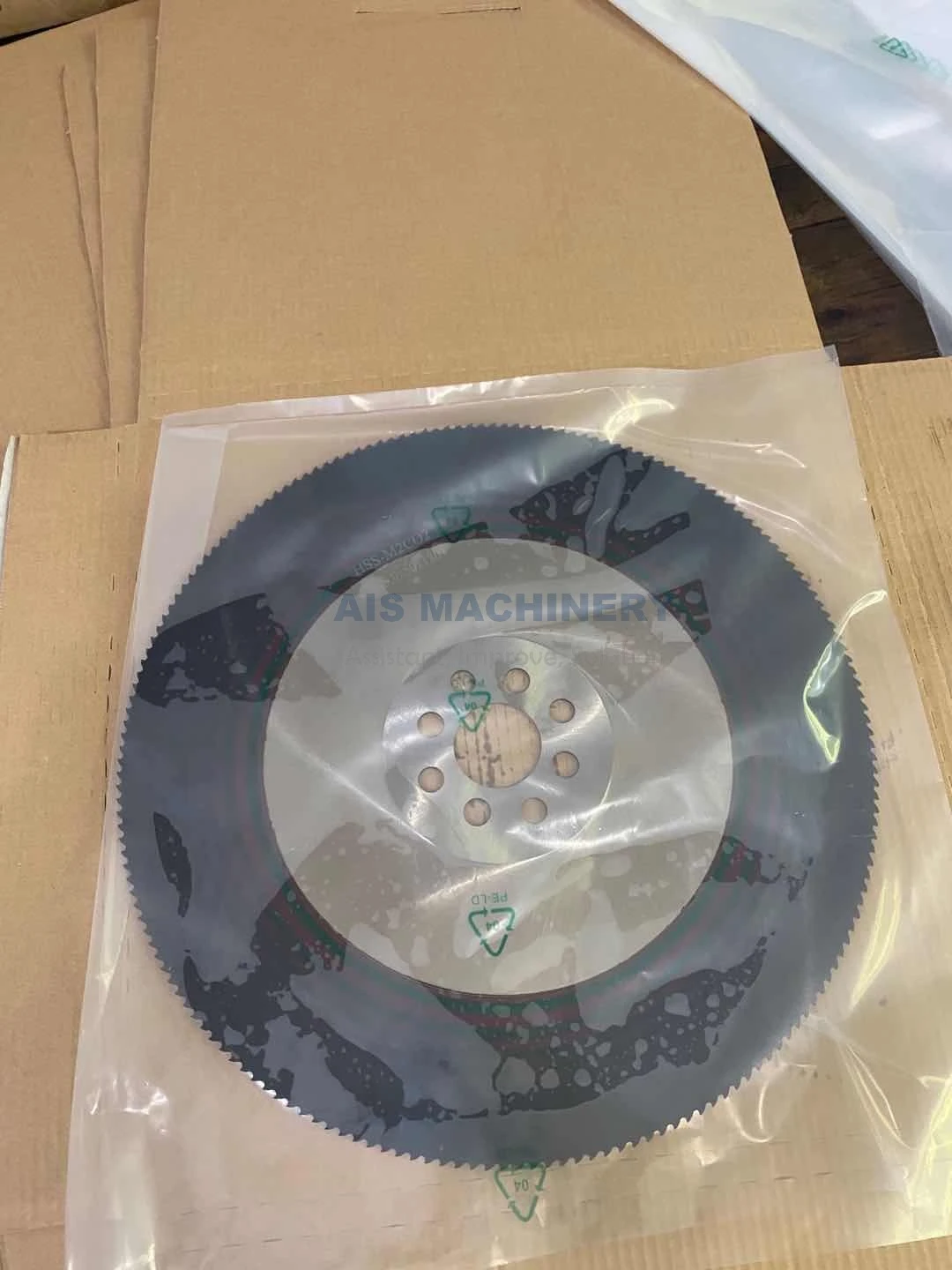
Saw Blade Guide for Tube Mills: Friction vs HSS vs TCT — Which One Should You Choose?
Confused about friction saw, HSS, and TCT blades? This guide explains their uses in cold saw and friction saw machines, with pros, cons, and expert selection tips.
2026-04-24 08:54:16
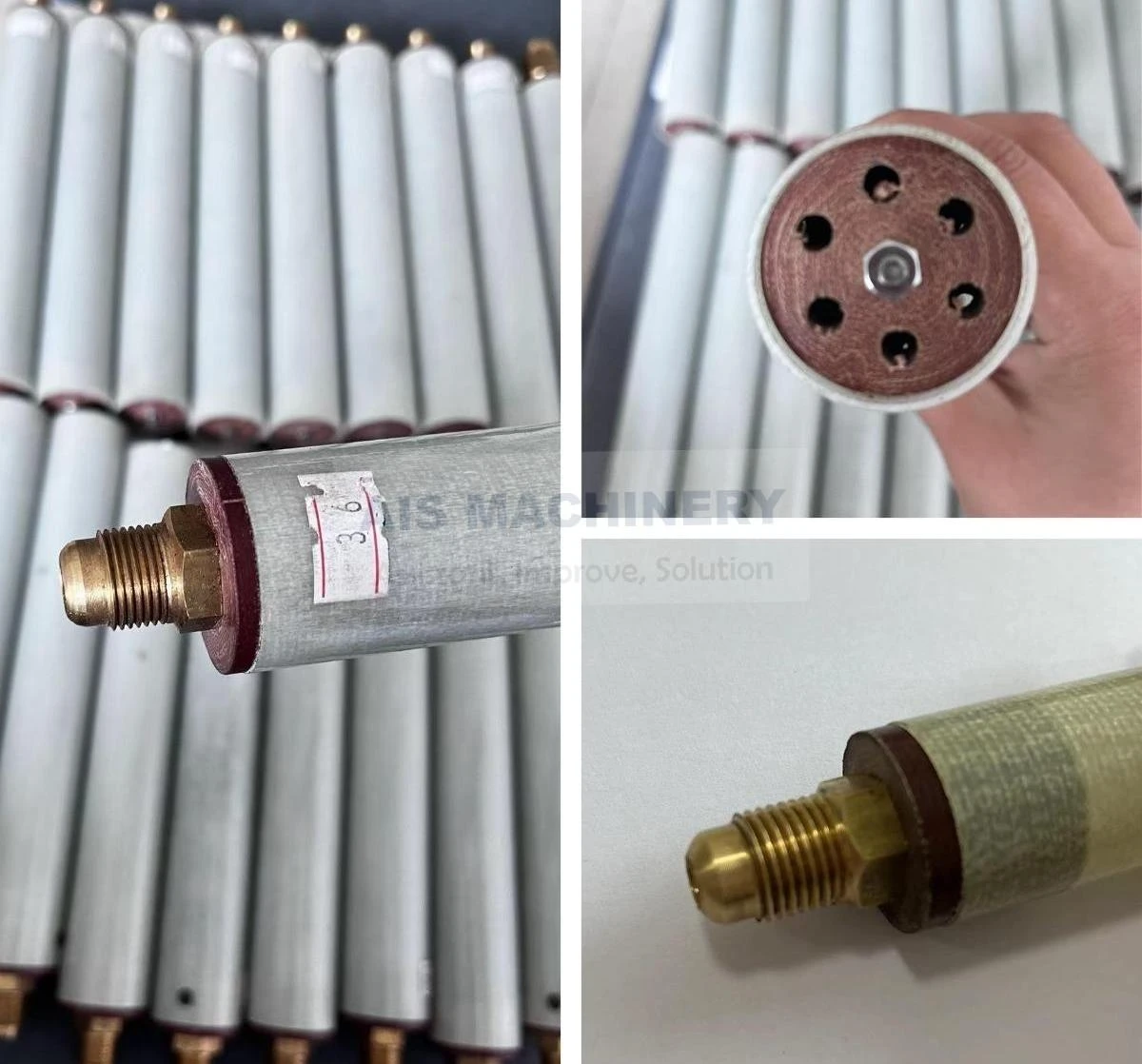
What is an Impeder and Ferrite Rods in ERW Tube Mill?
Struggling with impeder overheating or short service life in your ERW tube mill? This guide explains common impeder problems, the role of ferrite rods, and how to choose the right impeder for stable welding performance. Improve weld quality, reduce energy loss, and extend equipment lifespan with the right selection and proper cooling solutions.
2026-04-21 10:22:25
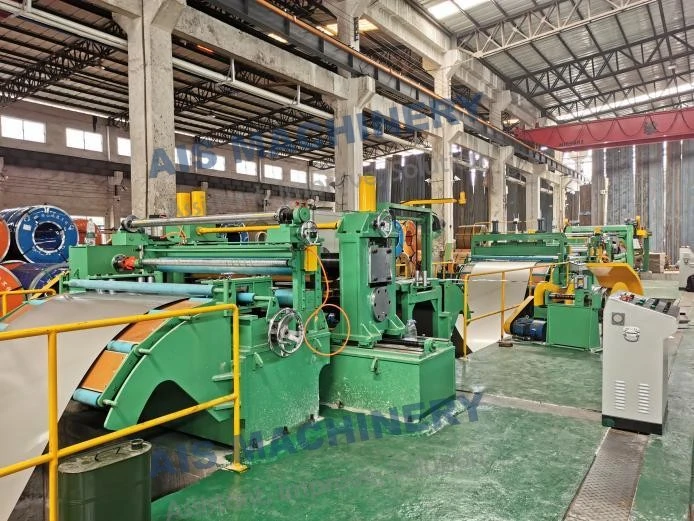
Slitting & Cut-to-Length Combined Production Line: A Smarter Way to Process Steel Coils
Discover the Slitting & Cut-to-Length Combined Production Line, a flexible solution for steel coil processing. This system integrates slitting line and cut-to-length line functions in one machine, saving space, reducing costs, and improving efficiency. Ideal for processing both steel strips and sheets, it is widely used in service centers and manufacturing industries. Learn its advantages, limitations, and applications.
2026-04-18 03:20:20
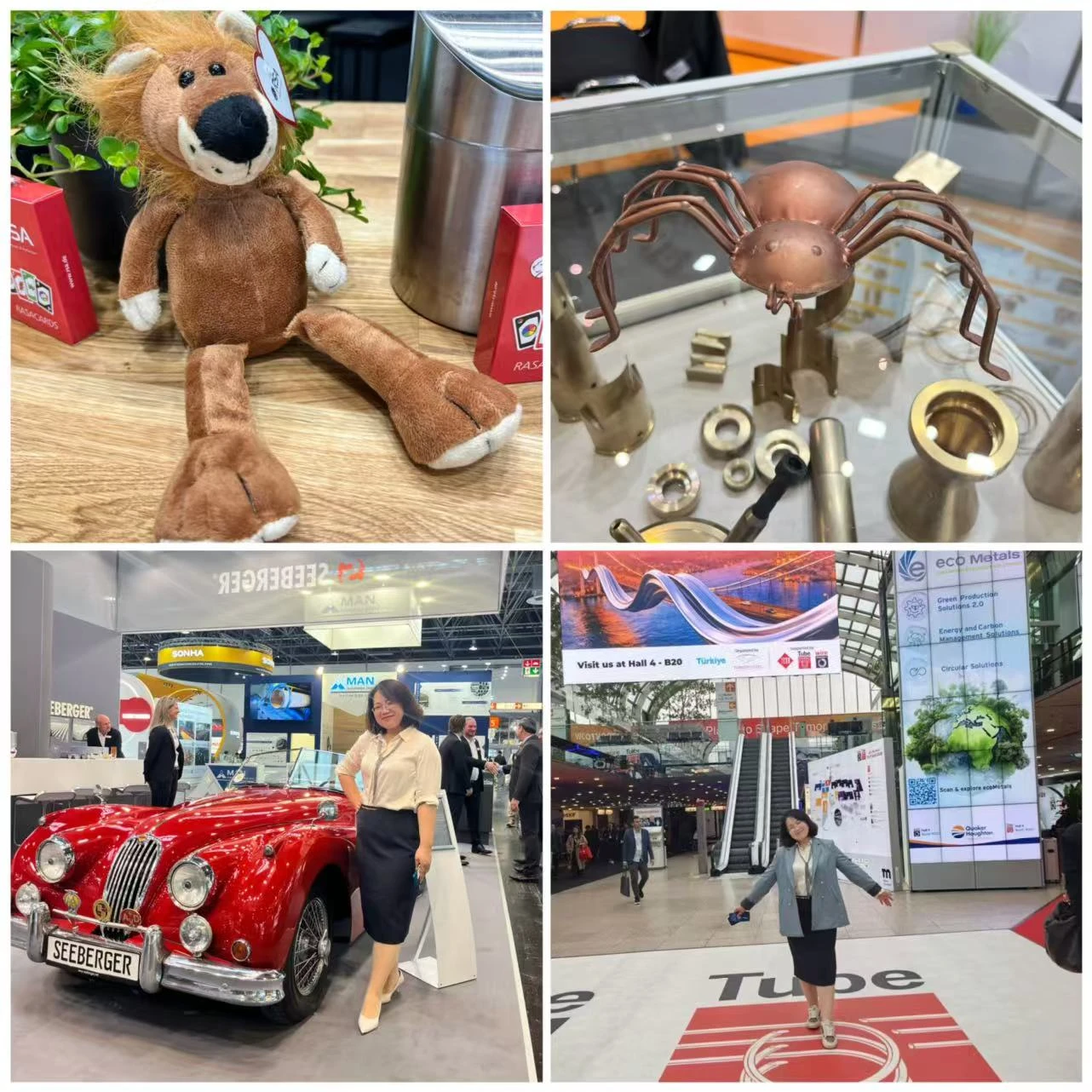
AIS Machinery Showcases Advanced Tube Solutions at Tube & Wire Düsseldorf 2026
Tube & Wire Düsseldorf 2026, one of the most influential exhibitions in the global tube and wire industry, held biennially in Düsseldorf, Germany
2026-04-17 00:00:00
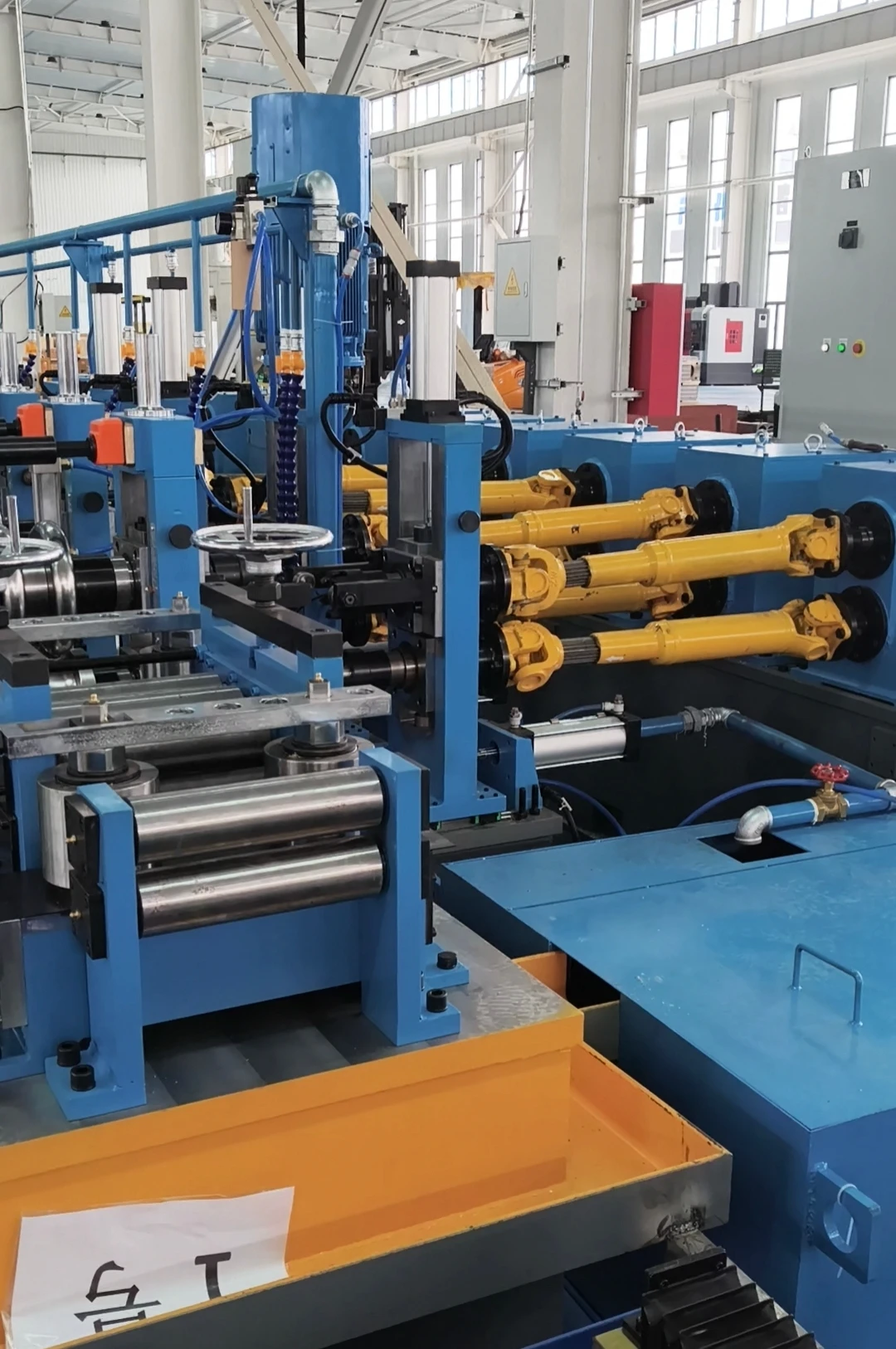
Southeast Asia Client Visits Our Factory | Customized Tube Mill Solution Delivered
A Southeast Asia client visited our ERW tube mill factory to inspect production lines and discuss a customized tube mill solution. Impressed by our machine quality, welding performance, and engineering support, the client confirmed strong cooperation intentions. Discover how our ERW tube mill solutions improve efficiency, precision, and long-term production reliability.
2026-04-15 10:37:55
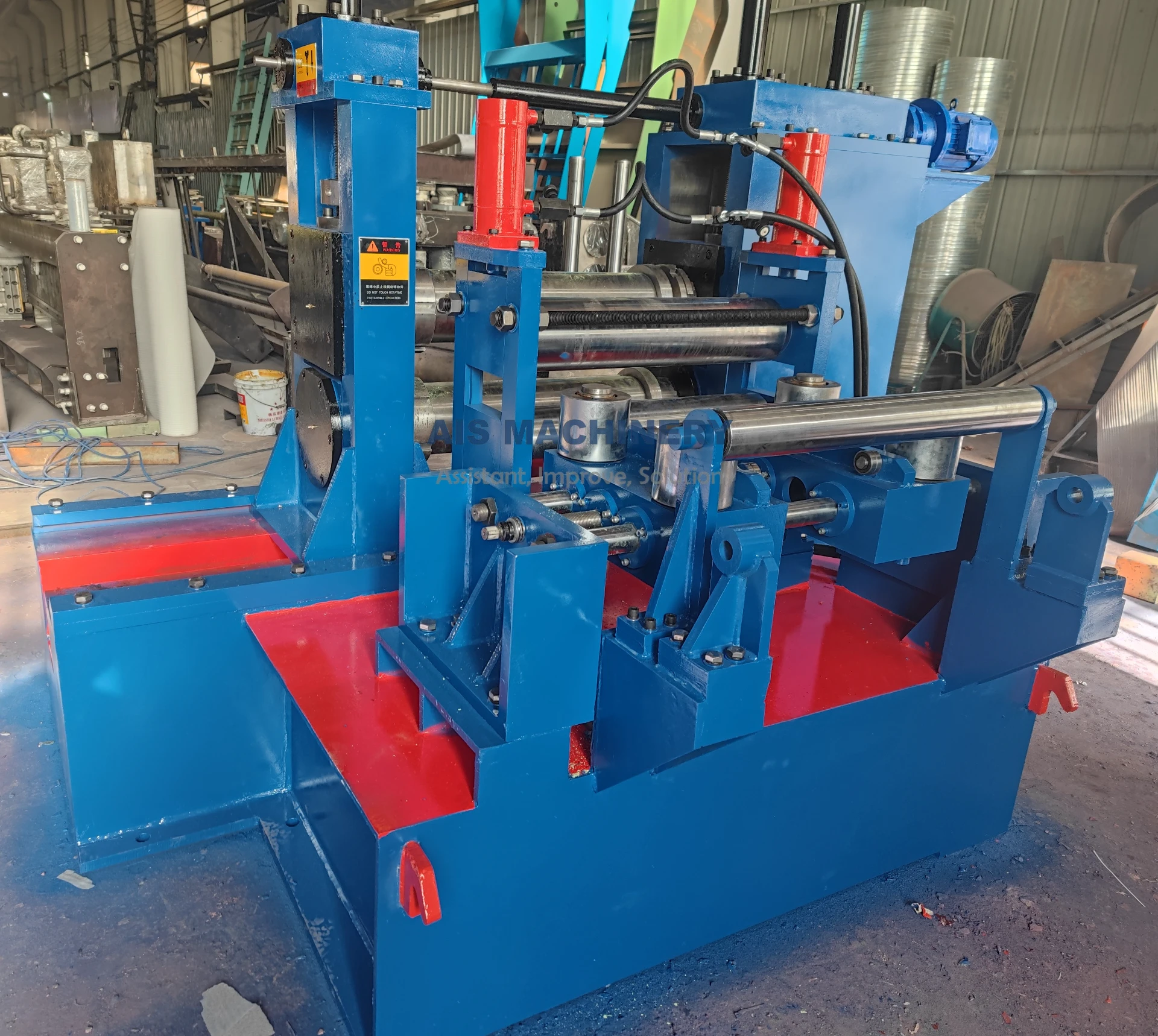
Flat Bar Production Line for Steel Coils: How It Works & Why It Matters
Looking for a flat bar production line? Learn how it turns steel coils into ready-to-use flat bars with precise length and high straightness. Compare it with slitting lines and get the best solution for your steel processing needs.
2026-04-14 00:00:00
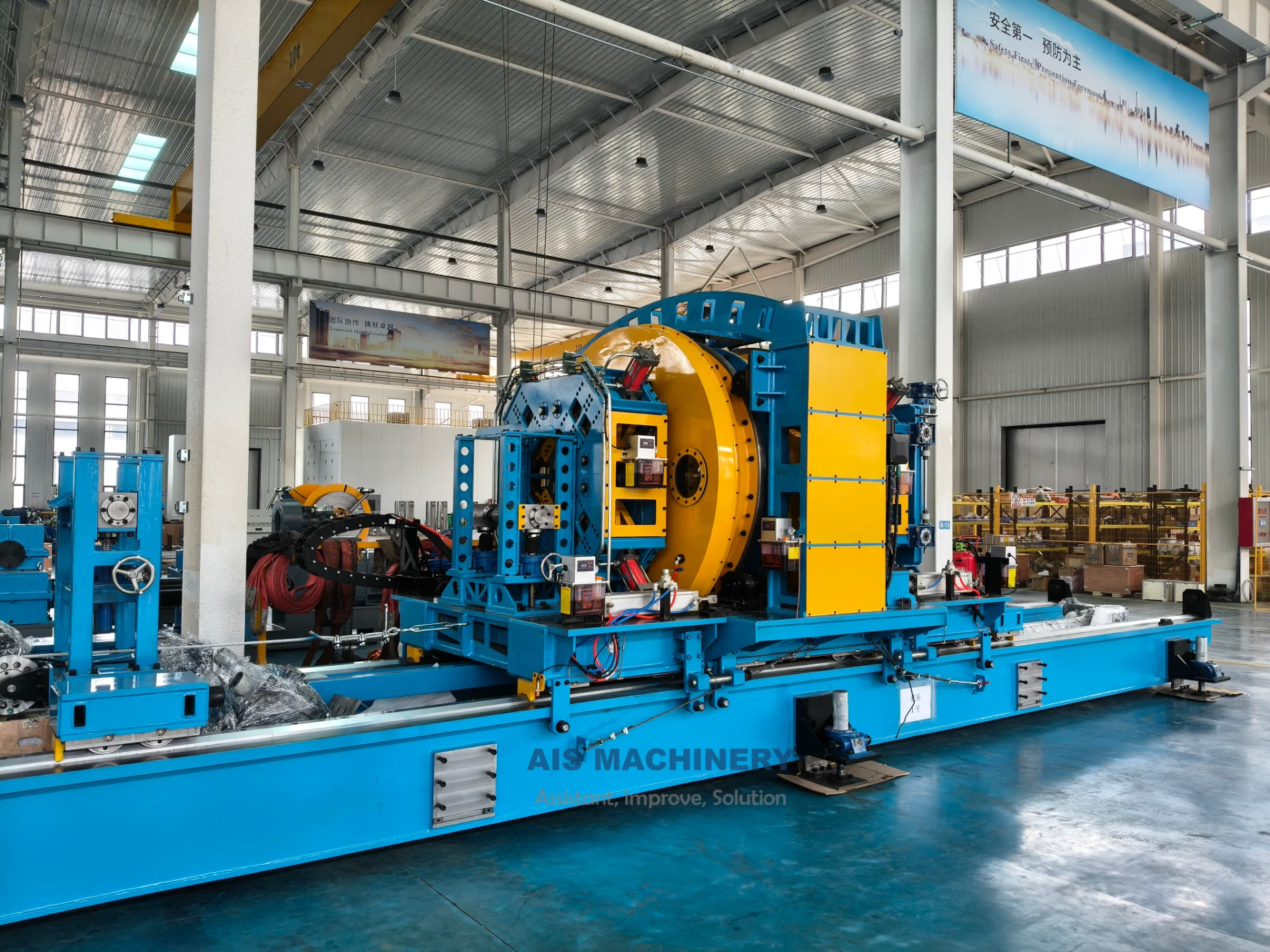
Looking for a Milling Saw for ERW Tube Mill? Here’s What You Need to Know
Looking for a high-performance milling saw for your ERW tube mill? Upgrade to burr-free, high-precision pipe cutting with advanced flying saw technology. Improve efficiency, reduce rework, and meet export standards for carbon steel, stainless steel, and API pipes. Contact us today for expert solutions and competitive pricing tailored to your production needs.
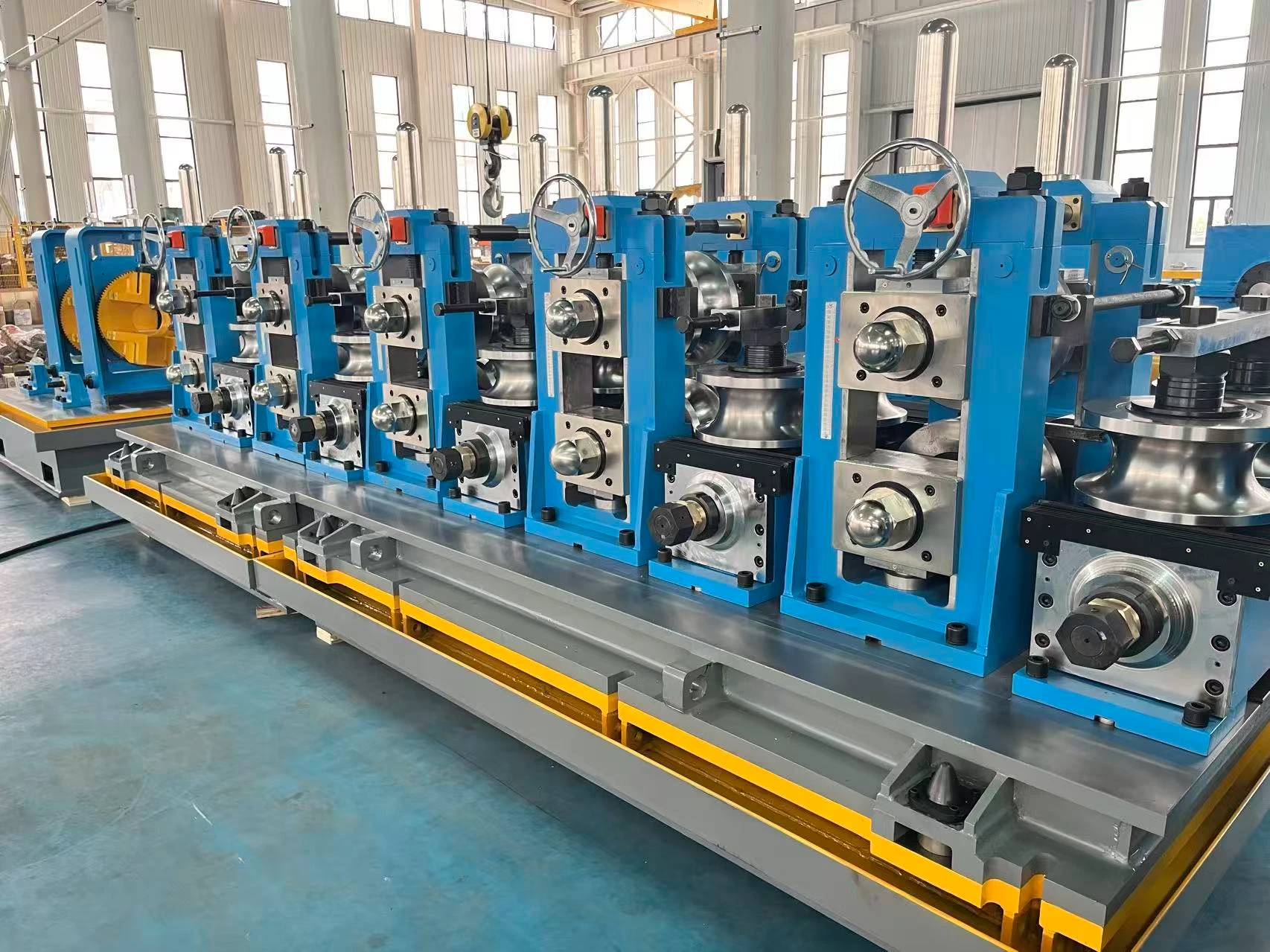
2026-04-09 16:15:19
5-Inch (127mm) ERW Tube Making Machine Delivered with Heavy-Duty Design and Advanced Quick Change System
Send a Message
Dear customer, thank you for your attention! We provide high-quality machinery and equipment and look forward to your orders. Please inform us of your needs and we will respond quickly!
 English
  Albanian
  Arabic
  French
  German
  Indonesian
  Italian
  Japanese
  Kazakh
  Korean
  Latin
Latin  Macedonian
  Portuguese
  Russian
  Spanish
  Thai
Thai  Turkish
  Ukrainian
  Uzbek
Uzbek