
-
 Tel:86-15176910262
-

Search

Stainless Steel Cut to Length Machine – Precision Metal Fabrication Solutions
Nov . 28, 2025 22:55
The Essential Guide to Stainless Steel Cut to Length Machines
Stainless steel cut to length machines might not be the first thing on your mind during your morning coffee, but trust me, these devices are quietly revolutionizing the metal fabrication world. From manufacturing components for skyscrapers to medical equipment production, understanding these machines and their capabilities has a surprising global ripple effect. It's all about precision, efficiency, and ultimately, creating strong, corrosion-resistant steel products that last. But why does this matter to industries — and frankly, to all of us? Let’s unpack that a bit.
Why Stainless Steel Cut to Length Machines Matter Globally
Stainless steel usage is exploding worldwide — according to the World Steel Association, global stainless steel production topped 58 million metric tons recently. This material’s unique resistance to rust and staining makes it indispensable in sectors like aerospace, automotive, and healthcare. That’s where cut to length machines come in.
These machines precisely flatten and cut rolled stainless steel coils into sheets of specific dimensions ready for immediate use. Without them, you'd see much more waste, longer lead times, and poorer quality at the manufacturing stage. It’s a subtle but critical part of the supply chain that many people overlook.
The challenge that these machines address is pretty straightforward: how to optimize raw material use while maintaining accuracy and high throughput, especially in an era demanding tight environmental controls and workplace safety. It’s a small intervention with huge returns, honestly.
Mini takeaway: The cut to length process is a quiet hero in linking raw stainless steel production with its real-world applications.
What Exactly Is a Stainless Steel Cut to Length Machine?
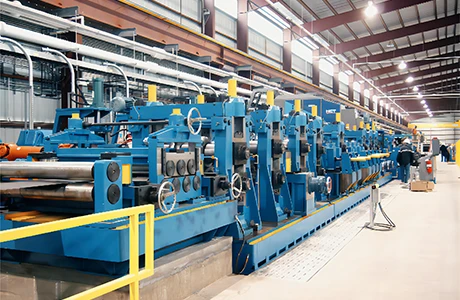
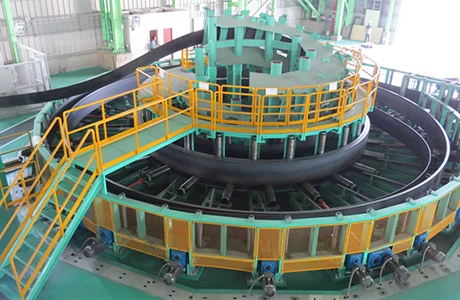
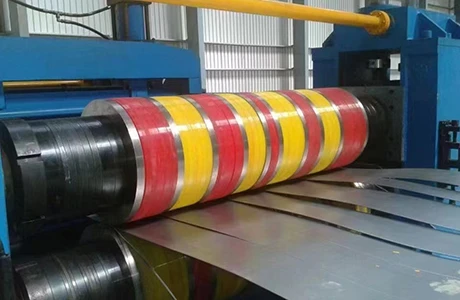
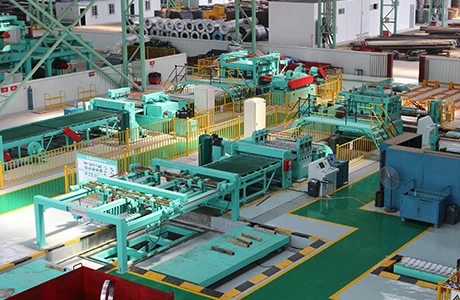
In the simplest terms, a stainless steel cut to length machine takes large coils of stainless steel and unrolls, flattens, and cuts them into flat sheets with precise lengths and widths. It's sort of like slicing a cake with surgical precision, but the cake is often several tons of metal.
These machines are fundamental in modern manufacturing, ensuring that sheet metal meets exacting size requirements for downstream processes like welding, pressing, or surface treatment. Their reliability feeds industries globally, fulfilling humanitarian needs too — durable shelters, clean water infrastructure, medical devices — all start with good metal components.
Core Components and Factors to Consider
Durability
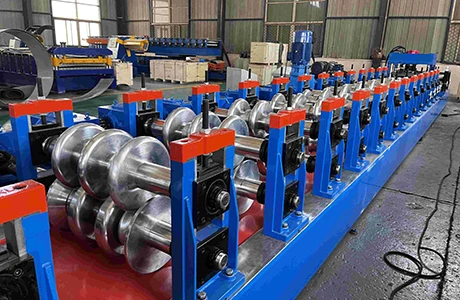
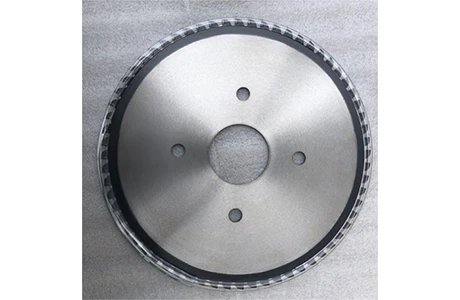
Since stainless steel is hard and commonly supplied in thick gauges, the cut to length machine must be rugged. Components like cutting blades and leveling rollers are often made from wear-resistant alloys or carbide-tipped steel to withstand long-term industrial use.
Precision and Accuracy
Precision isn't just a buzzword here; it's vital. The machine’s electronic controls and sensors track coil dimensions to deliver cuts accurate within fractions of a millimeter. This precision reduces material waste and speeds up production runs.
Speed and Throughput
Speed matters because stainless steel coils can be massive. A good cut to length machine can process several tons per hour without sacrificing quality — many engineers regard throughput and reliability as the two pillars of evaluating equipment performance.
Customization and Flexibility
Every manufacturing line has unique needs. Whether you require varying thickness range handling or automated stacking after cutting, these machines offer customizable setups, sometimes even integrating with robotic arms or conveyors for smooth workflow.
Ease of Maintenance
No machine survives long without maintenance, but easy access to parts and straightforward software updates help keep downtimes minimal. This is crucial in 24/7 operations where every minute lost equals significant cost.
Mini takeaway: The ultimate cut to length machine balances rugged durability with digital precision and flexible automation.
How Are these Machines Used Around the World?
From factories in Germany powering automotive production to the sprawling shipyards of South Korea building ocean vessels, stainless steel cut to length machines are everywhere. In developing regions, they assist manufacturers creating affordable solar panel frames or water tanks, contributing to UN sustainable development goals.
For instance, a mid-sized engineering plant in Poland recently upgraded to newer machines, significantly reducing material waste and speeding up delivery to clients in the medical device sector. In Japan, manufacturers depend on these machines to supply exact sheets used in high-quality kitchenware that’s exported globally.
Oddly enough, even remote industrial zones with fluctuating power supplies benefit from machines designed with energy-saving programs and robust mechanical systems.
Mini takeaway: Stainless steel cut to length tooling isn’t just industrial muscle; it’s a global facilitator of innovation and social progress.
Advantages and Long-Term Value of These Machines
- Cost efficiency: Less waste, faster setups, and optimal material usage directly cut operational costs.
- Sustainability: High precision means fewer defective products, contributing to accountable resource consumption.
- Reliability and safety: Automated and sensor-driven operations reduce human error and ensure worker safety.
- Social impact: Enabling faster manufacturing turnaround times for essential goods enhances community resilience and dignity.
- Innovation trust: Investing in quality machinery supports technological progress and industry standards compliance.
While it’s easy to focus on numbers, the emotional side matters too — workers feel safer around well-designed machines, customers trust the final product more, and companies build reputations that last.
What’s Next? Future Trends and Innovations
Looking ahead, the stainless steel cut to length machinery space is buzzing with green initiatives. We’re seeing integration of IoT sensors for real-time diagnostics, AI-powered predictive maintenance, and even collaborative robots enhancing cut accuracy. Energy-efficient drives reduce carbon footprints, aligning with international environmental standards like ISO 14001.
Material-wise, as stainless steel alloys evolve — incorporating lighter, stronger components — machines adjust with advanced blade materials and smarter control systems. This is the kind of digital transformation that makes old machinery feel like relics overnight.
Challenges and Creative Solutions
Of course, no technology is perfect. Challenges include handling ultra-thick or exotic stainless steel grades that can strain cutting tools or cause uneven cuts. Maintenance costs and initial investment remain high barriers for small manufacturers.
But solutions abound: modular machine designs let firms upgrade sections without full replacements, and leasing models lower upfront costs. Plus, advances in cutting technology — like laser-assisted trimming and cryogenic blade cooling — help tackle hard-to-cut steels more effectively.
FAQ: Common Questions About Stainless Steel Cut to Length Machines
- How does a stainless steel cut to length machine improve manufacturing accuracy?
- By using precise leveling rollers and computerized control systems, these machines deliver cut sheets within very tight dimensional tolerances, reducing material waste and speeding downstream processes.
- Can these machines handle various stainless steel thicknesses?
- Yes, most machines are designed with adjustable settings to accommodate thickness ranges from thin sheets (0.3 mm) to heavy gauges exceeding 12 mm, depending on the model.
- Are cut to length machines energy efficient?
- Modern machines incorporate energy-saving drives and smart power management systems, reducing consumption without compromising performance.
- What maintenance is required for these machines?
- Routine maintenance usually involves blade sharpening, lubrication of rollers, and software updates. Some models offer predictive maintenance alerts using IoT sensors to minimize unexpected downtime.
- How quickly can a machine process a stainless steel coil?
- Top-tier machines can process several tons per hour, but output depends on coil size, thickness, and operator settings.
Quick Comparison: Leading Stainless Steel Cut to Length Machine Vendors
| Vendor | Max Thickness (mm) | Cutting Speed (m/min) | Automation Features | Price Range |
|---|---|---|---|---|
| SteelPro Solutions | 12 | 80 | Full PLC & IoT-enabled | $450,000 - $600,000 |
| MetalCraft Inc. | 10 | 65 | Partial Automation | $350,000 - $480,000 |
| AIST Machinery | 15 | 75 | Highly Customized Automation | $500,000 - $700,000 |
Typical Specifications for a Stainless Steel Cut to Length Machine
| Material Thickness Range | 0.3 - 15 mm |
| Max Coil Width | 2000 mm |
| Cutting Speed | Up to 80 m/min |
| Leveling Rollers | 7 or more precision rollers |
| Automation Control | PLC + touchscreen interface |
| Power Supply | 400-600 VAC, 50/60 Hz |
If you want to explore practical solutions or see these machines working in action, you can check out the latest stainless steel cut to length machine options online, tailored for every scale of operation.
Final Thoughts
In real terms, stainless steel cut to length machines are quietly the linchpin of modern metal fabrication. They reduce waste, improve product quality, and help multiple industries operate efficiently — all while adapting to future trends like automation and sustainability. If you are involved with stainless steel manufacturing or supply chain management, investing some time to understand these machines pays off well beyond the production floor.
Want to deepen your knowledge or upgrade your setup? Visit our website for detailed insights and solutions.
1. World Steel Association – global steel data and reports. 2. ISO 9001 & ISO 14001 standards on quality and environmental management. 3. Wikipedia – Stainless Steel Overview

Related Products

Related News
2026-04-28 08:56:05
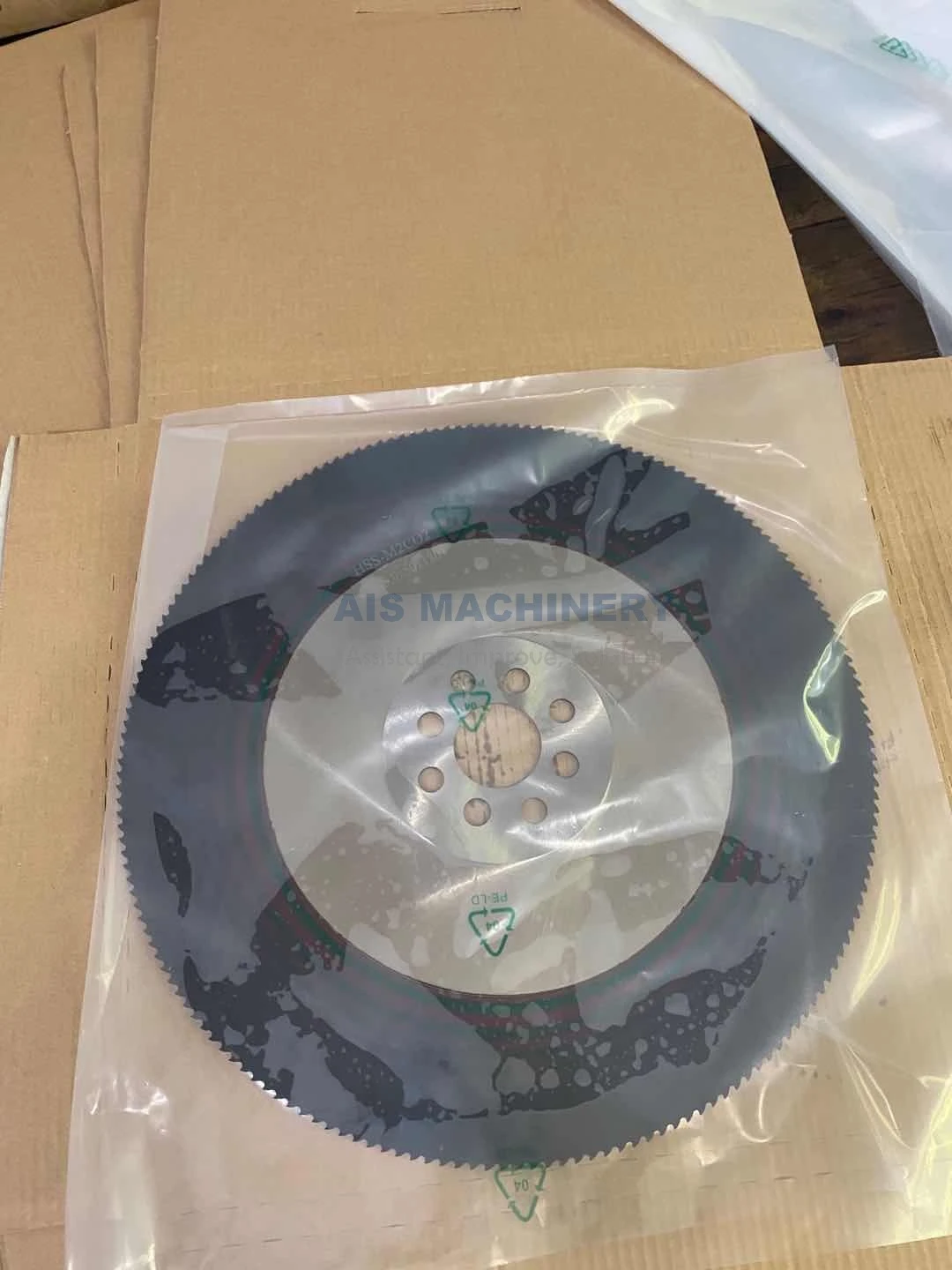
Saw Blade Guide for Tube Mills: Friction vs HSS vs TCT — Which One Should You Choose?
Confused about friction saw, HSS, and TCT blades? This guide explains their uses in cold saw and friction saw machines, with pros, cons, and expert selection tips.
2026-04-24 08:54:16
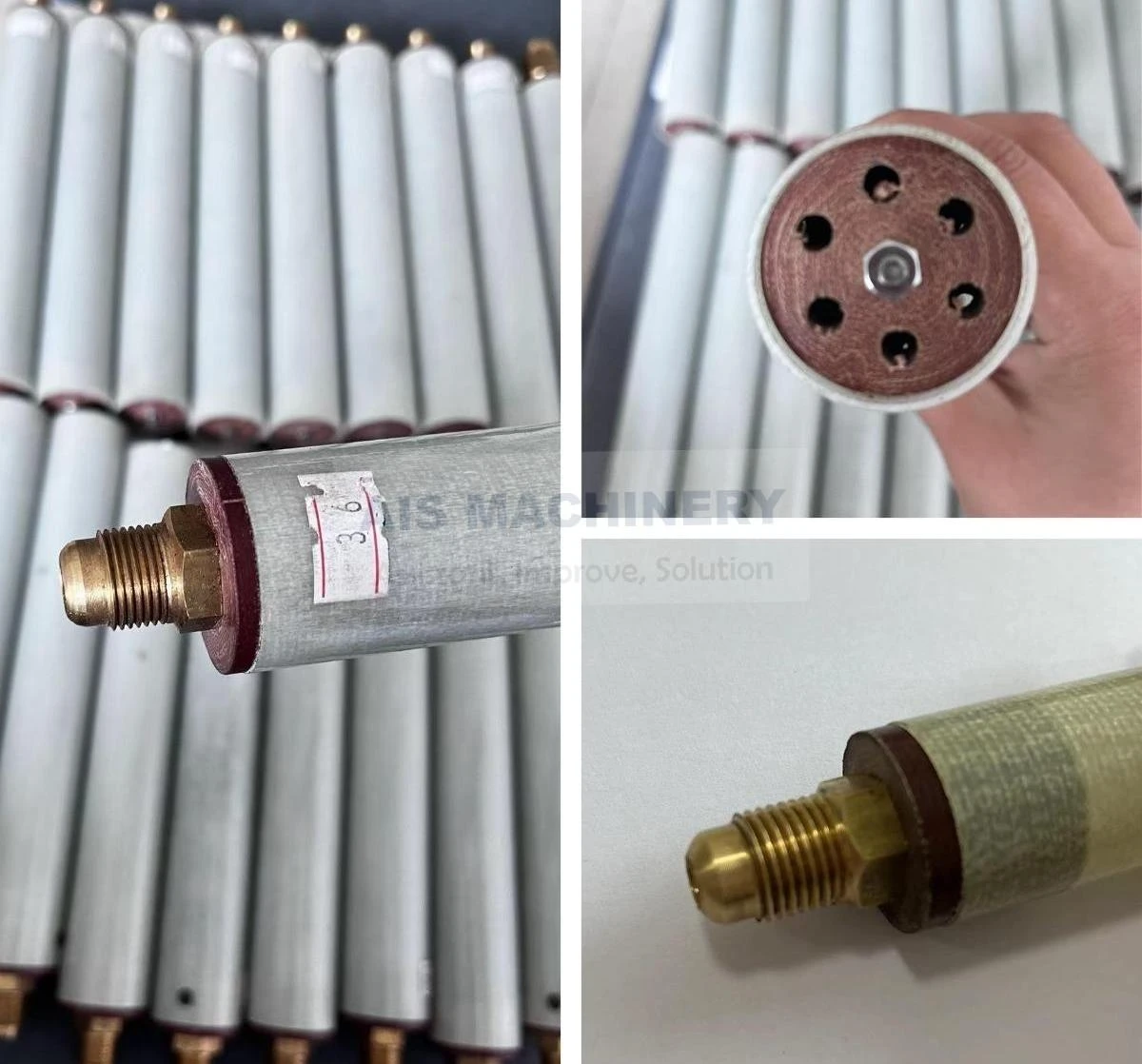
What is an Impeder and Ferrite Rods in ERW Tube Mill?
Struggling with impeder overheating or short service life in your ERW tube mill? This guide explains common impeder problems, the role of ferrite rods, and how to choose the right impeder for stable welding performance. Improve weld quality, reduce energy loss, and extend equipment lifespan with the right selection and proper cooling solutions.
2026-04-21 10:22:25
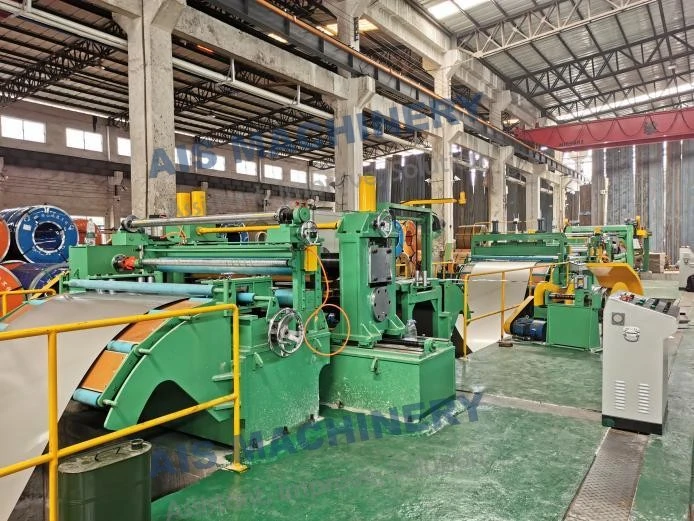
Slitting & Cut-to-Length Combined Production Line: A Smarter Way to Process Steel Coils
Discover the Slitting & Cut-to-Length Combined Production Line, a flexible solution for steel coil processing. This system integrates slitting line and cut-to-length line functions in one machine, saving space, reducing costs, and improving efficiency. Ideal for processing both steel strips and sheets, it is widely used in service centers and manufacturing industries. Learn its advantages, limitations, and applications.
2026-04-18 03:20:20
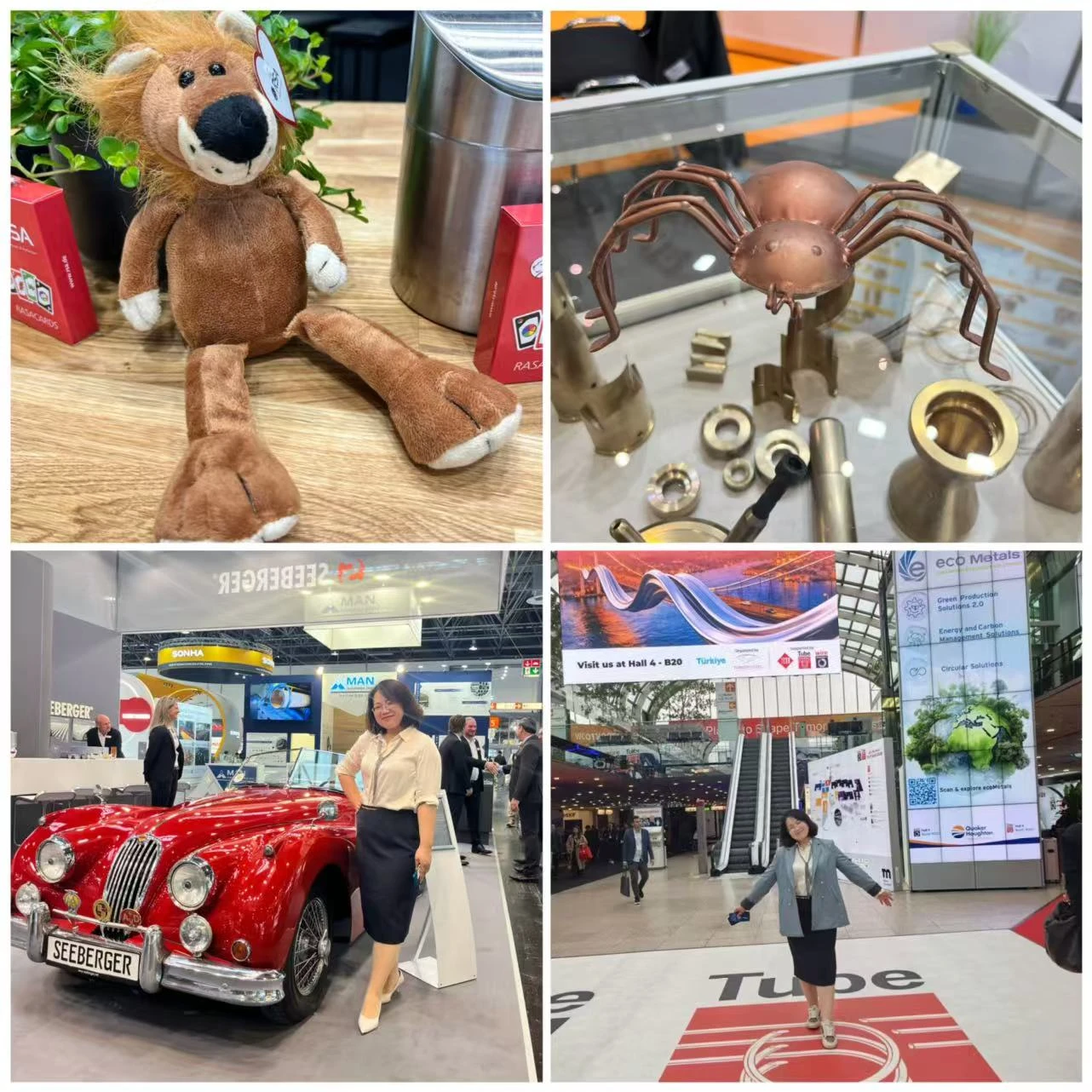
AIS Machinery Showcases Advanced Tube Solutions at Tube & Wire Düsseldorf 2026
Tube & Wire Düsseldorf 2026, one of the most influential exhibitions in the global tube and wire industry, held biennially in Düsseldorf, Germany
2026-04-17 00:00:00
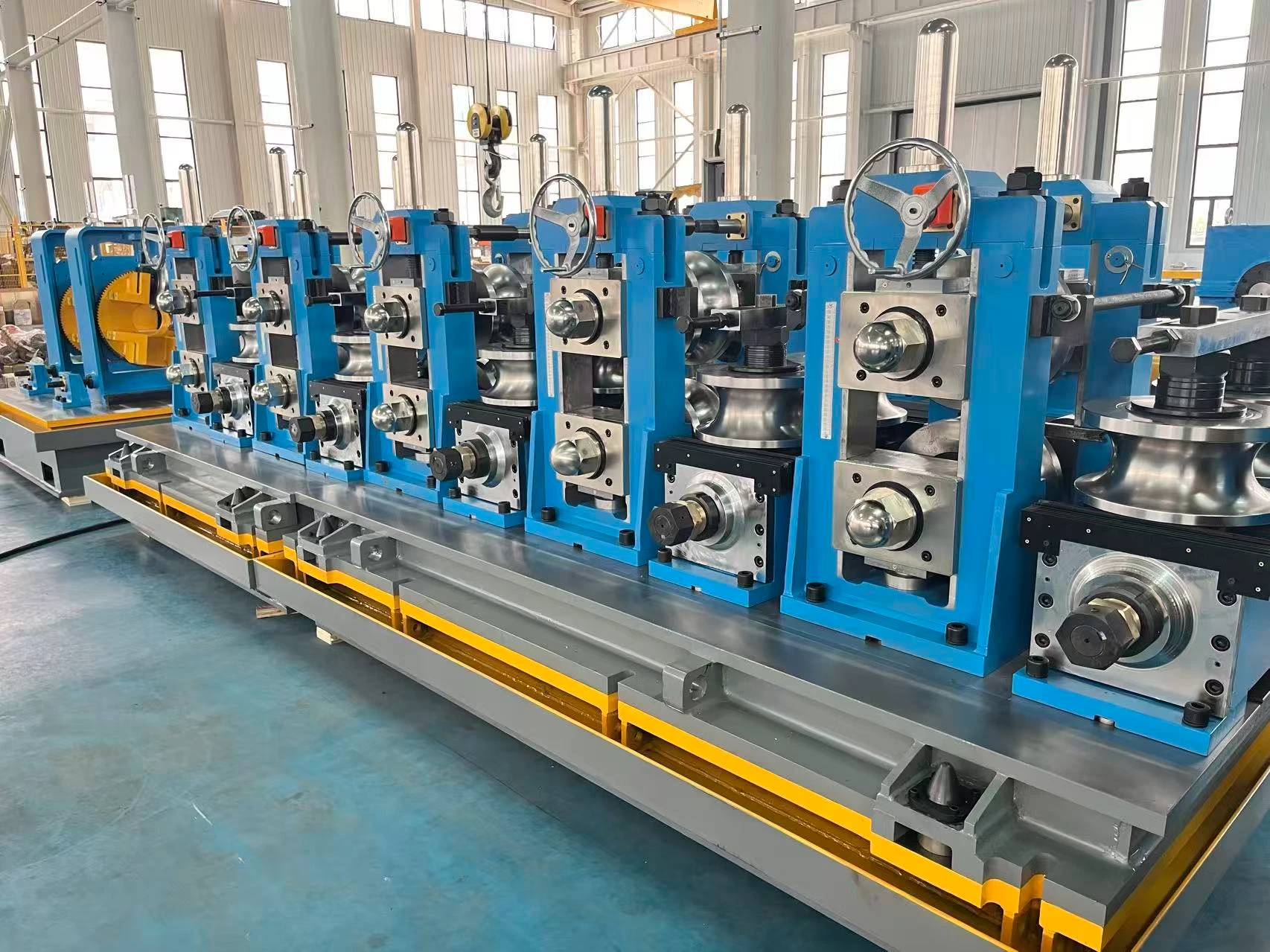
Southeast Asia Client Visits Our Factory | Customized Tube Mill Solution Delivered
A Southeast Asia client visited our ERW tube mill factory to inspect production lines and discuss a customized tube mill solution. Impressed by our machine quality, welding performance, and engineering support, the client confirmed strong cooperation intentions. Discover how our ERW tube mill solutions improve efficiency, precision, and long-term production reliability.
2026-04-15 10:37:55
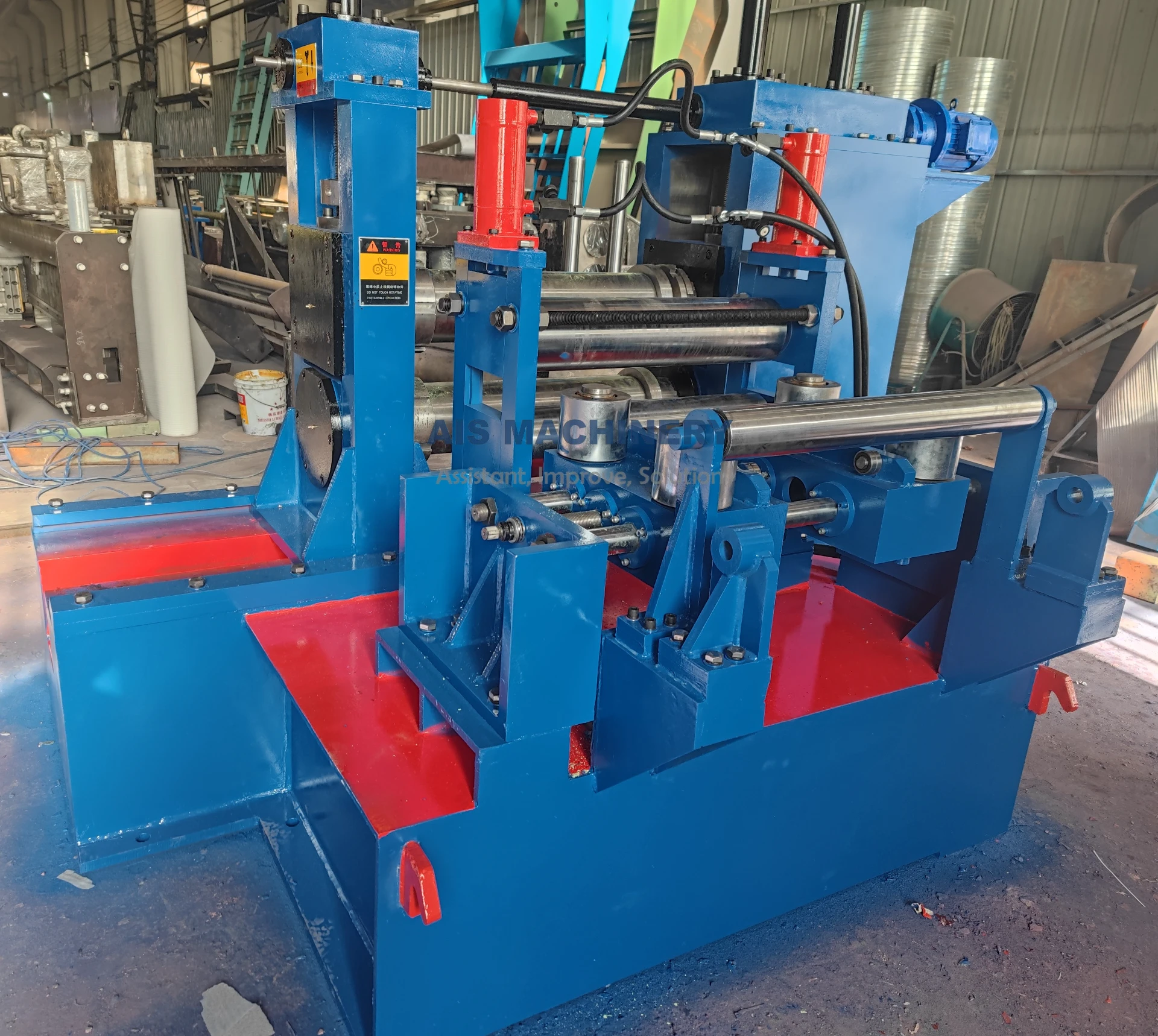
Flat Bar Production Line for Steel Coils: How It Works & Why It Matters
Looking for a flat bar production line? Learn how it turns steel coils into ready-to-use flat bars with precise length and high straightness. Compare it with slitting lines and get the best solution for your steel processing needs.
2026-04-14 00:00:00
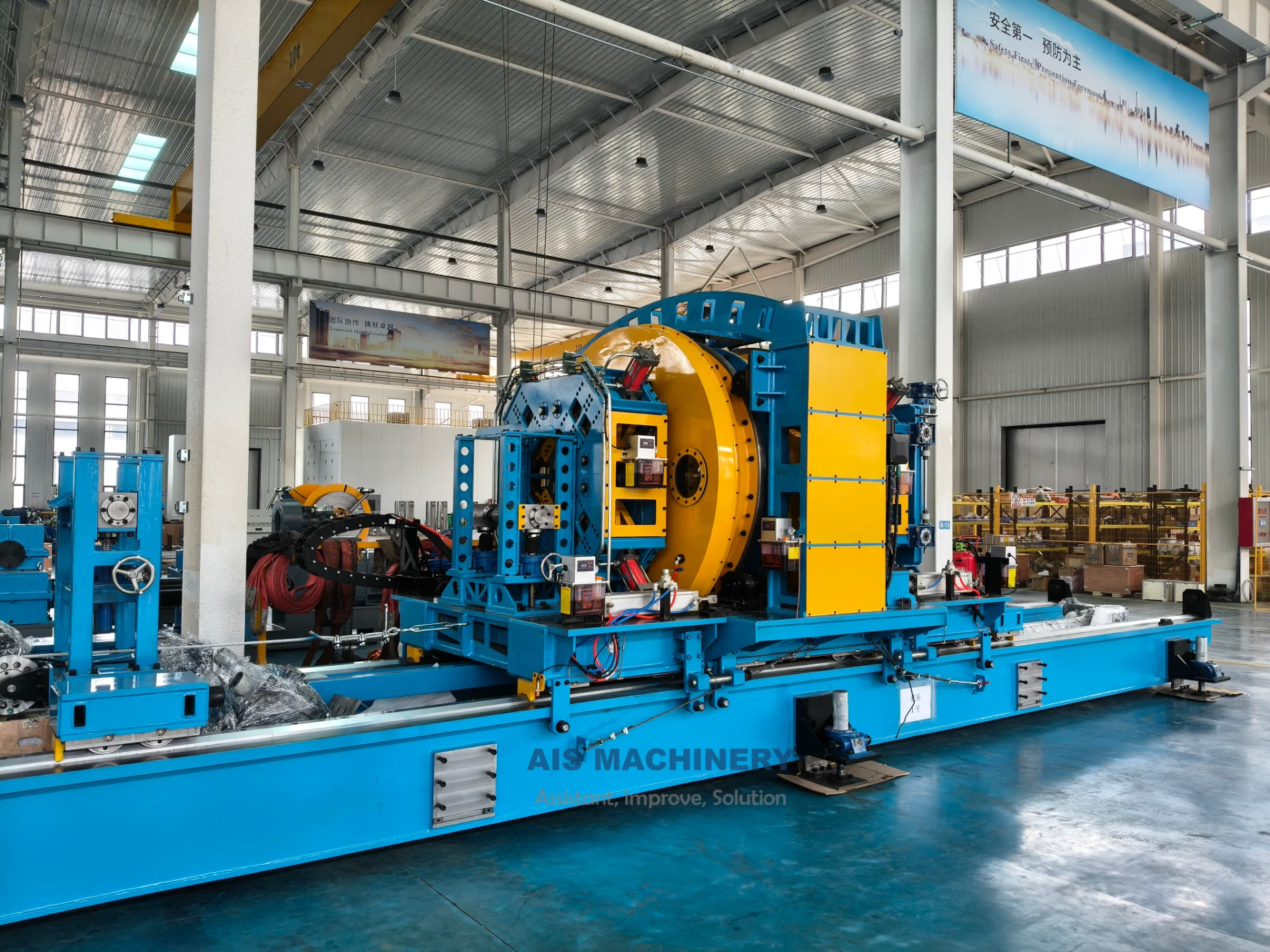
Looking for a Milling Saw for ERW Tube Mill? Here’s What You Need to Know
Looking for a high-performance milling saw for your ERW tube mill? Upgrade to burr-free, high-precision pipe cutting with advanced flying saw technology. Improve efficiency, reduce rework, and meet export standards for carbon steel, stainless steel, and API pipes. Contact us today for expert solutions and competitive pricing tailored to your production needs.
2026-04-09 16:15:19
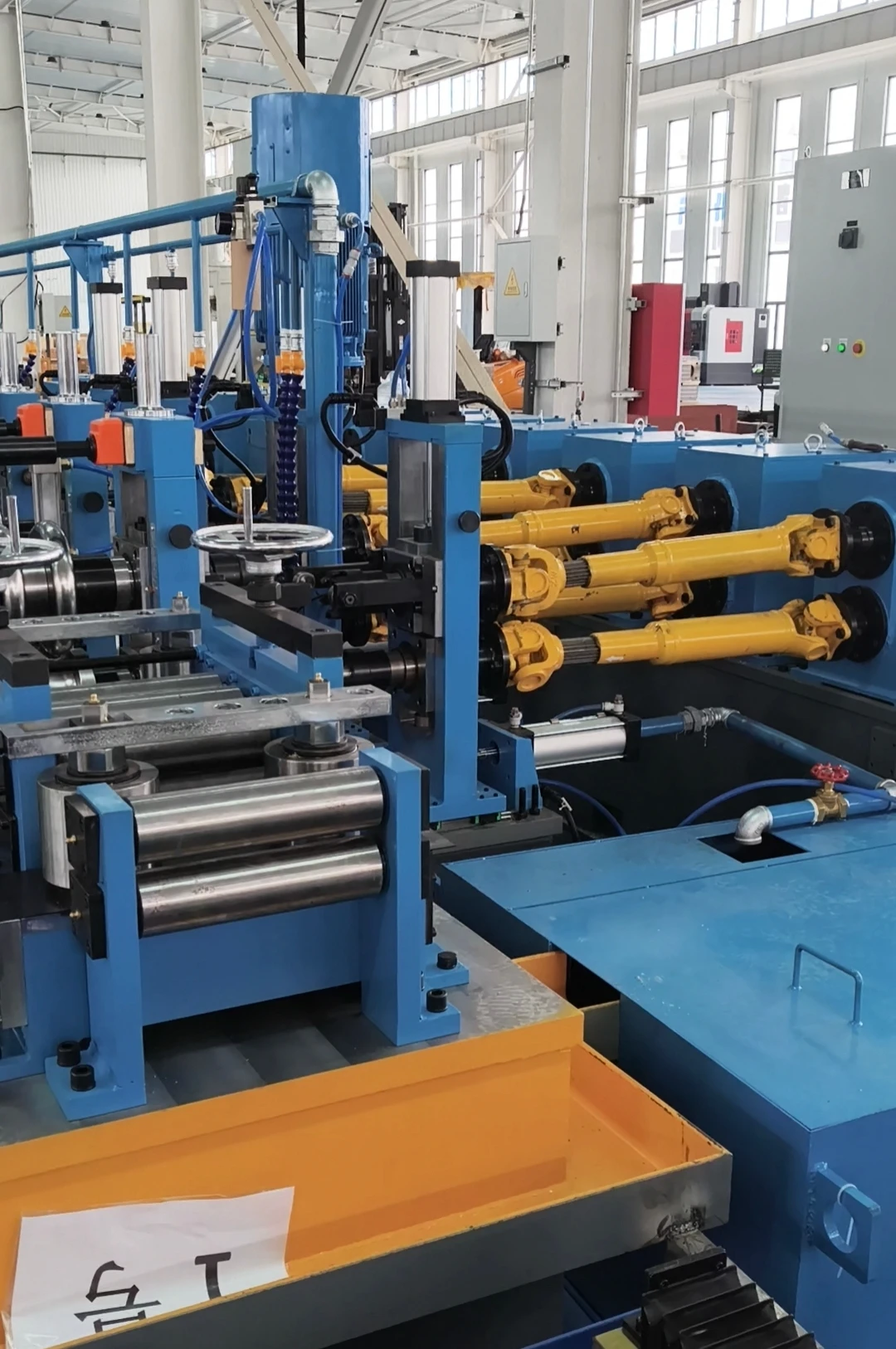
5-Inch (127mm) ERW Tube Making Machine Delivered with Heavy-Duty Design and Advanced Quick Change System
Send a Message
Dear customer, thank you for your attention! We provide high-quality machinery and equipment and look forward to your orders. Please inform us of your needs and we will respond quickly!
 English
  Albanian
  Arabic
  French
  German
  Indonesian
  Italian
  Japanese
  Kazakh
  Korean
  Latin
Latin  Macedonian
  Portuguese
  Russian
  Spanish
  Thai
Thai  Turkish
  Ukrainian
  Uzbek
Uzbek