
-
 Tel:86-15176910262
-

Search
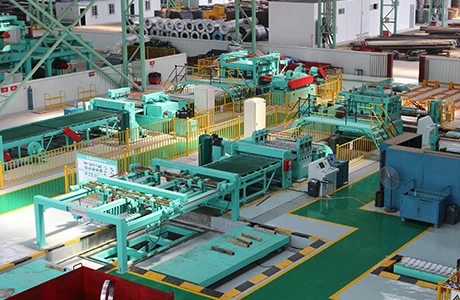

Steel Coil Cut to Length Machine: Precision, Efficiency & Future Trends
Nov . 29, 2025 02:15
Understanding the Steel Coil Cut to Length Machine: Why It Matters
When you think of the backbone of modern manufacturing, steel often takes center stage — not just raw steel bars or plates, but the intricately prepared materials that go into everything from buildings to cars. At the heart of that precision preparation lies the steel coil cut to length machine, a device that has quietly revolutionized how steel coils are transformed into usable sheets of exact dimensions. Globally, this machinery isn’t just a tool; it’s a solution that influences supply chain efficiency, reduces waste, and enables innovation in industries as diverse as automotive, construction, and appliance manufacturing.
Why bother understanding this machine? Simply put, mastering its operation and specifications can translate into cost savings, sustainability gains, and competitive edge on a big scale. For companies worldwide — from sprawling plants in Germany to emerging manufacturers in Southeast Asia — knowing how this equipment ticks is key to staying ahead in a fiercely industrialized world.
The Global Stage: Steel Coil Processing’s Crucial Role
According to recent ISO standards, steel production is expected to exceed 2 billion metric tons annually by the mid-2020s, driven largely by Asia and emerging economies. This staggering production volume demands equally efficient processing technologies. And here’s the kicker: the steel coil cut to length machine directly addresses multiple bottlenecks — helping reduce manual labor, increase throughput, and maintain steel sheet quality.
World Bank data also shows that infrastructure development projects, especially in fast-urbanizing regions like India, China, and parts of Africa, create growing demand for custom-sized steel components. Raw steel coils won't cut it (pun intended) — that's where this type of machine steps in to fulfill precise dimensional requirements quickly and reliably.
But there’s a persistent challenge: without advanced cut-to-length machinery, manufacturers face excessive material waste, slower lead times, and greater quality variability. In global terms, improving this processing step could mean more affordable structures, faster production lines, and fewer environmental impacts.
What Exactly Is a Steel Coil Cut to Length Machine?
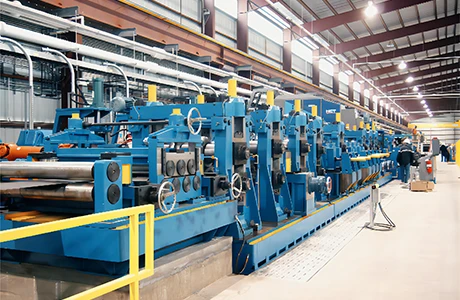
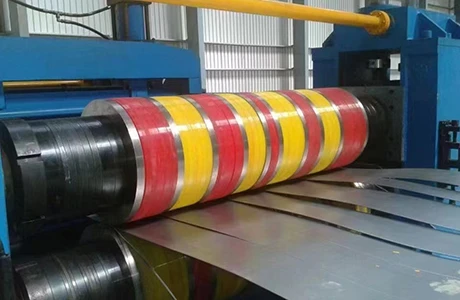
In simple terms, a steel coil cut to length machine is an industrial device designed to unwind steel coils, straighten the sheet (if necessary), and cut the material into sheets of predetermined length. Think of it as an incredibly precise and fast guillotine — but one calibrated to handle massive coils, sometimes weighing tens of tons.
This equipment forms the link between raw steel production and downstream fabrication processes: it's the first step in turning a bulky coil into a sheet suitable for stamping, welding, or surface treatment. In industries like automotive manufacturing, construction, or appliance assembly, this process ensures components meet exact specifications without causing material strain or deformation.
Oddly enough, beyond factories, some humanitarian agencies have started to see value in these machines for quick fabrication of shelter materials in disaster zones. The ability to produce uniform steel sheets on-demand speeds up construction and improves quality assurance.
Core Components and Factors That Make These Machines Tick
1. Precision Cutting Mechanism
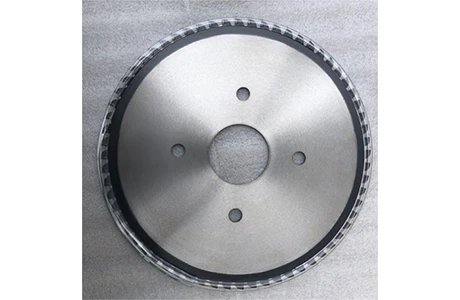
At the heart of every cut to length line is the cutting unit — usually a shear or rotary blade system. The accuracy here is everything; a difference of a millimeter or two could throw off an entire assembly line. Modern machines employ hydraulic or electric shears with computerized control, ensuring clean, burr-free edges and high repeatability.
2. Robust Uncoiling and Feeding System
It might seem trivial, but a reliable uncoiler is crucial. It must handle heavy coils without damaging the steel’s surface and feed the material smoothly through the line. Some systems come with adjustable tension controls to reduce internal stress on the sheet—critical for keeping steel flat and defect-free.
3. Automated Leveling or Flattening
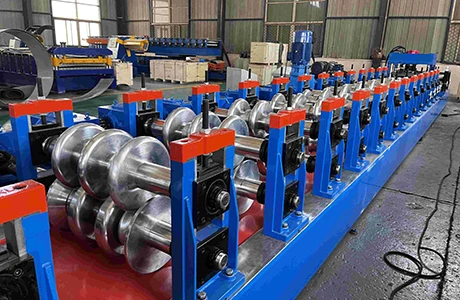
Coils naturally have curvature, so flattening equipment is a must. These machines use rollers or presses to ensure the sheet emerges perfectly flat, reducing downstream corrections and improving product quality.
4. Advanced Control Systems
Digital interfaces, CNC integration, and software-driven length control make operations intuitive and highly flexible. With the use of sensors and real-time feedback, operators can change sizes on the fly — a real boon for batch production or custom orders.
5. Safety and Compliance Features
Given the size and power of the equipment, built-in safety guards, emergency stops, and compliance with machinery directives (e.g., CE, OSHA) are essentials, not extras.
Steel Coil Cut to Length Machines in Action Worldwide
Different regions leverage these machines to meet their unique industrial appetites. For example:
- East Asia (China, Japan, South Korea): These countries use cut to length machines extensively in automotive and electronics manufacturing, feeding massive production lines that demand exact steel sheets by the minute.
- Europe: Here, the emphasis leans toward precision and sustainability — companies incorporate advanced recycling processes alongside cut-to-length lines to maximize material use.
- North America: Heavy industries like aerospace and railways rely on adaptable machines capable of handling a variety of steel grades and thicknesses.
- Post-disaster zones: NGOs have experimented with mobile or modular cut-to-length setups to quickly produce steel panels for emergency shelters and infrastructure rebuilding.
It’s fascinating to note how this technology scales from gigantic industrial complexes down to more agile, sometimes portable systems aimed at niche or humanitarian applications.
Advantages and Long-Term Value of Cutting Edge Cutting Machines
- Cost Reduction: Precise cutting reduces scrap and lowers raw material consumption, directly impacting profit margins.
- Sustainability: Efficient use of steel conserves resources and lessens waste, aligning with global environmental goals.
- Enhanced Safety & Trust: Automation reduces operator risk and produces consistently reliable sheets, building customer confidence.
- Innovation Enablement: Quick changeovers and software integrations support rapid prototyping and product diversification.
- Social Impact: Faster production of steel components can improve infrastructure and housing, positively affecting communities.
It’s not often that a single machine ticks so many boxes — technical performance, economic savings, and social good all wrapped up into one industrial linchpin.
Steel Coil Cut to Length Machine: Product Specifications at a Glance
| Specification | Typical Range | Notes |
|---|---|---|
| Material Thickness | 0.2 – 25 mm | Varies by model and steel grade |
| Coil Weight Capacity | 5 – 30 tons | Heavy-duty uncoiling systems |
| Sheet Length Range | Up to 12,000 mm | Customizable per order |
| Cutting Accuracy | ±0.1 mm | CNC controlled shearing |
| Cycle Speed | 5 – 30 cuts/min | Dependent on model and thickness |
| Power Supply | 380 – 480 V / 50-60 Hz | Standard industrial voltage |
Choosing the Right Vendor: A Comparative Overview
| Vendor | Cutting Accuracy | Automation Level | Customization | Approx. Price Range |
|---|---|---|---|---|
| SteelTech Solutions | ±0.1 mm | Full CNC & PLC control | High - tailored software & tooling | $300k - $600k |
| Global Coil Machinery | ±0.15 mm | Semi-automatic with manual override | Medium - standard options | $180k - $400k |
| Asia Steel Machines | ±0.2 mm | Manual to basic automation | Low - mostly standard builds | $100k - $250k |
Looking Ahead: Emerging Trends in Steel Coil Cut to Length Machines
Automation is only getting smarter. Industry 4.0 is shaping conveyor lines with AI-driven quality inspection, predictive maintenance, and seamless ERP system connectivity. Add that green energy push, and some manufacturers are experimenting with electric-powered cutting heads and regenerative braking on uncoilers to reduce carbon footprints.
Materials innovation, like use of ultra-high strength steels or aluminum-steel composites, demand even more nuanced cutting machines that can adjust blade pressure and feed speeds dynamically — no longer just a one-size-fits-all approach.
On the policy side, global environmental standards and ISO updates mean that machines must now not only cut precisely but also optimize waste management and energy efficiency, pushing manufacturers to rethink design and operation.
Common Challenges and Expert Solutions
- Material Variability: Not all coils are equal in hardness or surface finish. Advanced sensor arrays paired with adaptive cutting settings help tackle this inconsistency.
- Downtime Management: Complex machinery can mean costly stoppages. The solution? Predictive maintenance, remote diagnostics, and modular components for easier repairs.
- Operator Training: As machines become smarter, the human factor is critical. Investing in user-friendly interfaces and ongoing training programs reduces errors and fatigue.
- Initial Investment Costs: Upfront capital can be hefty – but leasing options, careful ROI analysis, and scalable machine purchases ease this.
Frequently Asked Questions About Steel Coil Cut to Length Machine
Q1: What makes a steel coil cut to length machine better than standard shears?
A1: Unlike handheld or basic shears, these machines automate the entire coil feeding and cutting process with computerized precision. This reduces waste, speeds up production, and maintains dimensional accuracy, which is crucial for downstream fabrication.
Q2: How long does a typical steel coil cut to length machine last?
A2: With proper maintenance, these machines typically operate for 15–20 years. Components like blades may need more frequent replacement, depending on usage and material hardness.
Q3: Can these machines handle different types of steel, like stainless or galvanized?
A3: Yes, most advanced cut to length machines are designed with adjustable feed speeds and blade pressures to accommodate different steel grades, including coated steels.
Q4: How do companies integrate these machines into existing production lines?
A4: Integration is often seamless—modern machines come with standard communication protocols (e.g. OPC UA) to sync with line controllers and factory management software, ensuring smooth workflow.
Wrapping Up: Why the Steel Coil Cut to Length Machine Deserves Your Attention
It might not make headlines, but the steel coil cut to length machine quietly shoulder a huge part of modern industry’s burden — turning raw steel into the precise sheets that build our cities, cars, and appliances. Beyond the specs and technical jargon, it’s a tool that embodies efficiency, sustainability, and adaptability in a fast-changing world.
If you’re involved in manufacturing, infrastructure, or even innovation projects needing reliable steel sheet supply, this gear deserves a close look. Curious to explore options or upgrade your line? Take a moment to visit our resource hub at steel coil cut to length machine where you’ll find equipment walkthroughs, vendor details, and expert tips.
And remember — in this low-profile machine lies not just steel, but the promise of better-building futures.
References

Related Products

Related News
2026-04-28 08:56:05
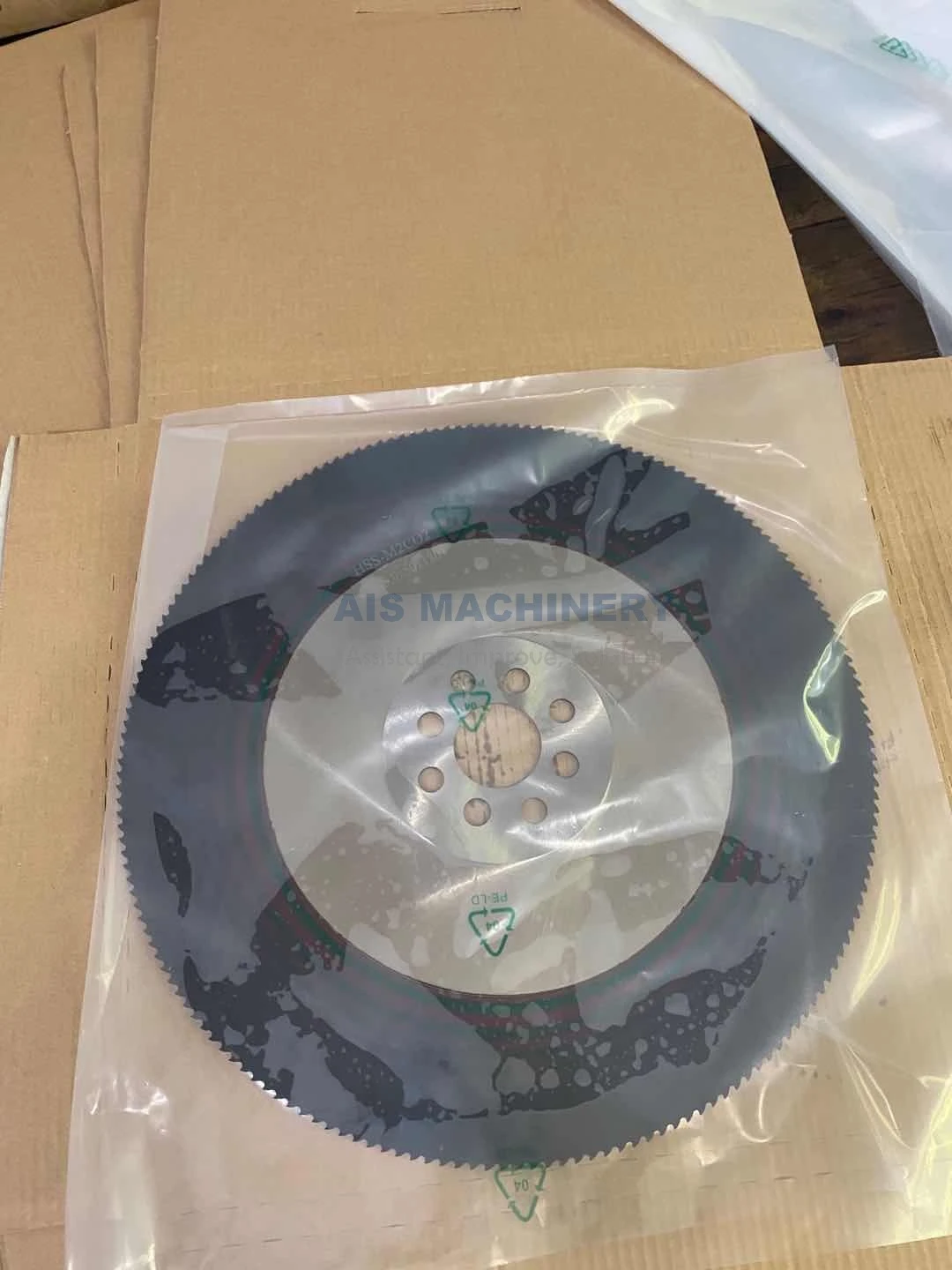
Saw Blade Guide for Tube Mills: Friction vs HSS vs TCT — Which One Should You Choose?
Confused about friction saw, HSS, and TCT blades? This guide explains their uses in cold saw and friction saw machines, with pros, cons, and expert selection tips.
2026-04-24 08:54:16
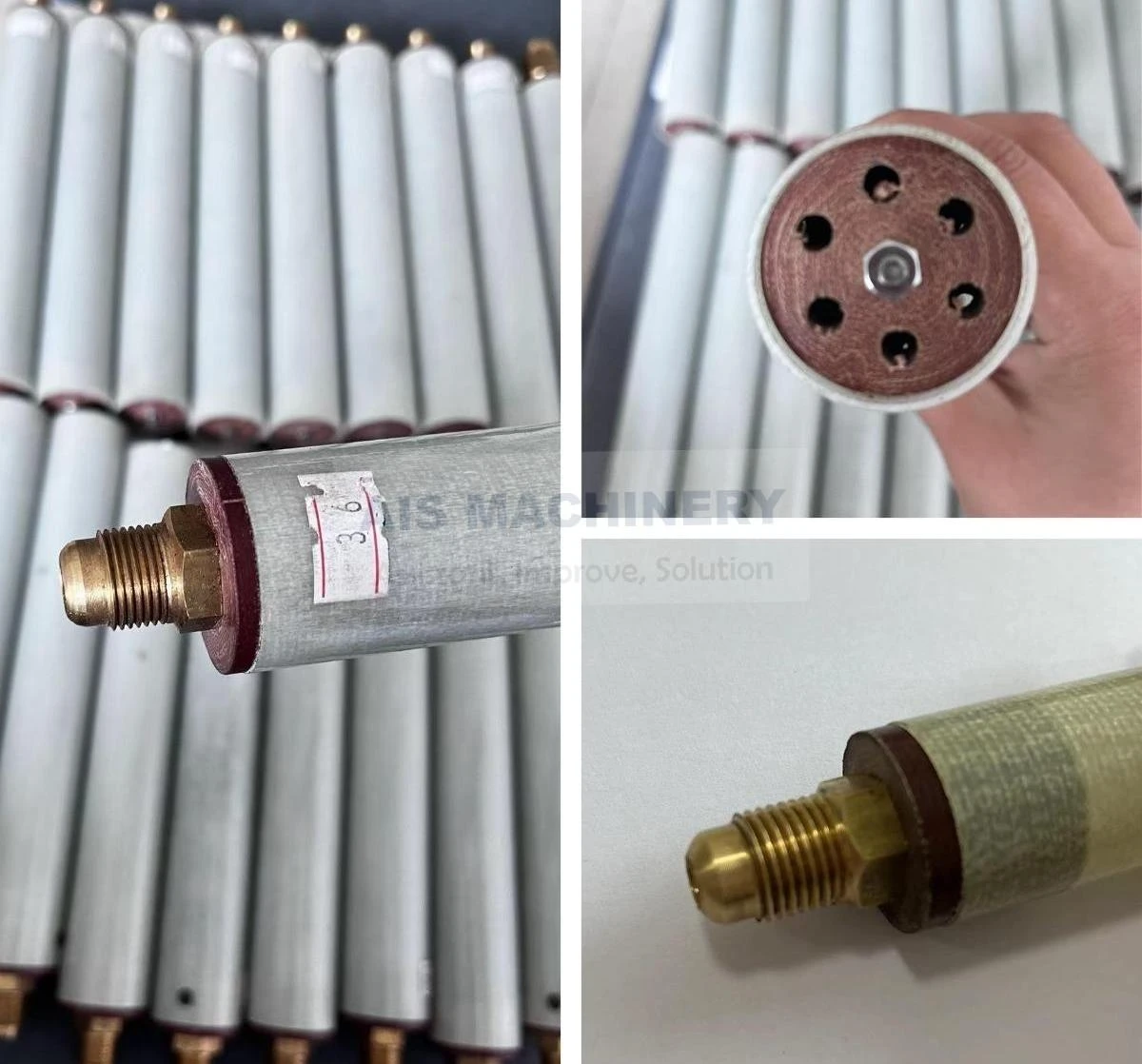
What is an Impeder and Ferrite Rods in ERW Tube Mill?
Struggling with impeder overheating or short service life in your ERW tube mill? This guide explains common impeder problems, the role of ferrite rods, and how to choose the right impeder for stable welding performance. Improve weld quality, reduce energy loss, and extend equipment lifespan with the right selection and proper cooling solutions.
2026-04-21 10:22:25
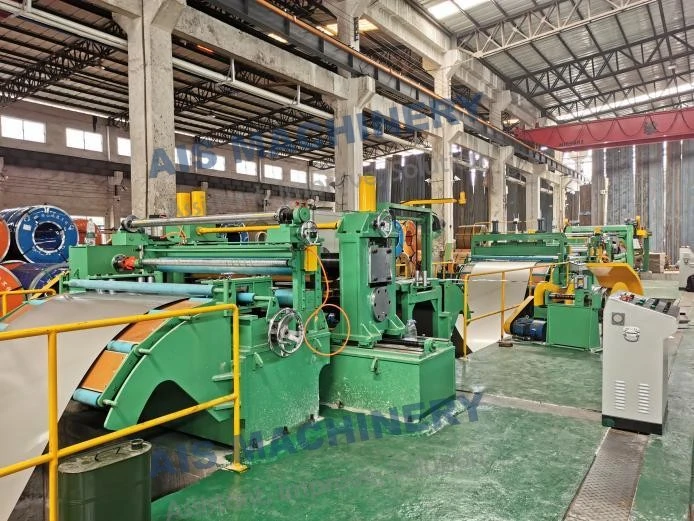
Slitting & Cut-to-Length Combined Production Line: A Smarter Way to Process Steel Coils
Discover the Slitting & Cut-to-Length Combined Production Line, a flexible solution for steel coil processing. This system integrates slitting line and cut-to-length line functions in one machine, saving space, reducing costs, and improving efficiency. Ideal for processing both steel strips and sheets, it is widely used in service centers and manufacturing industries. Learn its advantages, limitations, and applications.
2026-04-18 03:20:20
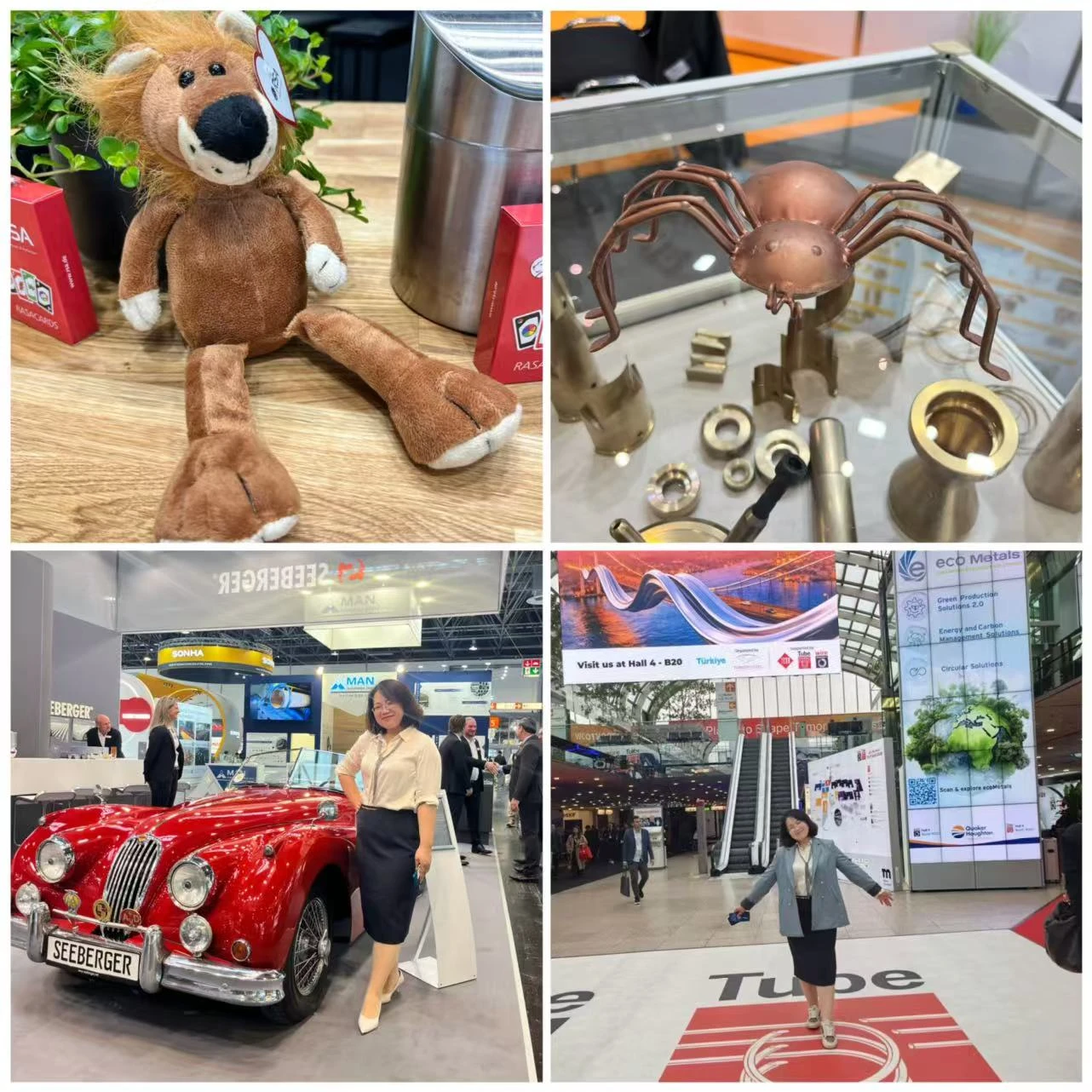
AIS Machinery Showcases Advanced Tube Solutions at Tube & Wire Düsseldorf 2026
Tube & Wire Düsseldorf 2026, one of the most influential exhibitions in the global tube and wire industry, held biennially in Düsseldorf, Germany
2026-04-17 00:00:00
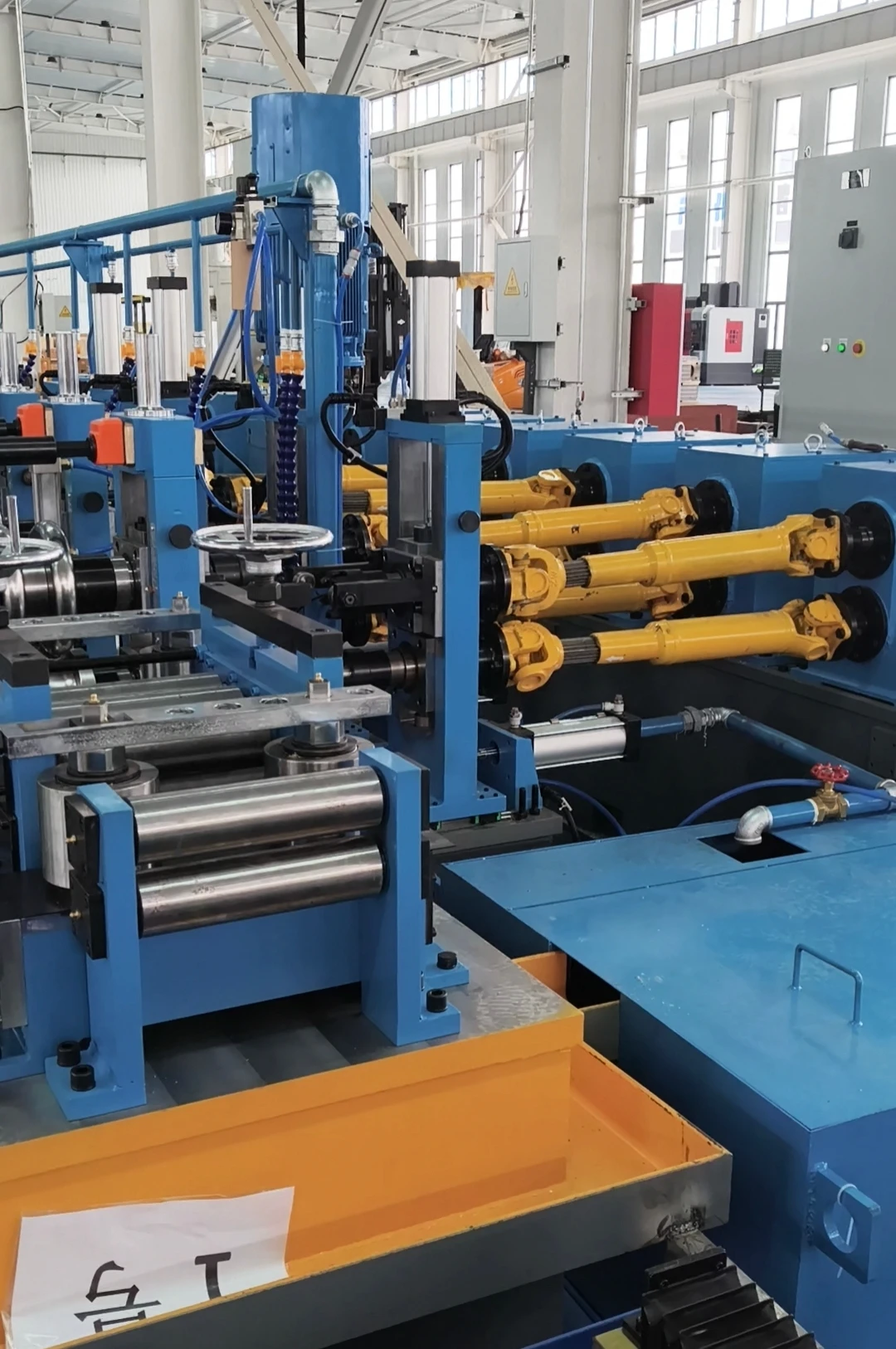
Southeast Asia Client Visits Our Factory | Customized Tube Mill Solution Delivered
A Southeast Asia client visited our ERW tube mill factory to inspect production lines and discuss a customized tube mill solution. Impressed by our machine quality, welding performance, and engineering support, the client confirmed strong cooperation intentions. Discover how our ERW tube mill solutions improve efficiency, precision, and long-term production reliability.
2026-04-15 10:37:55
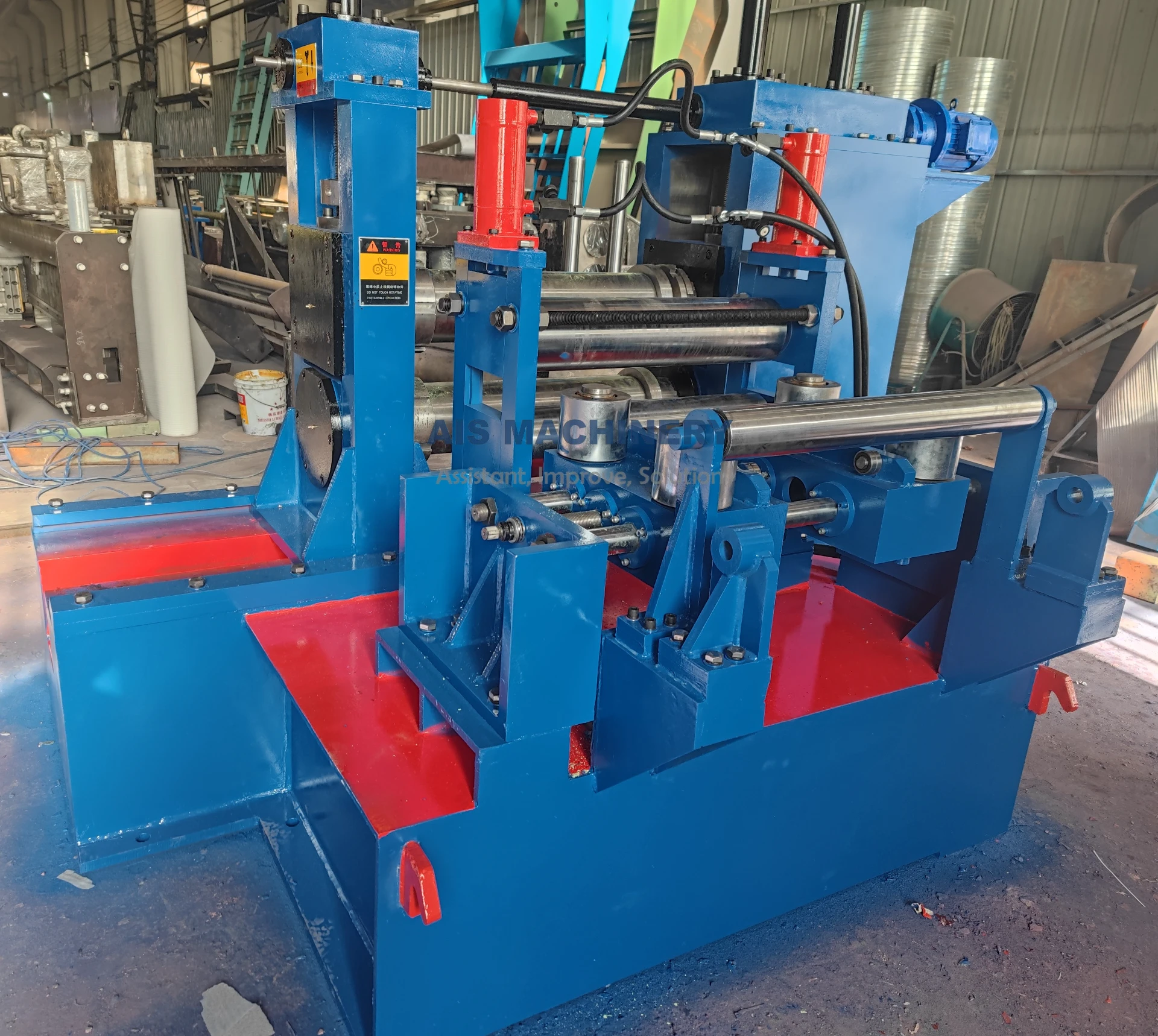
Flat Bar Production Line for Steel Coils: How It Works & Why It Matters
Looking for a flat bar production line? Learn how it turns steel coils into ready-to-use flat bars with precise length and high straightness. Compare it with slitting lines and get the best solution for your steel processing needs.
2026-04-14 00:00:00
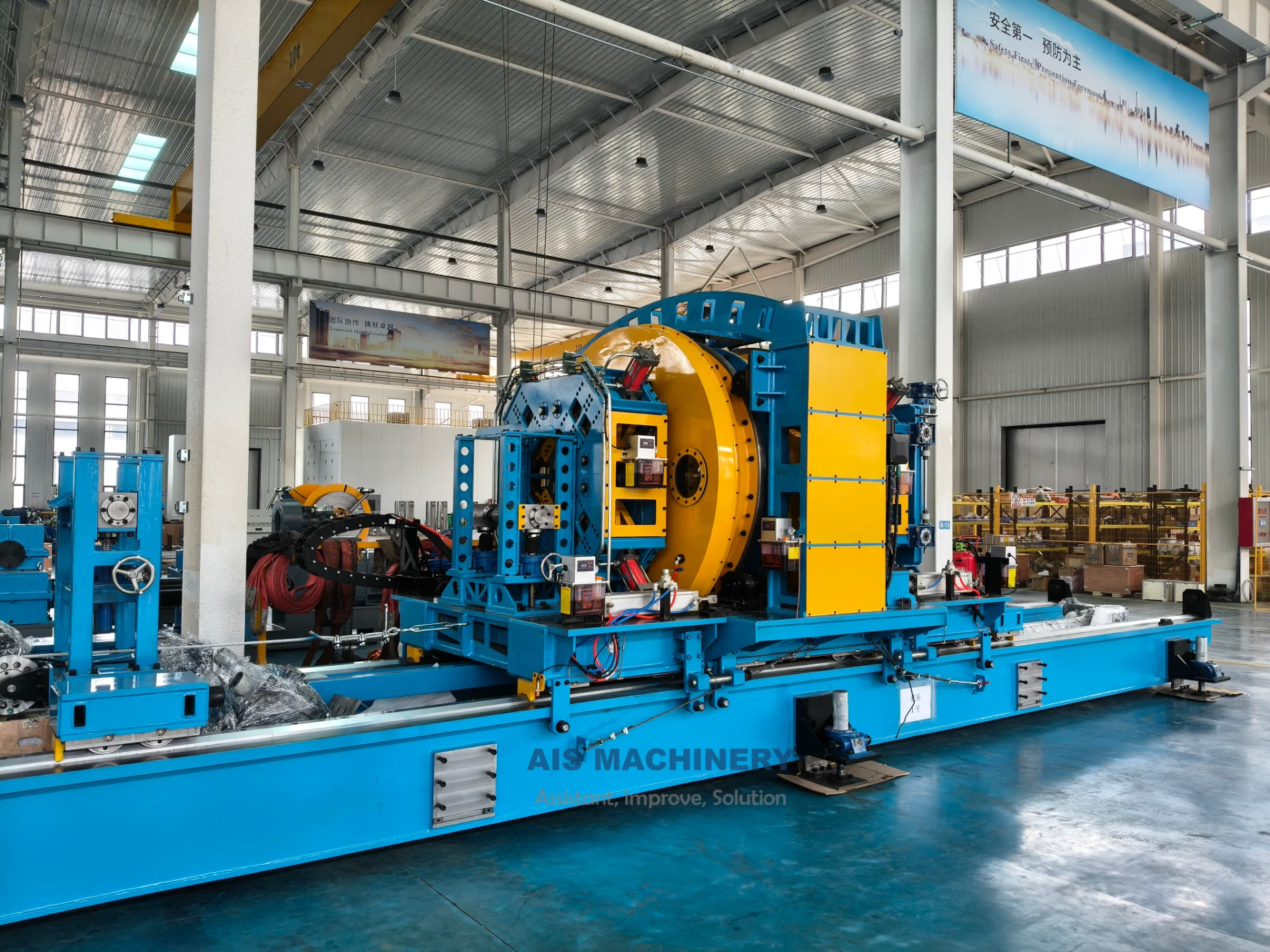
Looking for a Milling Saw for ERW Tube Mill? Here’s What You Need to Know
Looking for a high-performance milling saw for your ERW tube mill? Upgrade to burr-free, high-precision pipe cutting with advanced flying saw technology. Improve efficiency, reduce rework, and meet export standards for carbon steel, stainless steel, and API pipes. Contact us today for expert solutions and competitive pricing tailored to your production needs.
2026-04-09 16:15:19
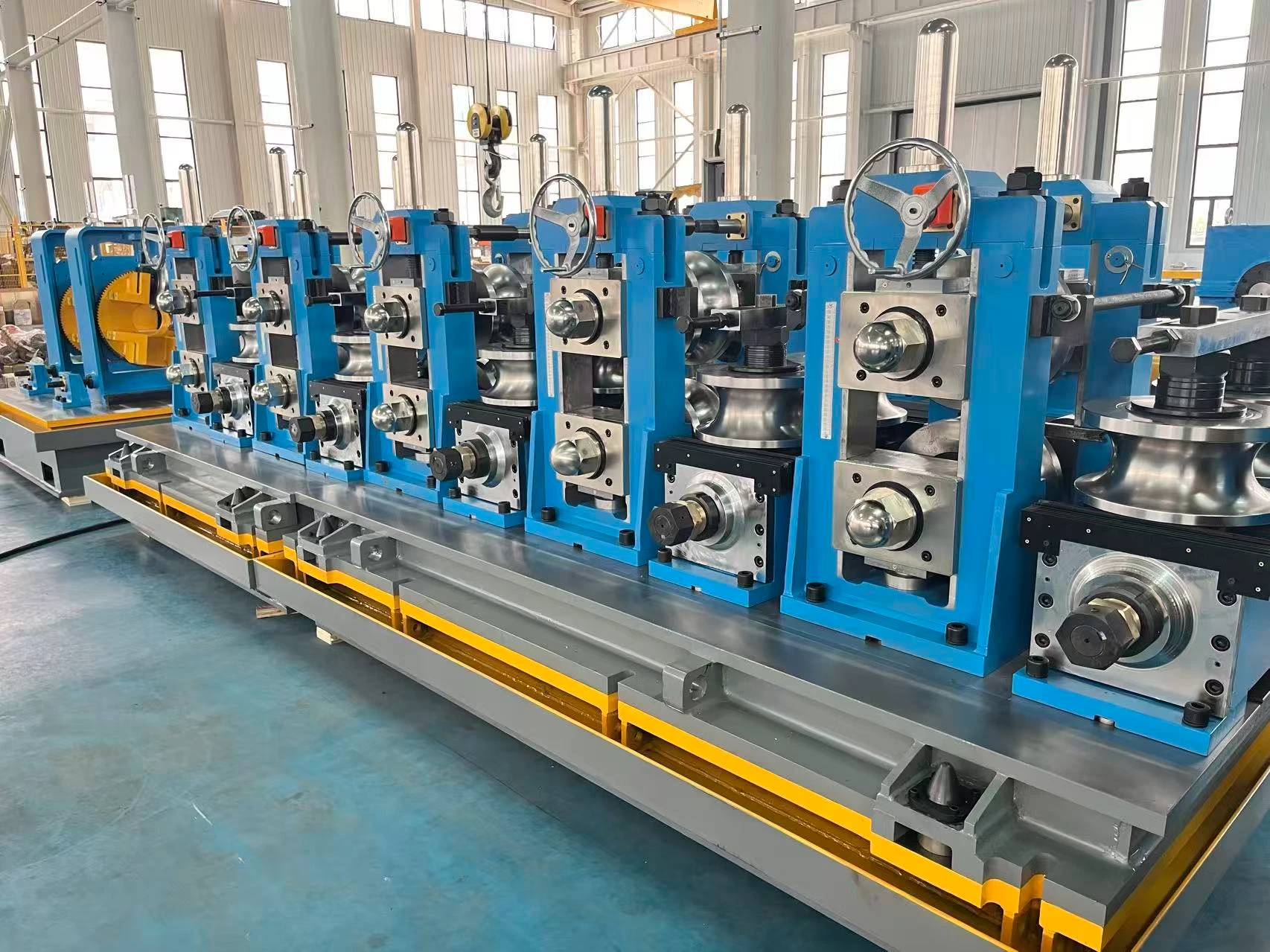
5-Inch (127mm) ERW Tube Making Machine Delivered with Heavy-Duty Design and Advanced Quick Change System
Send a Message
Dear customer, thank you for your attention! We provide high-quality machinery and equipment and look forward to your orders. Please inform us of your needs and we will respond quickly!
 English
  Albanian
  Arabic
  French
  German
  Indonesian
  Italian
  Japanese
  Kazakh
  Korean
  Latin
Latin  Macedonian
  Portuguese
  Russian
  Spanish
  Thai
Thai  Turkish
  Ukrainian
  Uzbek
Uzbek