-
 Tel:86-15176910262
-

Search

Advanced Palletizing Machine | AI-Optimized Efficiency
Aug . 01, 2025 12:00
Industry Trends · Technical Parameters · Manufacturer Comparison · Customization · Use Cases
In the rapidly-advancing field of automated packaging, the palletizing machine—along with the rise of the automatic package machine—has become indispensable for streamlining logistics and optimizing industrial productivity.
Recent market research (Mordor Intelligence, Jun. 2023) indicates a projected compound annual growth rate (CAGR) of 7.8% for palletizing machinery by 2030, with demand fueled by the petrochemical, metallurgy, pipe & tube, and food sectors.
| Machine Type | Payload Capacity | Stacking Speed | Power Consumption | Typical Application | Automation Level |
|---|---|---|---|---|---|
| Robotic Palletizer | 30-500 kg/layer | 15-25 cycles/min | 3.5-5.5 kW | Bags, Bottles, Cartons | Fully automatic |
| Cartesian Palletizer | 20-200 kg/layer | 10-20 cycles/min | 2.5-4.0 kW | Boxes, Drums | Semi-automatic |
| Layer Palletizer | Up to 1000 kg/layer | 8-15 cycles/min | 4.0-7.0 kW | Pipes, Tubes, Steel coils | Automatic |
| Auto Stacking & Strapping Machine (Hex Steel Tubes) | Up to 3000 kg/layer | 6-12 cycles/min | 5.0-8.5 kW | Steel tubes, Pipe bundles | Fully automatic |
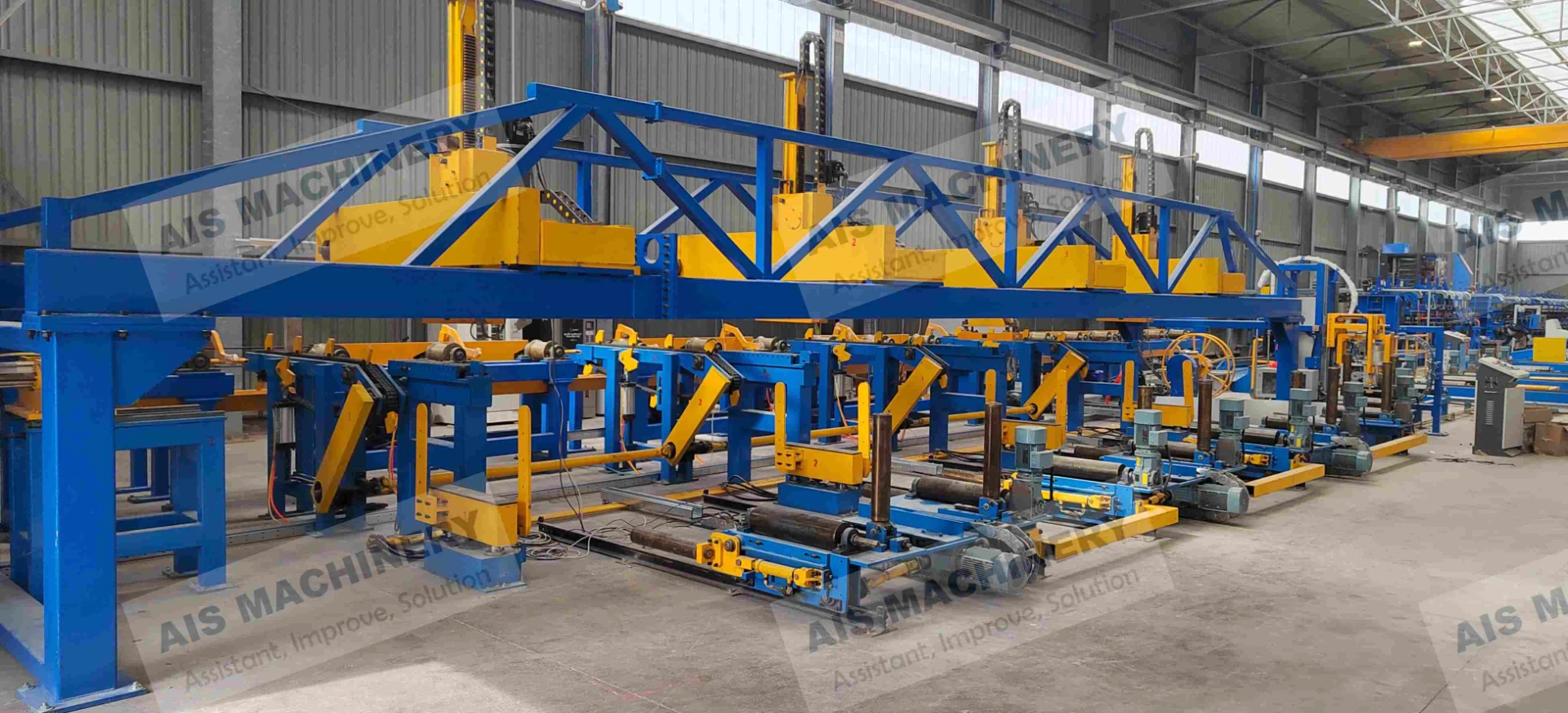
The Auto Stacking and Strapping Machine for Hex Steel Tubes is an advanced fully-automatic palletizing machine engineered for packaging, stacking, and strapping of hexagonal steel tube bundles. Leveraging programmable logic controllers (PLC), servo drives, and precision sensors, it streamlines the pipe packaging process for maximum efficiency in steel production and distribution.
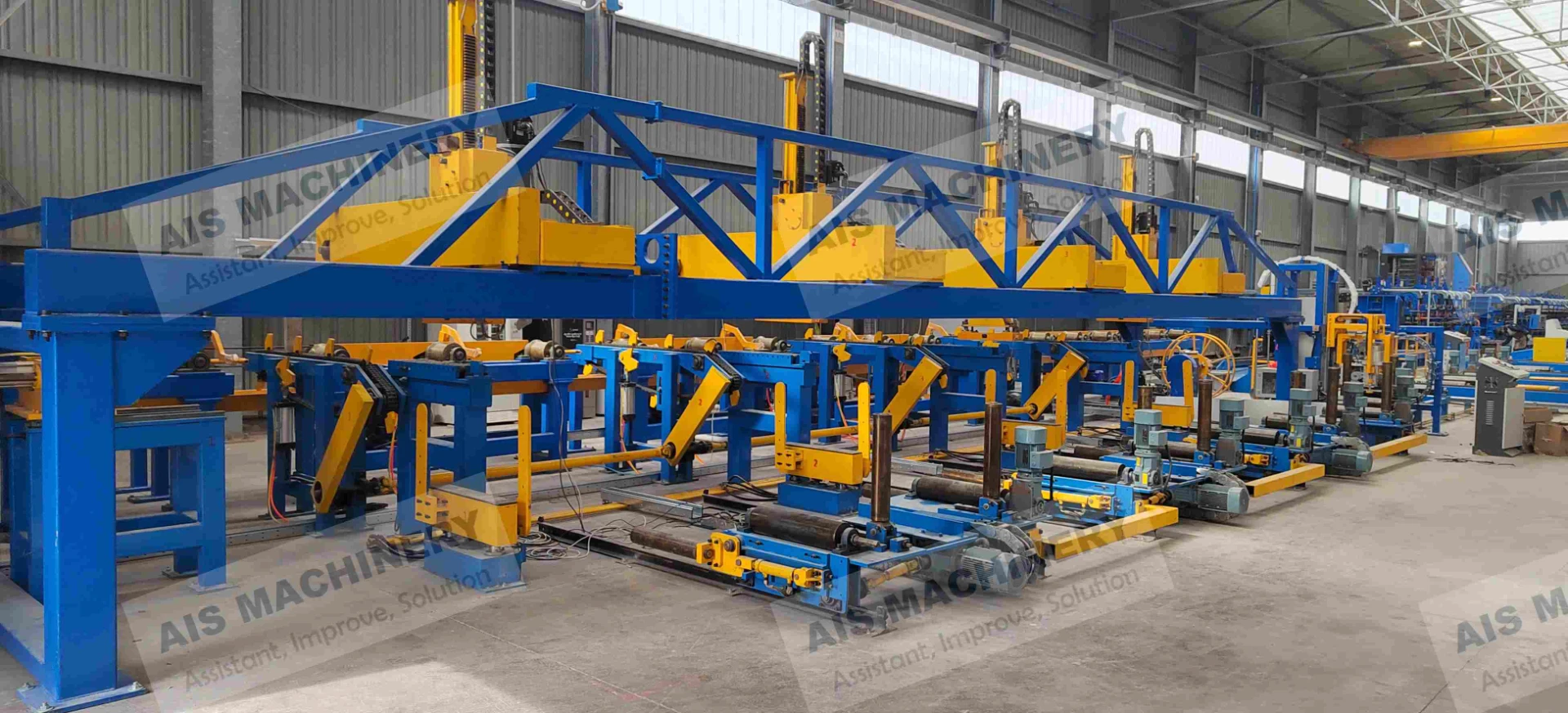
- Suitable for: Hexagonal and round steel tube bundles from OD 15mm up to 325mm
- Key Industries: Oil & gas, Petrochemical, Heavy Industry, Construction Materials
- Certifications: ISO 9001, CE, ANSI compliance
- Warranty: 24 months with global technical support
- Frame Material: Q345/S355 high-strength structural steel
- Wear Surfaces: 42CrMo alloy, CNC-polished
- Control Electronics: Siemens/Schneider PLC & touch-interfaces
- Painting Process: Polyurethane anti-corrosion coating (≥5 years durability, salt spray test ISO 9227 compliant)
- Click to see operation video: Stacking & Strapping Demonstration (external)
| Item | Specification | Industry Benchmark |
|---|---|---|
| Max Tube Bundle Weight | Up to 3000 kg | 2200-2500 kg |
| Bundle Diameter Range | 100 – 800 mm | 120 – 650 mm |
| Stacking Cycle Time | 9.9–12.5 s | 14.7–16.3 s |
| Power Supply | 380V/50Hz, 3 phase | 380–415V/50–60Hz |
| Control System | Siemens PLC + HMI | Mitsubishi/Omron PLC |
| Sensors | Omron, Sick (EN ISO 13849-1 Safety) | Photo-electric only |
| Lubrication | Centralized auto-lube | manual |
| Service Life | >10 years (Main structure) | 5–7 years |
✔Automatic stacking/bundling of pipe for large-scale storage yards & export
✔Ensures DIN EN10204/ASTM tested traceability via integrated barcode/QR scanner
✔Corrosion-resistant coating, proven for >240-hour salt exposure (ISO 9227:2017)
✔Reduces labor by 80% over manual packaging
✔Automatic package machine integration for inline stacking & strapping (15,000 tonne/year capacity)
✔EN ISO 13849-1 safety circuit, full CE conformity for EU export
✔Customizable for rebar, beams, pipes (up to 12m length)
✔Centralized auto-lubrication for low maintenance
✔Short switchover (under 15 min) between tube dimensions
"Since commissioning the Auto Stacking and Strapping Machine (AISTubemill, 2023), our tube yard throughput increased by 32%, and workplace accidents dropped to zero in the stacking zones. The system adjusts automatically to bundle types—saving at least 3 operators per shift."
— Logistics Manager, Southeast Asia Steel Group
| Company | Main Product | Certifications | Key Market | Support/After-Sales |
|---|---|---|---|---|
| AISTubemill | Auto Stacking & Strapping Machine (Tube Focus) | ISO 9001, CE, ANSI | Heavy steel, oil & gas | 24/7 online + onsite global |
| Premier Palletizing | Robotic Palletizer (Tray/Pallet) | ISO 9001 | FMCG, logistics | Europe/North America only |
| BayPak Automation | Layer Palletizer (General) | CE | Food & Beverage | Email + remote |
| PipeStacker Inc. | Automated Bundle Stacker | ISO, ANSI | Pipes, Construction | Email, local agents |
- AISTubemill (Auto Stacking and Strapping Machine for Hex Steel Tubes): Full customization; superior for hex pipe & tube sector
- Premier Palletizing: Suited to boxed/product goods, not heavy steel
- Adaptability: All major pipe/tube material types—carbon, stainless, galvanized, HDPE.
- Custom Length/Bundling: 3m–12m tubes, hex/round/square arrangement, variable bundle weights
- Automation Optionality: Integration with ERP, MES, and remote service diagnostics
- Palletizing machine cycle optimization: Advanced servo logic for sub-10s stacking
- Accessory Options: Inline label applicator, barcode & image sensors, fully-automatic film wrapping
- Lead Time: 60–90 days typical (custom, complex lines may extend)
- Warranty: 24-month major assemblies; spare parts express logistics
- Training: Operator & maintenance engineer on-site/remote sessions, full manual (EN/FR/CN)
- After-Sales: 24/7 support, live video troubleshooting, annual site visits (on request)
- QA/QC: 100% FAT witnessed; ISO/EN/ANSI testing protocols
A: Q345/S355 steel for high load resistance and low deflection, meeting EN 10025 standards.
Q2: Which international norms do the stacking/strapping safety systems comply with?
A: EN ISO 13849-1 (Functional safety of control systems), ANSI B11.19, and CE Machinery Directive.
Q3: Is the machine suitable for stainless or plastic pipes?
A: Yes; it handles carbon, stainless, and HDPE tubes up to OD 325mm, with optional soft-contact strapping for surface-sensitive materials.
Q4: What is the minimum stacking cycle achievable with the latest servo PLC?
A: Down to 9.9 seconds/stack (for standard bundle size), outperforming most legacy systems by 25–35%.
Q5: Can the system integrate with ERP or production MES?
A: Yes; standard interface (Modbus/TCP) supports MES and real-time production traceability.
Q6: What are the typical installation and commissioning standards?
A: IEC 60204-1 for electrical safety, ISO 12100 for machinery safety, and on-site SAT (Site Acceptance Test) as per client checklist.
Q7: What is the expected lifespan for critical mechanical assemblies?
A: >10 years with scheduled lubrication and annual inspection (based on in-field test data).
- International Federation of Robotics – Industrial Robot Adoption in Packaging
- European Tube Association – Trends in Pipe & Tube Automation
- StackExchange Engineering Forum – Automated Packaging Machine FAQ
- ScienceDirect – Corrosion Testing Standards (ISO 9227)
- aistubemill.com official product page – Auto Stacking and Strapping Machine for Hex Steel Tubes
• "Palletizing Equipment Market Outlook 2024–2030", Mordor Intelligence
• EN ISO 13849-1 Functional Safety Standard
• "Upgrading Steel Packaging with Automation", Tube & Pipe Technology, Vol. 36(4), 2023
• Real user reviews from Engineering StackExchange

Related Products
Related News
2026-04-30 09:35:04
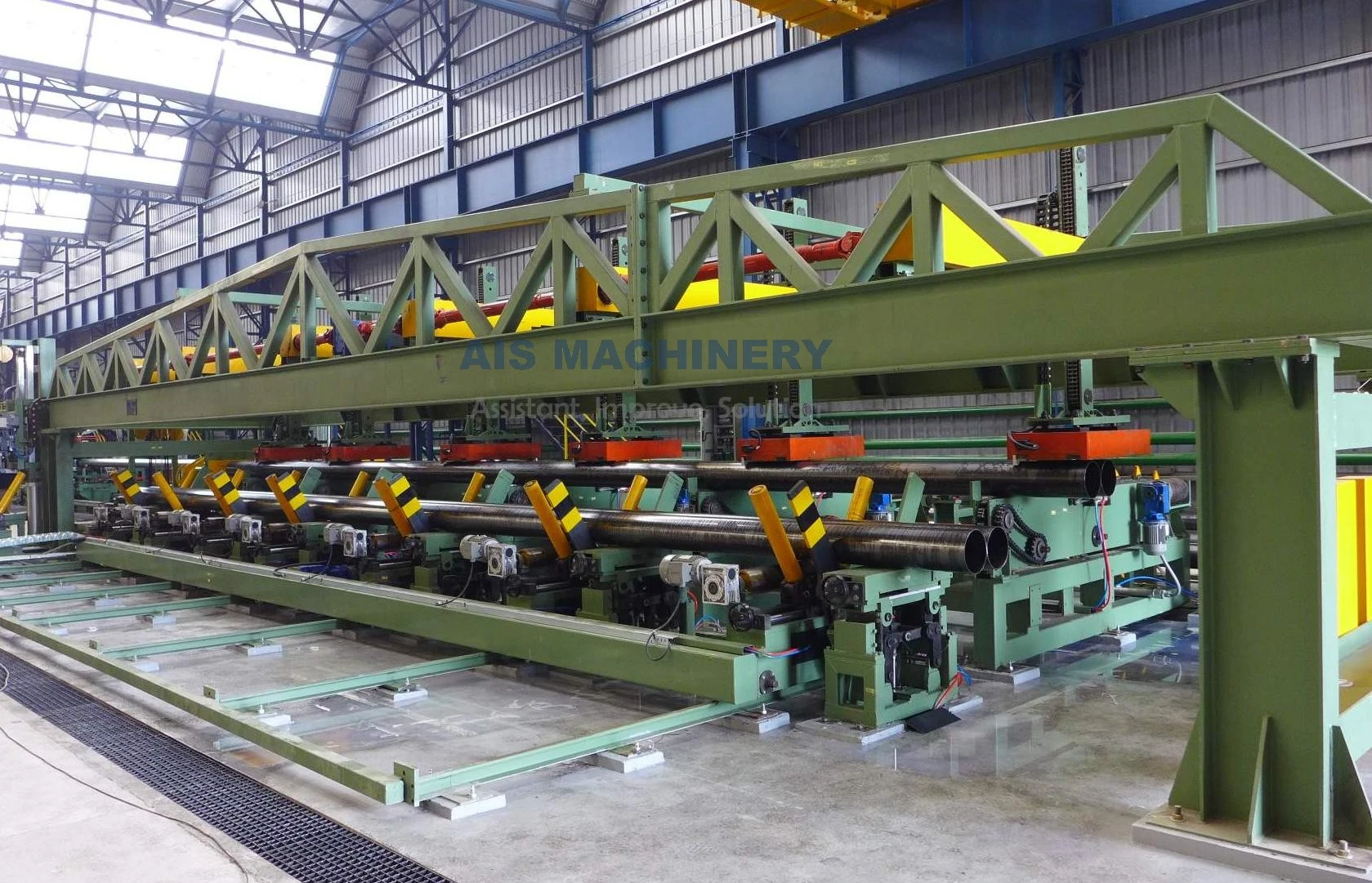
Automatic Stacking Machine (Magnetic Chuck Type)
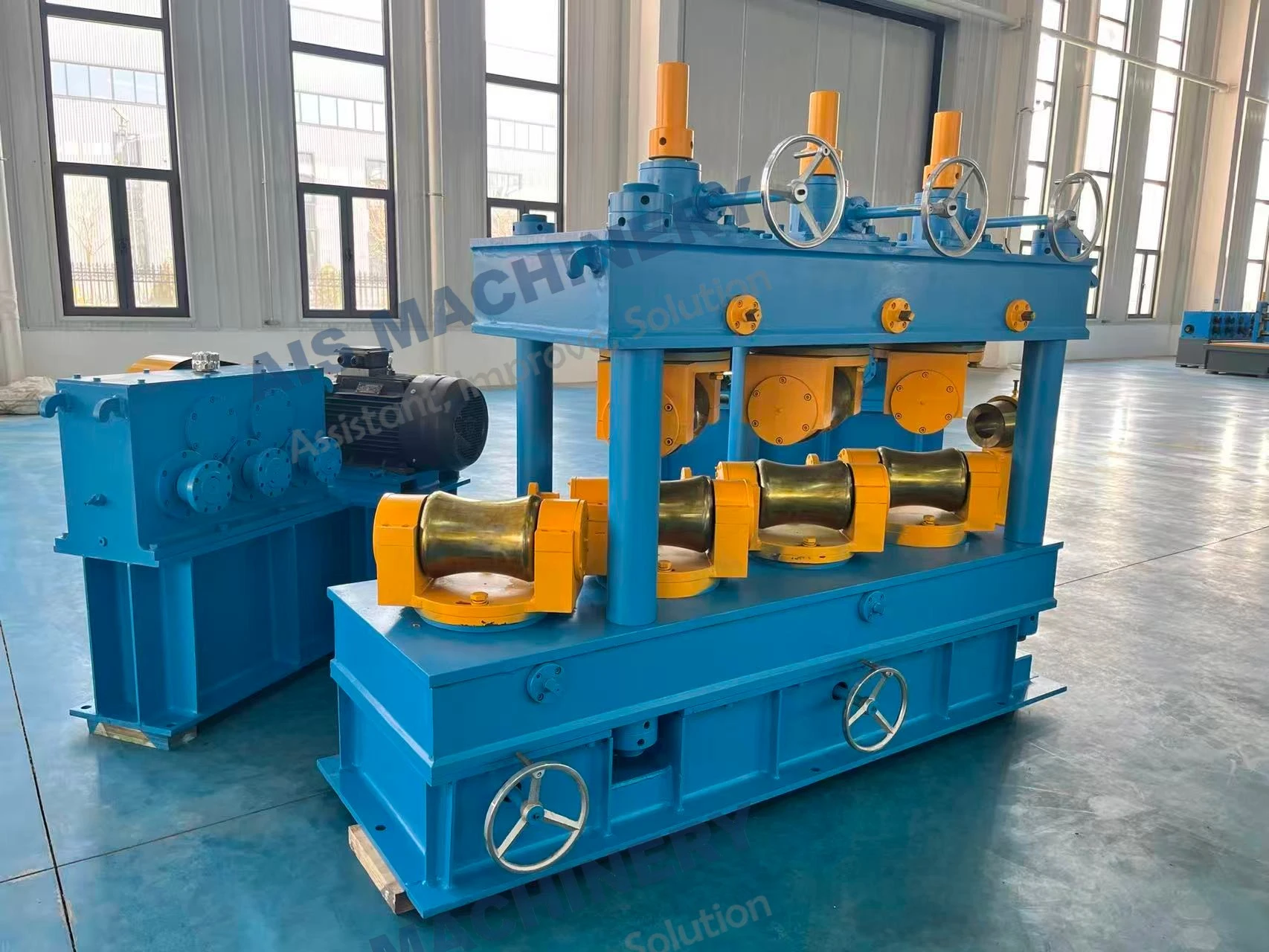
The Automatic Stacking Machine (Magnetic Chuck Type) from AIS Machinery is designed to efficiently collect and stack steel tubes in ERW tube mill production lines. Using electromagnetic lifting, it can pick up multiple tubes at once and place them neatly in layers. This reduces manual labor, improves stacking accuracy, and increases overall production efficiency. It is installed after the flying saw and works seamlessly with the mill line, making it an ideal solution for modern tube manufacturers.
2026-04-28 08:56:05
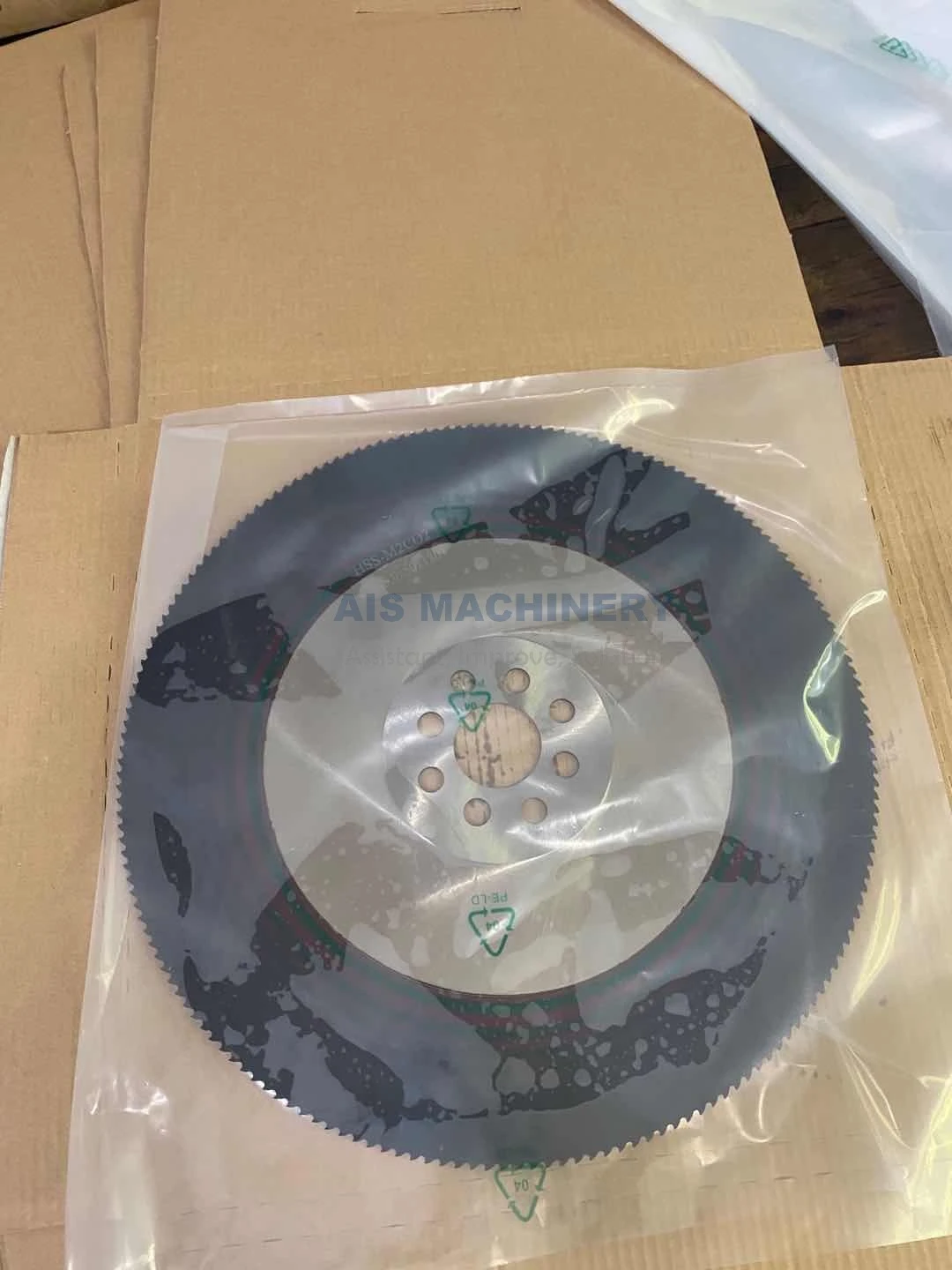
Saw Blade Guide for Tube Mills: Friction vs HSS vs TCT — Which One Should You Choose?
Confused about friction saw, HSS, and TCT blades? This guide explains their uses in cold saw and friction saw machines, with pros, cons, and expert selection tips.
2026-04-24 08:54:16
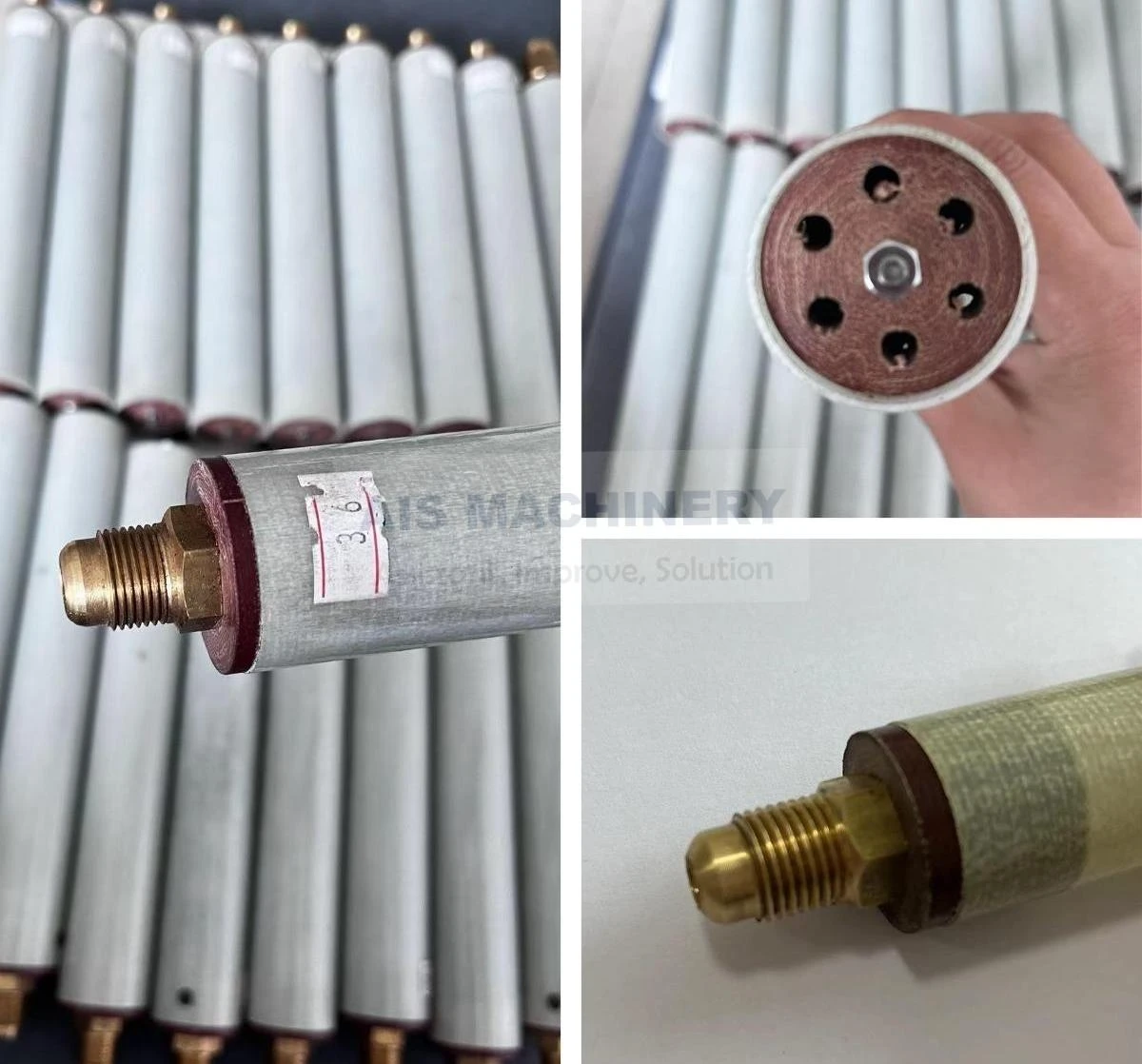
What is an Impeder and Ferrite Rods in ERW Tube Mill?
Struggling with impeder overheating or short service life in your ERW tube mill? This guide explains common impeder problems, the role of ferrite rods, and how to choose the right impeder for stable welding performance. Improve weld quality, reduce energy loss, and extend equipment lifespan with the right selection and proper cooling solutions.
2026-04-21 10:22:25
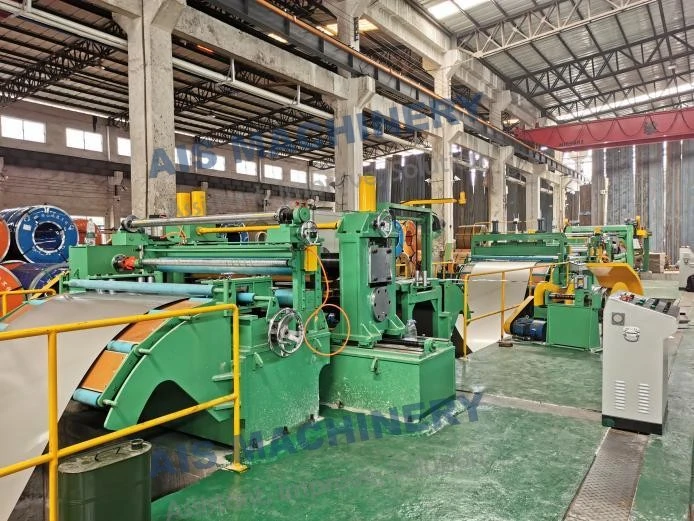
Slitting & Cut-to-Length Combined Production Line: A Smarter Way to Process Steel Coils
Discover the Slitting & Cut-to-Length Combined Production Line, a flexible solution for steel coil processing. This system integrates slitting line and cut-to-length line functions in one machine, saving space, reducing costs, and improving efficiency. Ideal for processing both steel strips and sheets, it is widely used in service centers and manufacturing industries. Learn its advantages, limitations, and applications.
2026-04-18 03:20:20
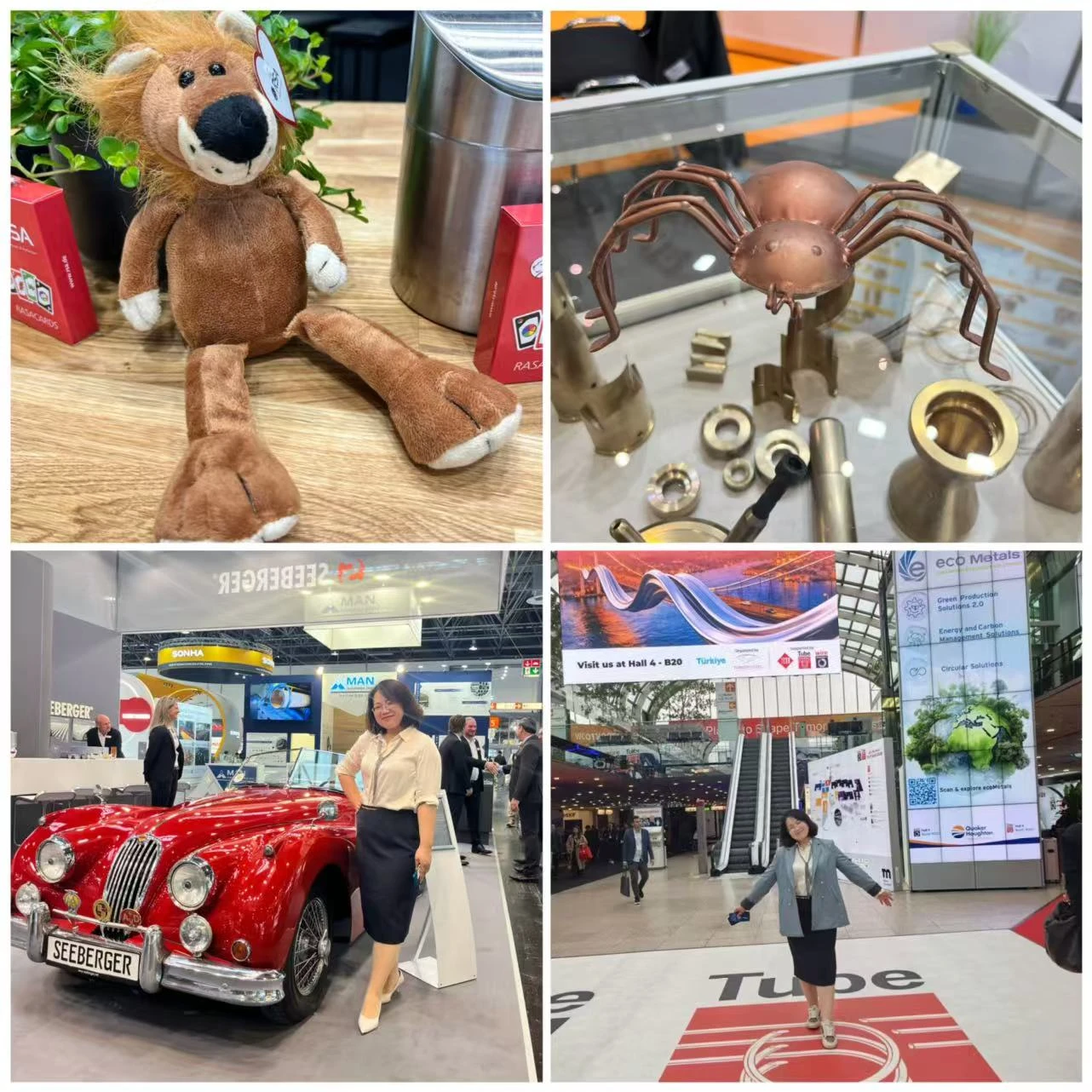
AIS Machinery Showcases Advanced Tube Solutions at Tube & Wire Düsseldorf 2026
Tube & Wire Düsseldorf 2026, one of the most influential exhibitions in the global tube and wire industry, held biennially in Düsseldorf, Germany
2026-04-17 00:00:00
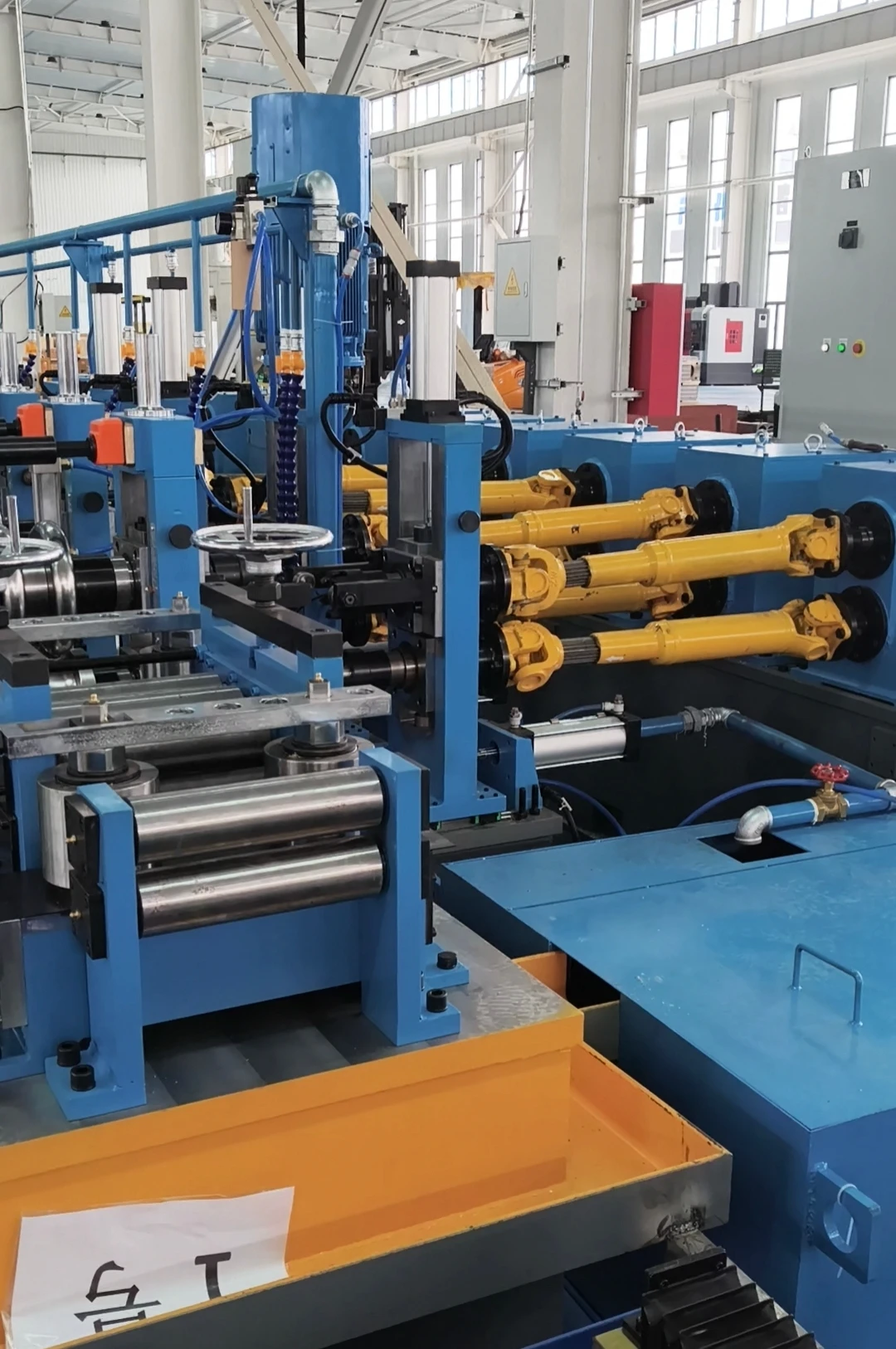
Southeast Asia Client Visits Our Factory | Customized Tube Mill Solution Delivered
A Southeast Asia client visited our ERW tube mill factory to inspect production lines and discuss a customized tube mill solution. Impressed by our machine quality, welding performance, and engineering support, the client confirmed strong cooperation intentions. Discover how our ERW tube mill solutions improve efficiency, precision, and long-term production reliability.
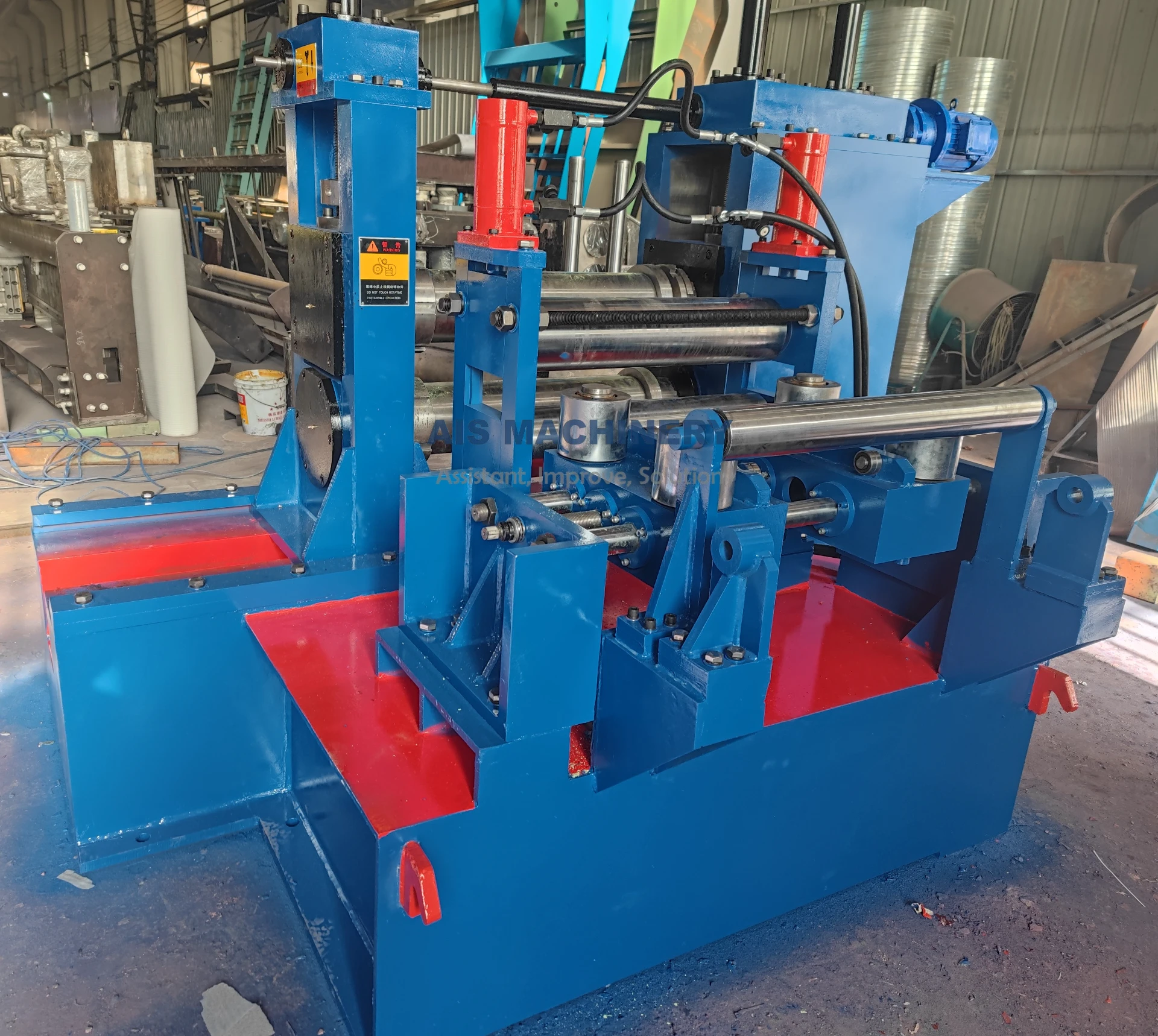
2026-04-15 10:37:55
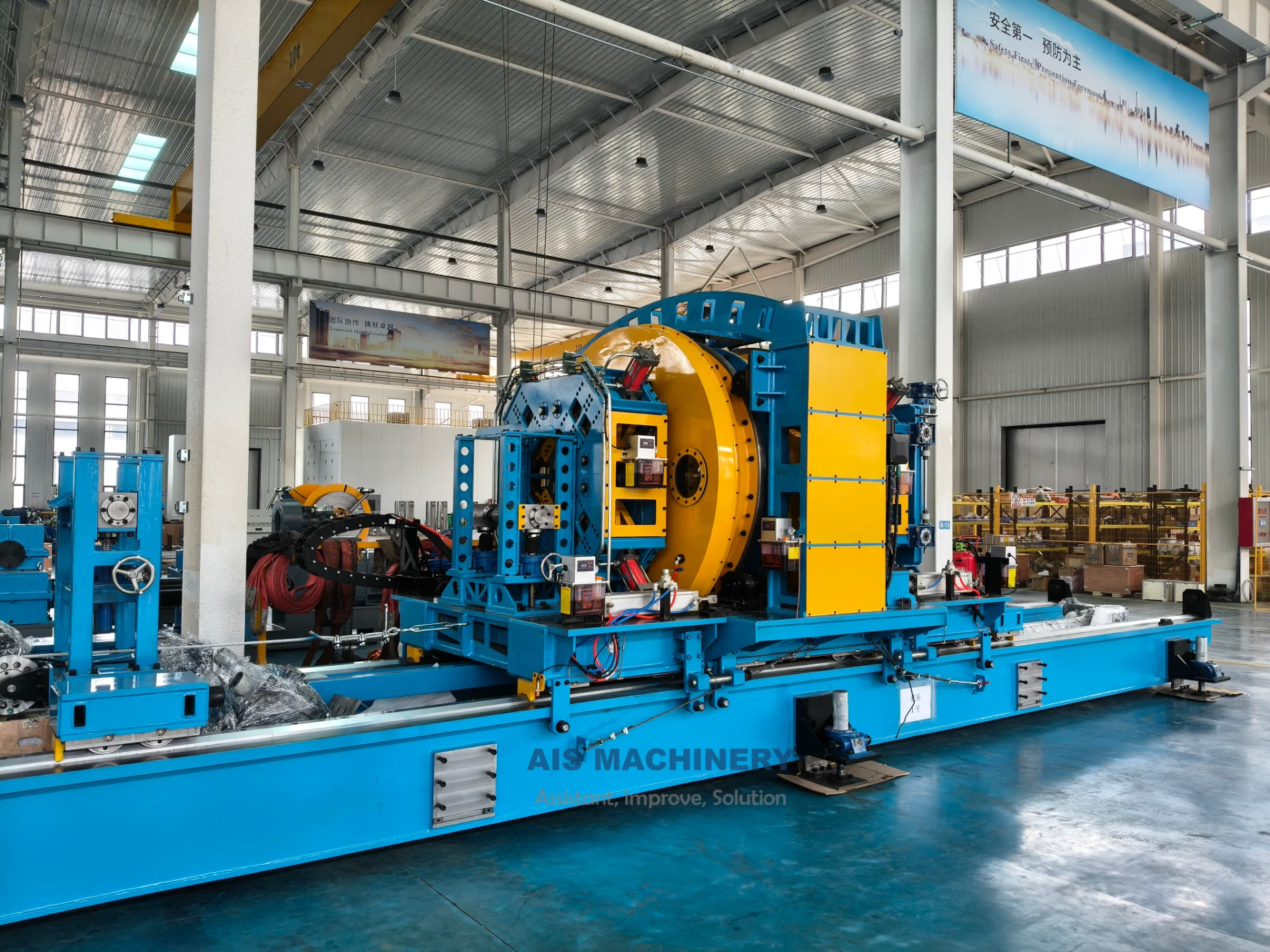
Flat Bar Production Line for Steel Coils: How It Works & Why It Matters
Looking for a flat bar production line? Learn how it turns steel coils into ready-to-use flat bars with precise length and high straightness. Compare it with slitting lines and get the best solution for your steel processing needs.
2026-04-14 00:00:00
Looking for a Milling Saw for ERW Tube Mill? Here’s What You Need to Know
Looking for a high-performance milling saw for your ERW tube mill? Upgrade to burr-free, high-precision pipe cutting with advanced flying saw technology. Improve efficiency, reduce rework, and meet export standards for carbon steel, stainless steel, and API pipes. Contact us today for expert solutions and competitive pricing tailored to your production needs.
Send a Message
Dear customer, thank you for your attention! We provide high-quality machinery and equipment and look forward to your orders. Please inform us of your needs and we will respond quickly!
 English
  Albanian
  Arabic
  French
  German
  Indonesian
  Italian
  Japanese
  Kazakh
  Korean
  Latin
Latin  Macedonian
  Portuguese
  Russian
  Spanish
  Thai
Thai  Turkish
  Ukrainian
  Uzbek
Uzbek