
-
 Tel:86-15176910262
-

Search
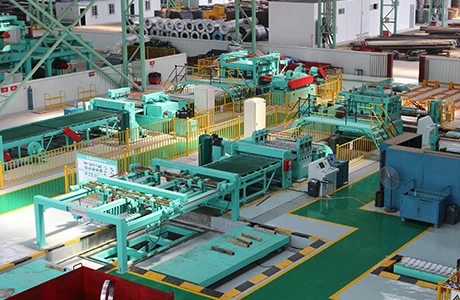
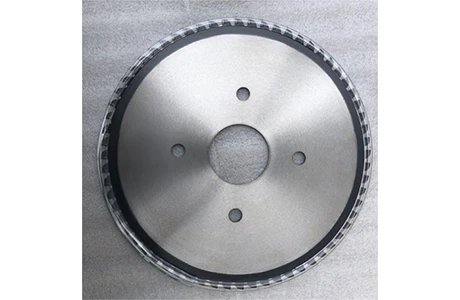
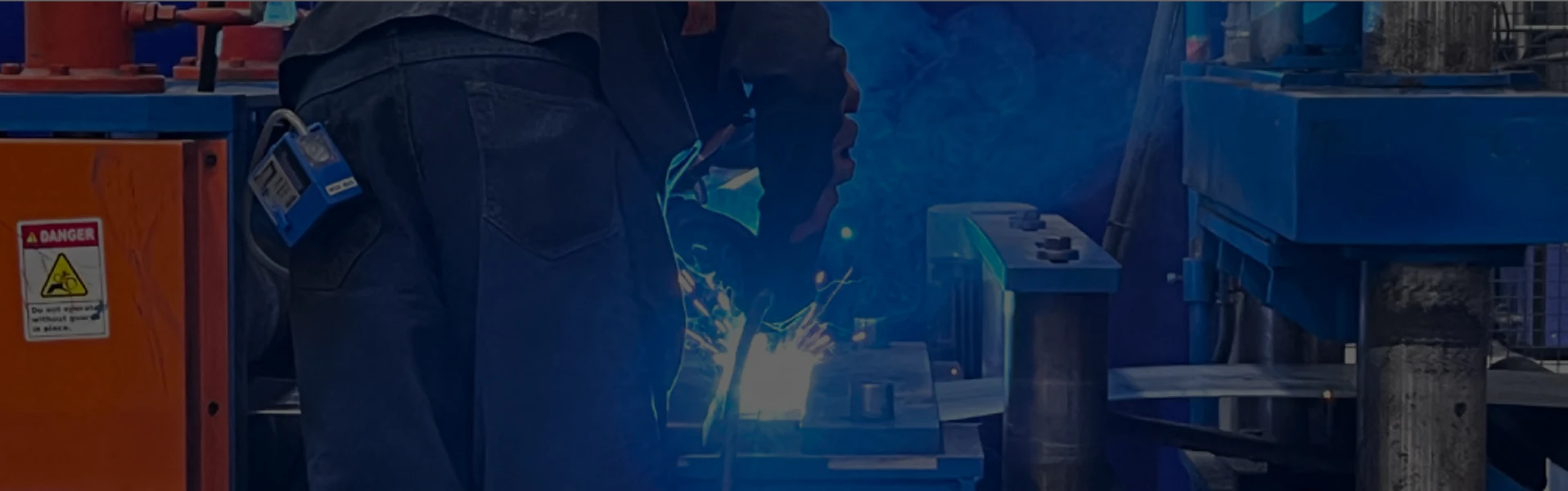

Carbon Steel Tube Mill: Reliable Industrial Tube Production Solutions
Dec . 11, 2025 04:15
Carbon Steel Tube Mill: Behind the Scenes of a Classic Industrial Workhorse
Having spent a good chunk of my career around industrial equipment, I’ve grown something of an appreciation for the carbon steel tube mill. It’s the unsung hero in many factories, quietly rolling out steel tubes that end up in just about everything from automotive frames to heavy machinery structures. Oddly enough, the amount of engineering precision packed into these mills is something most people wouldn’t guess at first glance.
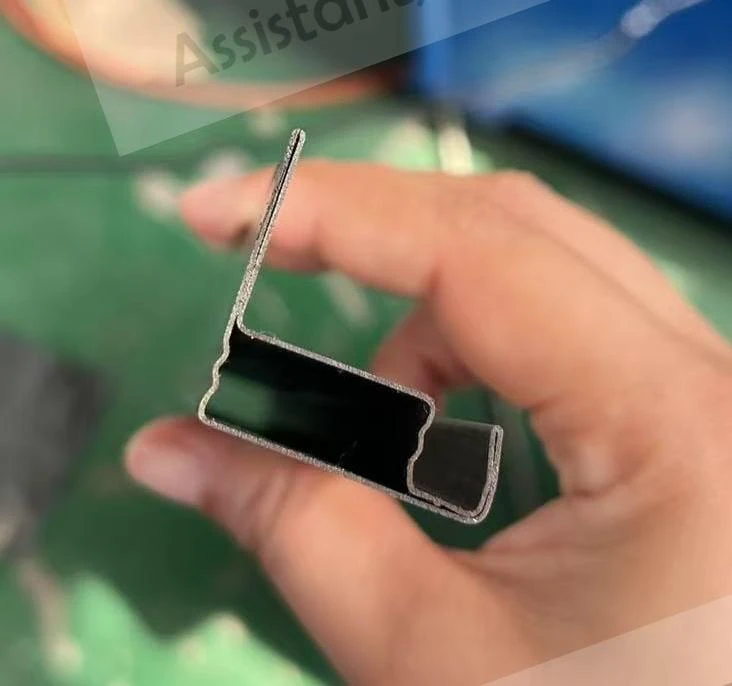
In real terms, carbon steel tube mills specialize in transforming flat steel strips into round, square, or rectangular tubing with superb consistency. The materials they use—usually low to medium carbon steel—are prized for their versatility and strength-to-weight ratio. You often hear engineers debating the nuances of carbon content and microstructure, but ultimately, the mill’s role is to keep the production steady and the tubes dimensionally reliable.
Let me share a small anecdote. A few years back, I visited a plant that had just upgraded one of their tube mills. The new setup boasted faster speeds and tighter gauge control. The operators were thrilled—not just because of increased throughput but because fewer rejections meant less waste and downtime. When the mill’s engineering team is dialed in, you get more than just good tubes; you get trust in your supply chain.
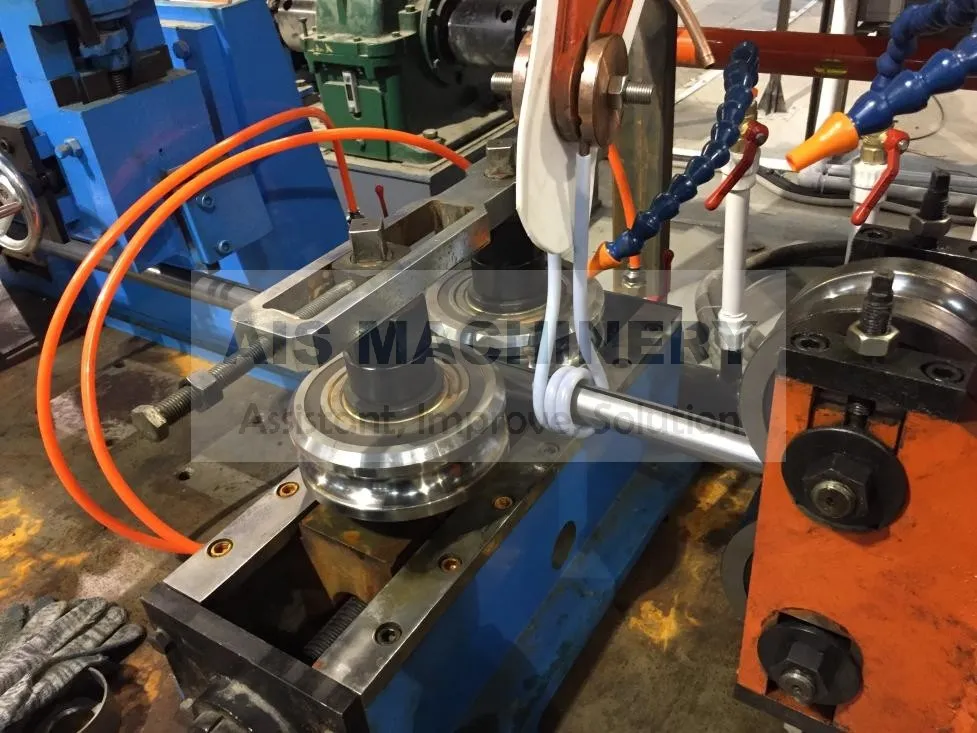
What Goes Into a Carbon Steel Tube Mill?
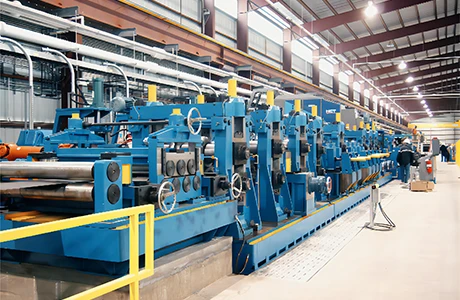
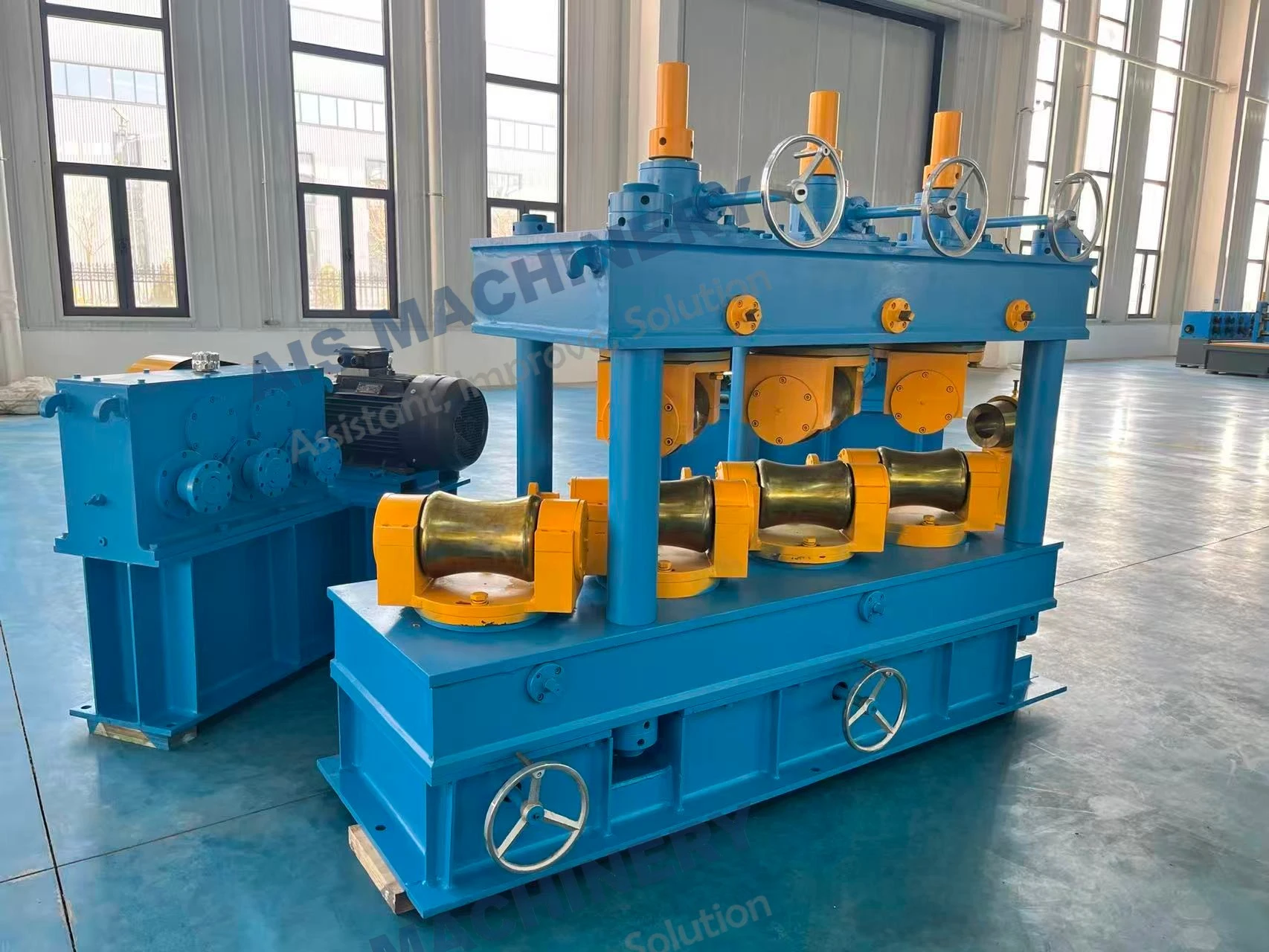
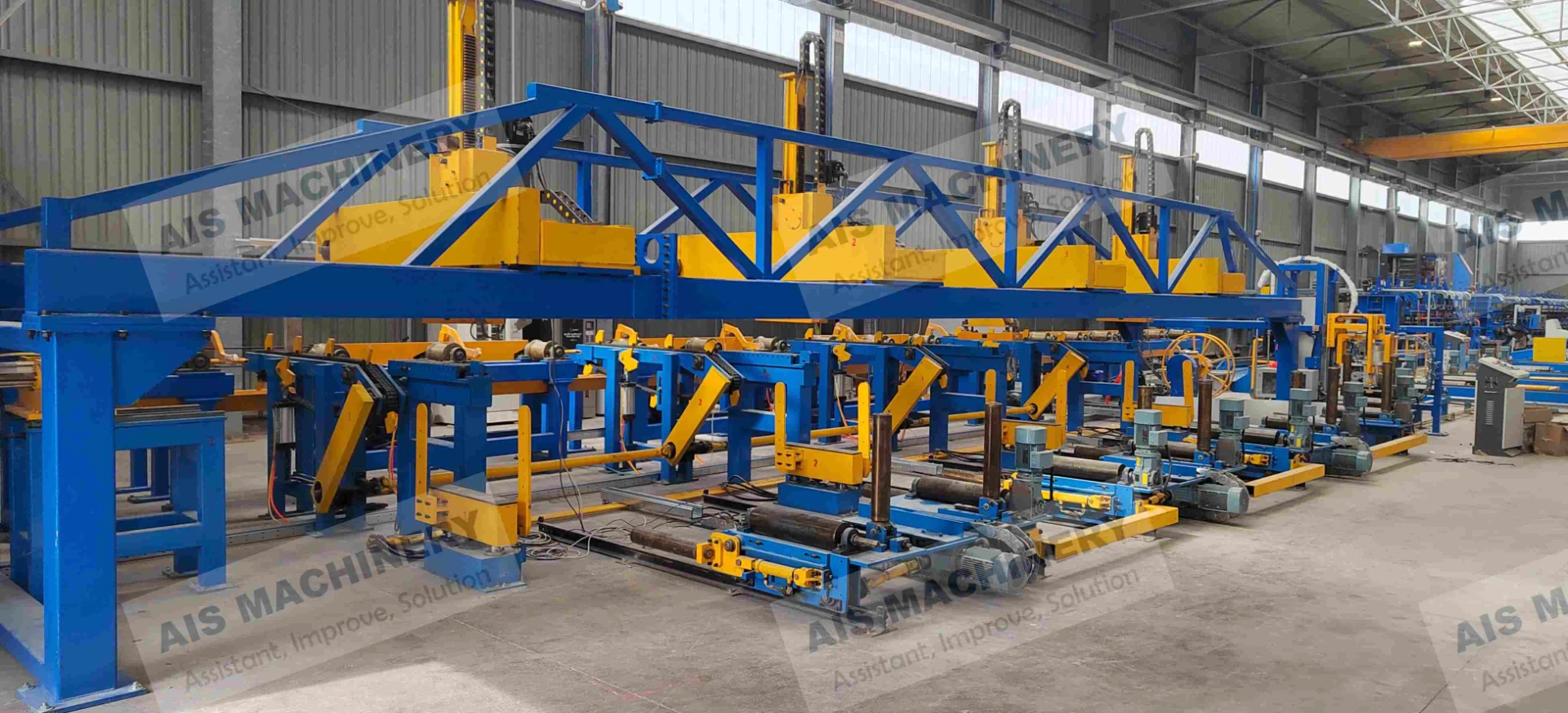
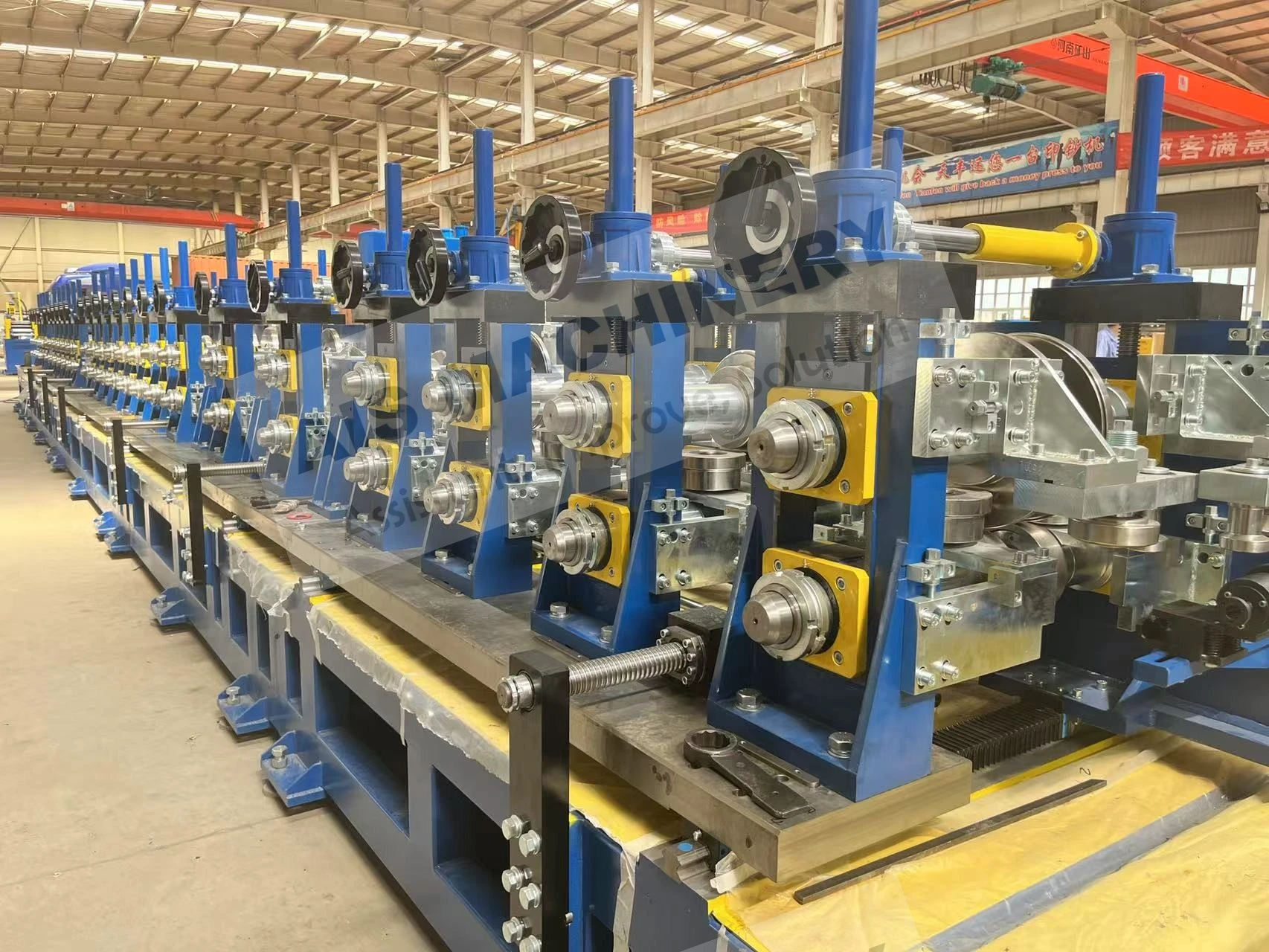
At a glance, a typical carbon steel tube mill consists of:
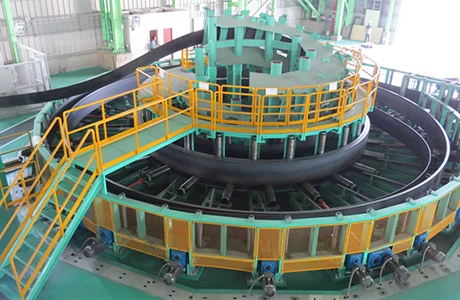
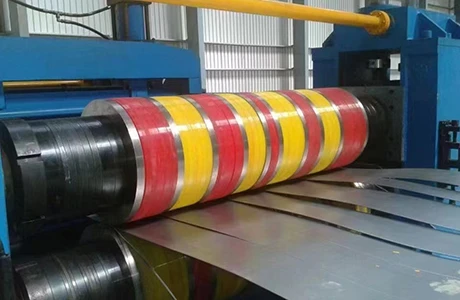
- Decoilers that feed the steel strip smoothly, preventing snags.
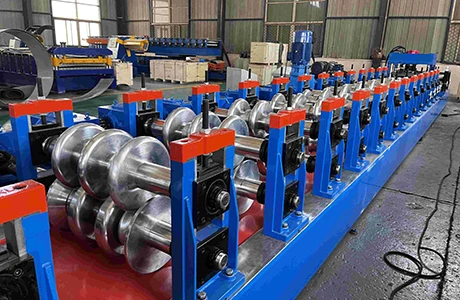
- Roll forming stations that shape the flat steel into a tube.
- Welding units, often high-frequency induction welders, ensuring strong, clean joints.
- Cutter heads that slice the continuous tube to required lengths.
- Cooling and straightening sections for final quality control.
Granted, variations exist depending on the scale and complexity of the operation. Some mills include inline inspection systems monitoring weld seam integrity or dimensional tolerances with lasers. Frankly, investing in these technologies can save loads of headaches down the line.
The materials themselves—carbon steel grades like ASTM A513 or EN 10305—come with different mechanical characteristics. The choice depends on the end-use. For structural tubing, weldability and uniform strength are crucial; for mechanical tubing, sometimes surface finish or precise outer diameter control takes priority. The flexibility of carbon steel tube mills to adapt to these specs sort of defines their industrial value.
| Parameter | Range / Value | Notes |
|---|---|---|
| Line Speed | 30 - 100 m/min | Depends on tube size & mill design |
| Tube Diameter | 10mm - 150mm | Round, square, and rectangular tubes |
| Wall Thickness | 0.5mm - 6.0mm | Varies by product line |
| Material | Carbon Steel Grades | Commonly ASTM A513, EN 10305 |
| Welding Method | High Frequency Induction (HFI) | Clean, strong weld seams |
Comparing Popular Carbon Steel Tube Mill Vendors
I’ve worked with equipment from several vendors over the years. Each has its perks...
| Vendor | Key Strength | Customization Level | Typical Lead Time | Price Range |
|---|---|---|---|---|
| AISTubemill | Robust design, reliable uptime | High (tailored solutions available) | 3-6 months | Mid-range |
| MillTech Industries | Advanced automation features | Medium | 4-7 months | Higher-end |
| SteelForm Corp. | Cost-effective entry-level mills | Low to medium | 2-5 months | Budget |
One thing I’ve learned: no single vendor fits every factory. Mill customization — whether it’s adjusting to unusual tube diameters or integrating with existing production lines — makes all the difference. I suppose this is why the carbon steel tube mill market is pretty dynamic; manufacturers often want flexible, reliable setups that won’t break the bank.
Before wrapping up, you might wonder about testing and quality control. Besides the usual dimensional measurements, weld seam inspection techniques, like ultrasonic or x-ray testing, are increasingly standard. These advance beyond just a visual glance, giving confidence that these tubes will perform under pressure — literally.
Overall, carbon steel tube mills are fascinating, partly because they blend mechanical tradition with modern tech. You get the best of both worlds: timeless reliability and, nowadays, smart automation features that reduce waste and boost efficiency.
So, if you’re in the market or just curious, keep an eye on vendors that focus on service support and customization — because, frankly, that’s what keeps your mill running smoothly through years of hard work.
Personally, every time I see a fresh batch of carbon steel tubes roll off a well-tuned mill, it feels like a quiet little triumph of engineering.
References
- ASTM International. Standard Specification for Electric-Resistance-Welded Carbon Steel Mechanical Tubing. ASTM A513.
- European Committee for Standardization. Steel tubes for precision applications. EN 10305.
- Industry interviews and field visits, 2018–2023.

Related Products

Related News
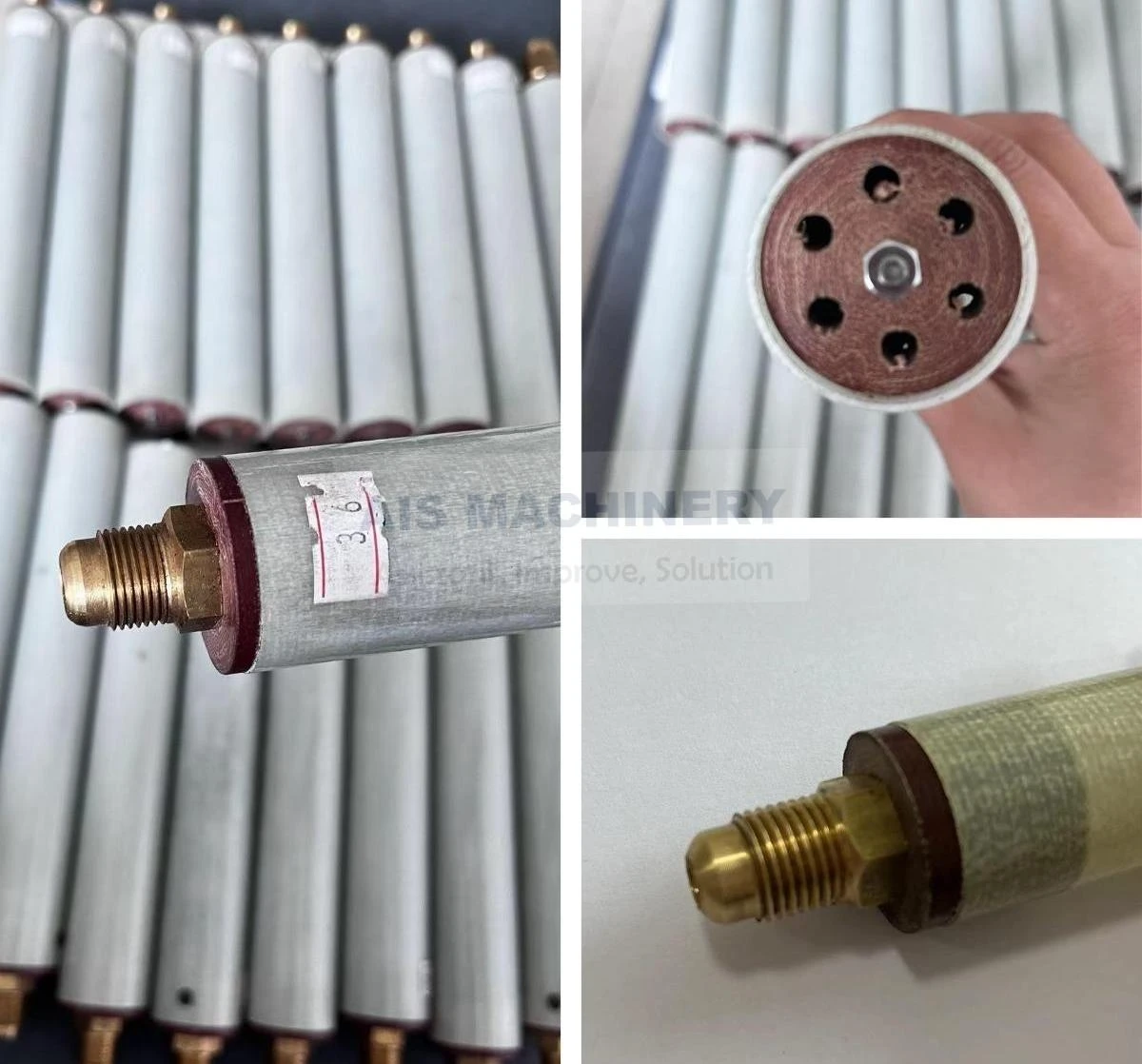
2027-04-24 00:00:00
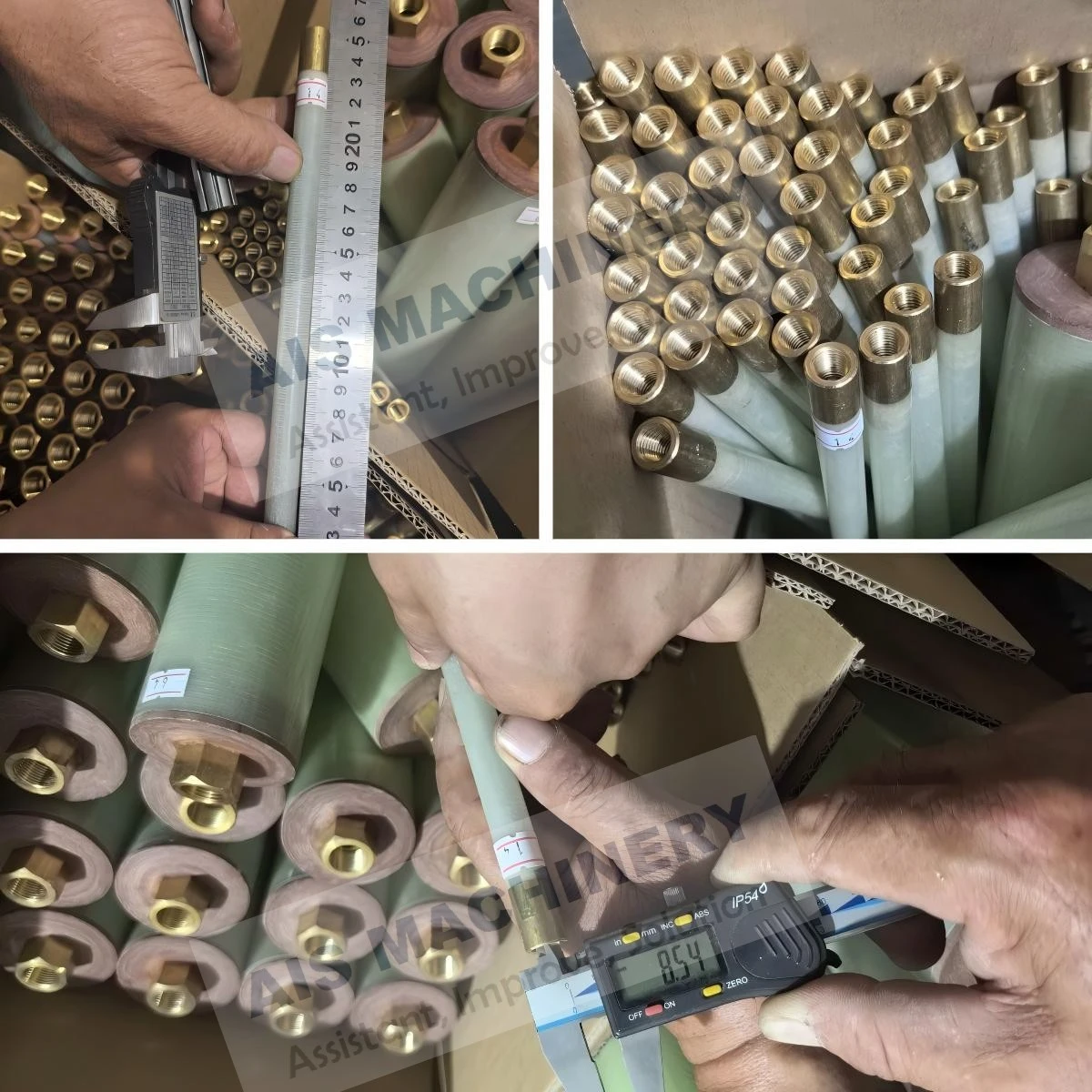
What is an Impeder and Ferrite Rods in ERW Tube Mill?
Struggling with impeder overheating or short service life in your ERW tube mill? This guide explains common impeder problems, the role of ferrite rods, and how to choose the right impeder for stable welding performance. Improve weld quality, reduce energy loss, and extend equipment lifespan with the right selection and proper cooling solutions.
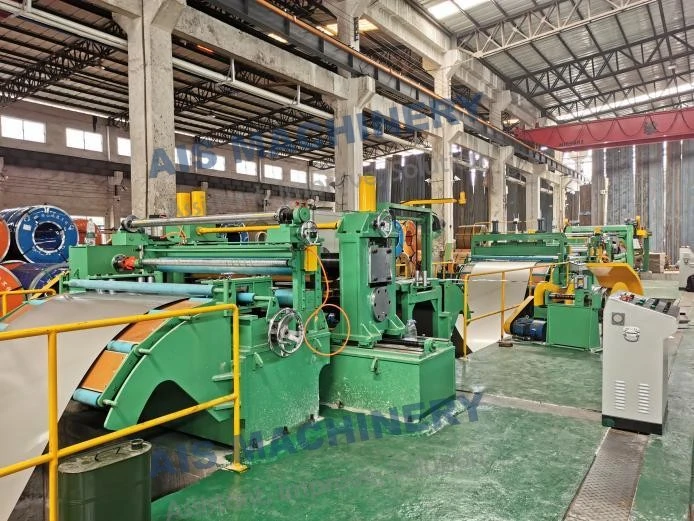
2026-04-21 10:22:25
Slitting & Cut-to-Length Combined Production Line: A Smarter Way to Process Steel Coils
Discover the Slitting & Cut-to-Length Combined Production Line, a flexible solution for steel coil processing. This system integrates slitting line and cut-to-length line functions in one machine, saving space, reducing costs, and improving efficiency. Ideal for processing both steel strips and sheets, it is widely used in service centers and manufacturing industries. Learn its advantages, limitations, and applications.
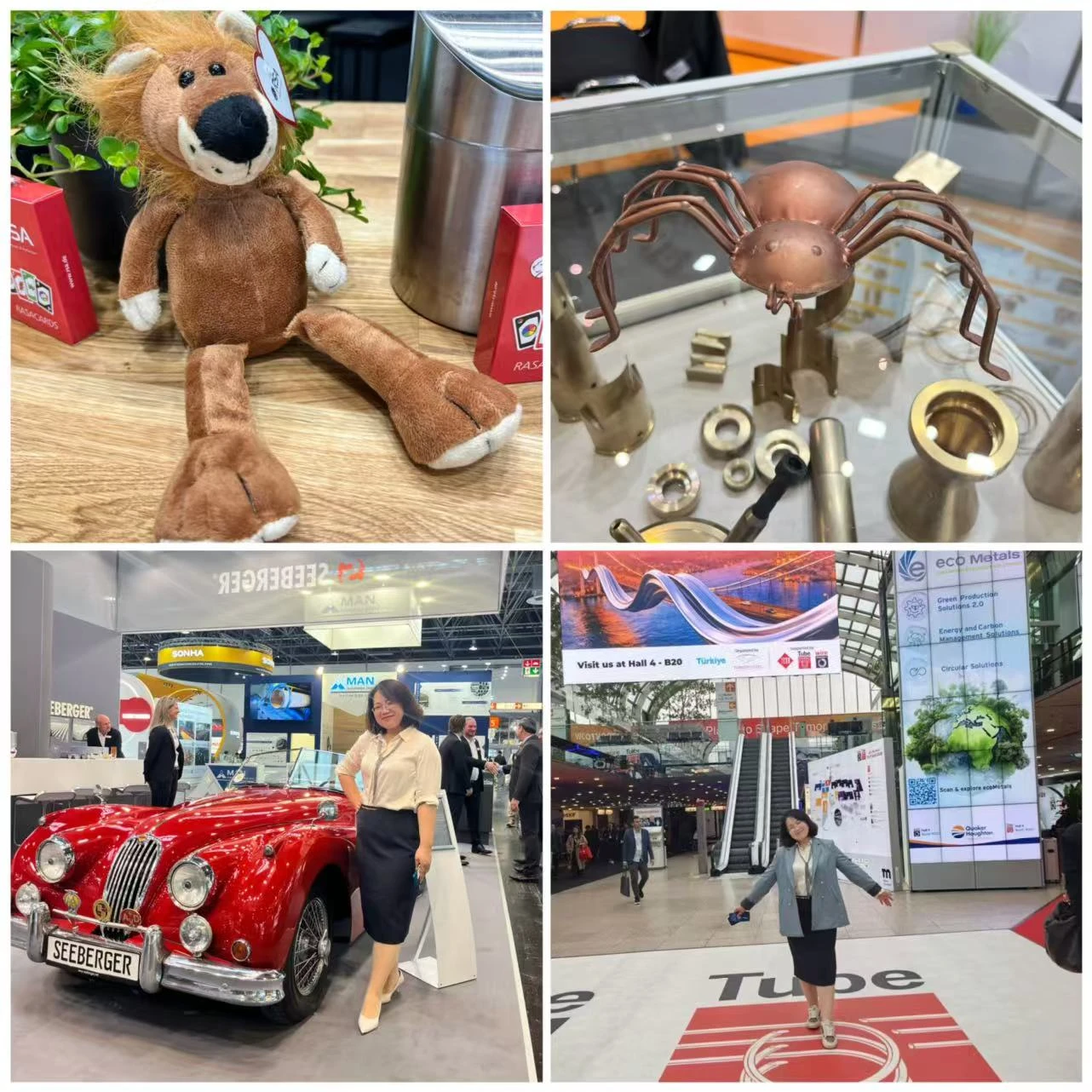
2026-04-18 03:20:20
AIS Machinery Showcases Advanced Tube Solutions at Tube & Wire Düsseldorf 2026
Tube & Wire Düsseldorf 2026, one of the most influential exhibitions in the global tube and wire industry, held biennially in Düsseldorf, Germany
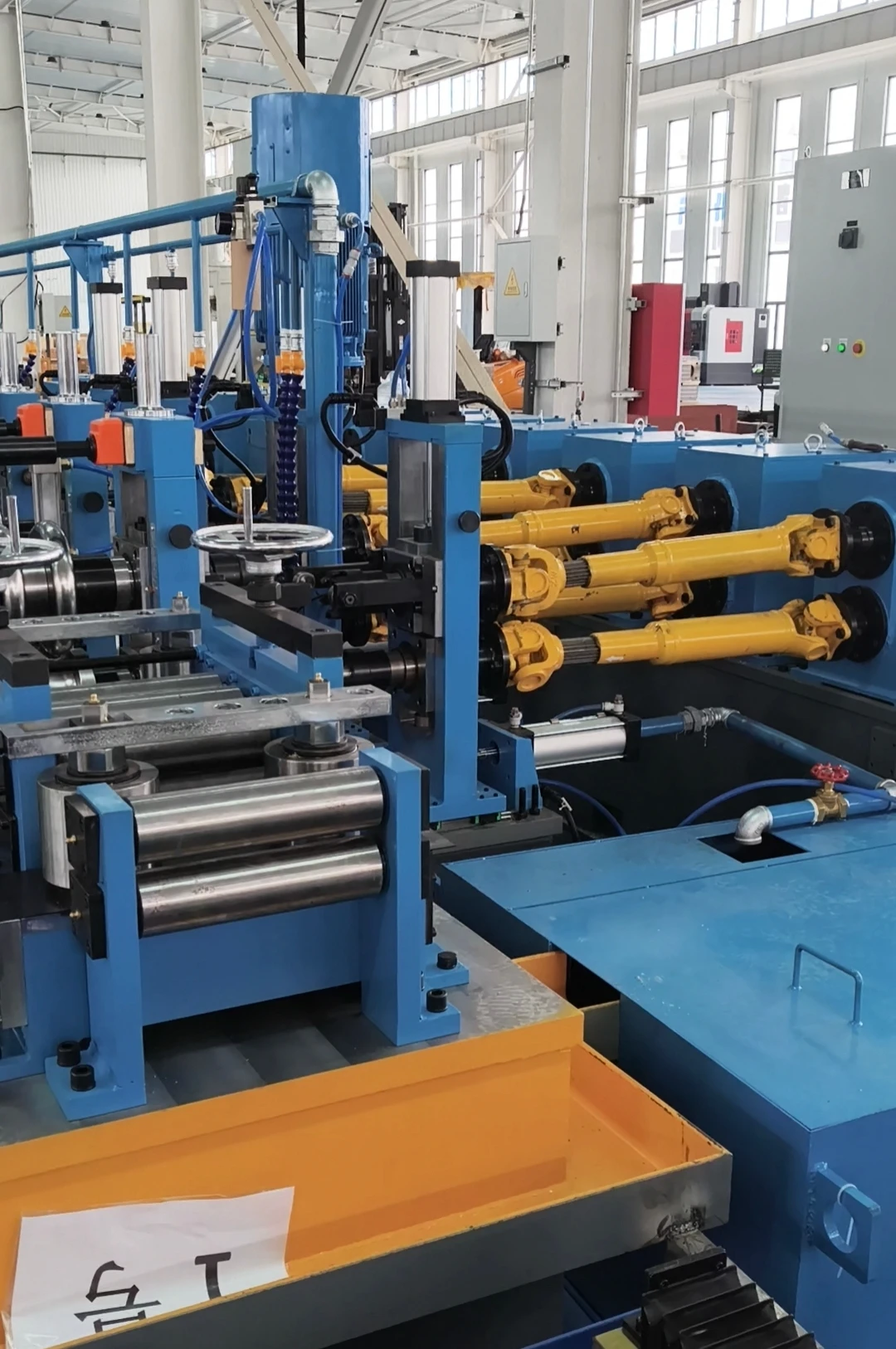
2026-04-17 00:00:00
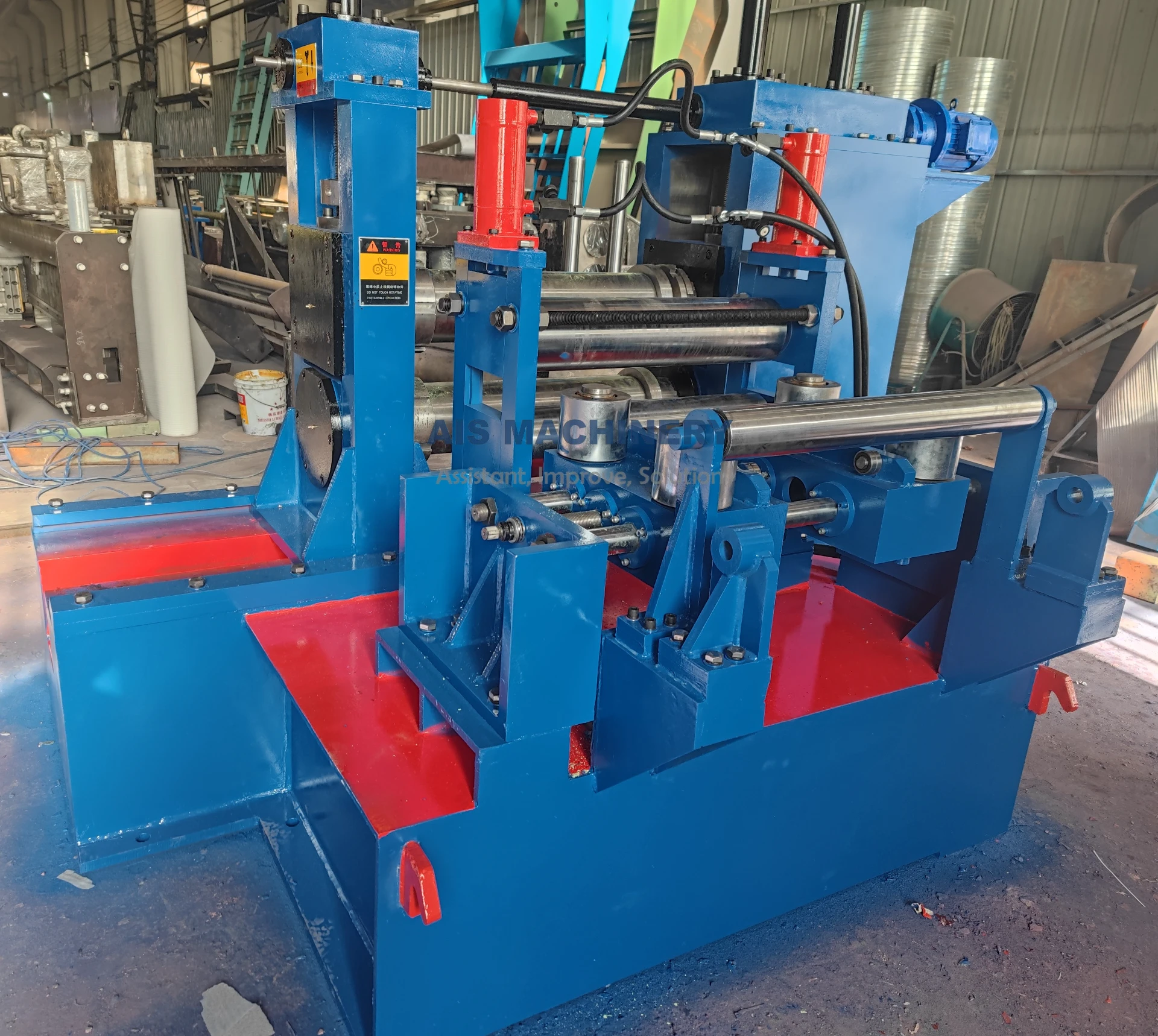
Southeast Asia Client Visits Our Factory | Customized Tube Mill Solution Delivered
A Southeast Asia client visited our ERW tube mill factory to inspect production lines and discuss a customized tube mill solution. Impressed by our machine quality, welding performance, and engineering support, the client confirmed strong cooperation intentions. Discover how our ERW tube mill solutions improve efficiency, precision, and long-term production reliability.
2026-04-15 10:37:55
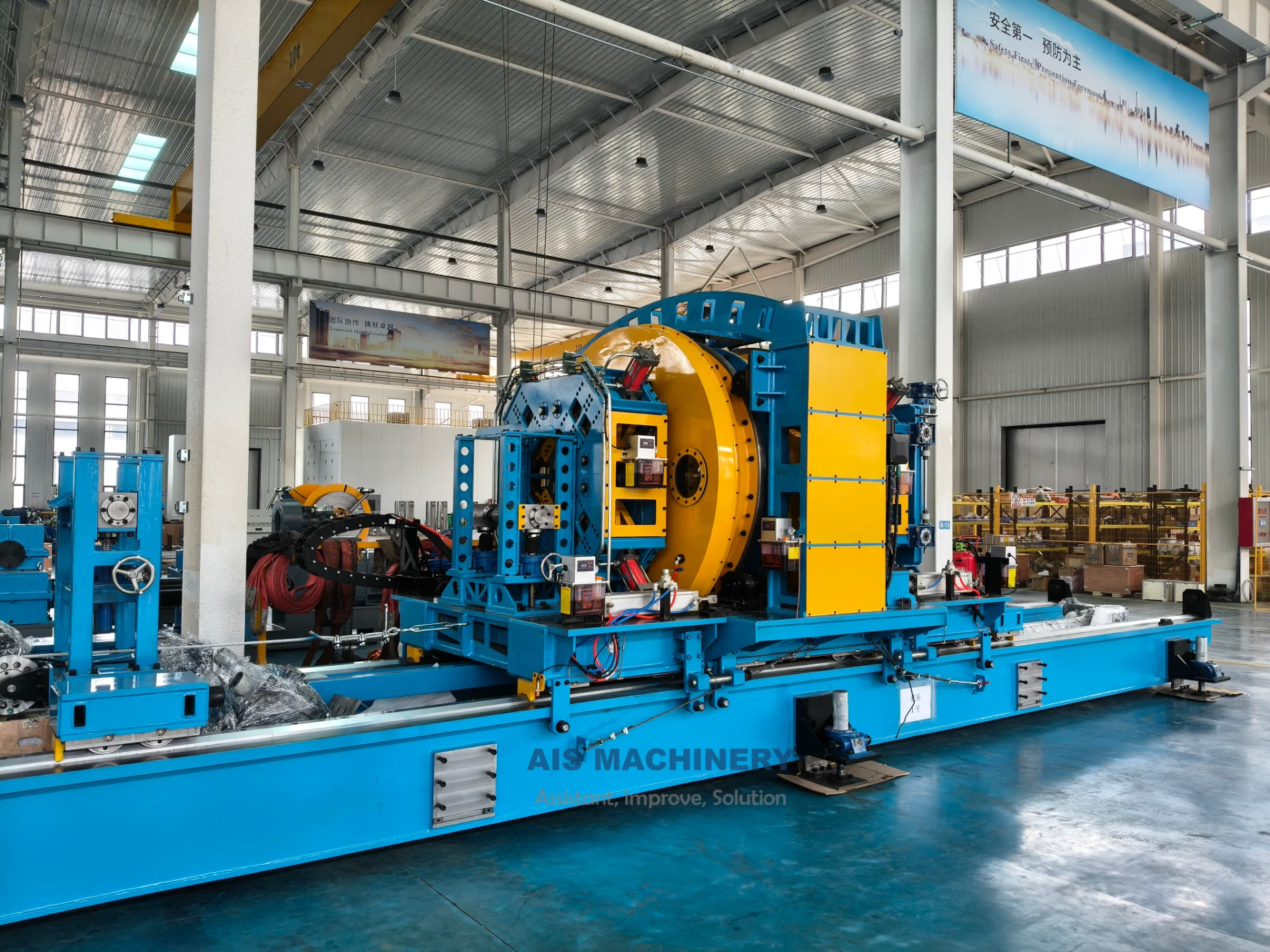
Flat Bar Production Line for Steel Coils: How It Works & Why It Matters
Looking for a flat bar production line? Learn how it turns steel coils into ready-to-use flat bars with precise length and high straightness. Compare it with slitting lines and get the best solution for your steel processing needs.
2026-04-14 00:00:00
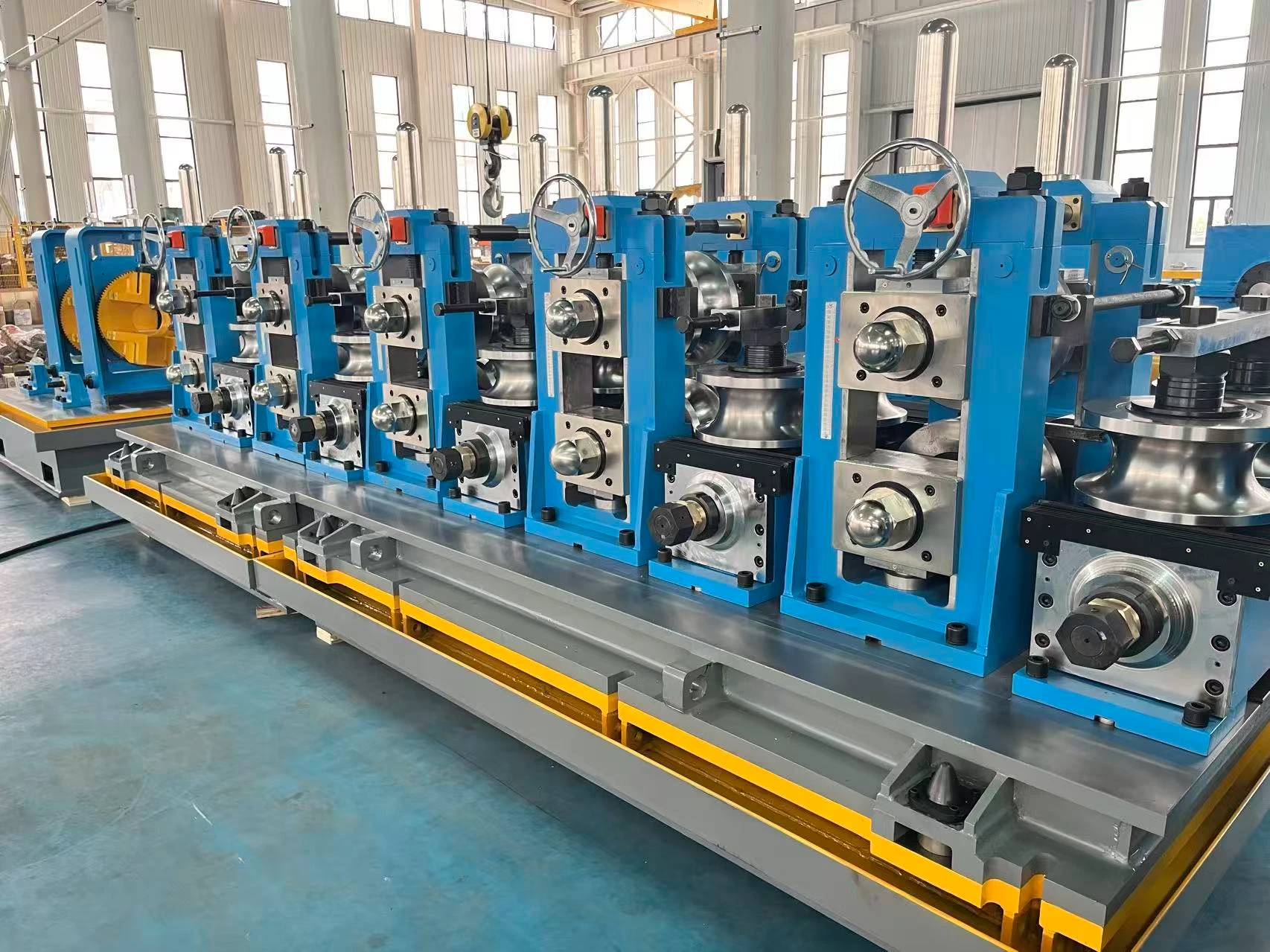
Looking for a Milling Saw for ERW Tube Mill? Here’s What You Need to Know
Looking for a high-performance milling saw for your ERW tube mill? Upgrade to burr-free, high-precision pipe cutting with advanced flying saw technology. Improve efficiency, reduce rework, and meet export standards for carbon steel, stainless steel, and API pipes. Contact us today for expert solutions and competitive pricing tailored to your production needs.
2026-04-09 16:15:19
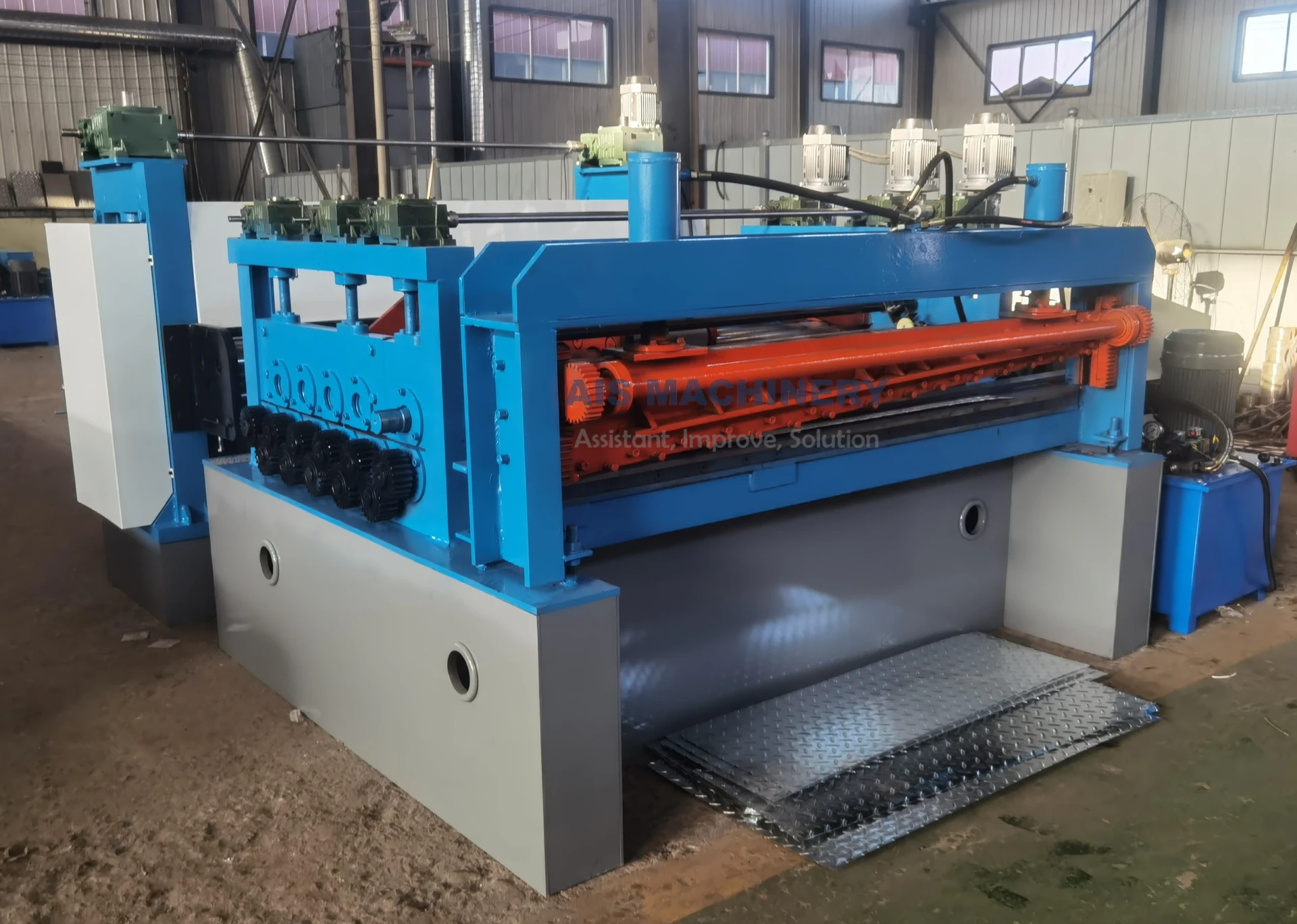
5-Inch (127mm) ERW Tube Making Machine Delivered with Heavy-Duty Design and Advanced Quick Change System
2027-04-07 00:00:00
Metal Embossing Machine: Turn Flat Sheets into High-Value Textured Products
Discover how a metal embossing machine transforms flat steel, stainless steel, and aluminum sheets into high-value textured products. Learn about its working principle, key components, and applications. Ideal for decorative and industrial use, embossing machines improve both appearance and performance. Explore complete embossing line solutions and find the right machine for your production needs.
Send a Message
Dear customer, thank you for your attention! We provide high-quality machinery and equipment and look forward to your orders. Please inform us of your needs and we will respond quickly!
 English
  Albanian
  Arabic
  French
  German
  Indonesian
  Italian
  Japanese
  Kazakh
  Korean
  Latin
Latin  Macedonian
  Portuguese
  Russian
  Spanish
  Thai
Thai  Turkish
  Ukrainian
  Uzbek
Uzbek