
-
 Tel:86-15176910262
-

Search

What Is A Erw Tube Mill | Comprehensive Guide for B2B Decision Makers
Dec . 10, 2025 01:20
What Is A Erw Tube Mill is a key solution in the industry, specifically within steel tube manufacturing and fabrication. This article explores how https://www.aistubemill.com supports professionals with durable, high-performance products, and explains why this product is an ideal choice for businesses in these sectors.
Table of Contents
- What Is A Erw Tube Mill Overview
- Benefits & Use Cases of What Is A Erw Tube Mill
- Cost, Maintenance & User Experience
- Sustainability & Market Trends
What Is A Erw Tube Mill Overview
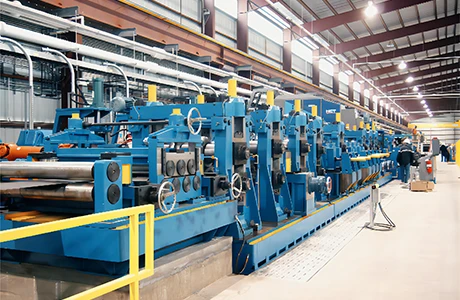
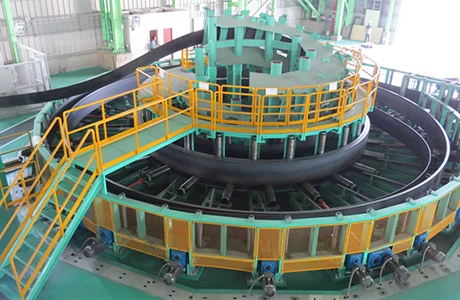
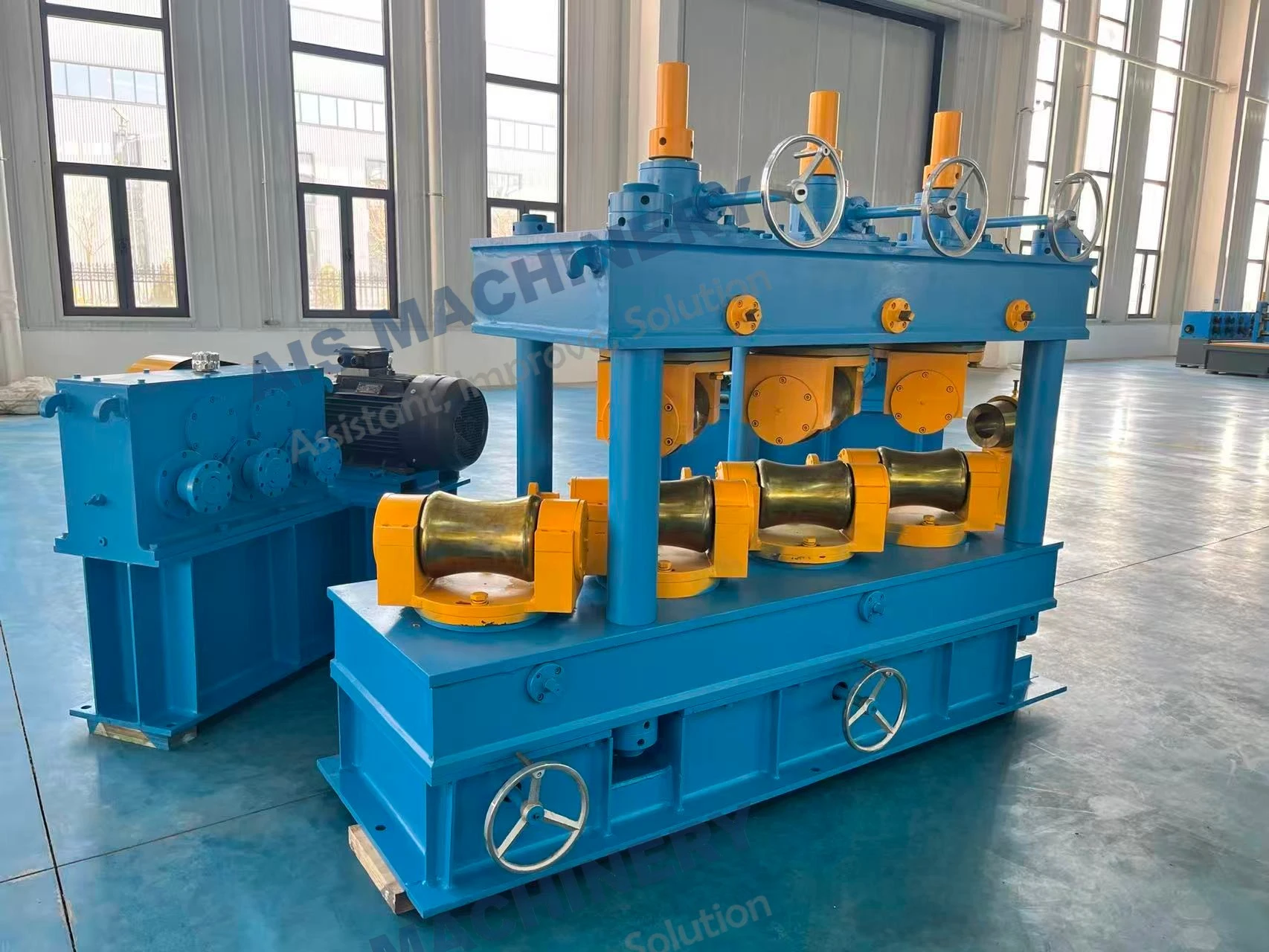
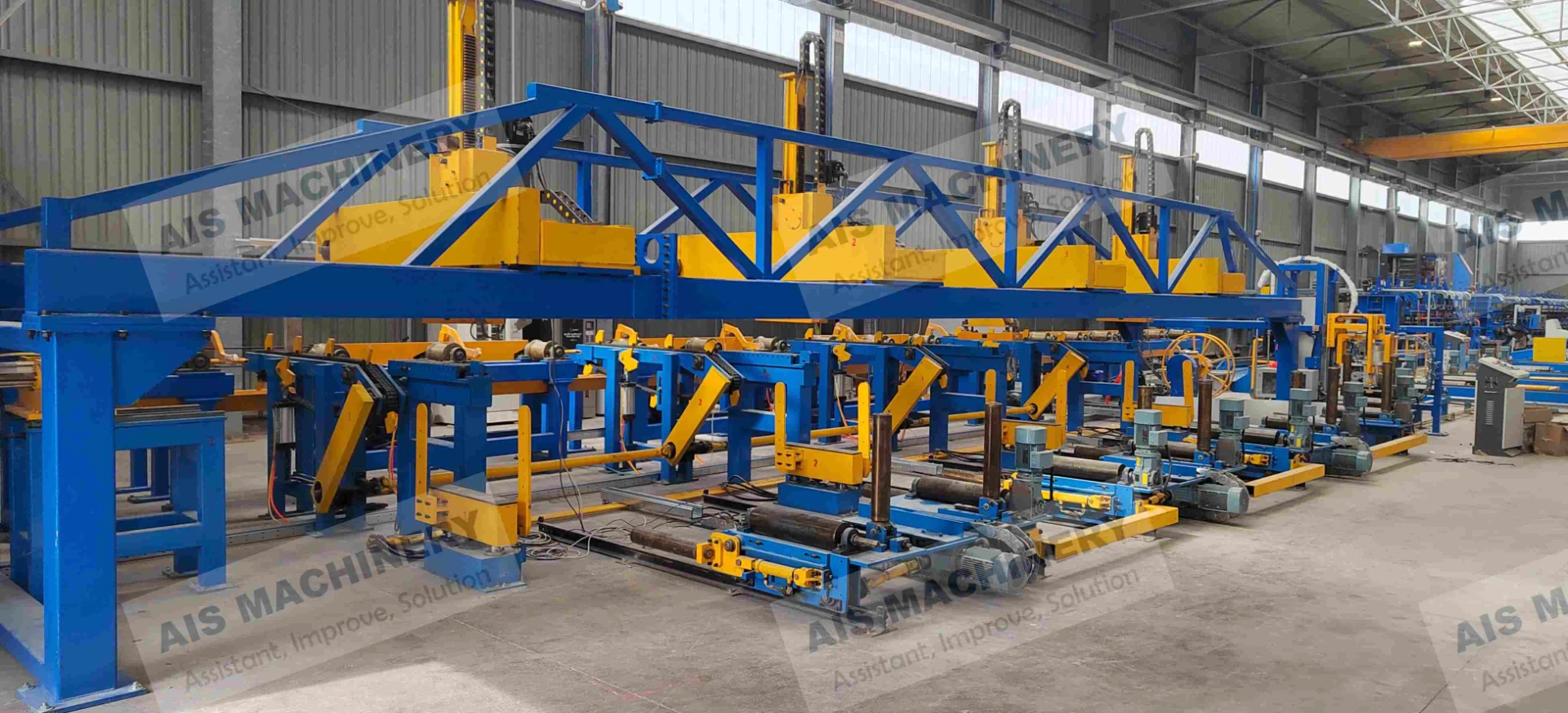
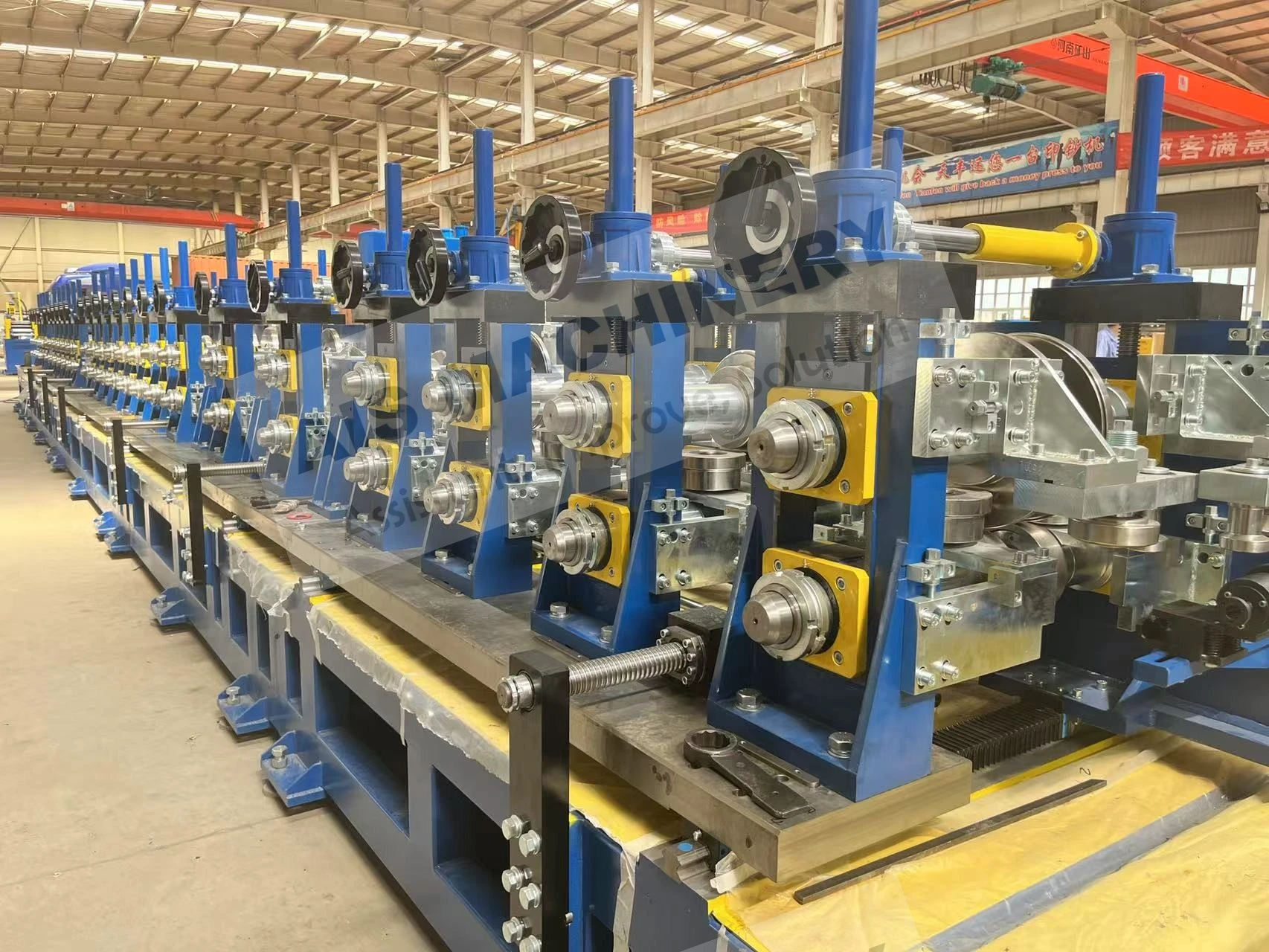
So, what exactly is an ERW tube mill? In simple terms, it’s a specialized machine used to manufacture Electric Resistance Welded (ERW) tubes, which are steel pipes formed by rolling steel coils into tubes and welding the edges with electric resistance. You might think, "Oh, welding steel tubes, that’s straightforward," but the precision and engineering behind these mills are quite something.
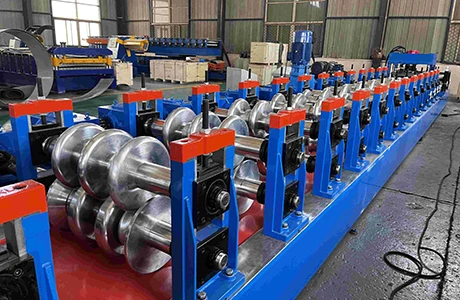
ERW tube mills are crucial for industries that demand accurate, consistent tube quality. These machines typically feature high-speed forming rolls, welding units, and cutting systems synced to produce tubes with tight dimensional tolerances. One of the interesting specs from a leading manufacturer like AIS Tube Mill includes capabilities of producing tubes ranging from 10mm to 250mm outer diameter with wall thickness from 0.5mm upwards — quite versatile! The technology also entails advanced PLC controls and inline inspection systems to catch any weld defects before finishing.
| Parameter | Details |
|---|---|
| Tube Outer Diameter Range | 10mm – 250mm |
| Wall Thickness | 0.5mm – 6mm |
| Line Speed | Up to 120 m/min |
| Welding Process | Electric Resistance Welding (ERW) |
| Control System | PLC with HMI Interface |
Benefits & Use Cases of What Is A Erw Tube Mill
There’s a reason ERW tube mills have become the backbone of steel tubing production in sectors like automotive, furniture, construction, and even oil & gas. Frankly, the benefits align with the manufacturing priorities of speed, precision, and cost efficiency.
To break it down: ERW tubes produced by these mills offer excellent dimensional accuracy and surface finish quality, essential for applications that require tight mechanical tolerances. For instance, automotive chassis and scaffolding pipes need consistent strength and shape — which ERW mills deliver reliably. Also, because ERW avoids melting but welds by applying pressure and electric currents, the tubes maintain a strong, consistent seam, giving a better yield in high-pressure environments.
One competitive advantage of leading mills, like those from AIS Tube Mill, is flexible customization. You can adjust tube size, wall thickness, and even alloy specifications with relative ease. Plus, they often feature automated setup and product changeover systems, lowering downtime. Oddly enough, some users report that the intuitive PLC controls feel more like working with a smart partner than operating a machine!
| Feature | AIS Tube Mill | Competitor A | Competitor B |
|---|---|---|---|
| Production Speed (m/min) | Up to 120 | Up to 100 | Up to 110 |
| Customization Level | High | Medium | Low |
| Control System | Advanced PLC + HMI | Basic PLC | Manual |
| After-sales Support | Worldwide 24/7 | Limited | Regional only |
Cost, Maintenance & User Experience
Now, when deciding on a tube mill investment — let’s be honest — the price tag is a big deal. Initial capital costs for an ERW tube mill do tend to be higher than simpler forming equipment, but here’s where total cost of ownership comes into play. These machines, especially those from established vendors like AiS Tube Mill, are designed for durable, heavy-duty use — potentially running years with minimal downtime.
Maintenance schedules aren’t light, but they’re predictable, and modern designs allow for modular parts replacement, reducing repair times. Users often say that the balance between upfront investment and operational efficiency creates a solid ROI. A notable client in the furniture sector shared that after installing an ERW mill from AiS, their production speed essentially doubled, with quality rejects dropping by nearly 30%. That kind of data really sticks with you when evaluating options.
Sustainability & Market Trends
Sustainability isn’t some buzzword in the tube mill world — it’s becoming a core priority. ERW tube mills, notably those engineered lately, are focusing on energy efficiency, waste reduction, and cleaner welding technologies. The electric resistance welding process itself eliminates the need for filler materials and reduces emissions compared to traditional welding techniques — that’s not just theory but backed by growing industry data.
Regulatory pressure globally pushes manufacturers toward greener production lines, and AiS Tube Mill’s solutions often meet or exceed standards, helping businesses stay compliant without sacrificing performance. Moreover, market trends suggest rising demand for lightweight and high-strength tubes in automotive and infrastructure, which ERW mills are primed to deliver efficiently. Oddly enough, the integration of smart factory elements (think sensors and data analytics) in tube mills hints at an exciting future with predictive maintenance and optimized throughput...
Frequently Asked Questions about What Is A Erw Tube Mill
- What is What Is A Erw Tube Mill and how does it work?
- An ERW tube mill is a machine designed to form steel tubes by rolling steel coils into a cylindrical shape and welding the edges using electric resistance. The process bonds the edges without melting the material completely, ensuring a strong and precise weld seam suited for tubes used across industries.
- What are the main benefits of using What Is A Erw Tube Mill in industrial applications?
- The benefits include high production speed, consistent tube quality, dimensional accuracy, cost efficiency, and flexibility in tube dimensions and materials. Additionally, ERW tubes have a sound weld seam with good mechanical properties, ideal for structural and pressure applications.
- How does What Is A Erw Tube Mill compare to traditional alternatives?
- Compared to traditional seamless or spiral welded tubes, ERW tubes offer a more economical manufacturing method while maintaining comparable strength and precision. The technology advances in ERW mills have also enhanced operational efficiency and product consistency over older methods.
- What industries can benefit most from What Is A Erw Tube Mill implementation?
- Key industries include automotive, furniture manufacturing, construction (think scaffolding and fencing), oil and gas pipelines, and mechanical engineering. Each of these sectors values the dependable quality and precise dimensions that ERW tubes deliver for their critical applications.
Conclusion on What Is A Erw Tube Mill from china
To wrap it up, What Is A Erw Tube Mill offers a compelling balance of precision engineering, flexibility, and robust production capabilities that can elevate your manufacturing processes. Its upfront costs may be notable, but the lifetime value, especially with trusted suppliers like AiS Tube Mill, makes it a smart investment for serious B2B decision makers aiming for excellence. If you want to explore more or request a quote, visit our website: https://www.aistubemill.com.
Sometimes, the simplest welding process can make the most significant difference in your product line’s success — just depends on how well the machine behind it performs.
- AIS Tube Mill Official Website
- Industry Journal: Advances in ERW Tube Production, 2023
- Manufacturing Today: Sustainability Trends in Steel Tubing, 2024

Related Products

Related News
2027-04-24 00:00:00
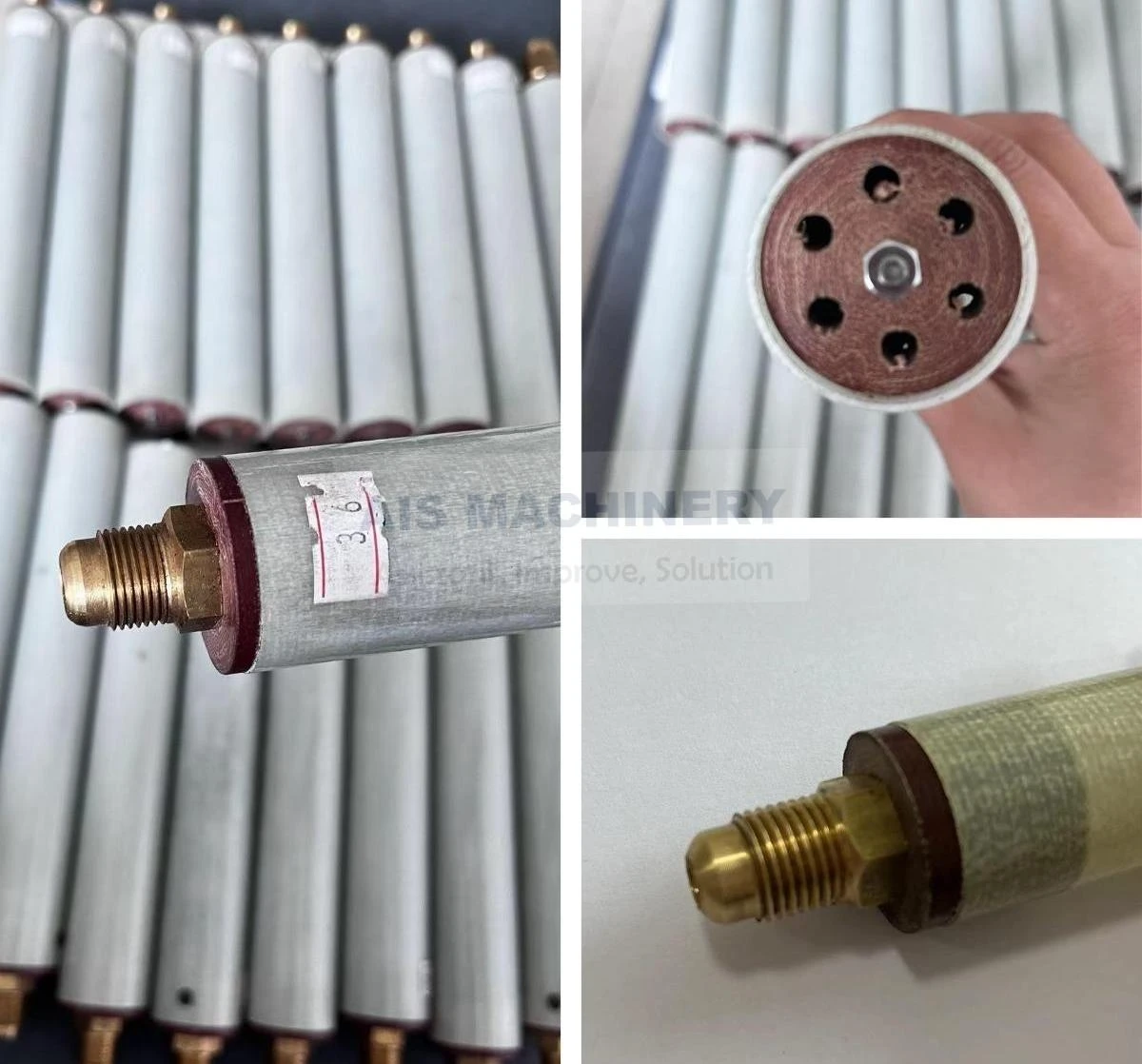
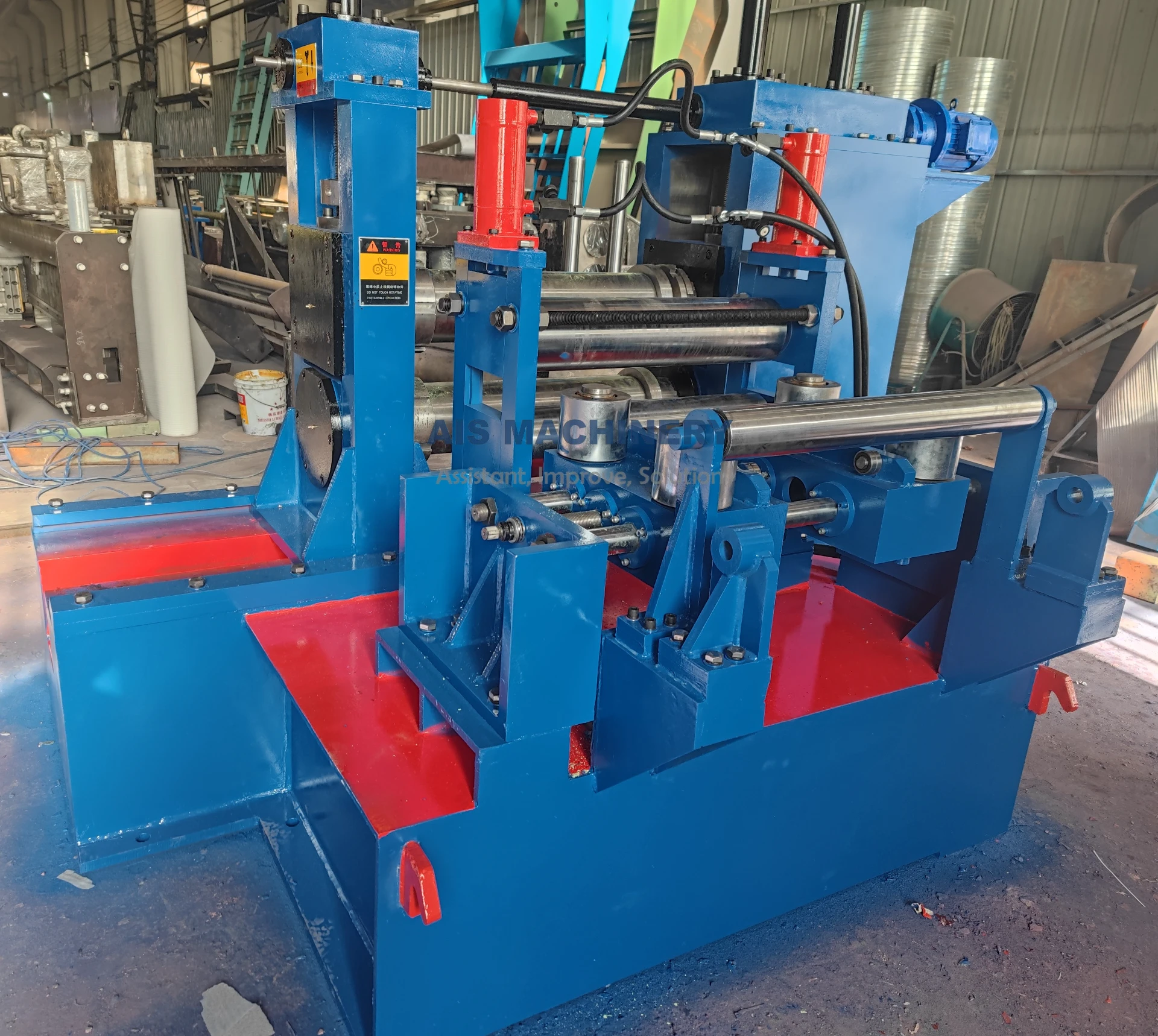
What is an Impeder and Ferrite Rods in ERW Tube Mill?
Struggling with impeder overheating or short service life in your ERW tube mill? This guide explains common impeder problems, the role of ferrite rods, and how to choose the right impeder for stable welding performance. Improve weld quality, reduce energy loss, and extend equipment lifespan with the right selection and proper cooling solutions.
2026-04-21 10:22:25
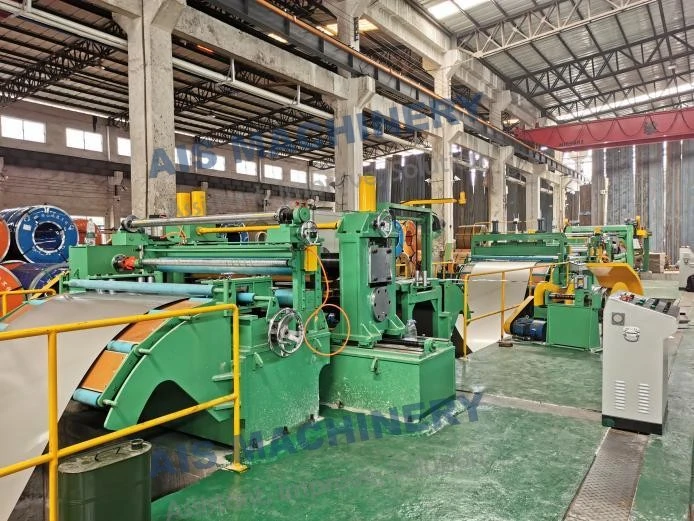
Slitting & Cut-to-Length Combined Production Line: A Smarter Way to Process Steel Coils
Discover the Slitting & Cut-to-Length Combined Production Line, a flexible solution for steel coil processing. This system integrates slitting line and cut-to-length line functions in one machine, saving space, reducing costs, and improving efficiency. Ideal for processing both steel strips and sheets, it is widely used in service centers and manufacturing industries. Learn its advantages, limitations, and applications.
2026-04-18 03:20:20
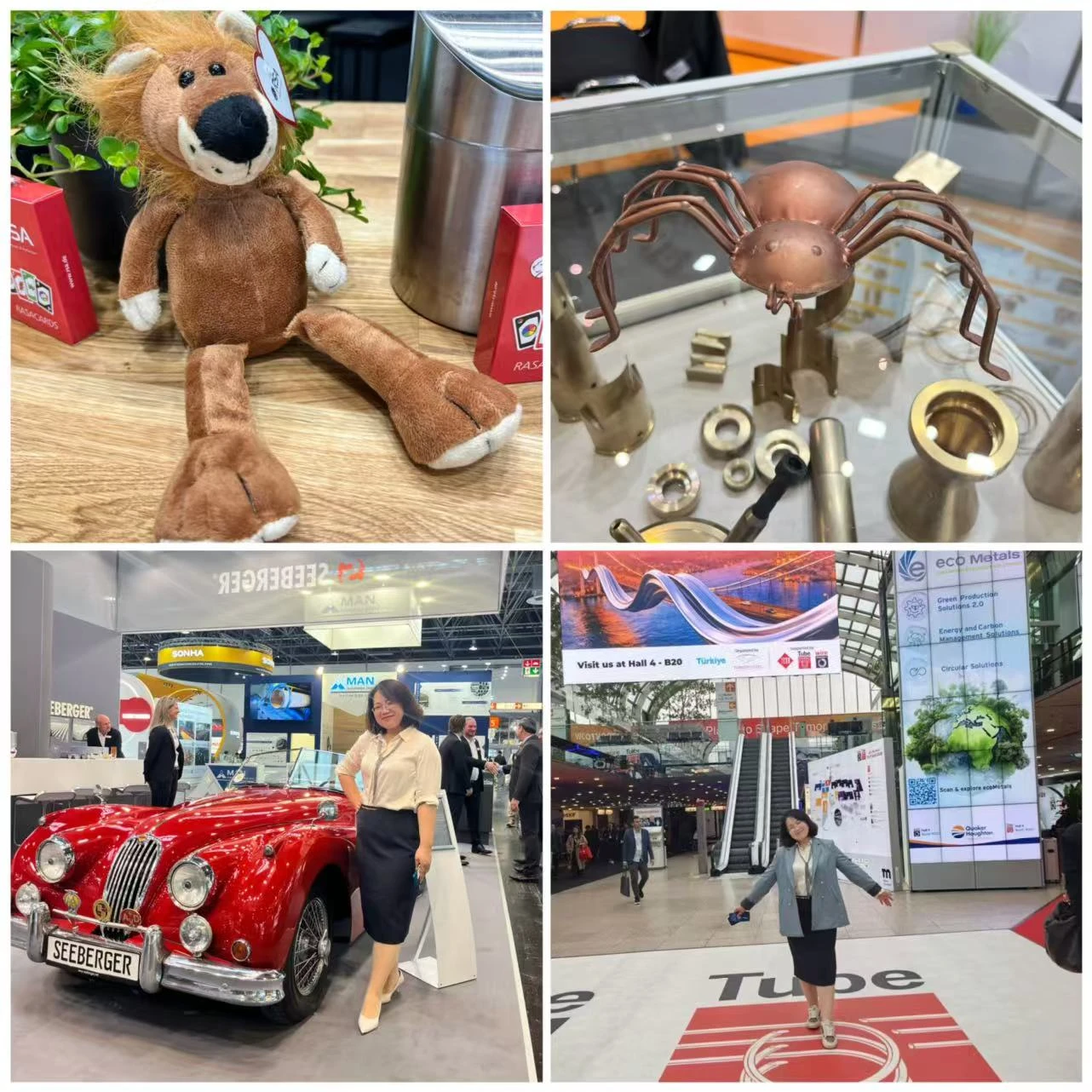
AIS Machinery Showcases Advanced Tube Solutions at Tube & Wire Düsseldorf 2026
Tube & Wire Düsseldorf 2026, one of the most influential exhibitions in the global tube and wire industry, held biennially in Düsseldorf, Germany
2026-04-17 00:00:00
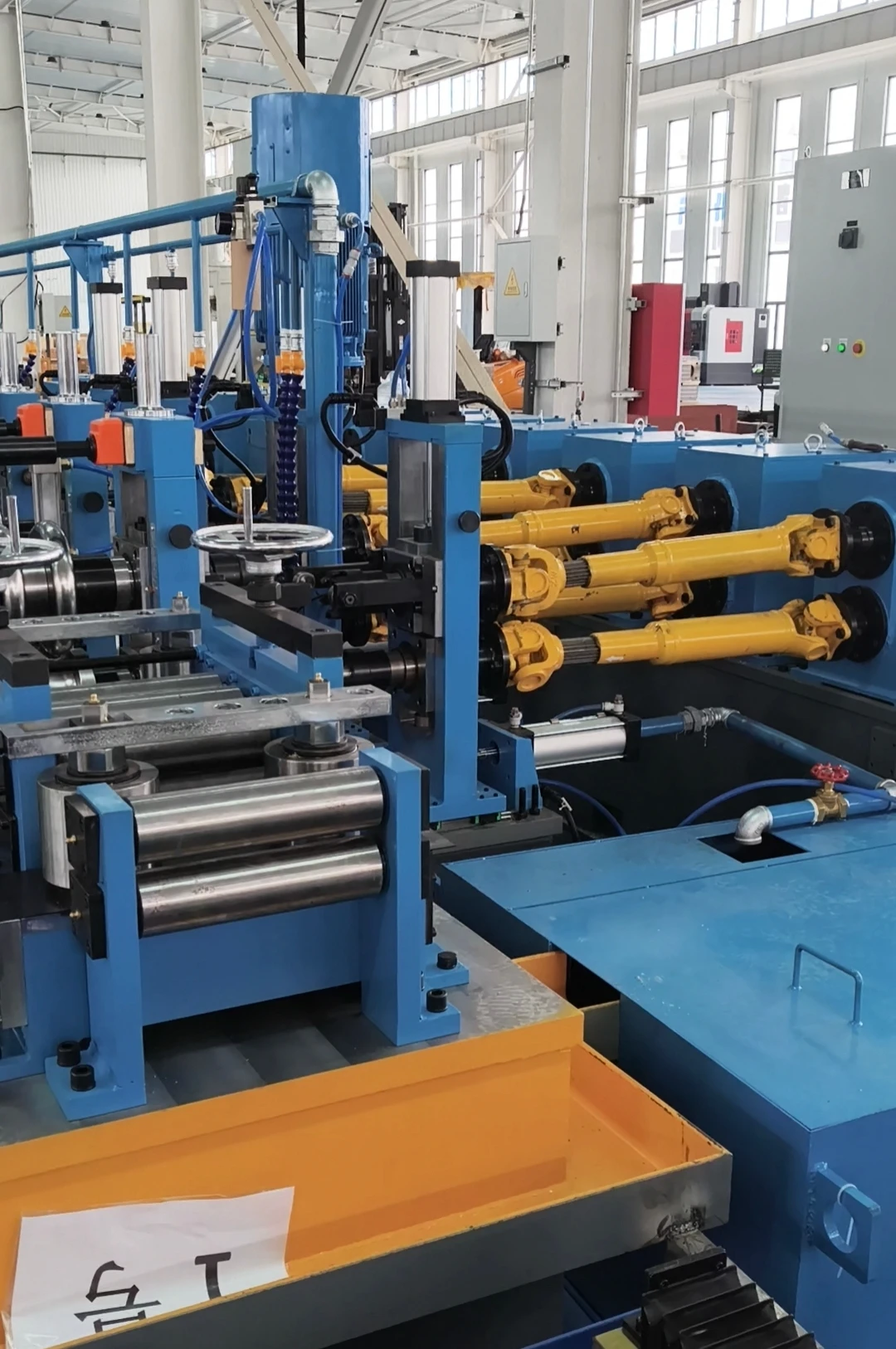
Southeast Asia Client Visits Our Factory | Customized Tube Mill Solution Delivered
A Southeast Asia client visited our ERW tube mill factory to inspect production lines and discuss a customized tube mill solution. Impressed by our machine quality, welding performance, and engineering support, the client confirmed strong cooperation intentions. Discover how our ERW tube mill solutions improve efficiency, precision, and long-term production reliability.
2026-04-15 10:37:55
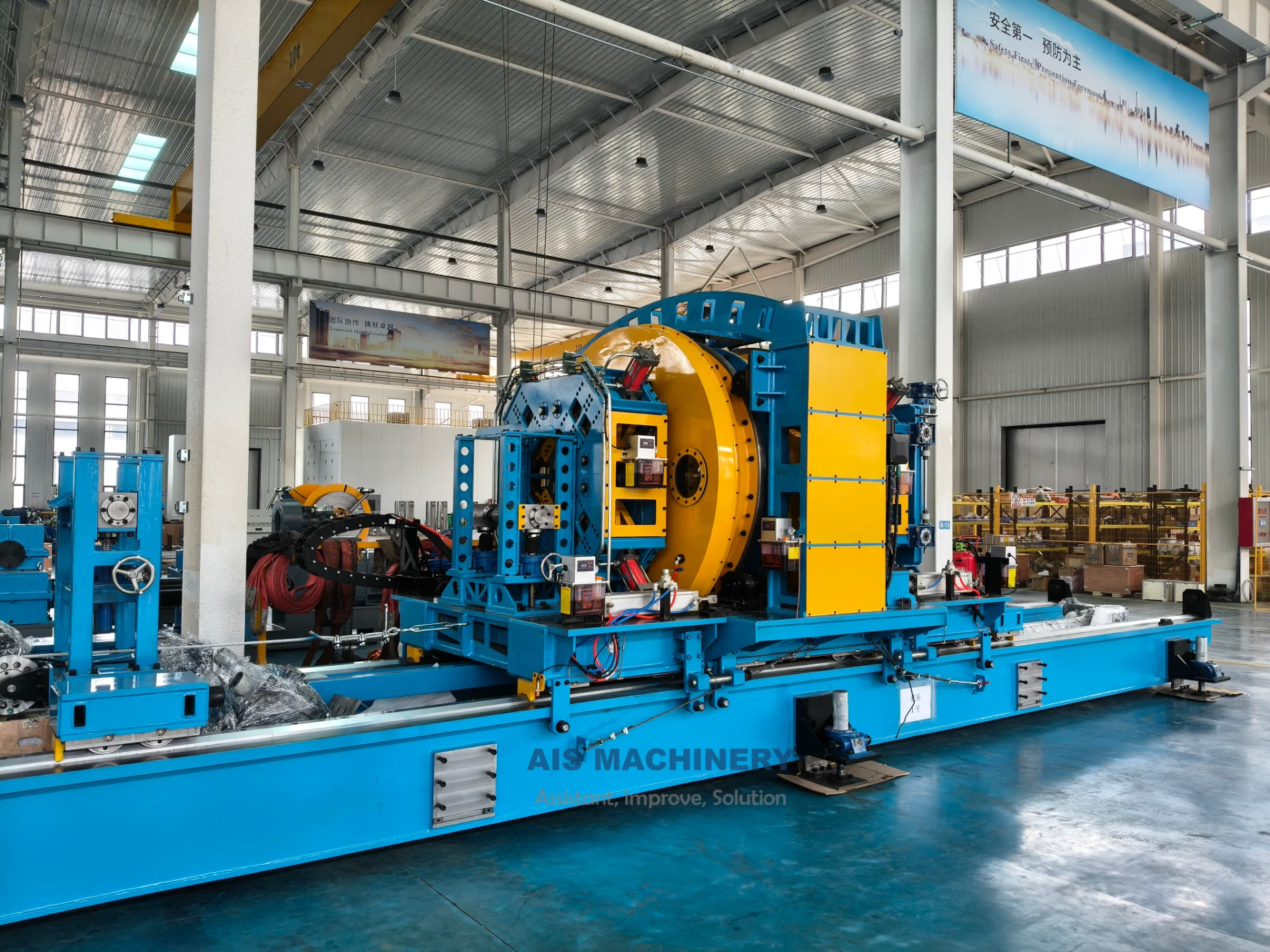
Flat Bar Production Line for Steel Coils: How It Works & Why It Matters
Looking for a flat bar production line? Learn how it turns steel coils into ready-to-use flat bars with precise length and high straightness. Compare it with slitting lines and get the best solution for your steel processing needs.
2026-04-14 00:00:00
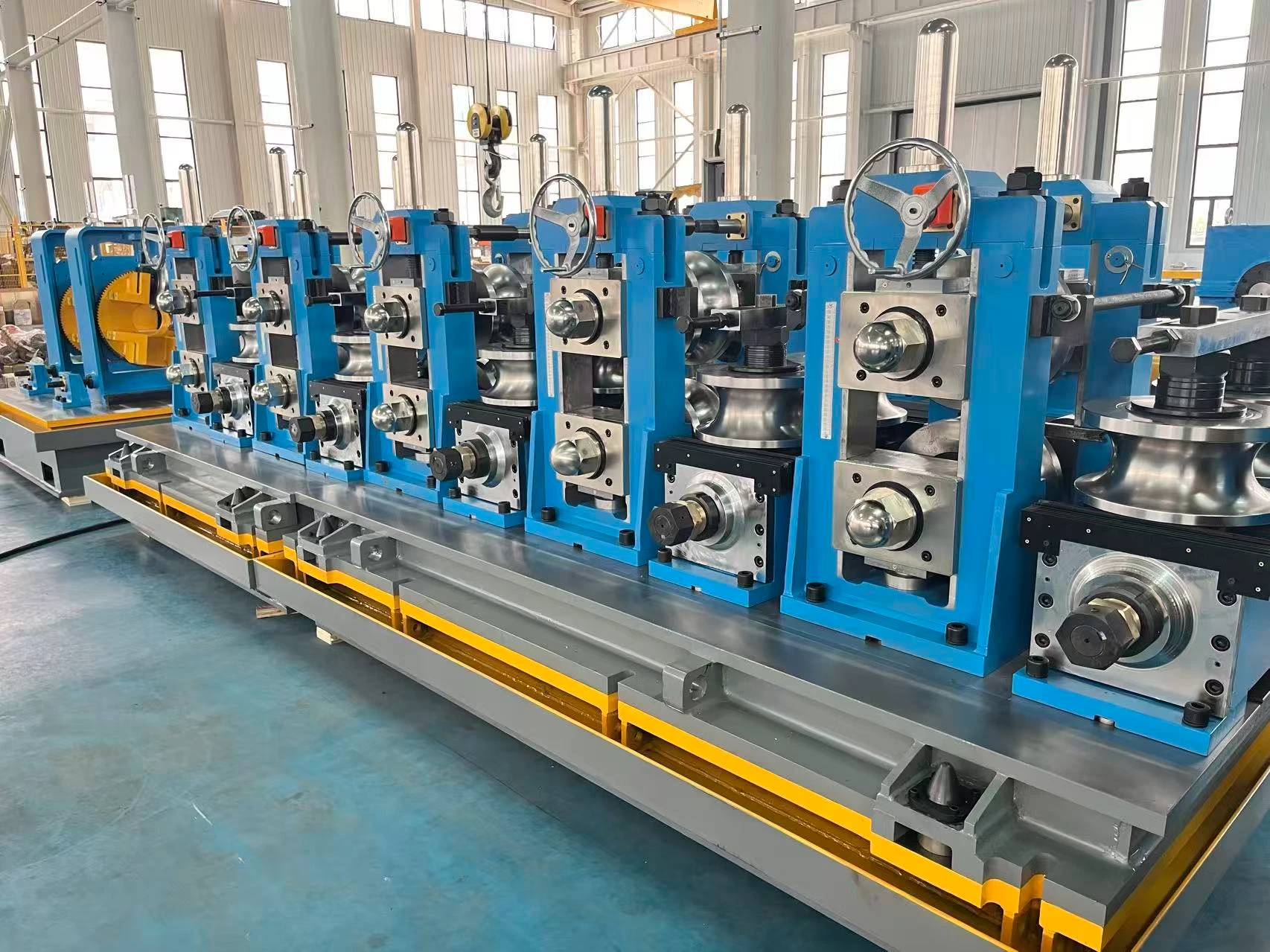
Looking for a Milling Saw for ERW Tube Mill? Here’s What You Need to Know
Looking for a high-performance milling saw for your ERW tube mill? Upgrade to burr-free, high-precision pipe cutting with advanced flying saw technology. Improve efficiency, reduce rework, and meet export standards for carbon steel, stainless steel, and API pipes. Contact us today for expert solutions and competitive pricing tailored to your production needs.
2026-04-09 16:15:19
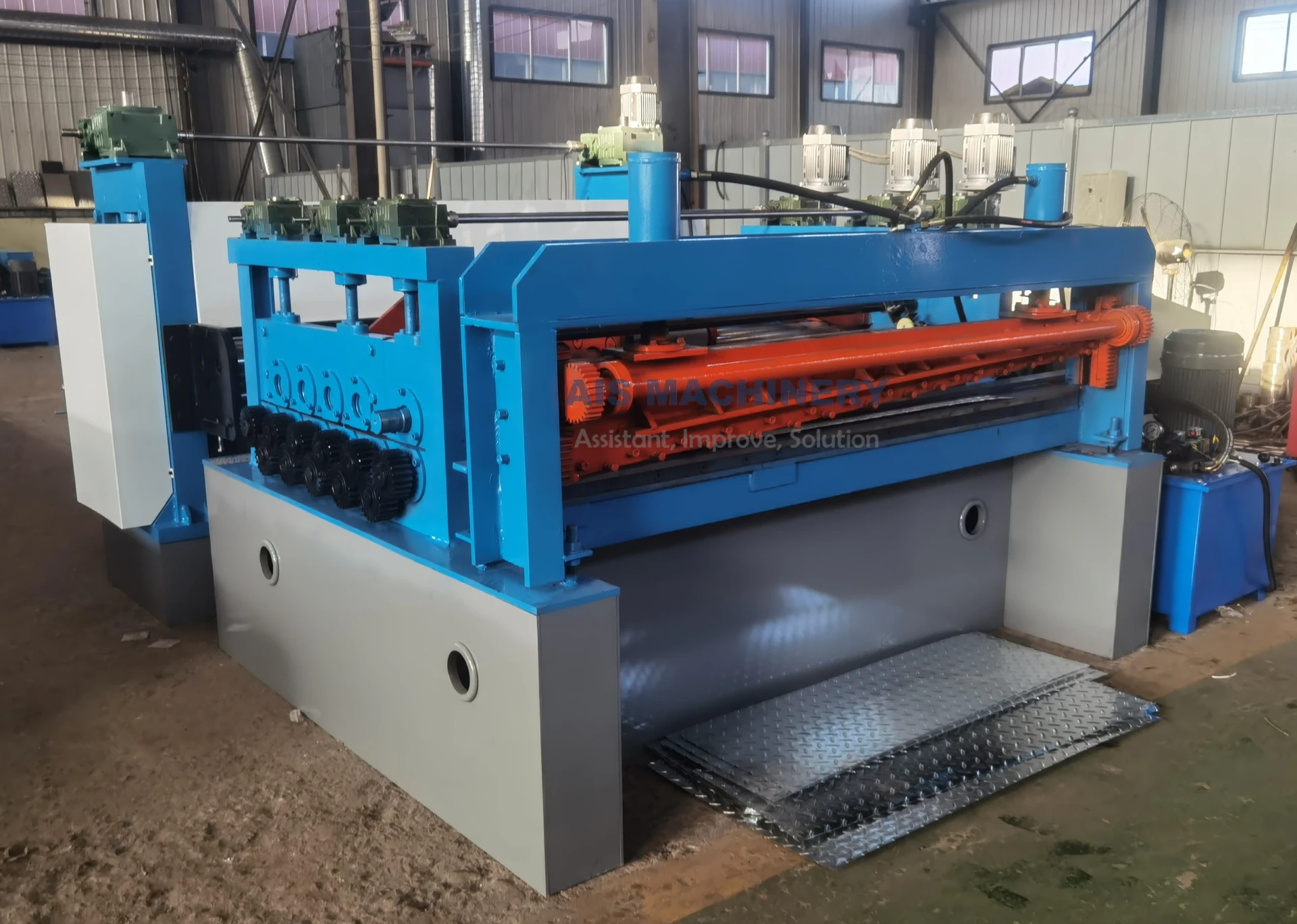
5-Inch (127mm) ERW Tube Making Machine Delivered with Heavy-Duty Design and Advanced Quick Change System
2027-04-07 00:00:00
Metal Embossing Machine: Turn Flat Sheets into High-Value Textured Products
Discover how a metal embossing machine transforms flat steel, stainless steel, and aluminum sheets into high-value textured products. Learn about its working principle, key components, and applications. Ideal for decorative and industrial use, embossing machines improve both appearance and performance. Explore complete embossing line solutions and find the right machine for your production needs.
Send a Message
Dear customer, thank you for your attention! We provide high-quality machinery and equipment and look forward to your orders. Please inform us of your needs and we will respond quickly!
 English
  Albanian
  Arabic
  French
  German
  Indonesian
  Italian
  Japanese
  Kazakh
  Korean
  Latin
Latin  Macedonian
  Portuguese
  Russian
  Spanish
  Thai
Thai  Turkish
  Ukrainian
  Uzbek
Uzbek