
-
 Tel:86-15176910262
-

Search

Coil Slitting Equipment: Global Insights, Benefits & Future Trends
Nov . 18, 2025 15:00
Understanding Coil Slitting Equipment: Why It Matters in Today’s Industry
If you’ve ever wondered how those giant rolls of metal in factories transform into the precise, narrow strips needed across industries, coil slitting equipment is the quiet hero behind the scenes. It’s not flashy, but it’s vital – enabling sectors from automotive to packaging worldwide to function efficiently. The efficiency, precision, and adaptability of coil slitting machines significantly impact production costs, resource use, and even environmental footprint. So, understanding coil slitting equipment isn’t just for engineers—it’s key for anyone curious about industrial progress and global manufacturing trends.
Frankly, without it, making thin sheets that fit exact specifications would be a slow, wasteful slog. Dive in, and you’ll also see how these machines subtly support humanitarian and sustainability efforts, marrying innovation with practicality.
Global Context: Coil Slitting Equipment’s Role in Modern Manufacturing
Globally, the manufacturing sector accounted for about 17% of GDP, according to the World Bank’s latest data—a colossal chunk of the economy fueled by raw material processing. Coil slitting equipment is essential in this chain, slicing massive rolls of steel, aluminum, or other metals into the precise widths demanded by industries like construction, electronics, and automotive manufacturing.
ISO standards (like ISO 9001 for quality management) ensure these machines deliver consistent quality, which matters when margins are tight and downtime unforgivable. Moreover, as urbanization surges and infrastructure projects ramp up worldwide, the demand for metal processed this way grows steadily—especially in emerging markets across Asia and Africa.
That said, challenges persist: inefficiencies, high energy consumption, and the need for equipment suited to both small custom orders and mass production create ongoing headaches. Here’s where modern coil slitting technologies step in.
What Exactly Is Coil Slitting Equipment?
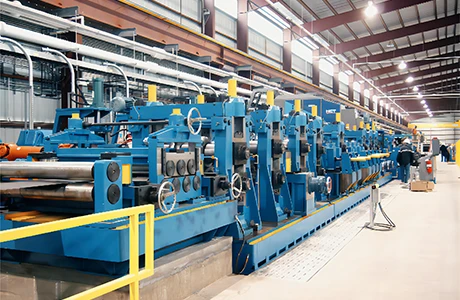
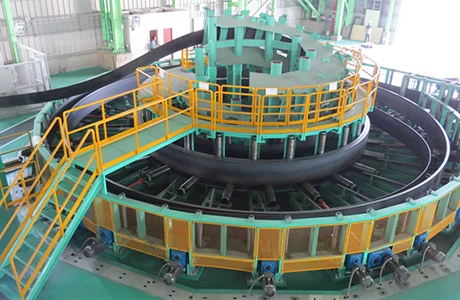
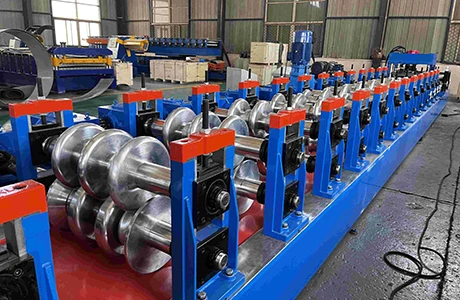
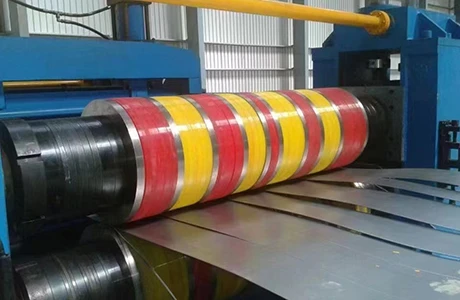
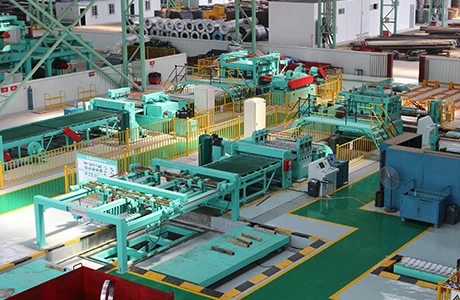
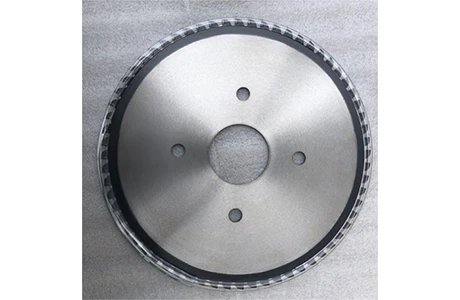
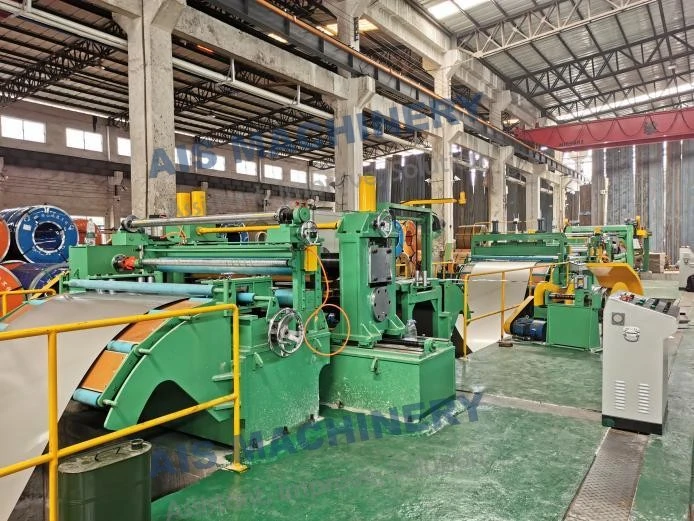
In plain terms, coil slitting equipment is industrial machinery designed to cut wide metal coils into narrower strips by passing them through sharp rotary blades, called slitter knives. You start with a large sheet wound into a coil, and the machine unrolls it, slices it into precise widths, and then rewinds the strips onto smaller coils ready for the next process step.
Think of it as a giant mechanical scalpel for metal—fast, accurate, and repeatable. This accuracy is crucial for modern manufacturing firms where even a tiny measurement error could mean product defects, wasted materials, or unhappy customers.
Why does it matter beyond factories?
Industrially, these machines underpin rapid and flexible manufacturing processes. Humanitarian-wise, metal strips made quickly and efficiently can be used in disaster relief efforts—think rapid building components or infrastructure repair kits in post-disaster scenarios, where speed and precision save lives. The connection between technology and society here is pretty tangible.
Main Features of Coil Slitting Equipment That Matter Most
1. Durability and Build Quality
Many engineers say that the longevity of coil slitting machines depends heavily on blade sharpness, material quality, and frame rigidity. Roughly, better steel frames and hardened knives mean less maintenance downtime—something production managers always appreciate.
2. Precision and Adjustable Width
Coils need to be slit to exact widths ranging from a few millimeters to dozens of centimeters. Modern equipment allows easy adjustment of blade spacing, which feels like magic when you’re handling diverse orders back-to-back without huge setup times.
3. Scalability for Different Industries
From small sheet metal shops to huge steel mills, coil slitting equipment comes in multiple scales. Some are manual; others fully automated and integrated with digital control systems to monitor tension and speed for optimizing output.
4. Energy Efficiency
Oddly enough, energy use can vary a lot across products. Newer motor designs, regenerative braking, and smart sensors reduce electricity consumption—aligning with global energy saving trends and carbon footprint goals.
5. Safety Features
These machines often have interlocking guards, emergency stops, and automated material detection to safeguard operators. It’s a must-have given the sharp blades and immense forces involved.
Mini takeaway: When evaluating coil slitting equipment, focus on a blend of precision, durability, and operational efficiency—because in real terms, each impacts cost and downtime.
How Is Coil Slitting Equipment Used Worldwide?
It’s everywhere metalworking happens, but a few standout areas are worth noting:
- Automotive manufacturing: Precision-cut strips for car body panels and engine components.
- Packaging industries: Aluminum strips for cans and containers.
- Construction and infrastructure: Steel strips for roofing, framing, and reinforcements.
- Electronics: Thin copper and aluminum strips for wiring and circuit boards.
In regions like Southeast Asia, booming manufacturing hubs rely heavily on fast, scalable coil slitting equipment to meet tight deadlines and export demands. Meanwhile, European companies highlight environmental standards, opting for energy-efficient, digitally monitored machines to stay competitive.
Post-disaster relief groups also occasionally procure pre-slit coils for rapid deployment shelters — a lesser-known but fascinating use case connecting industrial tech to emergency response.
What Are the Key Benefits of Investing in Quality Coil Slitting Equipment?
- Cost Efficiency: Less material waste and fewer rejects save money over time.
- Sustainability: Reduced energy usage and raw material optimization align with modern eco goals.
- Reliability: Steady output means less downtime and better supply chain stability.
- Social Responsibility: Enables faster deployment of infrastructure in humanitarian contexts, supporting safety and dignity.
Emotionally, it’s rewarding knowing your choice of equipment can tangibly improve both business and community outcomes. Innovation here doesn’t just help profits—it can literally build safer, more resilient societies.
Looking Ahead: Future Trends in Coil Slitting Equipment
The future feels electric (in more ways than one) with the rise of:
- Automation & AI: Smarter machines that self-diagnose issues and adjust cutting parameters in real time.
- Green manufacturing: Integration of renewable energy sources powering coil slitting lines.
- Advanced materials: Handling ultra-thin and novel metal alloys for next-gen electronics and vehicles.
- Digital Twin Technology: Simulation models that optimize slitting without trial-and-error.
We’re at a crossroads where digital transformation meets sustainable design — making equipment selection more exciting than a decade ago.
Common Challenges and How to Overcome Them
One recurring gripe is blade wear causing inconsistencies, which directly impacts product quality. Regular maintenance and investing in high-quality blade materials mitigate this.
Additionally, older machines often lack the flexibility for varied production runs. Upgrading to modular or semi-automated systems helps manufacturers stay agile amid rapidly shifting market demands.
Energy consumption remains an issue, too, but innovations like regenerative drives and better motor controls are quiet heroes reducing operating costs.
Frequently Asked Questions About Coil Slitting Equipment
- Q: What metals can coil slitting equipment handle?
- A: Most coil slitters process metals like steel, stainless steel, aluminum, copper, and brass. The machine’s design and blade type are tailored to the material’s thickness and hardness to ensure clean cuts.
- Q: How does coil slitting impact waste reduction?
- A: Precise slitting minimizes off-cuts and scrap by producing strips exactly to width specifications, leading to more efficient material use — critical for cost control and sustainability.
- Q: Can coil slitting equipment be integrated with existing production lines?
- A: Absolutely! Many modern coil slitters come with customizable control systems and modular designs for seamless integration with upstream and downstream processes.
- Q: What maintenance is typically needed for these machines?
- Regular lubrication, blade sharpening or replacement, and inspection of tension systems are standard. Scheduled maintenance ensures prolonged machine life and consistent output quality.
- Q: Is training required to operate coil slitting equipment?
- Yes, especially for automated or CNC models. Operators should be trained in safety protocols, basic troubleshooting, and minor adjustments to keep production smooth.
Product Specification Table: Example Coil Slitting Equipment
| Specification | Details |
|---|---|
| Max Coil Width | 1600 mm |
| Material Thickness Range | 0.2 – 3.5 mm |
| Cutting Speed | Up to 150 m/min |
| Blade Type | Hardened steel rotary knives |
| Control System | PLC with touchscreen interface |
| Weight | Around 2500 kg |
Vendor Comparison: Top Coil Slitting Equipment Providers
| Vendor | Key Features | Typical Clients | Price Range (USD) |
|---|---|---|---|
| GlobalCut Industries | High automation, energy-efficient drives, modular design | Automotive, packaging | $120,000 – $250,000 |
| Metallix Systems | Custom blade solutions, robust frames, comprehensive training | Heavy industry, construction | $100,000 – $220,000 |
| PrimeSlit Technologies | Compact models, user-friendly interface, quick setup | Small-medium metal shops | $30,000 – $80,000 |
Wrapping Up: Why Coil Slitting Equipment Should Be On Your Radar
So, coil slitting equipment might sound niche, but it’s one of those crucial cogs that keeps countless sectors moving smoothly. Over the long term, investing in quality machines means better efficiency, a smaller environmental footprint, and the ability to keep pace with rapidly evolving market demands—a genuine win-win.
If you’re exploring options or interested in upgrading, coil slitting equipment providers like those mentioned offer a good starting point. Whether you’re in a sprawling factory or a smaller workshop, the right slitter can transform your workflow.
Thanks for sticking through this deep dive — the metal’s just starting to get cut here...
References

Related Products

Related News
2027-04-24 00:00:00
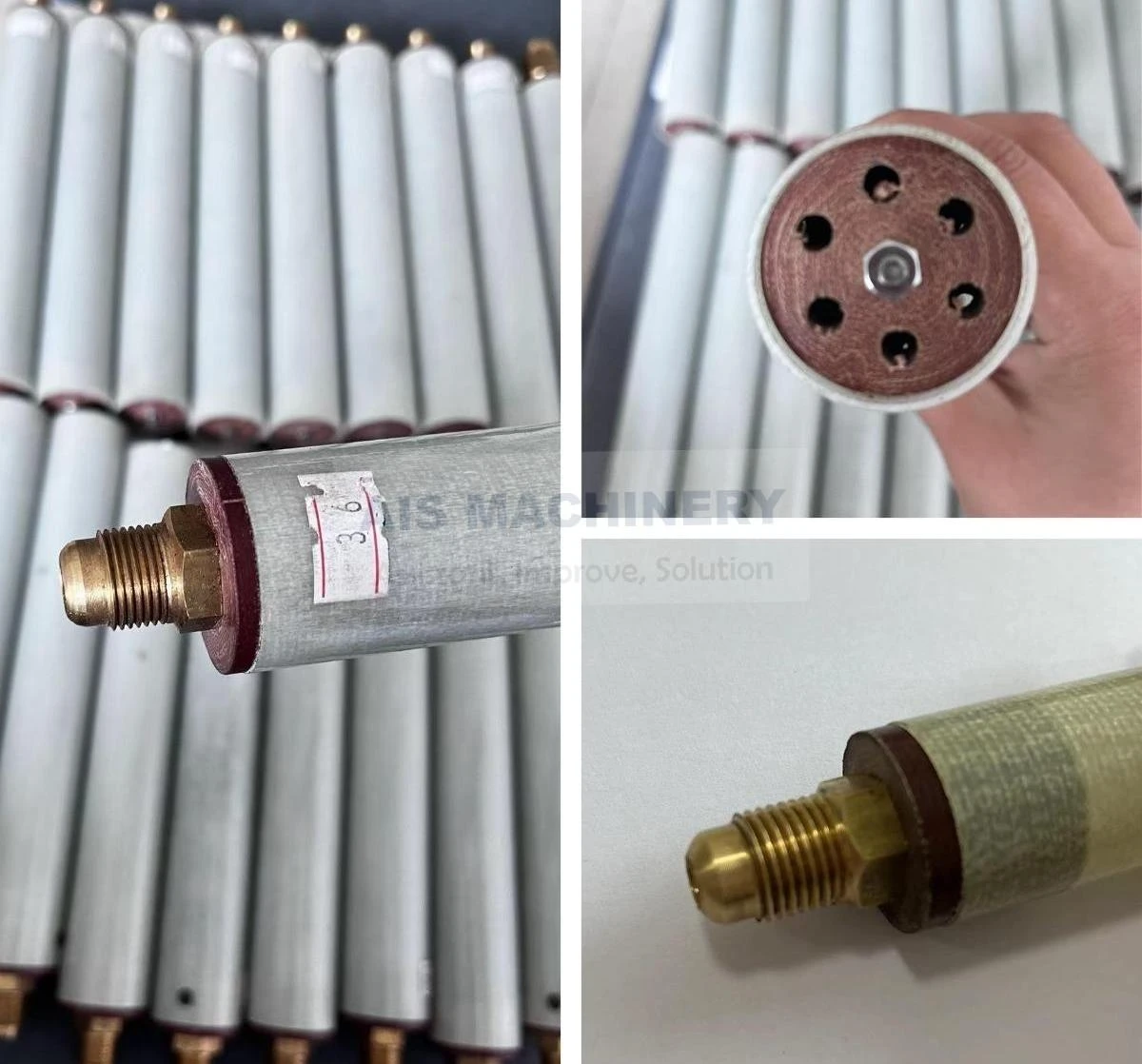
What is an Impeder and Ferrite Rods in ERW Tube Mill?
Struggling with impeder overheating or short service life in your ERW tube mill? This guide explains common impeder problems, the role of ferrite rods, and how to choose the right impeder for stable welding performance. Improve weld quality, reduce energy loss, and extend equipment lifespan with the right selection and proper cooling solutions.
2026-04-21 10:22:25
Slitting & Cut-to-Length Combined Production Line: A Smarter Way to Process Steel Coils
Discover the Slitting & Cut-to-Length Combined Production Line, a flexible solution for steel coil processing. This system integrates slitting line and cut-to-length line functions in one machine, saving space, reducing costs, and improving efficiency. Ideal for processing both steel strips and sheets, it is widely used in service centers and manufacturing industries. Learn its advantages, limitations, and applications.
2026-04-18 03:20:20
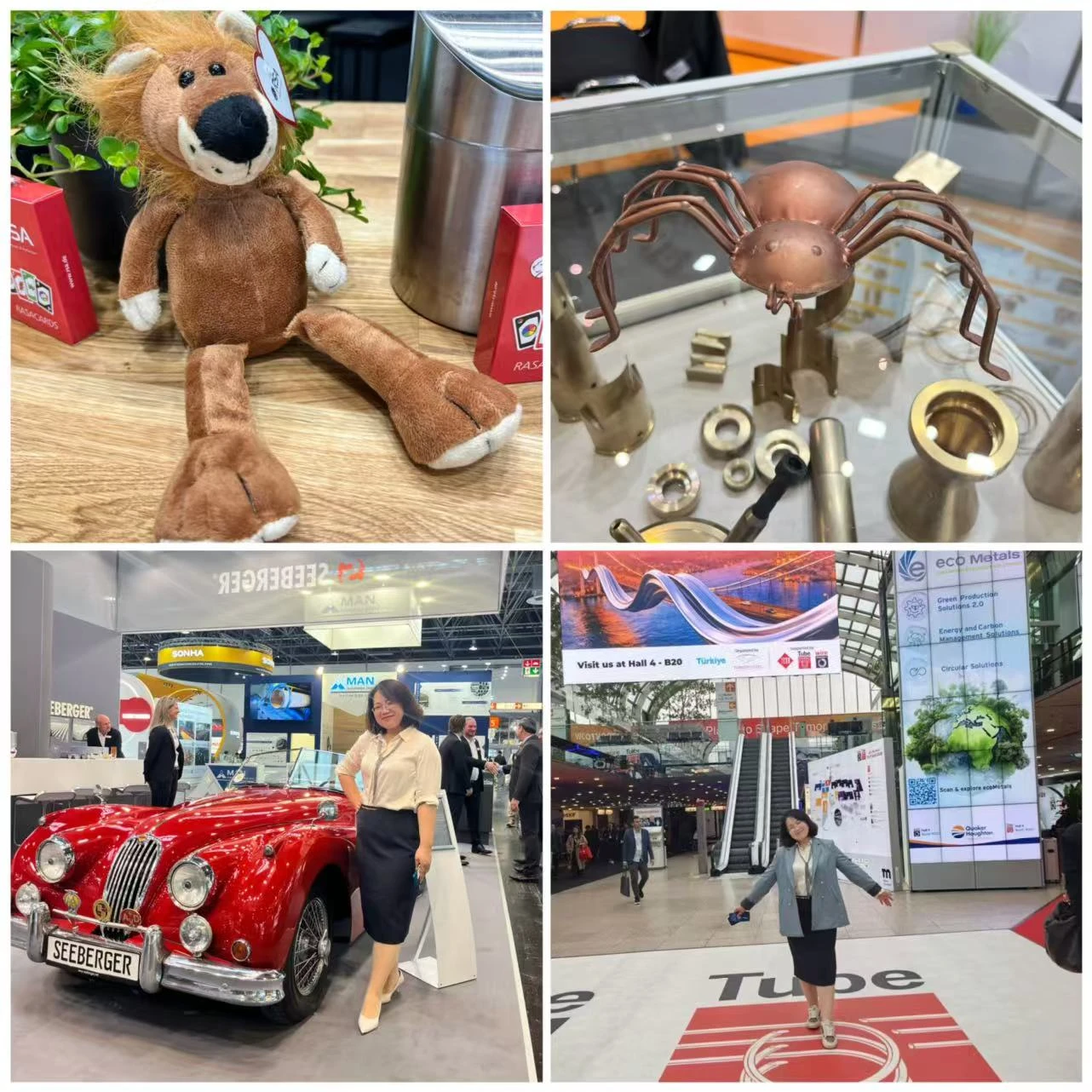
AIS Machinery Showcases Advanced Tube Solutions at Tube & Wire Düsseldorf 2026
Tube & Wire Düsseldorf 2026, one of the most influential exhibitions in the global tube and wire industry, held biennially in Düsseldorf, Germany
2026-04-17 00:00:00
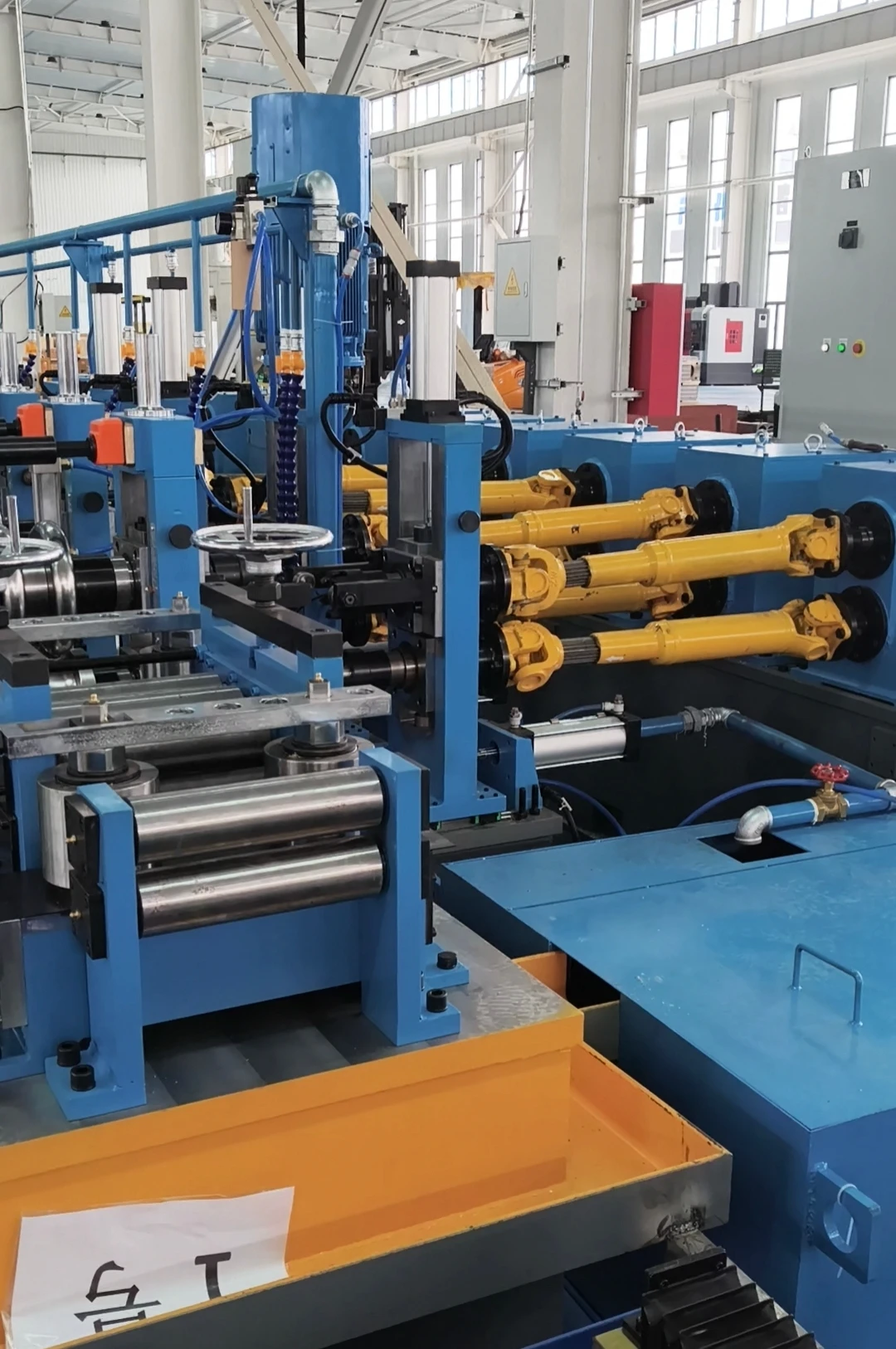
Southeast Asia Client Visits Our Factory | Customized Tube Mill Solution Delivered
A Southeast Asia client visited our ERW tube mill factory to inspect production lines and discuss a customized tube mill solution. Impressed by our machine quality, welding performance, and engineering support, the client confirmed strong cooperation intentions. Discover how our ERW tube mill solutions improve efficiency, precision, and long-term production reliability.
2026-04-15 10:37:55
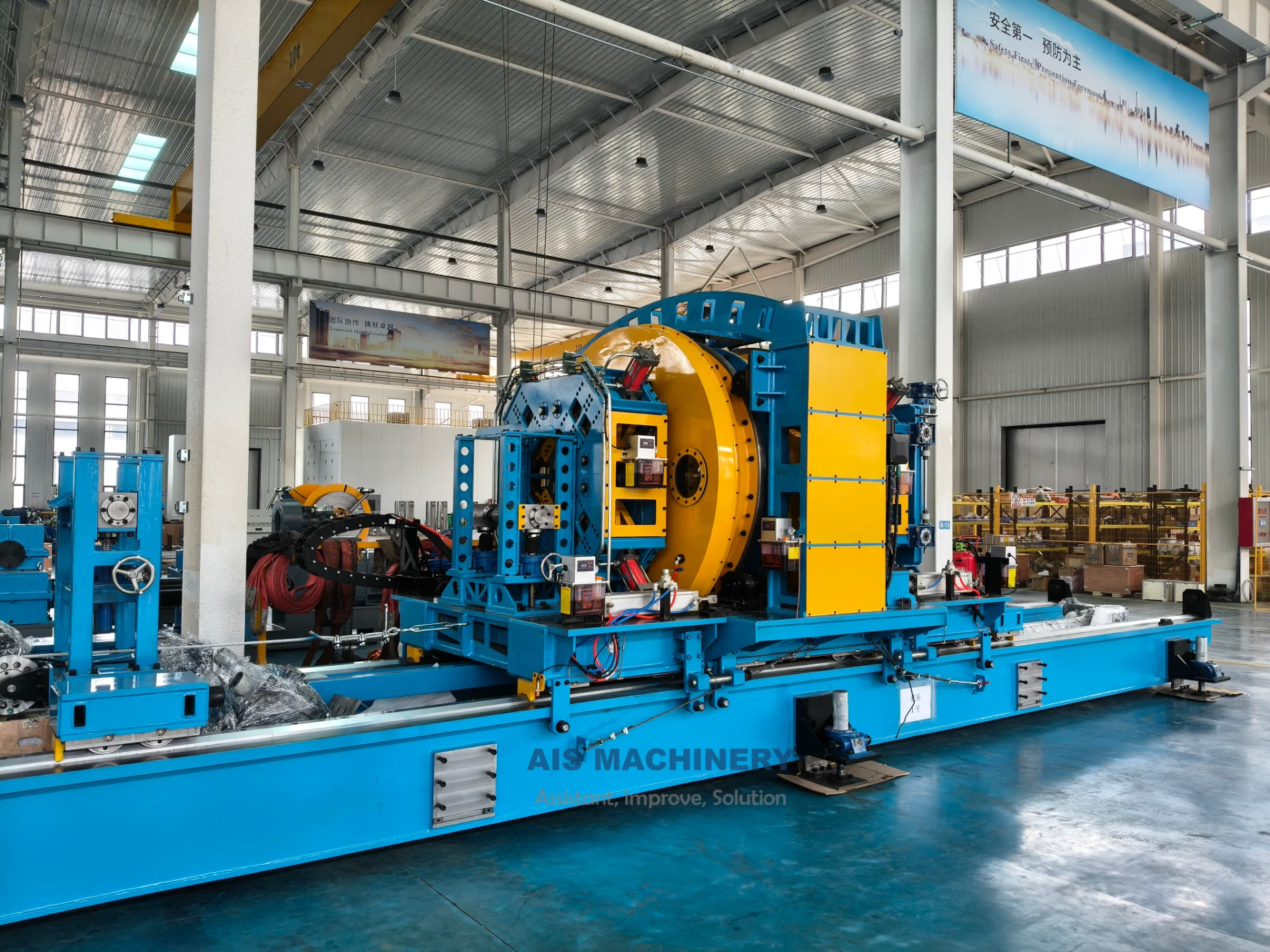
Flat Bar Production Line for Steel Coils: How It Works & Why It Matters
Looking for a flat bar production line? Learn how it turns steel coils into ready-to-use flat bars with precise length and high straightness. Compare it with slitting lines and get the best solution for your steel processing needs.
2026-04-14 00:00:00
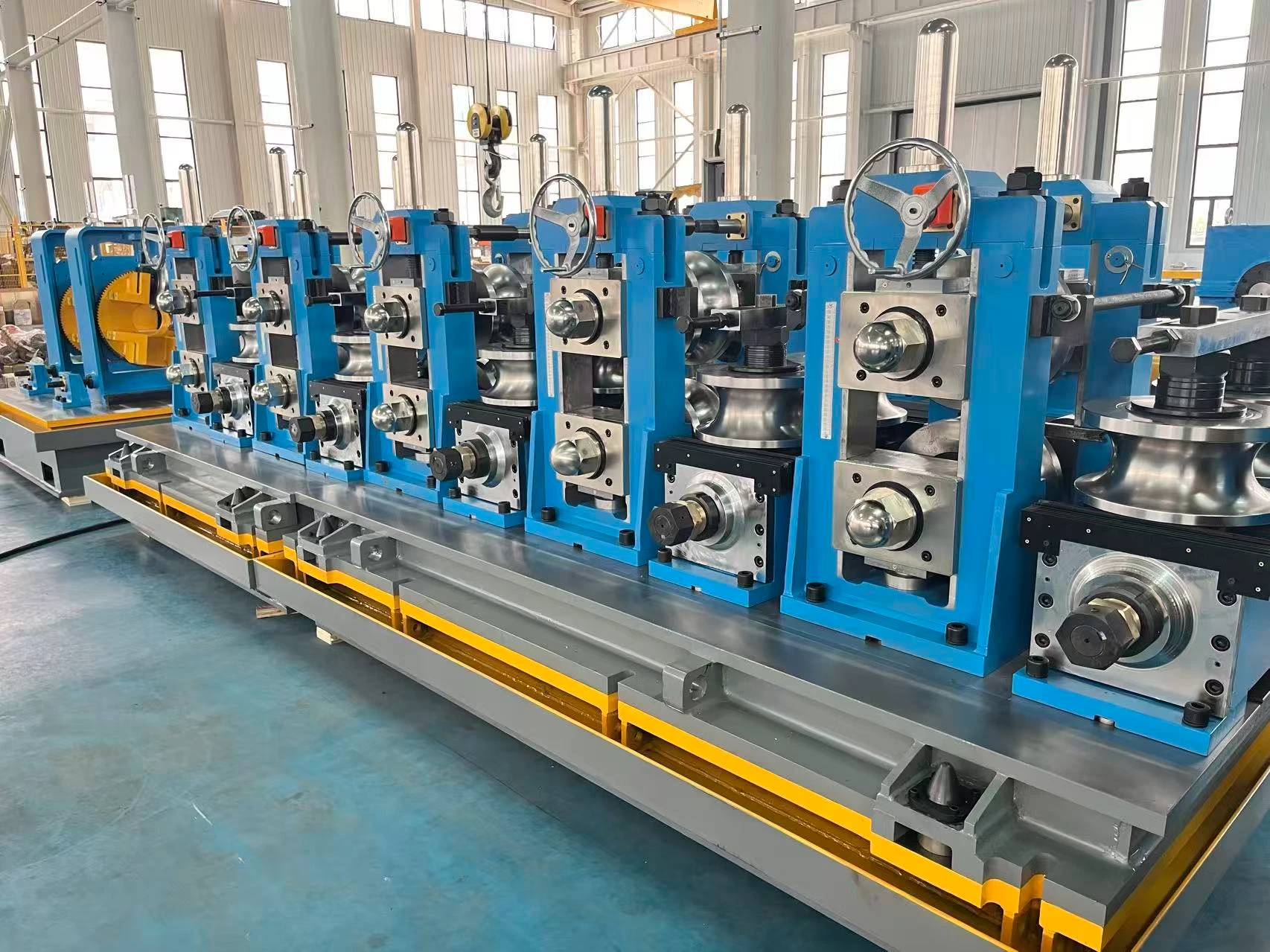
Looking for a Milling Saw for ERW Tube Mill? Here’s What You Need to Know
Looking for a high-performance milling saw for your ERW tube mill? Upgrade to burr-free, high-precision pipe cutting with advanced flying saw technology. Improve efficiency, reduce rework, and meet export standards for carbon steel, stainless steel, and API pipes. Contact us today for expert solutions and competitive pricing tailored to your production needs.
2026-04-09 16:15:19
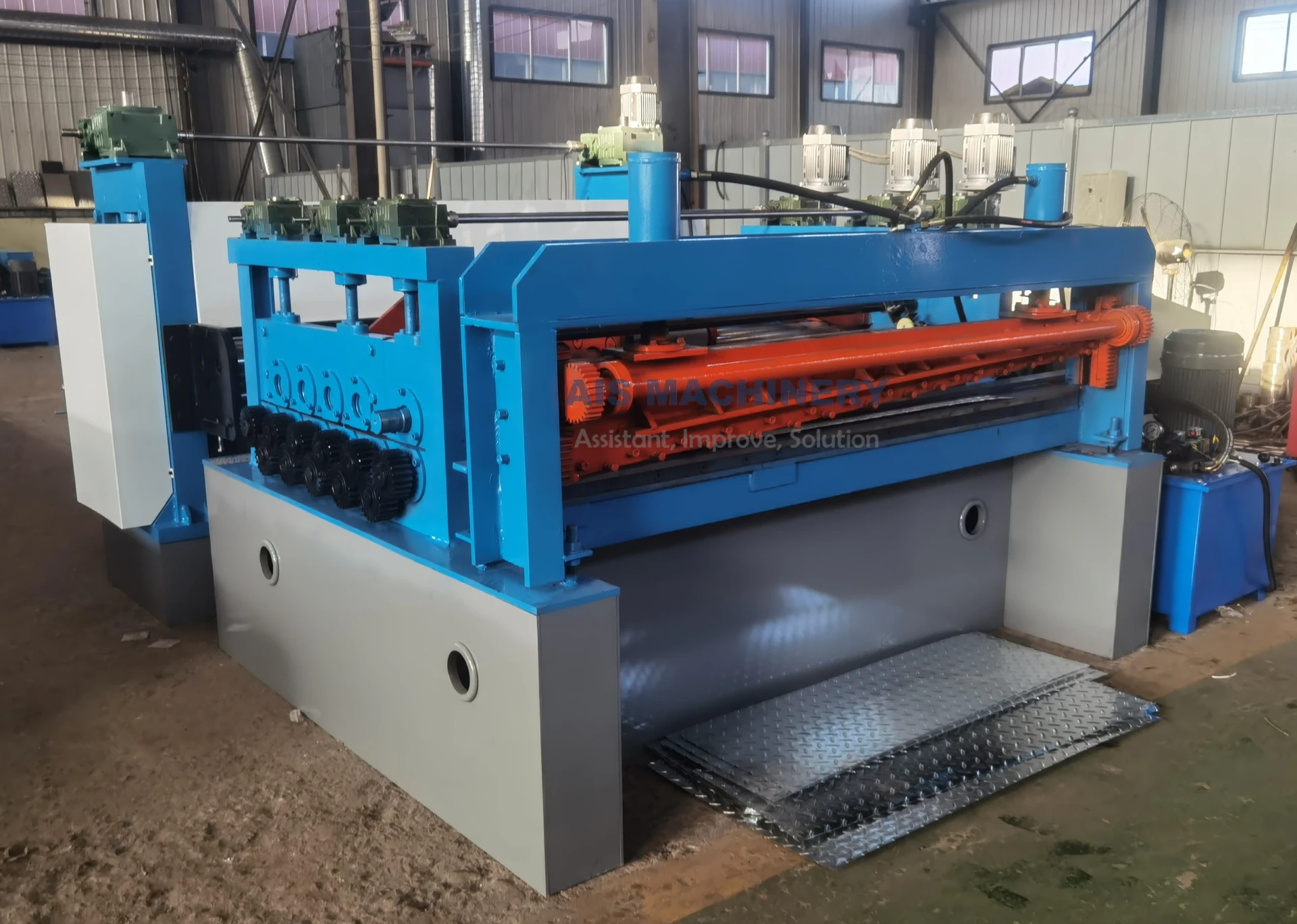
5-Inch (127mm) ERW Tube Making Machine Delivered with Heavy-Duty Design and Advanced Quick Change System
2027-04-07 00:00:00
Metal Embossing Machine: Turn Flat Sheets into High-Value Textured Products
Discover how a metal embossing machine transforms flat steel, stainless steel, and aluminum sheets into high-value textured products. Learn about its working principle, key components, and applications. Ideal for decorative and industrial use, embossing machines improve both appearance and performance. Explore complete embossing line solutions and find the right machine for your production needs.
Send a Message
Dear customer, thank you for your attention! We provide high-quality machinery and equipment and look forward to your orders. Please inform us of your needs and we will respond quickly!
 English
  Albanian
  Arabic
  French
  German
  Indonesian
  Italian
  Japanese
  Kazakh
  Korean
  Latin
Latin  Macedonian
  Portuguese
  Russian
  Spanish
  Thai
Thai  Turkish
  Ukrainian
  Uzbek
Uzbek