
-
 Tel:86-15176910262
-

Search

Horizontal Accumulator for Tube Mills | Steel Coil Storage
Nov . 18, 2025 09:02
Horizontal Accumulator is a key solution in the manufacturing industry, specifically within Special Equipment Manufacturing Industry and Manufacturing of metallurgical specialized equipment. This article explores how HEBEI AIS MACHINERY EQUIPMENT CO.,LTD supports professionals with durable, high-performance products, and explains why this product is an ideal choice for businesses in these sectors.
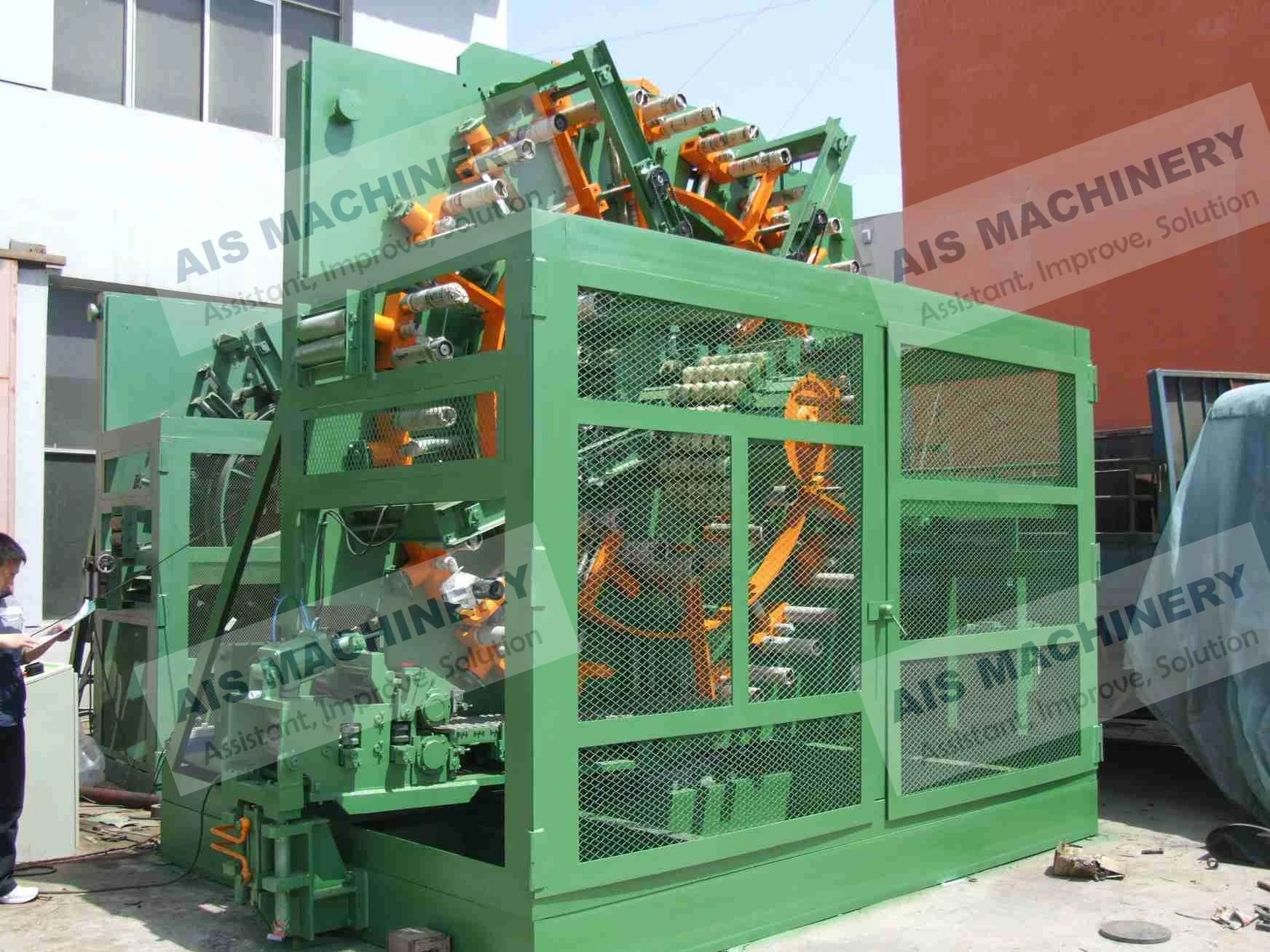
Table of Contents
- Horizontal Accumulator Overview
- Benefits & Use Cases of Horizontal Accumulator in Manufacturing of metallurgical specialized equipment
- Cost, Maintenance & User Experience
- Sustainability & Market Trends in manufacturing
- Conclusion on Horizontal Accumulator from HEBEI AIS MACHINERY EQUIPMENT CO.,LTD
Horizontal Accumulator Overview
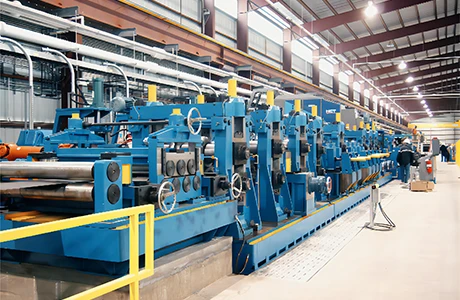
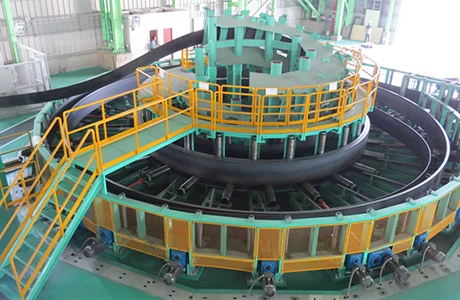
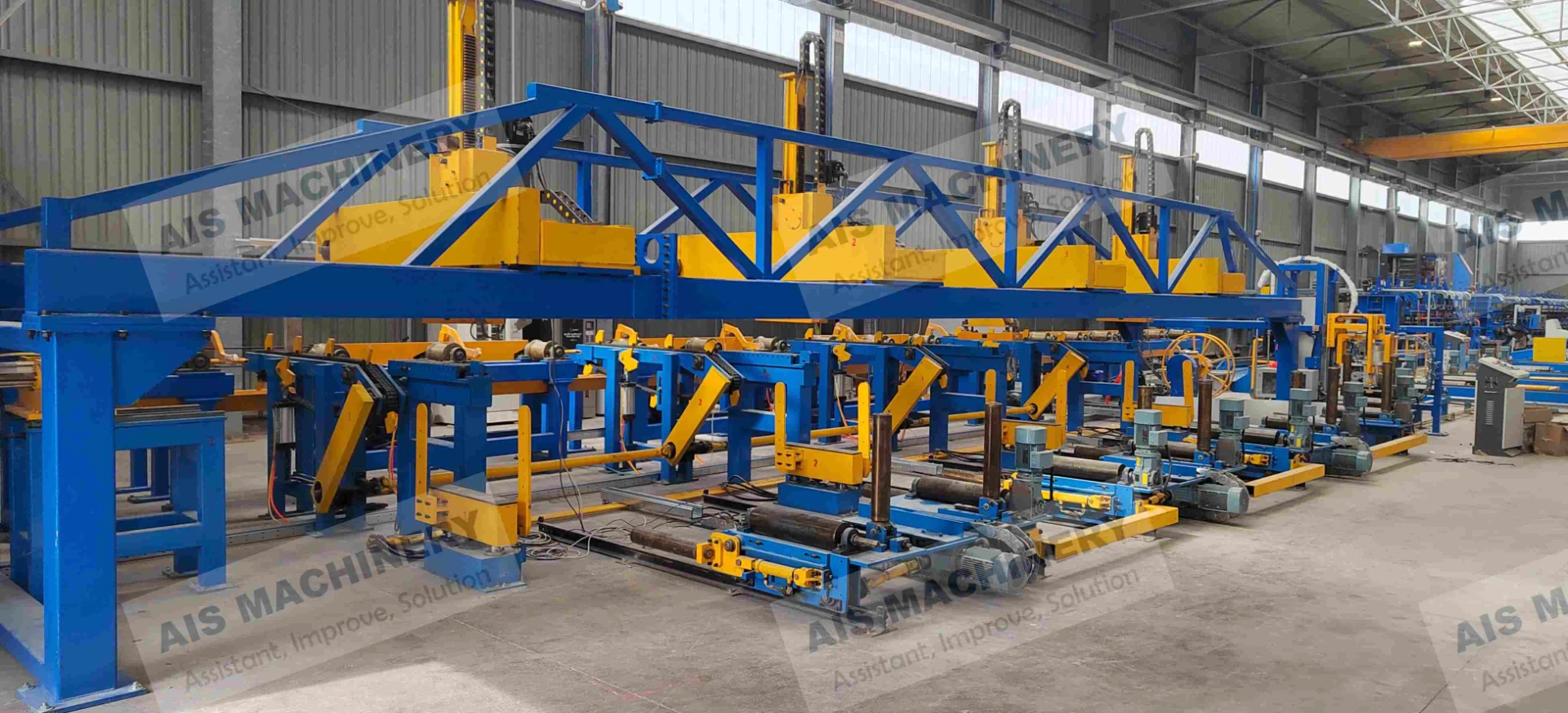
A Horizontal Accumulator—often called a tube mill accumulator—is an in-line steel coil storage and buffering system placed between the decoiler and the forming/welding stands. Its job is straightforward yet mission-critical: maintain continuous strip feed to the mill during coil-end welding and changeovers, preventing costly stops and protecting weld quality. In metallurgical specialized equipment, especially ERW tube and pipe lines, accumulators directly lift overall equipment effectiveness by stabilizing material flow, reducing unplanned downtime, and enabling higher sustained speeds.
Technically, a Horizontal Accumulator uses precision-driven payoff and take-up sections, loop control (via dancer arms, ultrasonic sensors, or laser measurement), and synchronized drives tied into the mill’s PLC. Typical configurations support a broad range of strip widths and thicknesses found in carbon and stainless production. Capacity is specified by usable strip length and the buffer time it provides at a given line speed, allowing uninterrupted operation during end welding. Compared with a vertical accumulator, the horizontal layout reduces building height requirements and simplifies access for maintenance, while the vertical accumulator can minimize floor footprint—HEBEI AIS MACHINERY EQUIPMENT CO.,LTD provides both to match plant constraints and throughput goals.
- Purpose-built for Special Equipment Manufacturing Industry lines that demand consistent feed and high OEE.
- Engineered with sealed bearings, anti-scratch roll surfaces, and servo synchronization for quality strip handling.
- Delivered by HEBEI AIS MACHINERY EQUIPMENT CO.,LTD, a manufacturer known for robust design and lifecycle support.
Benefits & Use Cases of Horizontal Accumulator in Manufacturing of metallurgical specialized equipment
In ERW tube mills, structural pipe lines, automotive tubing, furniture tube, HVAC, scaffolding, and precision stainless applications, a Horizontal Accumulator is the productivity lever that separates competitive operations from the pack. It buffers strip to keep the mill running while coil ends are welded or when upstream equipment is serviced, minimizing line disruptions and weld defects associated with stop-start conditions. For facilities with height limitations, the horizontal style is a practical alternative to a vertical accumulator while delivering the same continuity benefits.
Key advantages include: fast thread-up, stable loop control across varied gauges, scratch-free handling of surface-critical strip, and safe, guarded access for operators. When integrated as a tube mill accumulator, it transforms coil changeovers into near non-events, enabling consistent tooling performance at higher average speeds. HEBEI AIS MACHINERY EQUIPMENT CO.,LTD customizes accumulator length, drive power, and control interfaces to your PLC/HMI standards, and can pair the system with uncoilers, end welders, and shears for a turnkey coil handling suite. For lines prioritizing maximum density, AIS also supplies a vertical accumulator option, letting plants balance floor space against overhead clearance while preserving capacity for steel coil storage and buffer time.
- Applications: ERW pipe/tube, precision stainless, high-strength carbon, and multi-shift production lines.
- Competitive edge: configurable capacity, robust mechanics, and closed-loop drive control for stable feed.
- Expertise: AIS integrates accumulators seamlessly with existing line controls and safety systems.
Cost, Maintenance & User Experience
For B2B decision makers, total cost of ownership is the metric that matters. A Horizontal Accumulator delivers ROI by elevating line uptime, improving weld consistency, and lowering scrap tied to stop-start transitions. Many tube and pipe producers report OEE gains in the mid-single to low double digits after adding a modern accumulator, with payback commonly realized within a short investment horizon depending on product mix, shift structure, and speed targets. Beyond throughput, smoother material flow reduces downstream tooling wear and rework, trimming hidden costs.
HEBEI AIS MACHINERY EQUIPMENT CO.,LTD designs for durability: heavy-duty frames, precision rollers, quality drives, and industrial-grade sensors. Preventive maintenance centers on routine inspection of bearings, roller surfaces, loop control devices, and lubrication systems. The control package supports fast diagnostics via HMI, enabling quicker fault isolation. Customers in the Special Equipment Manufacturing Industry emphasize the operator-friendly layout—clear threading paths, safe access, and intuitive controls—reducing training time and increasing changeover confidence. AIS backs installations with spare-parts availability, commissioning support, and remote assistance, keeping lifecycle costs predictable and manageable.
- TCO drivers: uptime, scrap reduction, energy stability, reduced tooling wear.
- Serviceability: easy-access components, standard spares, and clear PM schedules.
Sustainability & Market Trends in manufacturing
Sustainability in metals manufacturing is increasingly tied to efficiency. Accumulators contribute by reducing stop-start energy spikes, limiting scrap during coil transitions, and stabilizing processing conditions that impact weld integrity and yield. As policy frameworks and customer audits intensify scrutiny of energy intensity and material waste, investing in continuous-feed capability becomes part of a broader decarbonization and waste-reduction strategy. Safety and compliance also continue to evolve, with machine guarding, interlocks, and functional safety standards shaping equipment specifications.
Market trends favor smart, connected equipment. HEBEI AIS MACHINERY EQUIPMENT CO.,LTD engineers accumulators with modern drives and control interfaces ready for line-wide data collection: loop stability metrics, buffer utilization, and event logs that support predictive maintenance and OEE improvement programs. Whether your plant selects a Horizontal Accumulator or a vertical accumulator to conserve floor space, AIS emphasizes energy-efficient drives, durable components to extend service life, and modular designs that adapt to new product mixes. The result is a future-ready investment aligned with continuous improvement and sustainability roadmaps across metallurgical specialized equipment manufacturing.
- Supports waste reduction, energy stability, and safer operations.
- AIS positions customers for Industry 4.0 with data-enabled, integration-friendly control systems.
Conclusion on Horizontal Accumulator from HEBEI AIS MACHINERY EQUIPMENT CO.,LTD
A Horizontal Accumulator is a proven lever for raising throughput, improving weld stability, and cutting scrap in metallurgical specialized equipment lines. By ensuring continuous strip feed during coil changeovers, it protects your OEE and supports long-term cost control. HEBEI AIS MACHINERY EQUIPMENT CO.,LTD combines rugged engineering with integration know-how—offering both horizontal and vertical solutions—to fit your floor plan, product range, and performance targets. Ready to optimize your tube mill accumulator strategy?
- Unlock consistent productivity and quality with a tailored Horizontal Accumulator solution.
- Partner with a trusted manufacturer: HEBEI AIS MACHINERY EQUIPMENT CO.,LTD.
- Strong CTA: Contact us: email: LINDA@AISMACHINERY.COM - Visit our website: https://www.aistubemill.com

Related Products

Related News
2026-04-18 03:20:20
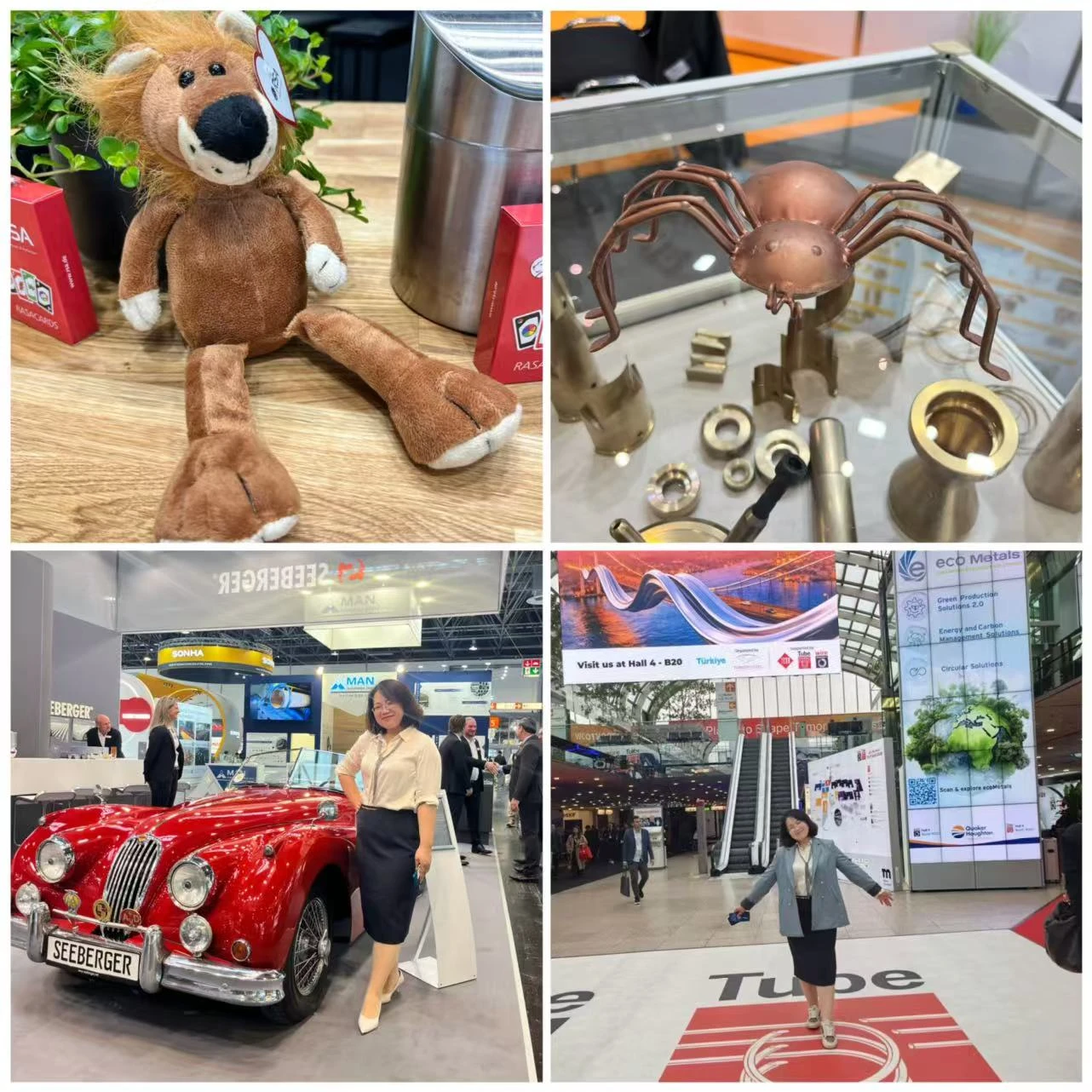
AIS Machinery Showcases Advanced Tube Solutions at Tube & Wire Düsseldorf 2026
Tube & Wire Düsseldorf 2026, one of the most influential exhibitions in the global tube and wire industry, held biennially in Düsseldorf, Germany
2027-04-17 00:00:00
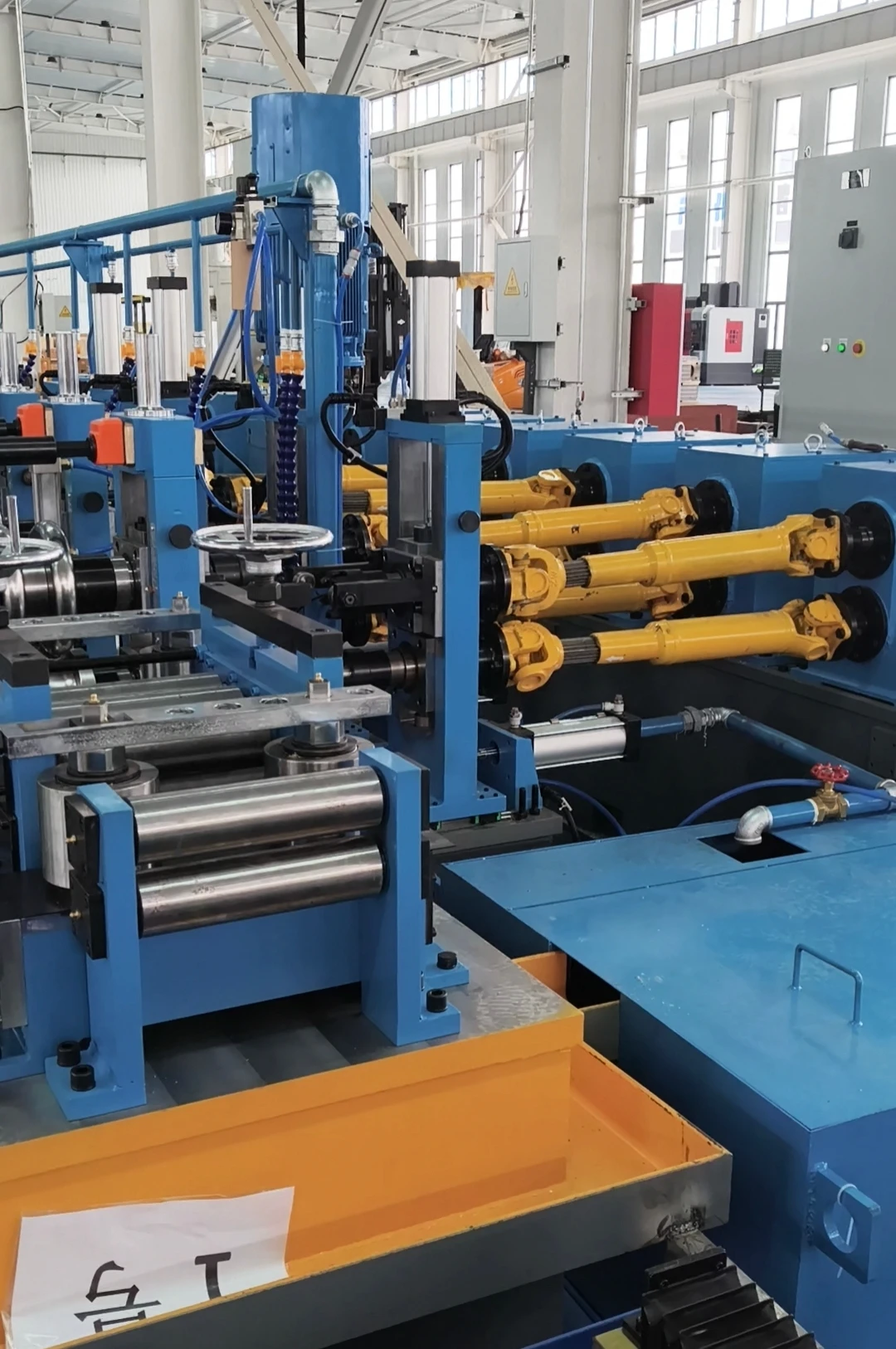
Southeast Asia Client Visits Our Factory | Customized Tube Mill Solution Delivered
A Southeast Asia client visited our ERW tube mill factory to inspect production lines and discuss a customized tube mill solution. Impressed by our machine quality, welding performance, and engineering support, the client confirmed strong cooperation intentions. Discover how our ERW tube mill solutions improve efficiency, precision, and long-term production reliability.
2026-04-16 02:35:12
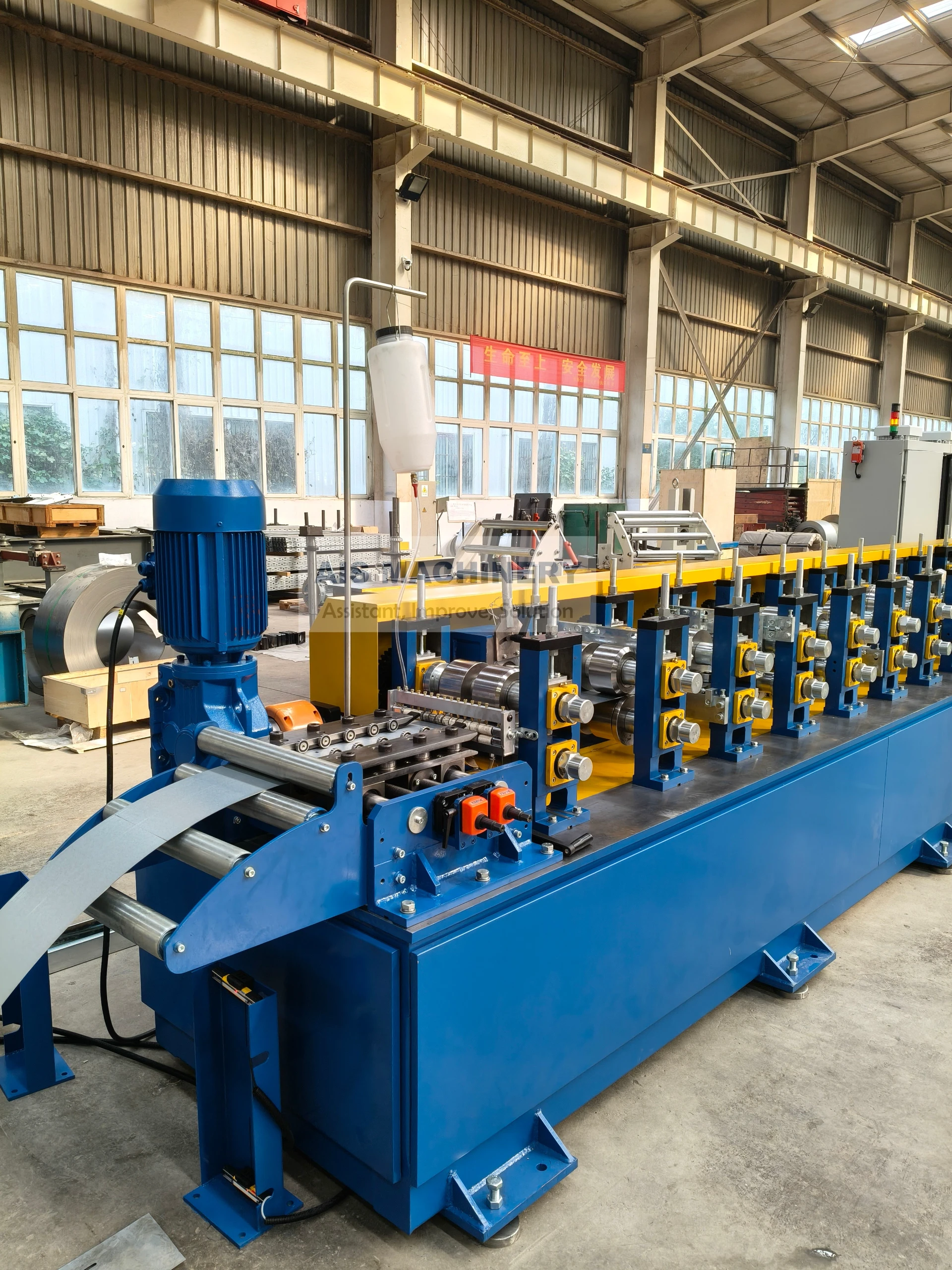
Professional Cold Roll Forming Machine Factory for Production
In the modern industrial landscape, the precision of metal shaping is the cornerstone of quality manufacturing. Partnering with a professional cold roll forming machine factory is essential for businesses looking to optimize their production lines, reduce material waste, and ensure high-dimensional accuracy. Whether you are producing C-channels, square tubes, or custom profiles, the choice of machinery determines your competitive edge in the market. This guide will explore the critical factors in selecting a factory and the technical advantages of advanced roll forming technology to help you make an informed investment.
2026-04-15 10:37:55
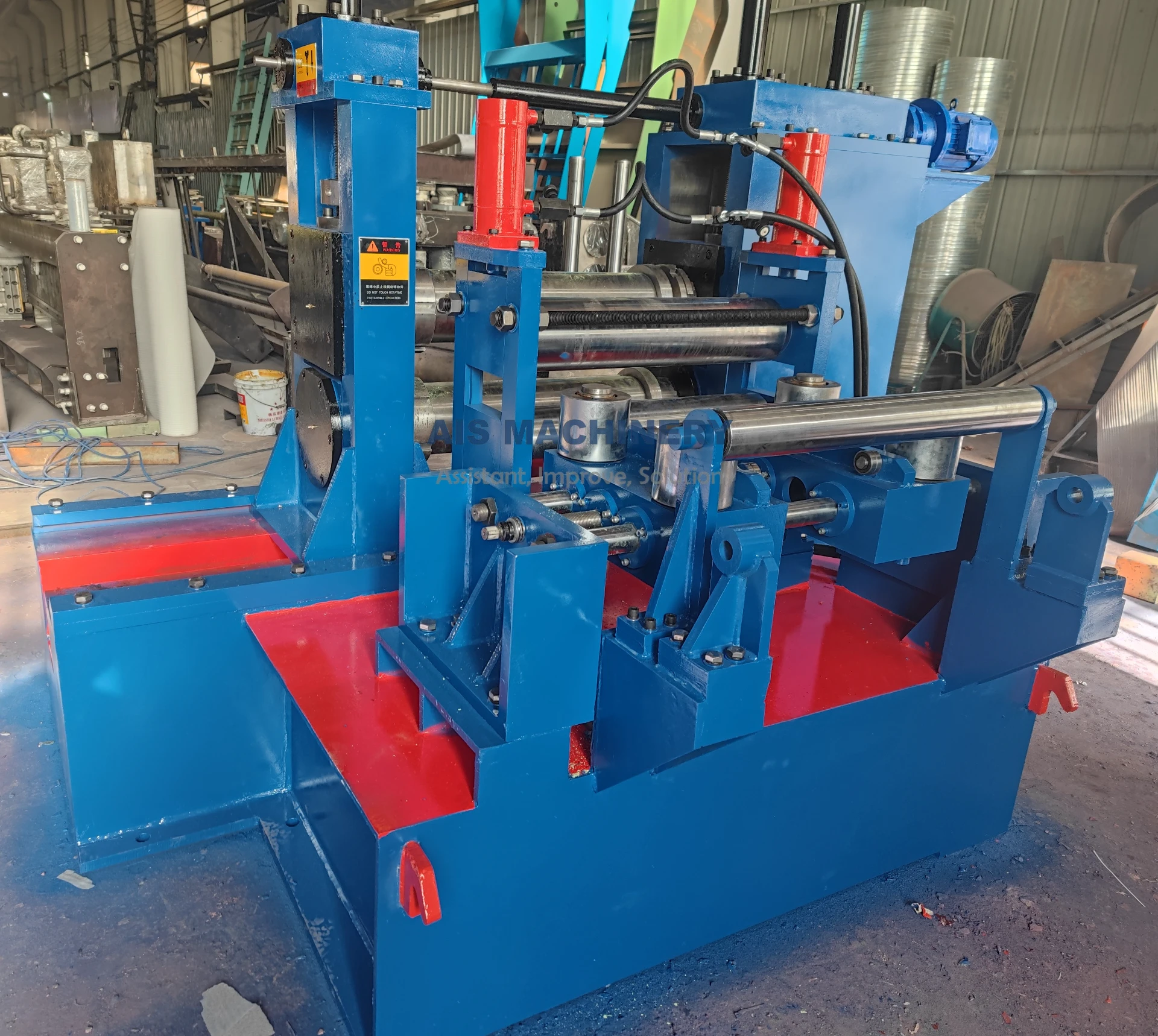
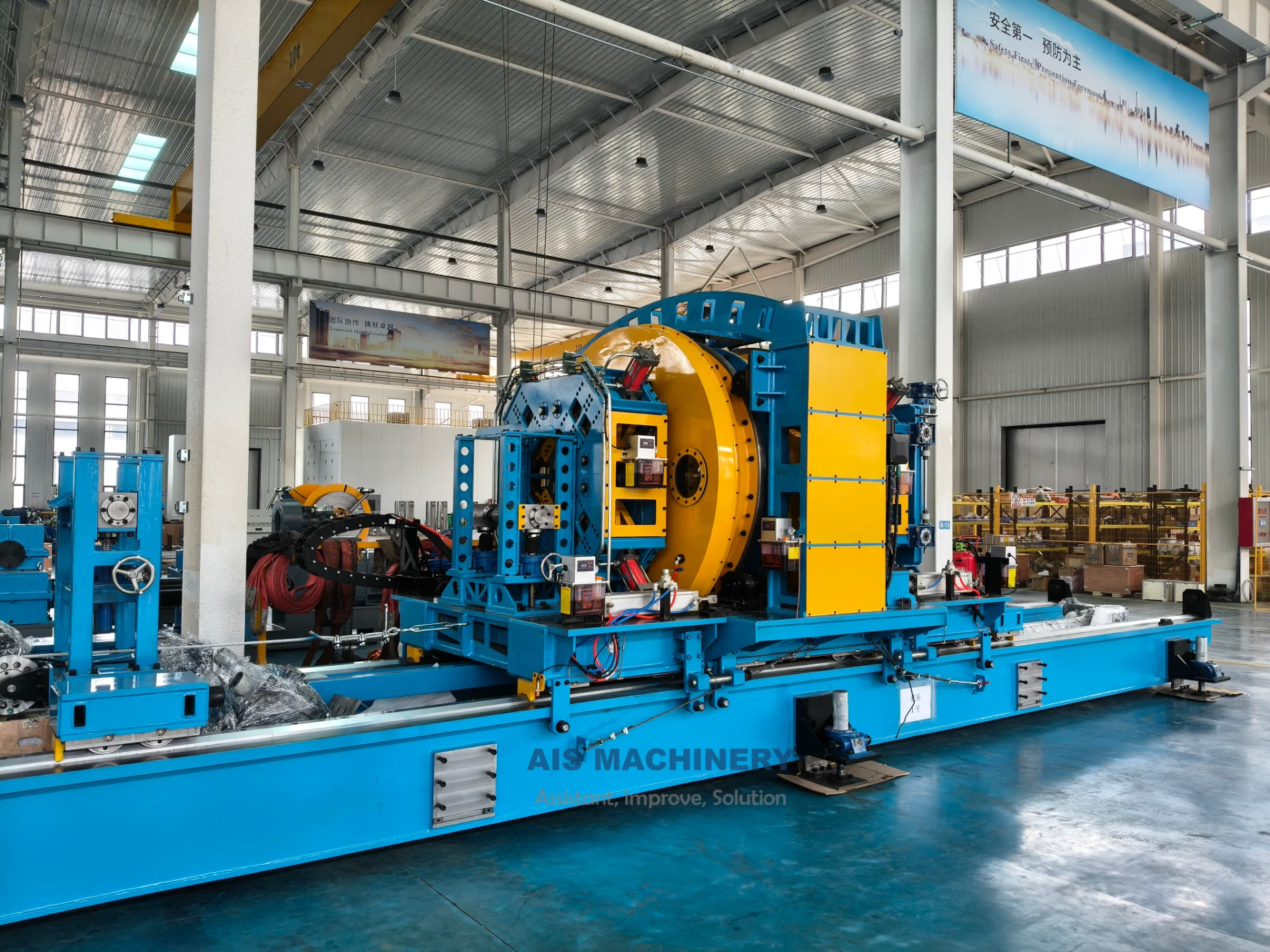
Flat Bar Production Line for Steel Coils: How It Works & Why It Matters
Looking for a flat bar production line? Learn how it turns steel coils into ready-to-use flat bars with precise length and high straightness. Compare it with slitting lines and get the best solution for your steel processing needs.
2026-04-14 00:00:00
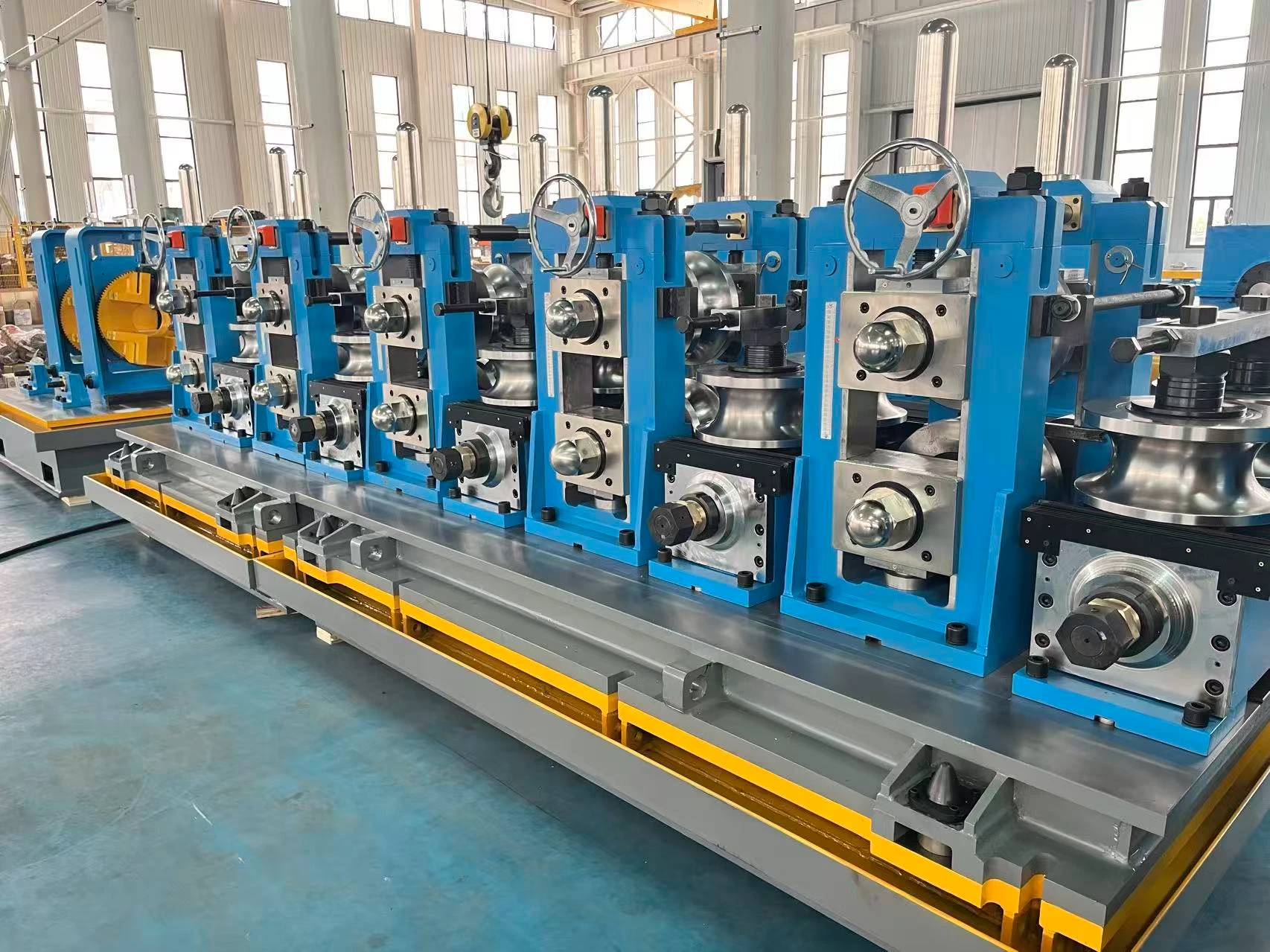
Looking for a Milling Saw for ERW Tube Mill? Here’s What You Need to Know
Looking for a high-performance milling saw for your ERW tube mill? Upgrade to burr-free, high-precision pipe cutting with advanced flying saw technology. Improve efficiency, reduce rework, and meet export standards for carbon steel, stainless steel, and API pipes. Contact us today for expert solutions and competitive pricing tailored to your production needs.
2026-04-09 16:15:19
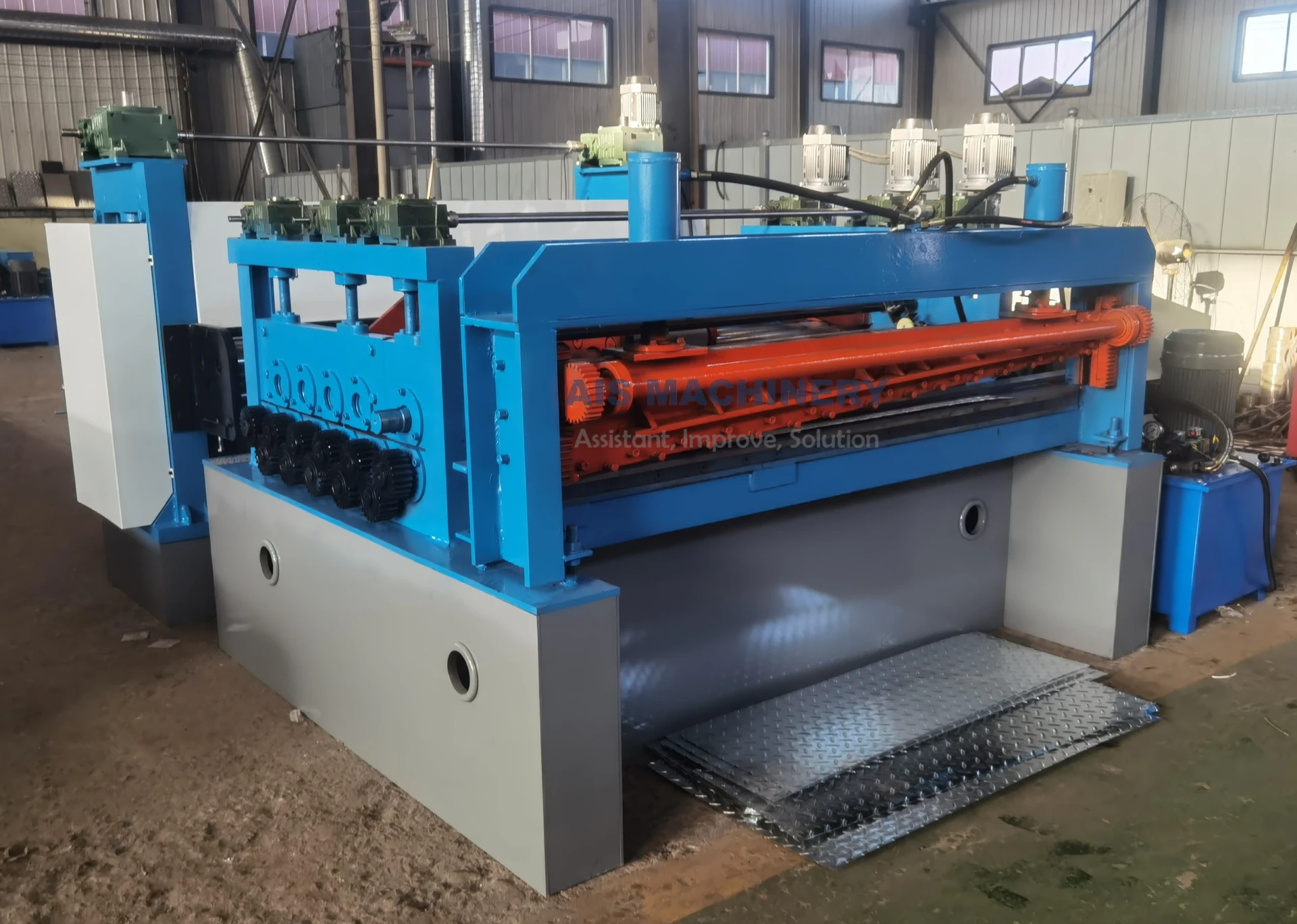
5-Inch (127mm) ERW Tube Making Machine Delivered with Heavy-Duty Design and Advanced Quick Change System
2027-04-07 00:00:00
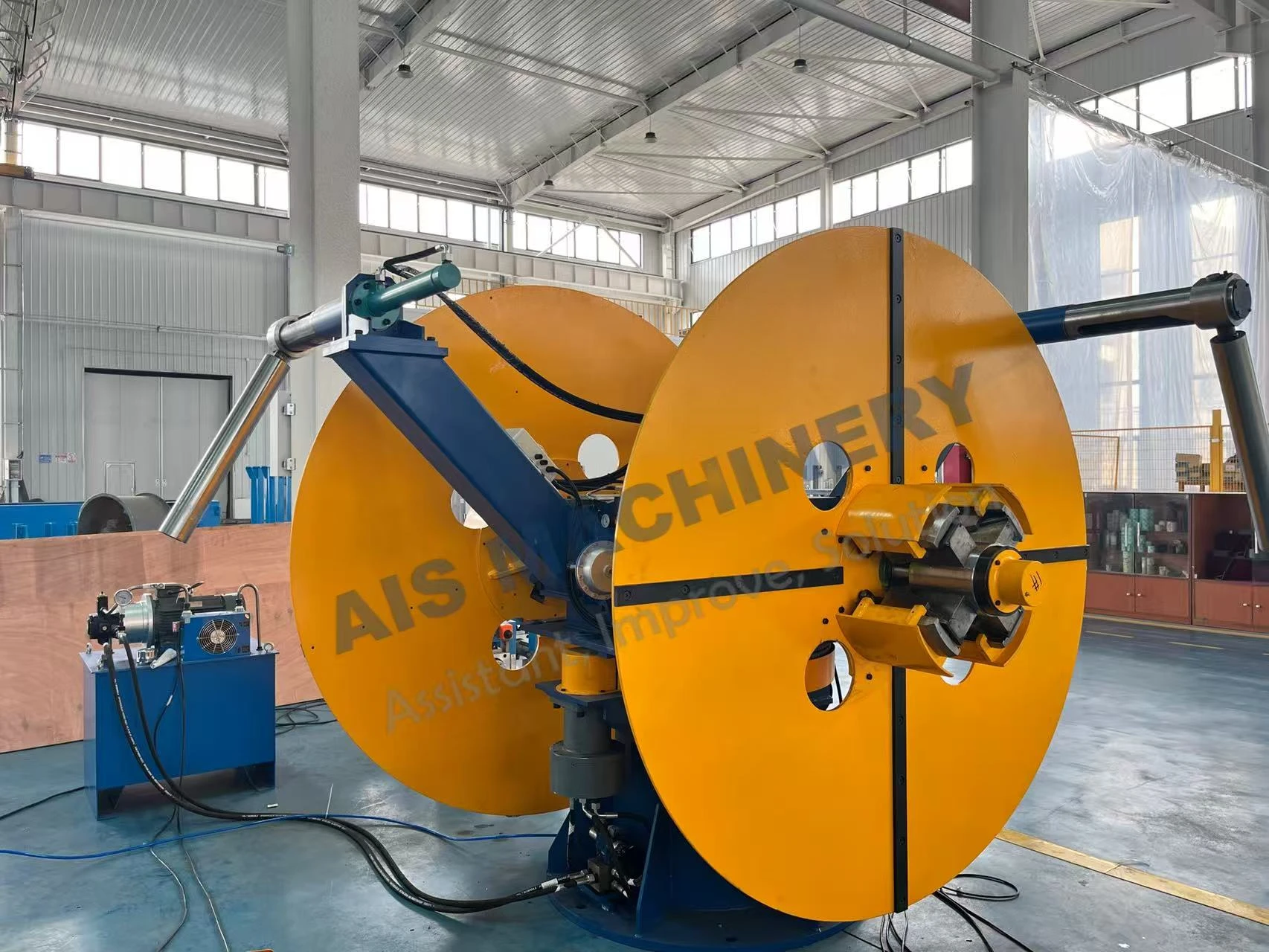
Metal Embossing Machine: Turn Flat Sheets into High-Value Textured Products
Discover how a metal embossing machine transforms flat steel, stainless steel, and aluminum sheets into high-value textured products. Learn about its working principle, key components, and applications. Ideal for decorative and industrial use, embossing machines improve both appearance and performance. Explore complete embossing line solutions and find the right machine for your production needs.
2026-04-04 20:37:18
Automatic Double Side Uncoiler with Hydraulic Expansion and Auto Rotation for Steel Coil Processing
The Automatic Double Side Uncoiler is a high-efficiency solution designed for modern steel coil processing lines, including tube mills, roll forming machines, and slitting lines. With a maximum capacity of 4 tons per side, this machine ensures stable and continuous coil feeding while reducing downtime during coil change.
Send a Message
Dear customer, thank you for your attention! We provide high-quality machinery and equipment and look forward to your orders. Please inform us of your needs and we will respond quickly!
 English
  Albanian
  Arabic
  French
  German
  Indonesian
  Italian
  Japanese
  Kazakh
  Korean
  Latin
Latin  Macedonian
  Portuguese
  Russian
  Spanish
  Thai
Thai  Turkish
  Ukrainian
  Uzbek
Uzbek