
-
 Tel:86-15176910262
-

Search
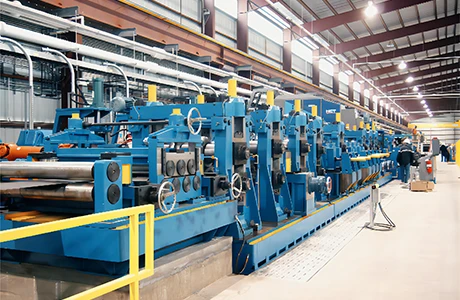
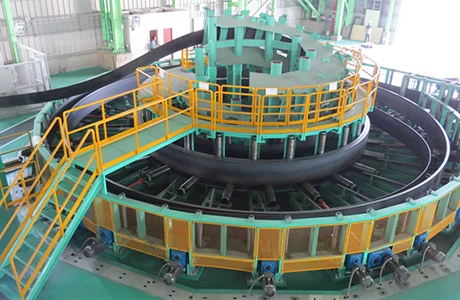
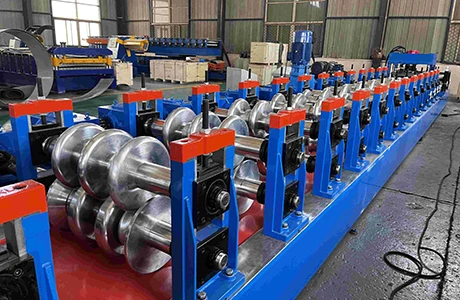
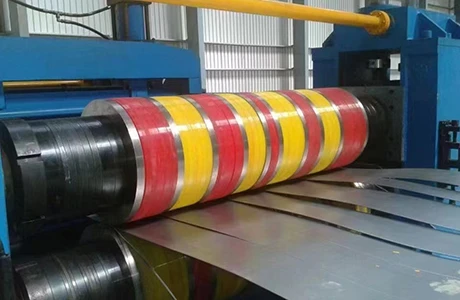
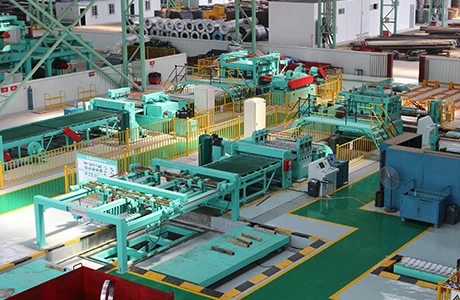
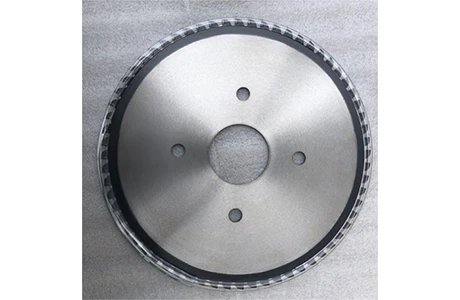
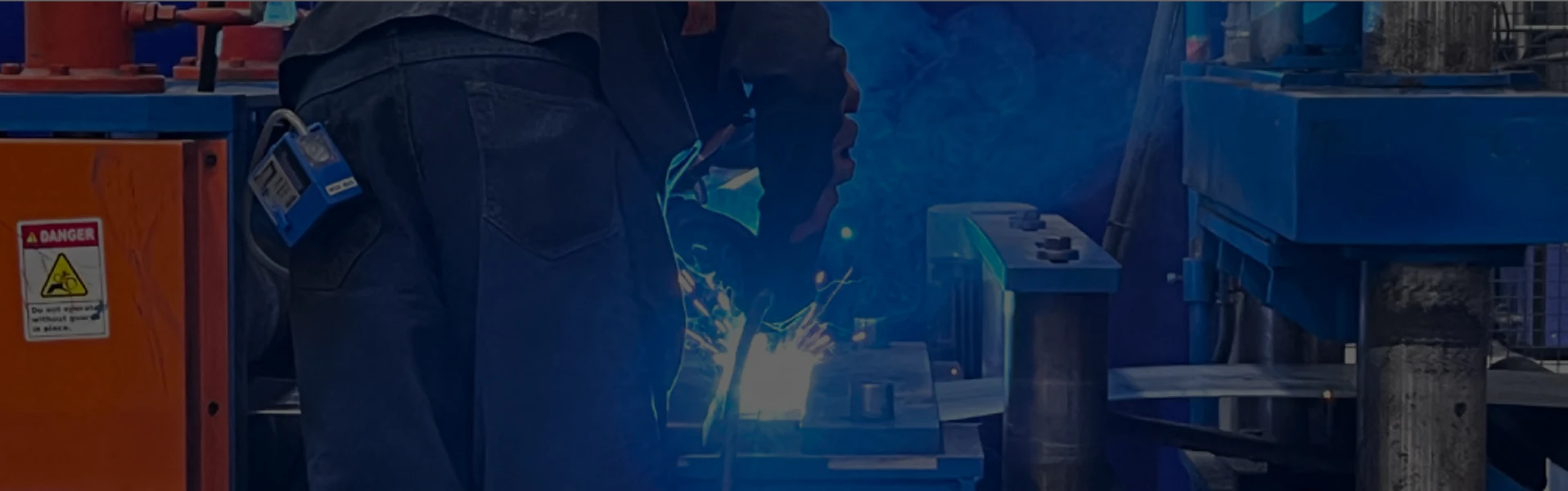

High-Quality Cold Roll Forming Machine Factory Custom Solutions
May . 16, 2025 04:14
- Understanding the Global Demand for Cold Roll Forming Machinery
- Technological Innovations Driving Efficiency
- Comparative Analysis of Leading Manufacturers
- Tailored Solutions for Diverse Industrial Needs
- Real-World Applications and Success Stories
- Sustainability and Future Trends in Roll Forming
- Why Partner with a Cold Roll Forming Machine Factory in China?
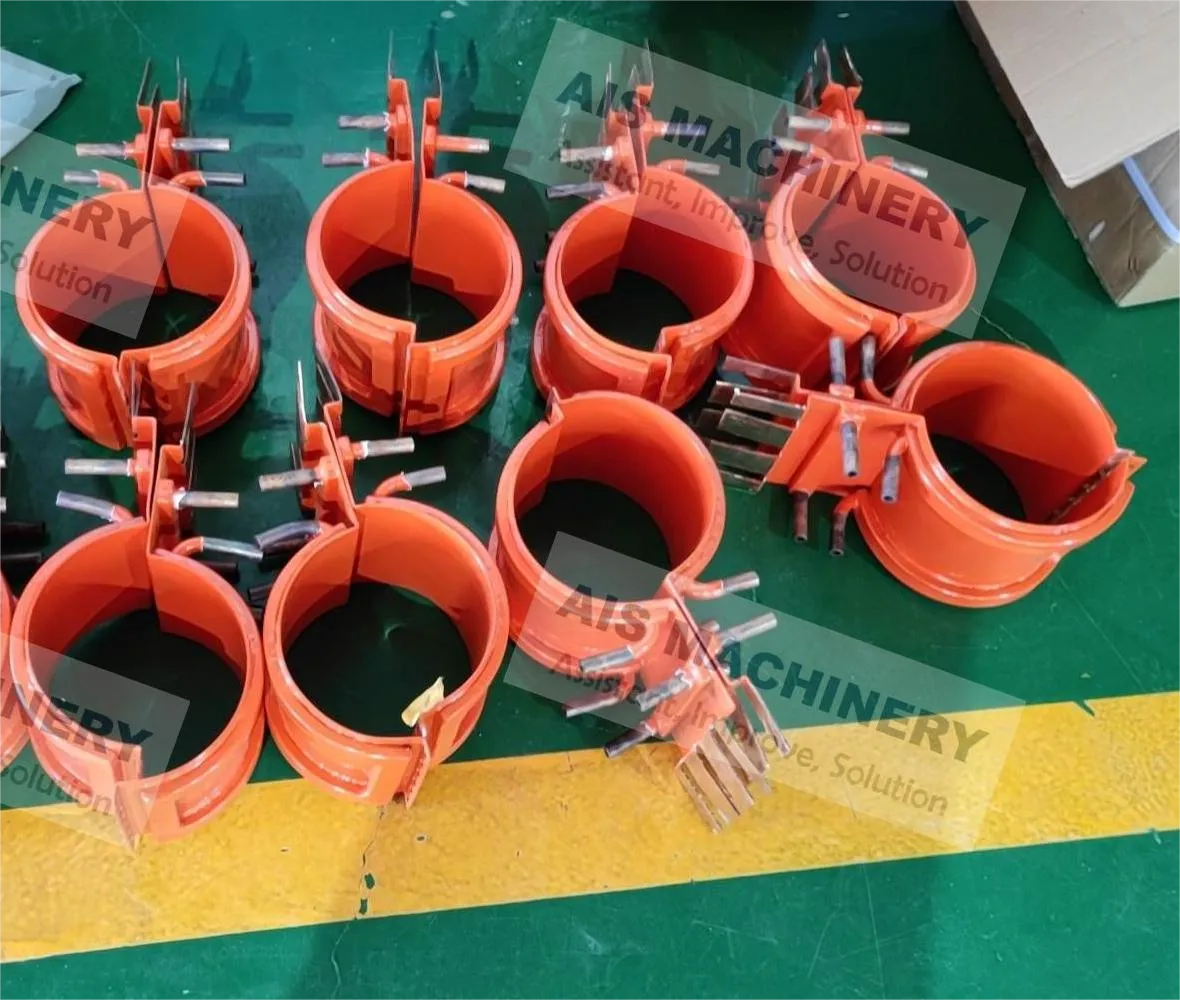
(cold roll forming machine factory)
Understanding the Global Demand for Cold Roll Forming Machinery
The global market for cold roll forming machines is projected to grow at a CAGR of 5.2% through 2030, driven by rising infrastructure investments and demand for precision-engineered steel components. Factories specializing in steel pipe making machines and roll forming systems are increasingly adopting automation to meet stringent quality standards. For instance, industries such as automotive, construction, and aerospace rely on these machines to produce high-tolerance profiles with tolerances as tight as ±0.1mm.
Technological Innovations Driving Efficiency
Modern cold roll forming machine factories integrate IoT-enabled sensors and AI-driven predictive maintenance to minimize downtime. Advanced models now achieve production speeds of up to 120 meters per minute, a 25% improvement over traditional systems. Key innovations include:
- Hydraulic servo systems for enhanced precision
- Modular designs enabling rapid tooling changes
- Energy-efficient motors reducing power consumption by 18%
Comparative Analysis of Leading Manufacturers
| Factory | Production Speed (m/min) | Customization Options | Warranty Period |
|---|---|---|---|
| Factory A (China) | 110-130 | Full tooling adaptation | 5 years |
| Factory B (Germany) | 90-110 | Limited modularity | 3 years |
| Factory C (USA) | 80-100 | Standard configurations | 2 years |
Tailored Solutions for Diverse Industrial Needs
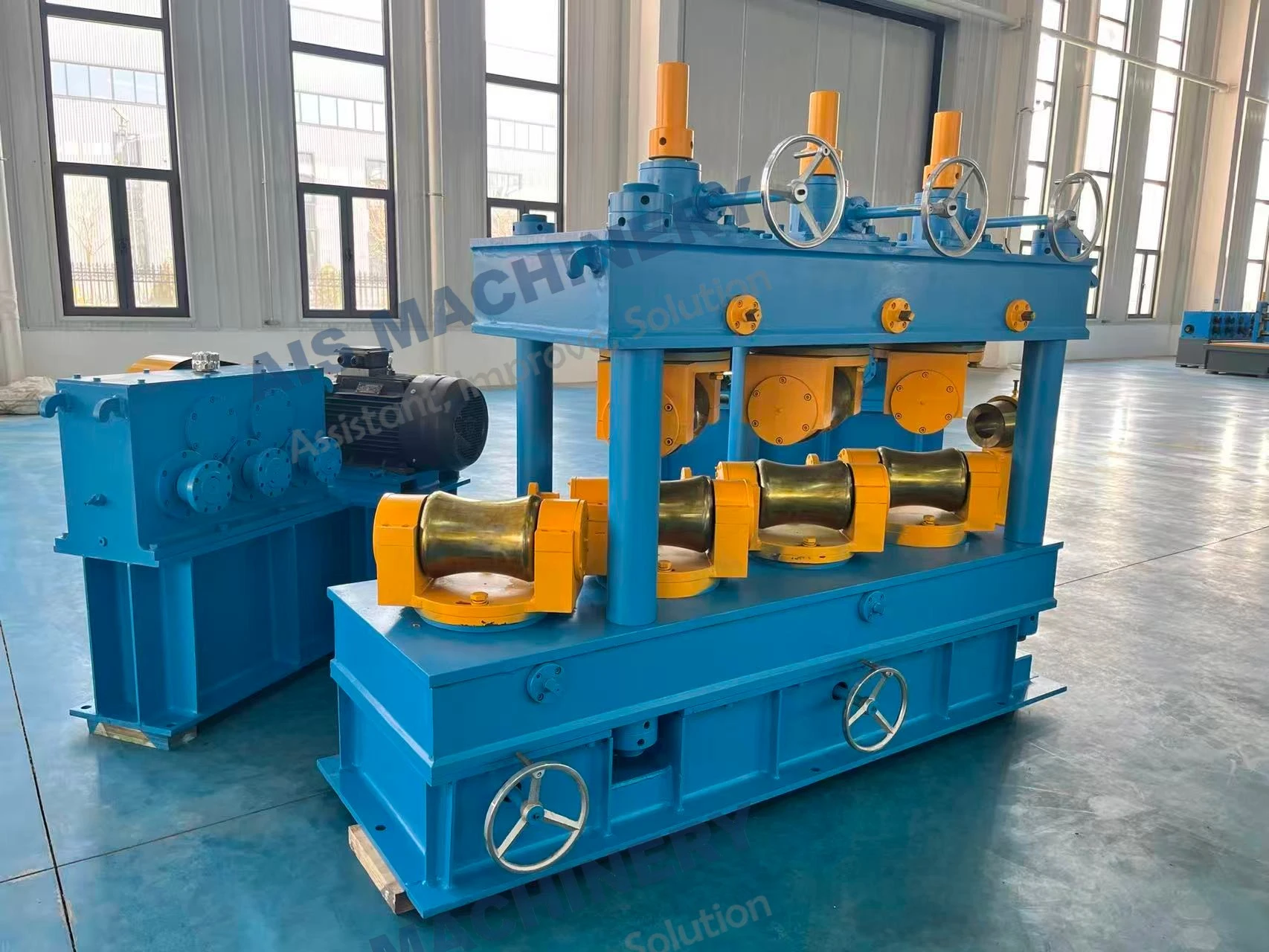
Leading steel pipe making machine factories offer configurable systems to produce profiles ranging from 10mm to 600mm in width. Case in point: a Middle Eastern client required a dual-purpose machine for both HVAC ducts and structural columns. The solution involved:
- Adjustable roll stands with quick-release mechanisms
- PLC interfaces supporting 12 language options
- On-site training programs for operators
Real-World Applications and Success Stories
A European automotive supplier reduced material waste by 32% after implementing a Chinese-made cold roll forming system. The machine’s closed-loop feedback system ensured consistent thickness across 8-layer composite panels, achieving 99.4% dimensional accuracy. Other applications include:
- Solar panel mounting structures (5,000+ units/month)
- Warehouse shelving systems with 15-ton load capacity
Sustainability and Future Trends in Roll Forming
Factories are now prioritizing carbon-neutral production methods. A recent study showed that Chinese manufacturers reduced energy use per unit by 22% since 2020 through:
- Regenerative braking systems in drive trains
- Recyclable tooling materials
- AI-optimized production scheduling
Why Partner with a Cold Roll Forming Machine Factory in China?
Chinese manufacturers combine cost efficiency (typically 30-40% lower than Western counterparts) with cutting-edge R&D capabilities. The top 10 cold roll forming machine factories in China collectively hold 38% of the global market share, backed by:
- ISO 9001-certified quality systems
- 24/7 multilingual technical support
- Short lead times (8-12 weeks for custom machines)

(cold roll forming machine factory)
FAQS on cold roll forming machine factory
Q: What quality standards do cold roll forming machine factories in China follow?
A: Reputable cold roll forming machine factories in China adhere to international standards like ISO 9001. They use advanced testing equipment to ensure precision and durability. Regular audits guarantee consistent product quality.
Q: Can a steel pipe making machine factory customize equipment for specific projects?
A: Yes, most steel pipe making machine factories offer customization based on material thickness, pipe diameter, and production speed. Engineers work closely with clients to modify designs and ensure compatibility with project requirements.
Q: What advantages do Chinese cold roll forming machine factories offer compared to others?
A: Chinese factories combine cost-effectiveness with advanced automation technology. They provide comprehensive after-sales support and faster production lead times. Many utilize R&D innovations for energy-efficient machinery.
Q: How do cold roll forming machine factories ensure material compatibility?
A: Factories conduct material tests to verify compatibility with steel, aluminum, or alloys. Customizable roll tooling designs adapt to different material grades. Technical teams optimize machine settings for specific tensile strengths.
Q: What factors differentiate steel pipe making machines from general cold roll forming machines?
A: Steel pipe machines specialize in spiral or longitudinal seam welding and pipe sizing. They integrate additional processes like edge milling and weld trimming. General cold forming machines focus on broader profile shaping without welding systems.

Related Products

Related News
2027-04-28 00:00:00
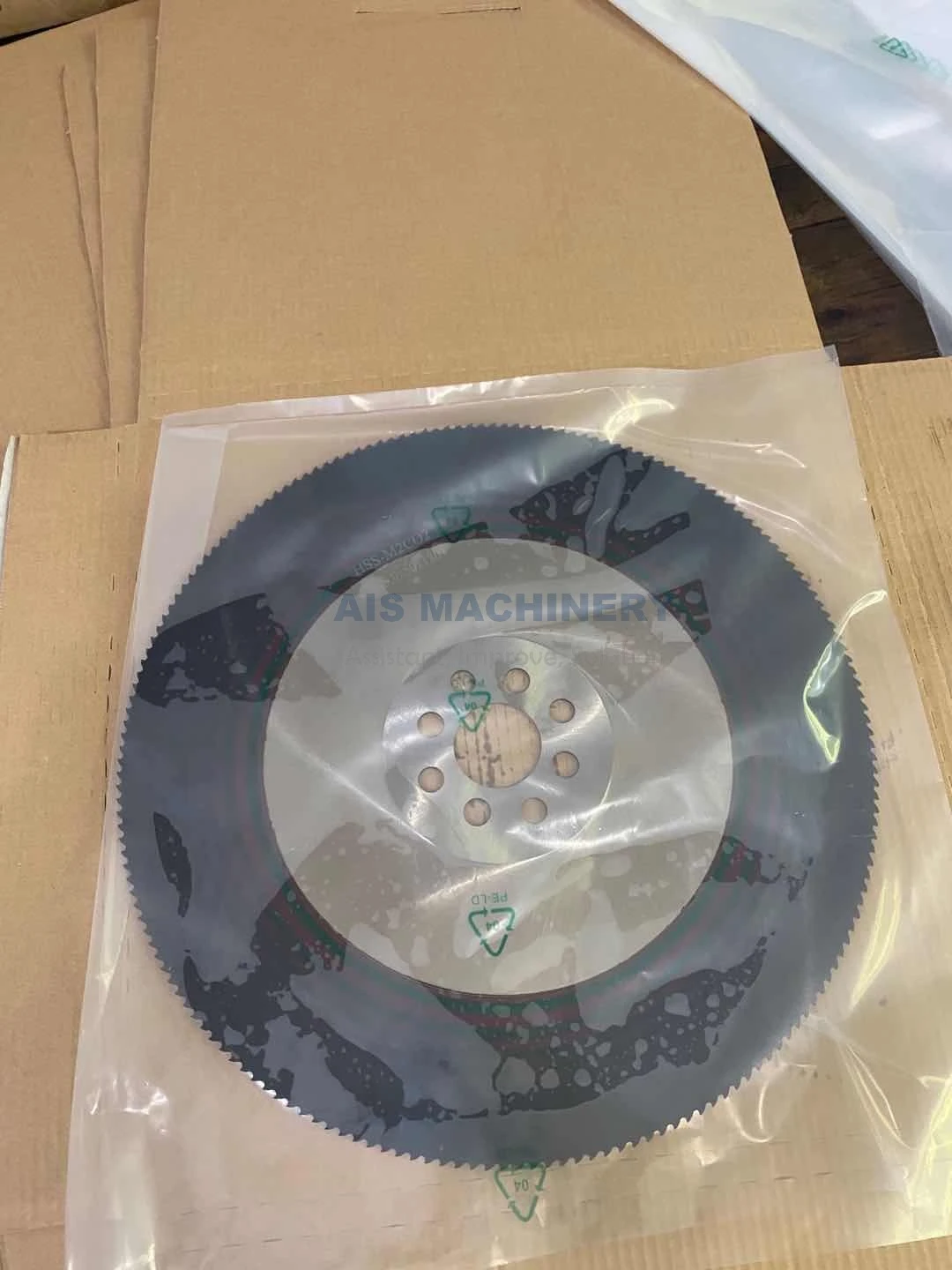
Saw Blade Guide for Tube Mills: Friction vs HSS vs TCT — Which One Should You Choose?
Confused about friction saw, HSS, and TCT blades? This guide explains their uses in cold saw and friction saw machines, with pros, cons, and expert selection tips.
2026-04-24 08:54:16
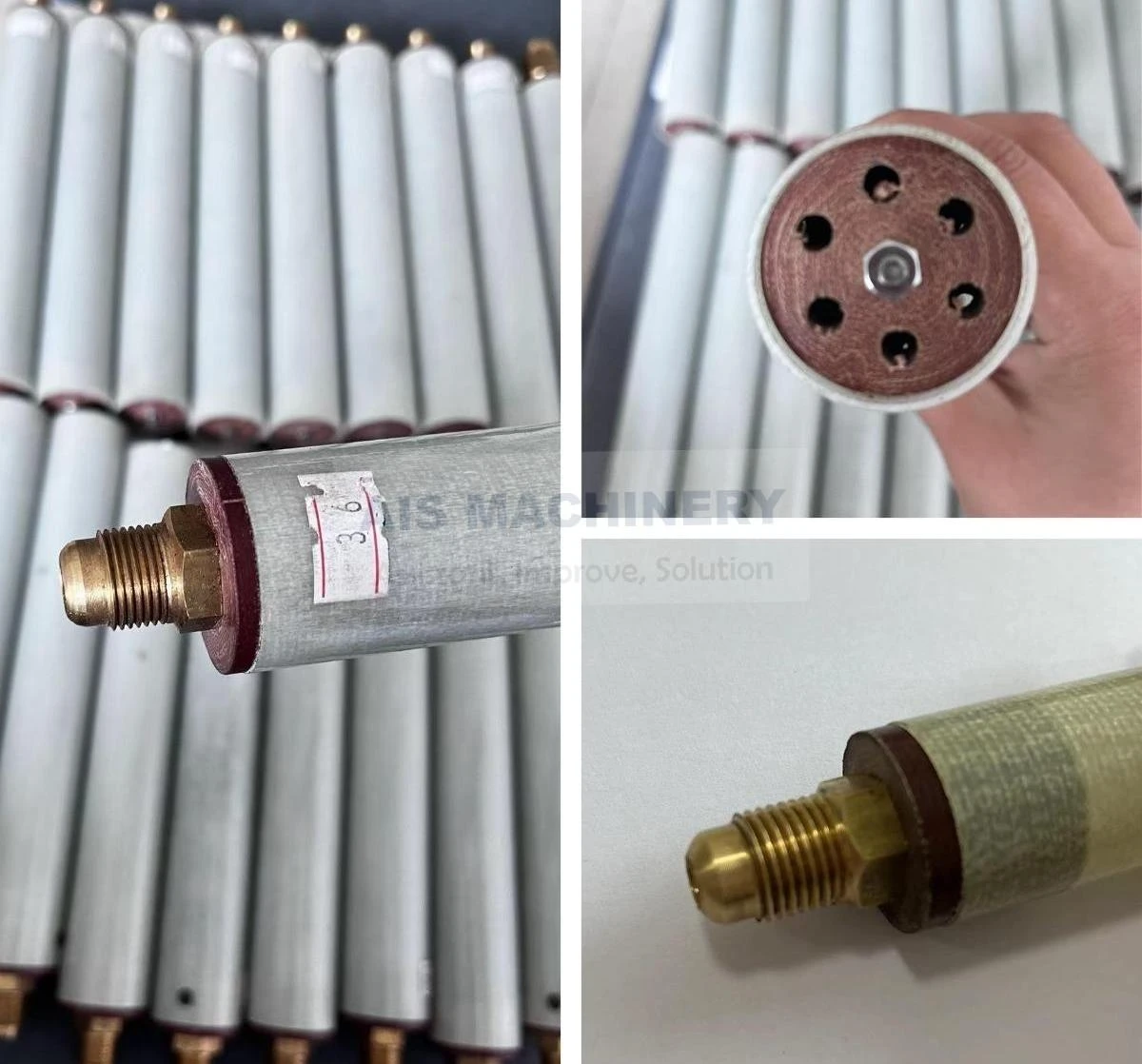
What is an Impeder and Ferrite Rods in ERW Tube Mill?
Struggling with impeder overheating or short service life in your ERW tube mill? This guide explains common impeder problems, the role of ferrite rods, and how to choose the right impeder for stable welding performance. Improve weld quality, reduce energy loss, and extend equipment lifespan with the right selection and proper cooling solutions.
2026-04-21 10:22:25
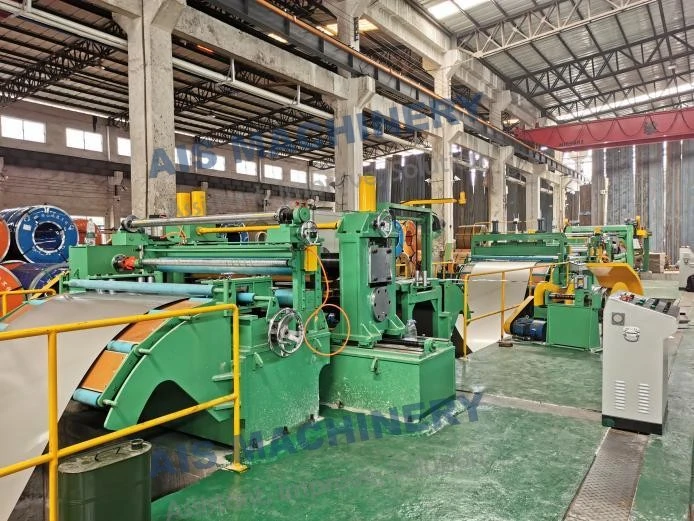
Slitting & Cut-to-Length Combined Production Line: A Smarter Way to Process Steel Coils
Discover the Slitting & Cut-to-Length Combined Production Line, a flexible solution for steel coil processing. This system integrates slitting line and cut-to-length line functions in one machine, saving space, reducing costs, and improving efficiency. Ideal for processing both steel strips and sheets, it is widely used in service centers and manufacturing industries. Learn its advantages, limitations, and applications.
2026-04-18 03:20:20
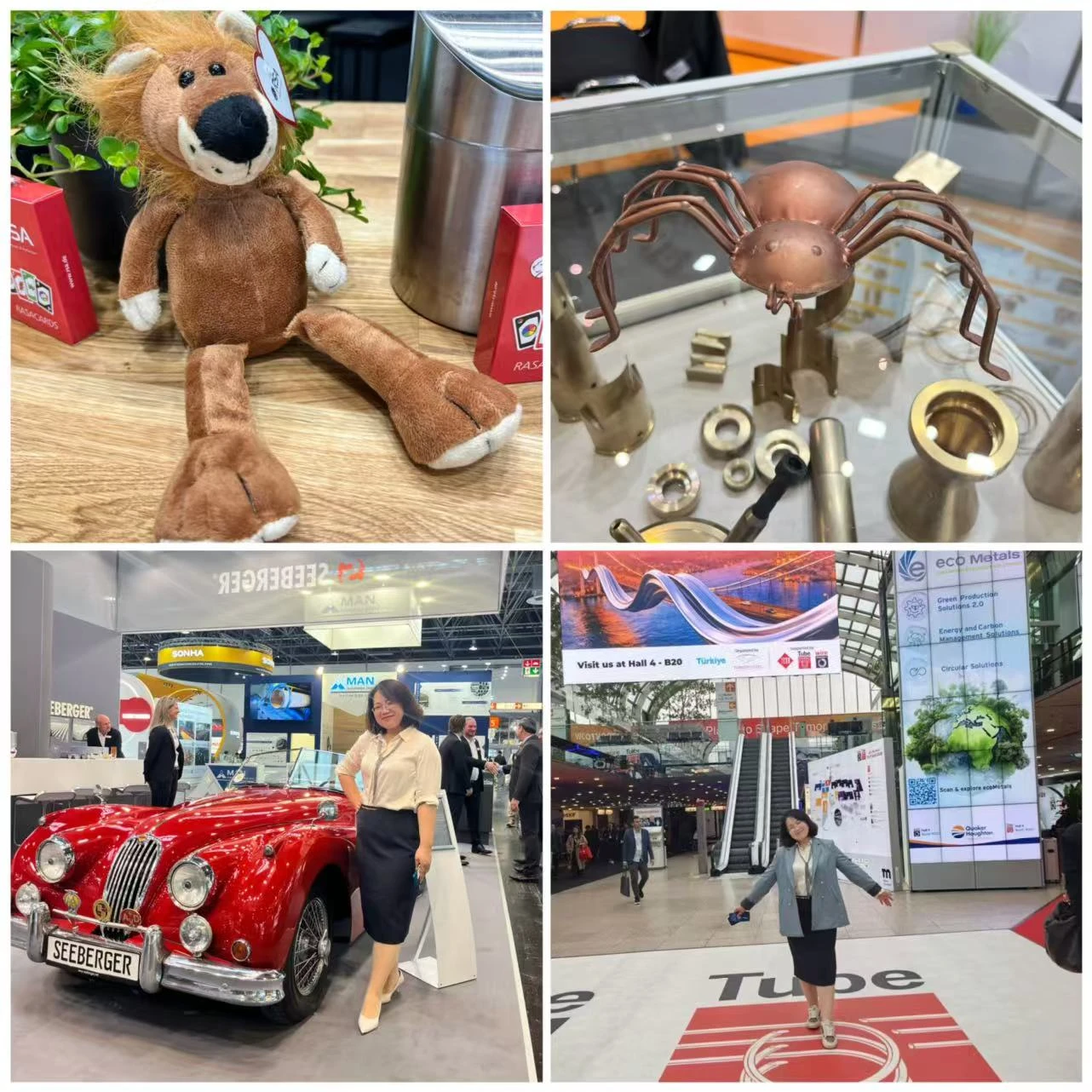
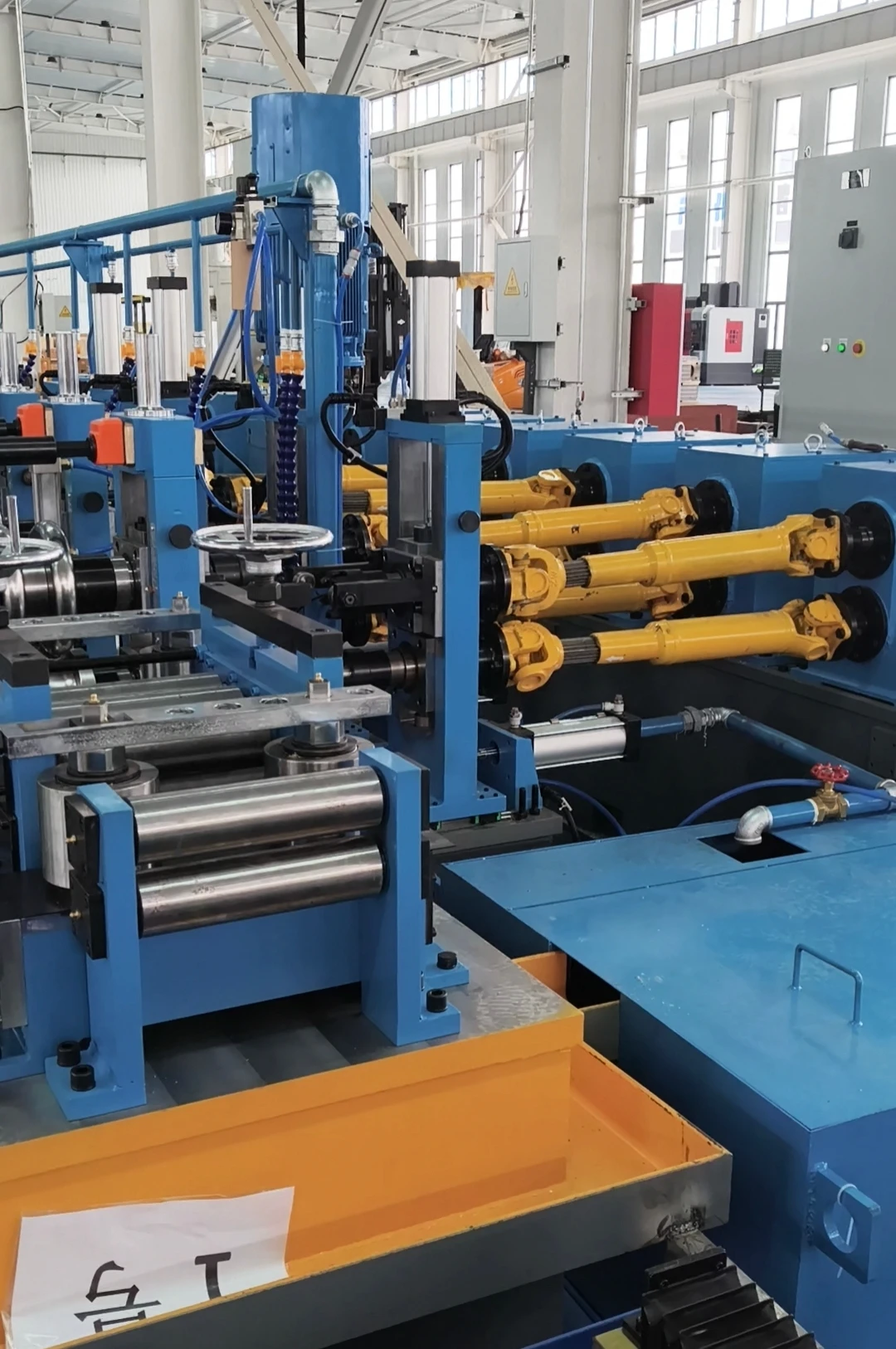
AIS Machinery Showcases Advanced Tube Solutions at Tube & Wire Düsseldorf 2026
Tube & Wire Düsseldorf 2026, one of the most influential exhibitions in the global tube and wire industry, held biennially in Düsseldorf, Germany
2026-04-17 00:00:00
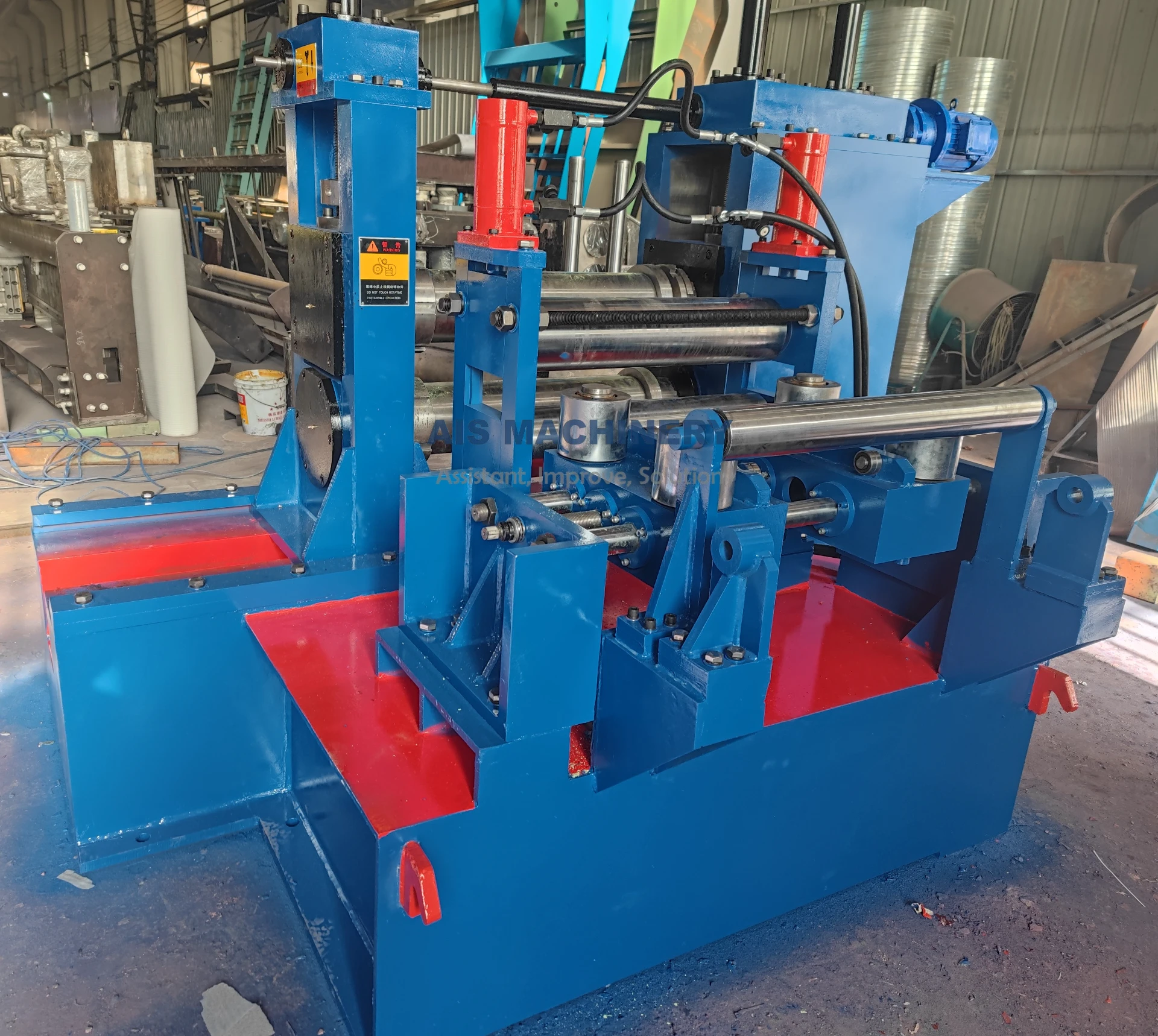
Southeast Asia Client Visits Our Factory | Customized Tube Mill Solution Delivered
A Southeast Asia client visited our ERW tube mill factory to inspect production lines and discuss a customized tube mill solution. Impressed by our machine quality, welding performance, and engineering support, the client confirmed strong cooperation intentions. Discover how our ERW tube mill solutions improve efficiency, precision, and long-term production reliability.
2026-04-15 10:37:55
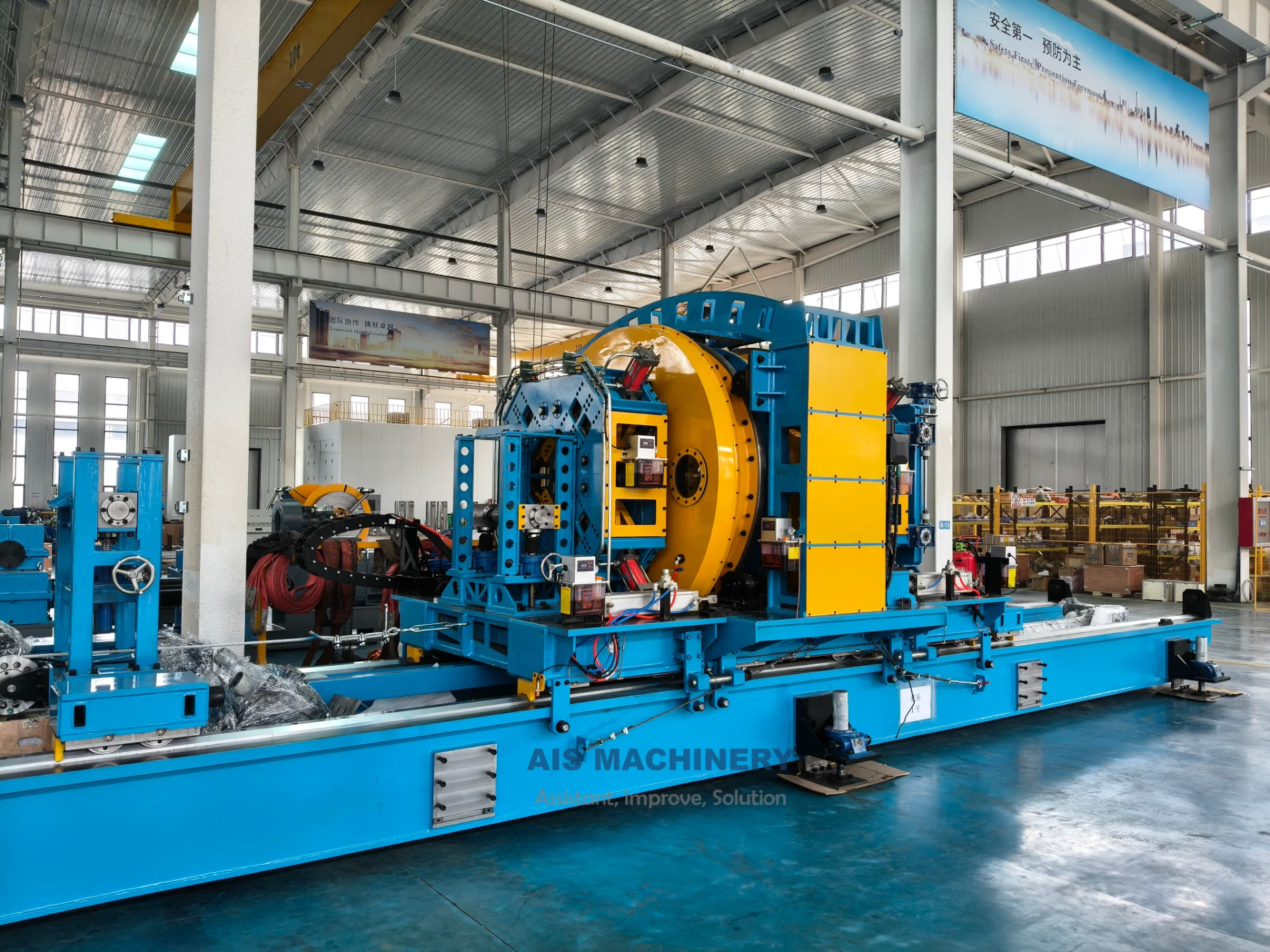
Flat Bar Production Line for Steel Coils: How It Works & Why It Matters
Looking for a flat bar production line? Learn how it turns steel coils into ready-to-use flat bars with precise length and high straightness. Compare it with slitting lines and get the best solution for your steel processing needs.
2026-04-14 00:00:00
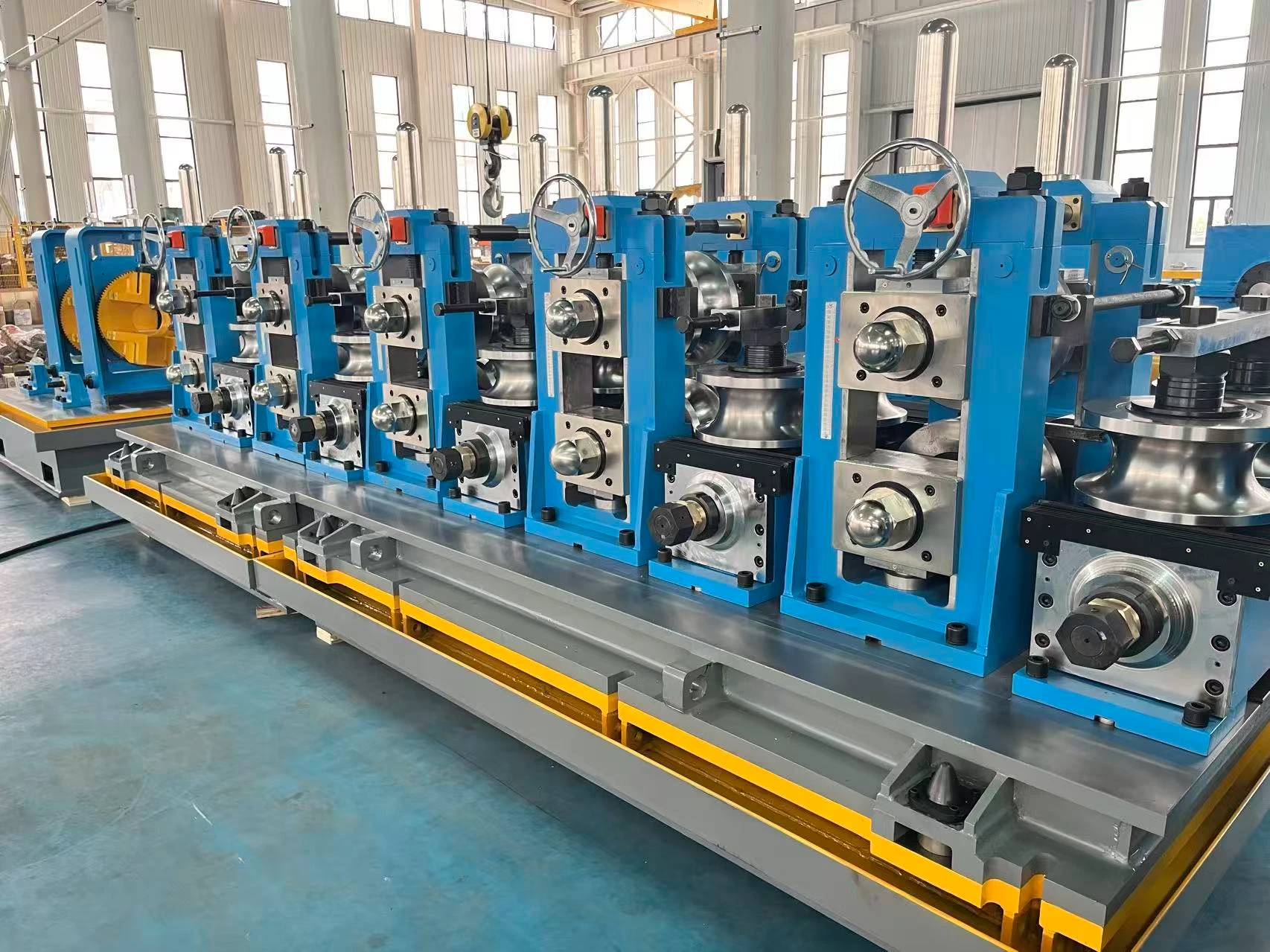
Looking for a Milling Saw for ERW Tube Mill? Here’s What You Need to Know
Looking for a high-performance milling saw for your ERW tube mill? Upgrade to burr-free, high-precision pipe cutting with advanced flying saw technology. Improve efficiency, reduce rework, and meet export standards for carbon steel, stainless steel, and API pipes. Contact us today for expert solutions and competitive pricing tailored to your production needs.
2026-04-09 16:15:19
5-Inch (127mm) ERW Tube Making Machine Delivered with Heavy-Duty Design and Advanced Quick Change System
Send a Message
Dear customer, thank you for your attention! We provide high-quality machinery and equipment and look forward to your orders. Please inform us of your needs and we will respond quickly!
 English
  Albanian
  Arabic
  French
  German
  Indonesian
  Italian
  Japanese
  Kazakh
  Korean
  Latin
Latin  Macedonian
  Portuguese
  Russian
  Spanish
  Thai
Thai  Turkish
  Ukrainian
  Uzbek
Uzbek