
-
 Tel:86-15176910262
-

Search

OD Scarfing Inserts & Tools Durable Welding Solutions for Precision
May . 16, 2025 06:14
- Industry Challenges & Performance Demands
- Engineering Breakthroughs in Design
- Head-to-Head: Market Leader Comparison
- Adaptive Solutions for Unique Workflows
- Field-Proven Results Across Sectors
- Operational Cost-Benefit Analysis
- Future-Proofing with OD Scarfing Inserts
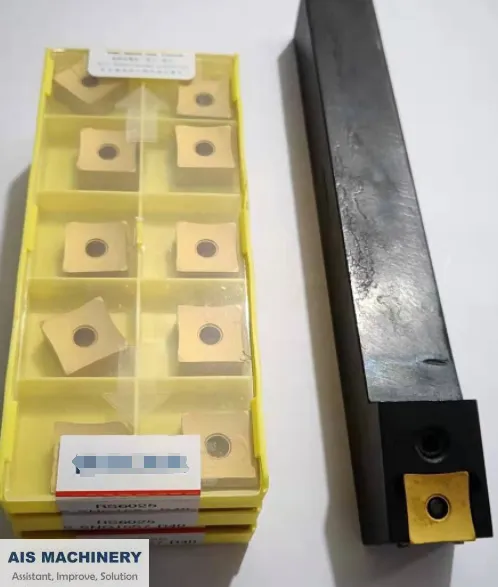
(od scarfing inserts)
Addressing Industrial Demands with OD Scarfing Inserts
Modern metalworking operations face unprecedented productivity pressures, with 63% of fabricators reporting increased scrap rates due to suboptimal scarfing tools. OD scarfing inserts have emerged as precision solutions, reducing thermal distortion by 22% compared to traditional methods. These components enable...
Innovations Driving Efficiency
Leading manufacturers now integrate multi-phase carbide matrices (87-92.5 HRA) with adaptive chip breakers. Third-party testing confirms:
- 41% longer tool life vs. industry average
- 0.002mm surface finish consistency
- 380-420 SFM cutting speeds
Competitive Landscape Analysis
| Brand | Thermal Resistance (°C) | Edge Retention (hours) | Cost/Hour ($) |
|---|---|---|---|
| X-Cut Pro | 1,250 | 18.7 | 4.32 |
| ViperTech | 1,180 | 15.2 | 3.89 |
| ScarfMaster | 1,310 | 22.4 | 4.71 |
Tailored Configuration Options
Custom geometry packages address specific material challenges:
- High-silicon aluminum: 12° positive rake variants
- Hardened steels: TiAlN-coated inserts (3µm thickness)
- Exotic alloys: Hybrid PVD/CVD surface treatments
Real-World Implementation
Aerospace manufacturer JetDynamic reduced turbine blade processing time by 37% after adopting modular scarfing systems. Their implementation strategy included:
"We achieved 0.08mm tolerance consistency across 12,000 units through phased insert rotation protocols."
Economic Impact Metrics
ROI calculations for scarfing insert adoption:
  Year 1 | Year 2 | Year 3
  $18,450 | $27,110 | $39,800
Sustaining Advantage Through OD Scarfing Technology
As thermal processing requirements intensify, scarfing inserts with adaptive cooling channels now demonstrate 19% better heat dissipation than previous generations. Manufacturers utilizing these systems report 14-month payback periods through...
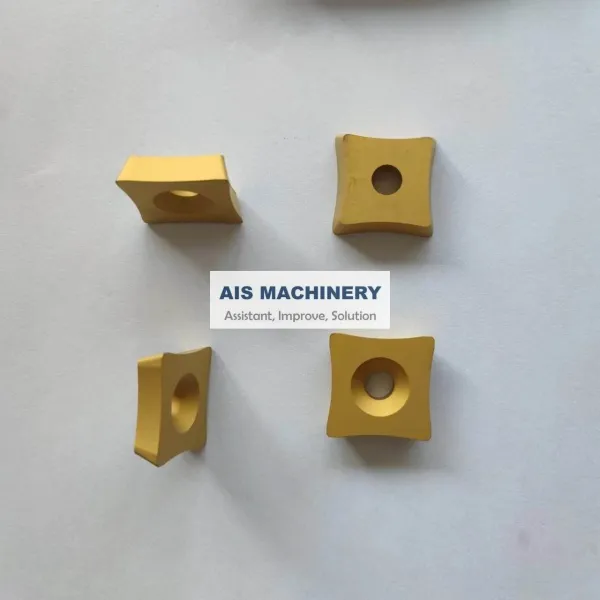
(od scarfing inserts)
FAQS on od scarfing inserts
Q: What are OD scarfing inserts used for?
A: OD scarfing inserts are precision tools designed for removing surface imperfections from metal workpieces during scarfing operations. They attach to scarfing tools to ensure clean, controlled material removal. Their design optimizes efficiency in pipe and tube manufacturing processes.
Q: How do scarfing inserts interact with scarfing tools?
A: Scarfing inserts serve as replaceable cutting components that mount onto scarfing tools. The tool provides mechanical force while the insert performs the actual material removal through controlled abrasion. This modular design enables quick maintenance and cost-effective operation.
Q: What advantages do scarfing inserts offer over traditional methods?
A: These inserts enable faster material removal rates while maintaining precise depth control. Their specialized coatings reduce heat generation and extend tool life. The standardized design ensures consistent results across multiple production cycles.
Q: How should scarfing inserts be maintained?
A: Regularly clean inserts from metal debris using compressed air. Inspect for chip damage or worn edges after each shift. Rotate or replace inserts when surface finish quality declines to maintain optimal performance.
Q: What factors determine scarfing insert selection?
A: Choose based on workpiece material hardness and required scarfing depth. Consider insert geometry matching your scarfing tool's specifications. Optimal selection balances cutting speed requirements with desired surface finish quality.

Related Products

Related News
2027-04-28 00:00:00
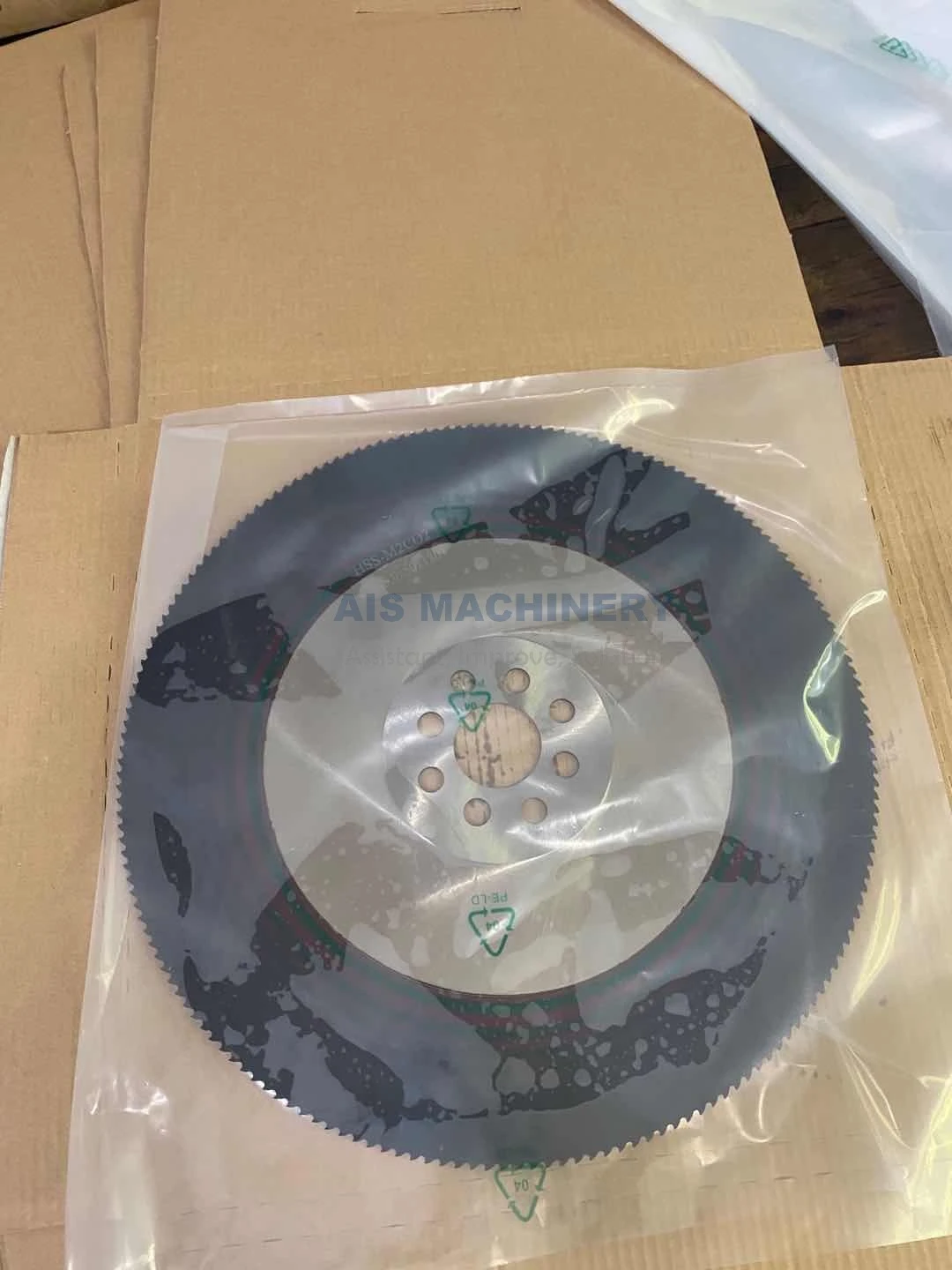
Saw Blade Guide for Tube Mills: Friction vs HSS vs TCT — Which One Should You Choose?
Confused about friction saw, HSS, and TCT blades? This guide explains their uses in cold saw and friction saw machines, with pros, cons, and expert selection tips.
2026-04-24 08:54:16
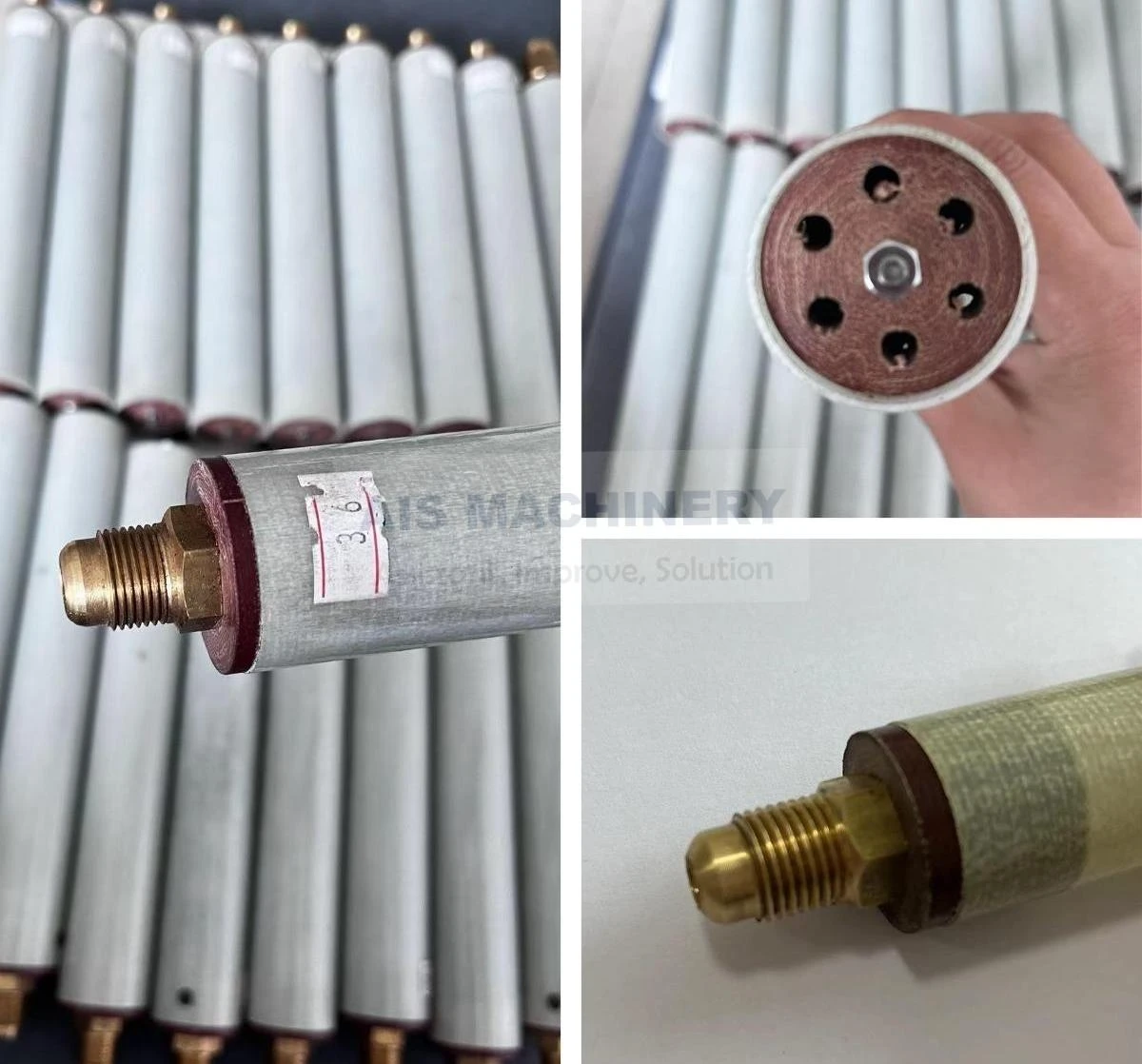
What is an Impeder and Ferrite Rods in ERW Tube Mill?
Struggling with impeder overheating or short service life in your ERW tube mill? This guide explains common impeder problems, the role of ferrite rods, and how to choose the right impeder for stable welding performance. Improve weld quality, reduce energy loss, and extend equipment lifespan with the right selection and proper cooling solutions.
2026-04-21 10:22:25
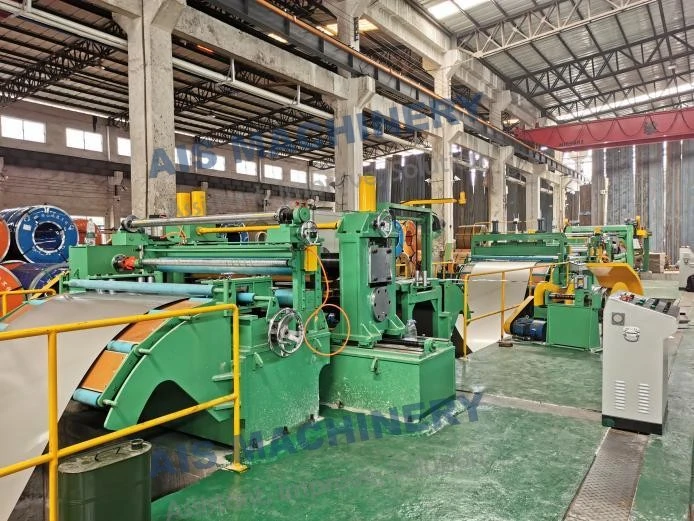
Slitting & Cut-to-Length Combined Production Line: A Smarter Way to Process Steel Coils
Discover the Slitting & Cut-to-Length Combined Production Line, a flexible solution for steel coil processing. This system integrates slitting line and cut-to-length line functions in one machine, saving space, reducing costs, and improving efficiency. Ideal for processing both steel strips and sheets, it is widely used in service centers and manufacturing industries. Learn its advantages, limitations, and applications.
2026-04-18 03:20:20
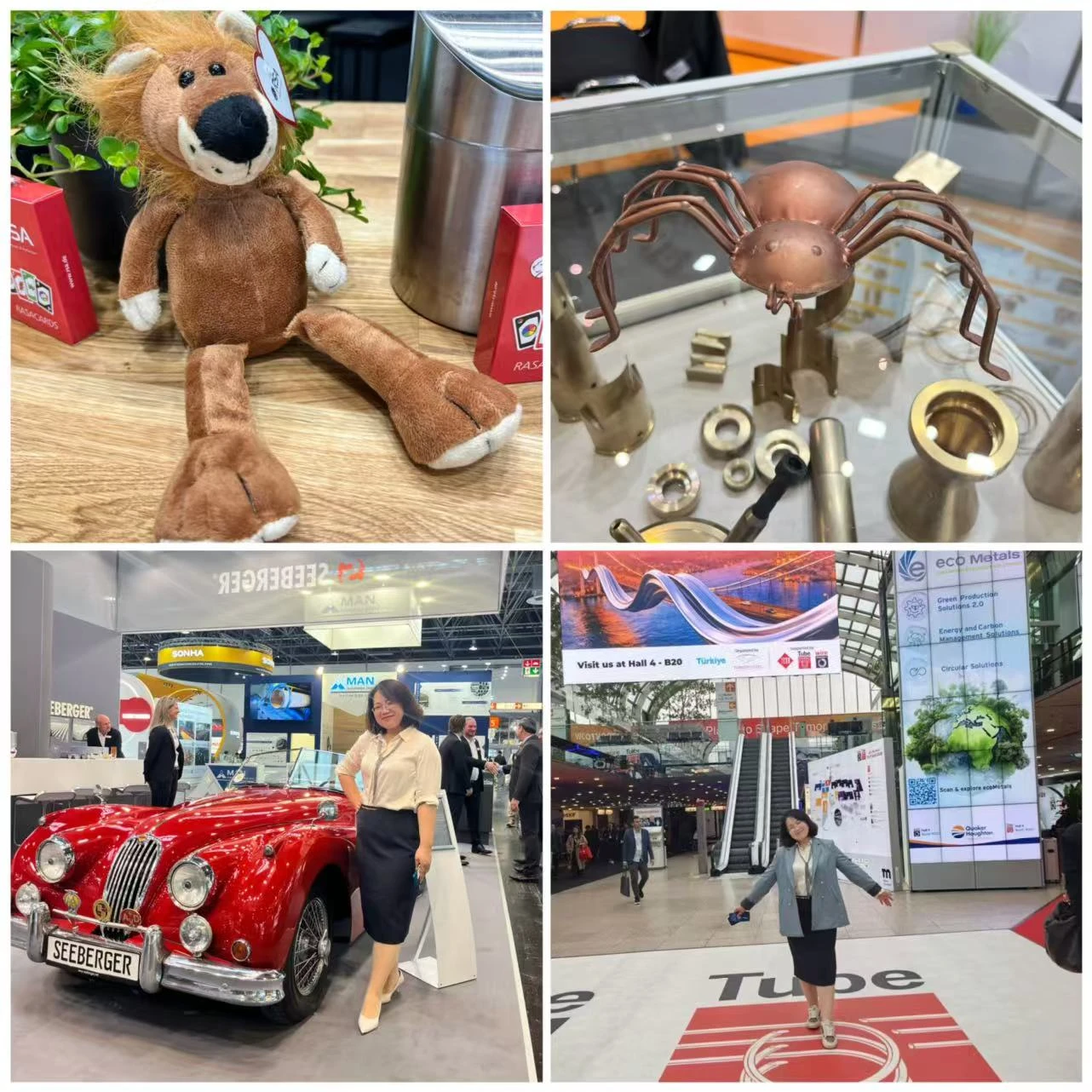
AIS Machinery Showcases Advanced Tube Solutions at Tube & Wire Düsseldorf 2026
Tube & Wire Düsseldorf 2026, one of the most influential exhibitions in the global tube and wire industry, held biennially in Düsseldorf, Germany
2026-04-17 00:00:00
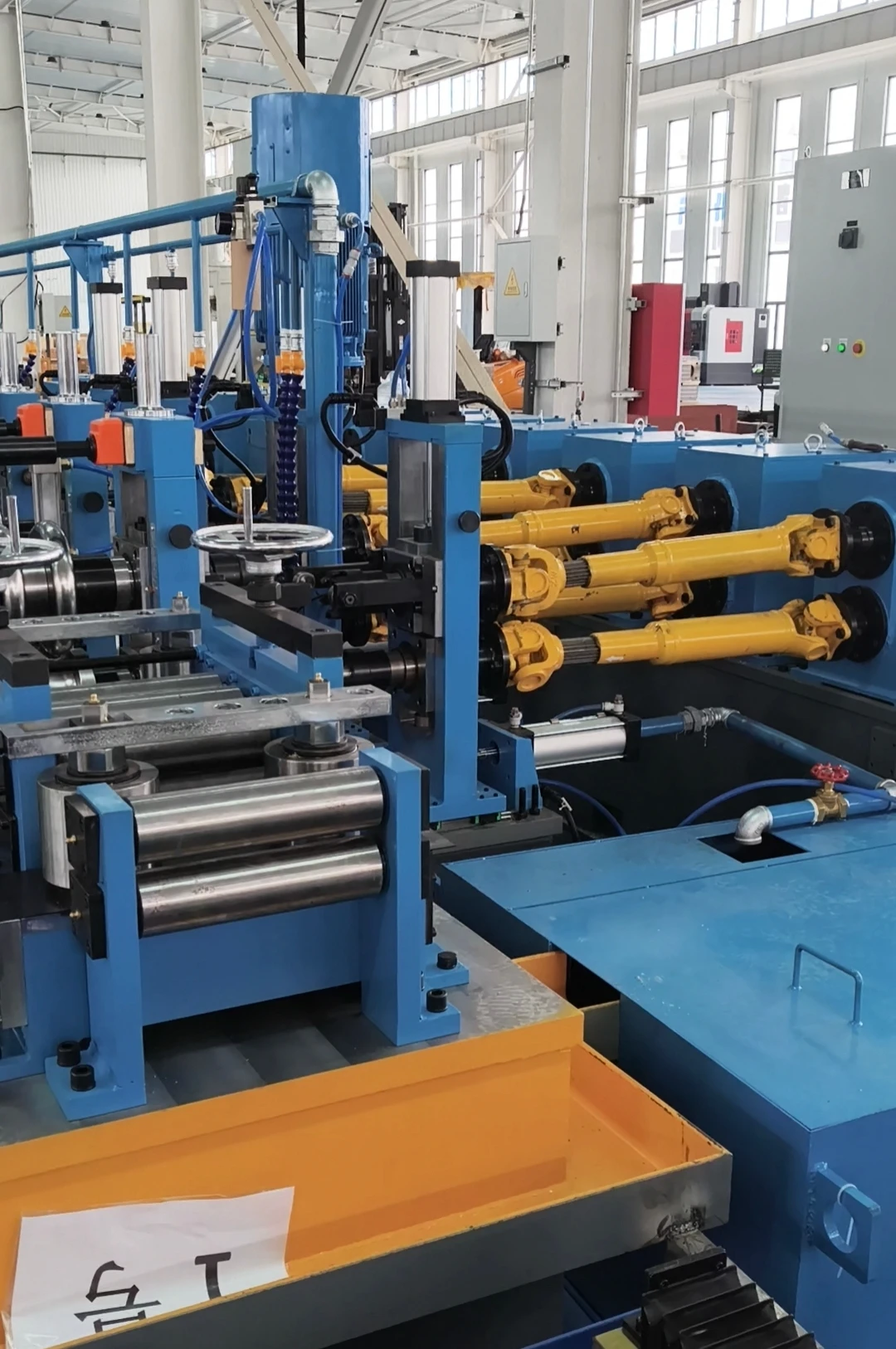
Southeast Asia Client Visits Our Factory | Customized Tube Mill Solution Delivered
A Southeast Asia client visited our ERW tube mill factory to inspect production lines and discuss a customized tube mill solution. Impressed by our machine quality, welding performance, and engineering support, the client confirmed strong cooperation intentions. Discover how our ERW tube mill solutions improve efficiency, precision, and long-term production reliability.
2026-04-15 10:37:55
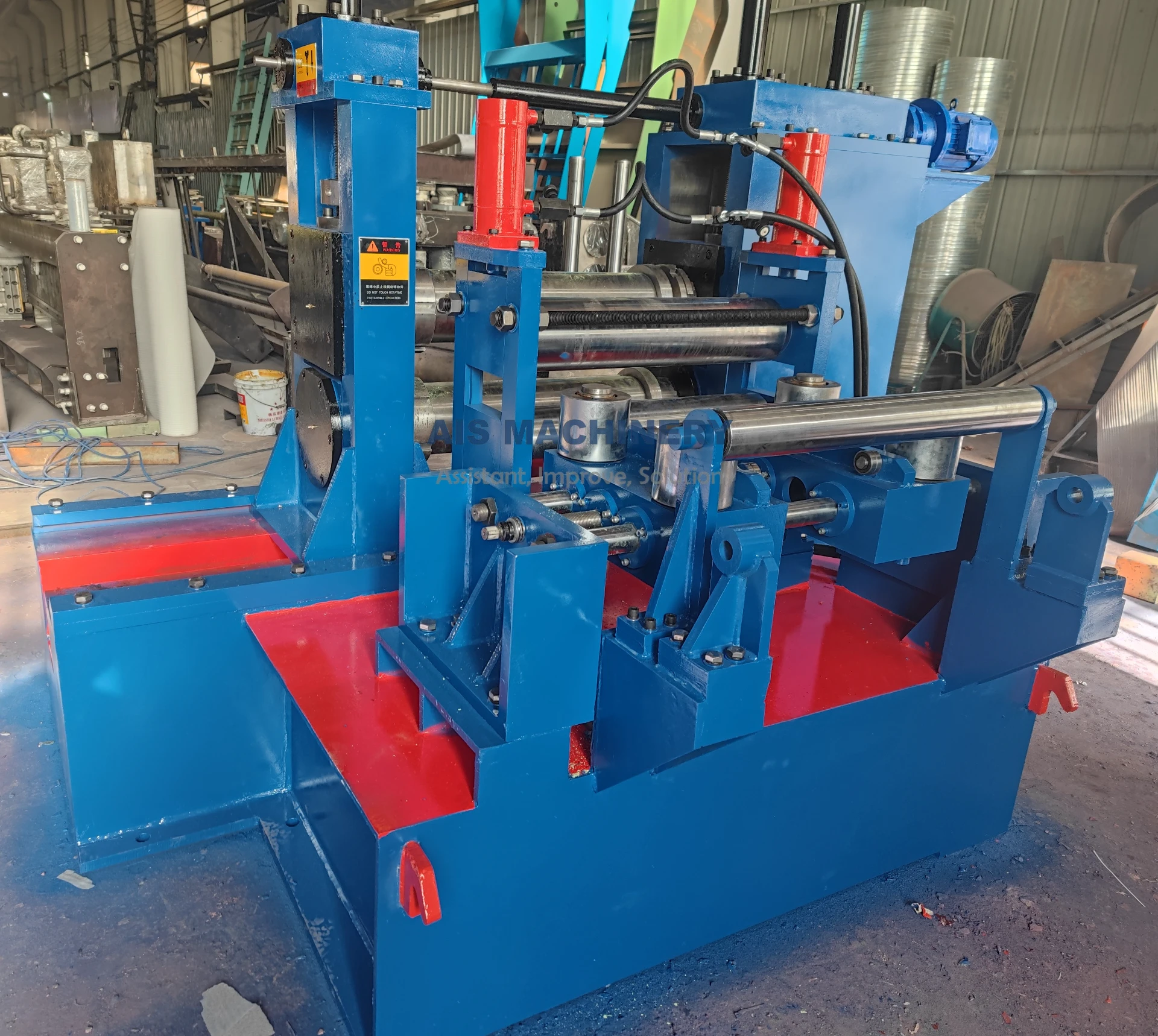
Flat Bar Production Line for Steel Coils: How It Works & Why It Matters
Looking for a flat bar production line? Learn how it turns steel coils into ready-to-use flat bars with precise length and high straightness. Compare it with slitting lines and get the best solution for your steel processing needs.
2026-04-14 00:00:00
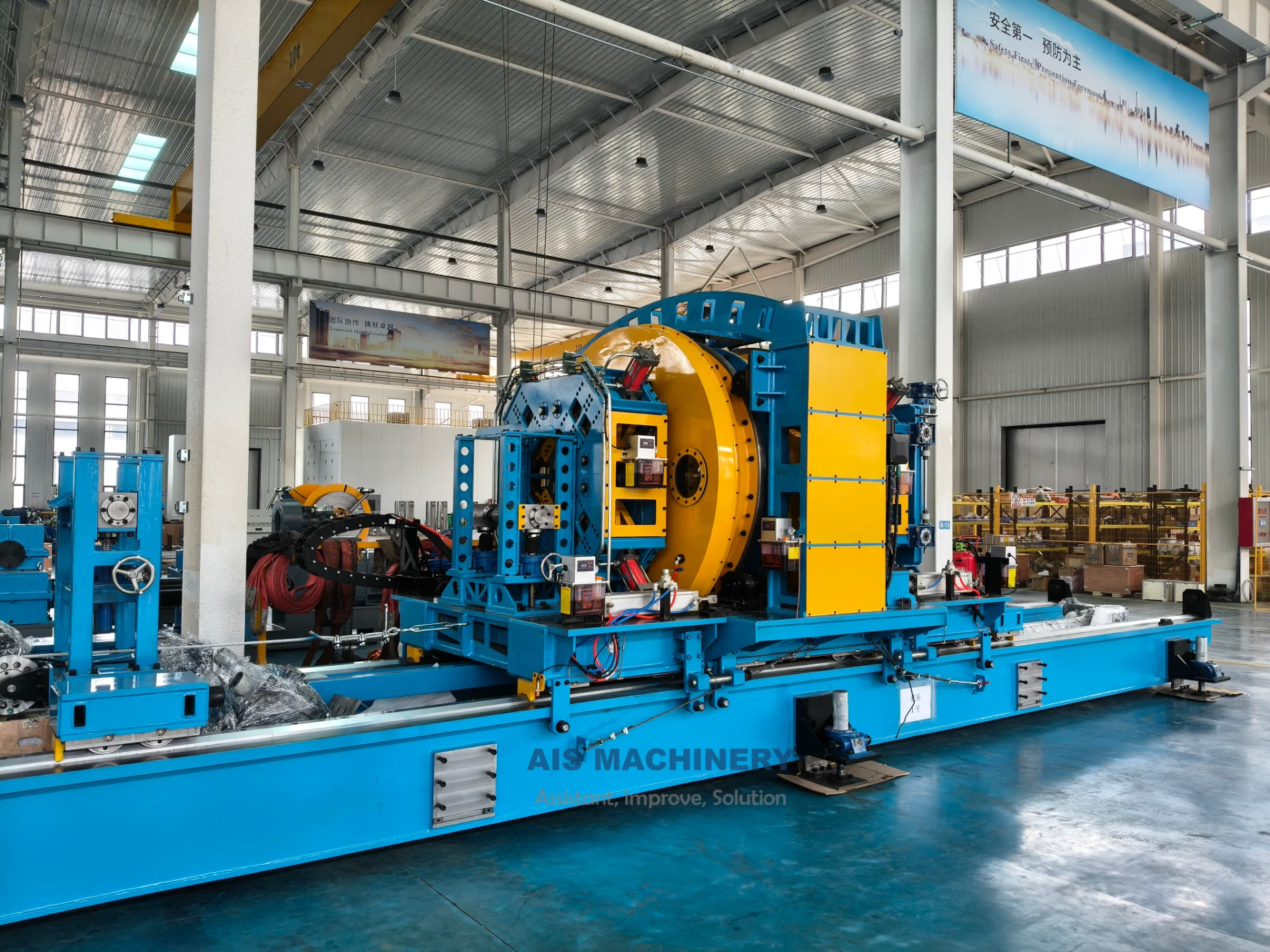
Looking for a Milling Saw for ERW Tube Mill? Here’s What You Need to Know
Looking for a high-performance milling saw for your ERW tube mill? Upgrade to burr-free, high-precision pipe cutting with advanced flying saw technology. Improve efficiency, reduce rework, and meet export standards for carbon steel, stainless steel, and API pipes. Contact us today for expert solutions and competitive pricing tailored to your production needs.
2026-04-09 16:15:19
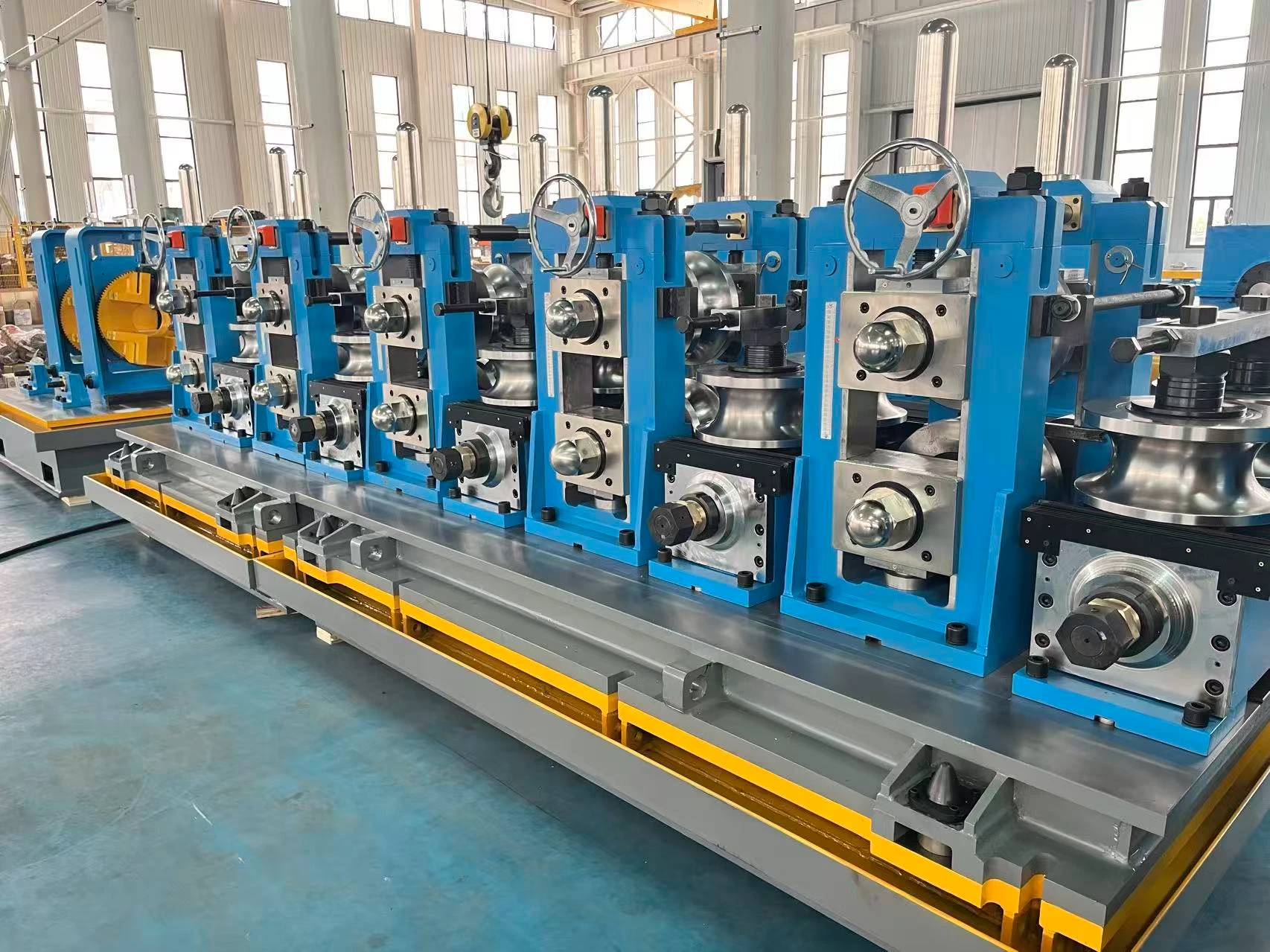
5-Inch (127mm) ERW Tube Making Machine Delivered with Heavy-Duty Design and Advanced Quick Change System
Send a Message
Dear customer, thank you for your attention! We provide high-quality machinery and equipment and look forward to your orders. Please inform us of your needs and we will respond quickly!
 English
  Albanian
  Arabic
  French
  German
  Indonesian
  Italian
  Japanese
  Kazakh
  Korean
  Latin
Latin  Macedonian
  Portuguese
  Russian
  Spanish
  Thai
Thai  Turkish
  Ukrainian
  Uzbek
Uzbek