
-
 Tel:86-15176910262
-

Search

Comprehensive Guide to Beam Roll Forming Machines – Efficiency & Global Impact
Dec . 02, 2025 15:20
Beam Roll Forming Machine: Essential Tech Powering Modern Construction
Have you ever wondered how those giant steel beams used in skyscrapers, bridges, or warehouses get their perfectly consistent shapes? That’s where the beam roll forming machine comes in. It’s a cornerstone of metal fabrication and is vital for infrastructures globally — from bustling urban centers to remote industrial zones. Understanding these machines sheds light on a quietly revolutionary technology that supports safety, sustainability, and economy worldwide.
Global Context: Why Beam Roll Forming Machines Matter
Steel and metal frameworks are the backbone of most modern infrastructure. According to the World Steel Association, global steel demand is projected to surpass 2 billion tons annually by 2030 — an incredible figure that reflects rapid urbanization and industrial growth, especially in Asia and Africa. But shaping those steel beams efficiently and reliably is critical. Traditional methods are slow or inconsistent. Enter the beam roll forming machine — enabling mass production of uniform steel beams with precise profiles, high strength, and reduced waste.
Global challenges such as disaster-resilient construction, affordable housing, and expanding transportation networks depend on reliable steel structures. So, the demand for refined beam roll forming technology is only rising.
What Exactly Is a Beam Roll Forming Machine?
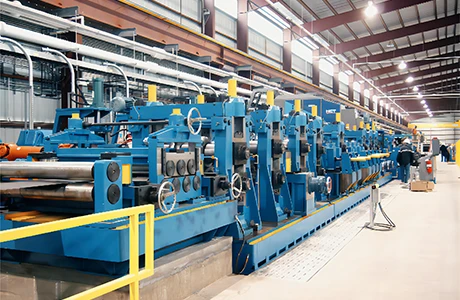
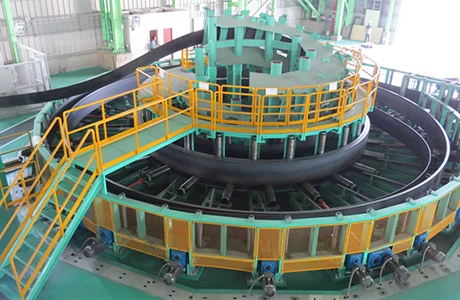
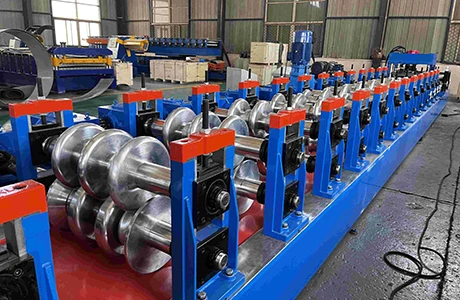
Put simply, a beam roll forming machine is an industrial setup that shapes metal strips or coils into structural beam sections by gradually bending the metal through a series of rollers. Unlike stamping or pressing, roll forming methods allow continuous, efficient production of complex cross-sections like I-beams, H-beams, C-channels, and Z-sections with impressively tight tolerances.
This process is critical not just for industry giants but also humanitarian projects—like deploying modular shelters or building emergency bridges in disaster-hit areas—where speed and quality matter deeply.
Core Components & Factors That Define a Beam Roll Forming Machine
1. Durability & Build Quality
Machines operate under heavy loads and continuous cycles—often in dusty or outdoor environments—so the frame and rollers must resist wear, misalignment, and corrosion to maintain accuracy and minimize downtime.
2. Scalability & Flexibility
Modern beam roll forming machines are designed to handle different steel gauges and beam profiles. This adaptability adds value because manufacturers can quickly switch production lines without major downtime.
3. Automation & Control
Advanced CNC (computer numeric control) systems allow precise adjustment of roller positions and speeds, improving repeatability. Automation also reduces operator fatigue and errors, key in high-volume production.
4. Cost Efficiency
These machines cut material waste because roll forming shapes beams continuously from coil stock, rather than cutting from larger steel sections or plates. Lower scrap rates translate directly into savings.
5. Speed and Throughput
Throughput rates can reach tens of meters per minute, which is essential for meeting large infrastructure projects' tight deadlines.
Beam Roll Forming Machine Technical Specifications
| Specification | Details |
|---|---|
| Material Thickness | 1.5 mm – 12 mm |
| Beam Types | I-beam, H-beam, C-channel, Z-section |
| Max Width | 700 mm |
| Line Speed | Up to 25 m/min (depends on profile) |
| Control System | PLC + CNC (Siemens/Delta options) |
| Power Supply | 380V / 50Hz / 3 Phase |
Global Applications & Use Cases
These machines serve a vast array of uses across sectors:
- Construction: Manufacturing primary steel beams for high-rise buildings in Asia’s growing urban hubs.
- Infrastructure: Producing durable beams for highway bridges and railways in Europe and the US.
- Disaster Relief: Quickly fabricating structural components for temporary shelters and bridges after earthquakes or floods in vulnerable regions.
- Industrial Facilities: Heavy machinery supports expansion in oil & gas fields in the Middle East and remote mining operations in Latin America.
For example, after the 2010 Haiti earthquake, rapid deployment of modular housing hinged on quickly fabricated steel frames made possible by local roll forming facilities. The machine helped meet urgent supply needs where imported materials would be delayed.
Vendor Comparison: Leading Beam Roll Forming Machines
| Feature | Vendor A | Vendor B | Vendor C |
|---|---|---|---|
| Max Material Thickness | 12 mm | 10 mm | 14 mm |
| Automation Level | Full CNC Controlled | Semi-Automatic | Manual Overrides |
| Production Speed (max) | 25 m/min | 20 m/min | 22 m/min |
| Price Range | $250k–$400k | $180k–$320k | $220k–$370k |
| Warranty & Support | 3 Years International | 2 Years Regional | 5 Years Local Only |
Advantages and Long-Term Value of Beam Roll Forming Machines
One of the reasons these machines are trusted globally is that they offer:
- Consistent Quality: Enables strong, uniform beams ensuring structural safety.
- Reduced Waste: Continuous shaping from coils means almost zero scrap, which helps sustainability and lowers costs.
- Speed & Efficiency: Meets time-sensitive projects and scaling demands, vital for disaster response or fast-paced urban construction.
- Social Impact: Improved infrastructure boosts community safety and development, really a backbone for progress in emerging markets.
On a human scale, knowing a bridge or building uses these precisely formed beams offers peace of mind about structural integrity. It feels like a quiet but solid form of trust in engineering.
Future Trends and Innovations
Looking ahead, beam roll forming technology is evolving rapidly:
- Green Manufacturing: Utilizing eco-friendly lubricants and energy-saving drives to reduce carbon footprints.
- Smart Automation: Integration with IoT sensors for predictive maintenance, reducing unexpected downtime.
- Flexible Production Lines: Modular machines that can switch beam profiles dynamically via software.
- Advanced Materials: Exploring new metal alloys and composites to make lighter yet stronger beams.
It’s a fascinating time — these machines are quietly embracing Industry 4.0, making them smarter and more sustainable.
Challenges and Solutions
Of course, there are hurdles. Some common issues include:
- High Initial Investment: The upfront cost can be steep, especially for smaller manufacturers.
- Maintenance Needs: Wear on rollers demands regular service to prevent production quality loss.
- Operator Skill: Despite automation, skilled technicians are needed to run and troubleshoot the lines.
Innovations like leasing models, better remote diagnostics, and online training programs are emerging as practical fixes, helping operators and buyers overcome these friction points effectively.
FAQ: Frequently Asked Questions About Beam Roll Forming Machines
- Q: What types of steel profiles can a beam roll forming machine make?
- A: Most beam roll forming machines produce standard profiles like I-beams, H-beams, C-channels, and Z-sections. Advanced units can be customized for special profiles depending on tooling. This flexibility supports a wide array of construction needs.
- Q: How long does it take to set up a new beam profile on the machine?
- A: Setup time varies but with modern CNC control and modular tooling, it typically ranges from a few hours up to a day, including calibration. This quick changeover minimizes production downtime.
- Q: Can beam roll forming machines use recycled steel coils?
- A: Yes, using recycled steel is common and supports sustainability goals. However, the coil quality must meet certain standards to avoid machinery damage and ensure beam integrity.
- Q: What maintenance practices keep the machine running longer?
- A: Routine inspection of rollers, lubrication of moving parts, alignment checks, and real-time monitoring reduce wear and prevent unexpected failures. Training operators is equally important.
- Q: Are there environmental regulations impacting beam roll forming operations?
- A: Yes, many regions impose emissions and waste handling standards. Modern machines comply by using energy-efficient components and managing lubricants or waste responsibly.
Conclusion
All in all, the beam roll forming machine isn’t just a piece of industrial equipment — it’s a vital partner in building the world’s infrastructure safely, efficiently, and sustainably. Whether it’s skyscrapers in Shanghai, bridges in Germany, or emergency shelters on a remote island, these machines quietly support billions of lives.
If you want a blend of precision, speed, and reliability in your steel beam production, I encourage you to explore options at beam roll forming machine vendors like those featured here. It’s a decision that truly shapes the future — quite literally.
Mini takeaway: Investing in modern beam roll forming technology means better quality, less waste, and faster project delivery — key drivers for tomorrow’s infrastructure.
References:
1. World Steel Association, Global Steel Demand Outlook, 2023
2. ISO Standards on Steel Manufacturing and Sustainability, ISO.org
3. Disaster Relief Construction Case Study, UNHCR Reports

Related Products


Related News
2026-04-30 09:35:04
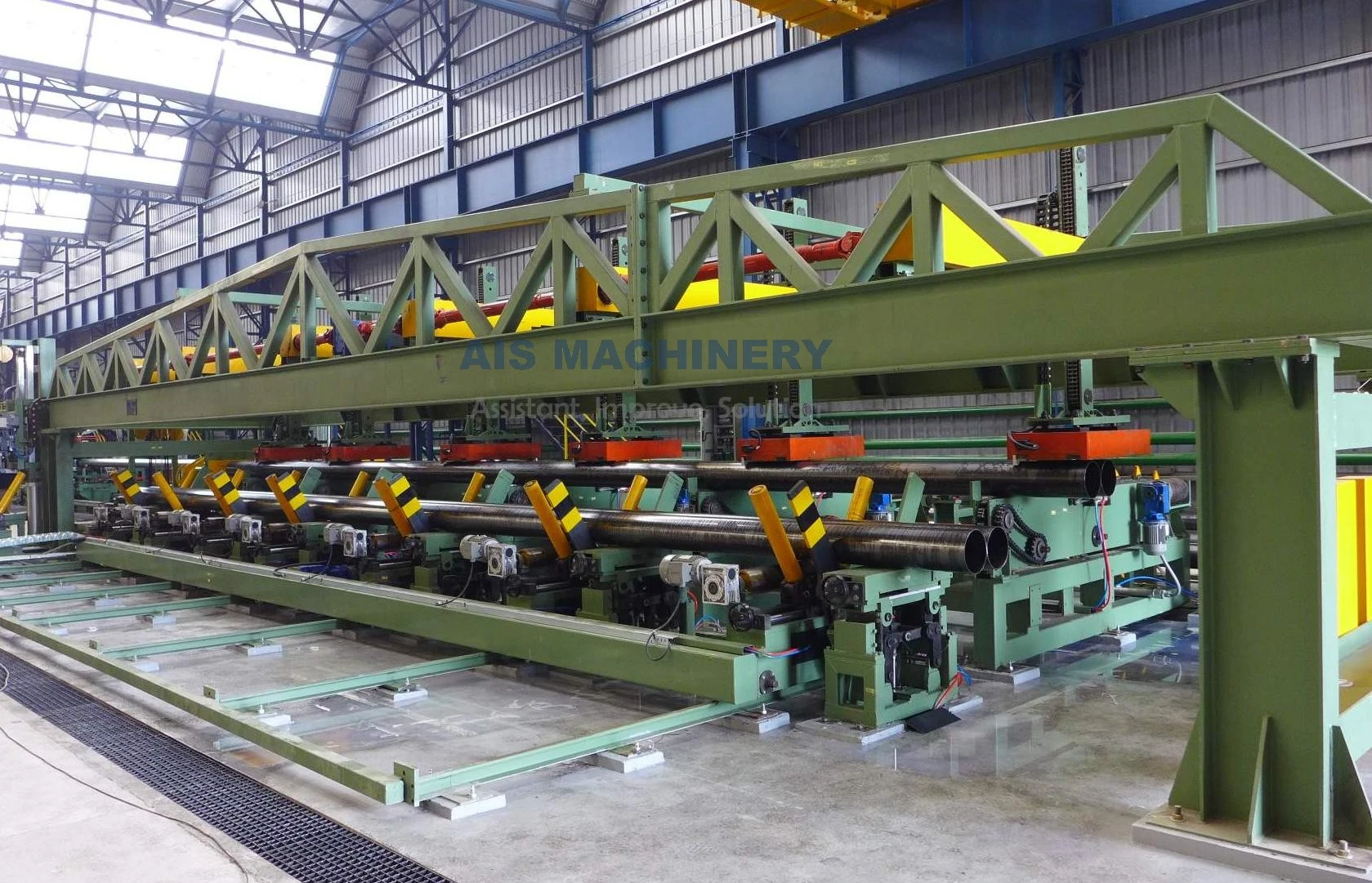
Automatic Stacking Machine (Magnetic Chuck Type)
The Automatic Stacking Machine (Magnetic Chuck Type) from AIS Machinery is designed to efficiently collect and stack steel tubes in ERW tube mill production lines. Using electromagnetic lifting, it can pick up multiple tubes at once and place them neatly in layers. This reduces manual labor, improves stacking accuracy, and increases overall production efficiency. It is installed after the flying saw and works seamlessly with the mill line, making it an ideal solution for modern tube manufacturers.
2026-04-28 08:56:05
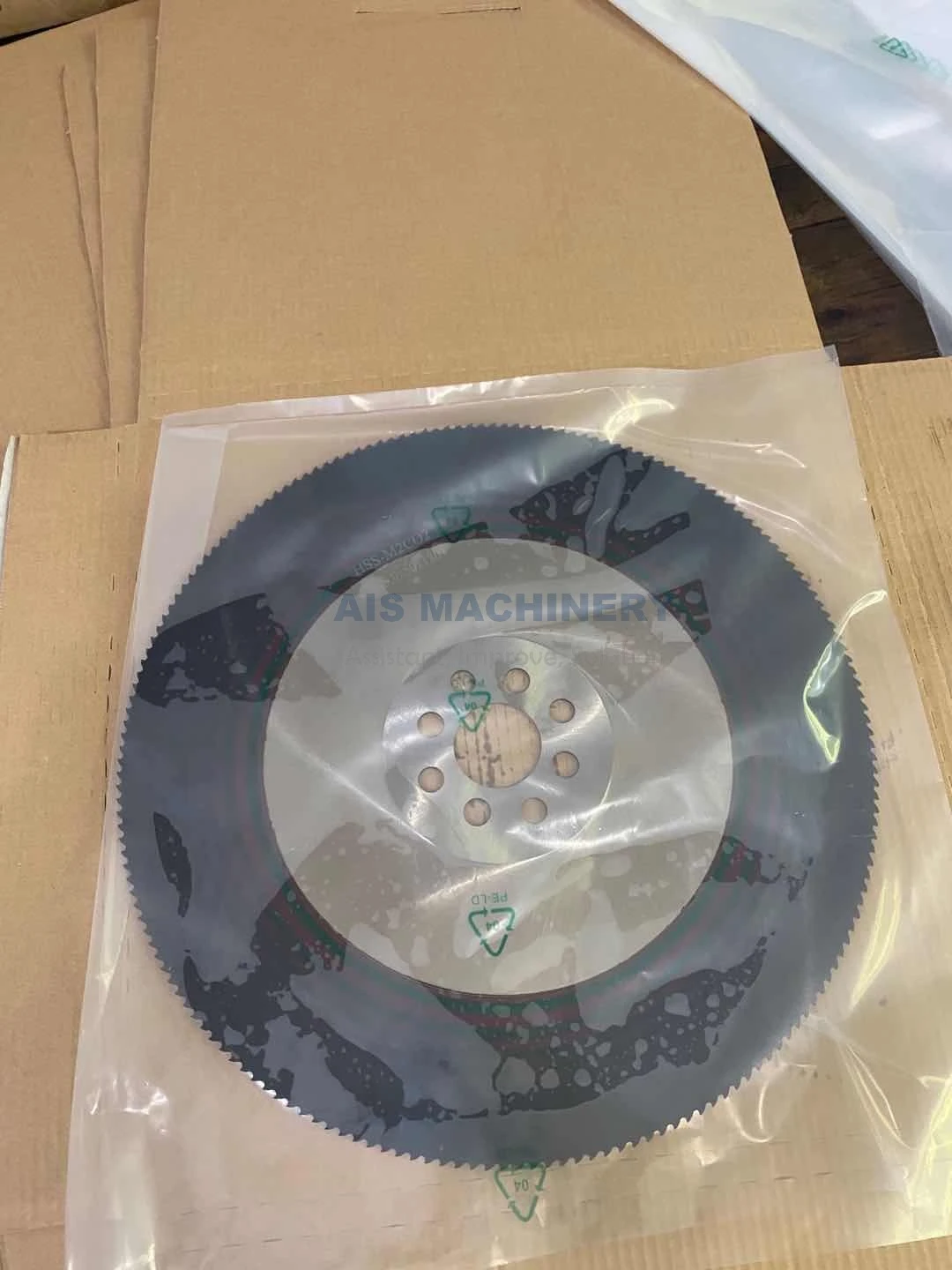
Saw Blade Guide for Tube Mills: Friction vs HSS vs TCT — Which One Should You Choose?
Confused about friction saw, HSS, and TCT blades? This guide explains their uses in cold saw and friction saw machines, with pros, cons, and expert selection tips.
2026-04-24 08:54:16
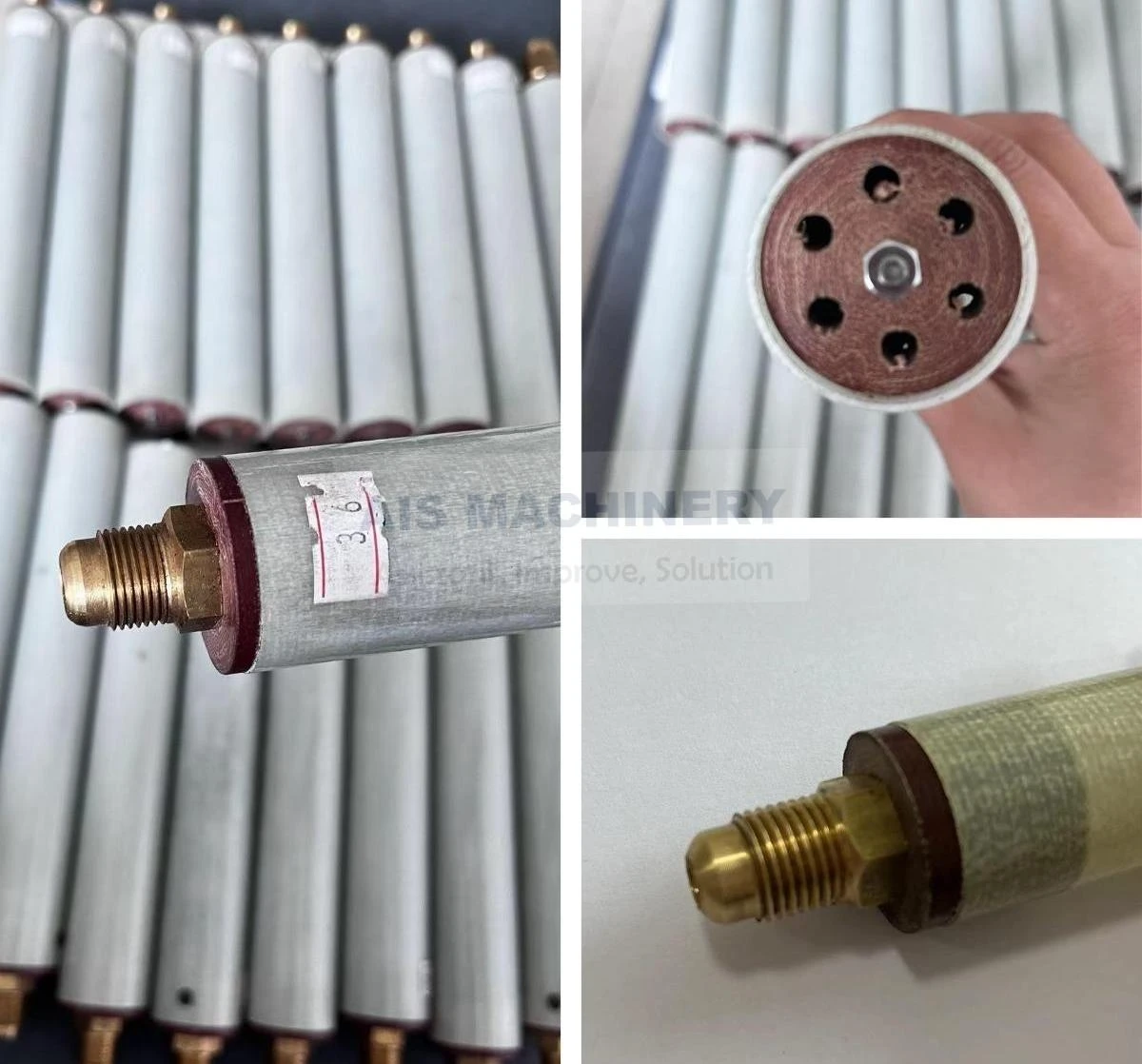
What is an Impeder and Ferrite Rods in ERW Tube Mill?
Struggling with impeder overheating or short service life in your ERW tube mill? This guide explains common impeder problems, the role of ferrite rods, and how to choose the right impeder for stable welding performance. Improve weld quality, reduce energy loss, and extend equipment lifespan with the right selection and proper cooling solutions.
2026-04-21 10:22:25
Slitting & Cut-to-Length Combined Production Line: A Smarter Way to Process Steel Coils
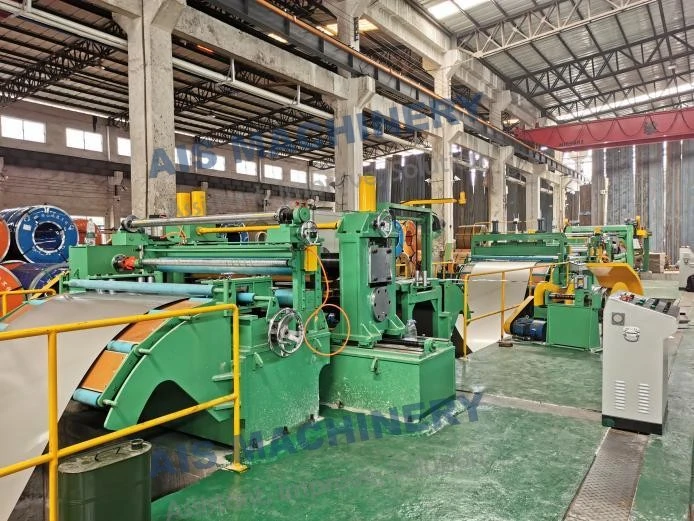
Discover the Slitting & Cut-to-Length Combined Production Line, a flexible solution for steel coil processing. This system integrates slitting line and cut-to-length line functions in one machine, saving space, reducing costs, and improving efficiency. Ideal for processing both steel strips and sheets, it is widely used in service centers and manufacturing industries. Learn its advantages, limitations, and applications.
2026-04-18 03:20:20
AIS Machinery Showcases Advanced Tube Solutions at Tube & Wire Düsseldorf 2026
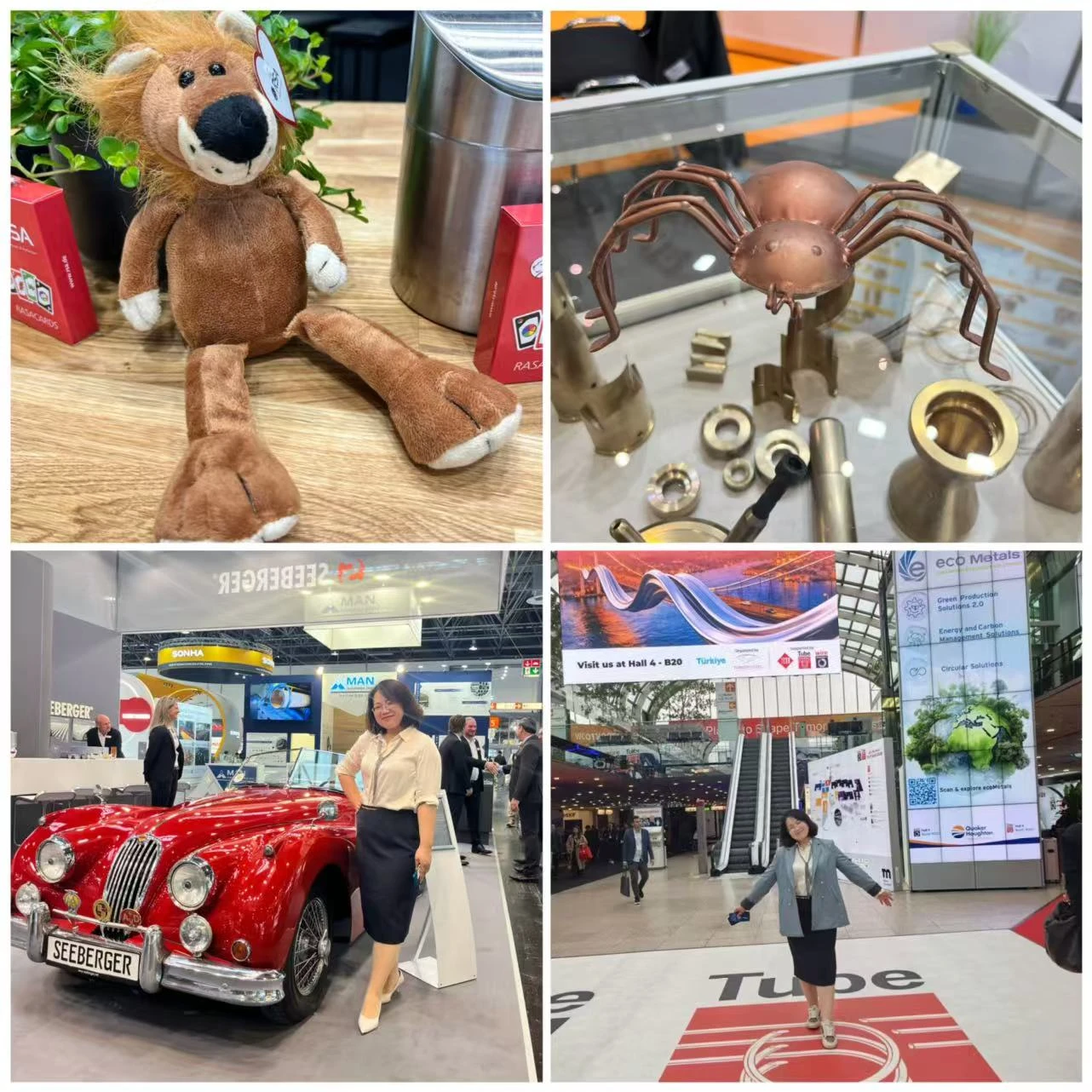
Tube & Wire Düsseldorf 2026, one of the most influential exhibitions in the global tube and wire industry, held biennially in Düsseldorf, Germany
2026-04-17 00:00:00
Southeast Asia Client Visits Our Factory | Customized Tube Mill Solution Delivered
A Southeast Asia client visited our ERW tube mill factory to inspect production lines and discuss a customized tube mill solution. Impressed by our machine quality, welding performance, and engineering support, the client confirmed strong cooperation intentions. Discover how our ERW tube mill solutions improve efficiency, precision, and long-term production reliability.
2026-04-15 10:37:55
Flat Bar Production Line for Steel Coils: How It Works & Why It Matters
Looking for a flat bar production line? Learn how it turns steel coils into ready-to-use flat bars with precise length and high straightness. Compare it with slitting lines and get the best solution for your steel processing needs.
2026-04-14 00:00:00
Looking for a Milling Saw for ERW Tube Mill? Here’s What You Need to Know
Looking for a high-performance milling saw for your ERW tube mill? Upgrade to burr-free, high-precision pipe cutting with advanced flying saw technology. Improve efficiency, reduce rework, and meet export standards for carbon steel, stainless steel, and API pipes. Contact us today for expert solutions and competitive pricing tailored to your production needs.
Send a Message
Dear customer, thank you for your attention! We provide high-quality machinery and equipment and look forward to your orders. Please inform us of your needs and we will respond quickly!
 English
  Albanian
  Arabic
  French
  German
  Indonesian
  Italian
  Japanese
  Kazakh
  Korean
  Latin
Latin  Macedonian
  Portuguese
  Russian
  Spanish
  Thai
Thai  Turkish
  Ukrainian
  Uzbek
Uzbek