
-
 Tel:86-15176910262
-

Search

Comprehensive Guide to Frame Roll Forming Machine: Benefits, Specs & Global Applications
Dec . 02, 2025 15:34
Understanding the Frame Roll Forming Machine: A Backbone of Modern Manufacturing
If you’ve ever driven past a construction site or admired the sleek metal frames of a skyscraper, chances are you’ve seen the handiwork of a frame roll forming machine—though perhaps without realizing it. This industrial workhorse quietly shapes the metal frames that build everything from residential homes to massive bridges globally. But why does understanding this machine really matter? Well, the frame roll forming machine doesn’t just produce structural elements efficiently; it’s a pivotal solution addressing global construction demands, sustainability targets, and cost-effective manufacturing. Getting familiar with how it works and its implications offers insight into how our built environment is evolving rapidly to meet future challenges.
Introduction: Why Frame Roll Forming Machines Matter Globally
Globally, infrastructure demands are skyrocketing. According to the United Nations, nearly 70% of the world’s population will live in urban areas by 2050, driving a surge in building and construction activities. The construction industry alone accounts for roughly 39% of global carbon emissions (UN Environment Programme). In this light, the frame roll forming machine becomes more than just equipment—it is part of the solution for efficient, sustainable building.
One significant challenge keeping the industry awake at night is producing high-quality frame structures rapidly and sustainably. Conventional manufacturing methods can be slow, wasteful, and costly. Enter roll forming technology, which streamlines production with accuracy, minimal waste, and scalability. The frame roll forming machine responds directly to these industrial imperatives.
Definition & Meaning
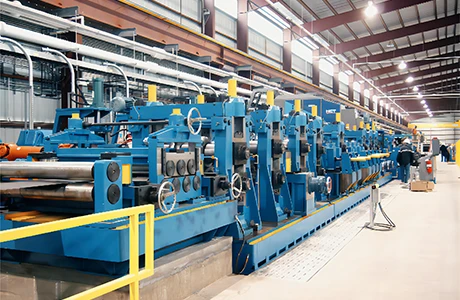
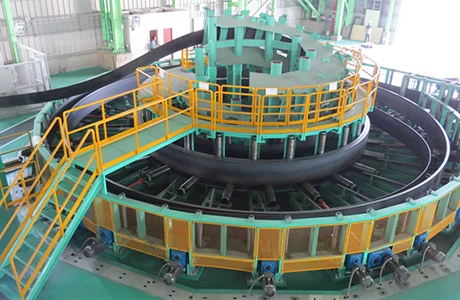
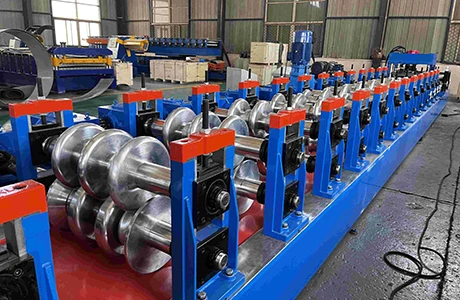
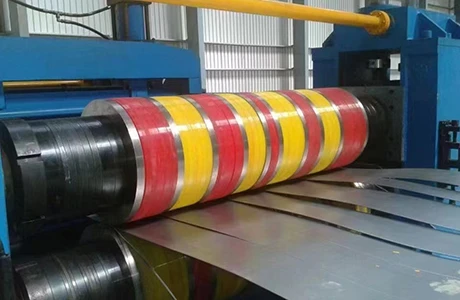
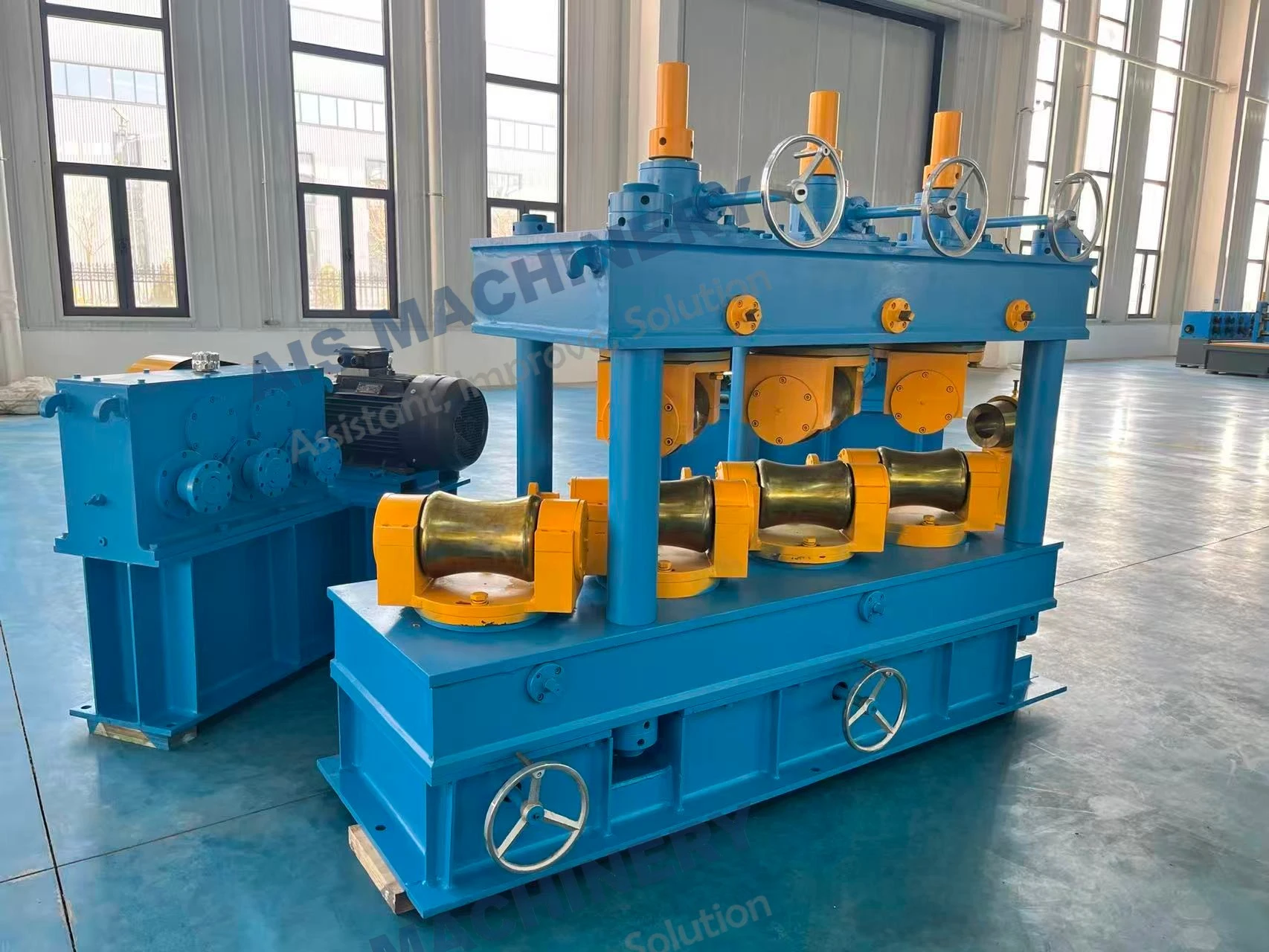
So, what exactly is a frame roll forming machine? Simply put, it’s a specialized type of machinery that continuously bends long strips of metal coil (usually steel or aluminum) into desired profiles—often the frames used in construction or industrial applications. The process happens through a series of rollers that gradually shape the metal without cutting it, resulting in strong, consistent, and dimensionally accurate frames.
Its significance in modern industry goes beyond manufacturing speed. Frame roll forming machines enable a modular, prefabricated approach—key for humanitarian projects, such as quick-to-assemble housing in post-disaster zones or affordable industrial sheds in developing regions.
Key Factors or Core Components of Frame Roll Forming Machines
1. Durability of Materials and Components
The machine is designed with heavy-duty rollers and a robust framework capable of handling high-tensile steel coils. The durability factor ensures that even after thousands of production hours, precision remains uncompromised.
2. Scalability and Automation
Modern machines are highly scalable—from small profiles for furniture frames to large structural elements for industrial buildings. Automation features, such as computer numerical control (CNC) systems, enhance repeatability and reduce human error.
3. Cost Efficiency
Because the process produces minimal waste and speeds up production, manufacturers save significantly on raw materials and labor. The lower energy use compared to other metal-forming processes also factors in.
4. Customization Flexibility
Thanks to adjustable rollers and modular tooling, manufacturers can quickly switch between different frame profiles without heavy downtime, which is vital for bespoke architectural projects.
5. Integration with Other Systems
Roll forming lines often pair with cutting, punching, and stacking units, making a fully integrated production line that maximizes throughput and precision.
| Parameter | Typical Range |
|---|---|
| Material Thickness | 0.8 mm – 3.0 mm |
| Max Coil Width | 600 mm |
| Roll Stations | 15–25 sets |
| Production Speed | 8–20 m/min |
| Power Requirement | 10–25 kW |
Global Applications & Use Cases
The versatility of frame roll forming machines means their impact is as broad as the industries they serve. Oddly enough, from the steel hubs of China and Germany to emerging markets in Africa and South America, these machines form the backbone of rapid infrastructure growth.
- Construction & Architecture: Prefabricated frames for commercial and residential buildings rely heavily on roll forming components, making assembly faster on site.
- Industrial Warehousing: Many industrial zones need scalable, durable frames for warehouses and storage facilities; roll formed frames fit the bill.
- Disaster Relief & Humanitarian Efforts: NGOs often deploy modular housing frameworks made possible by these machines – the ability to mass-produce lightweight, transportable frames expedites shelter deployment post-disaster.
- Automotive and Transportation: Beyond buildings, vehicle chassis and trailer frames sometimes use roll formed parts for strength and weight efficiency.
For example, in post-earthquake reconstruction efforts in Southeast Asia, fast-producible and sturdy frame roll formed components have been used effectively to rebuild homes in months rather than years.
Advantages & Long-Term Value
What makes the frame roll forming machine a darling of industrial manufacturers? It's not only about the numbers—though cost savings of 15–30% on steel fabrication are common—but also about the quality and societal impact. Sustainability gets a leg up: less scrap metal and energy usage mean a greener production cycle. And from a social standpoint, the reliability of prefabricated frame components increases safety on construction sites and improves living conditions.
Emotional factors shouldn’t be ignored either. There’s a certain confidence that comes with knowing your building’s frame is precision-made, tested, and fit for purpose. Trust in this process drives innovation and customer loyalty across sectors.
Future Trends & Innovations
Looking forward, the frame roll forming machine is evolving quickly. Digital transformation is making waves — smart sensors now provide real-time data to optimize performance and foresee maintenance needs, reducing downtime. Automation advancements allow for fully automated production lines that can adapt to changing product specifications on-the-fly.
Materials innovation is also noteworthy. There’s growing interest in roll forming with advanced alloys and galvanized metals that enhance corrosion resistance without sacrificing strength. Integration with green energy sources and improved power efficiency aligns roll forming with global carbon reduction targets.
Challenges & Solutions
Despite its benefits, challenges remain. Machinery setup can be costly upfront, and operators must have technical know-how to maintain precision. Also, some complex frame profiles still require manual finishing or post-processing.
However, industry experts suggest that modular machine designs make customization easier and training programs are becoming more widespread. Additionally, hybrid systems that combine roll forming with laser cutting or robotic assembly are tackling profile complexity issues effectively.
| Brand | Max Coil Width | Automation Level | Price Range (USD) | Ideal Use Case |
|---|---|---|---|---|
| SteelForm Pro | 600 mm | Semi-Automated | $55,000 – $75,000 | Mid-size frame production |
| RollTech Advanced | 800 mm | Fully Automated (CNC) | $90,000 – $120,000 | Large-scale industrial use |
| EcoForm Green Series | 500 mm | Semi-Automated | $48,000 – $65,000 | Sustainable, small-scale projects |
FAQ: Frequently Asked Questions About Frame Roll Forming Machines
- Q1: What types of materials can a frame roll forming machine handle?
- A: Most frame roll forming machines work with metal coils like galvanized steel, cold-rolled steel, and aluminum. Thickness typically ranges from 0.8 to 3 mm, but some models can handle thicker materials given specialized rollers. Material choice depends on the application and structural requirements.
- Q2: How easily can a machine switch between different frame profiles?
- A: Thanks to adjustable rollers and modular tooling, many modern machines can switch profiles in a matter of hours without disassembly. This flexibility is vital for manufacturers juggling multiple product lines or customized orders, reducing downtime and improving responsiveness.
- Q3: Is operating a frame roll forming machine energy-intensive?
- A: While roll forming involves mechanical shaping, it is generally less energy-intensive than press braking or stamping. Newer machines with energy-efficient motors and smart automation tend to optimize power use further, contributing to lower operational costs.
- Q4: Can small-scale industries benefit from frame roll forming machines?
- A: Definitely. There are compact semi-automated models catering to smaller production volumes with affordable prices and simpler controls, making them accessible for startups or small factories focused on niche frames.
- Q5: How do NGOs import and utilize these machines for disaster relief housing?
- A: NGOs often partner with manufacturers to source customized roll forming lines or prefabricated frame kits. International shipping is arranged alongside training sessions for local operators to ensure quick deployment and sustainability of the machinery in relief zones.
Conclusion + Call to Action
In a nutshell, the frame roll forming machine sits quietly at the heart of modern manufacturing—accelerating construction, supporting sustainable development, and enabling humanitarian aid at scale. Its adaptability, efficiency, and long-term value make it an indispensable tool for the future of infrastructure around the globe. If you’re looking to explore how a frame roll forming machine can transform your manufacturing process or build better structures, don't hesitate to visit our website for detailed solutions and expert guidance.
Mini takeaway: Appreciating the role of frame roll forming machines gives us a window into the future of smarter, greener, and faster construction worldwide.
References:
1. United Nations, World Urbanization Prospects (2018).
2. UN Environment Programme, Global Status Report on Buildings and Construction (2019).
3. ISO 9001 Quality Management in Manufacturing Processes.

Related Products

Related News
2026-04-30 09:35:04
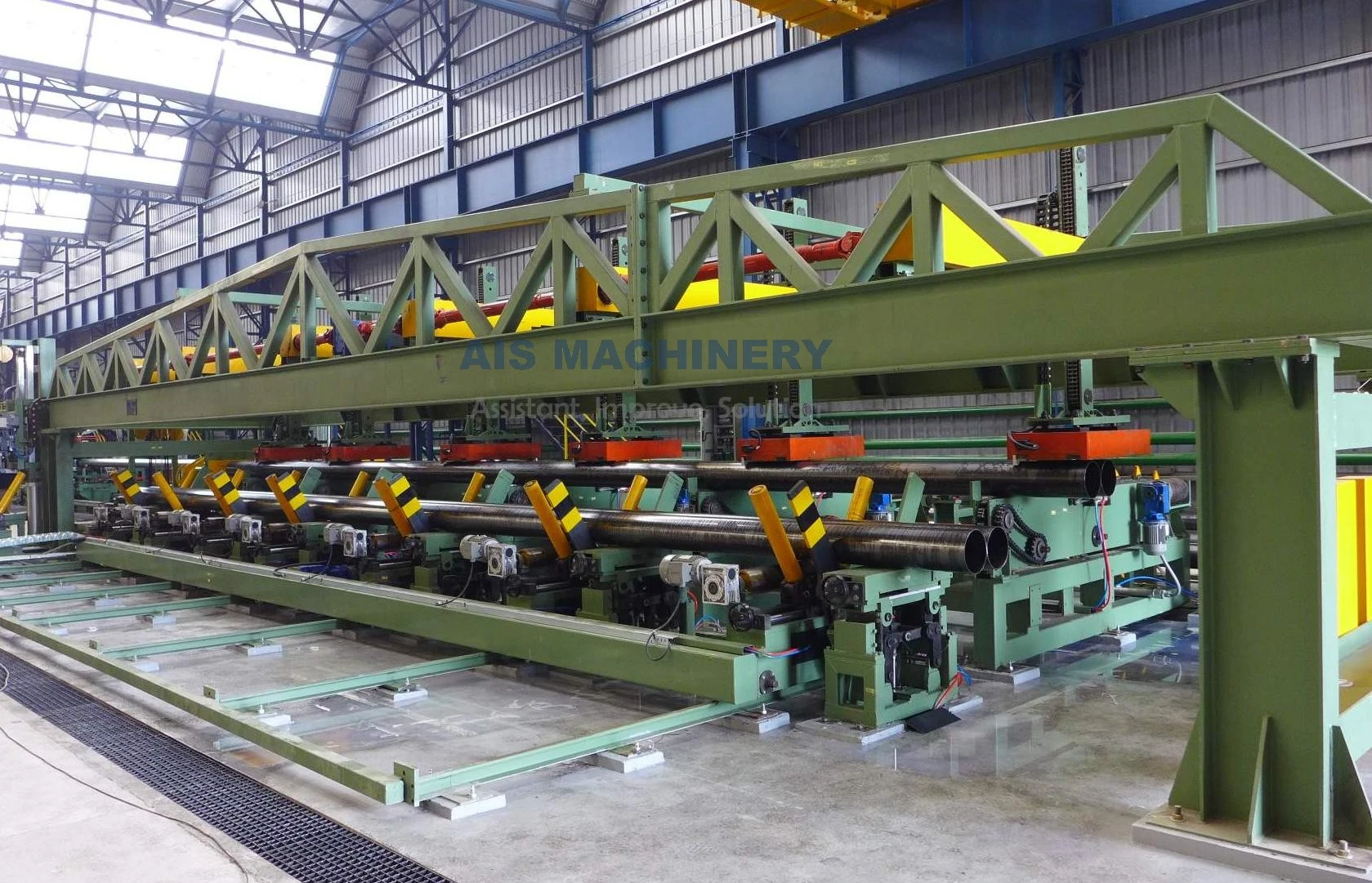
Automatic Stacking Machine (Magnetic Chuck Type)
The Automatic Stacking Machine (Magnetic Chuck Type) from AIS Machinery is designed to efficiently collect and stack steel tubes in ERW tube mill production lines. Using electromagnetic lifting, it can pick up multiple tubes at once and place them neatly in layers. This reduces manual labor, improves stacking accuracy, and increases overall production efficiency. It is installed after the flying saw and works seamlessly with the mill line, making it an ideal solution for modern tube manufacturers.
2026-04-28 08:56:05
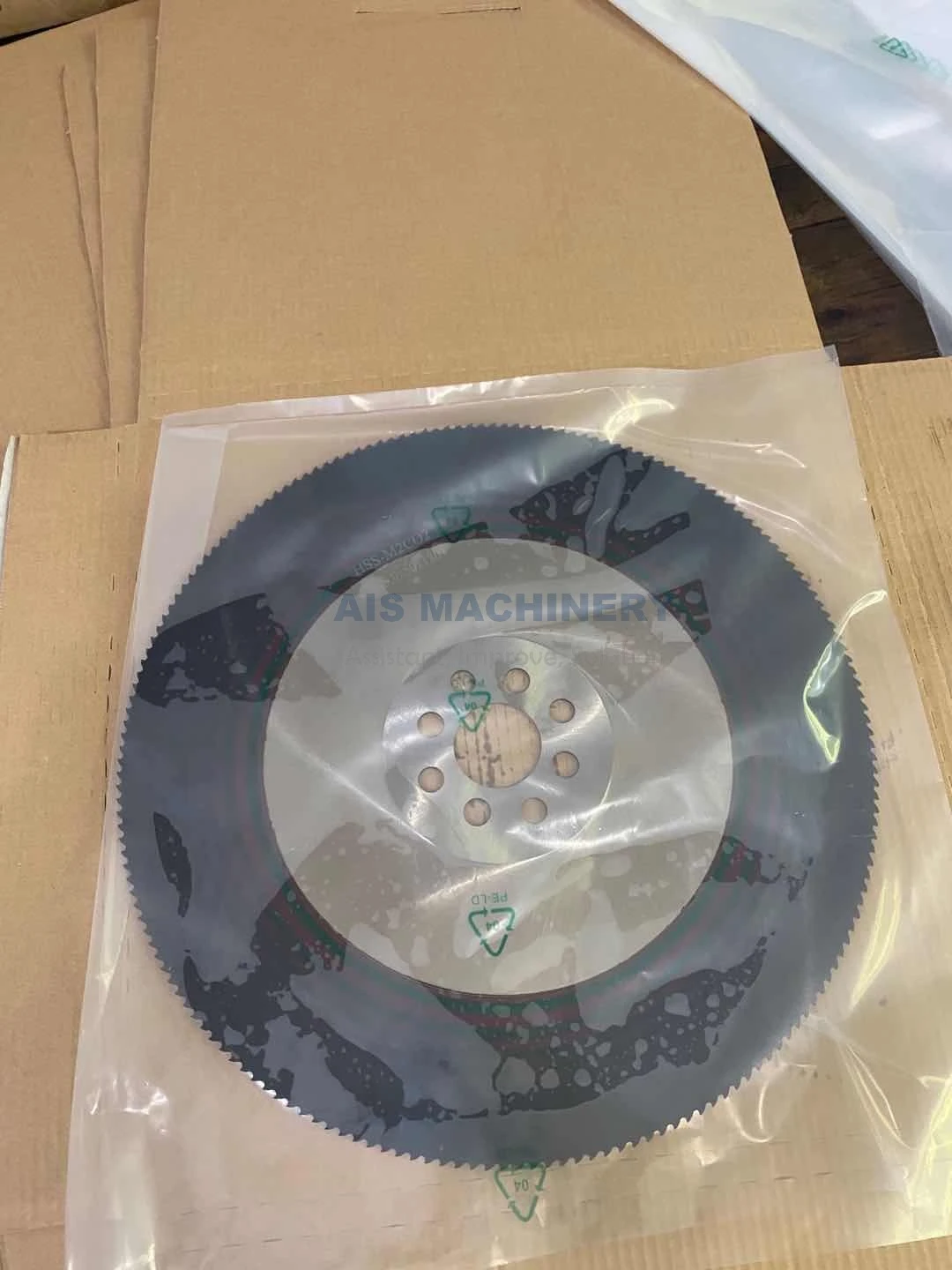
Saw Blade Guide for Tube Mills: Friction vs HSS vs TCT — Which One Should You Choose?
Confused about friction saw, HSS, and TCT blades? This guide explains their uses in cold saw and friction saw machines, with pros, cons, and expert selection tips.
2026-04-24 08:54:16
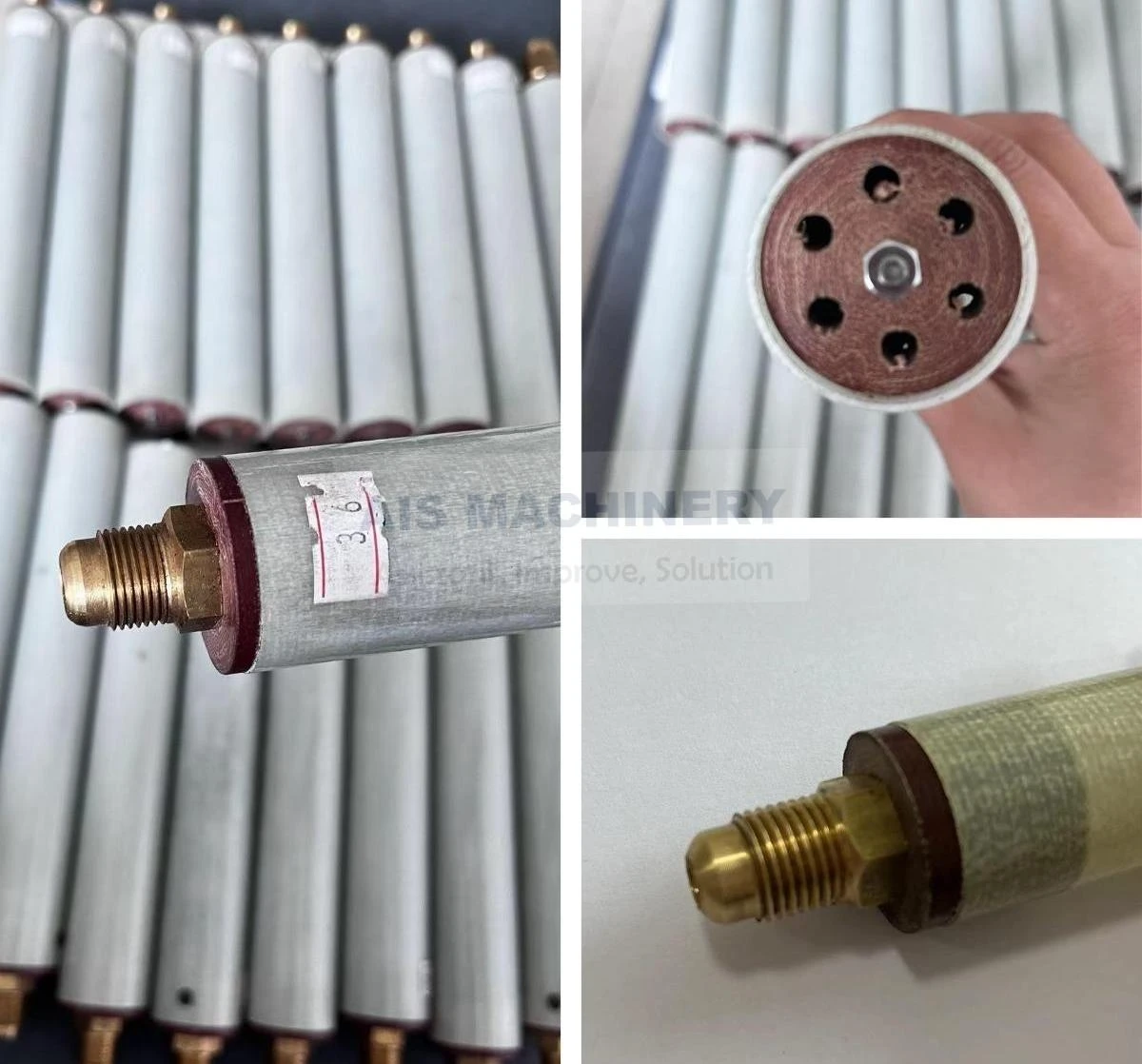
What is an Impeder and Ferrite Rods in ERW Tube Mill?
Struggling with impeder overheating or short service life in your ERW tube mill? This guide explains common impeder problems, the role of ferrite rods, and how to choose the right impeder for stable welding performance. Improve weld quality, reduce energy loss, and extend equipment lifespan with the right selection and proper cooling solutions.
2026-04-21 10:22:25
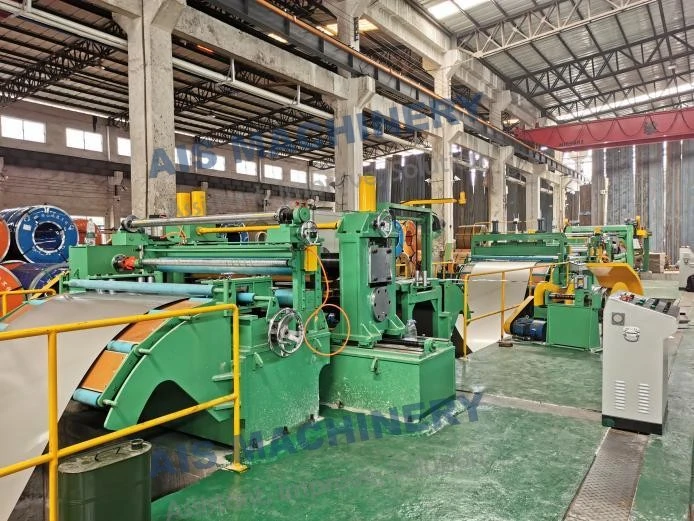
Slitting & Cut-to-Length Combined Production Line: A Smarter Way to Process Steel Coils
Discover the Slitting & Cut-to-Length Combined Production Line, a flexible solution for steel coil processing. This system integrates slitting line and cut-to-length line functions in one machine, saving space, reducing costs, and improving efficiency. Ideal for processing both steel strips and sheets, it is widely used in service centers and manufacturing industries. Learn its advantages, limitations, and applications.
2026-04-18 03:20:20
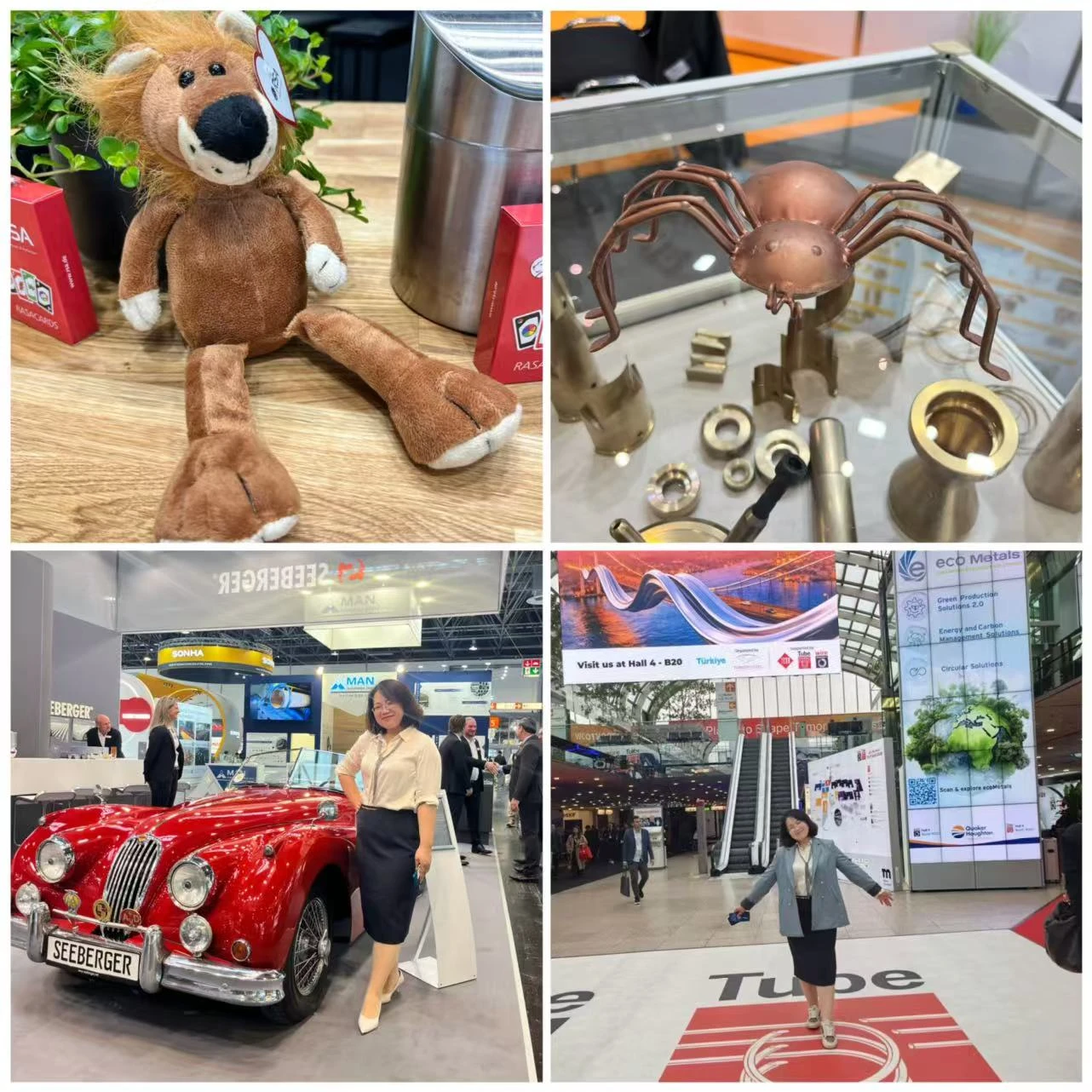
AIS Machinery Showcases Advanced Tube Solutions at Tube & Wire Düsseldorf 2026
Tube & Wire Düsseldorf 2026, one of the most influential exhibitions in the global tube and wire industry, held biennially in Düsseldorf, Germany
2026-04-17 00:00:00
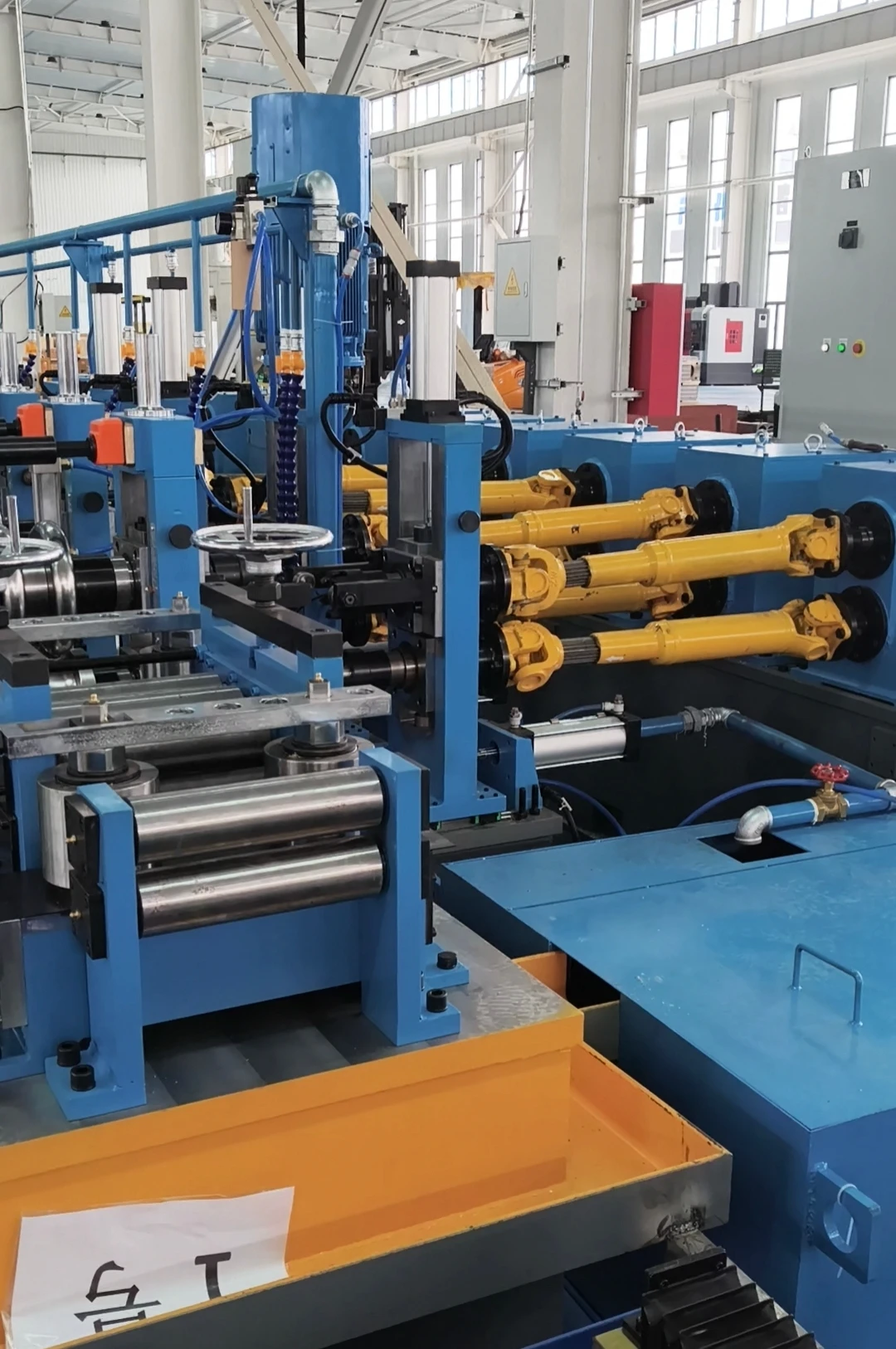
Southeast Asia Client Visits Our Factory | Customized Tube Mill Solution Delivered
A Southeast Asia client visited our ERW tube mill factory to inspect production lines and discuss a customized tube mill solution. Impressed by our machine quality, welding performance, and engineering support, the client confirmed strong cooperation intentions. Discover how our ERW tube mill solutions improve efficiency, precision, and long-term production reliability.
2026-04-15 10:37:55
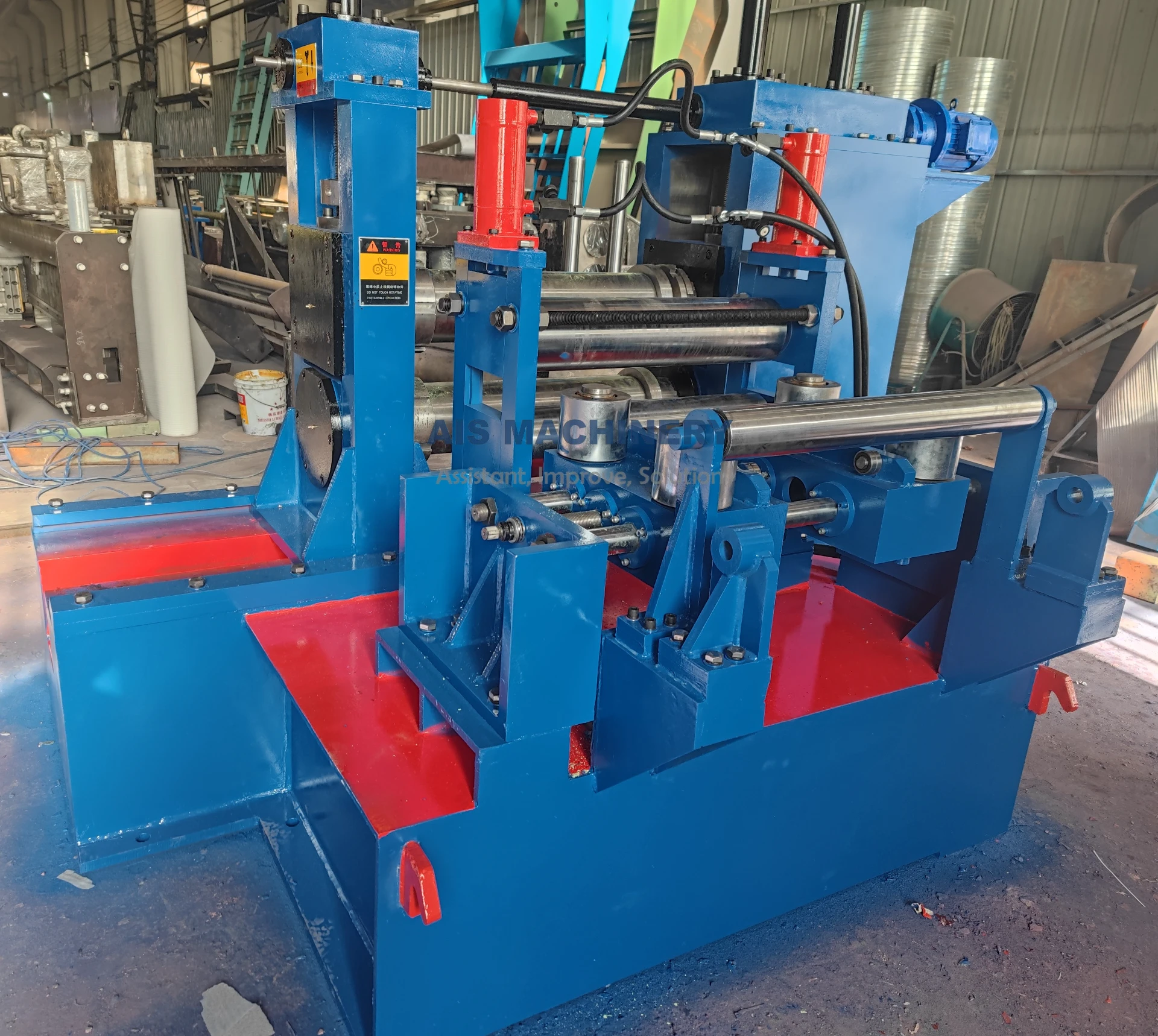
Flat Bar Production Line for Steel Coils: How It Works & Why It Matters
Looking for a flat bar production line? Learn how it turns steel coils into ready-to-use flat bars with precise length and high straightness. Compare it with slitting lines and get the best solution for your steel processing needs.
2026-04-14 00:00:00
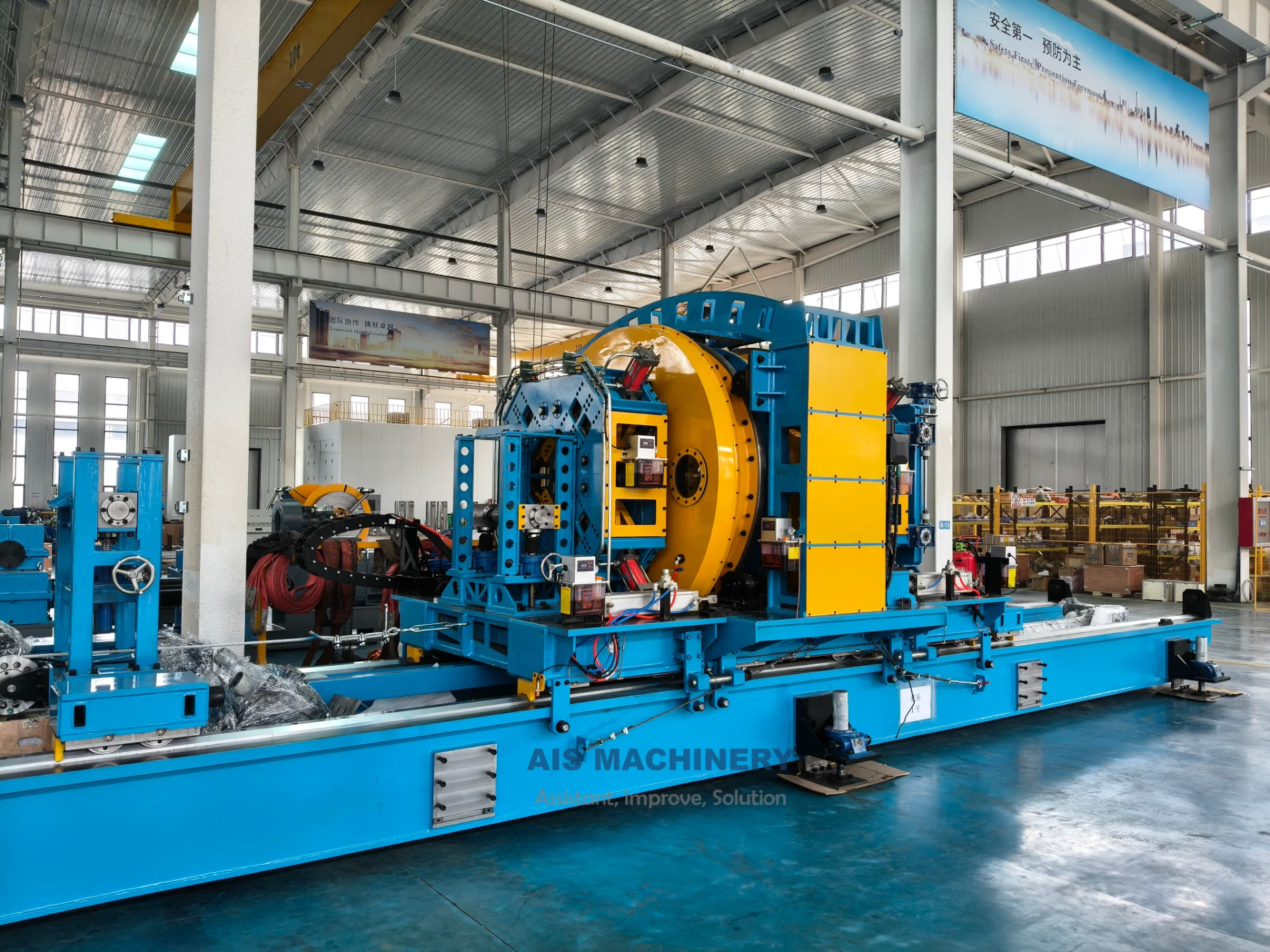
Looking for a Milling Saw for ERW Tube Mill? Here’s What You Need to Know
Looking for a high-performance milling saw for your ERW tube mill? Upgrade to burr-free, high-precision pipe cutting with advanced flying saw technology. Improve efficiency, reduce rework, and meet export standards for carbon steel, stainless steel, and API pipes. Contact us today for expert solutions and competitive pricing tailored to your production needs.
Send a Message
Dear customer, thank you for your attention! We provide high-quality machinery and equipment and look forward to your orders. Please inform us of your needs and we will respond quickly!
 English
  Albanian
  Arabic
  French
  German
  Indonesian
  Italian
  Japanese
  Kazakh
  Korean
  Latin
Latin  Macedonian
  Portuguese
  Russian
  Spanish
  Thai
Thai  Turkish
  Ukrainian
  Uzbek
Uzbek