
-
 Tel:86-15176910262
-

Search

What Is a Tube Bundling Machine? Global Uses, Benefits & Innovations
Dec . 02, 2025 15:50
Understanding the Tube Bundling Machine and Its Global Impact
You might not give a second thought to the tubes and pipes bundled neatly in factories or construction sites, but the tube bundling machine plays a surprisingly vital role in industries worldwide. Oddly enough, this seemingly niche piece of equipment is actually integral to boosting productivity, enhancing safety, and supporting large-scale manufacturing efforts across regions. In fact, understanding how this machine works and why it matters can offer valuable insights into industrial automation and global manufacturing trends.
The Global Context: Why Tube Bundling Machines Matter
On a macro level, the global manufacturing sector contributes nearly 16% of the world’s GDP (World Bank, 2023). Within this, metals processing and pipe manufacturing stand as fundamental pillars—think oil and gas transport, water systems, and infrastructure development. Bundle up the volumes of production going on every day, and you get the picture: a streamlined, reliable tube bundling machine helps meet tightening demands while adhering to stricter safety and quality standards.
Yet, challenges linger—rising costs, labor shortages, and the need for greener processes. Tube bundling machines address these by automating repetitive, labor-intensive tasks, cutting waste, and enabling scalability. These machines, frankly, are a quiet but crucial cog in the global industrial wheel.
What Is a Tube Bundling Machine?
Put simply, a tube bundling machine is a mechanical device designed to group together tubes or pipes—often metal—into stable bundles for transport, storage, and further processing. Imagine trying to move hundreds of thin, elongated tubes without tangling or damage—this machine wraps them tightly, securely, sometimes adding straps or bindings.
It's more than just a packager; it’s an essential tool that ensures tubes maintain integrity during transit, minimizes space usage, and simplifies on-site handling. In industries ranging from automotive to construction, the tube bundling machine acts as a bridge between cutting or extrusion processes and shipping logistics, reflecting how modern manufacturing is as much about precision packaging as production.
Key Features of Tube Bundling Machines
1. Durability and Build Quality
Tubes can vary in material—from steel to aluminum to copper—meaning bundling machines must be durable enough to handle repetitive stress and various shapes. Many manufacturers use heavy-gauge steel frames and hardened components to ensure longevity. This also matters because downtime for repairs can cost thousands daily.
2. Scalability and Customization
From small batches to industrial volumes, these machines can be customized to bundle varying tube diameters and lengths. Scalability is key, especially for manufacturers who juggle multiple product lines. Options include adjustable clamps, automated strap dispensers, and modular conveyor setups.
3. Cost Efficiency
Automating bundling tasks saves on manual labor and reduces packaging material waste. Over time, the investment pays back through faster throughput and reduced product damage. Oddly enough, sometimes the simplest improvements here can boost overall plant profitability more than expensive processing enhancements.
4. Safety Features
Bundling can be hazardous without proper guarding or sensors. Modern tube bundling machines integrate emergency stops, light curtains, and ergonomic designs to safeguard operators, a non-negotiable in today’s manufacturing environment.
5. Speed and Automation Level
Whether semi-automatic or fully automatic, these machines work at different speeds and complexity levels. Selecting the right tech depends on the factory’s throughput needs and workforce skillset.
Product Specification Table: Typical Tube Bundling Machine
| Specification | Details |
|---|---|
| Machine Type | Hydraulic/Automated Strapping |
| Max Tube Diameter | 150 mm (6 inches) |
| Bundle Weight Capacity | Up to 2000 kg (4400 lbs) |
| Cycle Time | 1–2 minutes per bundle |
| Automation Level | Semi-automatic / Fully automatic options |
Global Applications & Use Cases
The reach of tube bundling machines is quite broad and global, touching sectors like oil and gas pipelines, HVAC systems, automotive manufacturing, and even humanitarian logistics. For instance, in remote industrial zones such as those in the Middle East, companies rely on these machines to efficiently prepare pipe bundles for shipping to offshore rigs.
Similarly, emergency infrastructure setups in disaster-prone areas use bundled tubes for quick assembly of temporary shelters and water systems. NGOs working internationally value the compactness and protection that proper bundling provides during airfreight shipment of pipes or tubing for water filtration projects.
Vendor Comparison Table: Leading Tube Bundling Machine Providers
| Feature | Vendor A | Vendor B | Vendor C |
|---|---|---|---|
| Max Tube Diameter | 150 mm | 120 mm | 160 mm |
| Cycle Time | 2 mins | 1.5 mins | 2.5 mins |
| Automation Level | Fully automatic | Semi-automatic | Fully automatic |
| Price Range | High | Mid | High |
| Warranty | 3 years | 2 years | 3 years |
Advantages and Long-Term Value of Tube Bundling Machines
Let’s be honest: investing in a tube bundling machine may sound costly upfront, but the long-term savings and safety gains are compelling. Automating the bundling reduces human error—fewer damaged components, less rework—and cuts labor costs. This also leads to improved worker safety, since manual bundling can be tedious and risky.
Beyond cost, there’s a social and sustainability dimension. Better bundling reduces wasted space and packaging materials during transport, meaning fewer shipments and a smaller carbon footprint—something more companies are actively tracking today. In a sense, the tube bundling machine is quietly enabling innovation and responsibility.
Future Trends and Innovations
Looking ahead, automation continues to accelerate. Smart tube bundling machines integrated with Industrial IoT sensors will allow real-time monitoring of bundling tension, bundle weight, and throughput speed. Artificial Intelligence could optimize bundling patterns depending on tube sizes and shipment constraints, squeezing out even more efficiency.
Materials innovation matters too—lighter, stronger sensors and components enable machines that consume less energy and last longer. Finally, expect developments in sustainability, including biodegradable strapping materials and greener hydraulic fluids, all aimed to lower environmental impact.
Challenges and Expert Solutions
Of course, no machine is perfect. A frequent concern is maintenance complexity—hydraulic systems can leak or break down, and sensors may fail in dusty or wet environments. Expert operators recommend preventive maintenance schedules, environment-specific modifications, and user training to overcome these hurdles.
Another challenge is integration: many facilities have legacy equipment that doesn’t talk to new controllers. That’s where modular, customizable tube bundling machines shine—they can be retrofitted and fitted with various interfaces, helping bridge the gap between old and new.
FAQ: Frequently Asked Questions About Tube Bundling Machines
- Q: What tube diameters can a typical bundling machine handle?
A: Most standard machines handle tubes up to 150mm (6 inches) in diameter. For larger or irregular shapes, specialized models are available, often customizable to customer needs. - Q: How does automating bundling improve factory safety?
A: Automation reduces manual handling of heavy or sharp tubes, minimizing workers’ risk of injury. Safety features like emergency stops and sensors also prevent accidents around the machine. - Q: Can a tube bundling machine handle different tube materials?
A: Yes, machines are designed to handle various materials, from fragile aluminum to tough steel, by adjusting clamping pressure and bundling methods. - Q: How easy is it to retrofit a tube bundling machine into an existing line?
A: Many machines are modular and designed for easy integration with conveyor systems and upstream/downstream equipment, minimizing production downtime during installation. - Q: Are there eco-friendly options for strapping material?
A: Indeed, suppliers increasingly offer biodegradable or recyclable strapping options, aligning with sustainable manufacturing goals.
Conclusion: Embracing Tube Bundling Machines for a Smarter Tomorrow
In real terms, a tube bundling machine isn’t just industrial machinery — it’s a key piece in the puzzle of smarter, safer, and more sustainable manufacturing. Whether you’re managing an offshore pipe manufacturer or supplying infrastructure to humanitarian projects, understanding this technology unlocks improved efficiency, safety, and cost control. To explore your options and discover how a bundling machine can transform your operations, visit our website today.
Mini takeaway: Investing in advanced bundling solutions is a simple yet impactful step towards operational excellence and sustainability in tube handling.
References
- World Bank. (2023). Industry Value Added (% of GDP). https://data.worldbank.org/indicator/NV.IND.TOTL.ZS
- International Organization for Standardization (ISO). (2021). ISO 9001 Quality Management. https://www.iso.org/iso-9001-quality-management.html
- Wikipedia contributors. (2023). Pipe (fluid conveyance). Wikipedia. https://en.wikipedia.org/wiki/Pipe_(fluid_conveyance)

Related Products

Related News
2026-04-30 09:35:04
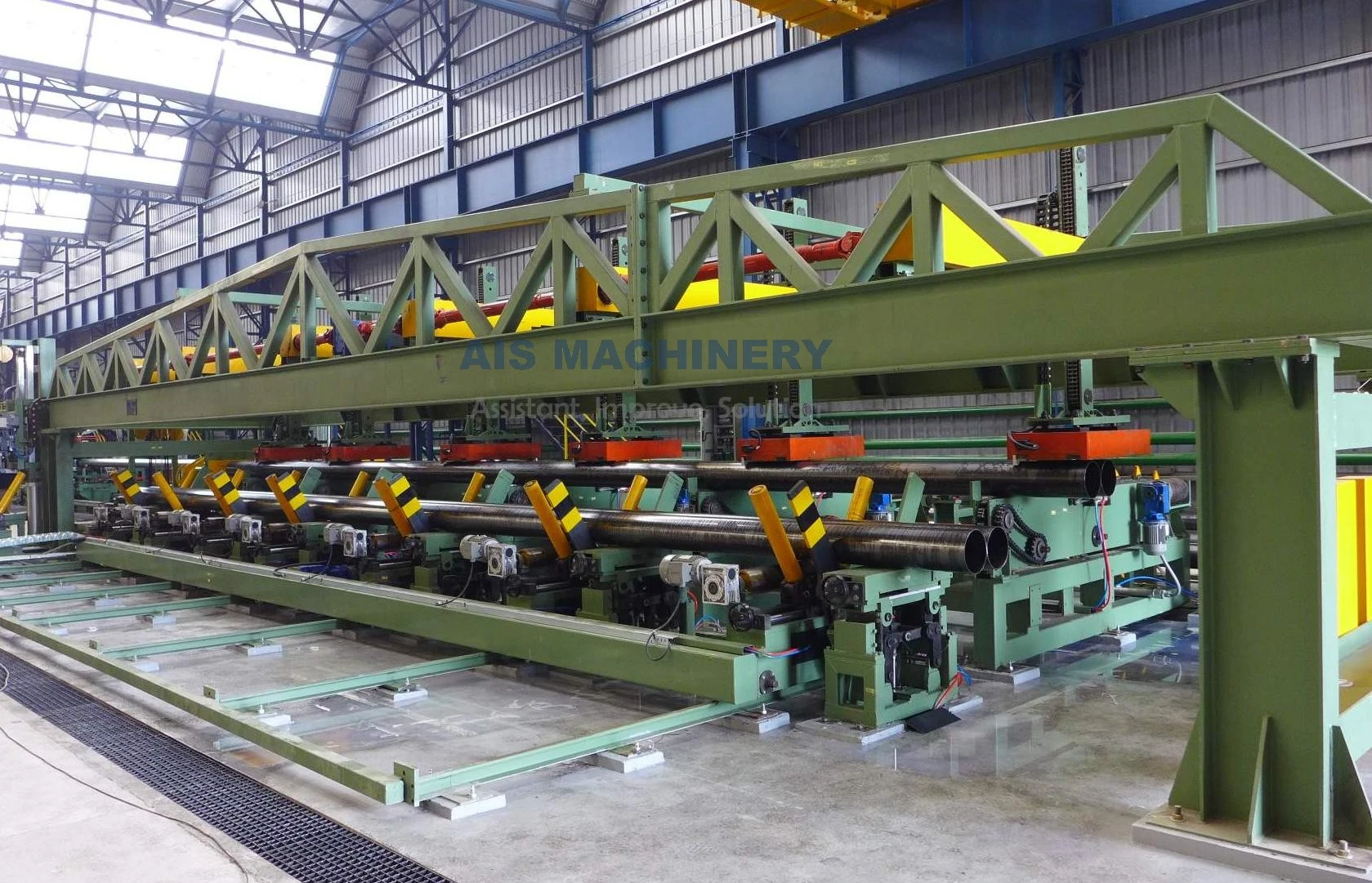
Automatic Stacking Machine (Magnetic Chuck Type)
The Automatic Stacking Machine (Magnetic Chuck Type) from AIS Machinery is designed to efficiently collect and stack steel tubes in ERW tube mill production lines. Using electromagnetic lifting, it can pick up multiple tubes at once and place them neatly in layers. This reduces manual labor, improves stacking accuracy, and increases overall production efficiency. It is installed after the flying saw and works seamlessly with the mill line, making it an ideal solution for modern tube manufacturers.
2026-04-28 08:56:05
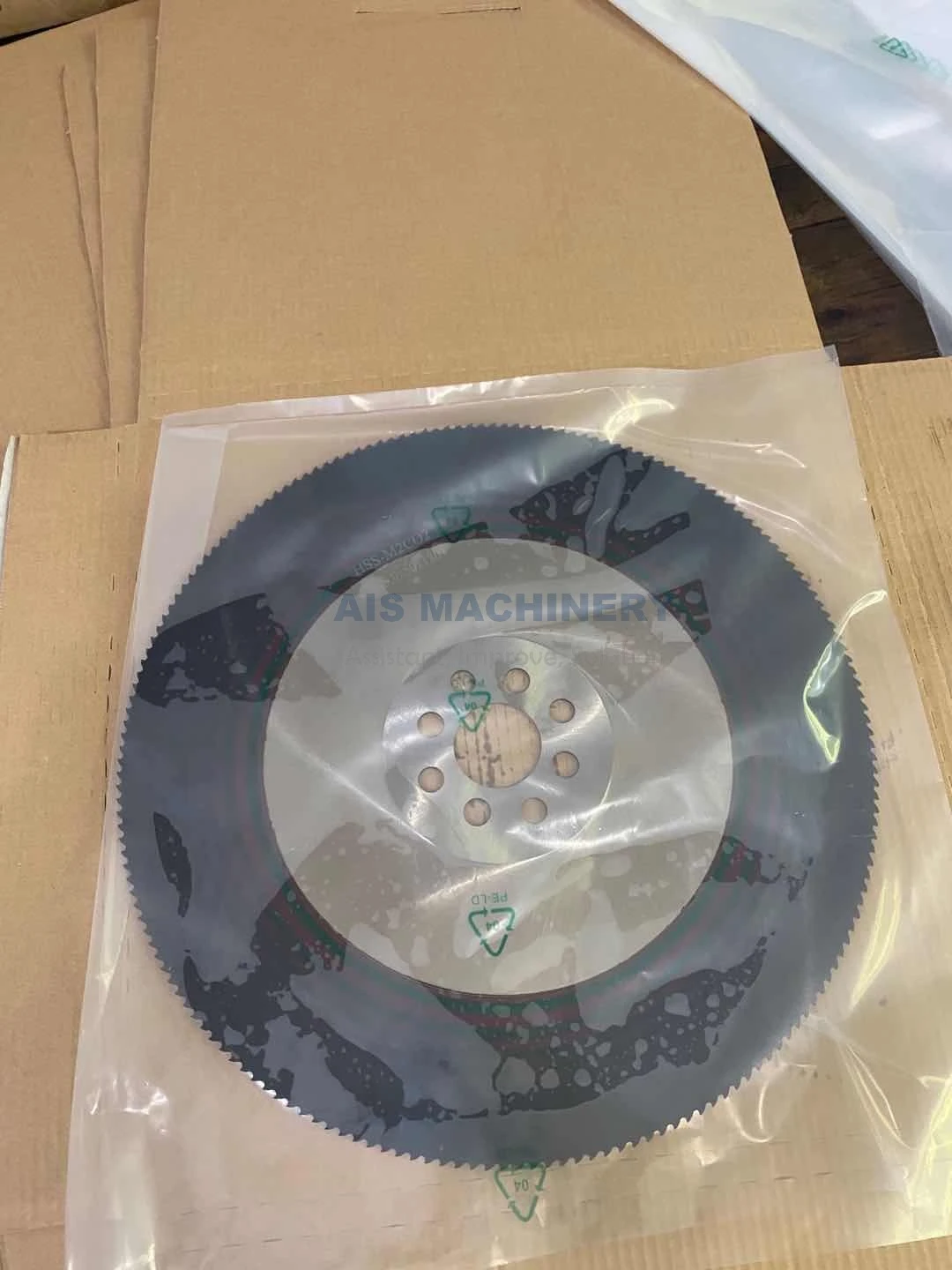
Saw Blade Guide for Tube Mills: Friction vs HSS vs TCT — Which One Should You Choose?
Confused about friction saw, HSS, and TCT blades? This guide explains their uses in cold saw and friction saw machines, with pros, cons, and expert selection tips.
2026-04-24 08:54:16
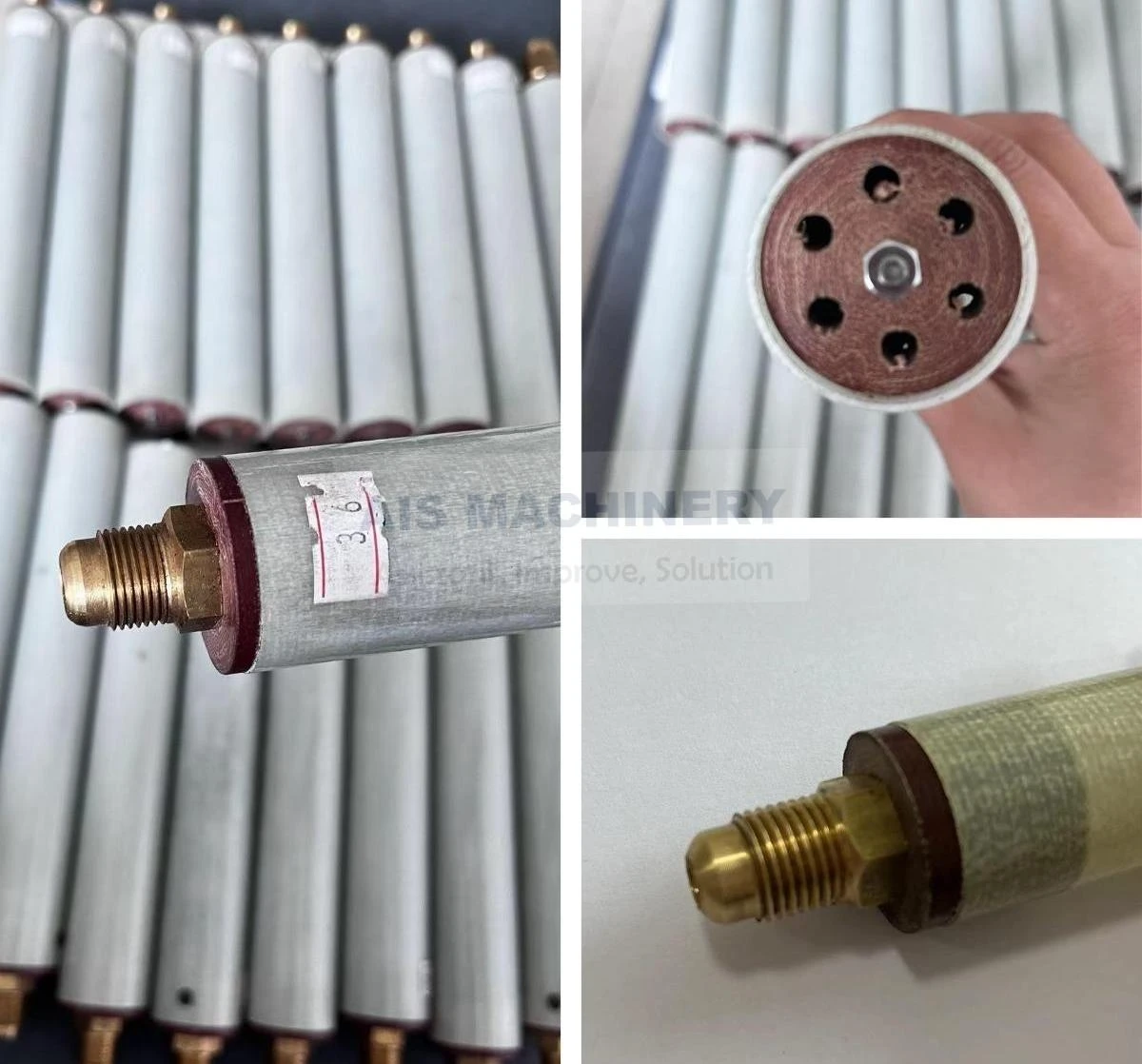
What is an Impeder and Ferrite Rods in ERW Tube Mill?
Struggling with impeder overheating or short service life in your ERW tube mill? This guide explains common impeder problems, the role of ferrite rods, and how to choose the right impeder for stable welding performance. Improve weld quality, reduce energy loss, and extend equipment lifespan with the right selection and proper cooling solutions.
2026-04-21 10:22:25
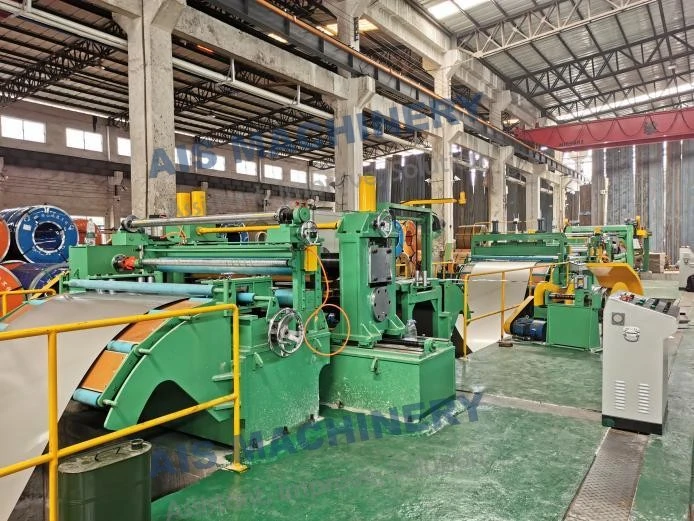
Slitting & Cut-to-Length Combined Production Line: A Smarter Way to Process Steel Coils
Discover the Slitting & Cut-to-Length Combined Production Line, a flexible solution for steel coil processing. This system integrates slitting line and cut-to-length line functions in one machine, saving space, reducing costs, and improving efficiency. Ideal for processing both steel strips and sheets, it is widely used in service centers and manufacturing industries. Learn its advantages, limitations, and applications.
2026-04-18 03:20:20
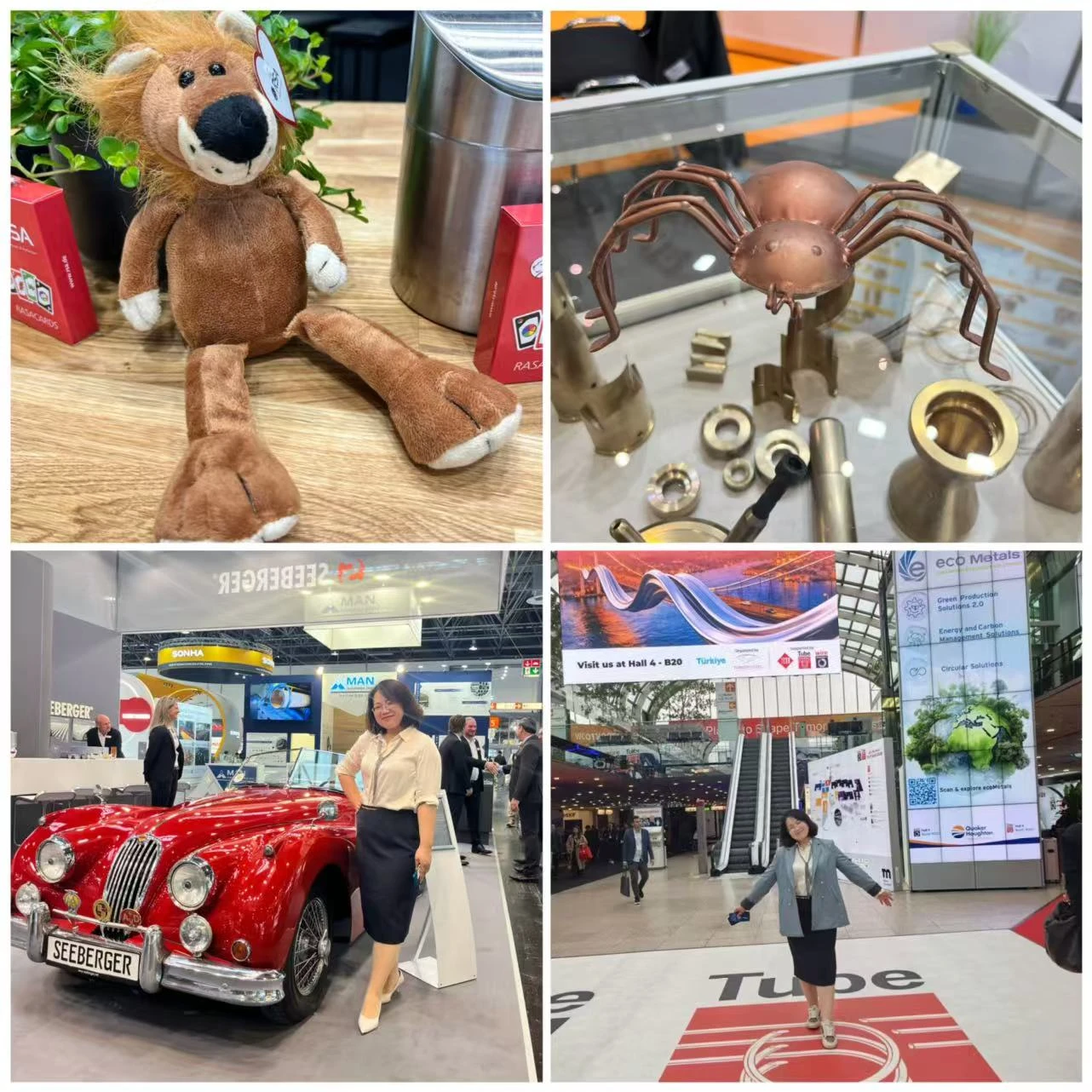
AIS Machinery Showcases Advanced Tube Solutions at Tube & Wire Düsseldorf 2026
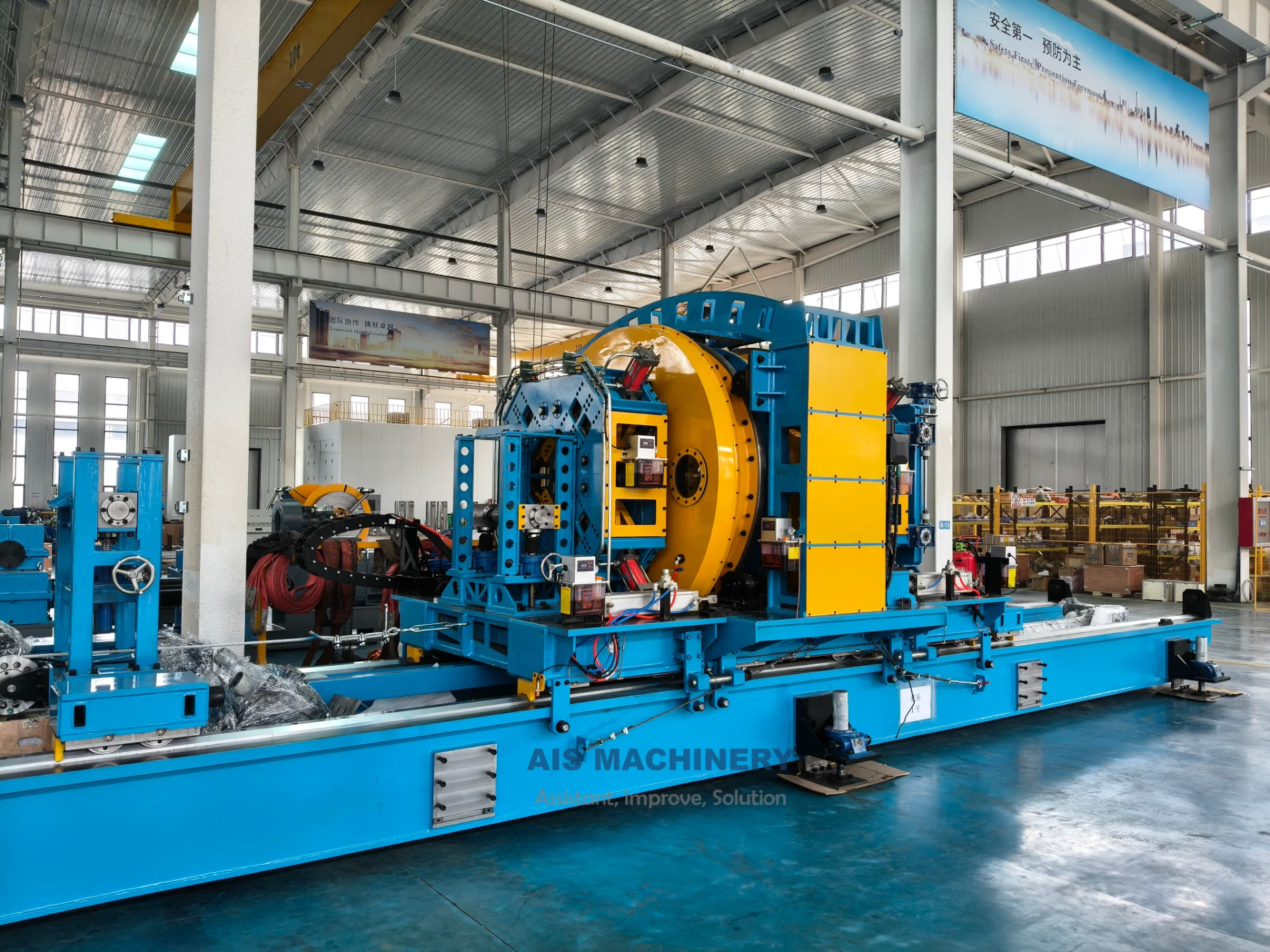
Tube & Wire Düsseldorf 2026, one of the most influential exhibitions in the global tube and wire industry, held biennially in Düsseldorf, Germany
2026-04-17 00:00:00
Southeast Asia Client Visits Our Factory | Customized Tube Mill Solution Delivered
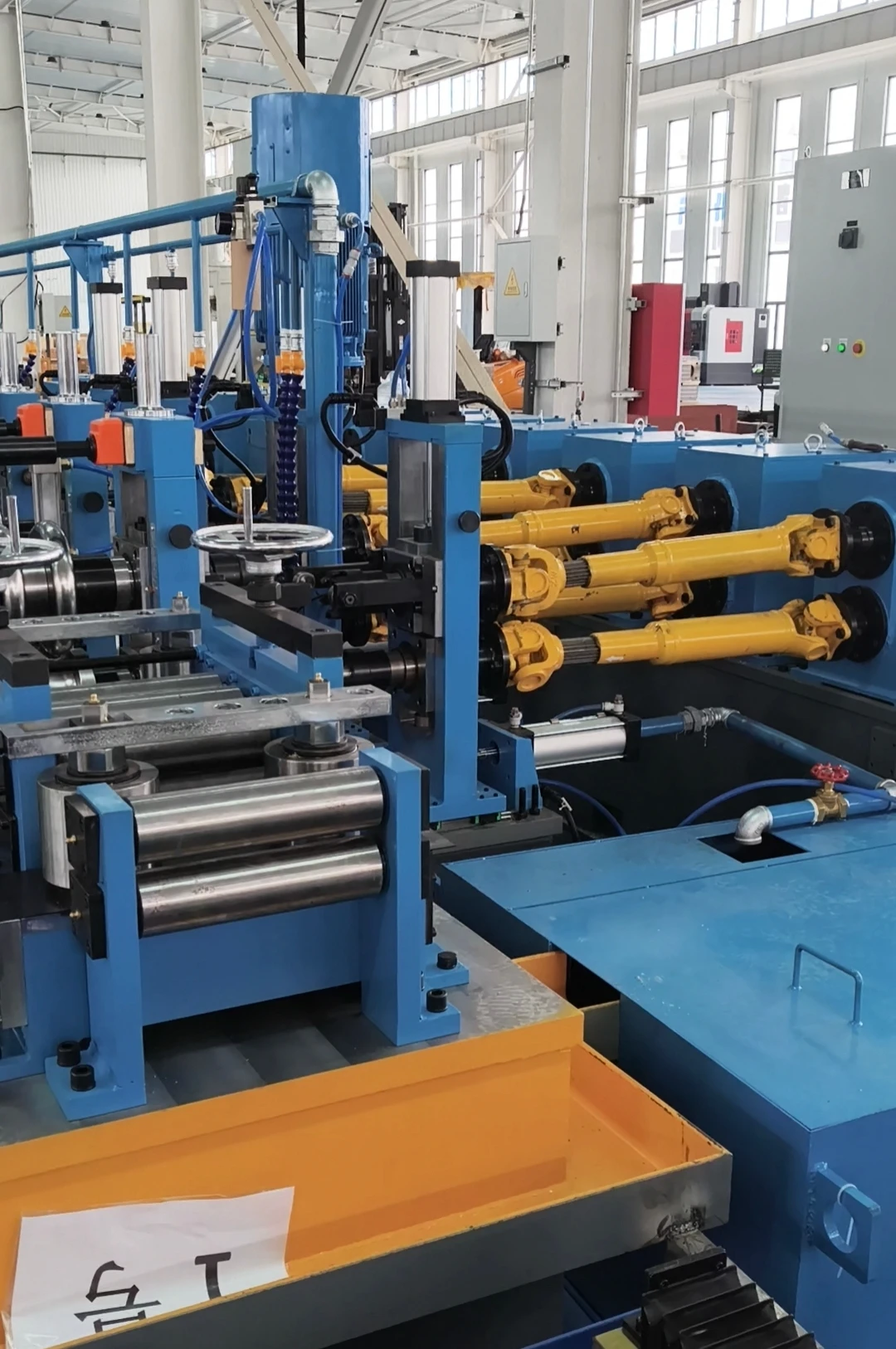
A Southeast Asia client visited our ERW tube mill factory to inspect production lines and discuss a customized tube mill solution. Impressed by our machine quality, welding performance, and engineering support, the client confirmed strong cooperation intentions. Discover how our ERW tube mill solutions improve efficiency, precision, and long-term production reliability.
2026-04-15 10:37:55
Flat Bar Production Line for Steel Coils: How It Works & Why It Matters
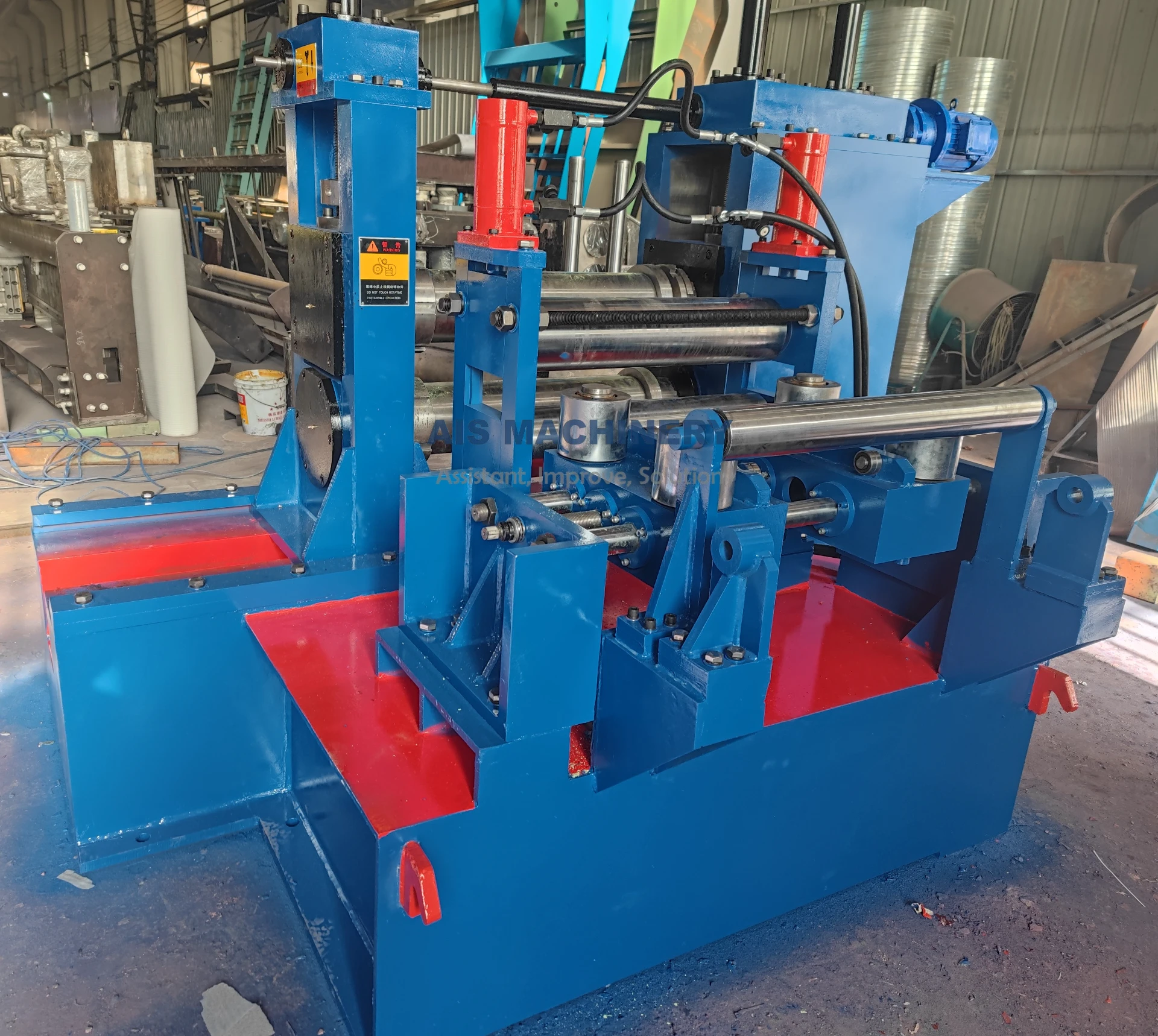
Looking for a flat bar production line? Learn how it turns steel coils into ready-to-use flat bars with precise length and high straightness. Compare it with slitting lines and get the best solution for your steel processing needs.
2026-04-14 00:00:00
Looking for a Milling Saw for ERW Tube Mill? Here’s What You Need to Know
Looking for a high-performance milling saw for your ERW tube mill? Upgrade to burr-free, high-precision pipe cutting with advanced flying saw technology. Improve efficiency, reduce rework, and meet export standards for carbon steel, stainless steel, and API pipes. Contact us today for expert solutions and competitive pricing tailored to your production needs.
Send a Message
Dear customer, thank you for your attention! We provide high-quality machinery and equipment and look forward to your orders. Please inform us of your needs and we will respond quickly!
 English
  Albanian
  Arabic
  French
  German
  Indonesian
  Italian
  Japanese
  Kazakh
  Korean
  Latin
Latin  Macedonian
  Portuguese
  Russian
  Spanish
  Thai
Thai  Turkish
  Ukrainian
  Uzbek
Uzbek