
-
 Tel:86-15176910262
-

Search

Steel Tube Packaging: Durable, Sustainable Solutions for Global Industries
Dec . 02, 2025 16:04
Steel Tube Packaging: A Vital Component in Modern Industry and Global Logistics
Steel tube packaging—oddly enough, it might not be the first thing you think of when discussing global trade or humanitarian aid, but it’s deeply embedded in how goods, materials, and vital equipment move safely across continents. Essentially, steel tube packaging involves enclosing or bundling products within steel tubes or using steel tubes as a protective casing to ensure the integrity of cargo during transport and storage. Its global relevance spans from industrial manufacturing hubs to disaster zones, offering unmatched durability and efficiency.
Understanding steel tube packaging is crucial not only for manufacturers and logisticians but also for sectors like construction, oil and gas, and emergency relief. By appreciating its design, advantages, and applications, decision makers can optimize supply chains, reduce damage-related losses, and enhance sustainability.
Global and Industry Context of Steel Tube Packaging
Steel production is a cornerstone of modern economies, with the World Steel Association reporting over 1.8 billion tonnes produced in 2023 alone. The packaging of steel tubes facilitates the safe shipment of raw materials and finished goods nationwide and internationally. According to the International Organization for Standardization (ISO), proper packaging directly affects product quality and safety during transport—crucial in times of supply chain disruptions and increasing globalization.
The challenge is significant: shipments can suffer from corrosion, deformation, or outright loss if packaging isn’t up to scratch. This is especially true in sectors requiring long-distance maritime transport or handling in rough environments. Steel tube packaging addresses these issues head-on.
What is Steel Tube Packaging?
At its core, steel tube packaging means utilizing cylindrical steel tubing either as a container or protective shell for products. These tubes vary in size, thickness, and finish but serve mainly to preserve the product’s shape and shield it from shock, moisture, or chemical exposure. Think of a steel tube packaging solution as a robust armor designed to protect high-value or sensitive items during handling and shipment.
Modern industry heavily relies on it for transporting pipes, rods, cables, and even delicate electronic components. Humanitarian missions also benefit—for example, steel tube packaging is routinely used to ship water purification units or structural elements for rapid shelter deployment in disaster zones.
Key Factors in Steel Tube Packaging
Durability
Steel tubes are inherently strong and corrosion-resistant (especially when treated), which makes them ideal for enduring rough handling and extreme weather. This durability reduces damage rates and waste.
Scalability and Customization
From small-diameter tubes suitable for electronic components to large pipes for construction material, steel tube packaging can be tailored to fit a broad spectrum of products and volumes.
Cost Efficiency
While steel packaging might cost more upfront than cardboard or plastic, its reusability and protective benefits often result in lower long-term expenses due to fewer product damages and returns.
Environmental Sustainability
Steel is 100% recyclable without loss of quality. Increasingly, industries prioritize sustainable packaging to comply with environmental regulations and meet consumer expectations.
Safety and Compliance
Steel tube packaging meets stringent international safety standards (e.g., ISO 1161, ASTM standards), ensuring safe transport across borders, especially for hazardous or heavy materials.
| Specification | Details |
|---|---|
| Material Grade | Galvanized Steel / Stainless Steel |
| Diameter Range | 50 mm to 1000 mm |
| Wall Thickness | 1.5 mm to 12 mm |
| Length Options | Up to 12 meters, customizable |
| Surface Treatment | Powder coating, galvanization, or painting |
| Weight Load Capability | Up to 2000 kg per tube |
Global Applications and Use Cases: Where Steel Tube Packaging Makes a Difference
Steel tube packaging finds its footing in diverse environments across the globe:
- Construction and Infrastructure: Steel tubes serve as transport packaging for piping, reinforcement bars, and mechanical parts from Asia’s massive steel mills to projects in Africa and the Americas.
- Energy Sector: Oil and gas industries use steel tube packaging to ship delicate instrumentation and large-diameter pipes safely through often treacherous logistics routes.
- Disaster Relief Operations: In regions hit by natural disasters, steel tube packaging protects pre-fabricated housing elements or emergency medical equipment, ensuring quick deployment and durable protection.
- Remote Industrial Zones: Mining and manufacturing outposts in places like Australia’s outback or Siberia rely on steel tube packaging to withstand extreme weather and rough transport conditions.
Notably, many humanitarian organizations opt for steel tube packaging in their logistics planning due to its resilience and reusability, a practical advantage when operating on tight budgets over multiple disaster cycles.
Advantages and Long-Term Value of Steel Tube Packaging
Why does steel tube packaging stand out? Here are some key benefits:
- Reliability: It safeguards products not just during transport but also storage, preserving integrity and function.
- Cost Savings: Less breakage means fewer replacement shipments, fewer insurance claims, and reduced downtime.
- Sustainability: Steel’s recyclability and durability create a circular economy effect — a major plus in environmentally conscious markets.
- Social Impact: Protecting essential goods—from disaster supplies to energy infrastructure—helps promote safety and dignity worldwide.
- Innovation: Customized solutions ensure packaging exactly fits each product's needs, making logistics smoother and more efficient.
Future Trends and Innovations in Steel Tube Packaging
The future feels promising, with innovations like:
- Smart Packaging: Embedding sensors in steel tubes to track conditions such as temperature, humidity, or impact in real time.
- Advanced Coatings: New eco-friendly surface treatments that enhance corrosion resistance while reducing environmental footprint.
- Automation: Robotics-driven packaging lines increasing precision and throughput.
- Integration with Green Energy: Using recycled steel and green manufacturing processes to lower carbon footprints.
These trends suggest steel tube packaging will not only remain relevant but become even more aligned with global sustainability goals and digital transformations.
Common Challenges and Expert Solutions
Steel tube packaging isn’t without hurdles. High upfront costs and weight considerations sometimes discourage smaller companies or those shipping low-margin goods. Also, improper handling or poor customization can lead to damage despite strong materials.
Experts recommend:
- Early collaboration between packaging designers and product engineers to tailor tube dimensions and reinforcements.
- Investing in staff training for proper loading and handling to maximize protection.
- Exploring hybrid packaging solutions that combine steel tubes with cushioning or modular pallets.
Vendor Comparison: Top Steel Tube Packaging Providers
| Vendor | Customization Options | Sustainability Practices | Global Reach | Typical Clients |
|---|---|---|---|---|
| AISTubemill | Highly tailored, steel grades & coatings | Uses recycled steel & green manufacturing | Global, strong presence in Asia & Europe | Oil & Gas, Construction, NGOs |
| GlobalTubing Co. | Standard ranges, limited custom cuts | Basic recycling programs | North America & Latin America focus | Manufacturing, Logistics |
| SteelPack Solutions | Modular designs for rapid deployment | Emphasis on eco-friendly paints & coatings | Europe and Middle East | Disaster Relief & Energy |
FAQ: Common Questions About Steel Tube Packaging
Q: What makes steel tube packaging better than other materials for heavy products?
A: Steel tubes offer unmatched strength and impact resistance, essential when transporting heavy or bulky goods. Their rigid structure safeguards against crushing and deformation better than plastic or cardboard alternatives.
Q: How customizable are steel tube packages for unusual product shapes?
A: Very customizable. Steel tubes can be manufactured in various diameters, thicknesses, and lengths. Coupled with internal coatings or padding, they fit both standard and complex shipments efficiently.
Q: Is steel tube packaging environmentally friendly?
A: Yes, particularly when made from recycled steel and treated with eco-conscious coatings. The long lifespan and recyclability help reduce waste.
Q: Can steel tube packaging withstand marine transport?
A: Absolutely. With proper galvanization or paint treatment, steel tubes resist corrosion from sea salt and humidity—making them ideal for overseas shipments.
Q: How can small companies afford steel tube packaging?
A: Though unit costs may be higher, steel tube packaging reduces damage-related losses and insurance costs. Some vendors offer leasing or return programs to ease initial investment.
Conclusion: Embracing Steel Tube Packaging for Long-Term Success
Steel tube packaging is more than just a container—it’s a solution that aligns durability, sustainability, and cost-effectiveness with diverse industry needs. Whether you're safeguarding delicate instruments or shipping structural components to remote sites, investing in proper steel tube packaging pays off in reduced damage, logistical efficiency, and environmental impact.
For businesses looking to enhance their packaging strategies or organizations seeking resilient logistics for humanitarian aid, steel tube packaging presents a reliable, innovative choice worth exploring.
Feel free to check out more on the manufacturing, specs, and options via our link above — it’s a good starting place if you’re serious about elevating your supply chain strategy.
Mini takeaway: Steel tube packaging isn’t flashy, but it’s a critical backbone in shipping and storage worldwide, quietly enabling everything from factories to emergency shelters.
References

Related Products

Related News
2026-04-30 09:35:04
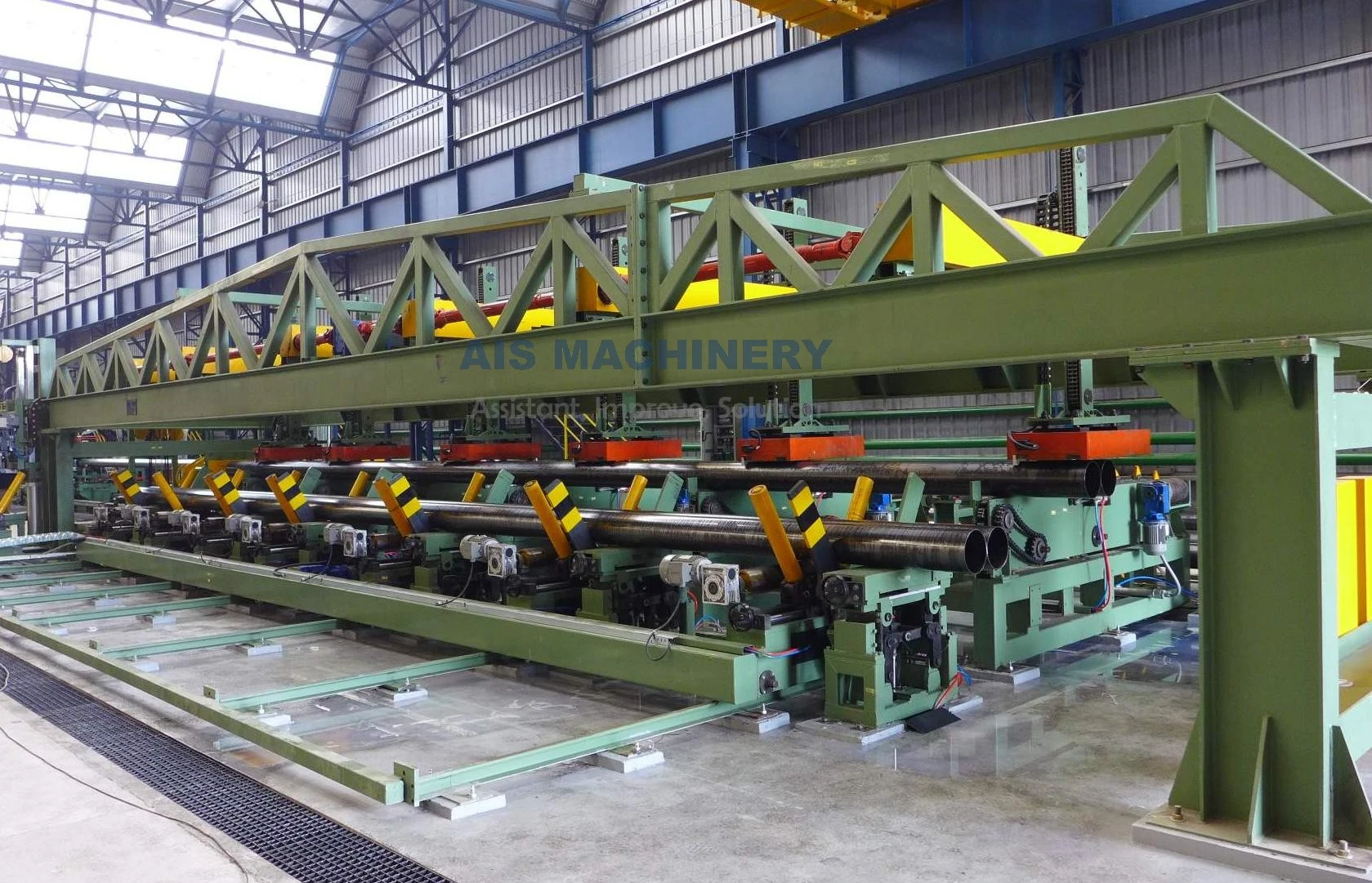
Automatic Stacking Machine (Magnetic Chuck Type)
The Automatic Stacking Machine (Magnetic Chuck Type) from AIS Machinery is designed to efficiently collect and stack steel tubes in ERW tube mill production lines. Using electromagnetic lifting, it can pick up multiple tubes at once and place them neatly in layers. This reduces manual labor, improves stacking accuracy, and increases overall production efficiency. It is installed after the flying saw and works seamlessly with the mill line, making it an ideal solution for modern tube manufacturers.
2026-04-28 08:56:05
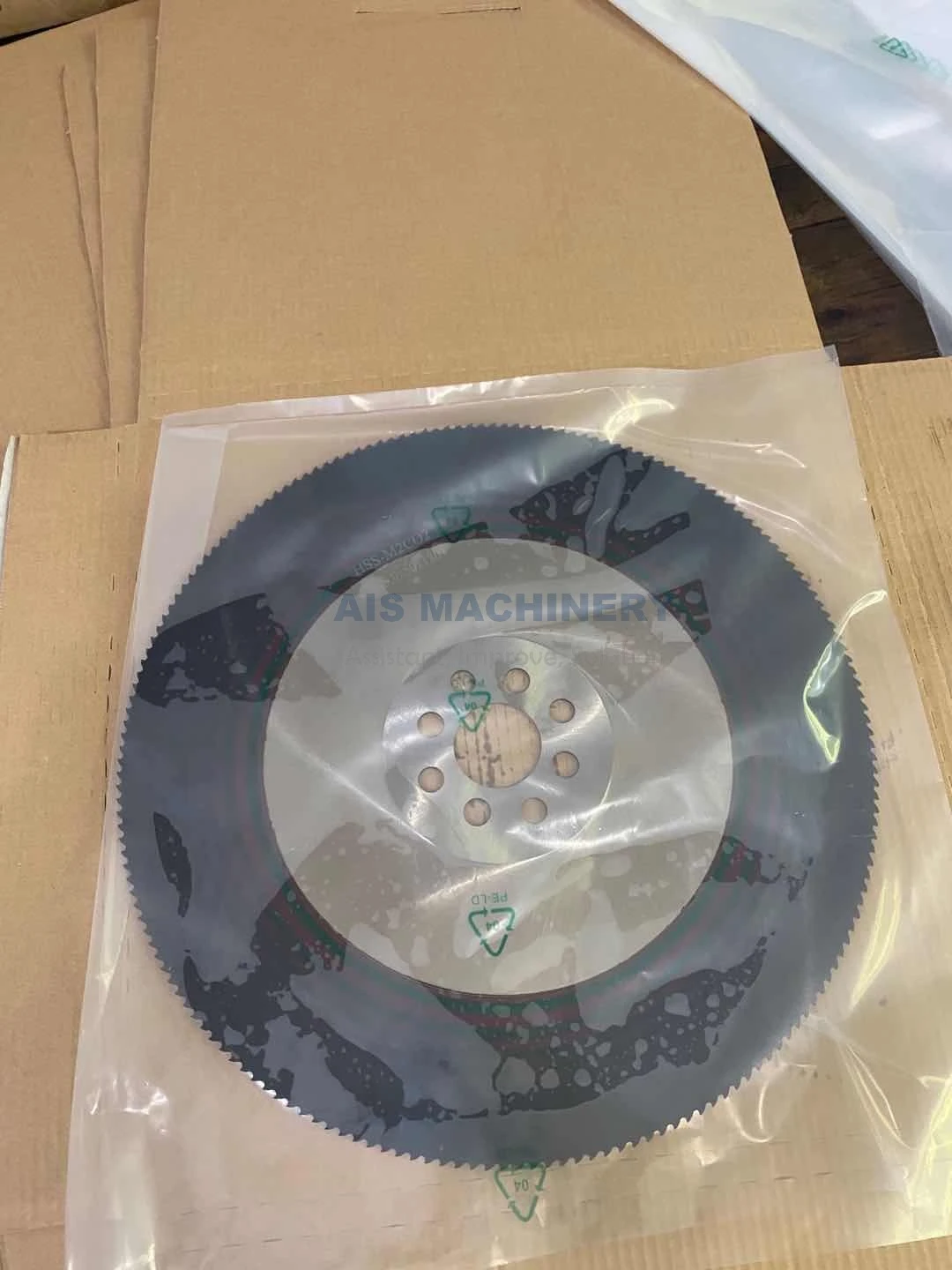
Saw Blade Guide for Tube Mills: Friction vs HSS vs TCT — Which One Should You Choose?
Confused about friction saw, HSS, and TCT blades? This guide explains their uses in cold saw and friction saw machines, with pros, cons, and expert selection tips.
2026-04-24 08:54:16
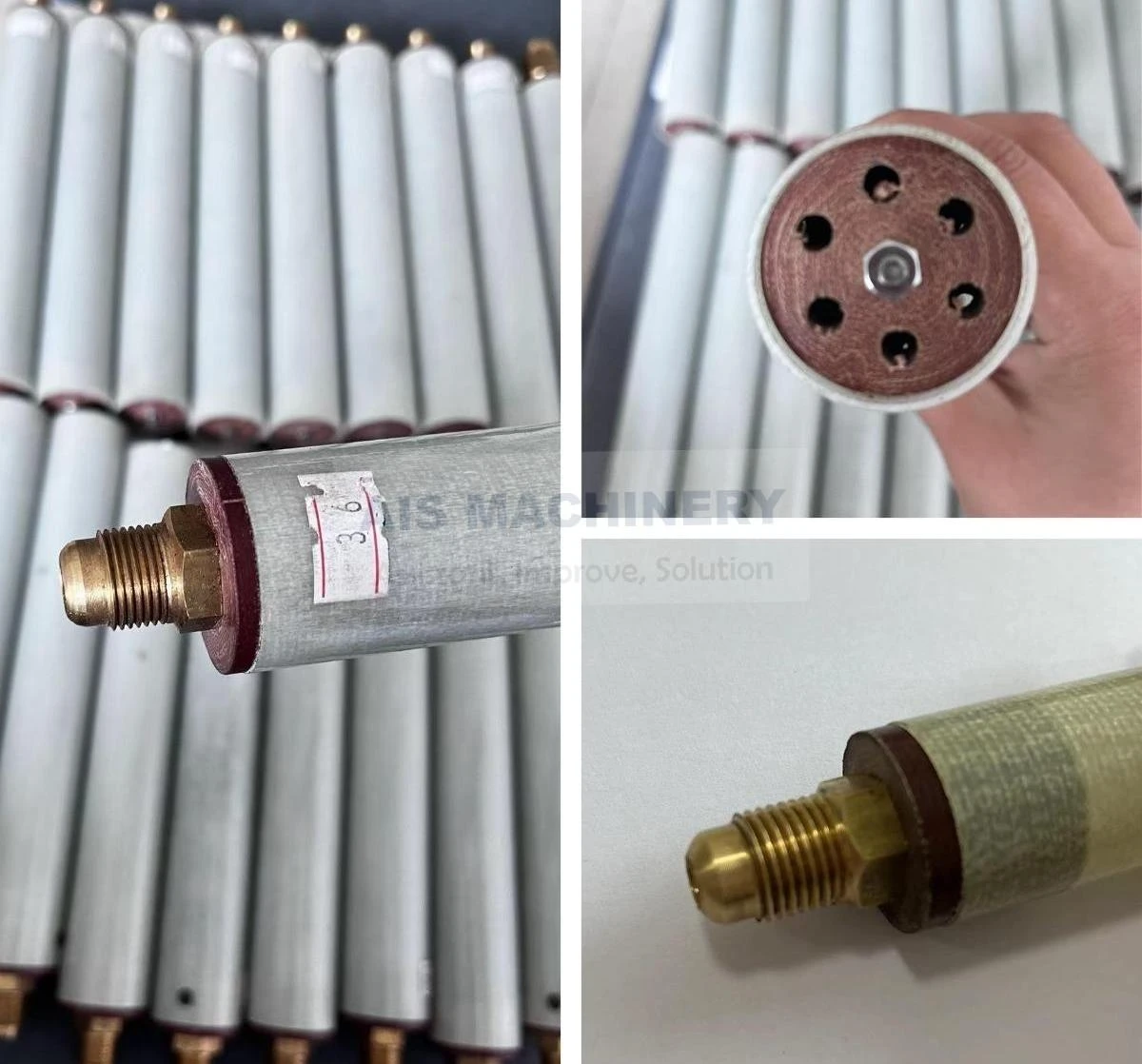
What is an Impeder and Ferrite Rods in ERW Tube Mill?
Struggling with impeder overheating or short service life in your ERW tube mill? This guide explains common impeder problems, the role of ferrite rods, and how to choose the right impeder for stable welding performance. Improve weld quality, reduce energy loss, and extend equipment lifespan with the right selection and proper cooling solutions.
2026-04-21 10:22:25
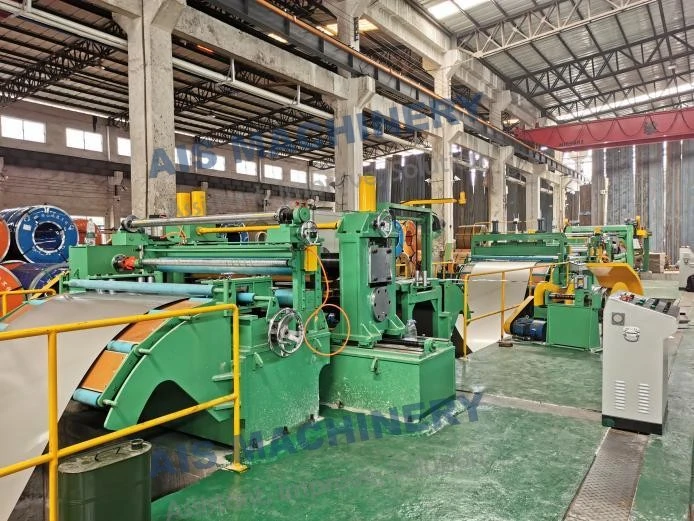
Slitting & Cut-to-Length Combined Production Line: A Smarter Way to Process Steel Coils
Discover the Slitting & Cut-to-Length Combined Production Line, a flexible solution for steel coil processing. This system integrates slitting line and cut-to-length line functions in one machine, saving space, reducing costs, and improving efficiency. Ideal for processing both steel strips and sheets, it is widely used in service centers and manufacturing industries. Learn its advantages, limitations, and applications.
2026-04-18 03:20:20
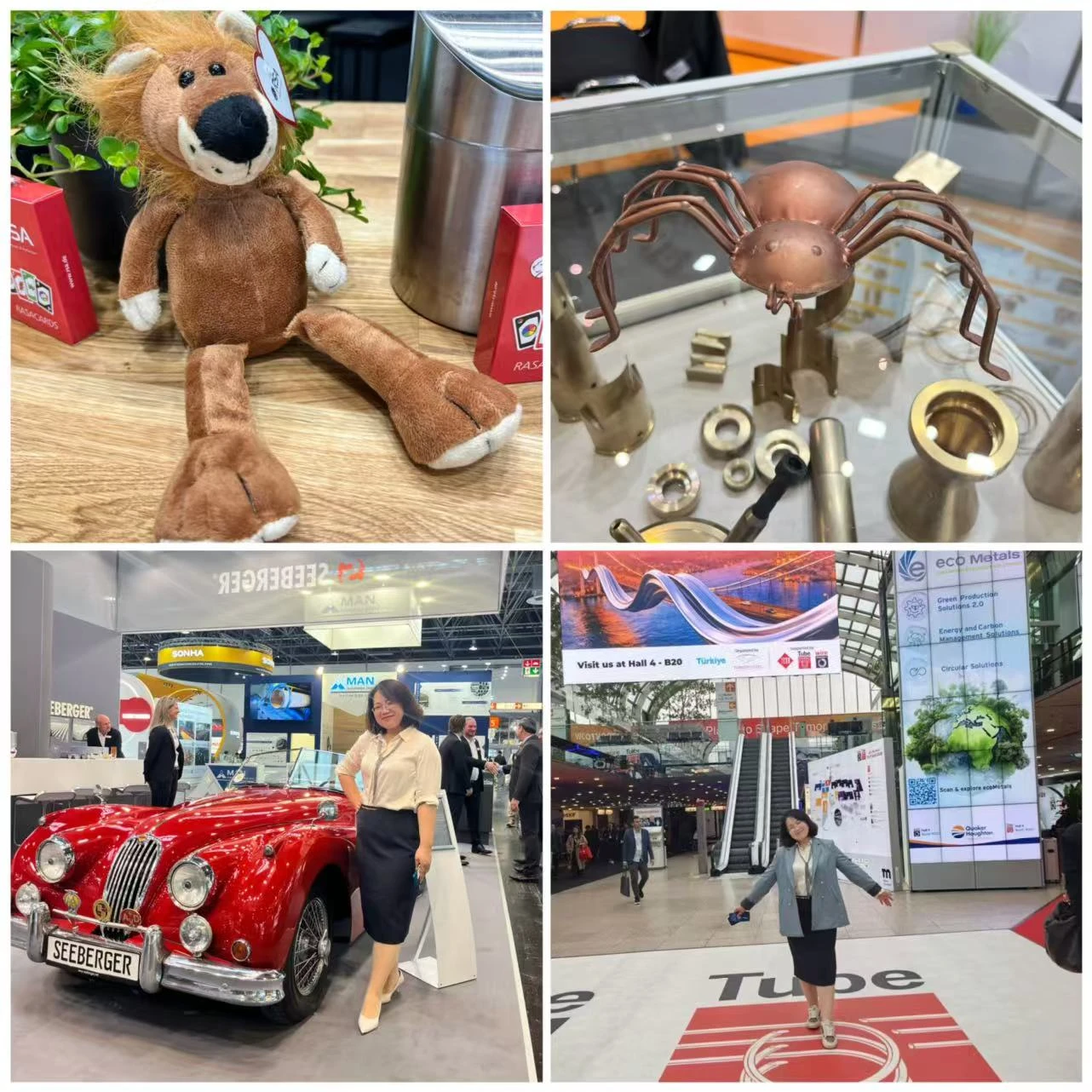
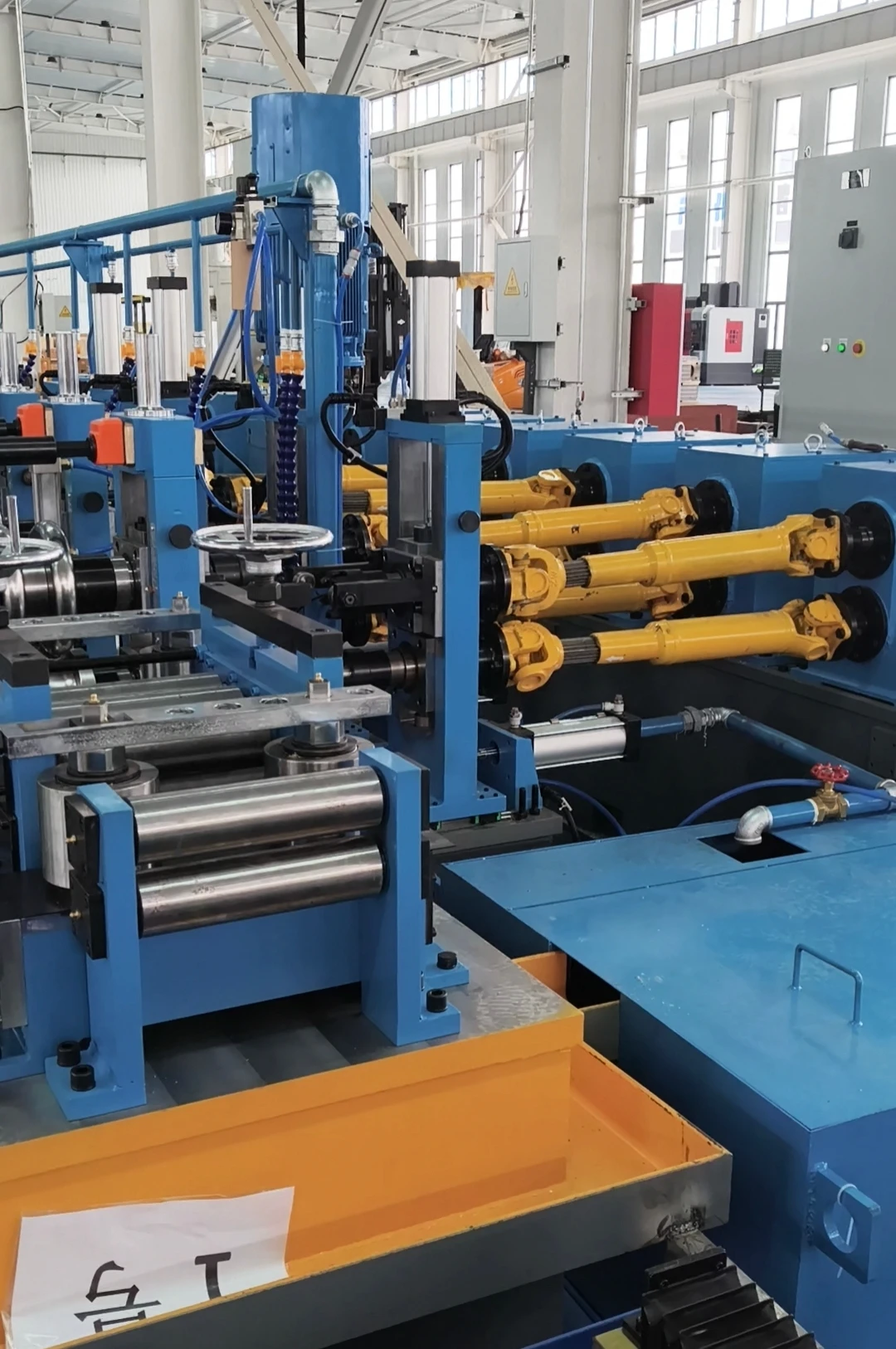
AIS Machinery Showcases Advanced Tube Solutions at Tube & Wire Düsseldorf 2026
Tube & Wire Düsseldorf 2026, one of the most influential exhibitions in the global tube and wire industry, held biennially in Düsseldorf, Germany
2026-04-17 00:00:00
Southeast Asia Client Visits Our Factory | Customized Tube Mill Solution Delivered
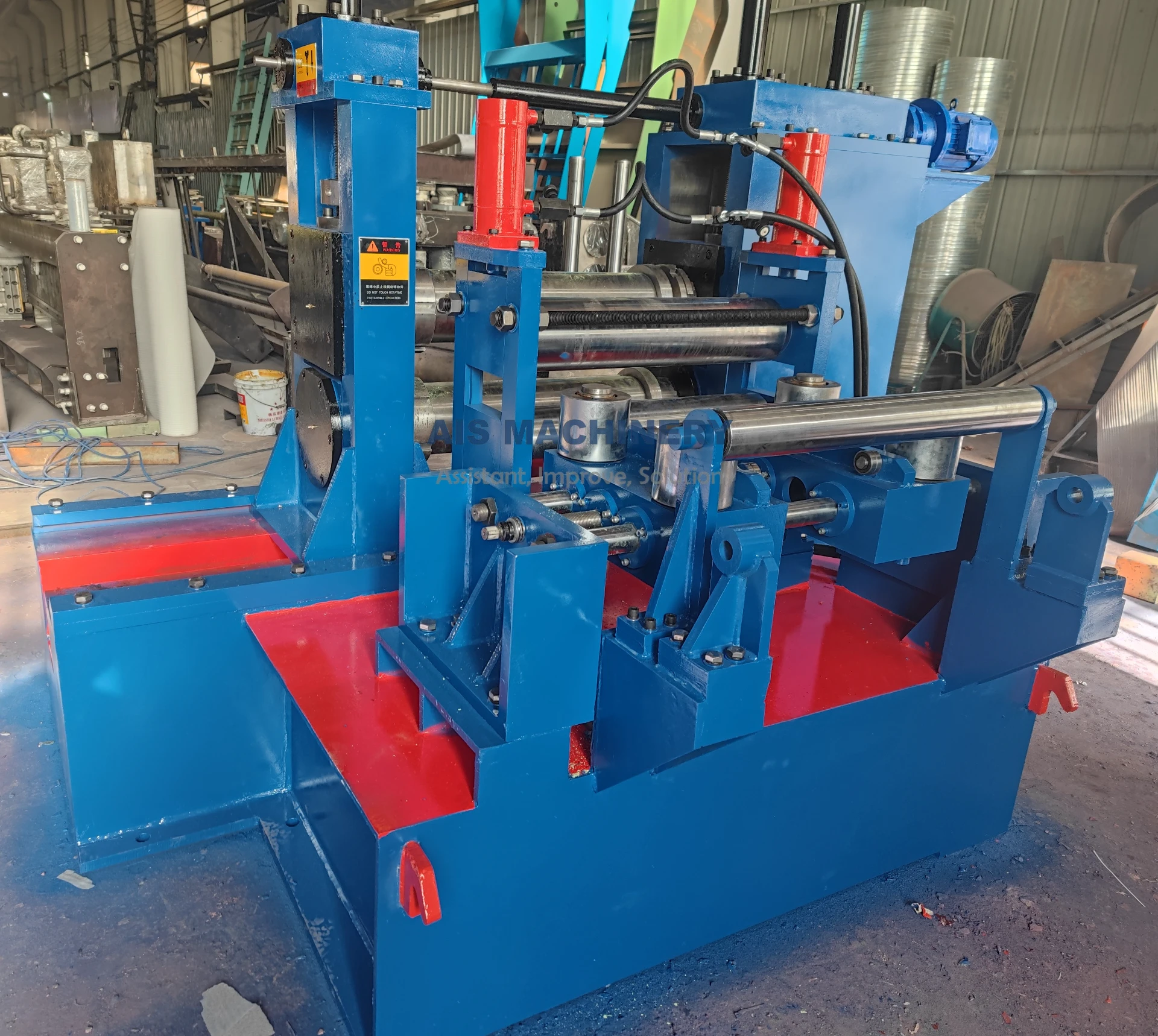
A Southeast Asia client visited our ERW tube mill factory to inspect production lines and discuss a customized tube mill solution. Impressed by our machine quality, welding performance, and engineering support, the client confirmed strong cooperation intentions. Discover how our ERW tube mill solutions improve efficiency, precision, and long-term production reliability.
2026-04-15 10:37:55
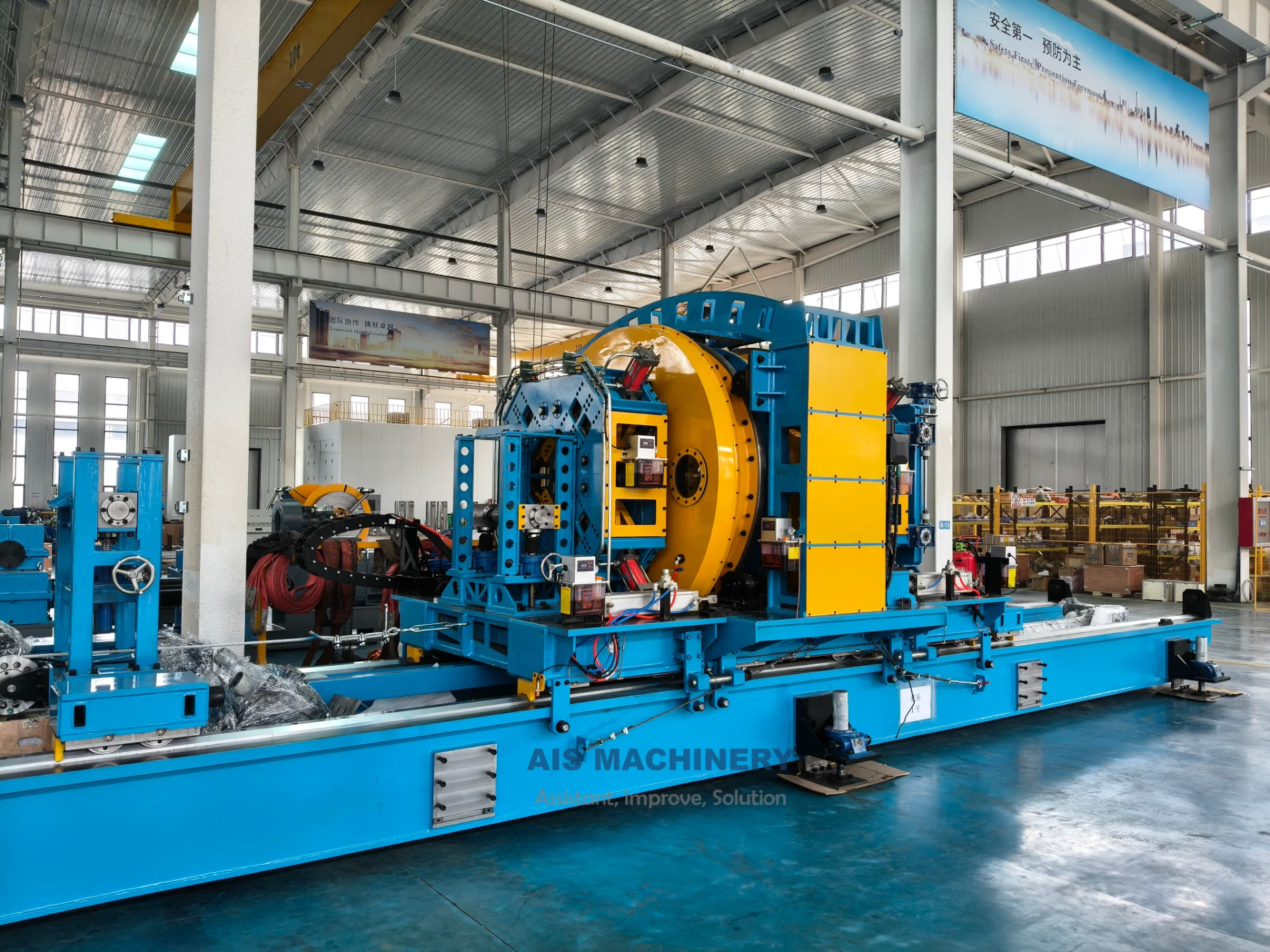
Flat Bar Production Line for Steel Coils: How It Works & Why It Matters
Looking for a flat bar production line? Learn how it turns steel coils into ready-to-use flat bars with precise length and high straightness. Compare it with slitting lines and get the best solution for your steel processing needs.
2026-04-14 00:00:00
Looking for a Milling Saw for ERW Tube Mill? Here’s What You Need to Know
Looking for a high-performance milling saw for your ERW tube mill? Upgrade to burr-free, high-precision pipe cutting with advanced flying saw technology. Improve efficiency, reduce rework, and meet export standards for carbon steel, stainless steel, and API pipes. Contact us today for expert solutions and competitive pricing tailored to your production needs.
Send a Message
Dear customer, thank you for your attention! We provide high-quality machinery and equipment and look forward to your orders. Please inform us of your needs and we will respond quickly!
 English
  Albanian
  Arabic
  French
  German
  Indonesian
  Italian
  Japanese
  Kazakh
  Korean
  Latin
Latin  Macedonian
  Portuguese
  Russian
  Spanish
  Thai
Thai  Turkish
  Ukrainian
  Uzbek
Uzbek