
-
 Tel:86-15176910262
-

Search

What is a Pipe Strapping Machine? Benefits, Uses & Future Trends | AISTubeMill
Dec . 02, 2025 16:20
The Essential Guide to Pipe Strapping Machines: What They Are and Why They Matter Globally
Pipe strapping machines may sound like a niche industrial product — and, frankly, they kind of are — but their impact is pretty widespread. These reliable tools are at the heart of safely binding and bundling pipes for transport, storage, and installation. Across sectors from oil & gas to construction, knowing how pipe strapping machines work and what they bring to the table is key. With a world increasingly focused on infrastructure resilience and supply chain efficiency, these machines quietly support a vast global ecosystem.
Introduction: Why Pipe Strapping Machines Are Globally Relevant
Transporting pipes safely is not as simple as it seems—improperly secured pipes can cause accidents, delays, or even disastrous failures in projects. According to data from the International Organization for Standardization (ISO 9001), packaging and handling incidents cause significant losses worldwide. The pipe strapping machine, by automating and standardizing pipe bundling, reduces these risks dramatically.
Then there’s the sustainability angle: fewer damages mean fewer resources wasted. Plus, the rise of mega infrastructure projects, especially across Asia and Africa, has driven demand for industrial packaging solutions that enhance efficiency and safety during transit.
What Exactly Is a Pipe Strapping Machine?
At its simplest, a pipe strapping machine is a device that tightens and seals straps—usually steel or plastic—around bundles of pipes. This ensures the pipes don’t shift or separate during transportation. These machines can be manual, semi-automatic, or fully automatic, and they significantly reduce manual labor and human error.
In humanitarian and remote industrial contexts, such devices make it easier to deliver pipeline systems quickly, ensuring the pipes arrive intact even in challenging environments. It's a bit like the invisible helper that keeps massive pipe shipments safe and intact.
Key Features of Pipe Strapping Machines
1. Durability and Build Quality
The best pipe strapping machines are built to last. They endure tough factory floors and outdoor environments. Material selection and design robustness are crucial, especially for steel strap tensioning.
2. Scalability & Speed
From small workshops to massive industrial suppliers, scalability matters. Machines that can handle varied pipe diameters and lengths without lengthy reconfiguration are more valuable.
3. Cost Efficiency
Obviously, businesses want to lower total operating costs. Energy consumption, maintenance frequency, and consumables (like straps) all factor into long-term cost efficiency.
4. Ease of Operation
Operators often appreciate machines that are intuitive, with minimal training required—even during labor shortages.
5. Safety Features
Strong straps are great, but not if they cause injury or damage equipment. Automated cut-off, emergency stops, and protective guarding are important considerations.
Pipe Strapping Machine Specifications
| Model | Strap Type | Pipe Diameter Range | Cycle Time (sec) | Power Source |
|---|---|---|---|---|
| PSM-1200 | Steel/Plastic | 50-600 mm | 12-15 | Electric |
| PSM-500A | Plastic | 100-400 mm | 20-25 | Battery + Electric |
| PSM-2000F | Steel | 150-800 mm | 10-12 | Electric |
Global Applications & Use Cases
Pipe strapping machines see heavy use across diverse regions—Asia's booming infrastructure sector, North America's pipeline industries, and Africa's rapidly expanding water distribution projects. Oddly enough, post-disaster relief operations have also embraced these machines; rapid, secure pipe bundling ensures effective and swift deployment of emergency water and gas lines.
For instance, in remote mining operations in Australia, the reliability of pipe strapping machines reduces downtime by preventing pipe damage during rough transport. NGOs distributing clean water infrastructure in Southeast Asia also depend on these machines to safeguard shipments of piping materials.
Vendor Comparison: Pipe Strapping Machines
| Vendor | Automation Level | Warranty | Support Availability | Price Range |
|---|---|---|---|---|
| AISTubeMill | Fully Automatic | 3 Years | 24/7 Global | $$$ |
| PackPro Inc. | Semi-Automatic | 2 Years | Business Hours | $$ |
| SafeStrap Co. | Manual & Electric | 1 Year | Limited Support | $ |
Advantages & Long-Term Value
The benefits of using pipe strapping machines go beyond just saving time. They offer cost savings by reducing pipe damage and labor costs—both big wins in industries that operate on razor-thin margins. Sustainability plays a part as well; less damage means fewer wasted materials and less landfill.
Emotionally, the reliability these machines bring instills trust among stakeholders—something that’s often overlooked but incredibly important when shipping heavy materials across continents.
And to be honest, knowing that a shipment of pipes won’t fall apart mid-transport just gives peace of mind—not just to logistics managers but to everyone involved in a project.
Future Trends & Innovations in Pipe Strapping Technology
As automation increasingly intertwines with industrial processes, pipe strapping machines are also becoming smarter. Expect integration with IoT sensors that monitor strap tension in real-time, and predictive maintenance alerts preventing downtime. Materials are trending toward more eco-friendly straps and energy-efficient motors.
Oddly enough, we’re beginning to see research into biodegradable plastic straps for short-term use, particularly for humanitarian or temporary construction sites. Considering global sustainability goals, such innovations could be game-changers.
Common Challenges & Expert Solutions
One frequent issue is strap material compatibility—some pipes require special strap types, and finding the right match can be tricky. Experts recommend modular machines that allow quick swapping of tensioners and sealers suited to different materials.
Another hurdle is operator training, especially in remote or less technologically advanced regions. Simple UI design and standardized manuals go a long way here. Partnering with vendors that provide accessible support and tutorial videos helps too.
FAQ: Frequently Asked Questions About Pipe Strapping Machines
- Q: How important is the choice between steel and plastic straps?
A: It depends on pipe weight, diameter, and environmental factors. Steel straps offer superior strength for heavy pipes but can corrode if not treated. Plastic straps resist corrosion and can be more flexible but may not suit extremely heavy loads. Choosing the right strap maximizes safety and minimizes damage. - Q: Can pipe strapping machines be used for pipes of all sizes?
A: Most machines specify a diameter range, but many models offer adjustable settings to handle a range of pipe sizes. For very large or oddly shaped pipes, custom solutions or manual assistance may be needed. - Q: What maintenance does a pipe strapping machine require?
A: Regular lubrication, strap tension calibration, and inspection of cutting tools are typical. Maintenance schedules vary by model but generally include weekly or monthly checks. Following the manufacturer’s guidelines ensures longevity. - Q: Is automation worth the investment?"
A: Automation reduces labor and improves consistency, especially valuable for high-volume operations. Smaller workshops may still use semi-automatic or manual models with success, depending on their throughput. - Q: How can international buyers source reliable pipe strapping machines?
A: It’s advisable to work with established vendors offering global shipping and after-sales support. Technical certifications and client reviews provide additional assurance of reliability and quality.
Conclusion: Secure Your Pipe Handling Today
Pipe strapping machines might not grab headlines often, but their role in modern industry is undeniable. They combine efficiency, safety, and sustainability — making them essential in the smooth flow of pipe logistics worldwide. Whether you’re in construction, mining, or humanitarian aid, upgrading to reliable pipe strapping equipment is a step toward smarter operations.
Curious to learn more or upgrade your facility? Visit our website: pipe strapping machine.
Ultimately, understanding these machines helps companies reduce waste, save time, and improve safety across their entire supply chain. It’s one of those quiet revolutions powering global infrastructure quietly but effectively.
References:

Related Products

Related News
2026-04-30 09:35:04
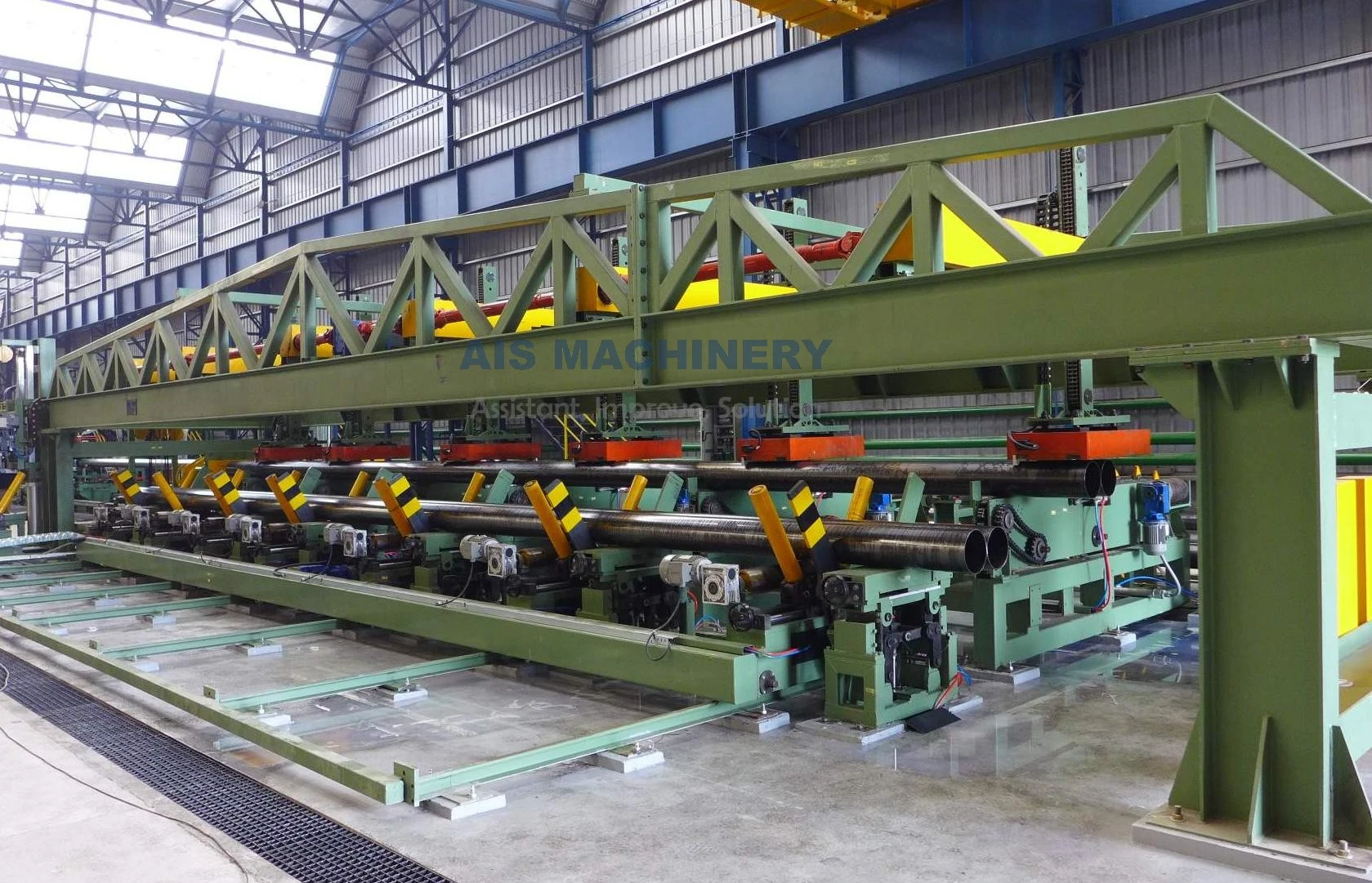
Automatic Stacking Machine (Magnetic Chuck Type)
The Automatic Stacking Machine (Magnetic Chuck Type) from AIS Machinery is designed to efficiently collect and stack steel tubes in ERW tube mill production lines. Using electromagnetic lifting, it can pick up multiple tubes at once and place them neatly in layers. This reduces manual labor, improves stacking accuracy, and increases overall production efficiency. It is installed after the flying saw and works seamlessly with the mill line, making it an ideal solution for modern tube manufacturers.
2026-04-28 08:56:05
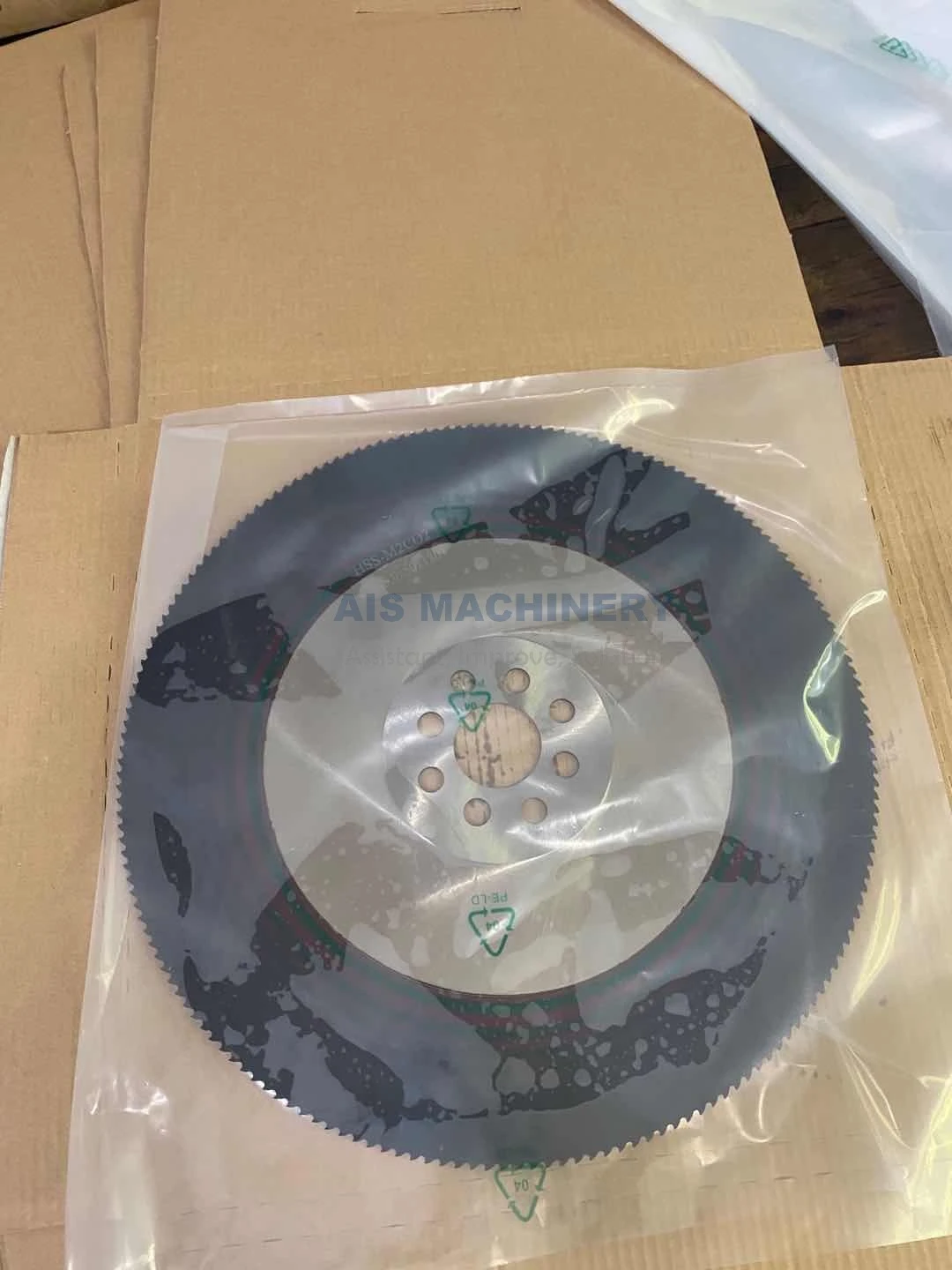
Saw Blade Guide for Tube Mills: Friction vs HSS vs TCT — Which One Should You Choose?
Confused about friction saw, HSS, and TCT blades? This guide explains their uses in cold saw and friction saw machines, with pros, cons, and expert selection tips.
2026-04-24 08:54:16
What is an Impeder and Ferrite Rods in ERW Tube Mill?
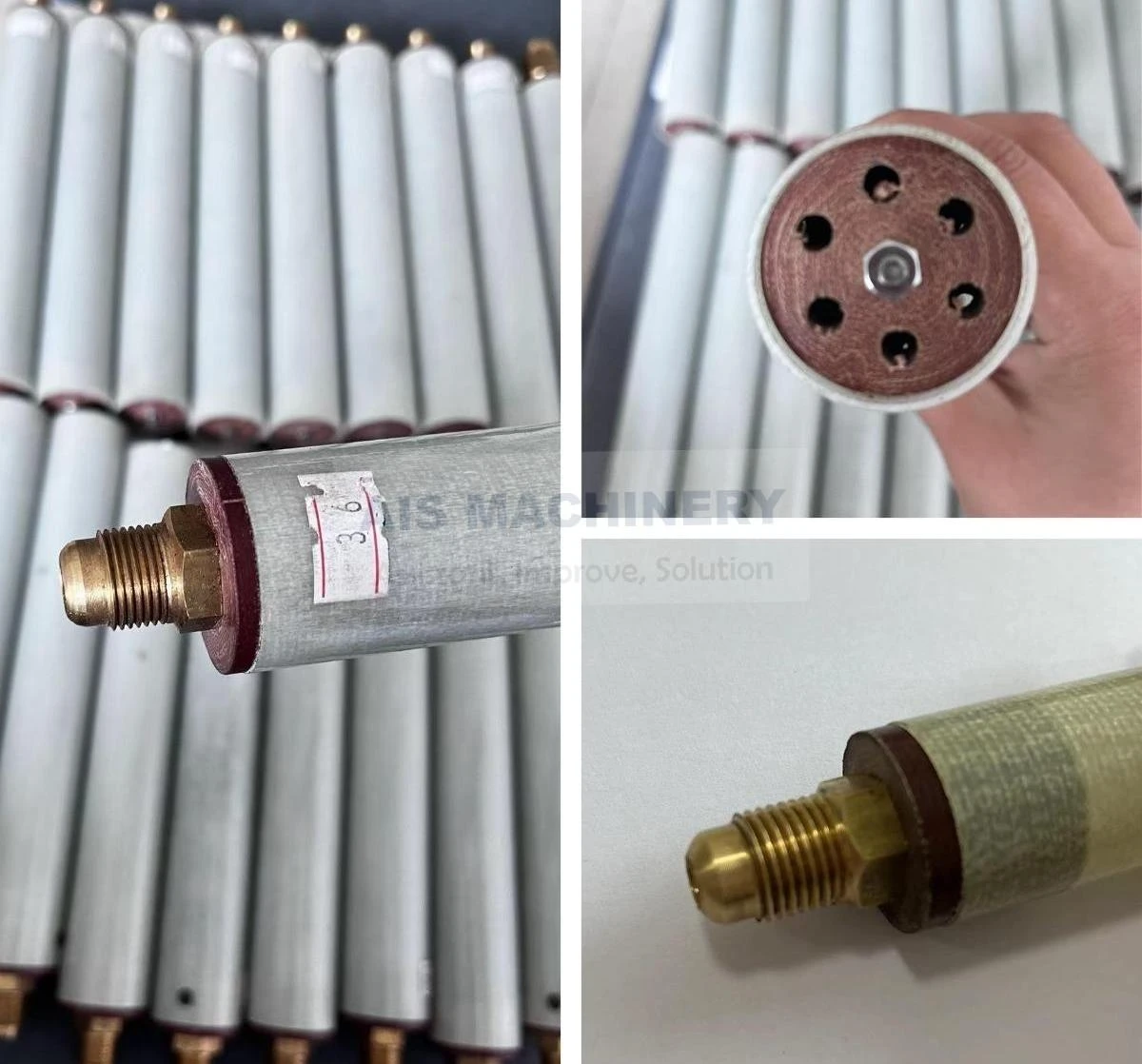
Struggling with impeder overheating or short service life in your ERW tube mill? This guide explains common impeder problems, the role of ferrite rods, and how to choose the right impeder for stable welding performance. Improve weld quality, reduce energy loss, and extend equipment lifespan with the right selection and proper cooling solutions.
2026-04-21 10:22:25
Slitting & Cut-to-Length Combined Production Line: A Smarter Way to Process Steel Coils
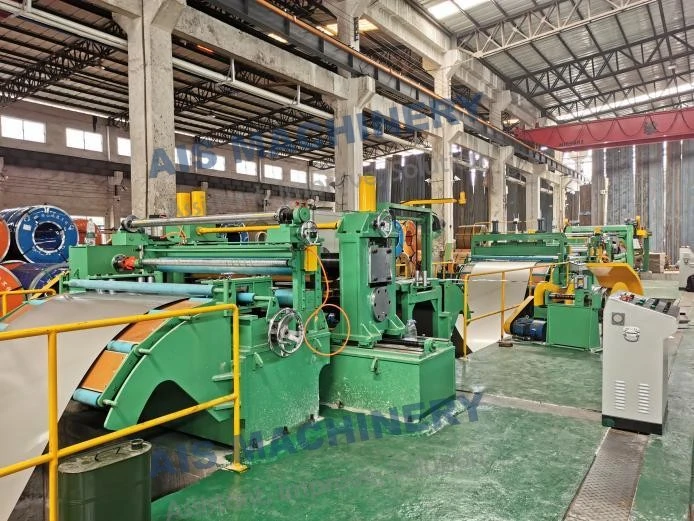
Discover the Slitting & Cut-to-Length Combined Production Line, a flexible solution for steel coil processing. This system integrates slitting line and cut-to-length line functions in one machine, saving space, reducing costs, and improving efficiency. Ideal for processing both steel strips and sheets, it is widely used in service centers and manufacturing industries. Learn its advantages, limitations, and applications.
2026-04-18 03:20:20
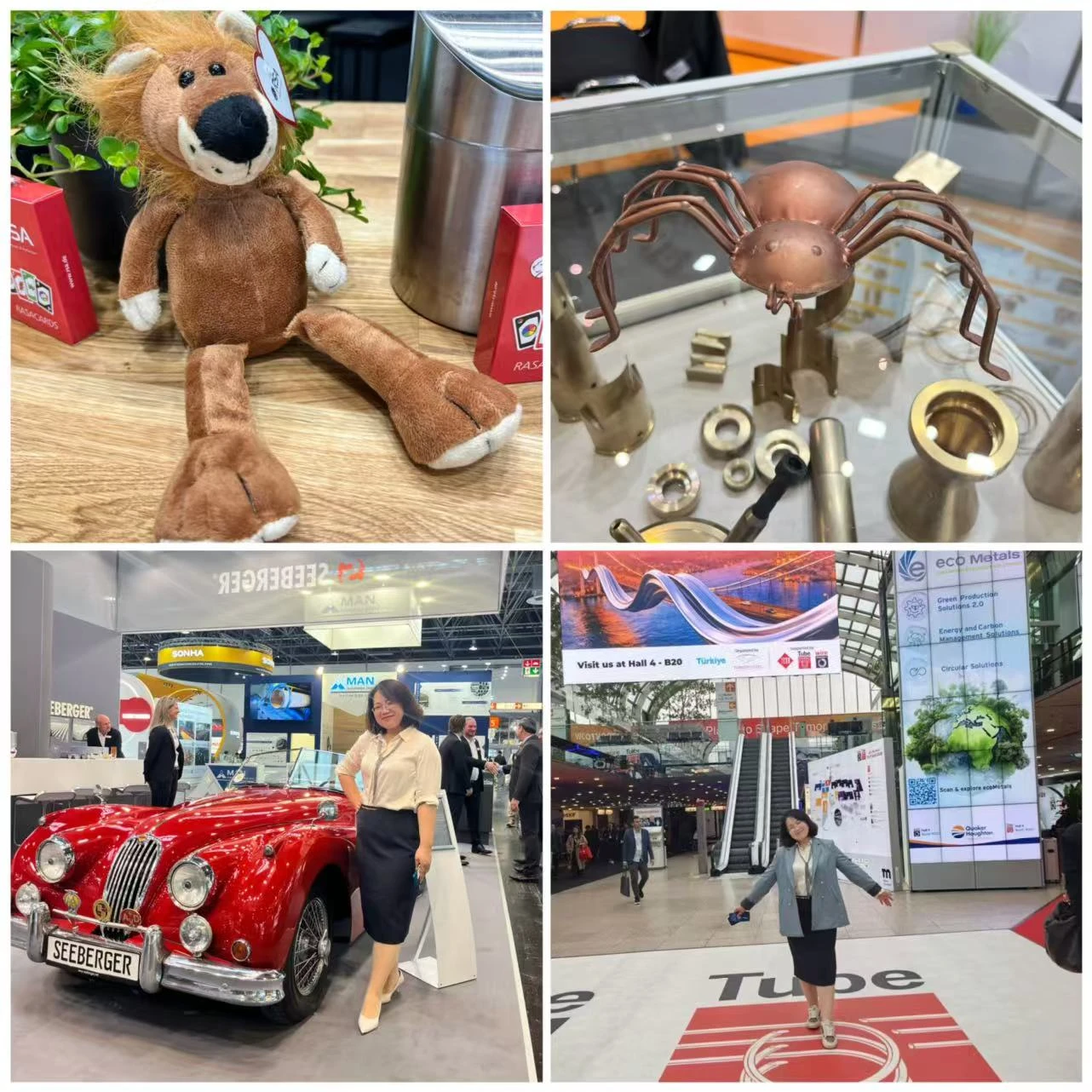
AIS Machinery Showcases Advanced Tube Solutions at Tube & Wire Düsseldorf 2026
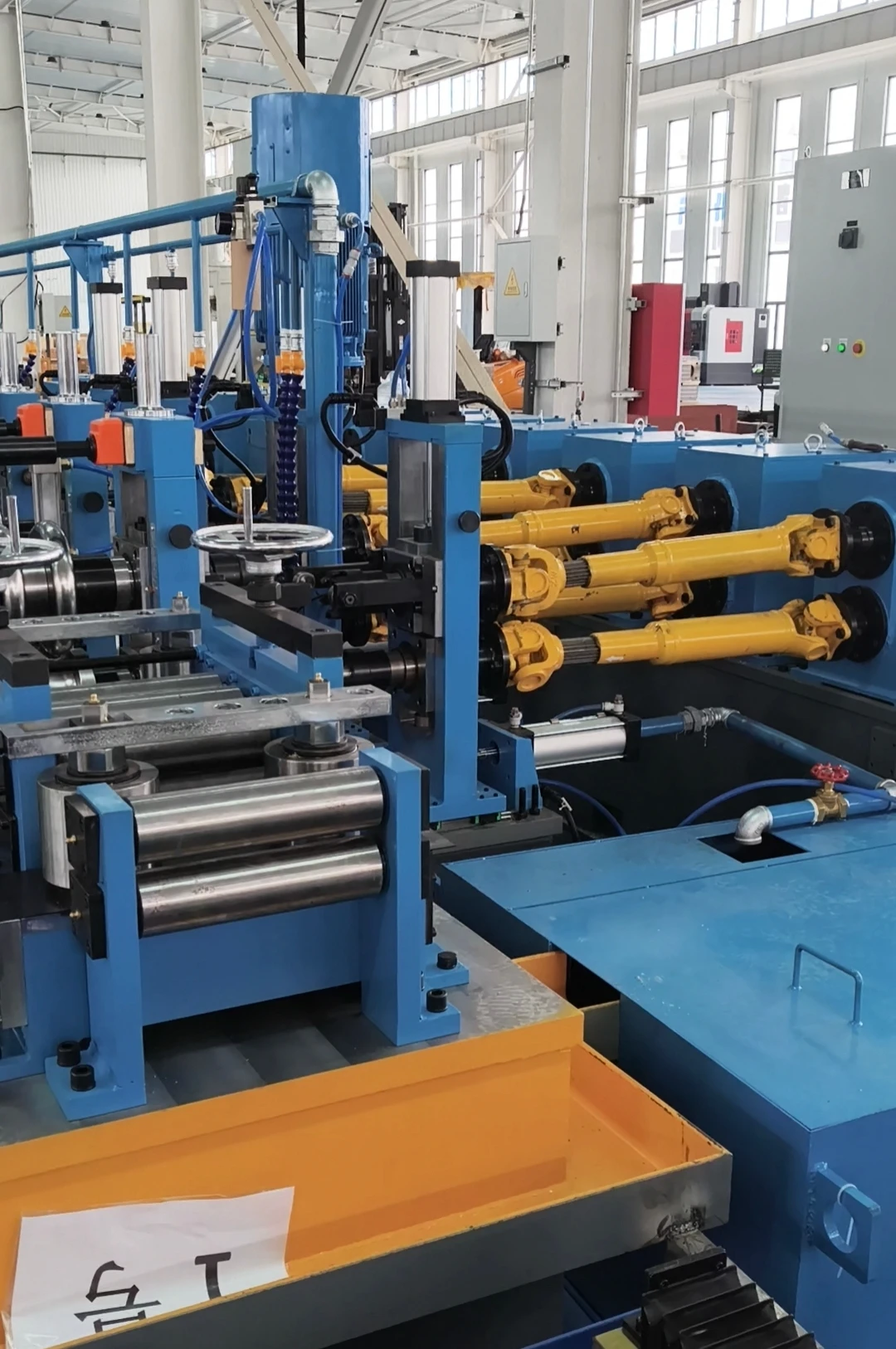
Tube & Wire Düsseldorf 2026, one of the most influential exhibitions in the global tube and wire industry, held biennially in Düsseldorf, Germany
2026-04-17 00:00:00
Southeast Asia Client Visits Our Factory | Customized Tube Mill Solution Delivered
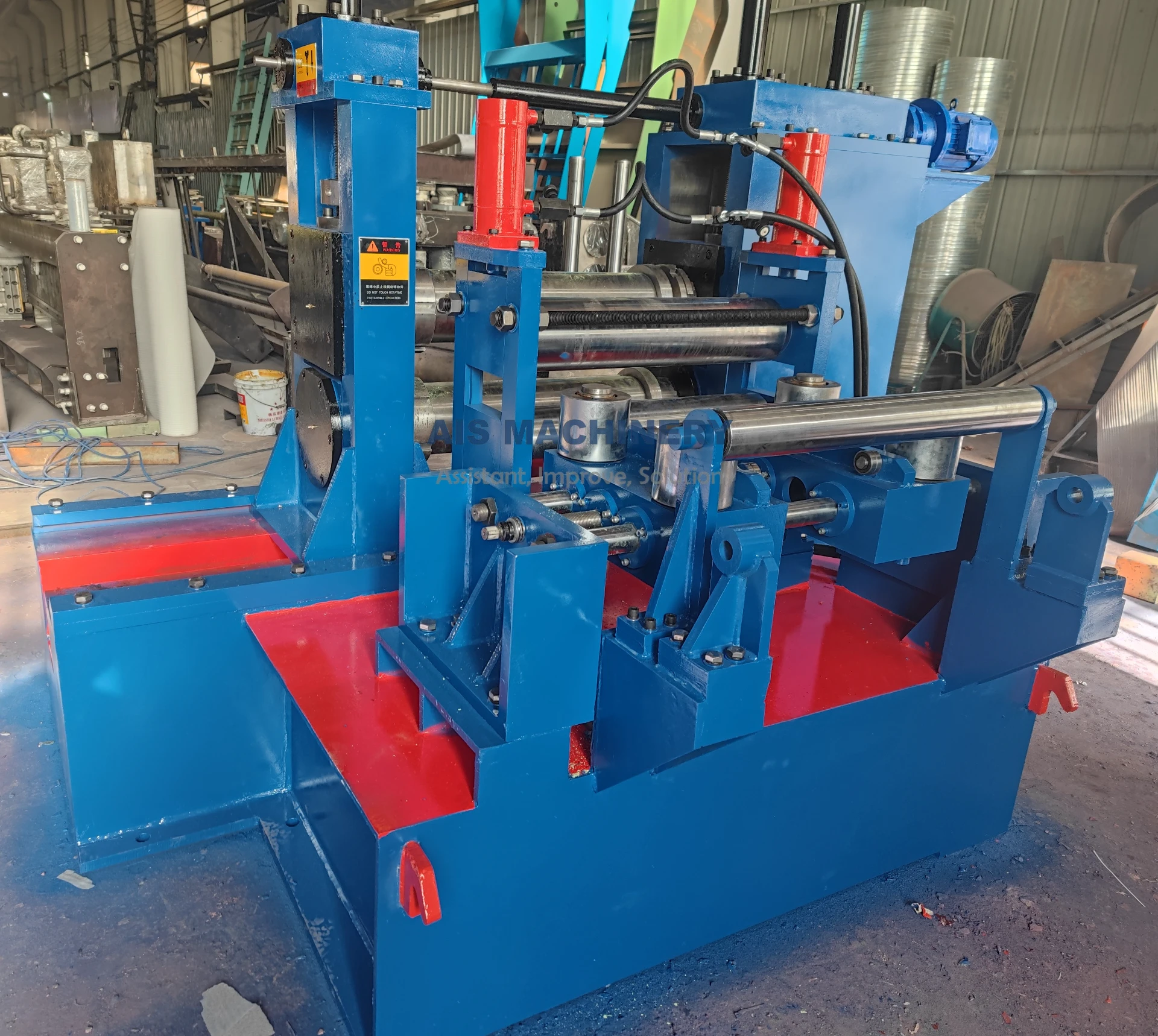
A Southeast Asia client visited our ERW tube mill factory to inspect production lines and discuss a customized tube mill solution. Impressed by our machine quality, welding performance, and engineering support, the client confirmed strong cooperation intentions. Discover how our ERW tube mill solutions improve efficiency, precision, and long-term production reliability.
2026-04-15 10:37:55
Flat Bar Production Line for Steel Coils: How It Works & Why It Matters
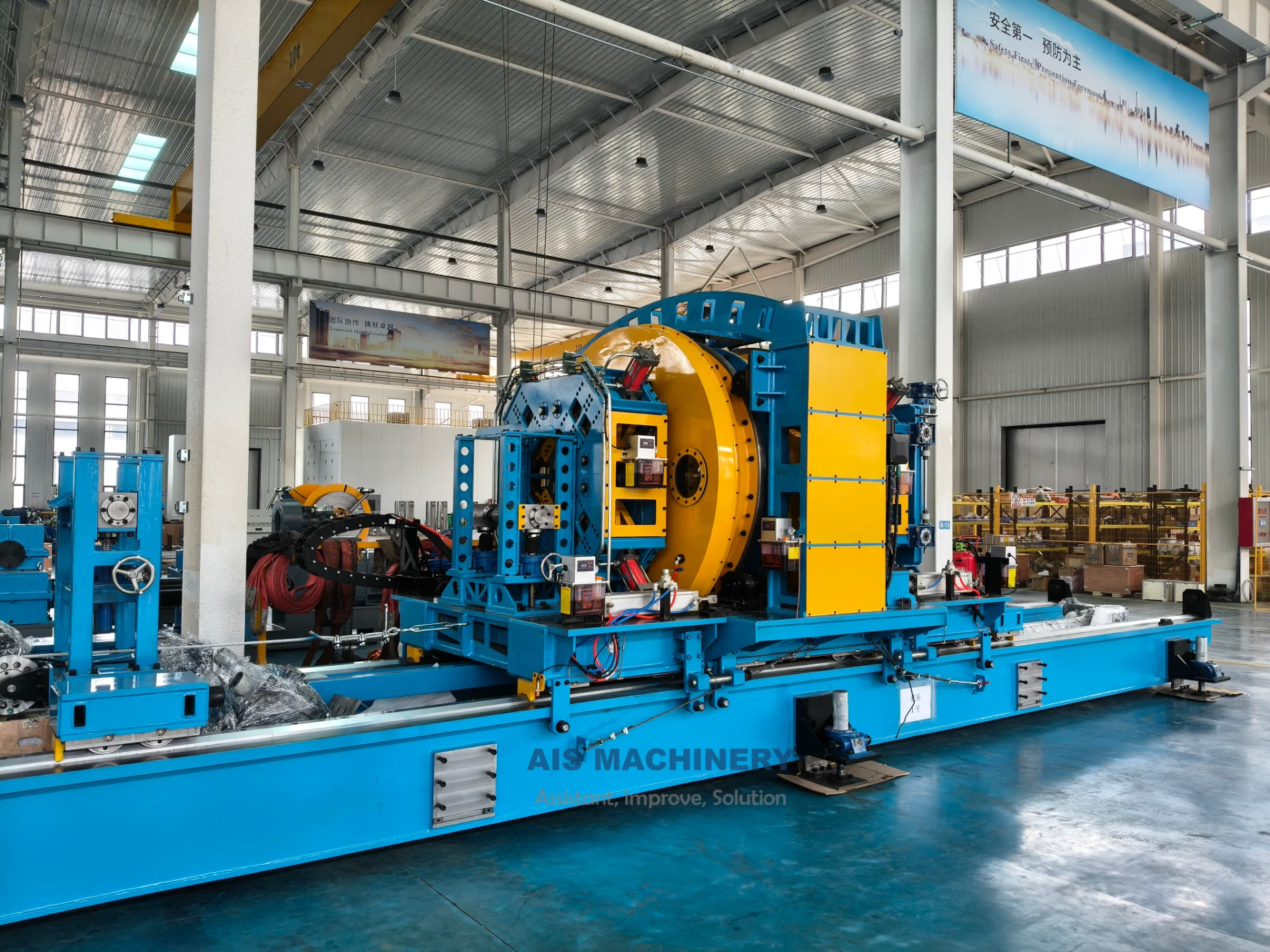
Looking for a flat bar production line? Learn how it turns steel coils into ready-to-use flat bars with precise length and high straightness. Compare it with slitting lines and get the best solution for your steel processing needs.
2026-04-14 00:00:00
Looking for a Milling Saw for ERW Tube Mill? Here’s What You Need to Know
Looking for a high-performance milling saw for your ERW tube mill? Upgrade to burr-free, high-precision pipe cutting with advanced flying saw technology. Improve efficiency, reduce rework, and meet export standards for carbon steel, stainless steel, and API pipes. Contact us today for expert solutions and competitive pricing tailored to your production needs.
Send a Message
Dear customer, thank you for your attention! We provide high-quality machinery and equipment and look forward to your orders. Please inform us of your needs and we will respond quickly!
 English
  Albanian
  Arabic
  French
  German
  Indonesian
  Italian
  Japanese
  Kazakh
  Korean
  Latin
Latin  Macedonian
  Portuguese
  Russian
  Spanish
  Thai
Thai  Turkish
  Ukrainian
  Uzbek
Uzbek