
-
 Tel:86-15176910262
-

Search

Comprehensive Guide to Tube Stacker: Global Applications, Benefits & Innovations
Dec . 02, 2025 16:34
Understanding the Tube Stacker: Essential Industrial Equipment Transforming Modern Operations
At first glance, a tube stacker might seem like just another piece of industrial hardware. Yet, its global significance is quietly immense. Whether you're in manufacturing, construction, or logistics, tube stackers help streamline operations by efficiently stacking, storing, and transporting tubes and pipes — materials that form the backbone of countless industries worldwide. Understanding this device better can unlock insights into optimizing supply chains, improving safety, and enhancing overall productivity.
Why the Tube Stacker Matters Globally
Globally, the demand for steel and aluminum tubes continues to rise — the World Steel Association reported worldwide steel production reaching over 1.9 billion tonnes in recent years, with a significant portion destined for pipes and tubes. Managing these materials efficiently is no small feat. Tube stackers answer this challenge by offering a systemized way to organize and handle tubular products, reducing manual labor and damage rates. This improvement is critical since damaged tubes lead to costly replacements and project delays.
Moreover, industries ranging from oil and gas to construction rely on robust material handling. According to ISO standards on industrial machinery safety, proper handling equipment like tube stackers lower workplace injuries. Frankly, as we push for higher productivity worldwide, devices that can automate or assist crucial material handling tasks gain even more importance.
What is a Tube Stacker?
Simply put, a tube stacker is a mechanical system — sometimes automated — designed to collect, stack, and organize tubes or pipes neatly after production or during transport. Think of it as a specialized palletizer but tailored specifically for cylindrical objects. Its design focuses on distributing weight evenly, minimizing tube deformation, and allowing for easier handling by forklifts or cranes. In humanitarian or industrial contexts alike, this means pipes or tubes can be stored more efficiently and shipped more safely.
Core Components and Key Features of Tube Stackers
1. Durability and Build Quality
Tube stackers operate in demanding environments — dusty factories, humid warehouses, or outdoor yards — so their structural robustness matters deeply. Industrial-grade steel frames and corrosion-resistant coatings help them withstand tough conditions without frequent maintenance. Many engineers note that choosing a stacker with reinforced steel parts extends equipment lifespan by years.
2. Scalability and Capacity
Depending on operational needs, stackers come in various sizes and load capacities. Smaller units handle lighter tubes for niche industries, while large-scale stackers accommodate thousands of kilograms of heavy steel pipes. Scalability is key, ensuring businesses can adapt the equipment as production volumes evolve.
3. Automation and Integration
Modern tube stackers sometimes integrate with automated production lines equipped with robotics and sensor systems. This upgrade allows continuous feeding and stacking without human intervention, boosting efficiency and minimizing error — a trait highly prized in high-throughput plants.
4. Cost Efficiency and Maintenance
Initial investment varies, but a well-maintained tube stacker quickly pays for itself through labor savings and damage reduction. Easy-to-access components and modular designs simplify preventive maintenance, making uptime maximization a practical reality.
| Feature | Specification |
|---|---|
| Load Capacity | Up to 5,000 kg (varies by model) |
| Stacking Height | Up to 3 meters |
| Automation Level | Manual to Fully Automated |
| Material Coating | Powder coated steel, corrosion-resistant |
| Control Systems | PLC-based or hydraulic controls |
Global Applications and Real-World Use Cases
Tube stackers are everywhere — from sprawling Asian steel mills to European maritime logistics hubs. In India, where infrastructure is growing rapidly, stackers help manage large inventories of steel tubes used in construction and water pipelines. In oil-rich regions of the Middle East, the technology keeps production lines agile, helping stack massive pipes used offshore safely and efficiently.
Oddly enough, humanitarian organizations have found innovative applications too. For example, in post-disaster relief operations where temporary piping for sanitation is needed quickly, pre-stacked tubes are shipped and deployed without delay, thanks to neat, compact stacking.
Many companies are also integrating tube stackers in remote industrial zones, such as mining sites, reducing manual handling risks in challenging terrains.
Vendor Comparison: Leading Tube Stacker Manufacturers
| Vendor | Automation Options | Load Capacity | Price Range | Warranty |
|---|---|---|---|---|
| StackPro Systems | Fully Automated & Manual | Up to 5,000 kg | $$$ | 3 Years |
| TubeTech Co. | Manual only | Up to 3,000 kg | $$ | 2 Years |
| SteelStack Innovations | Semi-Automated | Up to 4,000 kg | $$$ | 4 Years |
Advantages and Long-Term Value of Tube Stackers
The immediate benefits are clear: labor savings, faster turnaround times, and reduced damage to valuable materials. But beyond that, tube stackers deliver on sustainability fronts. By enabling better storage and reducing waste from broken tubes, they indirectly reduce the environmental footprint of tube manufacturing and transport.
On a human level, reducing heavy manual handling cuts injury risks — something industrial safety organizations emphasize globally. There’s also a dignity aspect in making workplaces safer and less grueling. For industries obsessed with innovation and reliability, tube stackers are trusted tools that reflect deeper principles of efficient design and care.
Emerging Trends & Upcoming Innovations
The future of tube stackers looks promising, with smart sensors allowing real-time monitoring of stacked loads to prevent overloading or hazardous shifts. There's growing interest in eco-friendly materials for frame construction and incorporating solar power for self-sustaining automation systems.
Additionally, the integration of AI and robotics may soon enable fully autonomous stacking solutions, further transforming factories into lean, high-output environments that are safer and smarter.
Challenges and How They’re Being Tackled
Despite the benefits, challenges remain. Customizing stackers to handle diverse tube diameters and lengths can be complex. Plus, initial costs may be a hurdle for small enterprises. However, vendors are responding with modular designs and leasing options that lower the barrier to entry.
Training operators and integrating stackers into legacy production lines require thoughtful change management, but documented return on investment usually helps justify these efforts.
Frequently Asked Questions About Tube Stackers
-
Q: What kind of tubes can a tube stacker handle?
A: Most tube stackers are designed to handle steel, aluminum, and PVC pipes. Each model specifies a diameter range and weight limit, so it’s essential to match the stacker specs to your tubes for optimal safety and performance. -
Q: How does automation improve tube stacking efficiency?
A: Automation reduces human error, speeds up stacking cycles, and enables integration into continuous production lines. This translates into higher throughput with consistent quality. -
Q: Are tube stackers suitable for outdoor storage?
A: Yes, especially those with corrosion-resistant coatings and weatherproof controls. However, regular maintenance is critical to prevent wear. -
Q: Can a tube stacker be customized to specific industrial needs?
A: Absolutely. Vendors often offer customized stacking heights, load capacities, and automation features to fit unique workflows. -
Q: What safety measures should be considered when using a tube stacker?
A: Proper training, adherence to load limits, regular inspections, and using safety guards or sensors to detect hazards are crucial for safe operation.
Conclusion: Embracing Efficiency with Tube Stackers
In real terms, a tube stacker is more than just machinery — it’s a facilitator of smoother industrial operations, a guardian against waste and injury, and a pillar supporting modern infrastructure and development projects worldwide. If your facility handles pipes or tubes regularly, investing in or upgrading to a quality tube stacker can pay dividends in safety, speed, and sustainability.
For those curious or ready to explore these solutions, I recommend checking reputable suppliers at tube stacker offerings tailored for diverse industrial demands.
Mini takeaway: Tube stackers enable industries globally to handle tubular materials efficiently, boosting productivity while enhancing safety and sustainability.
References
- World Steel Association – Global Steel Production Statistics
- ISO 12166 – Industrial machinery safety standards
- Wikipedia: Material Handling

Related Products
Related News
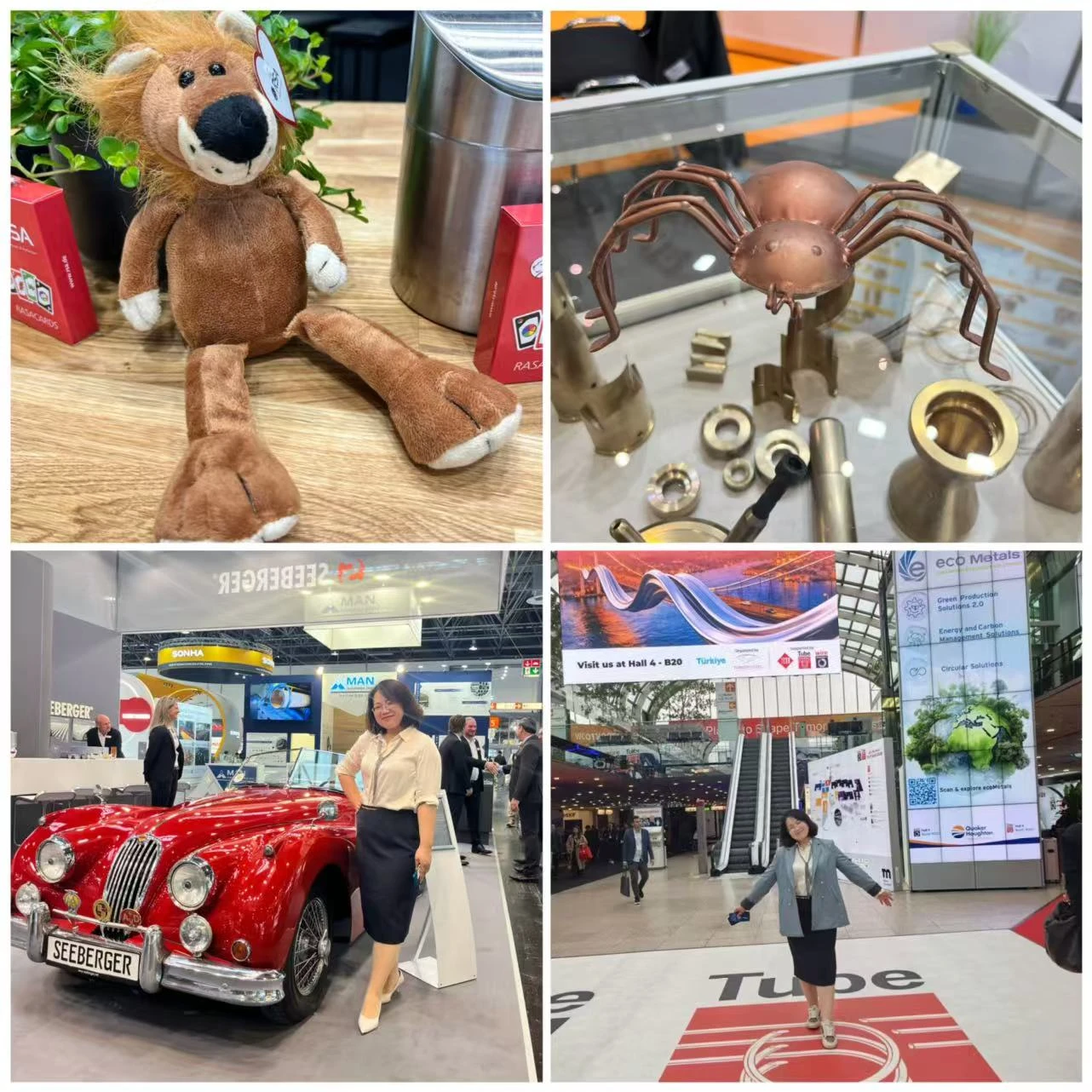
2026-04-18 03:20:20
AIS Machinery Showcases Advanced Tube Solutions at Tube & Wire Düsseldorf 2026
Tube & Wire Düsseldorf 2026, one of the most influential exhibitions in the global tube and wire industry, held biennially in Düsseldorf, Germany
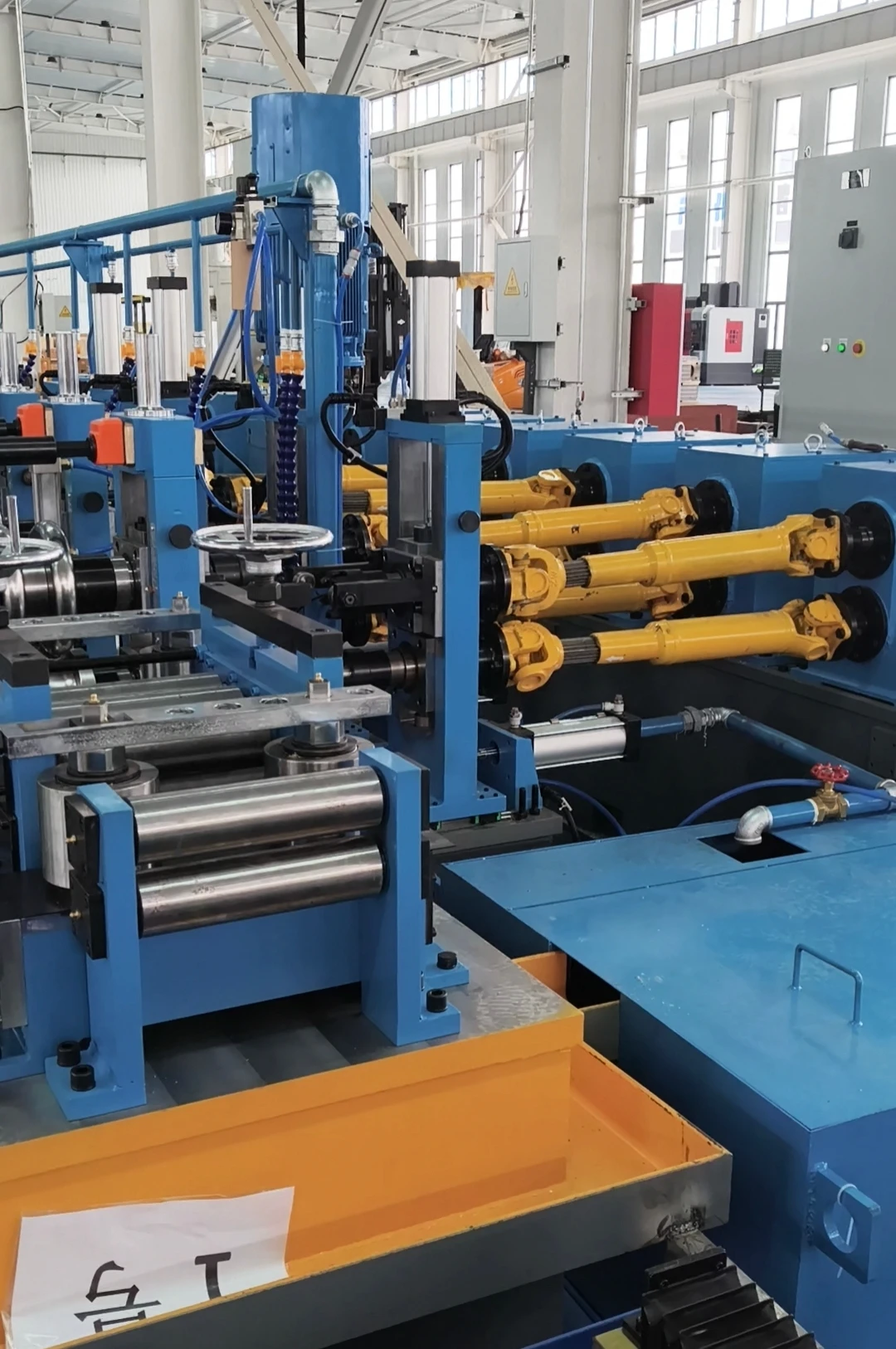
2027-04-17 00:00:00
Southeast Asia Client Visits Our Factory | Customized Tube Mill Solution Delivered
A Southeast Asia client visited our ERW tube mill factory to inspect production lines and discuss a customized tube mill solution. Impressed by our machine quality, welding performance, and engineering support, the client confirmed strong cooperation intentions. Discover how our ERW tube mill solutions improve efficiency, precision, and long-term production reliability.
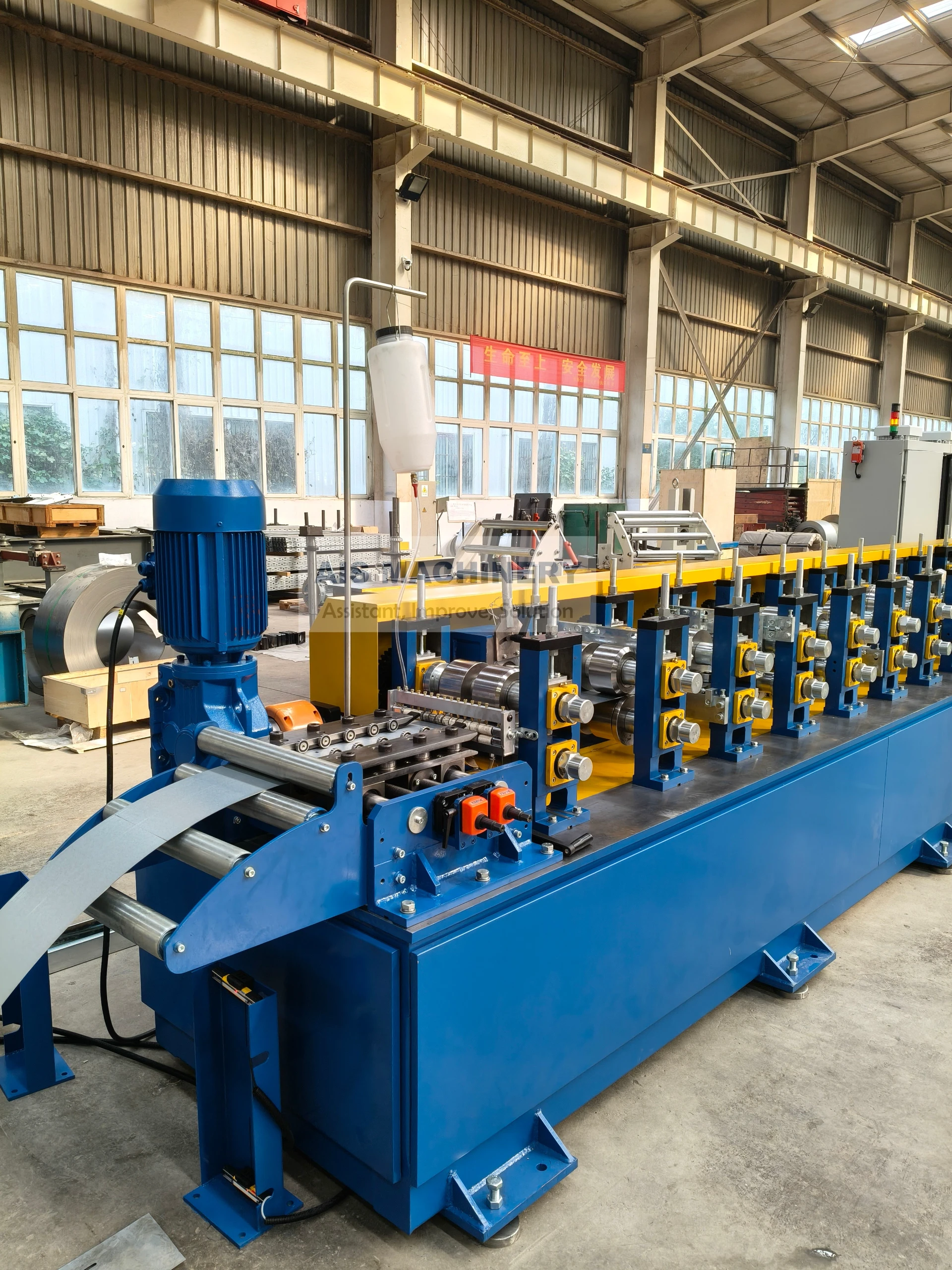
2026-04-16 02:35:12
Professional Cold Roll Forming Machine Factory for Production
In the modern industrial landscape, the precision of metal shaping is the cornerstone of quality manufacturing. Partnering with a professional cold roll forming machine factory is essential for businesses looking to optimize their production lines, reduce material waste, and ensure high-dimensional accuracy. Whether you are producing C-channels, square tubes, or custom profiles, the choice of machinery determines your competitive edge in the market. This guide will explore the critical factors in selecting a factory and the technical advantages of advanced roll forming technology to help you make an informed investment.
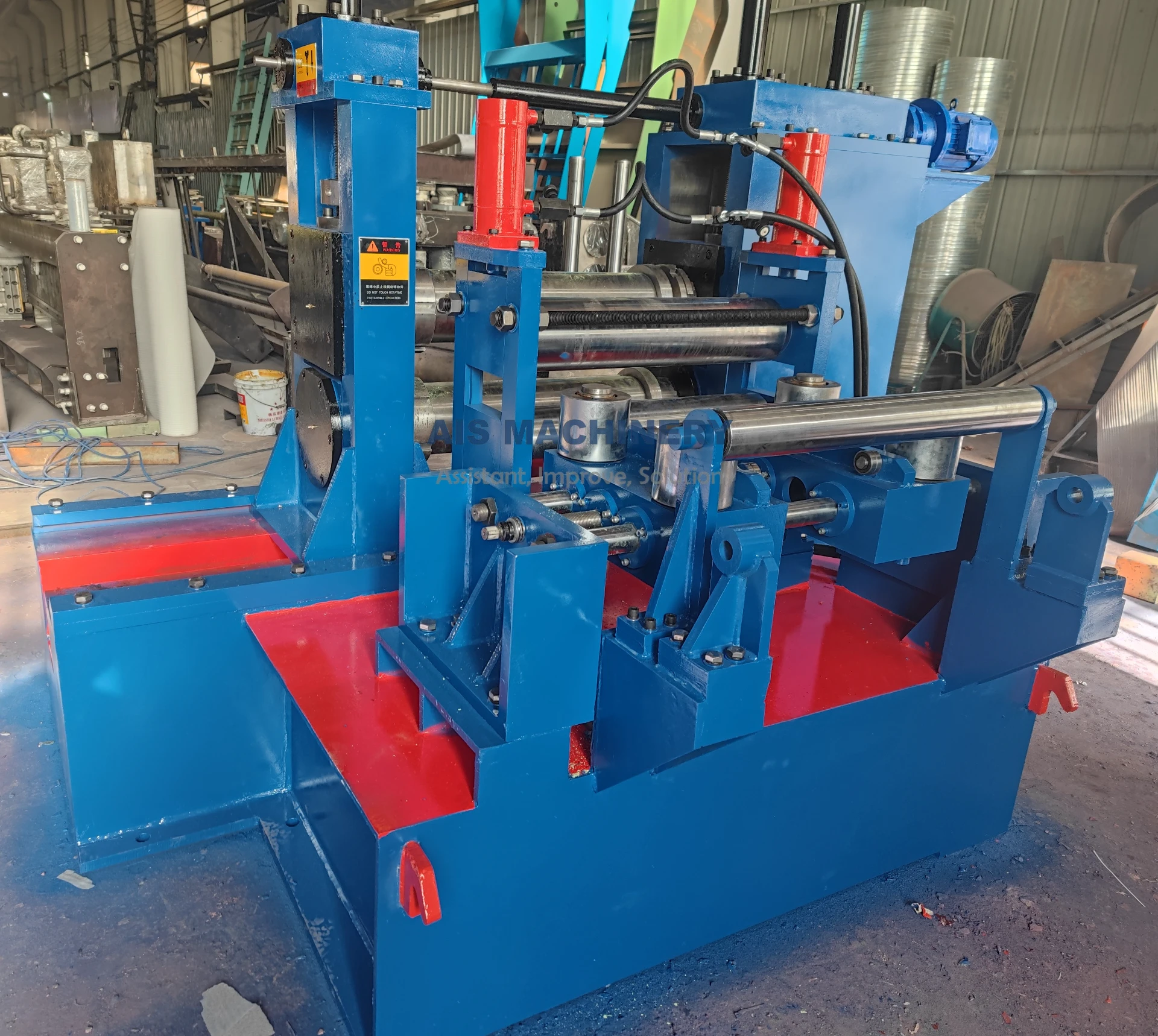
2026-04-15 10:37:55
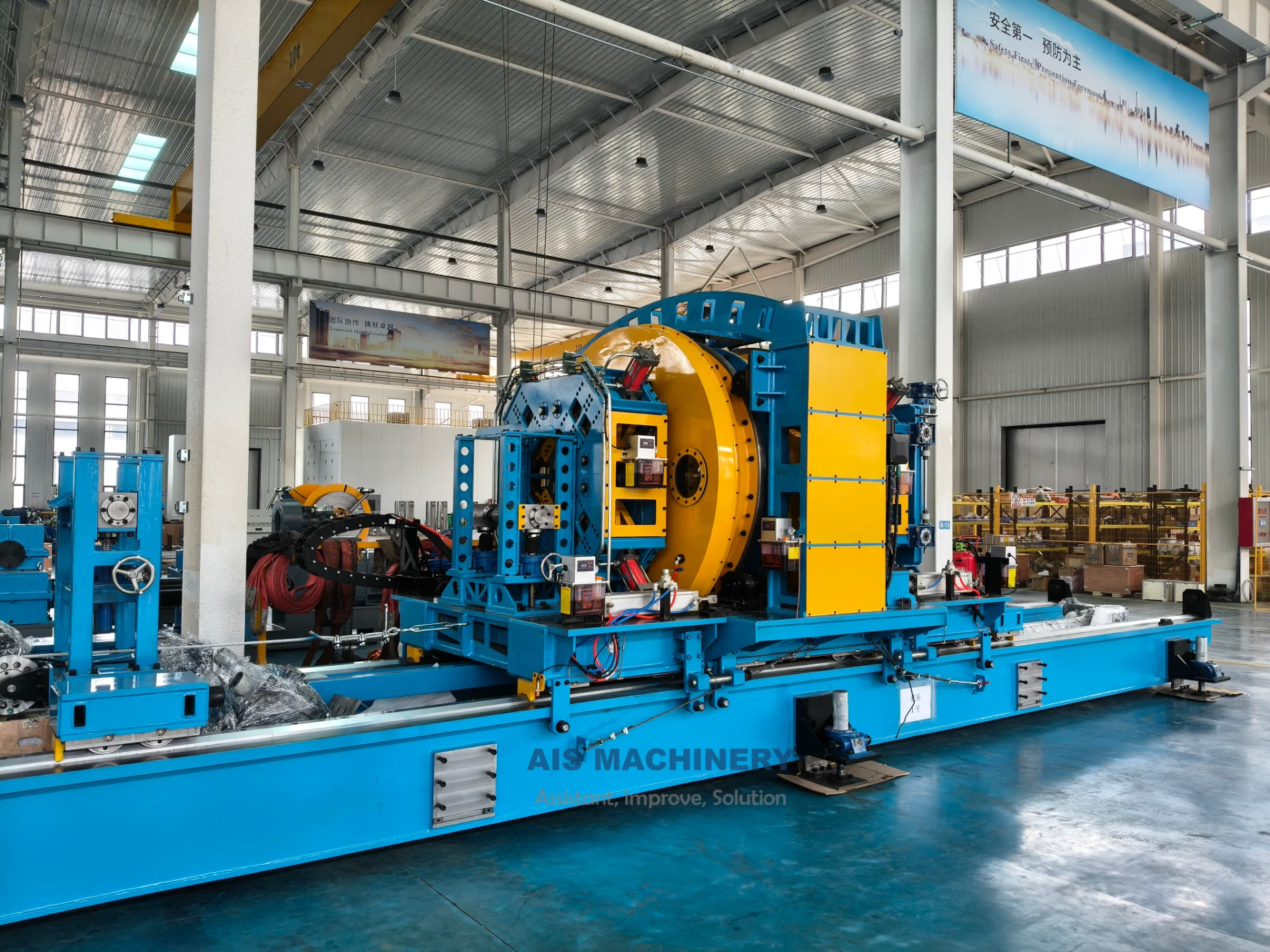
Flat Bar Production Line for Steel Coils: How It Works & Why It Matters
Looking for a flat bar production line? Learn how it turns steel coils into ready-to-use flat bars with precise length and high straightness. Compare it with slitting lines and get the best solution for your steel processing needs.
2026-04-14 00:00:00
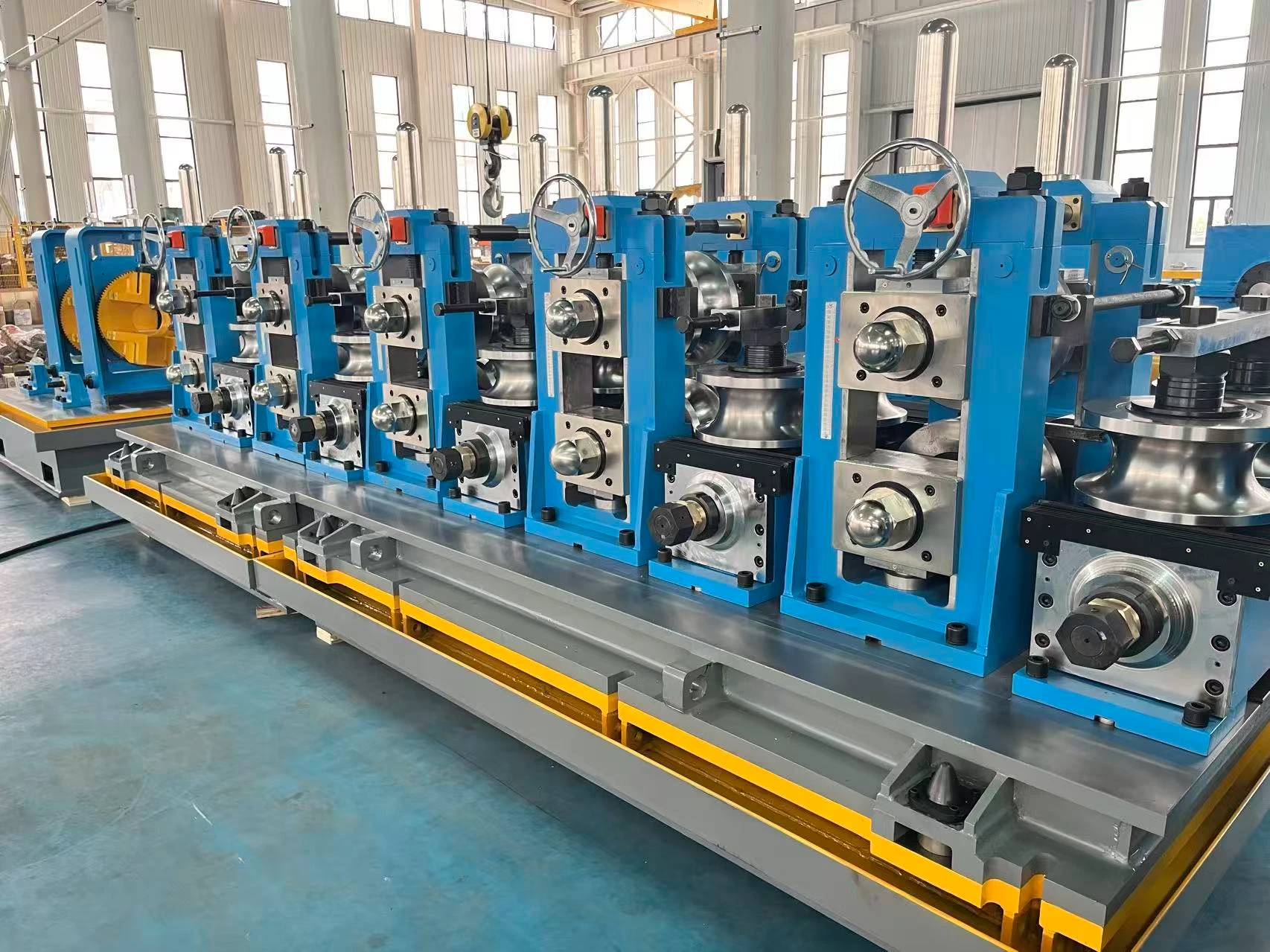
Looking for a Milling Saw for ERW Tube Mill? Here’s What You Need to Know
Looking for a high-performance milling saw for your ERW tube mill? Upgrade to burr-free, high-precision pipe cutting with advanced flying saw technology. Improve efficiency, reduce rework, and meet export standards for carbon steel, stainless steel, and API pipes. Contact us today for expert solutions and competitive pricing tailored to your production needs.
2026-04-09 16:15:19
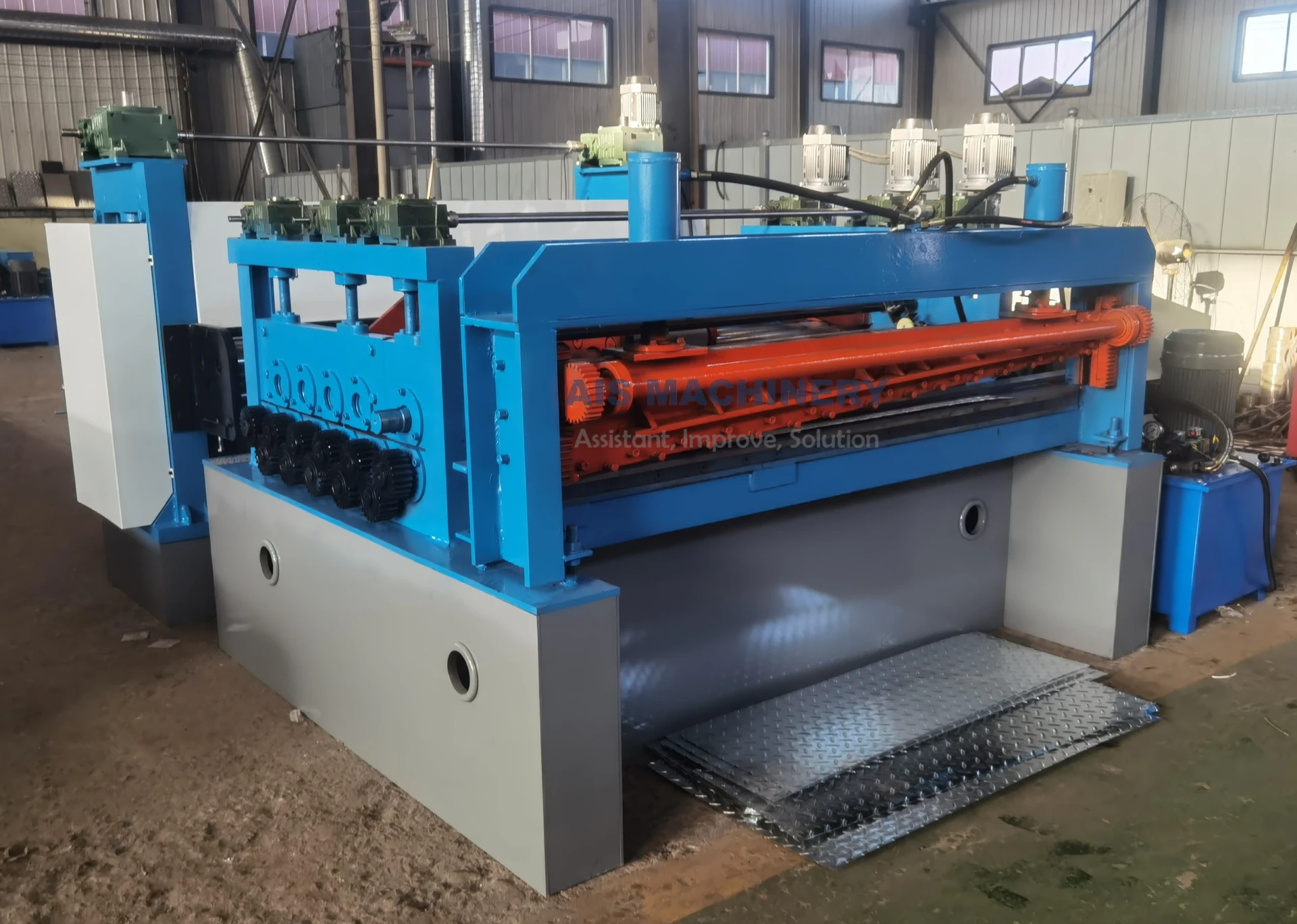
5-Inch (127mm) ERW Tube Making Machine Delivered with Heavy-Duty Design and Advanced Quick Change System
2027-04-07 00:00:00
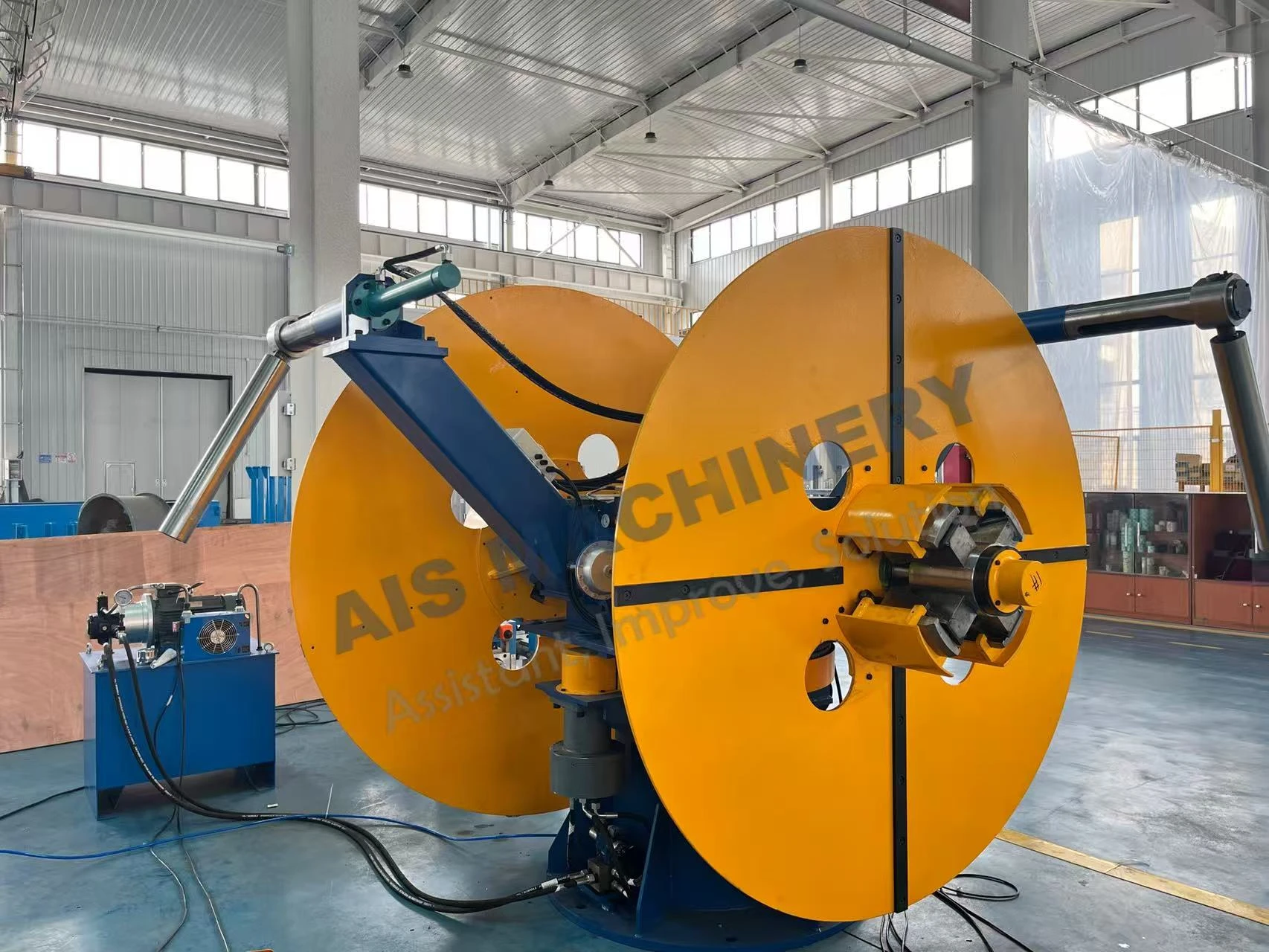
Metal Embossing Machine: Turn Flat Sheets into High-Value Textured Products
Discover how a metal embossing machine transforms flat steel, stainless steel, and aluminum sheets into high-value textured products. Learn about its working principle, key components, and applications. Ideal for decorative and industrial use, embossing machines improve both appearance and performance. Explore complete embossing line solutions and find the right machine for your production needs.
2026-04-04 20:37:18
Automatic Double Side Uncoiler with Hydraulic Expansion and Auto Rotation for Steel Coil Processing
The Automatic Double Side Uncoiler is a high-efficiency solution designed for modern steel coil processing lines, including tube mills, roll forming machines, and slitting lines. With a maximum capacity of 4 tons per side, this machine ensures stable and continuous coil feeding while reducing downtime during coil change.
Send a Message
Dear customer, thank you for your attention! We provide high-quality machinery and equipment and look forward to your orders. Please inform us of your needs and we will respond quickly!
 English
  Albanian
  Arabic
  French
  German
  Indonesian
  Italian
  Japanese
  Kazakh
  Korean
  Latin
Latin  Macedonian
  Portuguese
  Russian
  Spanish
  Thai
Thai  Turkish
  Ukrainian
  Uzbek
Uzbek