
-
 Tel:86-15176910262
-

Search

Comprehensive Guide to Tube Packaging Machines – Applications & Innovations
Dec . 02, 2025 16:50
Understanding the Tube Packaging Machine: A Global Industrial Staple
When you think of packaging in the modern manufacturing world, the tube packaging machine might not be the first thing that springs to mind, but its impact is enormous. Simply put, it’s a machine that fills and seals flexible tubes, often made of plastic, aluminum, or laminates, which are widely used across cosmetics, pharmaceuticals, food, and even lubricant industries worldwide. This technology matters because it streamlines production, reduces contamination risk, and supports global sustainability efforts with minimal waste.
Globally, flexible packaging – including tubes – is expected to reach a market value of nearly $250 billion by 2027, according to data from Statista. The rise of consumer demand for convenience, hygiene, and preservation drives the innovation of tube packaging machines, adapting to diverse industries. Yet, a significant challenge remains: how to produce these tubes rapidly yet safely, maintaining quality standards, while also addressing environmental concerns.
Defining the Tube Packaging Machine
So, what exactly is a tube packaging machine? At its core, it’s industrial equipment designed to fill flexible tubes with a specific product—be it toothpaste, ointments, creams, gels, or foodstuff—and seal them securely. These machines operate automatically or semi-automatically, controlling the filling volume, sealing pressure, and tube positioning with high precision. They allow manufacturers to package products efficiently at scale while protecting the contents from contamination or degradation.
In humanitarian and medical contexts, these machines help pack essential products, ensuring safe delivery of pharmaceuticals or food supplements even in remote areas. It’s fascinating how such a specific piece of equipment can align modern industrial precision with real-world needs for health and safety.
Key Components & Core Factors of Tube Packaging Machines
1. Precision Filling Technology
The heart of the machine lies in its filling mechanism—typically piston or volumetric pumps that guarantee consistent product volumes. This is crucial; underfilling can lead to customer dissatisfaction, overfilling wastes resources.
2. Sealing System
Sealing the tube reliably prevents leakage and contamination. Heat-sealing is common, but newer ultrasonic sealing methods ensure faster cycle times and improved seal integrity.
3. Material Compatibility
The machine’s adaptability to different tube materials—plastic, composite laminates, aluminum—is vital for cross-industry applications. Some products require inert or barrier materials to preserve quality, so the machine must handle these without damaging the tubes.
4. Operational Speed & Scalability
Tube packaging machines range from small-scale models (suitable for startups or labs) to high-volume industrial units. Their scalability lets manufacturers adjust to market demands without sacrificing efficiency or quality.
5. User Interface & Automation
Modern machines incorporate touchscreens and programmable logic controllers (PLCs) for easy monitoring and adjustments. Automation reduces human error and accelerates production.
Product Specifications Snapshot
| Model | Tube Diameter (mm) |
Filling Range (ml) |
Speed (tubes/min) |
Sealing Method |
|---|---|---|---|---|
| TPM-150 | 15–40 | 10–100 | 30 | Heat Seal |
| TPM-300A | 20–50 | 30–300 | 80 | Ultrasonic Seal |
| TPM-600XL | 30–80 | 50–600 | 120 | Heat & Ultrasonic Hybrid |
Global Applications of Tube Packaging Machines
Industries worldwide lean on tube packaging machines, spanning from the skincare sector in South Korea to nutritional supplements in the U.S. and pharmaceutical creams in Europe. In post-disaster relief operations, for instance, fast and hygienic packaging of ointments and antibiotics into tubes aids in rapid distribution with minimal contamination risk—a lifesaver, quite literally.
Oddly enough, even remote industrial zones rely on these machines to package lubricants locally, reducing dependency on far-flung supply chains. Organizations like the WHO and Médecins Sans Frontières value this tech for ensuring medication safely reaches vulnerable populations.
So, the tube packaging machine isn’t just an industrial tool—it’s a versatile solution with global humanitarian and commercial implications.
Advantages and Long-Term Value of Tube Packaging Machines
- Cost Efficiency: Automated filling reduces labor costs and waste.
- Sustainability: Compact packaging results in less material use and lighter shipping loads.
- Safety & Hygiene: Sealed tubes keep products sterile longer.
- Brand Trust & Innovation: Consistent product delivery and customizable packaging enhance consumer confidence.
- Flexibility: Quick changeovers for various product types support agile manufacturing.
On a human level, knowing the products are sealed in a reliable way offers consumers peace of mind. Manufacturers enjoy fewer recalls and happier customers — a win-win scenario somehow encapsulated in these nifty machines.
Future Trends & Innovations in Tube Packaging Machines
Looking ahead, there's buzz around integration of Industry 4.0 elements. Digital sensors and IoT connectivity will allow real-time monitoring of fill levels, seal quality, and machine health, minimizing downtime. Sustainably, bio-based and recyclable tube materials are becoming more compatible with machine settings, reflecting consumer demand for greener packaging.
Automation continues evolving with AI-driven vision systems improving defect detection, and robotics enhancing load/unload operations – pushing the envelope of speed without compromising quality.
Challenges & Expert Solutions
Despite advances, challenges remain. One common issue is handling viscous or particulate products, which can clog filling valves or cause inconsistent fills. Experts recommend specialized piston pump designs and thorough cleaning protocols.
Material variability can also complicate sealing, requiring adjustable heat parameters or alternative sealing technologies like ultrasonic methods to ensure integrity.
Frankly, training operators adequately is sometimes overlooked. Manufacturers investing in thorough staff training and robust preventive maintenance programs tend to experience fewer breakdowns and higher overall equipment effectiveness (OEE).
FAQ: Frequently Asked Questions About Tube Packaging Machines
- What types of products are best suited for tube packaging machines?
- Tube packaging machines excel with semi-solid products such as creams, gels, pastes, and even some food items like tomato paste. Their versatility makes them ideal for cosmetics, pharmaceuticals, and food industries.
- How do tube packaging machines maintain hygiene standards?
- They employ sealed environments and sterile filling mechanisms. Additionally, materials used for tubes prevent contamination, and automation reduces human contact, keeping products sanitary.
- Can the machines handle biodegradable or recyclable tubes?
- Yes, modern machines are designed to accommodate a wide range of tube materials including bio-based films and recyclable laminates, though sometimes minor adjustments are required for optimal sealing.
- What typical maintenance is needed for these machines?
- Routine cleaning, especially of the filling pumps and sealing jaws, along with lubrication of moving parts, and periodic software updates ensure continued performance and longevity.
- How quickly can tube packaging machines be integrated into existing production lines?
- Integration depends on complexity and scale but most semi-automatic models require minimal setup, while fully automatic units may need a few weeks. Expert vendors provide installation support to speed up the process.
Vendor Comparison: Tube Packaging Machine Providers
| Vendor | Automation Level | Material Range | Speed (tubes/min) | Support & Training |
|---|---|---|---|---|
| AISTubMill | Fully Automatic | Plastic, Aluminum, Laminates | Up to 150 | Comprehensive Training Included |
| FlexiPack Solutions | Semi-Automatic | Plastic, Biodegradable Films | Up to 70 | On-Demand Support |
| GlobalPack | Fully Automatic | Aluminum, Laminates | Up to 120 | International Training Programs |
Conclusion
In sum, the tube packaging machine is a quiet but essential workhorse in global manufacturing, combining precision and flexibility to meet increasingly diverse demands. Its role in streamlining production, ensuring product safety, and adapting to sustainability trends will only grow in importance. For manufacturers looking to invest in reliable, scalable packaging solutions, embracing the latest tube packaging technology offers a clear, forward-looking advantage.
If you’re ready to explore how advanced tube packaging machines can transform your production line, I encourage you to visit AISTubMill for detailed product info and expert consultations.
It’s remarkable how something so specific can touch so many lives, industries, and innovations globally.
1. ISO standards for packaging machinery: iso.org
2. UN Sustainable Development Goals related to industry and innovation: sdgs.un.org
3. Flexible packaging market insights: statista.com

Related Products

Related News
2026-04-18 03:20:20
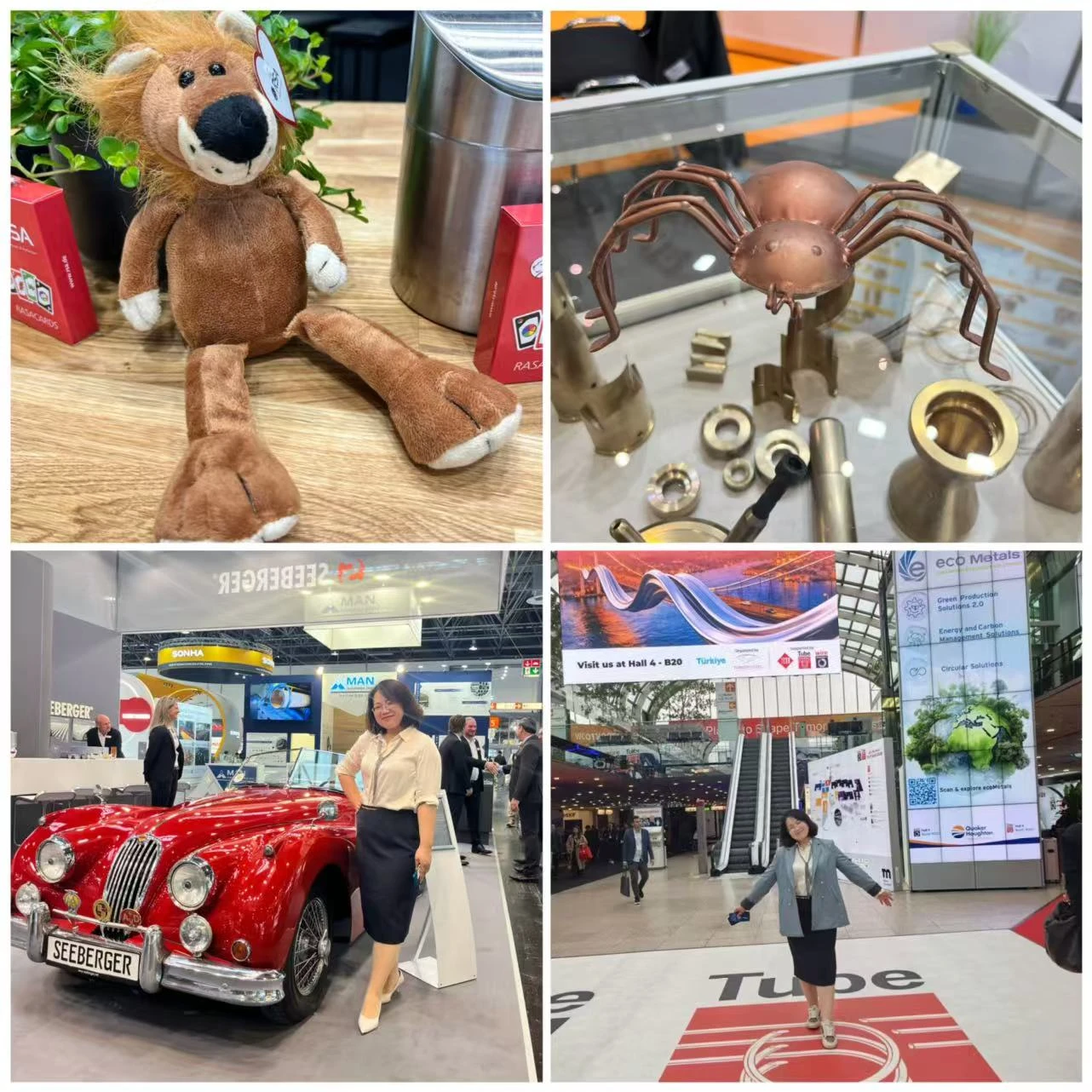
AIS Machinery Showcases Advanced Tube Solutions at Tube & Wire Düsseldorf 2026
Tube & Wire Düsseldorf 2026, one of the most influential exhibitions in the global tube and wire industry, held biennially in Düsseldorf, Germany
2027-04-17 00:00:00
Southeast Asia Client Visits Our Factory | Customized Tube Mill Solution Delivered
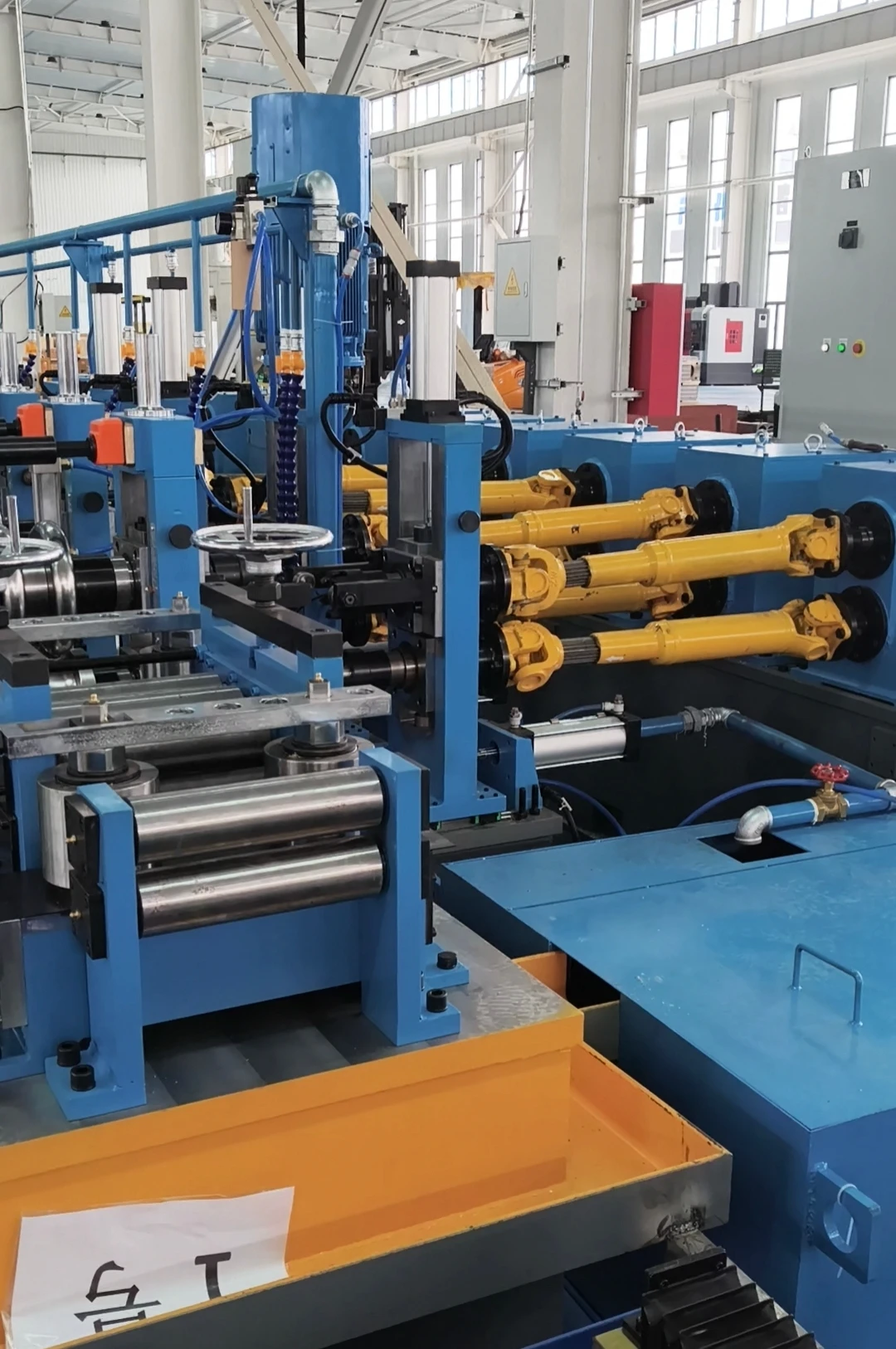
A Southeast Asia client visited our ERW tube mill factory to inspect production lines and discuss a customized tube mill solution. Impressed by our machine quality, welding performance, and engineering support, the client confirmed strong cooperation intentions. Discover how our ERW tube mill solutions improve efficiency, precision, and long-term production reliability.
2026-04-16 02:35:12
Professional Cold Roll Forming Machine Factory for Production
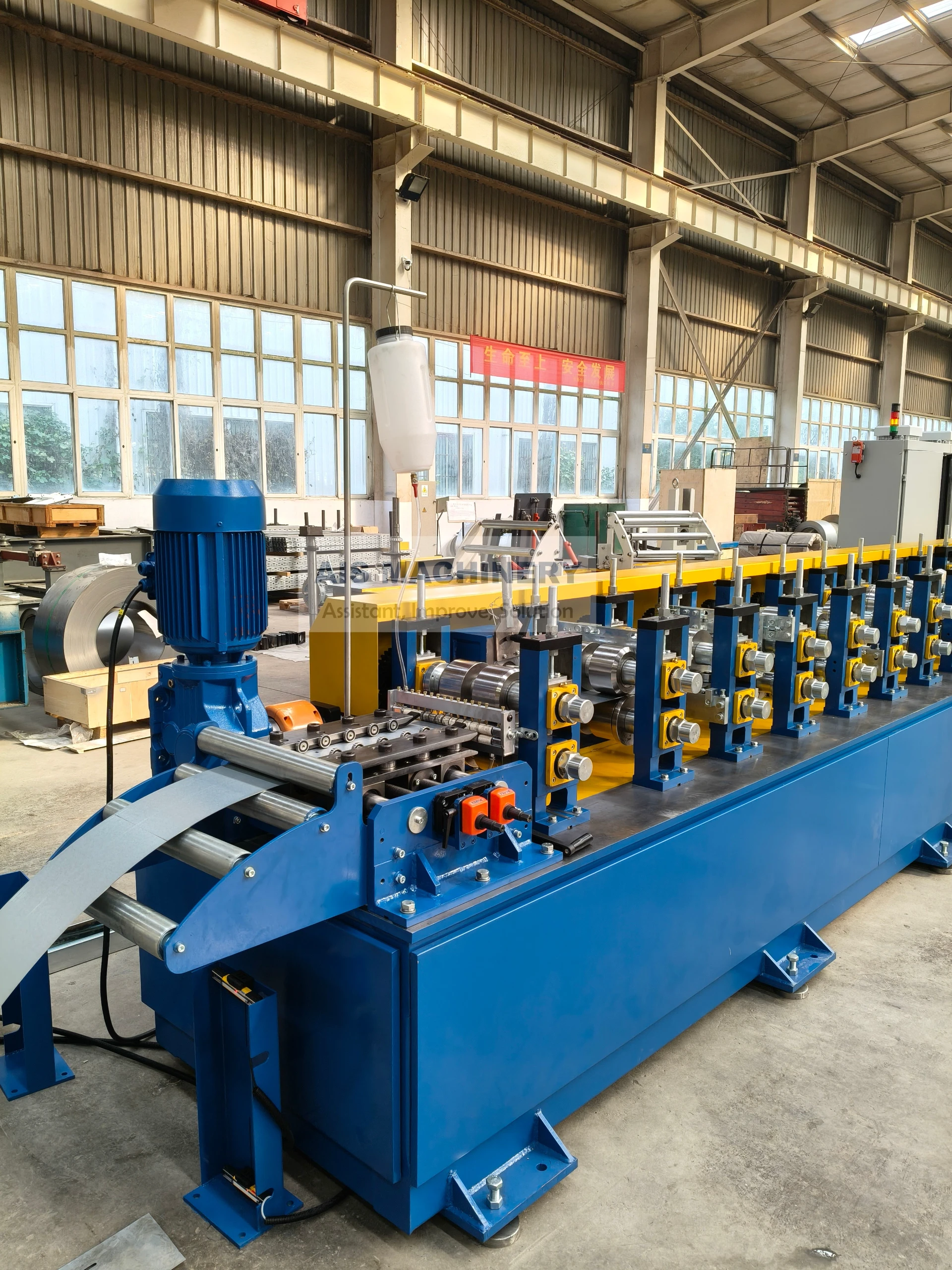
In the modern industrial landscape, the precision of metal shaping is the cornerstone of quality manufacturing. Partnering with a professional cold roll forming machine factory is essential for businesses looking to optimize their production lines, reduce material waste, and ensure high-dimensional accuracy. Whether you are producing C-channels, square tubes, or custom profiles, the choice of machinery determines your competitive edge in the market. This guide will explore the critical factors in selecting a factory and the technical advantages of advanced roll forming technology to help you make an informed investment.
2026-04-15 10:37:55
Flat Bar Production Line for Steel Coils: How It Works & Why It Matters
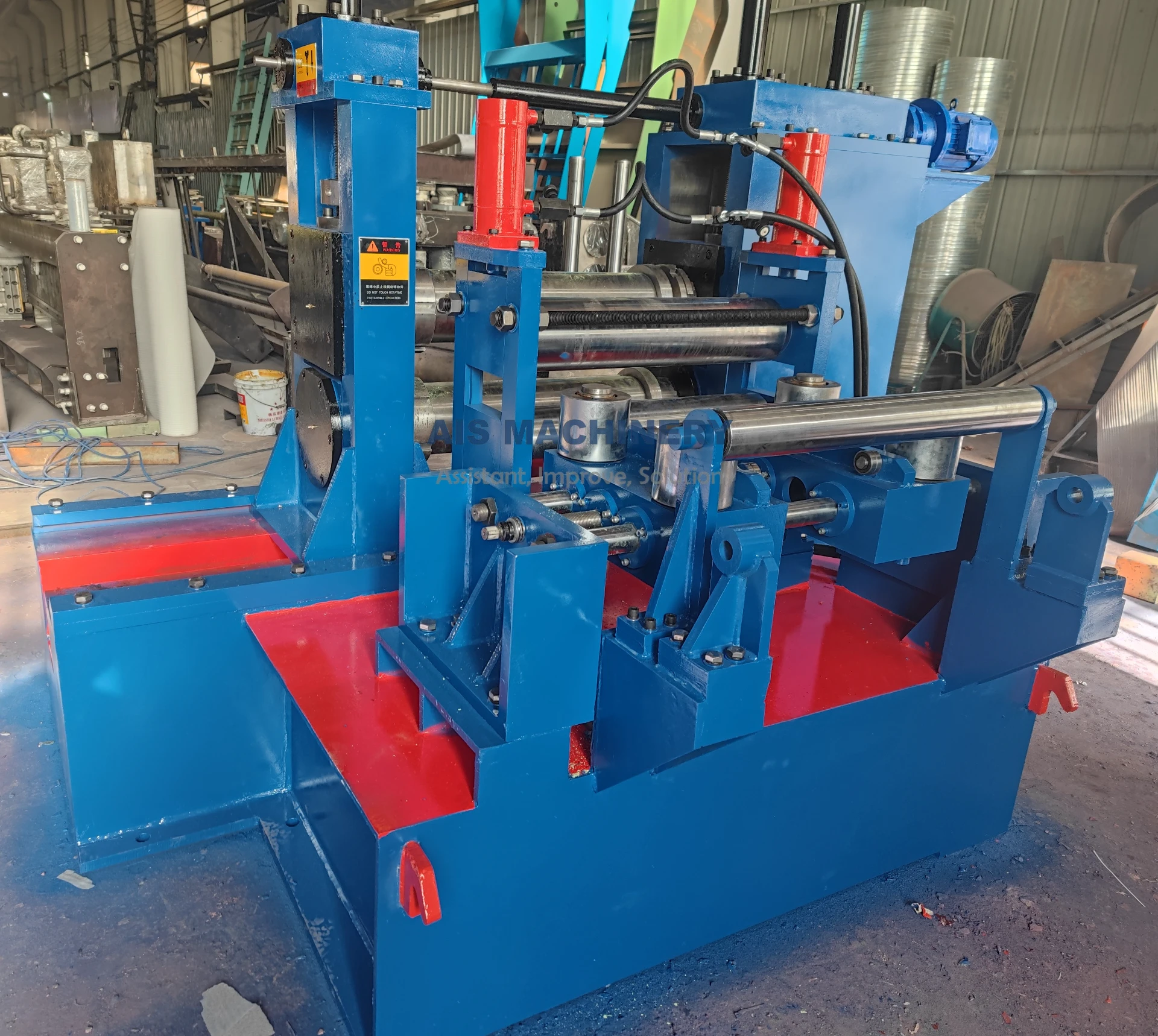
Looking for a flat bar production line? Learn how it turns steel coils into ready-to-use flat bars with precise length and high straightness. Compare it with slitting lines and get the best solution for your steel processing needs.
2026-04-14 00:00:00
Looking for a Milling Saw for ERW Tube Mill? Here’s What You Need to Know
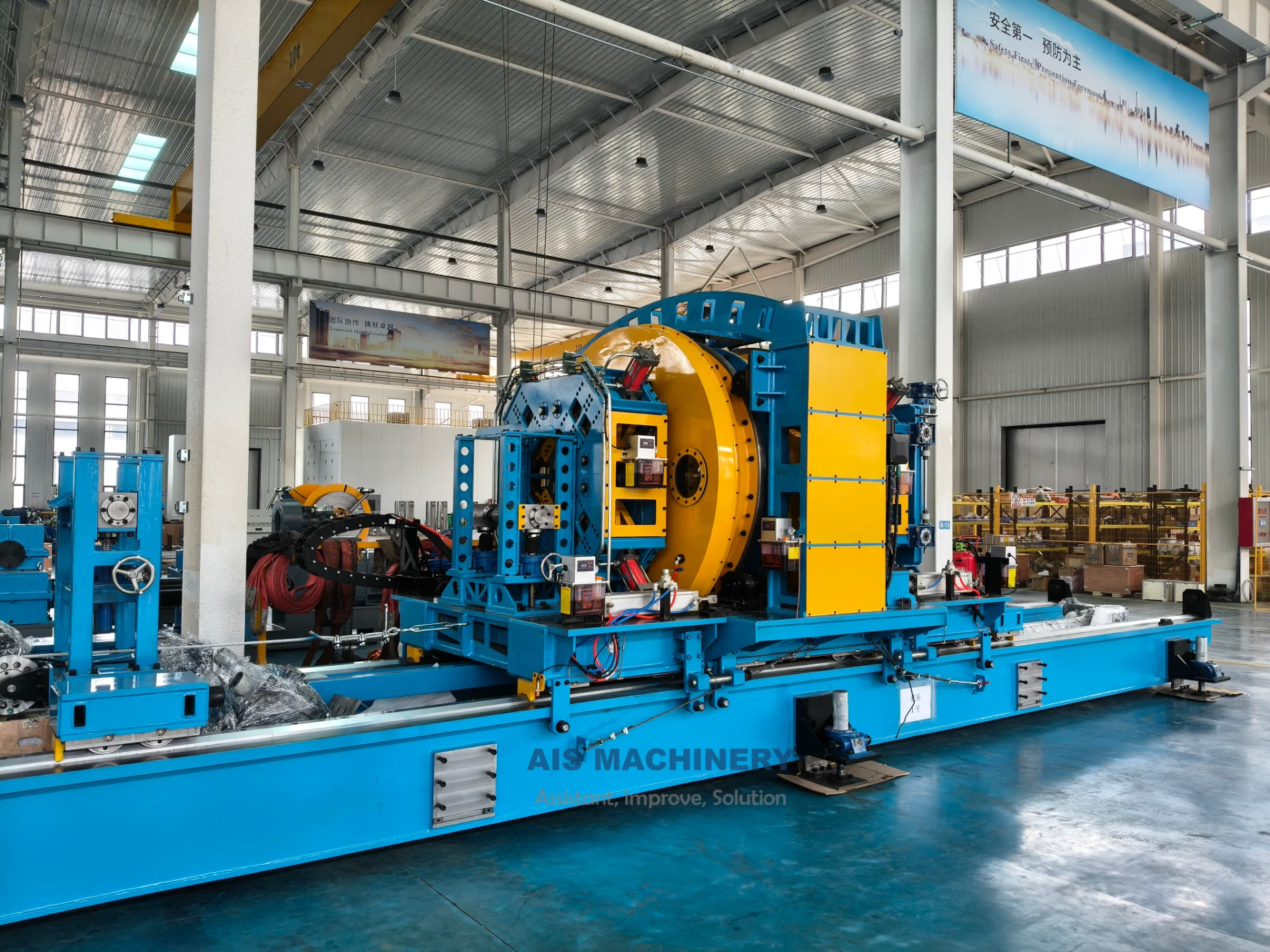
Looking for a high-performance milling saw for your ERW tube mill? Upgrade to burr-free, high-precision pipe cutting with advanced flying saw technology. Improve efficiency, reduce rework, and meet export standards for carbon steel, stainless steel, and API pipes. Contact us today for expert solutions and competitive pricing tailored to your production needs.
2026-04-09 16:15:19
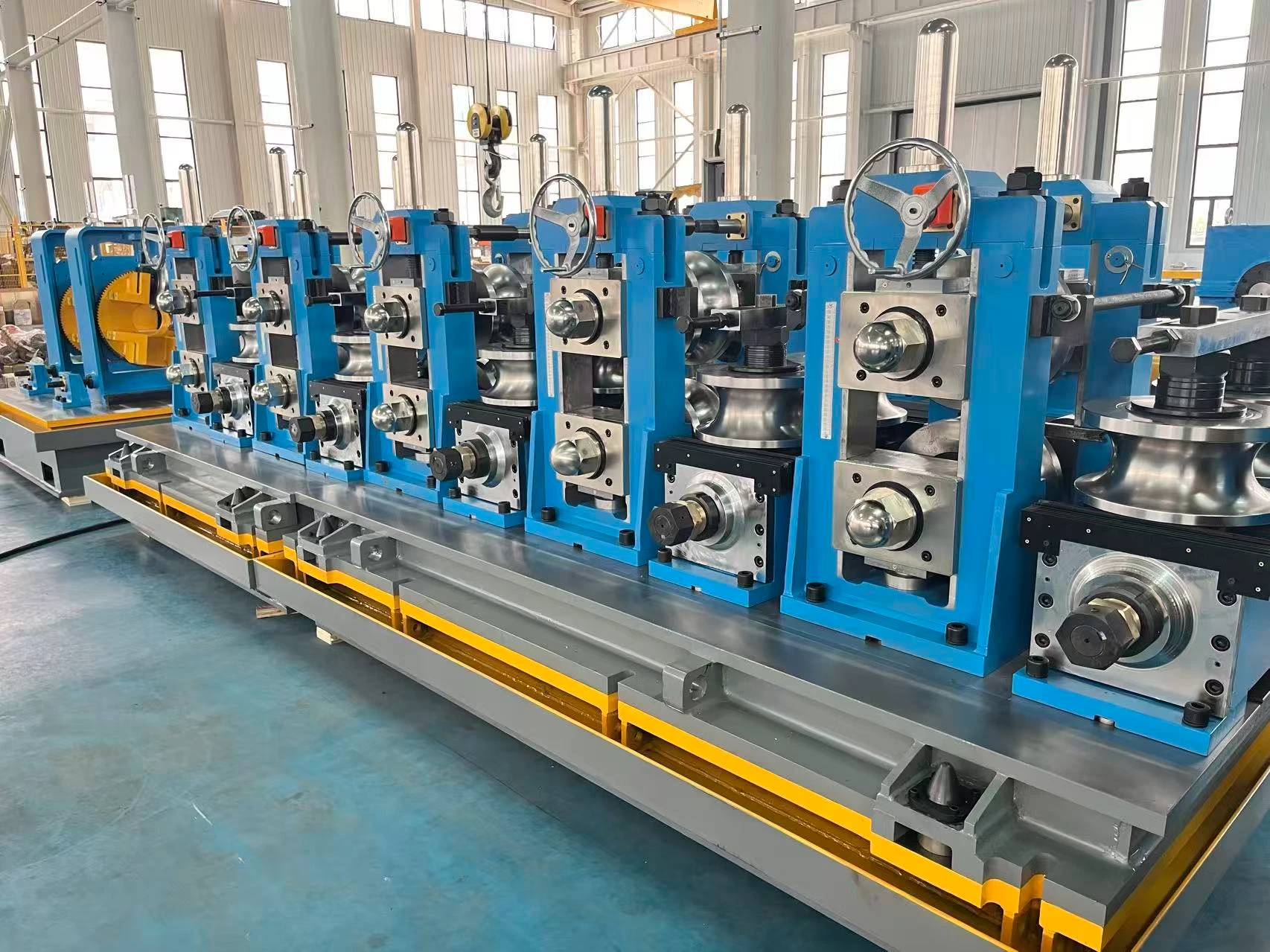
5-Inch (127mm) ERW Tube Making Machine Delivered with Heavy-Duty Design and Advanced Quick Change System
2027-04-07 00:00:00
Metal Embossing Machine: Turn Flat Sheets into High-Value Textured Products
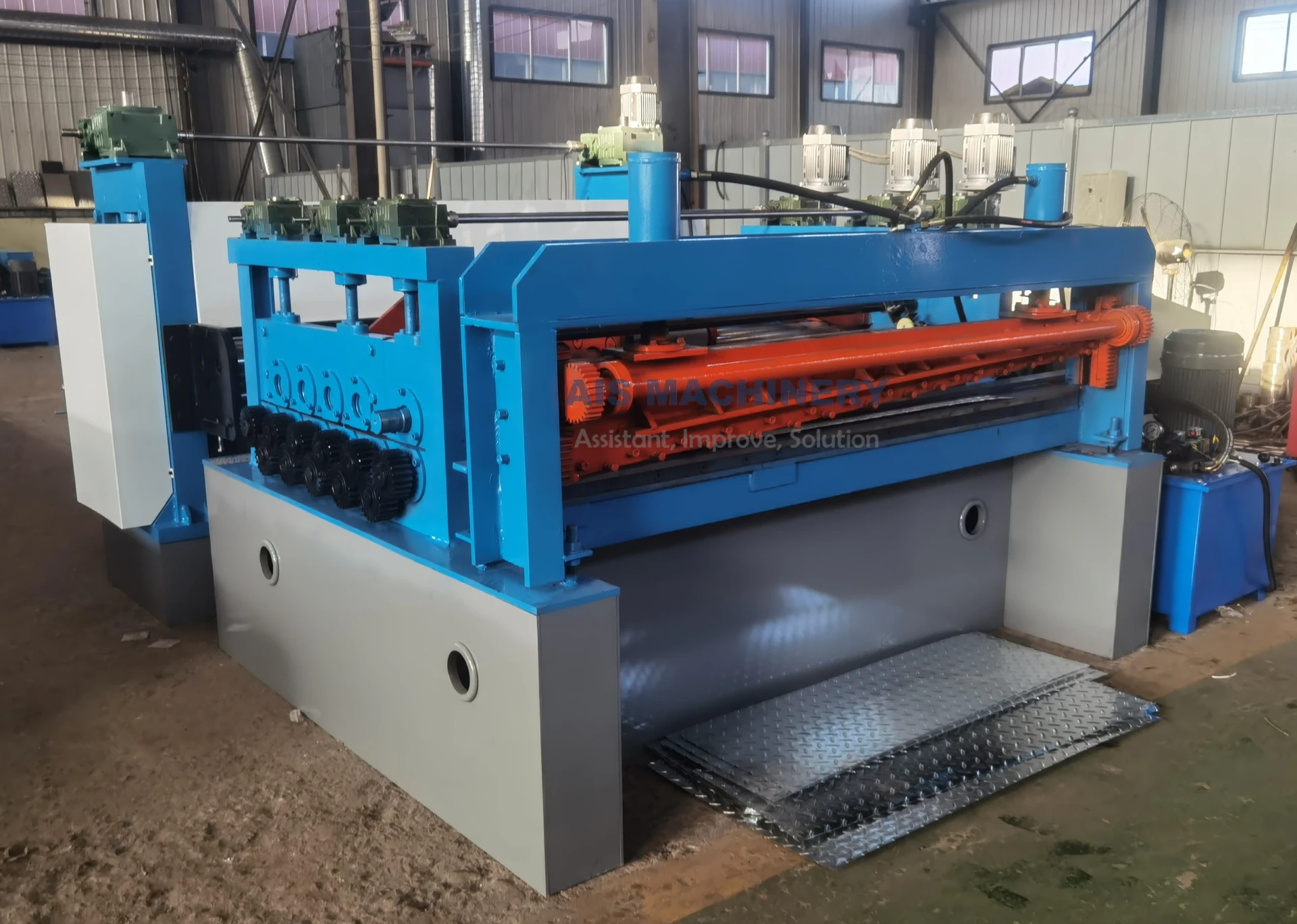
Discover how a metal embossing machine transforms flat steel, stainless steel, and aluminum sheets into high-value textured products. Learn about its working principle, key components, and applications. Ideal for decorative and industrial use, embossing machines improve both appearance and performance. Explore complete embossing line solutions and find the right machine for your production needs.
2026-04-04 20:37:18
Automatic Double Side Uncoiler with Hydraulic Expansion and Auto Rotation for Steel Coil Processing
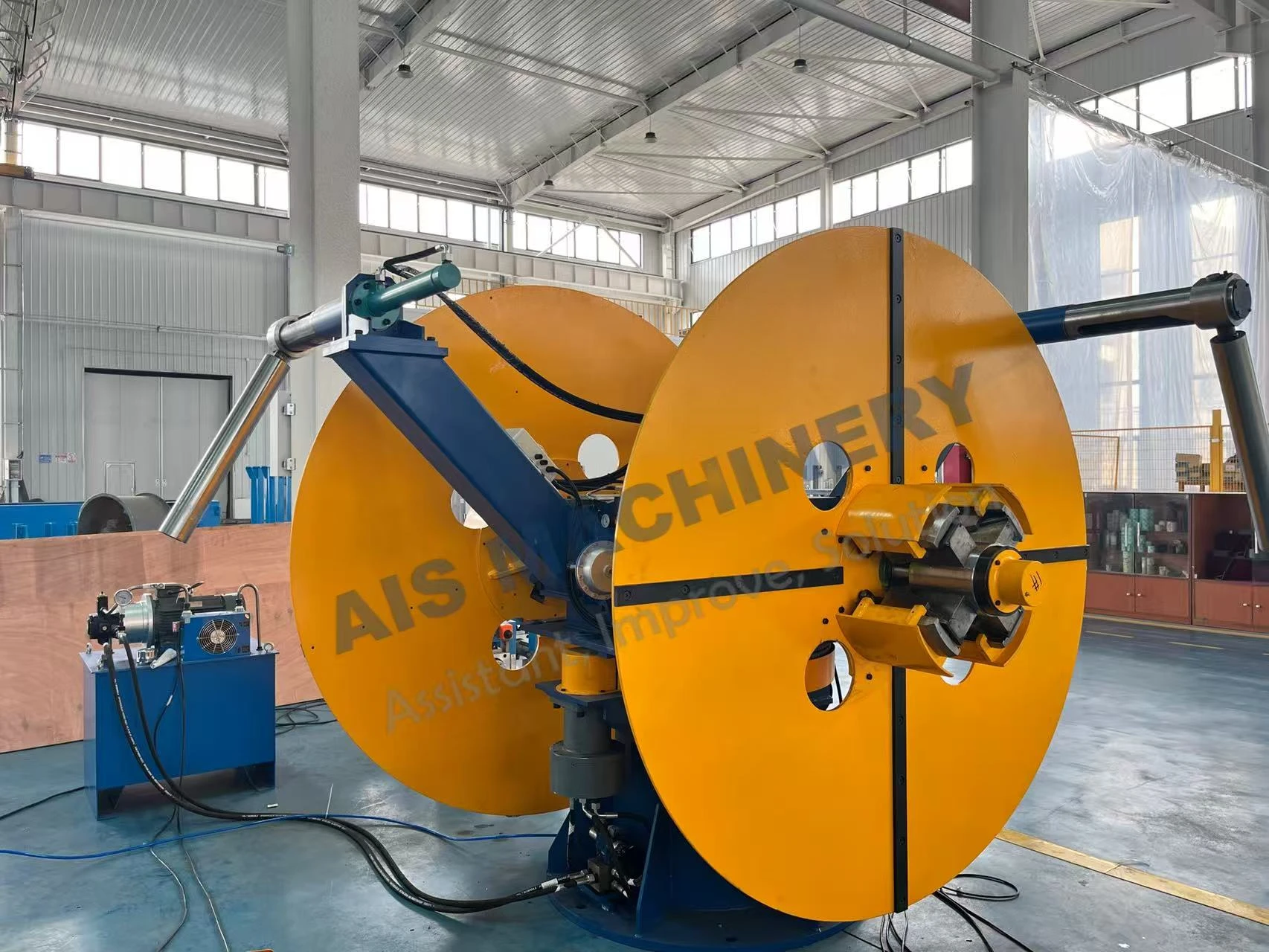
The Automatic Double Side Uncoiler is a high-efficiency solution designed for modern steel coil processing lines, including tube mills, roll forming machines, and slitting lines. With a maximum capacity of 4 tons per side, this machine ensures stable and continuous coil feeding while reducing downtime during coil change.
Send a Message
Dear customer, thank you for your attention! We provide high-quality machinery and equipment and look forward to your orders. Please inform us of your needs and we will respond quickly!
 English
  Albanian
  Arabic
  French
  German
  Indonesian
  Italian
  Japanese
  Kazakh
  Korean
  Latin
Latin  Macedonian
  Portuguese
  Russian
  Spanish
  Thai
Thai  Turkish
  Ukrainian
  Uzbek
Uzbek