
-
 Tel:86-15176910262
-

Search

Comprehensive Guide to Chain Type Conveyors for Efficient Material Handling
Mar . 12, 2026 02:35
Understanding Chain Type Conveyors: A Comprehensive Guide
Chain conveyors are essential material handling systems used across a variety of industries. From automotive manufacturing to food processing, these conveyors offer a robust and reliable solution for moving goods efficiently. This article provides a detailed overview of chain type conveyors, including their types, applications, benefits, and key considerations when selecting a system. We’ll delve into the specifics to help you understand if a chain conveyor is the right solution for your material handling needs.
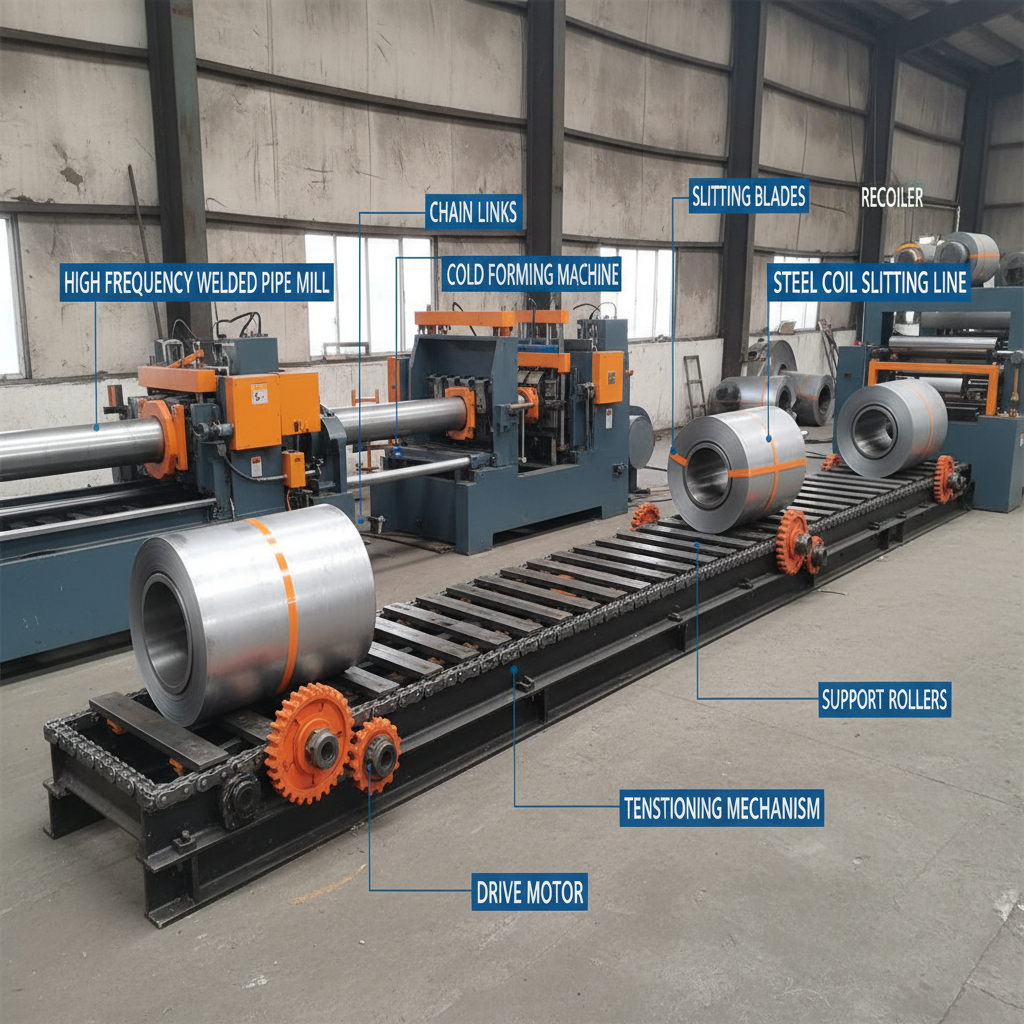
Types of Chain Conveyors
Chain conveyors come in several configurations, each suited to different applications. The most common types include:
- Drag Chain Conveyors: Ideal for horizontal transport of bulk materials.
- Overhead Chain Conveyors: Efficient for moving products through a manufacturing process, utilizing vertical space.
- Pallet Chain Conveyors: Designed for transporting heavy loads on pallets.
- Scraper Chain Conveyors: Commonly used in wastewater treatment for removing sediment.
The selection of the appropriate type depends on factors such as the weight and size of the materials being conveyed, the required throughput, and the layout of the facility. Aistube Mill offers expertise in evaluating these factors and recommending the optimal solution.
Key Benefit: Chain conveyors excel in handling abrasive, hot, or oily materials, making them suitable for challenging environments.
Applications Across Industries
The versatility of chain conveyors makes them valuable in numerous sectors:
- Automotive: Moving car bodies and components.
- Food Processing: Transporting packaged foods and ingredients.
- Foundries: Handling hot castings and molds.
- Wood Processing: Conveying lumber and wood products.
- Coal Handling: Transporting coal in power plants.
These are just a few examples. The ability to customize chain conveyors to specific requirements makes them adaptable to a wide range of applications. Our team at Aistube Mill provides solutions tailored to your specific industry challenges.
Key Advantages:
• High load capacity
• Durable and reliable
• Suitable for harsh environments
• Customizable to specific needs
Chain Type Conveyor Comparison: Drag vs. Overhead
Choosing between a drag chain conveyor and an overhead chain conveyor requires careful consideration of your application. Here’s a comparison:
Key Considerations When Choosing a Chain Conveyor
Selecting the right chain conveyor requires careful planning. Here are some key factors to consider:
- Material Characteristics: Weight, size, abrasiveness, temperature, and whether it’s dry or wet.
- Throughput Requirements: The volume of material that needs to be moved per unit of time.
- Layout and Space Constraints: The available floor space and the desired flow path.
- Environmental Conditions: Temperature, humidity, and the presence of corrosive substances.
- Maintenance Requirements: Ease of access for inspection and repair.
Contacting a chain conveyor specialist, like Aistube Mill, is crucial to ensure you select a system that perfectly matches your needs.
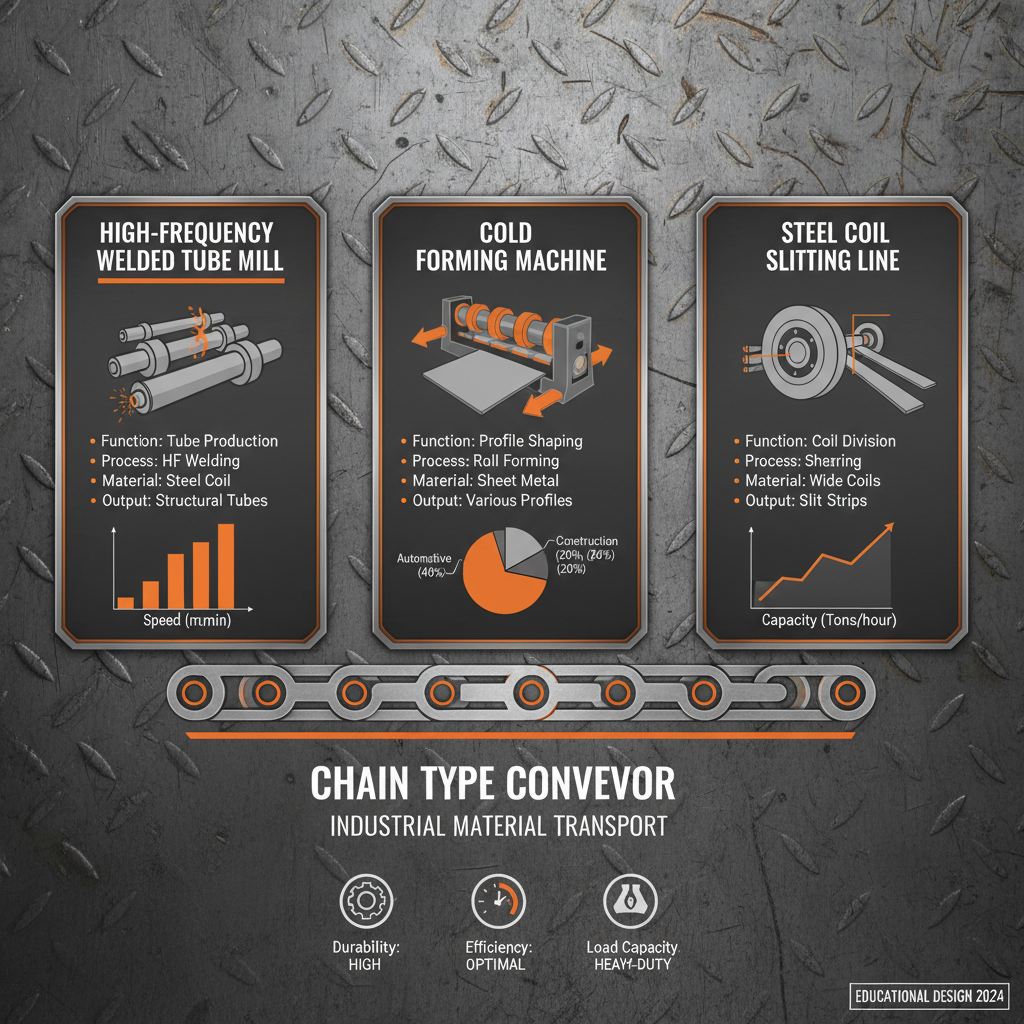
Product Specifications and Customization Options
At Aistube Mill, we offer a comprehensive range of chain conveyor specifications and customization options to meet your unique needs. We can work with a variety of chain materials, including carbon steel, stainless steel, and alloy steels. Here's a sample table of common specifications:
Conclusion: Optimizing Your Material Handling with Chain Conveyors
Investing in a well-designed chain type conveyor from Aistube Mill can significantly improve your operational efficiency and reduce costs. By carefully considering your specific needs and working with experienced professionals, you can select a system that delivers reliable performance for years to come. Don’t hesitate to contact us today for a free consultation.
Frequently Asked Questions (FAQs)
What maintenance is typically required for a chain conveyor?
Regular maintenance is crucial for ensuring the longevity and reliability of your chain conveyor. This includes regular lubrication of the chain, inspection for wear and tear on the chain, sprockets, and bearings, and checking chain tension. It’s also important to inspect the conveyor structure for any signs of damage or corrosion. Following a preventative maintenance schedule will help minimize downtime and prevent costly repairs. Aistube Mill provides comprehensive maintenance support services to help you keep your conveyor running smoothly.
Can chain conveyors handle varying product sizes?
Yes, chain conveyors can be designed to accommodate varying product sizes. This can be achieved through the use of adjustable guides, pallet designs, or specialized attachments. The specific solution will depend on the range of product sizes and the required throughput. Aistube Mill's engineers can assess your product specifications and design a conveyor system that effectively handles your diverse product range.
What safety features are available for chain conveyors?
Safety is paramount in conveyor system design. Chain conveyors can be equipped with various safety features, including emergency stop buttons, safety guards, light curtains, and overload protection systems. These features are designed to prevent accidents and protect personnel from injury. Aistube Mill adheres to strict safety standards and incorporates appropriate safety features into all of our conveyor systems.

Related Products


Related News
2026-04-18 03:20:20
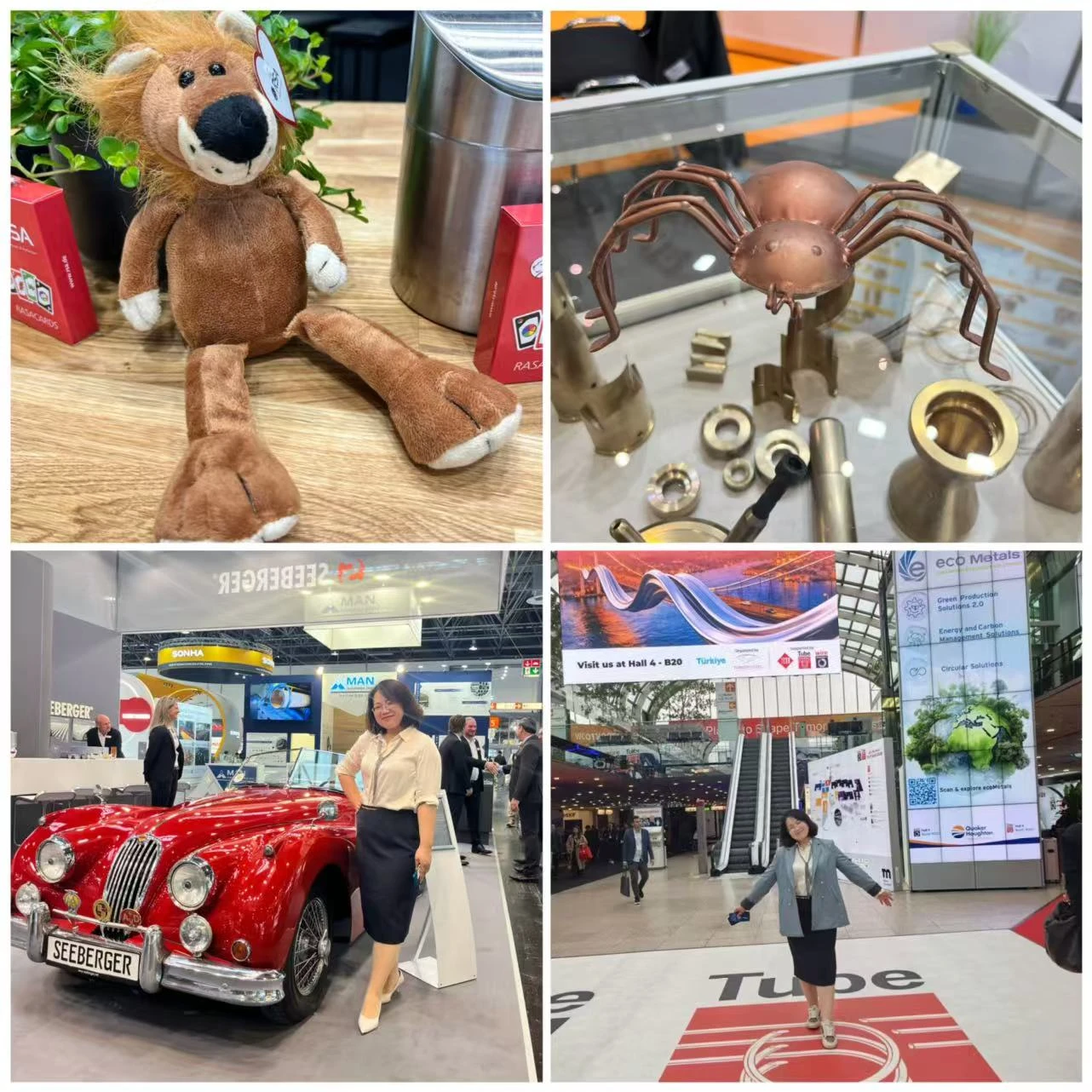
AIS Machinery Showcases Advanced Tube Solutions at Tube & Wire Düsseldorf 2026
Tube & Wire Düsseldorf 2026, one of the most influential exhibitions in the global tube and wire industry, held biennially in Düsseldorf, Germany
2027-04-17 00:00:00
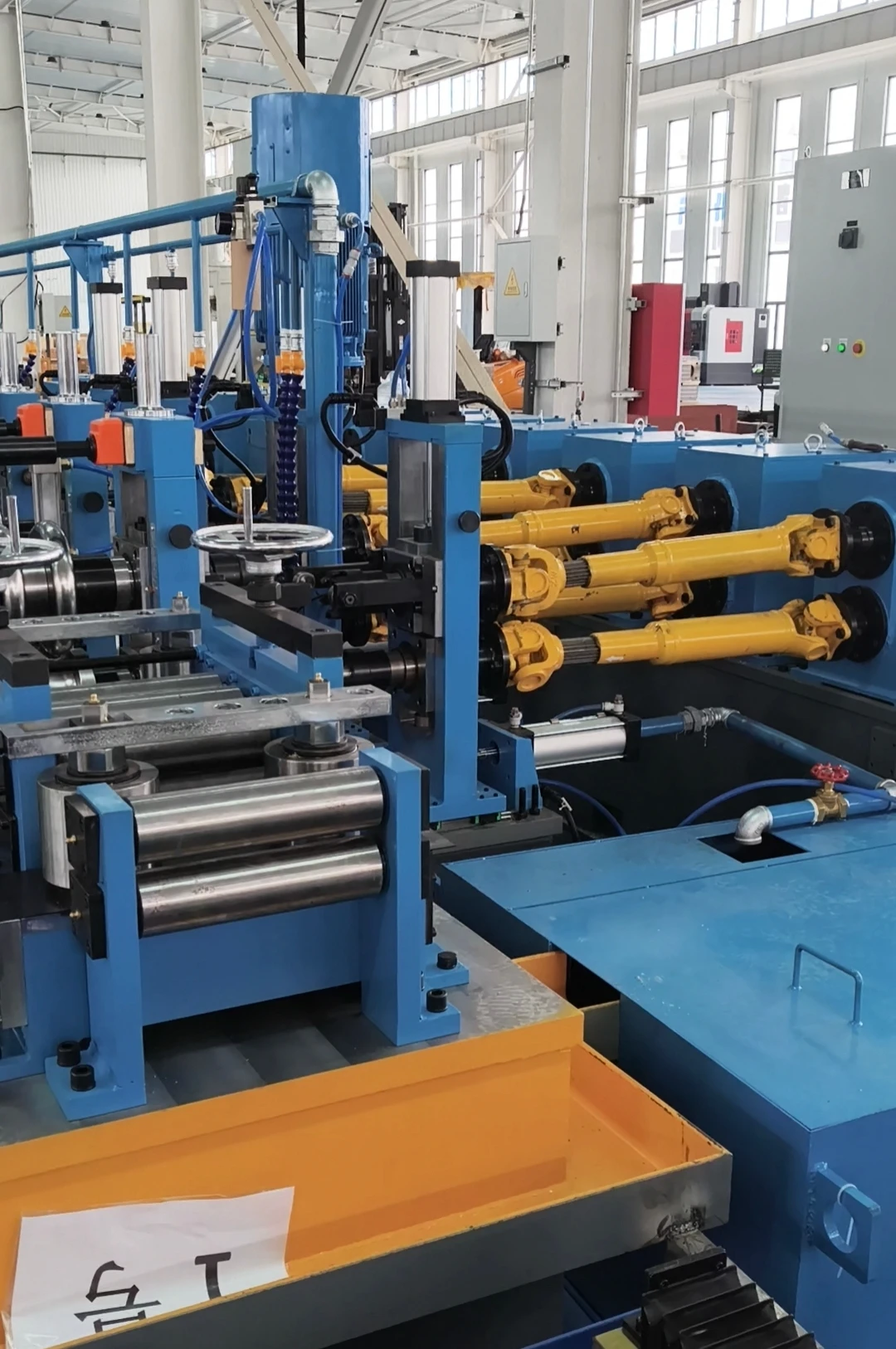
Southeast Asia Client Visits Our Factory | Customized Tube Mill Solution Delivered
A Southeast Asia client visited our ERW tube mill factory to inspect production lines and discuss a customized tube mill solution. Impressed by our machine quality, welding performance, and engineering support, the client confirmed strong cooperation intentions. Discover how our ERW tube mill solutions improve efficiency, precision, and long-term production reliability.
2026-04-16 02:35:12
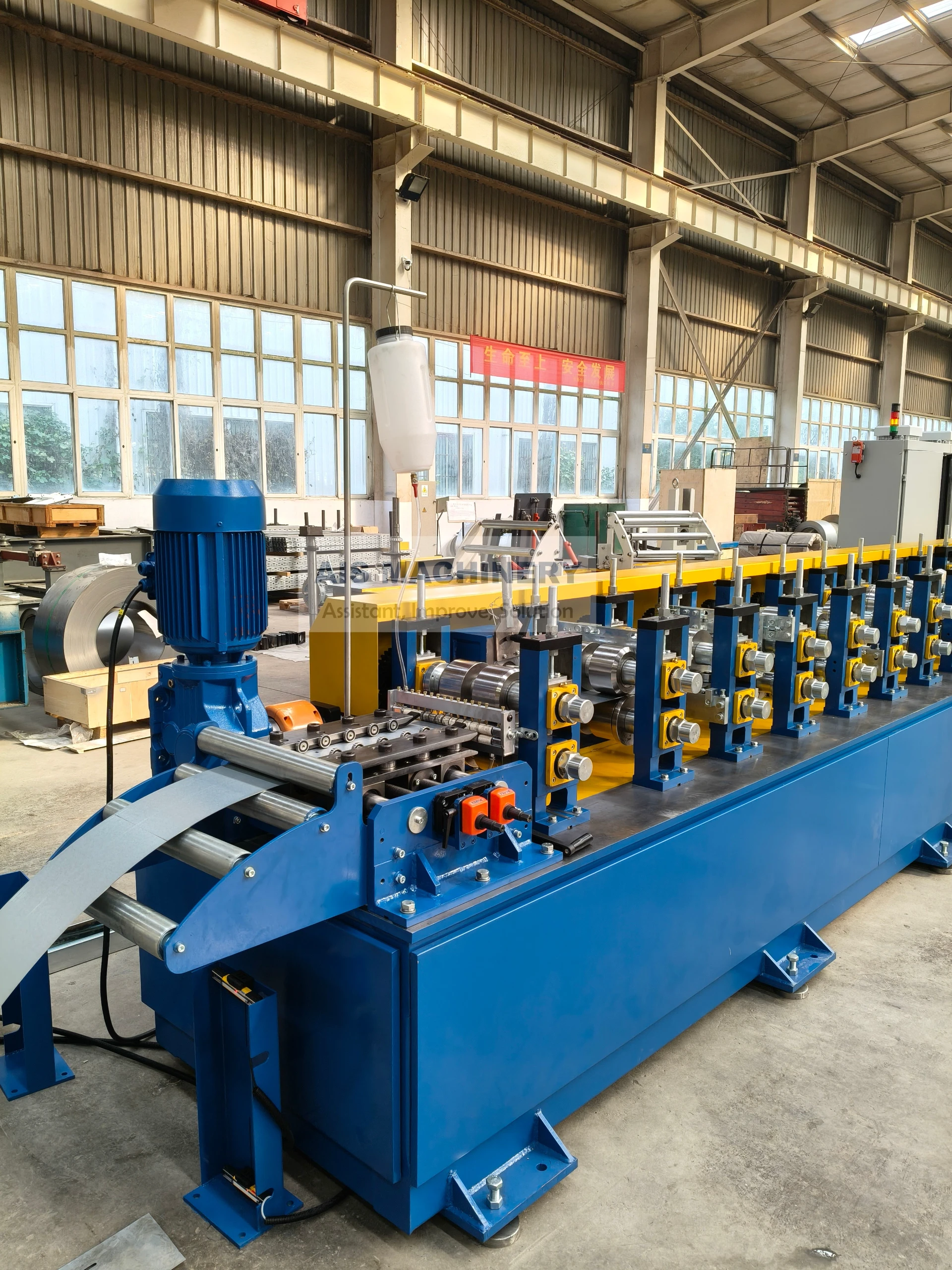
Professional Cold Roll Forming Machine Factory for Production
In the modern industrial landscape, the precision of metal shaping is the cornerstone of quality manufacturing. Partnering with a professional cold roll forming machine factory is essential for businesses looking to optimize their production lines, reduce material waste, and ensure high-dimensional accuracy. Whether you are producing C-channels, square tubes, or custom profiles, the choice of machinery determines your competitive edge in the market. This guide will explore the critical factors in selecting a factory and the technical advantages of advanced roll forming technology to help you make an informed investment.
2026-04-15 10:37:55
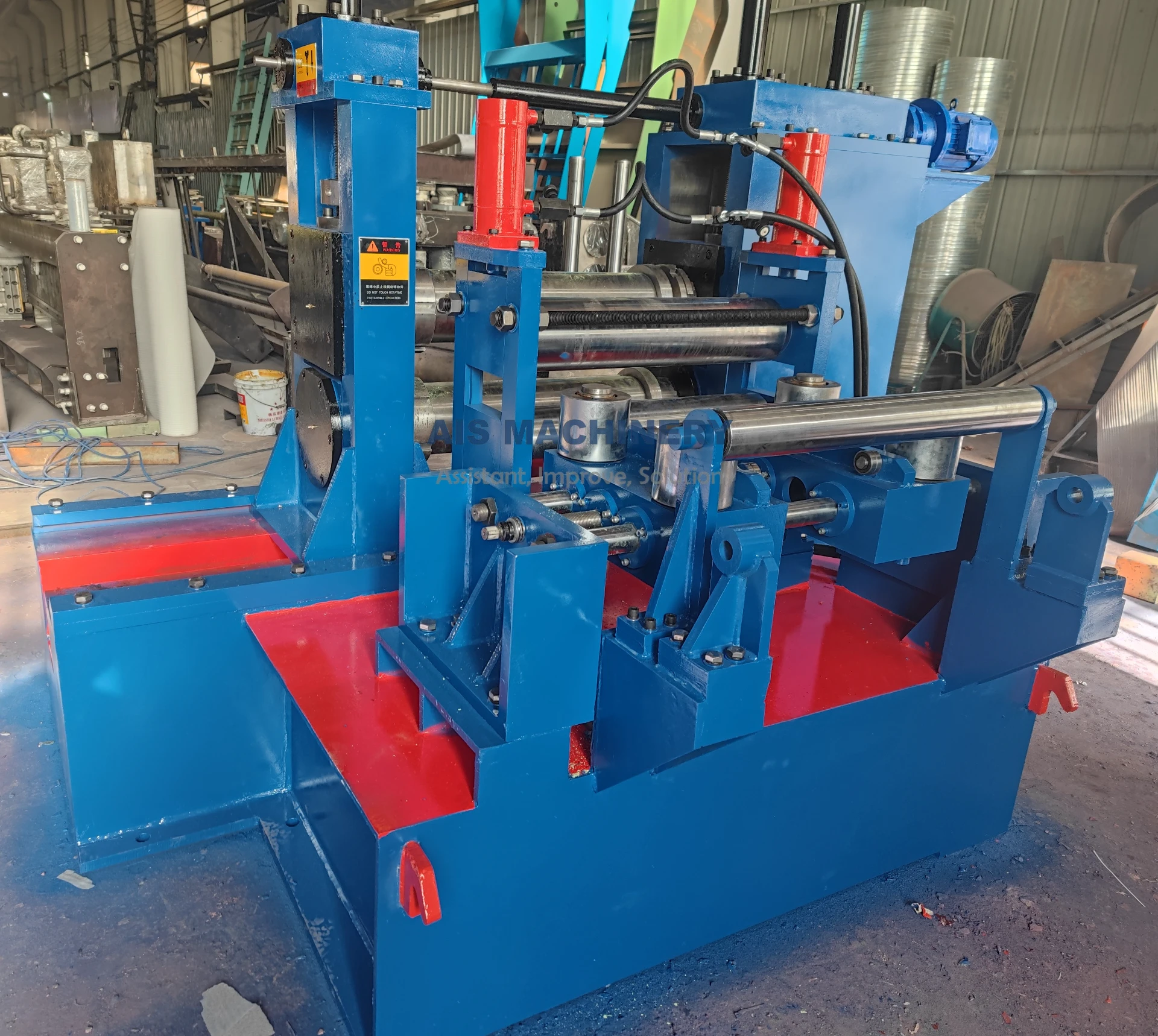
Flat Bar Production Line for Steel Coils: How It Works & Why It Matters
Looking for a flat bar production line? Learn how it turns steel coils into ready-to-use flat bars with precise length and high straightness. Compare it with slitting lines and get the best solution for your steel processing needs.
2026-04-14 00:00:00
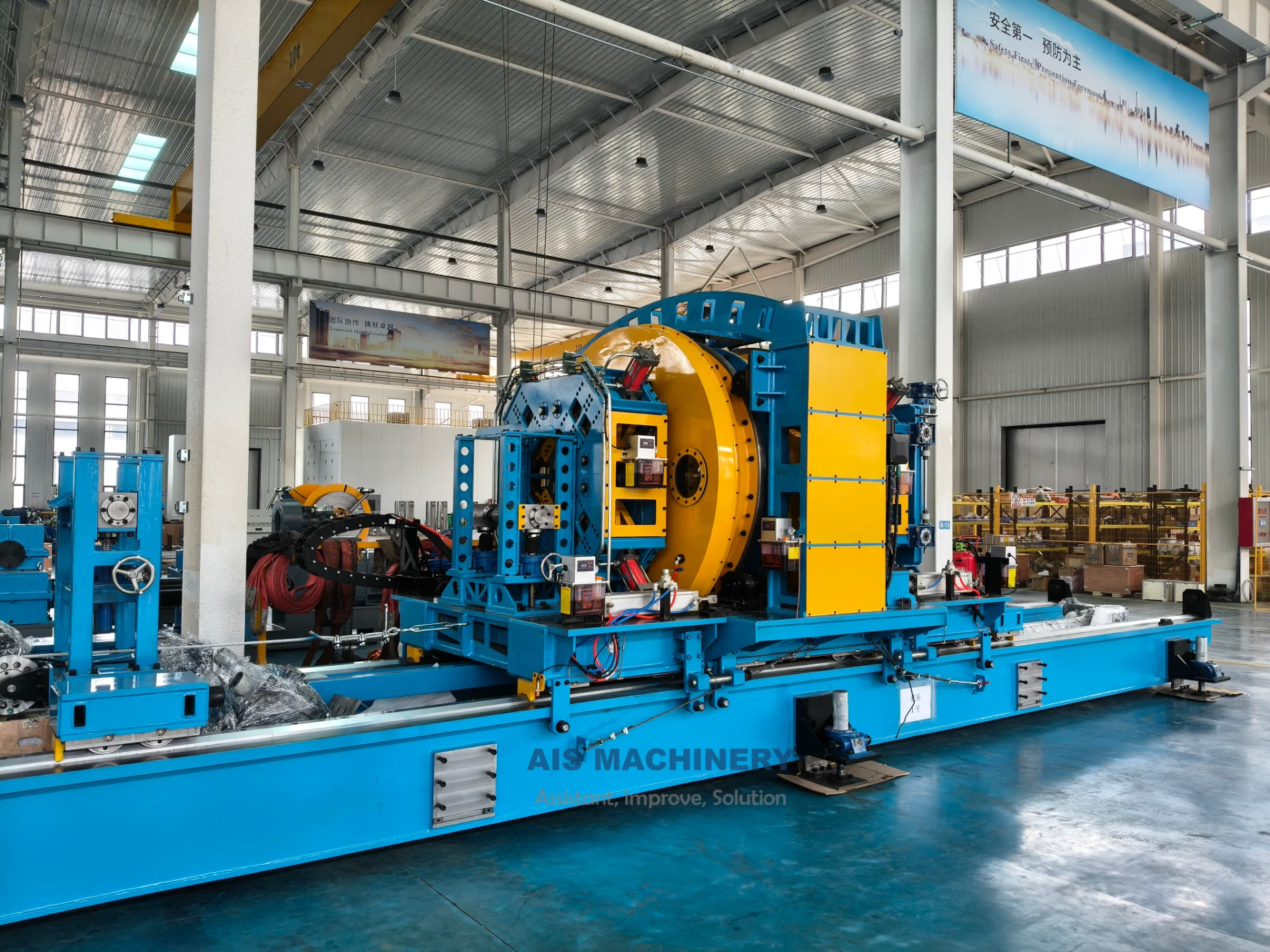
Looking for a Milling Saw for ERW Tube Mill? Here’s What You Need to Know
Looking for a high-performance milling saw for your ERW tube mill? Upgrade to burr-free, high-precision pipe cutting with advanced flying saw technology. Improve efficiency, reduce rework, and meet export standards for carbon steel, stainless steel, and API pipes. Contact us today for expert solutions and competitive pricing tailored to your production needs.
2026-04-09 16:15:19
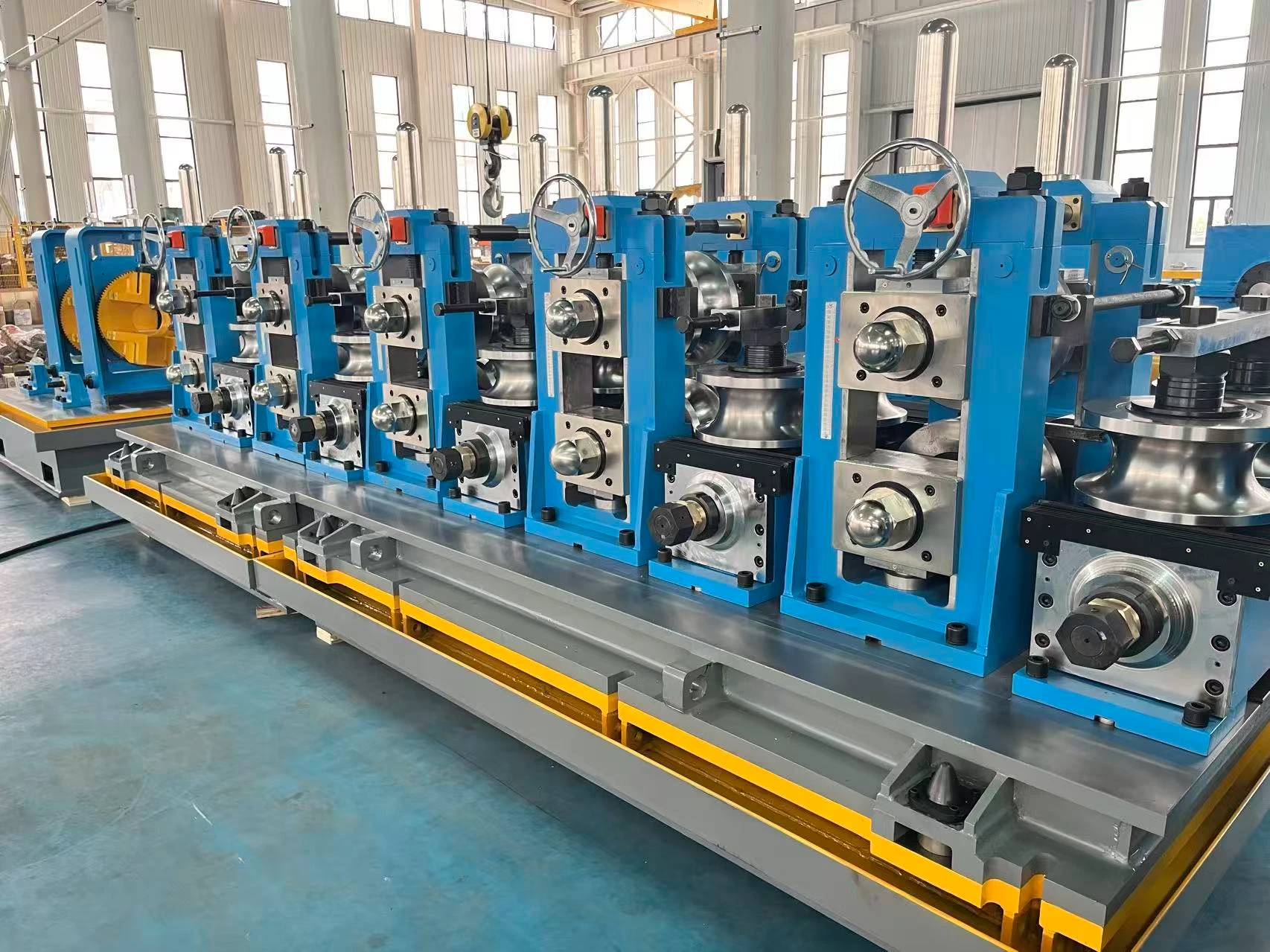
5-Inch (127mm) ERW Tube Making Machine Delivered with Heavy-Duty Design and Advanced Quick Change System
2027-04-07 00:00:00
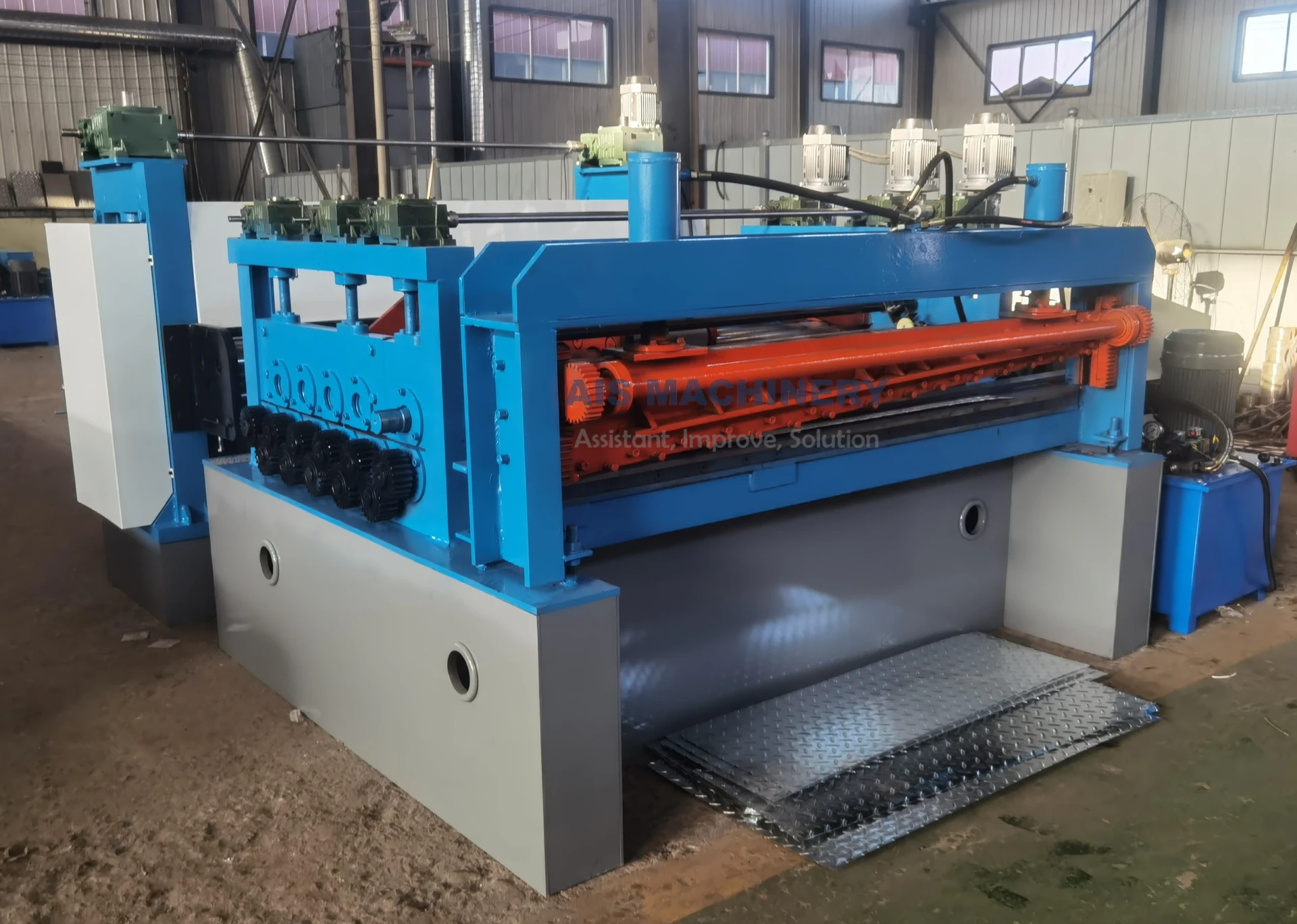
Metal Embossing Machine: Turn Flat Sheets into High-Value Textured Products
Discover how a metal embossing machine transforms flat steel, stainless steel, and aluminum sheets into high-value textured products. Learn about its working principle, key components, and applications. Ideal for decorative and industrial use, embossing machines improve both appearance and performance. Explore complete embossing line solutions and find the right machine for your production needs.
2026-04-04 20:37:18
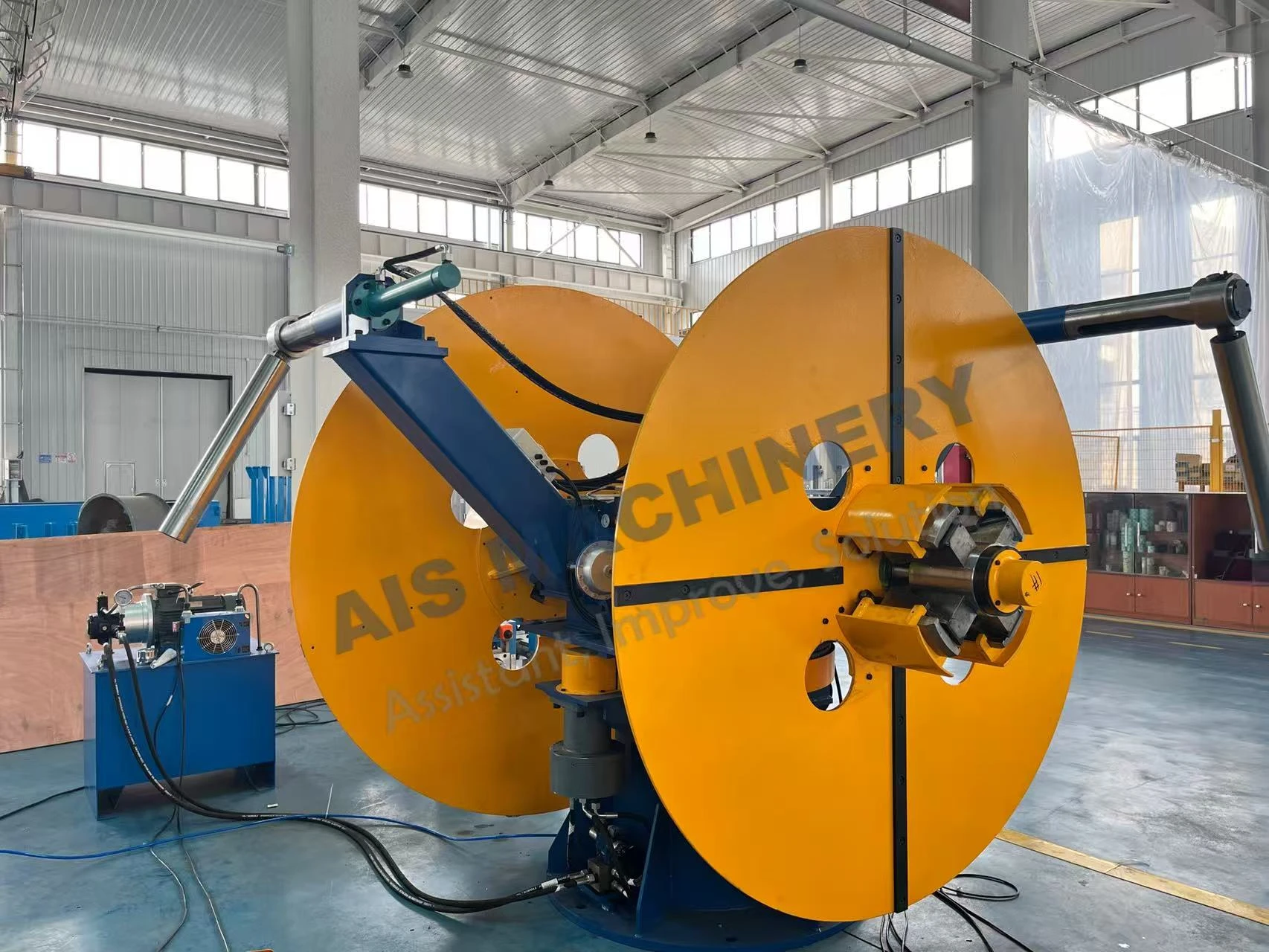
Automatic Double Side Uncoiler with Hydraulic Expansion and Auto Rotation for Steel Coil Processing
The Automatic Double Side Uncoiler is a high-efficiency solution designed for modern steel coil processing lines, including tube mills, roll forming machines, and slitting lines. With a maximum capacity of 4 tons per side, this machine ensures stable and continuous coil feeding while reducing downtime during coil change.
Send a Message
Dear customer, thank you for your attention! We provide high-quality machinery and equipment and look forward to your orders. Please inform us of your needs and we will respond quickly!
 English
  Albanian
  Arabic
  French
  German
  Indonesian
  Italian
  Japanese
  Kazakh
  Korean
  Latin
Latin  Macedonian
  Portuguese
  Russian
  Spanish
  Thai
Thai  Turkish
  Ukrainian
  Uzbek
Uzbek