
-
 Tel:86-15176910262
-

Search

Comprehensive Guide to Cut-to-Length Lines for Efficient Metal Processing
Nov . 29, 2025 15:10
What is a Cut-to-Length Line and Why Does It Matter?
In the sprawling world of metal manufacturing, the cut-to-length line is a pivotal process — one that doesn't often make headlines but quietly shapes industries. Essentially, it’s an automated mechanical setup that cuts heavy steel or metal coils into precise sheet lengths. This not only reduces handling waste but speeds production. Globally, as industries from automotive to construction chase efficiency and sustainability, understanding cut-to-length lines is crucial.
Why does it matter? First, this process helps reduce raw material loss and optimizes workflow, translating into cost savings that ripple through supply chains. Moreover, with global steel production topping 1.8 billion metric tons annually (source: World Steel Association), even a small efficiency gain is huge. What you get is faster turnaround, less energy consumption, and, frankly, a product that’s ready to roll into further fabrication stages.
Cut-to-Length Lines in the Global Industrial Landscape
Looking at the bigger picture, steel and metal processing industries power critical sectors worldwide. According to the World Bank, the manufacturing sector constitutes nearly 16% of the global GDP, with metal fabrication as a solid contributor. The cut-to-length line fits into this as a key enabler, reducing bottlenecks in production.
Moreover, environmental policies, especially in the EU and Asia, pressure manufacturers to reduce waste and carbon emissions. Efficient coil processing with cut-to-length lines directly tackles this by minimizing scrap and energy footprint. It also tackles the challenge of supply chain delays: when precise lengths are needed just-in-time, having a reliable cut-to-length line in place avoids costly downtime.
Mini Takeaway:
The cut-to-length line isn’t just a machine — it’s a small yet powerful cog in the global manufacturing ecosystem, driving efficiency, sustainability, and economic value.
Defining Cut-to-Length Line: What’s Under the Hood?
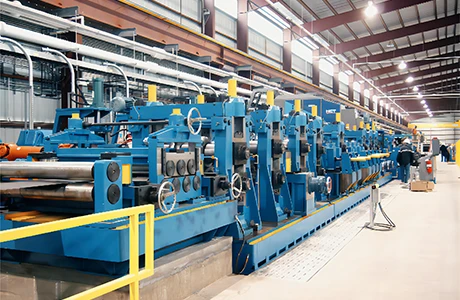
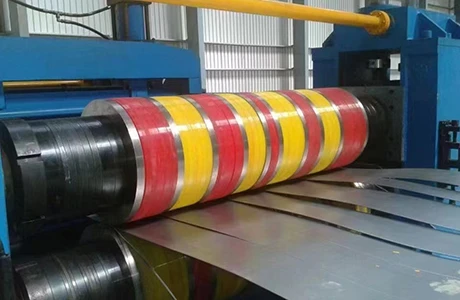
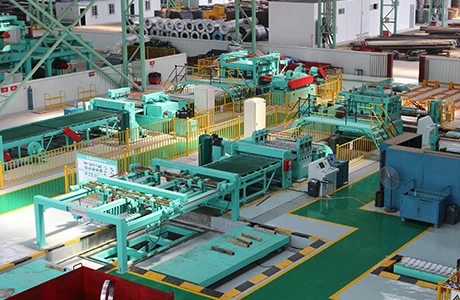
At its core, the cut-to-length line is a production setup designed to uncoil metal rolls and cut them into preset sheet lengths with high accuracy. It typically involves an uncoiler, leveling unit, shear, and stacking station.
Put simply: imagine a giant roll of steel tape that gets unwound, flattened, and cut into big sheets tailored exactly to order — whether it’s for car panels, appliances, or building materials. The “line” aspect means all these machines work seamlessly, often controlled via PLCs (Programmable Logic Controllers) for precision and automation.
Its connection to modern industry is foundational: without reliable cut-to-length lines, mass production of metal parts would face costly delays, inconsistent quality, and excessive waste.
Mini Takeaway:
Cut-to-length lines transform raw coil stock into ready-to-use sheets, powering efficiency across metalworking industries.
Core Components & Key Factors That Make Cut-to-Length Lines Tick
1. Precision Cutting
The shear’s accuracy determines finished piece quality. Advanced lines use flying shears that cut without stopping the coil movement—pretty impressive engineering.
2. Material Versatility
Steel, stainless, aluminum—modern lines handle varied gauges and widths, making them adaptable to many applications.
3. Speed & Throughput
Throughput depends on the line’s design and automation. Some lines process up to 100 meters per minute, crucial for high-volume plants.
4. Durability & Maintenance
Heavy-duty construction and ease of maintenance are non-negotiable. Downtime can cost thousands of dollars an hour, so quick changeovers are essential.
5. Integration with Other Systems
Links to cut-to-length line feeder lines, stamping presses, or surface treatment units make full production lines smooth and smart.
| Specification | Typical Value | Notes |
|---|---|---|
| Material Thickness | 0.5 mm – 6 mm | Varies per line |
| Max Coil Width | 2200 mm | Supports wide metal strips |
| Cutting Speed | Up to 100 m/min | Depends on materials and line setup |
| Sheet Length Range | 500 mm – 6000 mm | Customizable per order |
| Automation Level | PLC-controlled | Ensures precision and repeatability |
How Cut-to-Length Lines Shape Global Industries
Let’s talk application. In the automotive sector, precision sheet metal is the foundation of durable, aerodynamic, and safe cars. European and Asian manufacturers rely heavily on high-speed cut-to-length lines that sync with robotic welding and stamping stations.
Meanwhile, in construction — from skyscraper frameworks to decorative cladding — consistent sheet length and quality matter. Southeast Asia and the Middle East have exploded in metal construction material demand, making reliable coil processing indispensable.
In a different vein, relief organizations sometimes use these lines indirectly. For instance, in post-earthquake rebuilding, cut materials speed shelter production, reducing downtime for communities.
Mini Takeaway:
Industries worldwide count on cut-to-length lines for precision, speed, and waste reduction — ultimately supporting growth, safety, and innovation.
Advantages That Keep Industry Leaders Coming Back
- Cost Efficiency: Less waste and faster changeovers save money.
- Sustainability: Accurate cuts mean fewer scrap pieces and less energy burned.
- Reliability: Downtime drops with rugged components and modern maintenance schemes.
- Quality: Consistent sheet length means downstream processes are more dependable.
- Social Impact: Faster production cycles can mean quicker delivery of infrastructure and essential goods, supporting community growth.
Emerging Trends in Cut-to-Length Line Technology
Technology marches on! Industry 4.0 principles mean cut-to-length lines are integrating IoT sensors and AI analytics, allowing predictive maintenance and fine tuning for quality.
Many companies are switching to greener hydraulic fluids in their presses or adding regenerative braking to drives to cut power use.
Material-wise, ultra-high strength steels and lightweight aluminum alloys — vital for electric vehicles — challenge line designs, pushing innovation on shearing and leveling technologies.
Vendor Comparison: Choosing the Right Cut-to-Length Line Partner
| Vendor | Key Features | Customization | Support & Warranty |
|---|---|---|---|
| AISTubemill Co. | High speed, PLC control, energy-efficient | Full custom lines available | 24/7 support, 2-year warranty |
| Global Metal Solutions | Modular design, easy upgrades | Standard and semi-custom lines | Business hours support, 1-year warranty |
| Precision Fabricators Inc. | Focus on automation & IoT integration | Highly customized lines | Dedicated on-site training & 3-year warranty |
Challenges & How To Overcome Them
Even the best cut-to-length lines aren’t without hitches. Issues like coil edge damage, uneven leveling, or maintenance downtime can hamper output. Many engineers say investing in skilled technicians and regular calibration keeps things humming.
Then there’s operator training: with more automation, the learning curve gets steeper, but remote diagnostics and virtual training programs are easing the transition.
Frequently Asked Questions About Cut-to-Length Lines
Q1: How precise can cut-to-length lines cut metal sheets?
A: Modern cut-to-length lines can achieve length tolerances of ±0.5 mm, depending on machine quality and calibration. Flying shears help maintain speed without loss of accuracy.
Q2: What types of metals can be processed?
A: Steel (carbon and stainless), aluminum, and some specialty alloys are common. The line's design (shear type, leveler strength) determines material compatibility.
Q3: How customizable are these lines?
A: Very customizable. Vendors offer modular designs that can be tailored for sheet sizes, thickness, speed, and integration with other manufacturing equipment.
Q4: How is maintenance typically handled?
A: Routine checks include blade sharpening, lubrication, and PLC diagnostics. Predictive maintenance using IoT data is becoming popular to reduce unexpected downtime.
Q5: Are cut-to-length lines eco-friendly?
A: Indirectly, yes. By reducing scrap and optimizing energy use, they contribute to sustainability goals, especially when paired with green energy sources.
Wrapping It Up
The cut-to-length line may sound niche but is a linchpin of modern metal manufacturing. From precision cutting to sustainable practices, it helps industry meet ever-higher standards while saving time and money. If you’re exploring solutions or want to dive deeper, a good place to start is checking out the options at AISTubemill.
Efficiency, quality, and sustainability — it gets to the heart of what metal fabrication is all about.
Quick Reflection
Though often out of sight, the cut-to-length line embodies manufacturing’s quiet genius — a blend of physics, engineering, and smart automation. For those working with metals, knowing these lines is like understanding the heartbeat that drives production forward...
References:

Related Products

Related News
2026-04-30 09:35:04
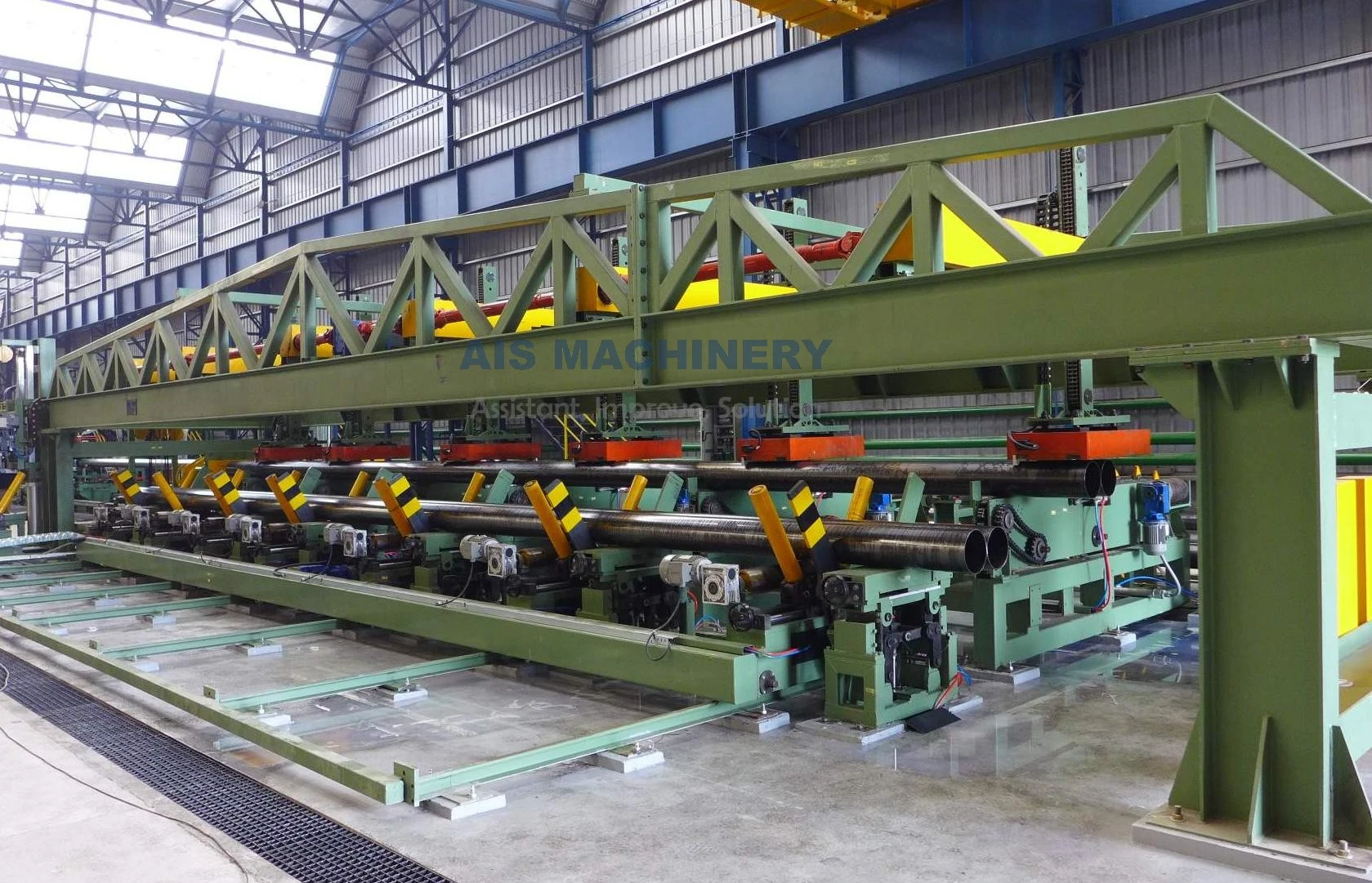
Automatic Stacking Machine (Magnetic Chuck Type)
The Automatic Stacking Machine (Magnetic Chuck Type) from AIS Machinery is designed to efficiently collect and stack steel tubes in ERW tube mill production lines. Using electromagnetic lifting, it can pick up multiple tubes at once and place them neatly in layers. This reduces manual labor, improves stacking accuracy, and increases overall production efficiency. It is installed after the flying saw and works seamlessly with the mill line, making it an ideal solution for modern tube manufacturers.
2026-04-28 08:56:05
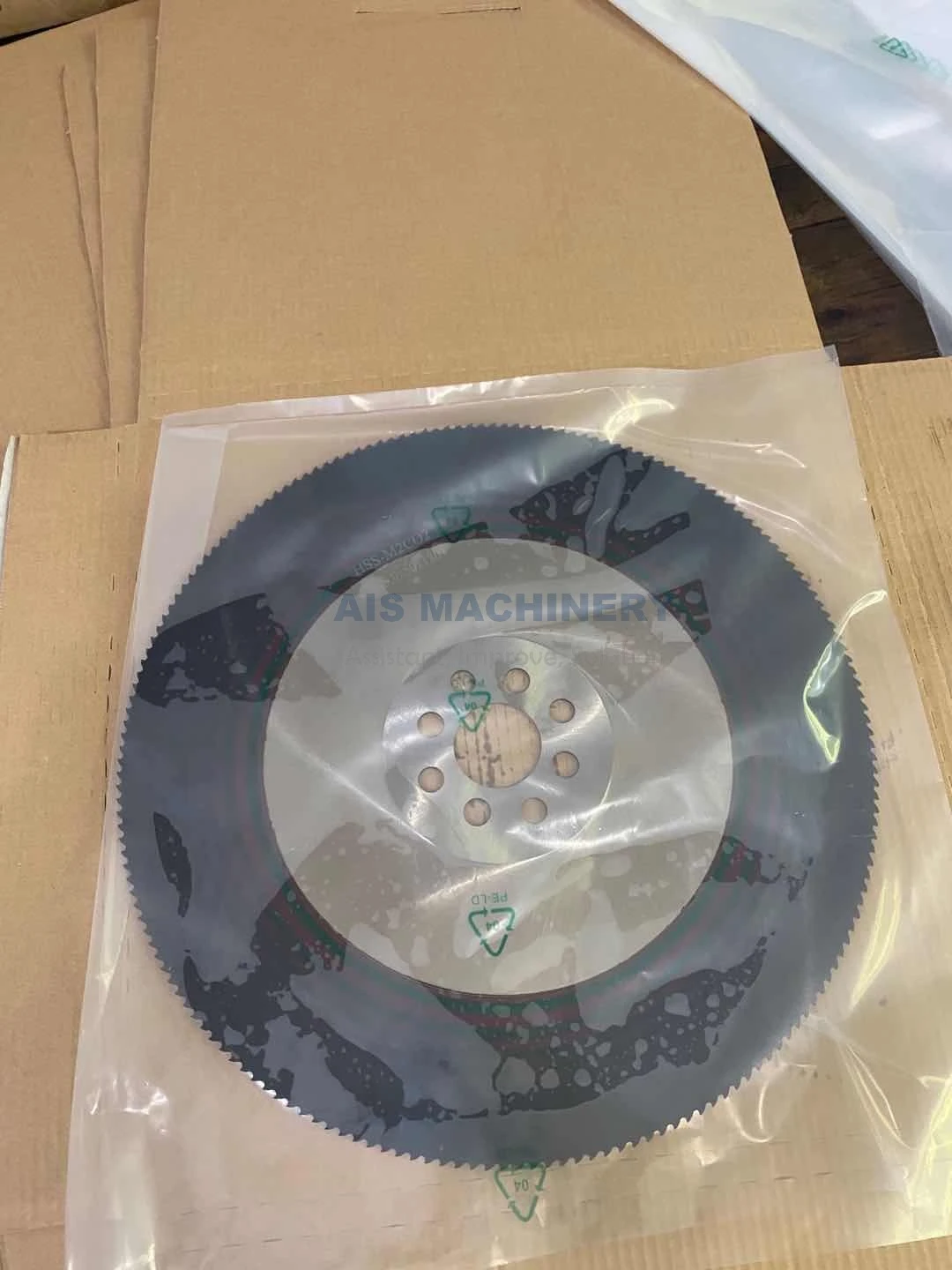
Saw Blade Guide for Tube Mills: Friction vs HSS vs TCT — Which One Should You Choose?
Confused about friction saw, HSS, and TCT blades? This guide explains their uses in cold saw and friction saw machines, with pros, cons, and expert selection tips.
2026-04-24 08:54:16
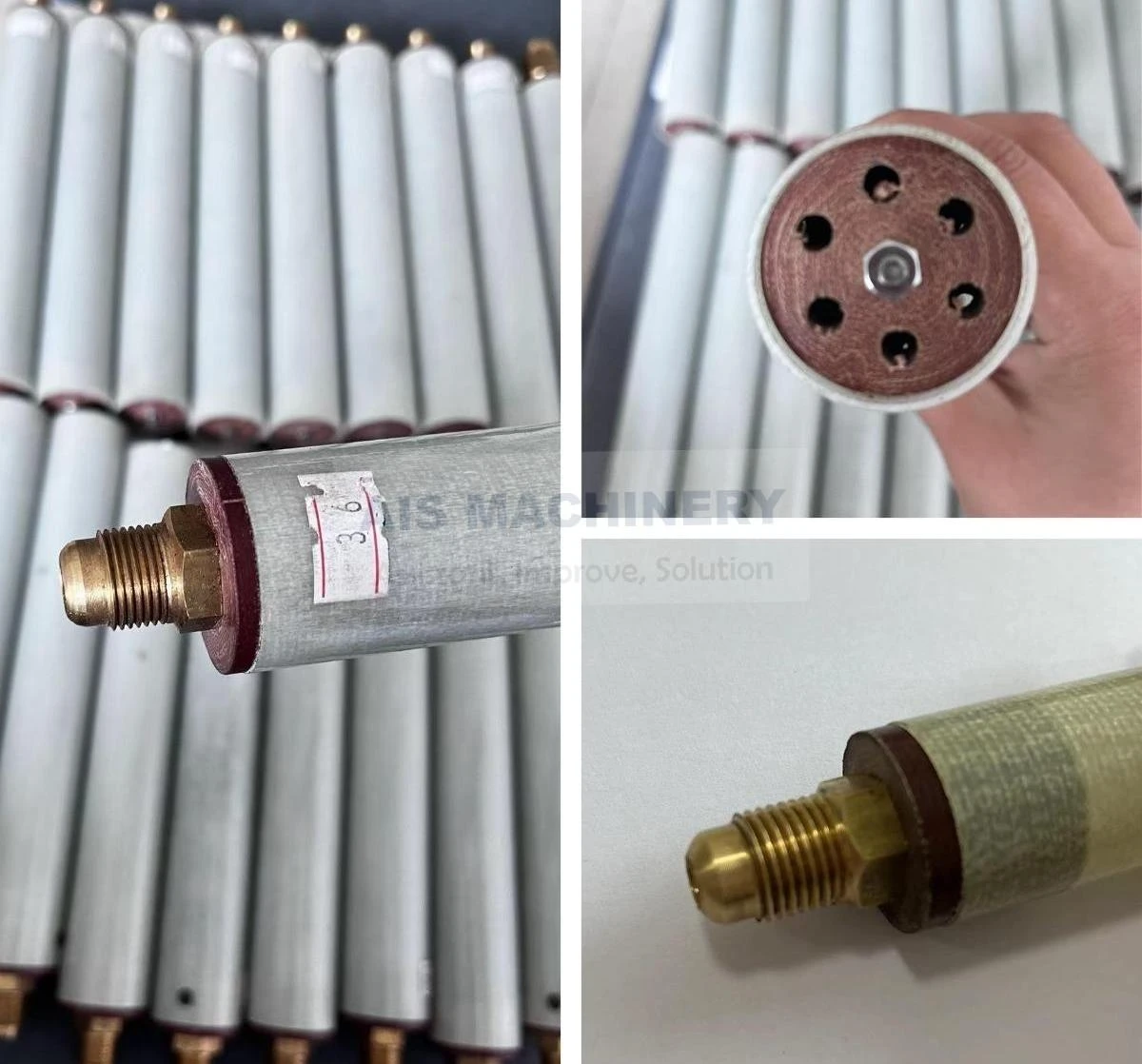
What is an Impeder and Ferrite Rods in ERW Tube Mill?
Struggling with impeder overheating or short service life in your ERW tube mill? This guide explains common impeder problems, the role of ferrite rods, and how to choose the right impeder for stable welding performance. Improve weld quality, reduce energy loss, and extend equipment lifespan with the right selection and proper cooling solutions.
2026-04-21 10:22:25
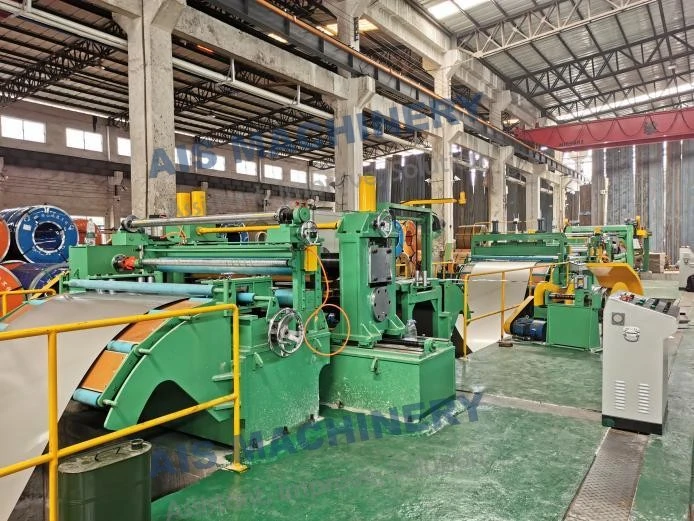
Slitting & Cut-to-Length Combined Production Line: A Smarter Way to Process Steel Coils
Discover the Slitting & Cut-to-Length Combined Production Line, a flexible solution for steel coil processing. This system integrates slitting line and cut-to-length line functions in one machine, saving space, reducing costs, and improving efficiency. Ideal for processing both steel strips and sheets, it is widely used in service centers and manufacturing industries. Learn its advantages, limitations, and applications.
2026-04-18 03:20:20
AIS Machinery Showcases Advanced Tube Solutions at Tube & Wire Düsseldorf 2026
Tube & Wire Düsseldorf 2026, one of the most influential exhibitions in the global tube and wire industry, held biennially in Düsseldorf, Germany
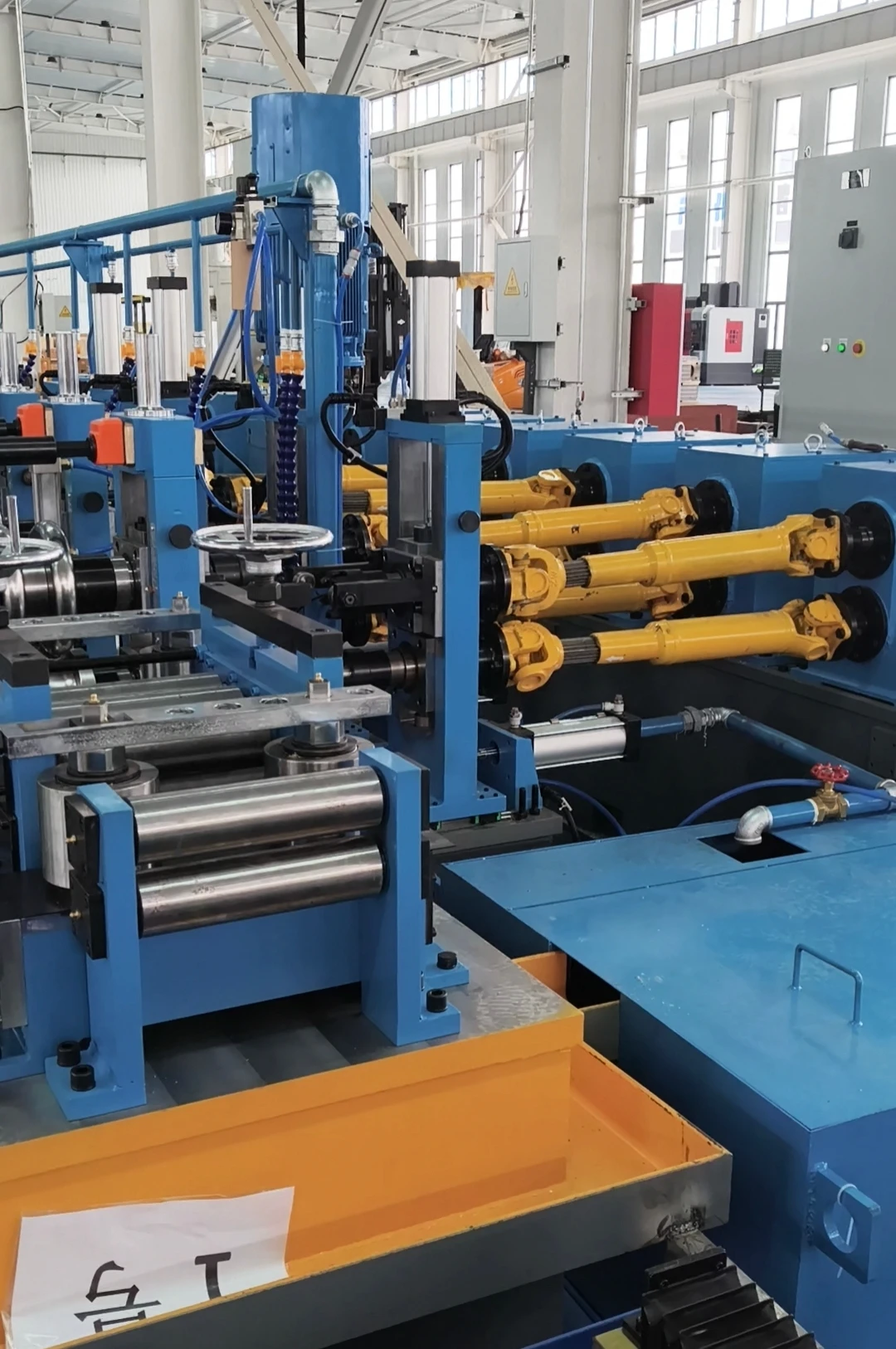
2026-04-17 00:00:00
Southeast Asia Client Visits Our Factory | Customized Tube Mill Solution Delivered
A Southeast Asia client visited our ERW tube mill factory to inspect production lines and discuss a customized tube mill solution. Impressed by our machine quality, welding performance, and engineering support, the client confirmed strong cooperation intentions. Discover how our ERW tube mill solutions improve efficiency, precision, and long-term production reliability.
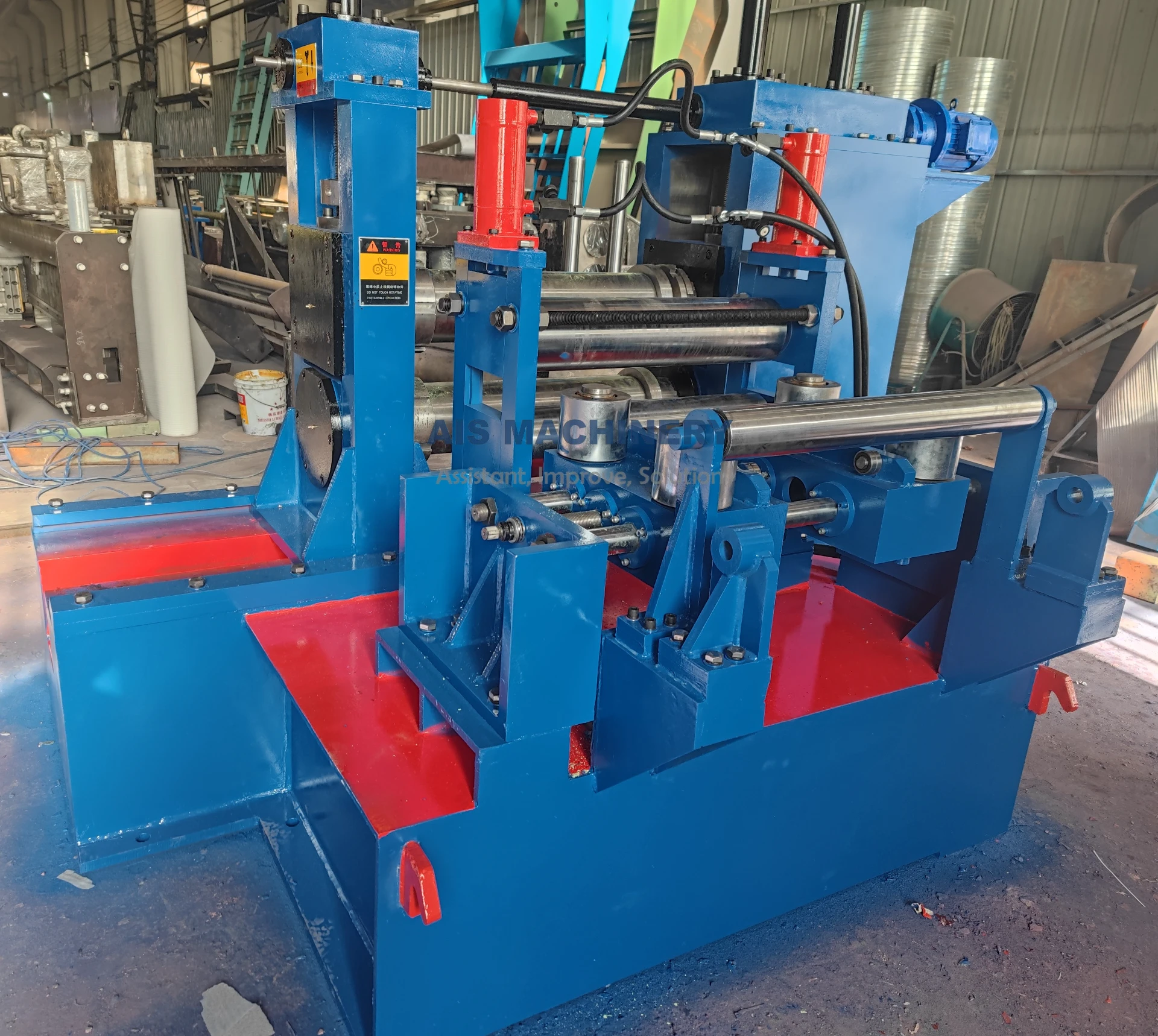
2026-04-15 10:37:55
Flat Bar Production Line for Steel Coils: How It Works & Why It Matters
Looking for a flat bar production line? Learn how it turns steel coils into ready-to-use flat bars with precise length and high straightness. Compare it with slitting lines and get the best solution for your steel processing needs.
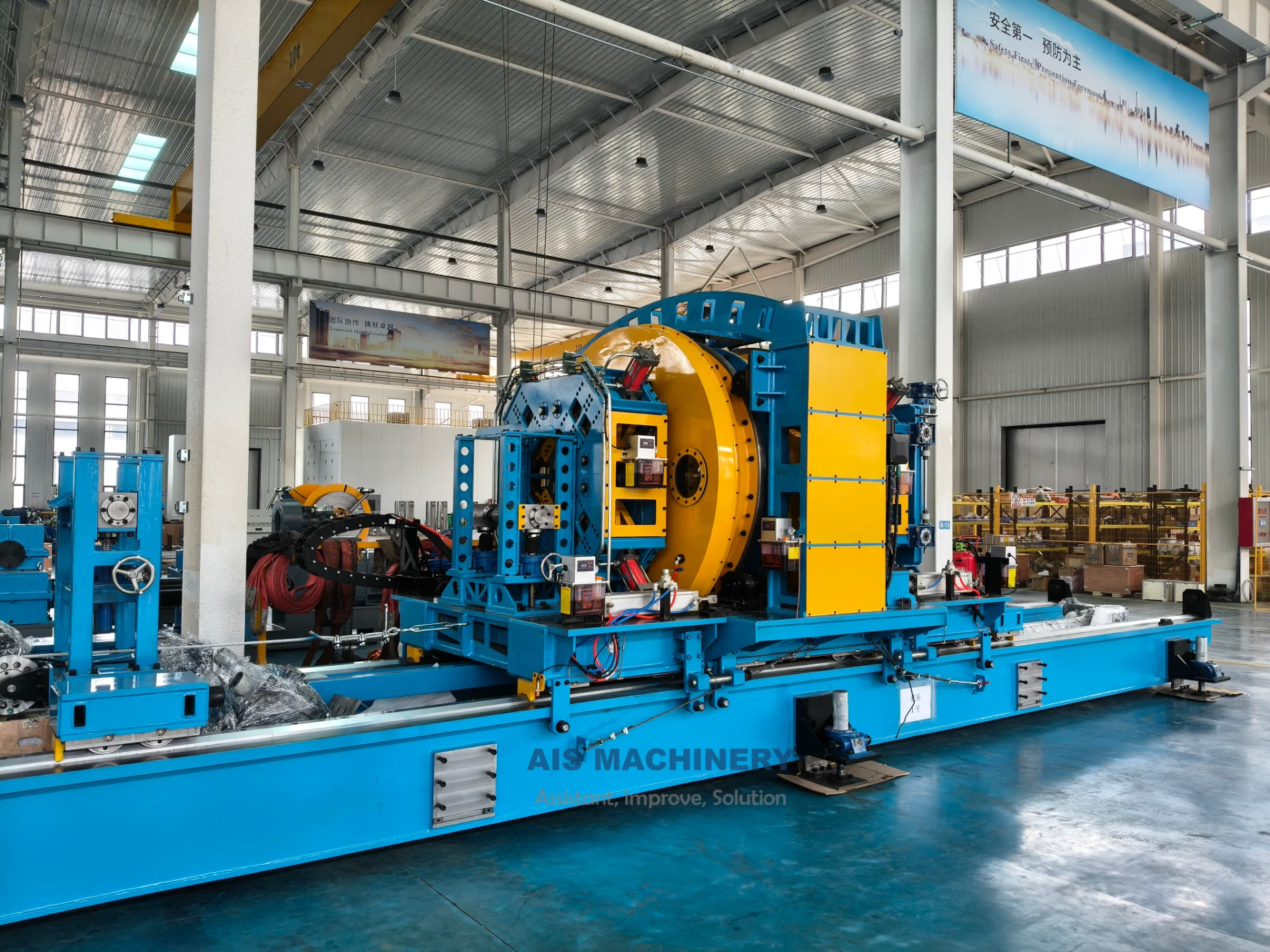
2026-04-14 00:00:00
Looking for a Milling Saw for ERW Tube Mill? Here’s What You Need to Know
Looking for a high-performance milling saw for your ERW tube mill? Upgrade to burr-free, high-precision pipe cutting with advanced flying saw technology. Improve efficiency, reduce rework, and meet export standards for carbon steel, stainless steel, and API pipes. Contact us today for expert solutions and competitive pricing tailored to your production needs.
Send a Message
Dear customer, thank you for your attention! We provide high-quality machinery and equipment and look forward to your orders. Please inform us of your needs and we will respond quickly!
 English
  Albanian
  Arabic
  French
  German
  Indonesian
  Italian
  Japanese
  Kazakh
  Korean
  Latin
Latin  Macedonian
  Portuguese
  Russian
  Spanish
  Thai
Thai  Turkish
  Ukrainian
  Uzbek
Uzbek