
-
 Tel:86-15176910262
-

Search
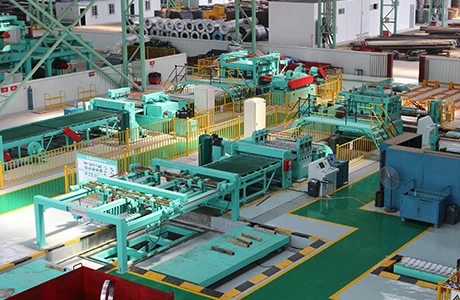
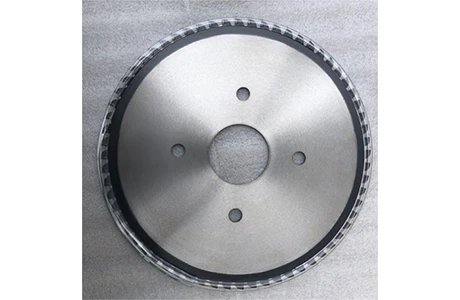

Comprehensive Guide to Steel Plate Shearing Machines | Specs, Uses & Vendors
Nov . 29, 2025 16:45
The World of Steel Plate Shearing Machines: Why They Matter More Than You’d Think
Steel plate shearing machines—sounds a bit industrial, right? Yet, these sturdy workhorses are quietly pivotal in shaping industries worldwide. From the skyscrapers that grace city skylines to the infrastructure that keeps economies ticking, knowing how these machines function and why they matter is pretty much understanding the backbone of modern steel fabrication. Curious why such a specific piece of equipment deserves your attention? Because at the end of the day, productivity, safety, and quality often hinge on the precision of that first cut.
Global Importance: A Look into Steel Plate Shearing Machine in Industry
Steel, in itself, is the world’s most recycled material, accounting for roughly 90% reuse globally, according to the World Steel Association. This demand fuels the need for efficient processing—enter the steel plate shearing machine. Their role is massive in everything from shipping containers to bridges. The United Nations’ industrial development reports emphasize that as urbanization grows, so does the requirement for robust, fast steel fabrication methods, which directly impacts climate goals and economic growth. Unfortunately, precision shearing remains a challenge in many developing markets where equipment is outdated, causing delays and material waste.
Mini takeaway: Steel plate shearing machines don’t just cut metal—they’re cutting down delays and waste on projects vital to global development.
What Exactly is a Steel Plate Shearing Machine?
Think of it as a giant pair of scissors for metal—only far more powerful and precise. This machine slices thick steel plates into smaller pieces by applying immense shear force between two blades. But it's not just about brute force; modern shearing machines integrate hydraulic or mechanical systems to ensure a clean, uniform cut — critical when the steel parts must fit perfectly in complex assemblies.
This machinery is tightly linked to both industrial expansion and humanitarian needs: from constructing hospitals in emergent zones to fabricating components for renewable energy installations. It’s the quiet facilitator behind a lot of what keeps infrastructure—and hope—intact.
Key Features Behind Every Effective Steel Plate Shearing Machine
Durability and Build Quality
These machines often operate under tough conditions. Good ones come with reinforced frames and wear-resistant blades. If you’re in heavy fabrication, the last thing you want is frequent downtime caused by flimsy components.
Cutting Capacity & Precision
Plate thickness and length capacity vary widely. Some machines can shear steel plates up to 50mm thick or more with minimal burr, which is vital for downstream processing.
Automation and Control Systems
Many models now feature CNC controls allowing for programmable cutting sequences, which reduce human error and boost throughput, especially in mass production.
Cost Efficiency
From energy consumption to blade longevity, a machine's operating cost is a huge consideration. Energy-efficient hydraulic systems and easy blade replacement add up to big savings over time.
Safety Features
Ironically, a machine that slices metal at high force must include robust guards and emergency stops. Many regulate compliance with ISO safety standards—a non-negotiable in many regions.
Mini takeaway: It’s not just how sharp the blades are—it’s the smart build, safety, and cost that together define a great shearing machine.
How Steel Plate Shearing Machines are Changing the Face of Global Industry
From bustling factories in China to shipyards in Europe, these machines enable quick turnaround on large-scale projects. In disaster zones, rapid deployment shelters rely on steel components precision-cut for quick assembly. In remote mining camps, lightweight but durable infrastructure is only feasible because of on-site shearing capabilities.
Example: In Southeast Asia, a steel fabricator reduced production time by 30% after upgrading to CNC shearing machines, dramatically cutting project schedules.
Why Choose Steel Plate Shearing Machines? Advantages That Matter
- Cost Savings: Reduced material waste and faster workflows mean less money spent raw materials and labor.
- Sustainability: Efficient cutting helps in minimizing scrap, supporting the circular economy.
- Safety: Automated and guarded systems protect workers from injury while boosting morale and trust.
- Reliability: Precision shearing ensures that subsequent fabrication processes run smoothly—no surprise fitting issues down the line.
- Innovation: Modern machines incorporate smart tech, facilitating Industry 4.0 readiness in manufacturing.
Future Trends: What’s Next for Steel Plate Shearing?
Integration of AI-powered diagnostics is beginning to make waves. Imagine a shearing machine that predicts blade wear or optimizes cutting patterns to reduce waste autonomously. Alongside that, greener hydraulics and electrically driven models address rising demands for sustainability.
Smart factories mean these machines are increasingly linked to centralized monitoring systems, where managers can track production statistics in real time, even remotely.
Common Challenges & Clever Solutions
Not everything is glitz and smooth steel edges. Machines can suffer from blade fatigue, misalignment, or hydraulic leaks. Maintenance traditionally requires expert technicians, which isn’t always feasible on-site.
New modular designs and plug-and-play components are easing these issues—companies can now swap parts quickly without expensive downtime. Training simulators using VR also help upskill operators remotely, a gamechanger for global installation projects.
Frequently Asked Questions About Steel Plate Shearing Machines
- How thick of a steel plate can these shearing machines handle?
- Depending on the model, most industrial shearing machines can cut plates from 0.5mm up to 50mm thick. For very thick plates, hydraulic shearing models are preferred due to their higher force capability.
- What maintenance routines keep a steel plate shearing machine running smoothly?
- Regular blade inspection and sharpening, hydraulic fluid checks, and lubrication of moving parts are essential to avoid unexpected breakdowns and ensure clean cuts.
- Can these machines be customized for different types of steel or alloys?
- Yes, blade types and cutting settings can be tailored for different materials to ensure cutting efficiency without excessive wear.
- Are CNC controls standard on all modern steel shearing machines?
- While many advanced models come with CNC, there are still manual or semi-automatic versions favored in smaller shops or for simple tasks due to cost considerations.
Product Specification Table: Typical Steel Plate Shearing Machine
| Feature | Specification |
|---|---|
| Max Plate Thickness | 50 mm |
| Max Plate Length | 4000 mm |
| Cutting Speed | 10-15 cuts/min |
| Drive Type | Hydraulic / Electric |
| Control System | CNC with Touchscreen Interface |
| Safety Compliance | ISO 12100 Certified |
Vendor Comparison Table: Leading Steel Plate Shearing Machine Manufacturers
| Manufacturer | Max Thickness (mm) | Automation Level | Warranty (Years) | Price Range (USD) |
|---|---|---|---|---|
| SteelMaster Pro | 45 | Full CNC Automation | 3 | $50,000 - $70,000 |
| HydroShear X200 | 50 | Semi-Automatic | 5 | $45,000 - $65,000 |
| FlexiCut Steel | 40 | Manual / CNC Hybrid | 2 | $30,000 - $45,000 |
Of course, choosing the right steel plate shearing machine depends a lot on budget, production scale, and specific requirements. Vendors like these typically offer customizable options, so don’t hesitate to request a tailored quote.
More industrial insights and equipment reviews can be found on steel plate shearing machine pages, where you can explore models that fit precisely your shop’s needs.
Wrapping Up: The Last Slice
It’s easy to overlook the machinery that’s somewhat “behind the scenes,” but steel plate shearing machines really shape how efficiently steel becomes the skeleton of modern life. Sustainable, precise, and smarter than ever, these machines are stepping into an increasingly digital and green era. If you’re involved in steel fabrication or industrial supply chains, understanding this equipment’s nuances might just be your competitive edge.
Ready to upgrade your metalworking capabilities? Visit our website here for detailed specs, expert advice, and the latest models designed to keep you ahead of the curve.
References:
1. World Steel Association - worldsteel.org
2. United Nations Industrial Development Organization (UNIDO) Reports - unido.org
3. ISO Safety Standards Documentation - iso.org

Related Products

Related News
2026-04-30 09:35:04
Automatic Stacking Machine (Magnetic Chuck Type)
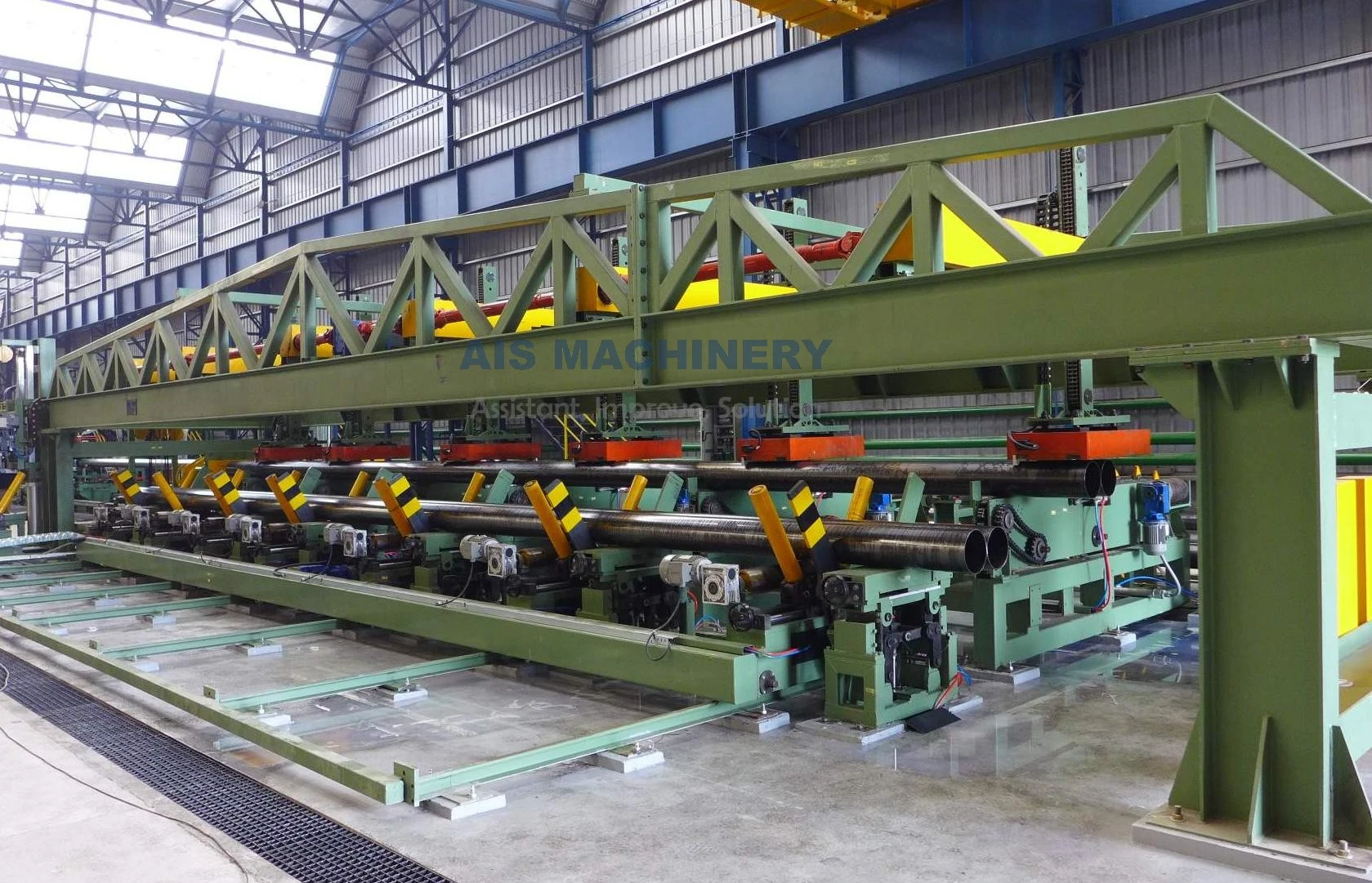
The Automatic Stacking Machine (Magnetic Chuck Type) from AIS Machinery is designed to efficiently collect and stack steel tubes in ERW tube mill production lines. Using electromagnetic lifting, it can pick up multiple tubes at once and place them neatly in layers. This reduces manual labor, improves stacking accuracy, and increases overall production efficiency. It is installed after the flying saw and works seamlessly with the mill line, making it an ideal solution for modern tube manufacturers.
2026-04-28 08:56:05
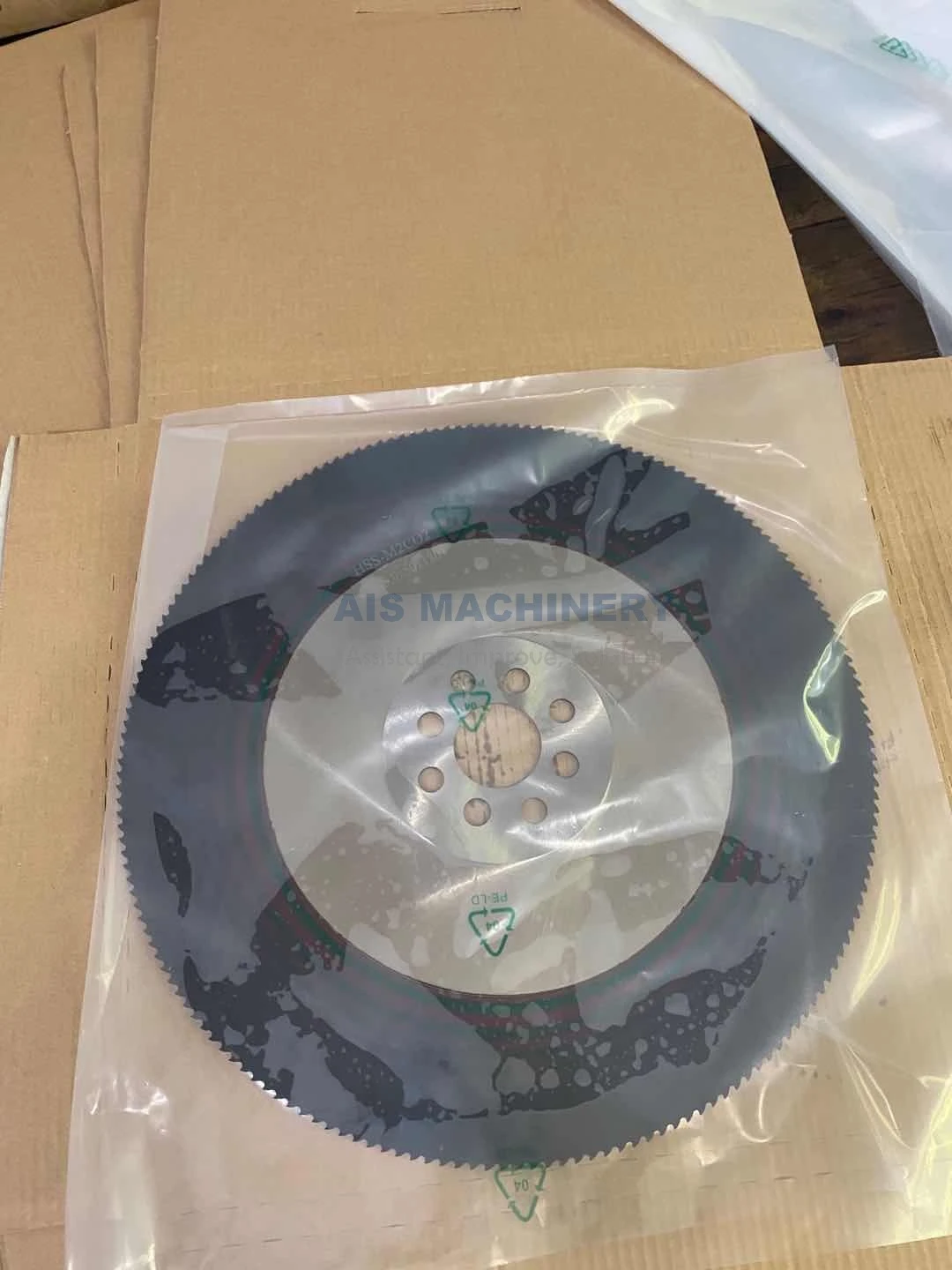
Saw Blade Guide for Tube Mills: Friction vs HSS vs TCT — Which One Should You Choose?
Confused about friction saw, HSS, and TCT blades? This guide explains their uses in cold saw and friction saw machines, with pros, cons, and expert selection tips.
2026-04-24 08:54:16
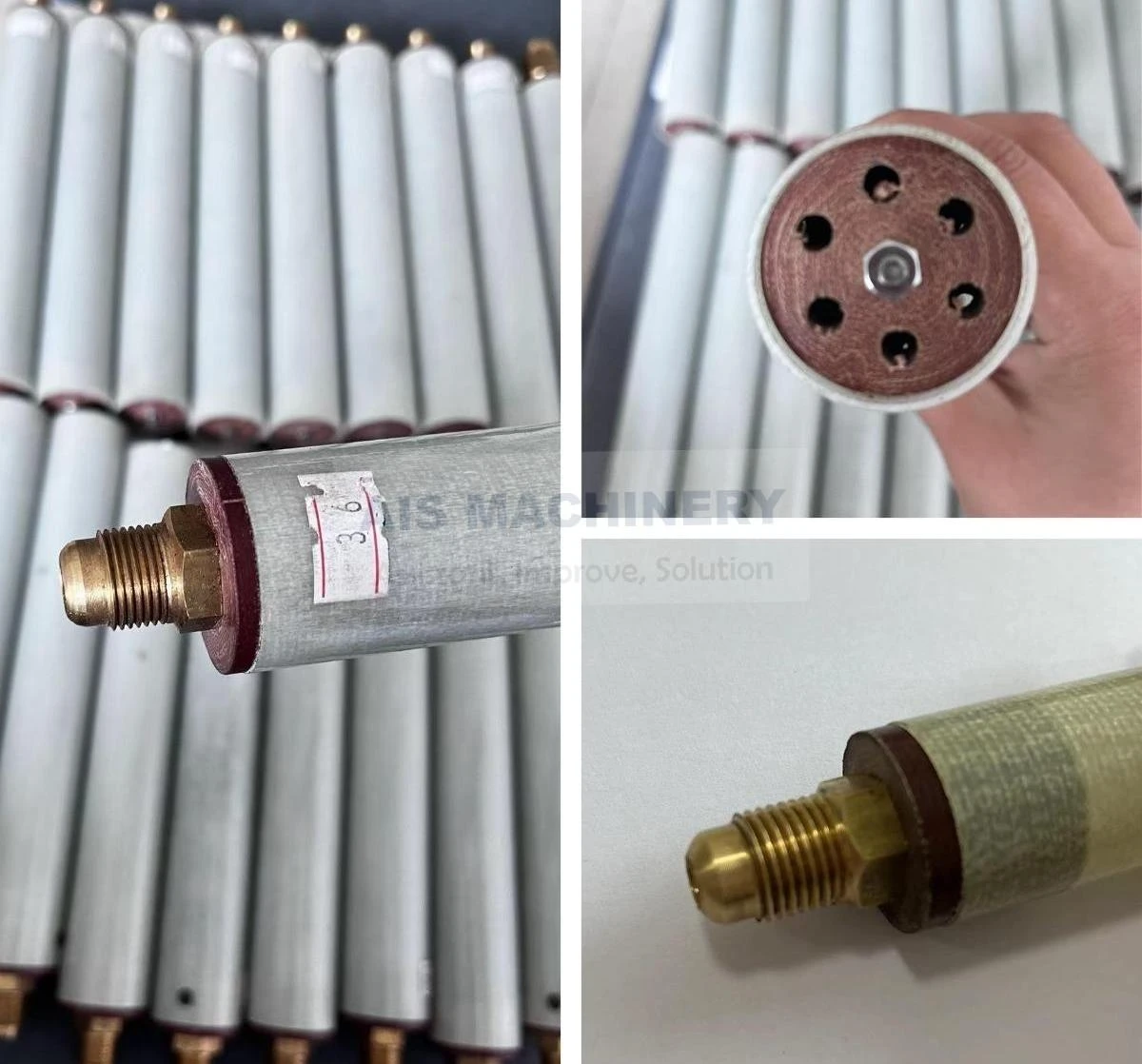
What is an Impeder and Ferrite Rods in ERW Tube Mill?
Struggling with impeder overheating or short service life in your ERW tube mill? This guide explains common impeder problems, the role of ferrite rods, and how to choose the right impeder for stable welding performance. Improve weld quality, reduce energy loss, and extend equipment lifespan with the right selection and proper cooling solutions.
2026-04-21 10:22:25
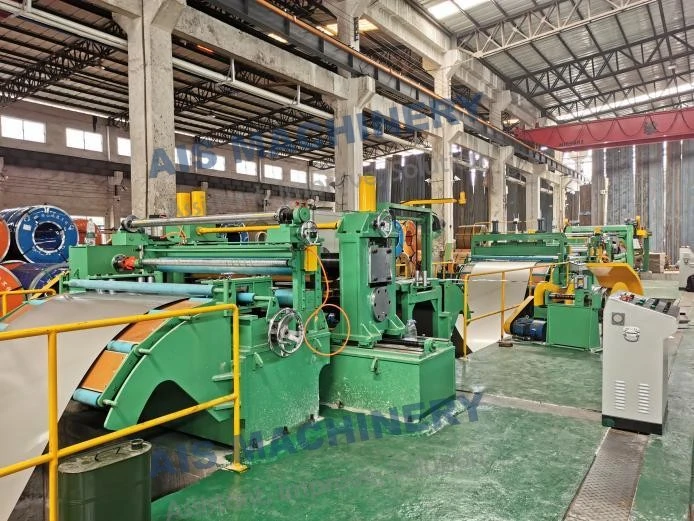
Slitting & Cut-to-Length Combined Production Line: A Smarter Way to Process Steel Coils
Discover the Slitting & Cut-to-Length Combined Production Line, a flexible solution for steel coil processing. This system integrates slitting line and cut-to-length line functions in one machine, saving space, reducing costs, and improving efficiency. Ideal for processing both steel strips and sheets, it is widely used in service centers and manufacturing industries. Learn its advantages, limitations, and applications.
2026-04-18 03:20:20
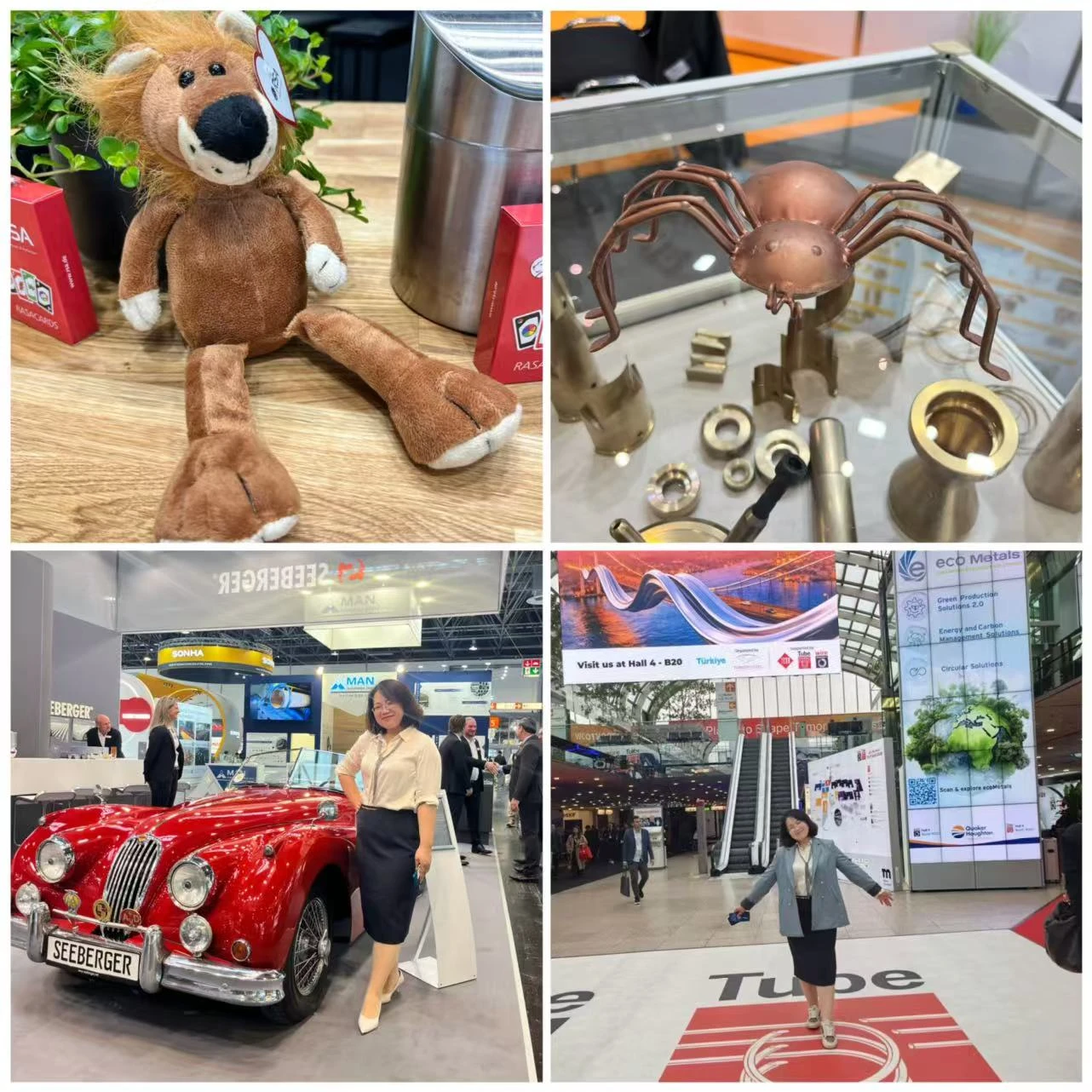
AIS Machinery Showcases Advanced Tube Solutions at Tube & Wire Düsseldorf 2026
Tube & Wire Düsseldorf 2026, one of the most influential exhibitions in the global tube and wire industry, held biennially in Düsseldorf, Germany
2026-04-17 00:00:00
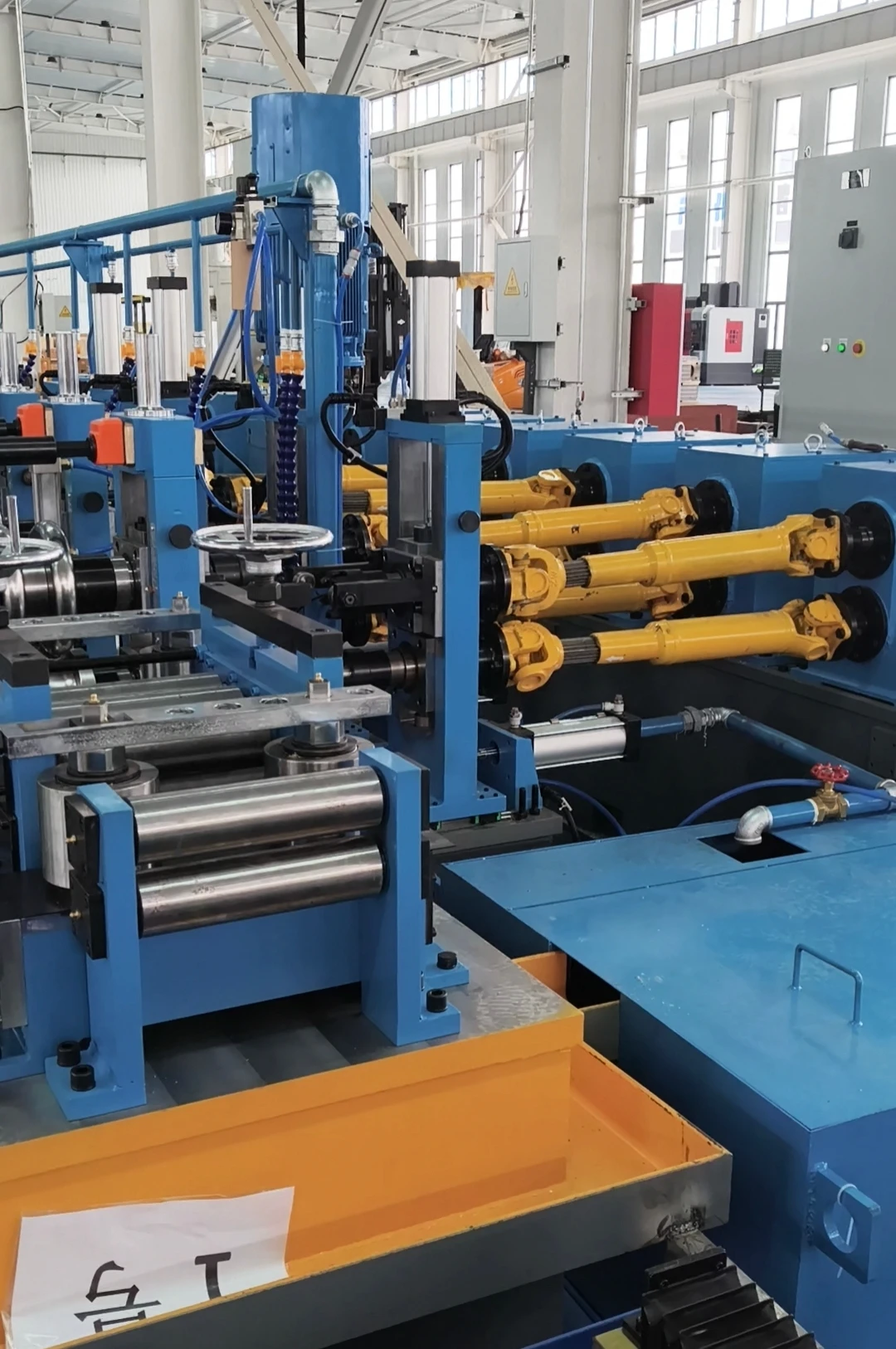
Southeast Asia Client Visits Our Factory | Customized Tube Mill Solution Delivered
A Southeast Asia client visited our ERW tube mill factory to inspect production lines and discuss a customized tube mill solution. Impressed by our machine quality, welding performance, and engineering support, the client confirmed strong cooperation intentions. Discover how our ERW tube mill solutions improve efficiency, precision, and long-term production reliability.
2026-04-15 10:37:55
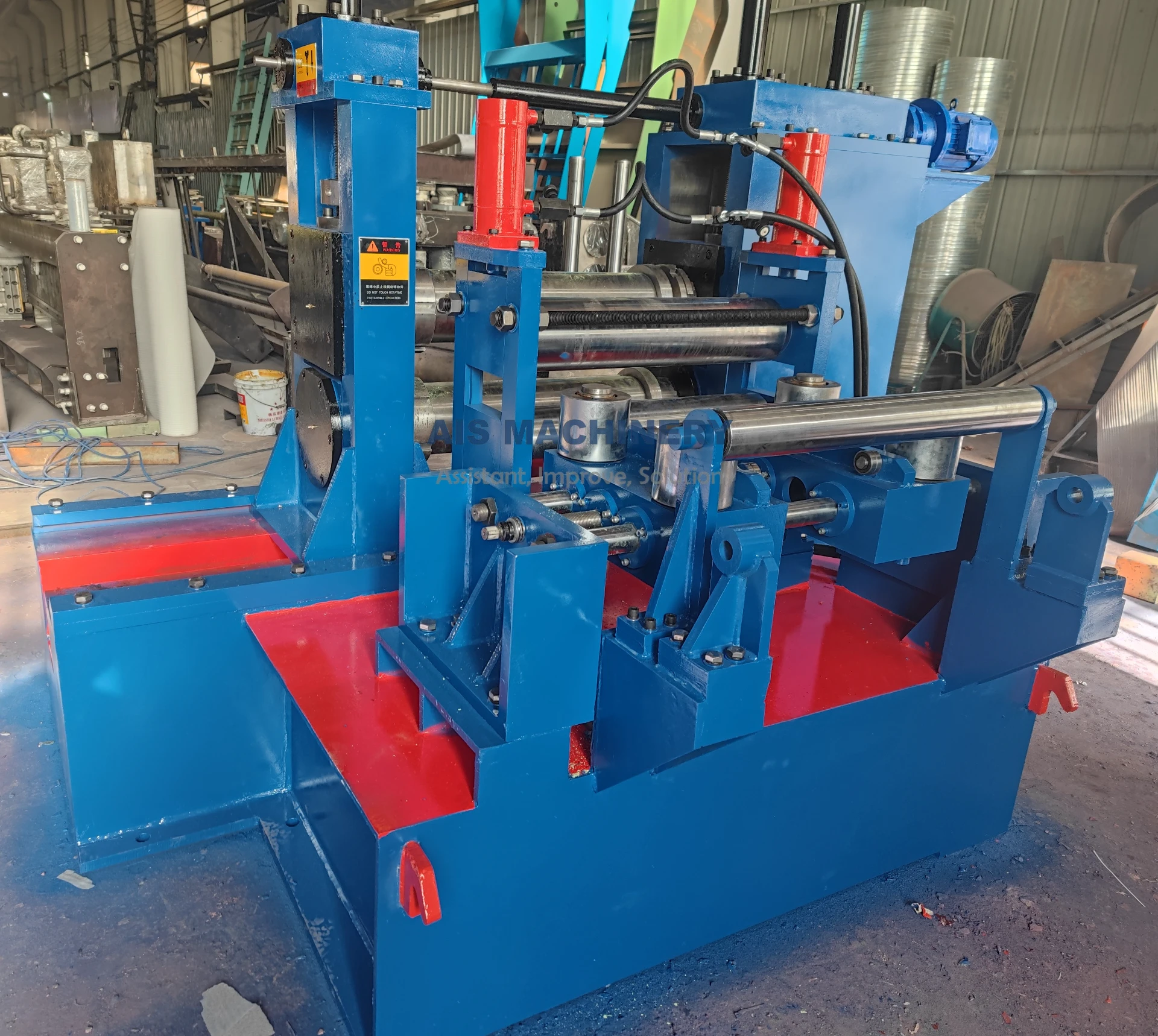
Flat Bar Production Line for Steel Coils: How It Works & Why It Matters
Looking for a flat bar production line? Learn how it turns steel coils into ready-to-use flat bars with precise length and high straightness. Compare it with slitting lines and get the best solution for your steel processing needs.
2026-04-14 00:00:00
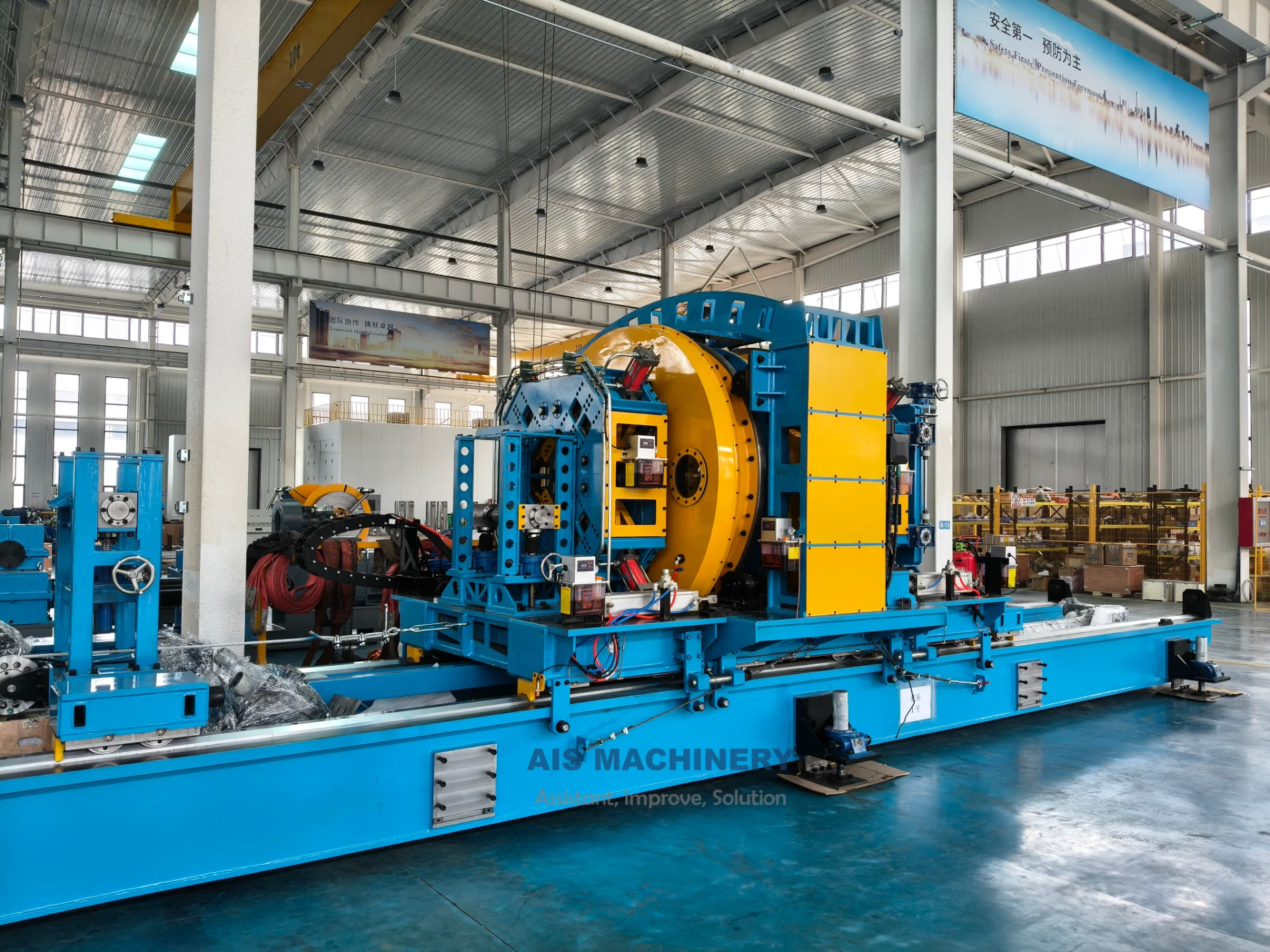
Looking for a Milling Saw for ERW Tube Mill? Here’s What You Need to Know
Looking for a high-performance milling saw for your ERW tube mill? Upgrade to burr-free, high-precision pipe cutting with advanced flying saw technology. Improve efficiency, reduce rework, and meet export standards for carbon steel, stainless steel, and API pipes. Contact us today for expert solutions and competitive pricing tailored to your production needs.
Send a Message
Dear customer, thank you for your attention! We provide high-quality machinery and equipment and look forward to your orders. Please inform us of your needs and we will respond quickly!
 English
  Albanian
  Arabic
  French
  German
  Indonesian
  Italian
  Japanese
  Kazakh
  Korean
  Latin
Latin  Macedonian
  Portuguese
  Russian
  Spanish
  Thai
Thai  Turkish
  Ukrainian
  Uzbek
Uzbek