
-
 Tel:86-15176910262
-

Search
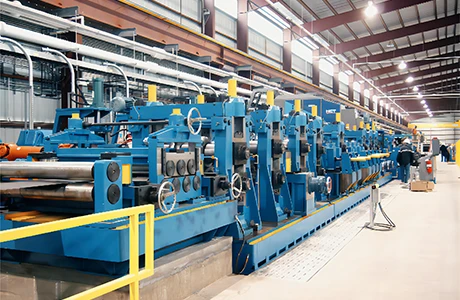
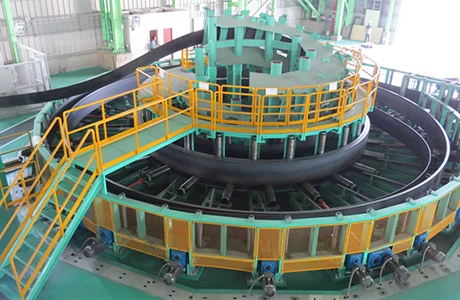
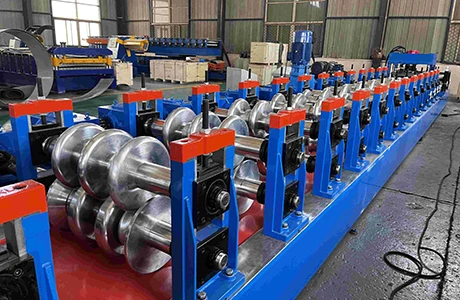
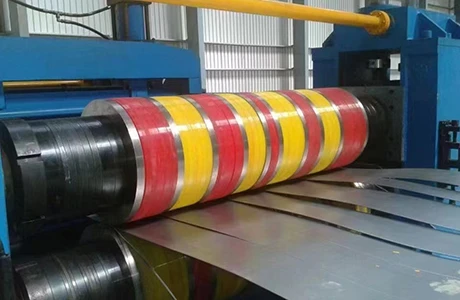

Buy Cut to Length Line for Sale – Industrial Metal Cutting Solutions
Nov . 29, 2025 18:20
Understanding the Importance of Cut to Length Line for Sale
In an industrial world constantly seeking precision and efficiency, cut to length line for sale stands out as a game-changer. Simply put, this equipment automates the measurement and cutting of steel or metal sheets to exact lengths, reducing waste and speeding up production lines. Globally, industries from automotive manufacturing to shipbuilding depend heavily on such lines to keep operations lean and nimble.
Why does this matter beyond factories? Well, the raw materials savings here play into broader sustainability goals — less scrap means less environmental burden. Also, with the world pushing forward in infrastructure and manufacturing development, having access to high-quality cutting lines is vital. It’s not just about working faster; it’s about crafting with precision, reducing errors, and meeting global demand efficiently.
Mini takeaway: Cut to length lines don’t just slice metal; they slice costs and environmental impact, helping industries worldwide stay competitive and green.
The Global Context: Why Cut to Length Lines Are in Demand
Industry reports, including those from the International Organization for Standardization (ISO), show that production throughput and accuracy are linked directly to machinery quality. Since 2015, demand for steel processing equipment has risen over 20% globally. Emerging economies in Asia and Africa are installing lines more frequently, seeking to boost local manufacturing capabilities.
Consider this: the UN's push for sustainable industrial development (under SDG 9) emphasizes efficient use of resources and technological innovation. Cut to length line for sale directly contributes by optimizing raw steel consumption — a limited and energy-intensive resource — while addressing critical bottlenecks in the supply chain.
Yet, many small to mid-size manufacturers struggle to find affordable and reliable cutting lines, facing challenges with logistics, training, and technology integration.
Mini takeaway: The global drive for sustainable manufacturing fuels demand for advanced cutting lines, but access still varies, especially in developing regions.
What Exactly Is a Cut to Length Line for Sale?
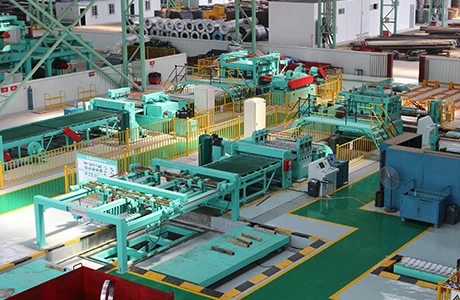
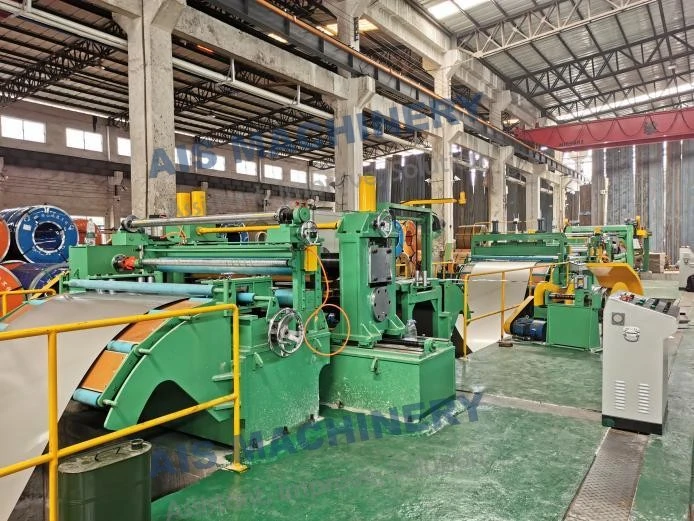
At its core, a cut to length line is a production line designed to unwind coil steel or metal, level it if necessary, and then cut it precisely into sheets of desired lengths — all automatically. These sheets then move on for further processing or shipment.
Think of it as a giant kitchen slicer, but for massive rolls of metal. It replaces manual cutting methods, which are slower, less accurate, and prone to human error. The term "for sale" points toward the commercial market where manufacturers, project managers, or suppliers find these lines as turnkey or semi-custom systems.
In real terms, this equipment supports modern industry as it handles critical raw material processing steps and enables rapid production scaling. For humanitarian needs — say, building shelters or infrastructure fast in disaster zones — cut to length lines can ensure metal frames and sheets arrive right-sized, speeding assembly.
Mini takeaway: Cut to length lines are the unsung heroes of metal fabrication, turning bulky coils into ready-to-use sheets with speed and precision.
Core Components of Effective Cut to Length Lines
1. Durability & Material Handling
These machines face huge physical stress — think tons of steel sliding and cutting. Durability ensures minimal downtime. Heavy-duty rollers, wear-resistant blades, and sturdy levelers all matter. Many engineers say maintenance ease is as important as raw build quality.
2. Scalability & Flexibility
Cut to length lines differ from one project to another, so modular designs allow easy upgrades or reconfiguration — switching coil width, thickness, or cut length without full line replacement.
3. Automation & Control Systems
Modern lines feature PLC (programmable logic controllers) with touch-screen HMI for setting parameters and monitoring real-time stats. Automation reduces operator error and speeds up setup.
4. Cost Efficiency
Lower energy consumption, faster line speeds, and high yield from each coil translate to true lifecycle cost savings. Budget options exist, but many buyers prioritize total cost of ownership over initial price.
5. Safety Features
Advanced sensors and emergency stops prevent accidents — crucial when dealing with razor-sharp blades and heavy coils.
6. Quality of Cut & Output
Edge quality, dimensional accuracy, and surface finish can vary with machine design and tooling — key if sheets will be painted or welded.
| Feature | Typical Range | Notes |
|---|---|---|
| Coil Thickness | 0.3 – 4.0 mm | Steel, aluminum, or other metals |
| Max Coil Width | 1000 – 2000 mm | Standard industrial sizes |
| Cut Length Range | 100 – 6000 mm | Adjustable via controls |
| Line Speed | 10 – 70 m/min | Depends on model and material |
| Power Supply | 3-phase 380V/415V | Industry standard power |
Mini takeaway: The best cut to length lines balance strength, flexibility, technology, and safety to maximize uptime and output quality.
Where Are Cut to Length Lines Making a Difference Globally?
The automotive sector in Europe and North America relies heavily on these lines for body panel fabrication. Meanwhile, Asian countries, led by China and India, use them to feed fast-growing infrastructure sectors — bridges, buildings, and utility frameworks all need accurate metal cutting.
In parts of Africa and Latin America, organizations use cut to length line for sale to source affordable solutions, supporting local manufacturing and creating jobs. Oddly enough, post-disaster reconstruction efforts benefit too: quick production of uniform metal sheets helps in rapid shelter or facility building.
Even niche industries, such as appliance manufacturing or solar panel framing, find them invaluable. The range of thickness and width options gives versatility that few other machines offer.
Mini takeaway: From skyscraper steel to makeshift shelters, cut to length lines fuel diverse sectors with precision metal sheets the world over.
Advantages & Long-Term Value You Can Count On
- Cost savings: Less waste and faster production mean financial gain. Companies notice return on investment within months.
- Sustainability: Reduced scrap supports greener manufacturing goals.
- Reliability: Consistent, accurate cutting maintains product quality and reduces rework.
- Social impact: Local industries employing these lines empower communities economically.
- Innovation & trust: Cutting-edge controls and automation build confidence in manufacturing accuracy.
On a more human note, it’s reassuring to see technology that both simplifies work and respects environmental limits. It feels like progress you can trust.
Innovations Shaping the Future of Cut to Length Lines
We’re seeing smarter automation integration, including AI-based defect detection and IoT connectivity for predictive maintenance. Green energy-powered lines aim to cut their carbon footprint further. Some vendors now offer hybrid coil management systems that minimize coil handling time, reducing damage risk.
Material science advancements also play a role — tougher shear blades and wear-resistant rollers last longer, reducing downtime. Digital transformation in factory floors means cut to length lines communicate seamlessly with downstream machines, streamlining supply chains.
Mini takeaway: The future of these lines is digital, green, and incredibly precise — making manufacturing even smarter.
Challenges & How Experts Are Tackling Them
Common hurdles include high upfront investment, operator training requirements, and integrating new machinery into existing workflows. Some industrial setups also face logistical issues importing complex equipment.
Experts recommend phased implementation strategies, comprehensive operator training programs, and partnering with vendors offering strong after-sales support. Modular, compact lines are gaining favor as they fit better into constrained factory spaces.
Engineering firms also collaborate with automation specialists to customize interfaces and improve user-friendliness — reducing the learning curve for operators.
Frequently Asked Questions About Cut to Length Line for Sale
- What factors should I consider when buying a cut to length line?
- Look at your material specs (thickness, width), desired throughput, automation level, and after-sales support availability. Budget and workspace size also matter.
- How long does installation and training usually take?
- Typically, installation ranges from one to three weeks, with training sessions spanning a few days to a week, depending on line complexity.
- Can cut to length lines handle non-ferrous metals like aluminum?
- Yes, most lines are designed to handle steel and aluminum coils, though tuning settings and tooling adjustments may be necessary for different metals.
- Are there leasing options available for small manufacturers?
- Some vendors offer leasing or rent-to-own plans, making it easier for smaller operations to access high-quality lines without full upfront capital.
- How does automation improve line performance?
- Automation reduces operator errors, speeds up coil loading and cutting adjustments, and enhances safety—all translating into higher throughput and lower costs.
Conclusion
In sum, the cut to length line for sale is more than just a piece of machinery — it’s an enabler of efficient, sustainable manufacturing that meets the dynamic needs of today's global industries. With benefits ranging from cost reduction to environmental responsibility, and with future-ready technologies evolving constantly, investing in a quality cutting line is a smart move.
Ready to boost your production capabilities? Visit our website: https://www.aistubemill.com for a selection of industry-leading lines and expert advice.
| Vendor | Price Range (USD) | Automation Level | Lead Time | After-Sales Support |
|---|---|---|---|---|
| SteelTech Solutions | $75,000 - $120,000 | High (PLC + HMI) | 6-8 weeks | 24/7 remote + onsite |
| GlobalMetal Works | $60,000 - $100,000 | Medium (semi-automated) | 4-6 weeks | Business hours phone support |
| EffiCut Machinery | $80,000 - $130,000 | Very High (AI-enabled) | 8-10 weeks | 24/7 premium support + training |
References: 1. ISO 9001: Quality Management 2. UN Sustainable Development Goal 9 3. Wikipedia: Metal Industry

Related Products

Related News
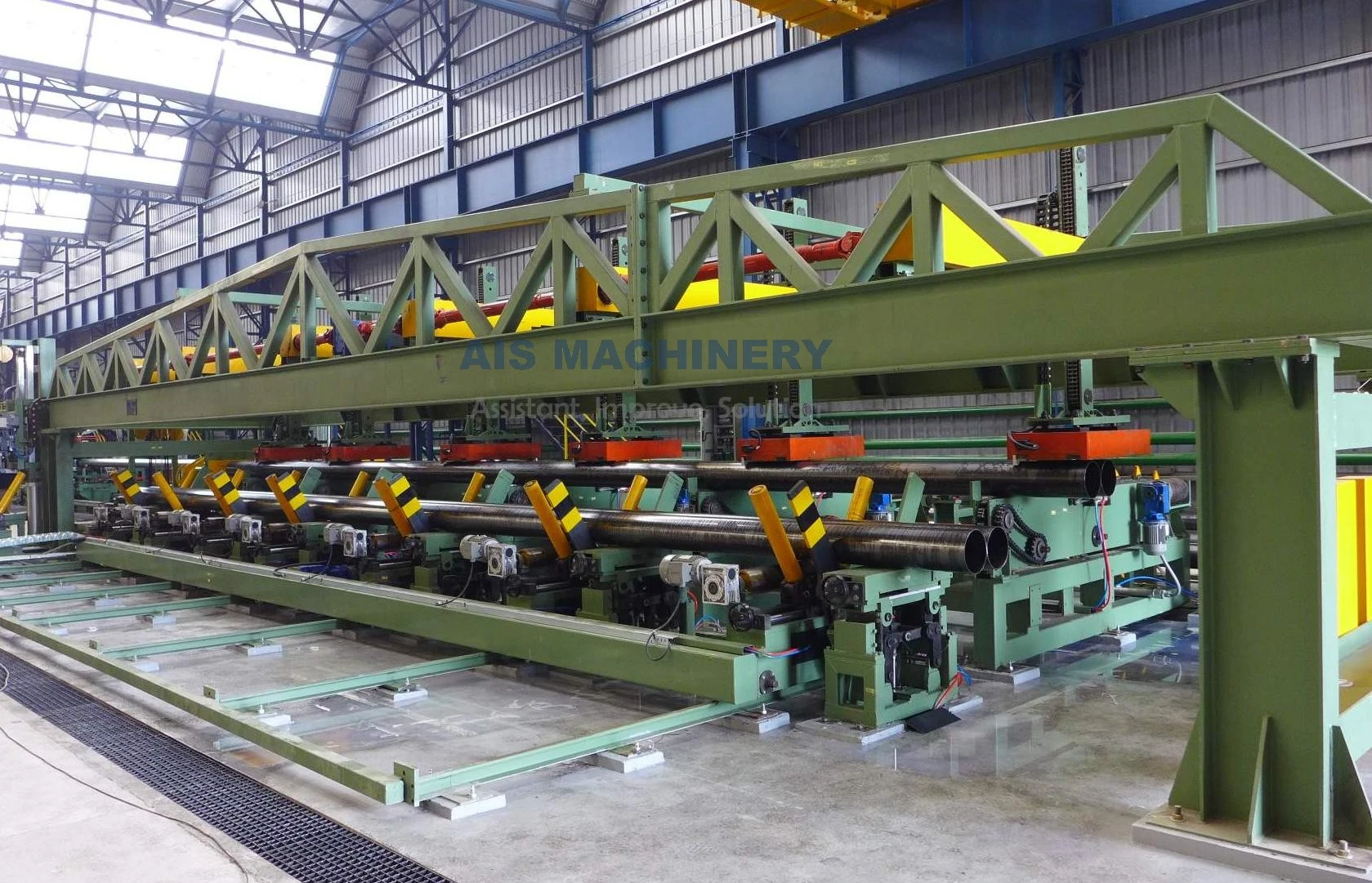
2026-04-30 09:35:04
Automatic Stacking Machine (Magnetic Chuck Type)
The Automatic Stacking Machine (Magnetic Chuck Type) from AIS Machinery is designed to efficiently collect and stack steel tubes in ERW tube mill production lines. Using electromagnetic lifting, it can pick up multiple tubes at once and place them neatly in layers. This reduces manual labor, improves stacking accuracy, and increases overall production efficiency. It is installed after the flying saw and works seamlessly with the mill line, making it an ideal solution for modern tube manufacturers.
2026-04-28 08:56:05
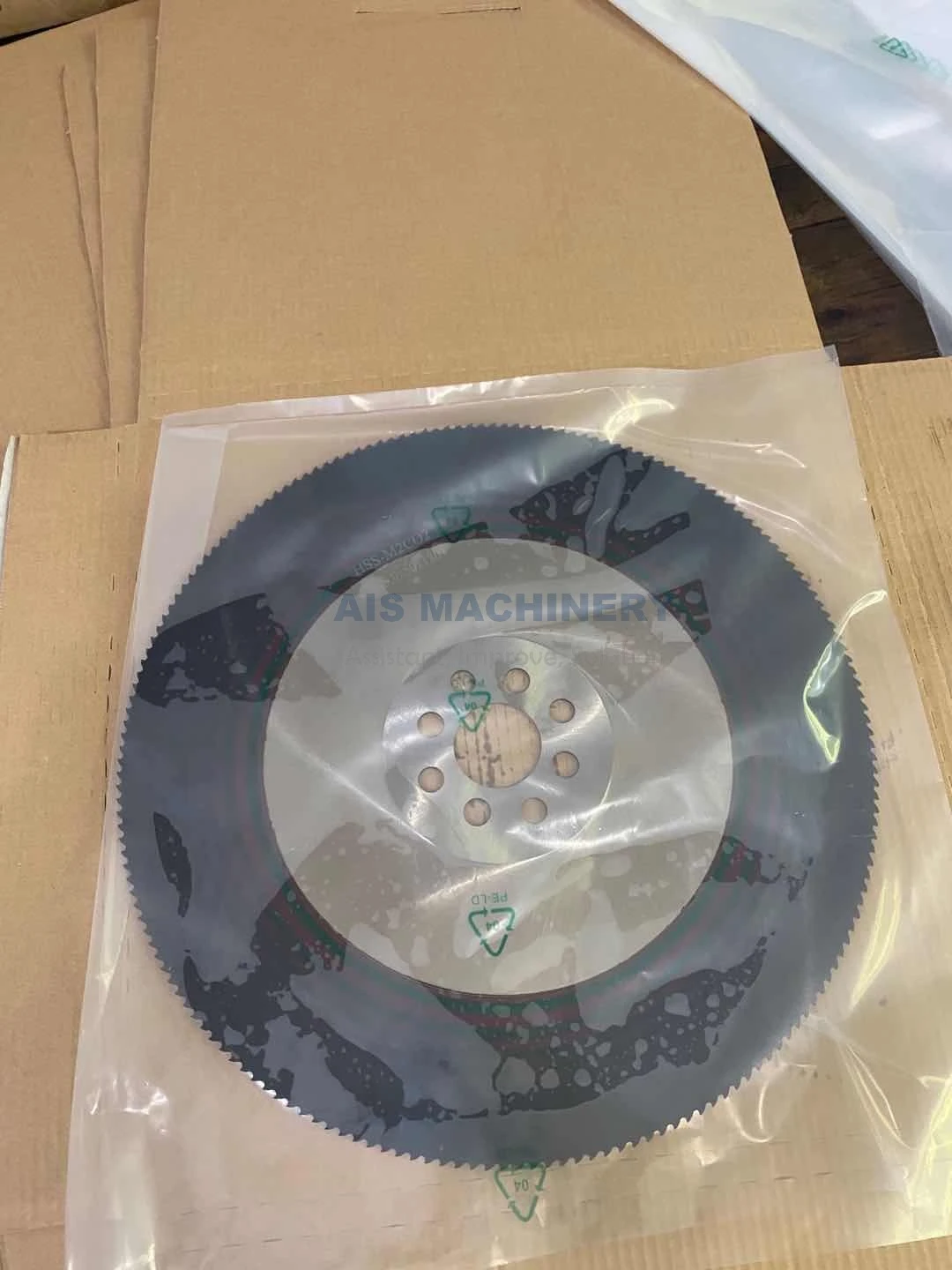
Saw Blade Guide for Tube Mills: Friction vs HSS vs TCT — Which One Should You Choose?
Confused about friction saw, HSS, and TCT blades? This guide explains their uses in cold saw and friction saw machines, with pros, cons, and expert selection tips.
2026-04-24 08:54:16
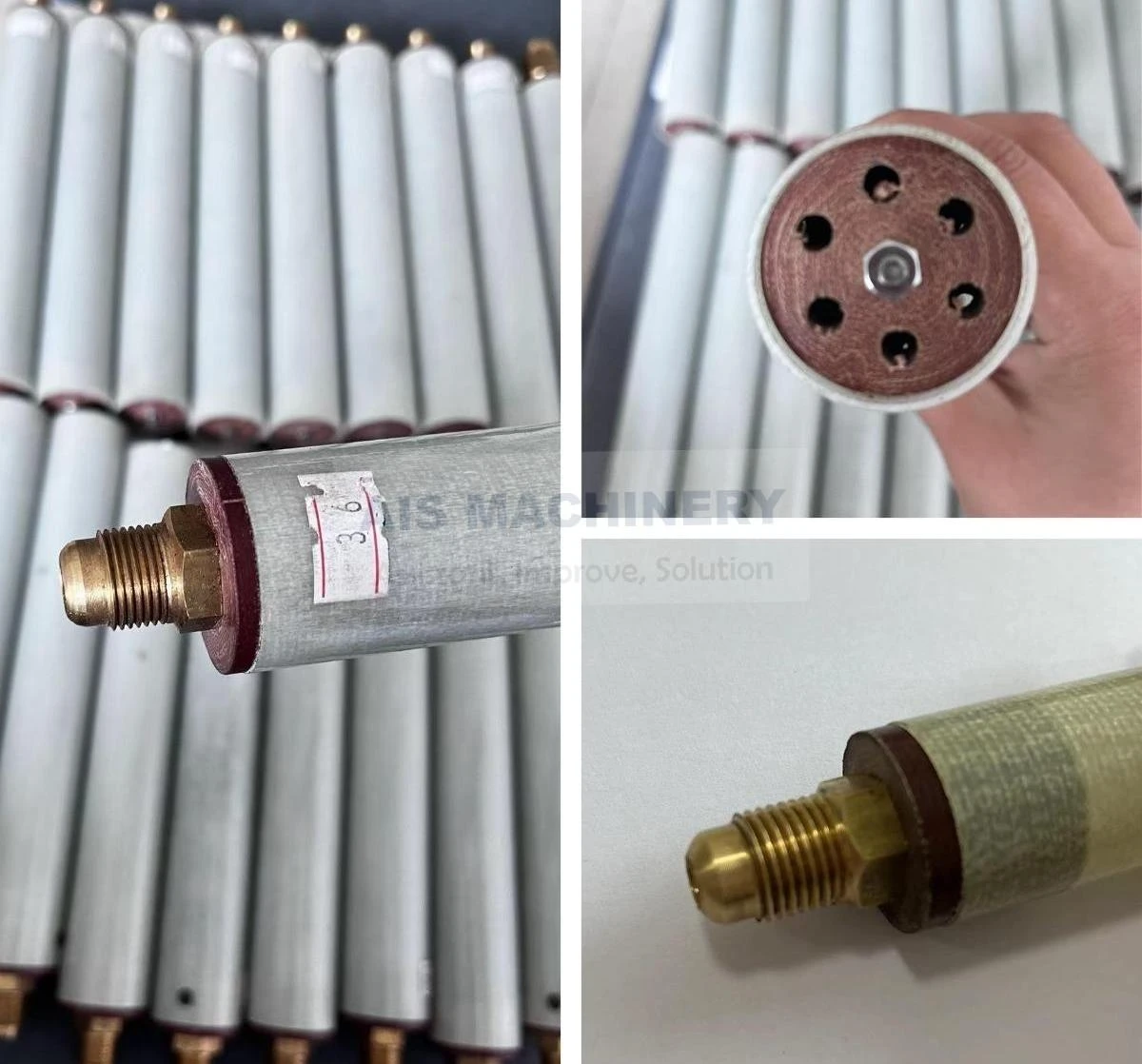
What is an Impeder and Ferrite Rods in ERW Tube Mill?
Struggling with impeder overheating or short service life in your ERW tube mill? This guide explains common impeder problems, the role of ferrite rods, and how to choose the right impeder for stable welding performance. Improve weld quality, reduce energy loss, and extend equipment lifespan with the right selection and proper cooling solutions.
2026-04-21 10:22:25
Slitting & Cut-to-Length Combined Production Line: A Smarter Way to Process Steel Coils
Discover the Slitting & Cut-to-Length Combined Production Line, a flexible solution for steel coil processing. This system integrates slitting line and cut-to-length line functions in one machine, saving space, reducing costs, and improving efficiency. Ideal for processing both steel strips and sheets, it is widely used in service centers and manufacturing industries. Learn its advantages, limitations, and applications.
2026-04-18 03:20:20
AIS Machinery Showcases Advanced Tube Solutions at Tube & Wire Düsseldorf 2026
Tube & Wire Düsseldorf 2026, one of the most influential exhibitions in the global tube and wire industry, held biennially in Düsseldorf, Germany
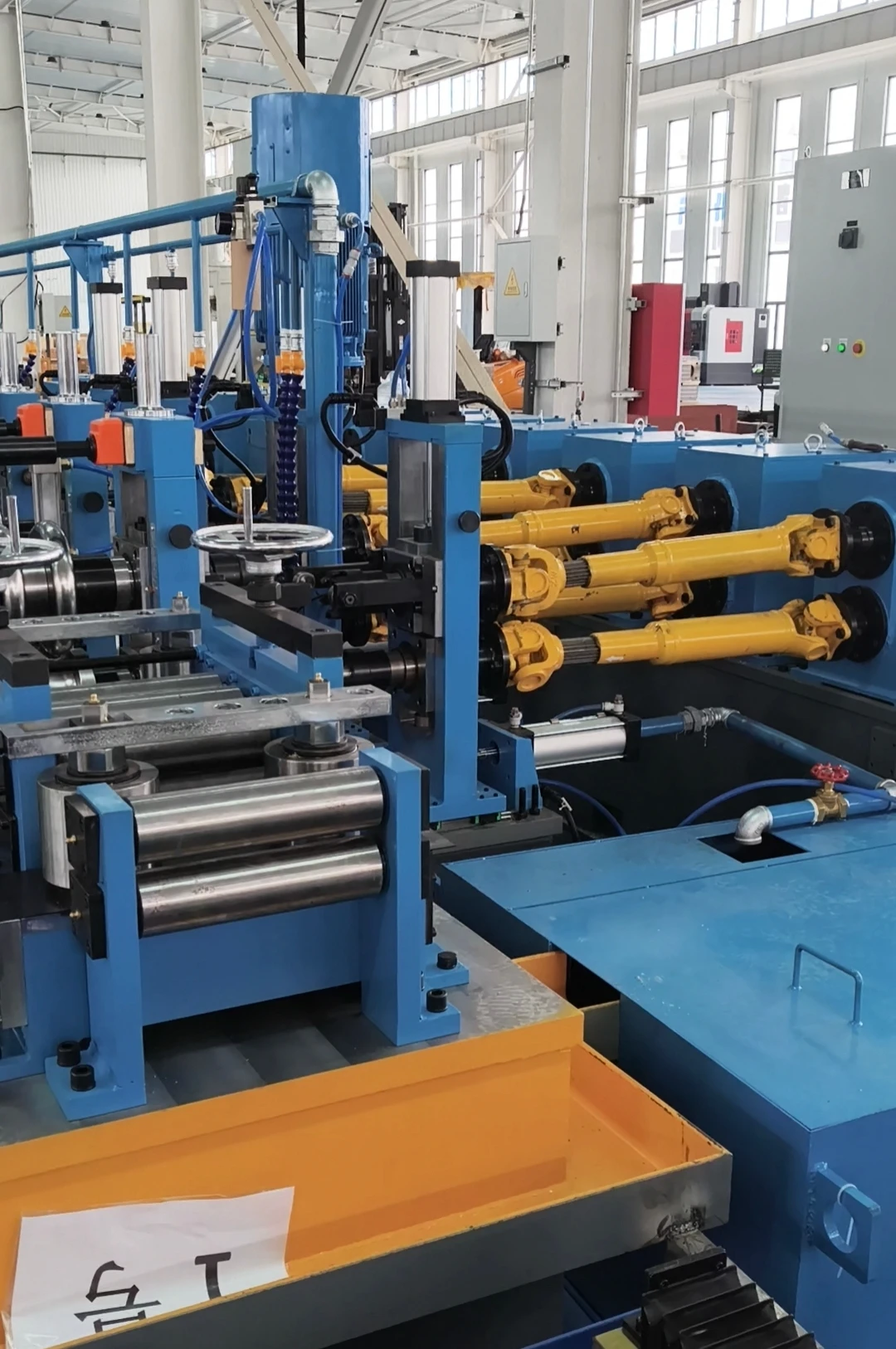
2026-04-17 00:00:00
Southeast Asia Client Visits Our Factory | Customized Tube Mill Solution Delivered
A Southeast Asia client visited our ERW tube mill factory to inspect production lines and discuss a customized tube mill solution. Impressed by our machine quality, welding performance, and engineering support, the client confirmed strong cooperation intentions. Discover how our ERW tube mill solutions improve efficiency, precision, and long-term production reliability.
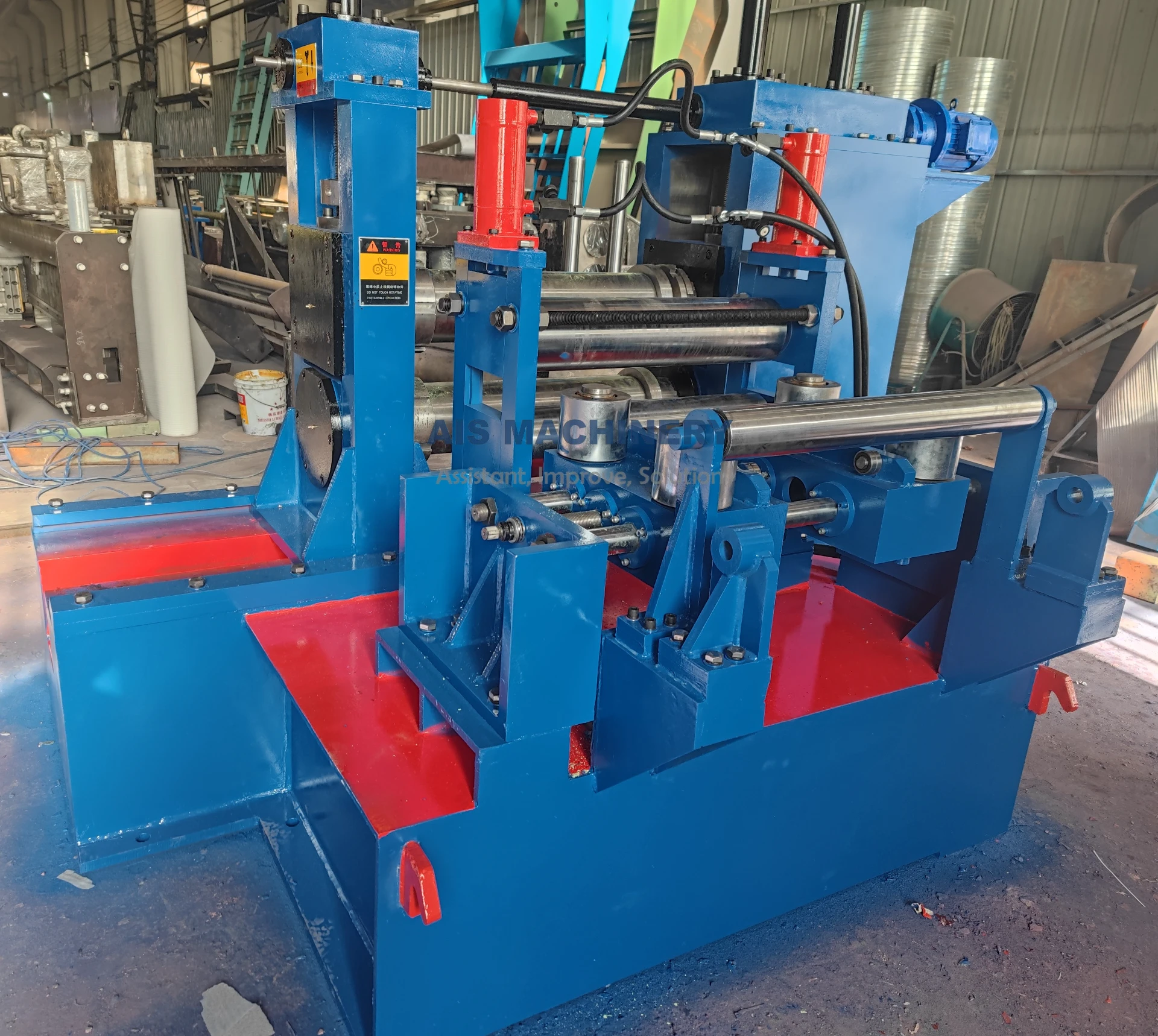
2026-04-15 10:37:55
Flat Bar Production Line for Steel Coils: How It Works & Why It Matters
Looking for a flat bar production line? Learn how it turns steel coils into ready-to-use flat bars with precise length and high straightness. Compare it with slitting lines and get the best solution for your steel processing needs.
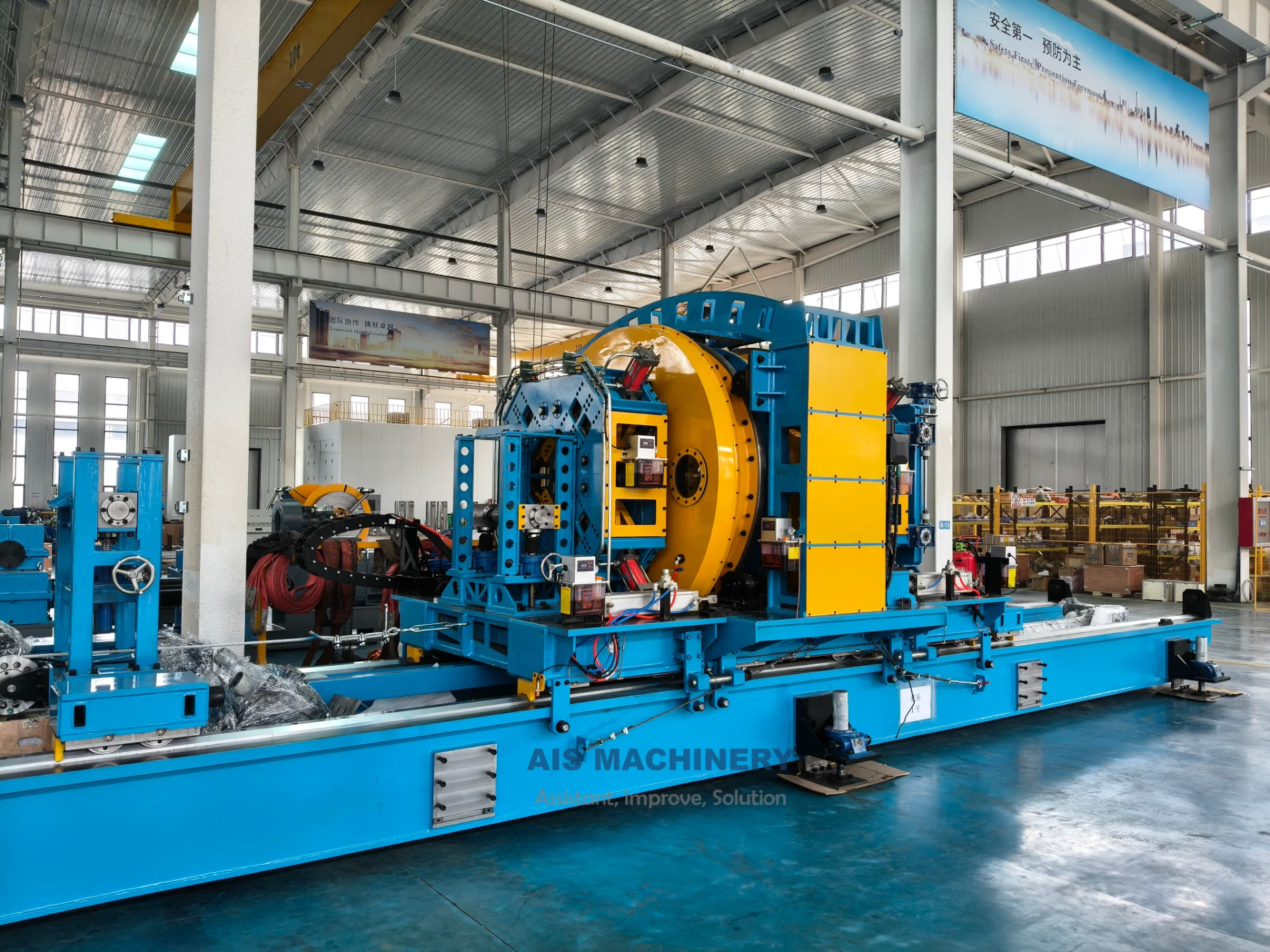
2026-04-14 00:00:00
Looking for a Milling Saw for ERW Tube Mill? Here’s What You Need to Know
Looking for a high-performance milling saw for your ERW tube mill? Upgrade to burr-free, high-precision pipe cutting with advanced flying saw technology. Improve efficiency, reduce rework, and meet export standards for carbon steel, stainless steel, and API pipes. Contact us today for expert solutions and competitive pricing tailored to your production needs.
Send a Message
Dear customer, thank you for your attention! We provide high-quality machinery and equipment and look forward to your orders. Please inform us of your needs and we will respond quickly!
 English
  Albanian
  Arabic
  French
  German
  Indonesian
  Italian
  Japanese
  Kazakh
  Korean
  Latin
Latin  Macedonian
  Portuguese
  Russian
  Spanish
  Thai
Thai  Turkish
  Ukrainian
  Uzbek
Uzbek