
-
 Tel:86-15176910262
-

Search

Comprehensive Guide to Flattener Machines: Industry Applications & Benefits
Dec . 03, 2025 15:06
Understanding the Flattener Machine: A Cornerstone in Industrial and Manufacturing Efficiency
In today’s fast-evolving manufacturing world, the flattener machine quietly plays a pivotal role. It’s one of those unsung heroes in production lines, yet its importance spans globally, from automotive to packaging industries. Why? Because a perfectly flat metal sheet is the backbone for almost any product that needs precision and durability. Getting this right matters — not just for aesthetics, but for structural integrity and subsequent manufacturing steps.
Frankly, if the metal isn’t flat, you run into all sorts of downstream headaches: faulty welds, assembly misalignments, and ultimately, wasted material and cost. Understanding the role and benefits of flattener machines is key for anyone navigating industrial production or supply chain optimization.
Global Context: Why Flattener Machines Matter Worldwide
The global manufacturing sector is a powerhouse: it contributes over 16% of global GDP according to the World Bank, employing hundreds of millions worldwide. Steel and metal processing are at the heart of this — an estimated 1.8 billion metric tons of steel are produced annually according to the World Steel Association (2023). All this volume demands precision equipment that ensures flatness and consistency.
Without flattener machinery, metal sheets can’t be reliably processed downstream, such as in automotive body panels, appliance cases, or even aerospace parts. The consequences extend beyond economics to safety — imagine a poorly aligned car panel or a misfitting aircraft component. So, these machines help address a pressing industry challenge: maintaining quality and efficiency at massive scales.
Summarizing this: in a world focused on manufacturing excellence, the flattener machine’s role is gigantic but often overlooked.
What Exactly is a Flattener Machine?
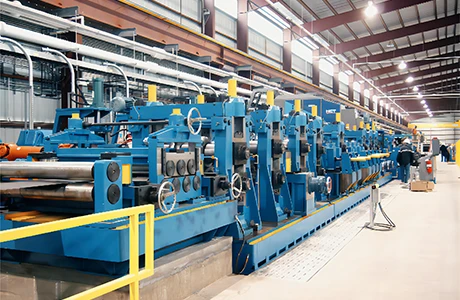
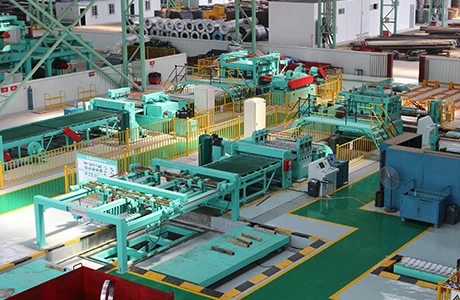
Let’s keep it simple: a flattener machine is an industrial device designed to reduce or eliminate waviness, buckling, or curvature in metal sheets or strips. Think of it as a mechanical “ironing board” for metal, smoothing out imperfections before the sheets proceed to cutting, forming, or coating.
These machines work by passing metal material between rollers applying calibrated pressure — a process sometimes called leveling or flattening. In modern contexts, flatteners support steel, aluminum, copper, and other metals — crucial for industries that rely on precision metal parts. Even humanitarian projects, like building durable shelters, benefit when flat metal sheets are readily available for modular construction.
Put simply, it’s an essential link between raw steel coil production and finished metal component fabrication.
Key Components & Factors of Flattener Machines
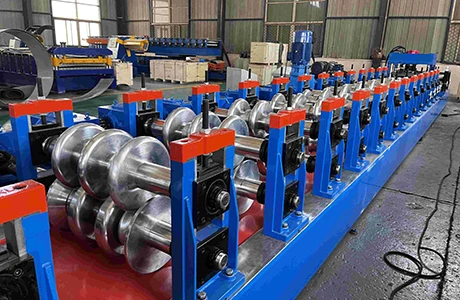
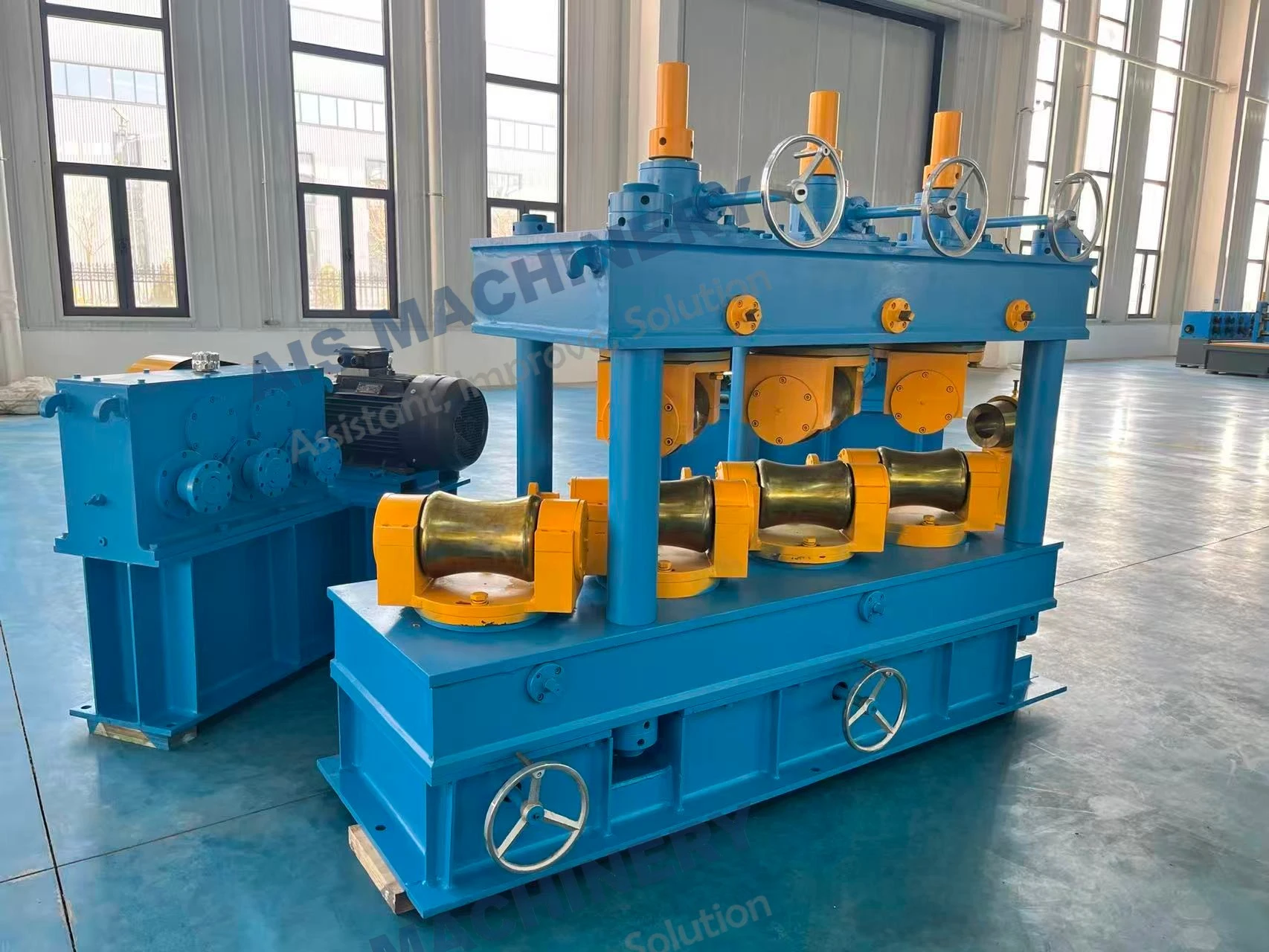
- Roller Configuration: Typically, a series of adjustable rollers applies pressure and controls the flatness. Some machines feature up to 15 rollers for high precision.
- Material Compatibility: Advanced machines handle various gauges (thicknesses) and metals, offering flexibility from thin sheets to thicker plates.
- Durability & Build Quality: Durable frames and hardened roller surfaces resist wear — essential for longevity under continuous use.
- Automation & Controls: Modern flatteners often include computerized control systems for quick setup, monitoring flatness, and precision adjustment.
- Throughput Capacity: Speed matters; many industrial flatteners process several meters per minute, balancing quality with efficiency.
- Energy Efficiency: Innovations now emphasize low power consumption, fitting sustainability goals.
This mix of mechanical design and electronic control is what makes a flattener machine indispensable today. The very design choices impact your production’s consistency and cost-effectiveness.
| Specification | Typical Value |
|---|---|
| Max Sheet Thickness | 6 mm |
| Maximum Sheet Width | 1600 mm |
| Roller Number | 12-15 |
| Motor Power | 15-30 kW |
| Throughput Speed | 5-25 m/min |
| Control Type | PLC / Automated |
Global Applications and Use Cases
The reach of flattener machines is vast. In Asia’s bustling steel complexes, flatteners ensure high-speed production for electronics cases. European auto manufacturers rely heavily on flatteners to provide perfectly flat car roof panels. In the United States, packaging companies use them for smooth aluminum sheets in beverage cans.
Even in developing regions, flatteners facilitate local fabrication efforts — for instance, NGOs working on modular metal shelters depend on flat sheets to guarantee structural safety. In post-disaster relief operations, the ability to flatten metal quickly translates to faster, sturdier housing solutions.
Curious about how widespread? Many industrial zones in the Middle East and Latin America are rapidly adopting automated flatteners to upgrade their metalworking capabilities, supporting their growing manufacturing exports.
Advantages and Long-Term Value of Flattener Machines
- Cost Efficiency: Reduces material wastage by ensuring uniform quality, thus lowering rejects and re-works.
- Sustainability: By improving yield and minimizing scrap, it supports circular economy goals.
- Reliability: Robust design means less downtime and consistent production cycles.
- Safety and Quality: Flat materials improve product safety, which builds consumer trust — vital for brands worldwide.
- Innovation Enabler: Enables manufacturers to push for lighter, thinner metals without sacrificing strength.
This combination touches the heart of any effective industrial strategy — balancing economics, environment, and social impact. It’s not just a machine; it’s a building block of modern manufacturing ethics.
Emerging Trends and Innovations
The future of flattener machines is intriguingly tech-heavy. Industry 4.0 integration means flatteners now embed IoT sensors for real-time flatness monitoring and predictive maintenance — honestly, it feels like the machines are learning by themselves. Green energy-powered flatteners are being developed to cut emissions, aligning with global climate targets.
Materials science is pushing boundaries too, with machines adapting to new high-strength alloys and composites. Automation is making setups quicker and less dependent on human tuning, which is a boon for smaller plants trying to scale.
Relatedly, if you want to peek into innovation in action, check out the latest developments on flattener machine technology — the ongoing improvements are quite promising.
Challenges and How to Overcome Them
Of course, no technology is perfect. Many operators face challenges with handling very thick or highly variable materials; some machines struggle to maintain flatness across extreme widths. The capital cost can also be a barrier for smaller manufacturers.
Solutions involve modular machine designs allowing upgrades, and smart control systems that adjust roller pressure dynamically. Leasing options or vendor financing can ease upfront cost hurdles. Training operators on automated controls boosts the benefits significantly.
The key takeaway: selecting the right flattener machine tailored to your material specs and production scale makes all the difference.
| Vendor | Machine Model | Max Thickness | Automation Level | Typical Price |
|---|---|---|---|---|
| AiSTubeMill | FT-1600 Series | 6 mm | High (PLC + Sensors) | $120,000 |
| MetalPro | ProFlat 1200 | 4 mm | Medium (Manual + PLC) | $85,000 |
| SteelCore | LevelMax 1800 | 8 mm | Low (Manual) | $70,000 |
Frequently Asked Questions (FAQ) About Flattener Machines
What types of metals can a flattener machine handle?
Most flattener machines are designed for common industrial metals like steel, aluminum, and copper. Advanced models can handle specialty alloys and thicknesses from thin foils to moderately thick plates, typically up to around 6-8 mm. Always check your machine specifications against your intended material to avoid damage or poor flattening results.
How do I know if I need an automated or manual flattener?
If your production volume is high or you need consistent quality with minimal operator intervention, automated flatteners with PLC controls are best. For smaller or low-volume runs, a manual or semi-automatic model might be more cost-effective, though less precise and slower.
Can flattener machines improve material yield?
Absolutely. By reducing warping and curvature, themachines cut down on scrap and rejects. This improves yield because more material passes quality checks and is usable downstream. Over time, that difference adds up to significant cost savings.
Are there environmental benefits to using a flattener machine?
Yes. Flatteners help by optimizing raw material use, which reduces waste. Modern machines also feature energy-efficient motors and smart controls. This contributes to lower energy consumption and better alignment with sustainability initiatives.
Where can I find quality flattener machines for industrial use?
Aside from trusted manufacturers like AiSTubeMill (flattener machine experts), it pays to verify vendors’ certifications and customer service reputation. Additionally, attending trade shows and consulting industry-specific engineering forums can help you discover tailored solutions.
Conclusion & Call to Action
To sum it up, the flattener machine is a foundational component in modern manufacturing — quietly ensuring that materials arrive flat, consistent, and ready for their next step. Its impact is not just on cost-savings but on quality, safety, and sustainability. If your business depends on precision metal sheets, embracing this technology is a smart move that pays dividends long-term.
Interested in upgrading or learning more? Visit https://www.aistubemill.com for leading solutions and expert advice.
Quick takeaway: Invest in right-flattener technology today and watch production workflow improve tomorrow.
References:
1. World Steel Association, Global Steel Production Data, 2023
2. World Bank, Manufacturing Value Added Statistics, 2023
3. ISO Standards for Flatness Measurement (ISO 1101:2017)

Related Products

Related News
2026-04-30 09:35:04
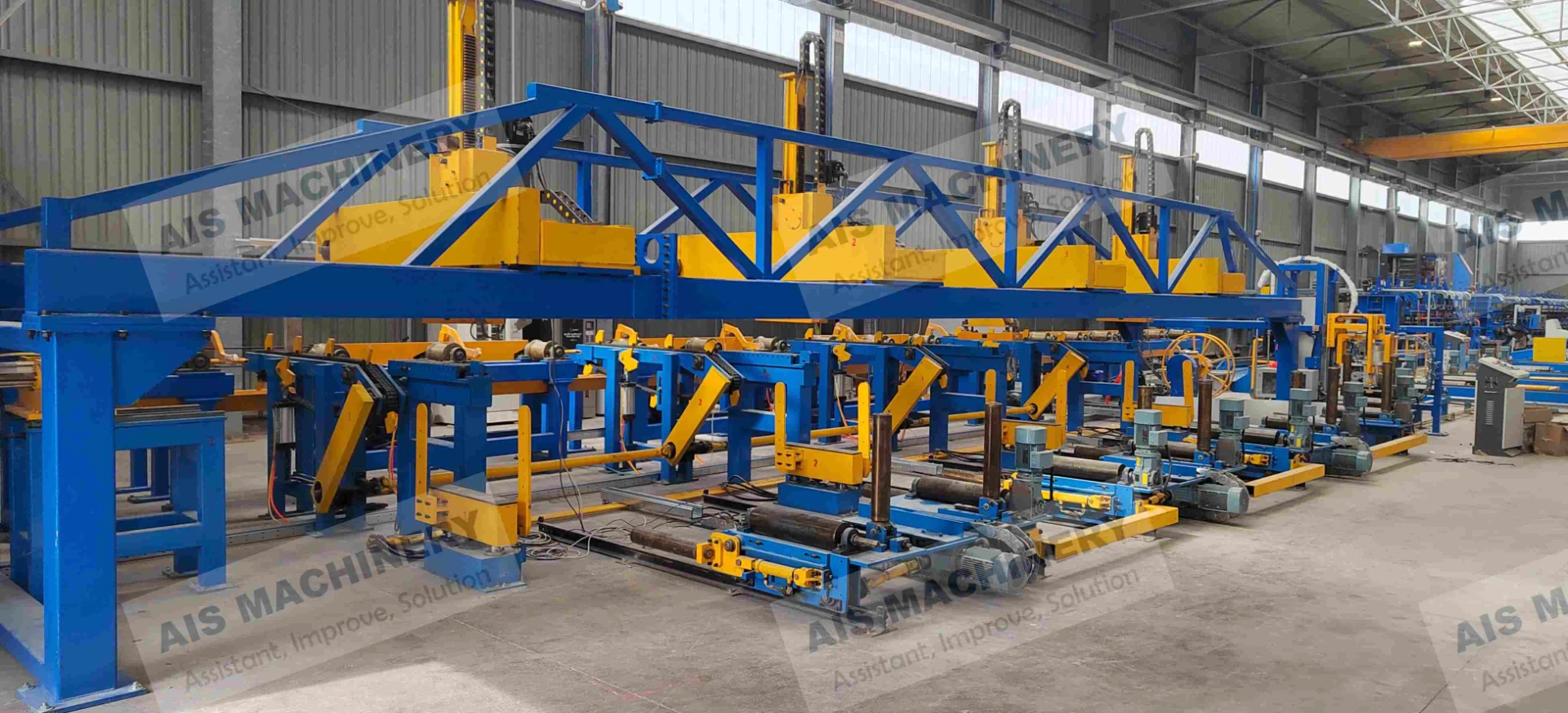
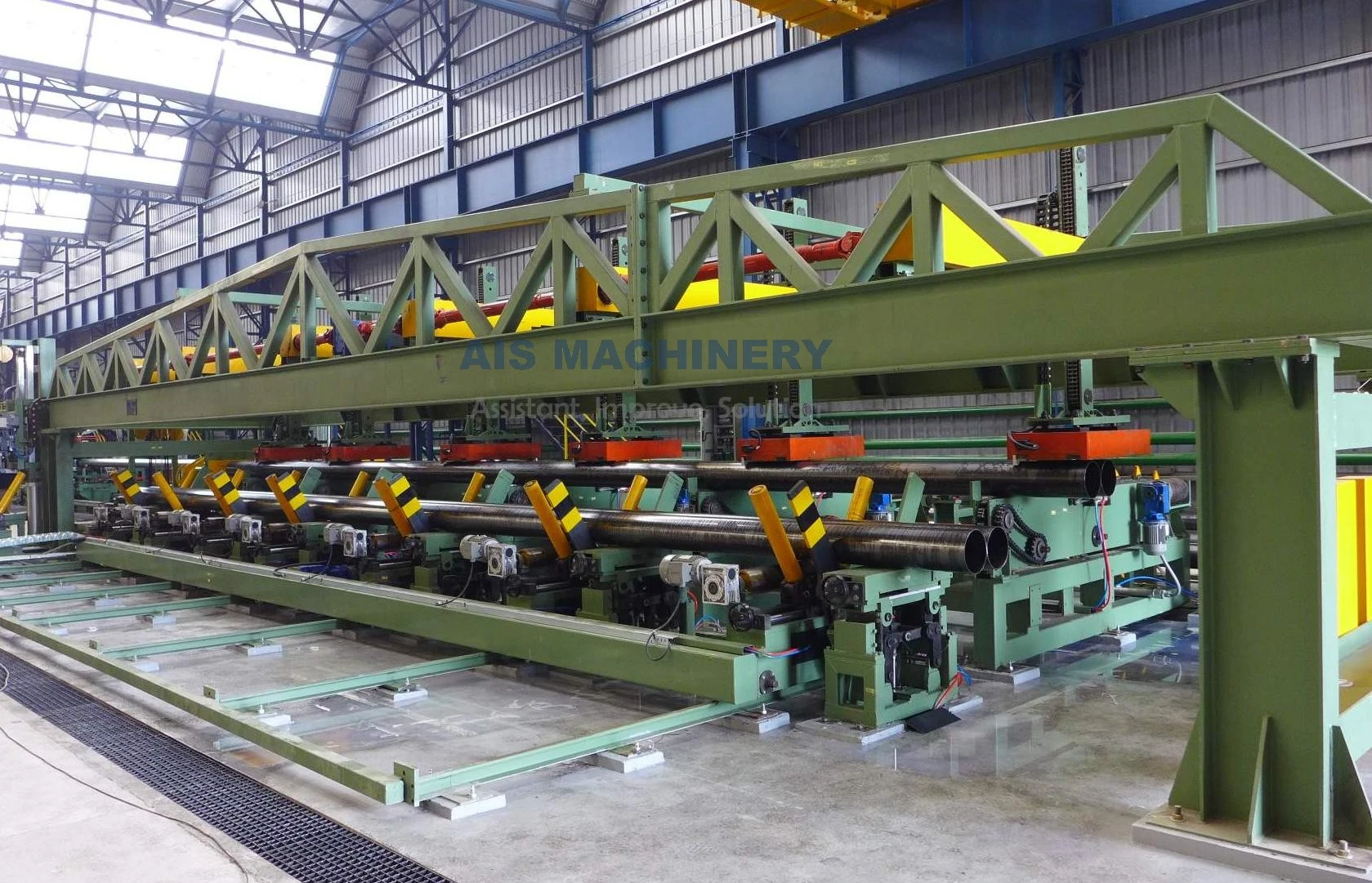
Automatic Stacking Machine (Magnetic Chuck Type)
The Automatic Stacking Machine (Magnetic Chuck Type) from AIS Machinery is designed to efficiently collect and stack steel tubes in ERW tube mill production lines. Using electromagnetic lifting, it can pick up multiple tubes at once and place them neatly in layers. This reduces manual labor, improves stacking accuracy, and increases overall production efficiency. It is installed after the flying saw and works seamlessly with the mill line, making it an ideal solution for modern tube manufacturers.
2026-04-28 08:56:05
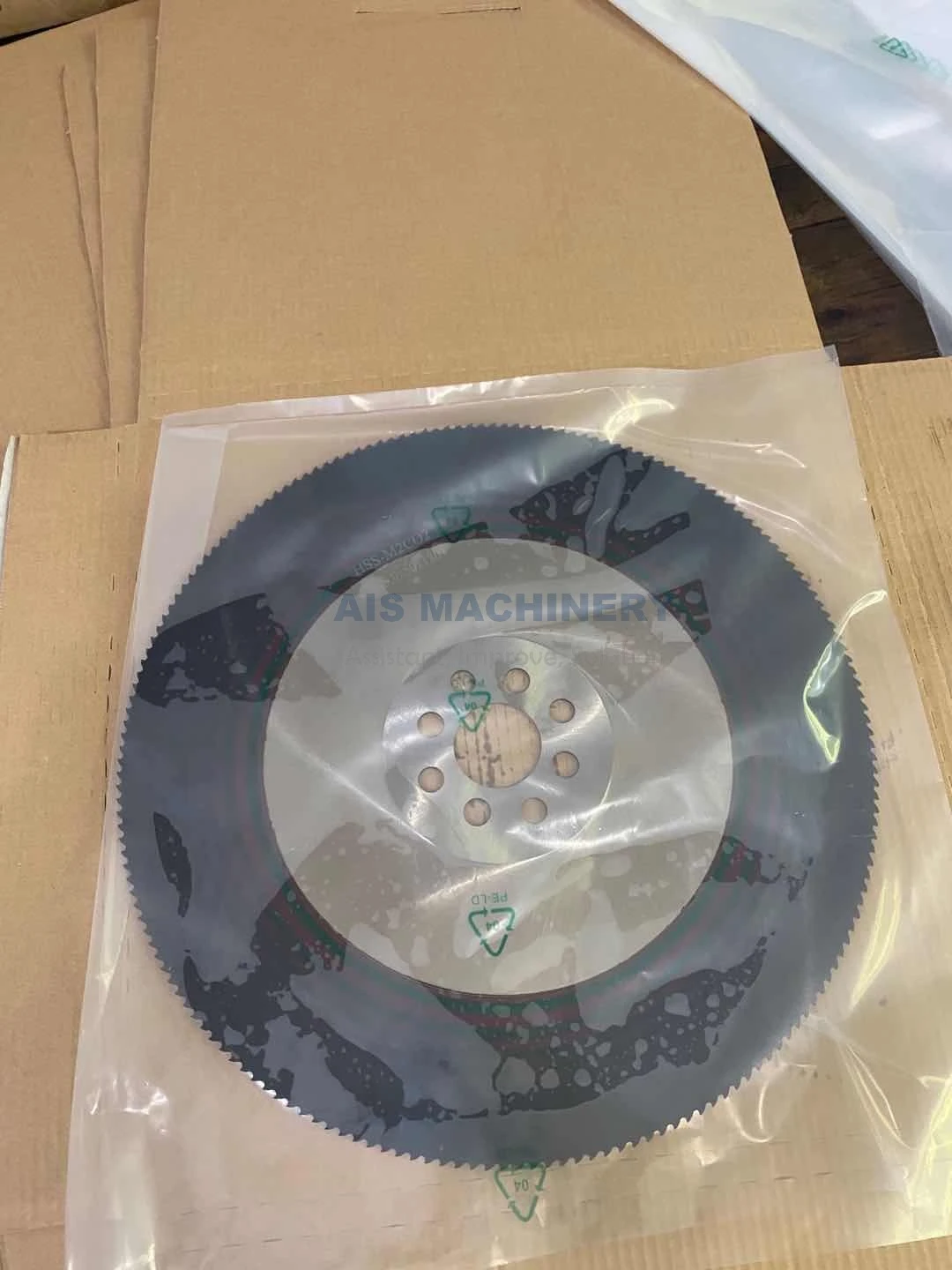
Saw Blade Guide for Tube Mills: Friction vs HSS vs TCT — Which One Should You Choose?
Confused about friction saw, HSS, and TCT blades? This guide explains their uses in cold saw and friction saw machines, with pros, cons, and expert selection tips.
2026-04-24 08:54:16
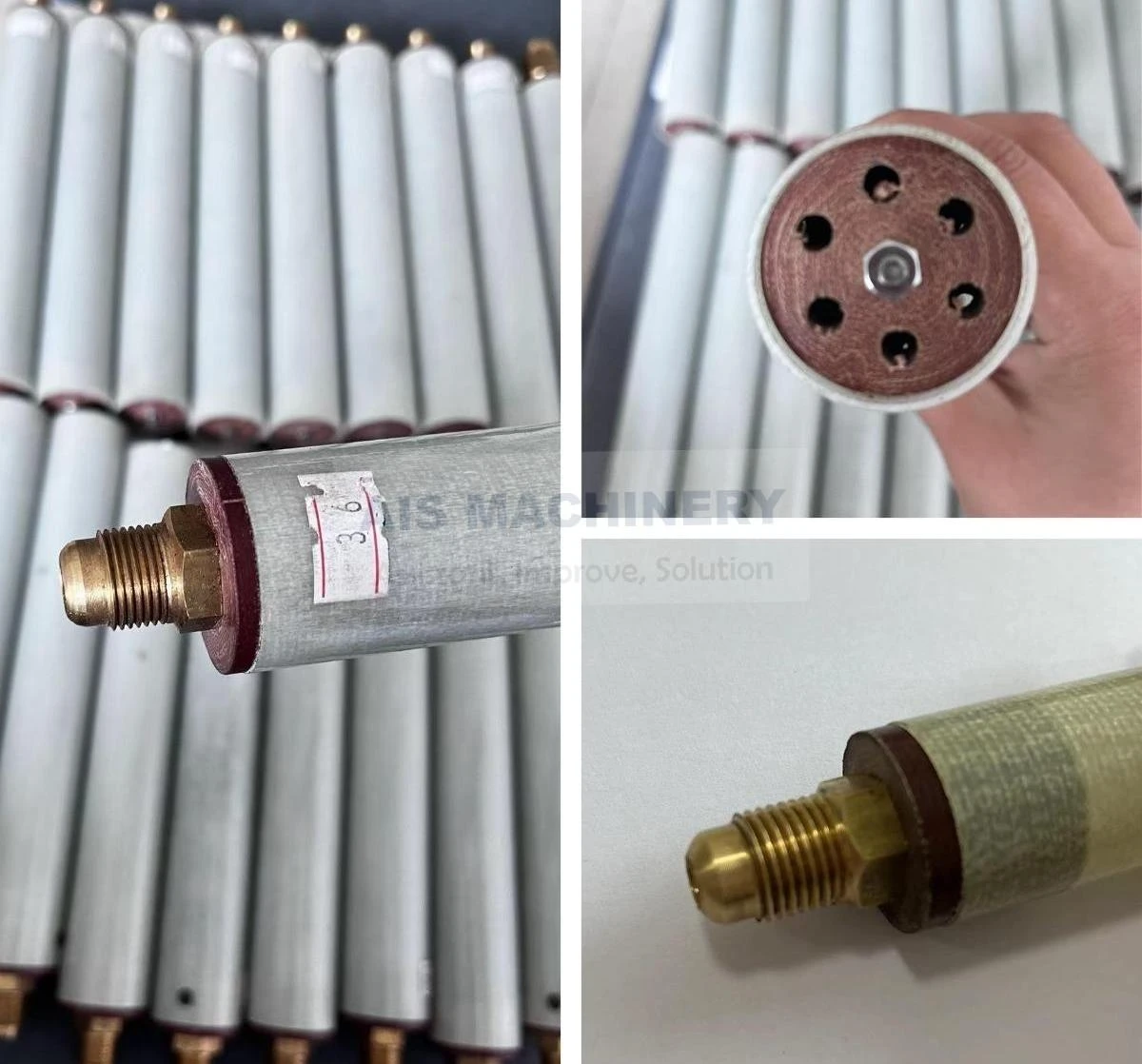
What is an Impeder and Ferrite Rods in ERW Tube Mill?
Struggling with impeder overheating or short service life in your ERW tube mill? This guide explains common impeder problems, the role of ferrite rods, and how to choose the right impeder for stable welding performance. Improve weld quality, reduce energy loss, and extend equipment lifespan with the right selection and proper cooling solutions.
2026-04-21 10:22:25
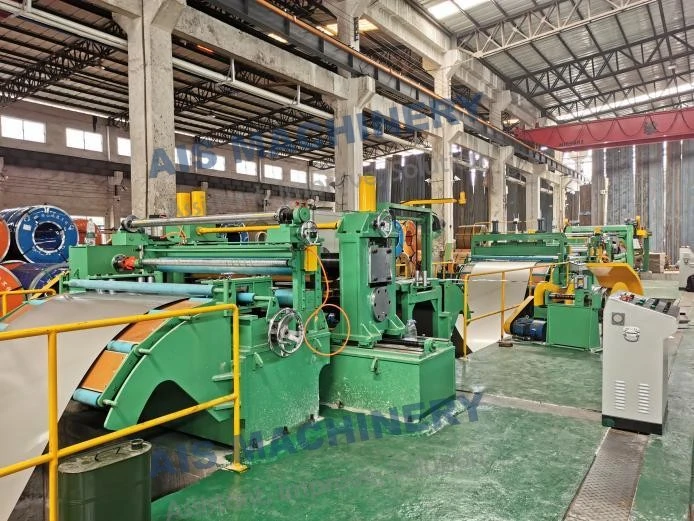
Slitting & Cut-to-Length Combined Production Line: A Smarter Way to Process Steel Coils
Discover the Slitting & Cut-to-Length Combined Production Line, a flexible solution for steel coil processing. This system integrates slitting line and cut-to-length line functions in one machine, saving space, reducing costs, and improving efficiency. Ideal for processing both steel strips and sheets, it is widely used in service centers and manufacturing industries. Learn its advantages, limitations, and applications.
2026-04-18 03:20:20
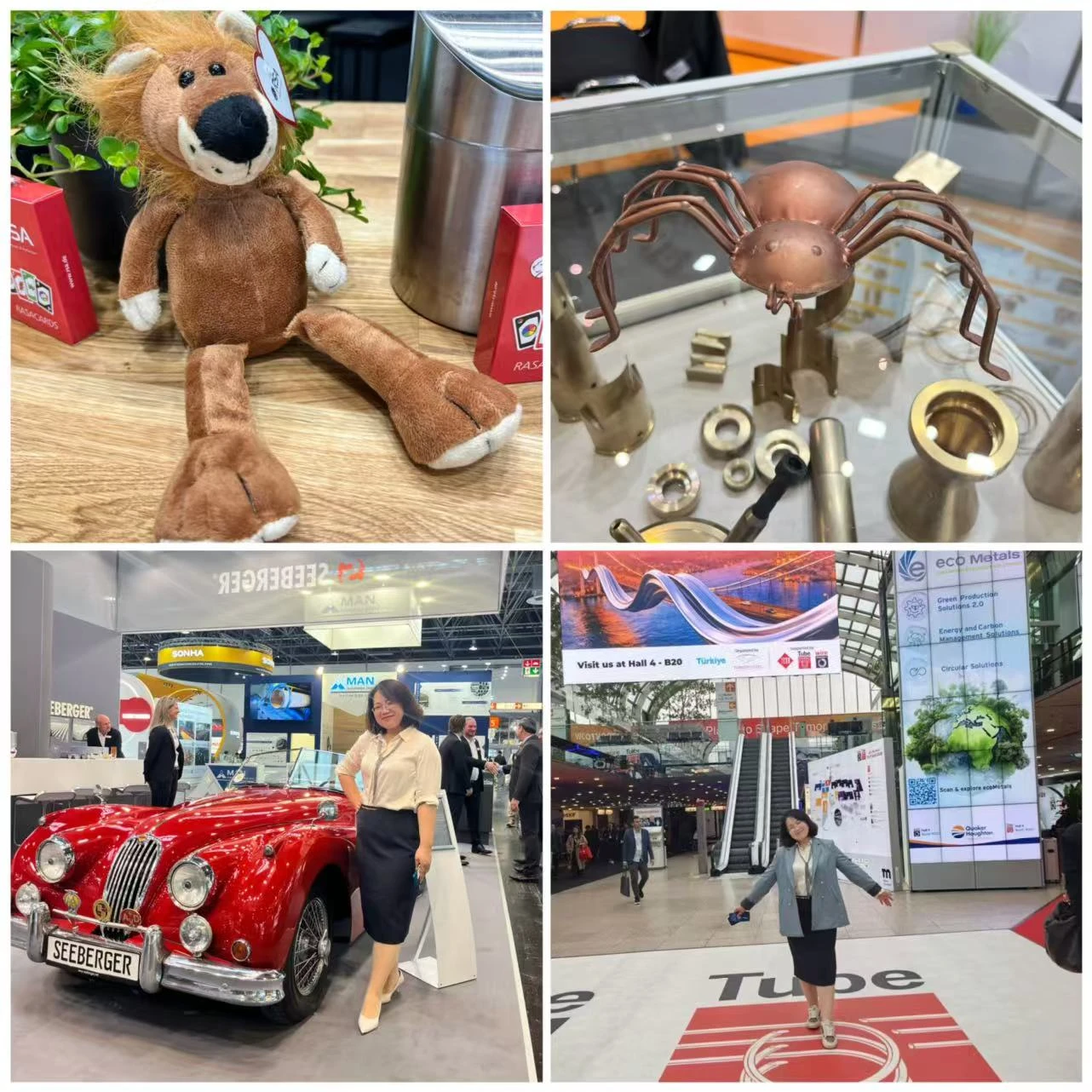
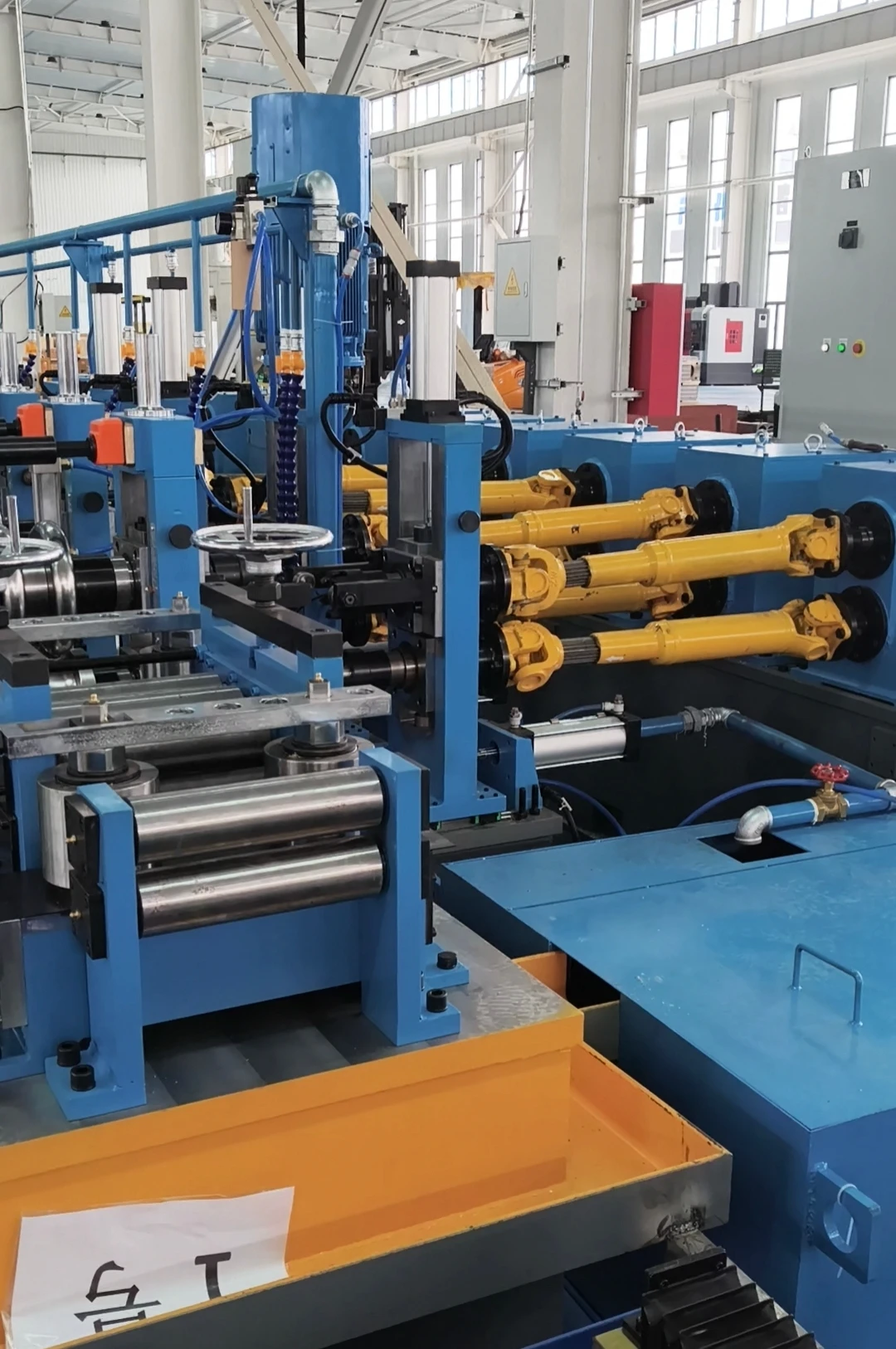
AIS Machinery Showcases Advanced Tube Solutions at Tube & Wire Düsseldorf 2026
Tube & Wire Düsseldorf 2026, one of the most influential exhibitions in the global tube and wire industry, held biennially in Düsseldorf, Germany
2026-04-17 00:00:00
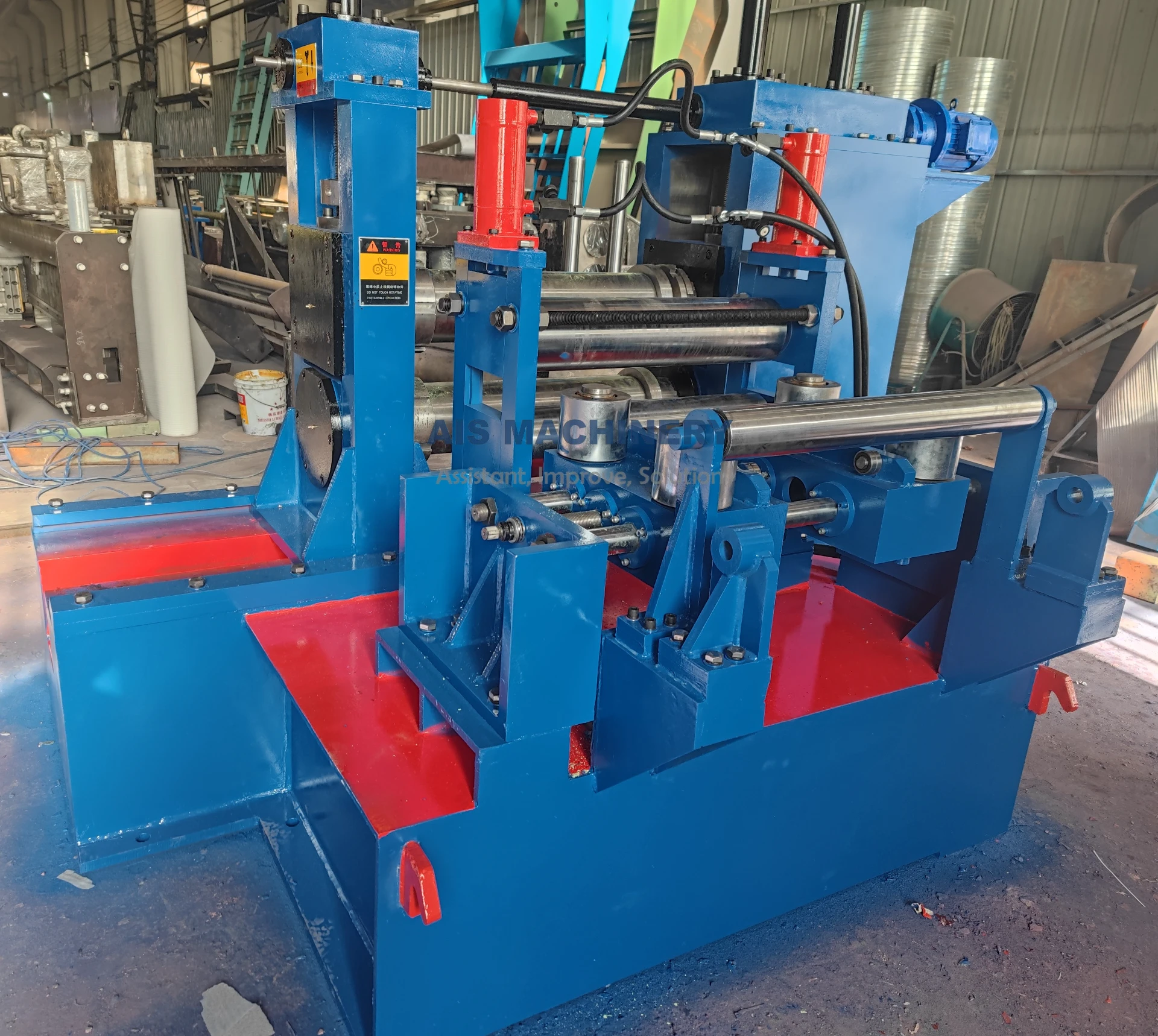
Southeast Asia Client Visits Our Factory | Customized Tube Mill Solution Delivered
A Southeast Asia client visited our ERW tube mill factory to inspect production lines and discuss a customized tube mill solution. Impressed by our machine quality, welding performance, and engineering support, the client confirmed strong cooperation intentions. Discover how our ERW tube mill solutions improve efficiency, precision, and long-term production reliability.
2026-04-15 10:37:55
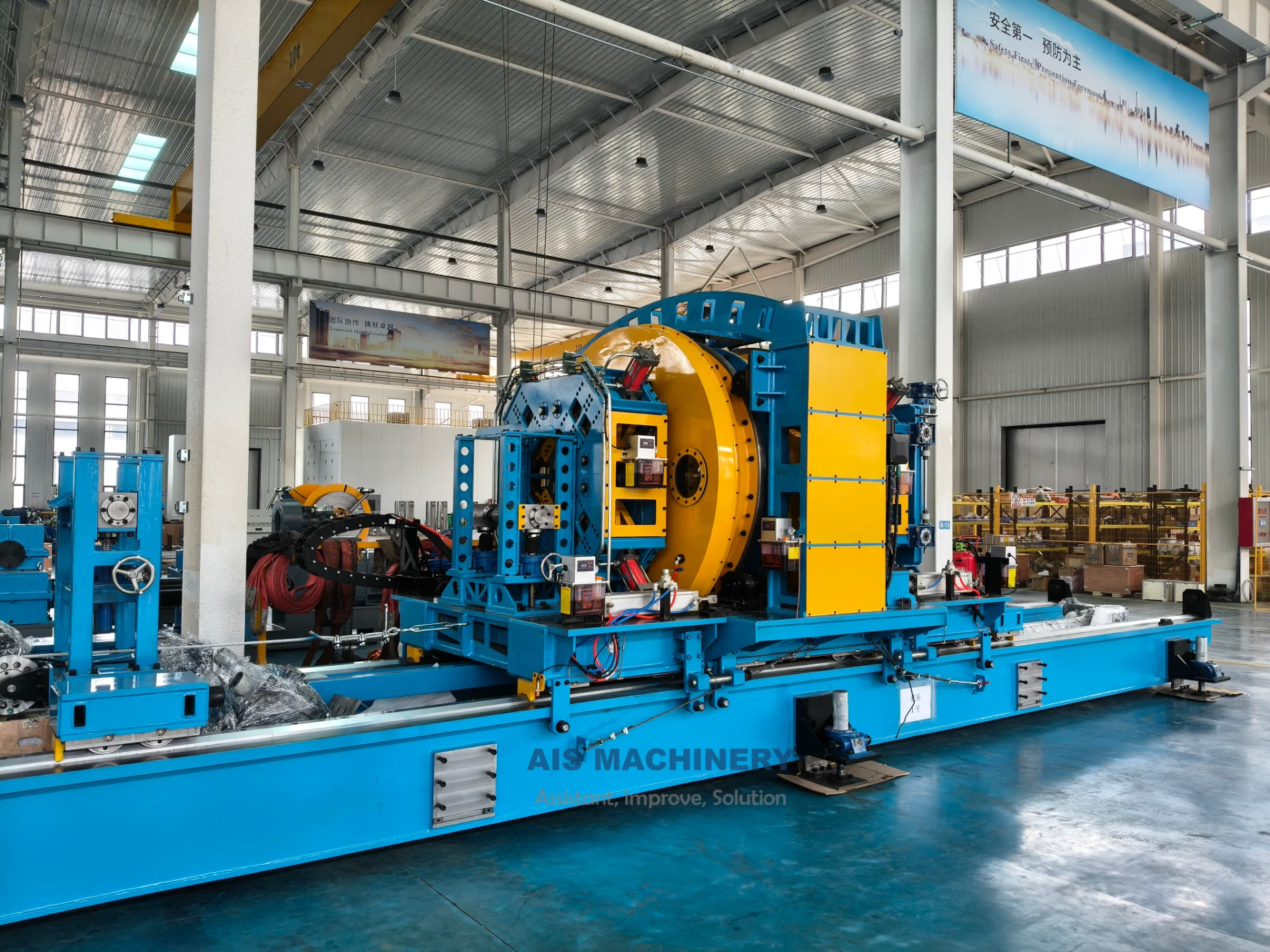
Flat Bar Production Line for Steel Coils: How It Works & Why It Matters
Looking for a flat bar production line? Learn how it turns steel coils into ready-to-use flat bars with precise length and high straightness. Compare it with slitting lines and get the best solution for your steel processing needs.
2026-04-14 00:00:00
Looking for a Milling Saw for ERW Tube Mill? Here’s What You Need to Know
Looking for a high-performance milling saw for your ERW tube mill? Upgrade to burr-free, high-precision pipe cutting with advanced flying saw technology. Improve efficiency, reduce rework, and meet export standards for carbon steel, stainless steel, and API pipes. Contact us today for expert solutions and competitive pricing tailored to your production needs.
Send a Message
Dear customer, thank you for your attention! We provide high-quality machinery and equipment and look forward to your orders. Please inform us of your needs and we will respond quickly!
 English
  Albanian
  Arabic
  French
  German
  Indonesian
  Italian
  Japanese
  Kazakh
  Korean
  Latin
Latin  Macedonian
  Portuguese
  Russian
  Spanish
  Thai
Thai  Turkish
  Ukrainian
  Uzbek
Uzbek