
-
 Tel:86-15176910262
-

Search
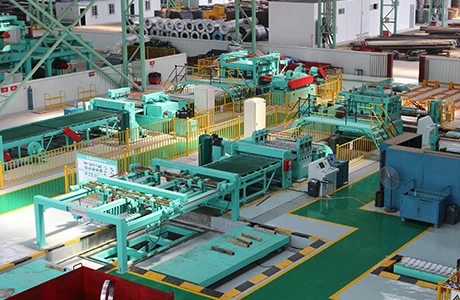
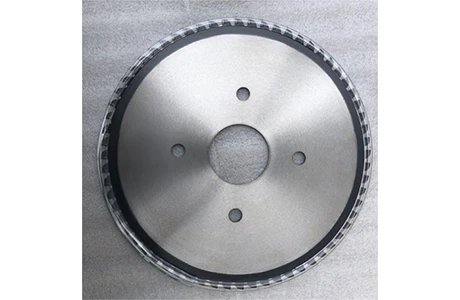

Essential Guide to Coil Flattener: Global Impact & Industry Applications
Dec . 03, 2025 15:26
Understanding the Coil Flattener: A Backbone of Modern Metal Processing
At first glance, the coil flattener might sound like just another piece of industrial machinery—but really, it's a quiet hero in the steel and aluminum industries worldwide. This equipment plays a crucial role in transforming coiled metal sheets into flat, ready-to-use plates without damaging their surface or mechanical properties. In a world where precision and efficient production can make or break success, understanding coil flatteners means appreciating the fine balance between raw material handling and high-quality manufacturing.
Global Context: Why Coil Flatteners Matter
Globally, the metals industry is a cornerstone of infrastructure, automotive, aerospace, and countless other sectors. According to the International Organization for Standardization (ISO), steel production topped 1.9 billion metric tons in 2023, much of which involves coiled metal forms. But raw coils aren’t always ready to be stamped into parts or welded into structures—they often arrive with natural curvature or stresses.
Here’s the challenge: straightening these coils without risking cracking or deforming them is complicated but necessary. Oddly enough, subtle inconsistencies in metal flatness can cascade into costly manufacturing errors or even structural failures. The coil flattener addresses this, ensuring that globally-supplied metals meet tight industrial tolerances—because flat metal sheets mean smoother downstream processes.
Mini takeaway: The coil flattener is a key technology enabling consistent material quality for billions of tons of metal processed globally, crucial to industries ranging from construction to consumer electronics.
What is a Coil Flattener?
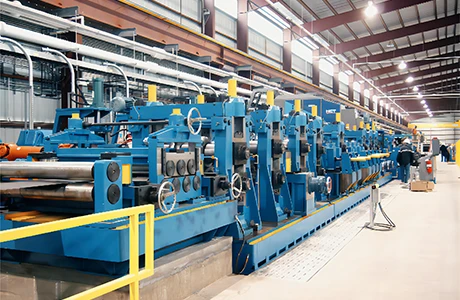
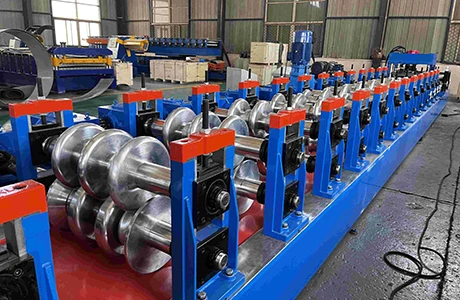
Simply put, a coil flattener is a mechanical device designed to remove curvature and stress-induced waves from coiled metal sheets, effectively “flattening” them for subsequent use. The process involves passing the coiled sheet through a series of rollers arranged to apply controlled bending forces that physically straighten the metal.
In modern industry, this means that steel, aluminum, brass, or copper coils can be delivered in a form ready for precise cutting, forming, or welding. Beyond manufacturing, the coil flattener's role overlaps with humanitarian logistics too —flat metal sheets are often essential in emergency shelter fabrication, infrastructure rebuilding, or wherever rapid, reliable metal preparation is needed.
Core Components and Key Factors of Coil Flatteners
1. Roller Configuration and Material
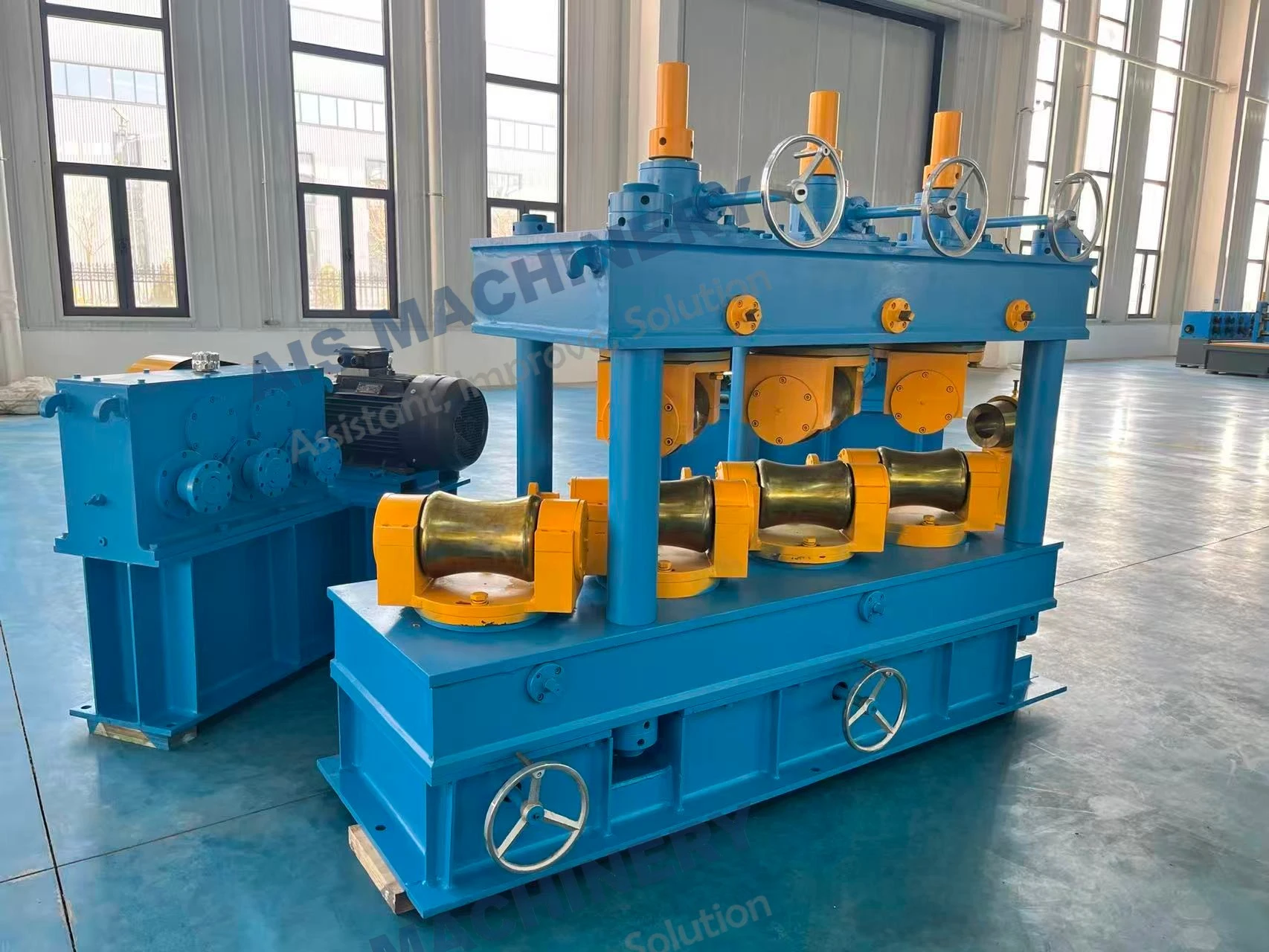
Rollers are the heart of a coil flattener; their number, spacing, and hardness directly impact the quality of flattening. Often made from hardened steel with surface treatments, they must resist wear while applying uniform pressure. The precise alignment and adjustability of these rollers determine how well the coil stress and shape anomalies are corrected.
2. Durability & Maintenance
Given the high mechanical loads and friction, coil flatteners must be built to last, often designed with modular parts for easier maintenance. Frequent wear on rollers and supports means downtime can get expensive, so choosing a model with reliable components really pays off.
3. Scalability
Whether you're processing thin aluminum strips or thick steel sheets, the coil flattener should handle a wide range of thicknesses and widths. Flexibility in adapting to material variations makes it a worthwhile investment.
4. Control Systems
Modern flatteners incorporate digital control systems to monitor roller pressure, speed, and coil feed rate. This level of control helps operators fine-tune flattening to minimize defects like edge waves or center buckling.
5. Cost Efficiency
A reliable flattener can dramatically reduce waste by minimizing material distortions and reducing re-processing rates. The right equipment balances upfront costs with long-term savings thanks to improved throughput and quality.
Product Specifications Comparison
| Specification | Model A | Model B | Model C |
|---|---|---|---|
| Max Coil Width | 1500 mm | 2000 mm | 1800 mm |
| Thickness Range | 0.3–3 mm | 0.2–5 mm | 0.5–4 mm |
| Roller Diameter | 120 mm | 150 mm | 130 mm |
| Power Usage | 15 kW | 22 kW | 18 kW |
Global Applications and Use Cases
Coil flatteners are a staple in metal processing plants across Asia, Europe, and North America. For example, Southeast Asia’s booming automotive sector relies heavily on coil flatteners to prepare high-grade steel sheets for body panels — where precision matters for performance and safety. Meanwhile, in northern Europe, flat aluminum coils prepped by sophisticated flatteners feed into aerospace manufacturing, where tolerances are unforgiving.
Oddly enough, these devices also find a place outside pure industry. NGOs rebuilding after earthquake disasters in regions like Nepal or Turkey rely on flat sheet metals for temporary shelters and infrastructure. In remote industrial zones, having a reliable coil flattener onsite speeds repair and fabrication, reducing supply chain bottlenecks.
Mini takeaway: From advanced industries to emergency humanitarian work, coil flatteners enable metal use that is precise, reliable, and timely worldwide.
Advantages and Long-Term Value
- Cost Savings: By reducing coil defects, flatteners lower scrap rates and downstream rework.
- Sustainability: Less waste contributes to greener manufacturing footprints, aligning with ISO 14001 standards.
- Reliability: Consistent flatness improves product quality, reducing recalls or structural failures.
- Social Impact: Quality materials facilitate safe infrastructure, which in turn supports community resilience.
Future Trends and Innovations
The coil flattener landscape is evolving with the advent of digital automation and smart manufacturing. Integrating IoT sensors for real-time surface quality monitoring is becoming popular, giving operators early warnings of flattening defects.
Materials science advances also influence flatteners: as lighter, stronger alloys rise in demand—especially for electric vehicles—the machinery adapts to handle different mechanical properties without damage. Additionally, greener energy-powered rollers and servo motors help lower emissions.
Common Challenges and Solutions
One persistent issue with coil flatteners is balancing the flattening force to remove curvature without causing micro-cracks. Operators often walk a fine line, and improper settings can worsen sheet quality. Training and advanced control interfaces help mitigate this.
Maintenance downtime is another limitation but using predictive maintenance software and modular components can enhance uptime dramatically. Frankly, investing in better controls and quality rollers pays off in reduced repairs.
Frequently Asked Questions About Coil Flattener
- Q: What thickness range can coil flatteners handle effectively?
- A: Most coil flatteners accommodate metals from about 0.2 mm thin sheets up to 5 mm thick plates; however, models vary, so checking specs for your intended material is essential.
- Q: How does a coil flattener differ from a leveler machine?
- A: While similar, a coil flattener primarily deals with removing coil set and curvature, whereas levelers often correct surface waves and fine flattening after initial flattening.
- Q: Can coil flatteners be used for non-ferrous metals?
- A: Absolutely, many flatteners are designed to work with aluminum, copper, and brass coils, but roller coatings and pressure settings must be adjusted for softer metals.
- Q: What maintenance should coil flatteners have to maximize longevity?
- Routine roller inspection, lubrication, and alignment checks are critical. Implementing predictive maintenance with monitoring sensors can catch wear early before major breakdowns.
Vendor Options: How to Choose the Right Coil Flattener
| Vendor | Price Range | After-Sales Support | Customization Options |
|---|---|---|---|
| AISTubemill | $$$ (Mid to High) | Excellent, global service network | Extensive roller sizes and automation upgrades |
| MetalTech Co. | $$ (Mid-range) | Good, regional centers | Standard models with some customization |
| SteelPro | $ (Economical) | Basic, limited to local regions | Few customization options |
Conclusion: Why Investing in a Coil Flattener Matters
In the end, the coil flattener isn’t just a mechanical tool—it’s a vital enabler of modern metalworking and manufacturing precision. By ensuring flat, defect-free metal sheets, these machines save time, reduce waste, and enhance product reliability. Whether you’re running a large steel mill or a regional fabrication shop, having the right coil flattening technology can ultimately improve your bottom line and product quality.
Curious to explore specific coil flatteners tailored to your needs? Visit coil flattener providers like AISTubemill for high-quality, customizable equipment designed for today’s demanding metallurgical requirements.
Oddly enough, the simple act of flattening metal coils touches so much more of our technological world than you might think.
1. ISO Steel Production Data
2. Wikipedia: Metal Processing
3. World Bank: Industry Overview

Related Products

Related News
2026-04-30 09:35:04
Automatic Stacking Machine (Magnetic Chuck Type)
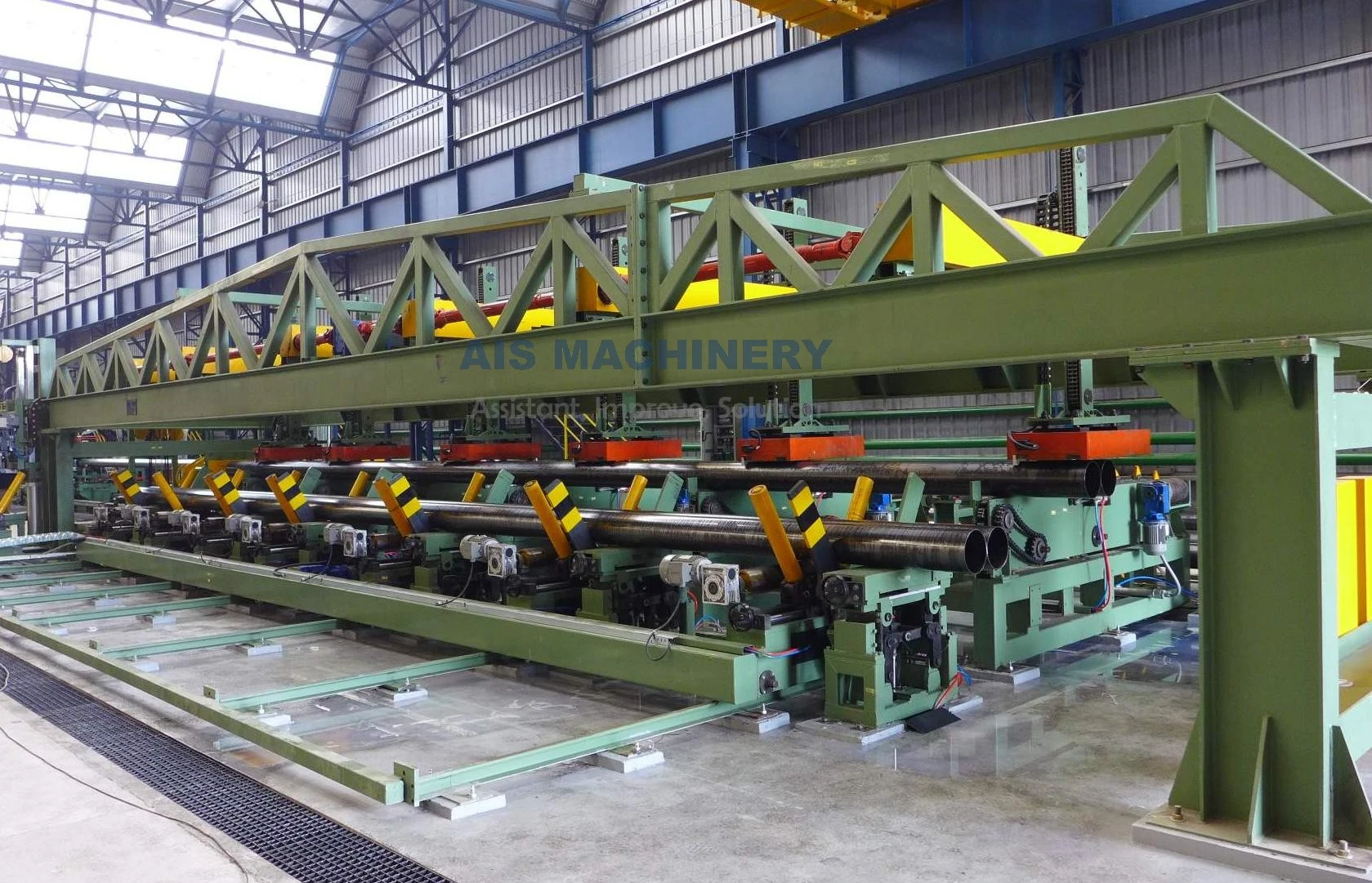
The Automatic Stacking Machine (Magnetic Chuck Type) from AIS Machinery is designed to efficiently collect and stack steel tubes in ERW tube mill production lines. Using electromagnetic lifting, it can pick up multiple tubes at once and place them neatly in layers. This reduces manual labor, improves stacking accuracy, and increases overall production efficiency. It is installed after the flying saw and works seamlessly with the mill line, making it an ideal solution for modern tube manufacturers.
2026-04-28 08:56:05
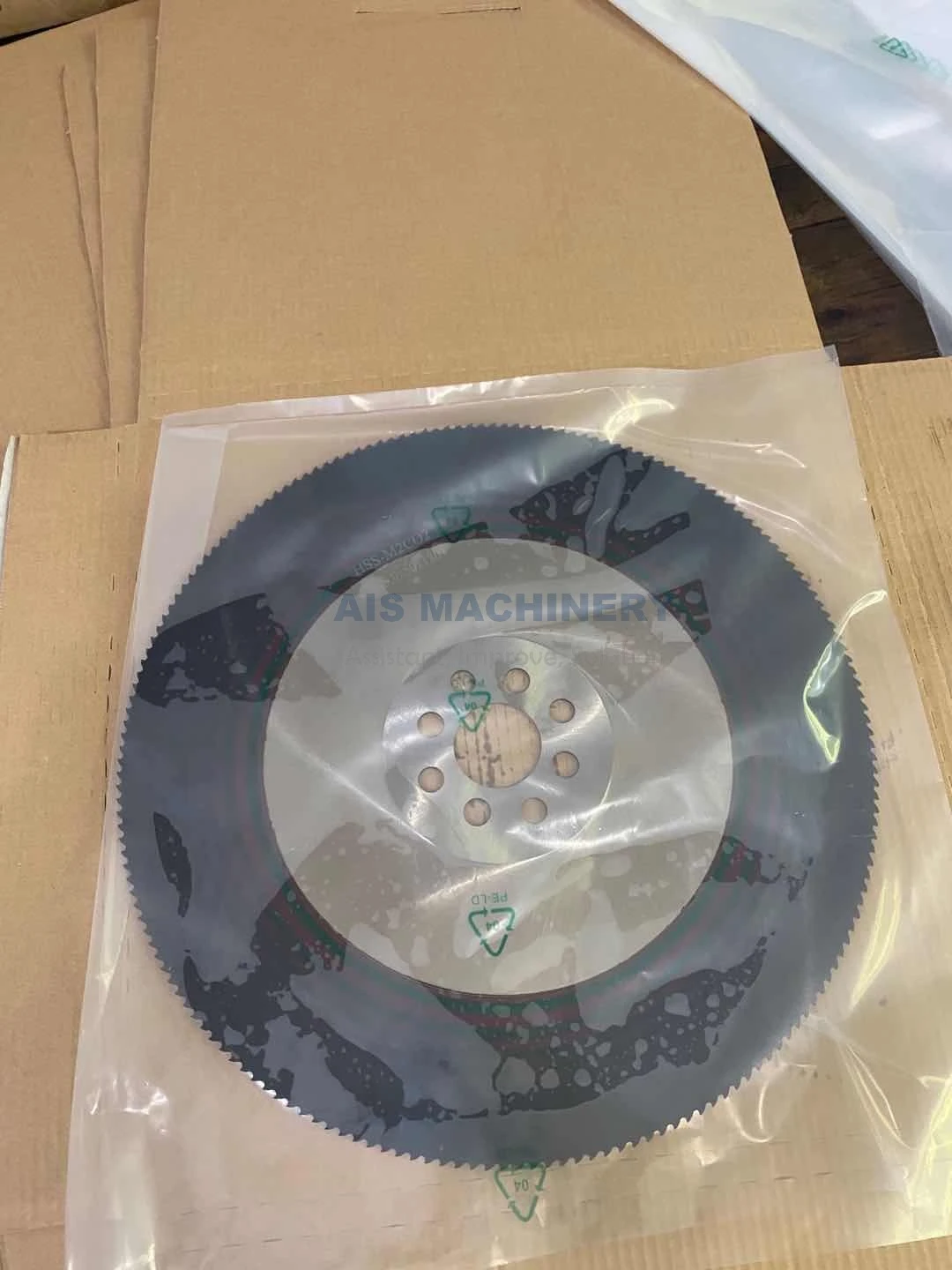
Saw Blade Guide for Tube Mills: Friction vs HSS vs TCT — Which One Should You Choose?
Confused about friction saw, HSS, and TCT blades? This guide explains their uses in cold saw and friction saw machines, with pros, cons, and expert selection tips.
2026-04-24 08:54:16
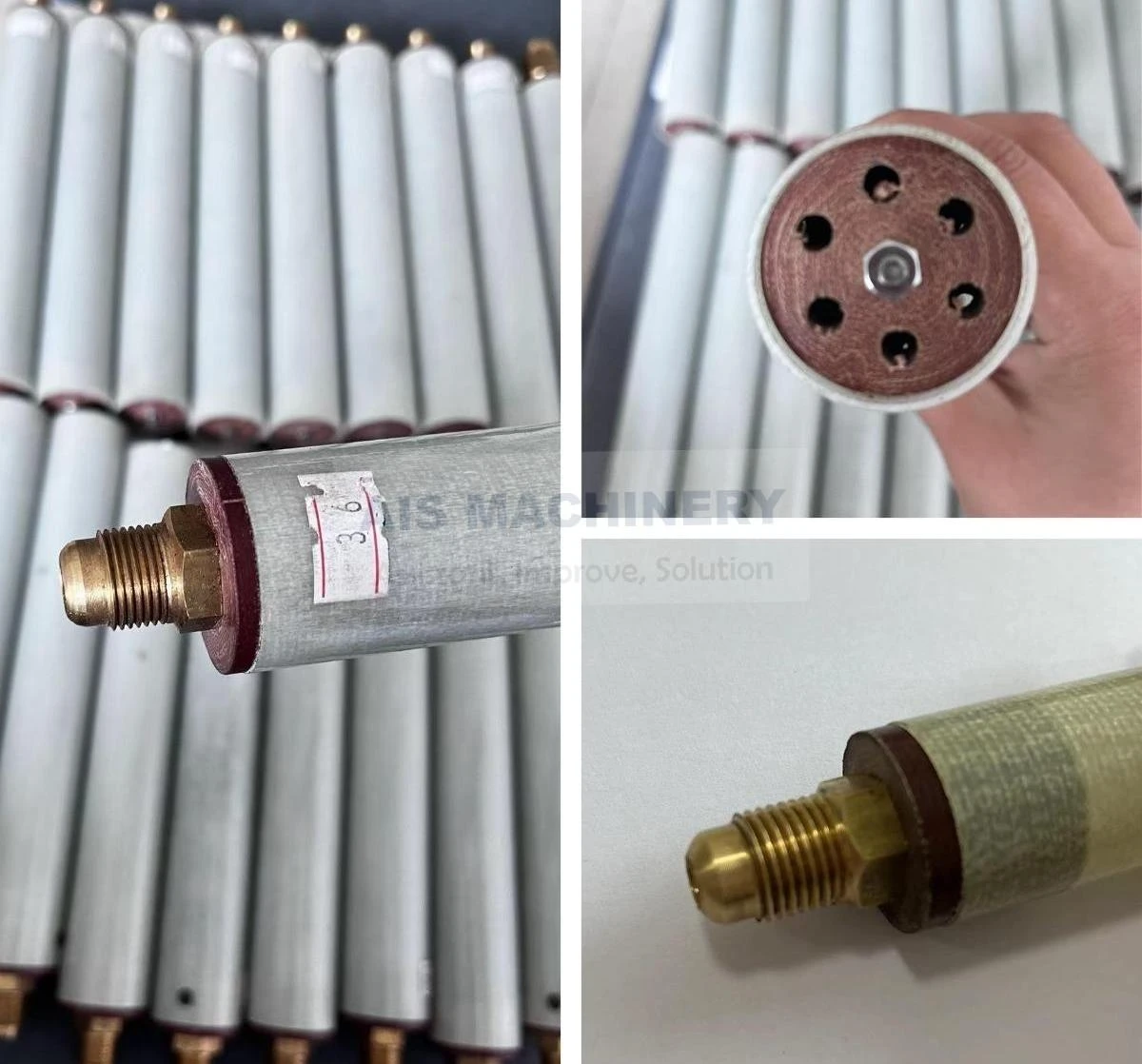
What is an Impeder and Ferrite Rods in ERW Tube Mill?
Struggling with impeder overheating or short service life in your ERW tube mill? This guide explains common impeder problems, the role of ferrite rods, and how to choose the right impeder for stable welding performance. Improve weld quality, reduce energy loss, and extend equipment lifespan with the right selection and proper cooling solutions.
2026-04-21 10:22:25
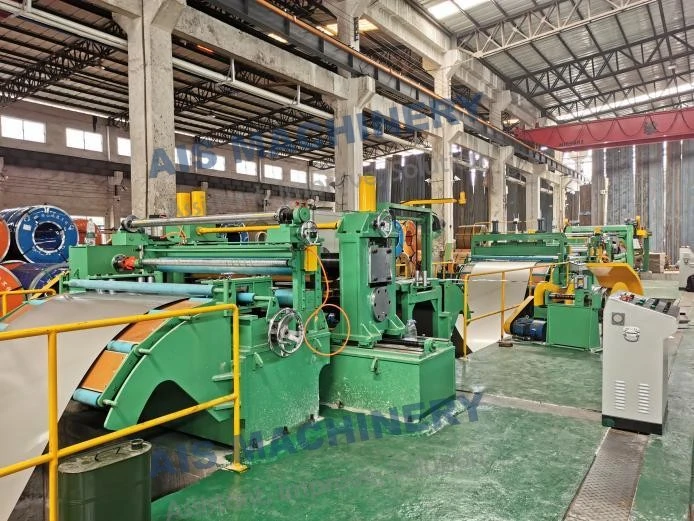
Slitting & Cut-to-Length Combined Production Line: A Smarter Way to Process Steel Coils
Discover the Slitting & Cut-to-Length Combined Production Line, a flexible solution for steel coil processing. This system integrates slitting line and cut-to-length line functions in one machine, saving space, reducing costs, and improving efficiency. Ideal for processing both steel strips and sheets, it is widely used in service centers and manufacturing industries. Learn its advantages, limitations, and applications.
2026-04-18 03:20:20
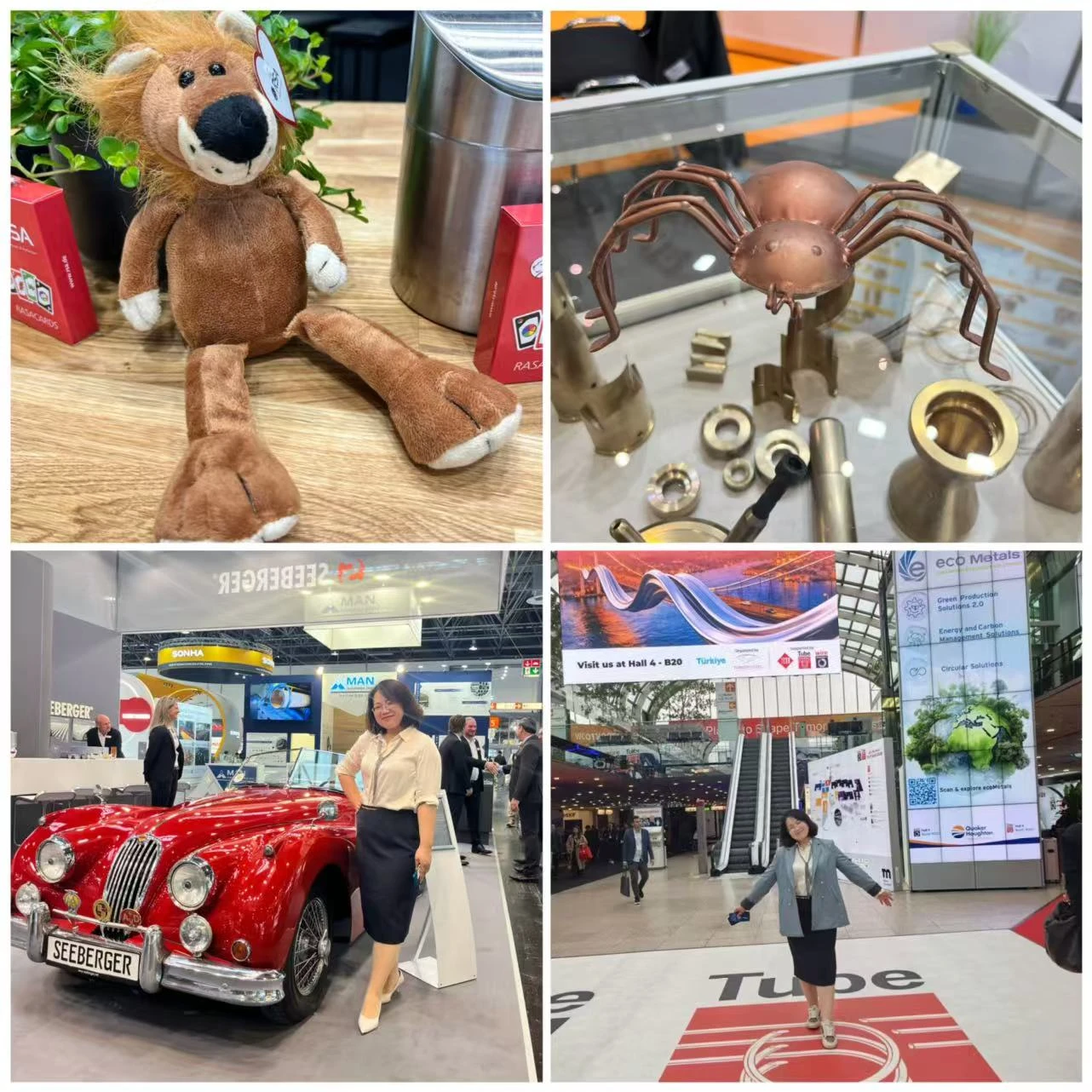
AIS Machinery Showcases Advanced Tube Solutions at Tube & Wire Düsseldorf 2026
Tube & Wire Düsseldorf 2026, one of the most influential exhibitions in the global tube and wire industry, held biennially in Düsseldorf, Germany
2026-04-17 00:00:00
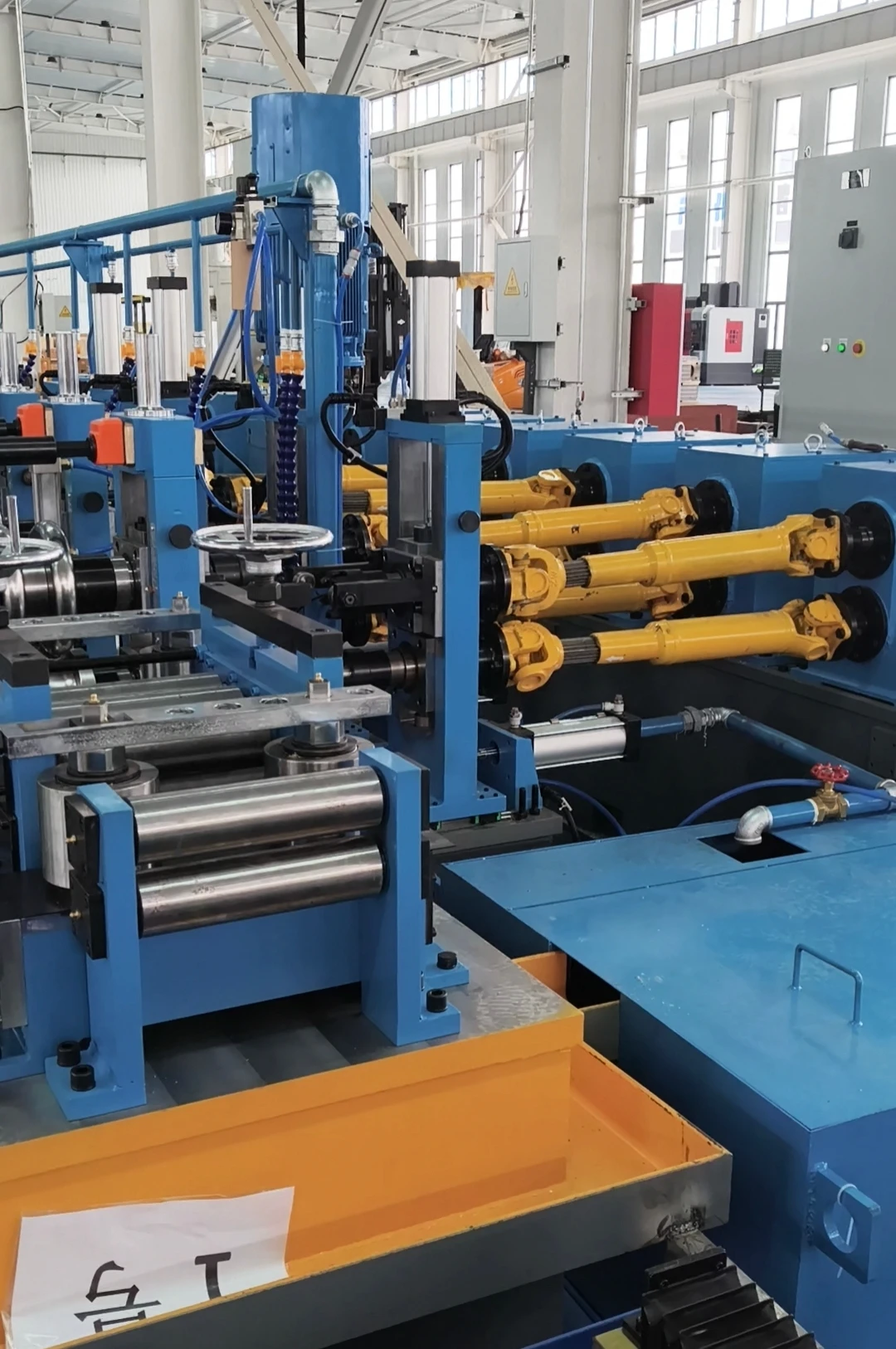
Southeast Asia Client Visits Our Factory | Customized Tube Mill Solution Delivered
A Southeast Asia client visited our ERW tube mill factory to inspect production lines and discuss a customized tube mill solution. Impressed by our machine quality, welding performance, and engineering support, the client confirmed strong cooperation intentions. Discover how our ERW tube mill solutions improve efficiency, precision, and long-term production reliability.
2026-04-15 10:37:55
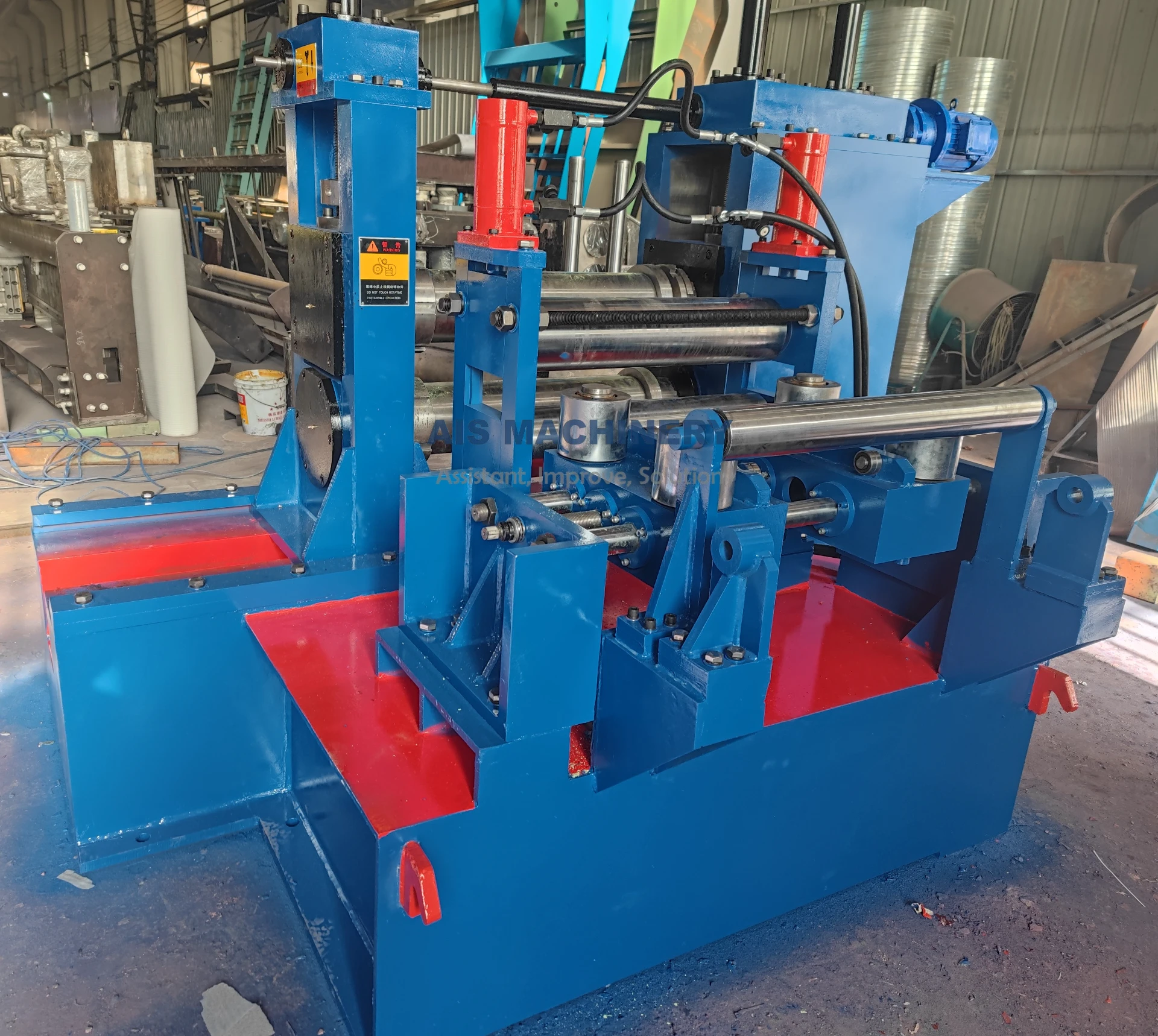
Flat Bar Production Line for Steel Coils: How It Works & Why It Matters
Looking for a flat bar production line? Learn how it turns steel coils into ready-to-use flat bars with precise length and high straightness. Compare it with slitting lines and get the best solution for your steel processing needs.
2026-04-14 00:00:00
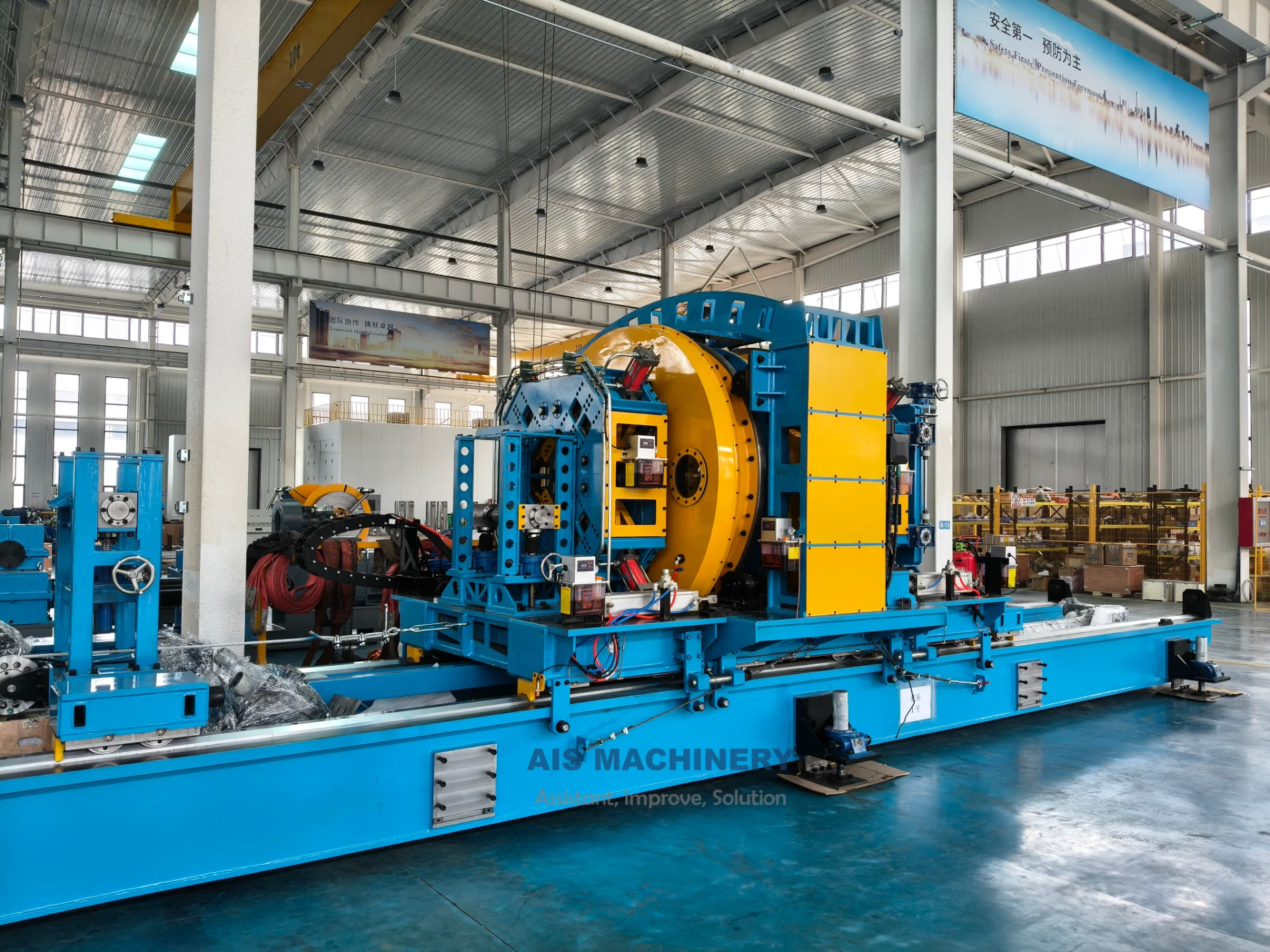
Looking for a Milling Saw for ERW Tube Mill? Here’s What You Need to Know
Looking for a high-performance milling saw for your ERW tube mill? Upgrade to burr-free, high-precision pipe cutting with advanced flying saw technology. Improve efficiency, reduce rework, and meet export standards for carbon steel, stainless steel, and API pipes. Contact us today for expert solutions and competitive pricing tailored to your production needs.
Send a Message
Dear customer, thank you for your attention! We provide high-quality machinery and equipment and look forward to your orders. Please inform us of your needs and we will respond quickly!
 English
  Albanian
  Arabic
  French
  German
  Indonesian
  Italian
  Japanese
  Kazakh
  Korean
  Latin
Latin  Macedonian
  Portuguese
  Russian
  Spanish
  Thai
Thai  Turkish
  Ukrainian
  Uzbek
Uzbek