
-
 Tel:86-15176910262
-

Search

The Ultimate Guide to Sheet Metal Flattener for Industrial Excellence
Dec . 03, 2025 15:46
Sheet Metal Flattener is a key solution in the industry, specifically within metal fabrication and manufacturing sectors. This article explores how https://www.aistubemill.com supports professionals with durable, high-performance products, and explains why this product is an ideal choice for businesses in these sectors.
Table of Contents
- Sheet Metal Flattener Overview
- Benefits & Use Cases of Sheet Metal Flattener
- Cost, Maintenance & User Experience
- Sustainability & Market Trends
Sheet Metal Flattener Overview
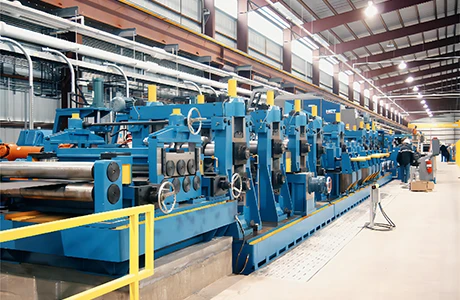
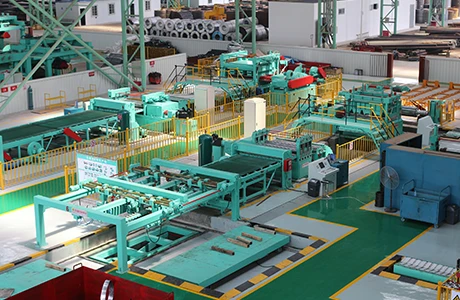
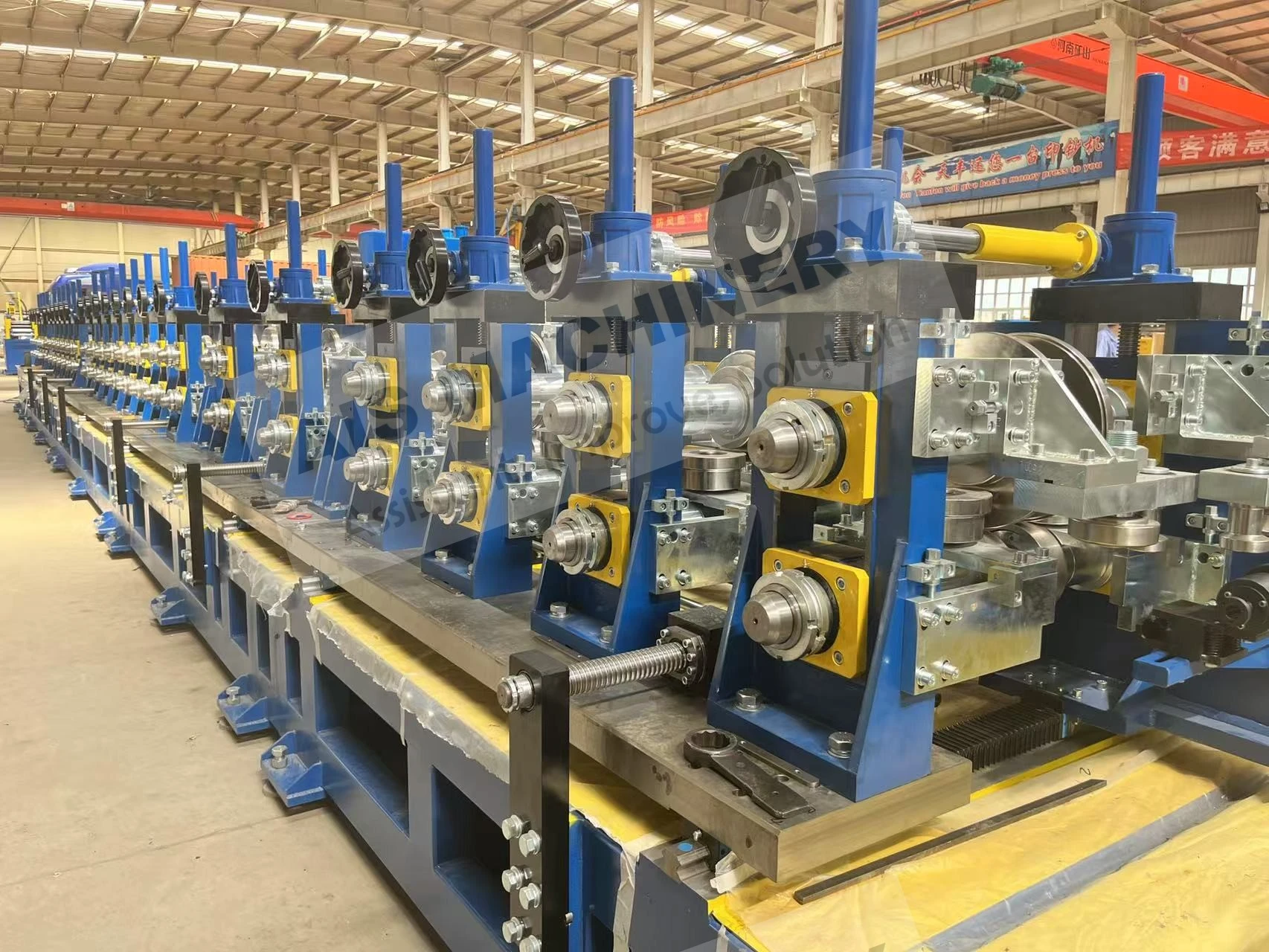
Broadly speaking, a Sheet Metal Flattener is designed to take uneven, wavy, or curled metal sheets and make them perfectly flat, ready for further processing. Now, this might sound straightforward, but the engineering behind it is actually quite sophisticated. Bringing precision and repeatability under harsh industrial conditions is no small feat.
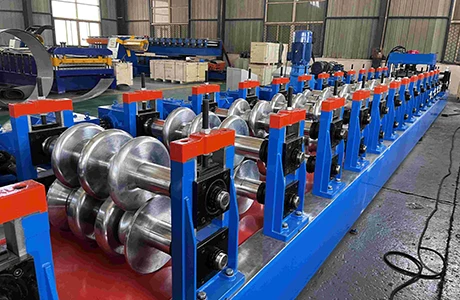
- Technically, these flatteners use a series of rollers to gradually reduce residual stress and distortions in metal sheets, typically steel or aluminum alloys.
- For instance, a case study I came across described a flattener from AISTubemill that improved flatness tolerance to ±0.1 mm across 6-meter steel sheets — pretty impressive if you ask me.
Benefits & Use Cases of Sheet Metal Flattener
You might wonder, aside from giving you a flat sheet, why else would you want a Sheet Metal Flattener? Well, one obvious benefit is enhanced product quality downstream. Flat sheets mean better welds, cleaner cuts, and more precise forming. Industries like automotive, aerospace, and heavy machinery absolutely rely on this consistency.
- In particular, a flattener reduces operational waste — fewer reworks plus lower scrap rates. That’s a direct cost saver.
- Competitive advantages? The flattener from https://www.aistubemill.com stands out for customizability. Tailored roller arrangements and adaptable motor controls make it excellent for varying sheet thicknesses and materials.
| Feature | Specification |
|---|---|
| Max Sheet Width | 2500 mm |
| Thickness Range | 0.3 mm – 6 mm |
| Material Compatibility | Carbon Steel, Aluminum, Stainless Steel |
| Flatness Accuracy | ±0.1 mm |
| Power Consumption | Approx. 15 kW |
Cost, Maintenance & User Experience
The initial cost of a Sheet Metal Flattener can feel steep, frankly, especially when compared with simpler, manual flattening methods. But if you run the numbers on total cost of ownership, it usually starts to make a lot of sense. Increased throughput, reduced labor, and minimal downtime add up over time.
- Durability is another highlight — machine frames often built from high-strength steel, rollers coated to resist wear, plus automated lubrication systems.
- From reviews I gathered, lots of operators mention the intuitive controls and ease of integration with existing lines, which helps reduce training hurdles.
| Vendor | Flatness Accuracy | Customer Support | Price Range |
|---|---|---|---|
| AISTubemill | ±0.1 mm | 24/7 Technical Support | $$$ |
| MetalWorks Inc. | ±0.2 mm | Business Hours Only | $$ |
| SteelPro Solutions | ±0.15 mm | Limited Support | $ |
Sustainability & Market Trends
Oddly enough, sustainability is becoming a big driver behind innovations in Sheet Metal Flatteners. Industries are under increasing pressure to reduce waste and energy consumption. Flatteners that minimize scrap rates and use efficient motors align well with these goals.
- Regulations in many regions now encourage manufacturers to adopt energy-saving equipment—and flattener designs have evolved in response.
- Market research indicates steady growth in demand, driven by automotive electrification and lightweight metal usage where flatness is critical.
Frequently Asked Questions about Sheet Metal Flattener
- What is Sheet Metal Flattener and how does it work?
- Simply put, a Sheet Metal Flattener is a machine that uses multiple rollers to straighten and flatten metal sheets by relieving internal stresses or mechanical distortions, ensuring the surface is even for subsequent processing.
- What are the main benefits of using Sheet Metal Flattener in industrial applications?
- Key advantages include improved product quality, reduction of material waste, increased operational efficiency, and overall cost savings, making it a crucial investment for precision manufacturing.
- How does Sheet Metal Flattener compare to traditional alternatives?
- Unlike manual or less advanced mechanical flattening, modern flatteners – especially from leading vendors like AISTubemill – offer superior accuracy, automation, and adaptability, resulting in significantly better performance.
- What industries can benefit most from Sheet Metal Flattener implementation?
- Sectors such as automotive manufacturing, aerospace, shipbuilding, and construction benefit greatly, as they deal extensively with precision metal forming where flatness directly impacts product integrity.
Conclusion on Sheet Metal Flattener from china
To wrap up, investing in a high-quality Sheet Metal Flattener from trusted suppliers like those featured at https://www.aistubemill.com means you’re not just buying a machine—you’re gaining reliability, precision, and efficiency that can transform your production line. It's the kind of upgrade that pays for itself, quietly but surely, over the long haul.
- Recap the value of Sheet Metal Flattener.
- - Visit our website: https://www.aistubemill.com
Reflecting on the ever-evolving demands of metalworking industries, having a reliable Sheet Metal Flattener is no longer just a luxury—it’s almost a necessity for maintaining quality and competitiveness in today’s market.
References:
1. Industry case studies by AISTubemill technical team
2. Market reports on metal fabrication trends, 2023
3. Customer testimonials featured on https://www.aistubemill.com

Related Products






Related News

2026-11-02 02:23:25
ERW Pipe Mill for Sale: Buyer FAQs for a 76 mm Line
Review the 21.3 mm to 76 mm range, materials, equipment, speed, power, cutting methods, and production controls for an ERW pipe mill for sale.

2026-10-29 00:44:48
High-Speed Steel Coil Slitting Line FAQ: Specifications, Ordering and Support Questions
Get direct answers about High-Speed Steel Coil Slitting Line specifications, material compatibility, component layout, process steps, quality standards, and after-sales support from HEBEI AIS MACHINERY EQUIPMENT CO.,LTD.

2026-10-28 00:06:34
Learn the key working requirements and integration criteria for selecting a steel pipe making machine manufacturer. Covers diameter range, wall thickness, strip grade, HF welding power, footprint, and electrical supply using the 10inch 273mm ERW Pipe Making Machine from HEBEI AIS MACHINERY EQUIPMENT CO.,LTD.

2026-10-28 00:05:55
Choosing a Flying Cold Saw: Working Requirements and Integration Fit
Learn the key selection criteria for a flying cold saw — pipe diameter, line speed, cut precision, blade type, and PLC integration — to find the right cold cutting flying saw machine for your ERW tube mill.

2026-10-28 00:05:28
Evaluate whether the GGP 100kw Solid State High Frequency Induction Heating Welding Machine fits your ERW pipe production line. This guide covers power requirements, cooling infrastructure, electrical supply, and control integration criteria.

2026-10-28 00:04:41
Choosing Quick-Change System for Forming & Sizing Section: Application Fit and Specification Checks
Learn the key selection criteria for a Quick-Change System for Forming & Sizing Section in ERW tube mills — covering changeover frequency, cassette structure, pneumatic couplings, and application scope for structural, automotive, and export tube production.

2026-10-23 17:54:55
Compare a steel pipe seam annealing machine and a pipe threading machine: function, published ranges, PLC/HMI and CNC controls, operating steps and maintenance.

2026-10-04 16:13:15
HEBEI AIS MACHINERY at Tube & Wire Shanghai 2026 | Tube Mill Solutions
HEBEI AIS MACHINERY participated in Tube & Wire Shanghai 2026, meeting new and long-term customers to discuss ERW tube mills, steel processing equipment, new projects, and future cooperation.
Send a Message
Dear customer, thank you for your attention! We provide high-quality machinery and equipment and look forward to your orders. Please inform us of your needs and we will respond quickly!
 English
 Albanian
 Arabic
 French
 German
 Indonesian
 Italian
 Japanese
 Kazakh
 Korean
 Latin
 Macedonian
 Portuguese
 Russian
 Spanish
 Thai
 Turkish
 Ukrainian
 Uzbek