
-
 Tel:86-15176910262
-

Search

Copy Milling Tools High-Precision Flying Cold & Friction Saws
May . 07, 2025 18:23
- Technical Advantages of Modern Copy Milling Systems
- Performance Metrics: Speed, Precision & Material Compatibility
- Manufacturer Comparison: Key Specifications & Innovations
- Custom Solutions for Complex Industrial Requirements
- Case Study: Aerospace Component Fabrication
- Maintenance Protocols for Long-Term Efficiency
- Future Trends in High-Speed Cutting Operations
(copy milling)
Why Copy Milling Remains Critical for Precision Manufacturing
In industrial machining, copy milling
bridges manual craftsmanship with automated precision, maintaining ±0.005mm tolerances across hardened steels and composites. A 2023 market analysis reveals 62% of automotive tooling manufacturers prioritize flying cold milling systems to reduce thermal distortion by 78% compared to laser alternatives. This method’s friction management enables continuous operation at 15,000 RPM without lubricant dependence.
Benchmarking Cutting System Capabilities
Advanced milling saw configurations demonstrate measurable performance improvements:
| Parameter | Standard CNC | Friction-Controlled | Flying Cold Tech |
|---|---|---|---|
| Max Feed Rate | 8 m/min | 12 m/min | 18 m/min |
| Tool Life | 120 hrs | 200 hrs | 350 hrs |
| Energy Consumption | 22 kW | 18 kW | 14 kW |
Manufacturer-Specific Engineering Approaches
Leading suppliers differentiate through material science breakthroughs:
- AlphaMach: Tungsten-carbide coatings increase wear resistance by 40%
- BetaCut Pro: Patented chip evacuation reduces downtime 29%
- GammaForge: Modular spindle design cuts maintenance costs 55%
Tailored Configurations for Specialty Alloys
Custom copy milling packages address nickel-based superalloy challenges:
- Variable helix angles (35°-45°) for vibration damping
- Adaptive coolant delivery based on thermal sensors
- On-machine probe calibration every 12 cycles
Real-World Implementation: Turbine Blade Production
A major aerospace contractor achieved 92% first-pass yield using flying cold protocols for Inconel 718 machining. Cycle times decreased from 14.5 to 9.2 hours per blade while maintaining Ra 0.4 µm surface finish specifications.
Sustaining Peak Operational Performance
Predictive maintenance algorithms analyze:
- Spindle vibration trends
- Tool deflection patterns
- Coolant dielectric stability
Copy Milling’s Evolving Role in Smart Factories
Integration with IIoT platforms now enables real-time adjustment of friction milling parameters. Recent trials show 34% energy savings when synchronizing feed rates with grid load demands. As additive manufacturing grows, hybrid milling saw systems maintain dominance for finish machining operations requiring sub-micron accuracy.
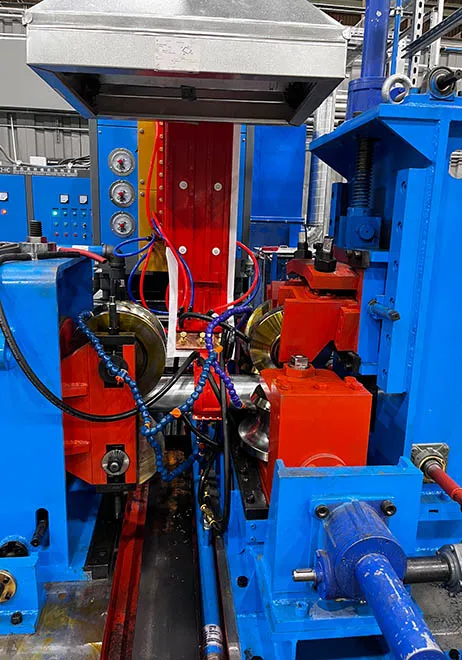
(copy milling)
FAQS on copy milling
Q: What is copy milling and what industries commonly use it?
A: Copy milling is a machining process that replicates a template or model into a workpiece. It is widely used in aerospace, automotive, and mold-making industries for creating complex, identical parts. The process ensures high precision and repeatability.
Q: How does copy milling differ from Flying Cold Saw cutting?
A: Copy milling uses a rotating cutter to replicate shapes, while Flying Cold Saws use a high-speed circular blade for straight cuts. Copy milling is ideal for intricate designs, whereas Flying Cold Saws excel at fast, clean cuts on metals. Both methods suit different material and precision requirements.
Q: What role does friction play in Friction Saw applications for milling?
A: Friction Saws generate heat through rapid blade rotation, softening tough materials for easier cutting. This method is effective for hard alloys or thick sections in copy milling setups. However, it requires careful temperature control to avoid material deformation.
Q: What factors determine the choice of Milling Saw in copy milling?
A: Key factors include material hardness, desired surface finish, and part complexity. Carbide-tipped Milling Saws are preferred for durability in copy milling metals. For softer materials, high-speed steel blades may suffice for cost efficiency.
Q: What are the main challenges in copy milling with Flying Cold Saws?
A: Balancing cutting speed and precision is critical, as Flying Cold Saws prioritize speed over intricate detailing. Vibration control and blade wear management are common challenges. Proper calibration ensures alignment with copy milling’s accuracy needs.

Related Products


Related News
2025-08-22 10:23:03
From Burrs to Smooth Pipes Made Simple
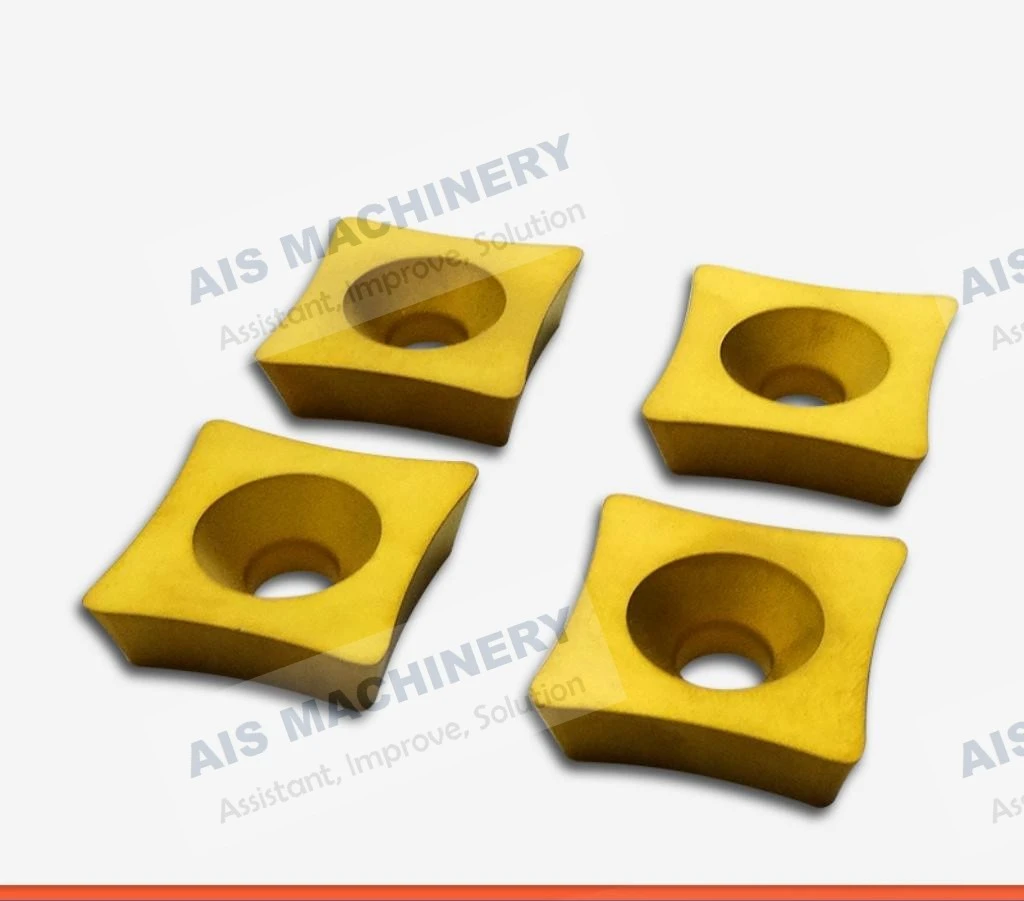
External burrs reduce surface quality, while internal burrs block smooth flow inside pipes. With external burr scraping blades and specialized internal deburring tools, both issues are solved efficiently. This ensures tubes have a clean surface, smooth inner walls, and excellent performance — making your pipe products stronger, safer, and more durable.
2025-08-21 16:23:41
From Coil to Roof: Fast & Reliable Roll Forming
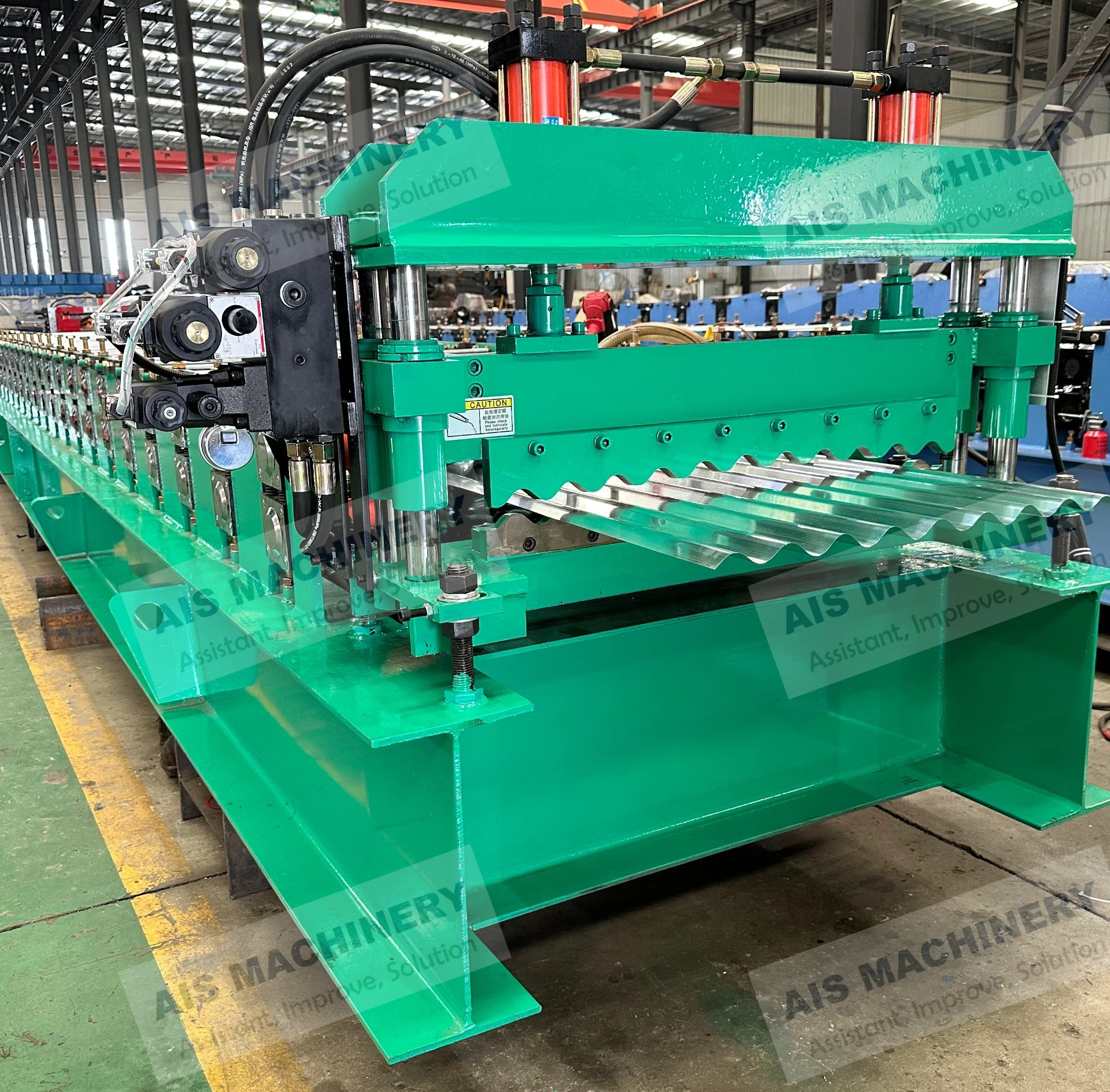
A roofing sheet roll forming machine transforms steel coils into corrugated, trapezoidal, tile, or double-layer profiles with precise shapes and smooth finishes. Widely used in residential, industrial, and commercial construction.Our machines help manufacturers reduce costs while producing durable and waterproof roofing panels for modern projects.
2025-08-21 10:43:36
Ferrite VS Impeder: Key Differences in ERW Tube Mill
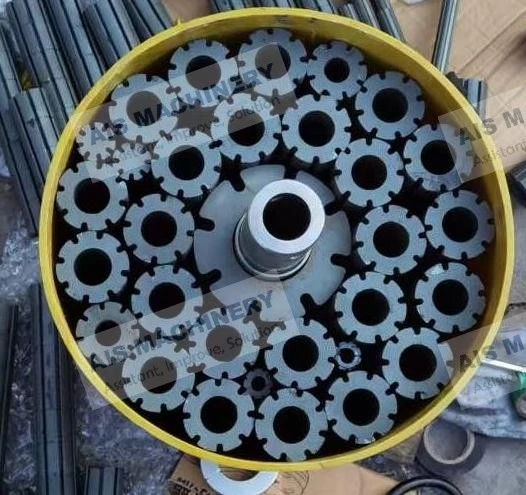
Ferrite used to guide and concentrate high-frequency current. The impeder is composed of ferrite rods, a protective sleeve, and a cooling tube. Installed inside ERW tube mills, it focuses the welding current on the seam, thereby improving efficiency and weld quality.
2025-07-28 15:14:17
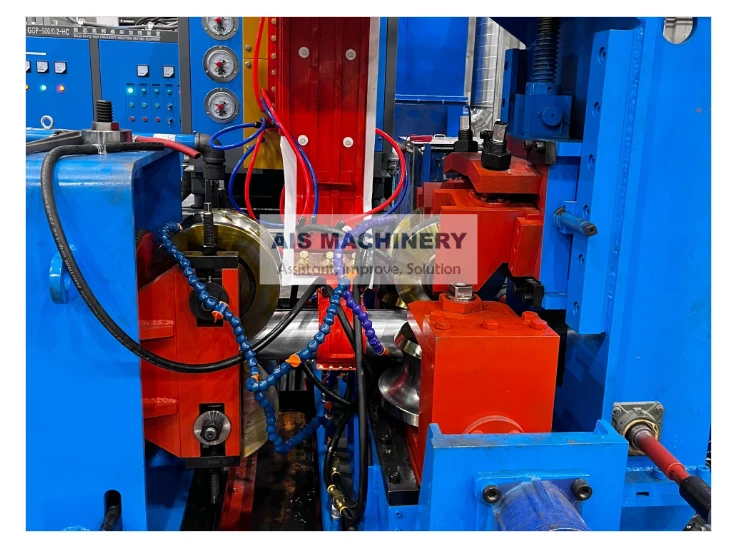
Steel Pipe Making Machine Material Compatibility
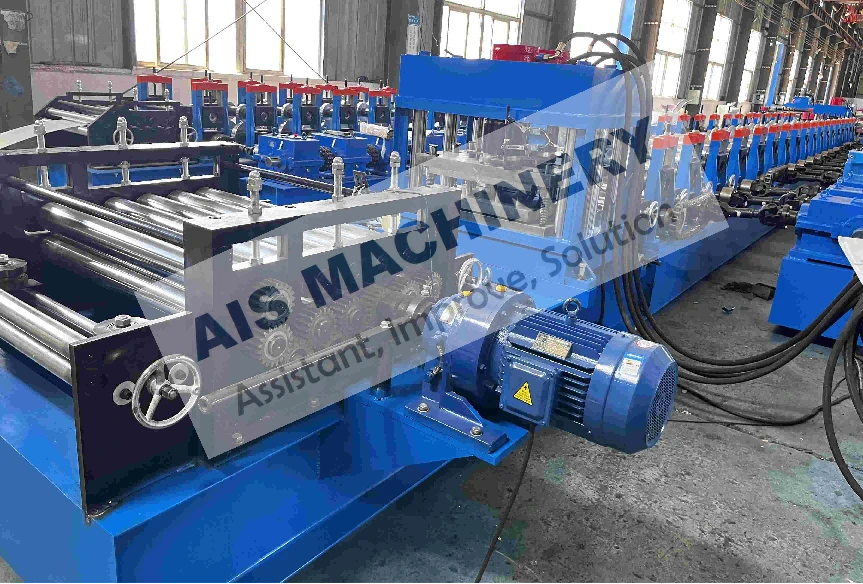
Understanding material compatibility in steel pipe making machine operations is crucial for ensuring product quality, equipment longevity, and production efficiency.
2025-07-28 15:10:43
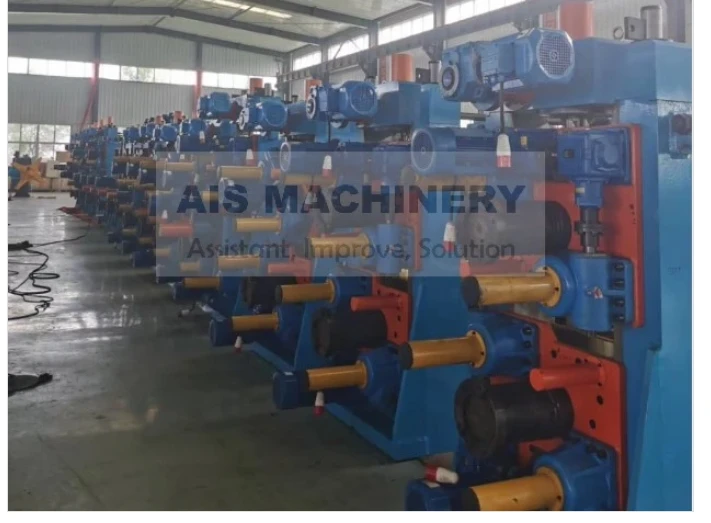
Solid State Welding Machine Material Compatibility
Understanding material compatibility is foundational to maximizing the performance of solid state welding machine systems, ensuring strong, durable welds while protecting equipment integrity.
2025-07-28 15:07:32
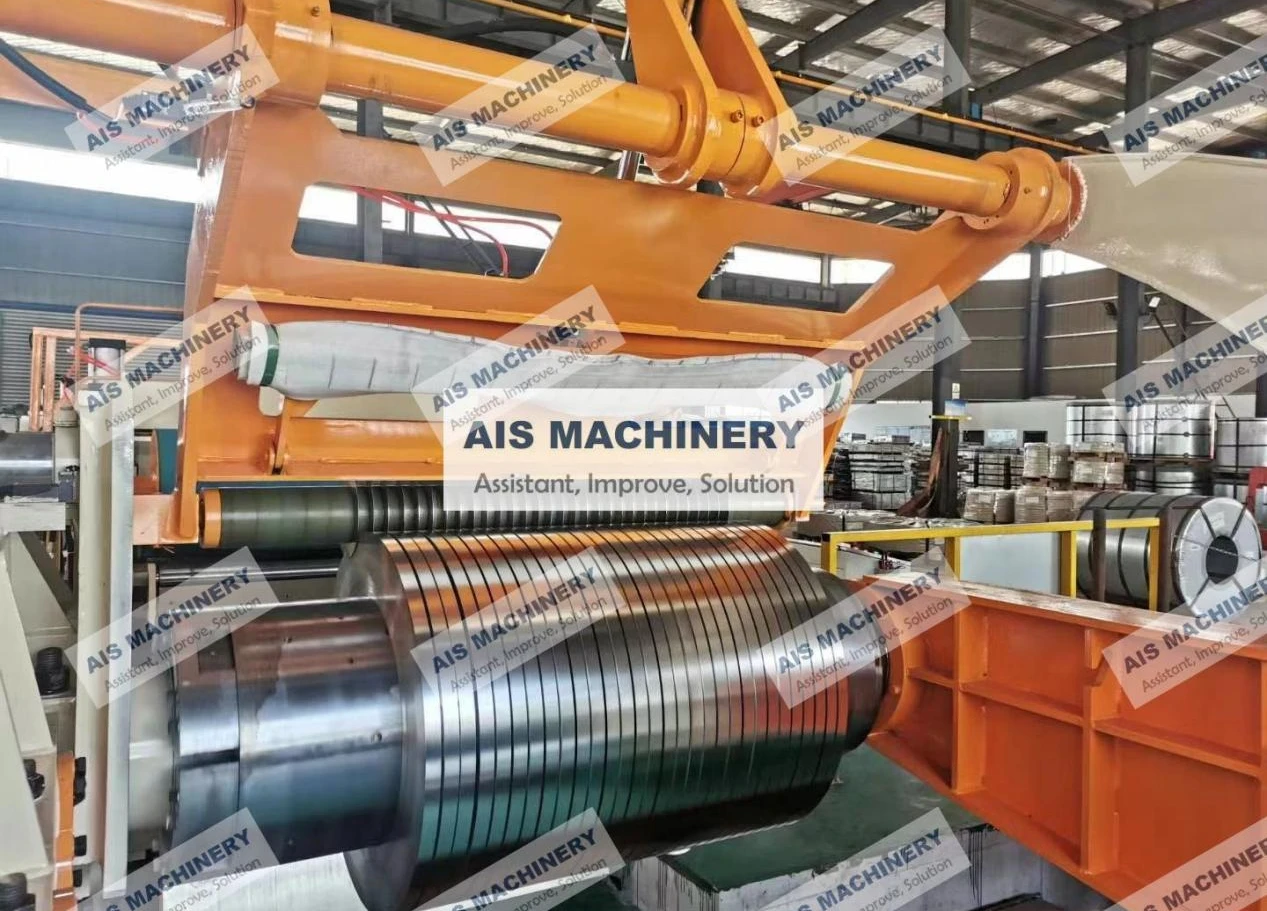
Production speed is a critical metric for pipe mill operations, directly impacting productivity, cost efficiency, and customer satisfaction.
2025-07-28 15:02:13
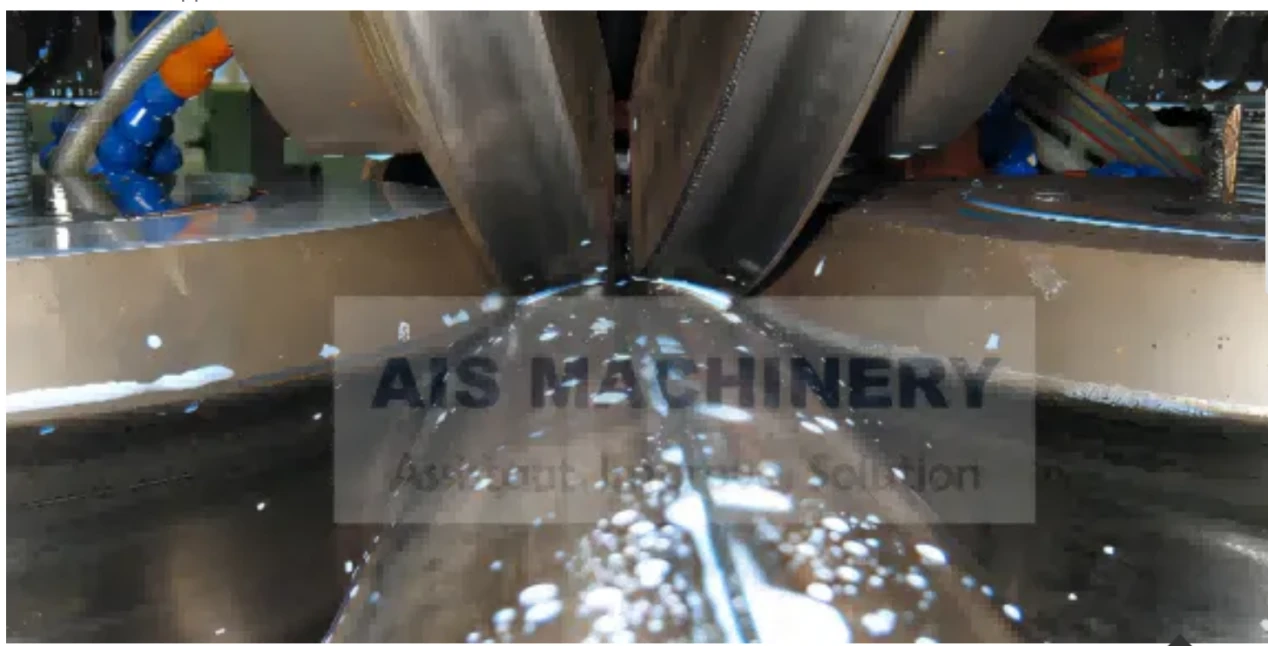
Metal Slitting Line Coil Width Range
Understanding the coil width range capabilities of a metal slitting line is essential for selecting equipment that aligns with diverse material processing needs, from narrow strips to wide coils.
2025-07-28 14:57:53
ERW Pipe Mill Material Compatibility
Material compatibility is a cornerstone of efficient and high-quality pipe production in ERW Pipe Mill operations.
Send a Message
Dear customer, thank you for your attention! We provide high-quality machinery and equipment and look forward to your orders. Please inform us of your needs and we will respond quickly!
 English
  Albanian
  Arabic
  French
  German
  Indonesian
  Italian
  Japanese
  Kazakh
  Korean
  Latin
Latin  Macedonian
  Portuguese
  Russian
  Spanish
  Thai
Thai  Turkish
  Ukrainian
  Uzbek
Uzbek