
-
 Tel:86-15176910262
-

Search
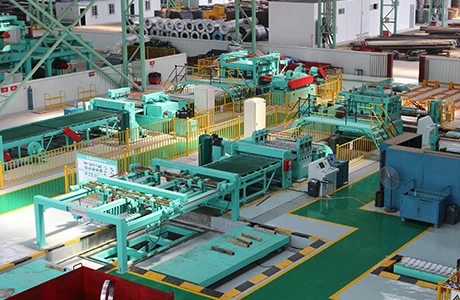

Cut to Length Line Flying Shear Stacker - Precision Engineering&Automated Metal Processing | HEBEI AIS MACHINERY EQUIPMENT CO.,LTD
Sep . 22, 2025 15:15
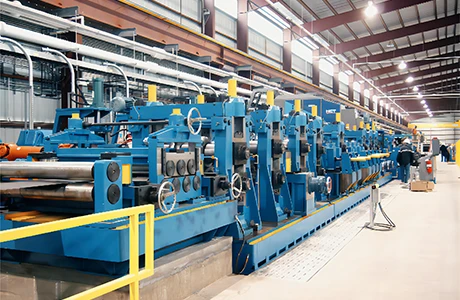
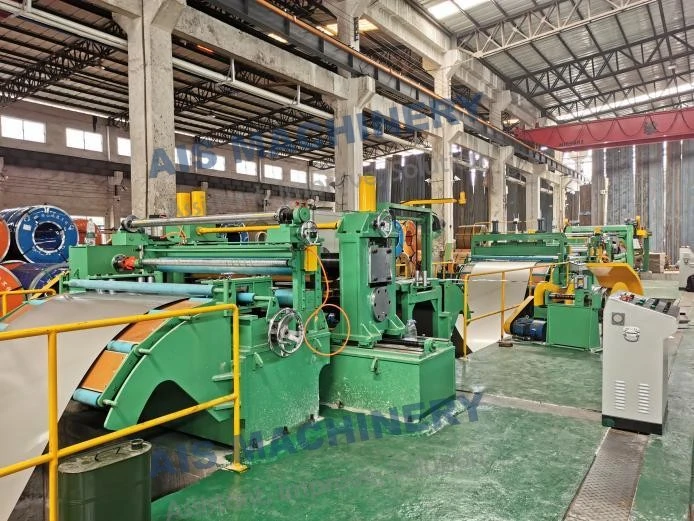
As the global demand for high-precision metal processing continues to rise, the Cut to Length Line Flying Shear Stacker has emerged as a critical solution for industries requiring efficient and accurate metal coil processing. Developed by HEBEI AIS MACHINERY EQUIPMENT CO.,LTD, this advanced system integrates cutting-edge automation and mechanical engineering to deliver unmatched performance in metal fabrication. This article provides a comprehensive overview of the product's capabilities, technical specifications, and applications.
Product Overview
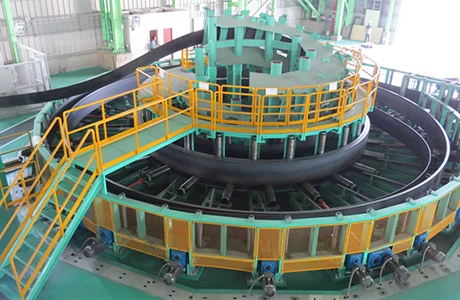
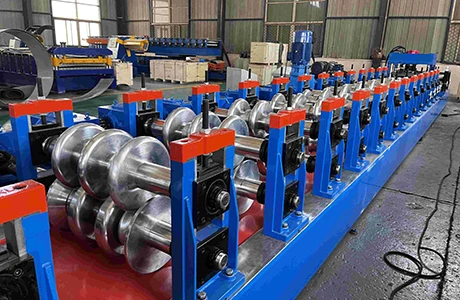
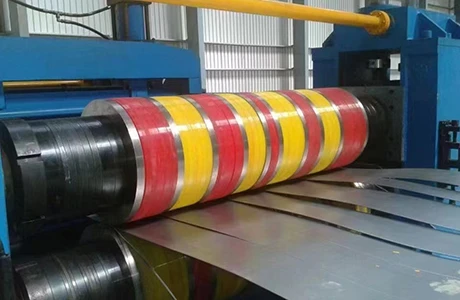
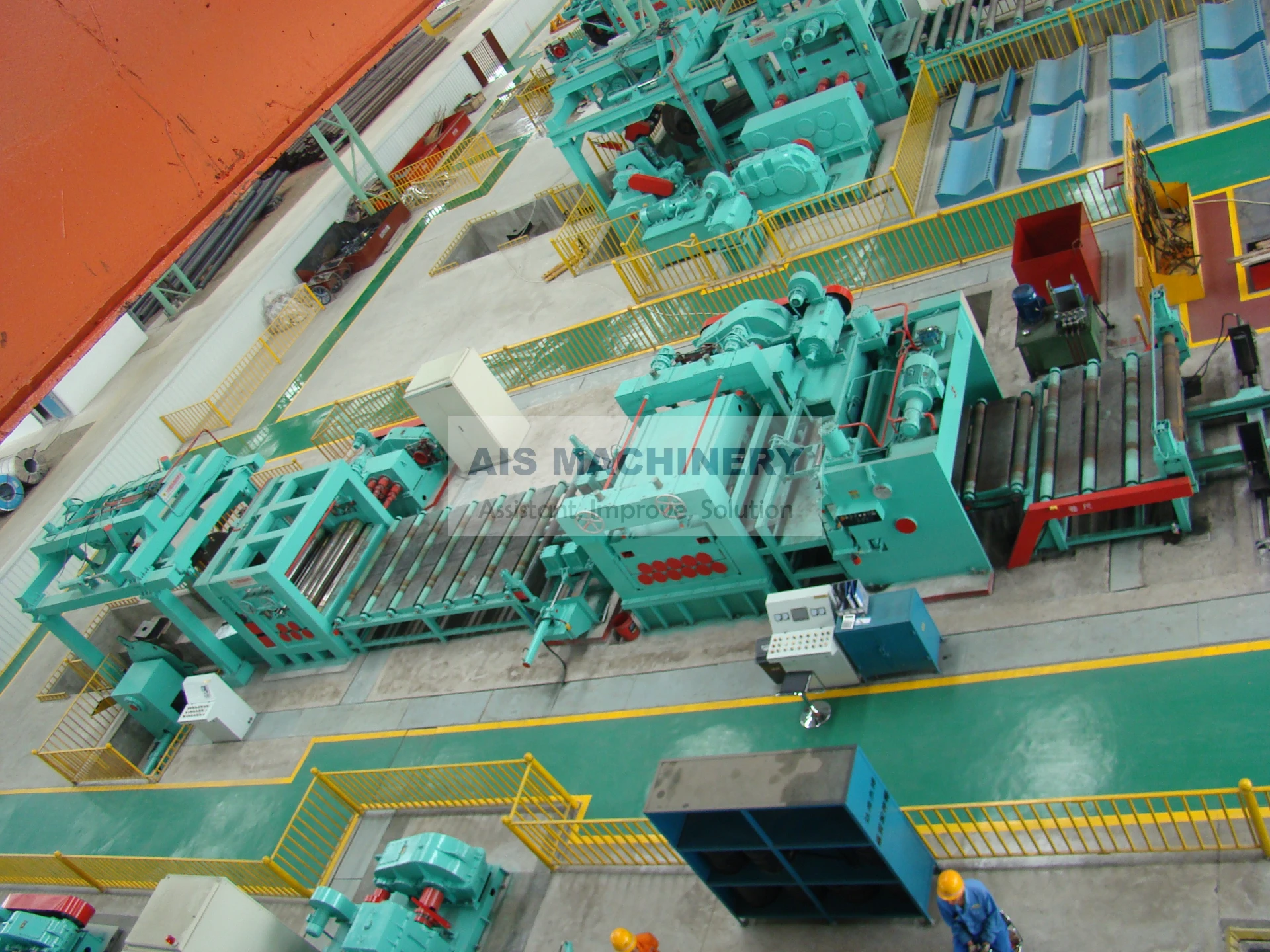
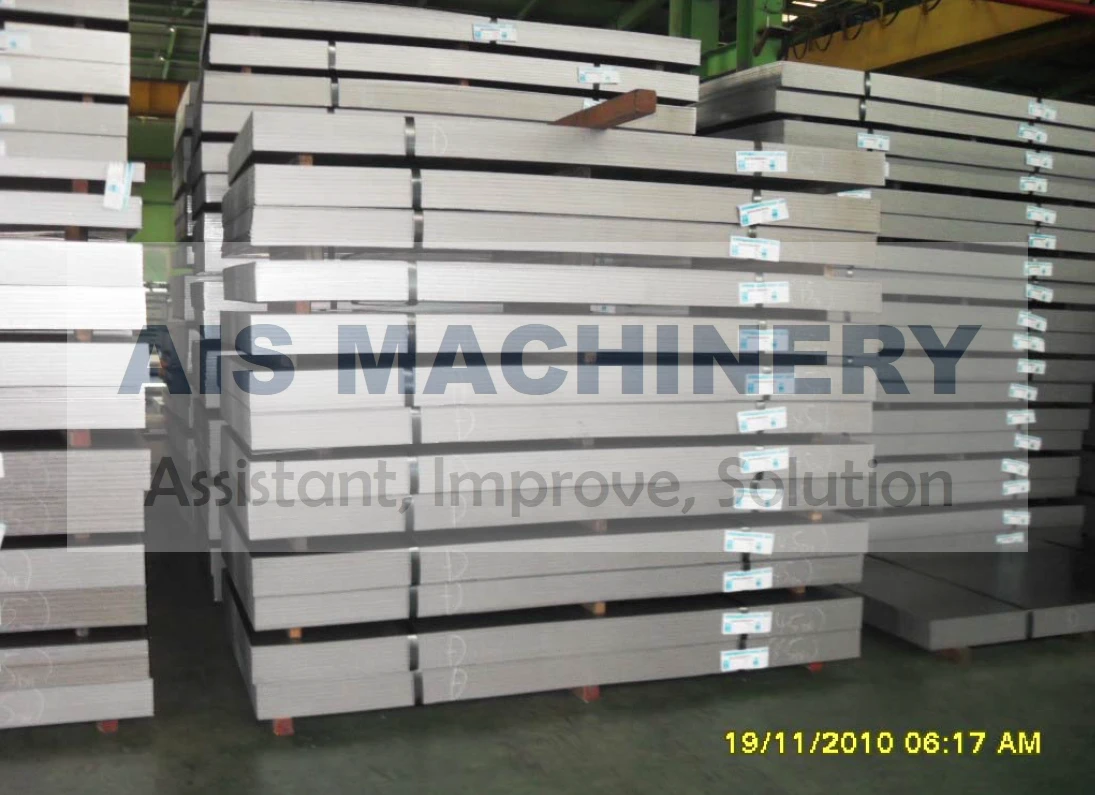
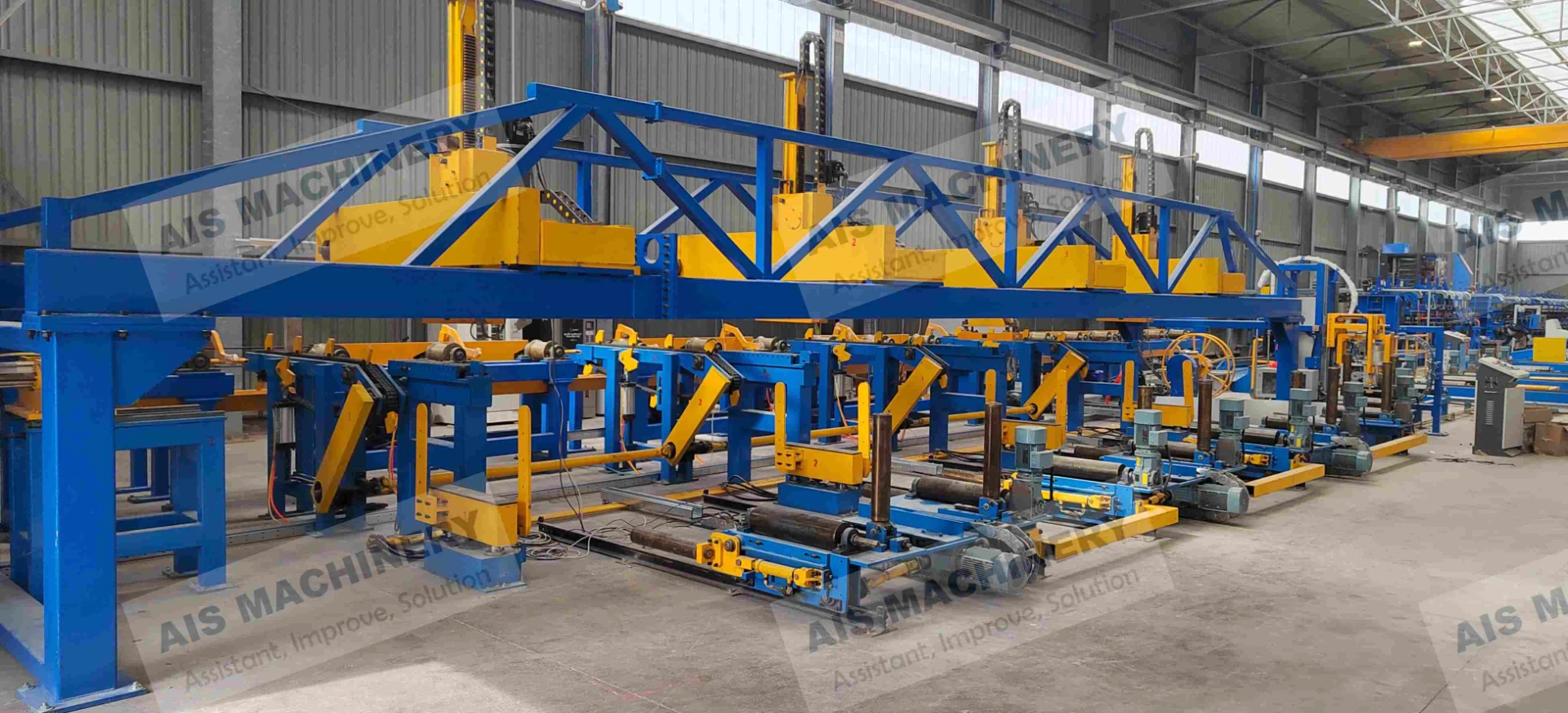
The Cut to Length Line Flying Shear Stacker is an automated production equipment designed for fixed-length shearing of metal coils. It processes coils of varying widths and thicknesses into plates with precise dimensions and smooth surfaces. The system's modular design ensures seamless integration into existing production lines while maintaining high throughput and operational efficiency.
Key Features and Advantages
The Cut to Length Line Flying Shear Stacker combines advanced engineering with user-centric design to deliver exceptional performance. Key features include:
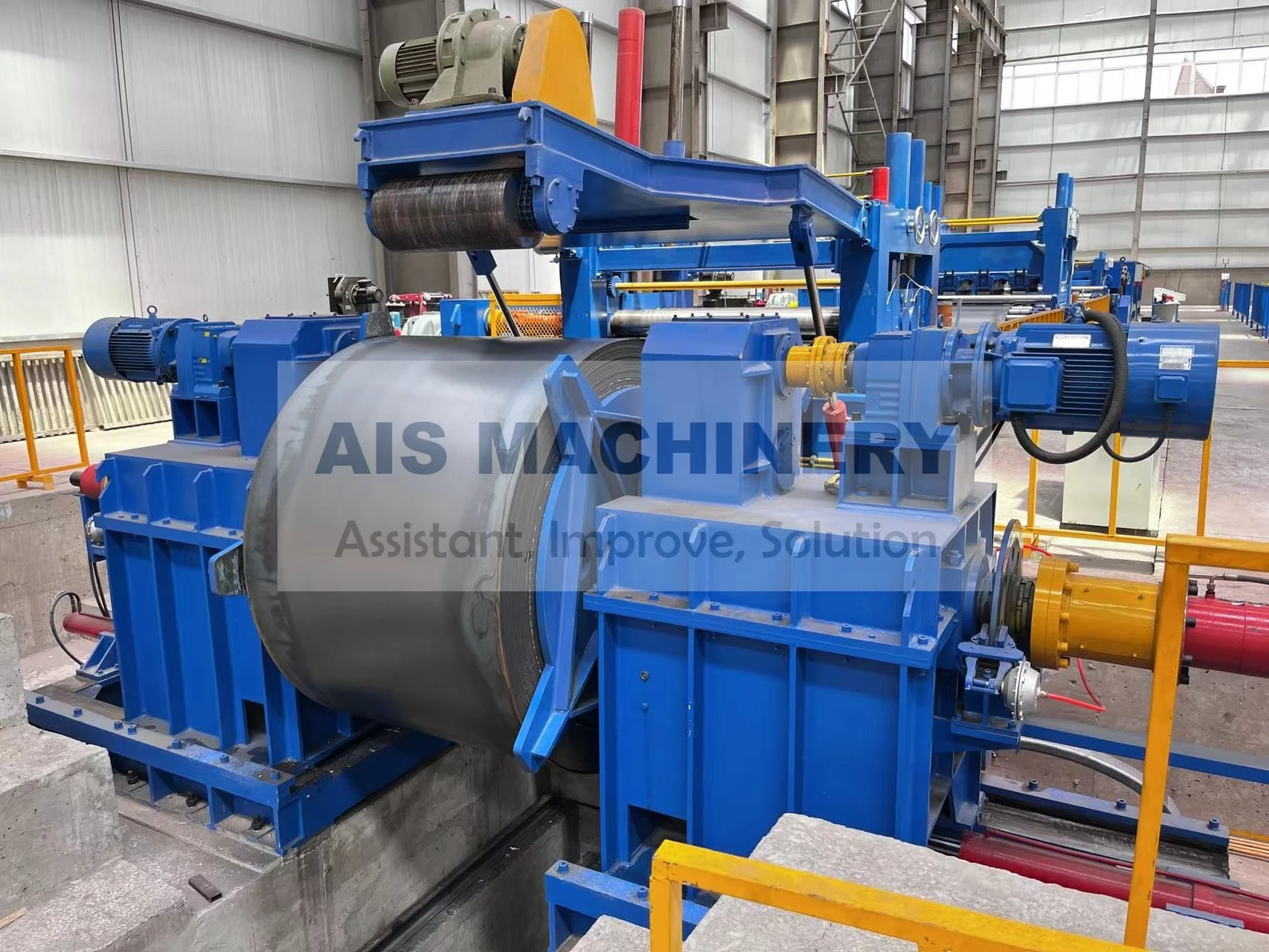
- Modular Architecture: The system comprises multiple functional modules, including a loading coil car, single-arm uncoiler, feeding bridge, and hydraulic buffer transition bridge, ensuring a smooth workflow.
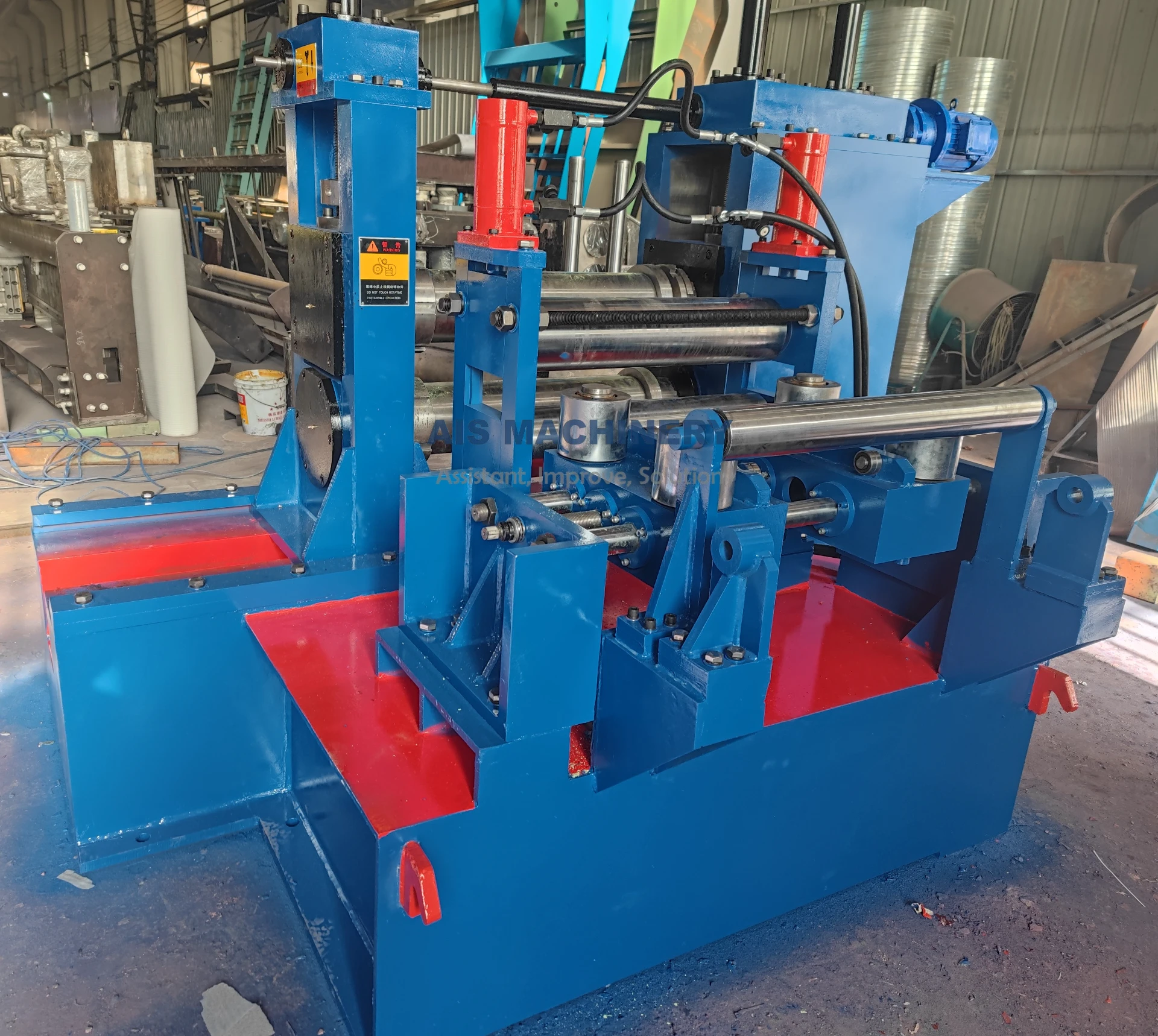
- High-Precision Shearing: Equipped with an automatic shearing system and high-precision leveling machine, the device achieves dimensional accuracy within ±0.1mm, meeting stringent industry standards.
- Automation and Control: Servo-controlled cutoff devices and a centralized hydraulic control unit enable real-time adjustments, minimizing material waste and enhancing productivity.
- Scalability: The system supports processing widths ranging from 500mm to 2000mm, accommodating diverse industrial requirements.
Technical Specifications
| Specification | Details |
|---|---|
| Processing Width | 500mm - 2000mm |
| Material Thickness | 0.5mm - 6mm (steel, stainless steel, aluminum) |
| Shearing Speed | Up to 150m/min |
| Accuracy | ±0.1mm (dimensional) | ±0.05mm (surface finish) |
| Power Supply | 380V/50Hz (three-phase) |
| Control System | PLC + HMI (Human-Machine Interface) |
Applications in Industrial Manufacturing
The Cut to Length Line Flying Shear Stacker is widely used across multiple industries, including:
- Automotive: Producing precision-cut steel sheets for vehicle components.
- Construction: Manufacturing structural steel plates for buildings and infrastructure.
- Appliances: Supplying high-quality metal sheets for refrigerator and washing machine casings.
- Energy: Fabricating components for solar panels and wind turbines.
Company Background: HEBEI AIS MACHINERY EQUIPMENT CO.,LTD
HEBEI AIS MACHINERY EQUIPMENT CO.,LTD is a leading manufacturer of metal processing equipment, specializing in innovative solutions for the steel and aluminum industries. With over a decade of experience, the company has established itself as a trusted partner for clients worldwide. Their commitment to quality and technological advancement is evident in products like the Cut to Length Line Flying Shear Stacker, which reflects their dedication to precision engineering.
Industry Standards and Compliance
The Cut to Length Line Flying Shear Stacker adheres to international standards for safety, efficiency, and performance. According to the National Institute of Standards and Technology (NIST), "Automated metal processing systems must meet strict tolerances and reliability benchmarks to ensure consistent product quality and operational safety" (NIST). This aligns with the design principles of the system, which incorporates advanced sensors and control mechanisms to maintain compliance with global manufacturing standards.
Conclusion
The Cut to Length Line Flying Shear Stacker represents a significant advancement in metal processing technology. Its combination of precision, automation, and versatility makes it an ideal choice for manufacturers seeking to optimize production efficiency and product quality. For more information, visit the HEBEI AIS MACHINERY EQUIPMENT CO.,LTD website to explore their full range of solutions.
References

Related Products
Related News
2027-04-24 00:00:00
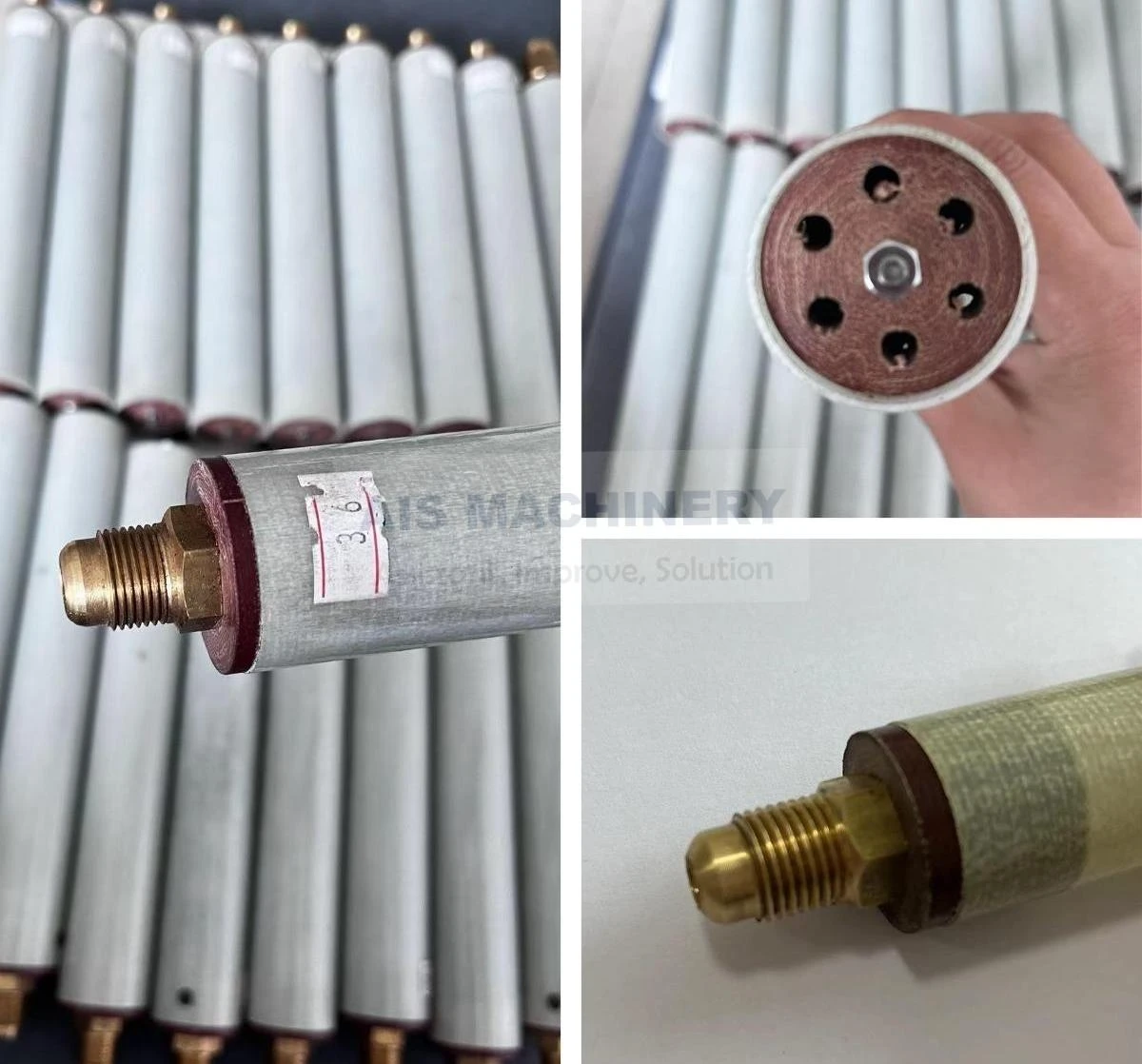
What is an Impeder and Ferrite Rods in ERW Tube Mill?
Struggling with impeder overheating or short service life in your ERW tube mill? This guide explains common impeder problems, the role of ferrite rods, and how to choose the right impeder for stable welding performance. Improve weld quality, reduce energy loss, and extend equipment lifespan with the right selection and proper cooling solutions.
2026-04-21 10:22:25
Slitting & Cut-to-Length Combined Production Line: A Smarter Way to Process Steel Coils
Discover the Slitting & Cut-to-Length Combined Production Line, a flexible solution for steel coil processing. This system integrates slitting line and cut-to-length line functions in one machine, saving space, reducing costs, and improving efficiency. Ideal for processing both steel strips and sheets, it is widely used in service centers and manufacturing industries. Learn its advantages, limitations, and applications.
2026-04-18 03:20:20
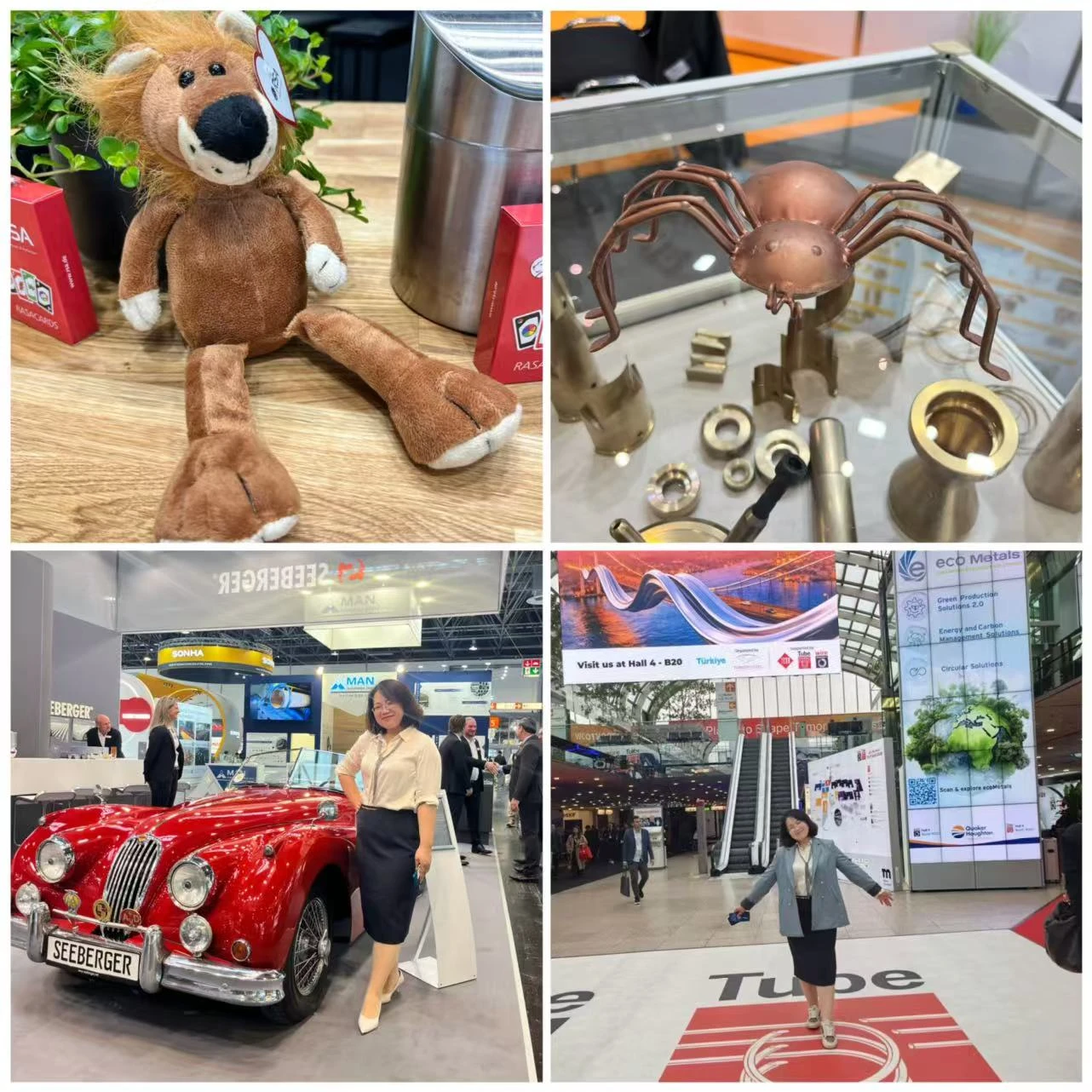
AIS Machinery Showcases Advanced Tube Solutions at Tube & Wire Düsseldorf 2026
Tube & Wire Düsseldorf 2026, one of the most influential exhibitions in the global tube and wire industry, held biennially in Düsseldorf, Germany
2026-04-17 00:00:00
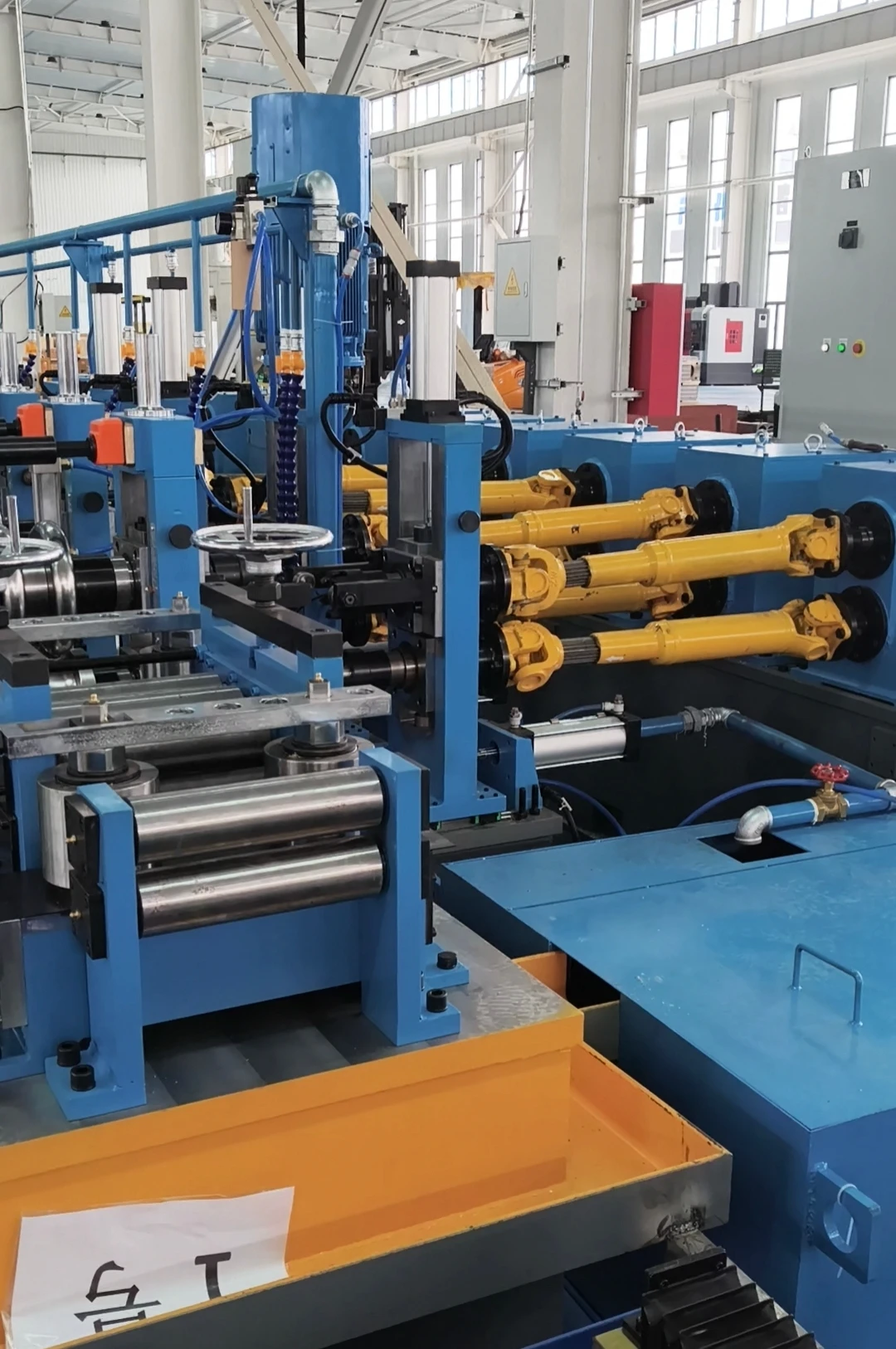
Southeast Asia Client Visits Our Factory | Customized Tube Mill Solution Delivered
A Southeast Asia client visited our ERW tube mill factory to inspect production lines and discuss a customized tube mill solution. Impressed by our machine quality, welding performance, and engineering support, the client confirmed strong cooperation intentions. Discover how our ERW tube mill solutions improve efficiency, precision, and long-term production reliability.
2026-04-15 10:37:55
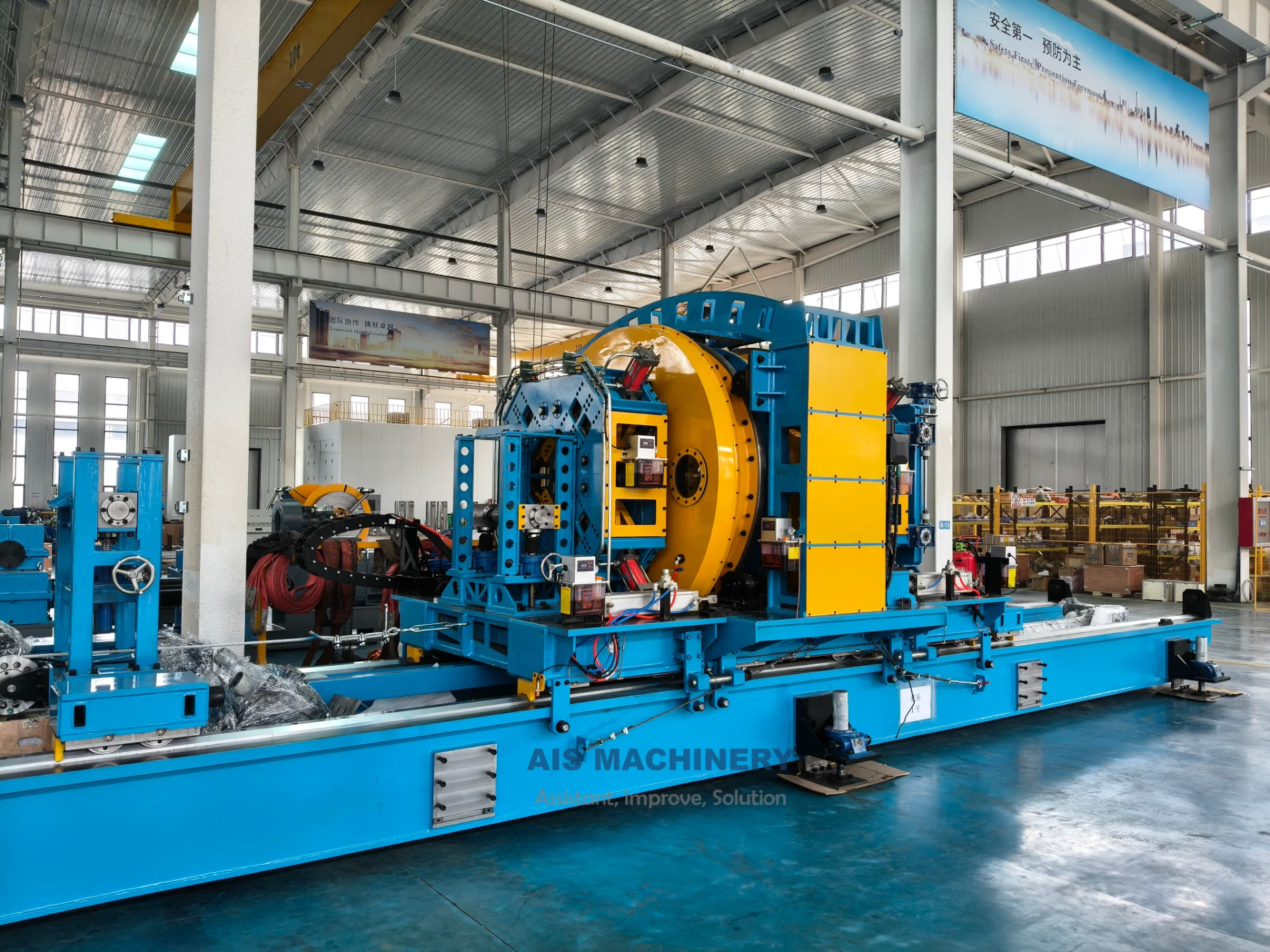
Flat Bar Production Line for Steel Coils: How It Works & Why It Matters
Looking for a flat bar production line? Learn how it turns steel coils into ready-to-use flat bars with precise length and high straightness. Compare it with slitting lines and get the best solution for your steel processing needs.
2026-04-14 00:00:00
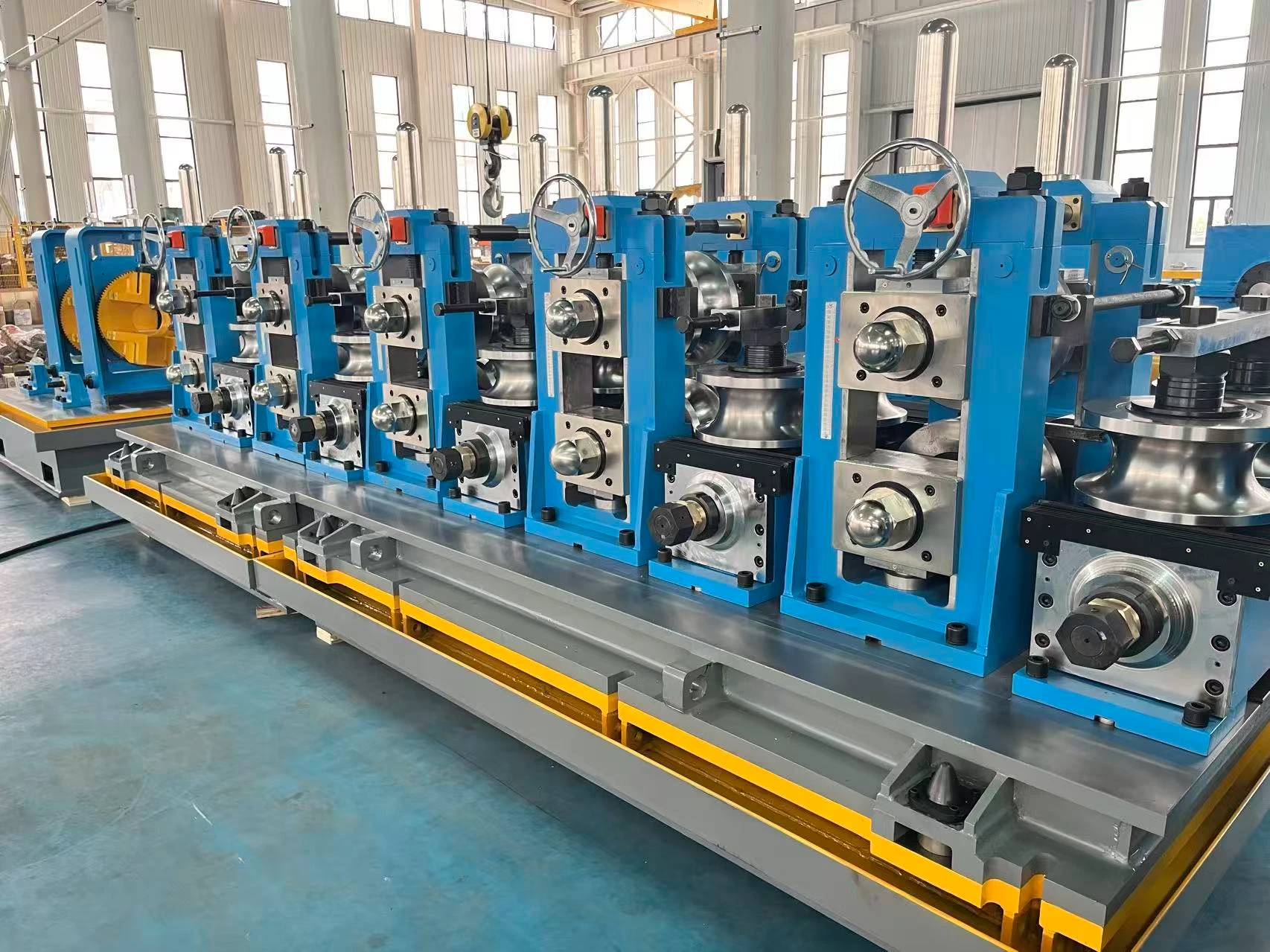
Looking for a Milling Saw for ERW Tube Mill? Here’s What You Need to Know
Looking for a high-performance milling saw for your ERW tube mill? Upgrade to burr-free, high-precision pipe cutting with advanced flying saw technology. Improve efficiency, reduce rework, and meet export standards for carbon steel, stainless steel, and API pipes. Contact us today for expert solutions and competitive pricing tailored to your production needs.
2026-04-09 16:15:19
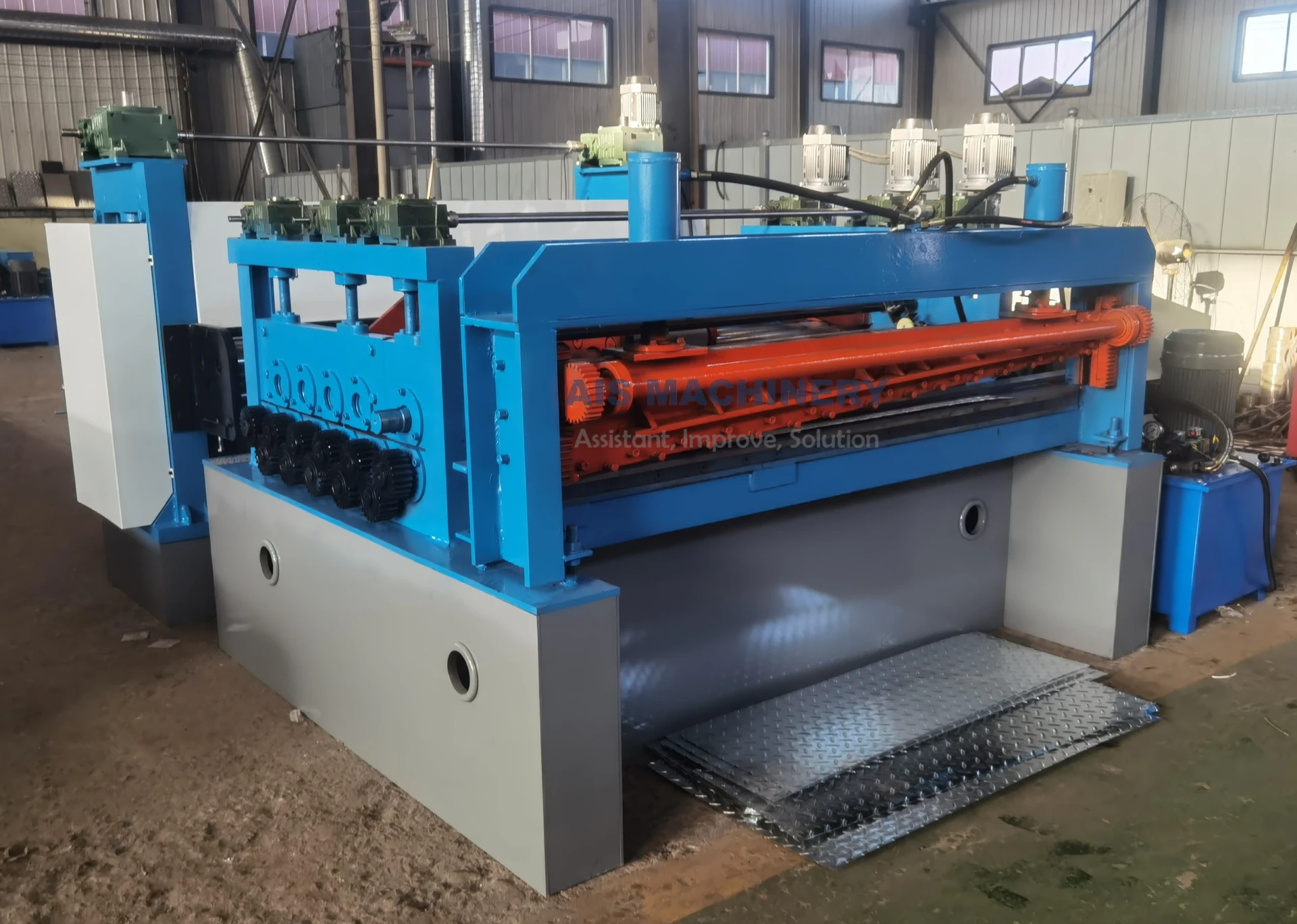
5-Inch (127mm) ERW Tube Making Machine Delivered with Heavy-Duty Design and Advanced Quick Change System
2027-04-07 00:00:00
Metal Embossing Machine: Turn Flat Sheets into High-Value Textured Products
Discover how a metal embossing machine transforms flat steel, stainless steel, and aluminum sheets into high-value textured products. Learn about its working principle, key components, and applications. Ideal for decorative and industrial use, embossing machines improve both appearance and performance. Explore complete embossing line solutions and find the right machine for your production needs.
Send a Message
Dear customer, thank you for your attention! We provide high-quality machinery and equipment and look forward to your orders. Please inform us of your needs and we will respond quickly!
 English
  Albanian
  Arabic
  French
  German
  Indonesian
  Italian
  Japanese
  Kazakh
  Korean
  Latin
Latin  Macedonian
  Portuguese
  Russian
  Spanish
  Thai
Thai  Turkish
  Ukrainian
  Uzbek
Uzbek