
-
 Tel:86-15176910262
-

Search

Cut to Length Machine - Precision Metal Processing Solutions
Nov . 29, 2025 23:05
Understanding the Cut to Length Machine: Why It Matters
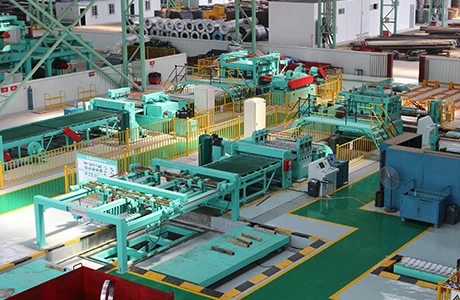
If you've ever marveled at how steel coils, metal sheets, or pipes transform into perfectly sized segments for construction or manufacturing, a cut to length machine was likely behind the scenes. These machines slice and size bulky raw materials into precise lengths, ready for the next step. Globally, they’re absolute workhorses – critical in industries ranging from automotive to shipbuilding to energy infrastructure.
Their relevance goes beyond mere efficiency. For countries boosting industrial capacity and for companies investing in sustainable manufacturing, mastering these machines means better material usage, less waste, and ultimately, cost savings that ripple through the supply chain and end product pricing. It’s one of those underappreciated gears turning global industry forward.
Mini takeaway: Cut to length machines help industries optimize raw material use while ensuring components are accurately sized — a foundation for precision manufacturing worldwide.
The Global Context: Why Cut to Length Machines Are Essential
According to the International Organization for Standardization (ISO), global steel production topped 1.9 billion metric tons in recent years, with a significant chunk needing resizing before use. That’s a staggering volume — imagine slicing and preparing all that steel without high-precision machinery! Countries with booming infrastructure projects, like India and Vietnam, are driving demand for these machines, integrating them into production lines to cut wasted metal and streamline deliveries.
Industries often face challenges in material handling, especially when space or time is tight. The alternative — manual or rudimentary cutting — wastes time, risks inaccuracies, and inflates costs. Modern cut to length machines directly address these challenges by automating the slicing process with tight tolerances and incredible speed.
Mini takeaway: Globally, industrial growth and material efficiency challenges boost the need for reliable, automated cut to length solutions.
What is a Cut to Length Machine?
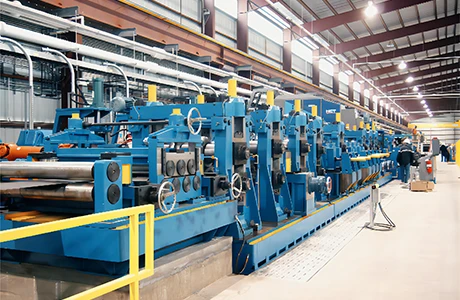
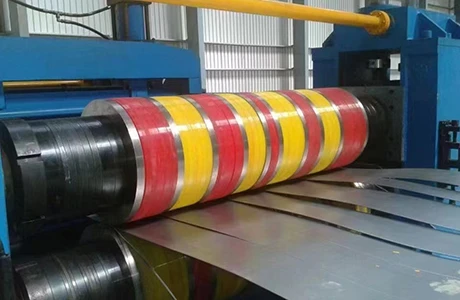
Simply put, a cut to length machine is a semi or fully automated industrial device designed to cut wide strips or coils of sheet metal, steel, or other materials into specified, uniform lengths — hence the name. It typically combines feed mechanisms, straighteners, precision cutters, and stacking systems to deliver ready-to-use lengths in batches or streams.
For modern manufacturing, this technology isn’t just about cutting metal; it’s about enabling consistent workflows, maintaining material integrity, and aligning with supply demands. It’s especially vital in industries where exact dimensions influence product safety — automotive body panels or aircraft components being prime examples.
Mini takeaway: The machine converts broad raw stock into uniform lengths ready for industrial assembly or processing, ensuring consistency and quality.
Core Features that Define Cut to Length Machines
1. Precision Cutting Technology
No one wants a metal sheet with jagged edges or slightly off length. Precision cutting systems — sometimes involving hydraulic, mechanical, or laser blades — guarantee clean cuts meeting exact specs. This is where the linchpin lies; over dozens or thousands of cuts, even a millimeter off can stack up to costly errors.
2. Robust Feeding and Straightening Mechanisms
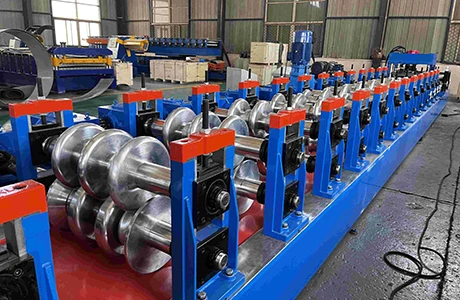
Feeding heavy coils quickly while unwrapping and straightening them puts huge mechanical demands on the machine. If feeding isn’t smooth, materials can jam or warp, which means downtime. Strong rollers and guides keep the sheet tight and aligned.
3. Scalability and Speed
Depending on production needs—small batches for custom orders, or millions of sheets annually for automotive plants—the machines must scale. Some can process a few meters per minute; high-end models blast through hundreds. Engineers say the ability to adjust speed without losing accuracy is crucial.
4. Durability Under Harsh Environments
The machines often operate in dusty, high-vibration factory floors. Quality materials, corrosion resistance, and easy maintenance extend operational life. Some vendors focus on modular parts for quick swapping — a huge bonus when uptime literally equals money.
5. Intuitive Control Systems
Modern versions come with PLC (Programmable Logic Controllers) and HMI (Human Machine Interface) touchscreens, letting operators set lengths, speeds, and monitor faults with ease. This tech leap reduces human error while making training faster.
| Feature | Specification |
|---|---|
| Max Coil Width | 1500 mm |
| Sheet Thickness Range | 0.3 mm - 6 mm |
| Cutting Speed | Up to 100 m/min |
| Cutting Accuracy | ± 0.1 mm |
| Control System | PLC with HMI Touchscreen |
| Power Supply | 380V 3-phase AC |
Real-World Uses: The Breadth of Applications
Ironically, when you think about cutting something that big and heavy down to smaller standardized pieces, you realize just how many industries rely on it. Construction firms in Southeast Asia use these machines to prepare roofing sheets. Automotive factories in Germany slice metals for car bodies. Shipyards in South Korea require exact dimensions to fit panels and decks.
Even in humanitarian contexts, these machines matter. Post-disaster rebuilding requires rapid production of materials that fit predefined specs, minimizing waste and delays. Remote industrial zones, where onsite fabrication reduces transport needs, benefit from portable, efficient cutting setups.
Mini takeaway: From heavy industry to disaster relief, cut to length machines create a foundation of precision and speed for numerous sectors worldwide.
Advantages & Long-Term Benefits
- Cost Efficiency: Reduces scrap material, lowering overall production costs.
- Improved Quality: Consistent sizes mean fewer defects and easier assembly.
- Safety: Automation reduces manual handling injuries.
- Sustainability: Efficient cutting supports waste reduction goals.
- Reliability: Robust machinery ensures long operational life and uptime.
There's an emotional side too — companies gain trust with clients by delivering precise products on time. You know that feeling when a part fits perfectly and immediately works? That’s partly thanks to these often-overlooked machines.
What’s Next? Future Trends in Cut to Length Machines
Manufacturers are embracing digital transformation with IoT sensors tracking machine health to predict maintenance. Also, new eco-friendly lubricants and lightweight materials for machine parts reduce environmental impacts. Add in automation advances — like AI-guided adjustments for different metal types — and these devices are becoming smarter daily.
There’s also an interesting push towards energy-efficient motors and regenerative braking systems, helping reduce power consumption on factory floors. Green production isn’t just a buzzword anymore — for many, it’s a mandate. And one can’t help but wonder how these trends will redefine what a simple “cut to length machine” looks like a decade from now.
Challenges and How Industry Tackles Them
Like all heavy industrial equipment, cut to length machines face wear and tear, especially on blades and rollers. Downtime is costly. But innovations in modular design allow for faster part swaps. Remote diagnostics – facilitated by built-in IoT systems – help identify issues before breakdowns.
Another challenge lies in training operators. As machines get more complex, companies invest in VR training modules and simulators to upskill workers without risking costly mistakes. It’s a nice balance of old-school craftsmanship meeting cutting-edge technology.
Vendor Comparison: Selected Cut to Length Machine Providers
| Vendor | Max Coil Width | Cutting Speed (m/min) | Automation Level | Price Range |
|---|---|---|---|---|
| AISTubemill Tech | 1500 mm | 100 | High (PLC+AI-assisted) | $$$ |
| SteelSlice Corp | 1400 mm | 85 | Medium (PLC only) | $$ |
| CutRight Solutions | 1200 mm | 90 | Basic (Manual override) | $ |
Frequently Asked Questions About Cut to Length Machines
- How do I choose the right cut to length machine for my industry?
- Start by assessing your material specs (thickness, width), production volume, and automation needs. Consult vendors about scalability and maintenance. Visiting factory demos or trial runs helps too.
- Can cut to length machines handle metals other than steel?
- Absolutely. Many systems are adjustable for aluminum, copper, and sometimes even specialty alloys. However, blade types and machine settings often need modifications.
- What kind of maintenance do these machines require?
- Regular blade sharpening/replacement, lubrication of rollers, and software updates are typical. Many vendors offer predictive maintenance services using IoT data.
- Is training necessary to operate these machines safely?
- Yes. Even automated systems require skilled operators to monitor performance and troubleshoot. Proper training reduces accidents and improves uptime.
- Where can I find reliable vendors for cut to length machines?
- Trusted manufacturers such as AISTubemill Tech offer a mix of proven quality and innovation. Industry expos and online reviews are also good starting points.
Conclusion: Why Investing in Cut to Length Machines Pays Off
Ultimately, investing in a high-quality cut to length machine is about more than improving your cutting line. It’s about embedding precision, efficiency, and sustainability into your entire production process. Whether you’re a small fabrication shop or an industrial giant, these machines lay the groundwork for reliable outputs, safer workplaces, and greener operations. For those ready to scale up or modernize, checking out cut to length machine solutions is a smart move.
In the ever-competitive manufacturing sphere, the difference often boils down to how well raw materials are handled, and cut to length machines stand at the very core of that reality.
References
- International Organization for Standardization (ISO)
- Wikipedia: Steel Production
- World Steel Association

Related Products

Related News
2026-04-30 09:35:04
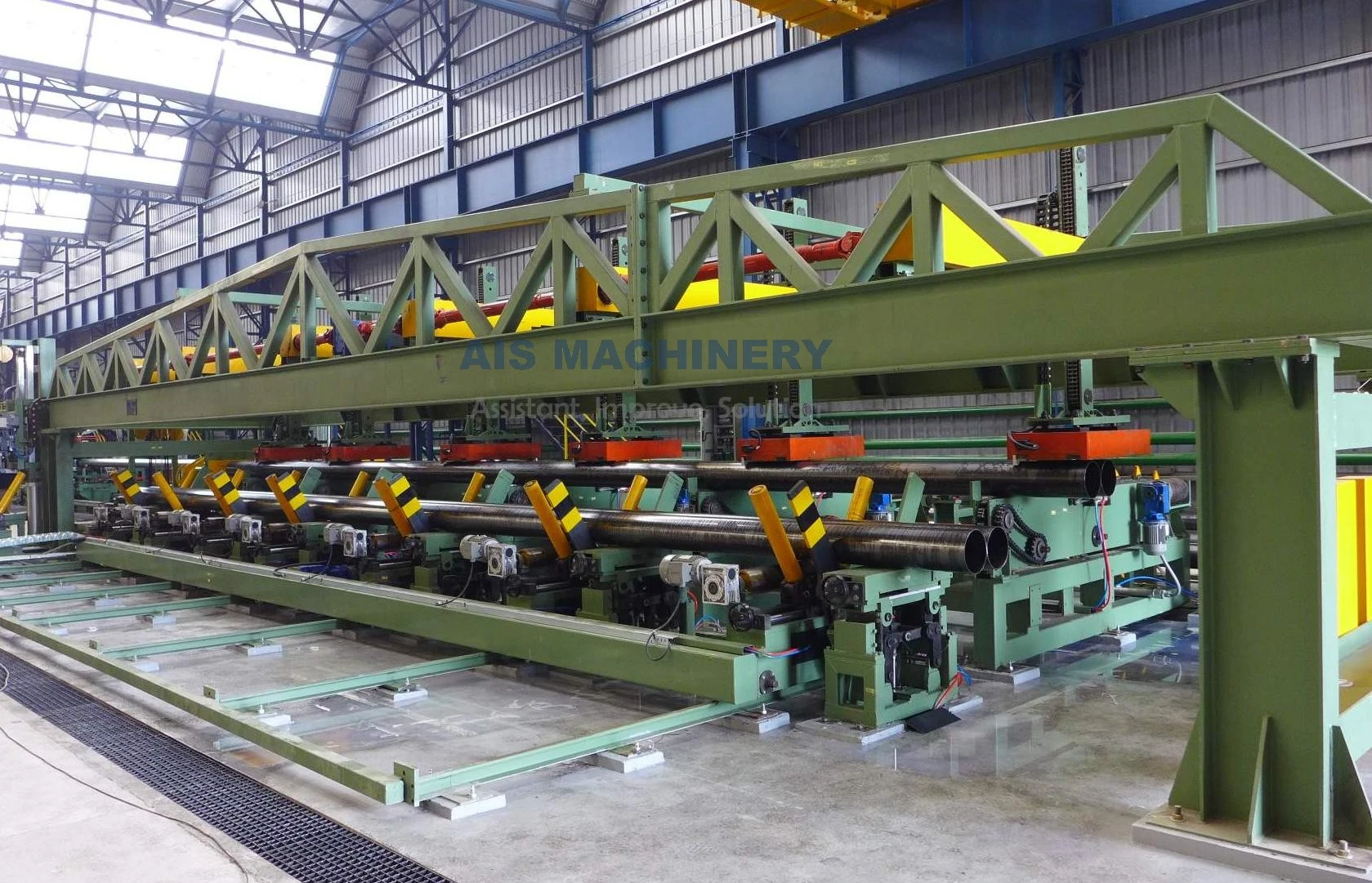
Automatic Stacking Machine (Magnetic Chuck Type)
The Automatic Stacking Machine (Magnetic Chuck Type) from AIS Machinery is designed to efficiently collect and stack steel tubes in ERW tube mill production lines. Using electromagnetic lifting, it can pick up multiple tubes at once and place them neatly in layers. This reduces manual labor, improves stacking accuracy, and increases overall production efficiency. It is installed after the flying saw and works seamlessly with the mill line, making it an ideal solution for modern tube manufacturers.
2026-04-28 08:56:05
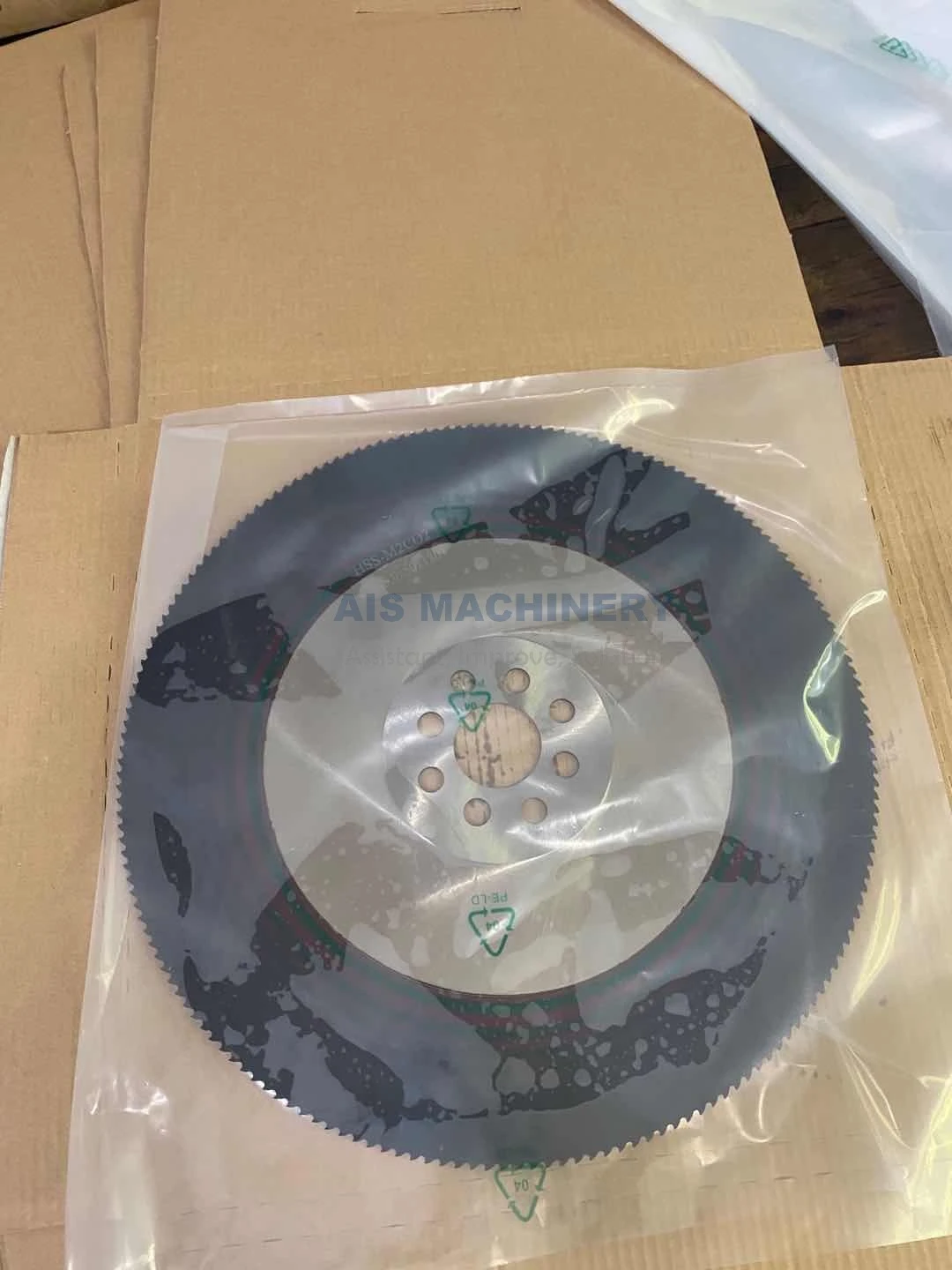
Saw Blade Guide for Tube Mills: Friction vs HSS vs TCT — Which One Should You Choose?
Confused about friction saw, HSS, and TCT blades? This guide explains their uses in cold saw and friction saw machines, with pros, cons, and expert selection tips.
2026-04-24 08:54:16
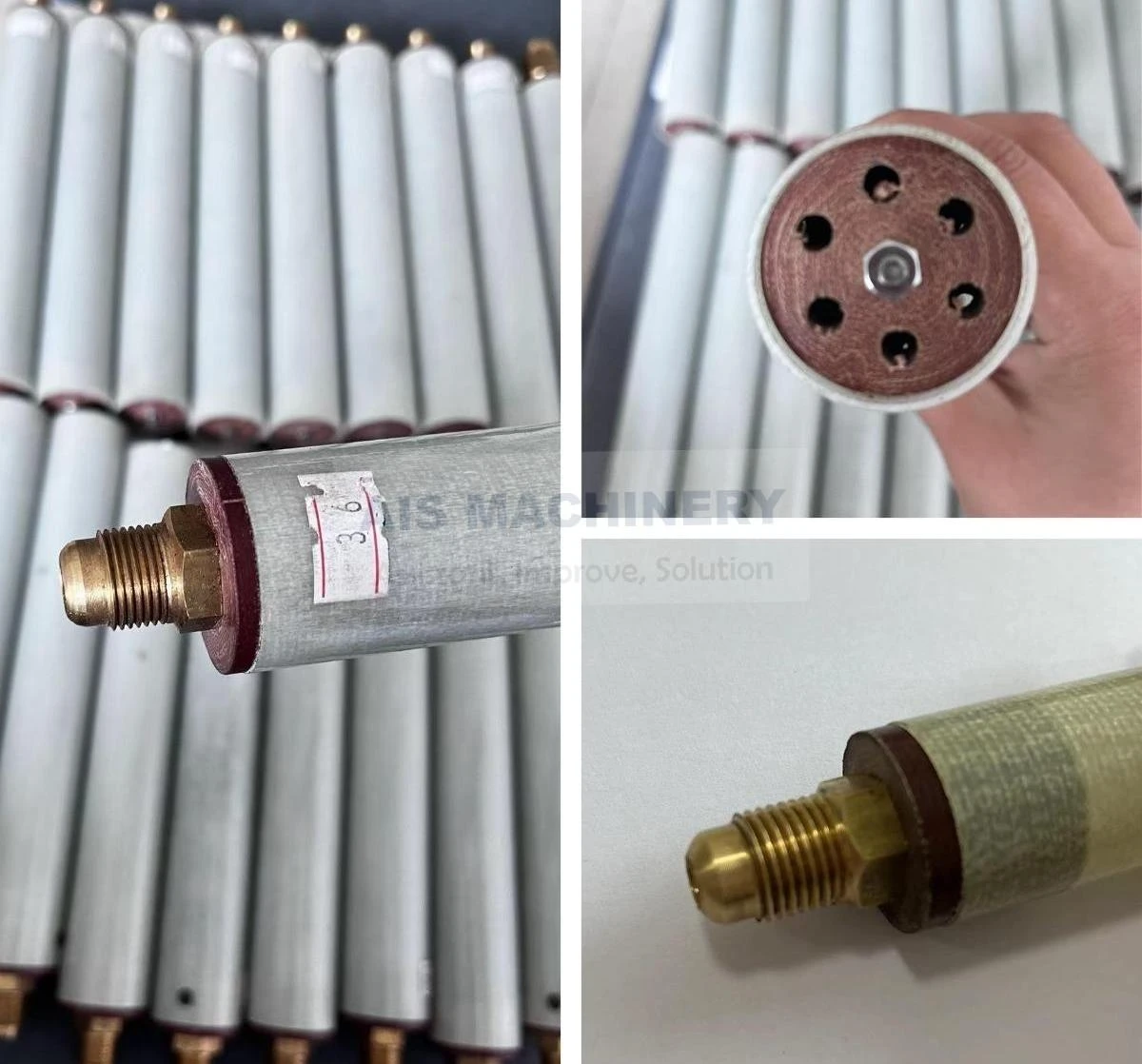
What is an Impeder and Ferrite Rods in ERW Tube Mill?
Struggling with impeder overheating or short service life in your ERW tube mill? This guide explains common impeder problems, the role of ferrite rods, and how to choose the right impeder for stable welding performance. Improve weld quality, reduce energy loss, and extend equipment lifespan with the right selection and proper cooling solutions.
2026-04-21 10:22:25
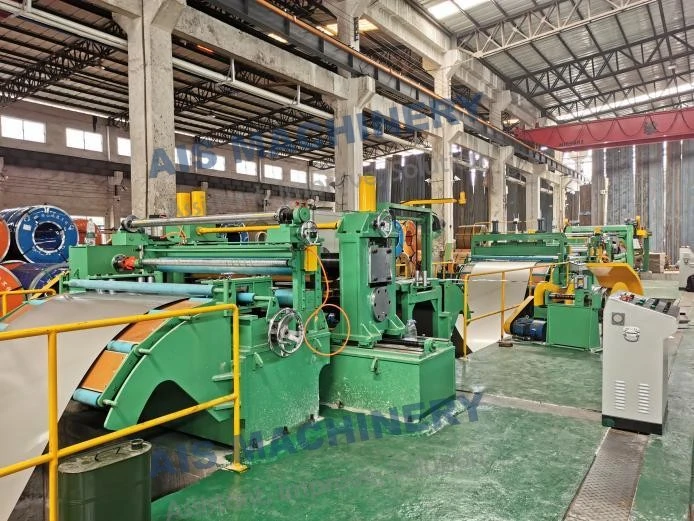
Slitting & Cut-to-Length Combined Production Line: A Smarter Way to Process Steel Coils
Discover the Slitting & Cut-to-Length Combined Production Line, a flexible solution for steel coil processing. This system integrates slitting line and cut-to-length line functions in one machine, saving space, reducing costs, and improving efficiency. Ideal for processing both steel strips and sheets, it is widely used in service centers and manufacturing industries. Learn its advantages, limitations, and applications.
2026-04-18 03:20:20
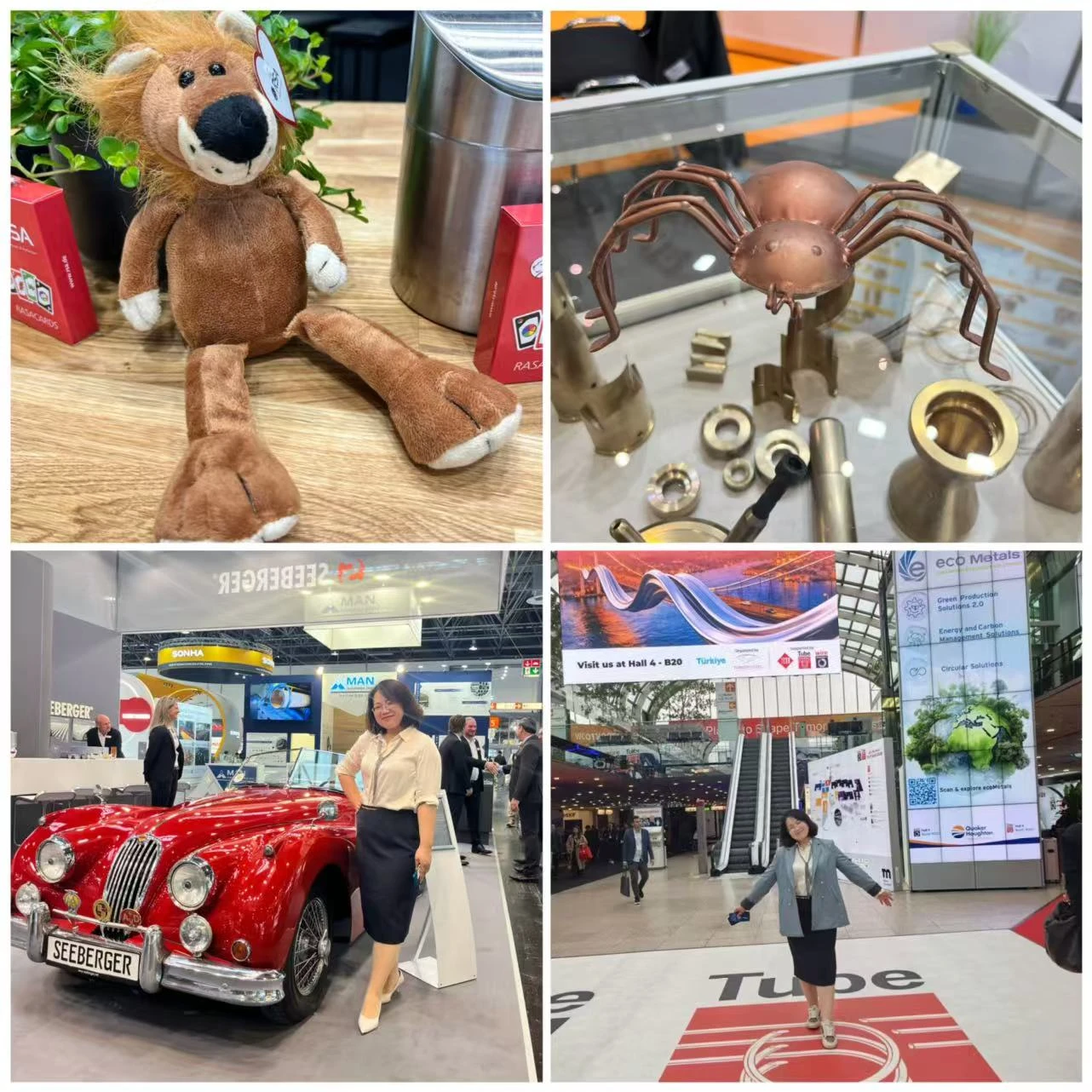
AIS Machinery Showcases Advanced Tube Solutions at Tube & Wire Düsseldorf 2026
Tube & Wire Düsseldorf 2026, one of the most influential exhibitions in the global tube and wire industry, held biennially in Düsseldorf, Germany
2026-04-17 00:00:00
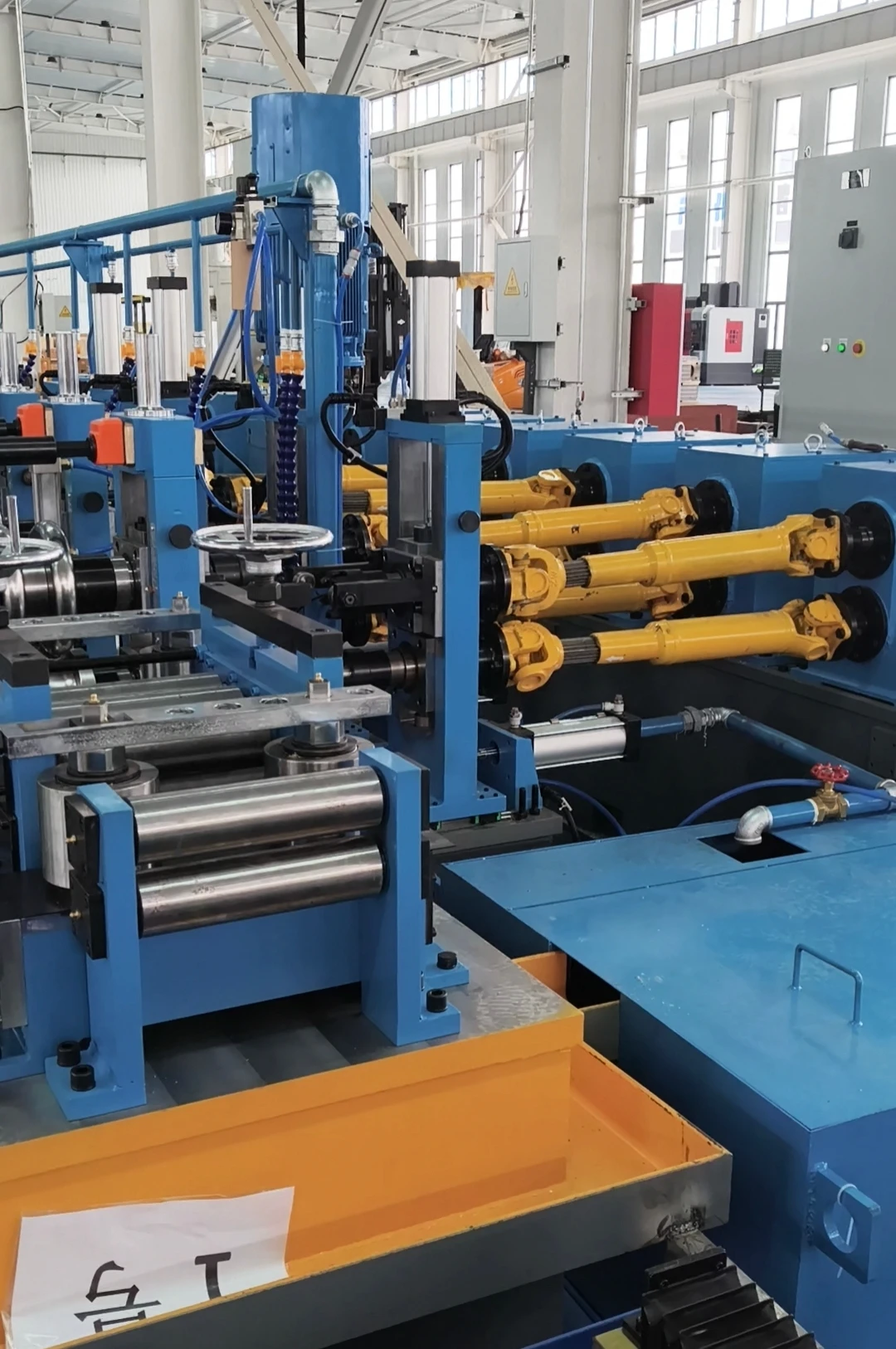
Southeast Asia Client Visits Our Factory | Customized Tube Mill Solution Delivered
A Southeast Asia client visited our ERW tube mill factory to inspect production lines and discuss a customized tube mill solution. Impressed by our machine quality, welding performance, and engineering support, the client confirmed strong cooperation intentions. Discover how our ERW tube mill solutions improve efficiency, precision, and long-term production reliability.
2026-04-15 10:37:55
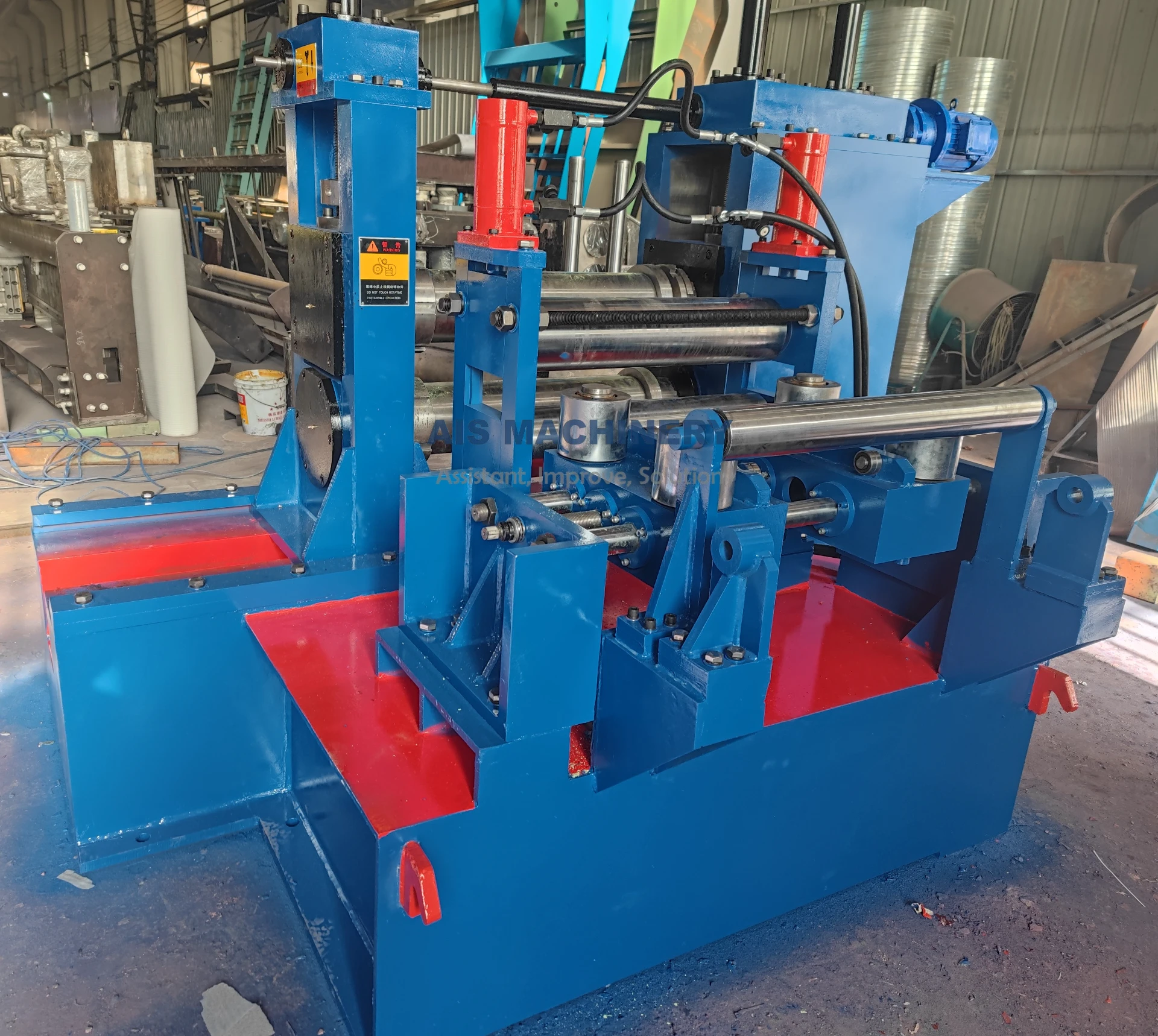
Flat Bar Production Line for Steel Coils: How It Works & Why It Matters
Looking for a flat bar production line? Learn how it turns steel coils into ready-to-use flat bars with precise length and high straightness. Compare it with slitting lines and get the best solution for your steel processing needs.
2026-04-14 00:00:00
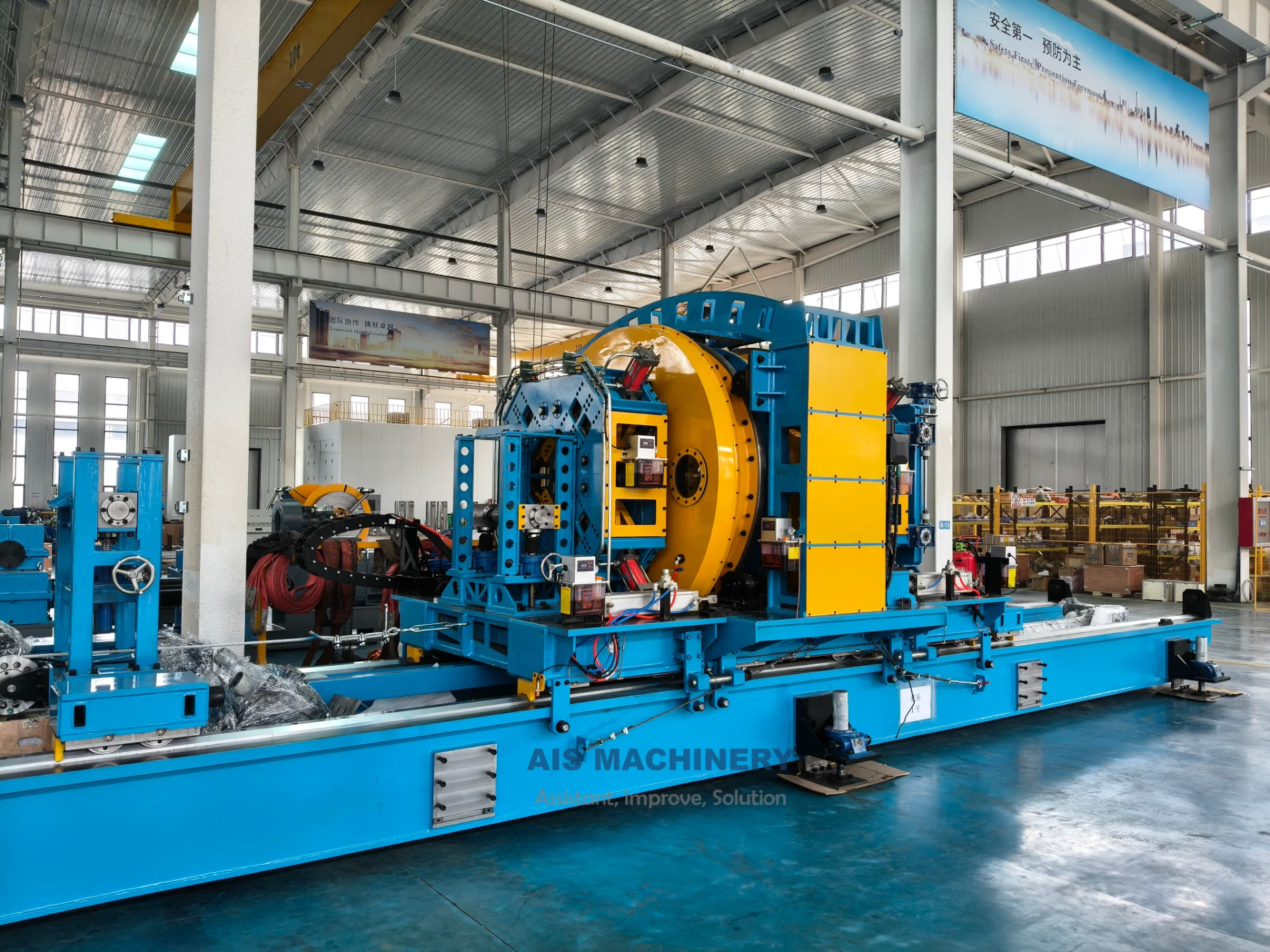
Looking for a Milling Saw for ERW Tube Mill? Here’s What You Need to Know
Looking for a high-performance milling saw for your ERW tube mill? Upgrade to burr-free, high-precision pipe cutting with advanced flying saw technology. Improve efficiency, reduce rework, and meet export standards for carbon steel, stainless steel, and API pipes. Contact us today for expert solutions and competitive pricing tailored to your production needs.
Send a Message
Dear customer, thank you for your attention! We provide high-quality machinery and equipment and look forward to your orders. Please inform us of your needs and we will respond quickly!
 English
  Albanian
  Arabic
  French
  German
  Indonesian
  Italian
  Japanese
  Kazakh
  Korean
  Latin
Latin  Macedonian
  Portuguese
  Russian
  Spanish
  Thai
Thai  Turkish
  Ukrainian
  Uzbek
Uzbek