
-
 Tel:86-15176910262
-

Search

Discover the Benefits of Cut to Length Steel for Modern Industry | AISTubemill
Nov . 29, 2025 21:35
Understanding Cut to Length Steel: A Global Perspective
If you’ve ever marvelled at the sleek frame of a car or the sturdy skeleton of a skyscraper, chances are, cut to length steel was a quiet hero in the mix. But what exactly is it, and why should anyone beyond the metals industry care?
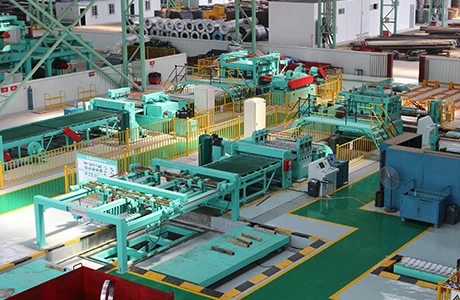
In simple terms, cut to length steel refers to sheets or coils of steel precisely sliced into specific dimensions to fit immediate fabrication or construction needs. This process isn't just a niche industrial trick—it’s a backbone for industries worldwide, helping reduce waste, streamline manufacturing, and improve project turnaround times. Globally, steel remains a cornerstone material, with the World Steel Association reporting a total steel production of 1.95 billion tonnes in 2023 alone. Smart steel processing techniques, including cut to length, have helped sustainably meet mounting demands.
Understanding this topic matters because steel production and processing tie directly to infrastructure development, economic growth, and even humanitarian efforts like disaster relief shelter construction. So, diving in reveals not just a process but a world of connections spanning engineering, environmental stewardship, and societal wellbeing.
The Global Context: Why Cut to Length Steel Matters More Than Ever
Steel manufacturing might sound like heavy industrial stuff far removed from daily life, but it is surprisingly intertwined with global challenges. ISO standards and the United Nations' sustainable development goals both spotlight efficient resource use—cut to length steel plays into this because it's about precision. By cutting steel sheets exactly as needed, companies can drastically reduce scrap and minimize downstream waste.
Fact is, billions of dollars are lost every year in steel overproduction and excess handling. Industries from automotive hubs in Germany to construction zones in Southeast Asia benefit when inventories are minimized and delivery timing optimizes on-site assembly. Yet, there’s a catch: without smart processing and dependable suppliers offering cut to length steel, projects can face delays, inflated costs, and even increased carbon footprints.
So the challenge—and opportunity—is clear: mastering the art and science of cut to length steel processing can help businesses across continents align their production with environmental and economic demands.
What Exactly Is Cut to Length Steel?
Honestly, at its core, the idea is straightforward: take large steel coils and slice them into flat sheets or strips of exact lengths and widths. Think of it as industrial tailoring. These sheets are “ready to use,” eliminating extra time spent on-site cutting or resizing and ensuring consistent quality.
Why is this important? Modern industries—from aerospace to container manufacturing—need tailor-made steel parts quickly without sacrificing material integrity. In humanitarian contexts, such as building temporary shelters after natural disasters, having ready-cut steel reduces logistics nightmares, accelerates assembly, and saves precious time when lives are at stake.
Key Aspects of Cut to Length Steel
1. Precision and Consistency
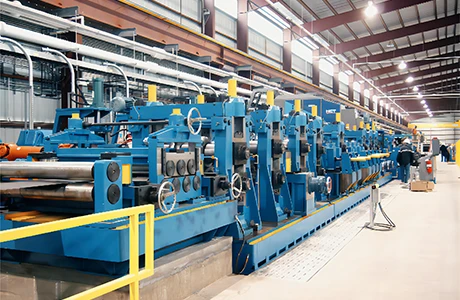
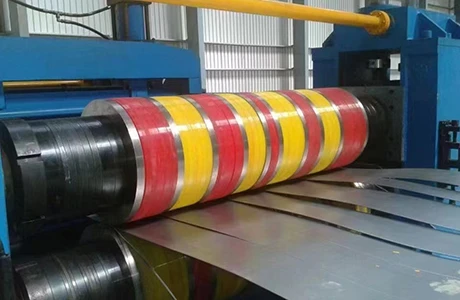
Steel suppliers use advanced slitting and cutting machinery, often CNC-controlled, to make incredibly accurate cuts. This precision means each piece fits perfectly in the assembly line, which engineers will tell you can hugely reduce error rates and rework costs.
2. Material Optimization
Cutting steel to precise lengths minimizes leftover scrap. That’s significant because scrap recycling, while common, still has environmental and economic costs. Using cut to length steel ensures utilization rates that can soar above 95%, translating to better sustainability.
3. Customization and Scalability
From a single prototype to mass production, cut to length steel supports diverse project sizes without compromising turnaround time. As demand fluctuates globally, this flexibility is a major competitive edge.
4. Supply Chain Efficiency
With pre-cut steel sheets being delivered directly to factories or construction sites, companies can reduce storage needs, streamline workflows, and cut lead times. Many logistics managers say this directly impacts their operational costs positively.
5. Quality and Surface Treatment Options
Often, cut to length steel undergoes additional treatments—galvanizing, painting, or coatings—that make it suitable for harsh environments. That durability is sometimes the deciding factor, especially in coastal infrastructure or industrial equipment.
6. Cost Implications
At face value, cutting adds processing steps but, in reality, it often reduces overall project costs by cutting down labor and rework. Plus, efficient material use means less capital tied up in unused steel.
How is Cut to Length Steel Used Around the Globe?
Oddly enough, you’ll find it everywhere, from industrial powerhouses in Japan to emerging markets boosting infrastructure in Africa. Let’s look at some examples:
- Automotive industries in Germany rely on cut to length steel to maintain rapid just-in-time production workflows.
- Construction firms in the Middle East use pre-cut sheets to streamline projects in extreme climates, reducing on-site labor risks.
- Post-disaster relief operations in Southeast Asia utilize cut steel panels for quickly erected shelters, providing fast, safe housing to displaced families.
- Remote industrial zones, like mining sites in Latin America, prefer pre-cut steel components to reduce costly errors in isolated backdrops.
Big industrial organizations, even international NGOs, embrace cut to length steel for balancing cost, speed, and environmental impact when deploying large-scale projects.
Advantages and Long-Term Value of Using Cut to Length Steel
It’s not just about saving a few bucks on steel or trimming project times—though that’s definitely a big part. The real magic is in long-term advantages:
- Environmental Sustainability: Less scrap means fewer emissions associated with recycling and production.
- Reliability: Consistent steel dimensions lead to safer, more durable builds.
- Trust: Project managers gain confidence in supply chains that deliver exactly what they need on time.
- Social Impact: Fast construction of homes and critical infrastructure after emergencies fosters human dignity and community resilience.
- Innovation Facilitation: Ready-to-use steel stimulates creative design and new architectural approaches.
The emotional aspect is important, too. Knowing you can depend on steady, quality materials during crunch time eases stress and helps teams focus on what matters: building and innovating.
Product Specifications of Typical Cut to Length Steel
| Specification | Details |
|---|---|
| Thickness Range | 0.2 mm – 20 mm |
| Width Range | 500 mm – 2500 mm |
| Length Range | 1,000 mm – 12,000 mm |
| Surface Treatment | Galvanized, Painted, Coated |
| Tolerances | ± 0.01 mm thickness, ± 2 mm length |
| Material Grades | Carbon Steel, Stainless Steel, Alloy Steel |
Vendor Comparison: Choosing Your Cut to Length Steel Supplier
| Vendor | Quality Certifications | Lead Time | Customization Options | Geographic Reach |
|---|---|---|---|---|
| SteelSolutions Inc. | ISO 9001, ISO 14001 | 2-4 weeks | Extensive (thickness, coatings) | Global |
| PrimeMetal Works | ISO 45001, CE Mark | 3-5 weeks | Medium (limited coatings) | Europe, North America |
| Global Steel Co. | ISO 9001, RoHS Compliant | 1-3 weeks | Basic (standard sizes) | Asia Pacific |
Looking Ahead: Future Trends and Innovations
In real terms, cut to length steel is not standing still. It’s evolving with technologies like laser cutting, which offers even finer precision and less heat damage. There’s a move towards smarter, automated line controls integrating AI for predictive maintenance. These reduce downtime, often a hidden cost in production.
Material science is another frontier. The steel industry is developing lightweight but stronger alloys, often with better recyclability profiles—crucial for green energy projects and infrastructure that needs durability without excess weight.
Additionally, supply chains are growing more transparent thanks to blockchain for provenance tracking—a growing demand when sustainability and ethics are non-negotiable priorities.
Challenges Facing Cut to Length Steel and How They're Being Tackled
No process is perfect. Some challenges include dealing with defects like edge cracking during cutting, managing surface oxidation, and coping with fluctuating raw material costs that ripple down to clients. Plus, lead times can be affected by logistics snags, especially during global disruptions.
Experts suggest increased investment in improved slitting technology and tighter supplier relationships as solutions. With better data sharing, companies can forecast demand patterns and reduce stock shortages or overstock scenarios—a balancing act that often feels like juggling chainsaws.
FAQ: Practical Questions About Cut to Length Steel
- Q1: What benefits does cut to length steel have over buying raw coils?
- A1: Pre-cut steel allows immediate use, reducing on-site cutting labor and waste. It streamlines manufacturing workflows and cuts project timelines, which can save money overall despite processing costs.
- Q2: How quickly can cut to length steel be delivered for urgent projects?
- A2: Lead times vary between 1 to 5 weeks typically, depending on specifications and vendor location — it's best to work with suppliers who offer expedited services if speed is critical.
- Q3: Can cut to length steel be customized for specialized industries?
- A3: Absolutely. Many vendors provide extensive customization options including thickness, coatings, and length dimensions to fit diverse applications from automotive panels to building cladding.
- Q4: How does cut to length steel support sustainable construction?
- A4: Because it minimizes scrap and waste, and often can be sourced from recycled steel, this processing method aligns well with sustainable building standards and certifications like LEED.
Final Thoughts & Next Steps
Cut to length steel feels quietly transformative—something many engineers and fabricators swear by to keep costs down and quality up in a world that demands efficiency without compromise. Whether you’re planning an industrial-scale project or a delicate humanitarian setup, grasping the benefits of tailored steel processing can give you a real edge.
Interested in exploring cut to length steel solutions for your next venture? Visit our website to connect with trusted suppliers and learn more about the cutting-edge techniques shaping modern steel usage worldwide.

Related Products

Related News
2026-04-30 09:35:04
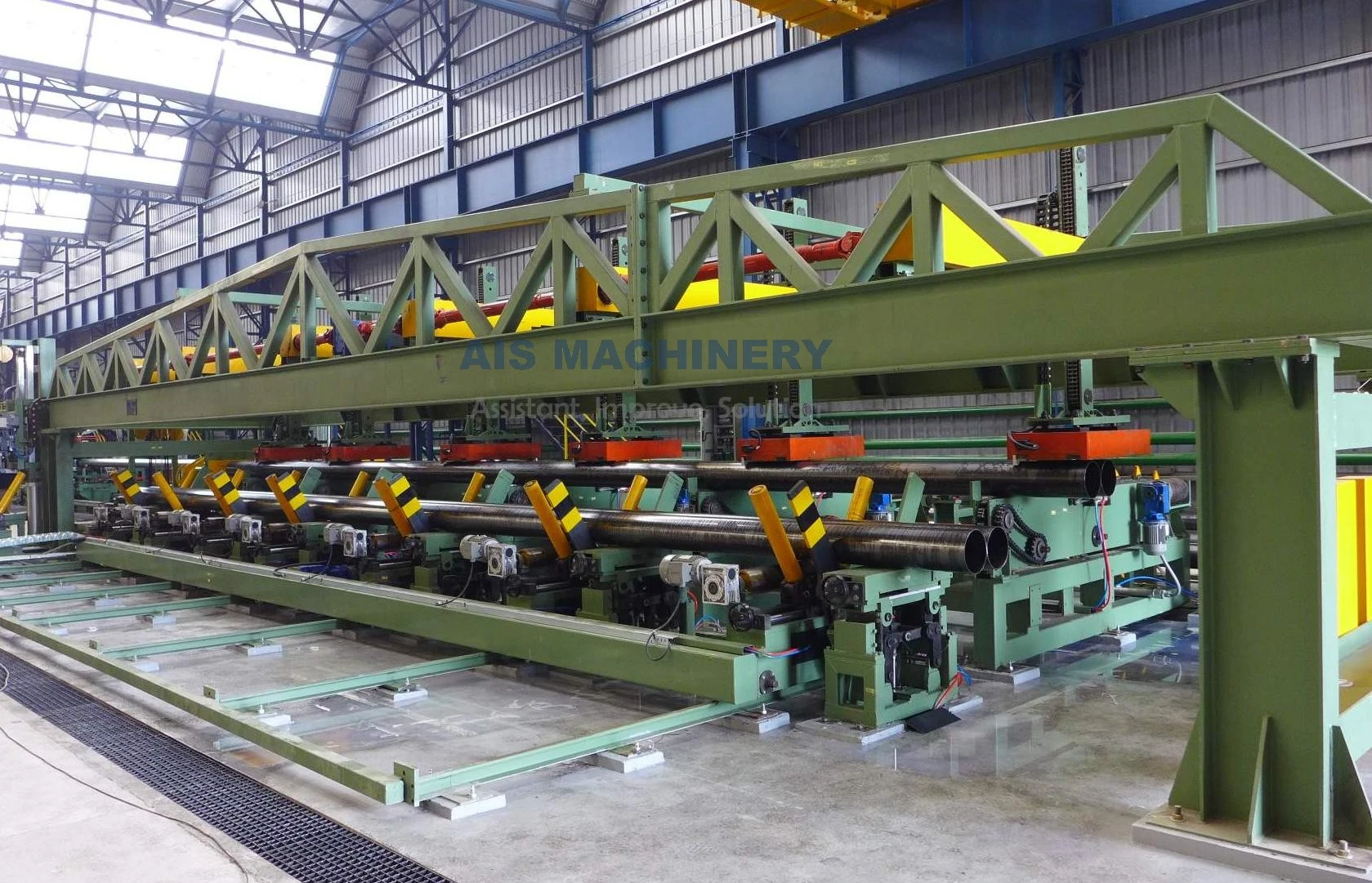
Automatic Stacking Machine (Magnetic Chuck Type)
The Automatic Stacking Machine (Magnetic Chuck Type) from AIS Machinery is designed to efficiently collect and stack steel tubes in ERW tube mill production lines. Using electromagnetic lifting, it can pick up multiple tubes at once and place them neatly in layers. This reduces manual labor, improves stacking accuracy, and increases overall production efficiency. It is installed after the flying saw and works seamlessly with the mill line, making it an ideal solution for modern tube manufacturers.
2026-04-28 08:56:05
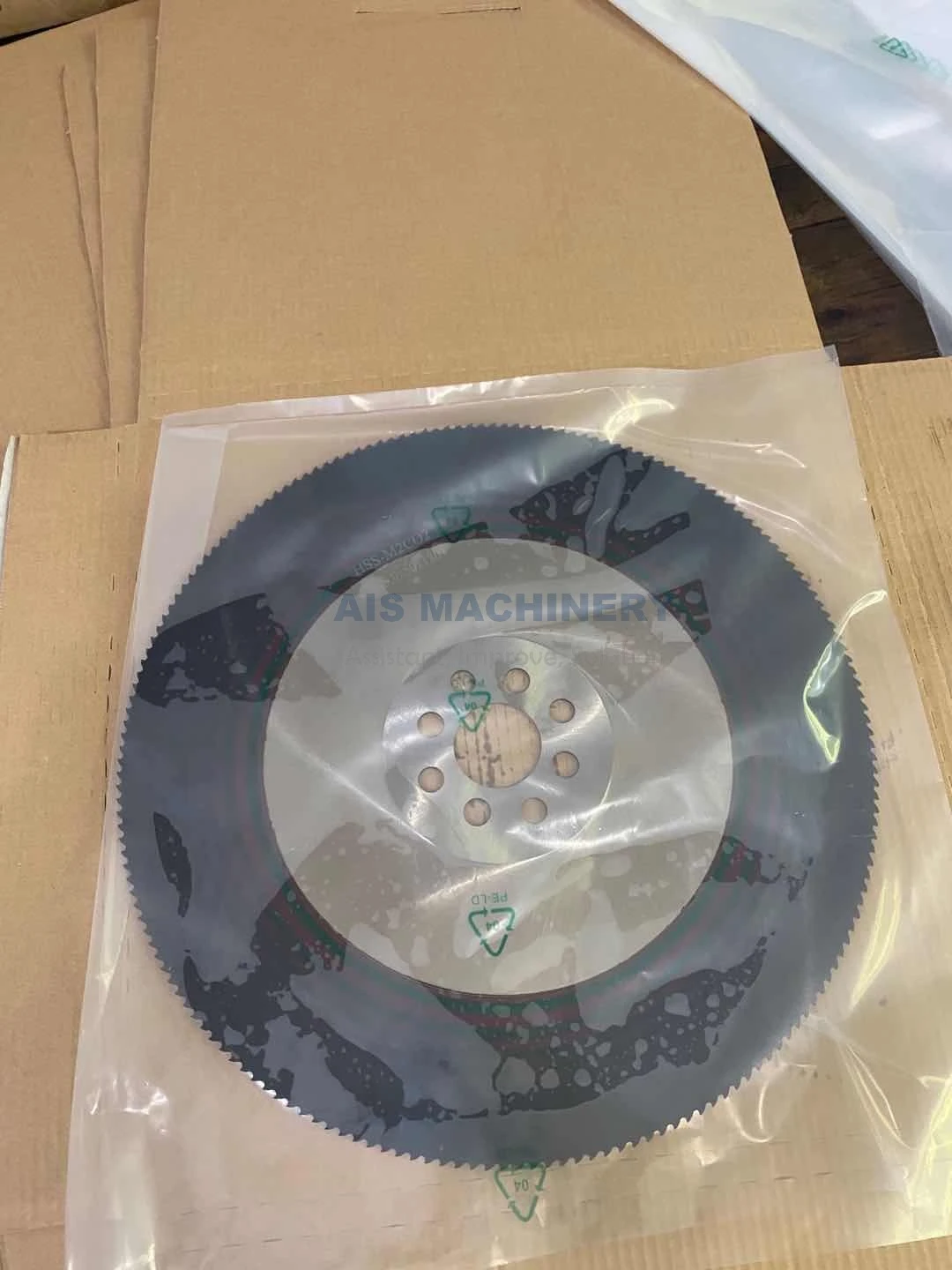
Saw Blade Guide for Tube Mills: Friction vs HSS vs TCT — Which One Should You Choose?
Confused about friction saw, HSS, and TCT blades? This guide explains their uses in cold saw and friction saw machines, with pros, cons, and expert selection tips.
2026-04-24 08:54:16
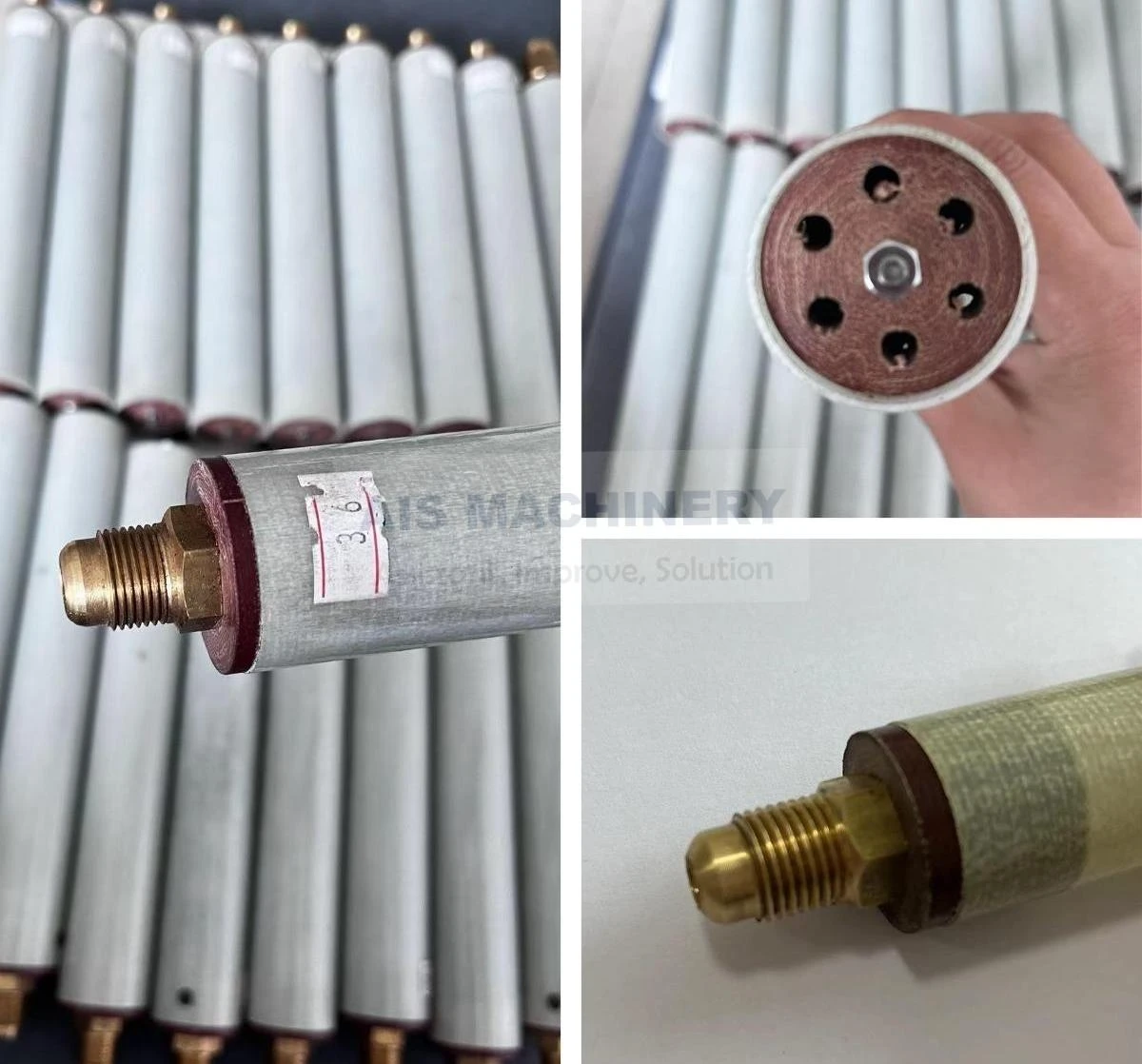
What is an Impeder and Ferrite Rods in ERW Tube Mill?
Struggling with impeder overheating or short service life in your ERW tube mill? This guide explains common impeder problems, the role of ferrite rods, and how to choose the right impeder for stable welding performance. Improve weld quality, reduce energy loss, and extend equipment lifespan with the right selection and proper cooling solutions.
2026-04-21 10:22:25
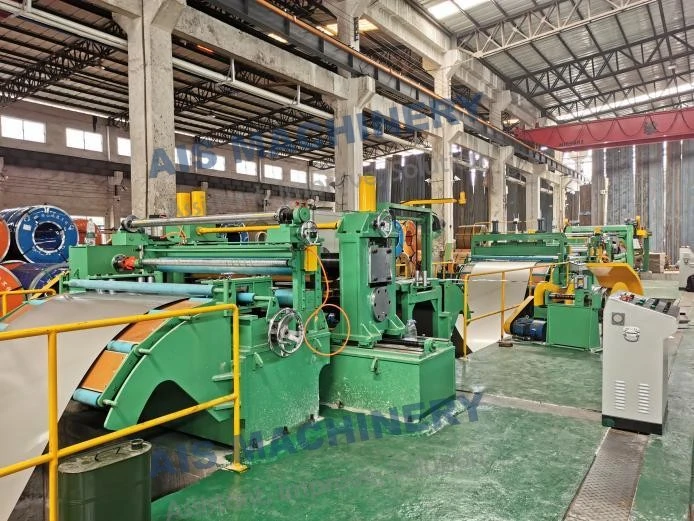
Slitting & Cut-to-Length Combined Production Line: A Smarter Way to Process Steel Coils
Discover the Slitting & Cut-to-Length Combined Production Line, a flexible solution for steel coil processing. This system integrates slitting line and cut-to-length line functions in one machine, saving space, reducing costs, and improving efficiency. Ideal for processing both steel strips and sheets, it is widely used in service centers and manufacturing industries. Learn its advantages, limitations, and applications.
2026-04-18 03:20:20
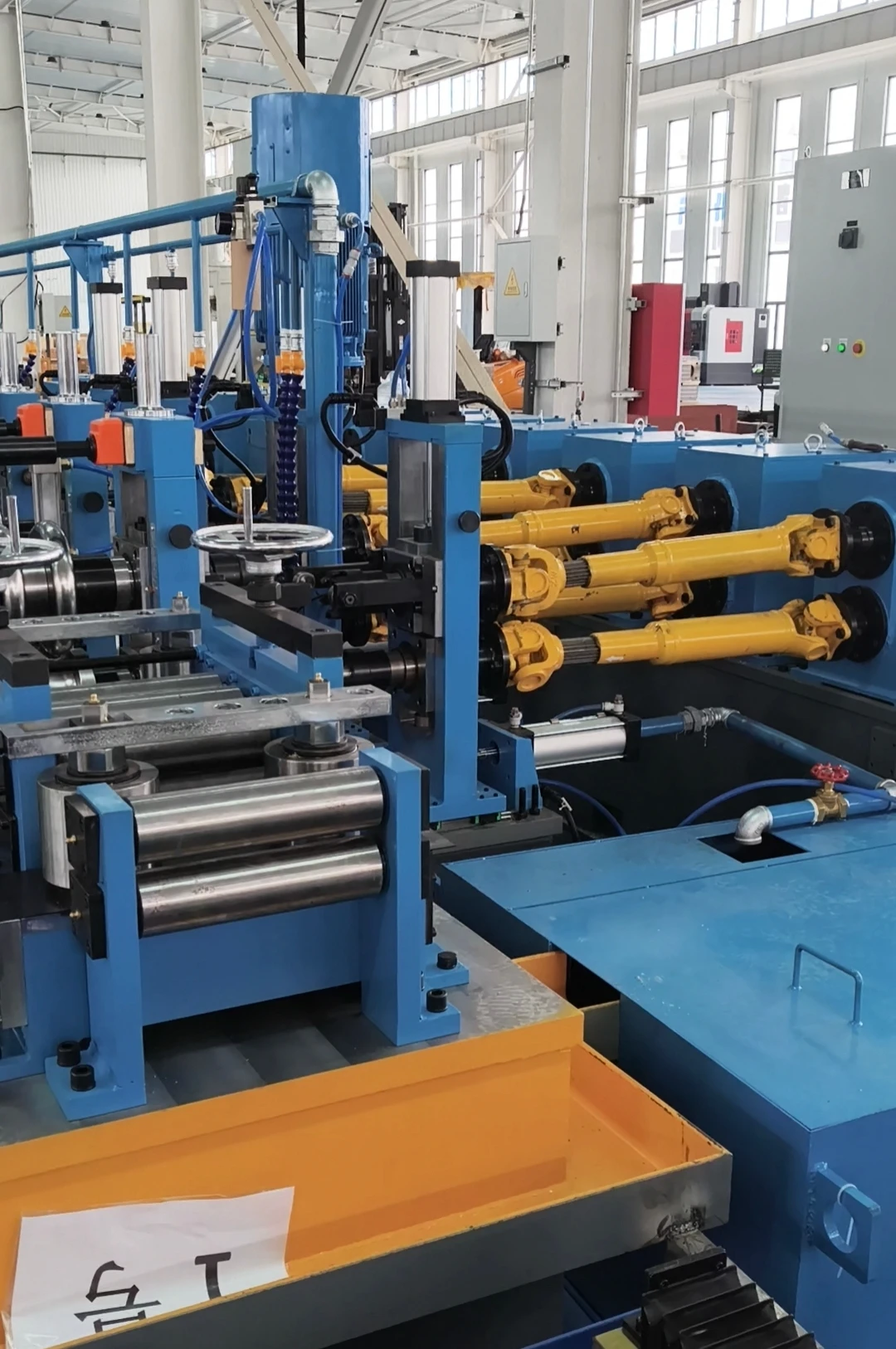
AIS Machinery Showcases Advanced Tube Solutions at Tube & Wire Düsseldorf 2026
Tube & Wire Düsseldorf 2026, one of the most influential exhibitions in the global tube and wire industry, held biennially in Düsseldorf, Germany
2026-04-17 00:00:00
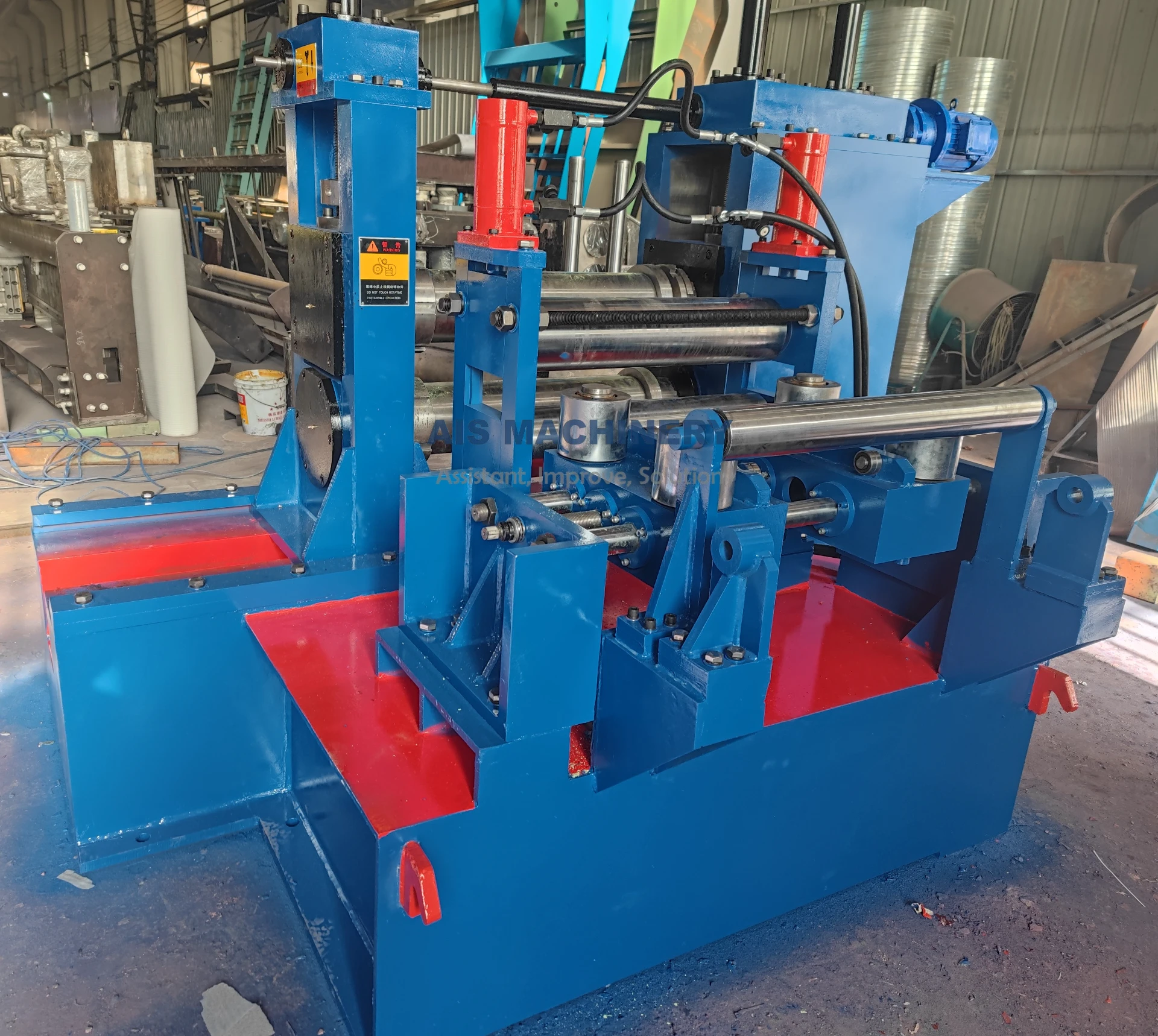
Southeast Asia Client Visits Our Factory | Customized Tube Mill Solution Delivered
A Southeast Asia client visited our ERW tube mill factory to inspect production lines and discuss a customized tube mill solution. Impressed by our machine quality, welding performance, and engineering support, the client confirmed strong cooperation intentions. Discover how our ERW tube mill solutions improve efficiency, precision, and long-term production reliability.
2026-04-15 10:37:55
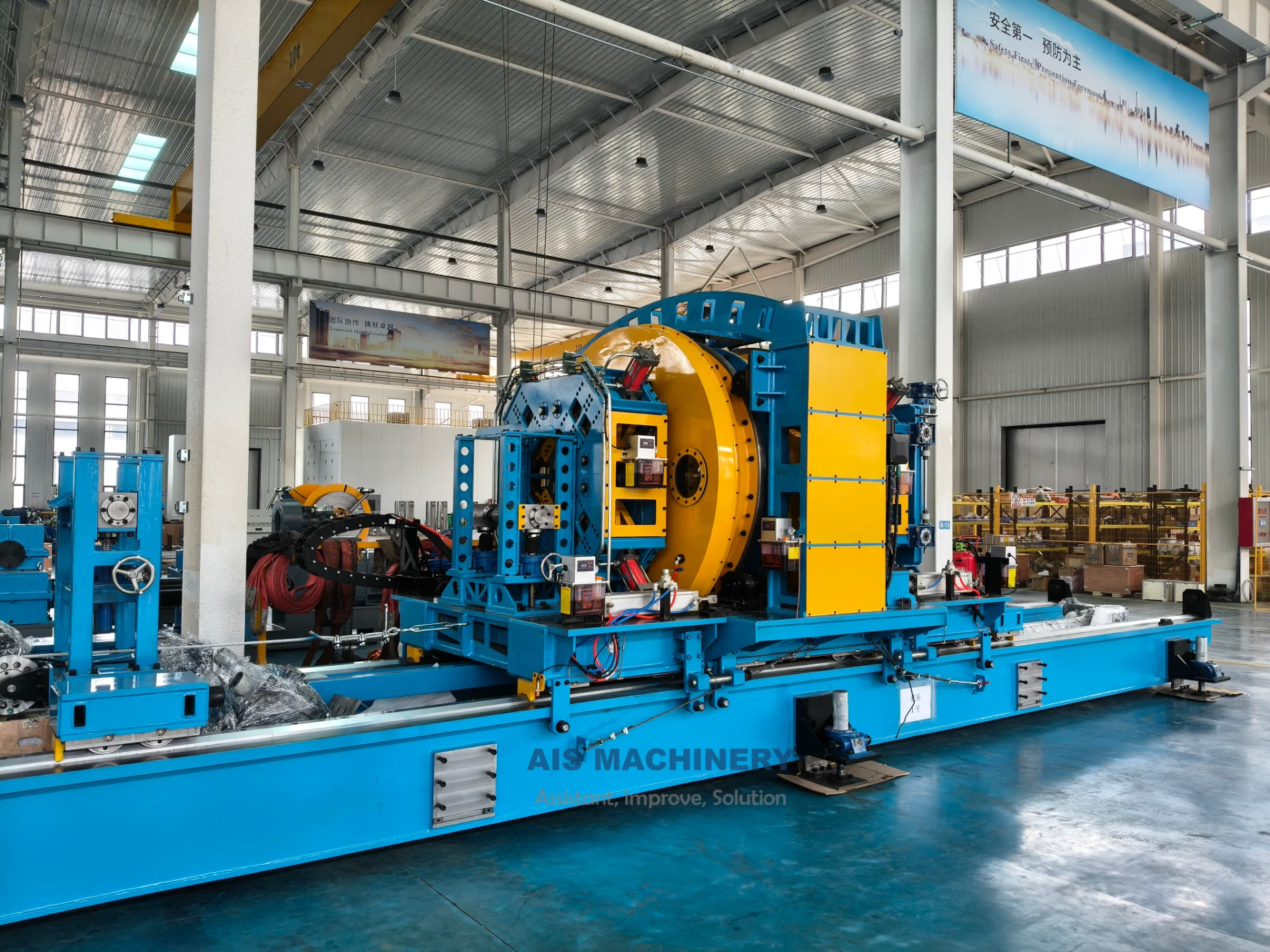
Flat Bar Production Line for Steel Coils: How It Works & Why It Matters
Looking for a flat bar production line? Learn how it turns steel coils into ready-to-use flat bars with precise length and high straightness. Compare it with slitting lines and get the best solution for your steel processing needs.
2026-04-14 00:00:00
Looking for a Milling Saw for ERW Tube Mill? Here’s What You Need to Know
Looking for a high-performance milling saw for your ERW tube mill? Upgrade to burr-free, high-precision pipe cutting with advanced flying saw technology. Improve efficiency, reduce rework, and meet export standards for carbon steel, stainless steel, and API pipes. Contact us today for expert solutions and competitive pricing tailored to your production needs.
Send a Message
Dear customer, thank you for your attention! We provide high-quality machinery and equipment and look forward to your orders. Please inform us of your needs and we will respond quickly!
 English
  Albanian
  Arabic
  French
  German
  Indonesian
  Italian
  Japanese
  Kazakh
  Korean
  Latin
Latin  Macedonian
  Portuguese
  Russian
  Spanish
  Thai
Thai  Turkish
  Ukrainian
  Uzbek
Uzbek