
-
 Tel:86-15176910262
-

Search

Durable HSS Saw Blades for Precision Metal Cutting
Oct . 06, 2025 10:05
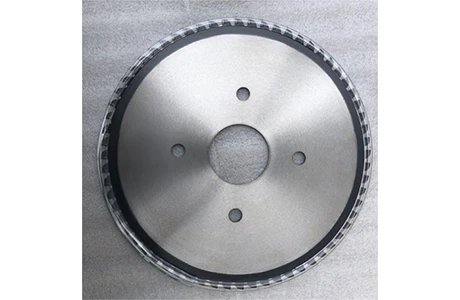
In the demanding world of metal fabrication, precision, durability, and efficiency are paramount. Cutting tools are at the heart of this industry, and among them, the hss saw blade stands out as a critical component for achieving superior results, particularly in cold sawing applications. This comprehensive guide explores the multifaceted aspects of High-Speed Steel (HSS) circular saw blades, focusing on their technical superiority, diverse applications, and the rigorous manufacturing processes that ensure their performance. We delve into industry trends, technical specifications, and the distinct advantages HSS blades offer for B2B decision-makers and engineering professionals.
Industry Trends and Market Outlook for HSS Saw Blades
The global market for metal cutting tools, including hss saw blade technology, is experiencing consistent growth, driven by expansion in manufacturing, automotive, aerospace, and construction sectors. A key trend is the increasing demand for higher precision and longer tool life, leading to innovations in material composition and surface coatings for hss circular saw blades for metal cutting. Manufacturers are focusing on advanced High-Speed Steel alloys like hss dmo5 steel, which offer enhanced hardness and wear resistance at elevated temperatures, crucial for high-speed cutting operations.
Furthermore, the drive for operational efficiency and sustainability mandates tools that reduce material waste and energy consumption. This has spurred the development of specialized tooth geometries and thin-kerf hss circular saw blades that minimize material loss and optimize cutting performance. The adoption of automation and robotic cutting systems also necessitates highly consistent and reliable blades, pushing manufacturers to adhere to stringent quality control standards. The market is also seeing a rise in demand for customized solutions, tailored to specific material properties and machine types, reflecting a shift towards more specialized and high-performance cutting solutions.
The Manufacturing Process of HSS Saw Blades: Precision Engineering
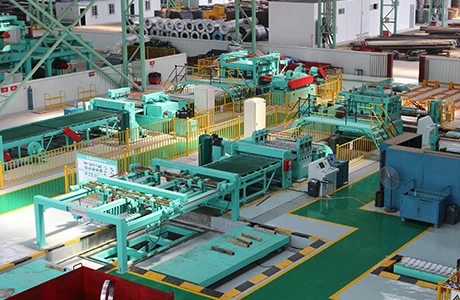
The creation of a high-quality hss saw blade is a meticulous multi-stage process that combines metallurgical expertise with advanced machining techniques. This ensures the blades deliver exceptional performance and durability in demanding industrial environments.
- Material Selection (HSS DMO5 Steel): The foundation of any superior circular saw blade hss is its material. We exclusively utilize premium High-Speed Steel, predominantly DMO5 (M2 in AISI standards), which is renowned for its excellent hot hardness, wear resistance, and toughness. This material composition, typically containing tungsten, molybdenum, vanadium, and chromium, provides the necessary characteristics for cutting various metals effectively.
- Forging and Annealing: The raw HSS DMO5 steel is first forged to refine its grain structure, enhancing strength and homogeneity. This is followed by a controlled annealing process to soften the material, making it suitable for subsequent machining operations and relieving internal stresses.
- Blank Machining (CNC): Precision CNC machining is employed to create the blade blanks, ensuring exact dimensions, flatness, and parallelism. This stage is critical for balancing the blade and preventing runout during operation, which directly impacts cut quality and tool life.
- Heat Treatment: This is a crucial step involving hardening and tempering processes. The blanks are heated to specific temperatures and then rapidly cooled (quenched) to achieve maximum hardness (typically 63-65 HRC). Subsequent tempering cycles are applied to relieve brittleness while maintaining high hardness and toughness, optimizing the blade's performance for metal cutting.
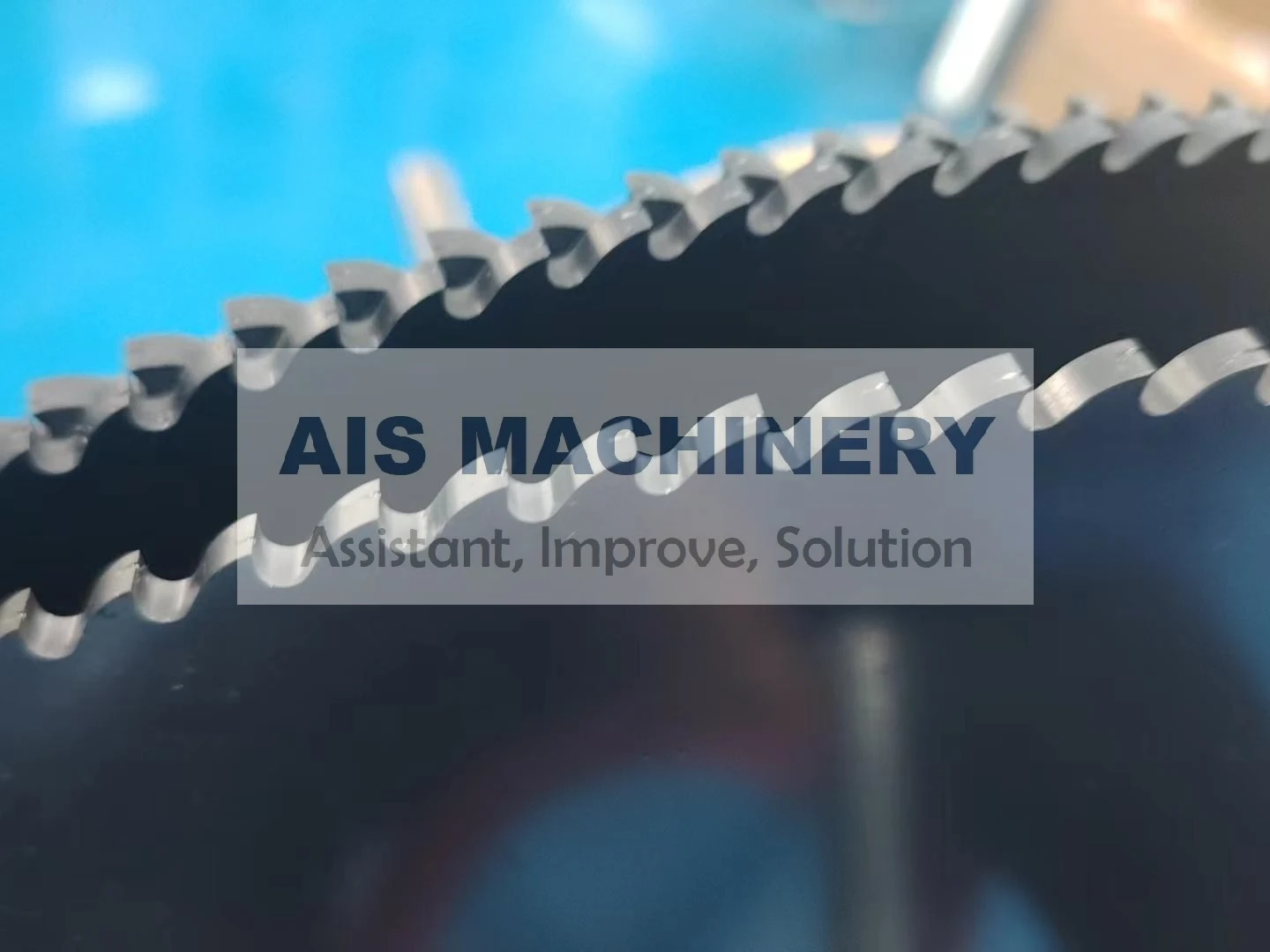
- Grinding and Tooth Generation: State-of-the-art CNC grinding machines precisely shape the teeth, ensuring consistent geometry, rake angles, and relief angles. The tooth profile—such as "A" (straight), "B" (beveled), "BW" (beveled alternate), or "HZ" (chip-breaker)—is selected based on the intended application and material to be cut.
- Surface Treatment/Coating: To further enhance performance and extend service life, blades often undergo surface treatments. Common coatings include Titanium Nitride (TiN), Titanium Carbonitride (TiCN), Titanium Aluminum Nitride (TiAlN), or AlTiN. These coatings reduce friction, improve wear resistance, and offer superior heat dissipation, significantly benefiting the cutting process, especially in challenging materials.
- Quality Control and Testing: Every hss saw blade undergoes rigorous inspection to meet international standards such as ISO 9001 for quality management and relevant ANSI specifications for saw blade geometry. This includes dimensional checks, hardness testing, balance checks, and visual inspections for defects, ensuring optimal service life and performance.
The target industries for these robust blades include petrochemical, metallurgy (especially tube mills and steel processing), automotive, and water supply & drainage. In these demanding environments, the advantages are clear: enhanced energy saving through efficient cutting, superior corrosion resistance (especially with advanced coatings), and significantly extended service life compared to conventional blades.
Technical Specifications and Material Excellence
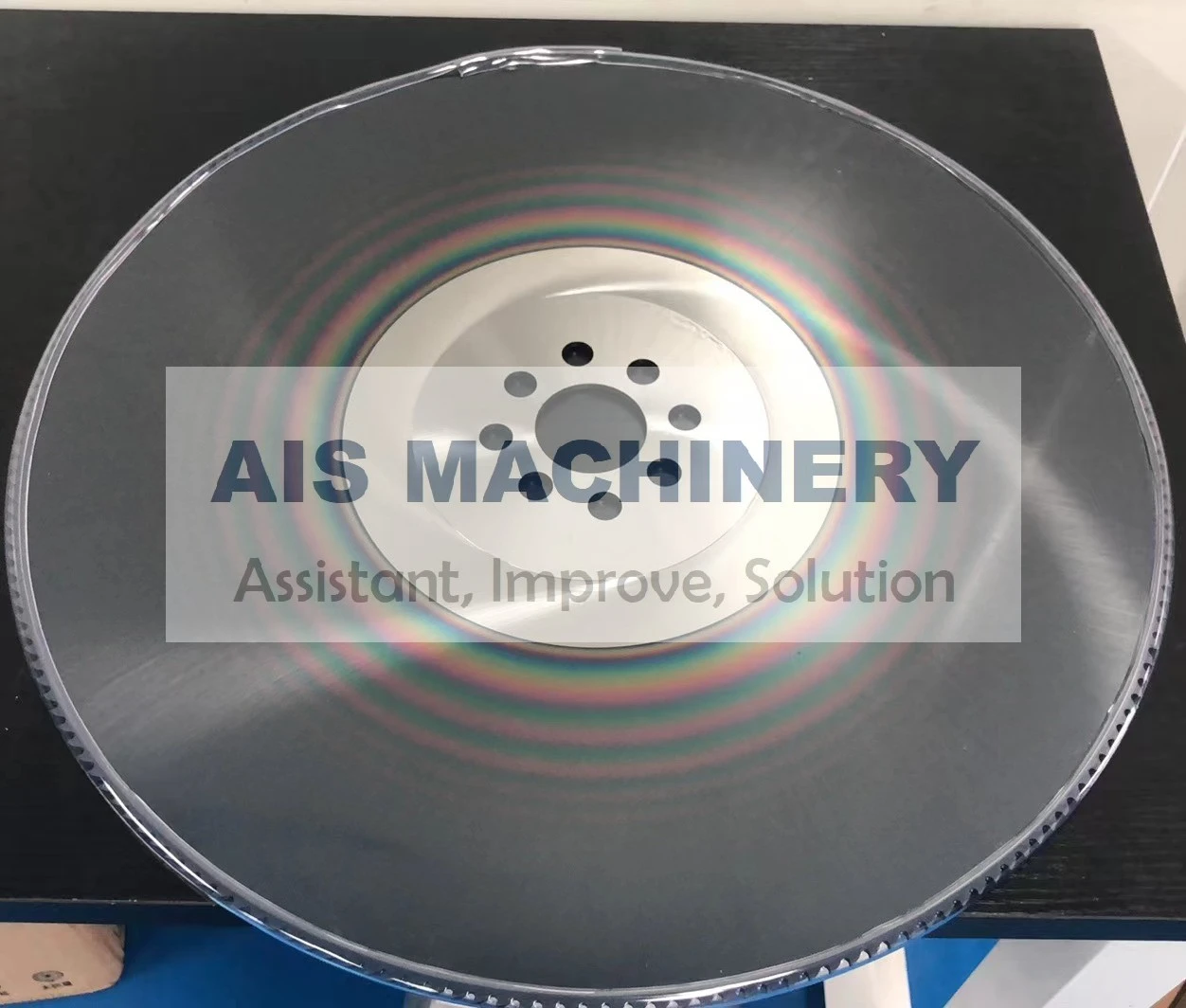
The performance of HSS Circular Saw Blades For Metal Cutting is fundamentally determined by their precise technical specifications and the quality of the HSS DMO5 steel. This section details the critical parameters that engineers and procurement professionals evaluate.
Key Material: HSS DMO5 Steel (DIN 1.3343 / AISI M2)
- Composition: Typical alloy elements include Carbon (0.85%), Chromium (4.0%), Molybdenum (5.0%), Tungsten (6.0%), Vanadium (2.0%). This specific blend ensures a fine carbide distribution, critical for wear resistance.
- Hardness: Post-heat treatment, these blades achieve a working hardness of 63-65 HRC, providing exceptional abrasion resistance while maintaining sufficient toughness to resist chipping.
- Hot Hardness: The DMO5 composition offers excellent hot hardness, meaning it retains its cutting edge integrity and hardness even at the elevated temperatures generated during high-speed cutting of difficult materials.
Typical Product Specifications Table: HSS Circular Saw Blades
| Parameter | Specification Range | Unit/Description |
|---|---|---|
| Blade Diameter | 63 - 600 | mm |
| Blade Thickness (Kerf) | 0.8 - 6.0 | mm |
| Bore Diameter | 16 - 80 (standard: 32, 40, 50) | mm |
| Tooth Pitch | 1.0 - 20.0 | mm (TPI equivalent) |
| Number of Teeth | 40 - 280 (dependent on diameter/pitch) | |
| Tooth Form | A, B, BW, HZ, C | Various (e.g., A = straight, HZ = chip-breaker) |
| Hardness | 63-65 | HRC |
| Surface Coating (Optional) | TiN, TiCN, AlTiN, CrN | For enhanced wear, friction reduction |
| Material Grade | HSS DMO5 (1.3343 / M2) | High Speed Steel |
Understanding these parameters is essential for selecting the correct hss saw blade for specific applications, ensuring optimal cutting speed, feed rate, and ultimately, desired cut quality and blade longevity.
Technical Advantages and Performance Superiority
The inherent properties of High-Speed Steel, particularly DMO5, coupled with precision manufacturing, endow hss circular saw blades for metal cutting with distinct advantages over other cutting technologies, making them indispensable for various industrial tasks.
- Exceptional Hardness and Wear Resistance: With a typical hardness of 63-65 HRC, hss saw blades maintain a sharp cutting edge for extended periods, even when processing abrasive materials. This translates to fewer blade changes and reduced downtime.
- Superior Hot Hardness: A critical advantage is their ability to retain hardness at elevated temperatures, preventing premature dulling and ensuring consistent performance during continuous high-speed cutting operations where friction generates significant heat.
- Precision and Finish: The fine grain structure of HSS DMO5 allows for extremely precise tooth grinding, resulting in smooth, burr-free cuts and high surface finishes, often eliminating the need for secondary finishing operations.
- Versatility Across Materials: While optimized for steel and ferrous metals, these blades are highly versatile and can effectively cut a wide range of materials, including stainless steel, alloy steels, copper, aluminum, and plastics, with appropriate tooth geometry and coatings.
- Cost-Effectiveness and Longevity: Despite a higher initial cost than some alternatives, the extended service life, re-sharpening capability, and consistent performance of a circular saw blade hss result in a lower overall cost of ownership through reduced tool consumption and improved productivity.
- Improved Safety: Cold sawing with hss circular saw blades generates minimal heat in the workpiece, reducing the risk of material deformation or thermal hardening and creating a safer working environment compared to abrasive cutting methods.
HSS vs. Carbide-Tipped Saw Blades: A Comparison
| Feature | HSS Saw Blades | Carbide-Tipped Blades |
|---|---|---|
| Material | HSS DMO5 Steel (Homogeneous) | Steel body with brazed carbide teeth |
| Hardness | 63-65 HRC | 70-90 HRC (Carbide tips) |
| Wear Resistance | Very Good | Excellent (especially on hard materials) |
| Toughness/Impact Resistance | Excellent (less prone to chipping) | Good (can be brittle with impact) |
| Cutting Speed | Moderate to High | High to Very High |
| Surface Finish | Excellent, smooth finish | Very good, typically requires less secondary work |
| Resharpening | Multiple times possible, economical | Fewer times, more complex, higher cost |
| Cost (Initial) | Moderate | Higher |
| Primary Application | General metal cutting, structural steel, tubes | High volume production, hard exotic alloys |
Application Scenarios and Real-World Case Studies
The versatility and robust performance of hss saw blades make them essential across a wide spectrum of heavy industries. Their ability to deliver clean, precise cuts repeatedly under rigorous conditions is highly valued.
Typical Application Scenarios:
- Tube and Pipe Manufacturing: Crucial for cutting steel pipes and tubes to precise lengths, minimizing burrs and ensuring clean ends for welding or further processing.
- Structural Steel Fabrication: Used extensively for cutting I-beams, H-beams, angles, and channels in construction and heavy engineering projects.
- Automotive Industry: Employed in various stages, from cutting raw stock for components to precision trimming of exhaust systems and chassis elements.
- Machine Building: For preparing raw materials like bars, rods, and plates to exact dimensions before further machining.
- Metal Processing Centers: High-volume cutting of various ferrous and non-ferrous alloys.
Application Case Study: High-Volume Tube Cutting at a Steel Mill
A leading steel tube manufacturer faced challenges with premature wear and inconsistent cut quality using standard saw blades when processing thousands of meters of carbon steel tubing daily. Their previous blades required frequent changes, leading to significant downtime and increased operational costs.
Solution: We collaborated with the mill to implement specialized hss circular saw blades for metal cutting, specifically engineered with an HZ (chip-breaker) tooth form and a TiAlN coating, designed for optimal performance on carbon steel. The blades had a slightly larger diameter and optimized tooth count to match their cold saw machinery.
- Results:
- Increased Tool Life: Blade life extended by 70%, from an average of 3,000 cuts to over 5,100 cuts before resharpening.
- Reduced Downtime: This led to a 45% reduction in machine downtime for blade changes.
- Improved Cut Quality: Consistent, burr-free cuts were achieved, reducing the need for secondary deburring operations by 20%.
- Cost Savings: Overall operational costs, including labor and blade expenditure, decreased by 15%.
This case highlights how a precisely engineered hss saw blade, tailored to specific application requirements, can significantly enhance productivity and reduce costs in high-volume industrial environments.
Customized Solutions and Vendor Comparison Factors
While standard hss saw blades perform admirably in many applications, specific cutting challenges often necessitate customized solutions. Furthermore, selecting the right vendor is as crucial as selecting the right blade.
Tailored HSS Saw Blade Solutions
We offer bespoke hss circular saw blades engineered to meet unique operational demands. Customization options include:
- Specific Diameters and Bore Sizes: To perfectly match existing machinery and cutting requirements, beyond standard specifications.
- Optimized Tooth Geometries: Custom tooth forms (e.g., C-tooth for non-ferrous, specific rake/relief angles) to maximize efficiency and finish for particular materials or cutting speeds.
- Advanced Coatings: Application of specialized coatings (e.g., AlTiN for hard steels, CrN for sticky materials) to enhance wear resistance, reduce friction, and extend tool life in extreme conditions.
- Precise Tooth Pitch and Number: Fine-tuning the tooth count and spacing for optimal chip evacuation and cut quality, balancing speed and finish.
- Blade Thickness (Kerf): Manufacturing thinner kerf blades to minimize material waste, especially critical for expensive alloys.
Key Factors for Vendor Comparison
When evaluating suppliers for hss circular saw blades for metal cutting, B2B decision-makers should consider the following:
- Product Quality and Consistency: Look for certifications (e.g., ISO 9001), stringent quality control processes, and proven track record of reliable blade performance.
- Technical Expertise and Support: A vendor who can offer deep technical knowledge, recommend optimal blade specifications, and provide troubleshooting assistance is invaluable.
- Customization Capabilities: The ability to engineer bespoke hss saw blades for unique applications demonstrates advanced manufacturing prowess and flexibility.
- Lead Times and Logistics: Reliable delivery schedules and efficient supply chain management are critical for maintaining production continuity.
- After-Sales Services: This includes professional blade resharpening services, warranty, and accessible customer support.
- Pricing and Value Proposition: While cost is a factor, focus on the overall value, considering blade life, performance, and the total cost of ownership rather than just the purchase price.
Choosing a vendor that excels in these areas ensures not only superior product delivery but also a strategic partnership that contributes to long-term operational success.
Ensuring Trustworthiness and Support ( Principles)
Our commitment to quality, performance, and customer satisfaction is built upon rigorous adherence to Google's (Expertise, Experience, Authoritativeness, Trustworthiness) standards.
Authoritativeness and Certifications
- ISO 9001 Certified: Our manufacturing processes for every hss saw blade are certified under ISO 9001, ensuring consistent quality management and continuous improvement.
- Industry Standards: All blades conform to relevant international standards for material composition (e.g., DIN 1.3343 / AISI M2 for hss dmo5 steel) and dimensional tolerances.
- Long-Standing Partnerships: We have proudly served leading companies in metallurgy, automotive, and general manufacturing for over two decades, providing reliable hss circular saw blades.
Frequently Asked Questions (FAQ) about HSS Saw Blades
Q1: What materials can hss circular saw blades effectively cut?
A: They are ideal for cutting various ferrous metals, including carbon steel, alloy steel, tool steel, stainless steel, and cast iron. With appropriate tooth geometry and coatings, they can also be used for non-ferrous metals like aluminum and copper, and certain plastics.
Q2: How do I choose the correct tooth form for my application?
A: Tooth form selection depends on the material. Type A (straight) for general use, B (beveled) for thin-walled materials, BW (beveled alternate) for tubes and profiles, and HZ (chip-breaker) for harder materials and solid sections, optimizing chip flow and reducing cutting forces.
Q3: Can hss saw blades be re-sharpened?
A: Yes, one of the significant advantages of HSS blades is their ability to be professionally re-sharpened multiple times. This extends their service life considerably, offering a cost-effective solution. Our expert re-sharpening service ensures blades return to near-new performance.
Q4: What is the typical lead time for custom hss circular saw blades?
A: Standard blades typically ship within 3-5 business days. For customized solutions, lead times vary depending on complexity and quantity, usually ranging from 2-4 weeks. We communicate precise lead times upon order confirmation.
Warranty and Customer Support
We stand behind the quality of our hss saw blades with a comprehensive warranty against manufacturing defects. Our dedicated customer support team and technical experts are available to provide assistance, offer product recommendations, and troubleshoot any issues. We provide detailed technical documentation and performance data to support your operational planning. Our commitment is to ensure seamless integration and optimal performance of our products within your manufacturing processes. For inquiries, technical assistance, or to request a quote, please contact our sales or support teams via the contact details provided on our website.
Conclusion
The hss saw blade remains a cornerstone of metal cutting efficiency and precision across numerous industrial sectors. Its superior material composition, refined manufacturing processes, and adaptability make it an indispensable tool for achieving high-quality results, optimizing productivity, and reducing operational costs. By understanding the technical nuances, leveraging customized solutions, and partnering with an authoritative supplier, businesses can unlock the full potential of hss circular saw blades for metal cutting to meet their most stringent demands. Our unwavering commitment to innovation, quality, and customer satisfaction ensures that our HSS blades consistently deliver exceptional performance and value.
References
- ASM International. (2001). ASM Handbook, Volume 16: Machining.
- Kalpakjian, S., & Schmid, S. R. (2014). Manufacturing Engineering and Technology (7th ed.). Pearson.
- International Organization for Standardization (ISO). ISO 9001:2015 Quality management systems – Requirements.
- Manufacturers' Standard Committee (MSC). Cold Sawing of Metals - A Technical Guide. (Hypothetical Industry Publication).
- Trent, E. M., & Wright, P. K. (2000). Metal Cutting (4th ed.). Butterworth-Heinemann.

Related Products


Related News
2026-04-18 03:20:20
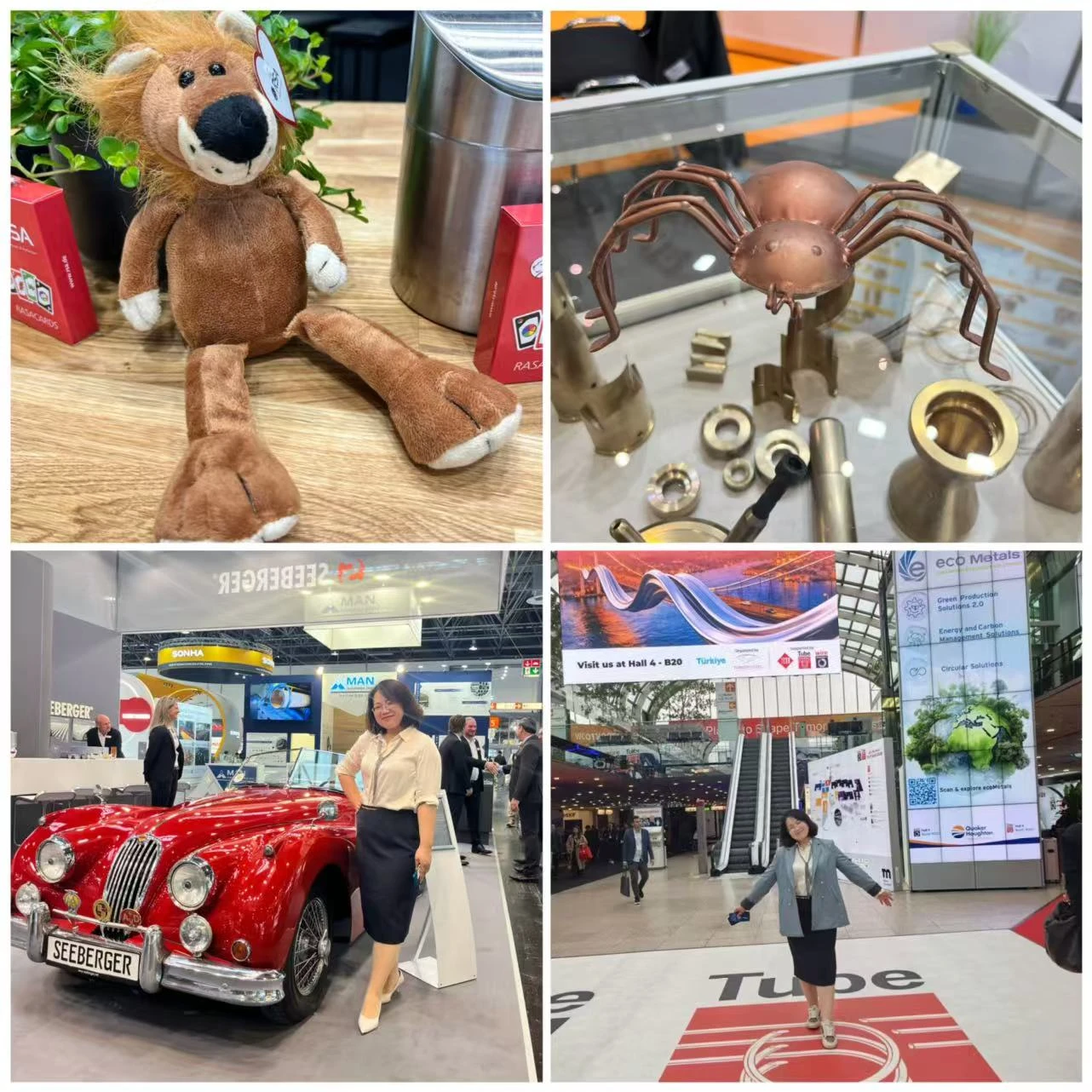
AIS Machinery Showcases Advanced Tube Solutions at Tube & Wire Düsseldorf 2026
Tube & Wire Düsseldorf 2026, one of the most influential exhibitions in the global tube and wire industry, held biennially in Düsseldorf, Germany
2027-04-17 00:00:00
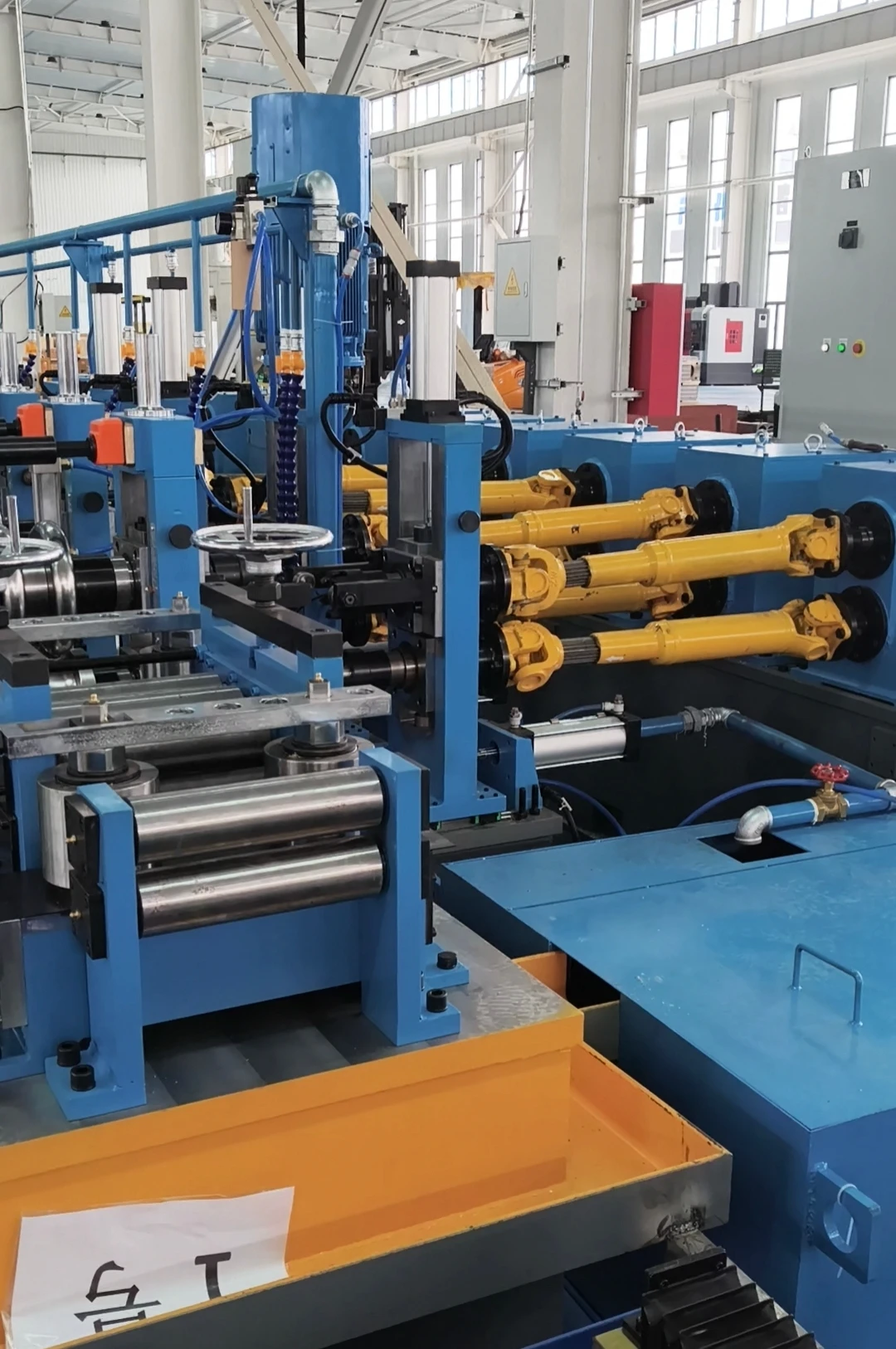
Southeast Asia Client Visits Our Factory | Customized Tube Mill Solution Delivered
A Southeast Asia client visited our ERW tube mill factory to inspect production lines and discuss a customized tube mill solution. Impressed by our machine quality, welding performance, and engineering support, the client confirmed strong cooperation intentions. Discover how our ERW tube mill solutions improve efficiency, precision, and long-term production reliability.
2026-04-16 02:35:12
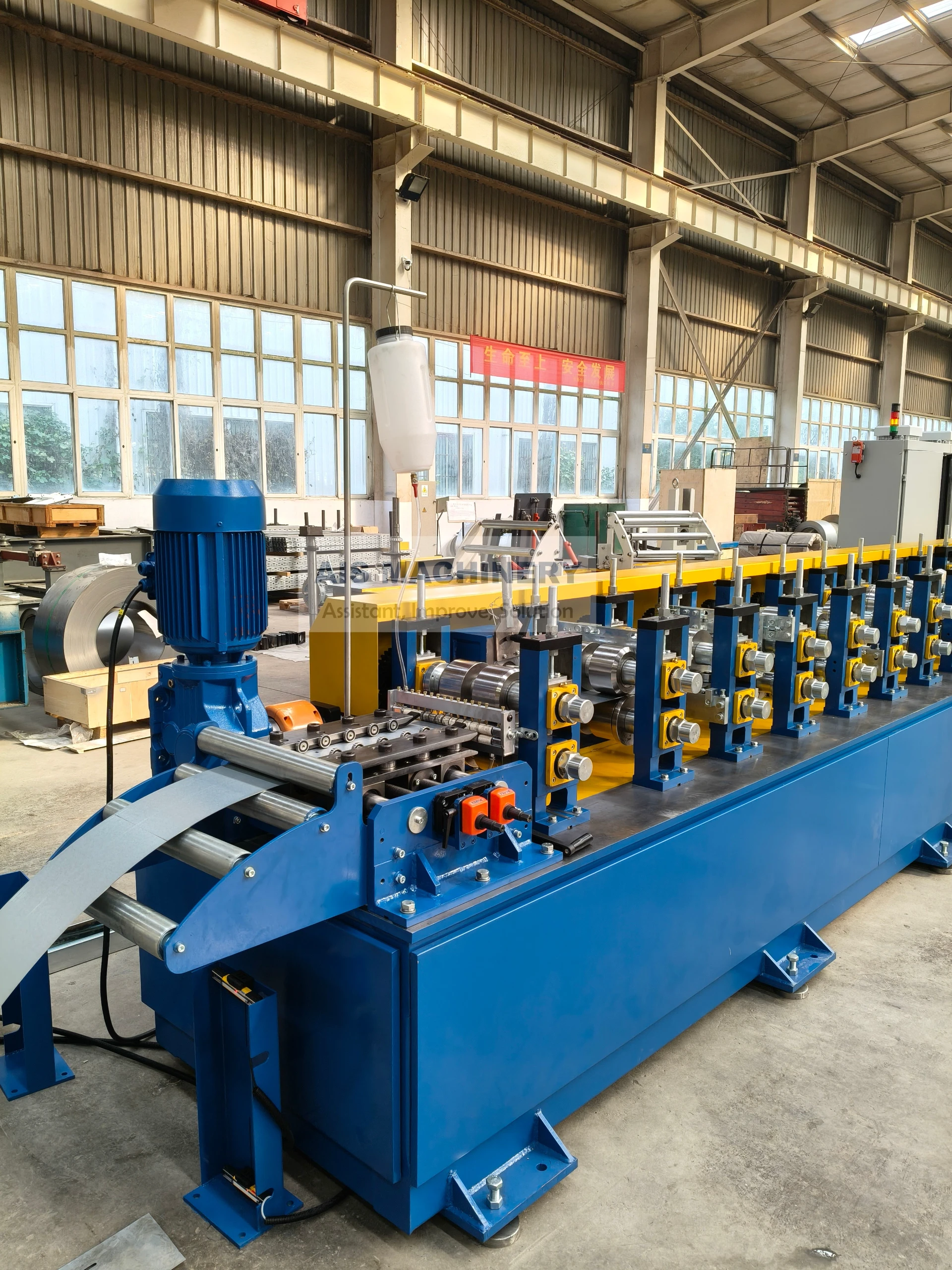
Professional Cold Roll Forming Machine Factory for Production
In the modern industrial landscape, the precision of metal shaping is the cornerstone of quality manufacturing. Partnering with a professional cold roll forming machine factory is essential for businesses looking to optimize their production lines, reduce material waste, and ensure high-dimensional accuracy. Whether you are producing C-channels, square tubes, or custom profiles, the choice of machinery determines your competitive edge in the market. This guide will explore the critical factors in selecting a factory and the technical advantages of advanced roll forming technology to help you make an informed investment.
2026-04-15 10:37:55
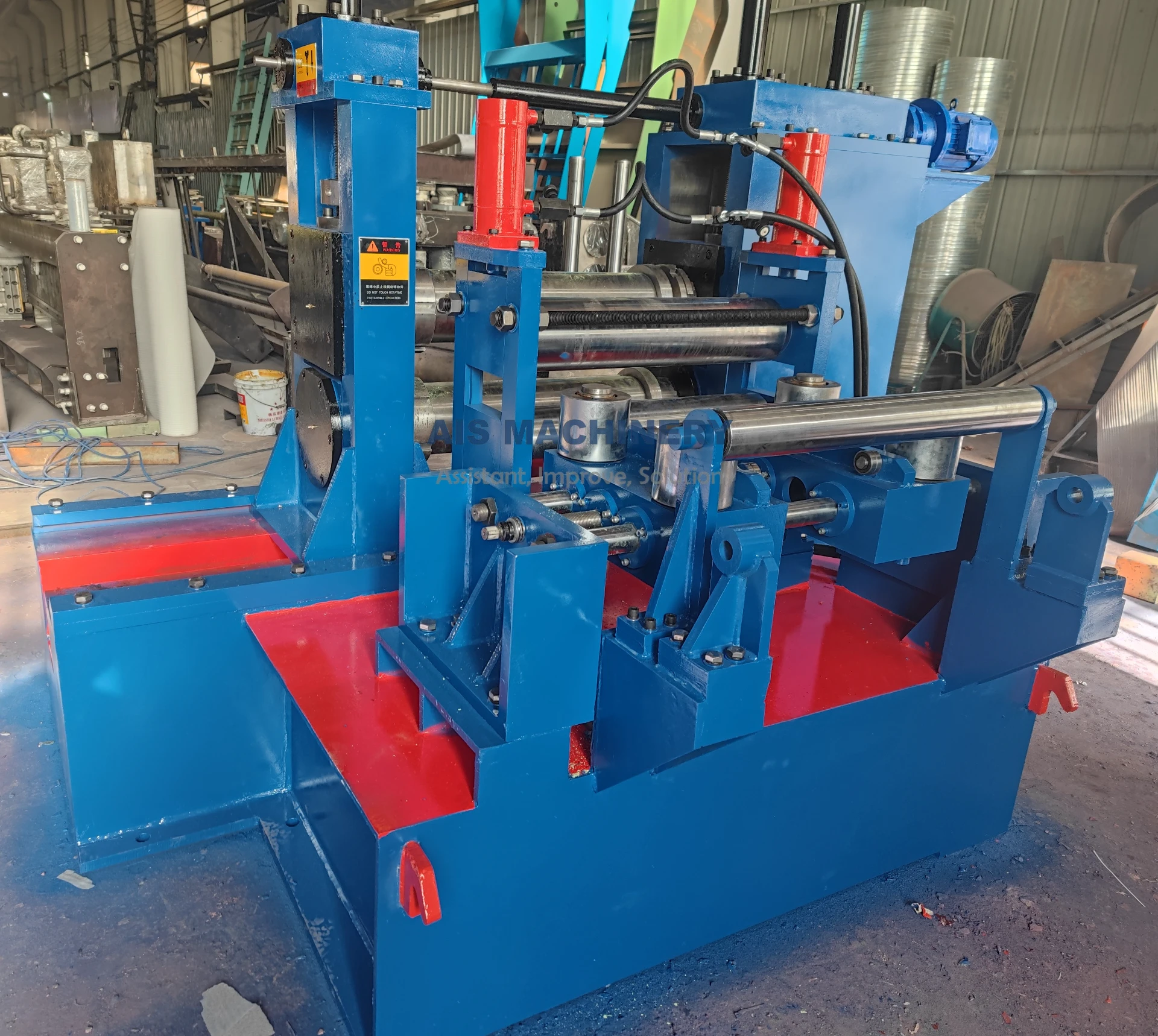
Flat Bar Production Line for Steel Coils: How It Works & Why It Matters
Looking for a flat bar production line? Learn how it turns steel coils into ready-to-use flat bars with precise length and high straightness. Compare it with slitting lines and get the best solution for your steel processing needs.
2026-04-14 00:00:00
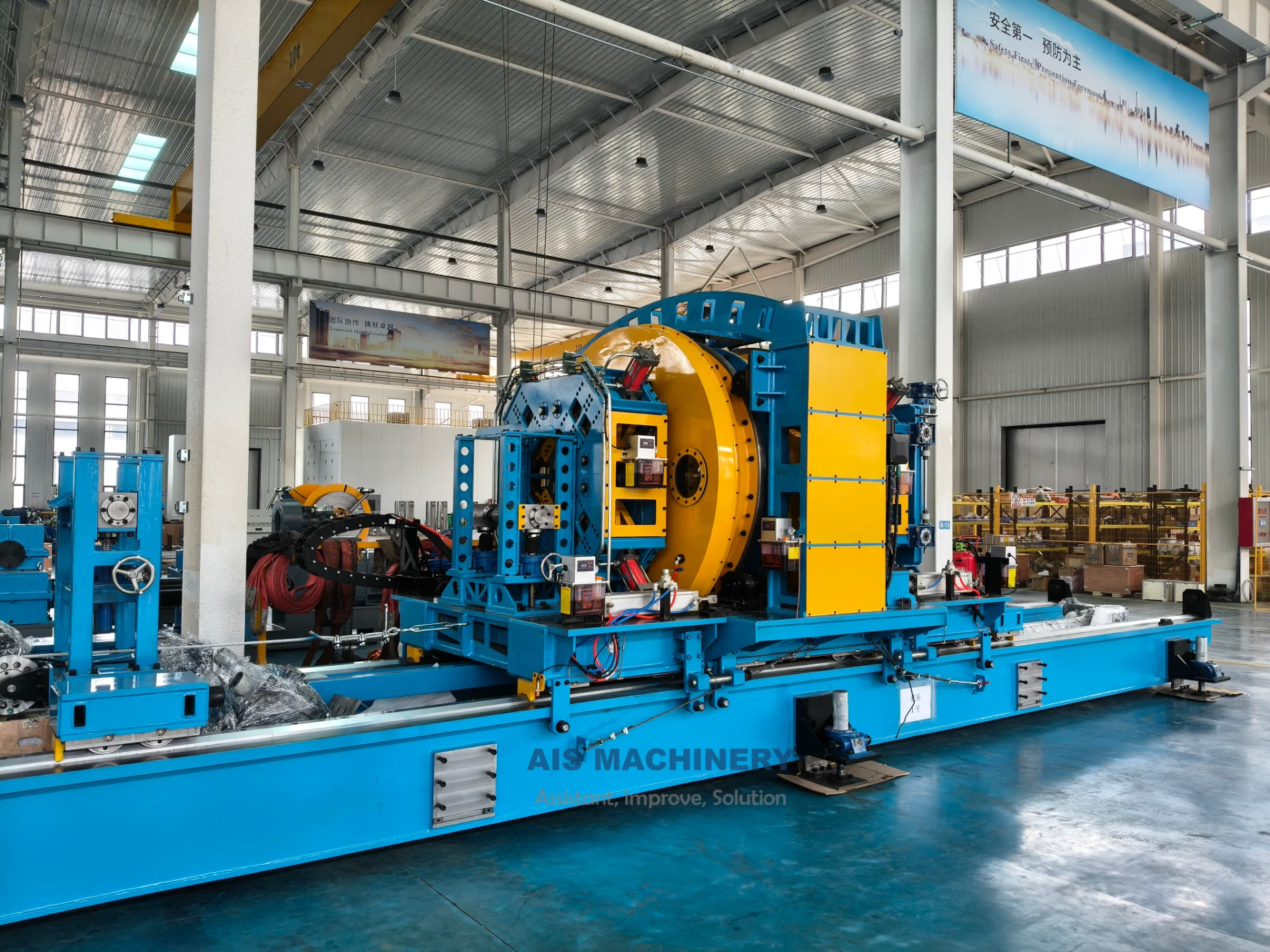
Looking for a Milling Saw for ERW Tube Mill? Here’s What You Need to Know
Looking for a high-performance milling saw for your ERW tube mill? Upgrade to burr-free, high-precision pipe cutting with advanced flying saw technology. Improve efficiency, reduce rework, and meet export standards for carbon steel, stainless steel, and API pipes. Contact us today for expert solutions and competitive pricing tailored to your production needs.
2026-04-09 16:15:19
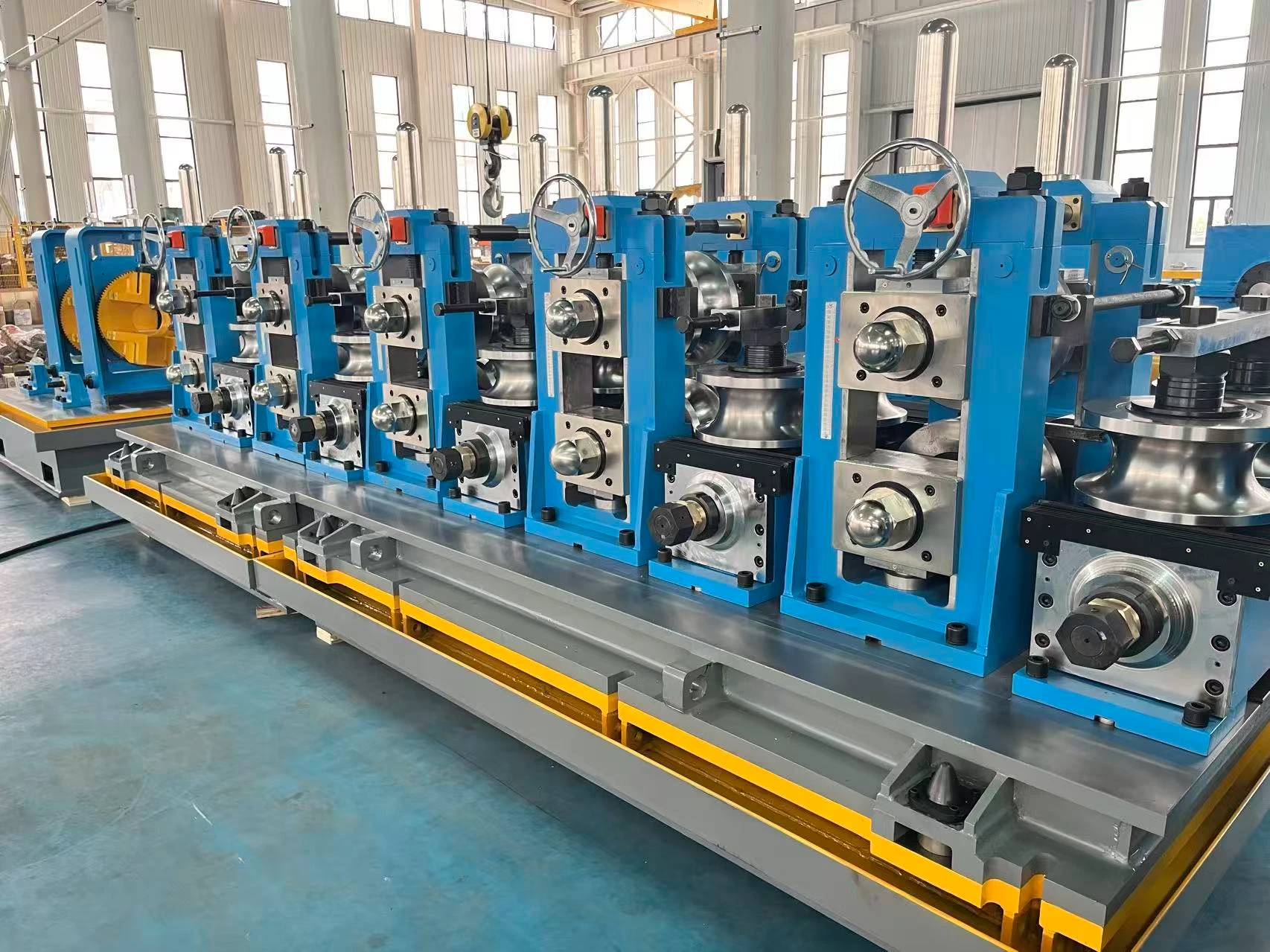
5-Inch (127mm) ERW Tube Making Machine Delivered with Heavy-Duty Design and Advanced Quick Change System
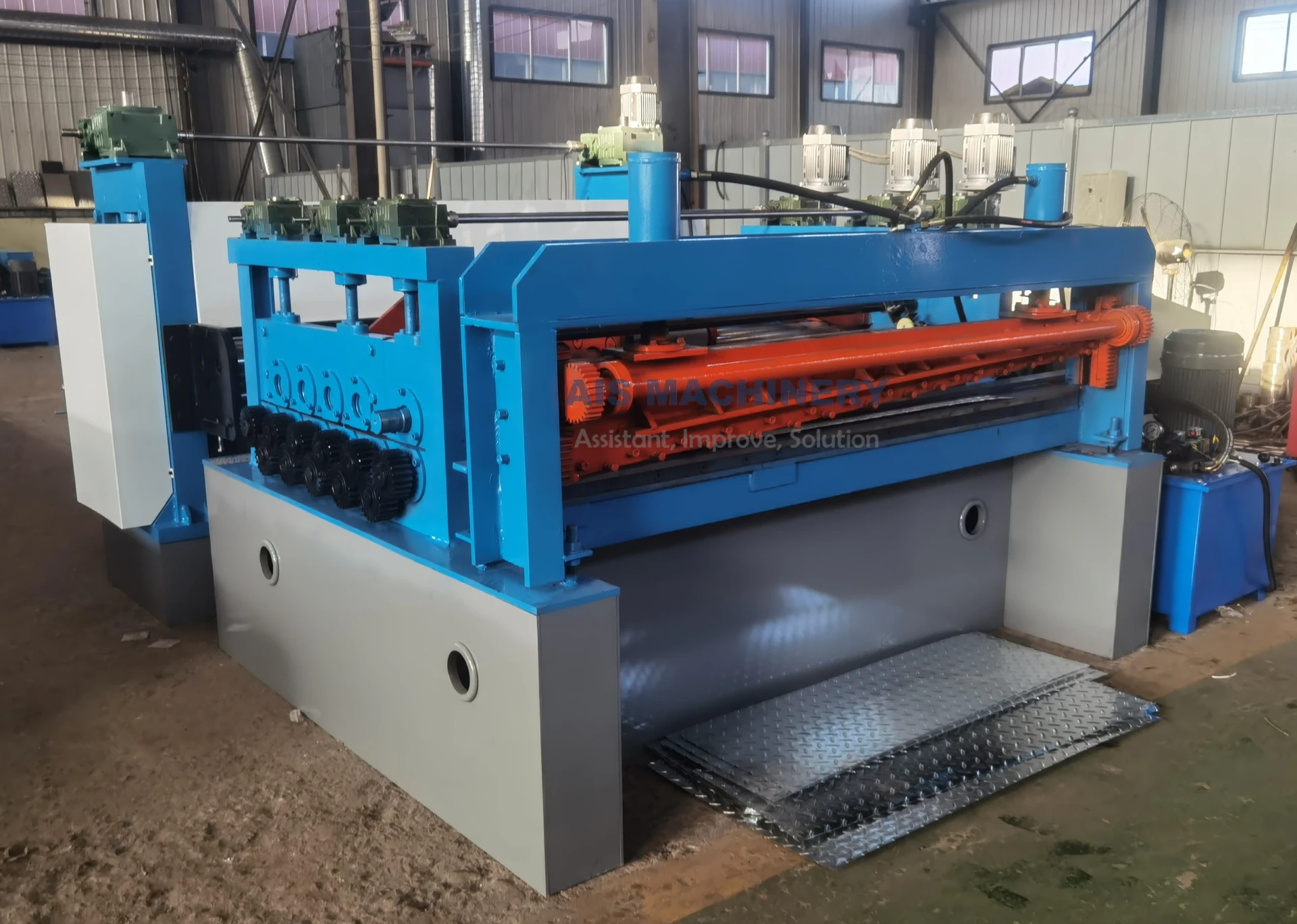
2027-04-07 00:00:00
Metal Embossing Machine: Turn Flat Sheets into High-Value Textured Products
Discover how a metal embossing machine transforms flat steel, stainless steel, and aluminum sheets into high-value textured products. Learn about its working principle, key components, and applications. Ideal for decorative and industrial use, embossing machines improve both appearance and performance. Explore complete embossing line solutions and find the right machine for your production needs.
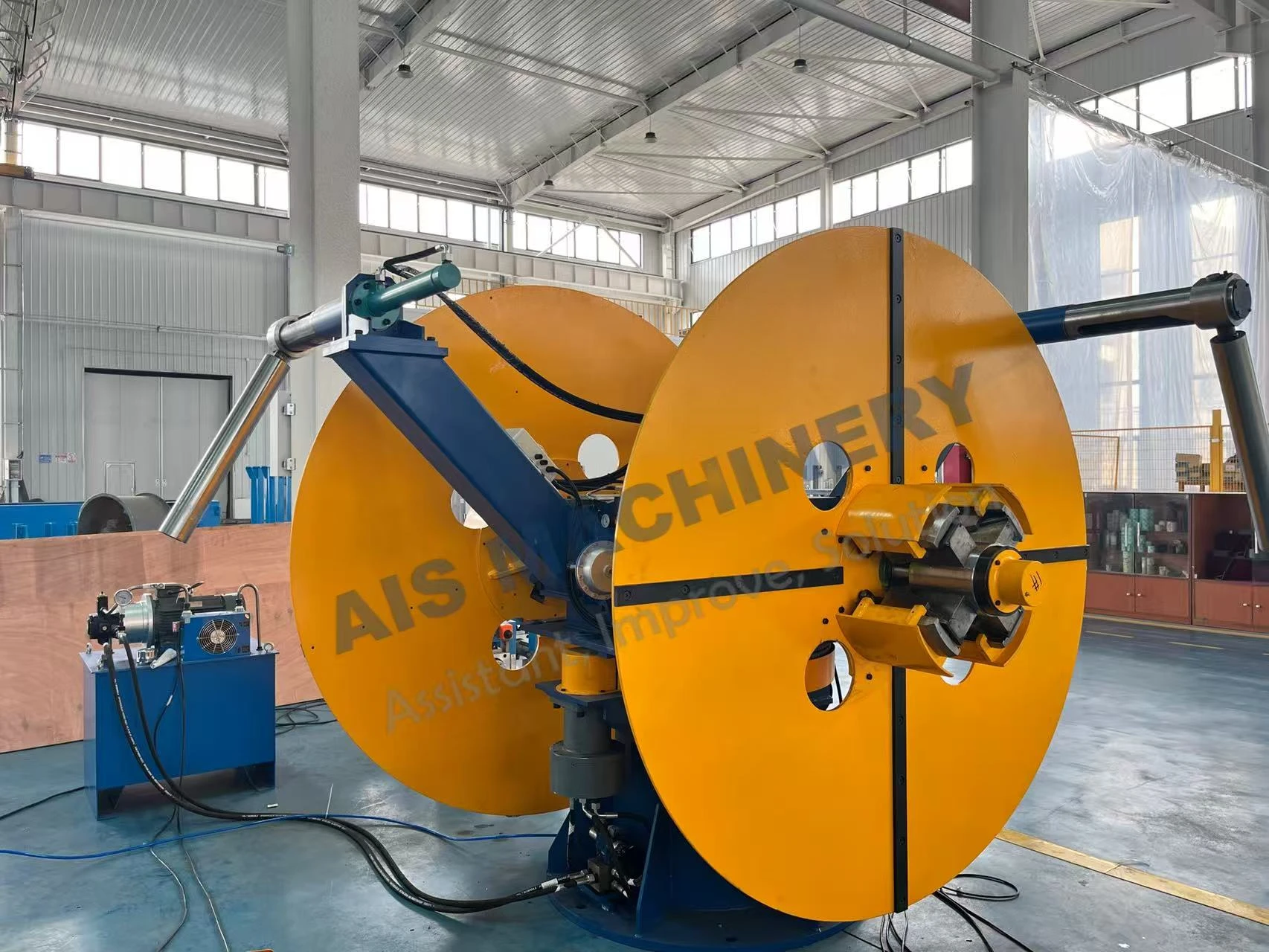
2026-04-04 20:37:18
Automatic Double Side Uncoiler with Hydraulic Expansion and Auto Rotation for Steel Coil Processing
The Automatic Double Side Uncoiler is a high-efficiency solution designed for modern steel coil processing lines, including tube mills, roll forming machines, and slitting lines. With a maximum capacity of 4 tons per side, this machine ensures stable and continuous coil feeding while reducing downtime during coil change.
Send a Message
Dear customer, thank you for your attention! We provide high-quality machinery and equipment and look forward to your orders. Please inform us of your needs and we will respond quickly!
 English
  Albanian
  Arabic
  French
  German
  Indonesian
  Italian
  Japanese
  Kazakh
  Korean
  Latin
Latin  Macedonian
  Portuguese
  Russian
  Spanish
  Thai
Thai  Turkish
  Ukrainian
  Uzbek
Uzbek