
-
 Tel:86-15176910262
-

Search

Essential Guide to Impeder Rods for Efficient Metal Tube Production
Nov . 30, 2025 04:05
Understanding the Impeder Rod: A Small but Mighty Component in Industry
At first glance, an impeder rod might not seem like the star of the manufacturing or industrial stage. Yet, this humble device plays an outsized role in ensuring efficiency and product quality in various metal forming processes worldwide. From rolling mills in Asia to tube production lines in Europe, impeder rods reduce unwanted material buildup and save manufacturers time and money. The global metal processing market, expected to reach USD 330 billion by 2027 (per market reports), leans heavily on such technical innovations to keep pace with rising demand and sustainability goals.
So why are impeder rods worth a deep dive? Because understanding their function and benefits isn't just for engineers tucked away in factories. It influences supply chains, environmental footprints, and even workforce safety. Here’s a clear-eyed look at what an impeder rod is, why it matters globally, and how it’s evolving in today’s industry.
The Global Context: Why the Industrial World Needs Impeder Rods
Metal tube manufacturing and seamless pipe production make up a crucial part of the global industrial fabric—witness the estimated 300 million metric tons of steel tubes produced annually.[1] Yet, these processes don’t always run smoothly. One persistent challenge is the unwanted buildup of molten metal inside induction coils, increasing wear, energy use, and downtime. That’s where the impeder rod steps in.
By reducing skin effect losses and guiding current flow in forming coils, impeder rods help optimize the induction heating process. According to ISO standards relating to induction heating systems (e.g., ISO 5167), effective heating translates to energy efficiency and consistent product quality — something the World Bank highlights as critical for sustainable industrial growth.[2]
Without such technical solutions, factories may experience higher scrap rates and increased carbon footprints — a double whammy in a world striving for leaner production and greener footprints.
What Exactly Is an Impeder Rod?
Simply put, an impeder rod is a copper or copper-alloy rod inserted inside induction heating coils in processes like tube rolling and seamless pipe manufacturing. Its core function is to “impede” the flow of eddy currents within the coil and melt, thereby focusing the heating effect more precisely where it’s needed.
Think of an impeder rod as a tiny director in a crowded concert hall, ensuring the performance hits all the right notes without waste. By restricting stray currents, it reduces wasted heat and prevents defects like excessive scale buildup or internal tube damage.
In terms of modern industry, impeder rods contribute greatly to efficient steel tube production, a material backbone for sectors ranging from oil and gas to construction and automotive manufacturing. They’ve quietly enabled the steady supply of high-quality pipes essential for global infrastructure and humanitarian needs, such as clean water delivery in developing regions.
Core Features to Know About an Impeder Rod
- Durability: Made often from oxygen-free copper or copper alloys, impeder rods must withstand high temperatures and mechanical stress inside coils.
- Thermal Conductivity: Good conductivity helps prevent hot spots and uneven heat distribution, enhancing product consistency.
- Scalability: Impeder rods come in various sizes, enabling them to fit diverse coil diameters and production scales.
- Cost Efficiency: Though a small component, their role in minimizing energy use and scrap lowers overall operation costs.
- Customization: Some manufacturers design bespoke impeder rods tailored for specific tube sizes or coil geometries.
Mini takeaway: Knowing these features helps buyers and engineers pick the right impeder rod for their production lines—there’s no one-size-fits-all, after all.
Global Use Cases: Where Impeder Rods Make Their Mark
From the rolling mills of South Korea to tube manufacturers in Germany and India, impeder rods are everywhere you look in industrial metal forming. For example:
- Oil & Gas Industry: Seamless tubes used in pipelines rely on precise heating cycles, where impeder rods optimize efficiency and product lifespan.
- Construction: Steel tubes for scaffolding and frameworks benefit from reduced surface defects thanks to consistent coil heating.
- Automotive Manufacturing: Hollow shafts and tubular frames need uniform heat treatment; impeder rods ensure this with minimal energy waste.
- Emerging Markets: In regions like Southeast Asia and Latin America, manufacturers are adopting advanced impeder rods to catch up on quality and gain export approval.
Oddly enough, these rods also have uses beyond pure industry—some water treatment plants use variants to promote metal longevity in pipeworks, demonstrating their often overlooked versatility.
Advantages and Long-Term Value of Using Impeder Rods
At a glance, the advantages boil down to three things: quality, cost savings, and sustainability.
- Energy Efficiency: By focusing the induction current, impeder rods reduce unnecessary power consumption — always a win in today’s eco-conscious market.
- Lower Scrap Rates: Improved heating uniformity means fewer defects and less material waste.
- Equipment Longevity: Minimizing coil and tube damage decreases maintenance costs and improves plant uptime.
- Consistent Product Quality: Especially important for applications where safety is non-negotiable, like oil pipelines.
- Social Impact: Reliability in production supports supply chains for critical infrastructure, indirectly boosting community well-being.
Emotionally speaking, it’s comforting to know that such a small component plays a role in preventing industrial accidents or failures downstream. Innovation and trust quietly woven into the metal veins of our modern world.
Technical Specifications at a Glance
| Specification | Typical Value | Notes |
|---|---|---|
| Material | Oxygen-Free Copper / Cu Alloys | Ensures high conductivity & durability |
| Length | 100-300 mm (customizable) | Based on coil design |
| Diameter | 20-60 mm | Varies by tube size |
| Operating Temperature | Up to 1200°C | High thermal resistance required |
Vendor Comparison: Choosing the Right Supplier
| Vendor | Lead Time | Customization Options | Price Range | Quality Certification |
|---|---|---|---|---|
| AisTube Mill | 2-3 weeks | Full customization | $$$ | ISO 9001 & CE |
| Global Impeders Inc. | 1-2 weeks | Standard sizes only | $$ | ISO 9001 |
| Metal Form Components | 3-4 weeks | Partial customization | $$ | None certified |
Looking Ahead: Innovations Shaping the Future of Impeder Rods
The industrial sector is no stranger to change, and impeder rods are evolving too. Researchers are exploring advanced copper alloys with embedded nanoparticles to improve thermal shock resistance — a game-changer for high-speed production.[3]
Digitally controlled induction coils combined with smart impeder rods promise to optimize heating in real-time, reducing waste and costs even further. Plus, with rising global emphasis on sustainability, manufacturers are experimenting with greener production methods for these rods themselves, along with recycling initiatives.
Common Challenges and How Experts are Tackling Them
Despite their benefits, impeder rods aren't without headaches. Over time, intense heat cycling can cause deformation, reducing performance. Also, mismatches in coil and impeder sizing lead to suboptimal heating. Some manufacturers report contamination issues from oxidation inside coils.
Innovative coating techniques and precise manufacturing tolerances address many of these problems today. Plus, the rise of digital design tools lets engineers simulate heating patterns before production, drastically cutting trial-and-error.
FAQs About Impeder Rods
What materials are best suited for an impeder rod?
Oxygen-free high conductivity copper and its alloys are preferred due to excellent thermal and electrical properties. These materials endure high temperatures and reduce electrical losses inside the coil for consistent heating.
How often should impeder rods be replaced?
Replacement cycles vary depending on usage and operating temperature but generally range from 12 to 24 months in heavy industrial use. Regular inspections help identify signs of wear or deformation early.
Can impeder rods be customized for special tube sizes?
Absolutely. Many vendors, including impeder rod specialists, offer customized lengths and diameters tailored to specific coil designs or tube manufacturing requirements.
Do impeder rods help reduce energy consumption?
Yes. By concentrating the electromagnetic field and reducing stray currents, impeder rods enhance heating efficiency, which can lower electricity use and operational costs.
Are impeder rods environmentally friendly?
While made from copper-based materials, many manufacturers are adopting recycling programs and using eco-friendly coatings to minimize environmental impact during production and disposal.
Final Thoughts and Next Steps
It might sound obvious by now, but the impeder rod really is one of those “small parts, big impact” stories in industrial manufacturing. Its precise function boosts quality, cuts waste, and supports sustainable growth — hard to argue with that combination. Whether you’re a mill operator, engineer, or procurement manager, knowing about impeder rods helps in making smarter, greener decisions.
Want to learn more or find the perfect impeder rod for your production line? Visit our website — the specialists who live and breathe these components.
Mini takeaway: In the end, impeder rods are a great example of how advancing even the tiniest details can revolutionize industrial efficiency.
References

Related Products

Related News
2026-04-28 08:56:05
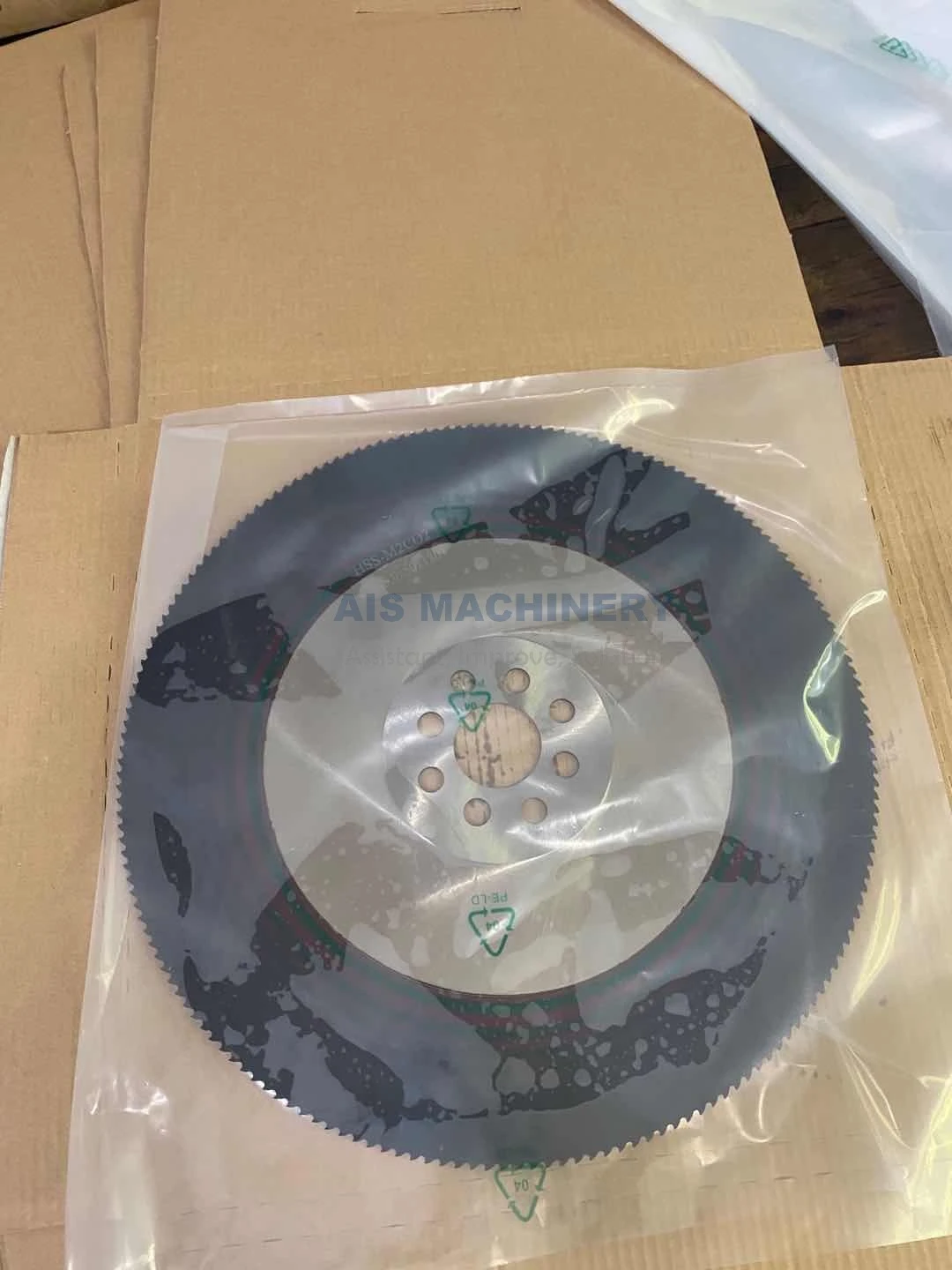
Saw Blade Guide for Tube Mills: Friction vs HSS vs TCT — Which One Should You Choose?
Confused about friction saw, HSS, and TCT blades? This guide explains their uses in cold saw and friction saw machines, with pros, cons, and expert selection tips.
2026-04-24 08:54:16
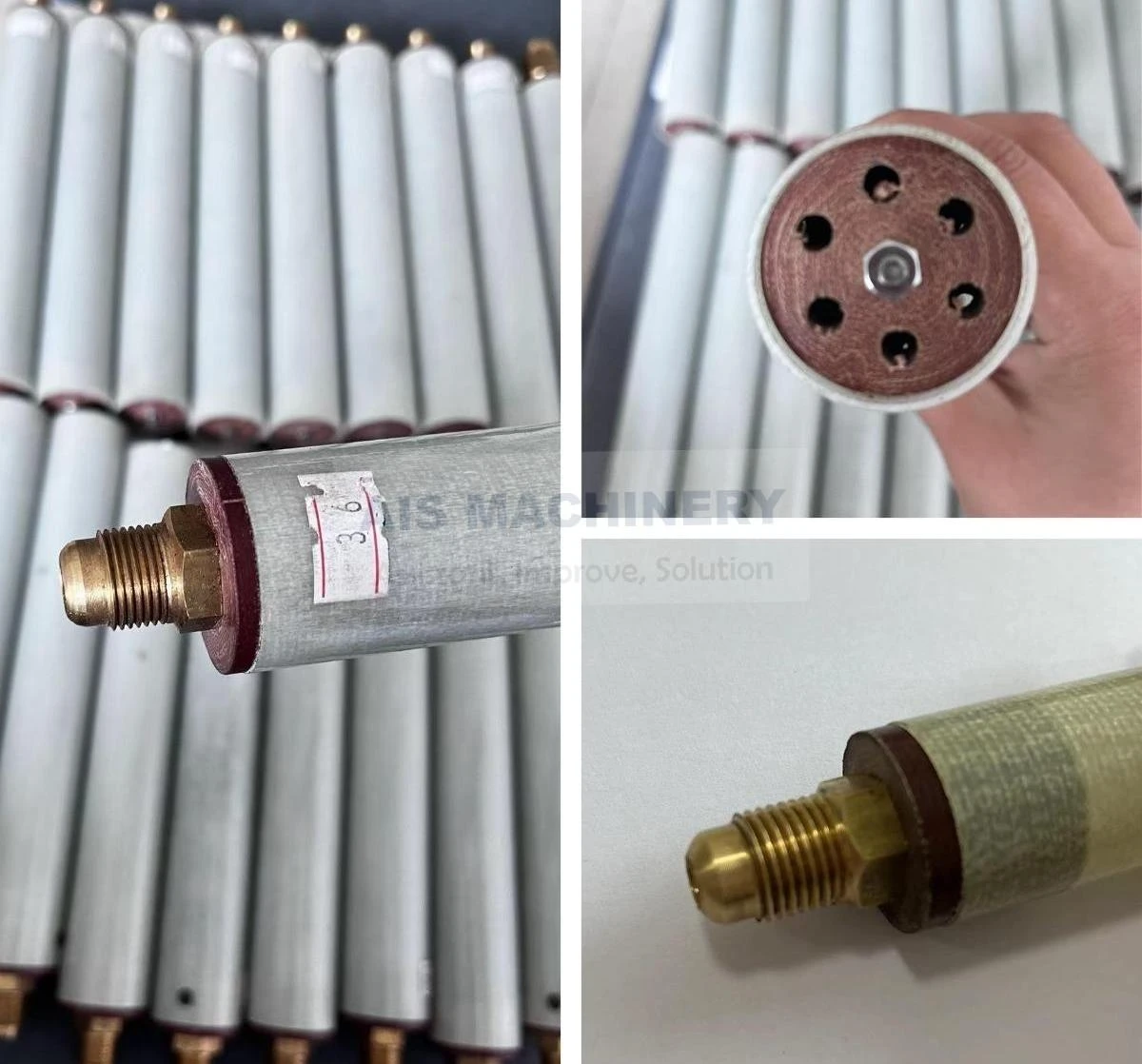
What is an Impeder and Ferrite Rods in ERW Tube Mill?
Struggling with impeder overheating or short service life in your ERW tube mill? This guide explains common impeder problems, the role of ferrite rods, and how to choose the right impeder for stable welding performance. Improve weld quality, reduce energy loss, and extend equipment lifespan with the right selection and proper cooling solutions.
2026-04-21 10:22:25
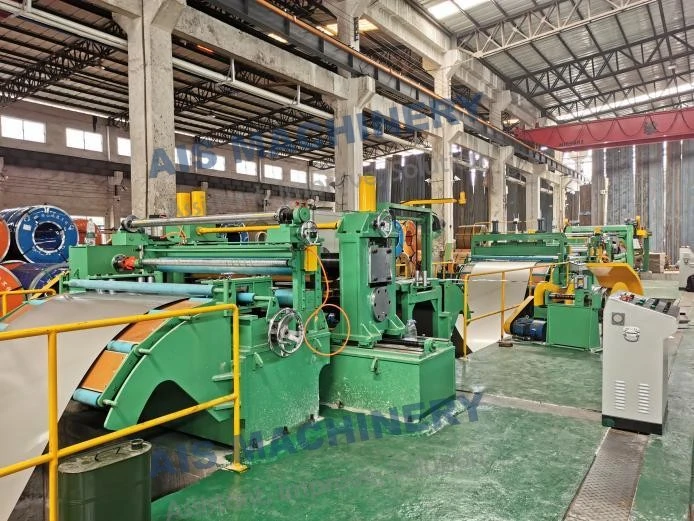
Slitting & Cut-to-Length Combined Production Line: A Smarter Way to Process Steel Coils
Discover the Slitting & Cut-to-Length Combined Production Line, a flexible solution for steel coil processing. This system integrates slitting line and cut-to-length line functions in one machine, saving space, reducing costs, and improving efficiency. Ideal for processing both steel strips and sheets, it is widely used in service centers and manufacturing industries. Learn its advantages, limitations, and applications.
2026-04-18 03:20:20
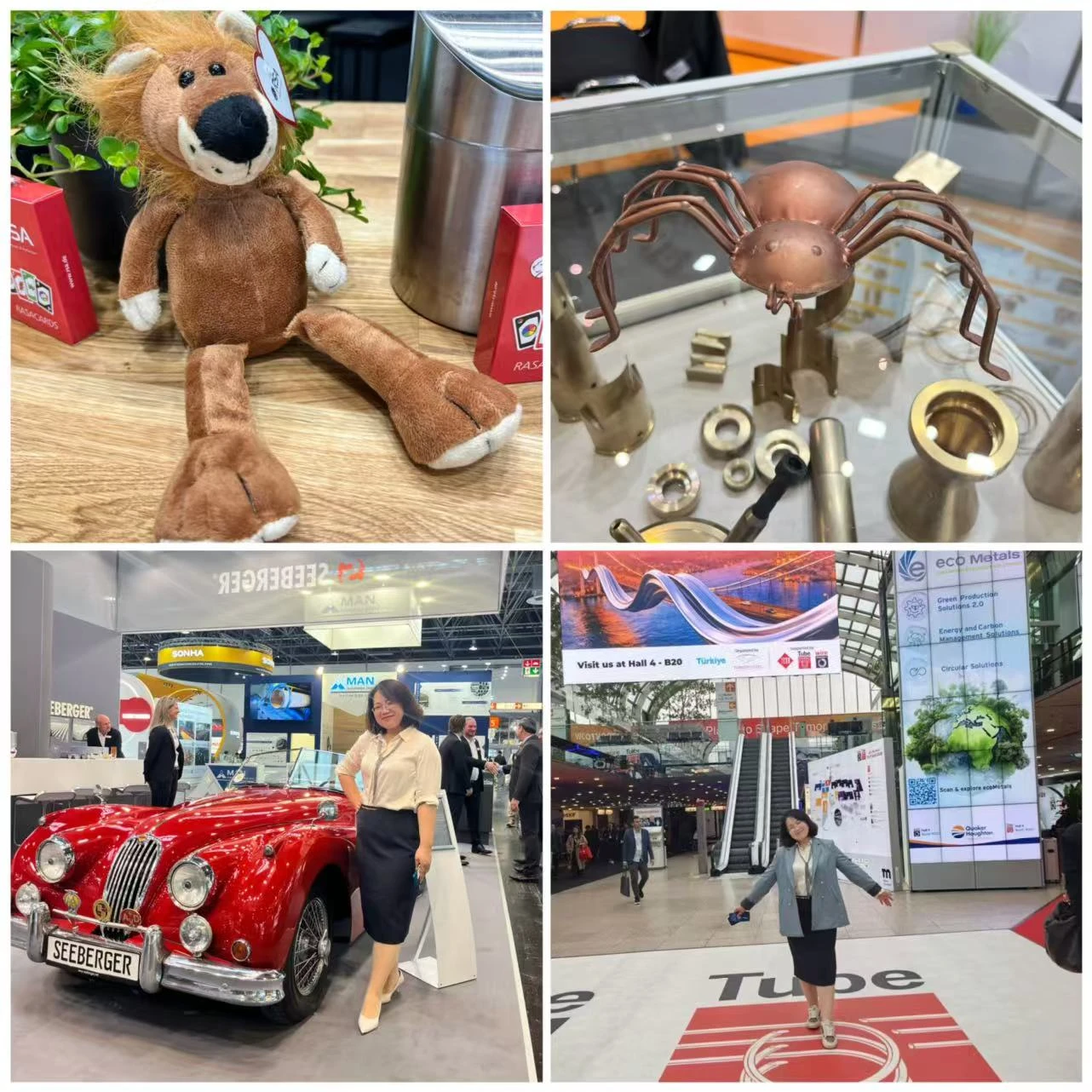
AIS Machinery Showcases Advanced Tube Solutions at Tube & Wire Düsseldorf 2026
Tube & Wire Düsseldorf 2026, one of the most influential exhibitions in the global tube and wire industry, held biennially in Düsseldorf, Germany
2026-04-17 00:00:00
Southeast Asia Client Visits Our Factory | Customized Tube Mill Solution Delivered
A Southeast Asia client visited our ERW tube mill factory to inspect production lines and discuss a customized tube mill solution. Impressed by our machine quality, welding performance, and engineering support, the client confirmed strong cooperation intentions. Discover how our ERW tube mill solutions improve efficiency, precision, and long-term production reliability.
2026-04-15 10:37:55
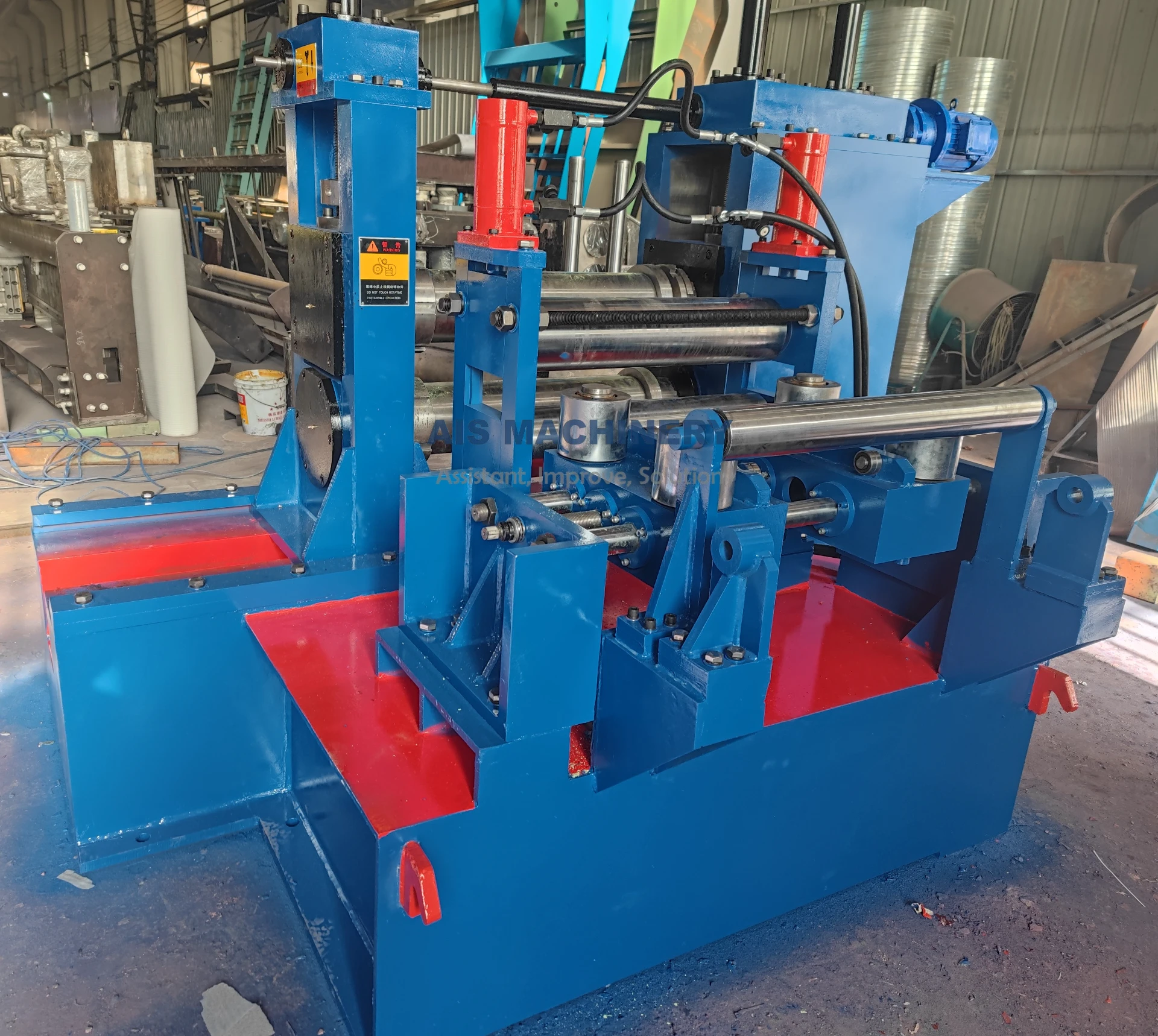
Flat Bar Production Line for Steel Coils: How It Works & Why It Matters
Looking for a flat bar production line? Learn how it turns steel coils into ready-to-use flat bars with precise length and high straightness. Compare it with slitting lines and get the best solution for your steel processing needs.
2026-04-14 00:00:00
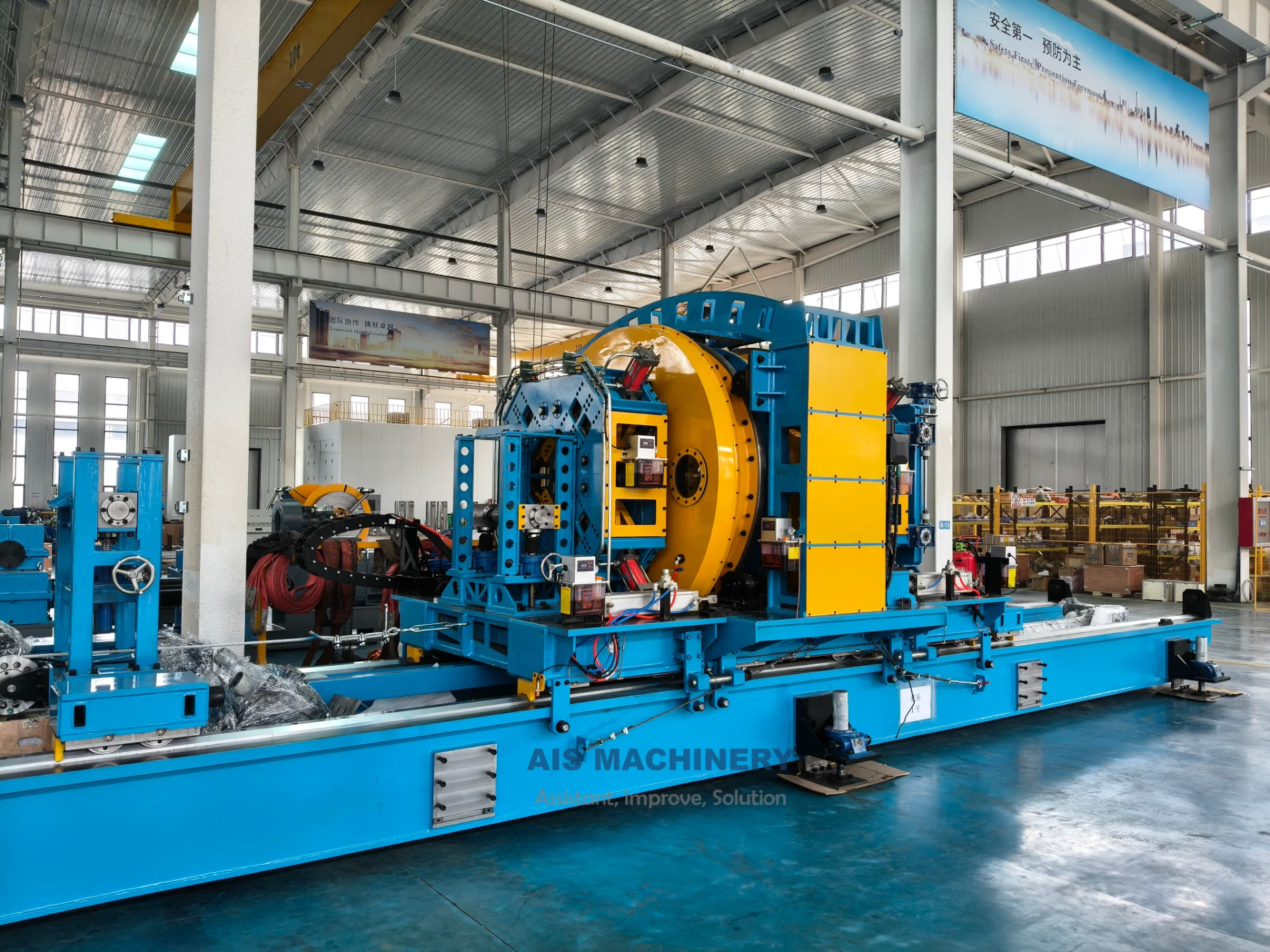
Looking for a Milling Saw for ERW Tube Mill? Here’s What You Need to Know
Looking for a high-performance milling saw for your ERW tube mill? Upgrade to burr-free, high-precision pipe cutting with advanced flying saw technology. Improve efficiency, reduce rework, and meet export standards for carbon steel, stainless steel, and API pipes. Contact us today for expert solutions and competitive pricing tailored to your production needs.
2026-04-09 16:15:19
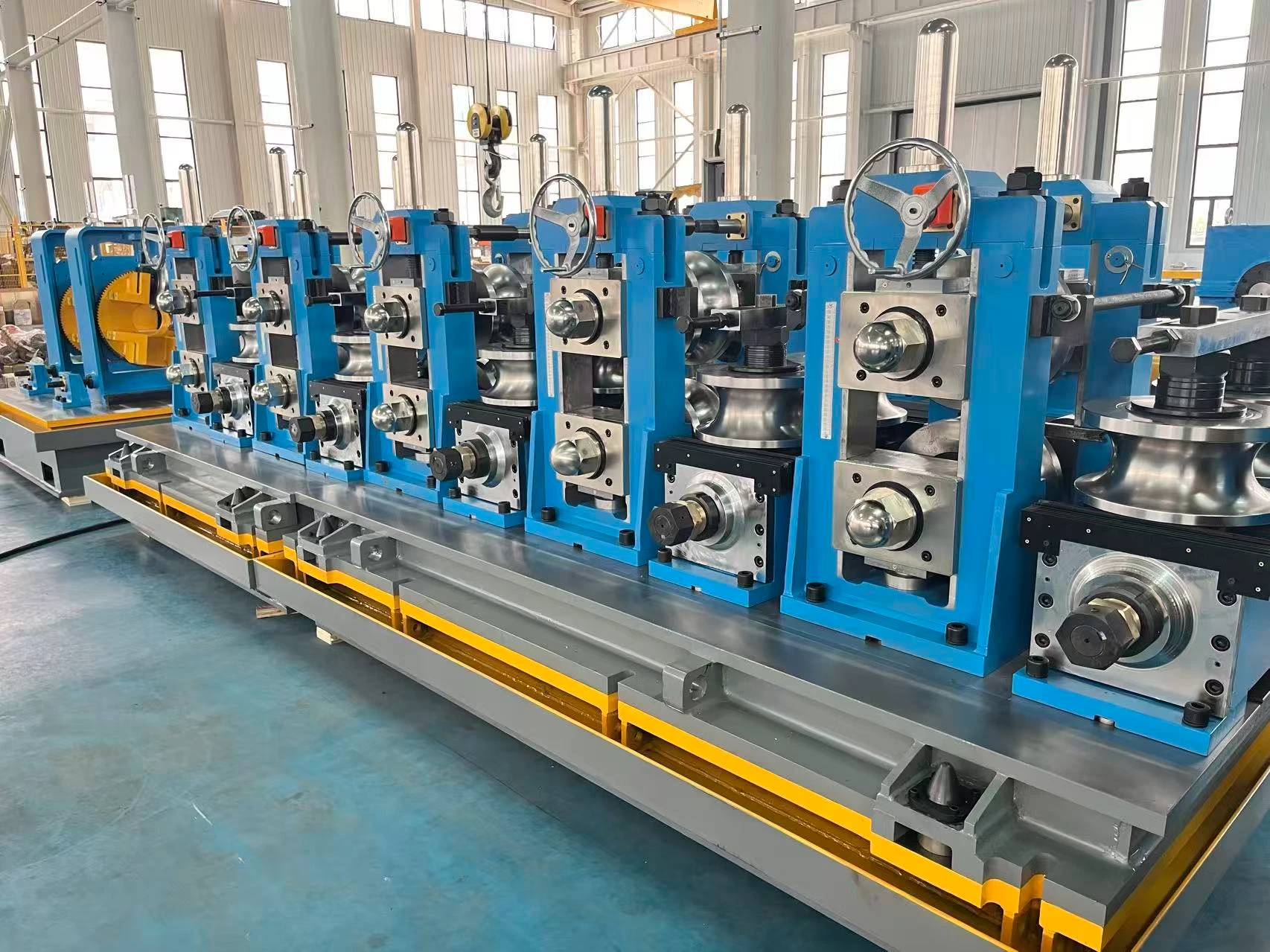
5-Inch (127mm) ERW Tube Making Machine Delivered with Heavy-Duty Design and Advanced Quick Change System
Send a Message
Dear customer, thank you for your attention! We provide high-quality machinery and equipment and look forward to your orders. Please inform us of your needs and we will respond quickly!
 English
  Albanian
  Arabic
  French
  German
  Indonesian
  Italian
  Japanese
  Kazakh
  Korean
  Latin
Latin  Macedonian
  Portuguese
  Russian
  Spanish
  Thai
Thai  Turkish
  Ukrainian
  Uzbek
Uzbek